The Creative PartnerYour Account Has Been Missing
Get a full picture of where you are and exactly what content to make next.
Based on thousands of top posts landing on social right now.
Your Account must have at least 10 reels/videos for accurate analysis.
Inspotta is your content partner who knows what you're making, where you're going, and what's working right now.
Stop Flying Solo With Your Content
The clarity, direction, and intelligence your content has been missing.
Knows Your Content
And Your Goals
Inspotta studies your actual content and identifies what's working and what you're missing. Receive real feedback on your posts.
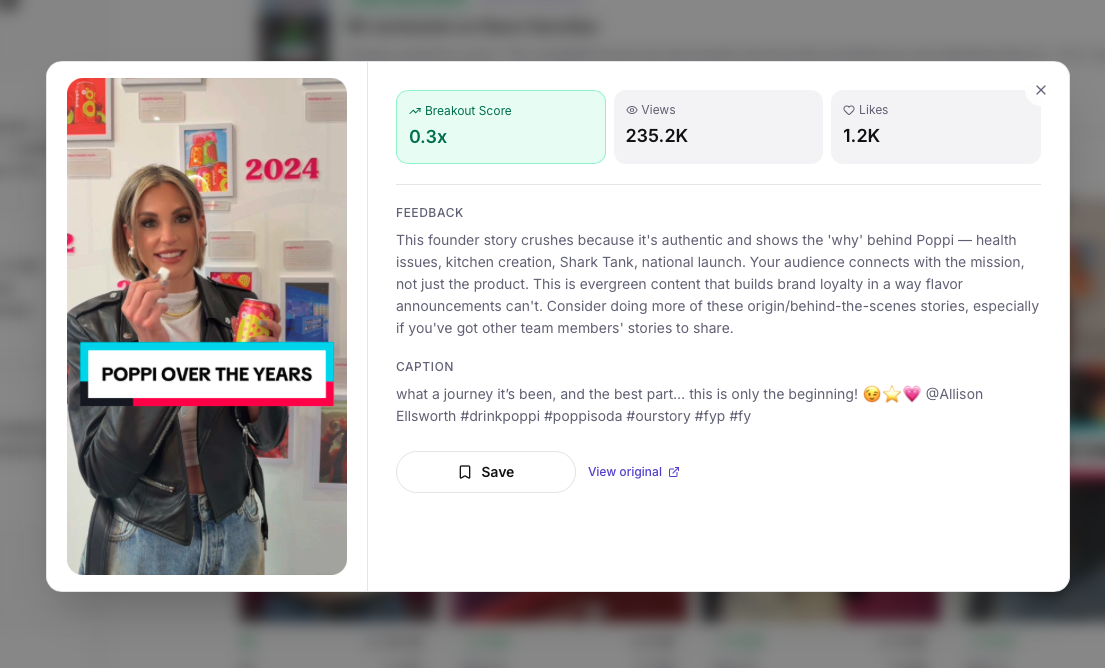
Knows Whats Working
On Social Today
Thousands of posts analyzed every week. Your strategy is always based on what's landing now.

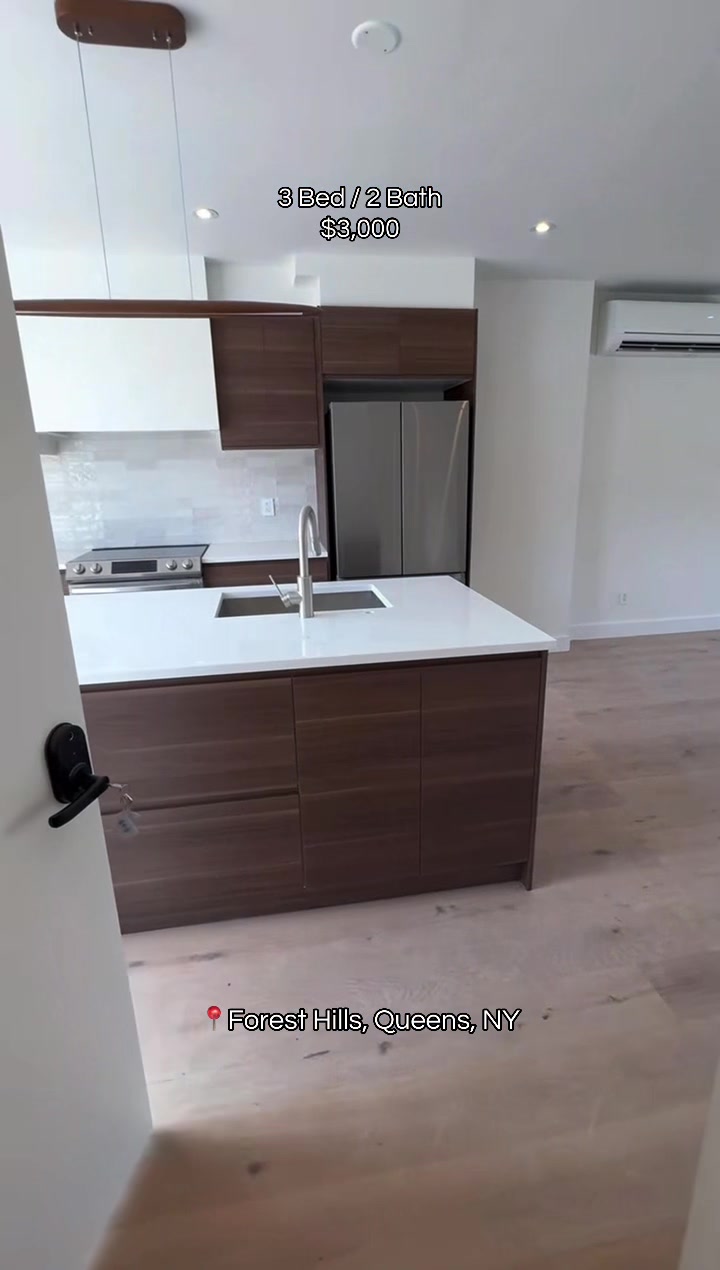
The "Just Listed" announcement taps into the aspirational real estate sweet spot—showcasing a polished, move-in-ready home with resort amenities in strong daylight. People share listings they'd actually want, and the clean presentation removes friction from imagining themselves there.

People clicked because a real person addressed a genuine safety concern in her industry with straightforward honesty. The relatable vulnerability of explaining why realtors need protective measures tapped into something viewers hadn't considered, making the content feel both educational and personal.
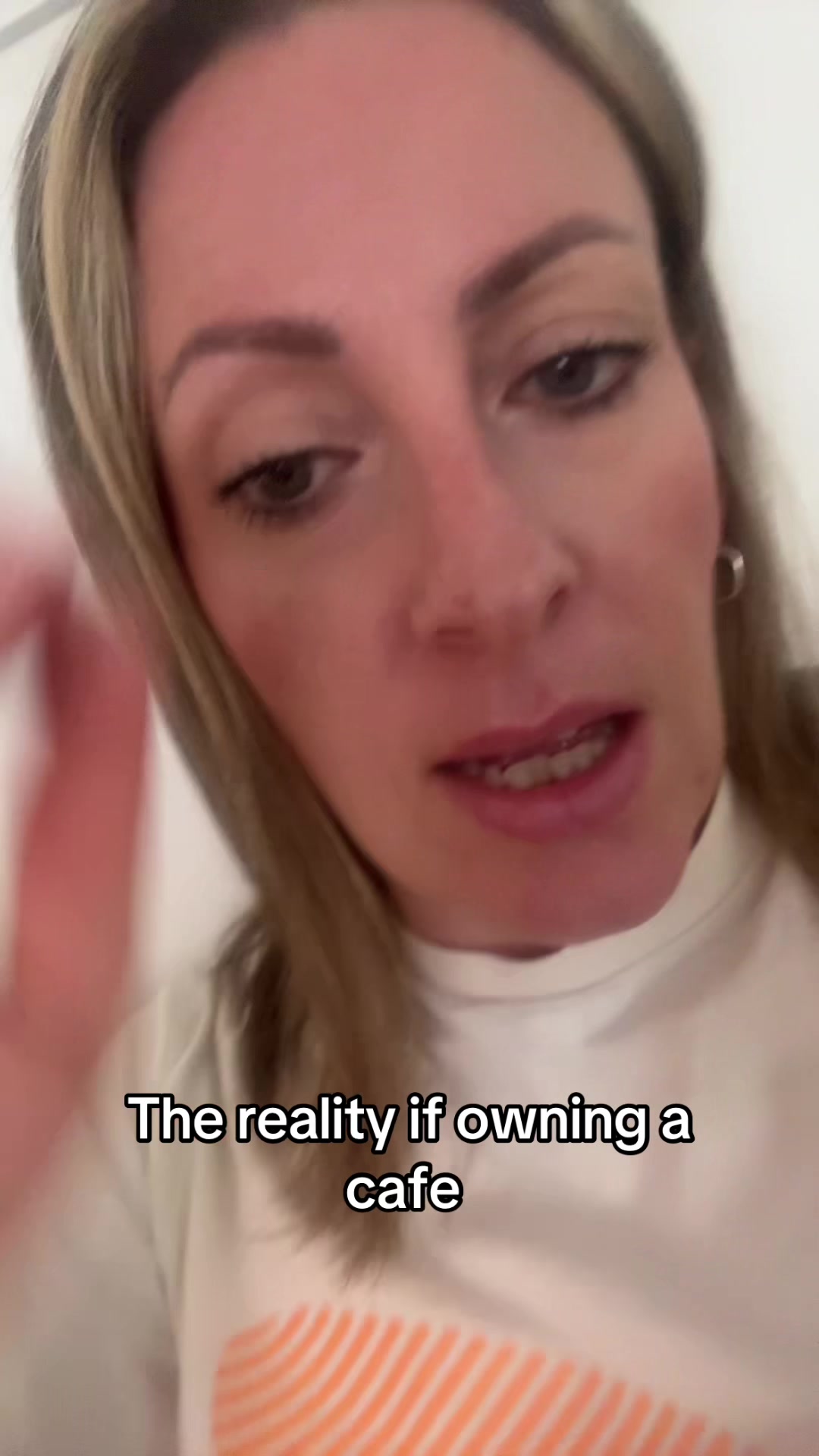
Raw vulnerability about small business struggles cuts through the noise because it's honest about the gap between the dream and the grind. People in similar situations see themselves reflected back, which sparks genuine conversation rather than polished inspiration.
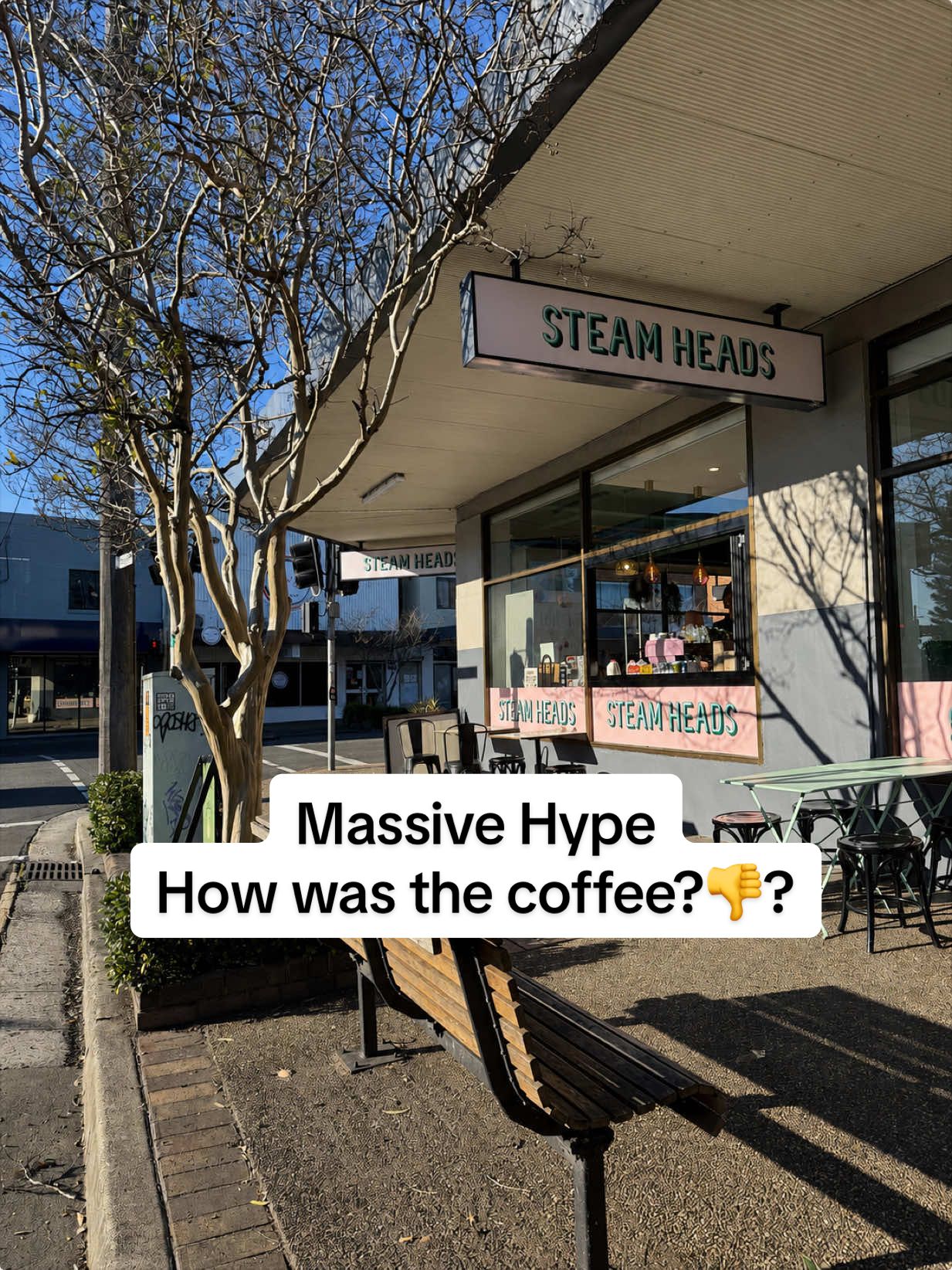
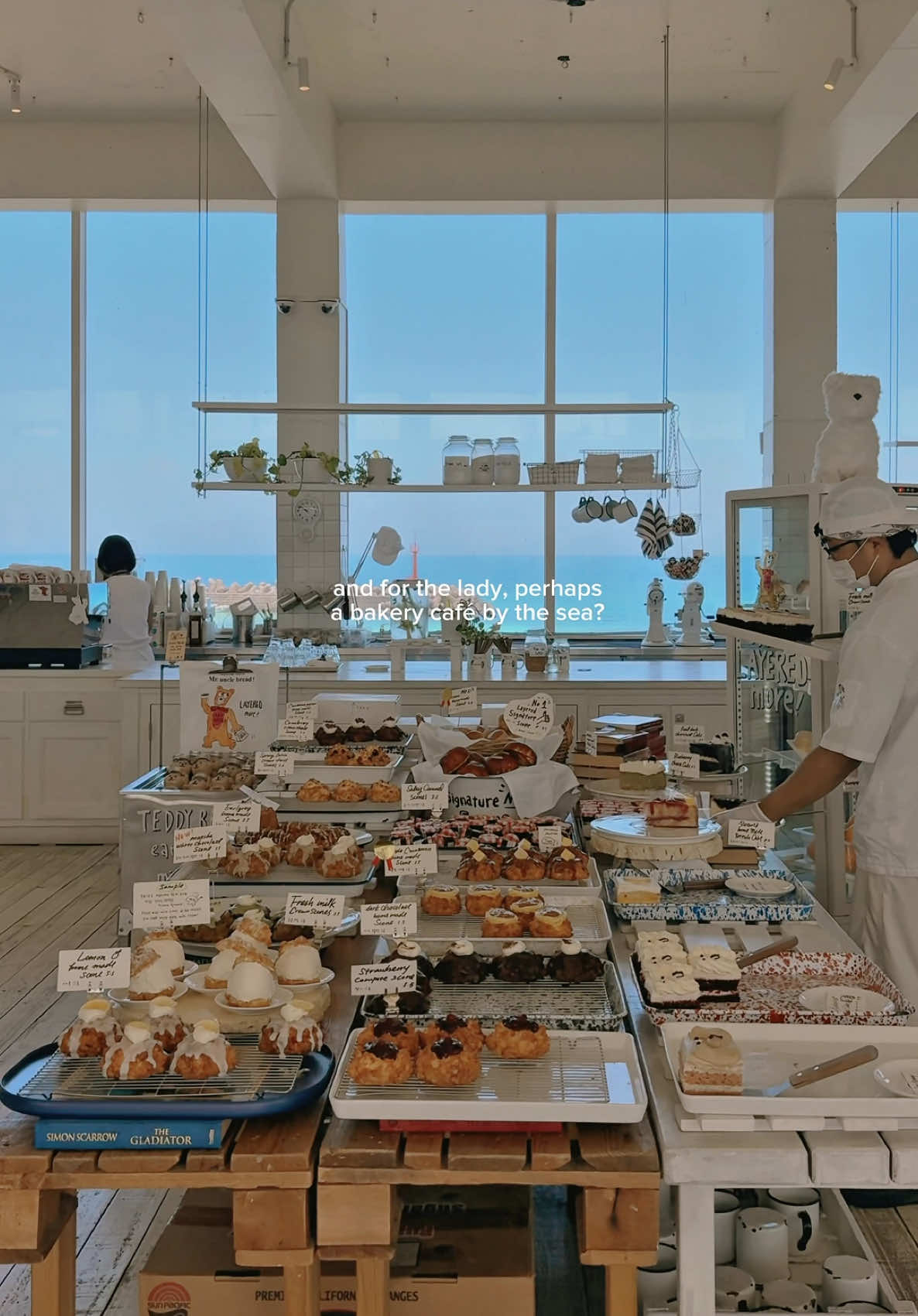
The post taps into local pride and community debate by making a bold claim that invites pushback. People engage because they either defend their beloved spot or champion their own favorite, creating a discussion that feels personal and invested rather than promotional.

Showcasing local craftsmanship and ingenuity in action taps into pride and authenticity. People engage deeply when they see someone solving real problems with skill, especially when it reflects cultural identity and resourcefulness.

People are hungry for unglamorous career stories that prove you don't need the "perfect" path to succeed. Ruby's early start and accidental industry entry humanizes a sector most see as stuffy, while her genuine personality makes career advice feel like a friend sharing real experience rather than a lecture.


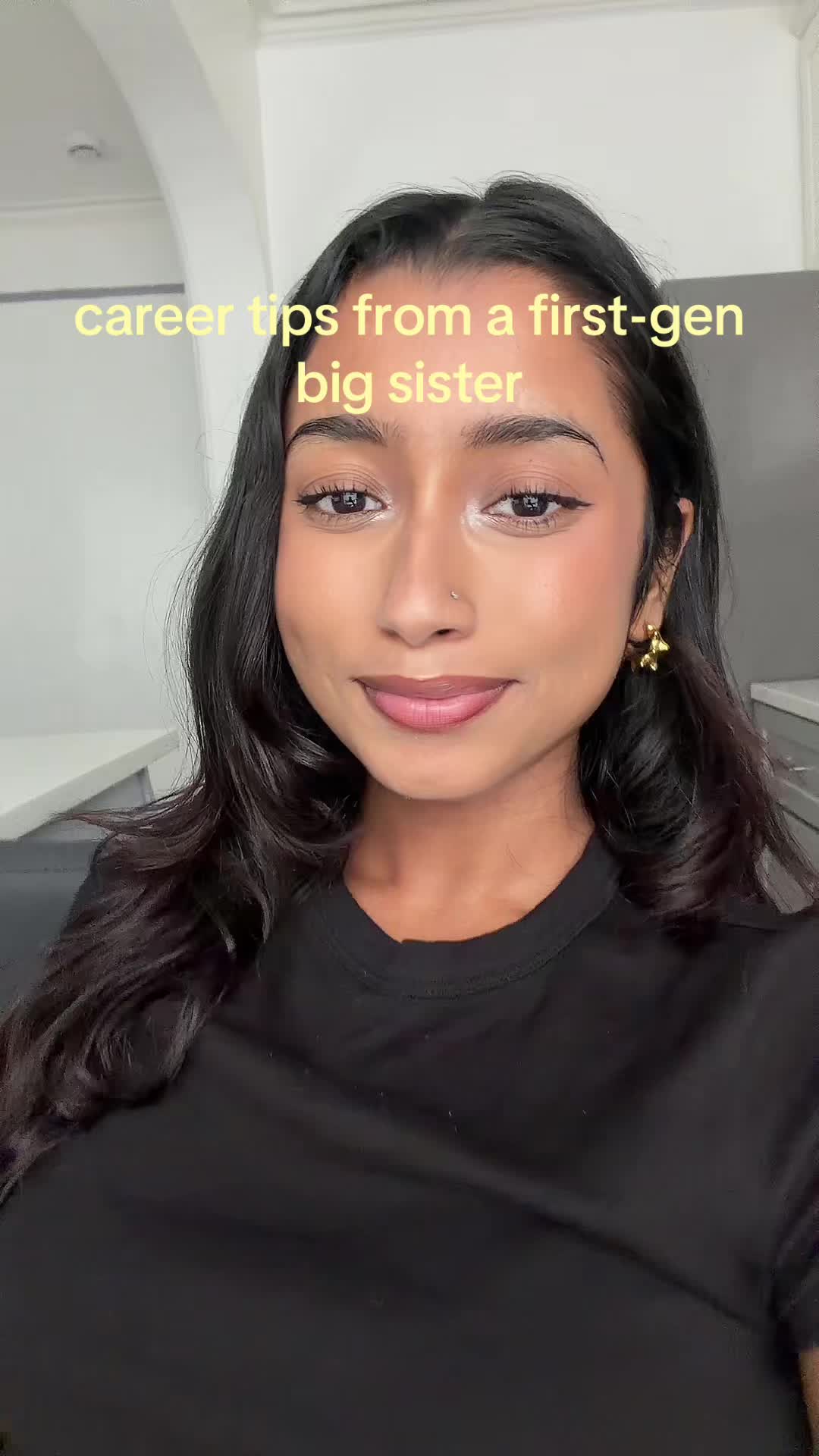
The specificity of being a "first-gen big sister" giving career advice hits harder than generic motivation. People see themselves in this exact position—either as the younger sibling hungry for real wisdom or the older one who figured things out first. The authenticity of lived experience beats polished advice every time.

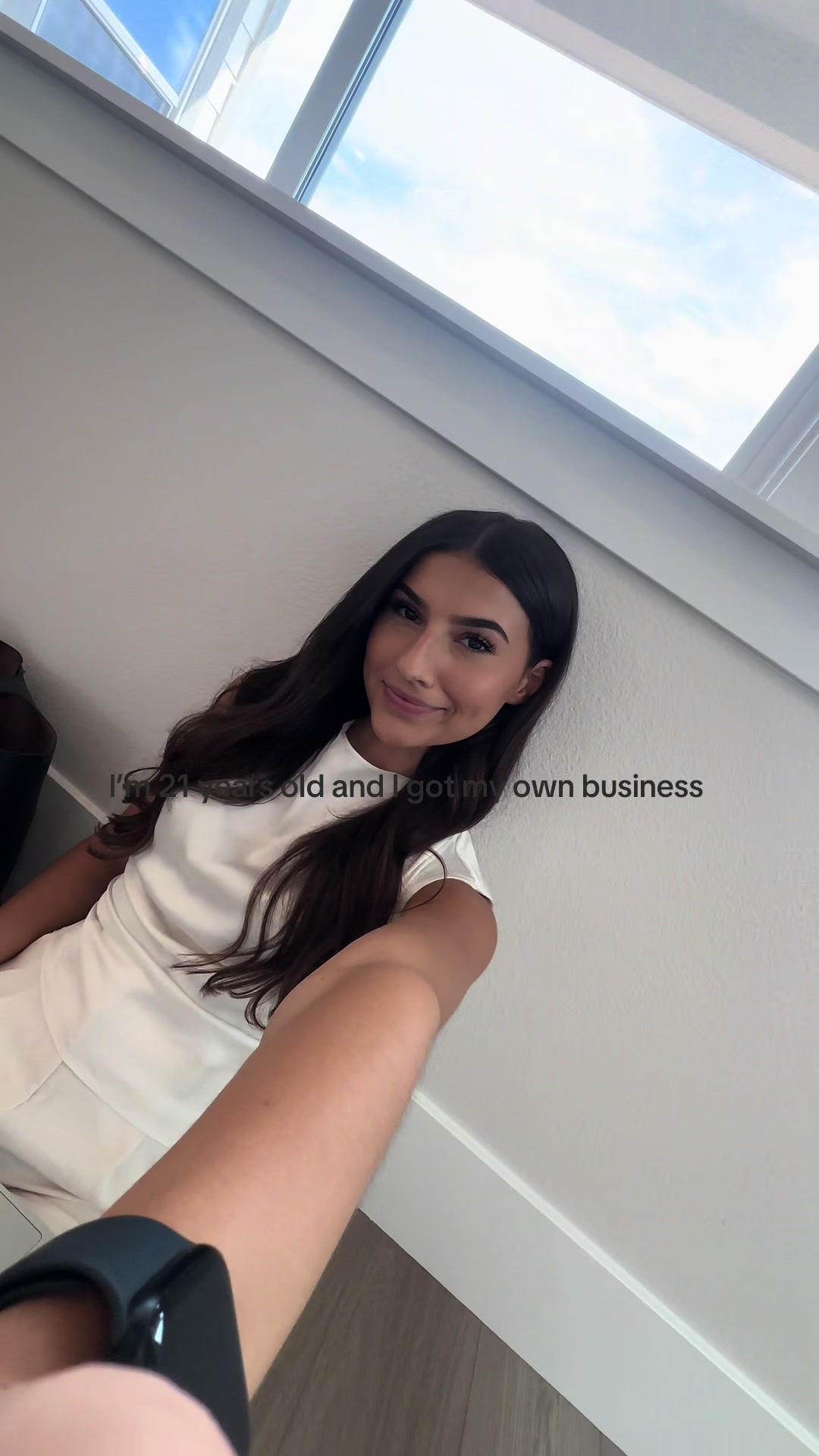
The raw honesty about business ownership hitting different. Showing cash immediately disappearing into overhead costs taps into the shared frustration small business owners feel when growth doesn't equal personal wealth. The vulnerability paired with relatability generates massive engagement.
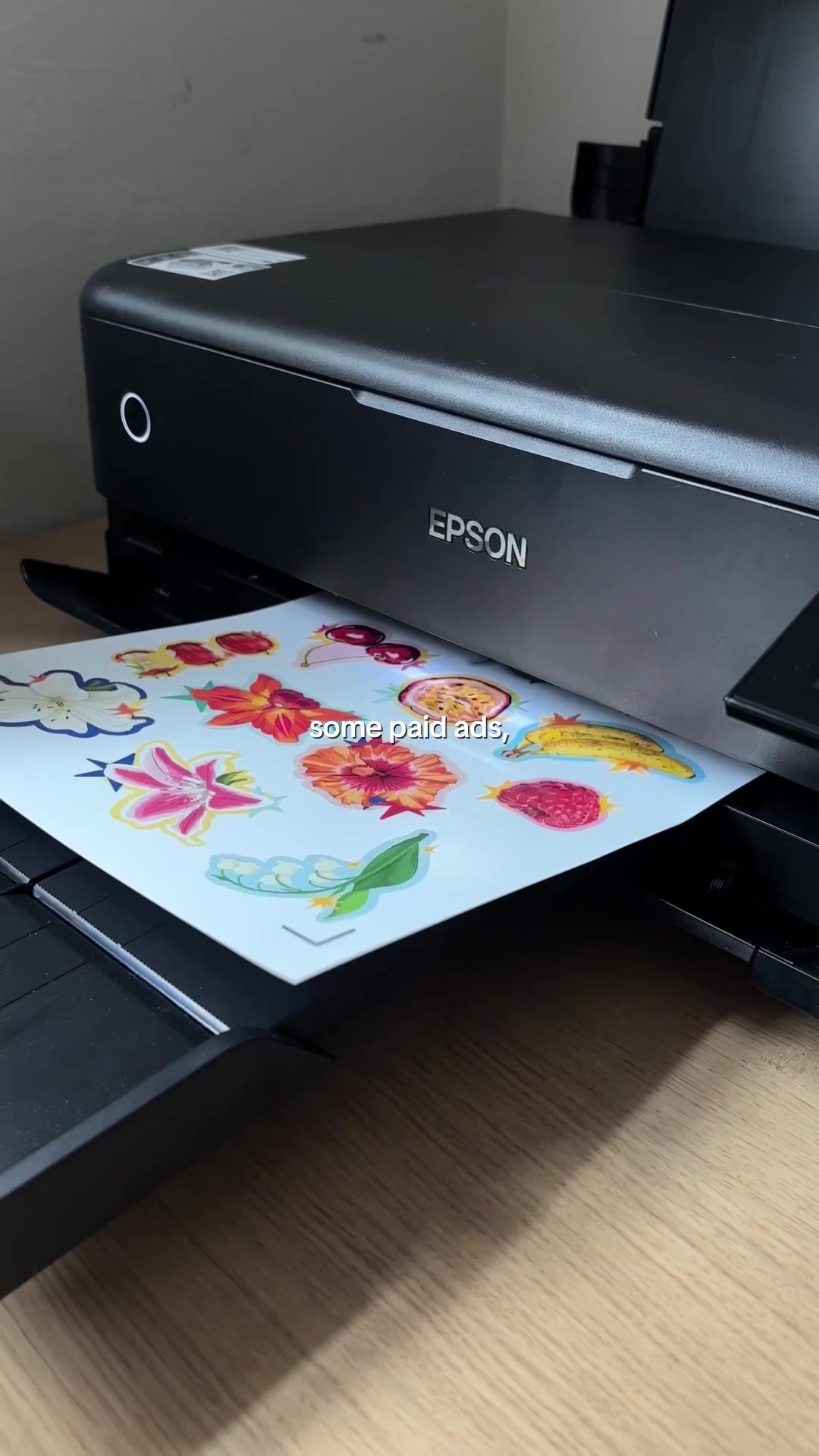
People rallied behind a small creator choosing authentic craft over AI shortcuts. The raw act of hand-drawing stickers in 2024 feels like a quiet rebellion, and viewers responded by celebrating the human effort itself rather than just the product.
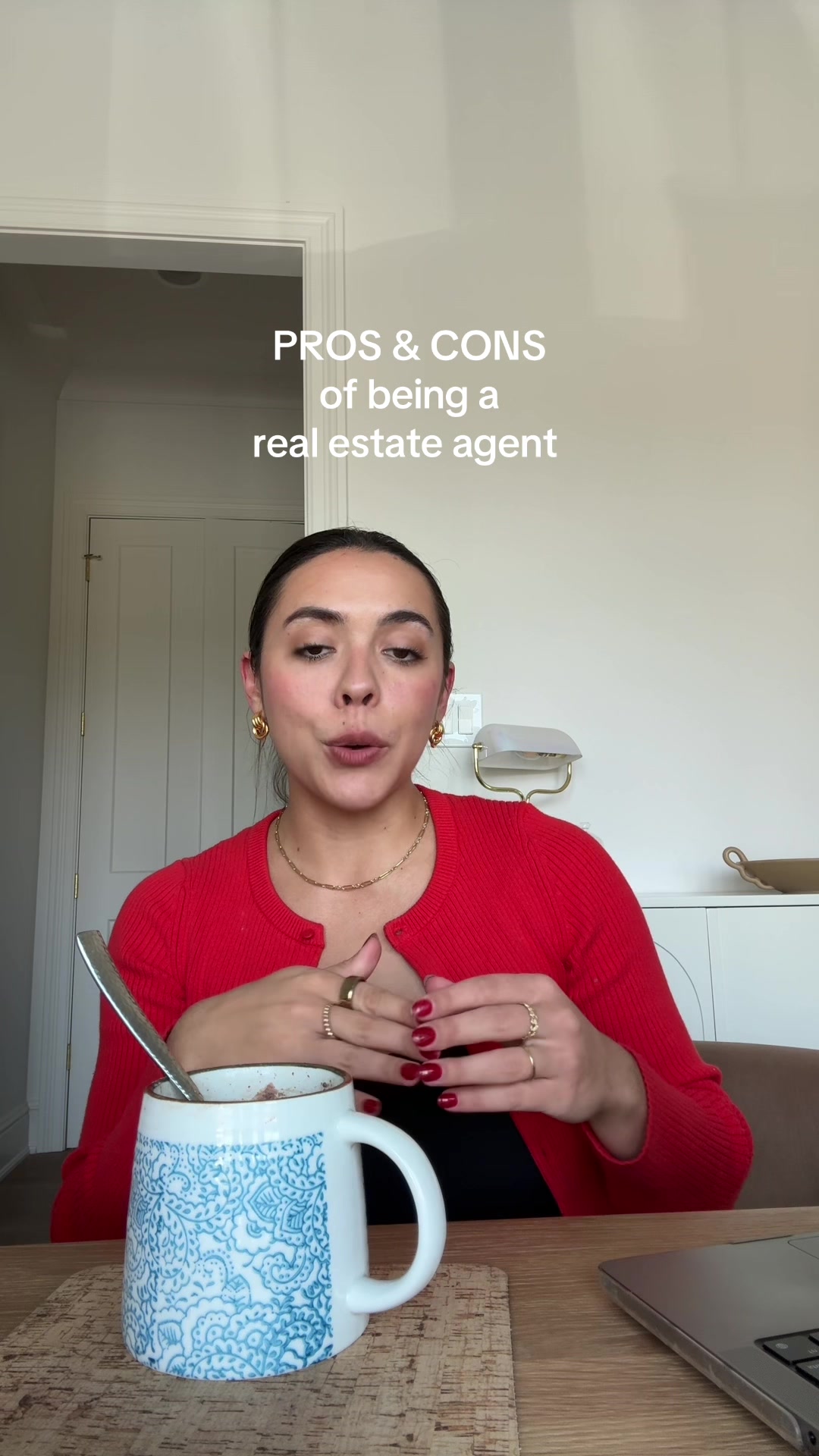
People are hungry for career reality checks from insiders. This hits the save button hard because it's genuinely useful intel presented by someone living it, not a glossy pitch. The pros-and-cons format feels like insider advice you'd trust.

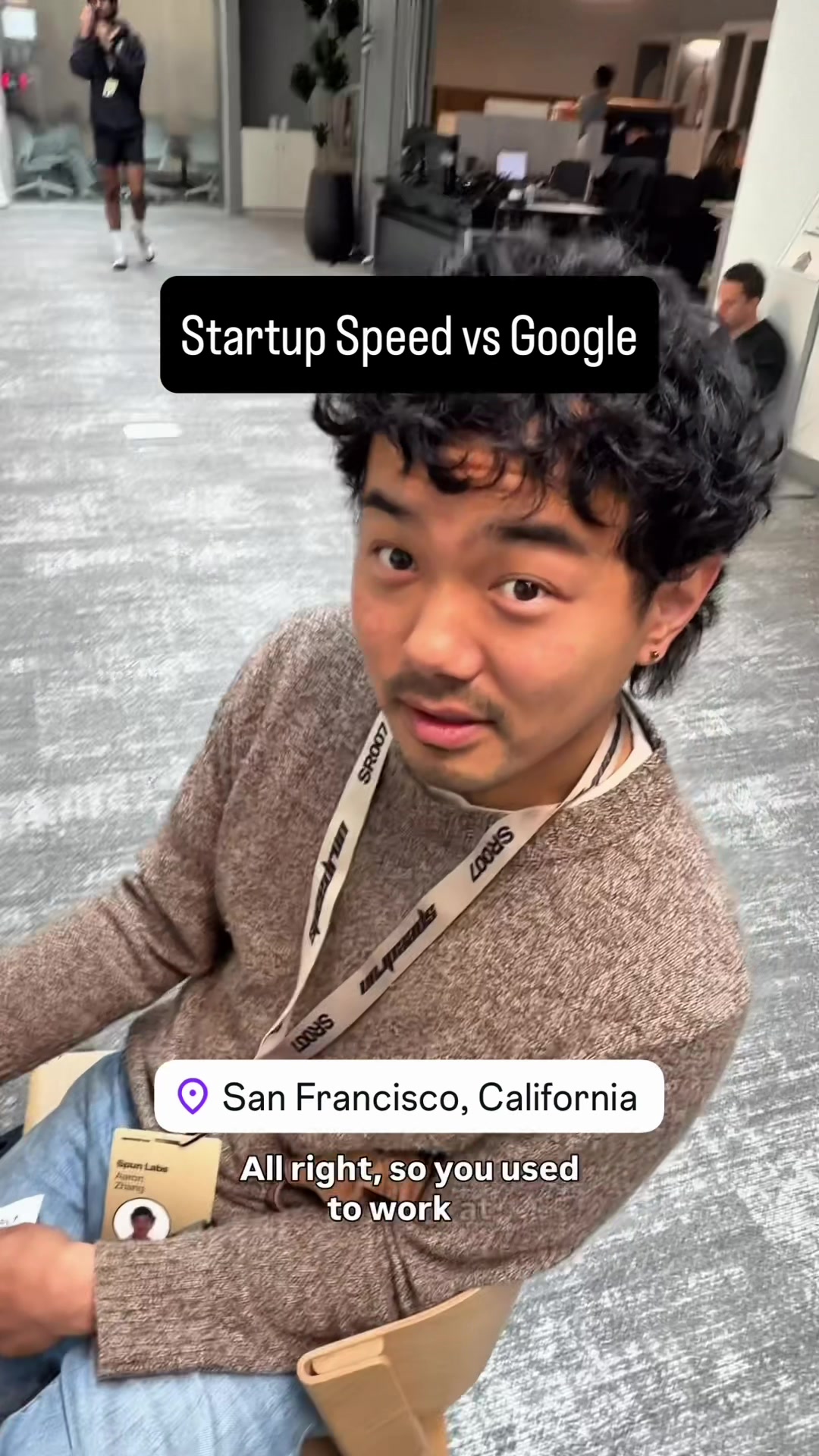
The post exploits a cultural flashpoint by presenting a straightforward business question reframed as "aggression," then dismantles that framing with cold logic. People engaged because it felt like watching someone call out performative victimhood in real time, tapping into fatigue with identity-based deflection in startup spaces.
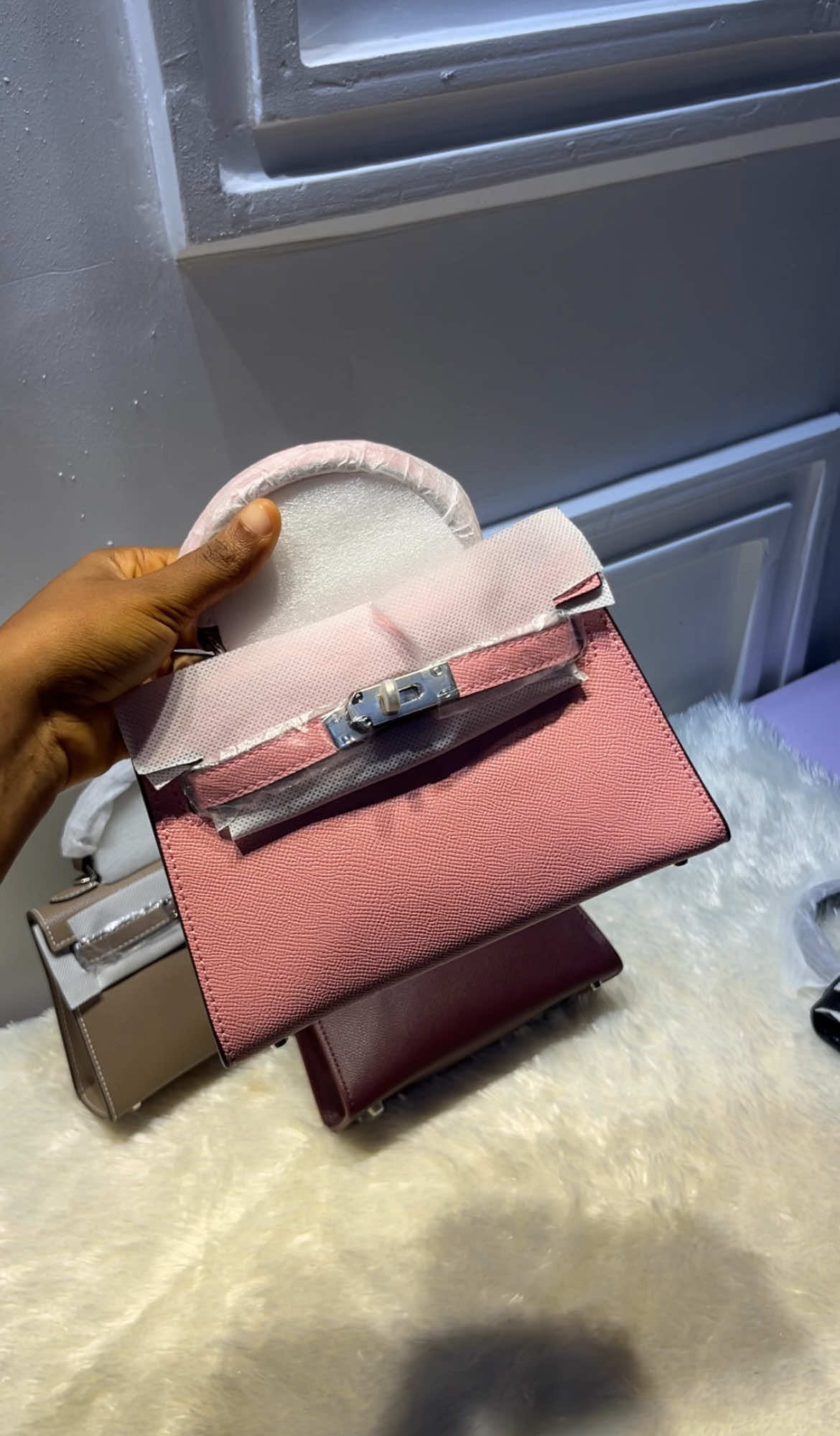
The satisfying sound of a payment notification hits different for business owners, and pairing it with aspirational product beauty creates an emotional hook that feels both relatable and celebratory. People saved this because it spoke to their financial wins.

This taps into the founder's paradox—the tension between grinding daily and building for exit. By positioning the "exit" as the real wealth play, it reframes entrepreneurship from survival mode to strategic endgame, which hits harder than generic hustle content.
Maps Your Strategy & Next Steps
Inspotta surfaces what you're missing, flags what's working, and keeps pointing you in the right direction every single day
With your second baby just born, document the sibling introduction and early family dynamics. These genuine first moments are content gold that you can't recreate later.
You promote your services in almost every post. Your two highest performing posts this month had no CTA at all, just value and personality. Your audience responds to generosity, not pitching.
Street interview content is performing well for local businesses right now. Asking people in your neighborhood a question about coffee could reach people who aren't already following you.
Your audience grew 400 followers last month — your fastest growth yet. It happened the same week you posted three times. Consistency is compounding for you right now. Don't slow down.
Made For Creators
Who Mean Business
Building a business on social and trying to turn followers into clients — without your content feeling like a constant sales pitch.
“I was posting daily for six months and barely growing. Thought I was doing everything right. Inspotta showed me I was giving away too much information in a way that felt like a lecture, not a conversation. Changed my approach and engagement completely shifted.”
Joanna W.
Life Coach
“Building a coaching business on Instagram felt like screaming into the void. Now I understand my content well enough to actually be strategic about it. My DMs picked up within two weeks of changing my approach.”
Brenna F.
Business Coach
“I was good at coaching but terrible at content. I knew what I wanted to say but never knew how to say it in a way that would actually stop someone from scrolling. That's what changed for me.”
Elaine K.
Career Coach
All using Inspotta to build their brand with confidence.
Analyze Your Account For FreeFrom Guessing To Growing
Before
- Scrolling Instagram for 30 minutes hoping something sparks.
- Posting and never knowing why it landed or why it flopped.
- Generic AI ideas that could be for anyone, not you.
- No clear sense of what to focus on or where you're actually going.
After Inspotta
- Ideas built around your content, your goals, and what's working right now.
- Real feedback on every post: what happened and what to do next time.
- A strategy that knows you and gets sharper every week.
- Always knowing your next move before you post.
Up And Running In Seconds
Enter Your Handle
Your Instagram or TikTok handle. No password, no connecting your account, no setup required.
Inspotta Reviews Your Profile
We look at your recent posts, how they performed, and what's breaking out in your space right now. Takes about a minute.
Start Creating With Clarity
Feedback on your posts. Ideas built for you. Strategic direction you didn't have to ask for. You'll wonder how you posted without it.
Account must be public and have at least 10 reels/videos for accurate analysis.
The Real Time Intelligence
Behind Your Strategist
Inspotta analyzes thousands of posts every week so your strategy is always based on what's actually working right now. Personalized recommendations for signed in users.
What are Breakouts?
Top-performing content found daily. Open any post to see why it worked, then click “Make It Yours” to create your own version.
Today's Breakouts
Updated Friday, October 9


Answers To Your Frequently Asked Questions
Most creators post consistently and still feel stuck. Not because they're not working hard enough — but because they have no clear picture of what's actually working for their account, what's working in their space, or what to focus on next. Inspotta gives you that picture and keeps it updated every day.
General AI tools don't know your account, haven't studied your posts, and have no idea what's performing in your specific niche right now. Inspotta is trained on thousands of real breakout posts, analyzes your actual content, and gives you strategy built around your account — not generic advice.
You enter your Instagram or TikTok handle. Inspotta reads your recent posts, studies your engagement patterns, compares them against what's breaking out in your space, and builds a strategy around what will move the needle most for your account. No password or account connection needed.
Inspotta reviews every post you've made and tells you exactly why it performed the way it did — what worked, what didn't, and what to do differently next time. It's specific to your content, not a generic tip.
Yes. Once Inspotta understands your account and goals, it surfaces content ideas built around your voice, your niche, and what's actually working right now. You can also ask it directly — it responds like a strategist who knows your account inside out.
Yes. There's a built-in chat where you can ask anything — brainstorm ideas, get feedback on a caption, figure out why a post flopped, or ask what you should make next. It answers based on your account, not a generic playbook.
Both. Beginners get a clear starting point and a system they don't have to figure out alone. Experienced creators get a sharper lens on what's already working and where they're leaving growth on the table.
No. Inspotta only reads publicly available post data — the same information anyone can see when they visit your profile. No passwords, no account connections, no posting on your behalf. Ever.
See what your account is missing in the next 60 seconds
Enter your handle and get a full picture of where you are, what's holding you back, and exactly what to post next.
Account must have at least 10 reels/videos for accurate analysis.