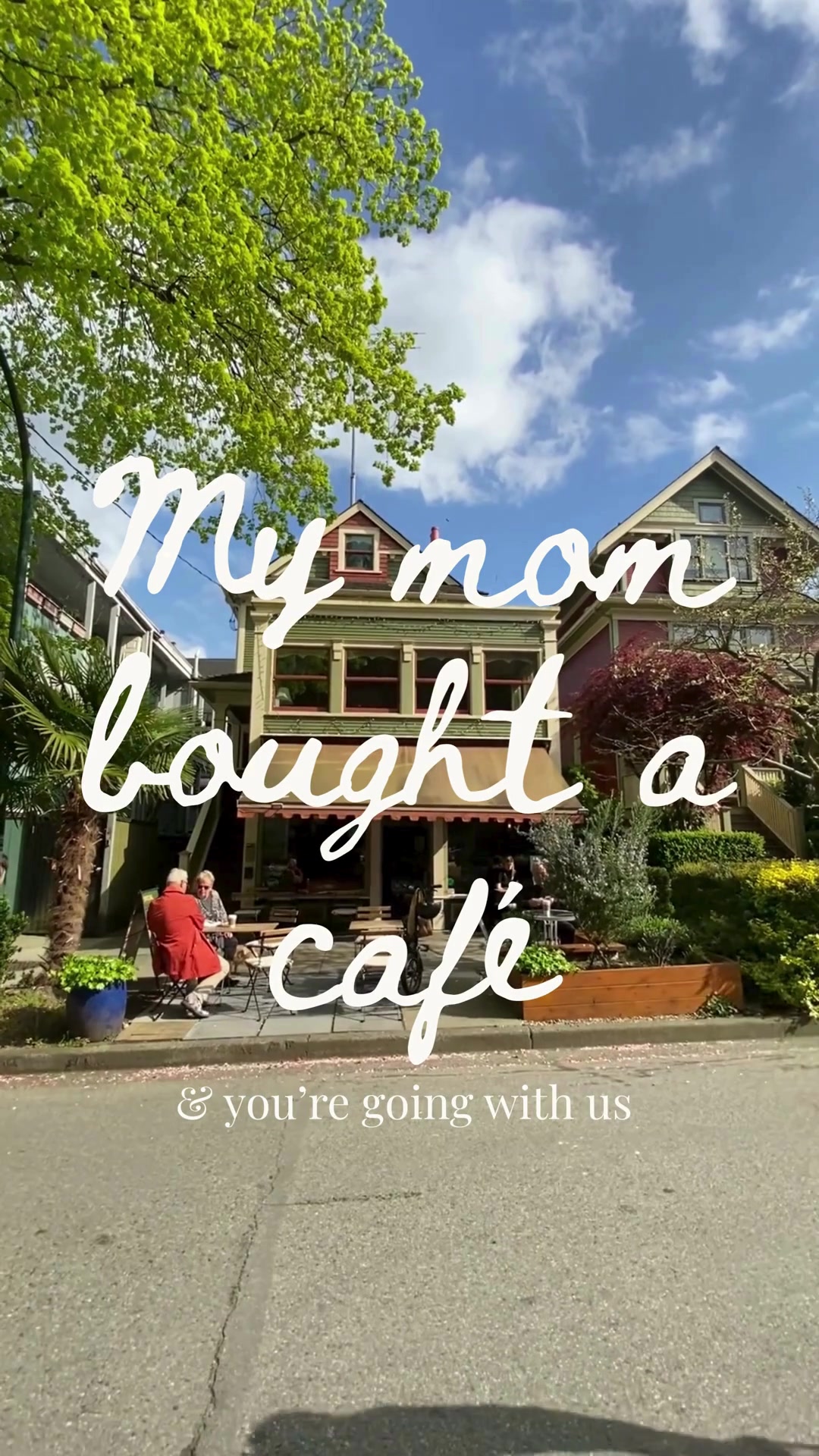
People connected with the authentic charm and dream-chasing energy here. The existing character of the space (penny floor, quirky details, heritage) combined with a genuine family milestone created urgency—viewers felt protective of something real before it could be commercialized or sterilized.
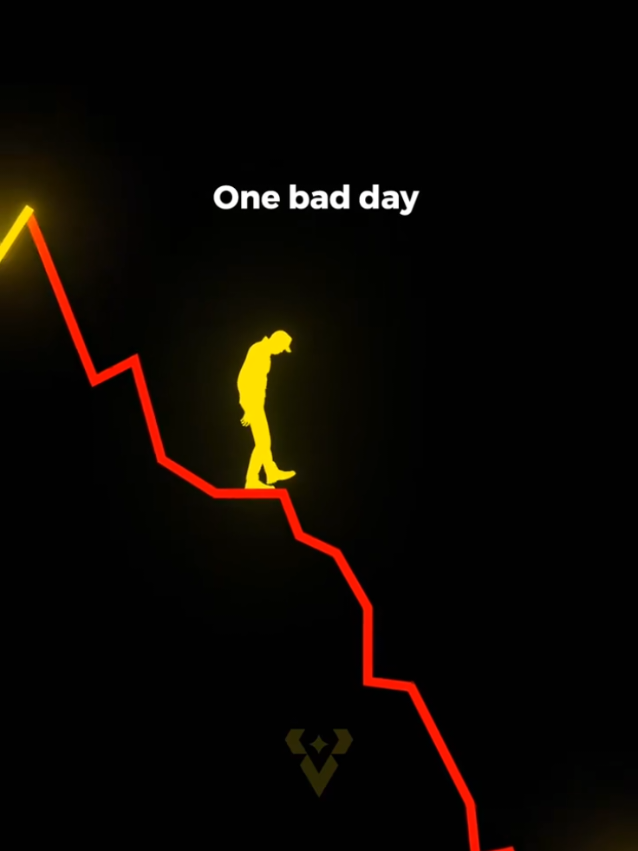
The visual metaphor of a figure standing resilient on a declining chart taps into something people desperately need to hear: one bad day doesn't define your trajectory. The stark, neon simplicity makes the message hit harder than words alone ever could, cutting through the noise with pure visual clarity.
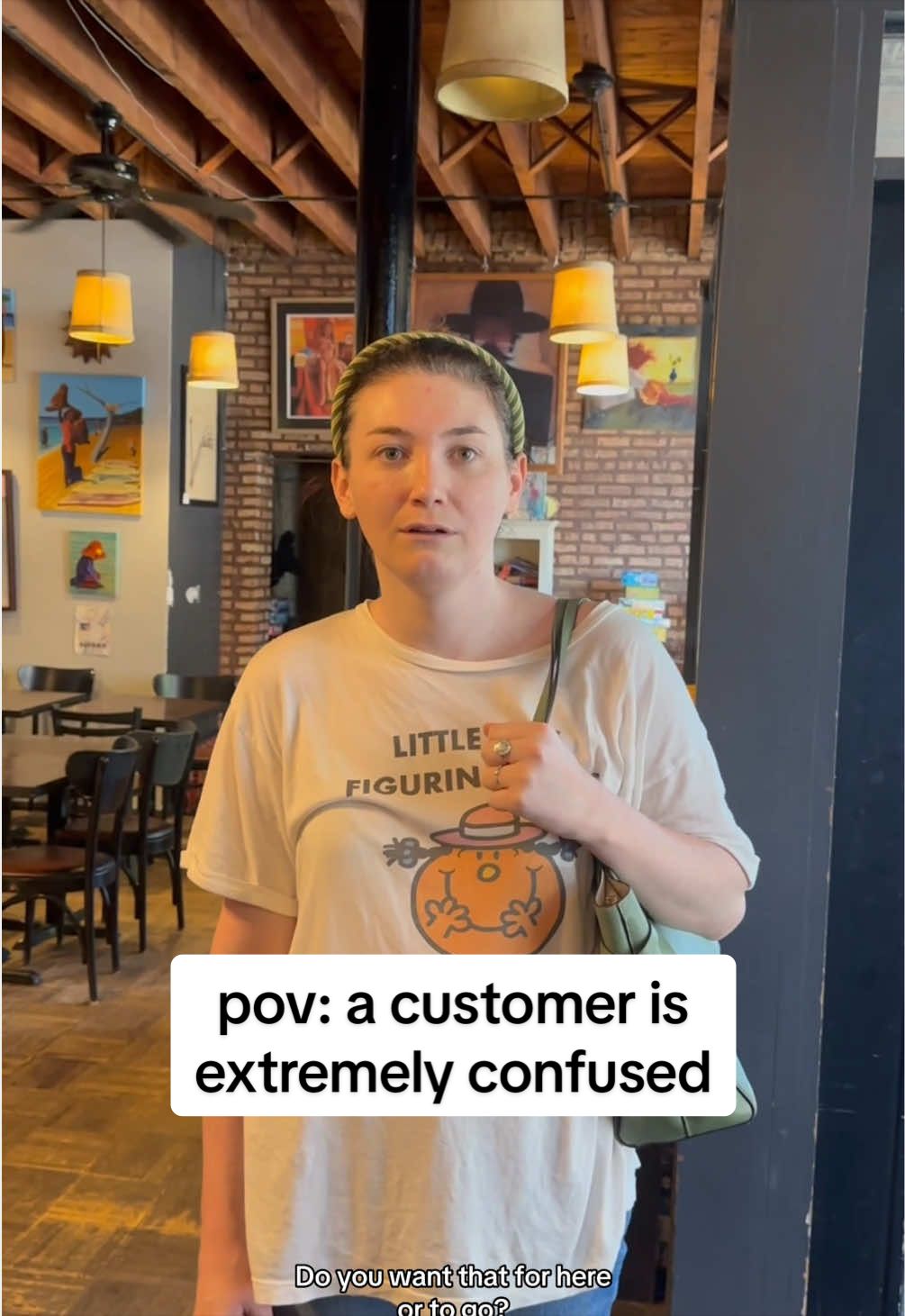
The absurd specificity of the confused customer's requests—asking for coffee "in a bowl" instead of a cup—taps into shared service industry frustration while being genuinely funny rather than mean-spirited. People love watching the employee stay patient through pure chaos, making it both relatable and entertaining.
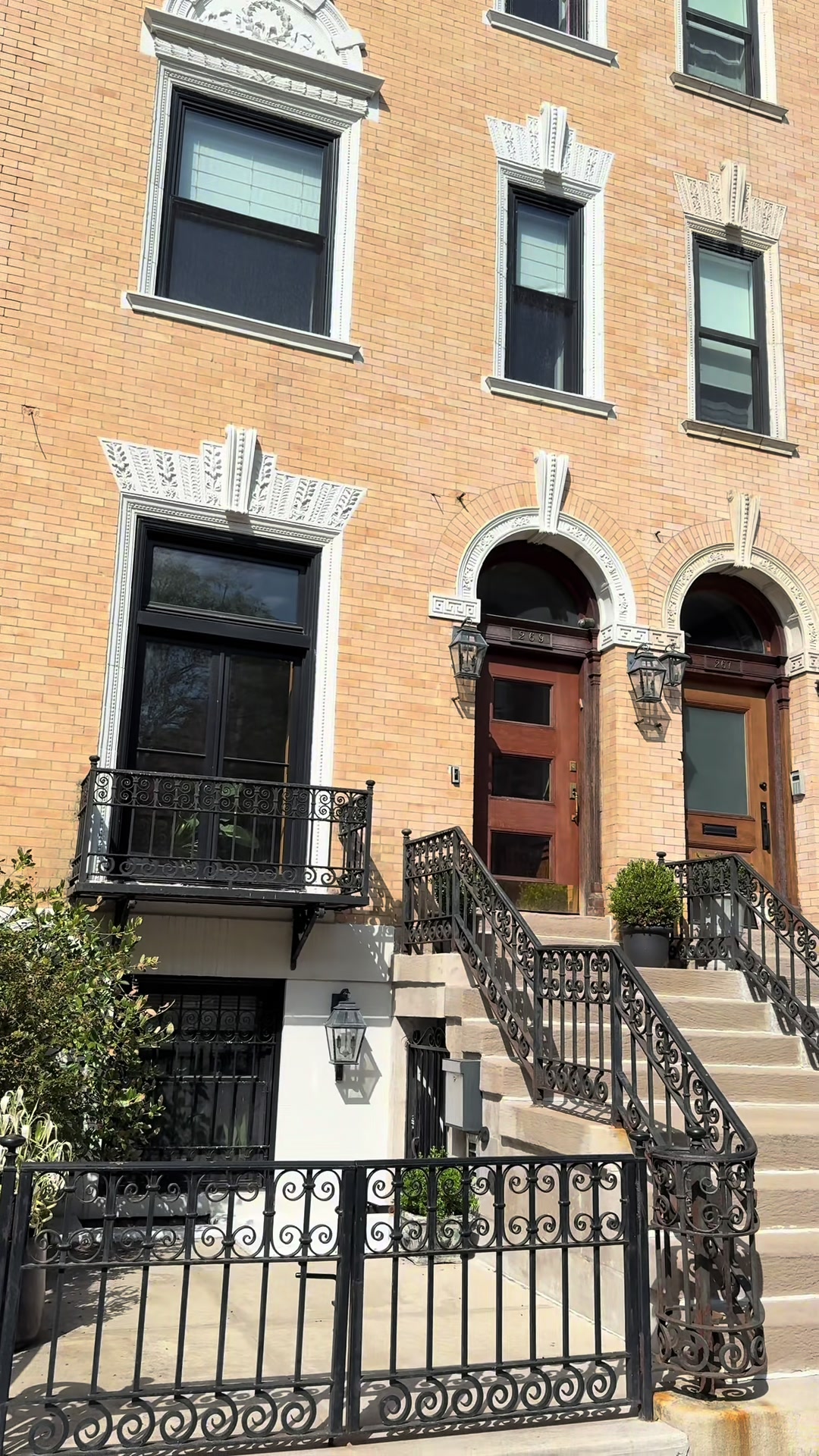
Rare architectural features transform real estate from commodity to mystery. People engage because they're learning something genuinely uncommon about a place they thought they knew, combined with the flex of owning something only 40-50 people in Manhattan have.

This post taps into aspirational travel and aesthetic escapism by showing an impossibly beautiful, almost surreal cafe experience that feels like a fantasy rather than reality. The overhead perspective and saturated florals create an Instagram-worthy dream that people want to save and share as inspiration.

A coach rejecting the typical end-of-season celebration hits because it feels authentic to how real competitors think. The discomfort with casual celebration reads as someone who's genuinely focused on improvement, which people find oddly refreshing and respect.
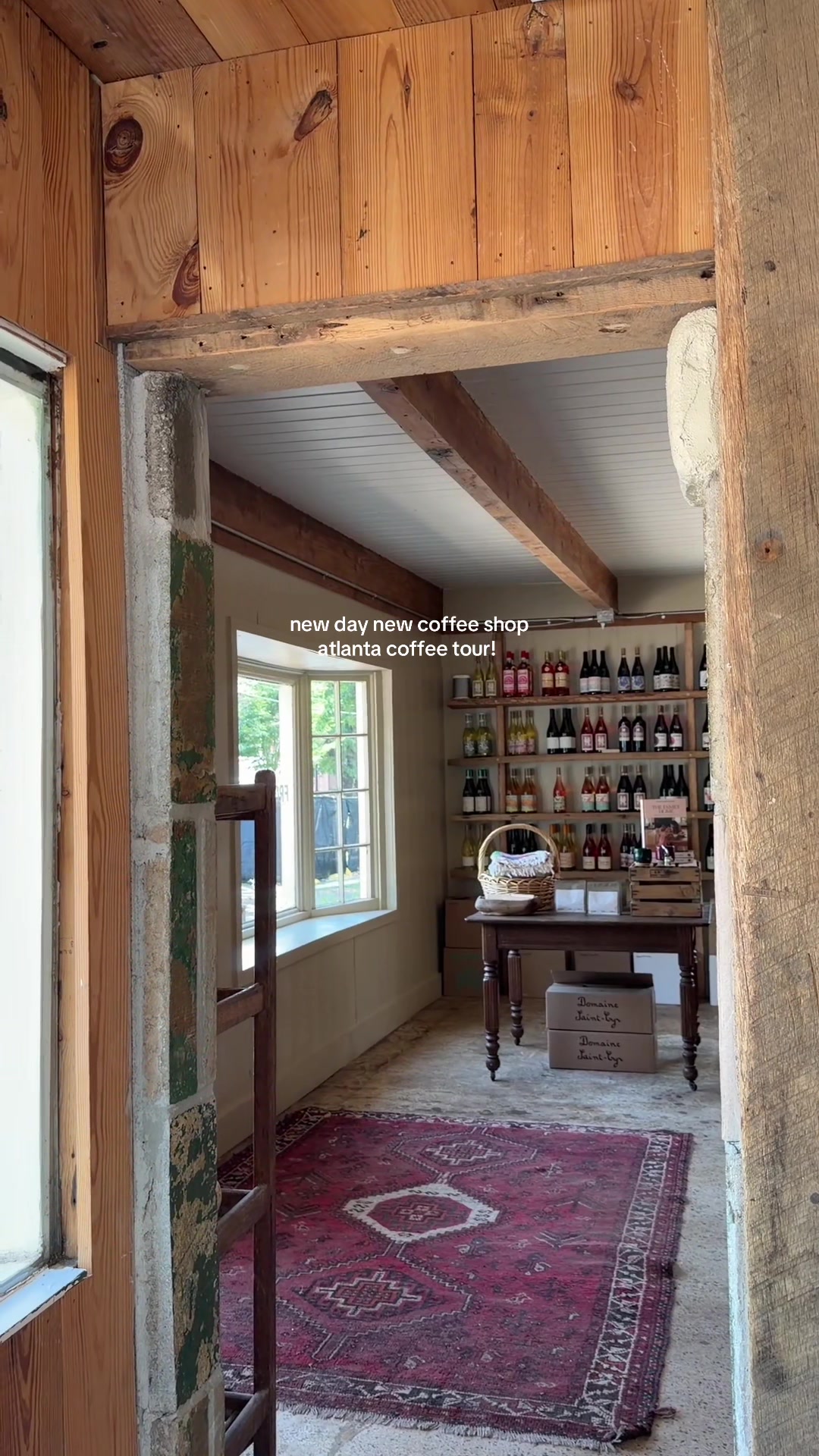
The rustic, carefully curated aesthetic of this coffee shop space taps into a broader desire for discovery and visual escape. People save and share spaces that feel like hidden gems—especially when they're presented as local finds worth the drive, even if geography gets debated.
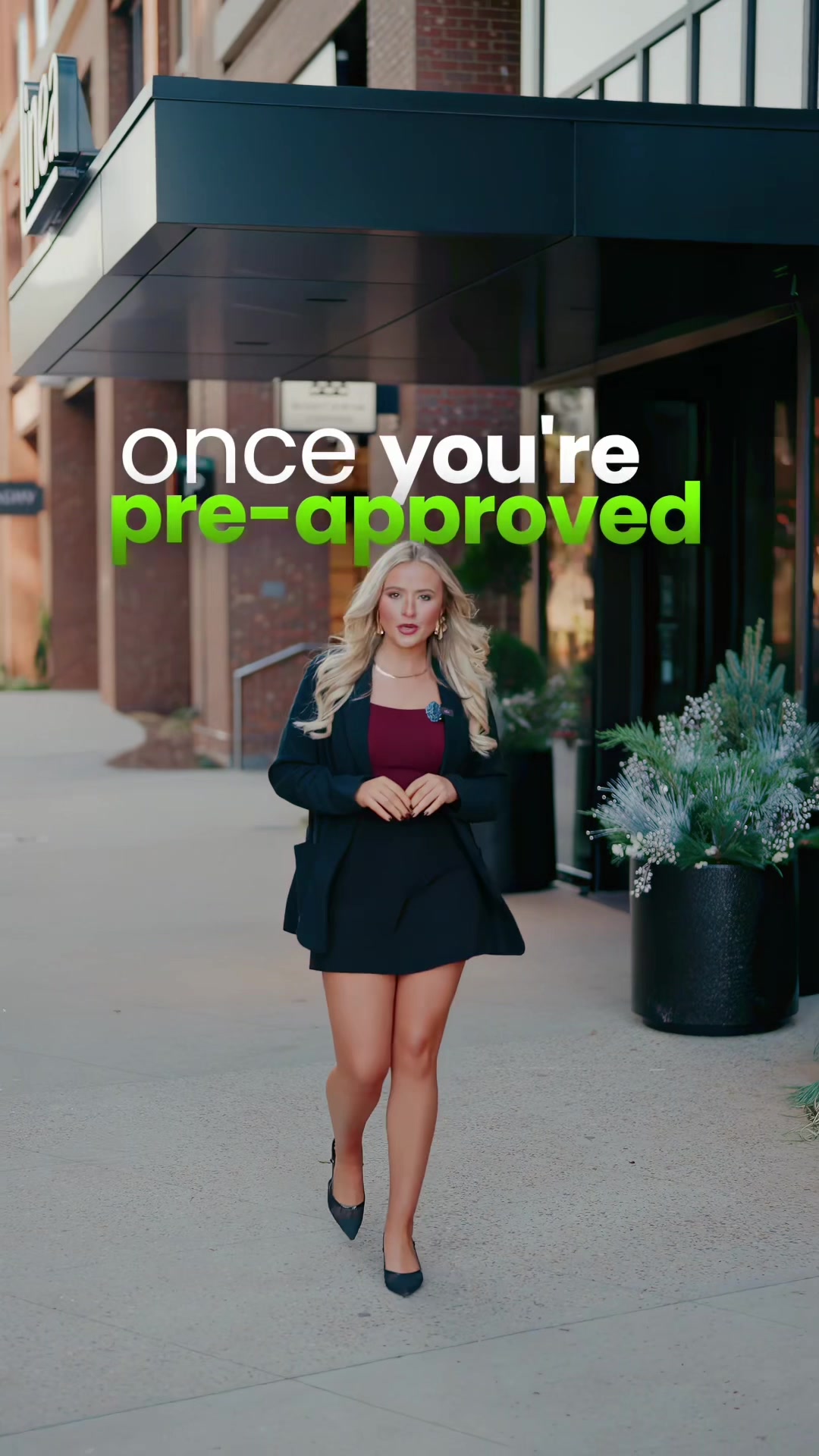
The "once you're pre-approved" hook cuts through the noise by acknowledging a real milestone moment in the buyer's journey, then systematically walks through what comes next. People save this because it's actionable reassurance wrapped in a clean, confident presentation.
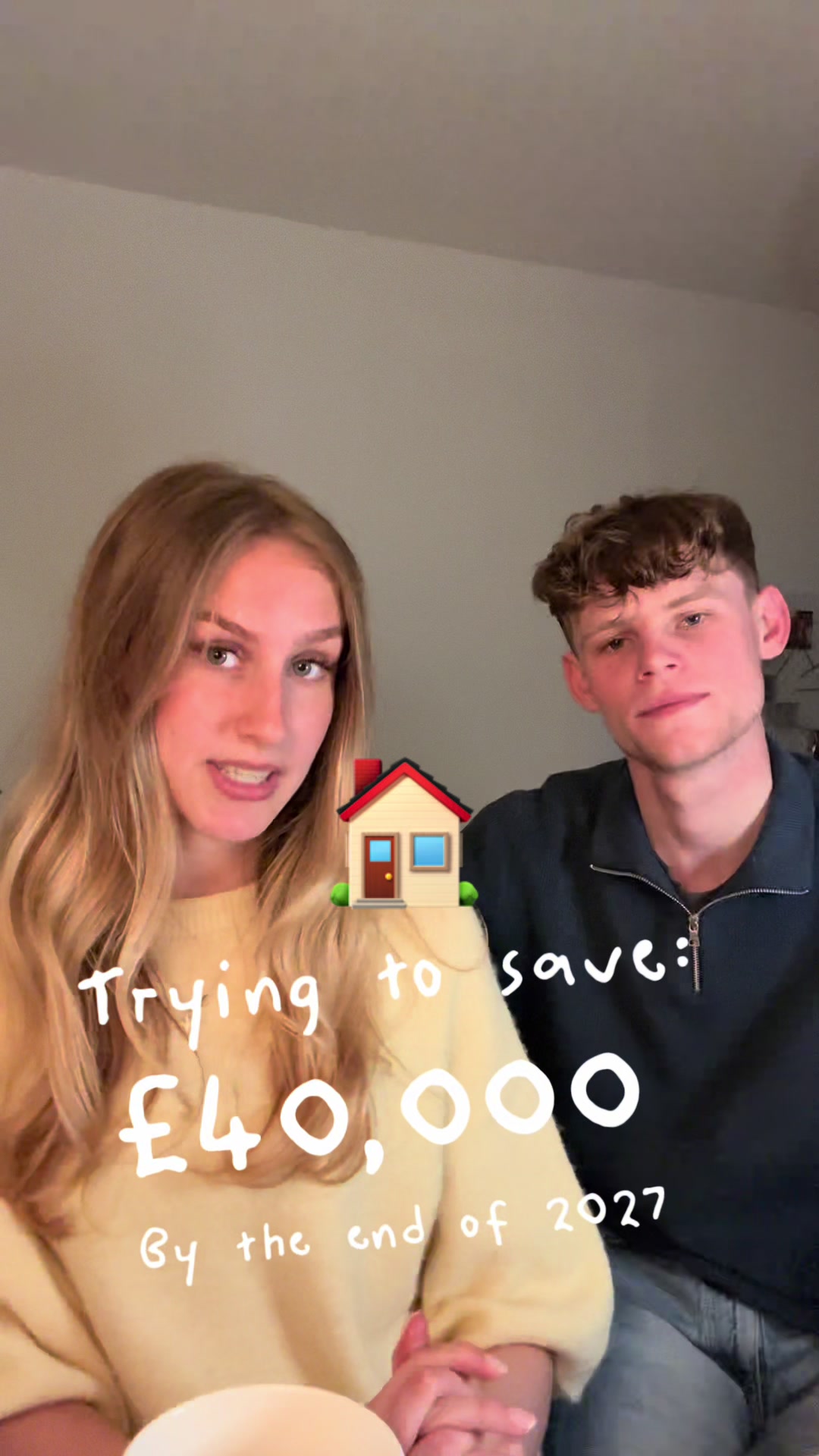
Showing a concrete financial goal with a specific timeline makes the abstract feel achievable. People connect with peers doing the same thing, and the transparency about already having savings removes the gatekeeping energy that kills engagement.
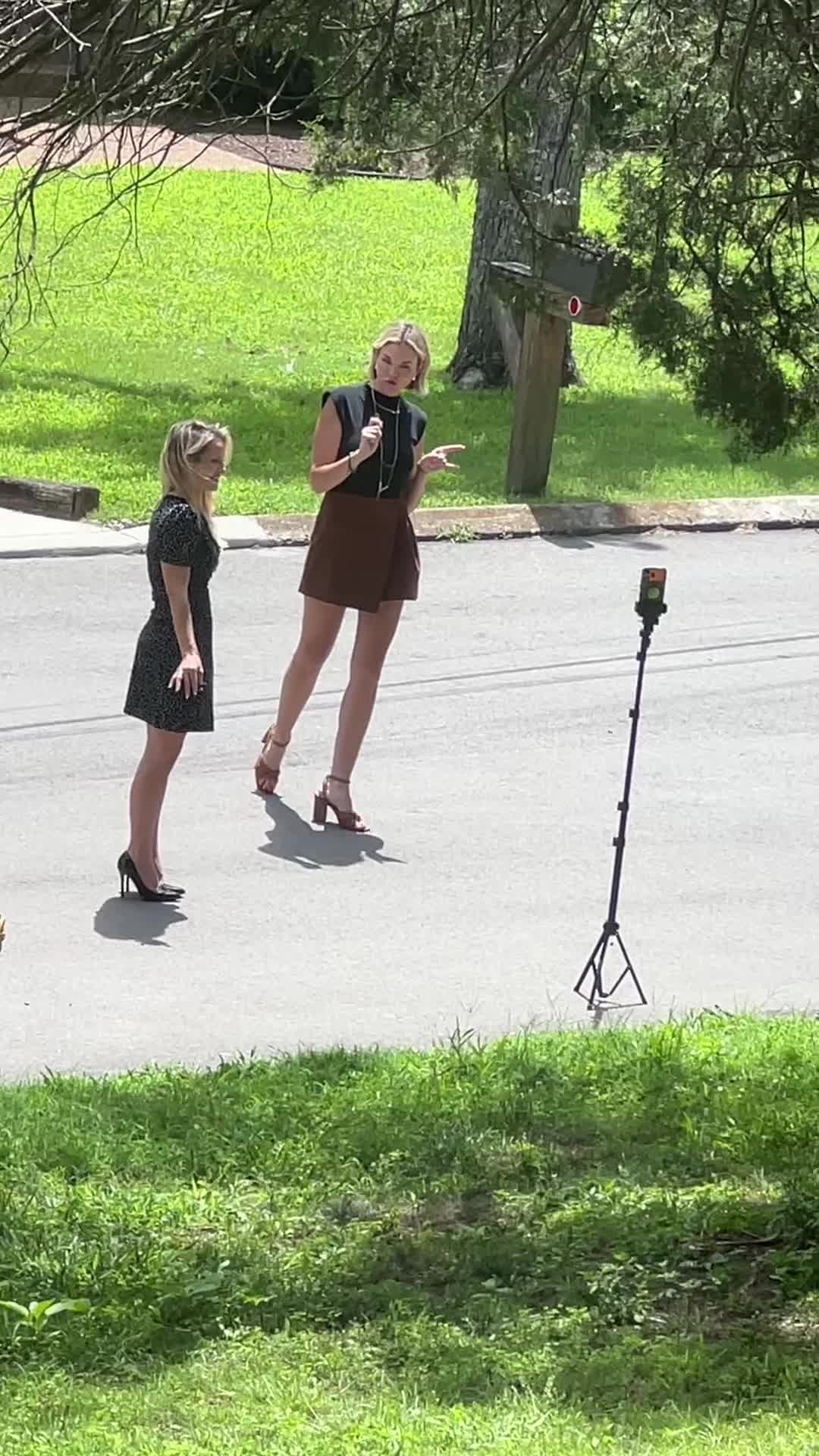
The awkward authenticity of a real estate agent coaching a nervous client through an on-camera moment hit differently. People loved seeing the behind-the-scenes mess of content creation, especially in an industry known for polished perfection. The vulnerability and humor made it feel genuinely human.
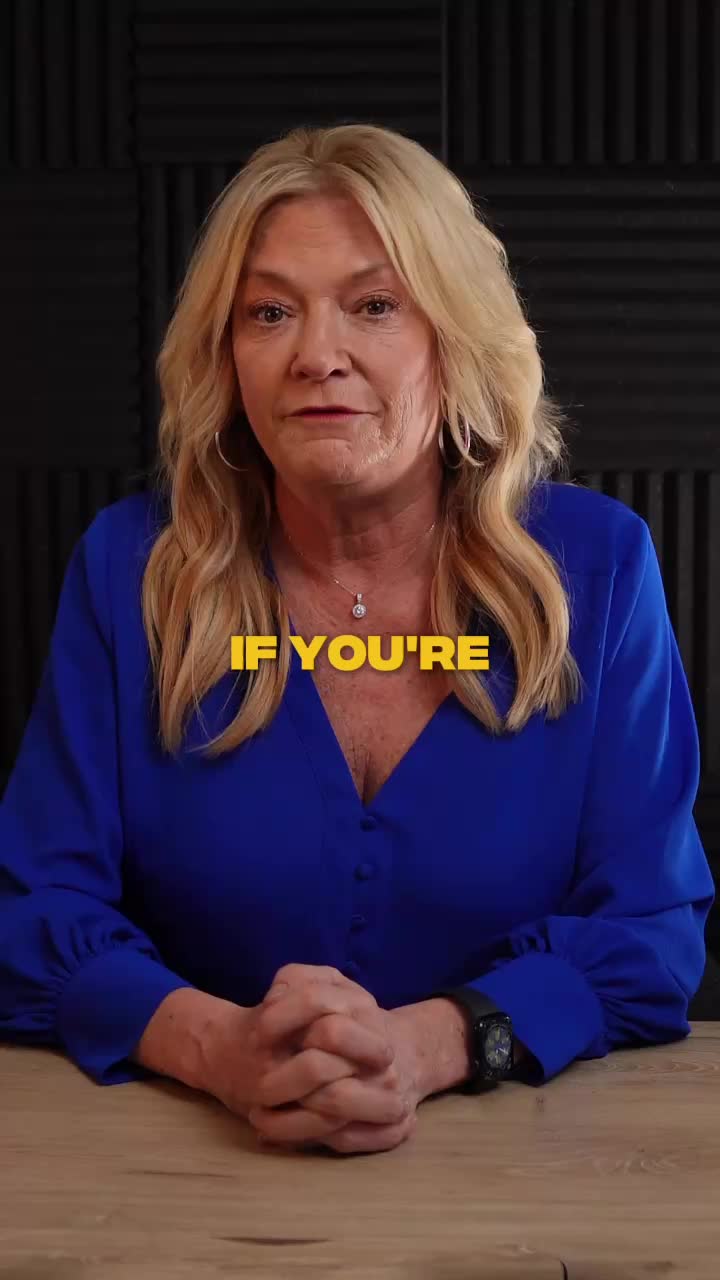
The post taps into a real pain point for first-time homebuyers—the anxiety around down payments—and flips conventional wisdom by offering a counterintuitive strategy that actually saves money. People save and share because it feels like insider knowledge that challenges what they thought they had to do.
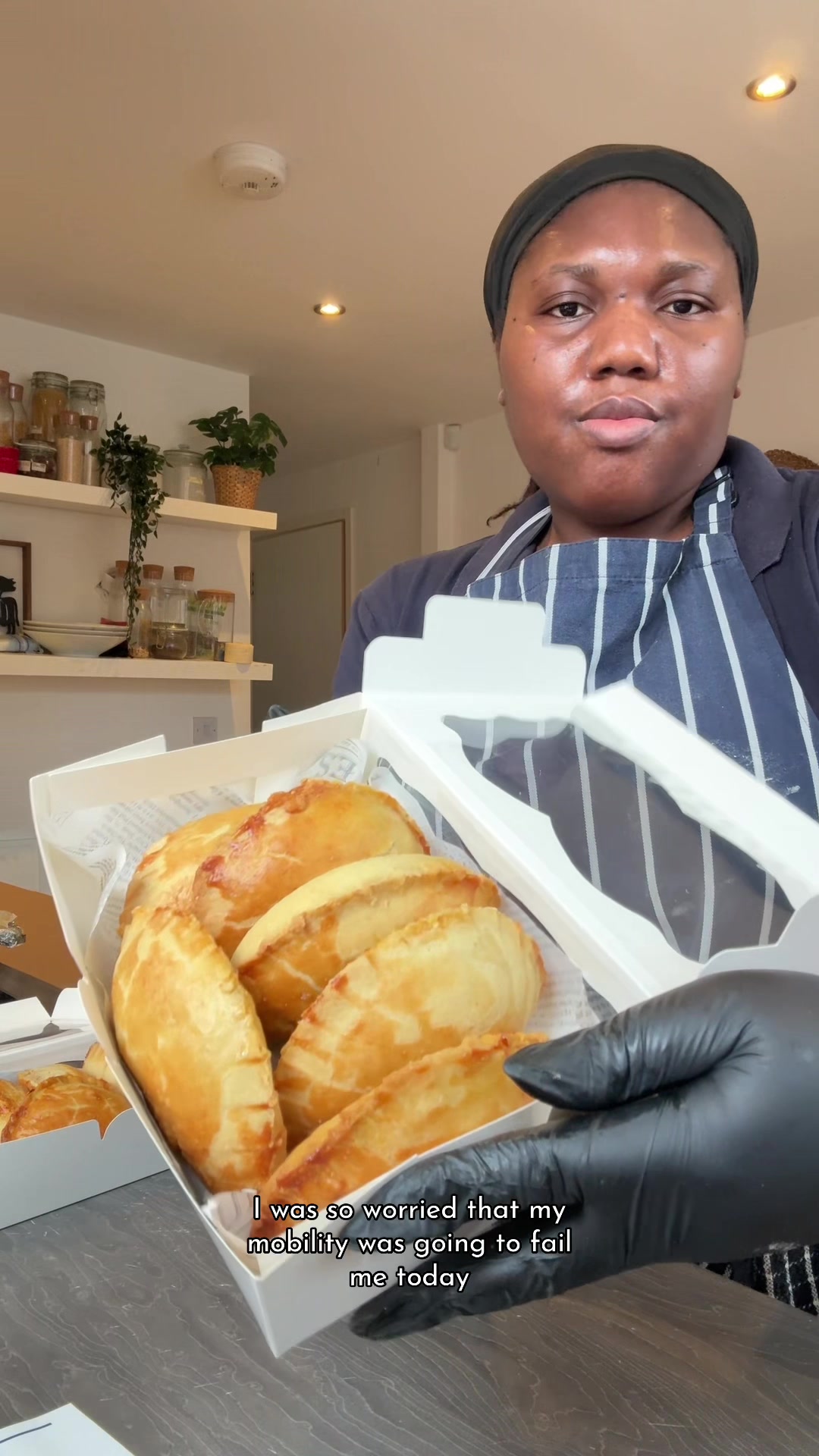
Real vulnerability about physical struggle paired with the payoff of doing what you love hits hard. People connected to both the honest worry and the tangible proof that the day worked out, making this feel like a genuine win rather than a polished flex.
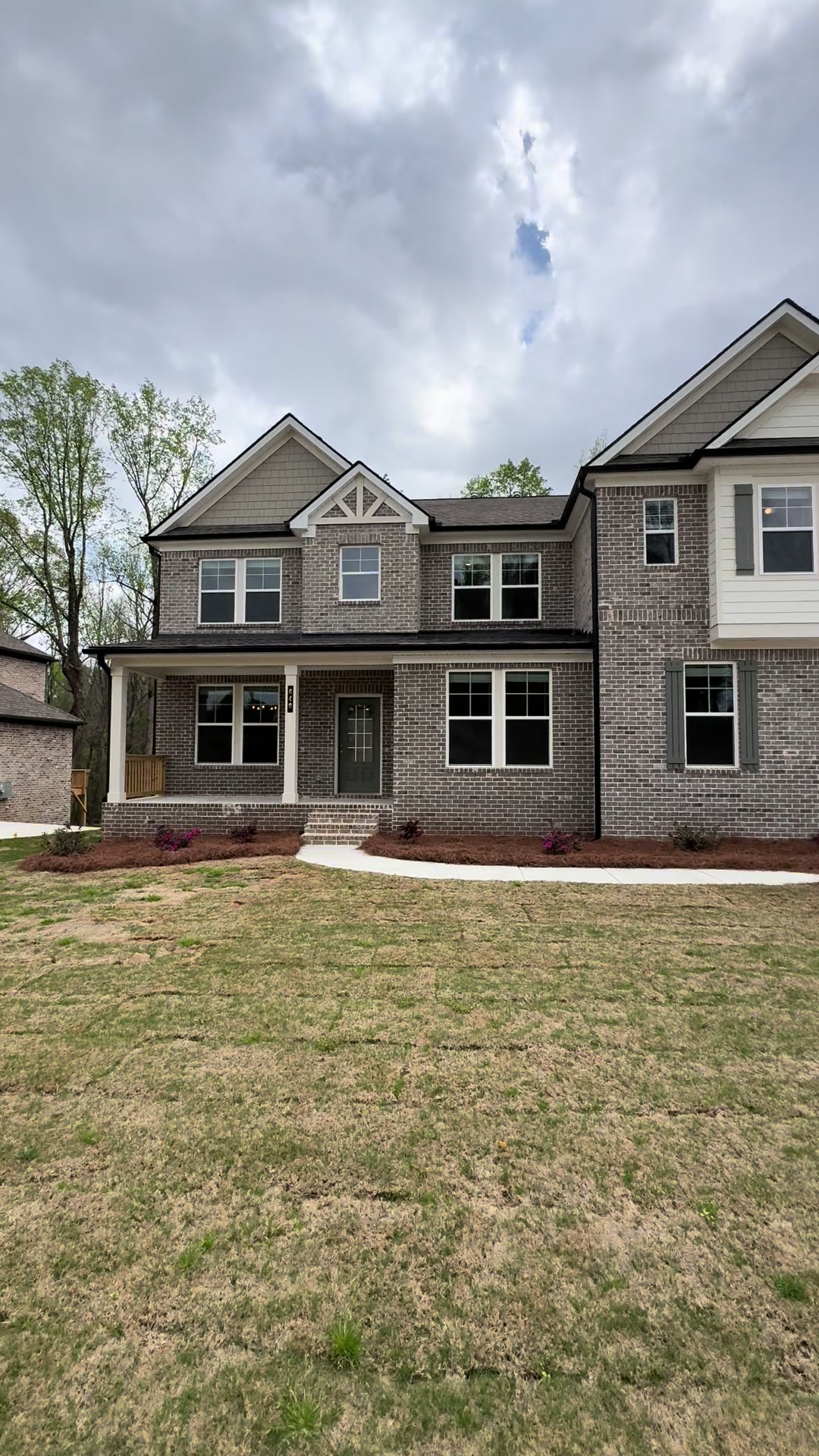
People saved and shared this obsessively because it wasn't just a property listing—it was aspirational real estate porn paired with a sprinkle of manifestation energy. The specificity of high-demand features (main-level guest suite, butler's pantry, loft space) made it feel achievable and relevant to actual buyer pain points, not generic luxury.
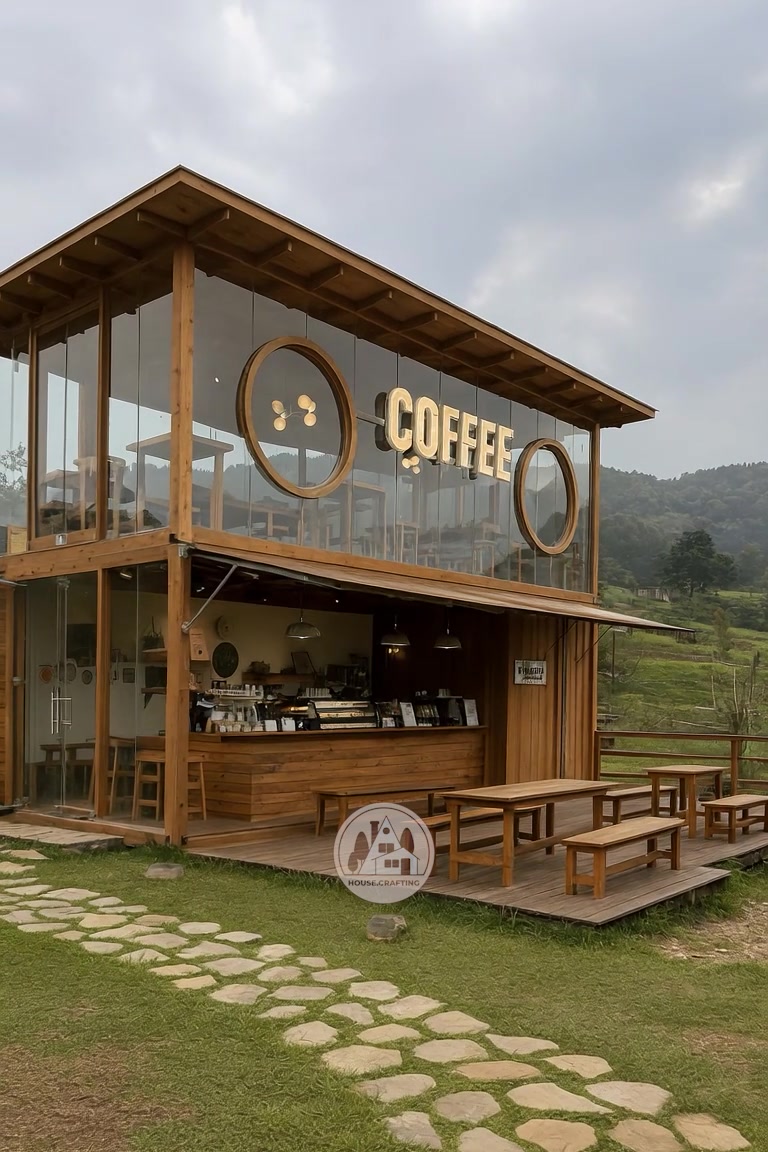
This post hits the aspirational sweet spot where design meets escape fantasy. The peaceful rural setting, thoughtful architecture, and cozy wood-and-glass aesthetic tap into people's desire for a simpler, more intentional life—without feeling inaccessible or pretentious.
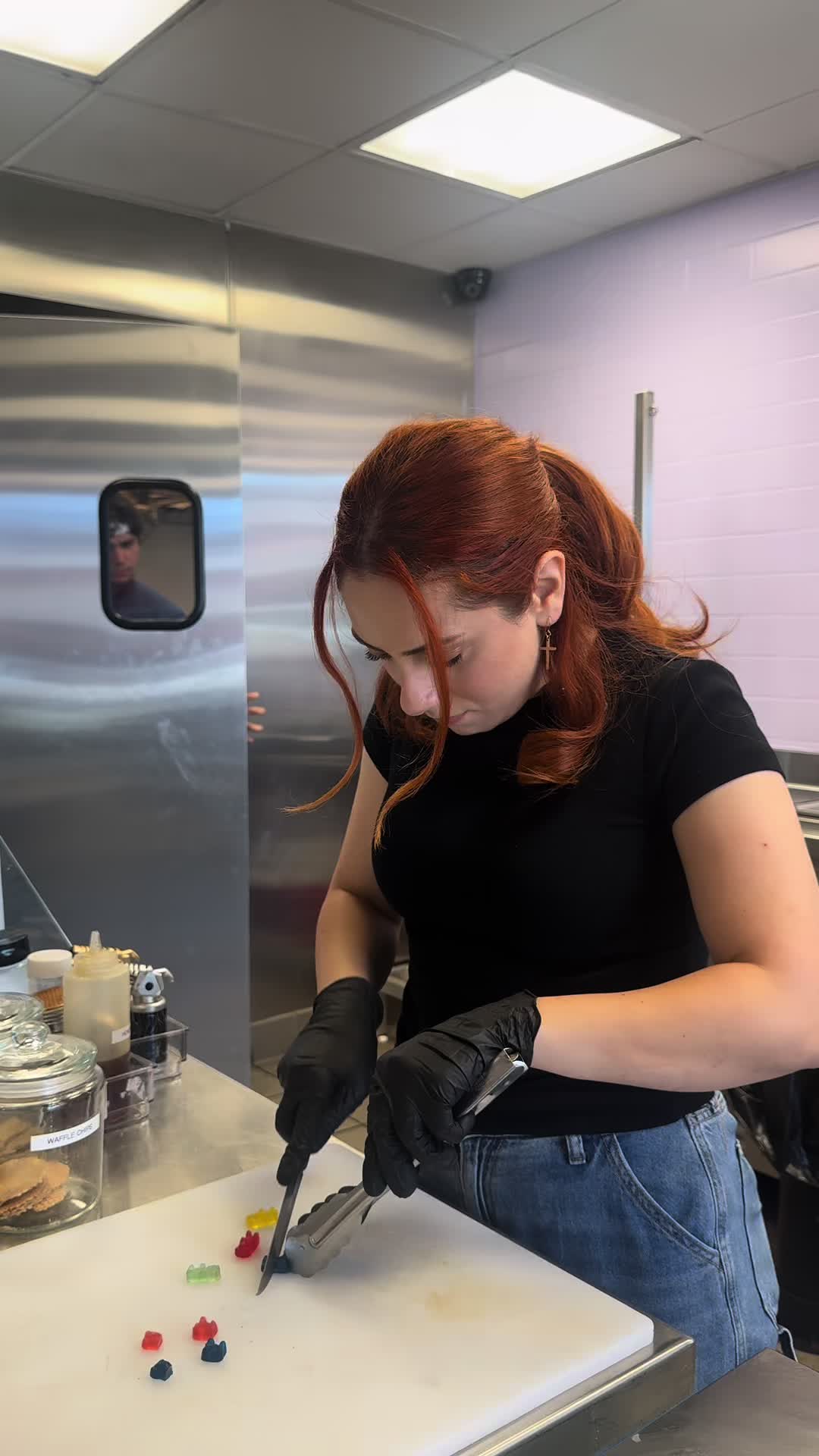
The humor lands because it captures a real barista frustration—a customer asking something ridiculous—but flips it with deadpan professionalism instead of snapping back. People find comedy in the restraint and the unspoken "are you serious right now" energy.

The self-aware humor of packing boxes alone while joking about being single hits because it's relatable vulnerability wrapped in comedy. People connect with the honest grind of solo entrepreneurship, and the neon aesthetic makes the work feel aspirational rather than exhausting.
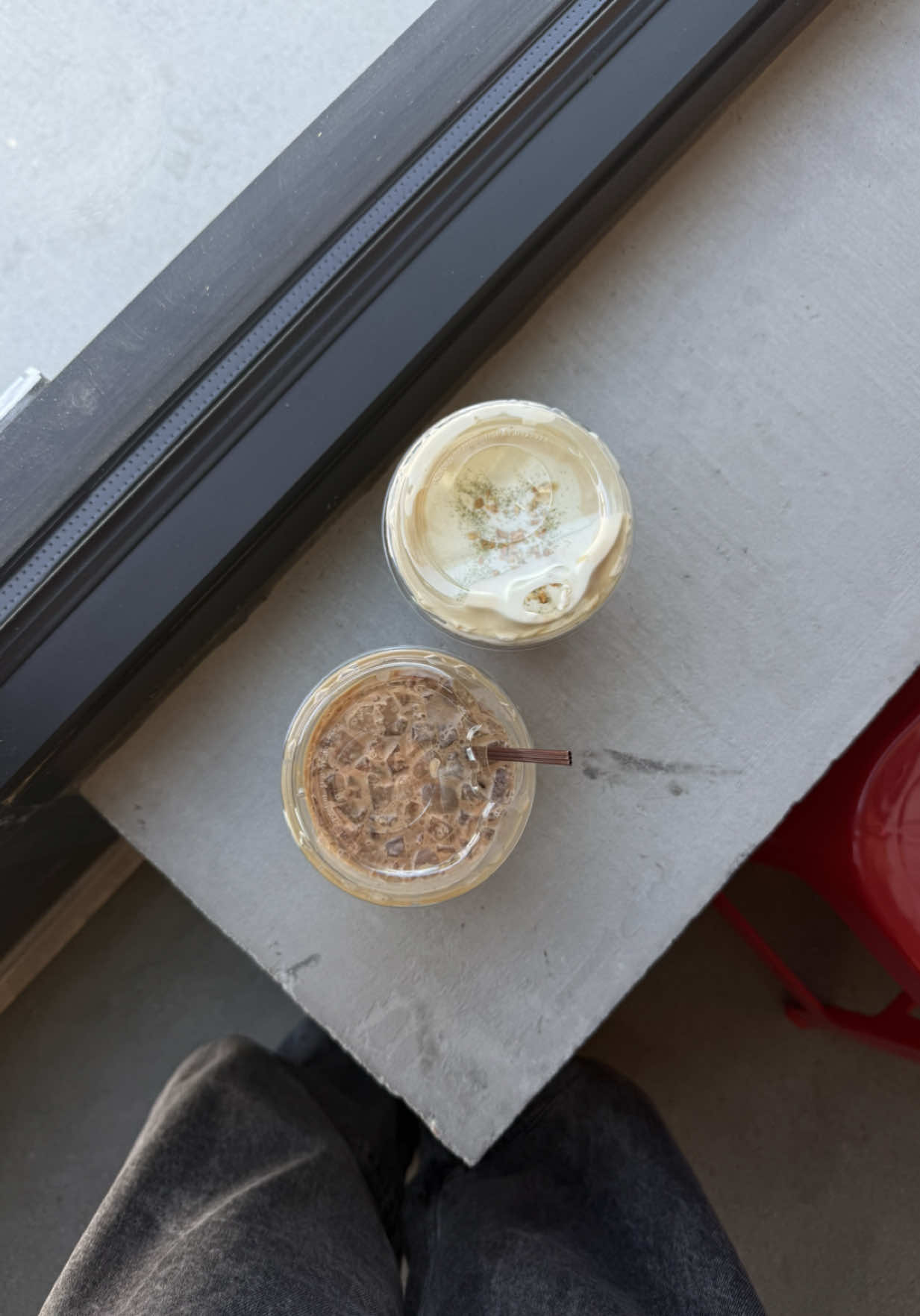
Cultural fusion through food hits differently when it's authentic and celebratory rather than gimmicky. People connect with businesses that honor both traditions equally, and the simplicity of sharing coffee makes it feel genuinely inclusive rather than performative.
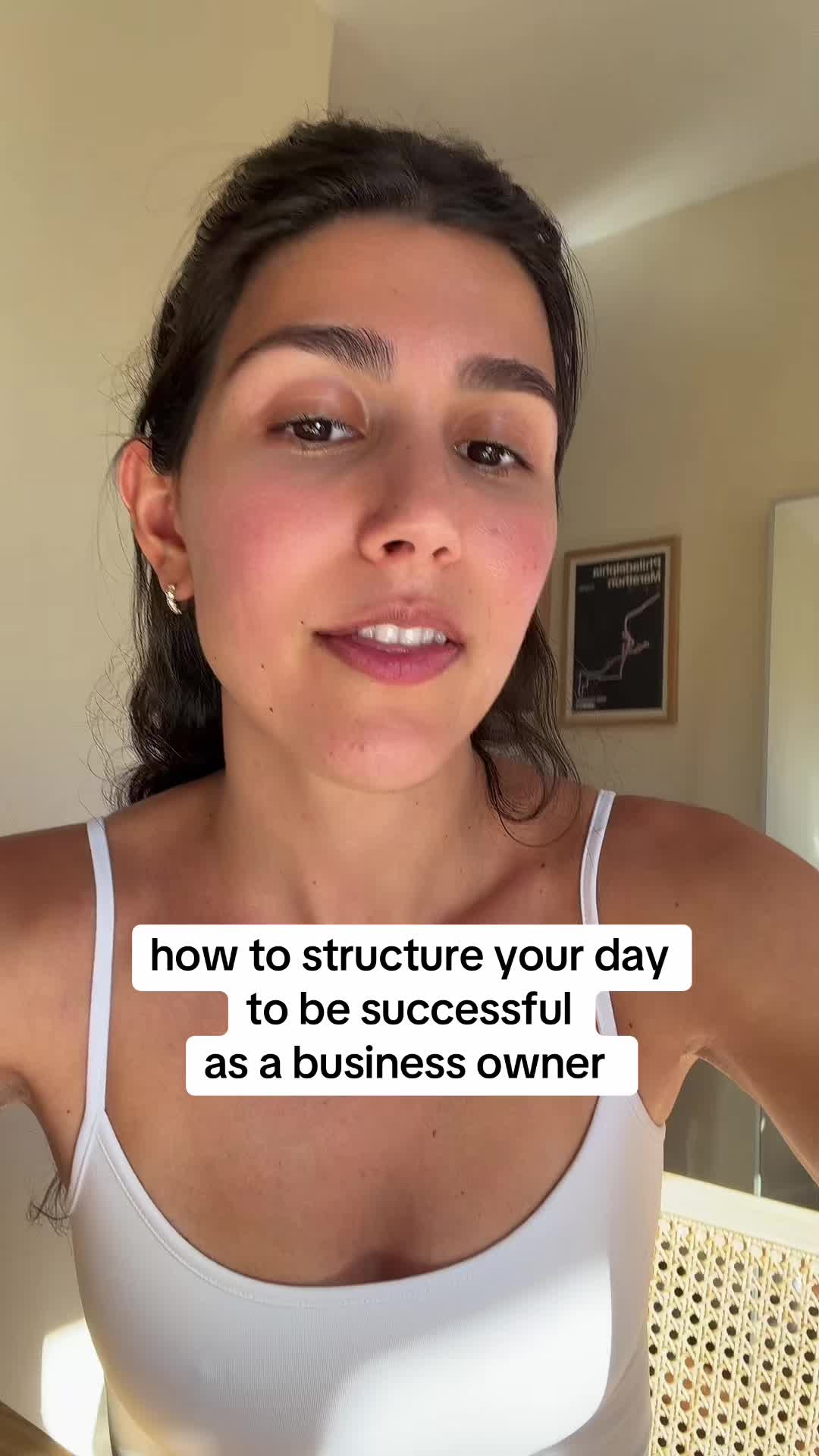
Self-employed people crave structure advice because they're drowning in freedom without direction. This post acknowledges the real paradox of entrepreneurship—flexibility sounds great until you're the one who has to self-manage—making viewers feel seen and heard before offering the fix.
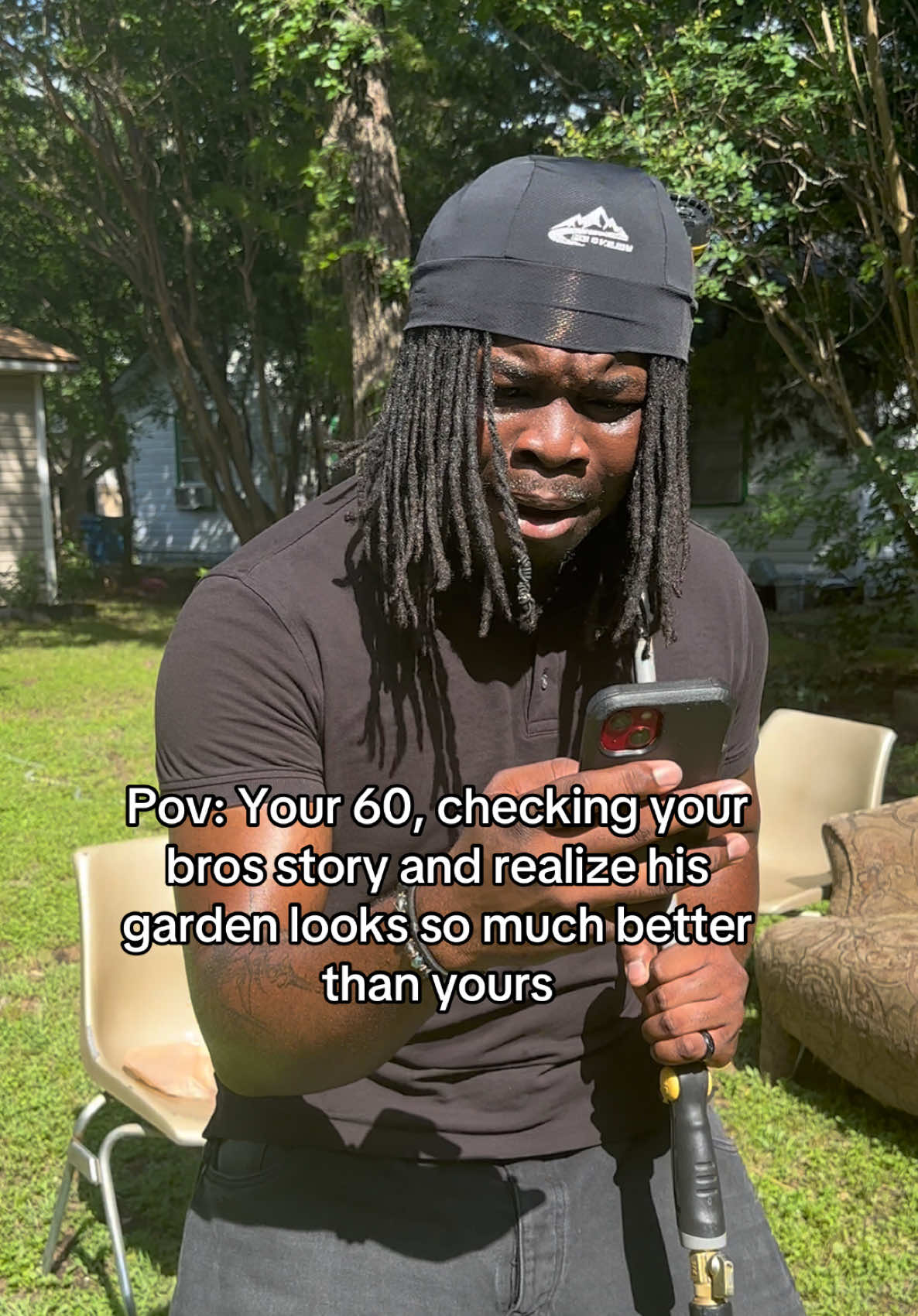
The specificity of turning age into a relatable anxiety hits hard. Nobody thinks "my garden vs. his garden" until you frame it as a 60-year-old flex moment, making comparison culture feel both funny and uncomfortably real.
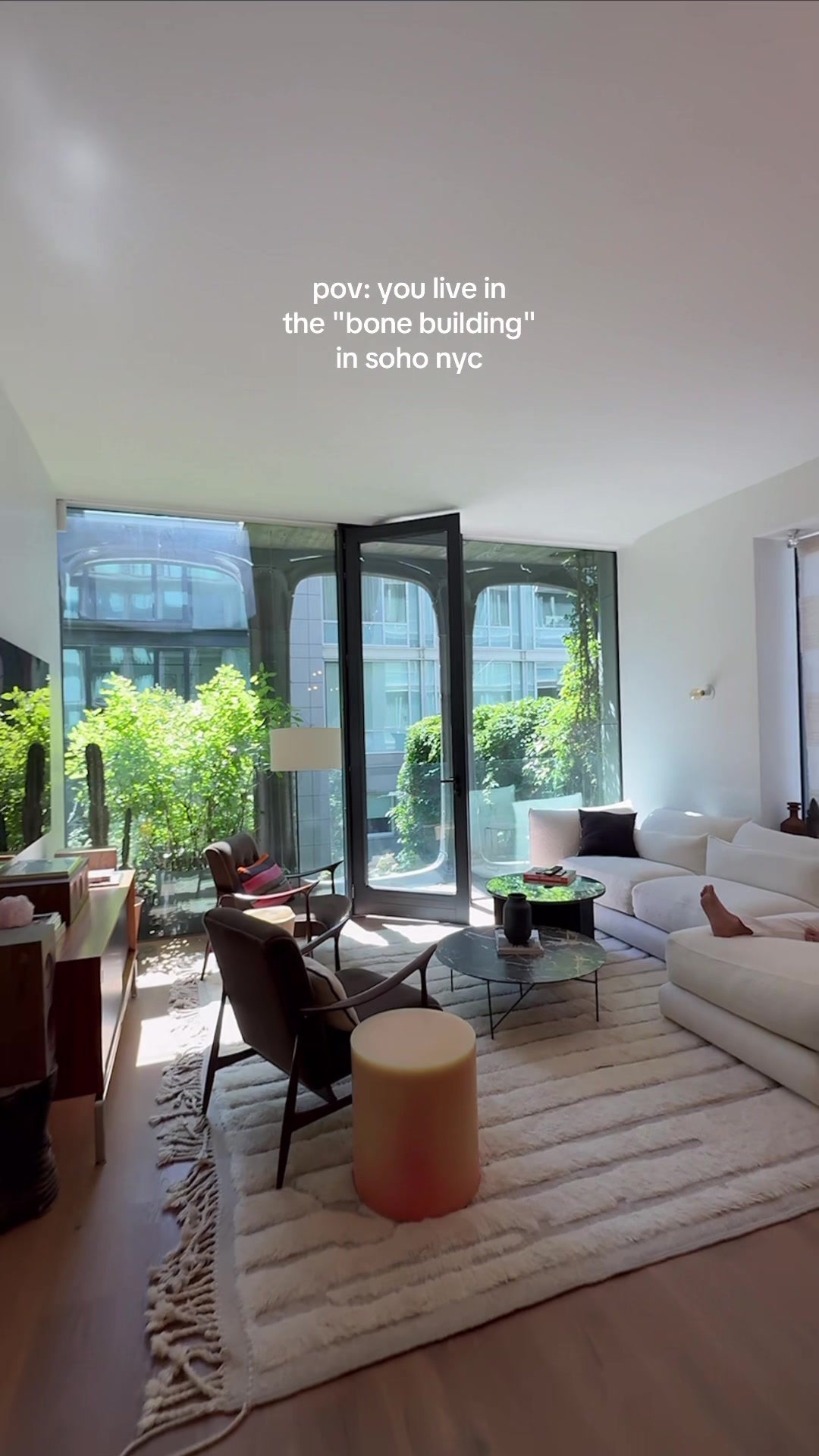
The aspirational lifestyle porn mixed with brutally honest pricing reality created a perfect tension. People simultaneously fantasized about the space while debating what it actually costs, which kept them in the comments longer. Raw luxury + NYC math = engagement gold.

The promise of a dramatic career pivot from dead-end job to six figures speaks to people stuck in unfulfilling roles, especially those questioning if it's too late to change. The "no degree, started in 30s" angle dissolves the biggest excuse people use to stay put.

Local coffee shop culture is ripe for roasting, and this creator nailed the shared frustration by embodying that specific "indie cafe attitude" everyone recognizes. The relatability paired with mild snark hit because it's honest observation, not mean-spirited attack.
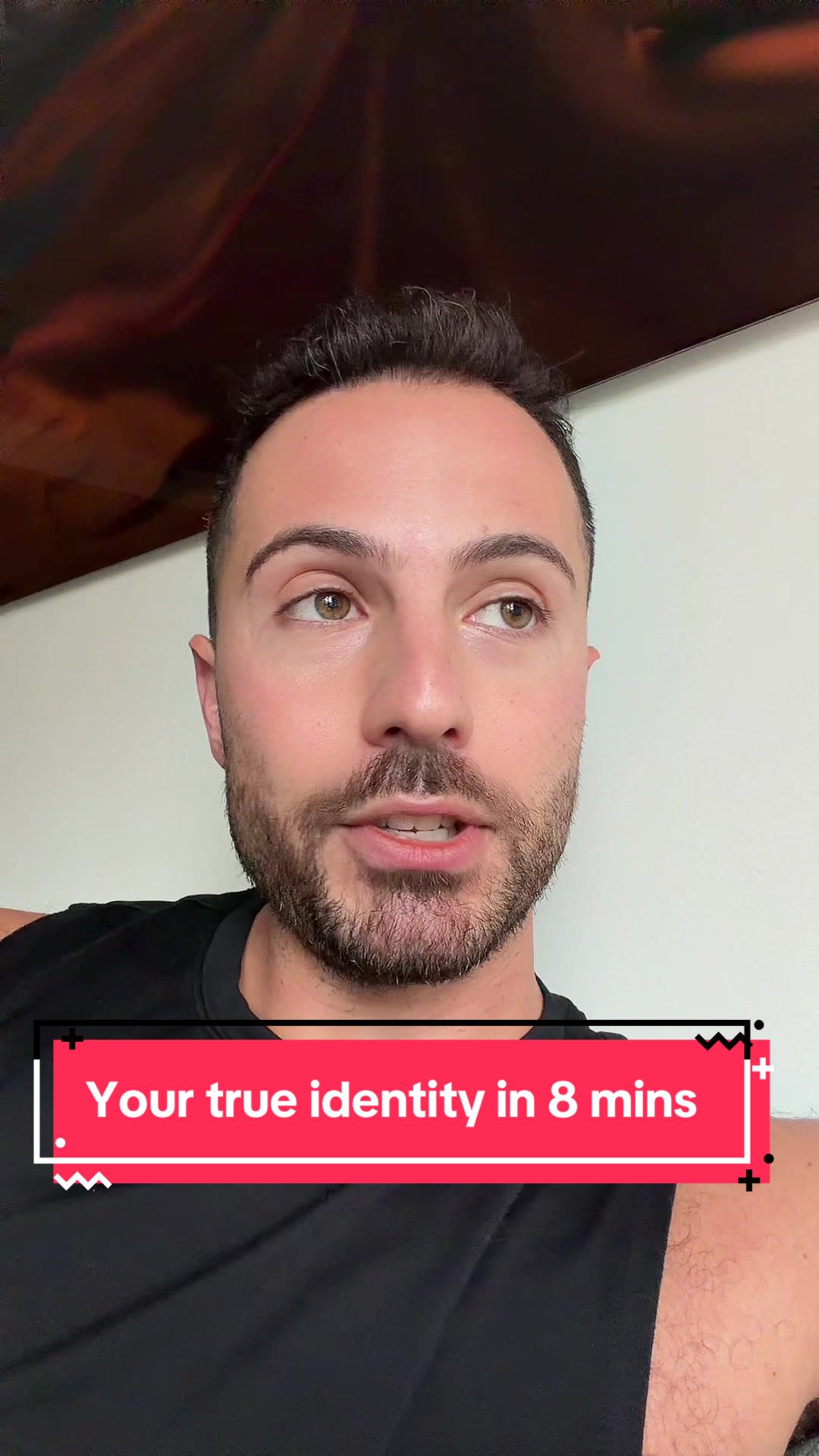
The "identity discovery" hook promises self-revelation in a tight timeframe, tapping into people's desire for quick psychological breakthroughs. The talking head format with direct eye contact creates intimacy, making spiritual concepts feel like personal advice rather than lecture.

The absurdist flex of literally swimming in cash while surrounded by luxury creates cognitive dissonance that stops scrolls. It's so over-the-top it reads as self-aware humor rather than genuine bragging, which makes people want to engage with the audacity instead of resenting it.
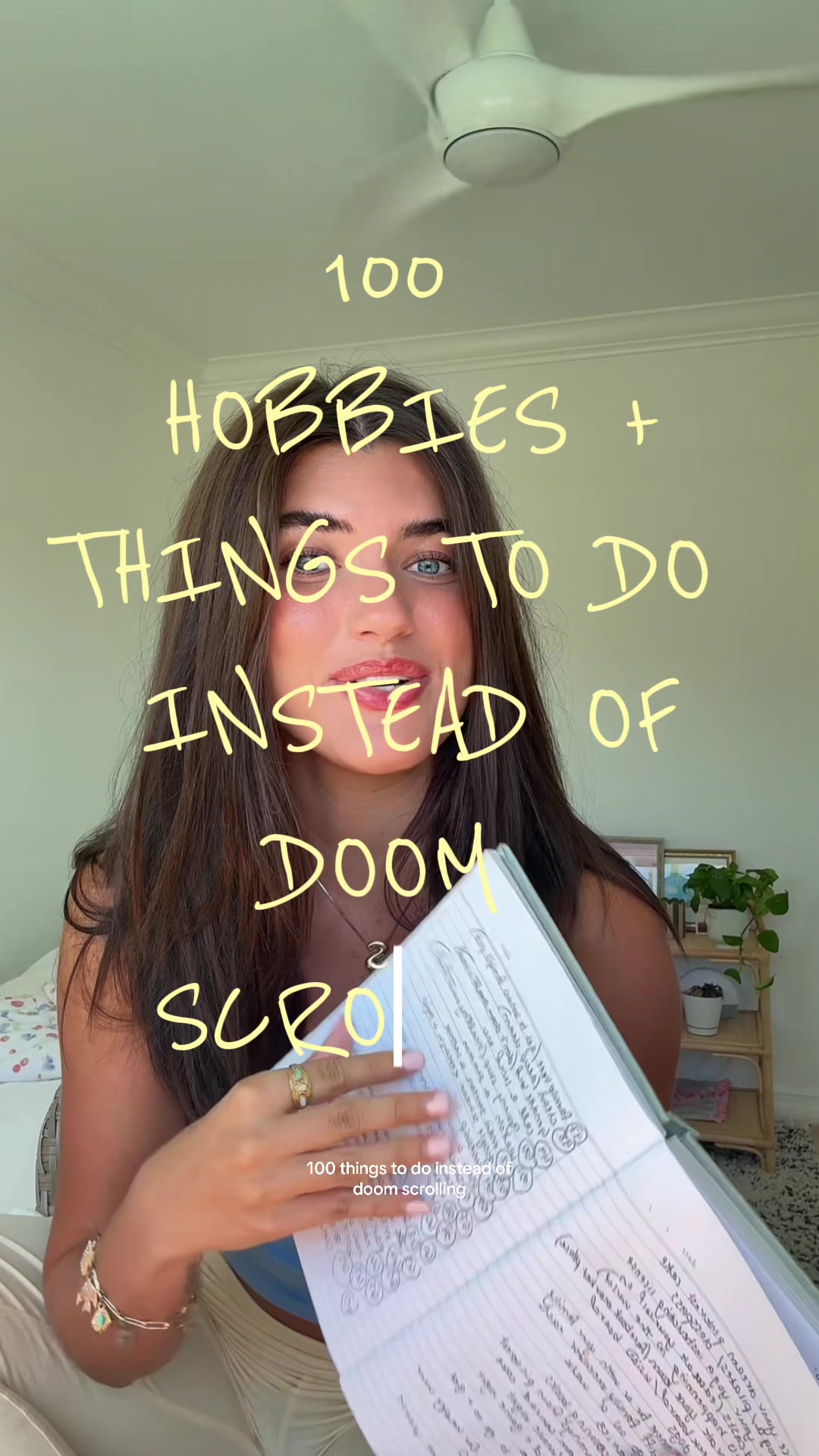
People save this obsessively because it gives permission to stop scrolling while simultaneously being scrollable content. The irony is the hook, but the practical list makes it genuinely useful, so viewers bookmark it as a real resource they might actually use.
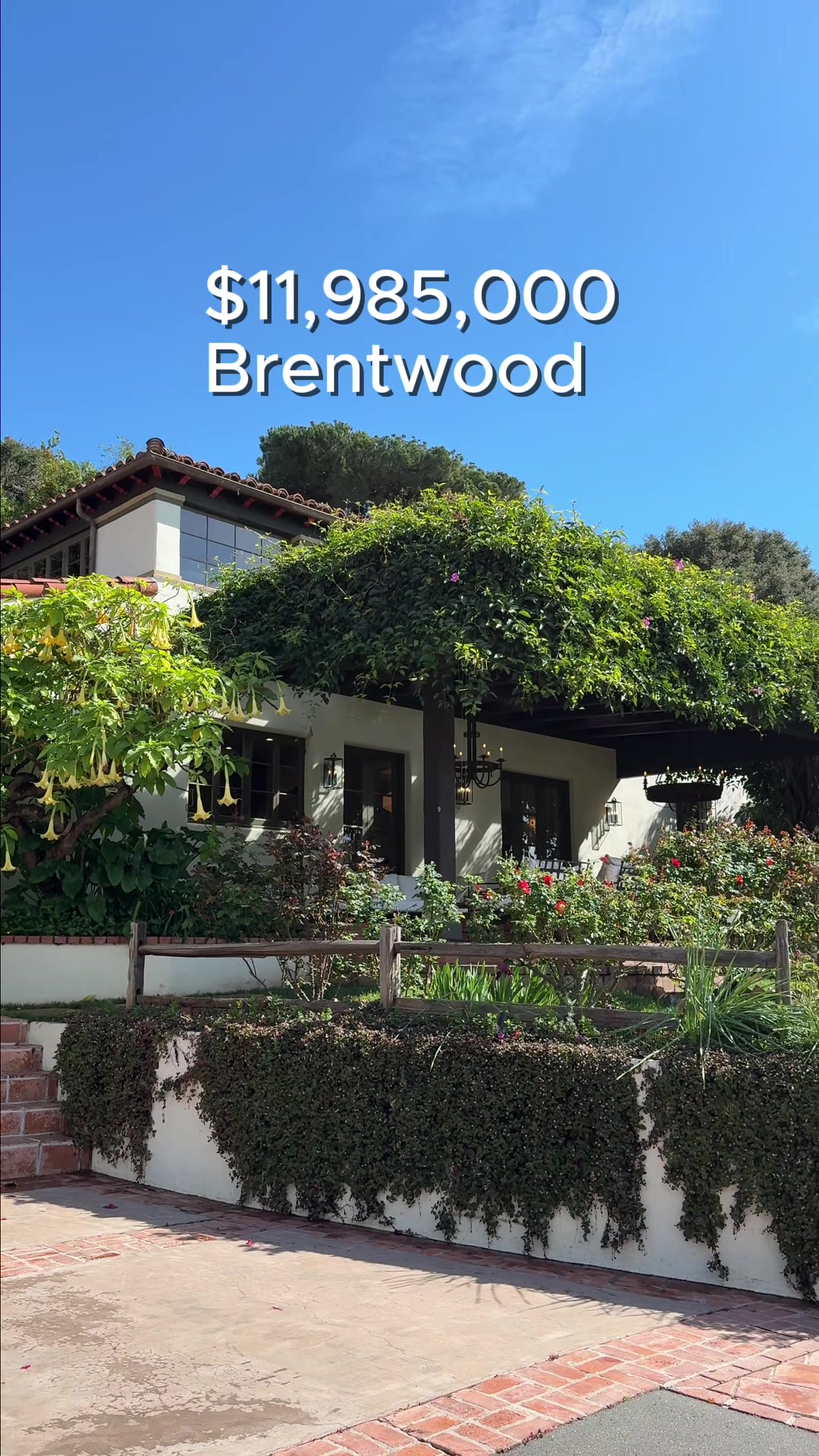
Luxury real estate at jaw-dropping price points creates a natural draw because it lets people fantasize about a lifestyle they'll probably never have. The high saves and shares happen because these homes are conversation starters—people want to show their friends, debate the value, or just daydream about what $12M buys you.
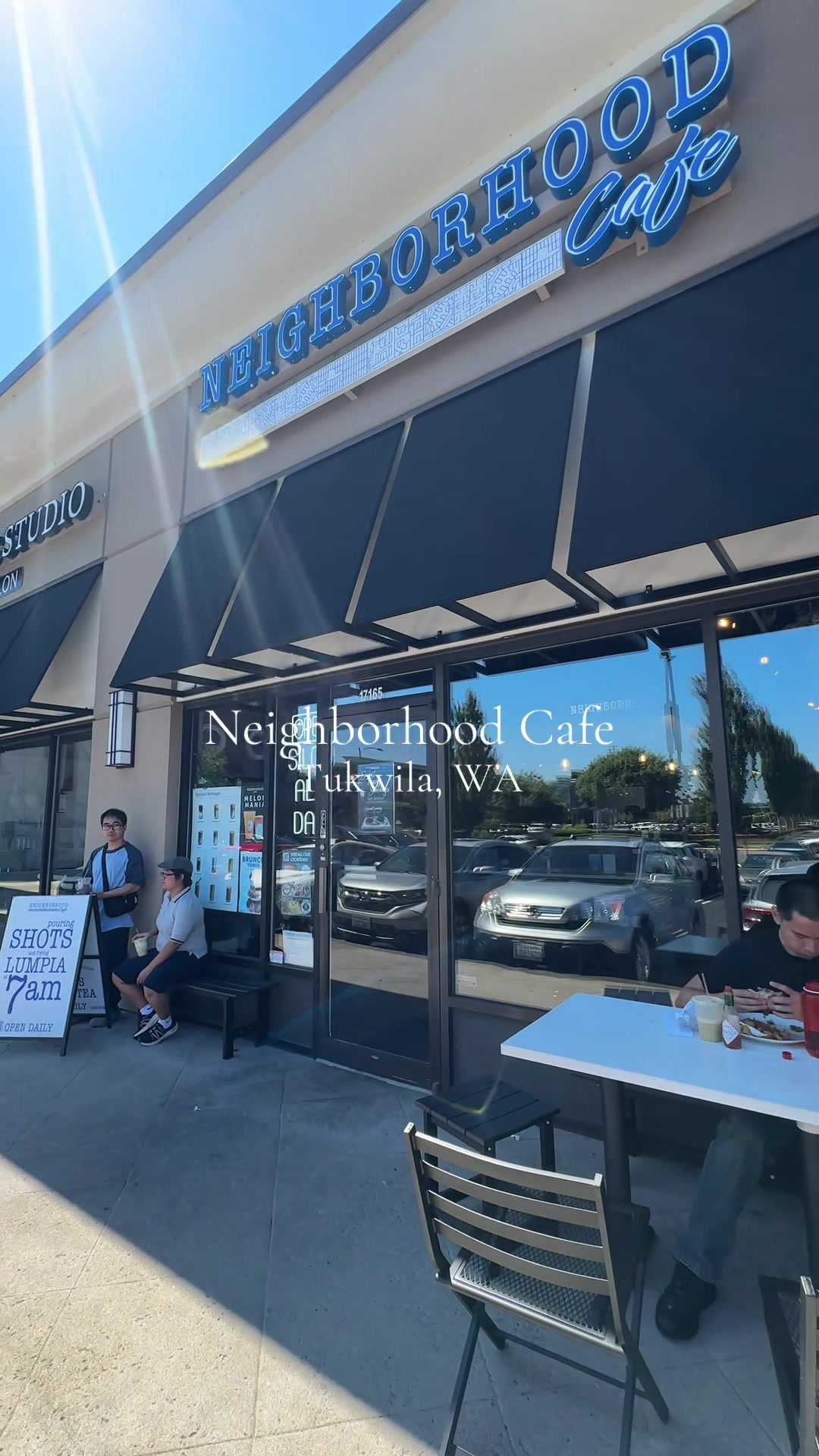
The post tapped into local discovery and community pride, presenting an unassuming neighborhood spot with genuine enthusiasm. People saved and shared it because it felt like a real recommendation from someone who actually cared, not a polished ad, and the Filipino food angle added cultural specificity that made it feel worthwhile to pass along.
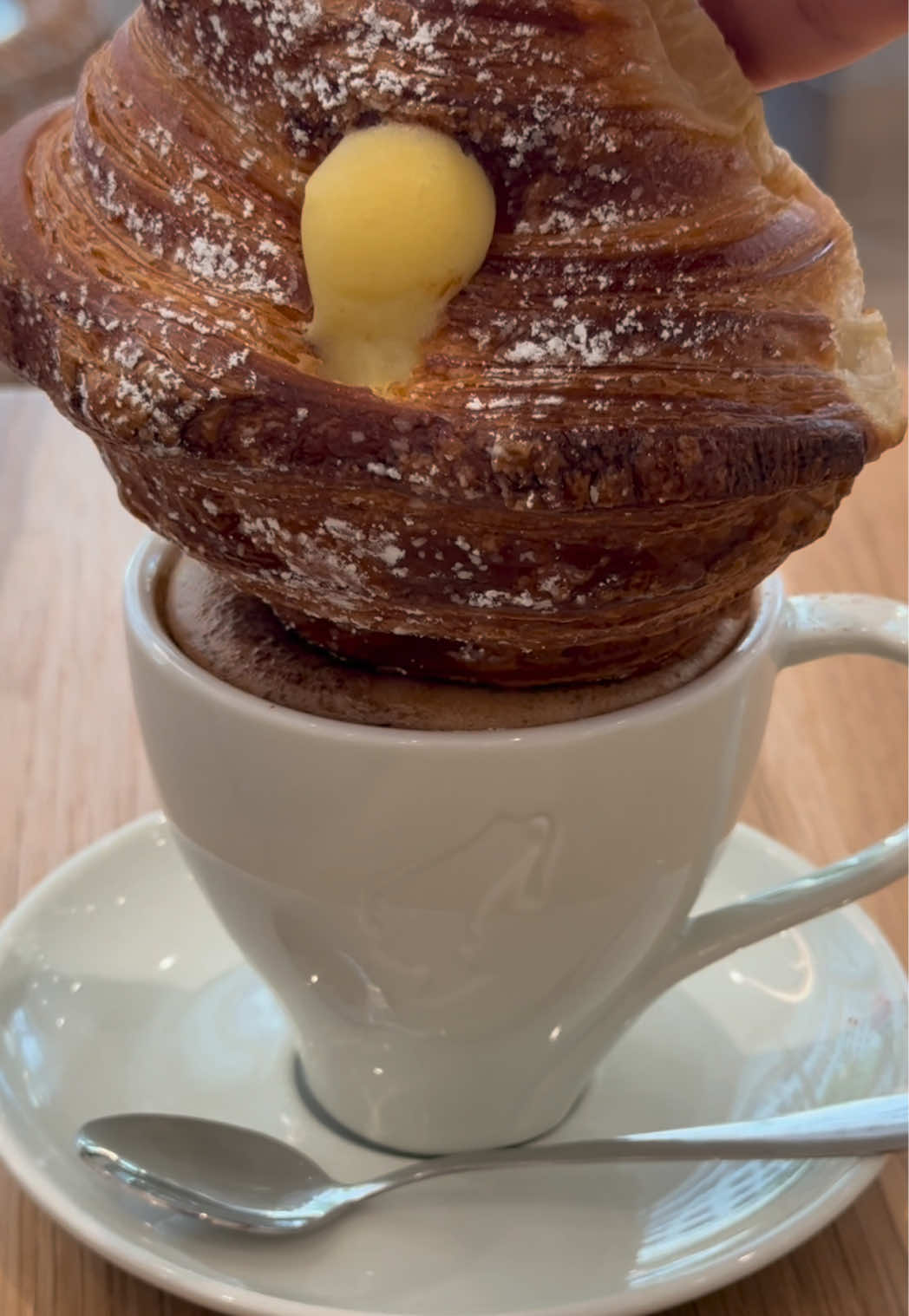
The reveal of a hidden message in the pastry's cream filling taps into satisfying visual surprise while the cheeky "U" acronym (upset you) feels like discovering a secret joke. It's clever without being preachy, turning a simple coffee moment into shareable humor.
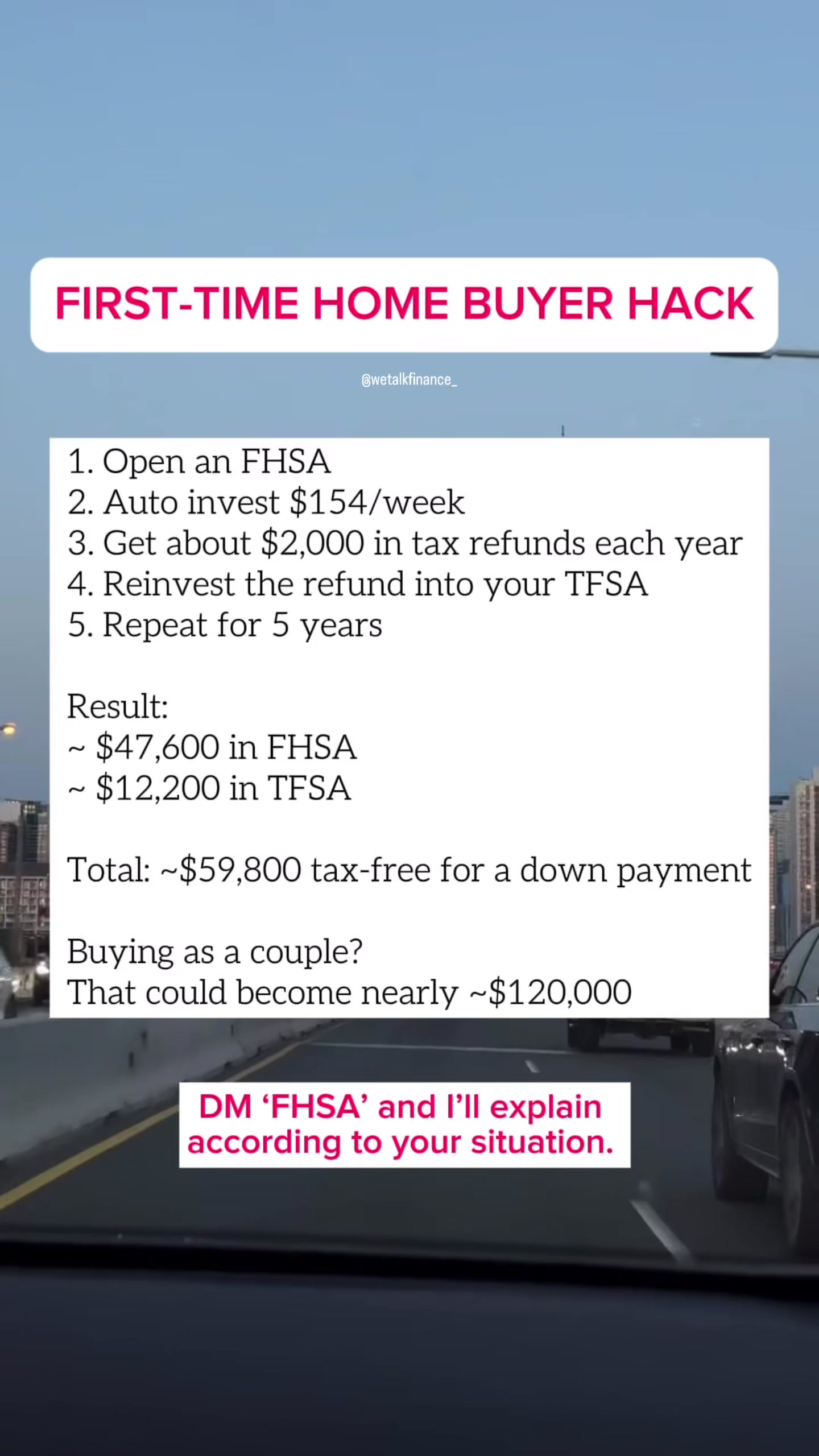
People are starved for concrete, actionable financial strategies that actually move the needle on homeownership. The specificity (exact dollar amounts, realistic timeline, clear math) cuts through generic advice and feels like insider knowledge they can actually execute.
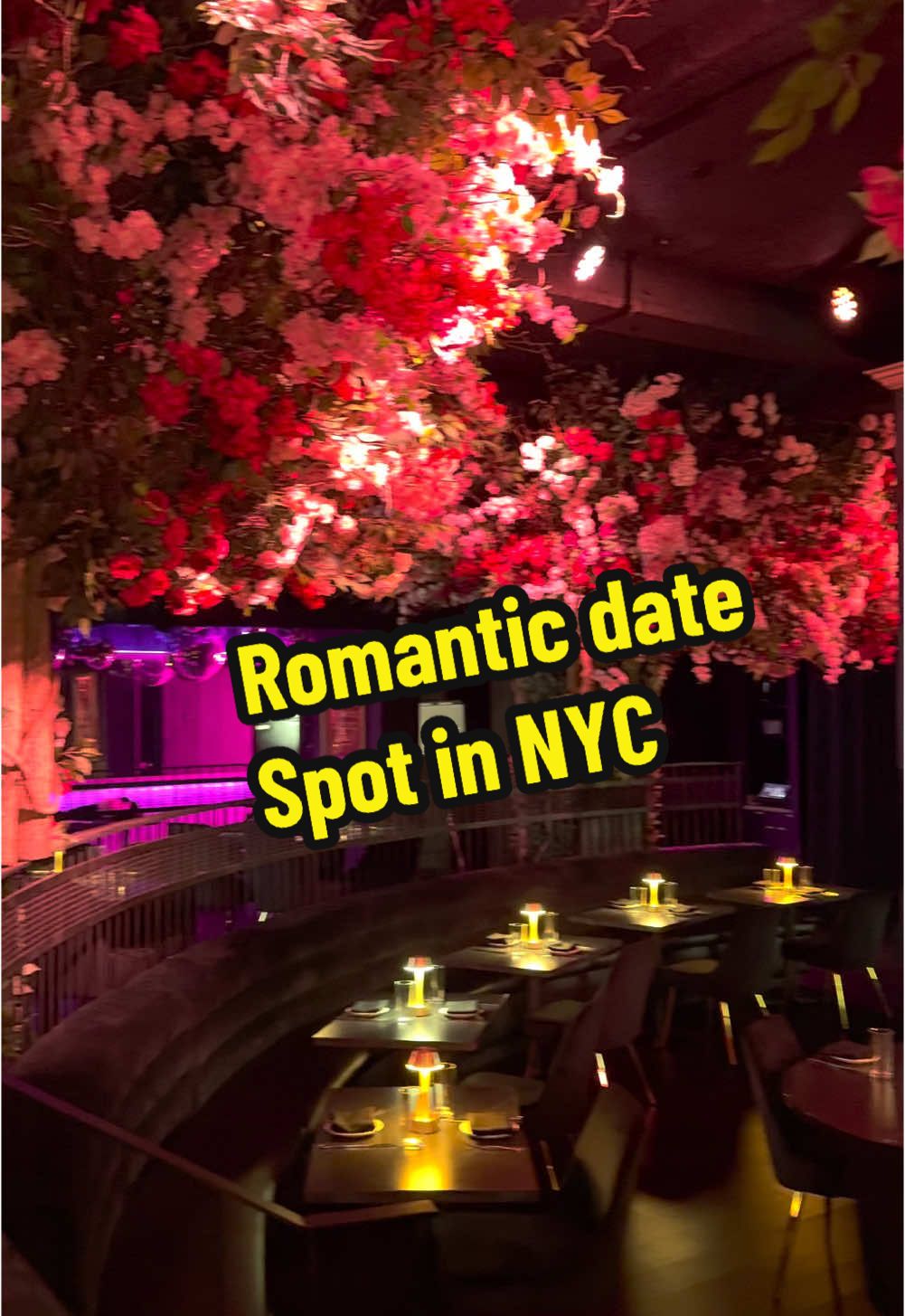
Visual spectacle and aspirational lifestyle hook people instantly. The overwhelming floral installation creates an Instagram moment so stunning it makes people want to save and share the location, especially paired with the celebrity proximity angle and date night positioning.
People are hungry for founder advice from someone who appears approachable and has been through it. The "hold for 2x speed" mechanic signals valuable, dense information worth your time, which builds anticipation and keeps people watching intently.
People are hungry for permission to change their habits, especially at a moment when collective anxiety about scrolling feels inescapable. The genuine excitement in her delivery makes the list feel achievable rather than preachy, tapping into that early-year optimism where small pivots feel possible.
The raw authenticity of someone standing alone in nature delivering a direct motivational message hits harder than polished studio content. People respond to the vulnerability of a real moment and a clear call to action that feels personal, not preachy.
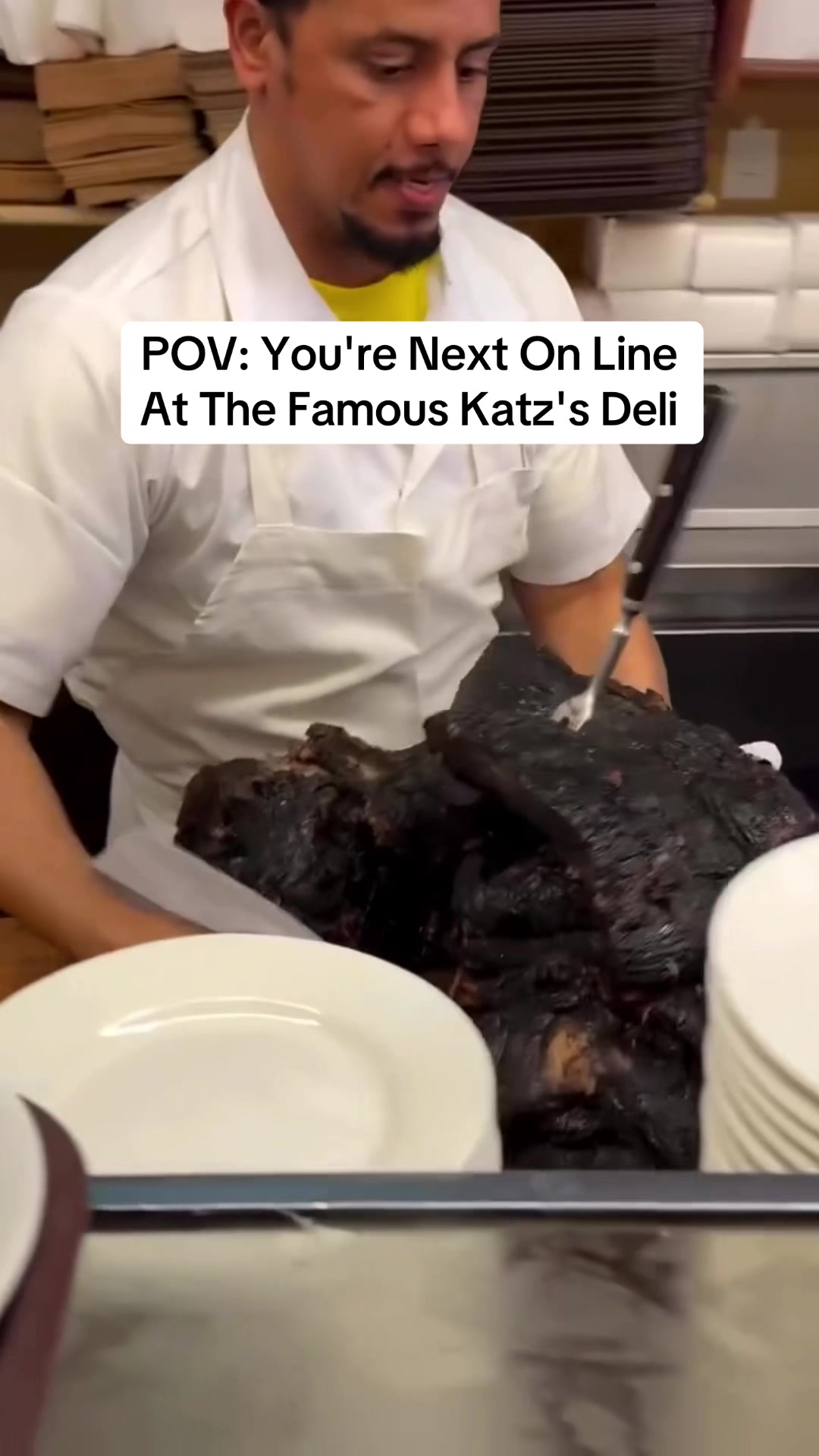
People crave behind-the-scenes access to iconic, hyped places. This taps into FOMO and curiosity about whether the legend lives up to the hype, especially when paired with a relatable "you're next" framing that puts viewers in the experience.
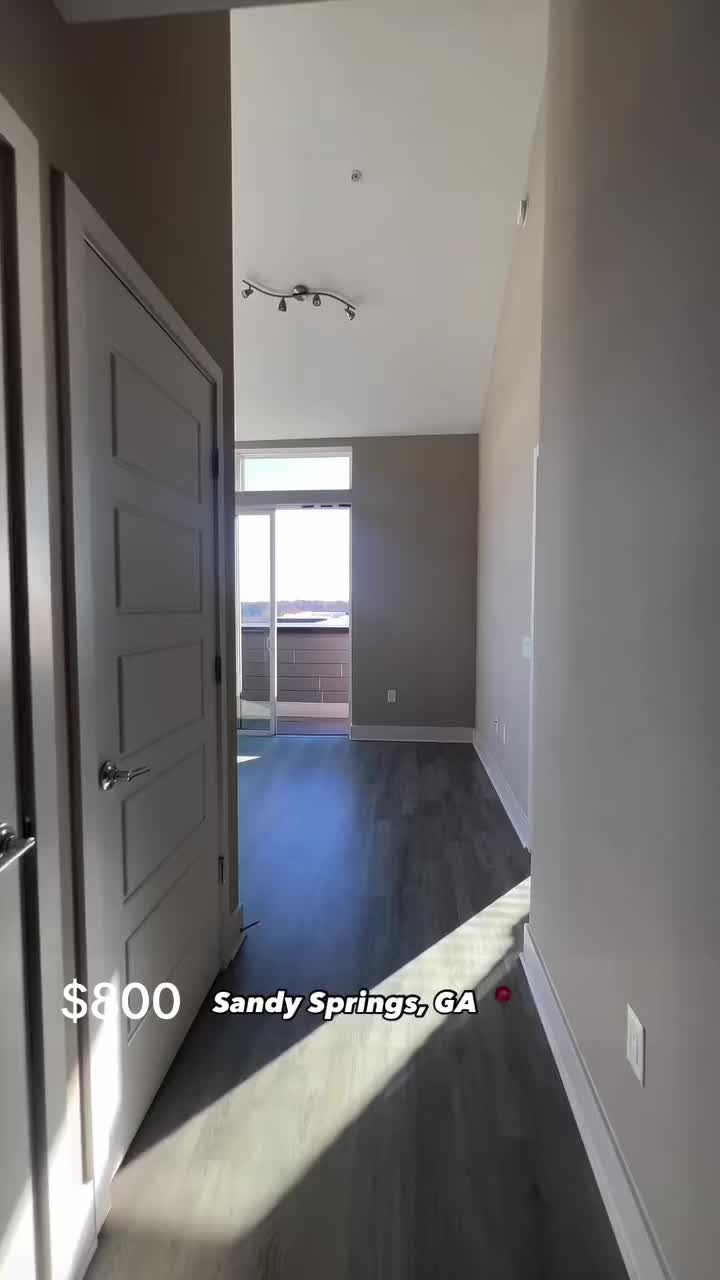
People are starved for affordable housing that actually exists. A sub-$1000 rent in a major metro hits hard because it feels too good to be true, which triggers both skepticism and desperate hope. The comments prove it: nobody believes it without proof, but they're all looking.
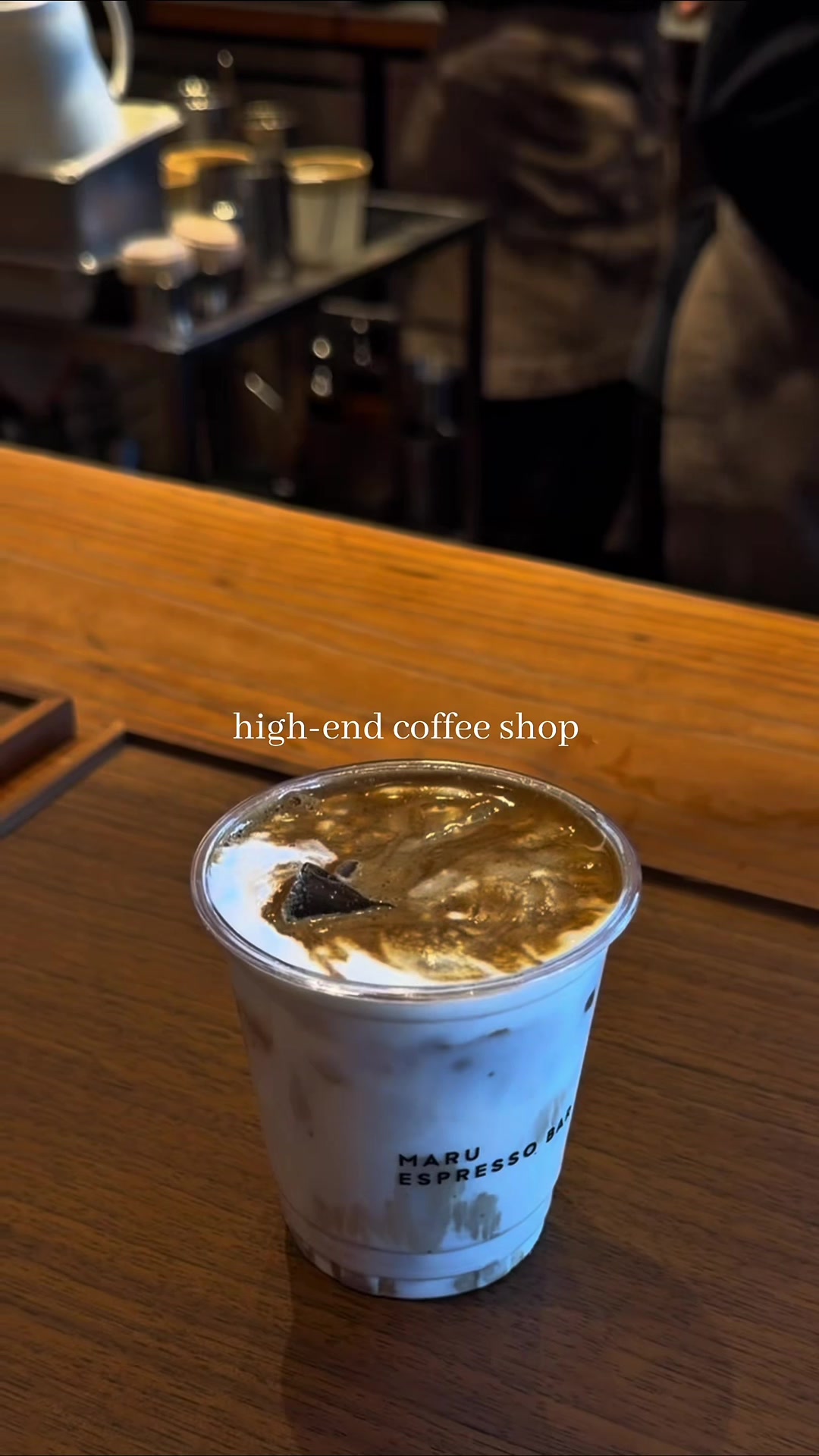
The aesthetic setup and luxe framing ("high-end coffee shop") creates aspirational appeal, but the real hook is the visual contrast between the sleek branding and the casual, almost chaotic coffee shop energy in the blurred background. People save this because it feels like a genuine spot recommendation wrapped in premium vibes.
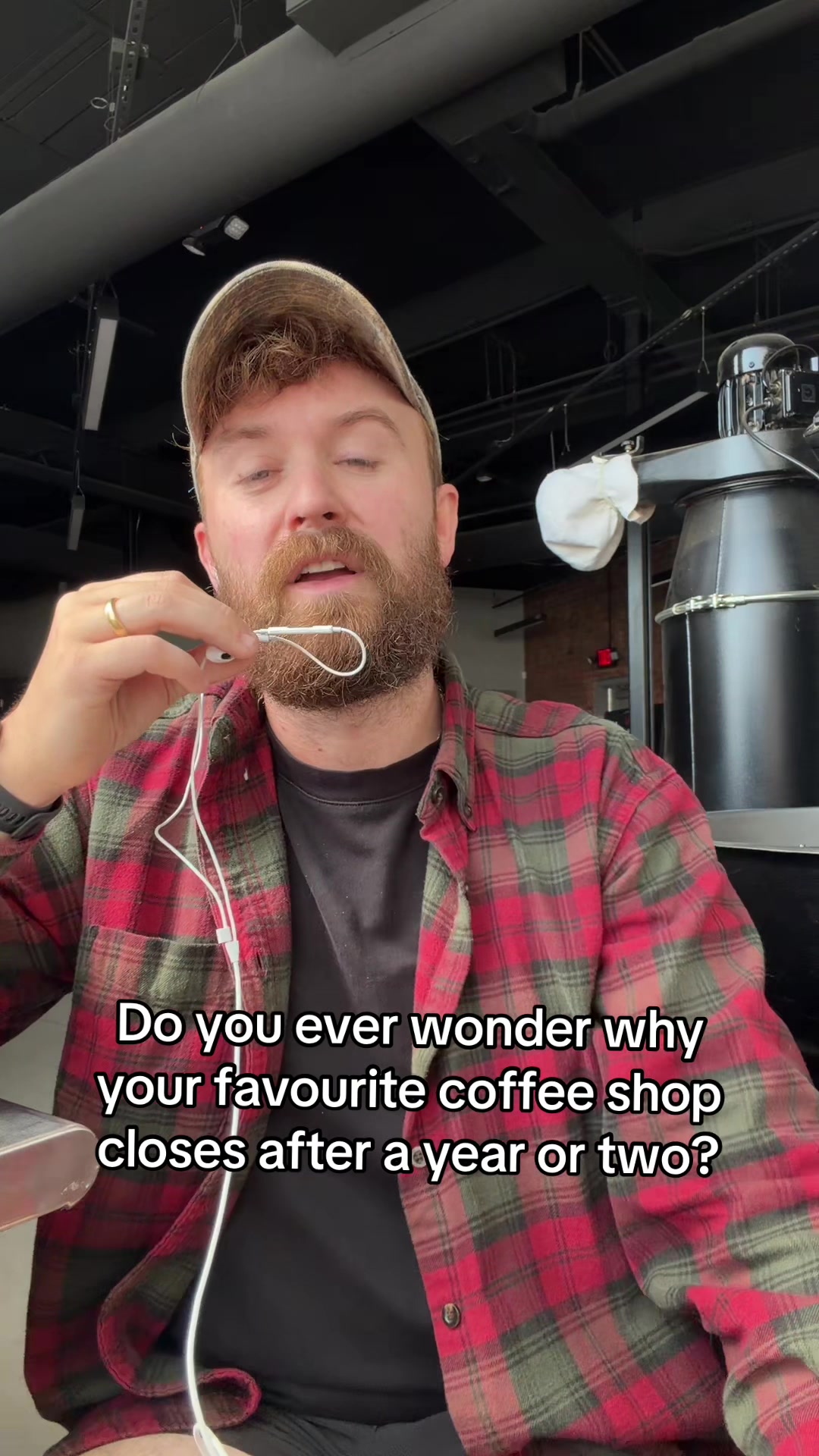
This post taps into real frustration people have with local businesses disappearing, then reveals the unglamorous truth: landlords and rent kill even beloved spots. The raw, in-your-face delivery from someone who clearly works in coffee makes it feel like insider knowledge, not lecture.
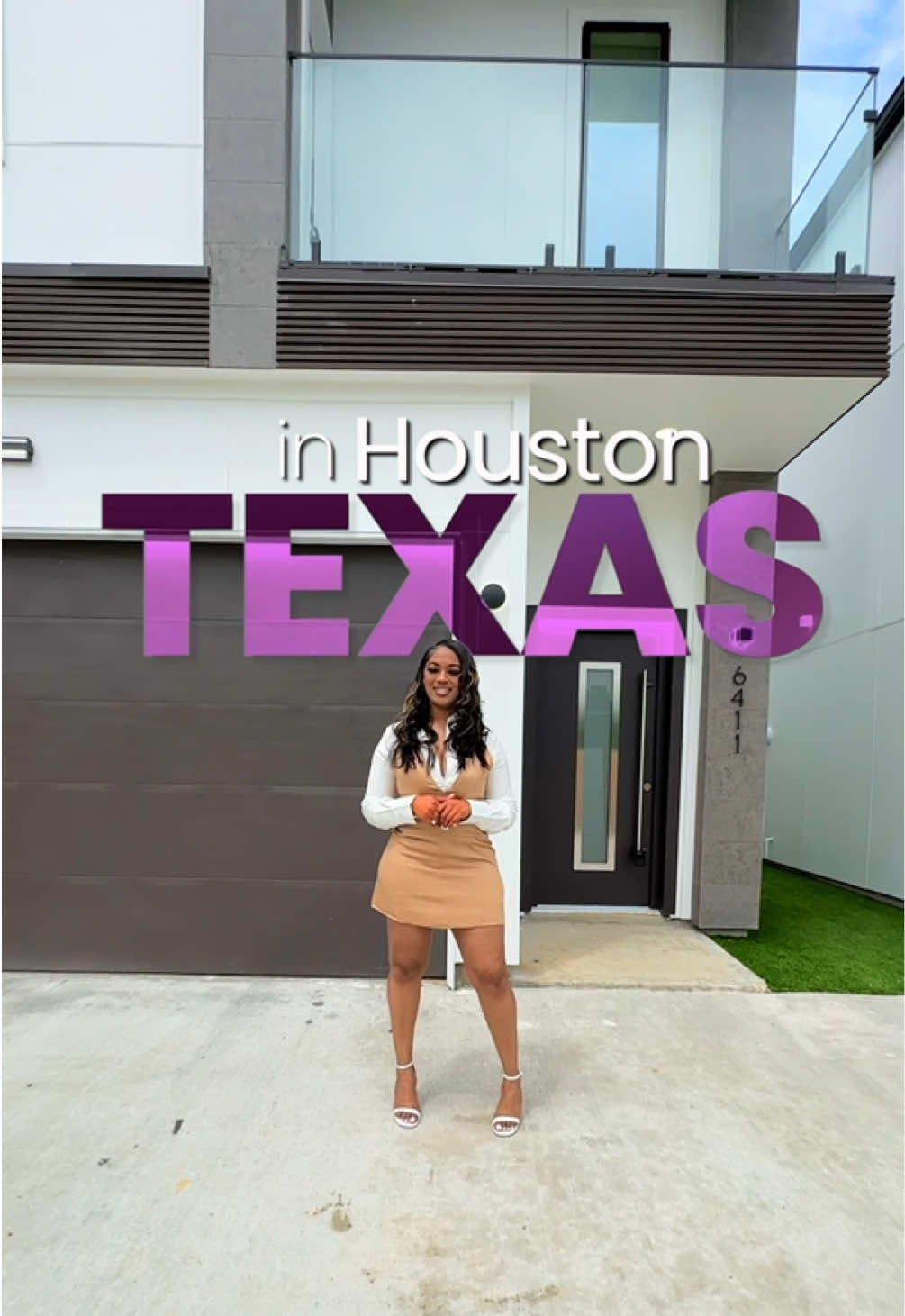
People respond to permission and possibility. Telling first-time buyers they don't need perfect credit removes the biggest barrier in their head, making homeownership feel achievable. The confidence and approachability matter as much as the message.
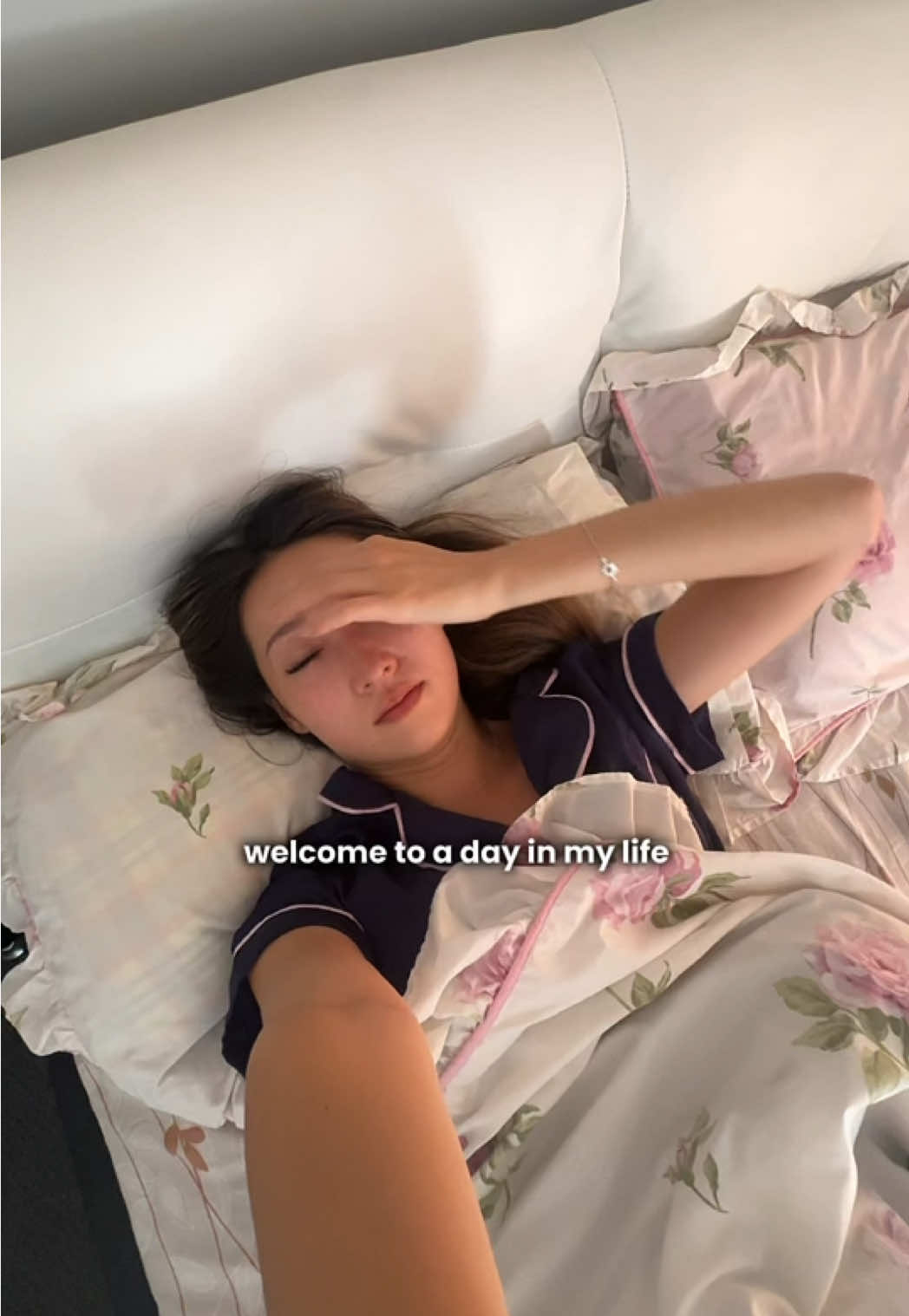
The raw, unglamorous reality of running a business while traveling struck a chord. People connected with the messy truth of entrepreneurship, not a polished highlight reel. The CCTV moment especially landed because it's relatable friction everyone recognizes.
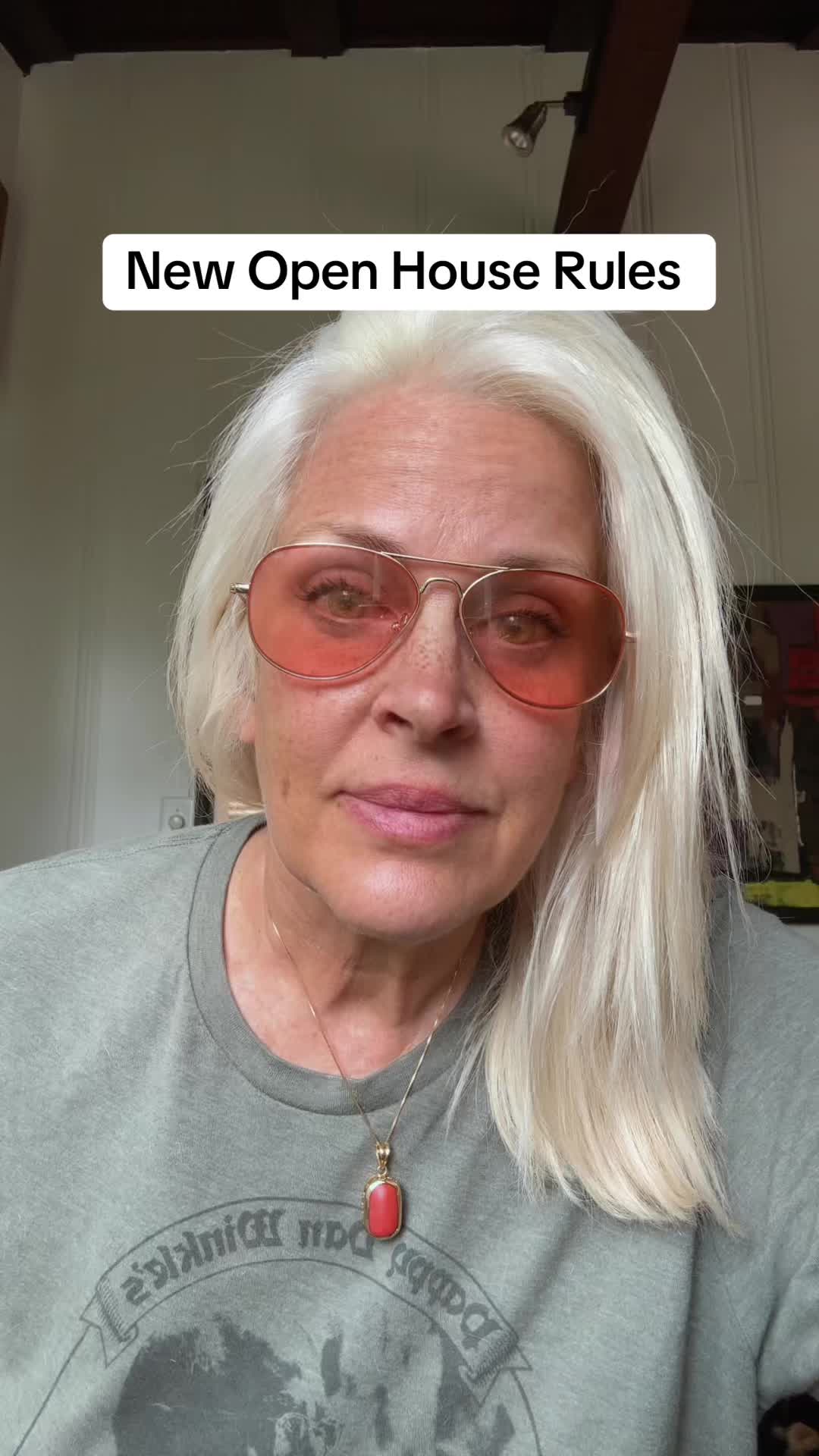
The post taps into a friction point that annoys both buyers and agents. By framing a new rule as absurd through her deadpan delivery, she validates the viewer frustration while sparking debate about who actually has power in the transaction.
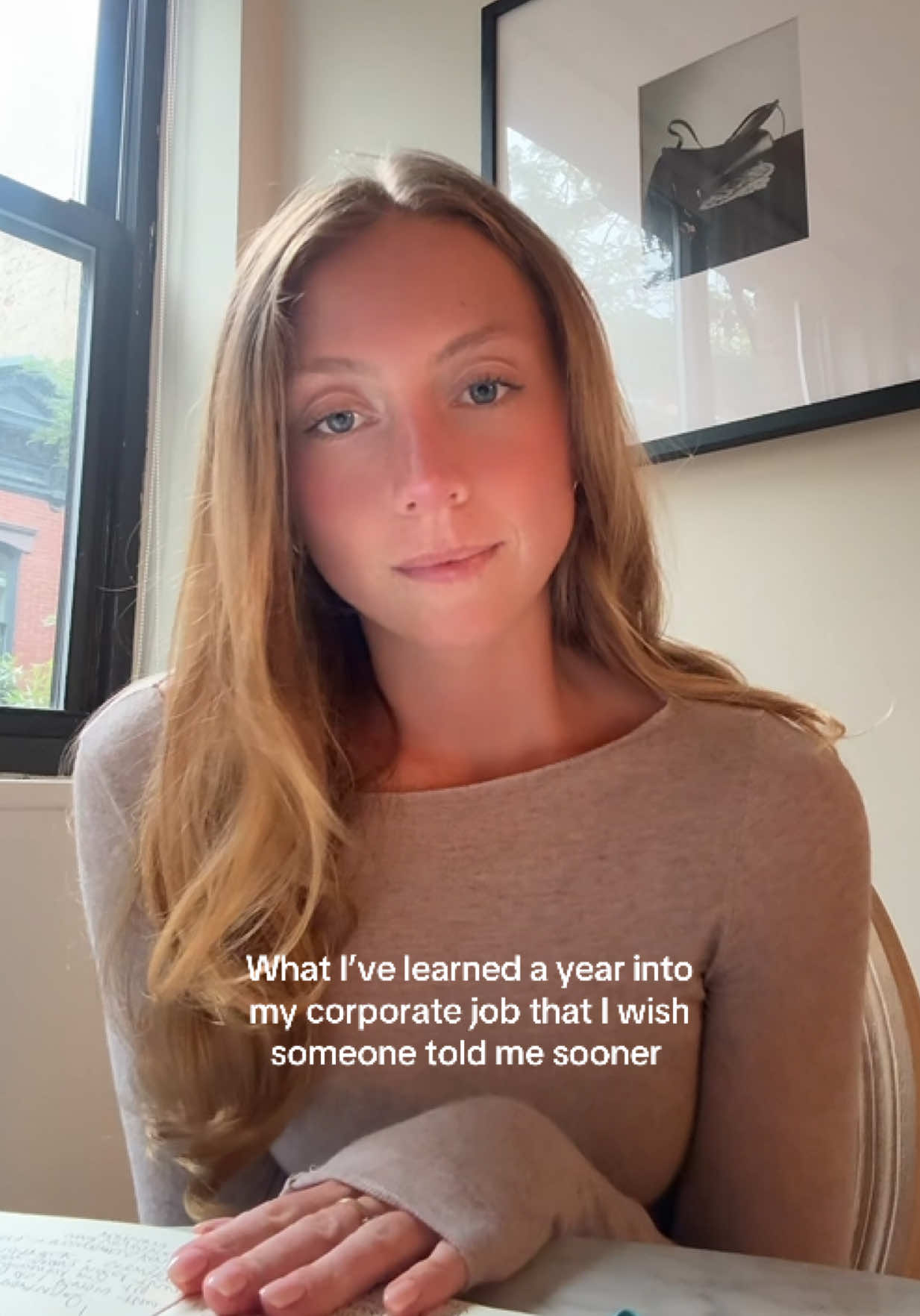
People crave insider wisdom about surviving corporate life, especially from someone who's actually lived it. The "lessons learned" angle taps into that need for real guidance wrapped in relatability, making viewers feel like they're getting a cheat code before making the same mistakes.

This hits because it's the ultimate inside joke made visual. The "arching girl" is such a specific, absurd running gag that people instantly recognize it, and watching two people nail that exaggerated pose together feels like being let in on something hilarious. The novelty plus the shared understanding made it irresistible.
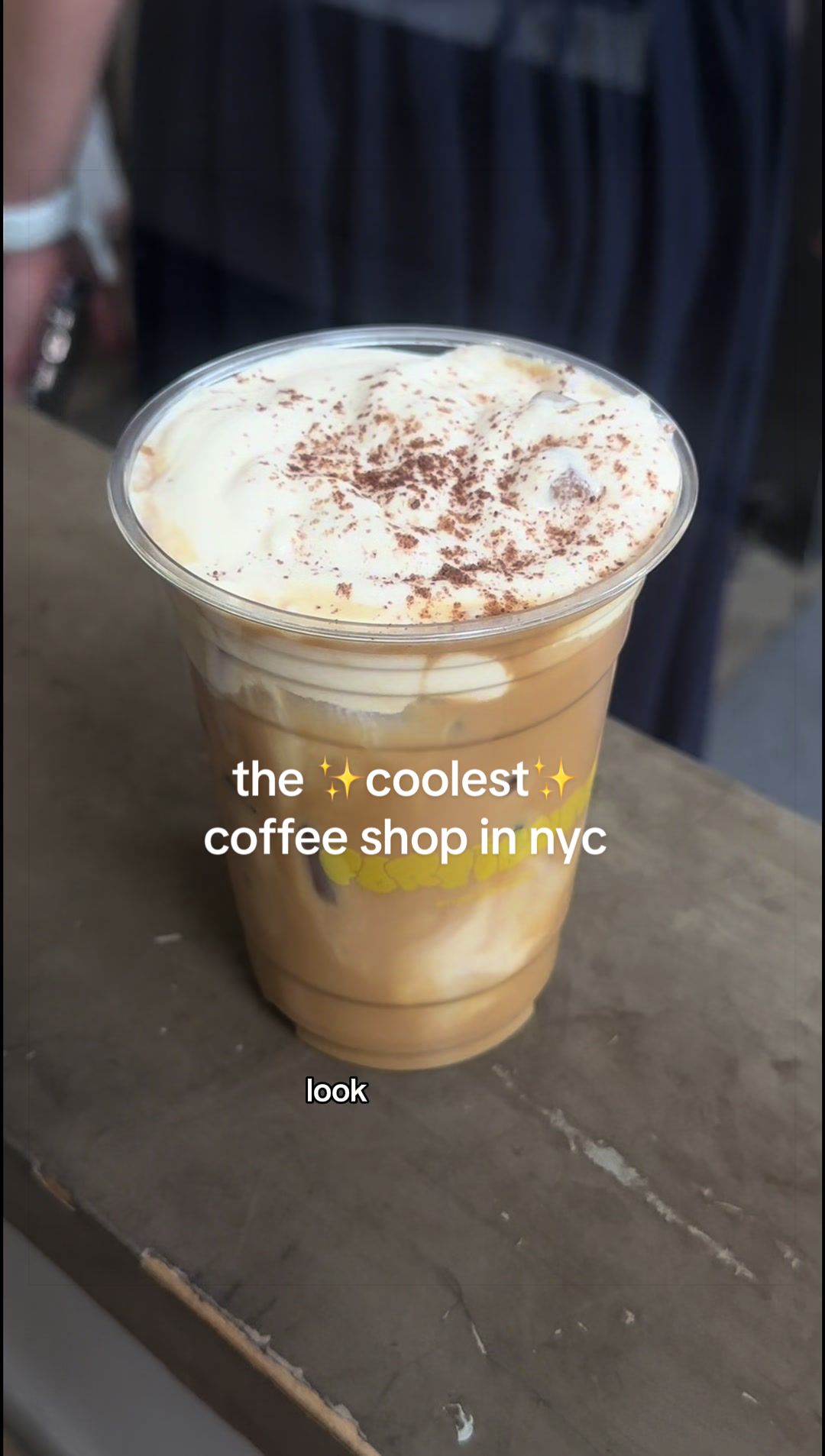
The "coolest coffee shop in NYC" framing taps into FOMO and local discovery, while the visual payoff of the cloud latte's aesthetic design rewards the click instantly. People save visually stunning food because it's shareable proof they found something worth knowing about.
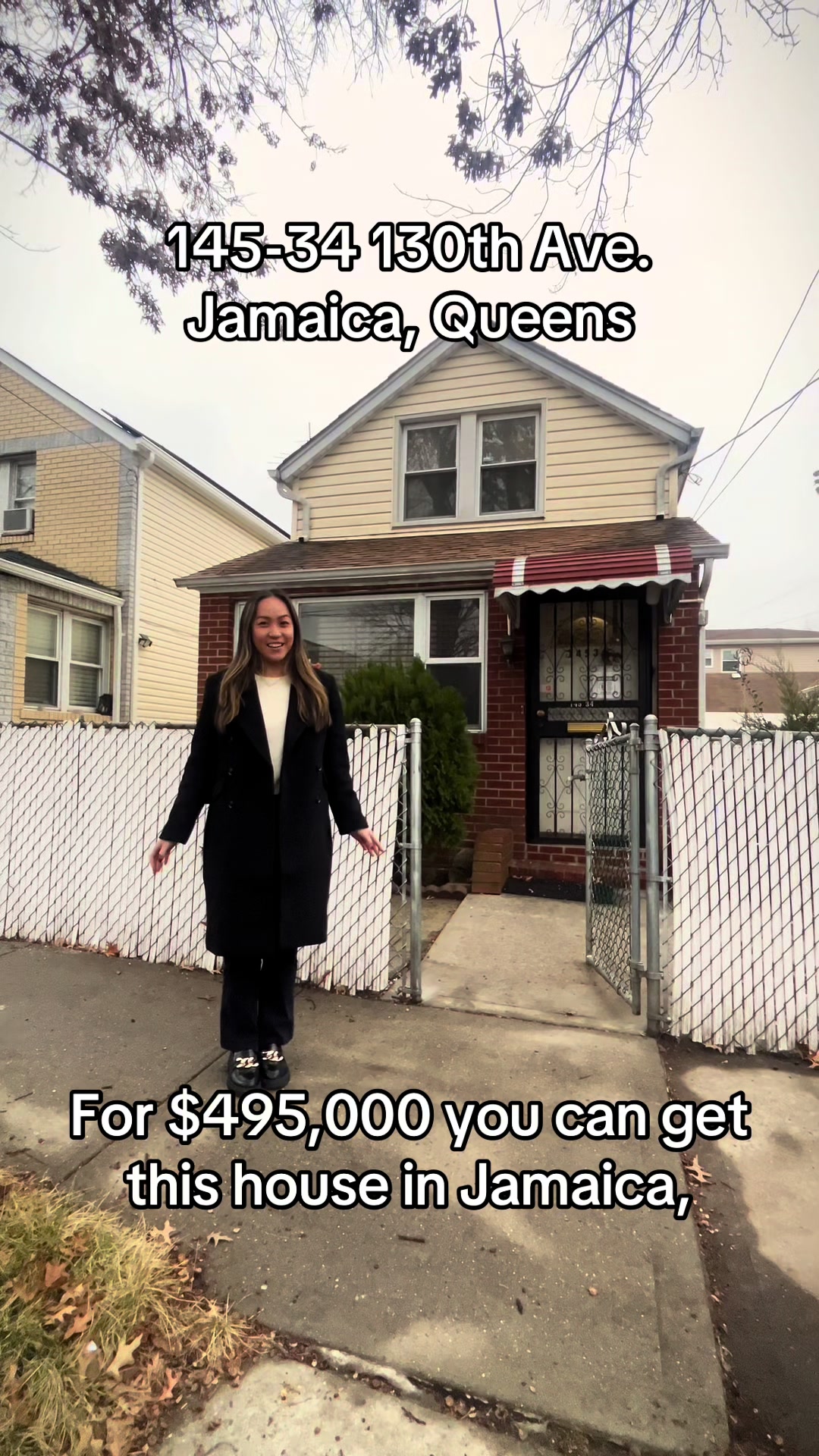
People are drawn to the stark contrast between price and condition, especially in high-cost markets like Queens. The real reaction in comments shows viewers mentally calculating whether this is a steal or a money pit, creating genuine debate that drives shares.

People are drawn to luxury real estate that feels aspirational yet grounded in reality. The jaw-dropping price-to-property ratio created genuine surprise, sparking conversation about value rather than just admiration.
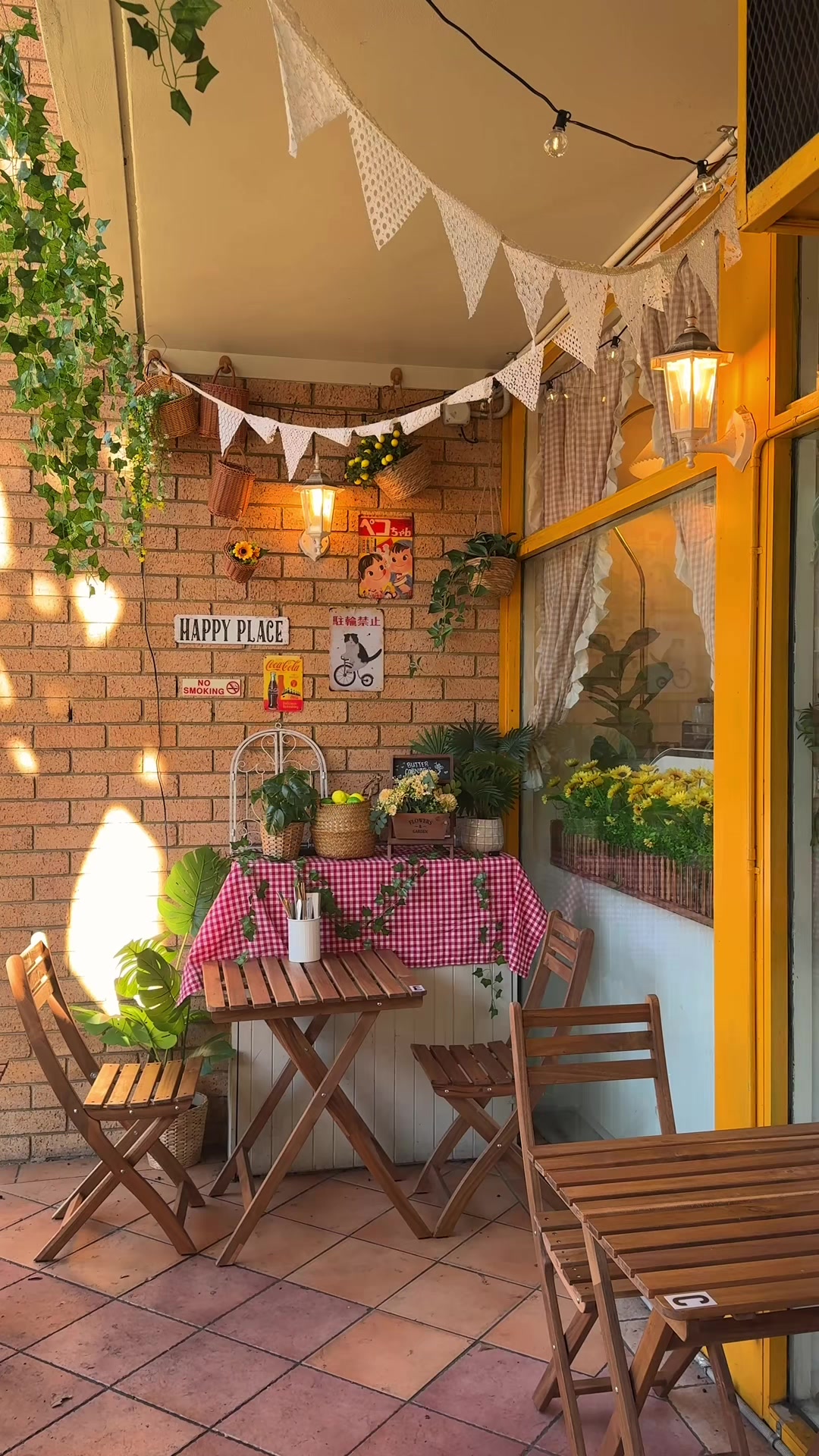
This post taps into the founder journey people genuinely care about—the risk, the doubt, the small wins. It's not polished success porn; it's raw vulnerability about leaving stability for something uncertain. That honesty combined with a visually warm, inviting space creates an emotional investment that makes people want to support the business.
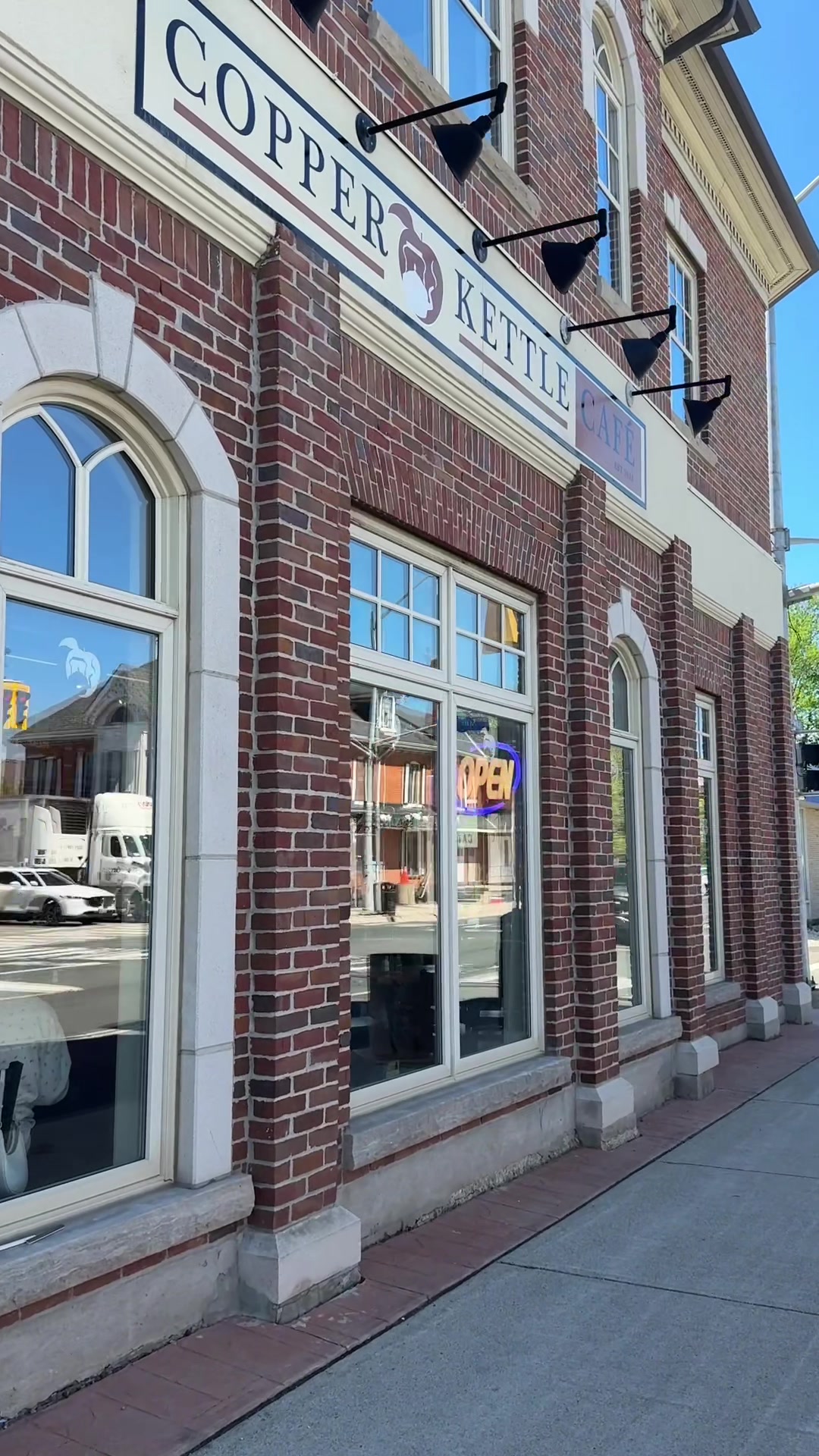
People crave discovery of charming local spots, especially when presented as part of a larger exploration. The "unlocked" language combined with the promise of more exploration taps into the collector's mentality—viewers want the full guide, not just one place, which drives them to engage and share.
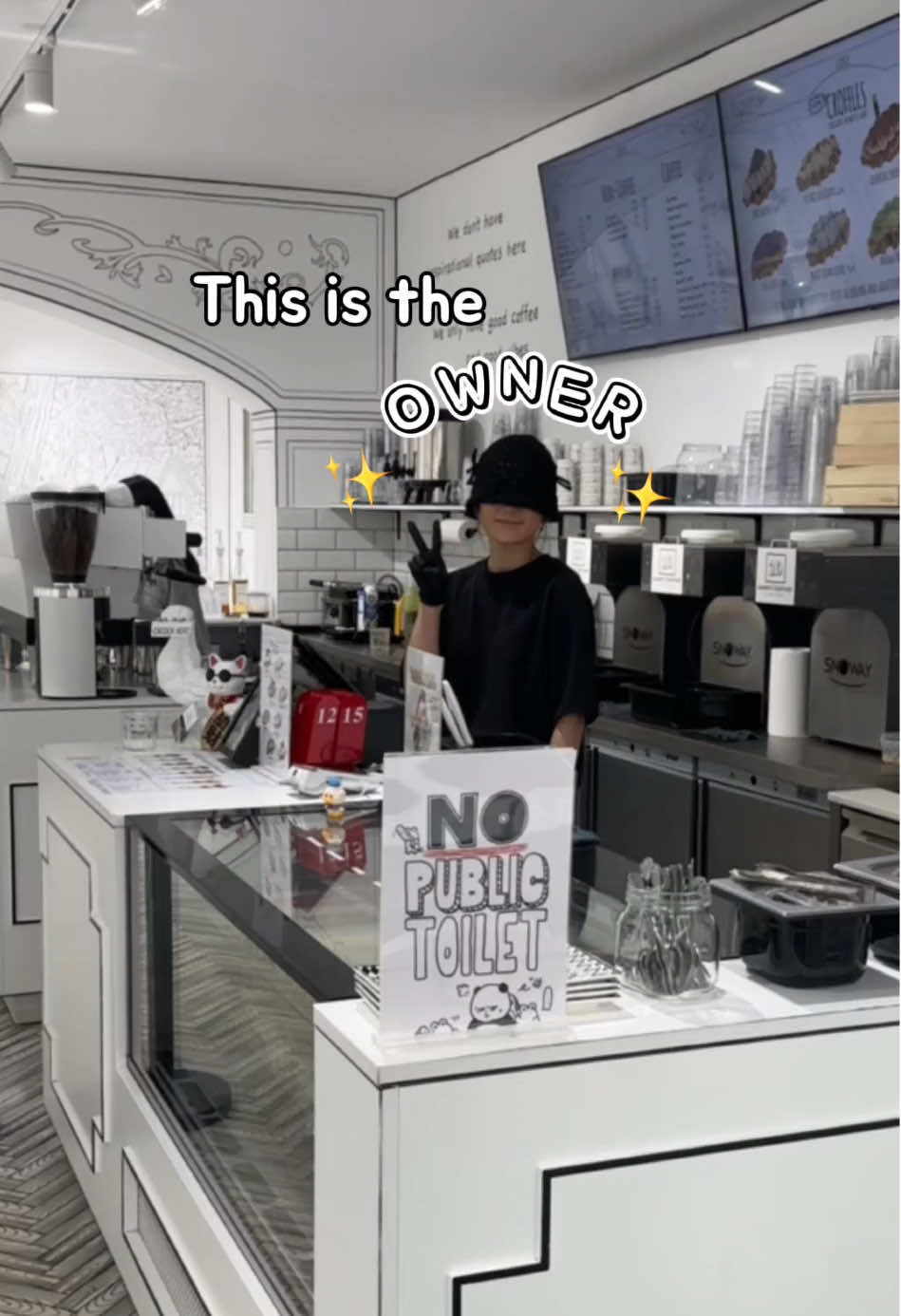
The "owner energy" angle taps into aspirational admiration mixed with humor. People love seeing competent, confident business owners in their element, especially when there's a casual, relatable vibe rather than polished perfection. The "no public toilet" sign adds personality and removes the sanitized feel.
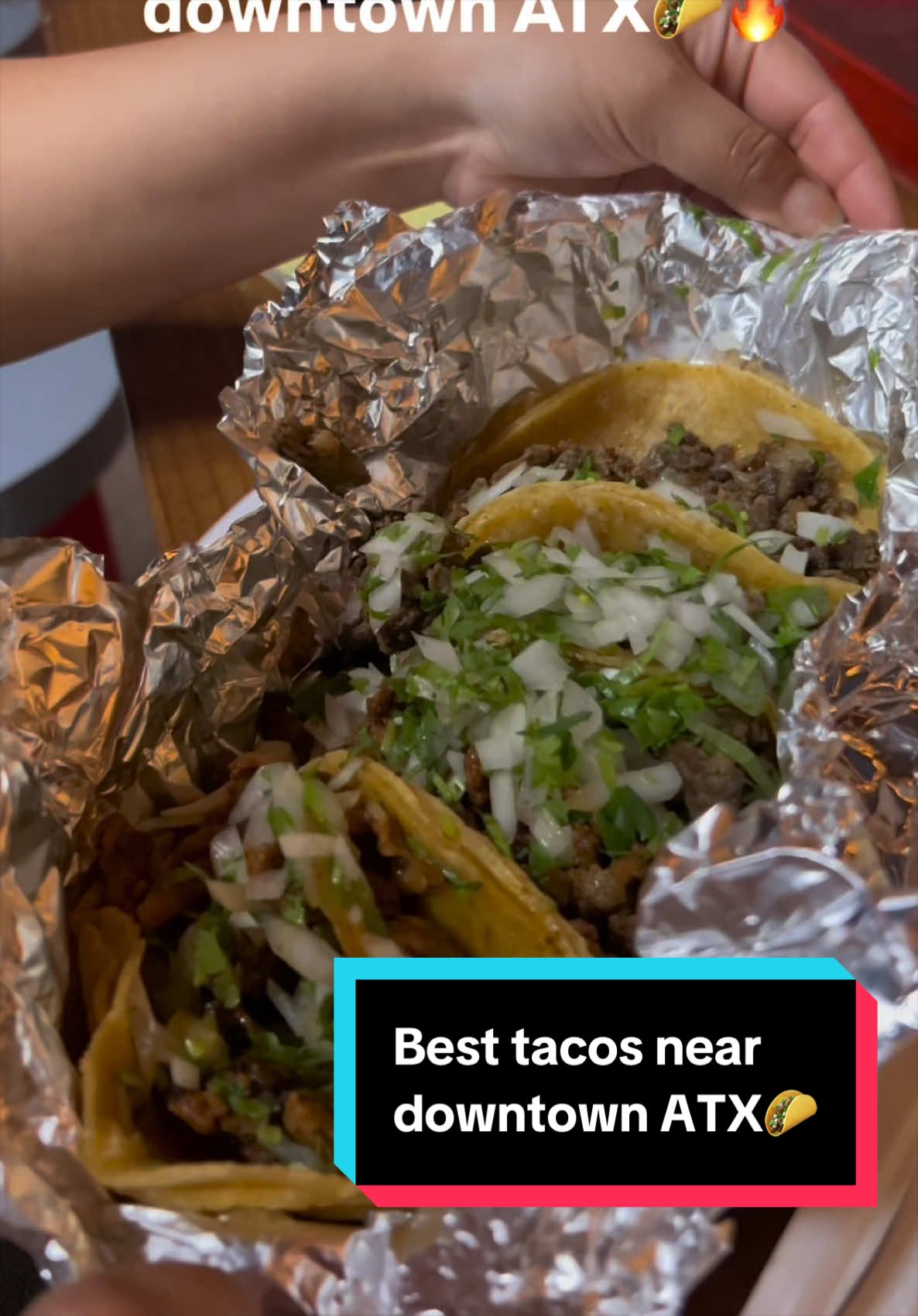
Local food authenticity taps into community pride and insider knowledge. People engage hard when someone validates their favorite hidden spots, turning the post into a discussion about what's genuinely good in their city.
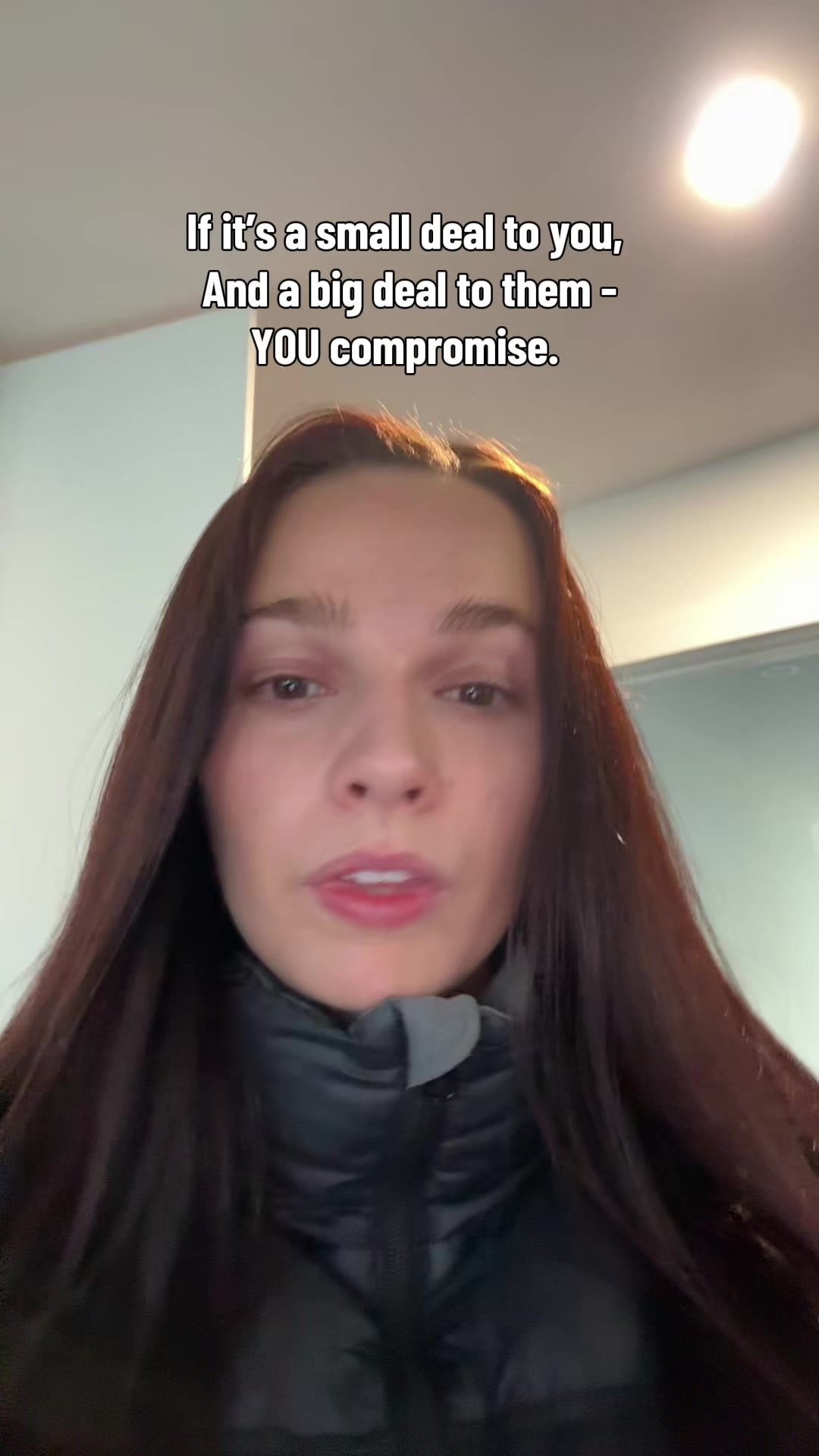
People crave permission to stop performing equality in relationships and start honoring actual emotional weight. This reframes compromise from scorekeeping to genuine care, which feels like relief for anyone tired of tit-for-tat dynamics.
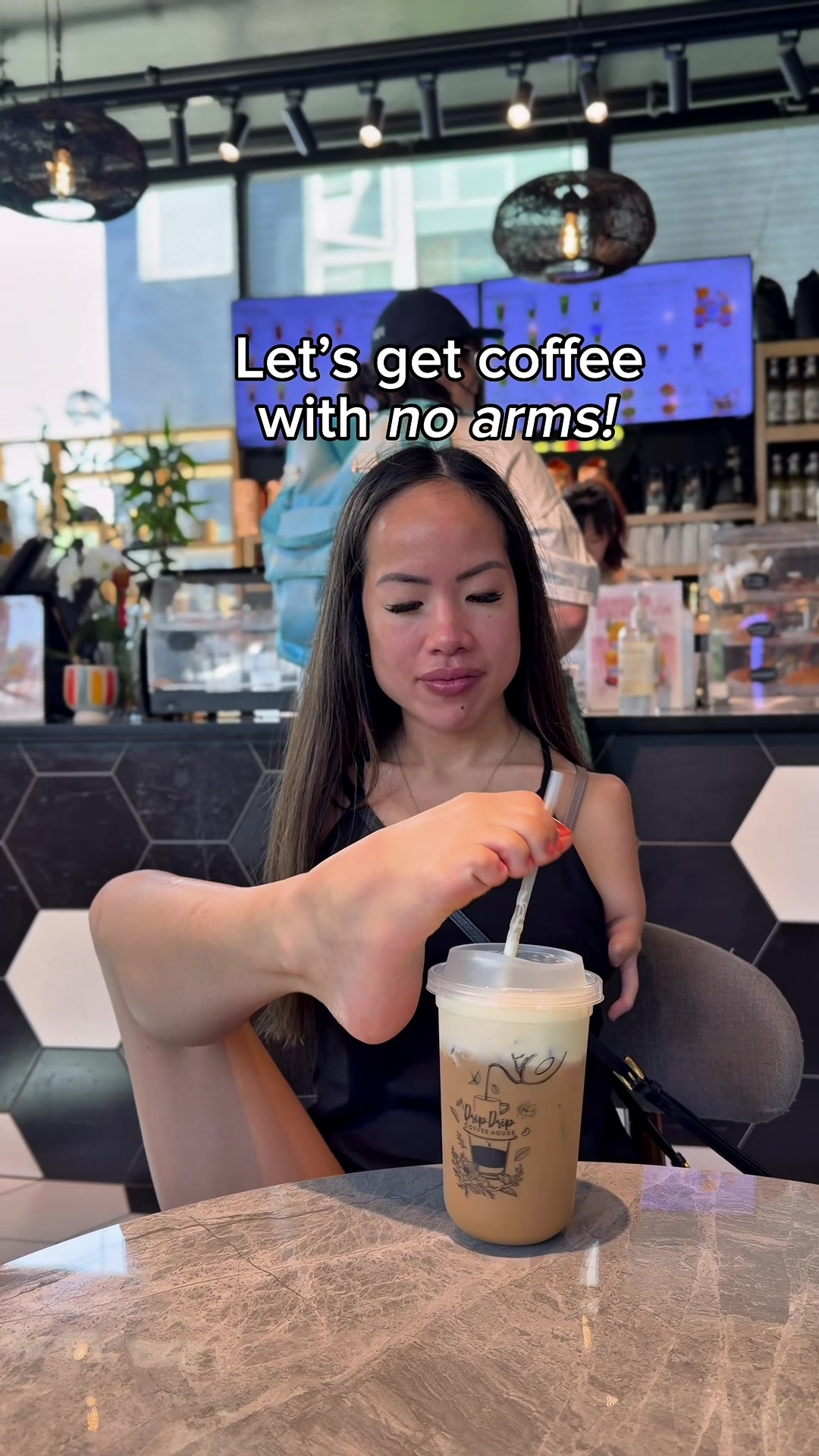
The absurdist premise hooks immediately, but the real draw is watching someone execute an impossible task with total composure. It's playful constraint content that feels fresh because the challenge itself is genuinely awkward to watch, plus genuine enthusiasm for the cafe brand makes it feel less like a stunt and more like a personality quirk.
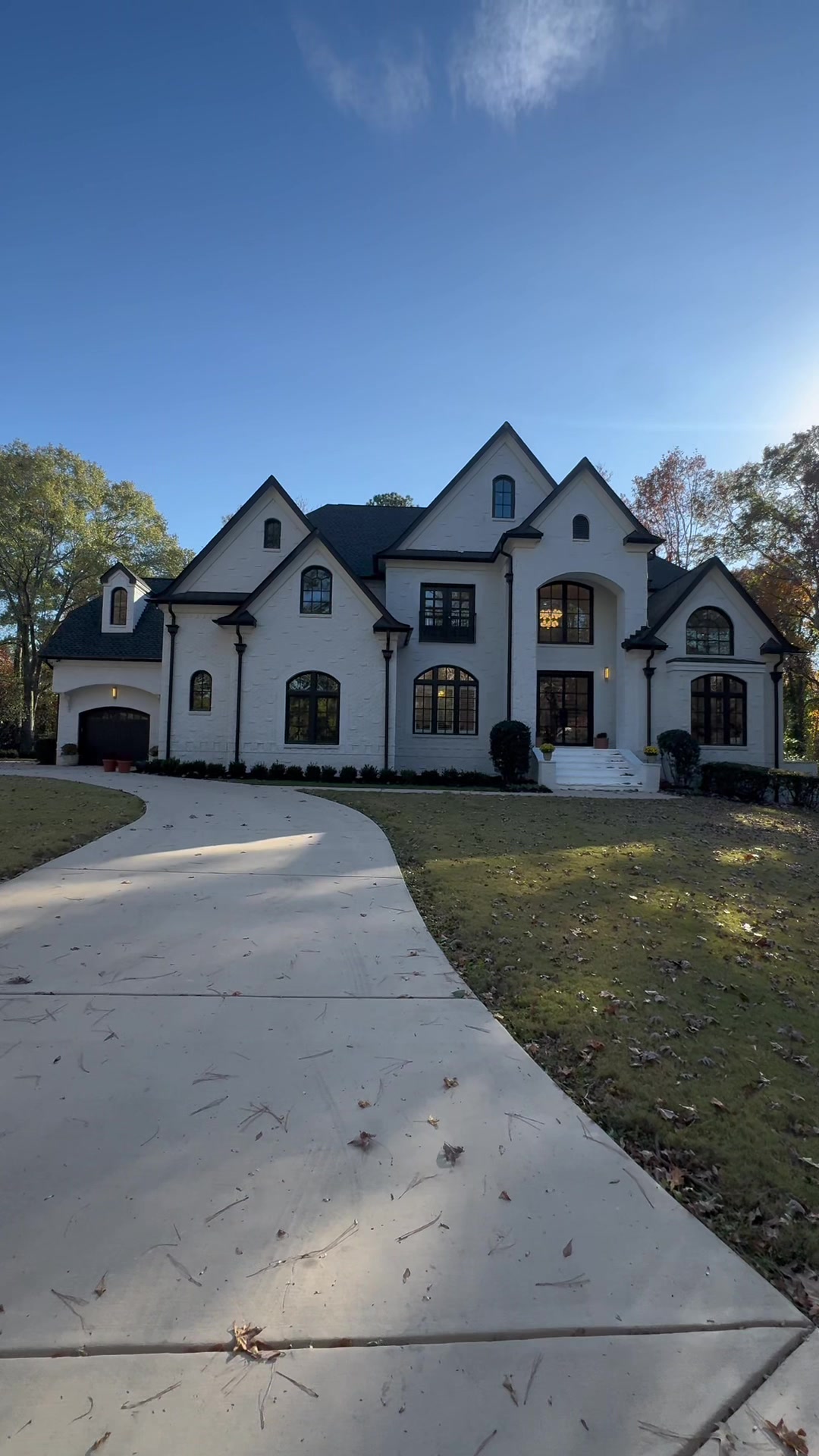
The aspirational property shot taps into visualization and self-projection. People aren't just viewing a house; they're mentally placing themselves in it, which transforms passive scrolling into active daydreaming. The clean aesthetic and scale make it feel achievable rather than untouchably elite.

This post taps into the blend of authentic cultural folklore and AI-generated horror visuals, making niche indigenous legends feel immediate and shareable. The specificity of regional urban legends paired with an unsettling aesthetic creates genuine curiosity rather than generic jump-scare content.
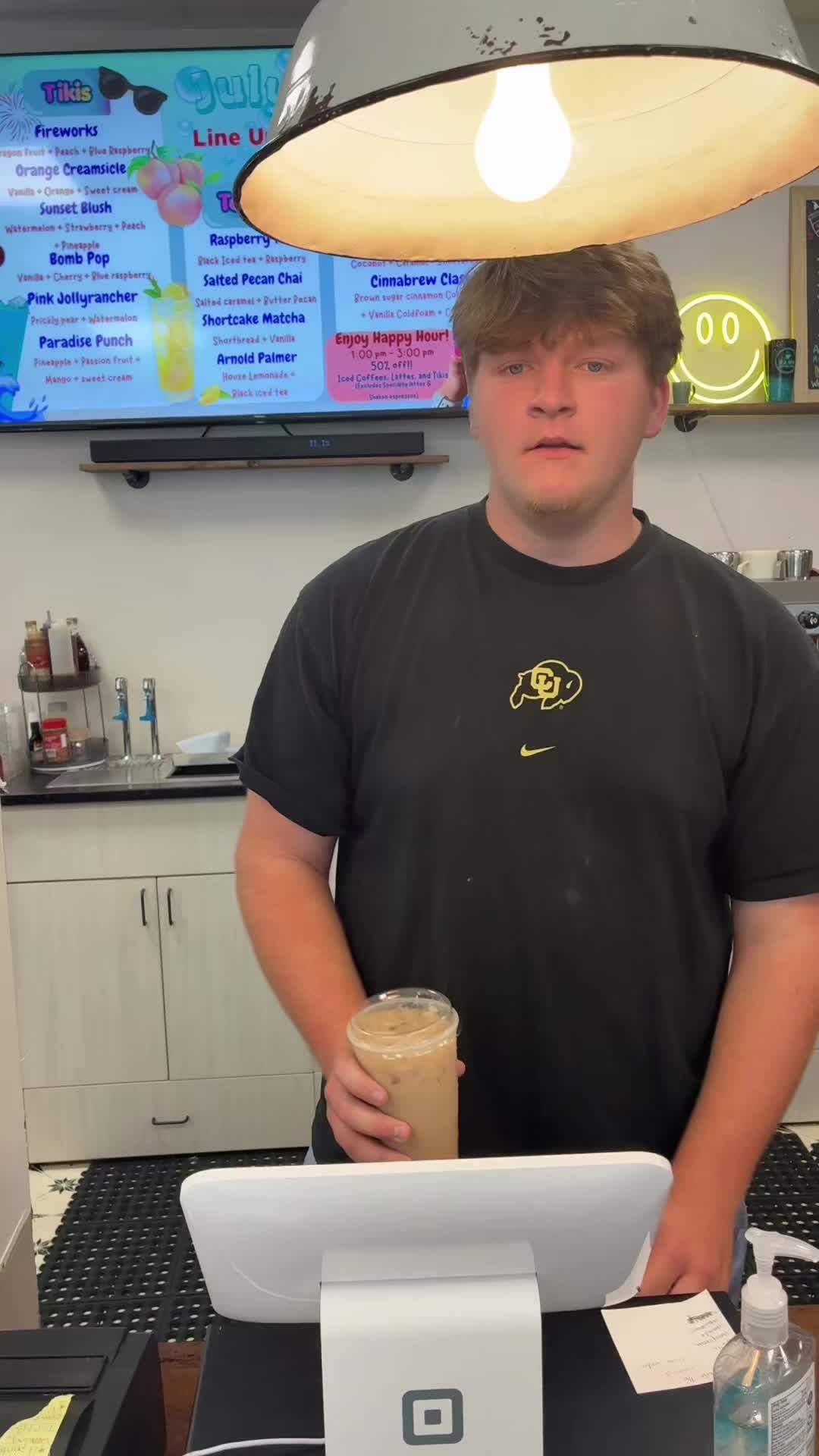
The raw disappointment of receiving the wrong drink order hits harder than a perfect product showcase ever could. People connect with the small frustration of service mishaps more than polished marketing, especially when the creator's deadpan reaction sells the letdown.
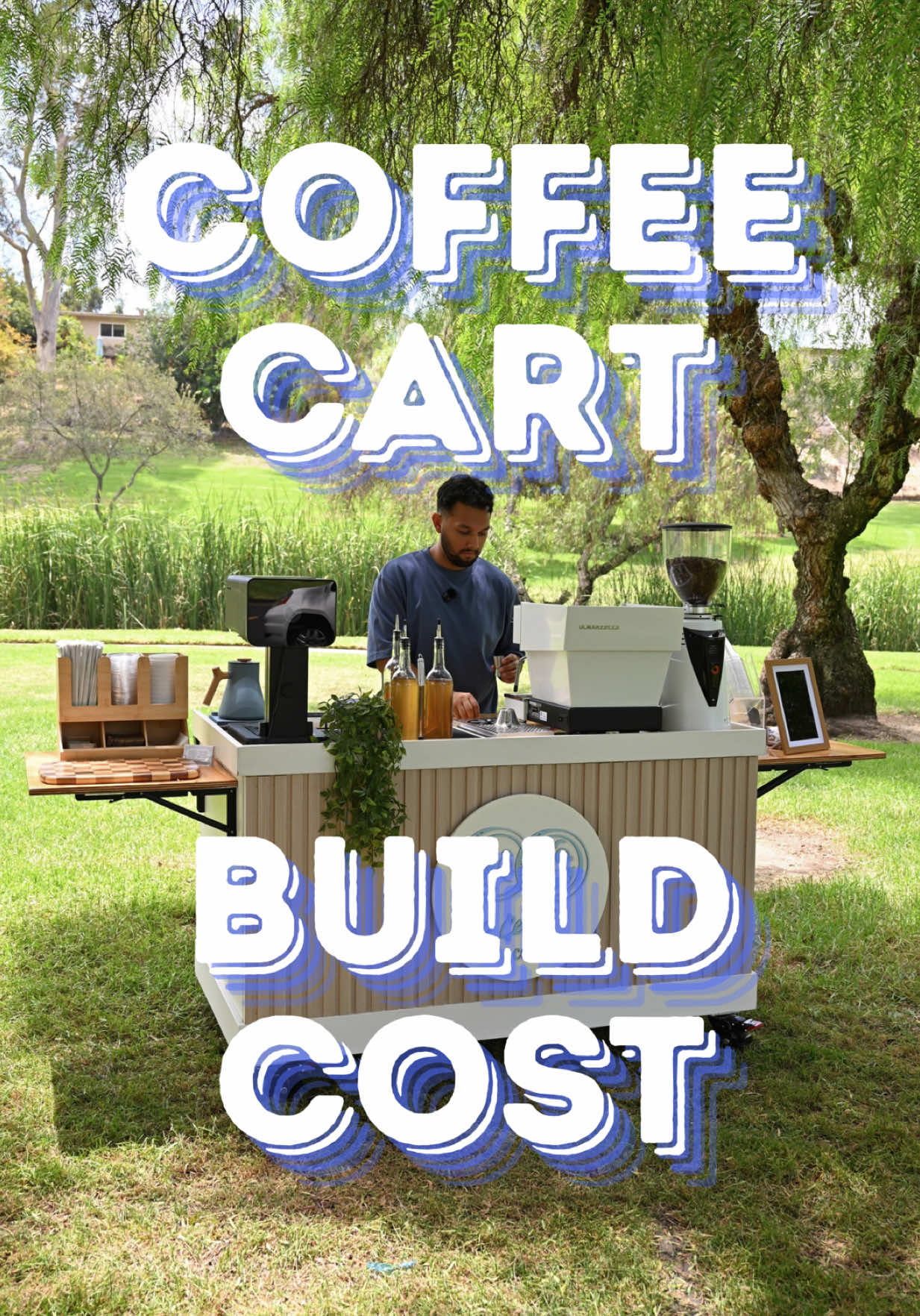
People are drawn to transparent cost breakdowns paired with the question of whether it was worth it. The setup is aspirational and aesthetically pleasing, but the real hook is the debate it sparks about value and necessity in specialty equipment.
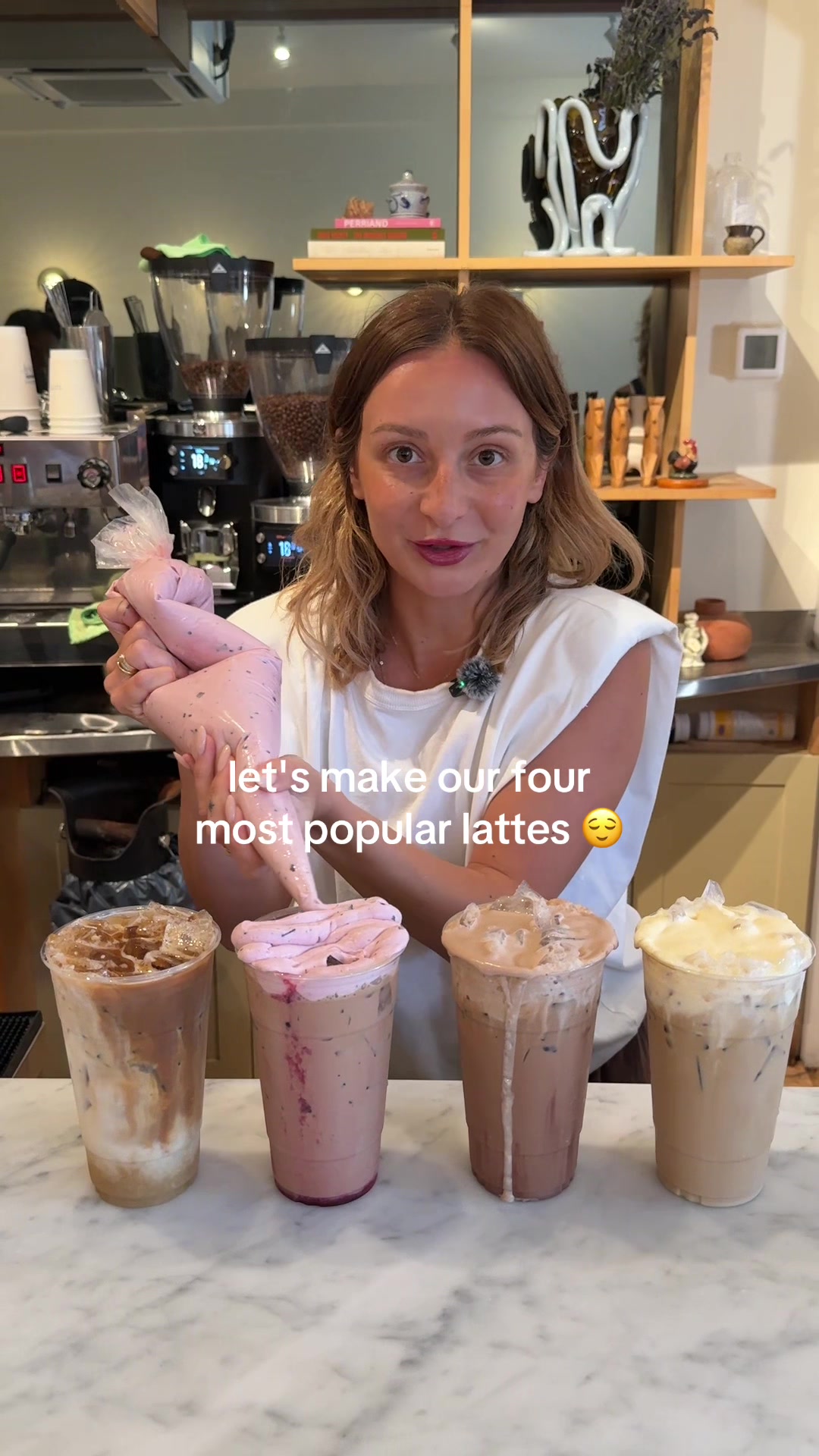
People are drawn to seeing the actual product lineup that made a place famous. Four distinct, visually different drinks let viewers immediately understand what keeps customers coming back, sparking genuine curiosity about taste and quality.
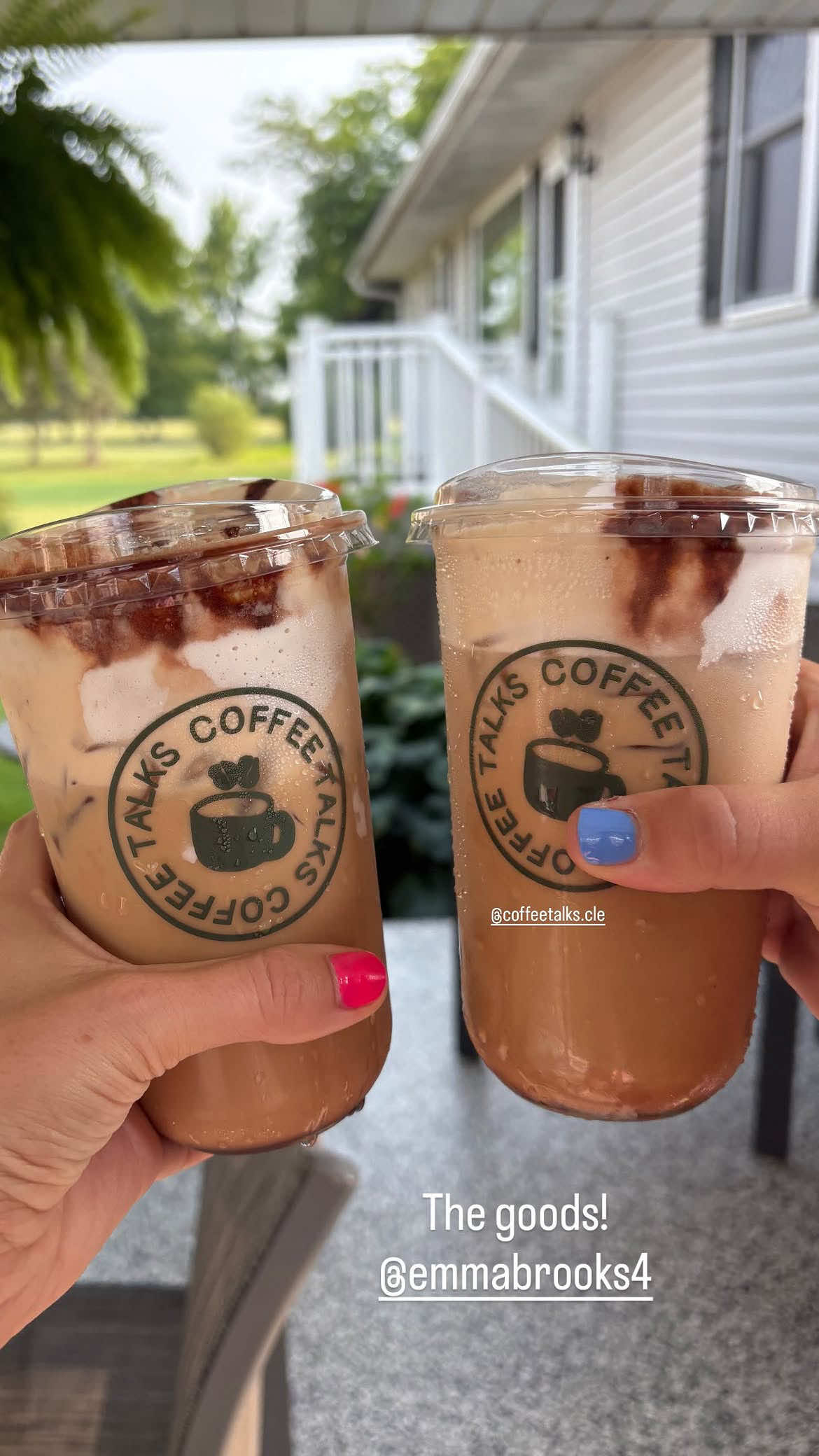
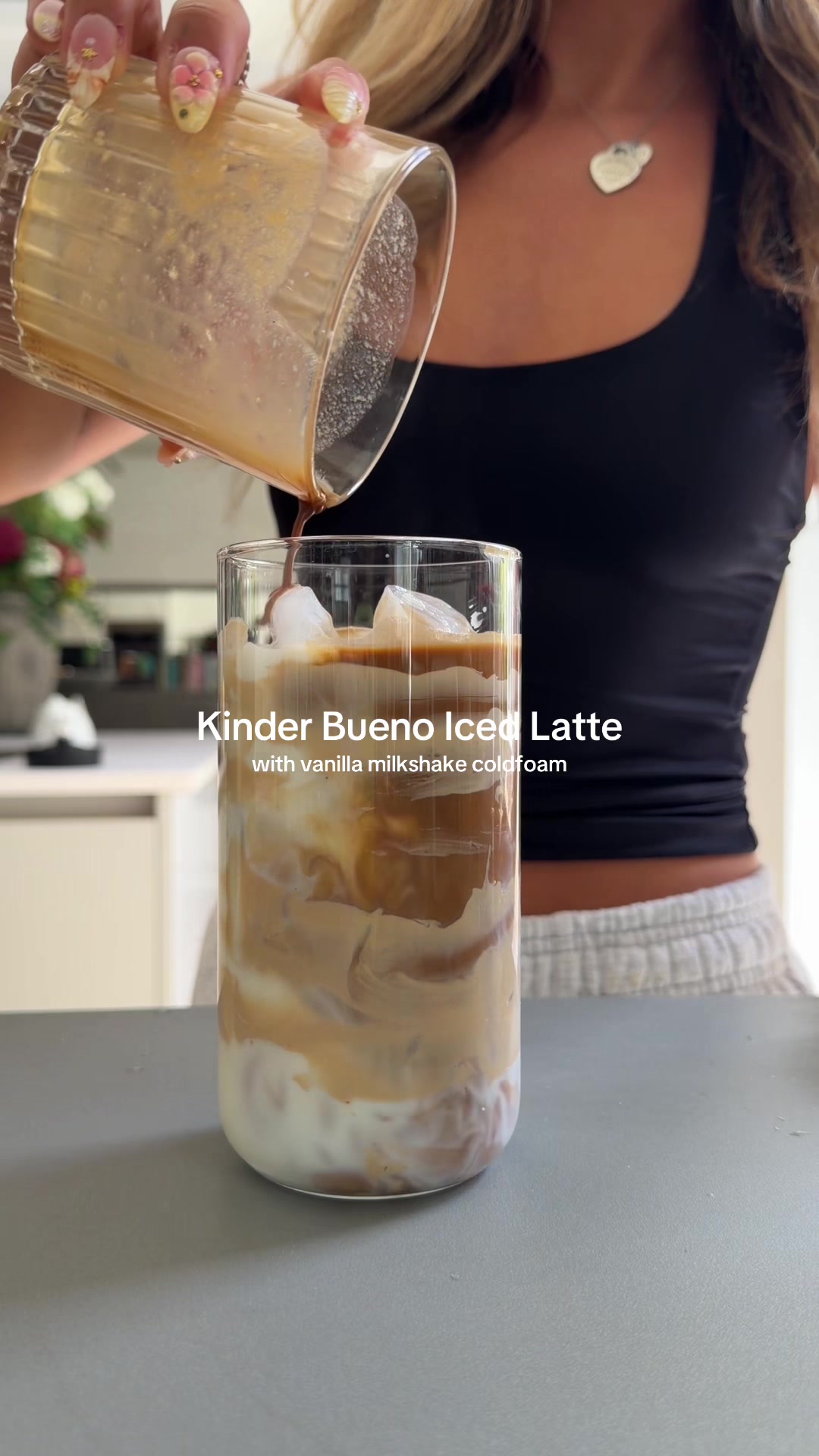
The post taps into guilt-free indulgence disguised as a money-saving hack. Pairing an indulgent dessert drink with a relatable savings goal makes the treat feel justified, while the satisfying pour and aesthetic presentation activate the aspirational fantasy of an affordable cafe experience at home.
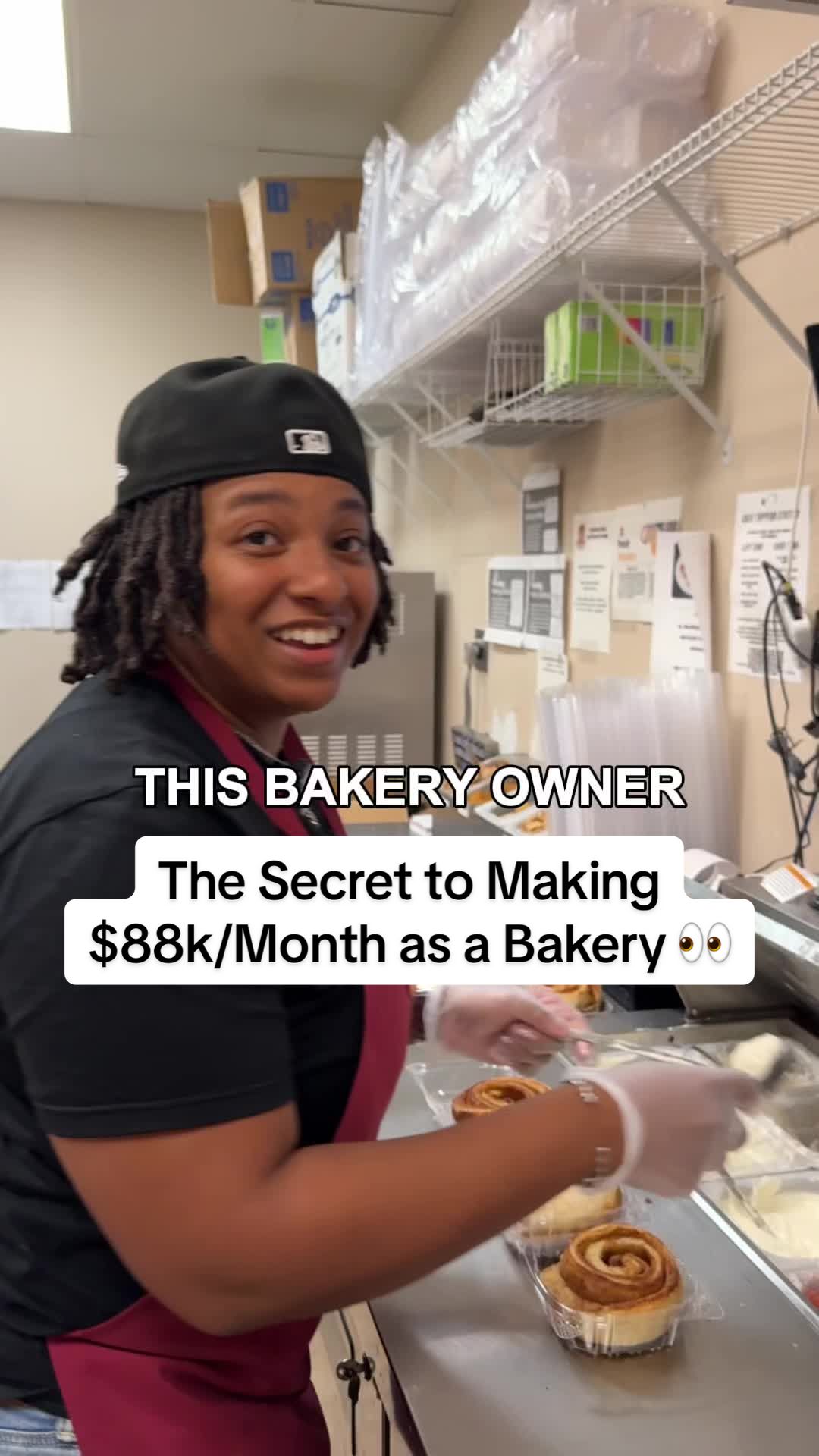
People crave proof that unconventional business models actually work, especially when they come from someone visibly thriving in the moment. The $88k hook combined with genuine joy in the kitchen creates instant credibility—this feels like witnessing a real success story unfold, not a manufactured pitch.

The post taps into a generational sports debate—challenging conventional wisdom about defense with hands-on proof sparks immediate disagreement. People want to defend their own playing style, so the direct question "DO YOU THINK THIS IS THE RIGHT WAY?" forces them into the comments.
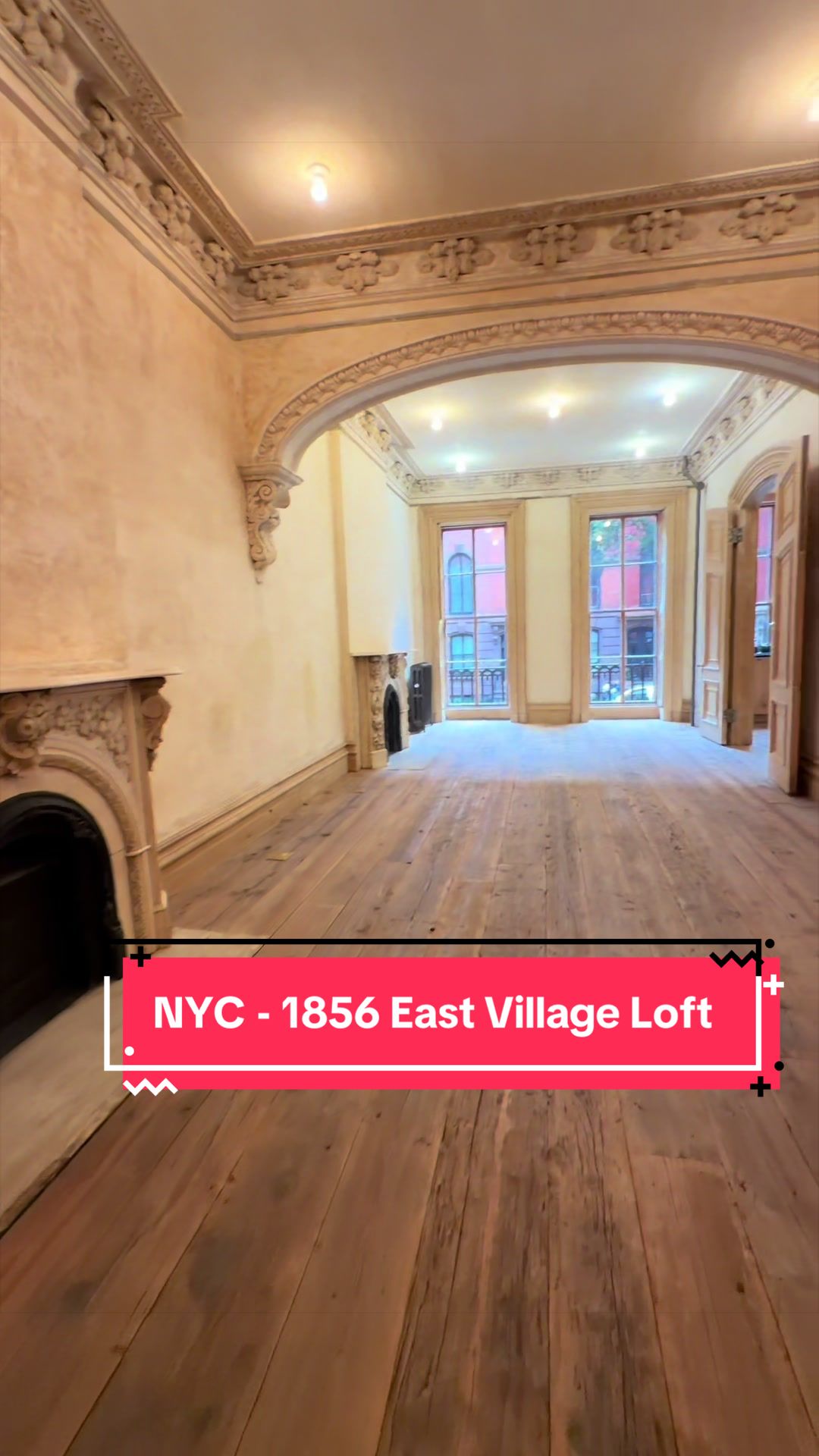
The juxtaposition of pristine historic architecture with an empty, unfinished shell creates cognitive dissonance that demands engagement. People want to understand why this stripped-down space commands such a high price, making them comment, share, and save to process the value proposition.

The aspirational lifestyle setup triggers a fantasy projection—viewers see themselves in a luxe hotel room working remotely, blending professional ambition with aesthetic comfort. The real estate angle amplifies this because it promises both status and financial freedom, making the scene feel like proof that this life is achievable.
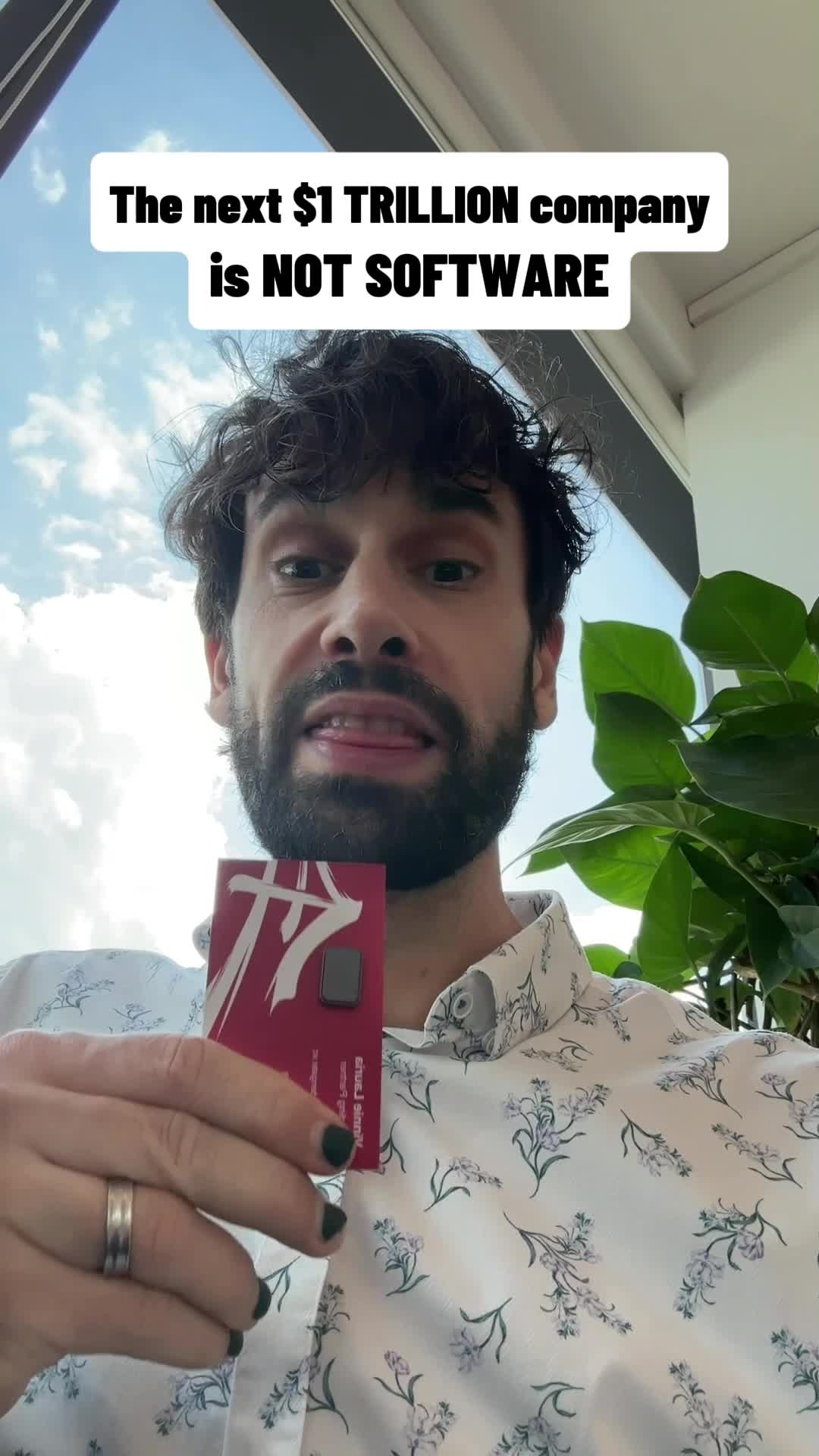
The post hits a contrarian nerve by reframing where real wealth sits in the economy. People engage hard because it challenges the dominant narrative that software is king, forcing them to reconsider what actually matters. The specificity of the 1-to-6 ratio gives weight to an otherwise provocative claim.
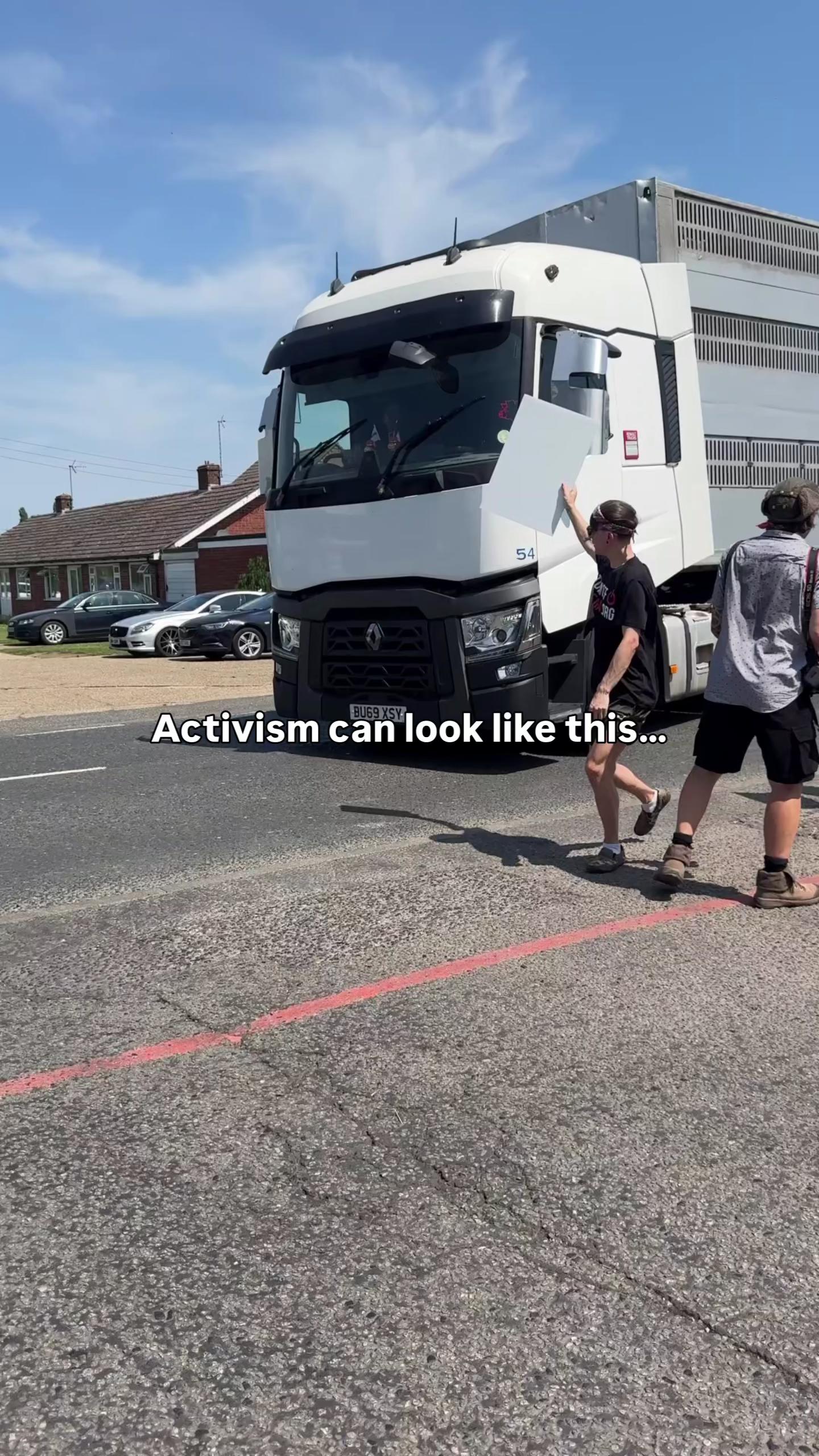
The post taps into a genuine tension between activism and approach. By showing real grassroots action rather than preaching, it sparks honest debate about whether this method helps or alienates. The controversy itself makes people engage because it feels authentic and locally grounded, not corporate activism.
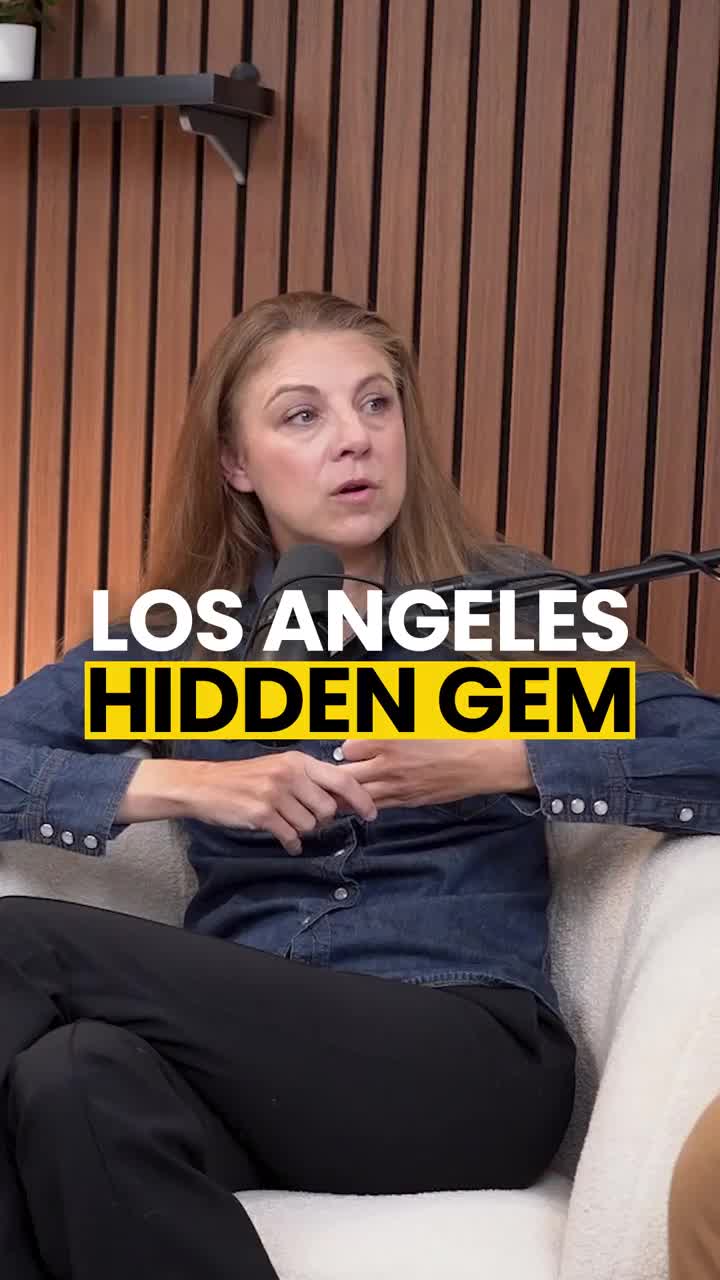
The post taps into a real tension in real estate marketing—spotlighting "hidden gems" in historically Black neighborhoods without acknowledging the community context reads as tone-deaf. People engaged hard because it sparked a legitimate conversation about gentrification, not because they loved the homes.
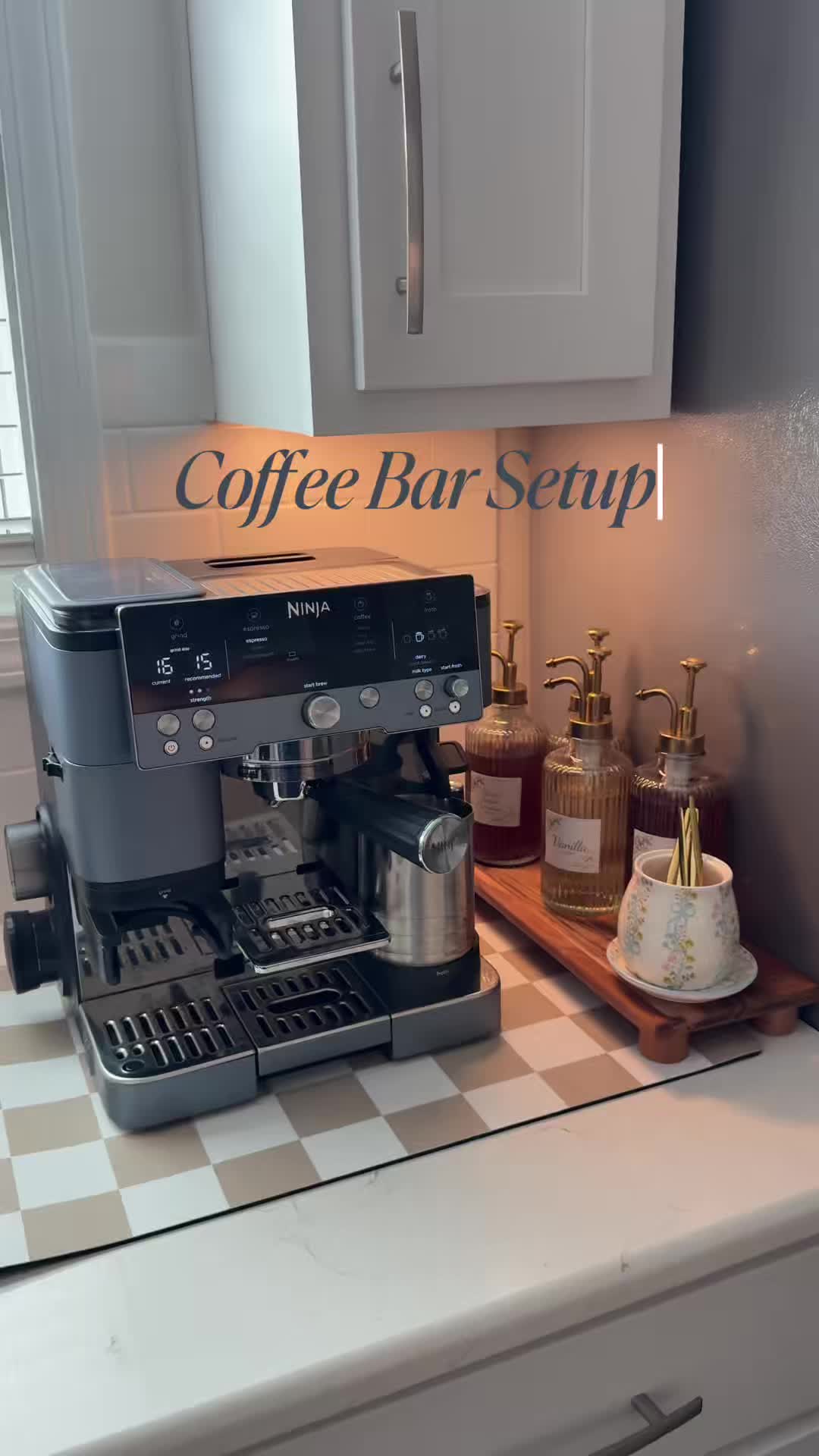
People love watching someone curate a beautiful, functional space that feels both aspirational and achievable. The coffee bar setup taps into the fantasy of having a "third place" at home, complete with aesthetic details and quality gear that suggest care and intention.
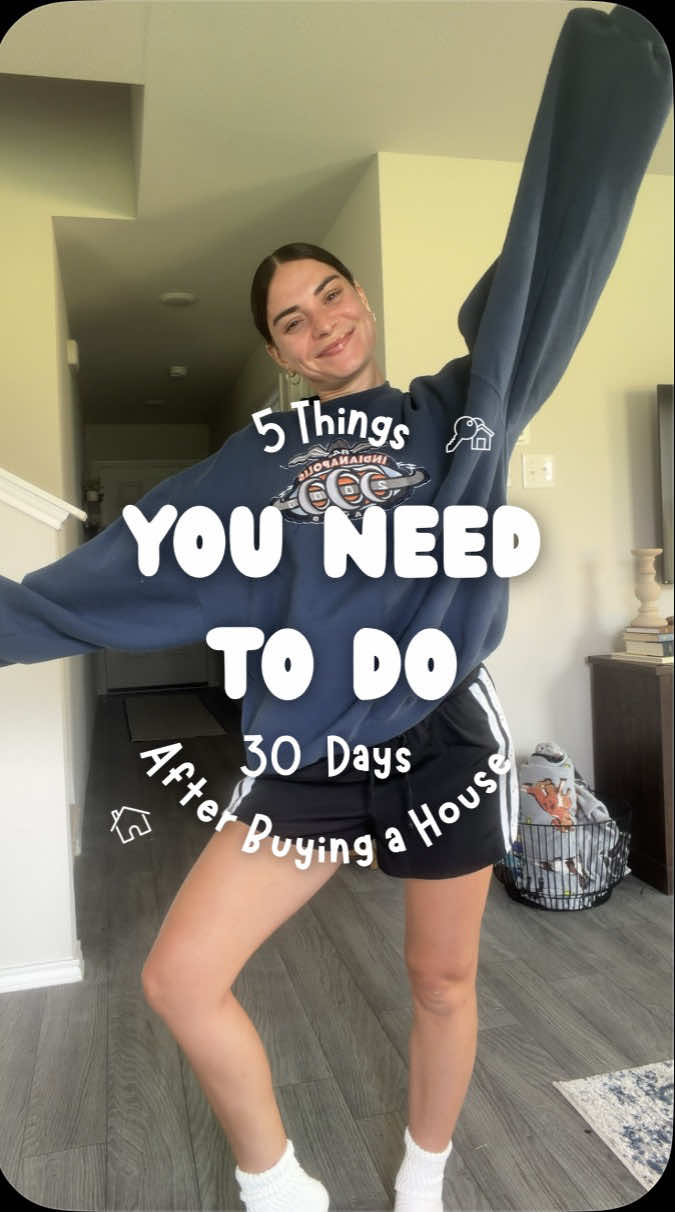
People buying homes are anxious about what they should prioritize first, and this hits that sweet spot of practical advice wrapped in relatable enthusiasm. The high save rate shows viewers are bookmarking this as a genuine checklist they'll actually use.

People gravitated toward the iconic fashion moment as much as the career milestone. Zendaya's legendary red carpet looks are inseparable from her rise, so packaging career achievements alongside stunning visuals tapped into both aspirational glamour and genuine appreciation for her evolution.
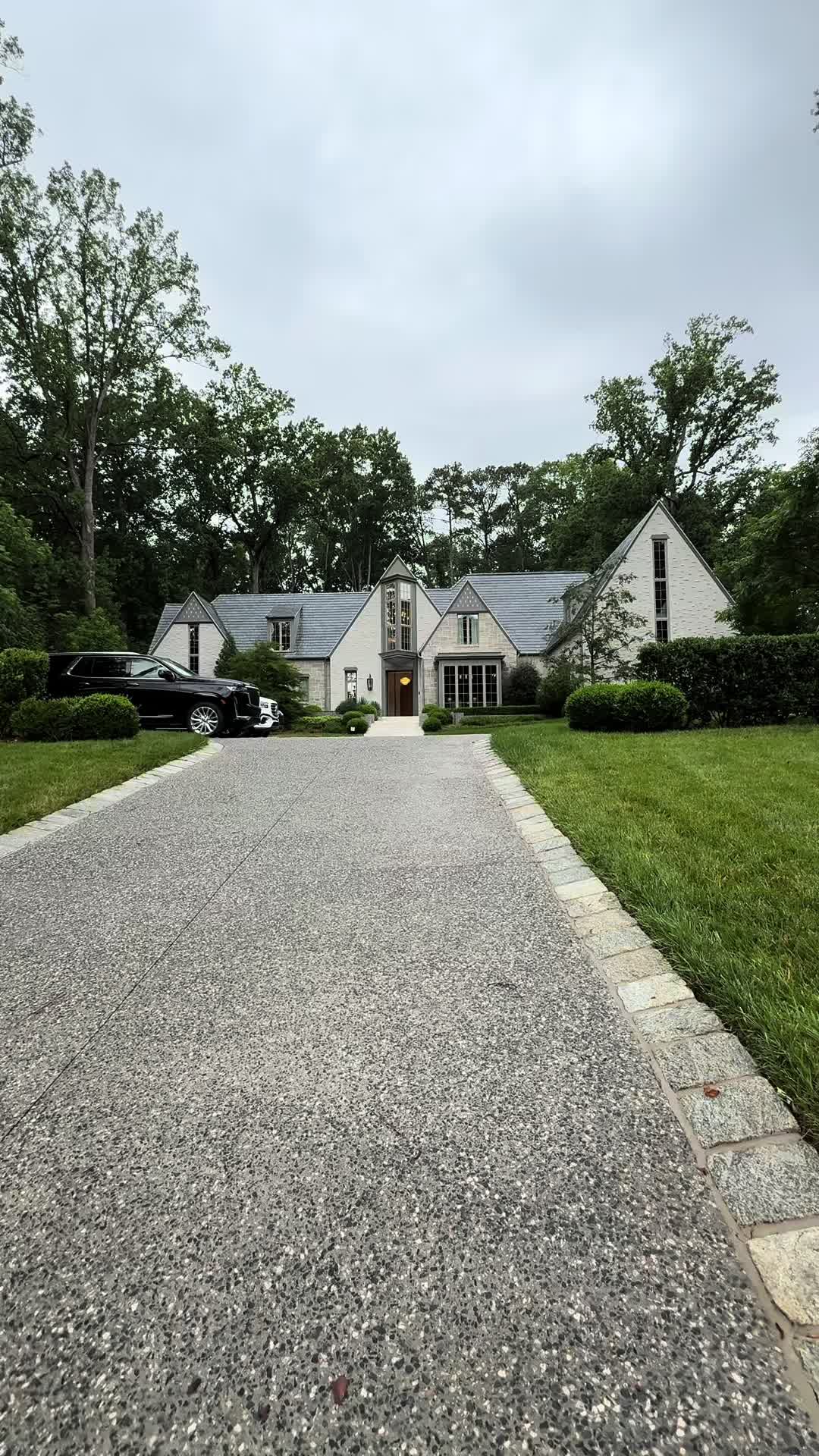
Luxury real estate's fantasy appeal lies in the clean, aspirational aesthetic paired with relatable humor in the comments. The post taps into the universal dream of abundance without requiring viewers to actually be in the market, turning window shopping into community entertainment.
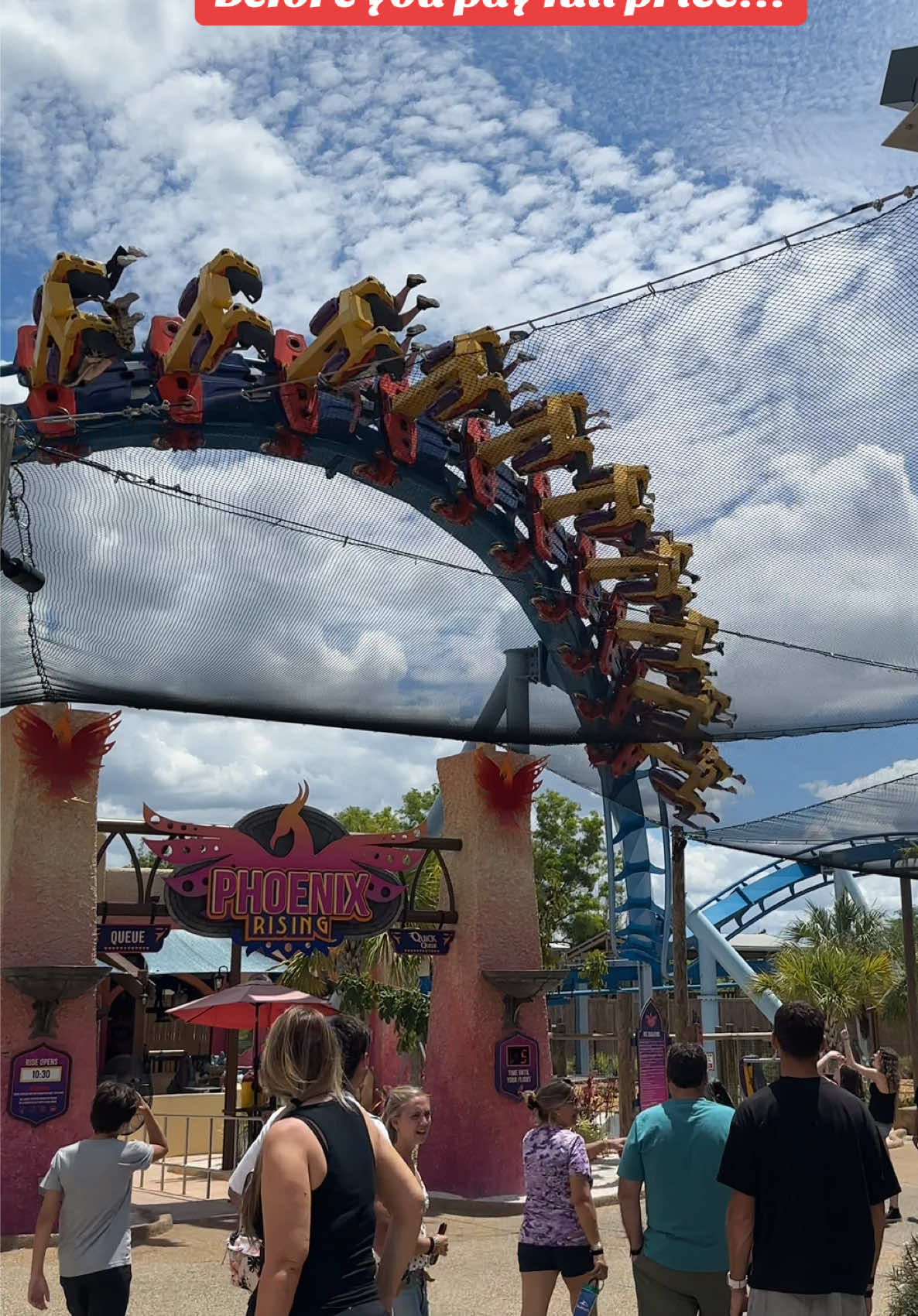
The post taps into nostalgia and personal connection to a local landmark. People engage because it feels like a friend sharing a genuine favorite spot, not a polished ad, and the dramatic ride shot creates that "you have to see this" moment.
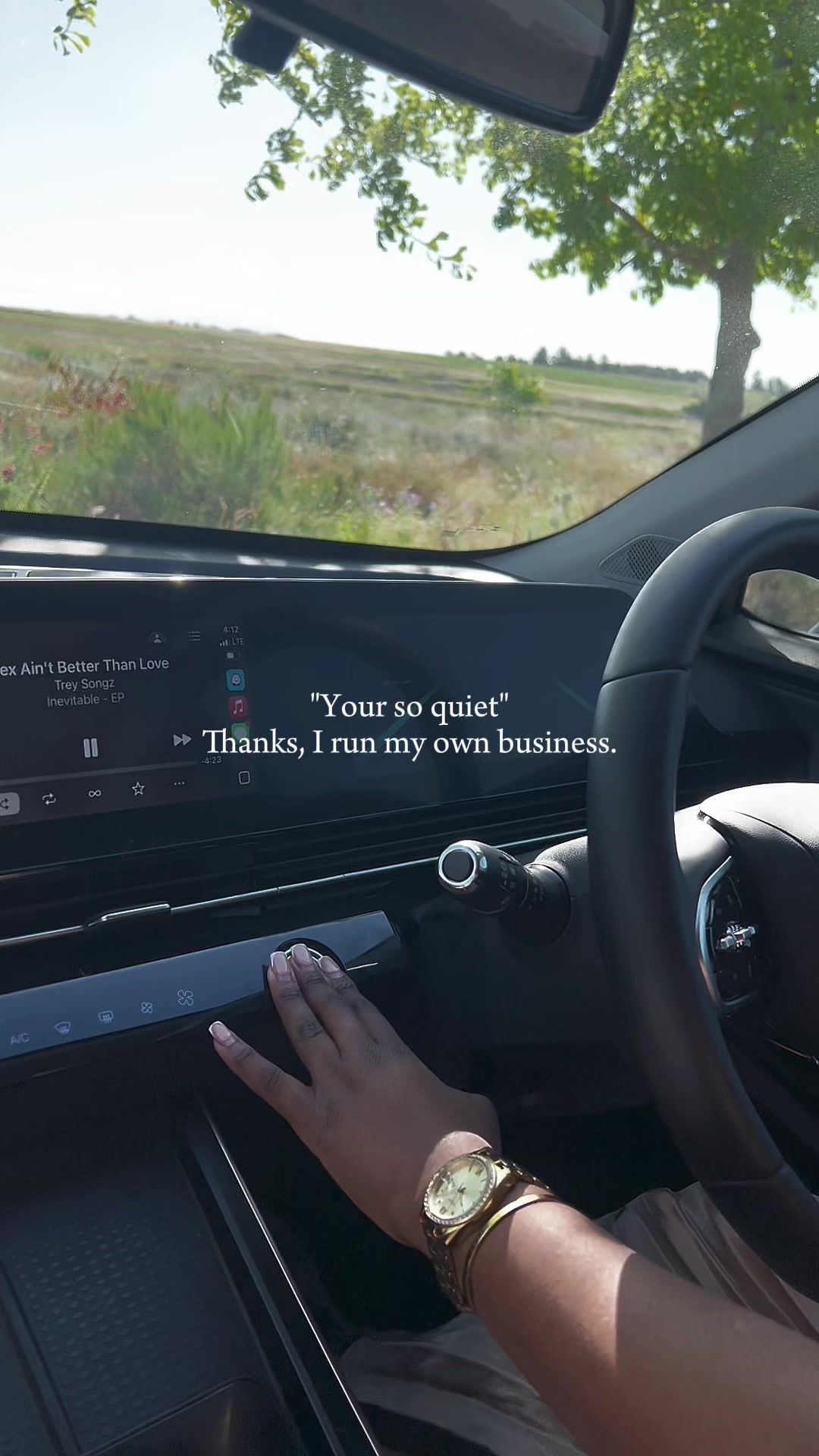
The post taps into quiet confidence and self-made independence—a flex without the noise. The juxtaposition of a dismissive comment met with a calm, assured response makes people feel seen when they're building something on their own terms.
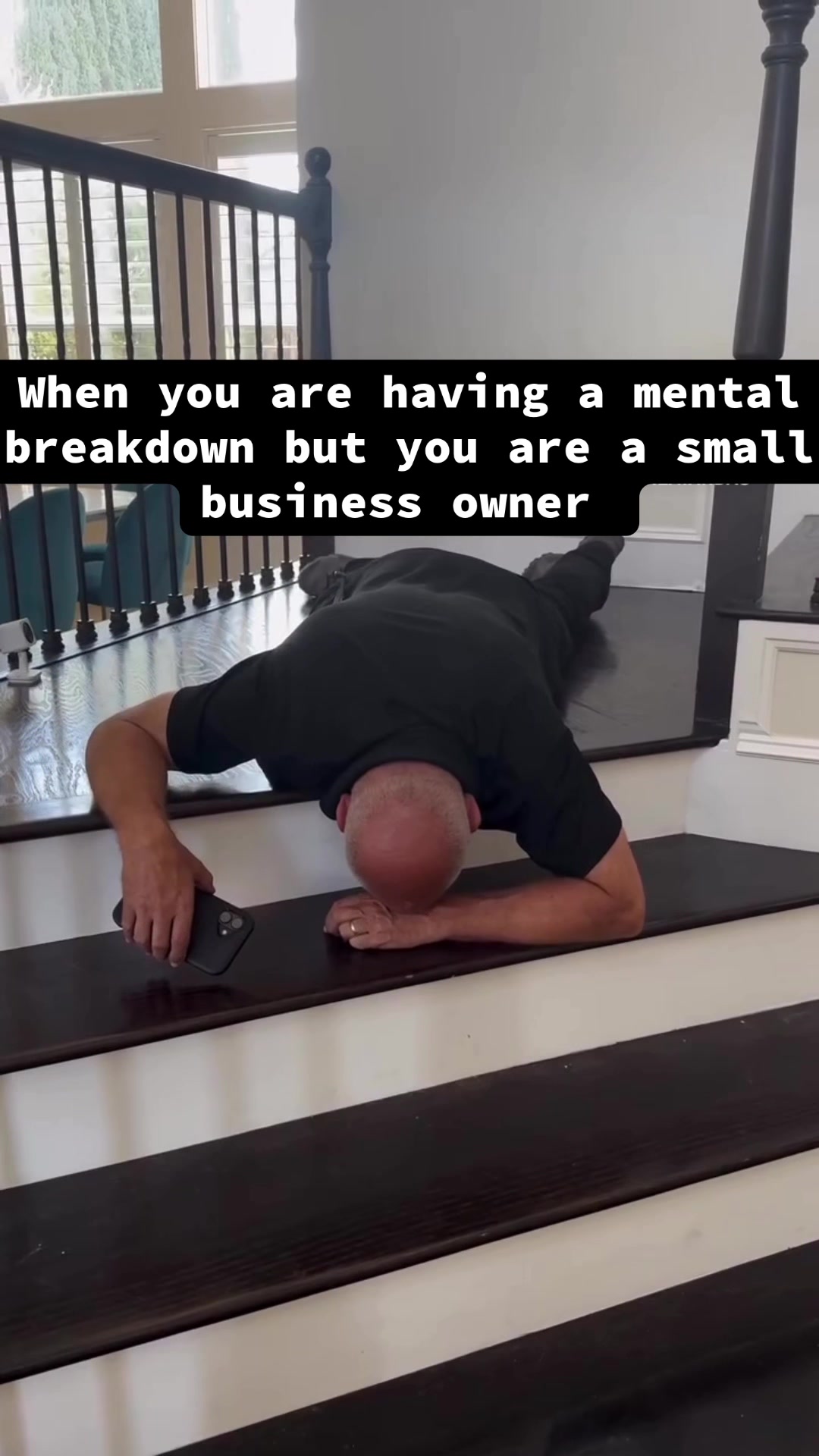
Small business owners feeling overwhelmed hit a nerve because the humor acknowledges real stress without pretense. The physical comedy of a breakdown while trying to hold it together captures that specific exhaustion people don't usually see content about.
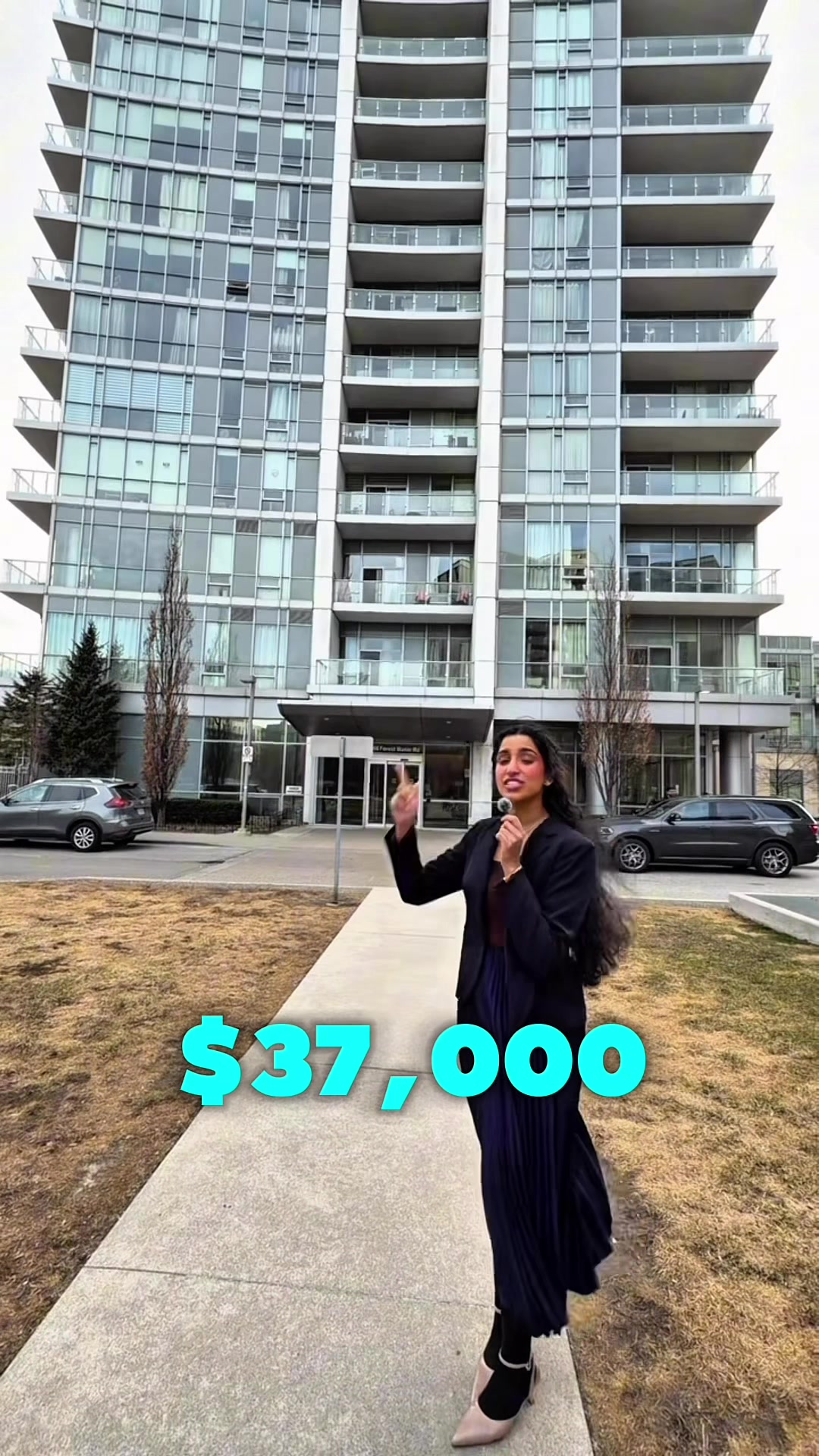
People clicked because the price seemed impossibly good, triggering immediate skepticism. The gap between what the headline promises and reality creates friction that makes people comment to clarify what they're actually looking at—which sparks the viral loop.
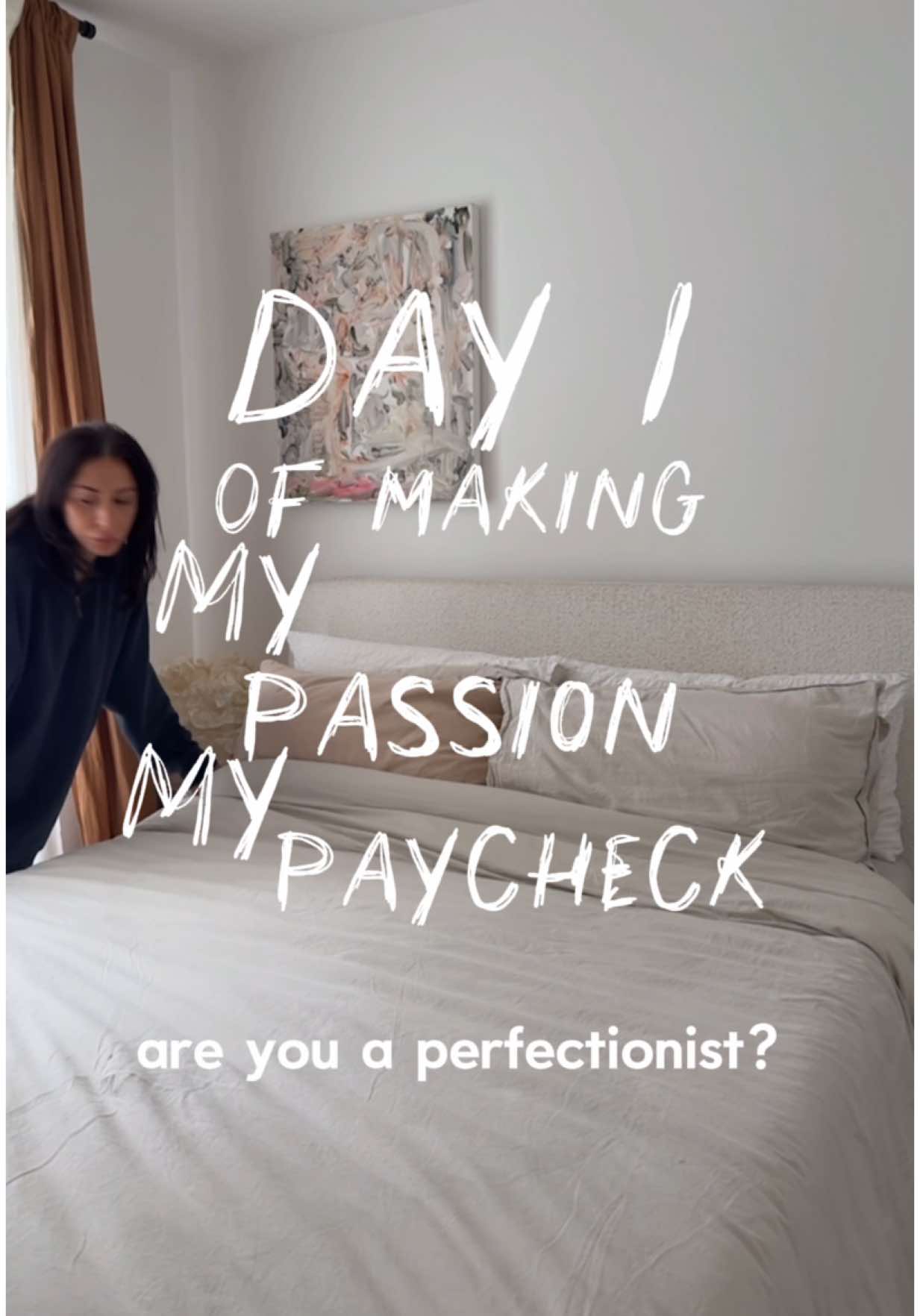
The post nails vulnerability by framing a career leap as an internal struggle, not a flex. The "day 1" hook combined with honest perfectionism talk hits people wrestling with the same fear, making it feel like a personal moment rather than motivational content.
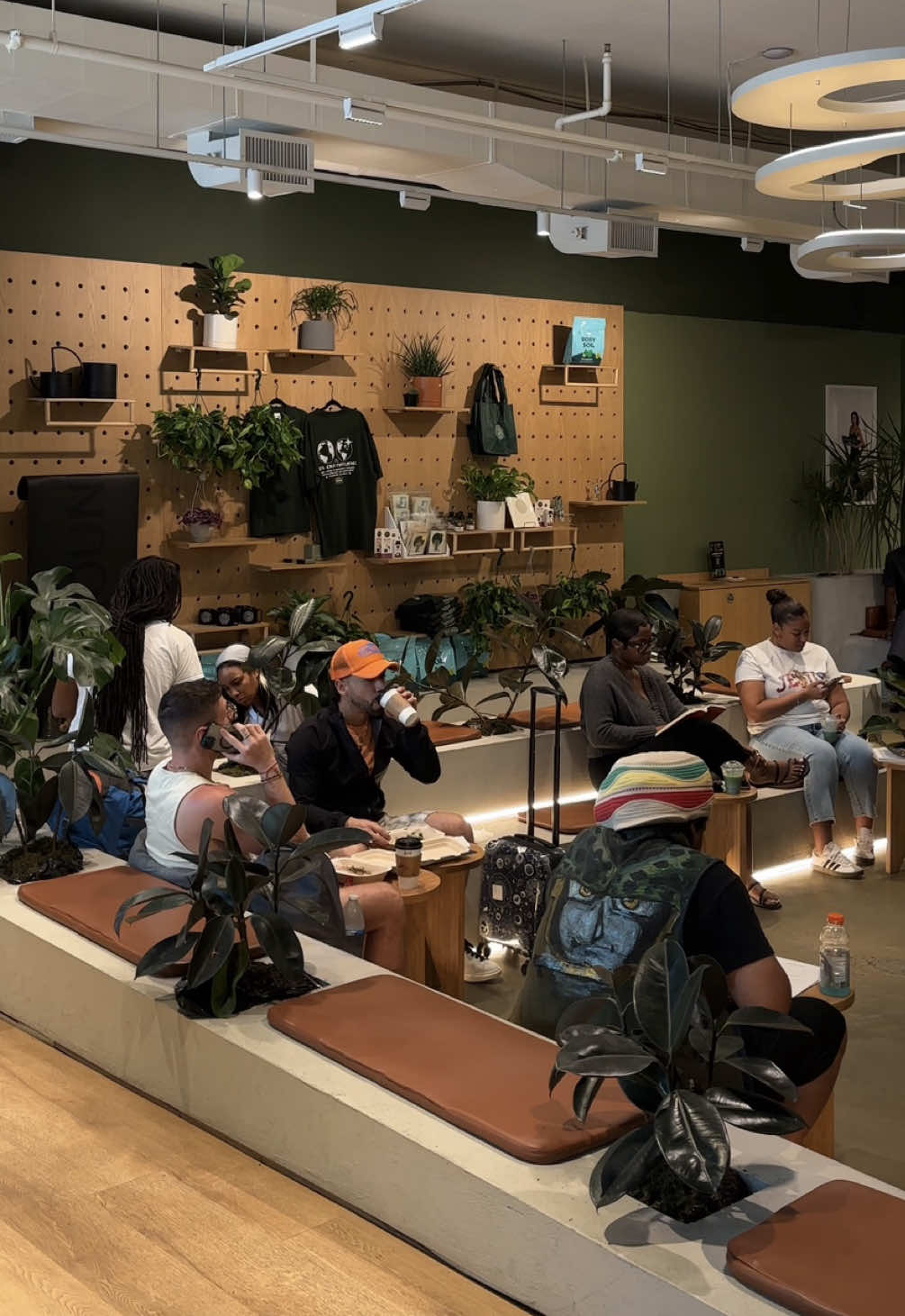
This post captures a thriving community space that feels both aspirational and genuinely accessible. The aesthetic is polished but the vibe is clearly lived-in, which makes people want to visit and belong there rather than just admire from afar.
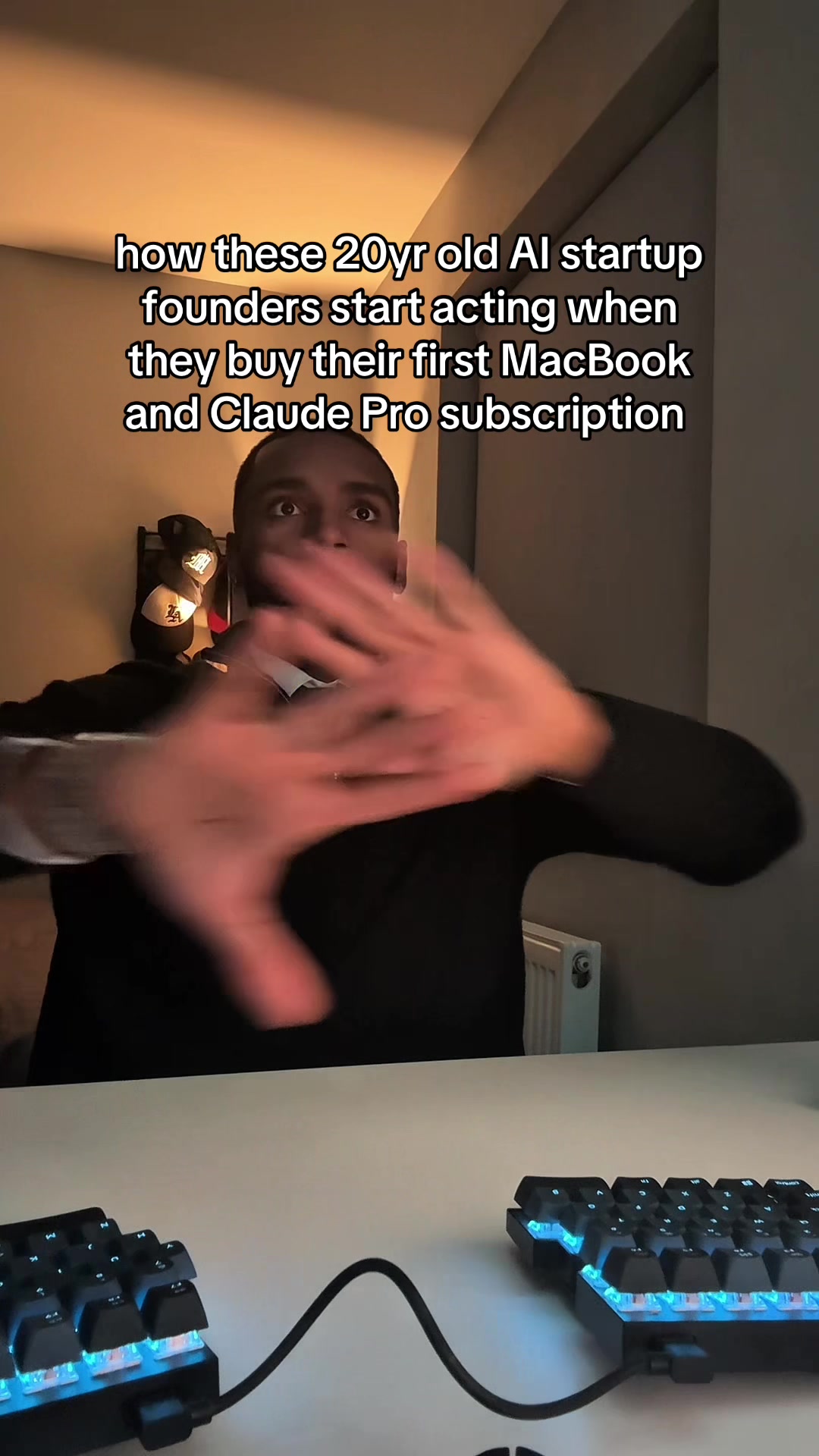
The post nails the performative energy young founders adopt once they access premium tools, capturing that specific moment when someone gets their first taste of "legitimacy." The exaggerated gestures paired with the MacBook and Claude Pro setup makes the absurdity instantly recognizable to anyone in tech spaces.
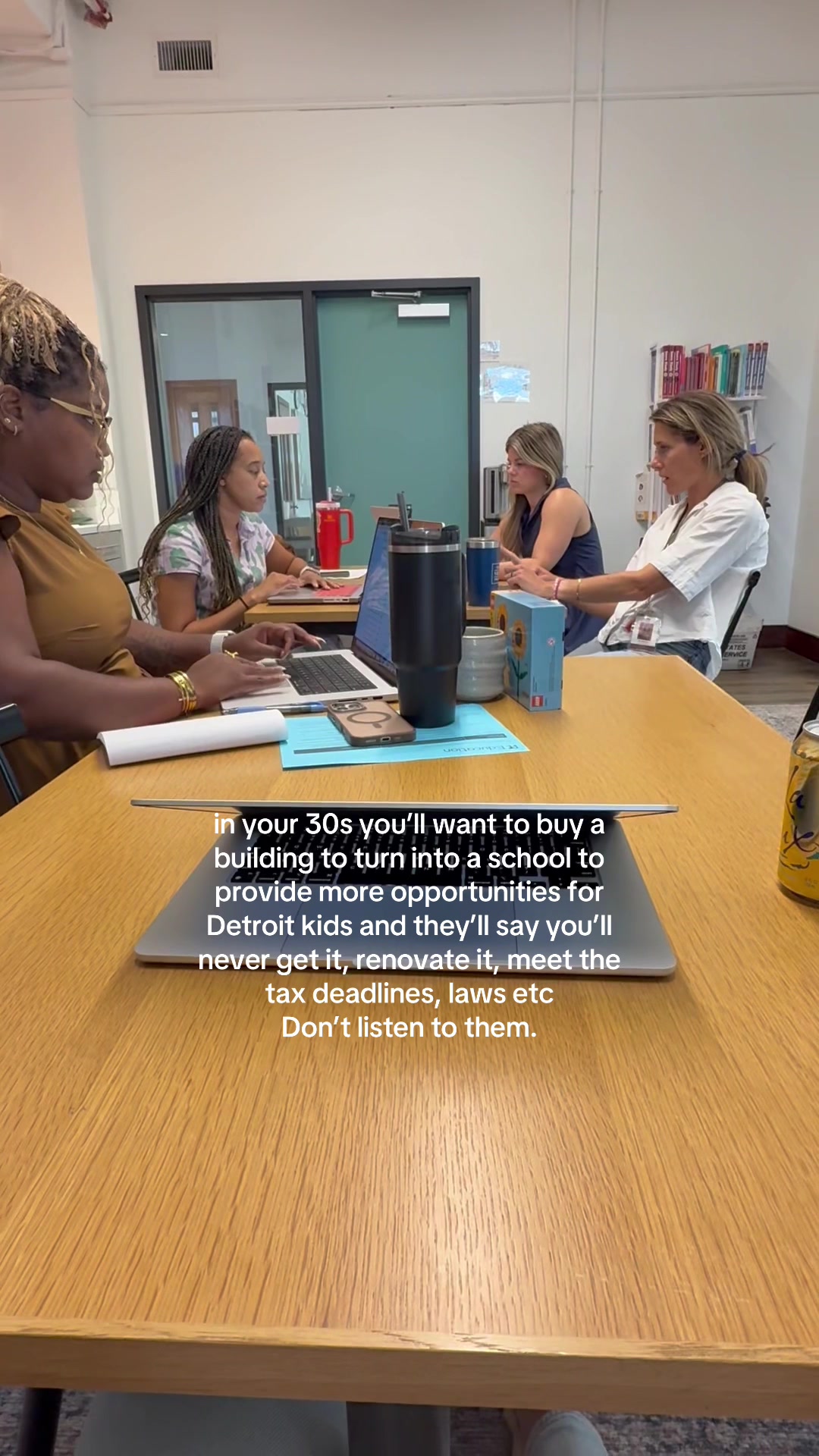
This post cuts through startup inspiration porn with a grounded reality check that actually motivates. By naming the obstacles people will face—taxes, permits, naysayers—and dismissing them anyway, it models a kind of stubborn conviction that feels rare and authentic. People save it because it's permission to act despite legitimate friction.
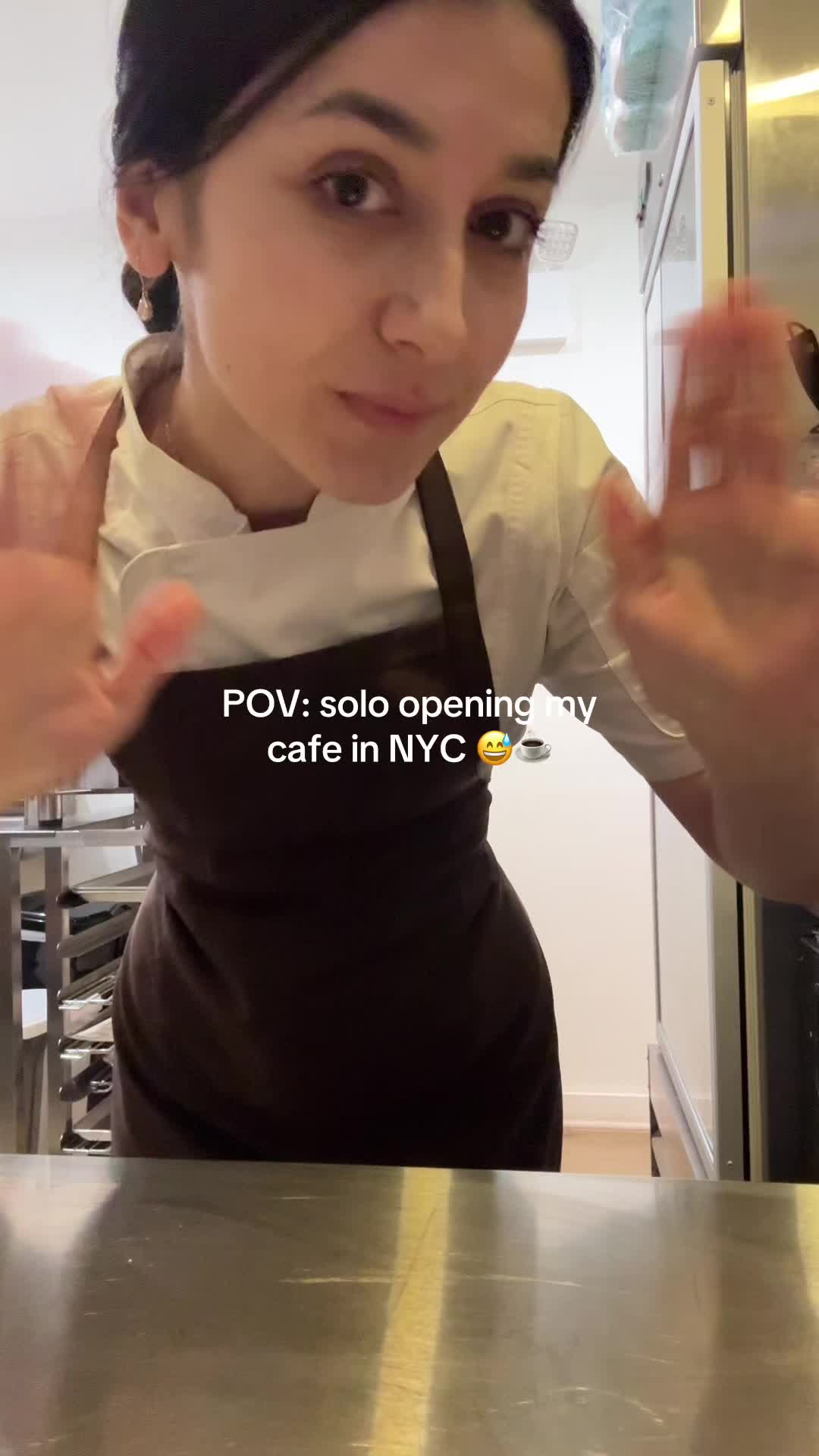
The raw, unpolished morning-in-the-moment vibe paired with an aspirational hustle angle hits both the relatable and the inspiring. Solo founder energy in NYC taps into entrepreneurship fantasy while feeling genuinely achievable, making people want to be part of that story.
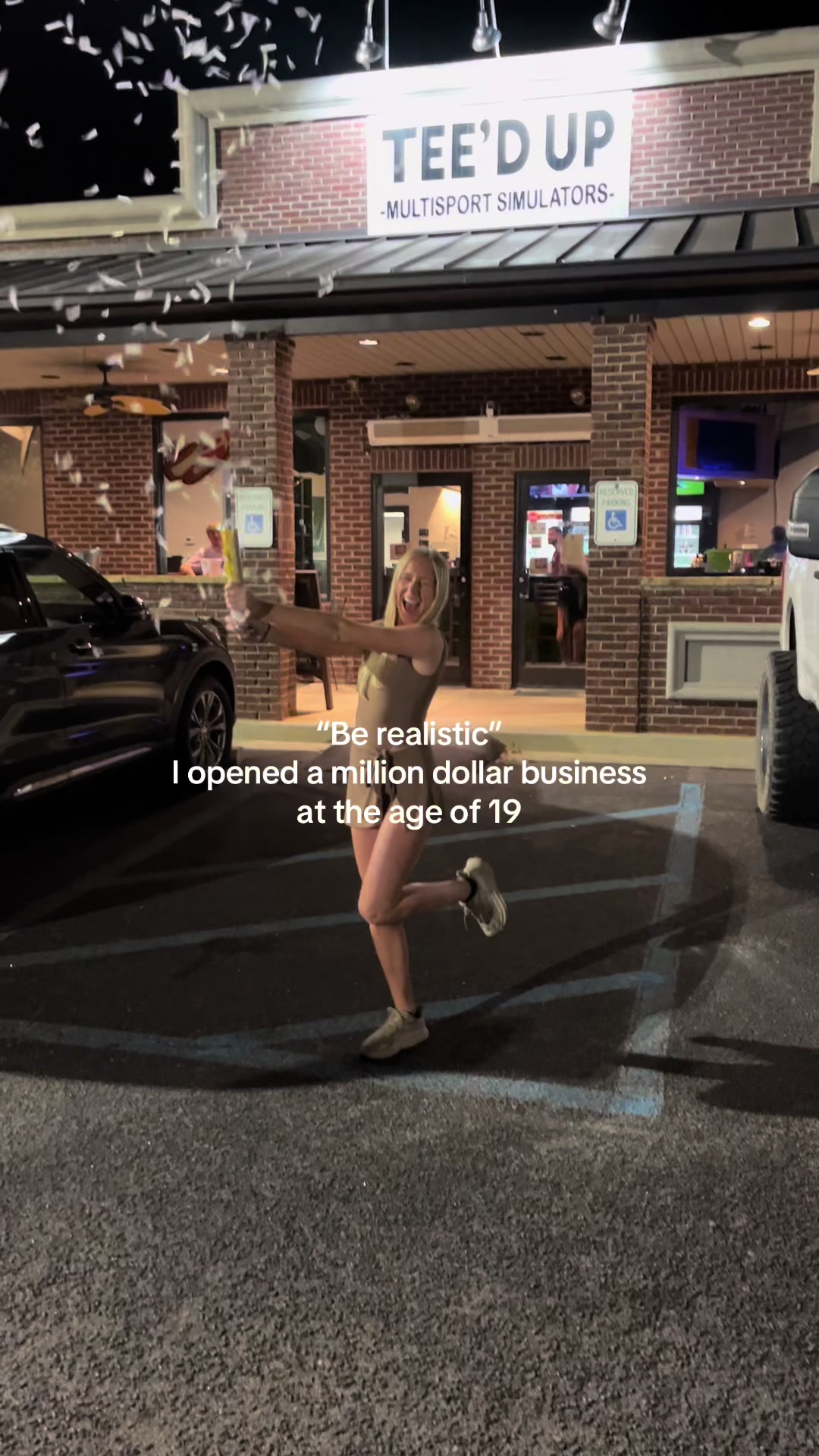
The post taps into the skepticism around viral success stories by leading with an aspirational claim, then subverting it with the kiss at the end. The tension between "be realistic" and the unfiltered celebration creates an honest moment that feels earned rather than polished. Viewers connect with the self-aware contradiction.
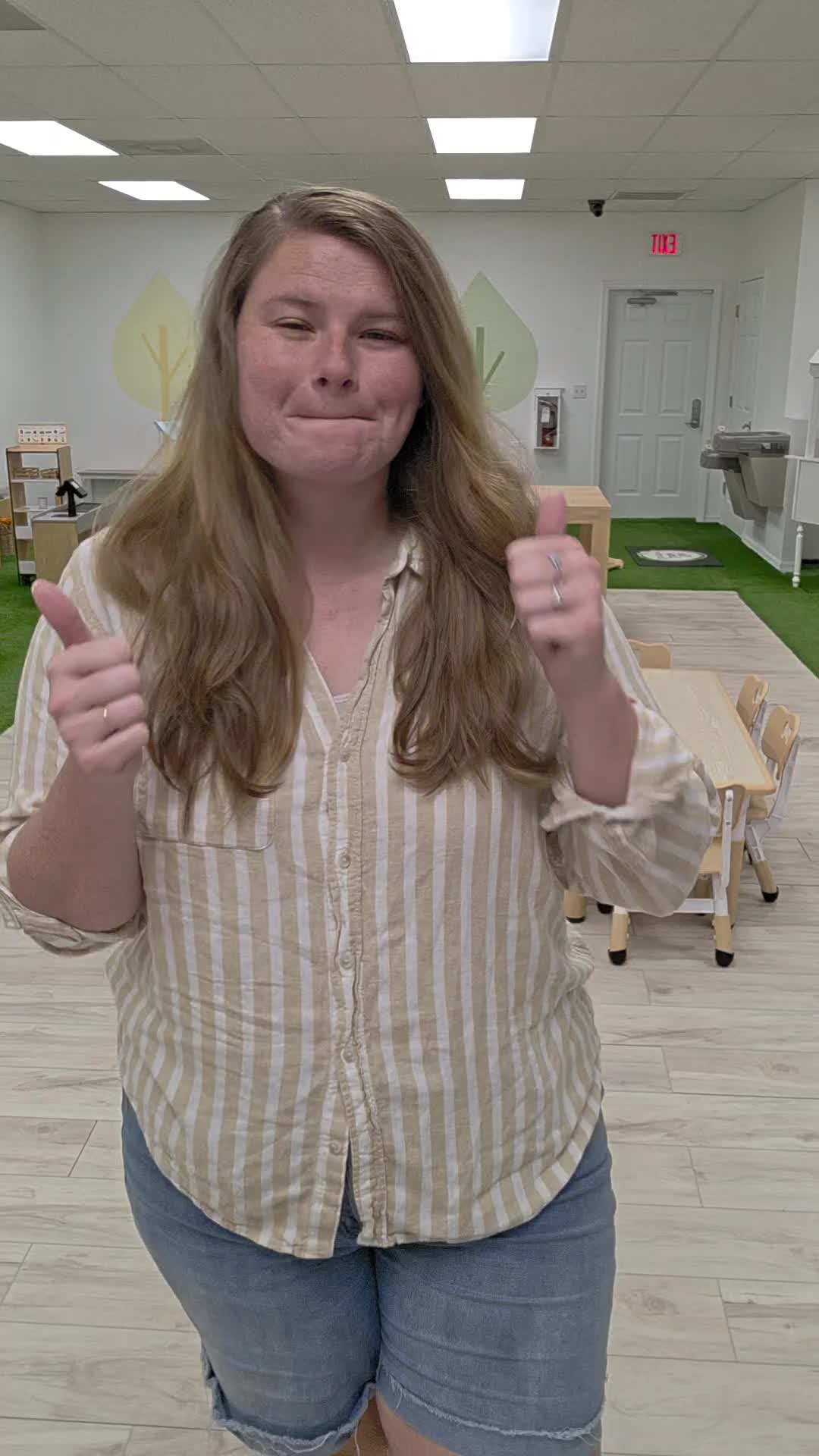
The self-deprecating humor about small business ownership paired with a genuine, low-stakes ask tapped into people's desire to participate in something fun and harmless. The awkward energy and real setting made it feel like watching a friend's genuine problem, not a polished pitch, which made the comment section feel like a collaborative space rather than a performance.
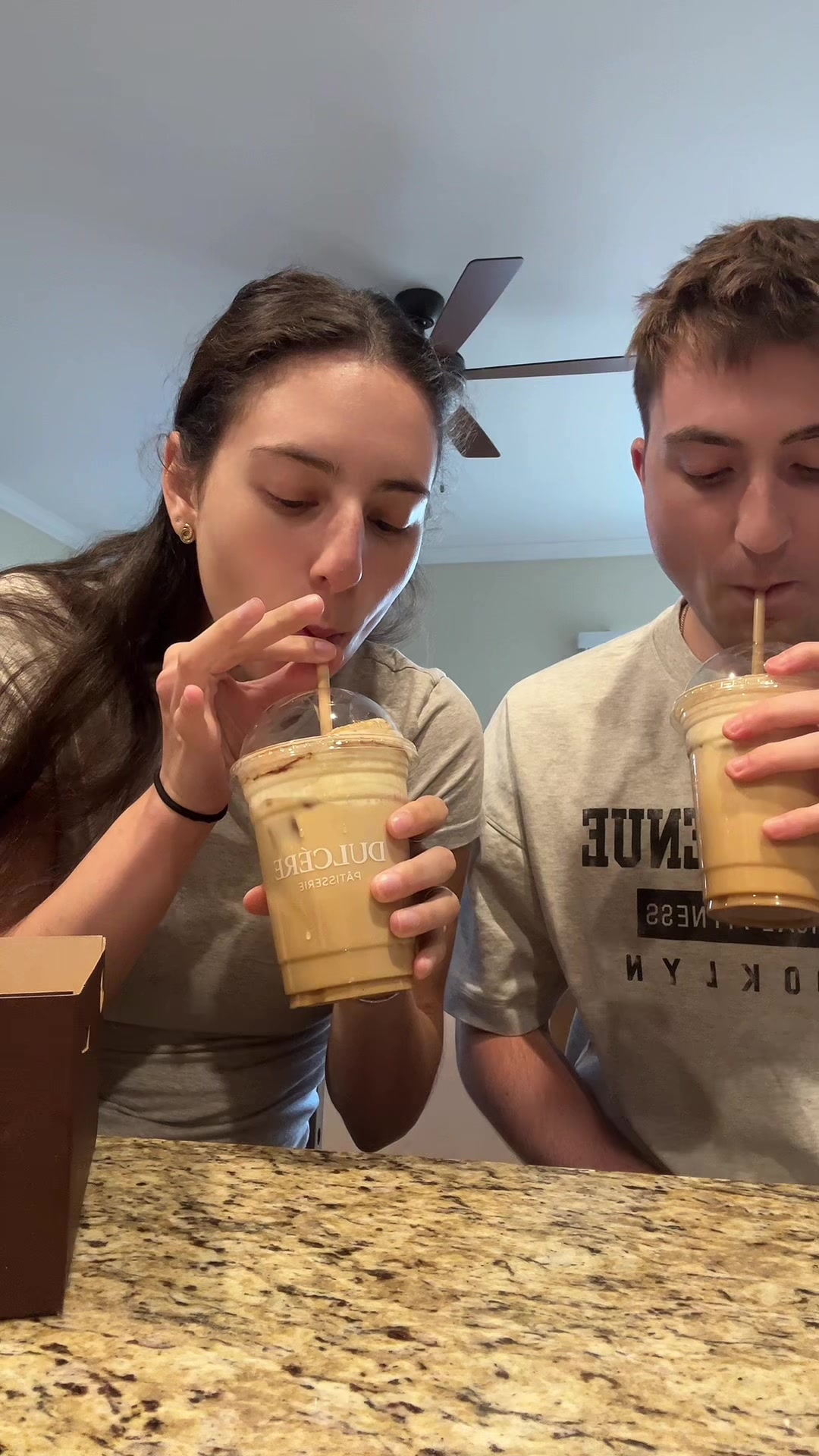
Authentic taste-test content with real reactions hits harder than polished reviews. Two people genuinely enjoying a local coffee shop product creates something viewers trust and want to experience themselves, sparking both curiosity and community pride.
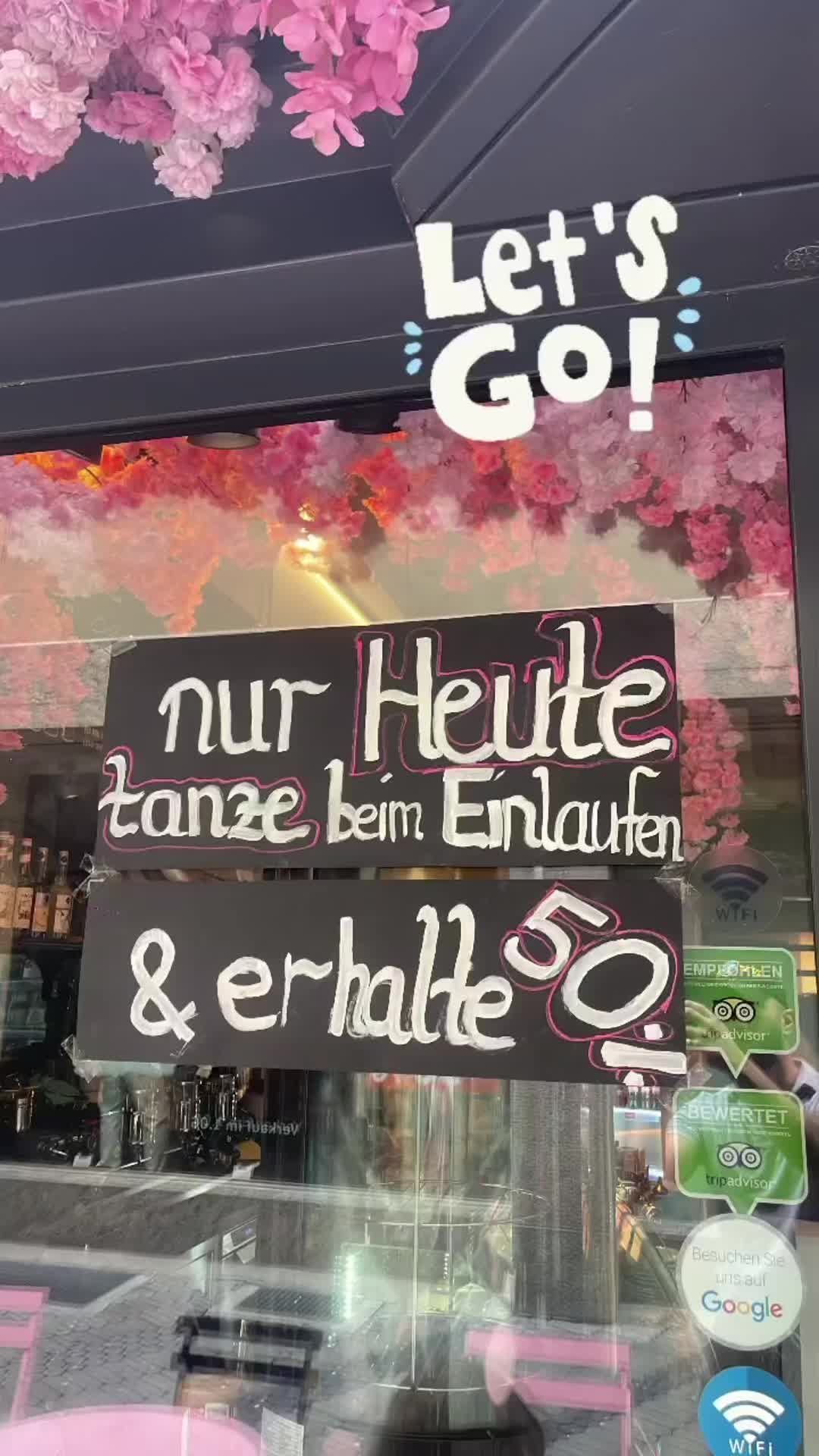
This cafe's "dance to get a discount" offer taps into pure joy and participation—people loved the playful audacity of it, the bright pink aesthetic, and the permission to be silly in public. It's aspirational fun, not just coffee marketing.
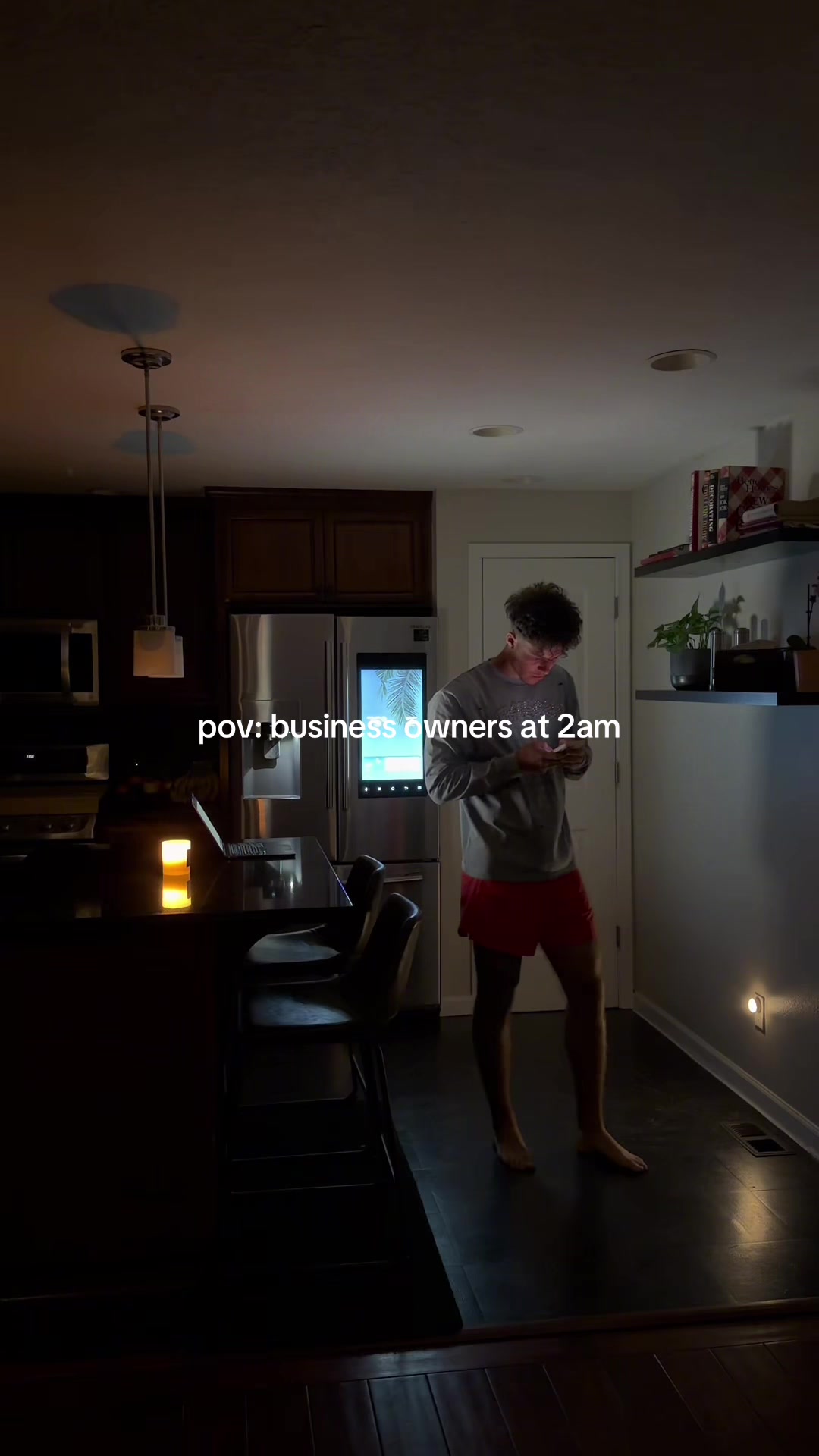
The late-night kitchen scene taps into the aspirational reality of entrepreneurship—not the glamorous version, but the unglamorous grind that actually builds businesses. People save this because it validates their own sleepless hustle or makes them crave that self-directed life.
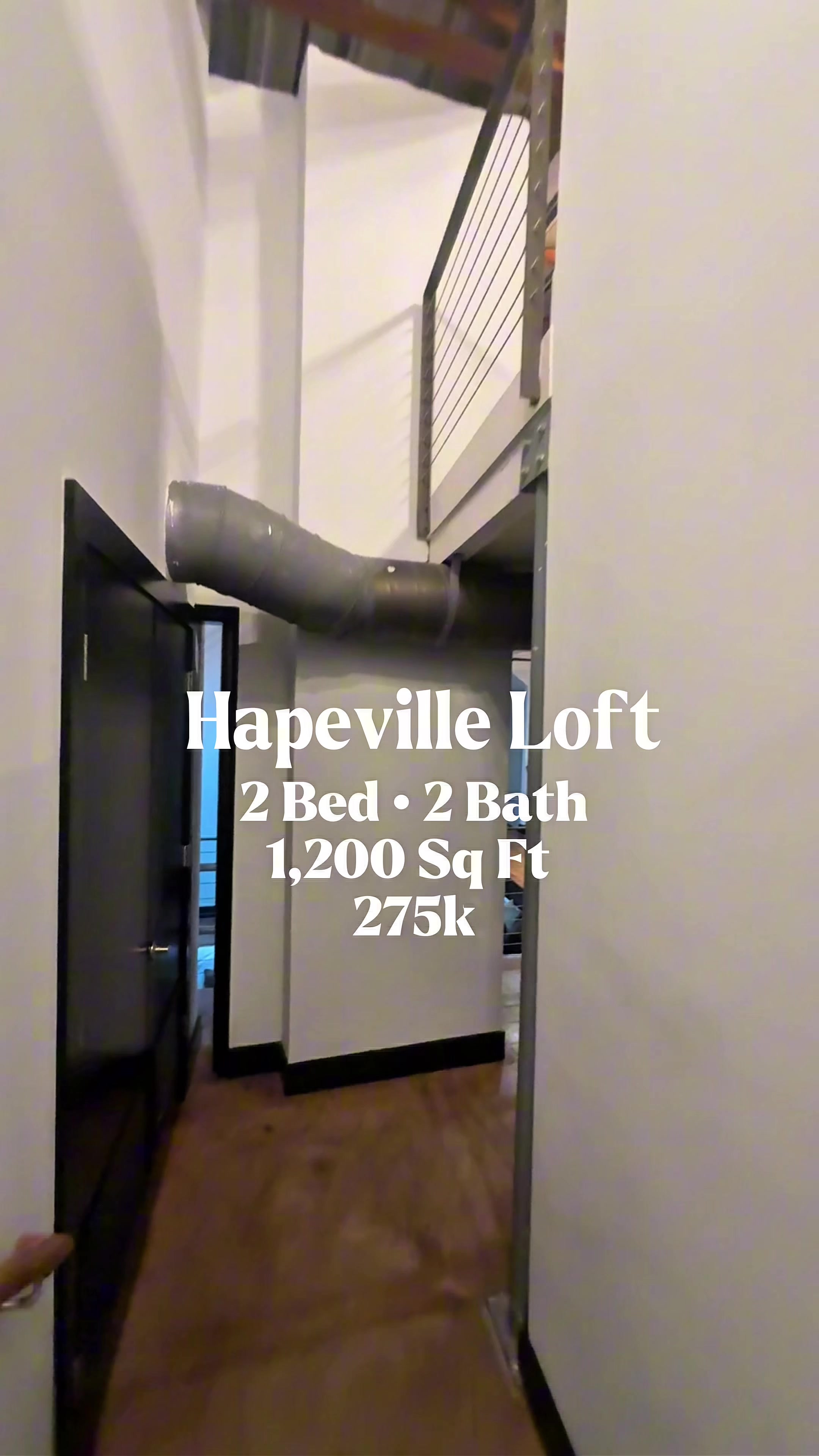
The raw, first-person walkthrough taps into genuine discovery. People save and share because they're seeing a real space at a real price point in an underrated neighborhood, not a polished listing. The specificity (airport proximity, exact HOA) builds trust and sparks actual conversation about value.
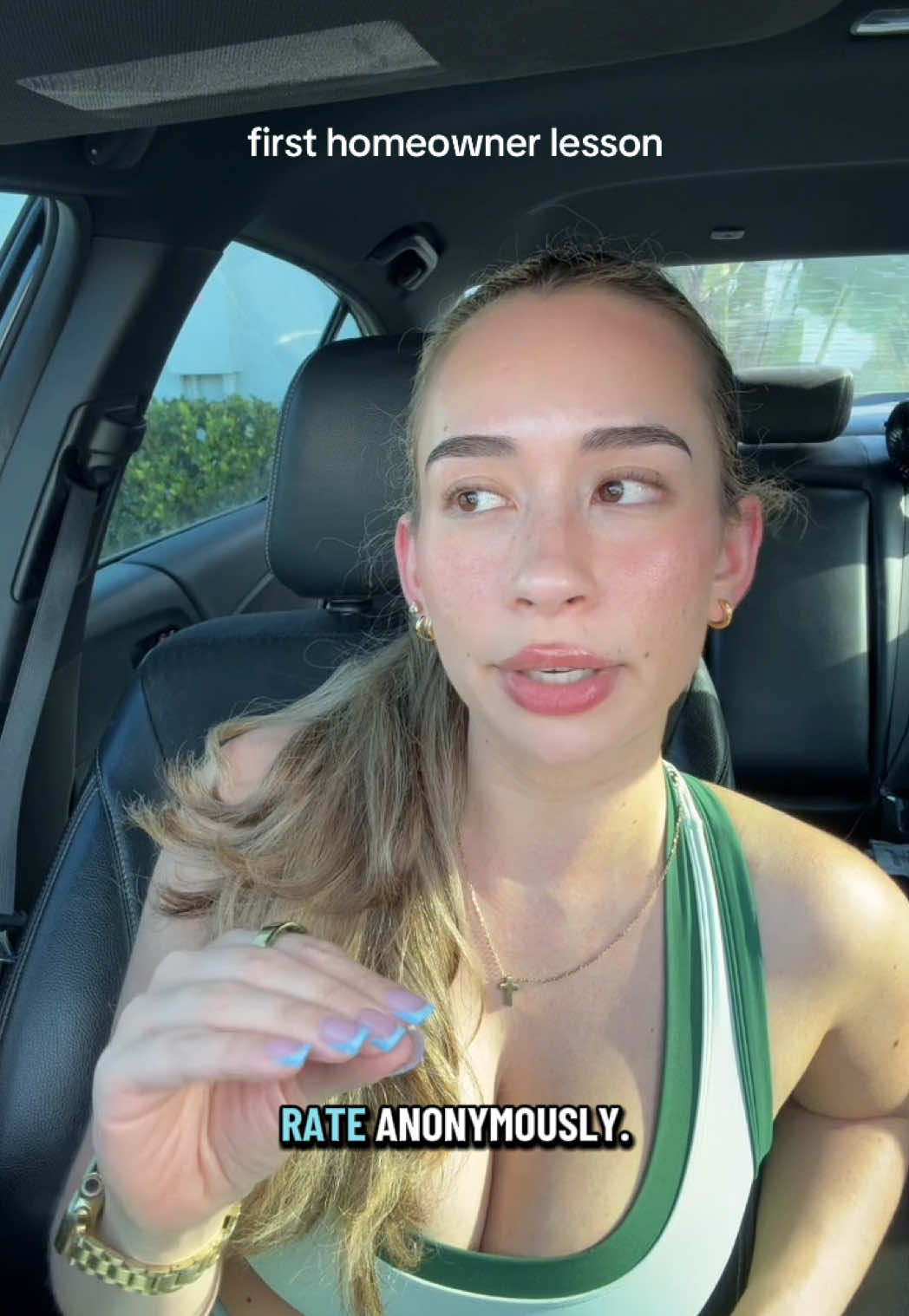

The raw, unfiltered frustration of a small business owner during a slow day hit a nerve. People connected because they either run businesses themselves or understand the precarity of local shops, making this feel urgent and real rather than polished.

The post taps into first-time homebuyer anxiety by highlighting available programs, but the real draw is the controversy. Viewers engage hard because they're fact-checking the claim and debating feasibility, turning skepticism into saves and shares.
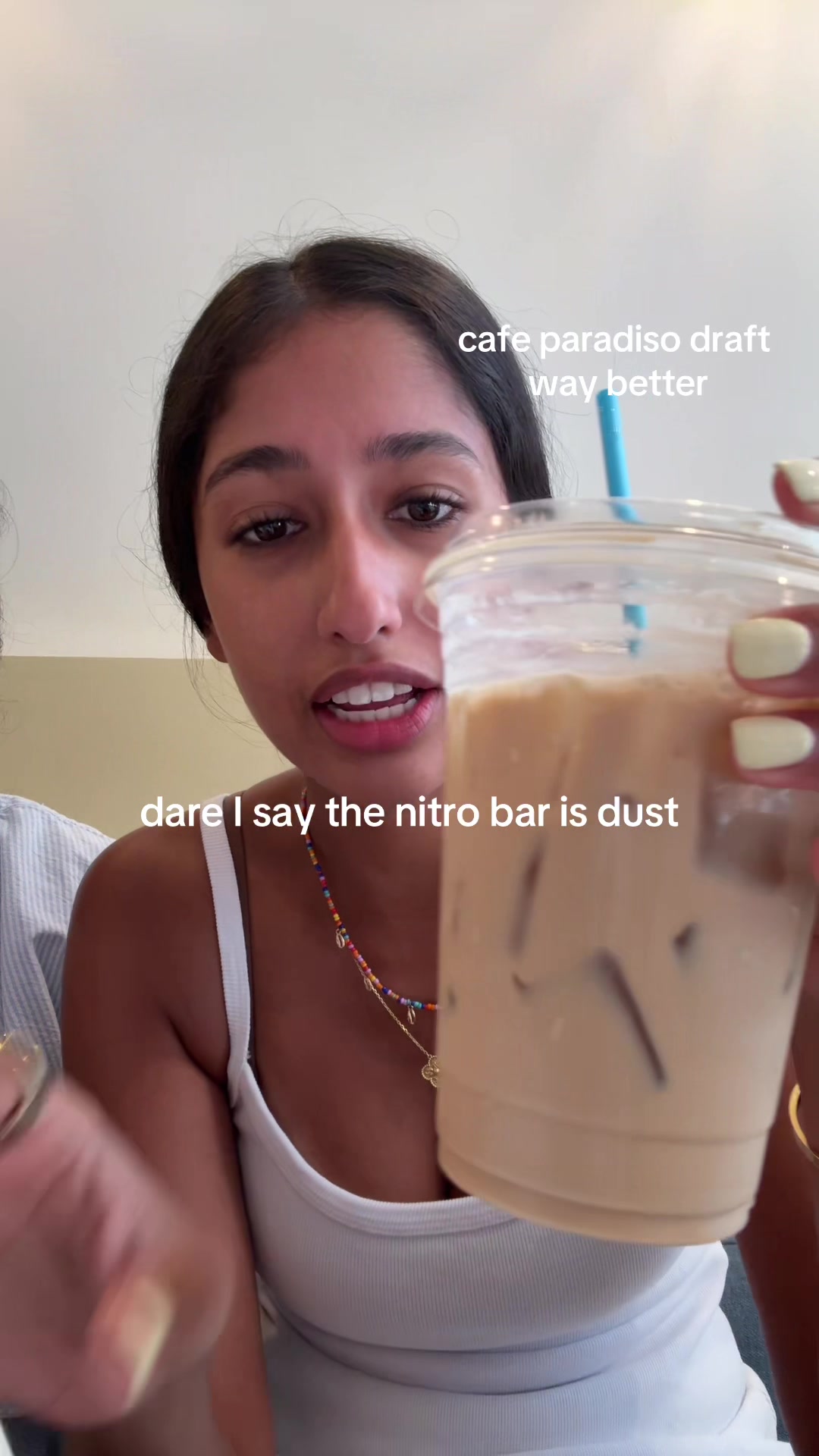
Raw honesty about a hyped coffee spot hits harder than praise. The willingness to call out a trendy nitro bar as underwhelming while staying open to trying again taps into that "real person, real opinion" energy that cuts through polished cafe content.
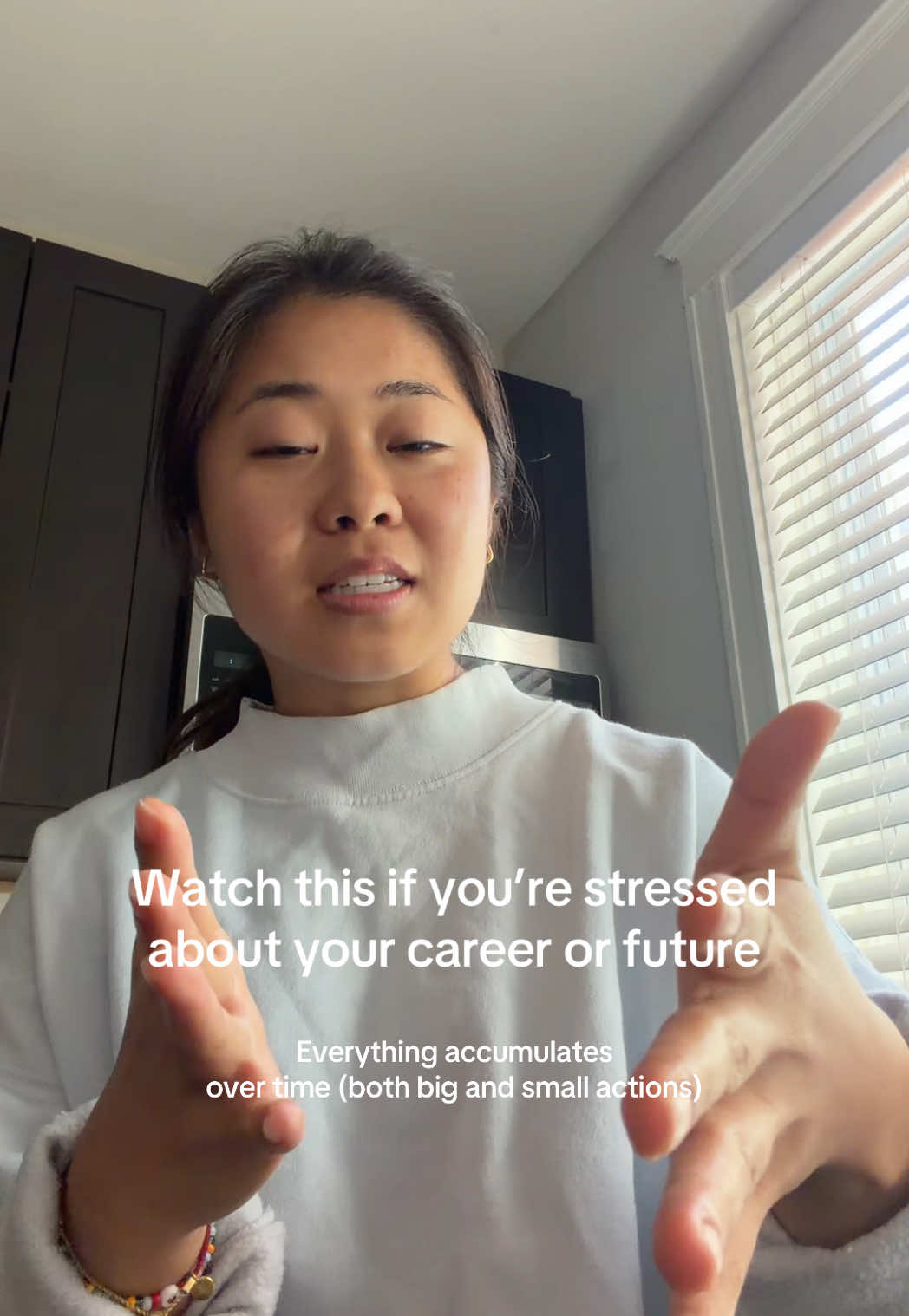
The post taps into quiet optimism for people drowning in career anxiety. By reframing success as cumulative small actions rather than one big leap, it feels both actionable and hopeful, which saves stressed viewers from the paralysis of perfectionism.
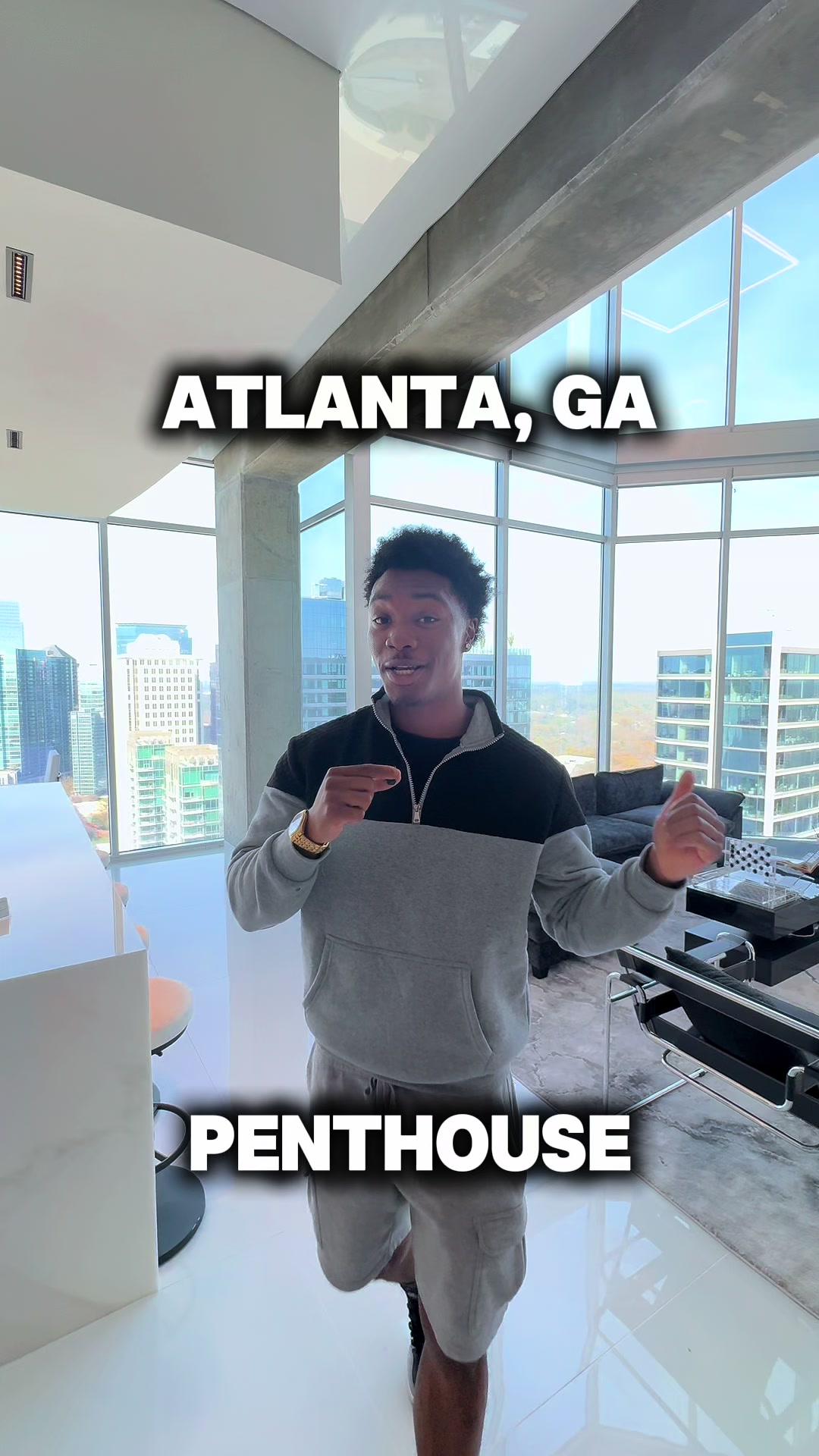
People gravitate toward luxury real estate that feels *achievable* within their market, not abstract penthouses in untouchable cities. The high saves indicate viewers are genuinely considering this property or using it as an aspirational reference point for what's possible in Atlanta specifically.
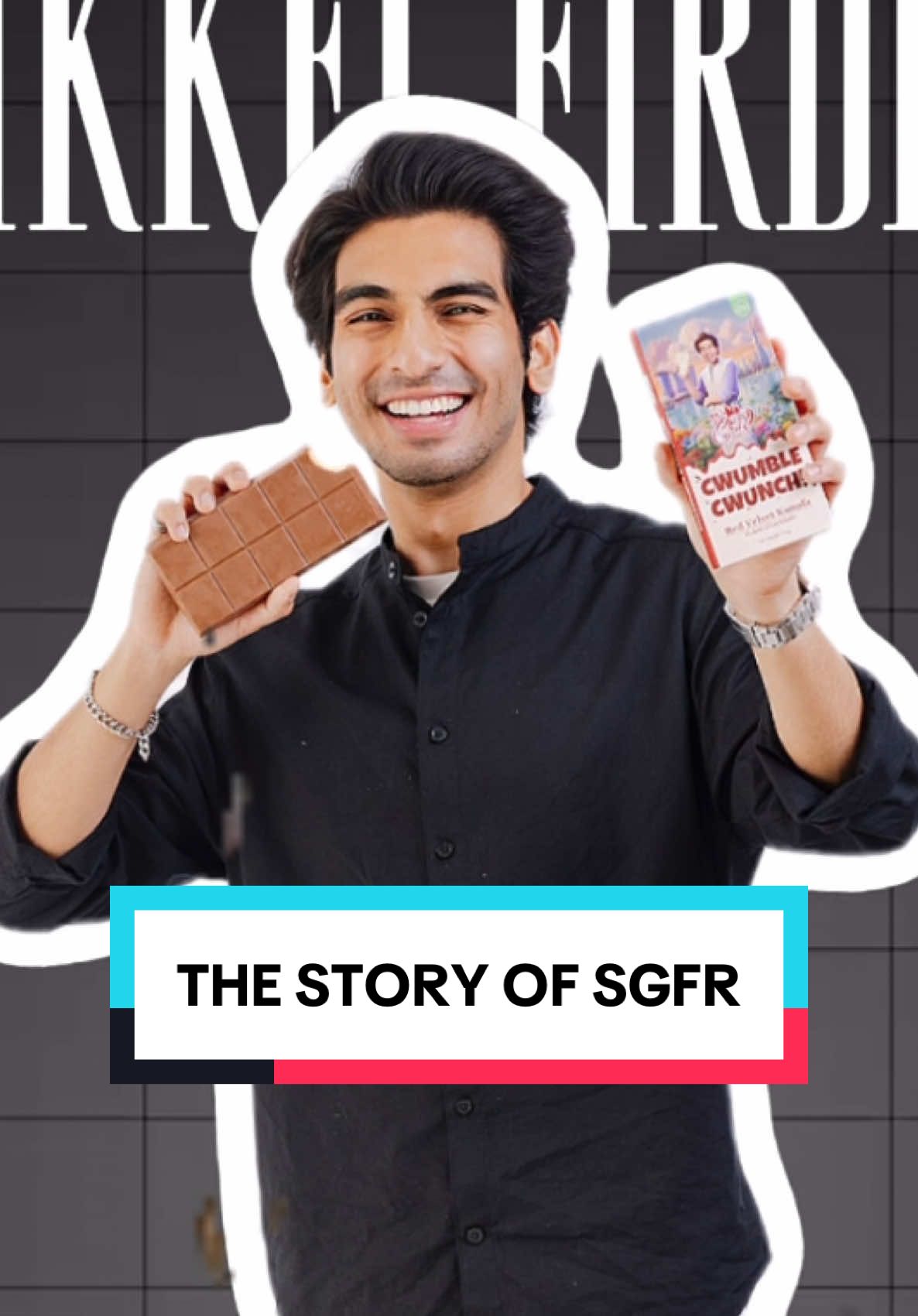
Founder stories tap into people's desire to see themselves in someone else's journey. The raw smile and tangible products (chocolate, cereal) ground an abstract success story in something real and achievable, making the leap from failure to fast-growing brand feel possible rather than mythical.
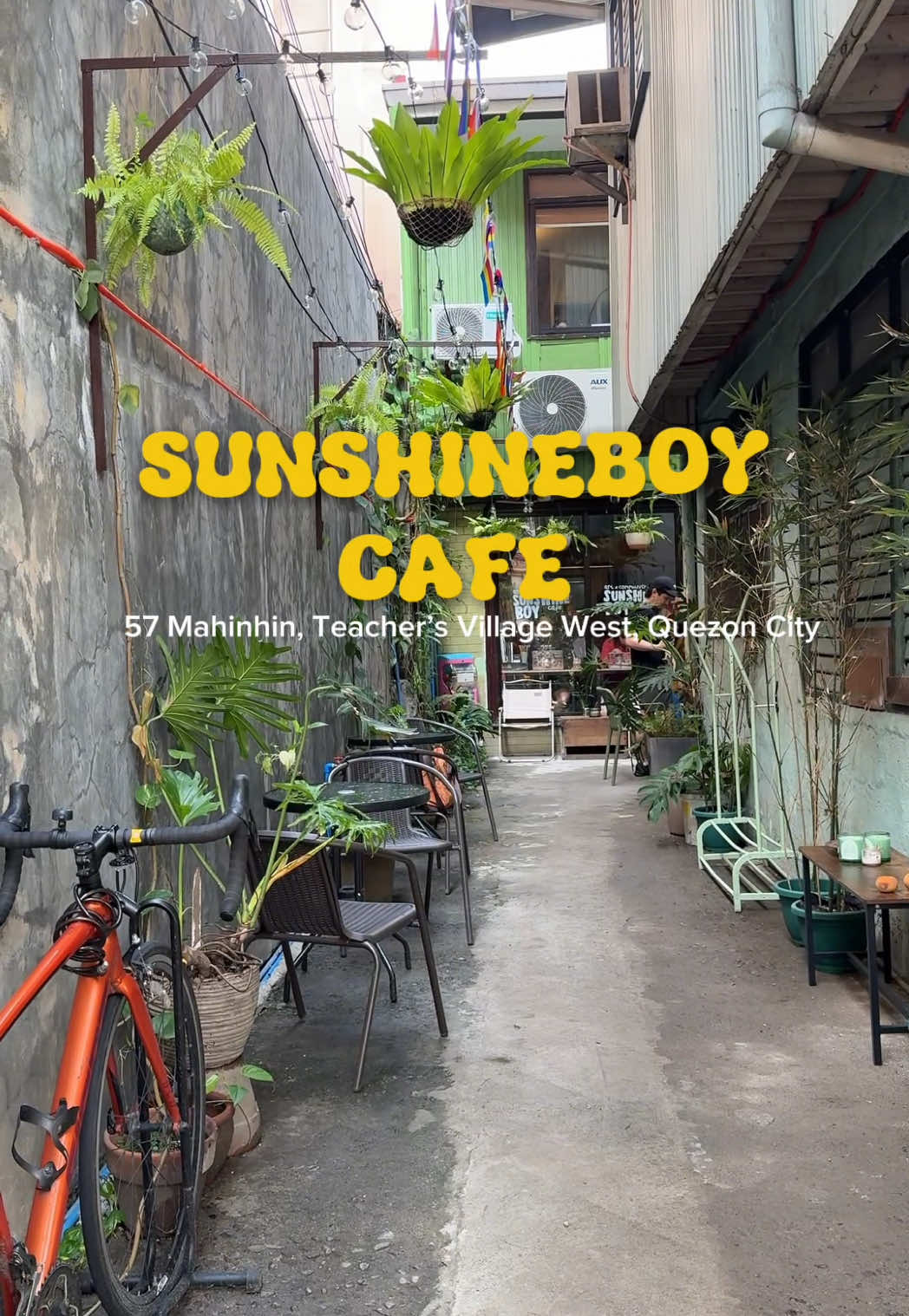
The aesthetic charm of a hidden alleyway cafe with lush greenery creates instant discovery appeal. People save and share spots that feel like personal finds, especially when the visuals promise both atmosphere and practicality (outlets, WiFi, pet-friendly).
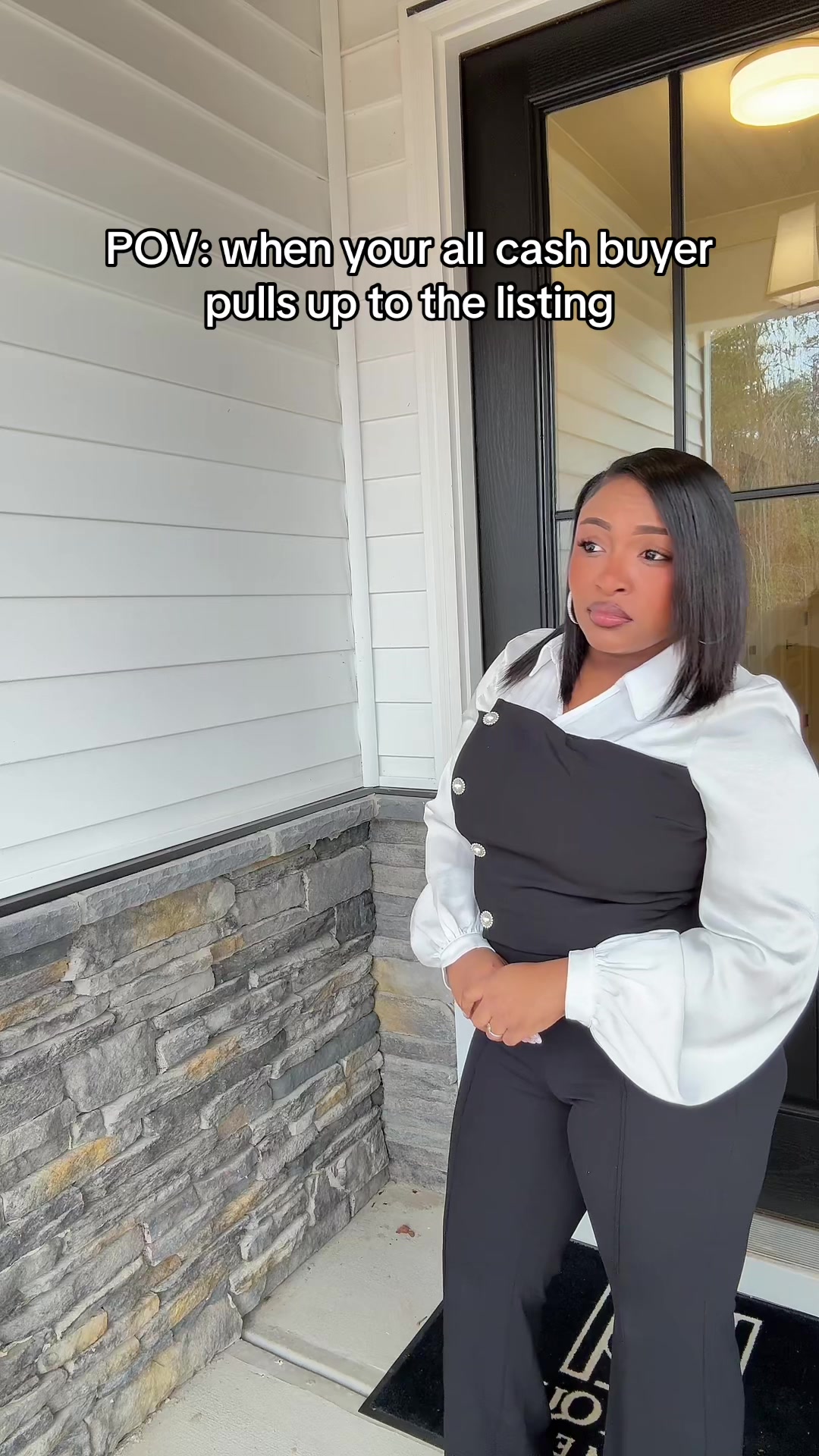
This nails the specific, relatable tension that realtors live with—the barely-contained excitement when a cash buyer shows up. The deadpan expression paired with the subtle body language reads as authentic professional restraint, making it feel like an inside joke only people in real estate truly get.
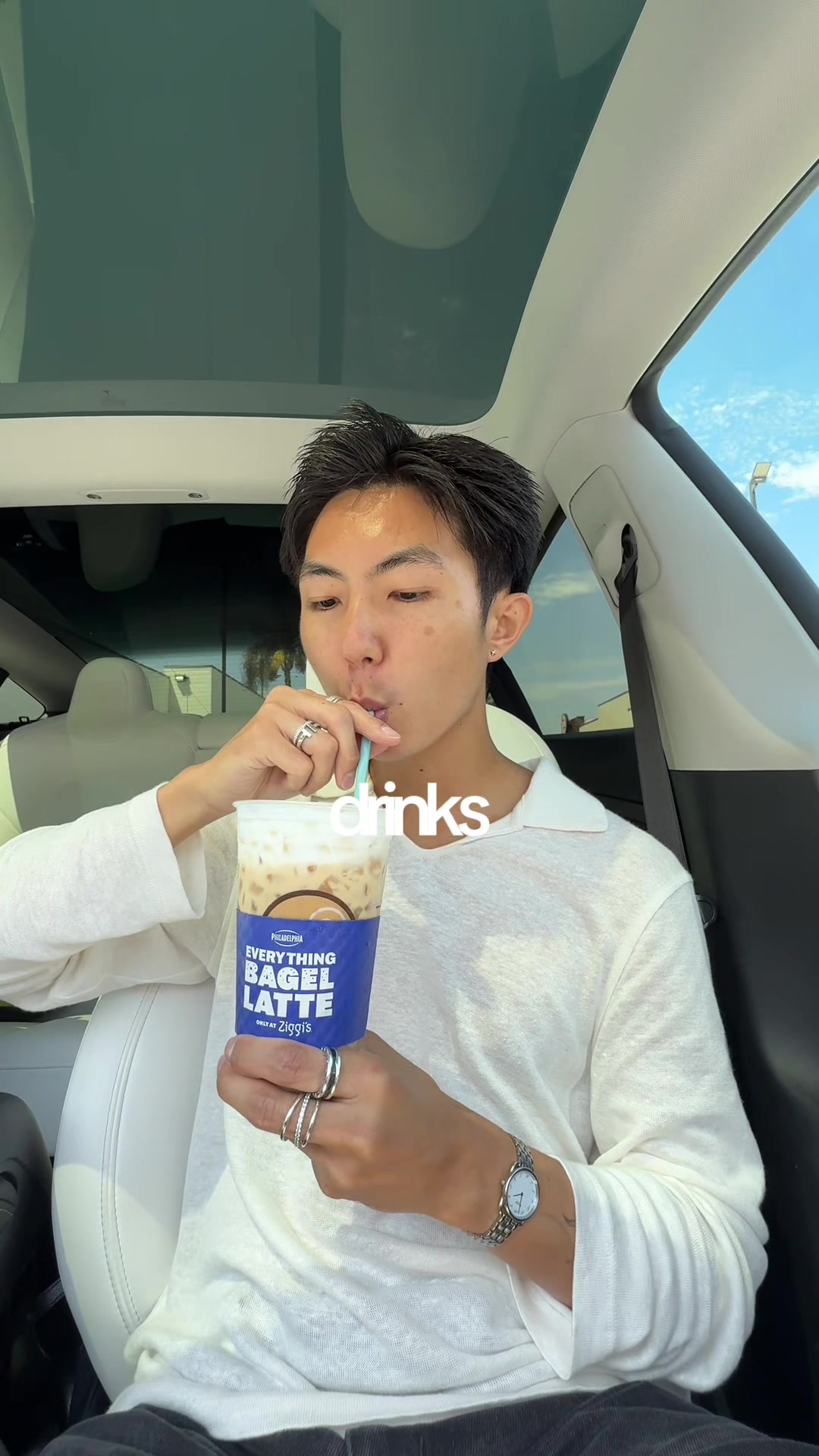
Novelty flavors that sound deliberately weird create natural conversation—people either want to try it or can't resist weighing in on the audacity. The Everything Bagel Latte is absurd enough to stop the scroll, and the top comment's deadpan "This is in fact America" signals the post tapped into that sweet spot between curiosity and gentle ridicule.
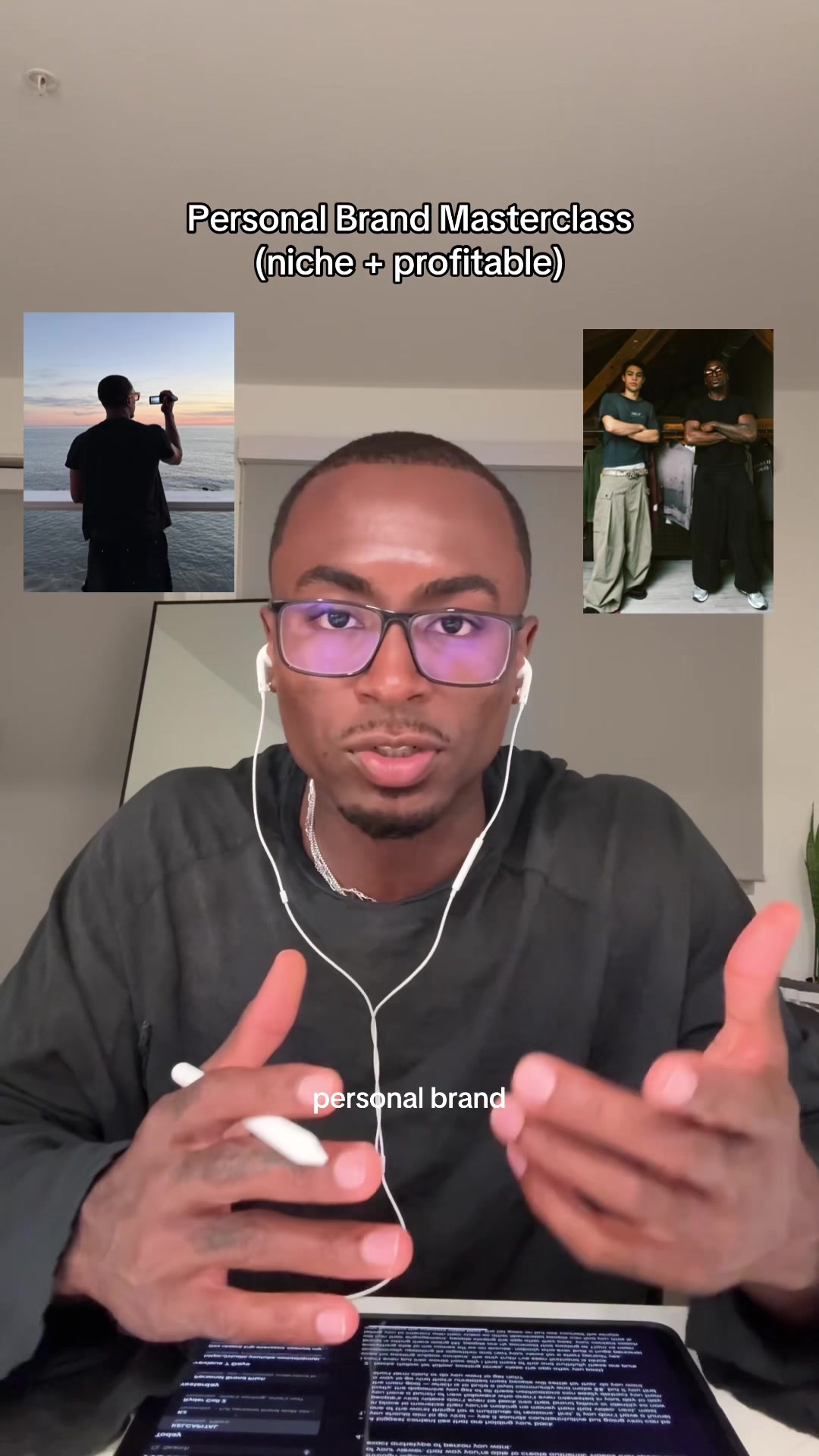
The "things to avoid" framing gives permission to reject hustle culture while positioning authenticity as the smarter strategy. People save this because it validates what they already sense—that chasing vanity metrics kills genuine connection.
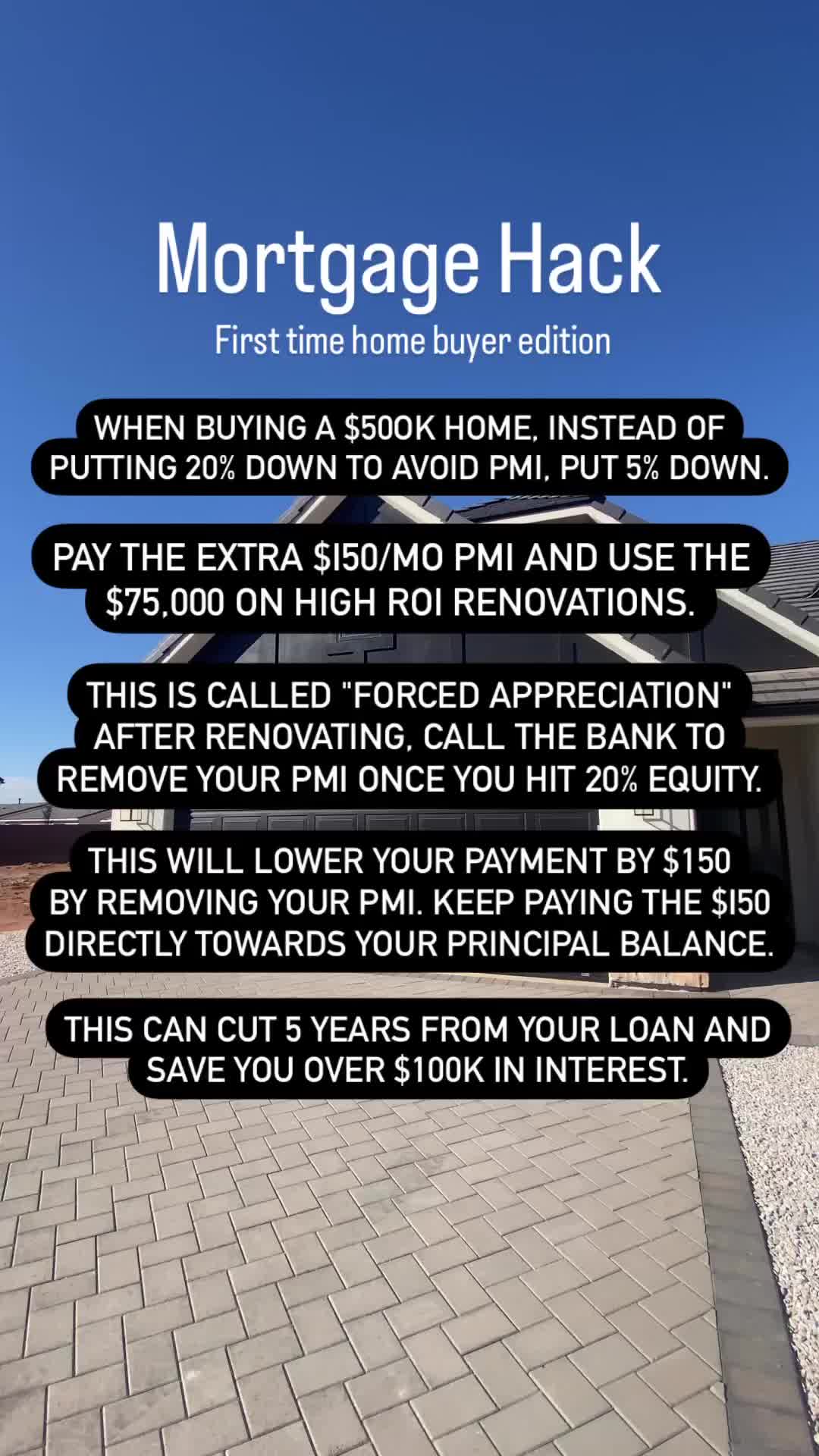
People save this because it feels like insider financial knowledge that could save them serious money. The specificity (exact dollar amounts, the term "forced appreciation") makes it sound credible and actionable, even though the comments reveal major caveats most won't catch before sharing.
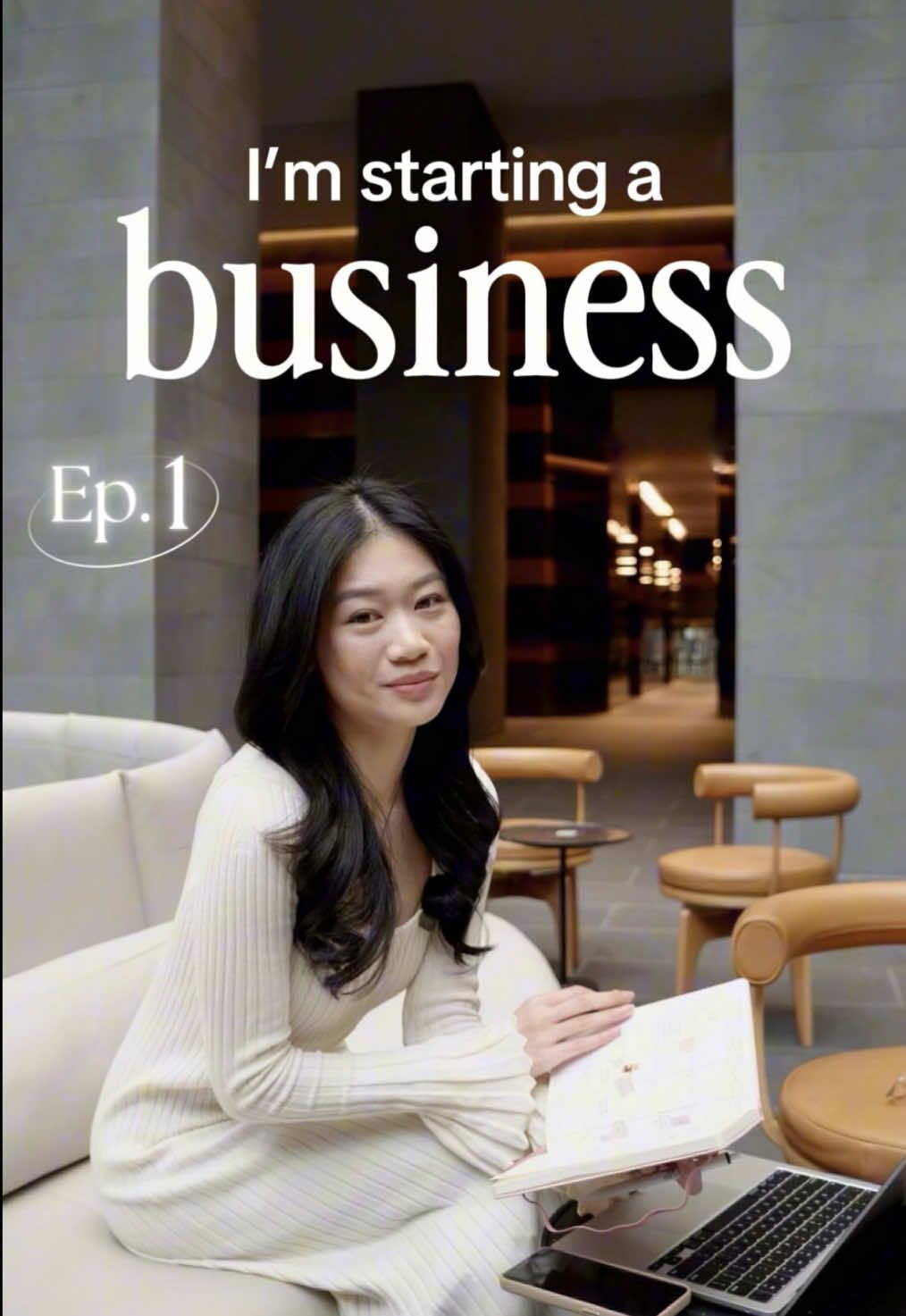
People save this because it signals the beginning of a real journey they can follow. The "Episode 1" framing and vulnerability about a year-long secret create a narrative hook that makes viewers want to witness what comes next, not just consume a single moment.
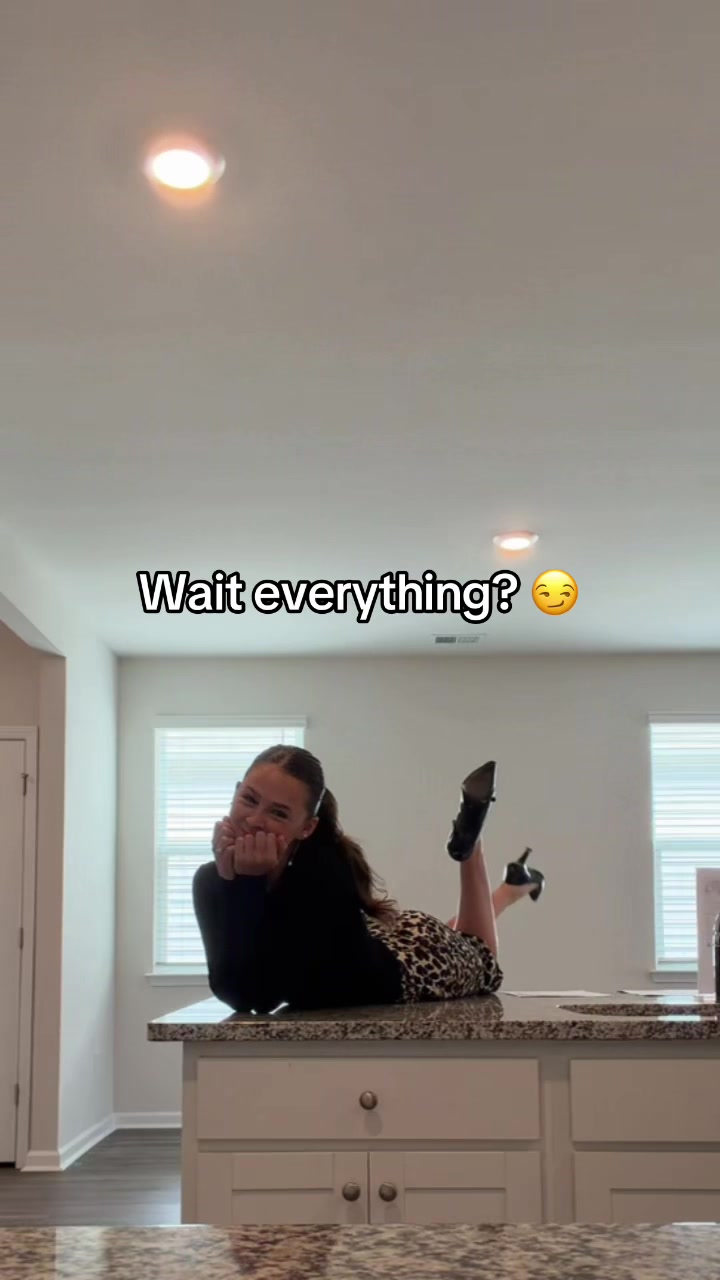
People loved the playful confidence here—a realtor turning herself into the product with genuine charm and humor. It tapped into that sweet spot where personality sells better than any listing ever could.
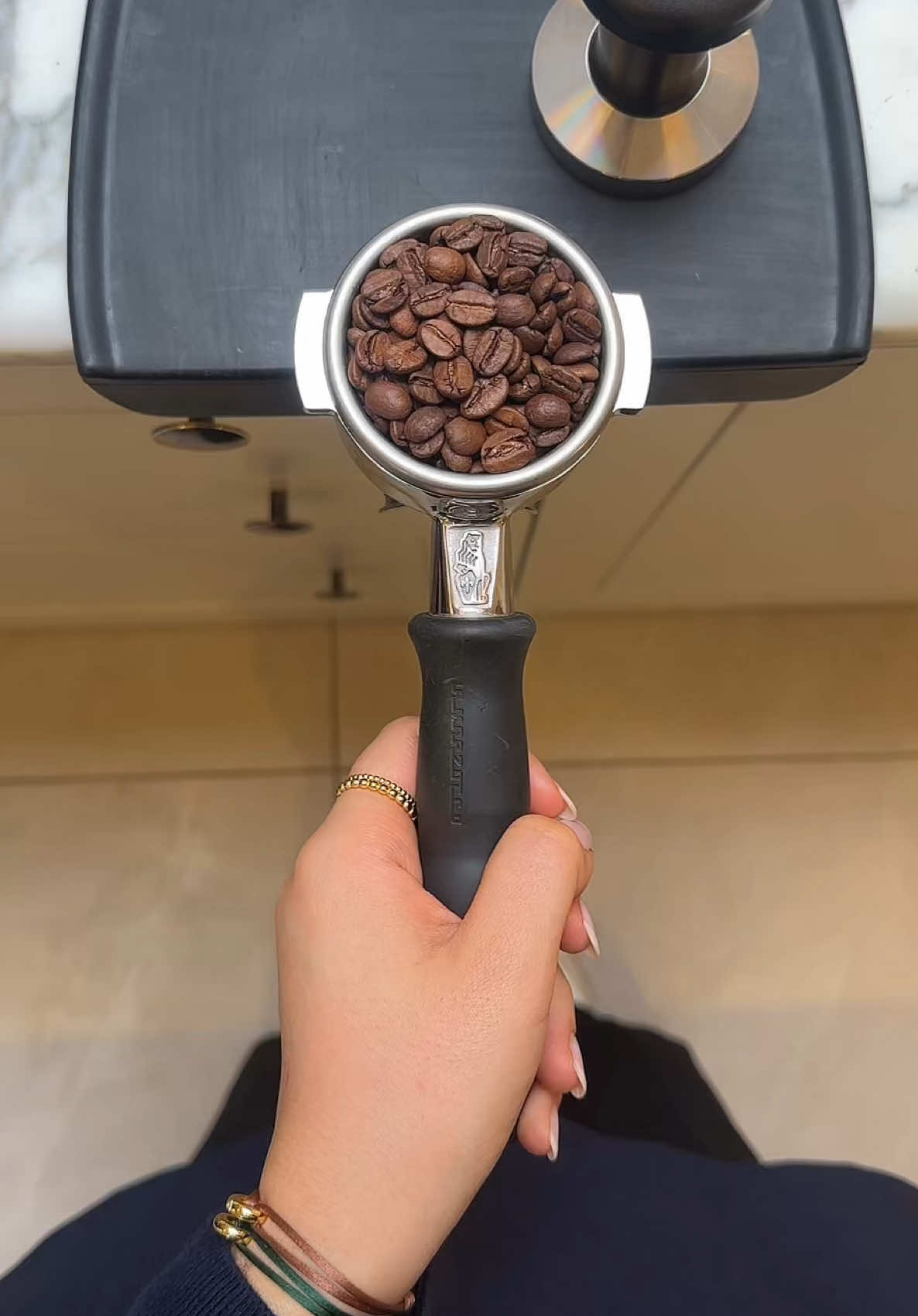
The overhead shot of a perfectly portioned espresso basket paired with gleaming equipment creates an almost meditative visual moment. People save this because it's pure visual satisfaction without noise—the craftsmanship speaks for itself.
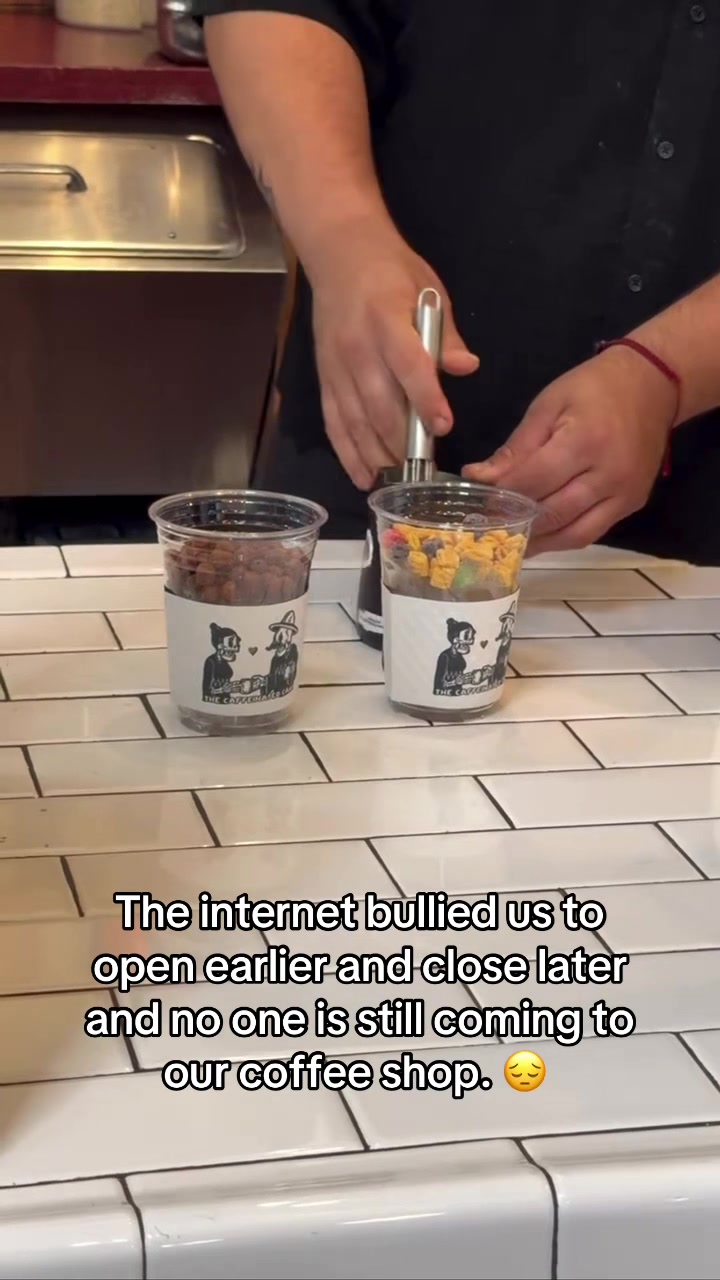
This tapped into small business frustration that owners feel but rarely voice publicly. By showing the gap between customer demands and actual foot traffic, it validated a real struggle and gave voice to an underdog narrative people root for.
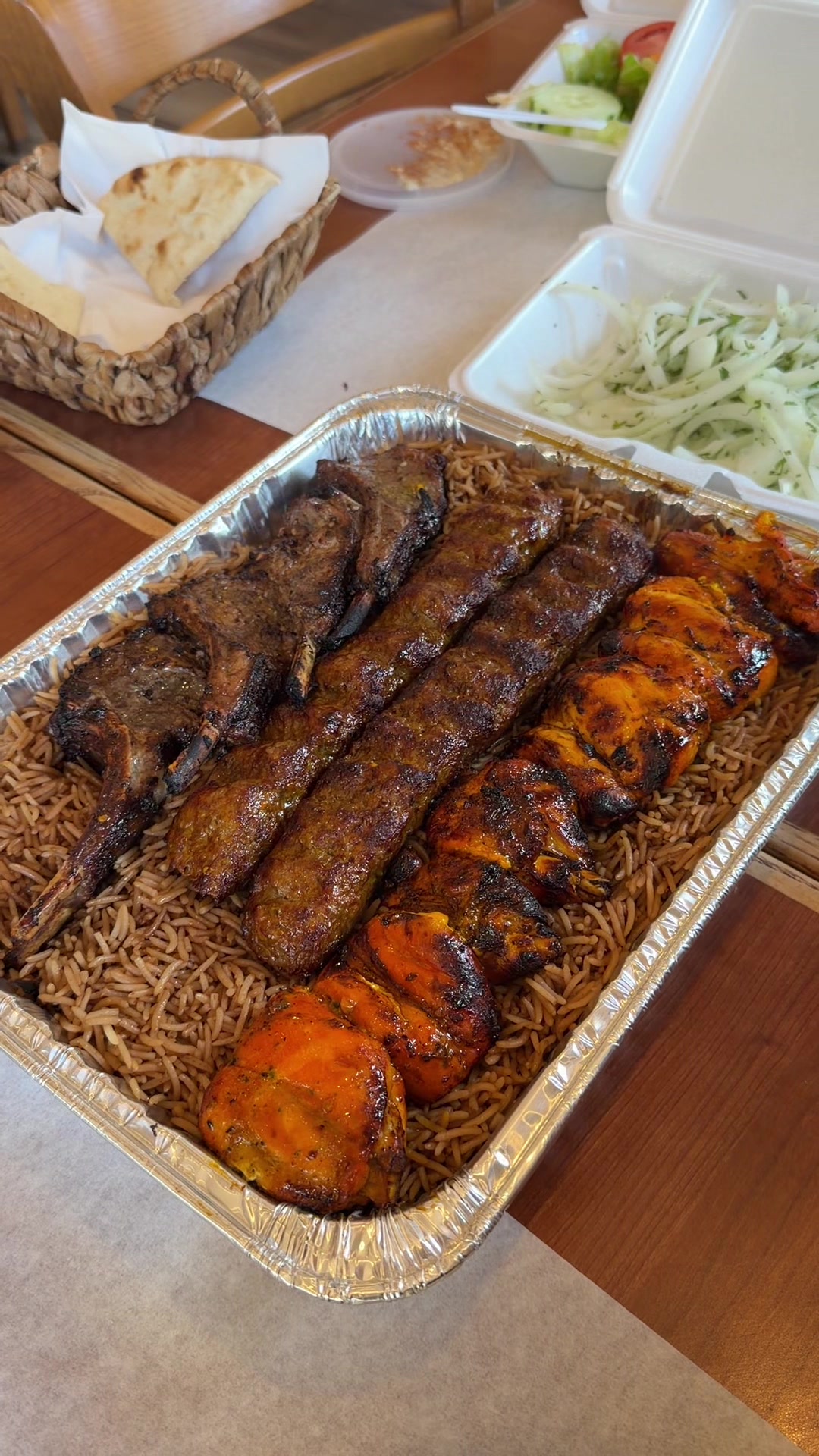
Food abundance triggers visceral satisfaction, especially when portion size defies expectations. The "we didn't know" moment creates relatability and disbelief that makes people want to experience it themselves. Authentic enthusiasm about a local spot gets saved and shared because people trust peer recommendations over ads.
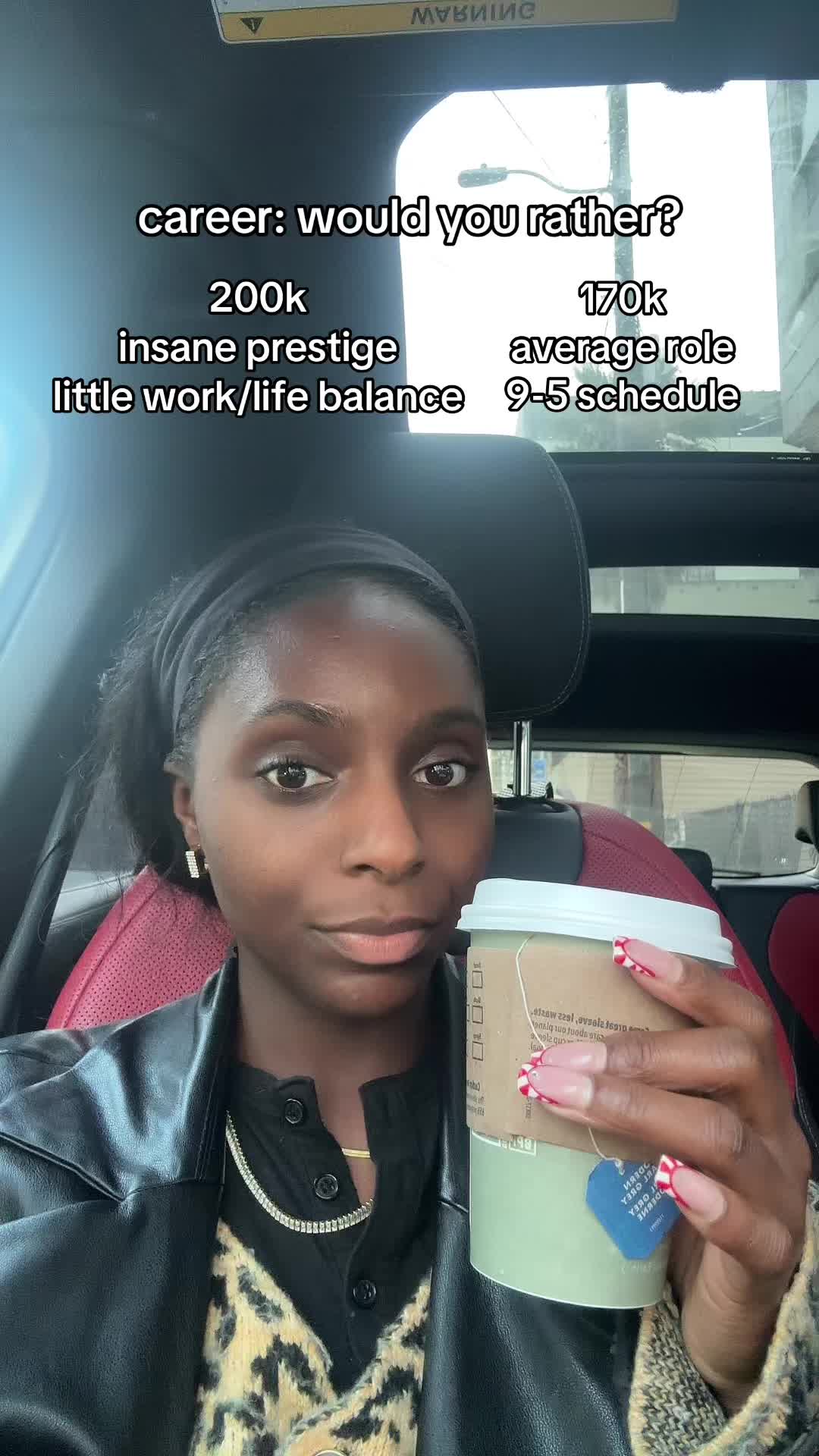
People crave permission to choose sanity over status. By framing this as a genuine dilemma without judgment, it taps into the real tension professionals face—and most viewers lean toward the 170k role because life balance actually wins when you name it directly.
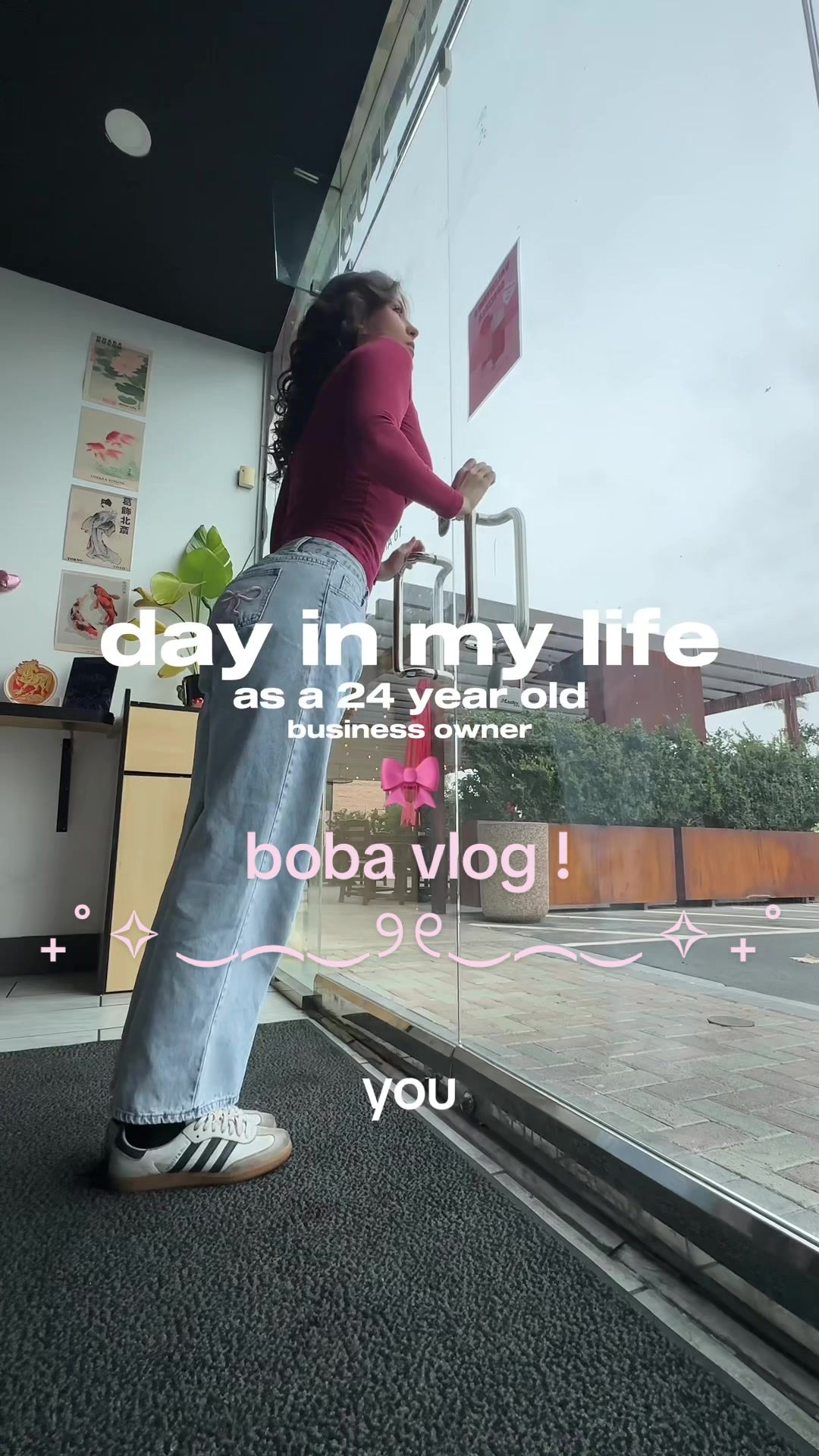
The contrast between aspirational business owner content and showing a genuinely rough day taps into authenticity hunger. People are tired of highlight reels and crave the messy truth, especially from young entrepreneurs who usually only flex wins.
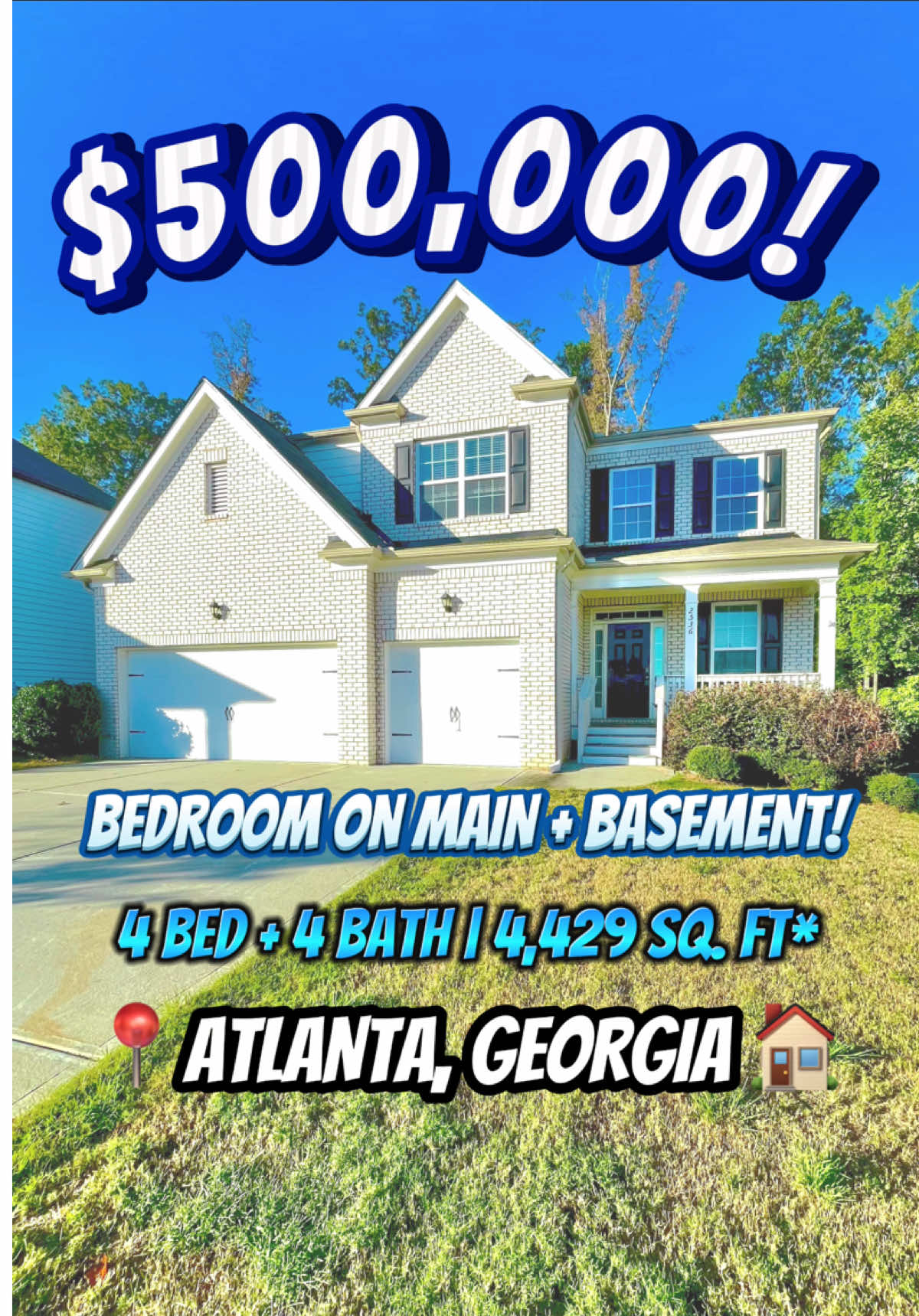
The price point and down payment assistance hook grabbed attention instantly, but the real win was positioning this as an accessible dream home rather than just another listing. High saves signal people bookmarked it to actually show someone or revisit later, not just scroll past.
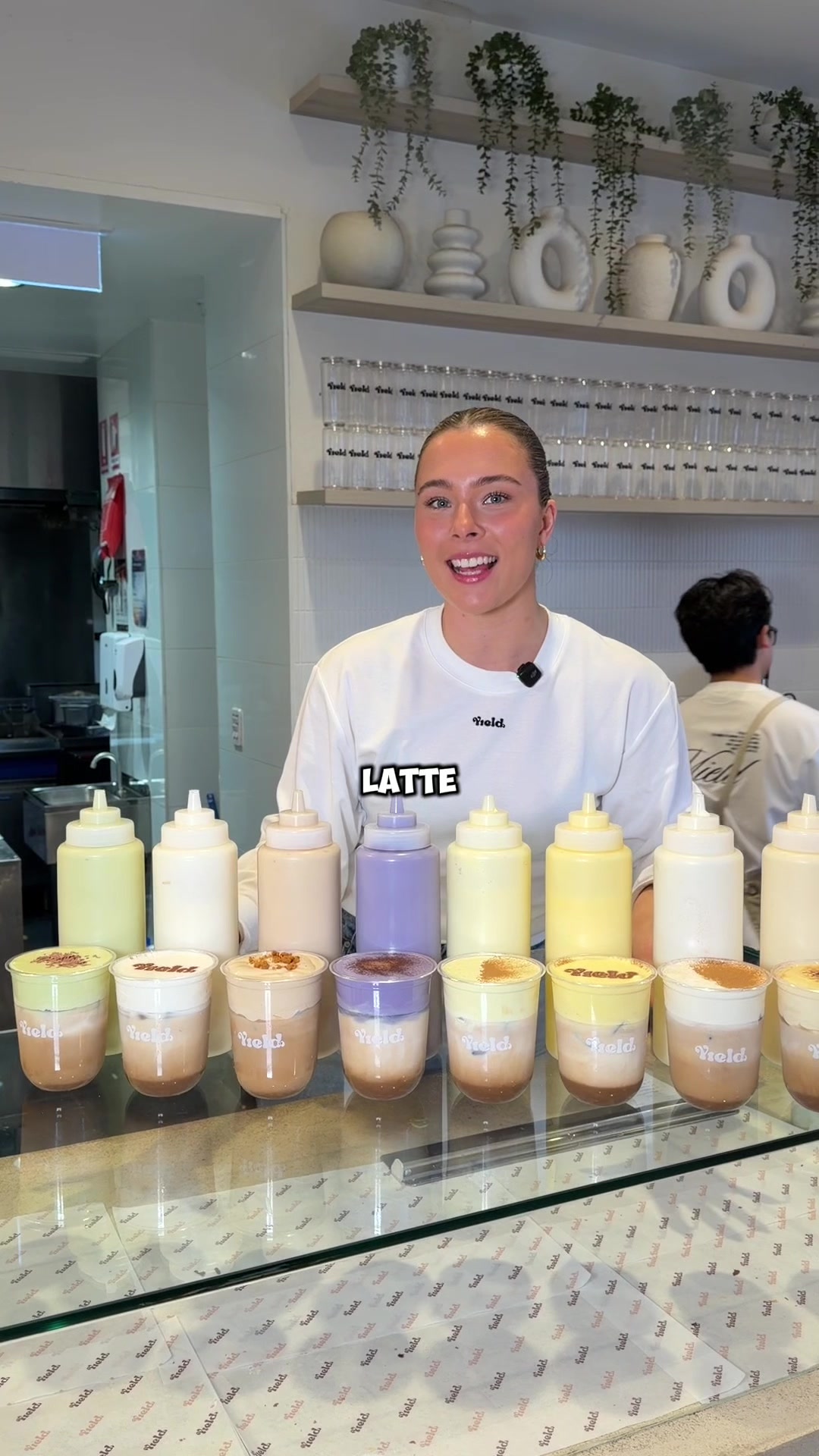
The visual lineup of eight distinct cold foam flavors creates instant decision paralysis that makes people want to save and share. It's aspirational product showcase meets "which one would you pick" energy, tapping into the satisfying feeling of variety and choice displayed beautifully.

The visual contrast of pouring caramel into milk creates instant satisfaction, but the top comment reveals the real hook: people are drawn to the gap between the aspirational video and reality. The massive save rate suggests people want to recreate or visit for the experience itself, not just the drink.
The meta-commentary on personal branding formats itself becomes the content, letting creators see their own struggles reflected back. High save rate suggests people bookmarking this as a reference guide for what actually works in the space.
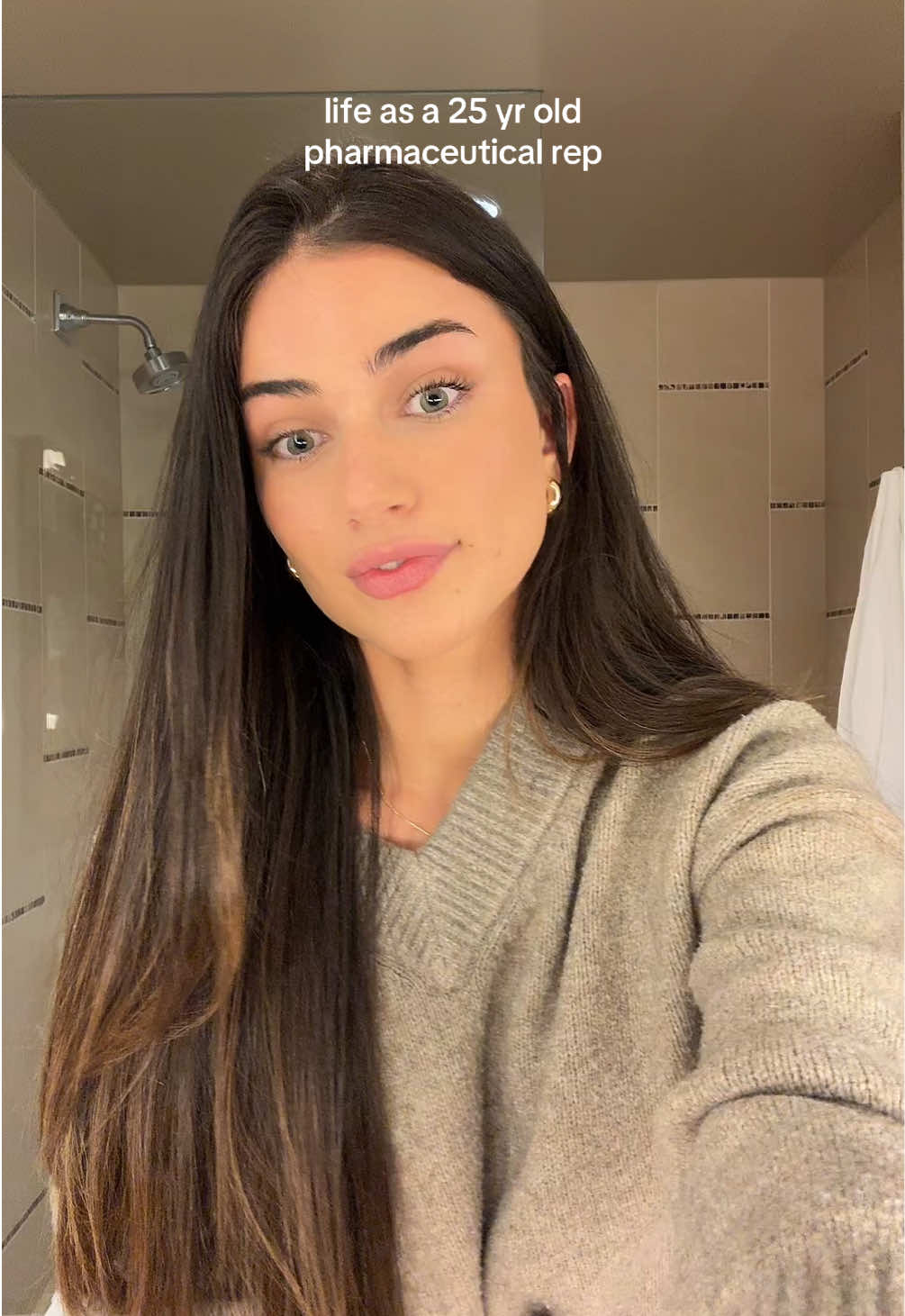
People crave insider access to specific career paths, especially ones that seem stable and lucrative. By positioning herself as a relatable peer sharing real experience, she tapped into the aspirational-yet-attainable sweet spot that gets saved and reshared.
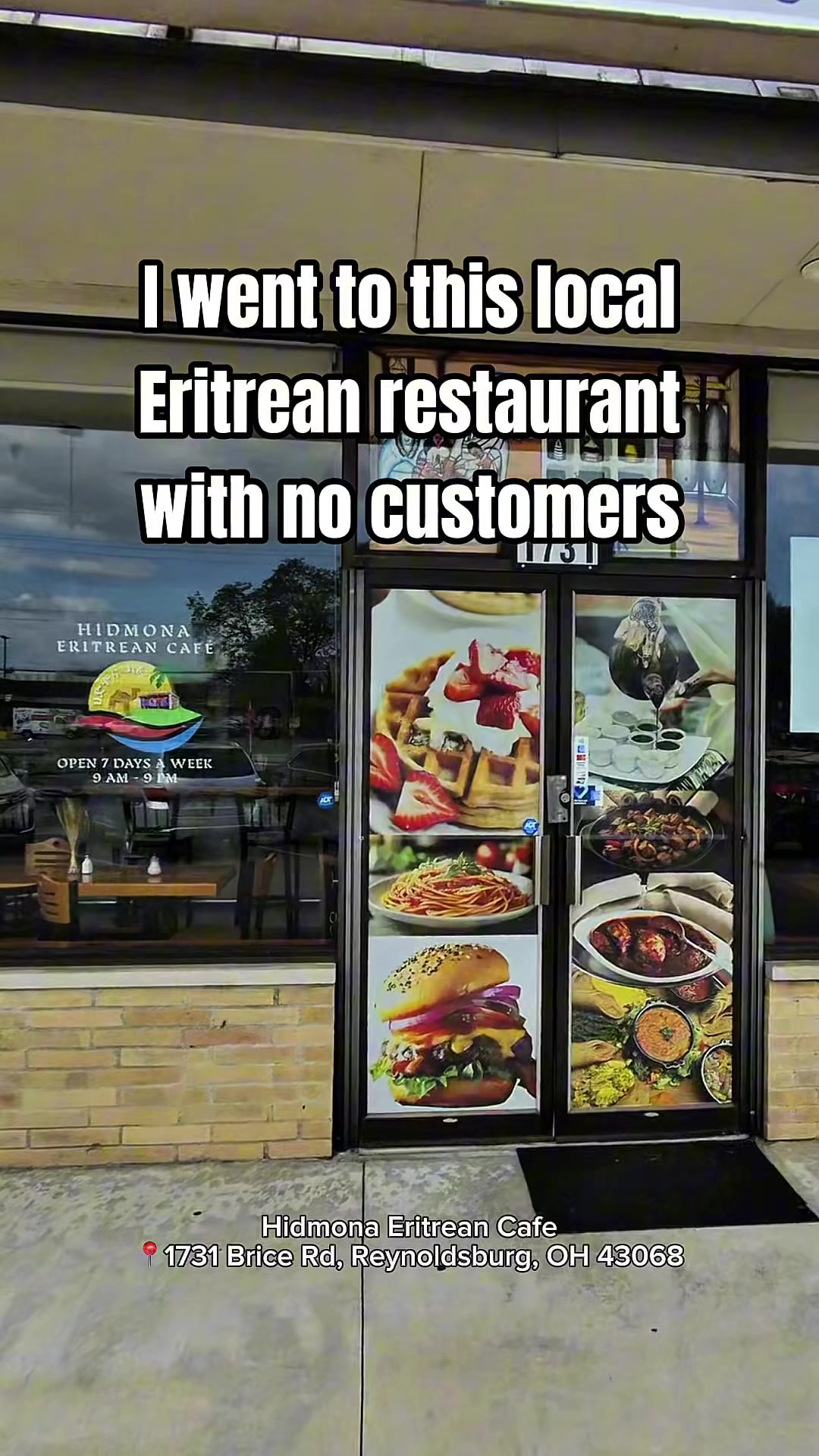
The post taps into curiosity about an unfamiliar cuisine while creating a "discovery" moment that feels genuine. People engage because they're learning something new and the contrast between empty storefront and vibrant food visuals creates intrigue—plus it sparked the exact kind of niche cultural conversation the algorithm rewards.
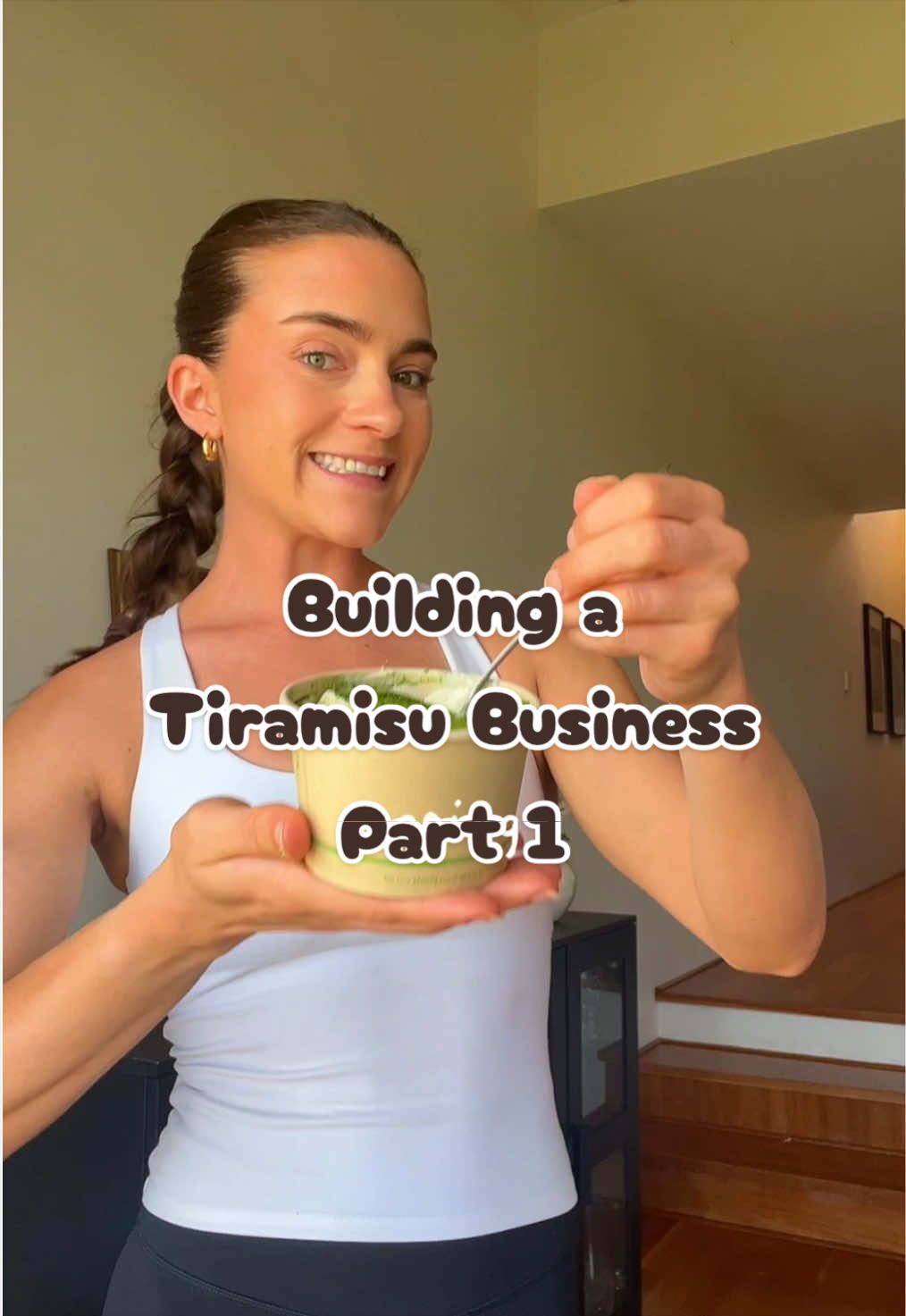
The cliffhanger series format paired with authentic founder energy taps into people's desire to see real people build real things. Part 1 works because it's relatable (spontaneous idea, chaotic process) while the "stay tuned" hook promises a payoff worth following.
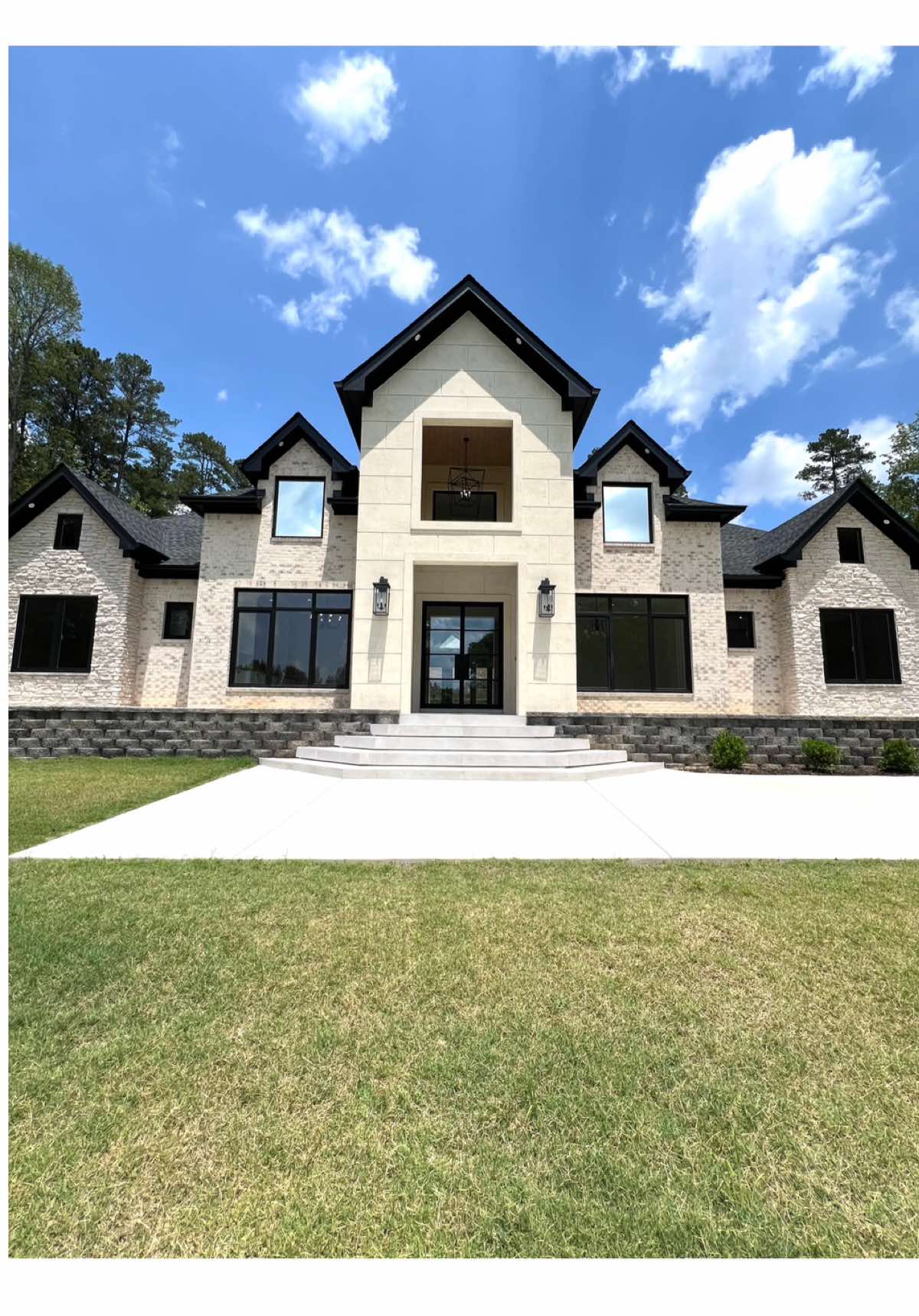
Aspirational real estate hits differently when it's flawlessly executed and shows genuine luxury without pretension. The clean aesthetics, perfect lighting, and dream-home scale spark both fantasy and faith-based manifestation thinking, making people save and share it as inspiration.
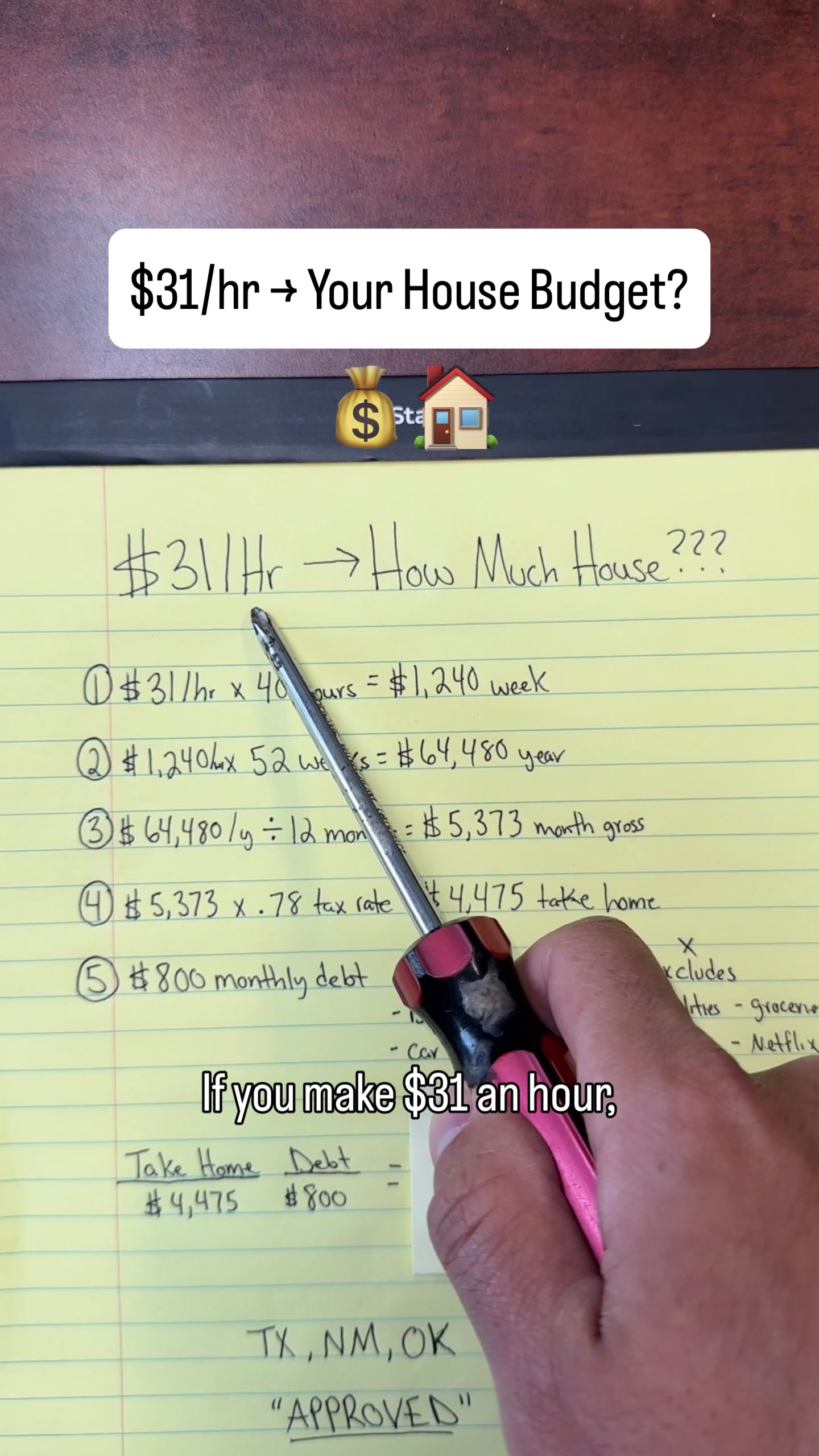
People are hungry for concrete math that makes homeownership feel possible on modest income. Breaking down the actual calculation transforms an aspirational dream into a tangible goal, especially when it challenges the assumption that you need six figures to buy.

The post uses self-aware humor about appearance versus profession—the visual contradiction between how someone looks and what they claim to do creates an instant laugh. People saved it because the joke lands without needing explanation.
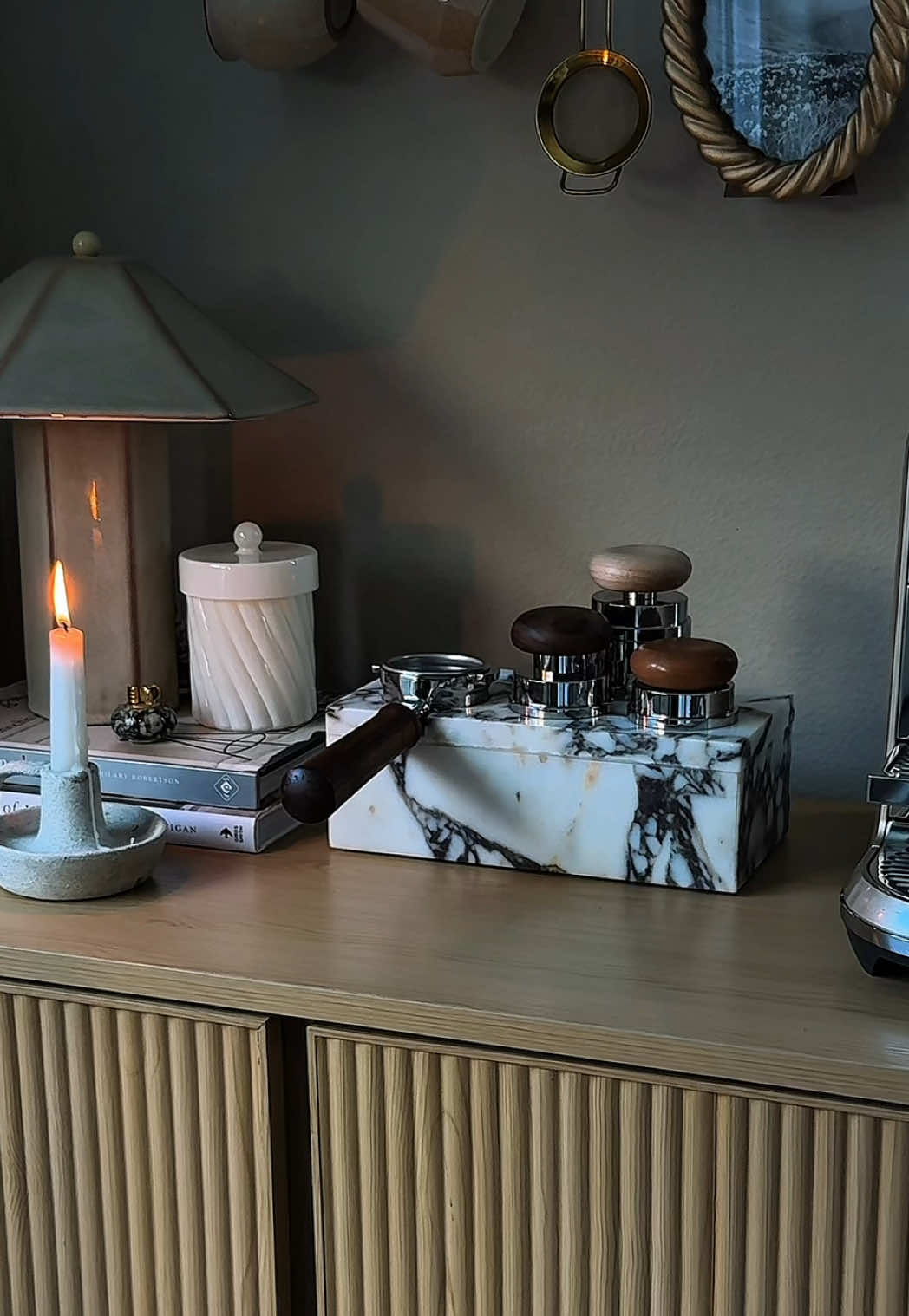
The marble box holding espresso cups is beautiful enough to make people want to buy it immediately, but the real hook is the mystery—viewers can't quite tell what it is from the angle, sparking genuine curiosity and discussion rather than passive scrolling.
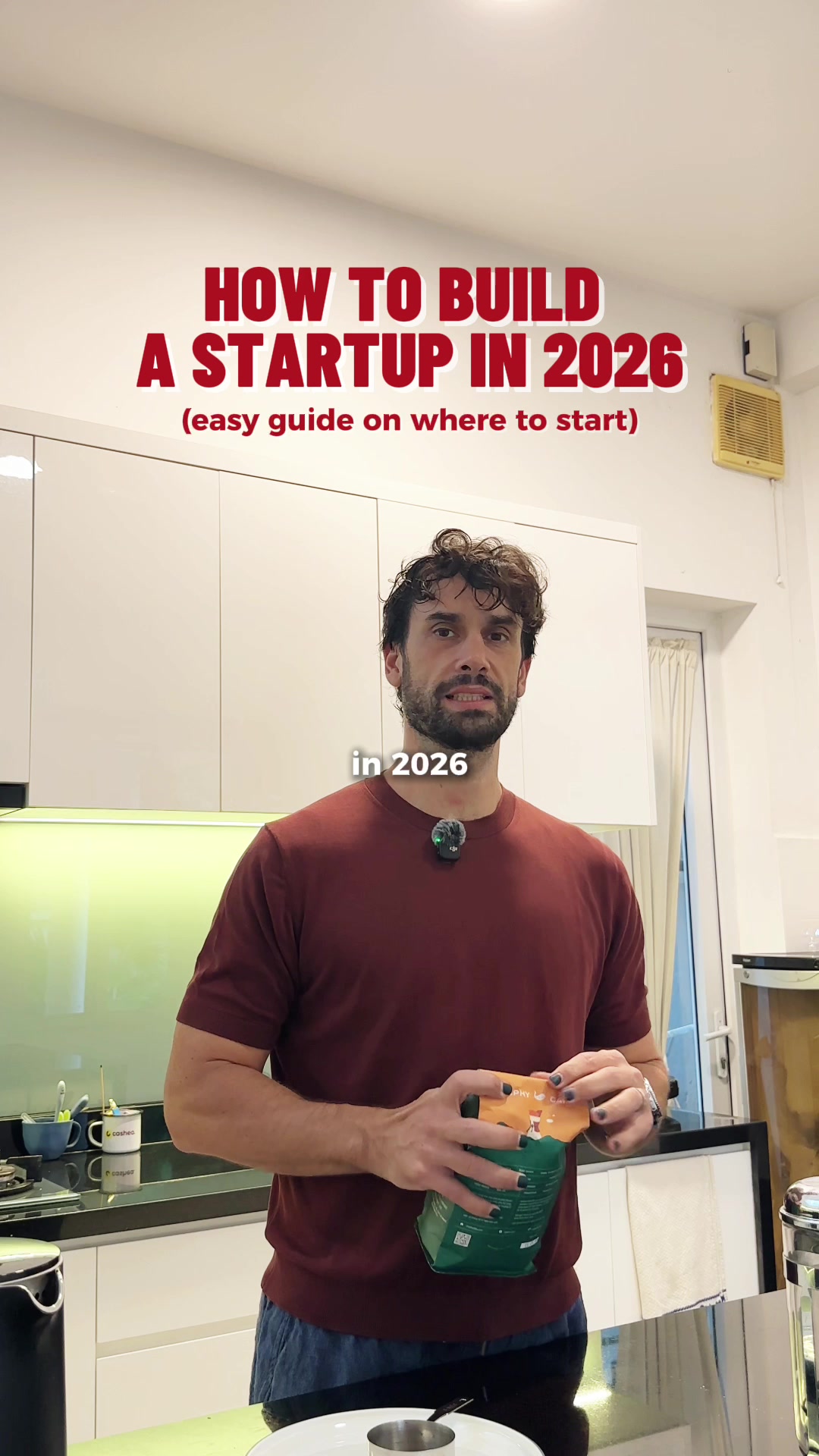
People crave the unglamorous truth about startups. By flipping the conventional wisdom (cofounder before idea, problem before trend), this hit a nerve with aspiring founders tired of hearing the sanitized version. The specificity of "2am when everything's on fire" made it feel real.
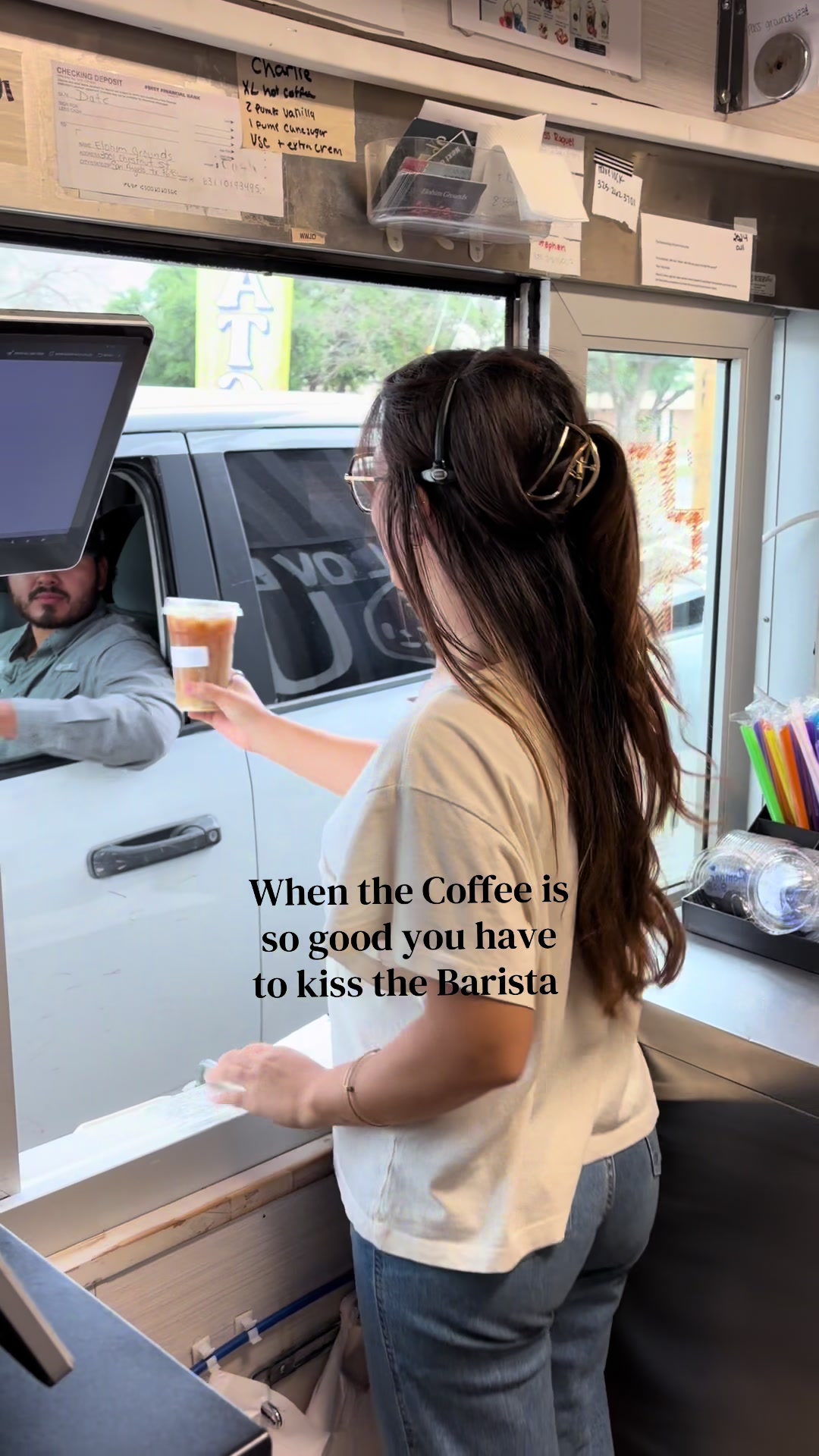
The post taps into that universal "so good it deserves extra thanks" feeling, but frames it as a funny, flirty exchange rather than a transaction. People loved the playful tension and relatability of showing genuine appreciation to someone who nailed their craft.
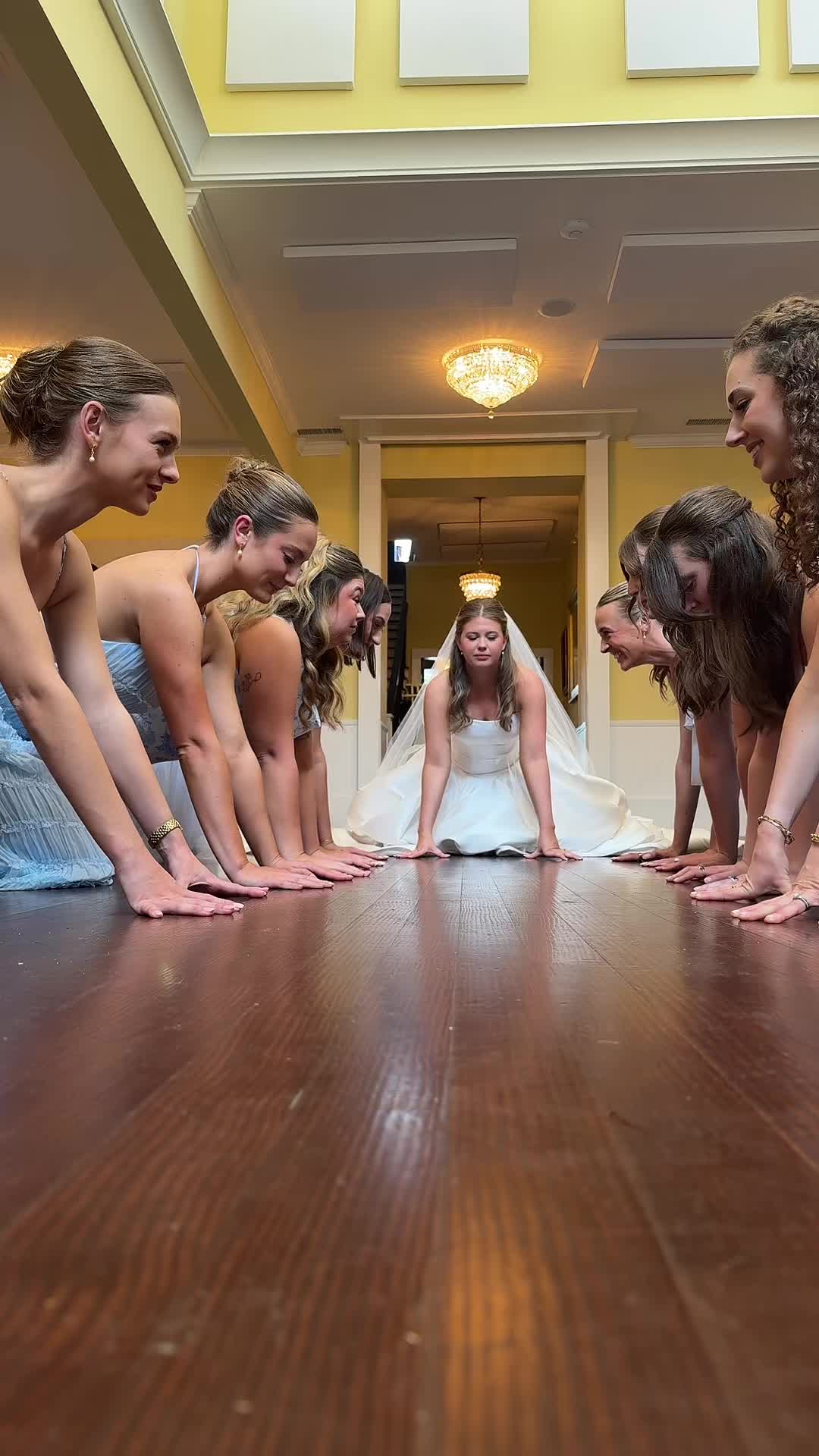
People loved the audacity of pivoting a real wedding moment into real estate content. The bride's willingness to turn her actual wedding day into a property showcase felt refreshingly unselfconscious, especially with bridesmaids who were in on the joke. It's authenticity wrapped in absurdity that made it impossible to scroll past.
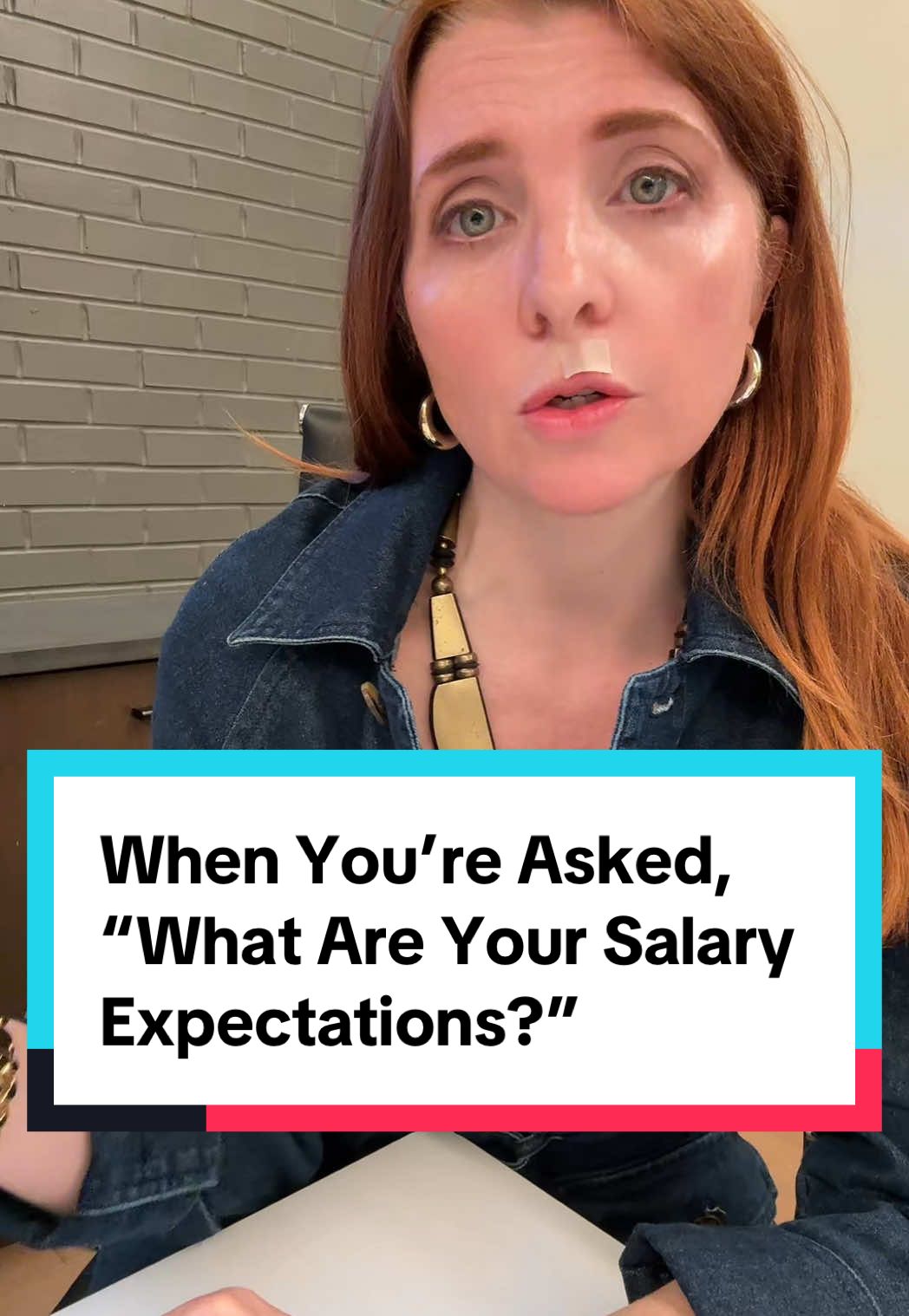
This post taps into widespread frustration about power imbalances in hiring by validating a felt injustice and offering concrete pushback language. People save it because it's practical armor for a vulnerable moment.
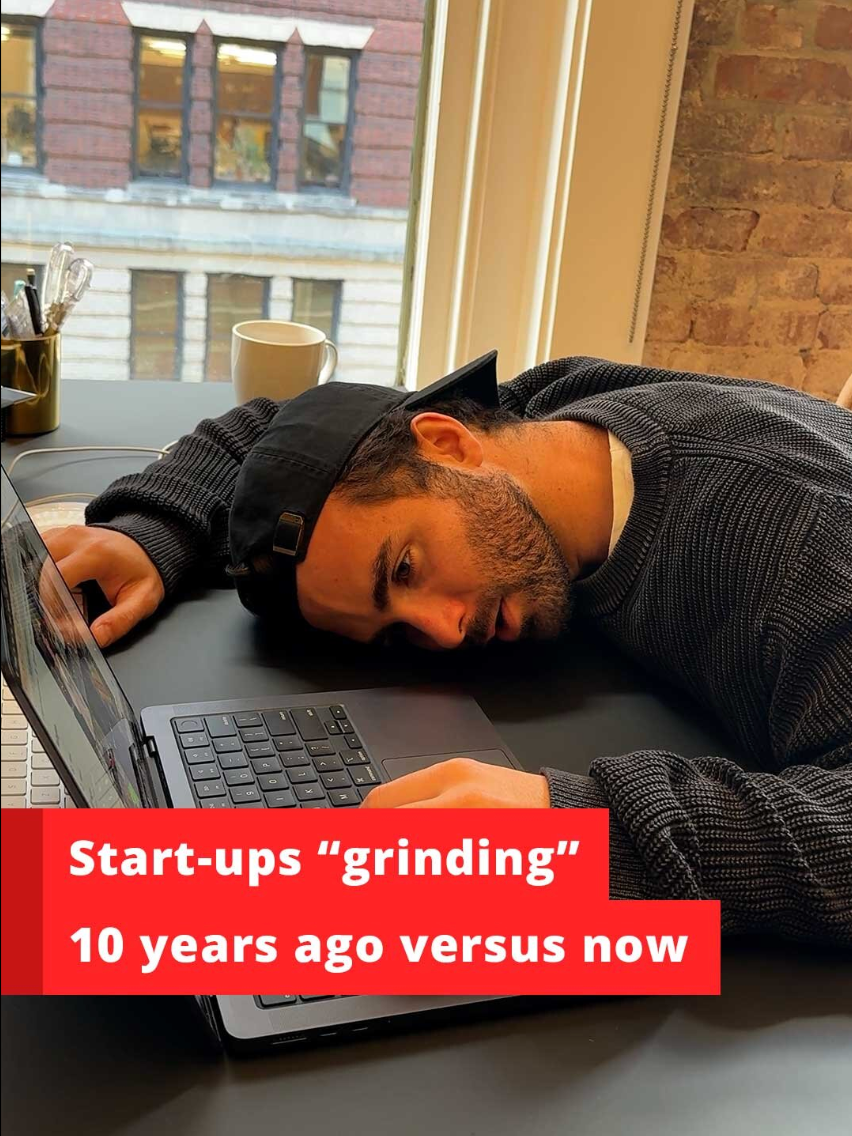
The post nails the shift in startup culture by contrasting the romanticized "hustle" era with today's more corporate reality. The exhausted pose paired with the comparison hits because it's both funny and painfully true for anyone who lived through startup evolution.
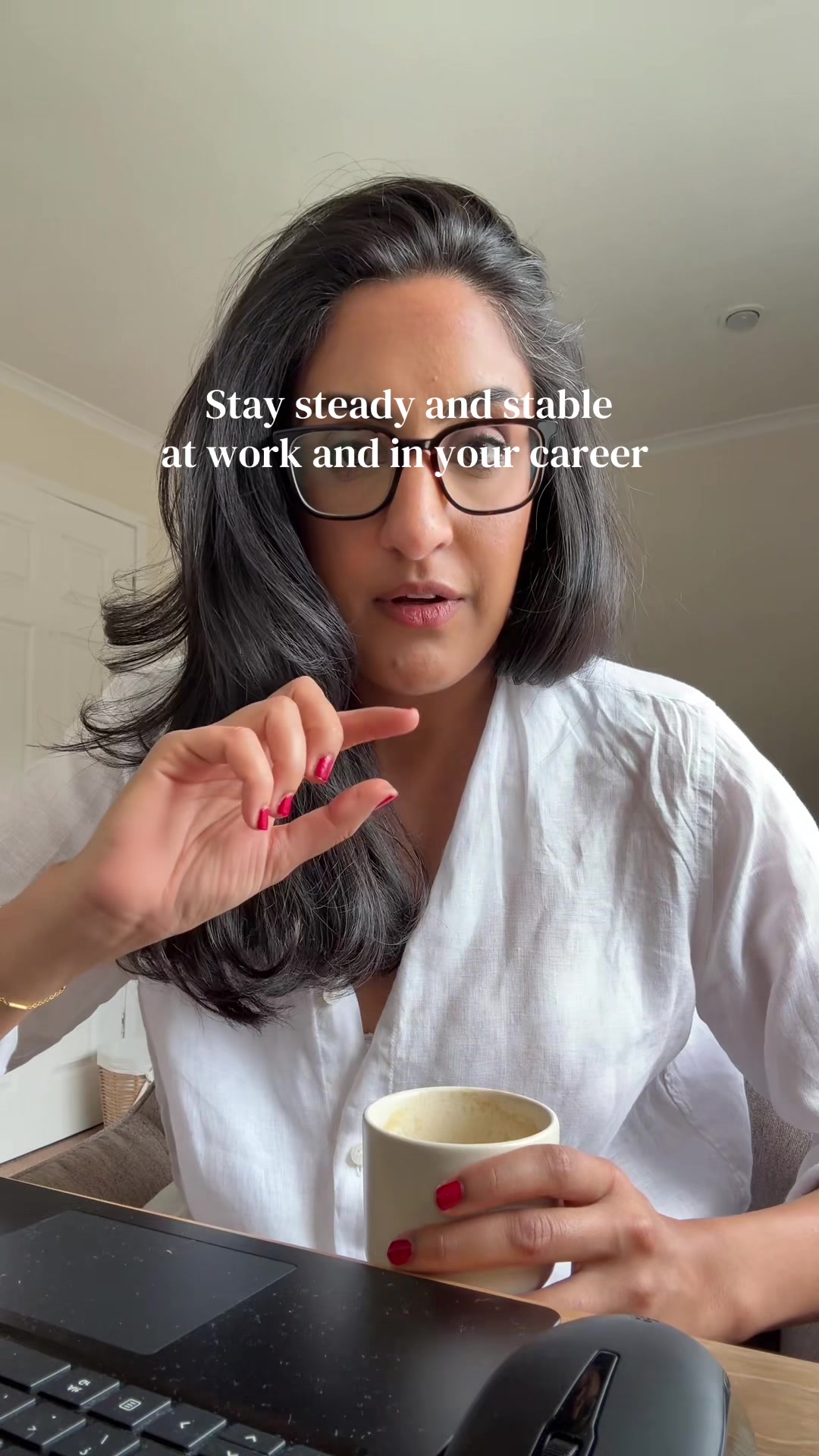
People crave unfiltered career truth from someone who looks like she belongs in that corporate world. The advice cuts against the "work bestie" fantasy without being cynical, landing with the save-heavy engagement that signals viewers are keeping this for reference.
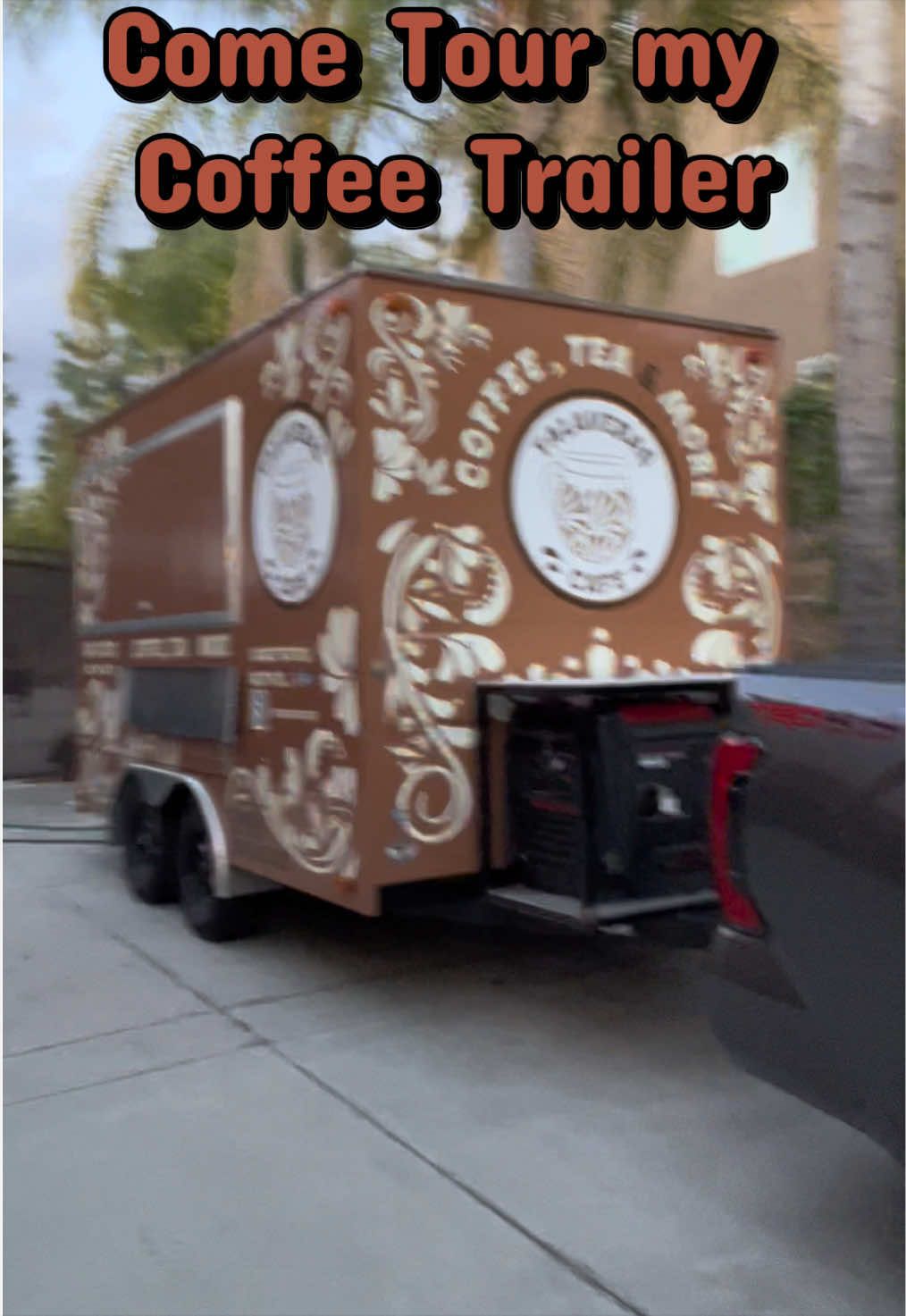
The novelty of a mobile coffee operation paired with an intimate tour creates immediate curiosity. People want to see how small businesses operate and feel connected to the person behind it, which drives both saves and shares.
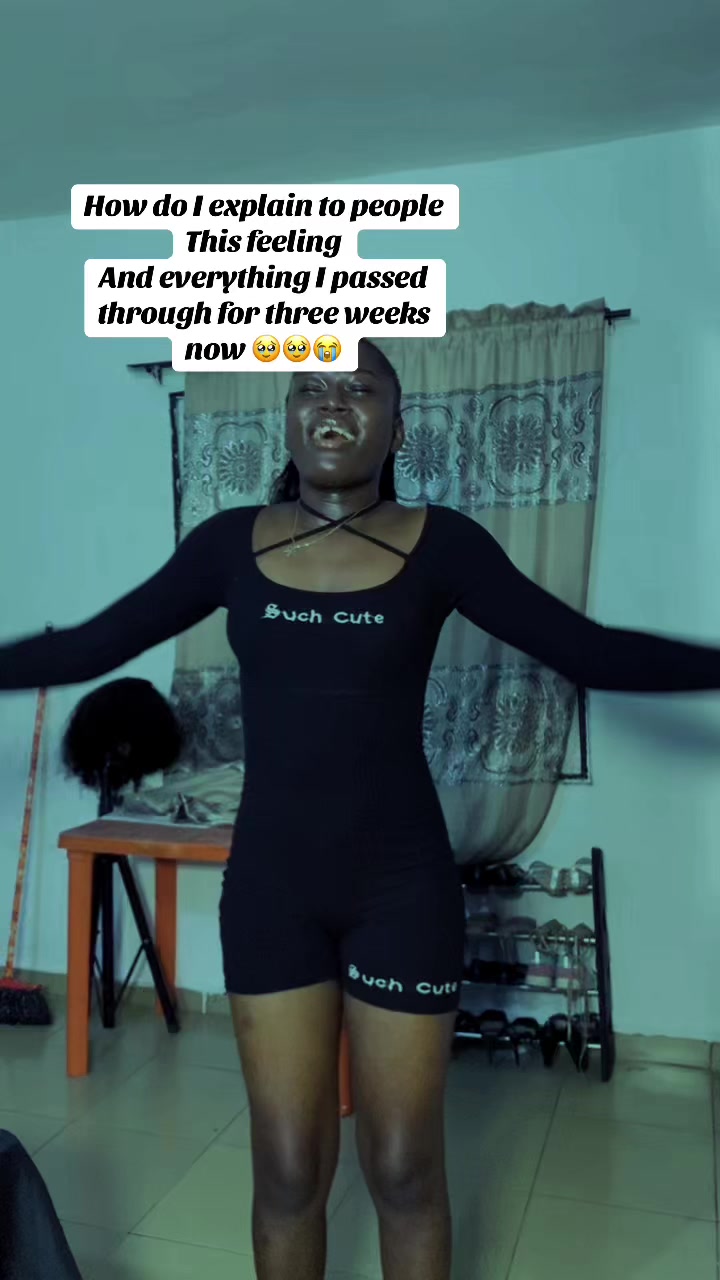
This taps into creator anxiety about shadowbanning—a real, invisible threat that kills reach. The raw celebration of escaping it feels earned and relatable, turning personal struggle into proof that appeals and persistence actually work. People saved it because they needed this hope.
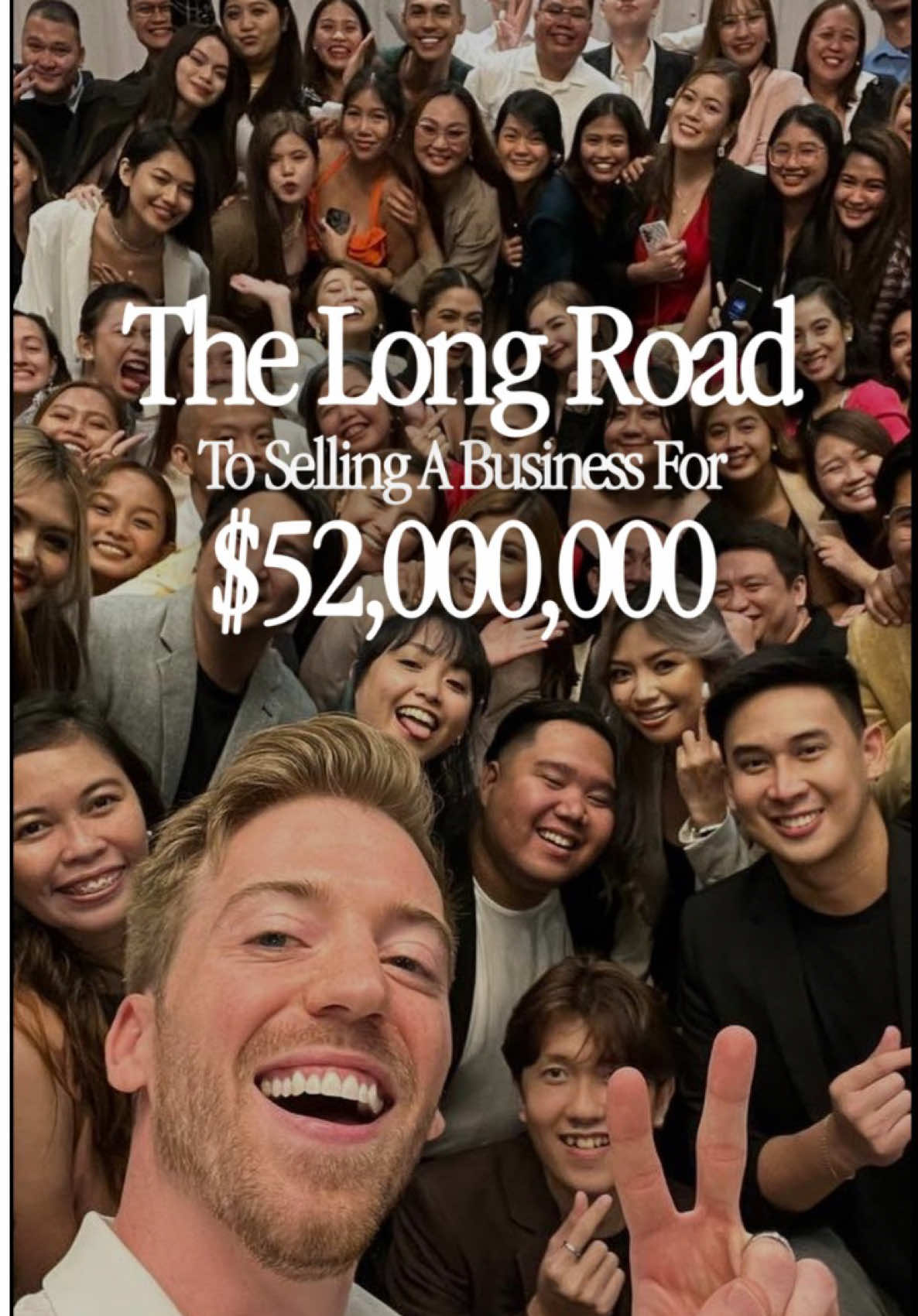
The combination of an astronomical exit number, a genuine team celebration, and the promise of distilled wisdom taps into aspiration without feeling fake. People save and share because it's both inspiration and proof that persistence pays off, wrapped in authentic joy rather than polished hype.
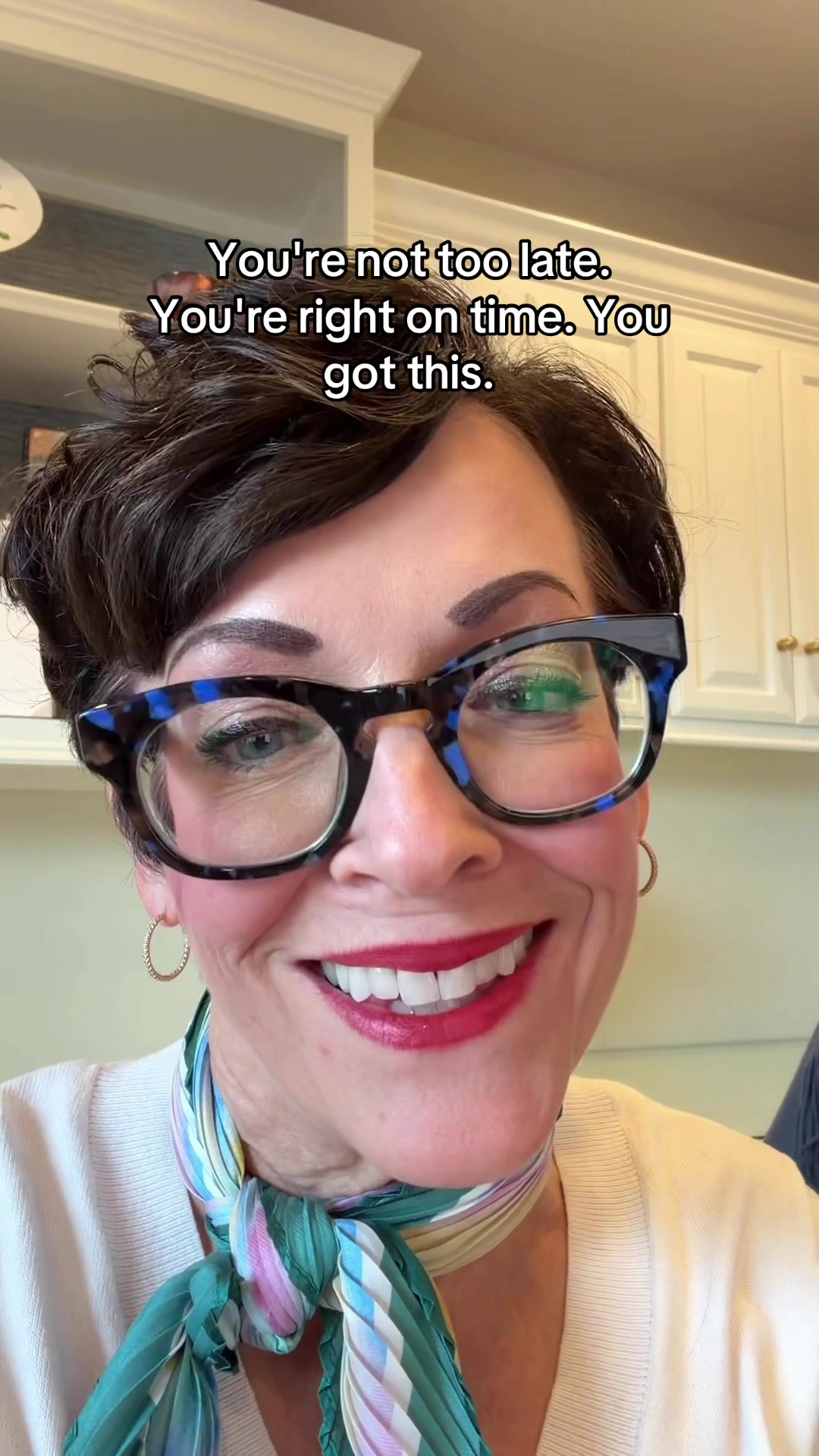
Direct reassurance to a specific audience (women 50+) about timing and readiness hits hard because it directly counters the shame they're likely carrying. The warm, genuine delivery from someone who gets it transforms a simple affirmation into permission they didn't know they needed.

The 2000s nostalgia paired with autumn coziness hits a specific emotional sweet spot, especially when backed by the right song. People are craving that warm, romantic aesthetic from a simpler time, and this tapped directly into that longing with zero irony.
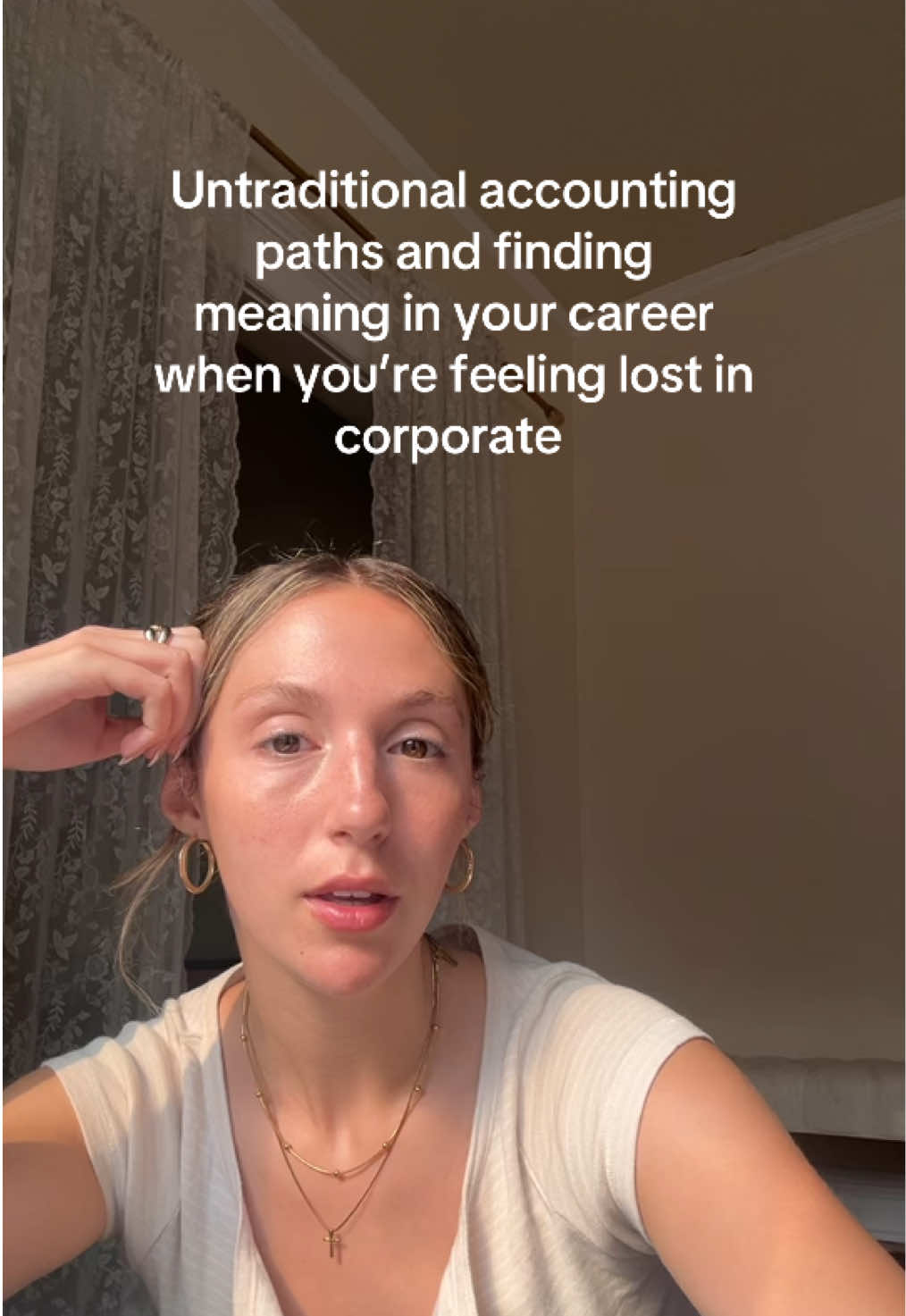
People crave permission to leave traditional paths, especially in rigid fields like accounting. By naming the specificity of her own doubt while validating unconventional moves, she gave burned-out corporate workers language for what they're feeling and proof it's possible.
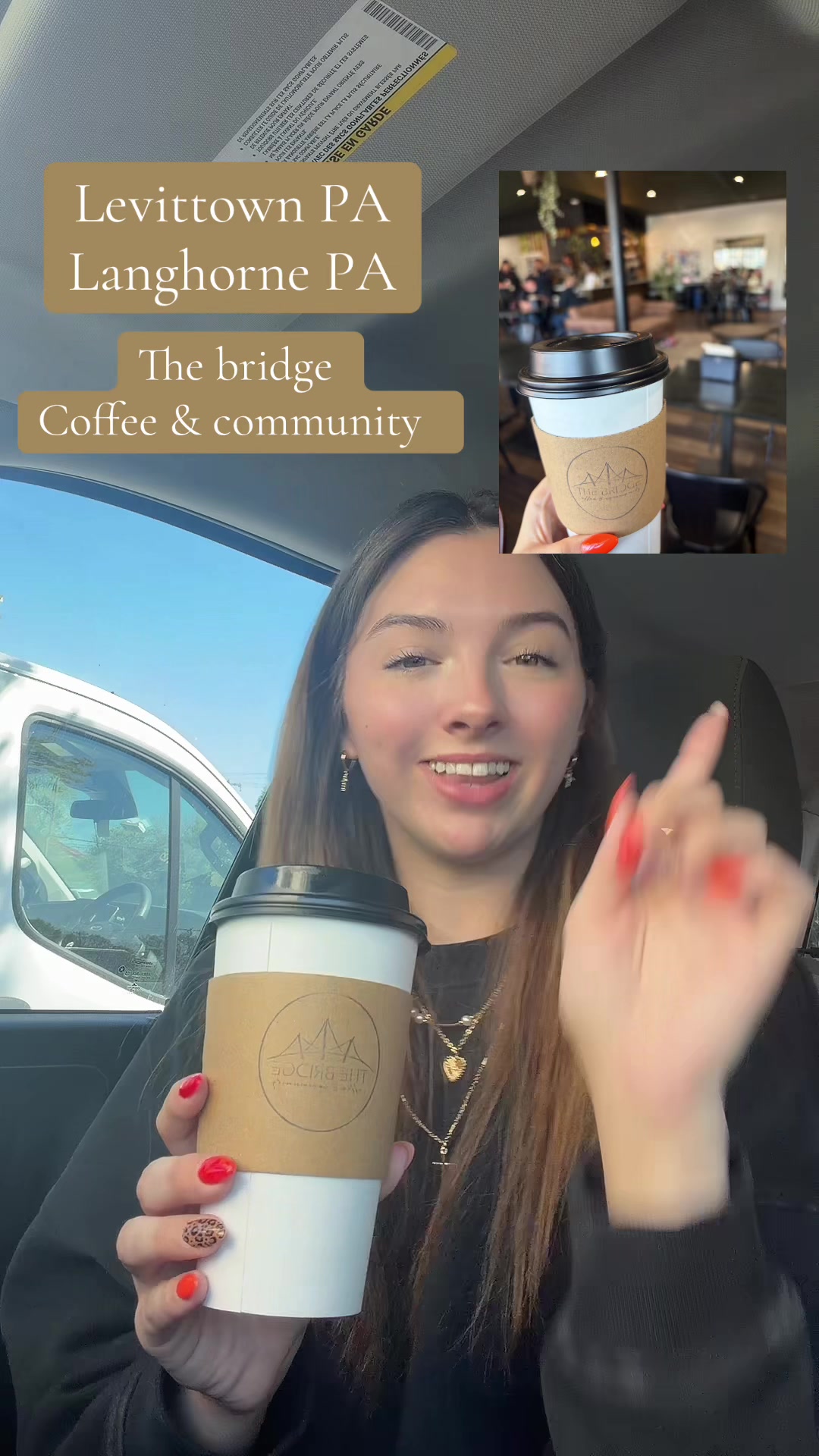
Local discovery content hits differently when it's genuine enthusiasm paired with specific geography. People in or near those towns see themselves in the frame, creating instant community recognition that turns casual coffee content into a "where is this?" moment.
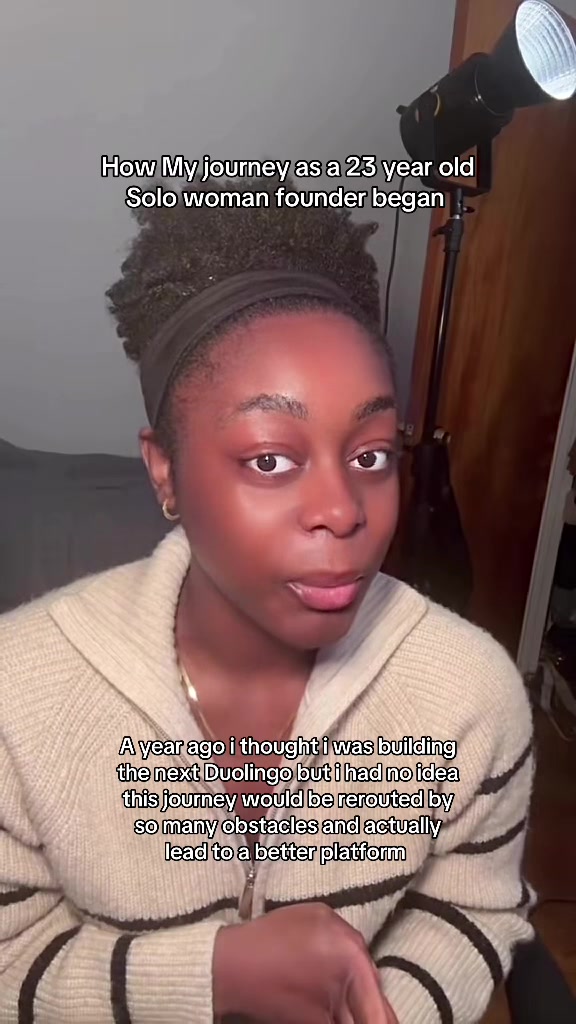
Vulnerability about pivoting your original vision hits harder than success stories. By admitting her first idea wasn't working and showing how obstacles led somewhere better, she gave people permission to embrace their own messy journeys instead of pretending they had it figured out from day one.

This post taps into Berlin's legendary nightlife culture by casually contrasting it with American norms, making viewers feel part of an insider's joke. The 3am coffee shop moment reads as effortless cool rather than flexed luxury, which creates curiosity and sparks debate about what's actually normal in different places.
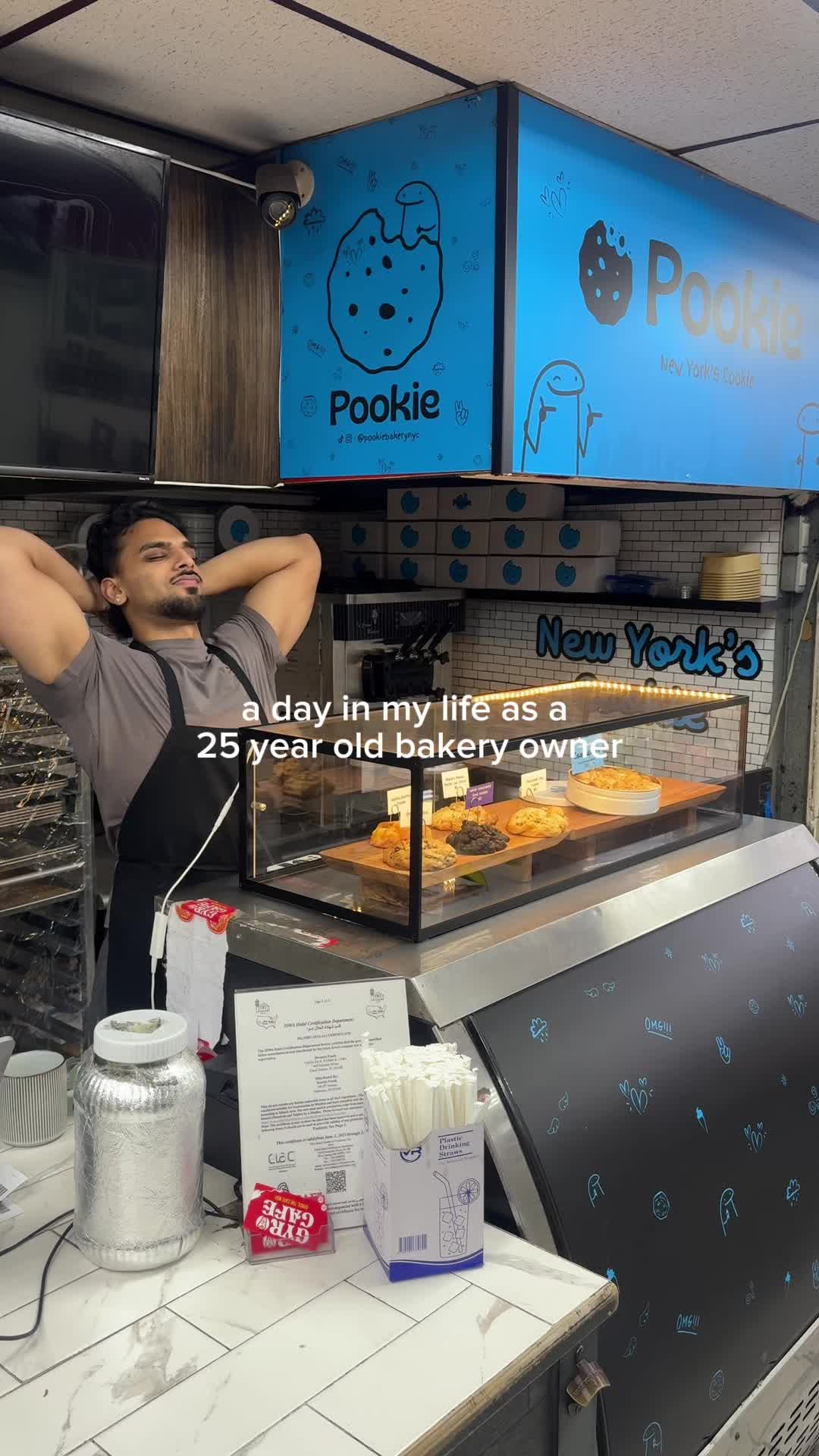
Young founder operating on minimal sleep struck a nerve because it's a raw snapshot of startup reality—not glamorized, just honest exhaustion. People saved it obsessively because it validates their own grind or serves as a cautionary tale they needed to see.
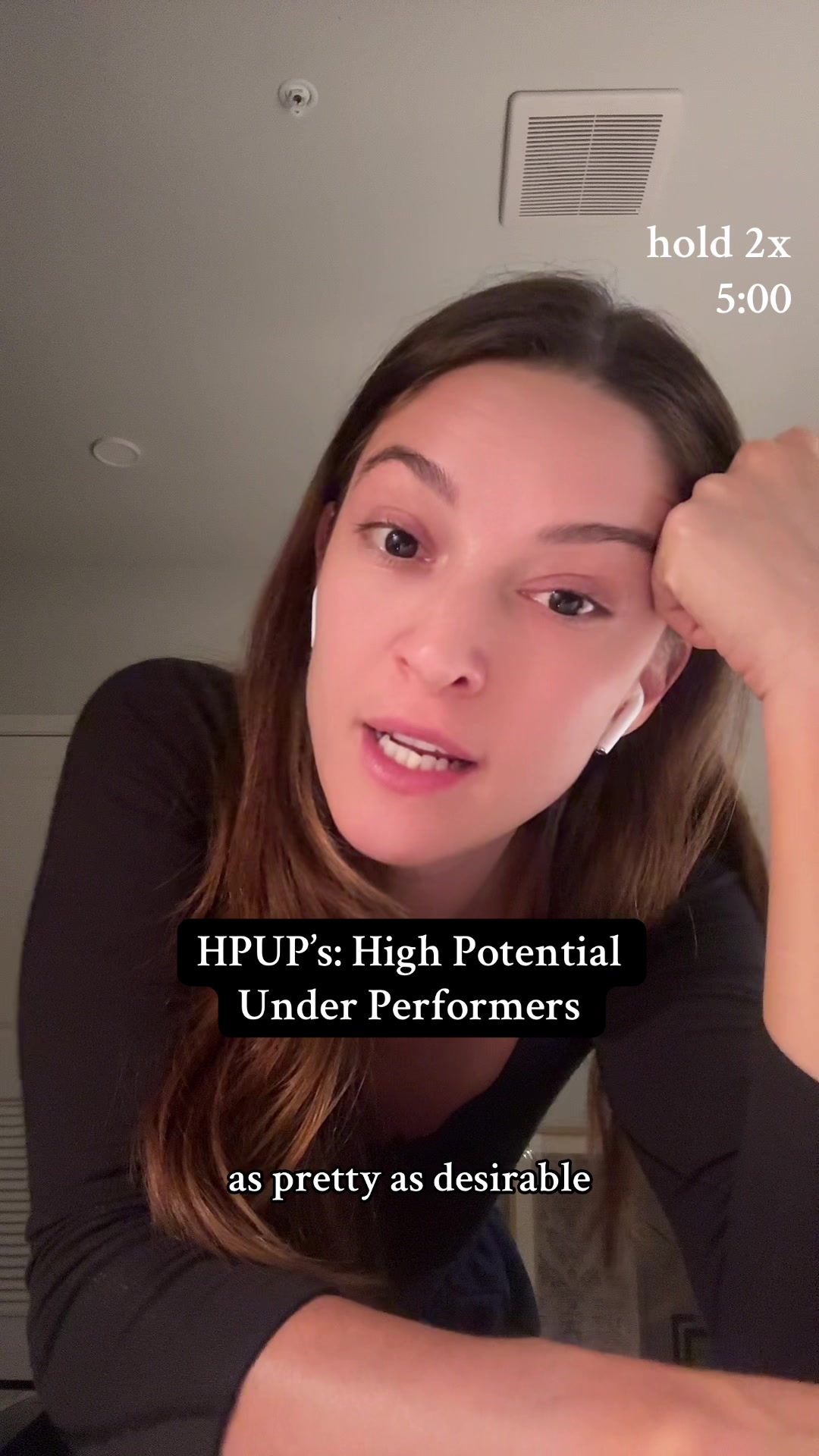
People recognize themselves in the "high potential underperformer" label because it names a specific pain that feels isolating. The sharp definition of HPUP paired with her direct delivery makes viewers feel seen, not judged, unlocking a massive save rate.
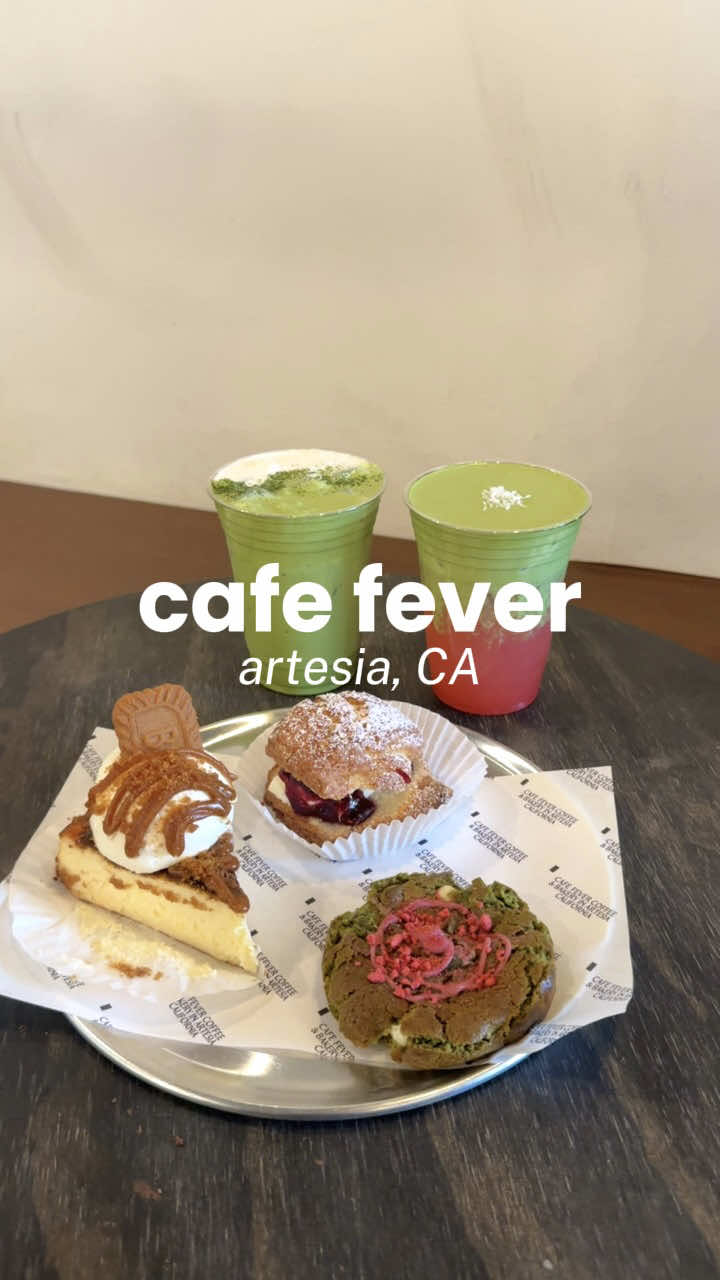
Niche cafes with specialized menus create urgent discovery energy, especially when ingredients feel unexpected or premium. The high save and share rates show people bookmarking this as a destination to hit, not just scrolling past food content.
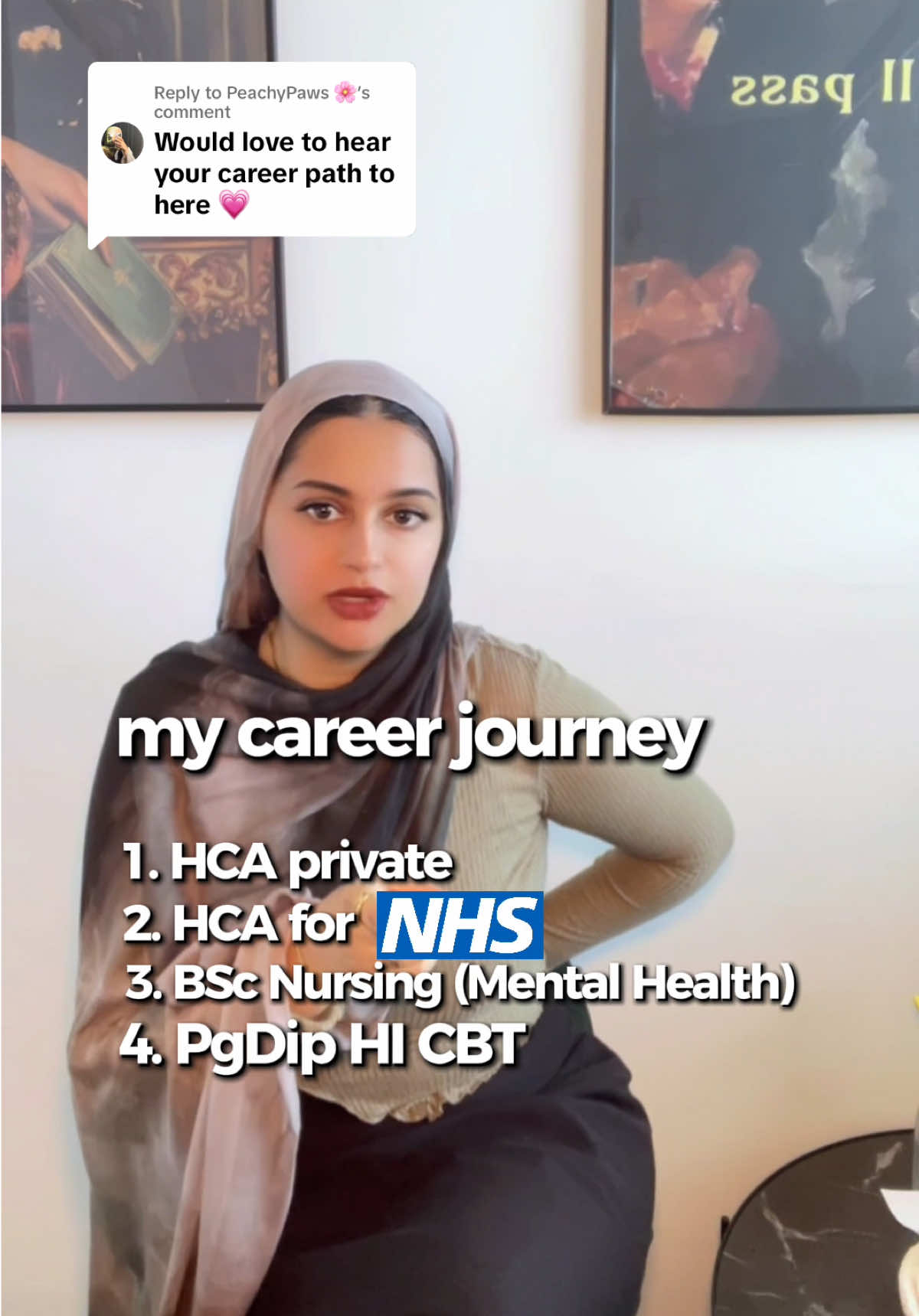
People crave transparency about non-linear career paths, especially in competitive fields like mental health. Showing a specific, messy progression (private sector to NHS to nursing to specialization) gives permission for viewers to take unconventional routes instead of feeling locked into one "correct" trajectory.
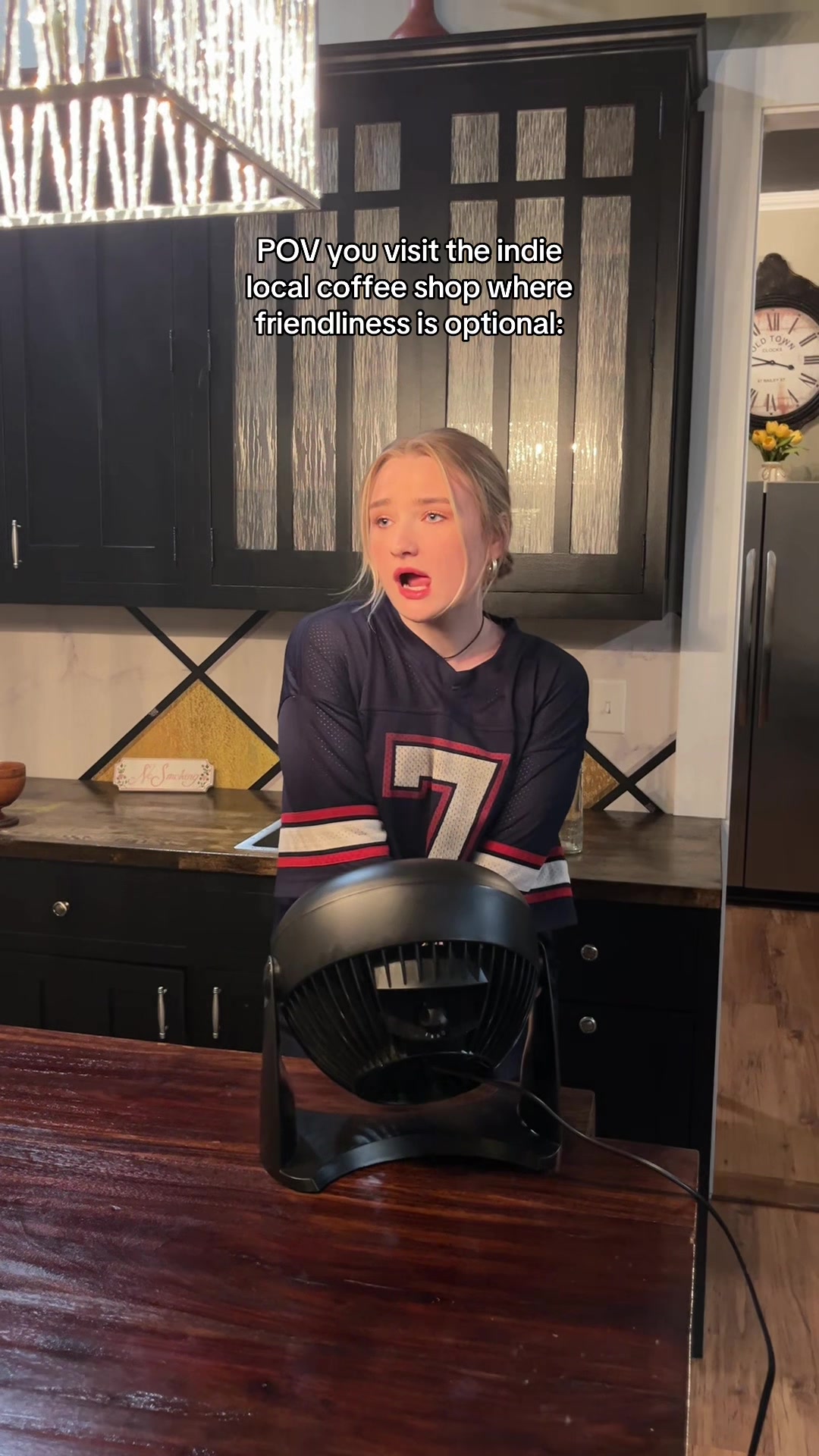
The post nails a universal indie coffee shop experience by calling out the gap between aesthetic charm and actual service. People love roasting places that prioritize vibe over hospitality, and the comments prove this insight hit a nerve with everyone who's felt ignored at a "cool" spot.
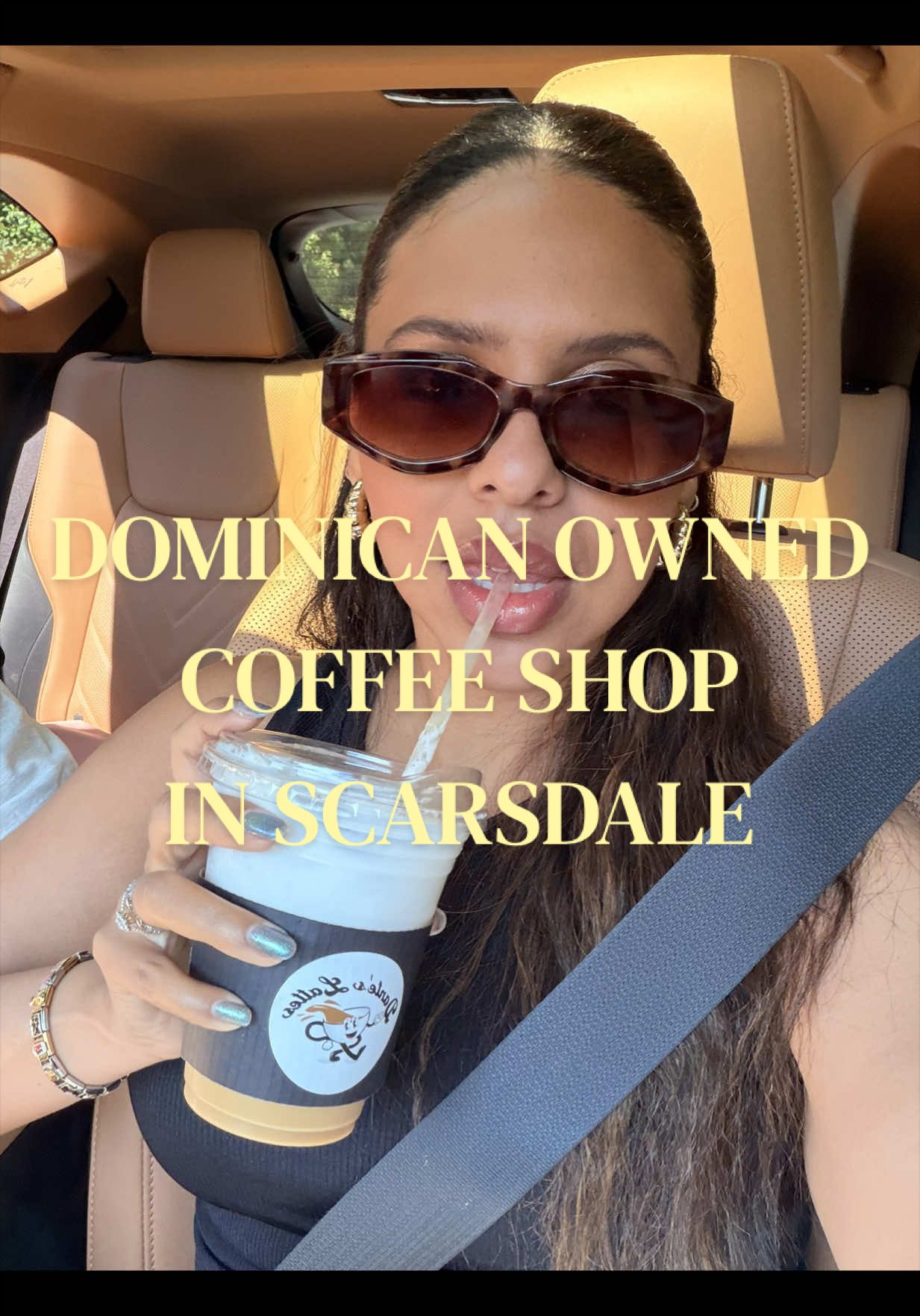
Community discovery hits differently when it feels genuine and celebratory. This tapped into local pride and the appeal of supporting underrepresented small businesses, making viewers feel like they were getting an authentic insider recommendation rather than a hard sell.
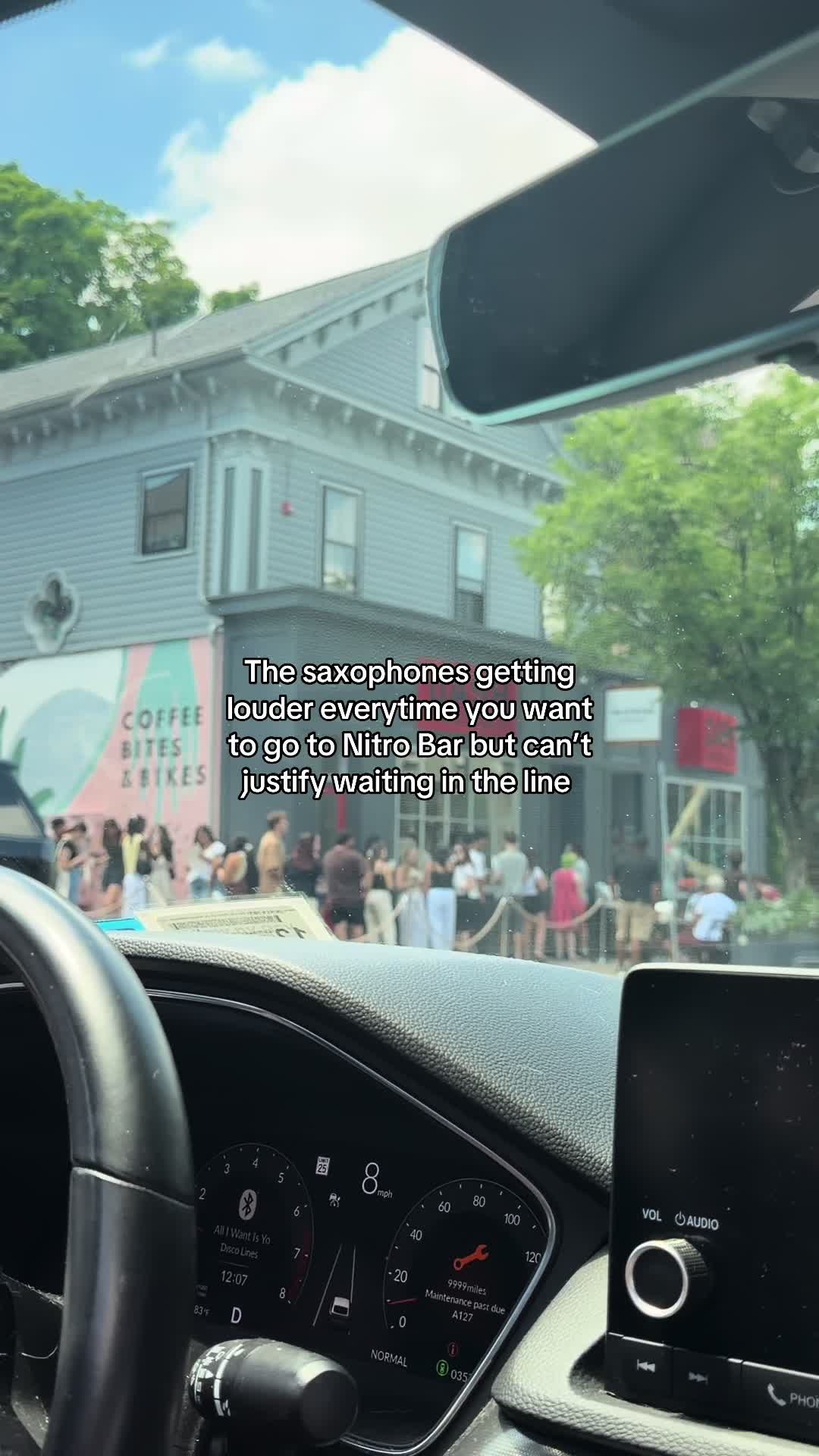
This nails the relatable frustration of wanting trendy food but facing absurd wait times. The humor comes from the specific detail (saxophones getting louder as justification weakens) making the FOMO vs. reality tension feel personal and funny rather than preachy.
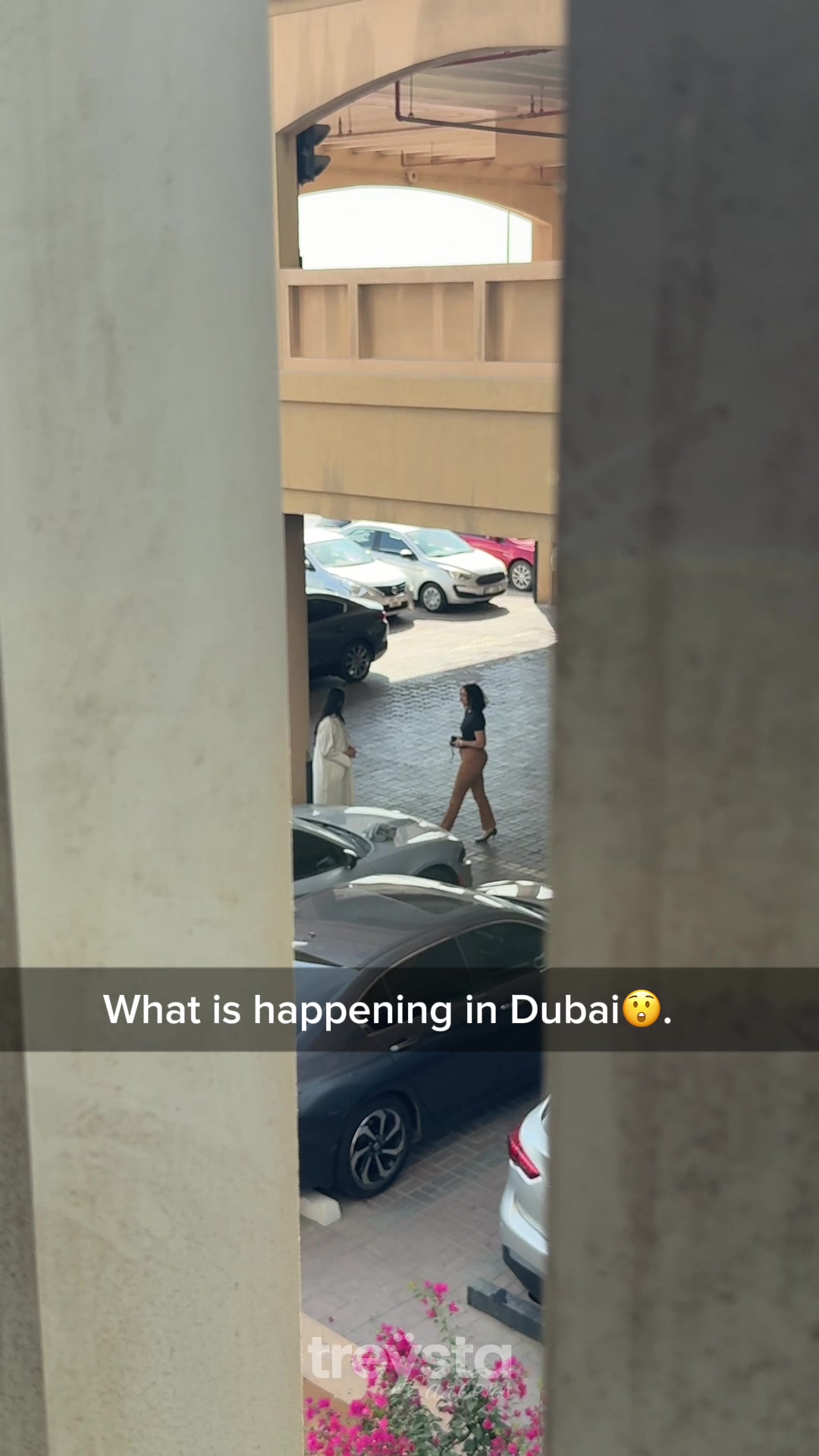
The "What is happening in Dubai" framing taps into curiosity and location-based intrigue, making viewers stop and look closer. The candid, voyeuristic angle from behind a pillar feels like you're discovering something real, which makes the hiring pitch feel less salesy and more like insider intel about opportunity.
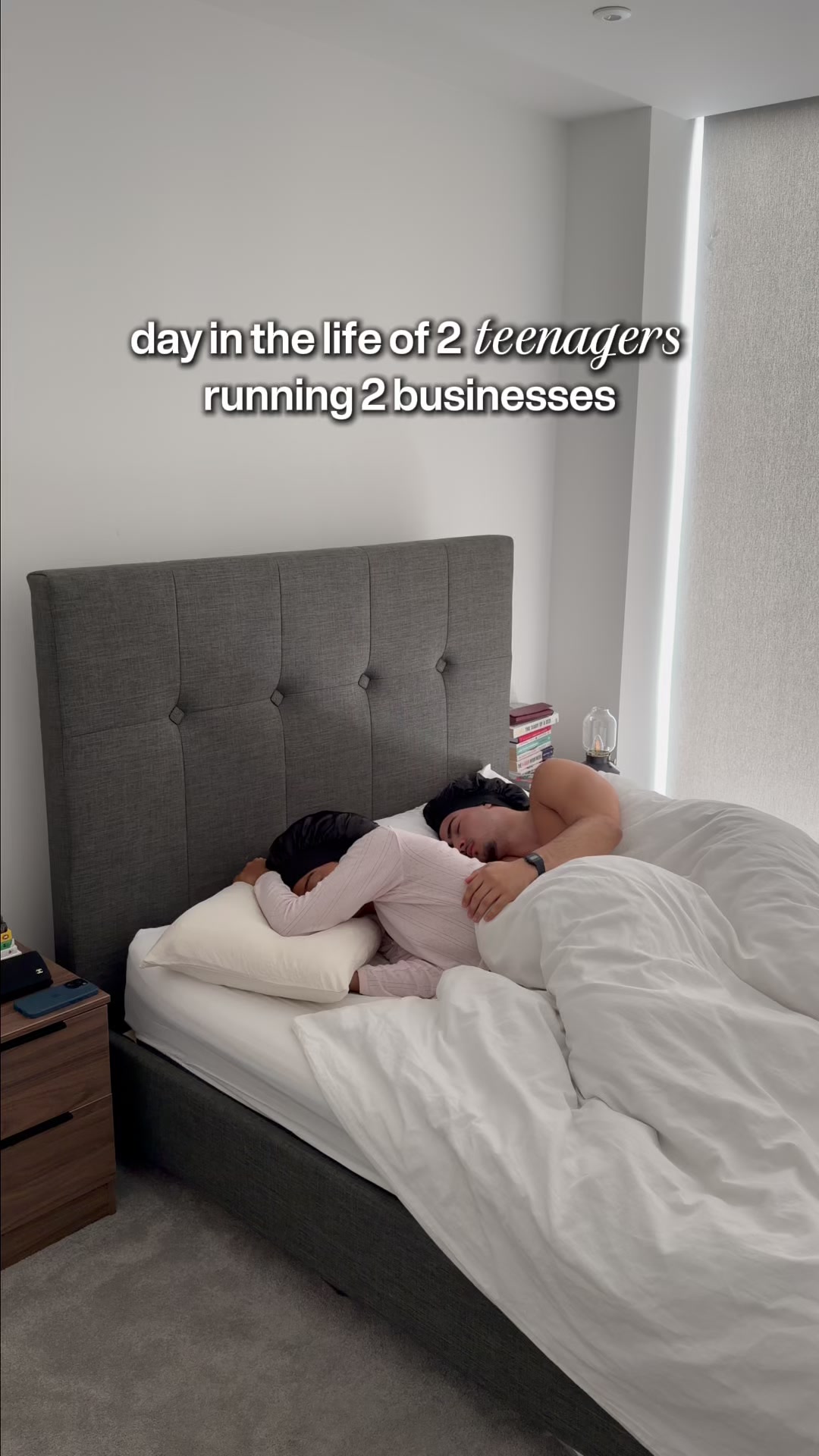
The aspirational hook of young entrepreneurs living a polished, put-together life taps into the hunger for proof that success is attainable at their age. People aren't just watching—they're absorbing the lifestyle as a blueprint, which drives shares and saves.
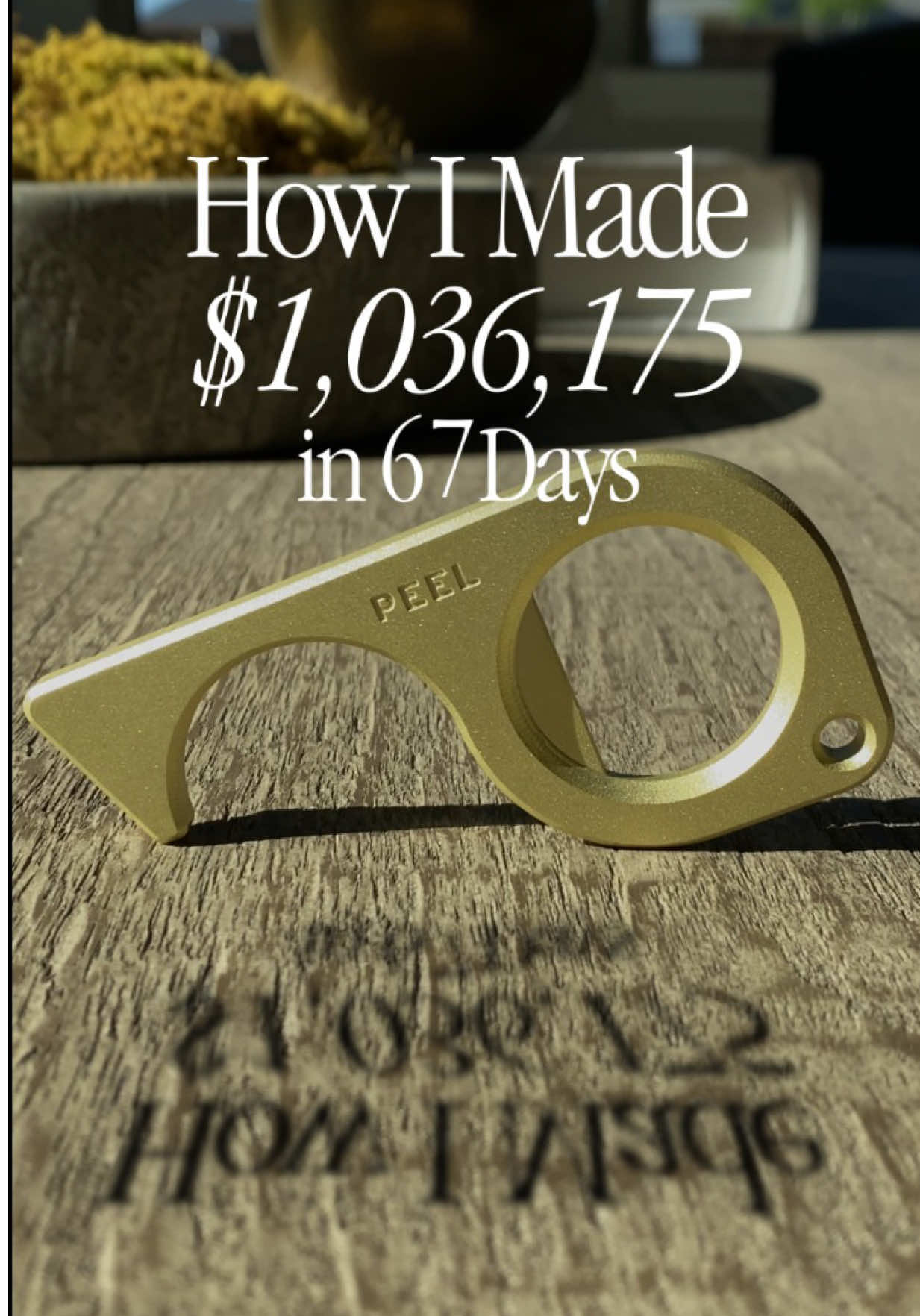
The specificity of "$1,036,175 in 67 days" creates immediate curiosity and credibility. People save this because they want to understand the actual mechanics behind rapid product success, not generic motivational content. The brass compass as a tangible result makes the claim feel real.
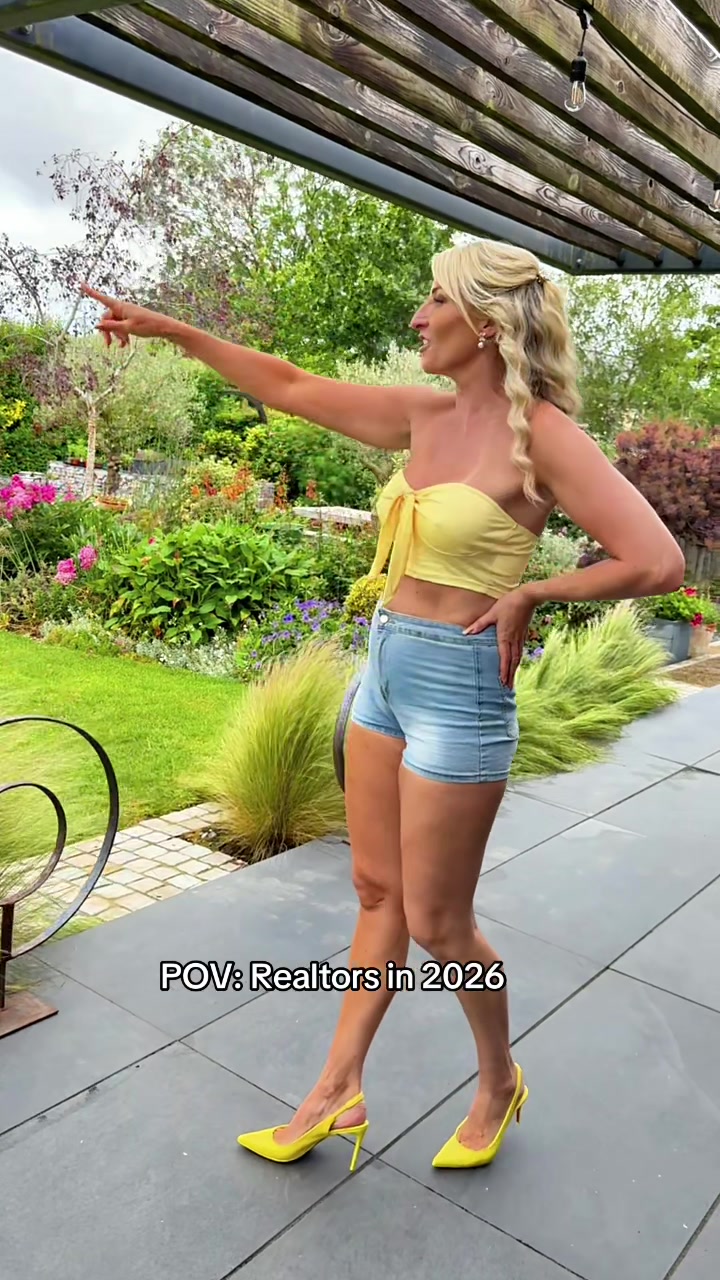
The post flips realtor stereotypes by presenting a glamorous, confident take on the profession—subverting expectations of what agents look like and how they present themselves. The garden backdrop and cheeky caption add personality that feels rare in real estate content, turning a property showcase into entertainment.
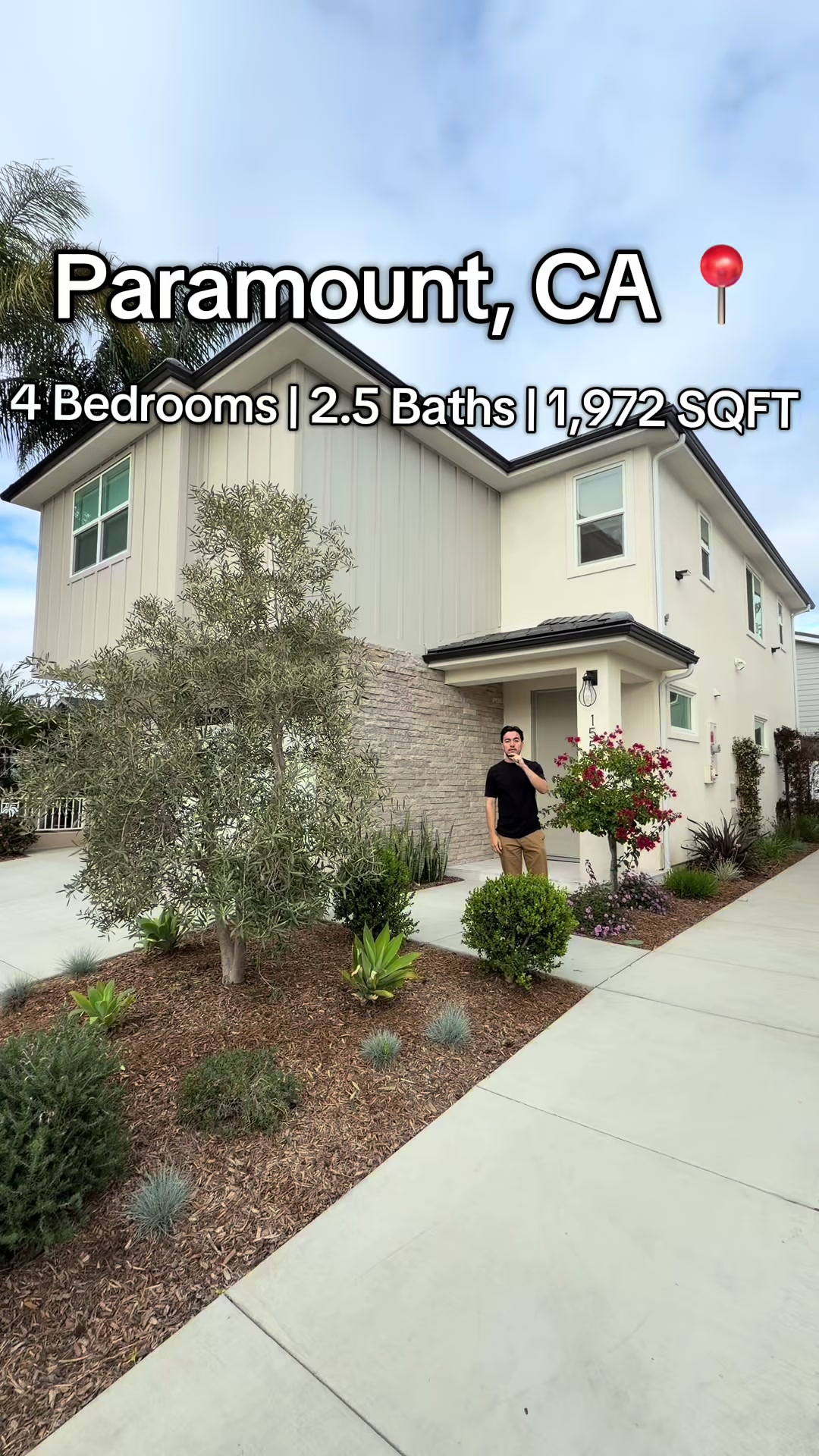
The rare combo of aspirational real estate with accessible relatability drives engagement. People save and share homes they can't afford but want to imagine living in, especially when presented simply without overselling the lifestyle fantasy.
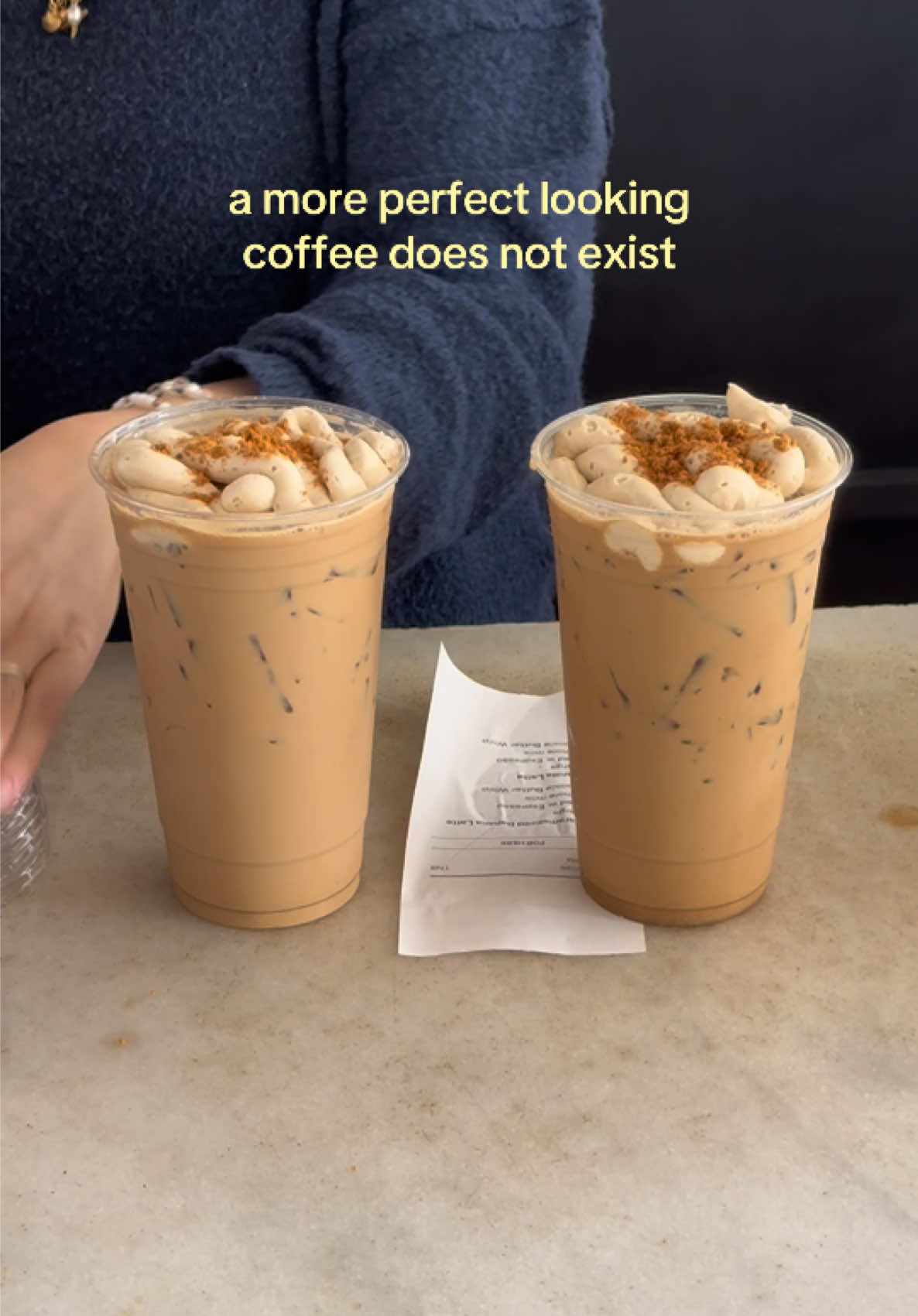
The post taps into pure visual satisfaction—two identical, aesthetically perfect drinks create an almost hypnotic symmetry that feels almost too good to be real. People save and share this because it's a "I need to try this" moment wrapped in cafe porn aesthetics.
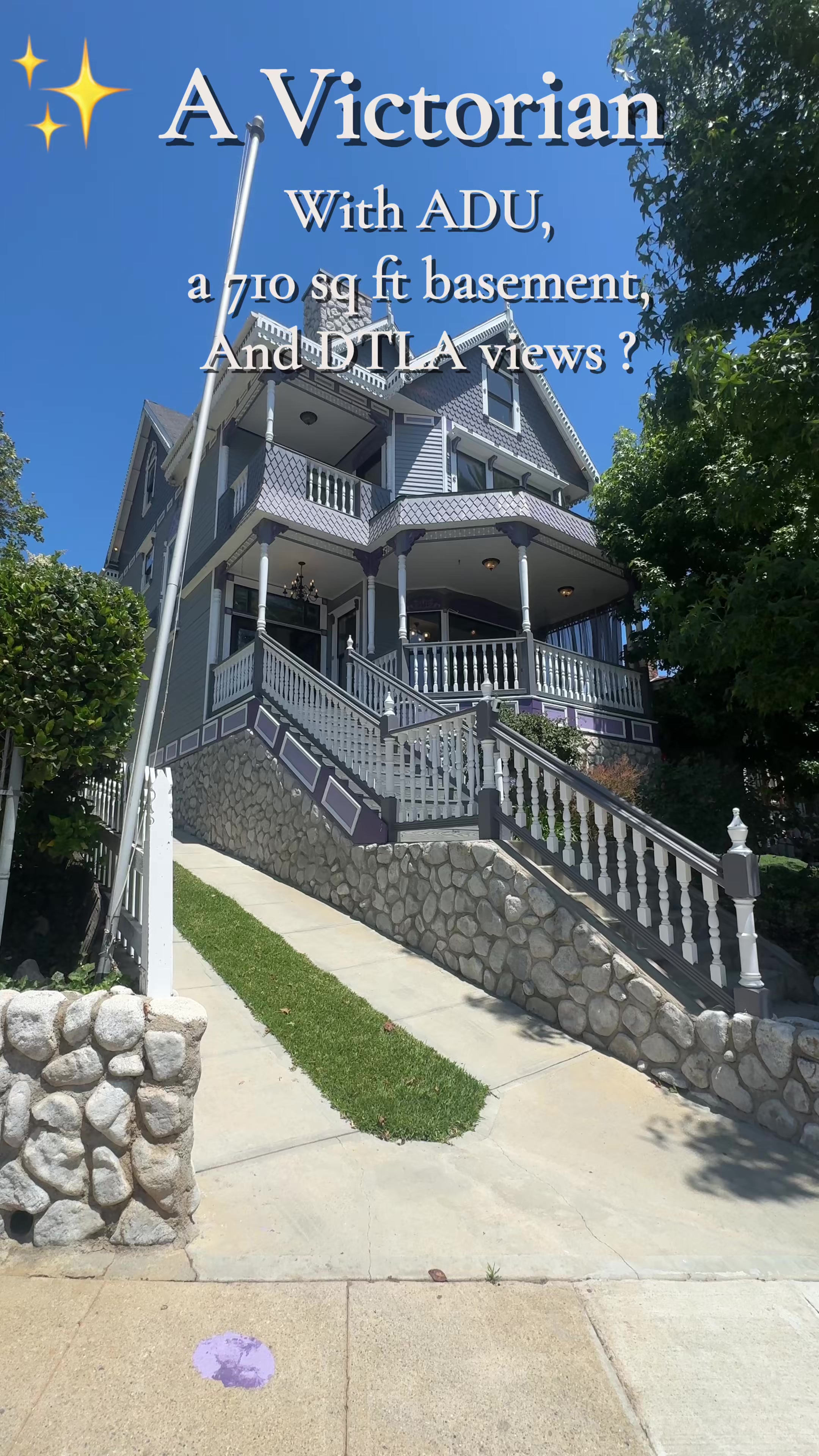
The property's storybook Victorian charm triggered instant cultural recognition and fantasy escapism. People weren't just evaluating real estate—they were connecting to iconic imagery and imagining themselves in a fairy tale, which drove massive shares and saves.
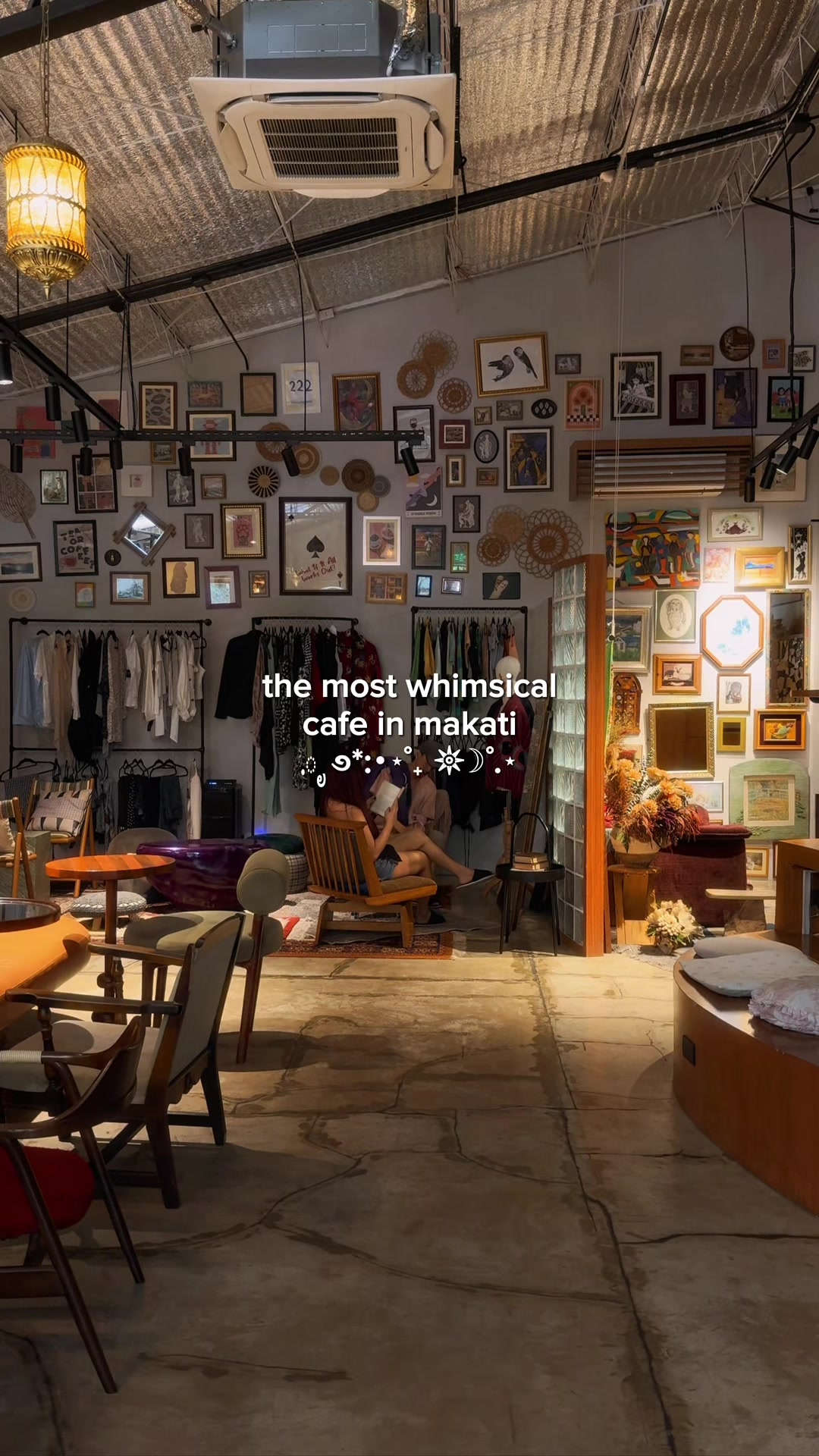
The chaotic gallery wall aesthetic triggers discovery and escapism. People save spaces that feel like Instagram treasure hunts, especially when paired with the "hidden gem" framing and whimsical tone that promises an experience you haven't seen before.
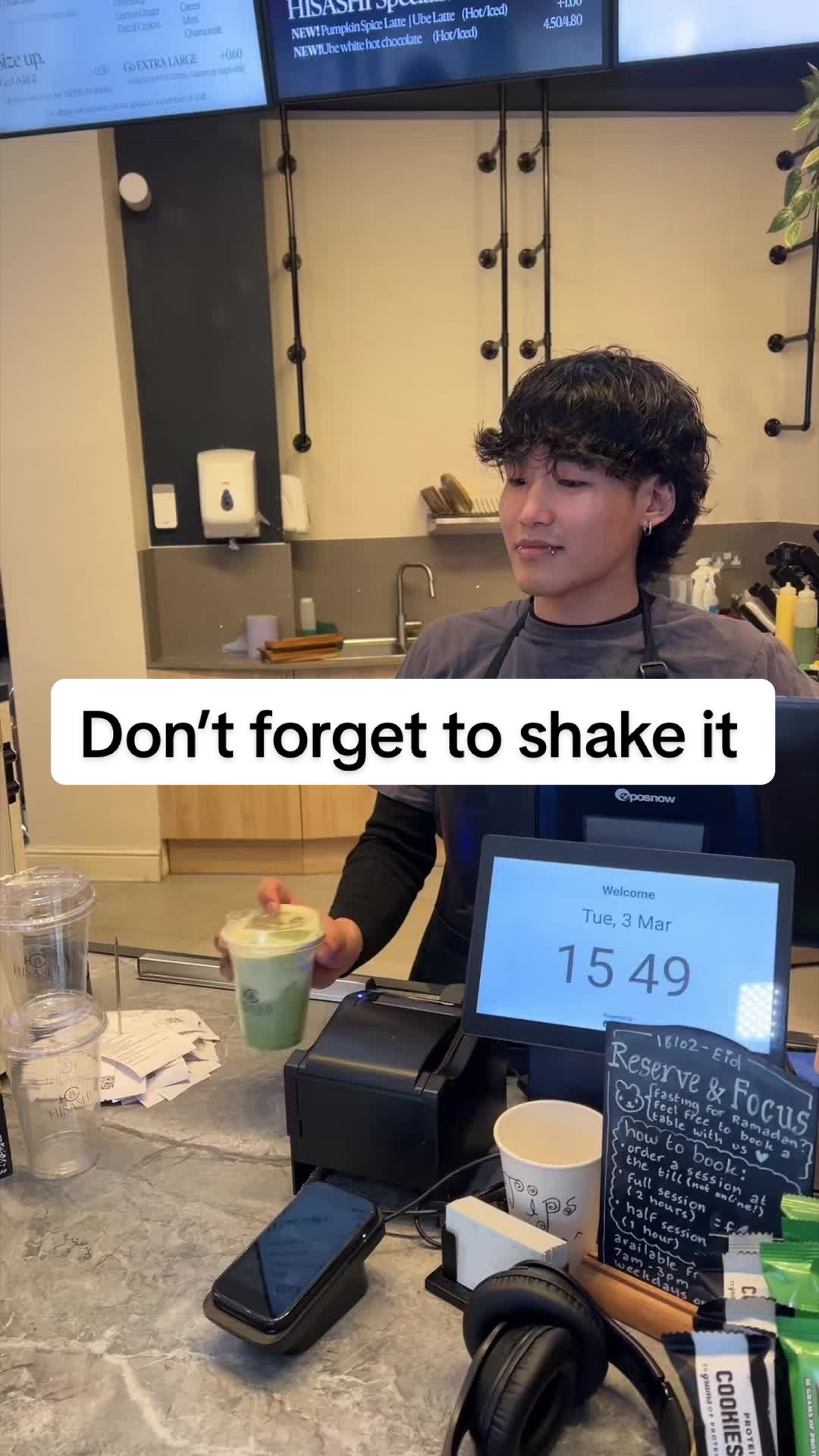
A barista's playful shake-and-shimmy while following a drink preparation instruction feels authentic and charming. People connect with the genuine personality moment, not just coffee knowledge, making it a small creator breakthrough.
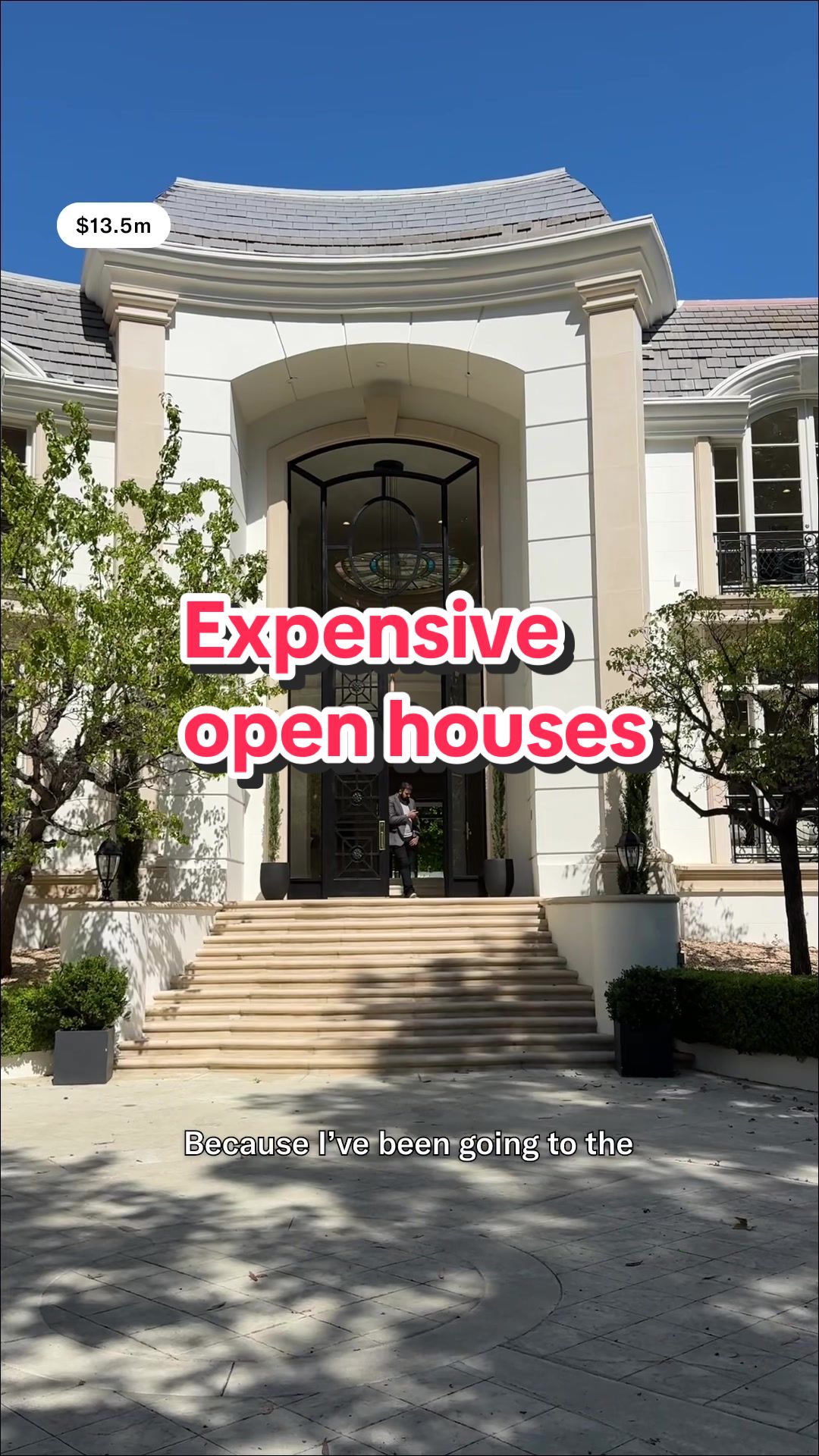
The post taps into class consciousness and aesthetic contradiction by showing wealth that feels empty. People respond because it critiques luxury through visual storytelling rather than preaching, making cultural observation feel like discovery instead of lecture.

Authority combined with unfiltered opinion creates permission to think differently about dating. Framing herself as a certified expert while calling out specific behaviors people secretly resent—but rarely say out loud—taps into both credibility and catharsis.
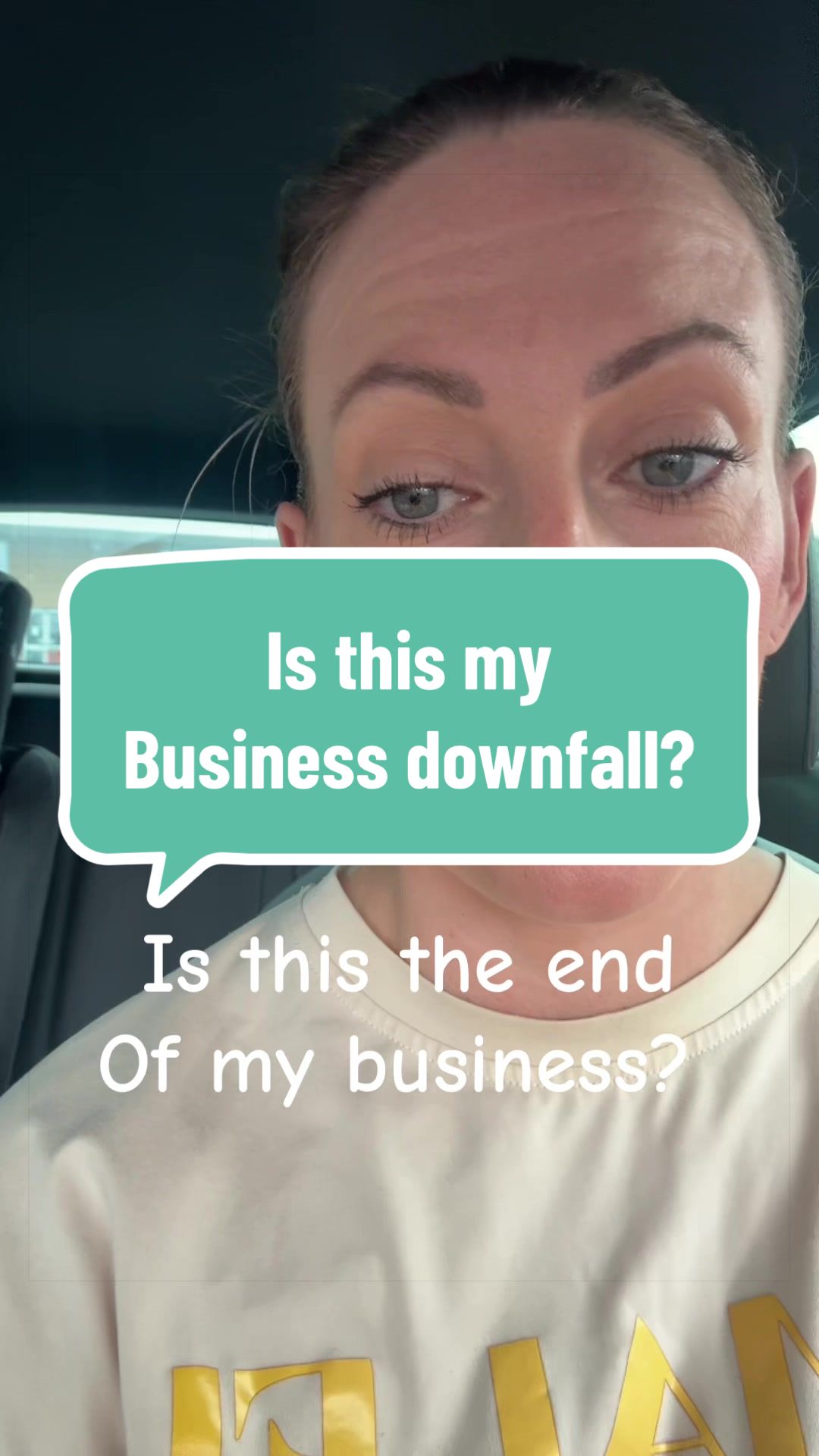
Vulnerability about business struggle paired with an implicit David vs. Goliath story (local cafe vs. corporate chain) creates genuine anxiety that viewers want to resolve by supporting the underdog. The raw concern in her expression makes people want to help.
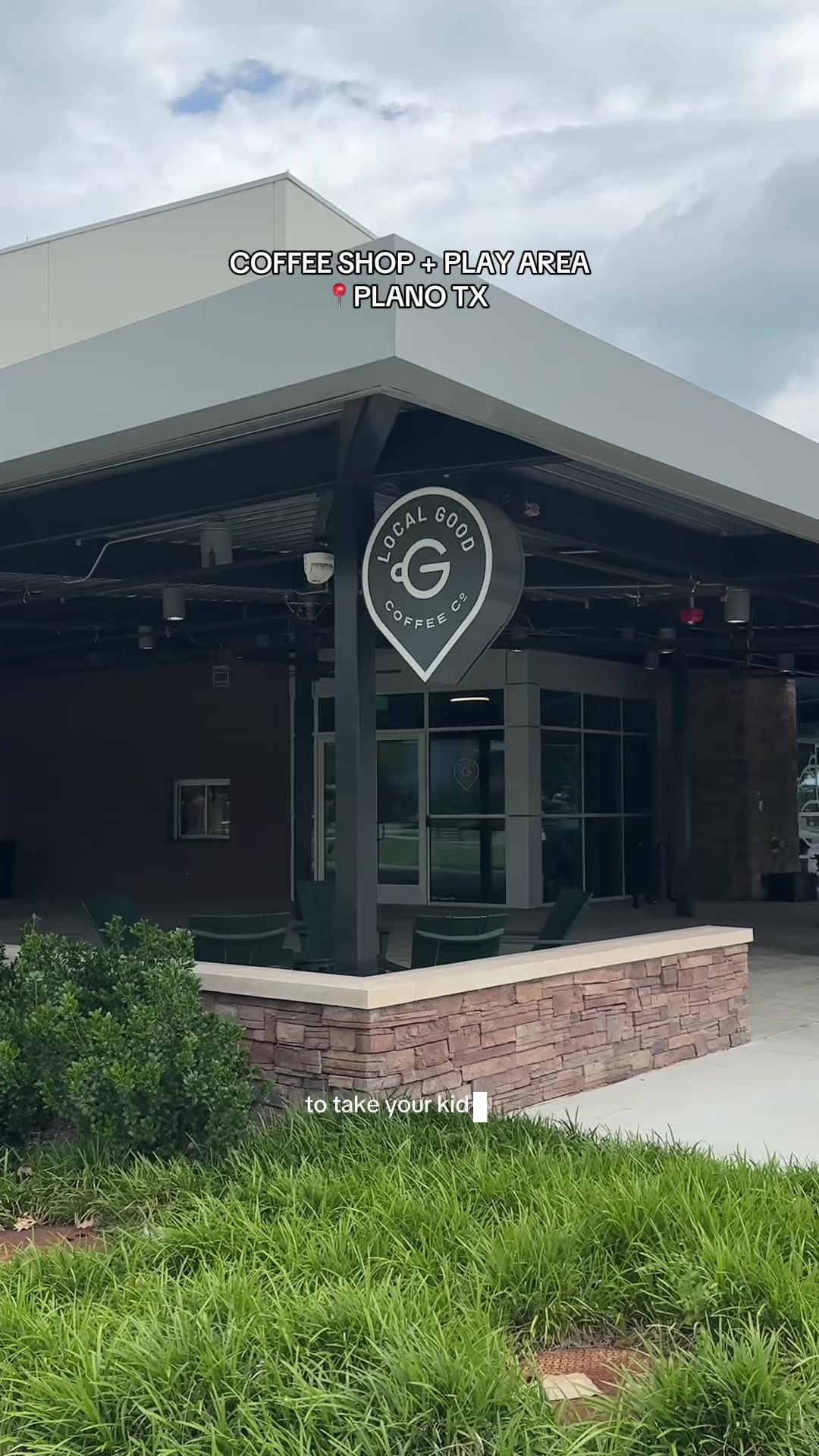
Parents are hungry for spaces that solve multiple problems at once, especially discovering local gems that offer both quality coffee and childcare freedom. The "why is no one talking about this" hook taps into the pleasure of finding something valuable that feels hidden, making people want to share the discovery.
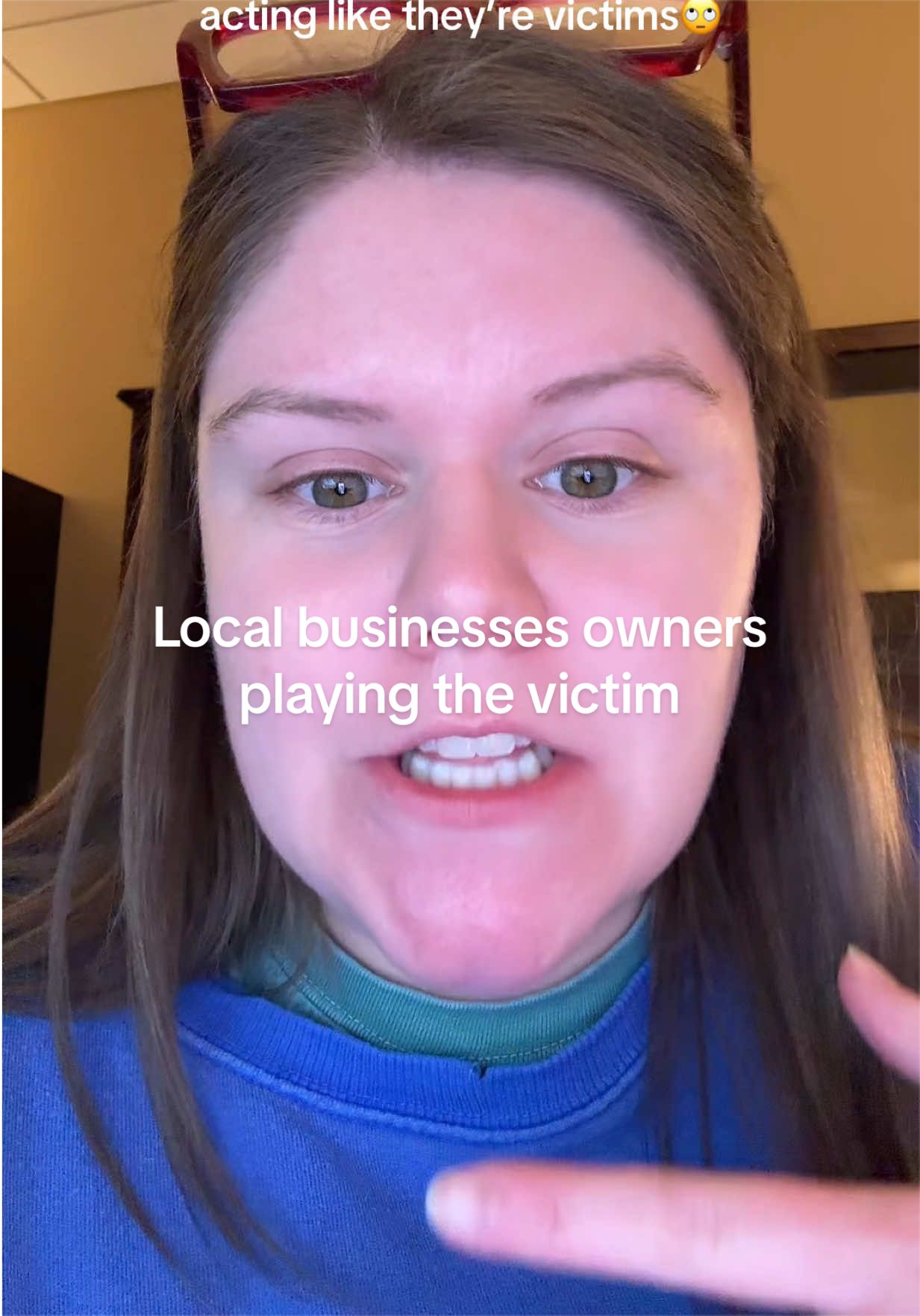
People love calling out the victim mentality when small business owners blame circumstances instead of taking responsibility. The exaggerated facial expression paired with a relatable frustration taps into a widespread tension between supporting local and expecting basic service standards.
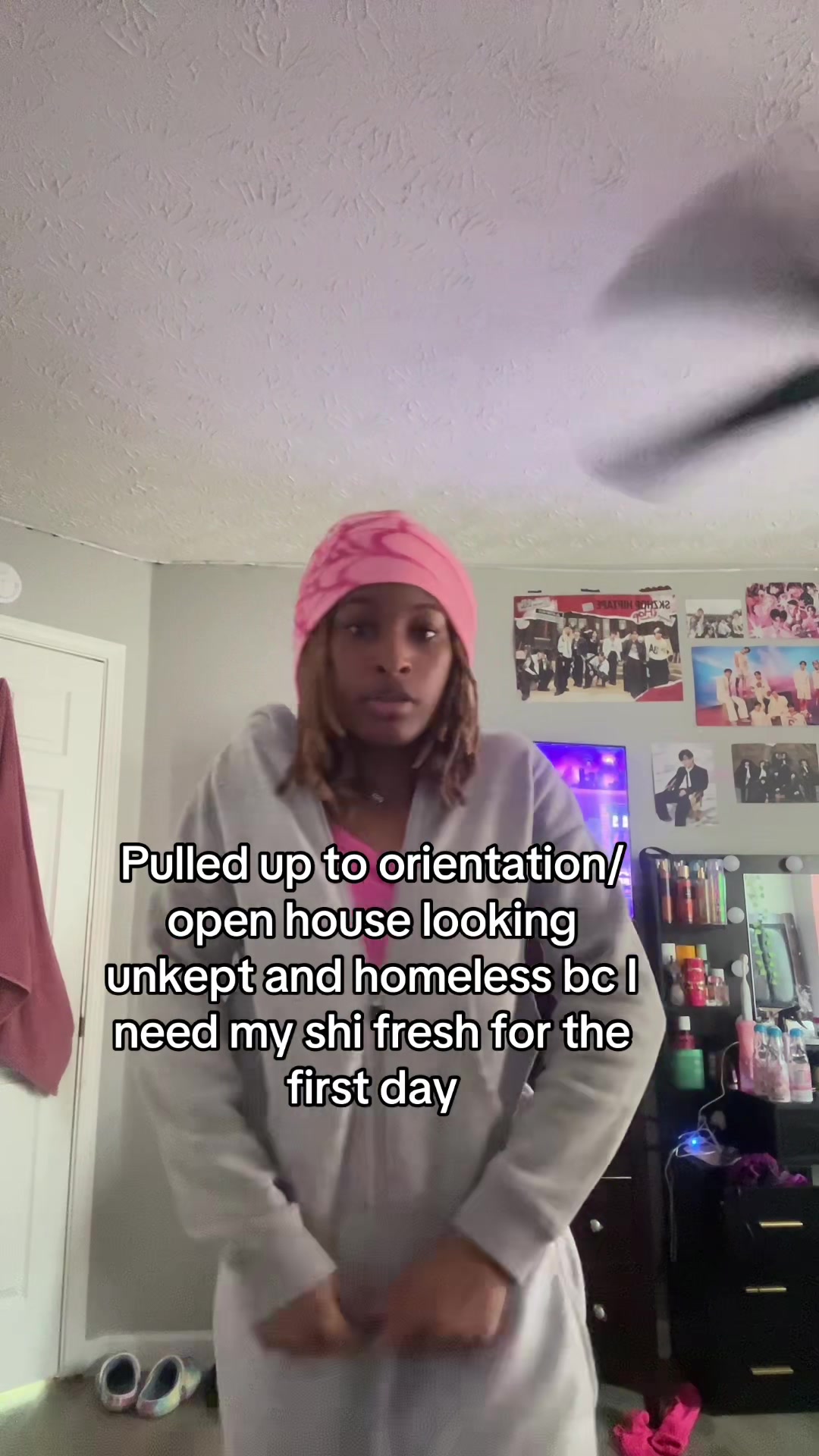
The raw honesty about prioritizing first impressions over actual readiness strikes a chord. People recognize themselves in this relatable contradiction—wanting to look put-together even when everything else is chaotic—and the casual delivery makes it feel like a real moment, not a performance.
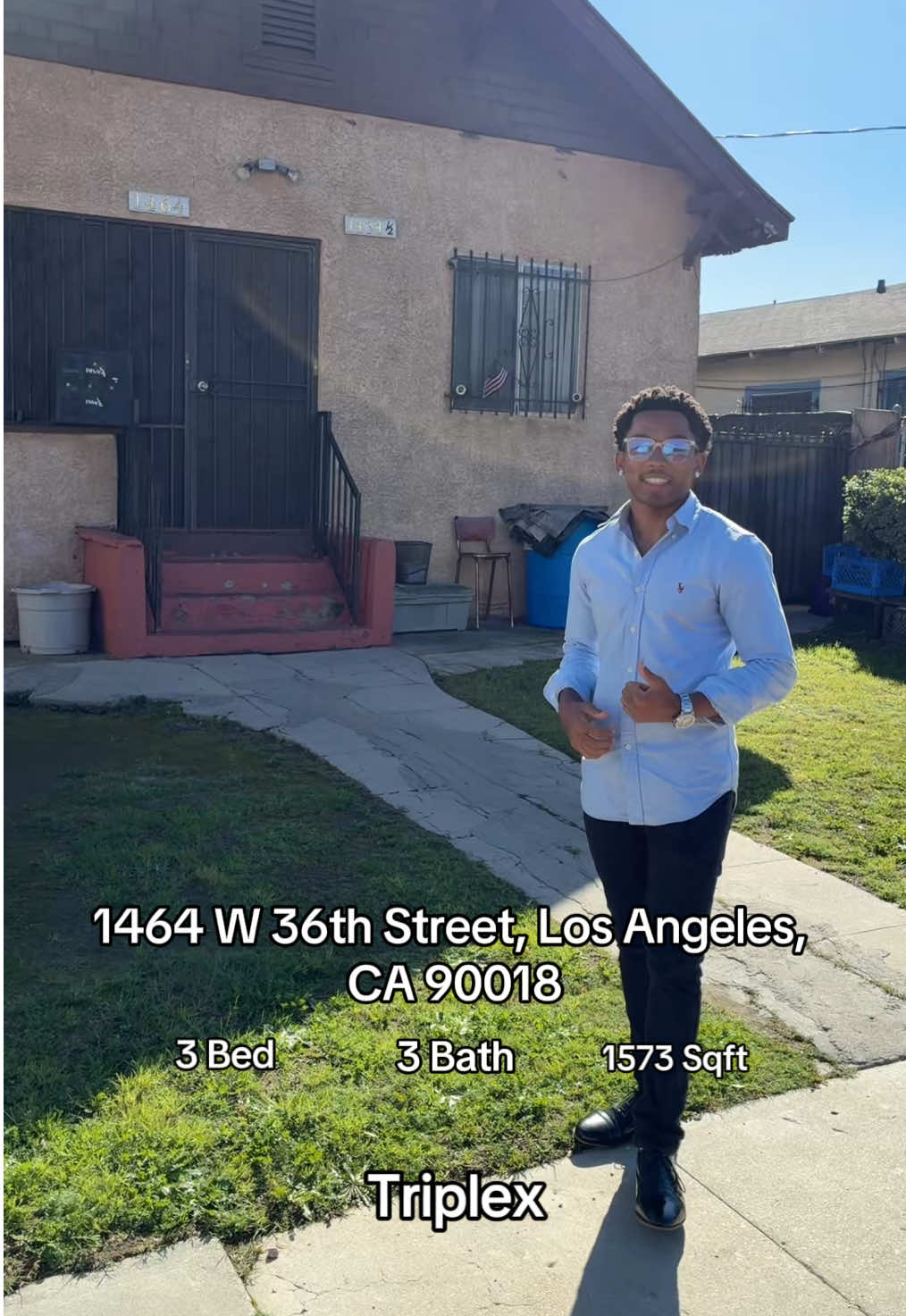
The agent's confidence and direct energy cut through the noise of typical real estate listings. Positioning an affordable LA property as an investment opportunity with genuine conviction made it feel like insider intel rather than a sales pitch, sparking real conversation around the deal itself.
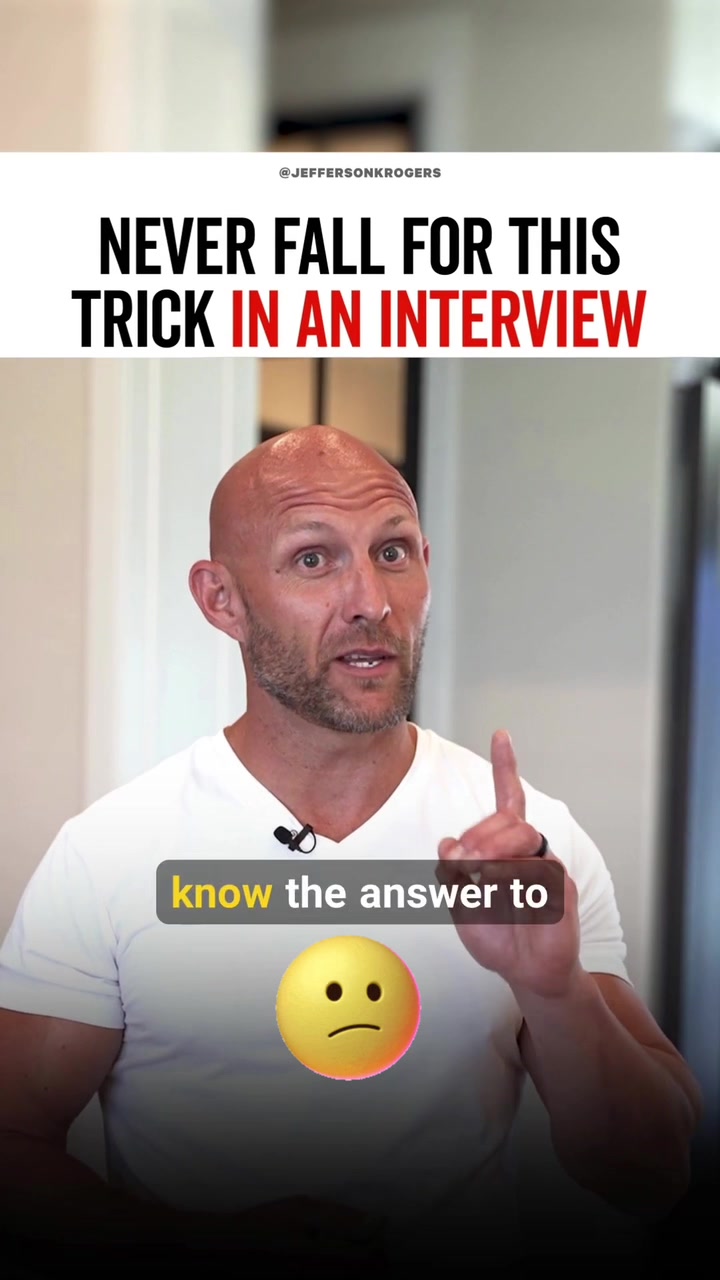
People saved this at nearly 2x the average because it flips conventional interview wisdom. The hook warns against a "trick," but the real insight is counterintuitive: admitting you don't know something signals coachability, not incompetence. It speaks to job seekers tired of playing the fake-confidence game.
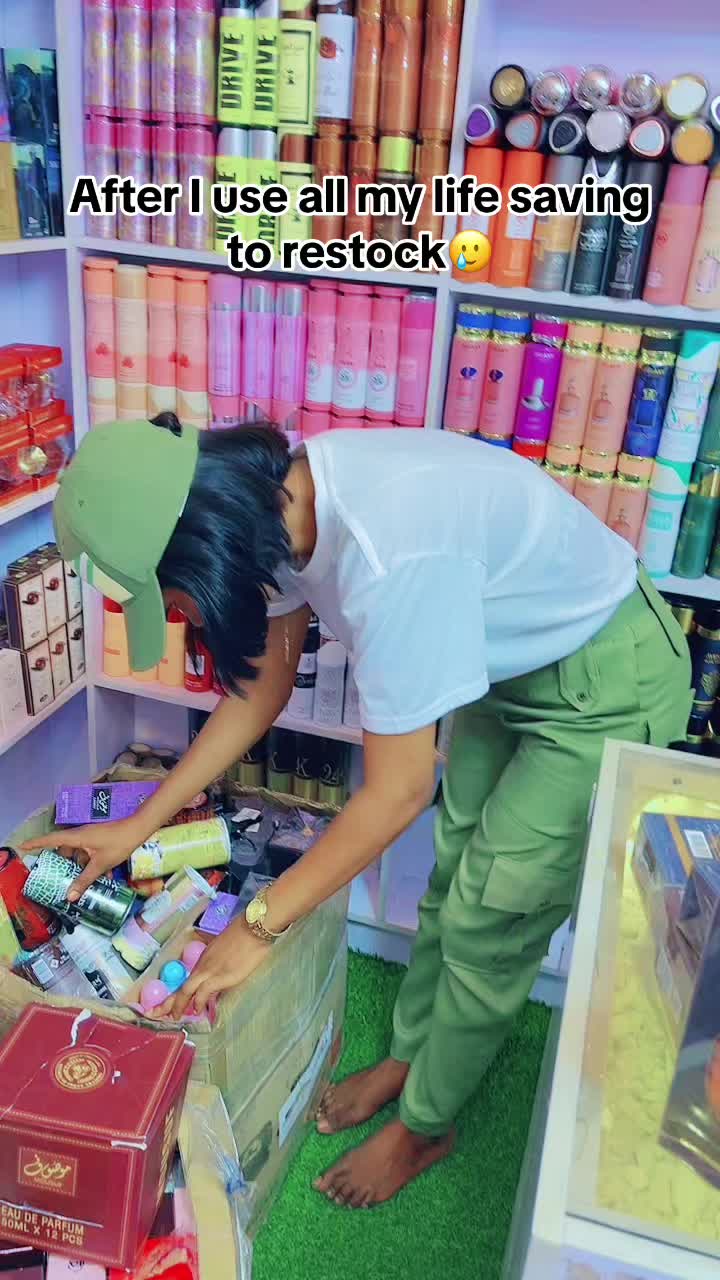
The self-deprecating humor of spending all your savings to restock creates instant relatability for small business owners while the pristine, colorful inventory backdrop signals success and legitimacy. People connect with the hustle grind and financial risk, making this feel authentic rather than promotional.
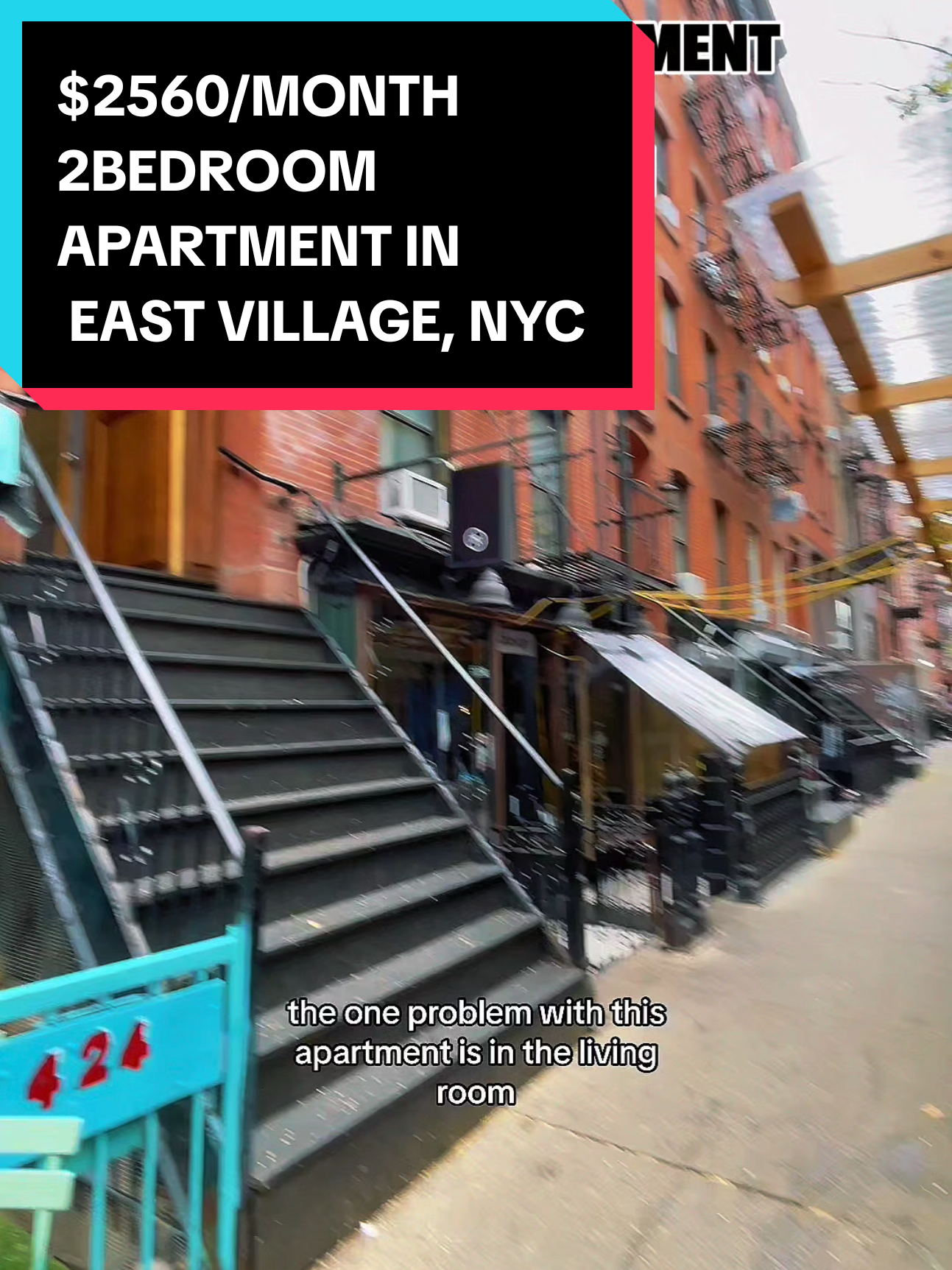
People crave honest real estate content that acknowledges the tradeoff, not the fantasy. By leading with the catch ("one problem"), you build trust and curiosity—viewers stay to see if they'd accept the same deal, making it feel like a real decision rather than sales pitch.

People are saving this at 11x the normal rate because it packages actionable advice into a casual, real-person format. The creator's genuine demeanor and willingness to share concrete strategy beats polished positioning every time.
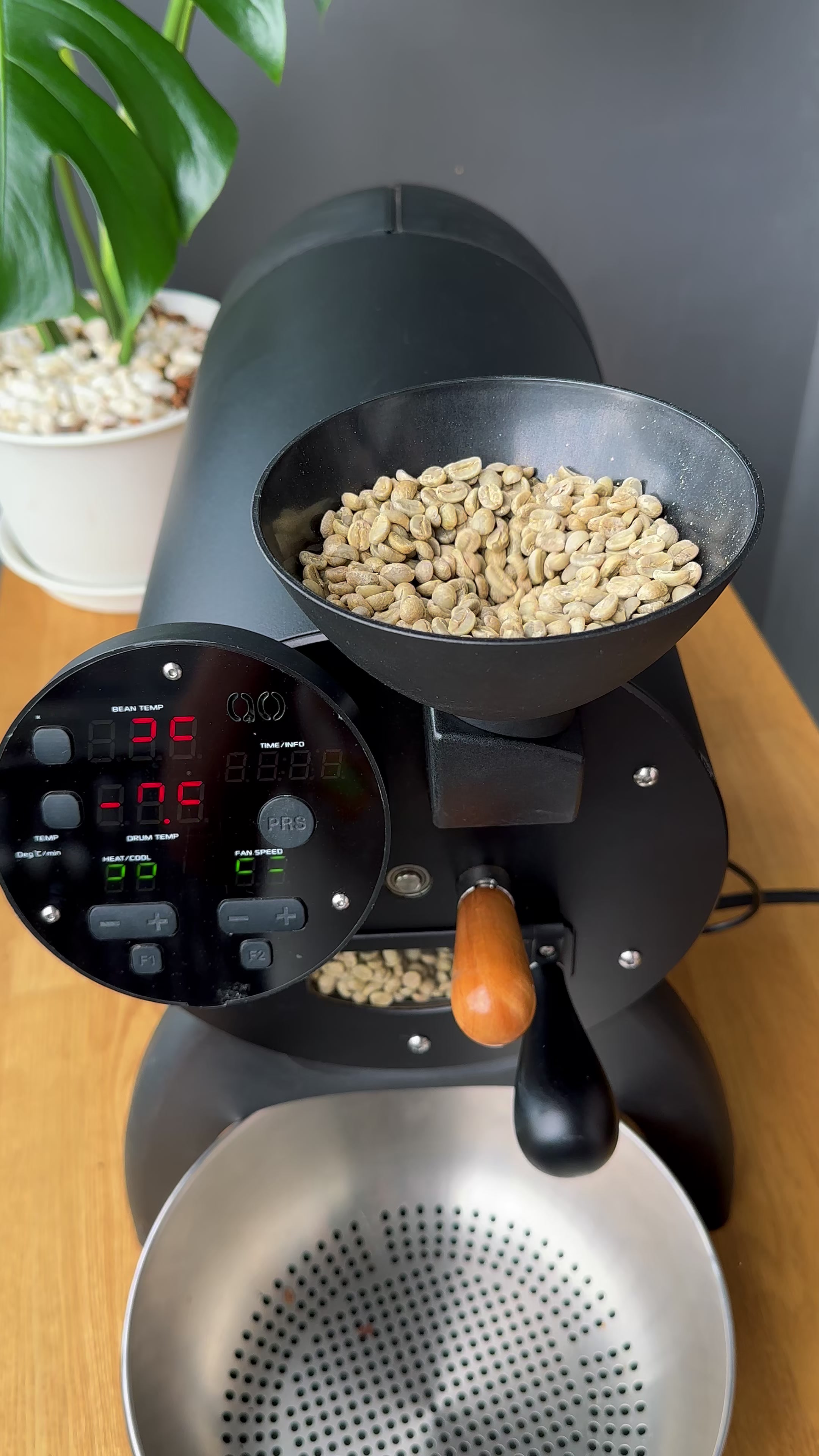
The visual ambiguity of roasting beans creates genuine curiosity and a moment of "wait, what am I looking at?" that stops the scroll. Paired with sensory language about aroma, it taps into FOMO around a visceral experience people can't have through a screen, making them crave the real thing.
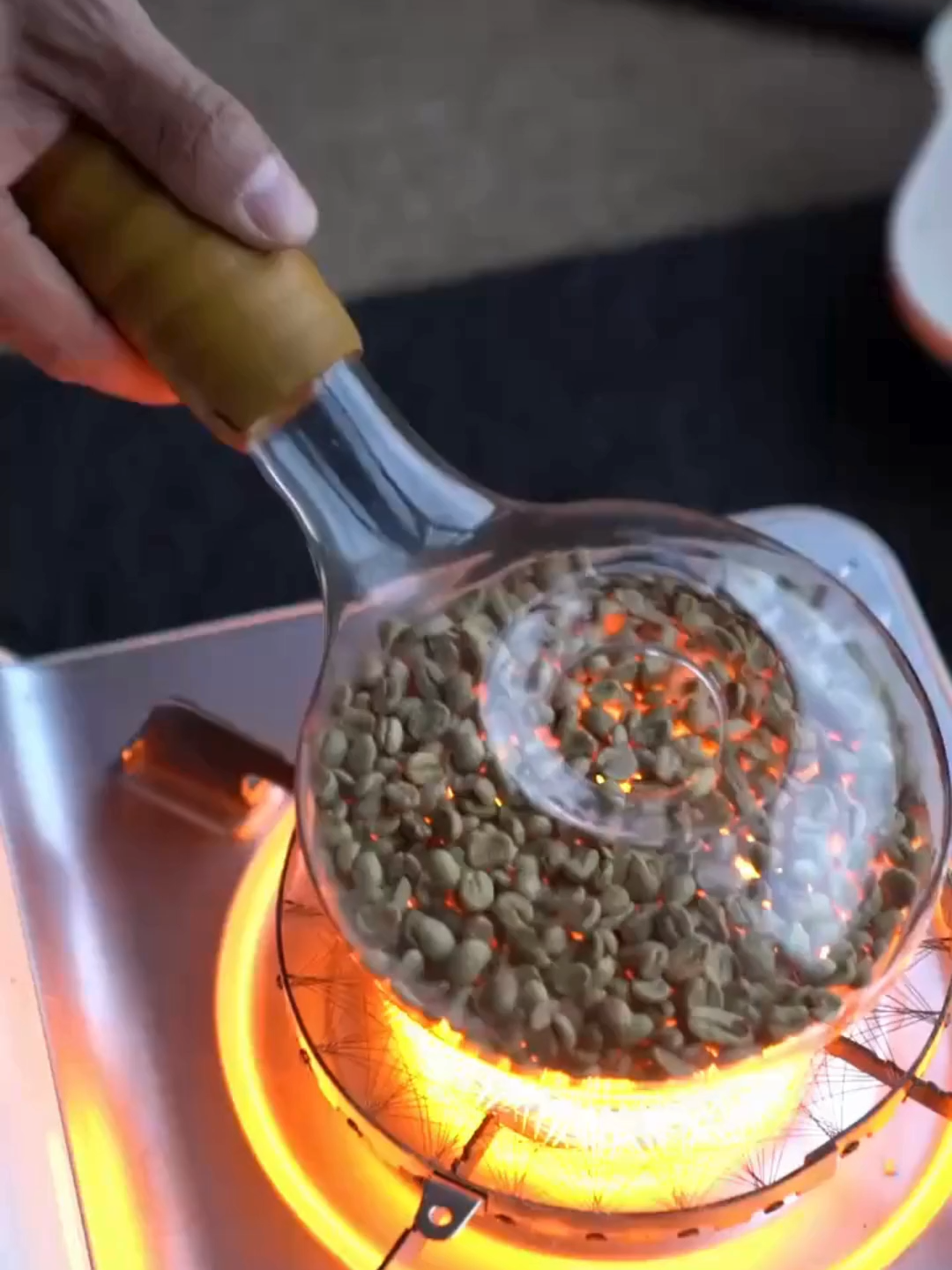
The visceral appeal of watching raw transformation in real time hooks viewers. Fire, beans turning golden, precise manual technique—it's satisfying process content that feels both accessible and specialized, making people curious about whether they could actually do this themselves.
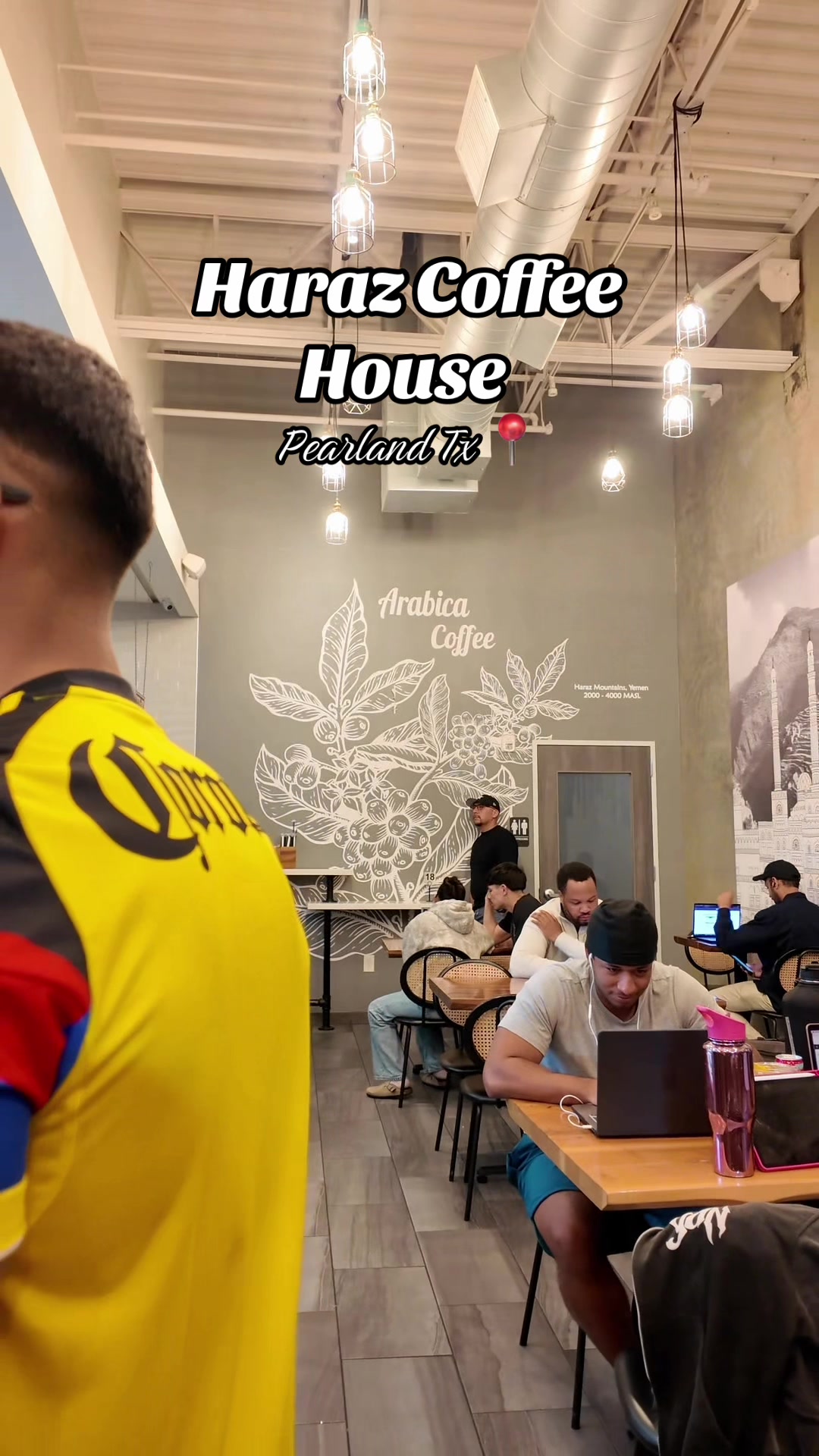
The post taps into local coffee shop discovery and comparison culture, sparking genuine debate among viewers about which spot is better. Real footage of an actual space with community feels authentic, and naming a competitor directly invites people to weigh in with their own opinions.
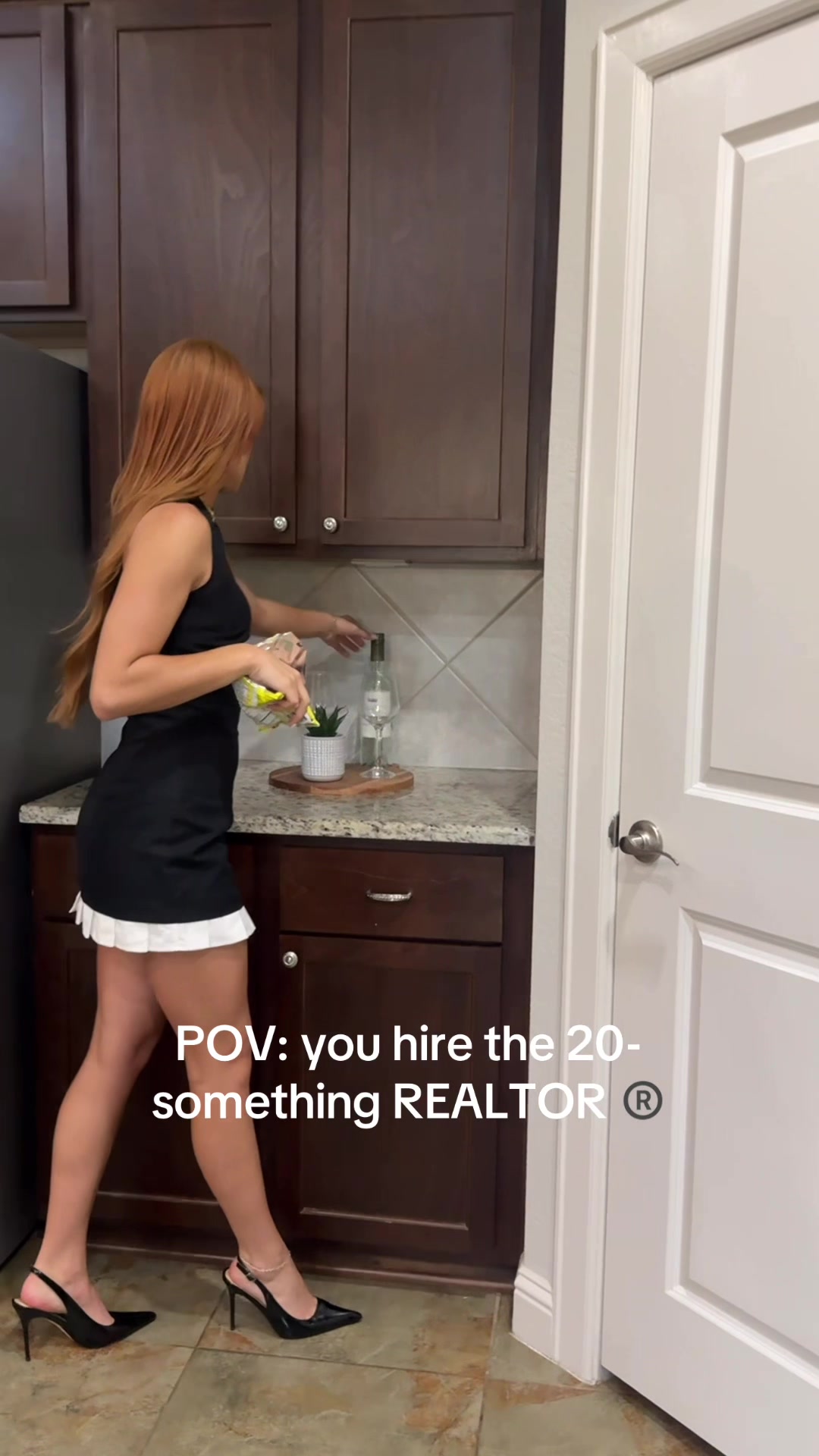
Self-aware satire about millennial realtors hits because it nails the specific absurdity of the industry without feeling mean-spirited. The POV framing makes viewers instantly picture someone they know, triggering that satisfying "wait, that's exactly how they are" recognition.
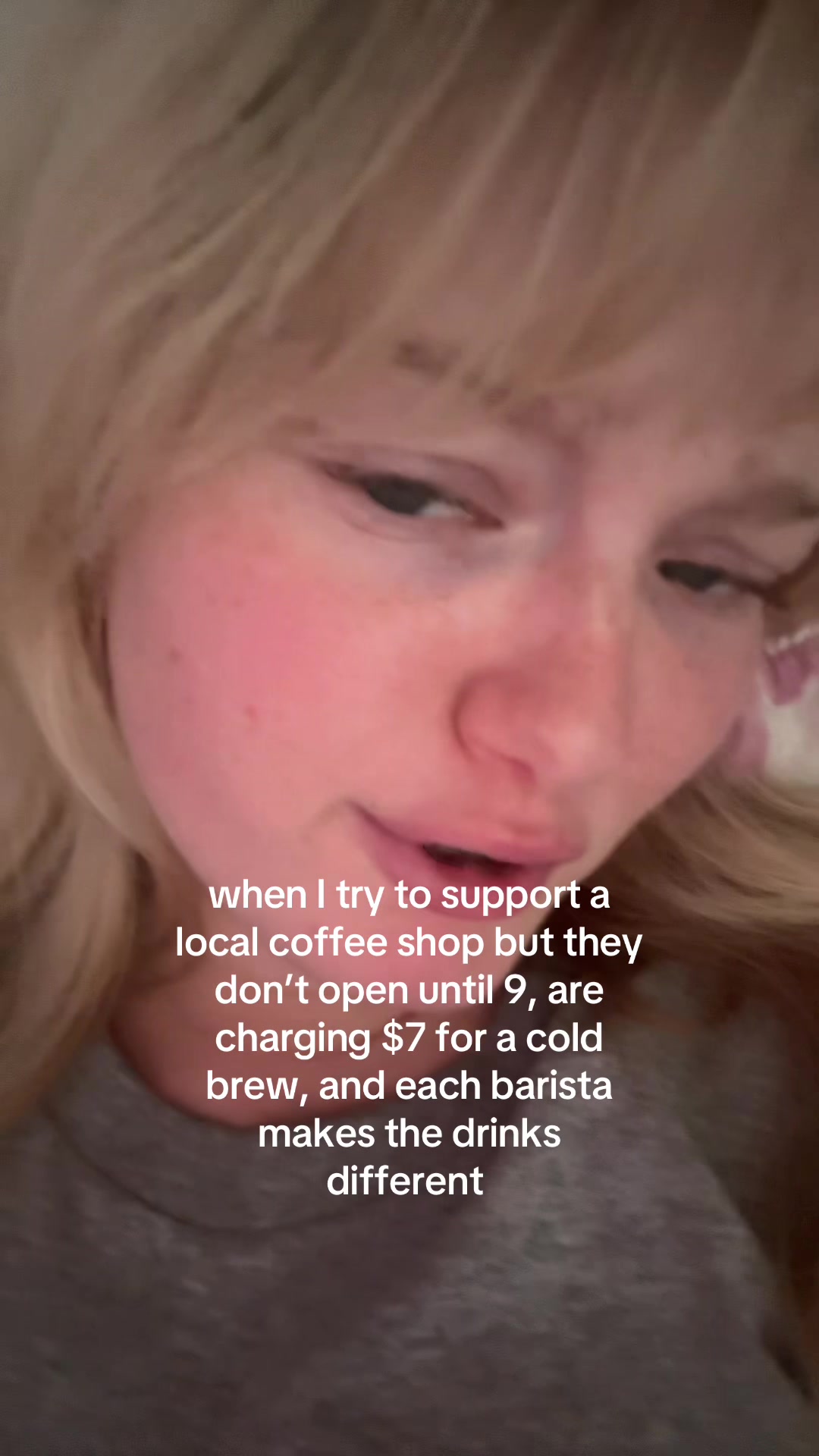
The post nails the tension between wanting to support local businesses and the reality of their quirks, frustrations, and inconsistencies. The raw, slightly pained expression paired with the specific grievances makes it feel like a shared frustration rather than pure complaint, which makes people want to jump in with their own coffee shop horror stories.
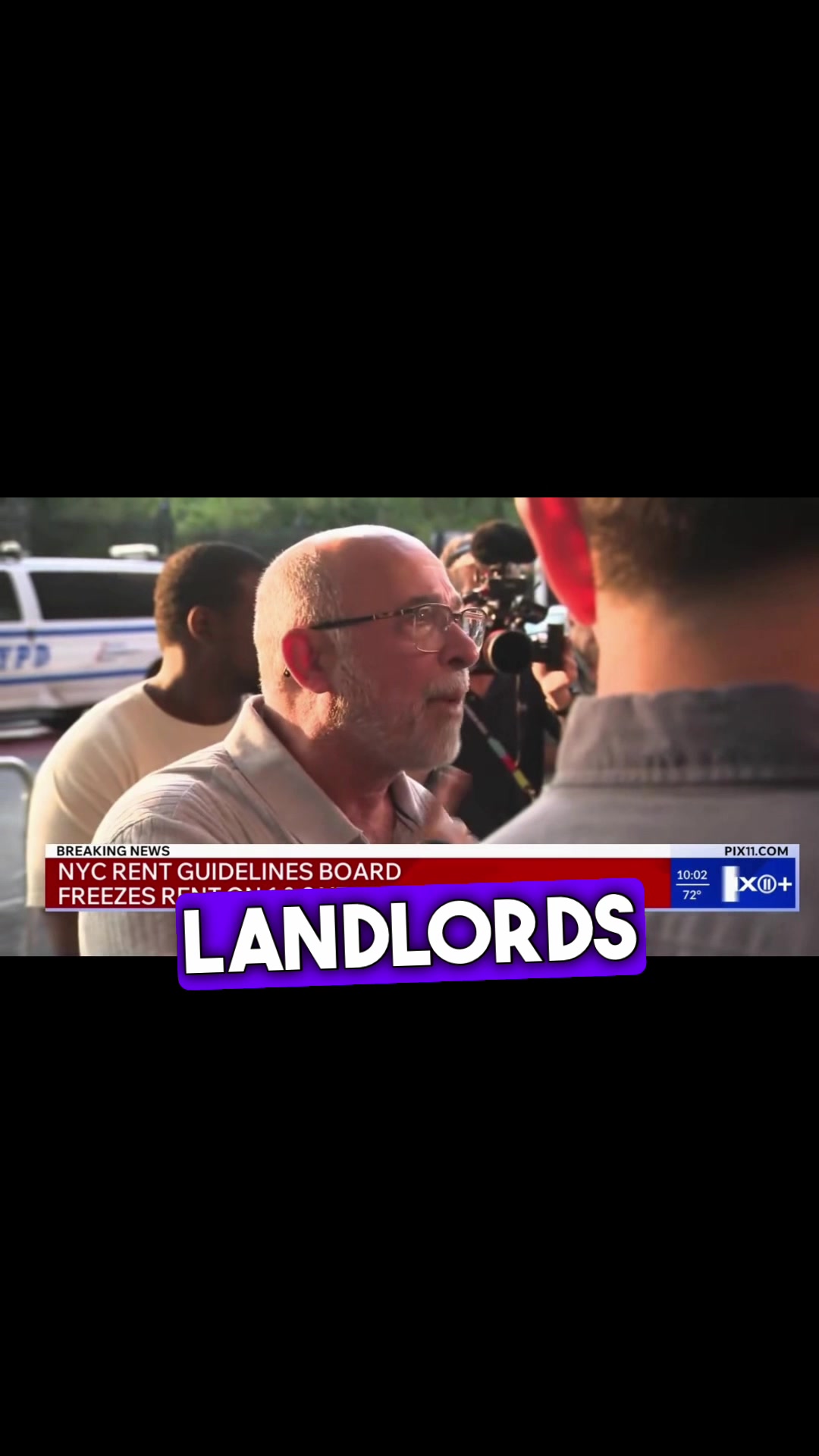
This post reframes a politically charged issue by pointing blame upstream, which feels like someone finally saying what people suspect. By shifting focus from landlords to government policy, it validates frustration while offering a fresher angle than the typical tenant vs. landlord narrative.
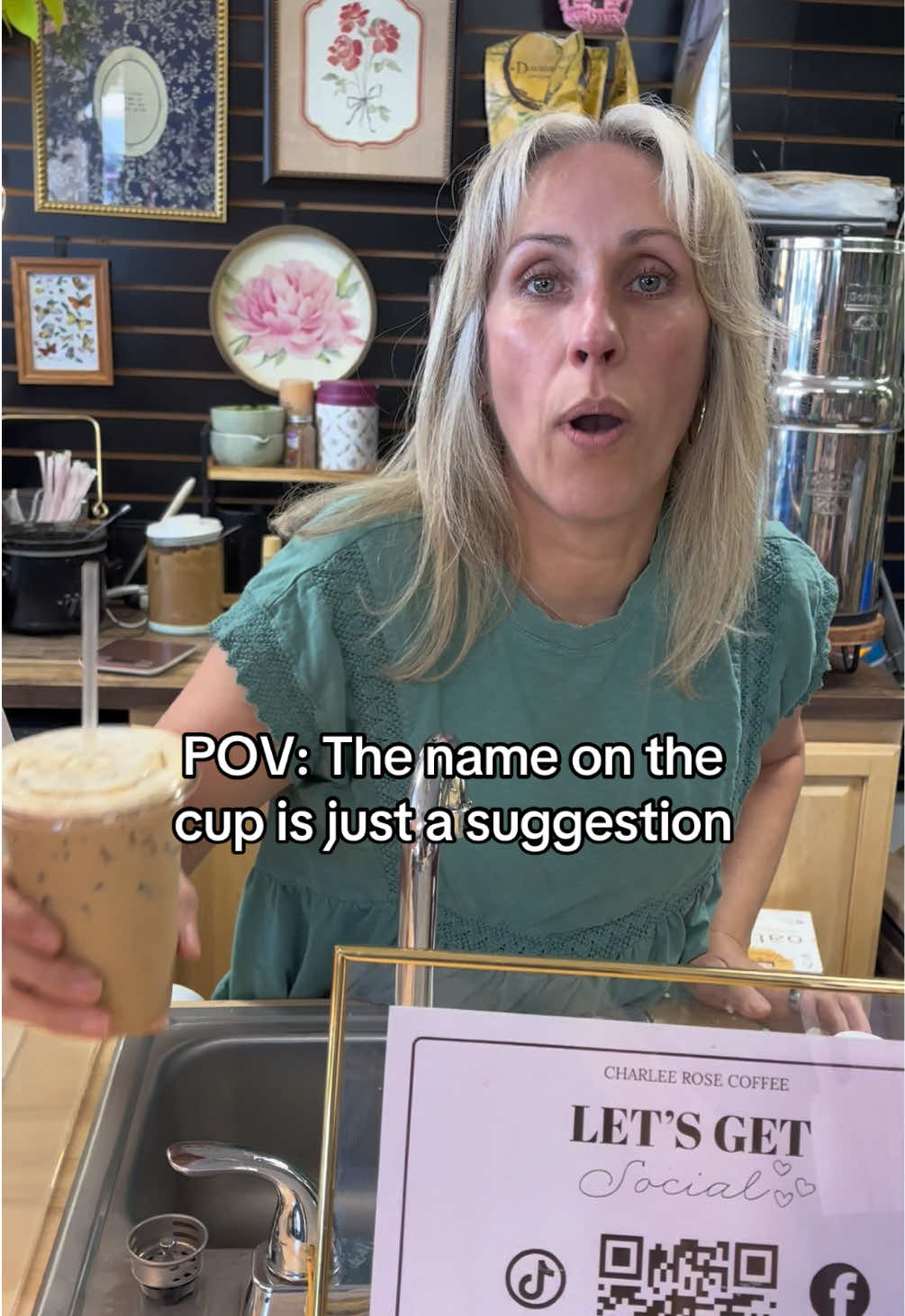
The joke lands because it exposes a real frustration baristas face—customers ignoring custom cup names—wrapped in absurdist humor. The "suggested" name reveal is perfectly timed, and her genuine bewilderment sells the premise that this actually happens.
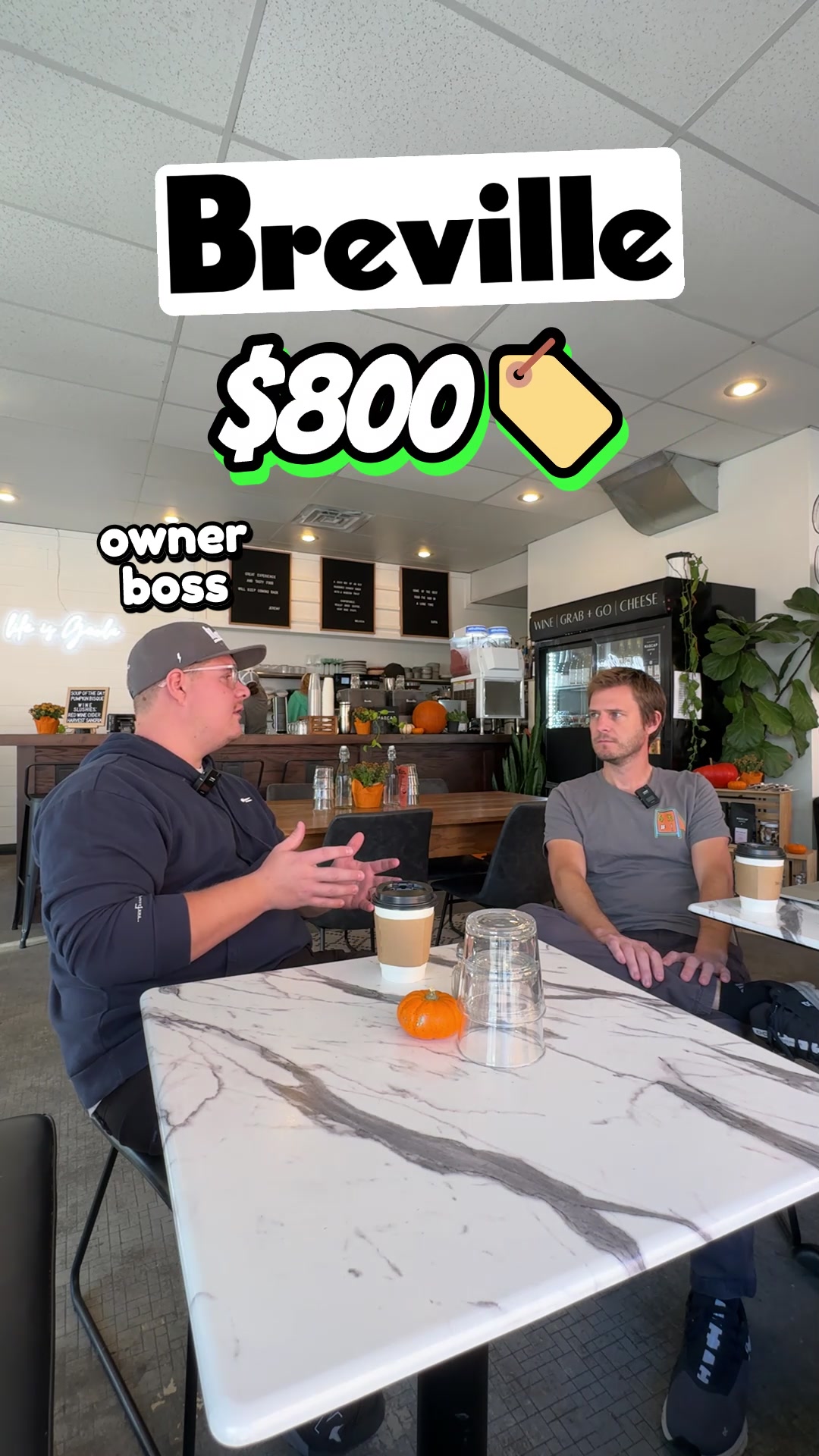
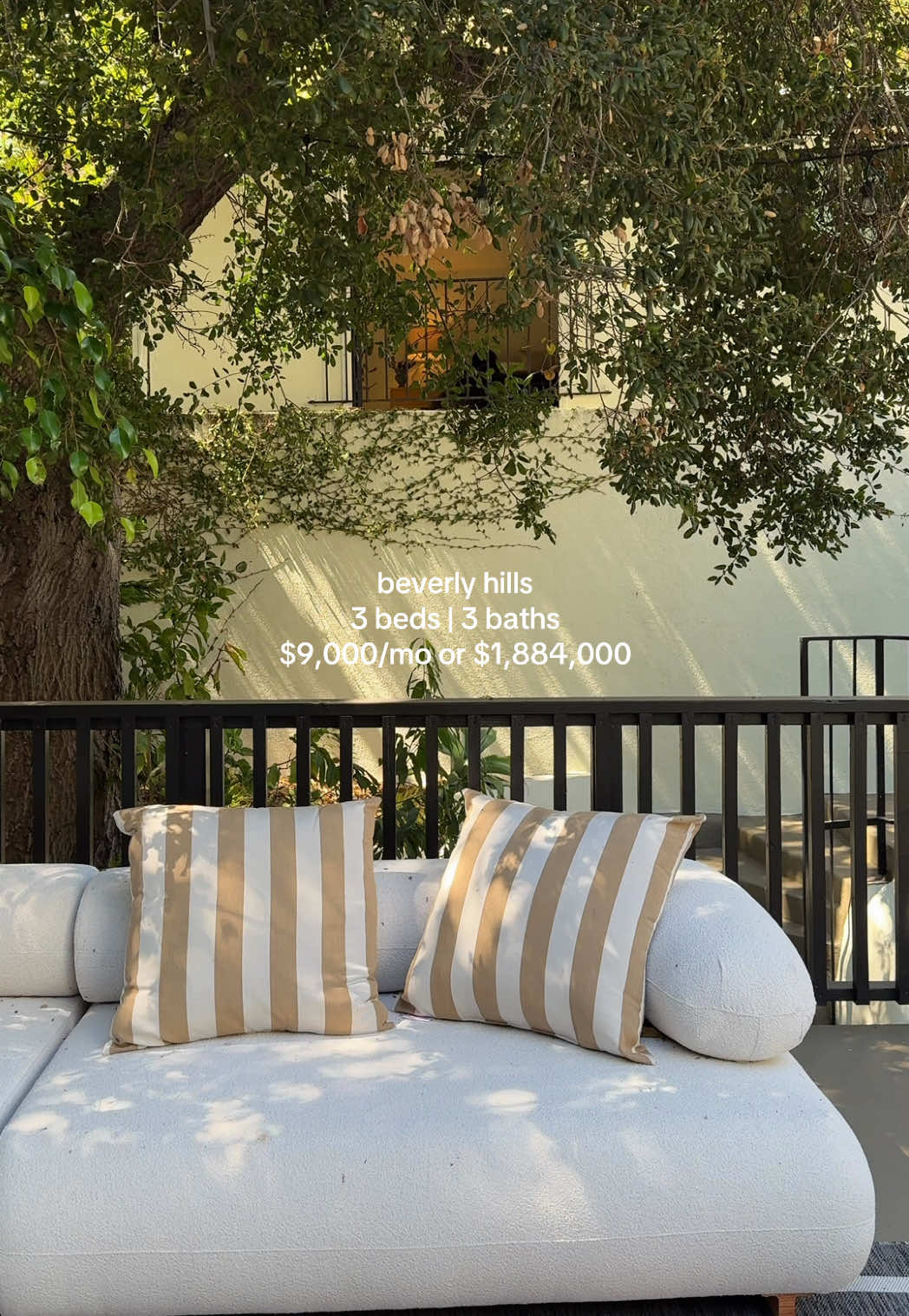
The aspirational lifestyle framing with transparent pricing (both rental and purchase) removes gatekeeping and makes luxury feel accessible. People engage because they're genuinely curious about what that price point actually gets you in Beverly Hills, not just daydreaming.
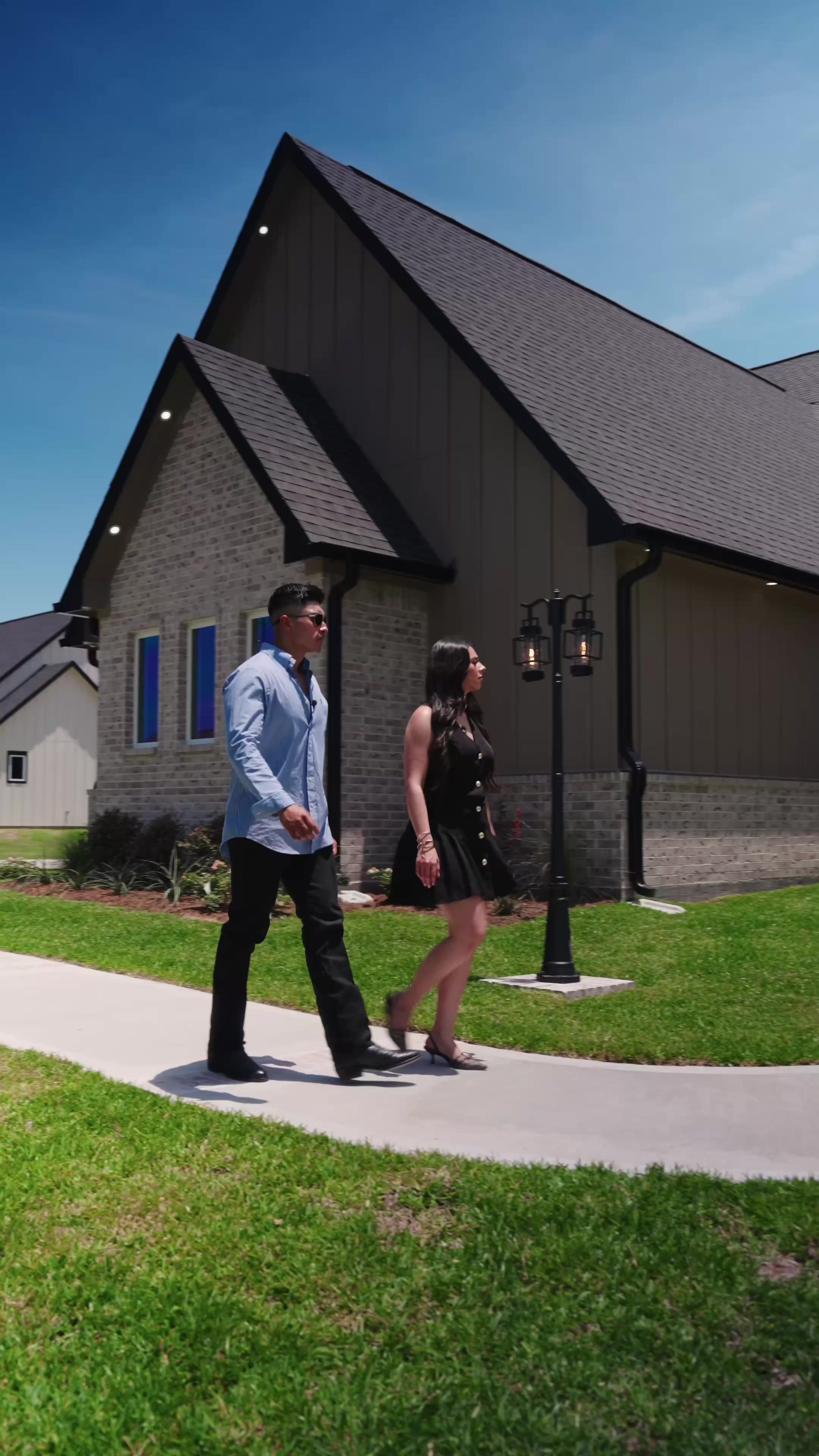
The "house hunting journey" format taps into voyeuristic fascination with someone else's search process. Pairing a couple's real decision-making with architectural beauty creates aspirational yet relatable tension—viewers get invested in whether they'll find "the one."
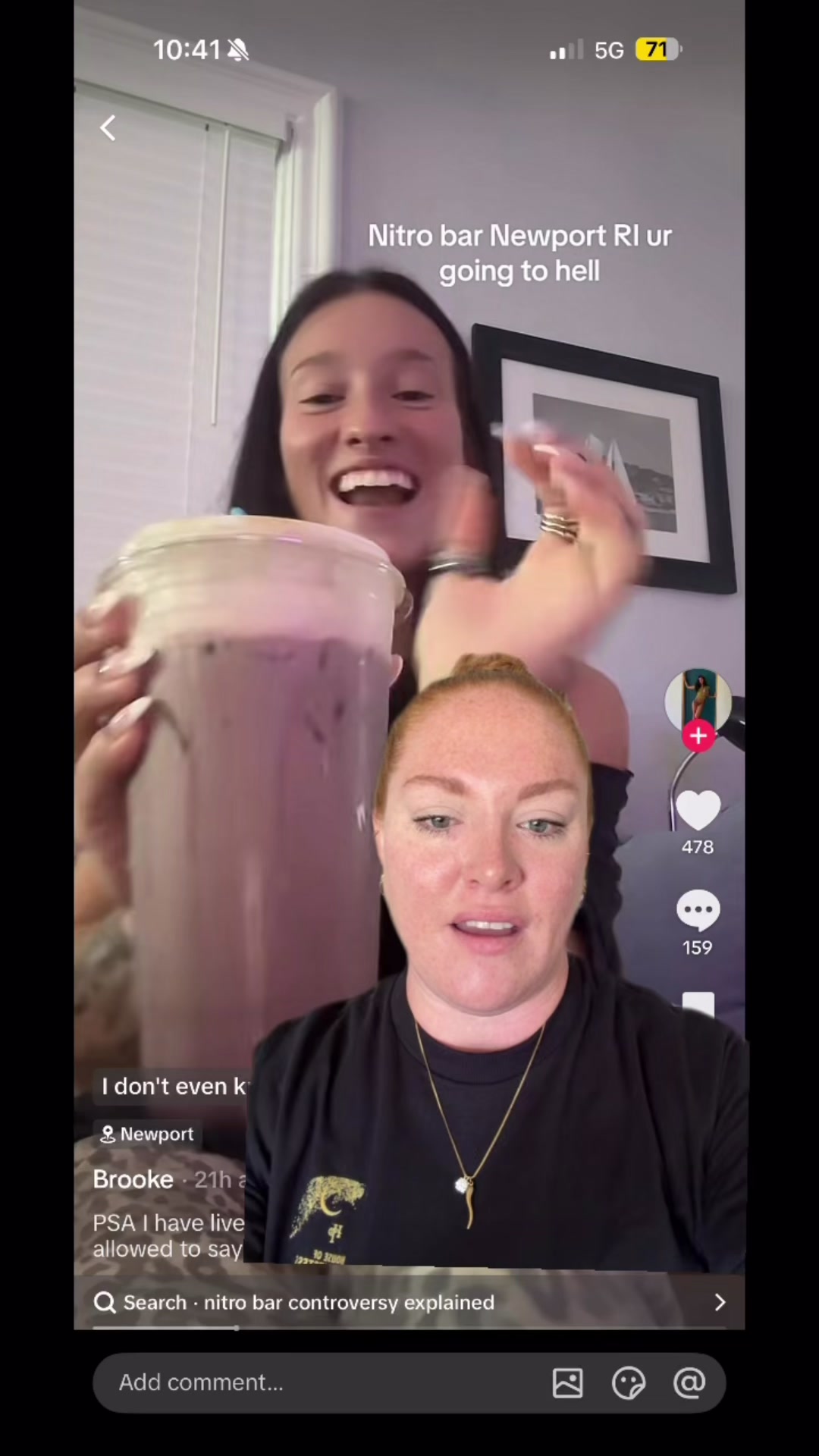
People engage hard when someone local calls out a beloved business. The authentic frustration paired with the contrasting cheerful energy creates tension that sparks debate about loyalty, honesty, and who gets to critique their own community.

The post leans into the attractive instructor angle paired with casual gym humor, creating a parasocial draw that feels authentic rather than manufactured. The premise (new coach teaching basketball) is simple enough to be relatable, but the presentation channels something aspirational that keeps people watching and saving.
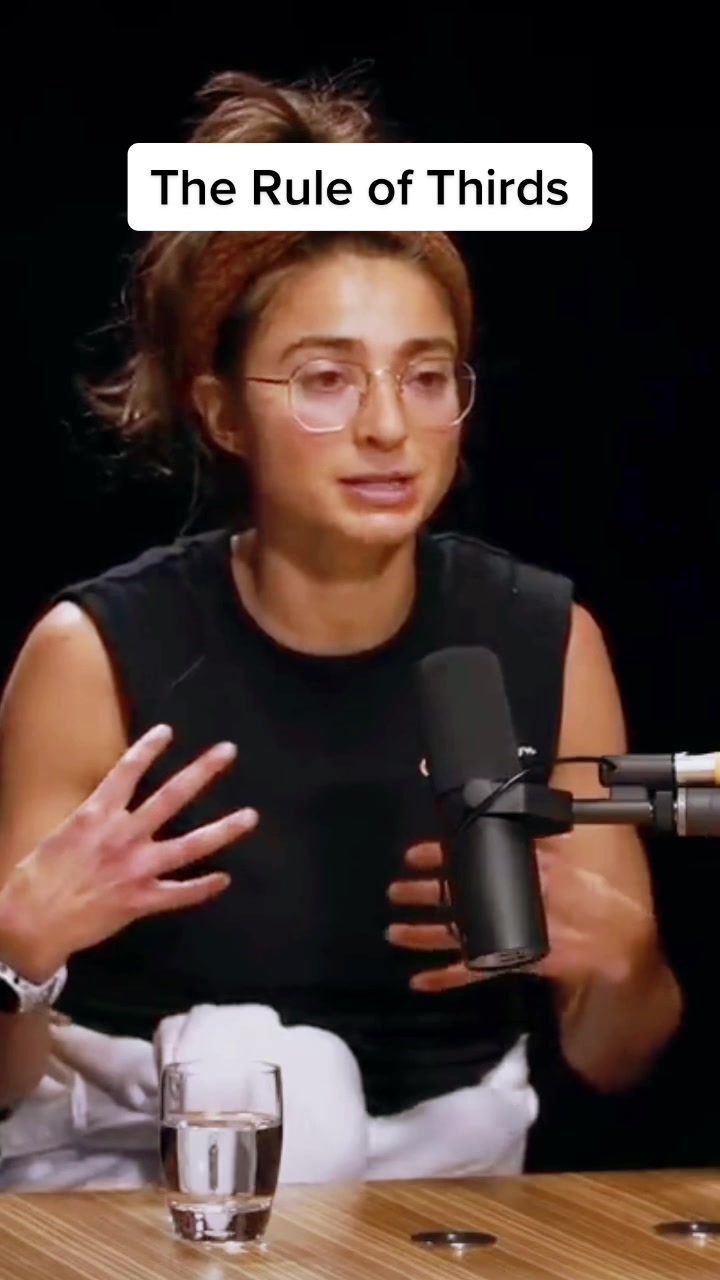
People crave frameworks that make life's messiness feel manageable. The Rule of Thirds gives permission to struggle while still moving forward, hitting that sweet spot between toxic positivity and defeat.
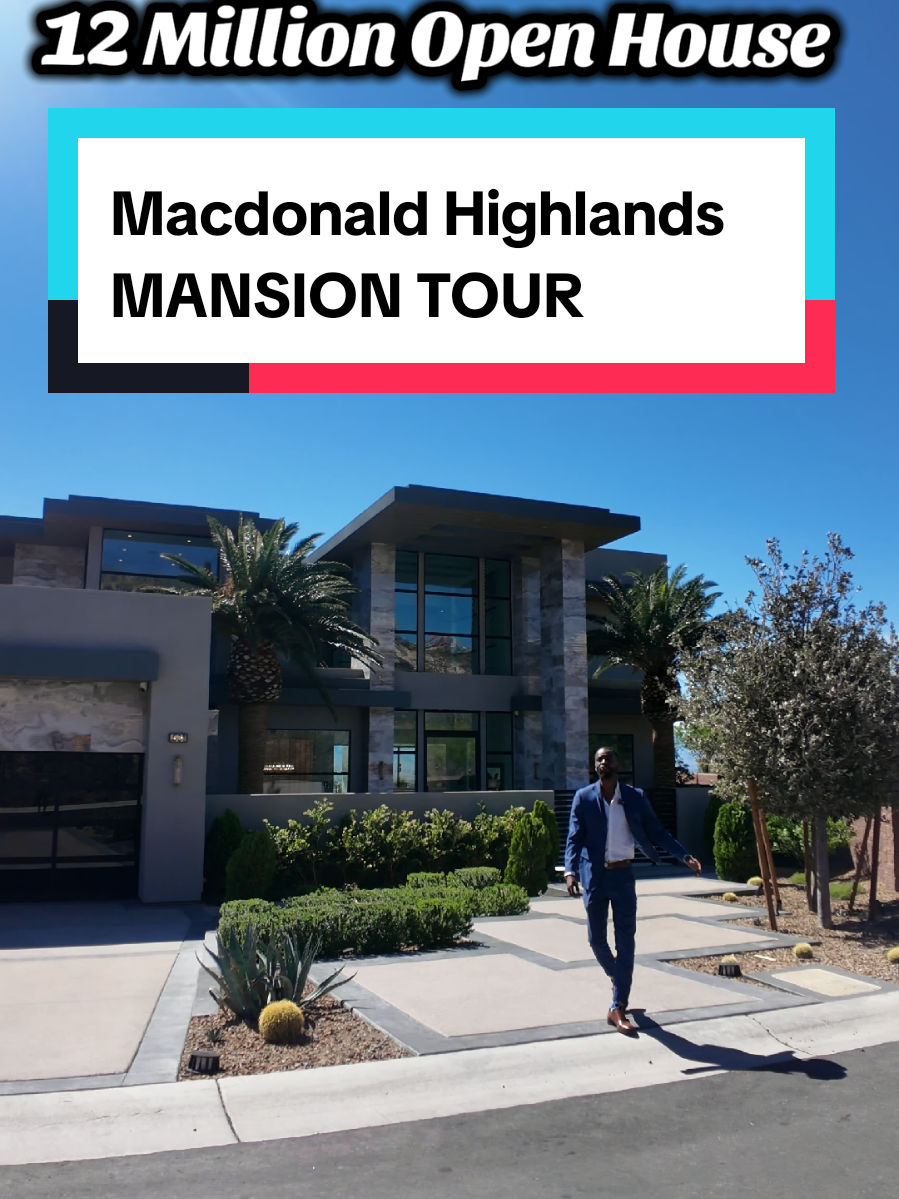
People crave the aspirational fantasy of luxury real estate, especially when tied to status signaling (celebrities, the Strip views). The $12M price point creates intrigue without feeling completely unreachable, sparking genuine curiosity about what that level of home actually contains.
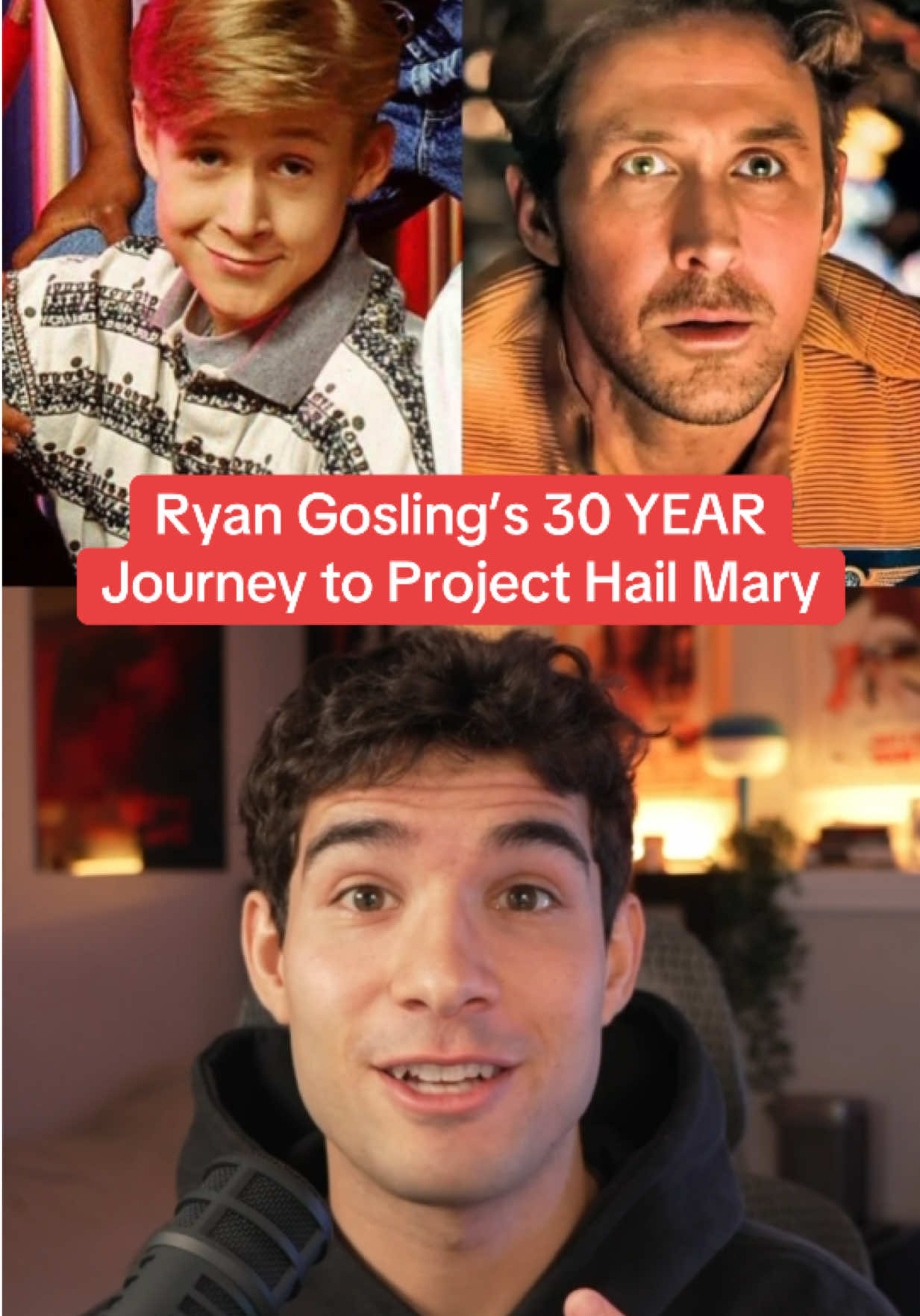
People save nostalgia content that tracks a beloved actor's evolution over decades. The before-and-after progression from child star to adult creates satisfying visual storytelling that makes viewers want to keep and share it.
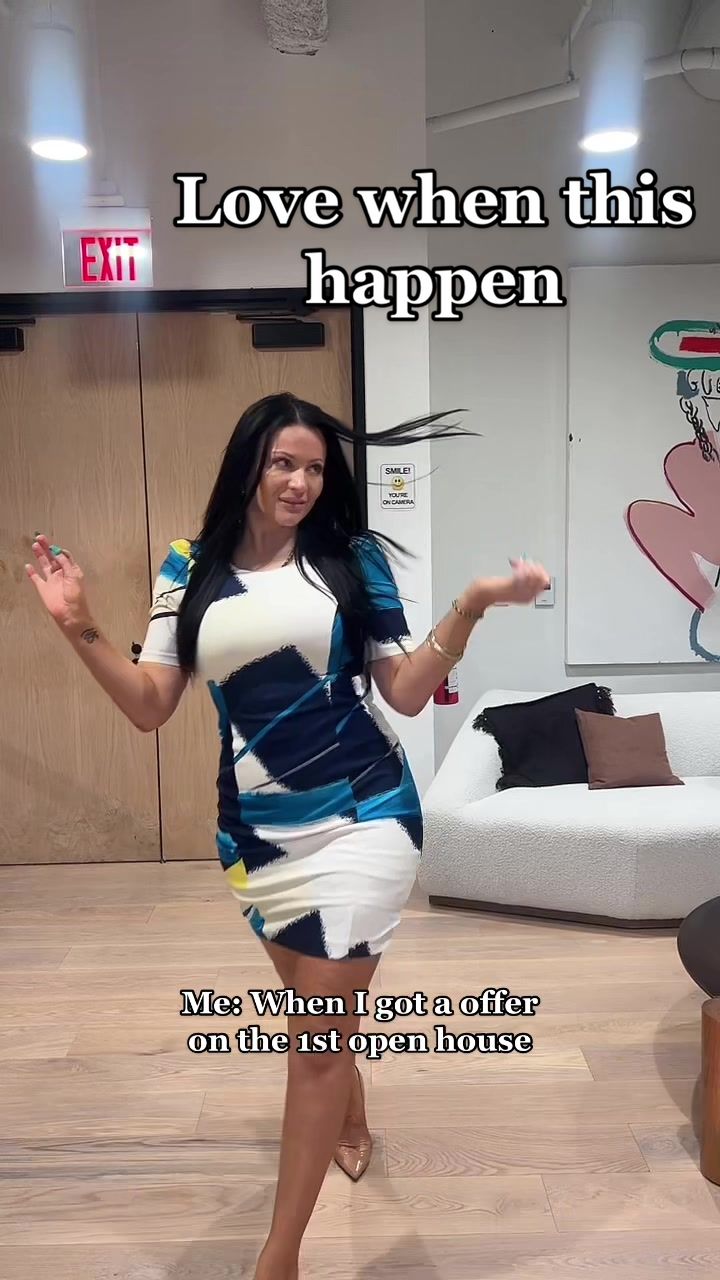
Celebrating a professional win with pure, unfiltered joy hits differently. The contrast between the high-stakes real estate moment and the carefree victory dance makes it feel genuine, not rehearsed, which is exactly what people want to see from someone in a polished industry.
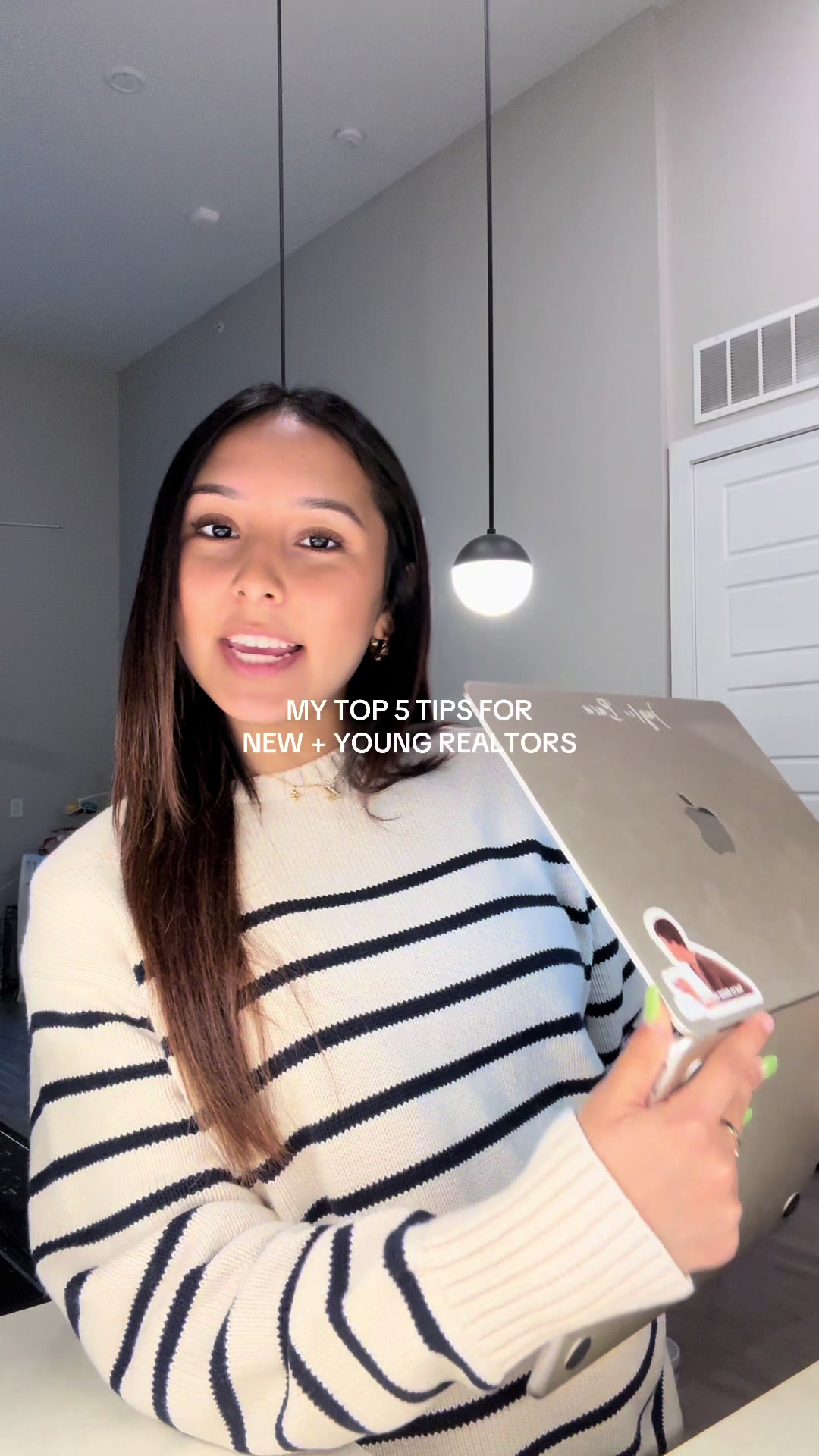
People entering real estate are actively seeking practical guidance, and this format delivers exactly that. The high save rate signals viewers are treating this as reference material they'll return to, not just passive content consumption.
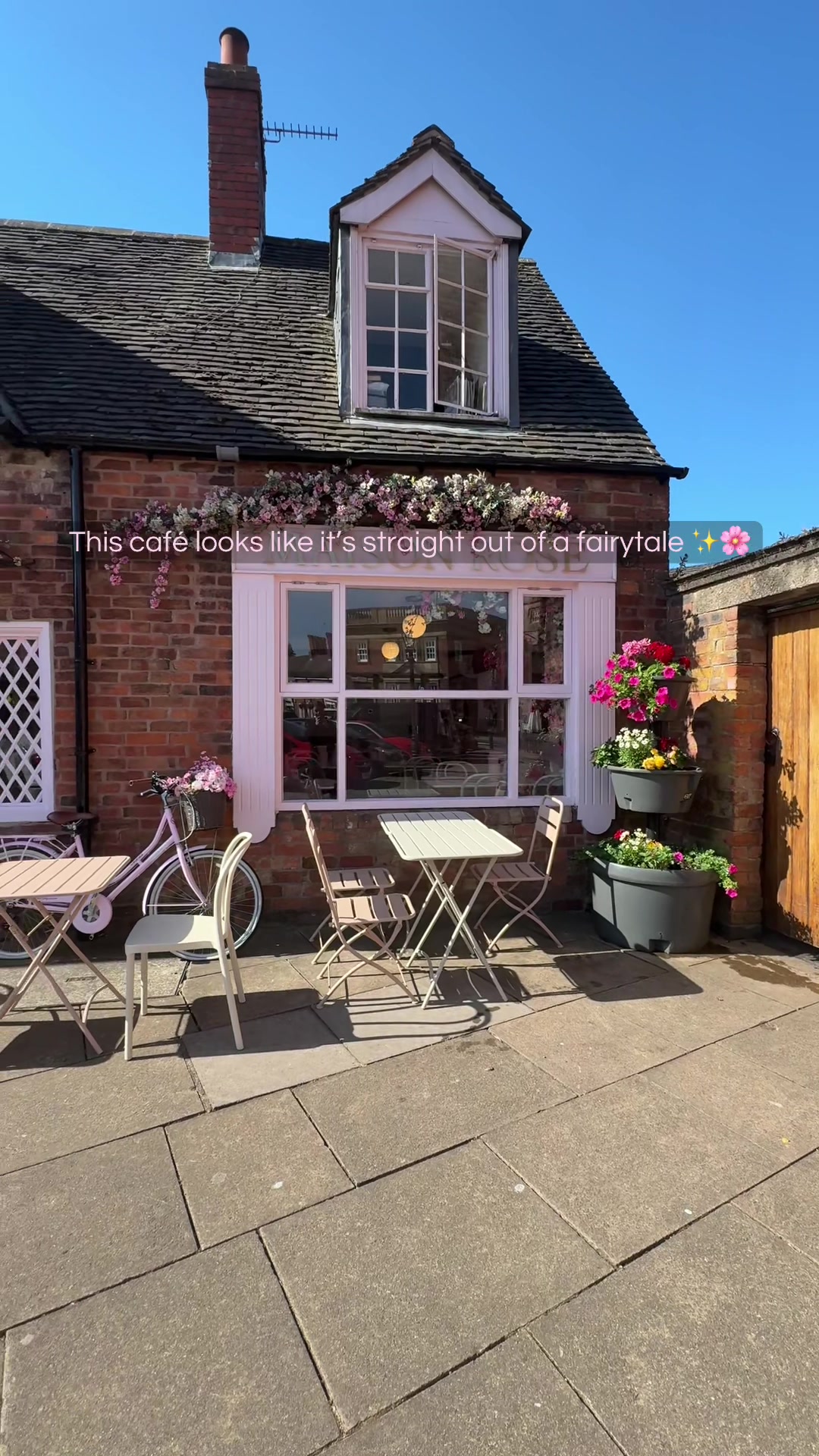
People save this because it's pure visual escapism—a real cafe that looks almost too perfect to exist. The fairytale framing taps into the desire to discover hidden, Instagram-worthy spaces, making viewers want to bookmark it for future adventures.
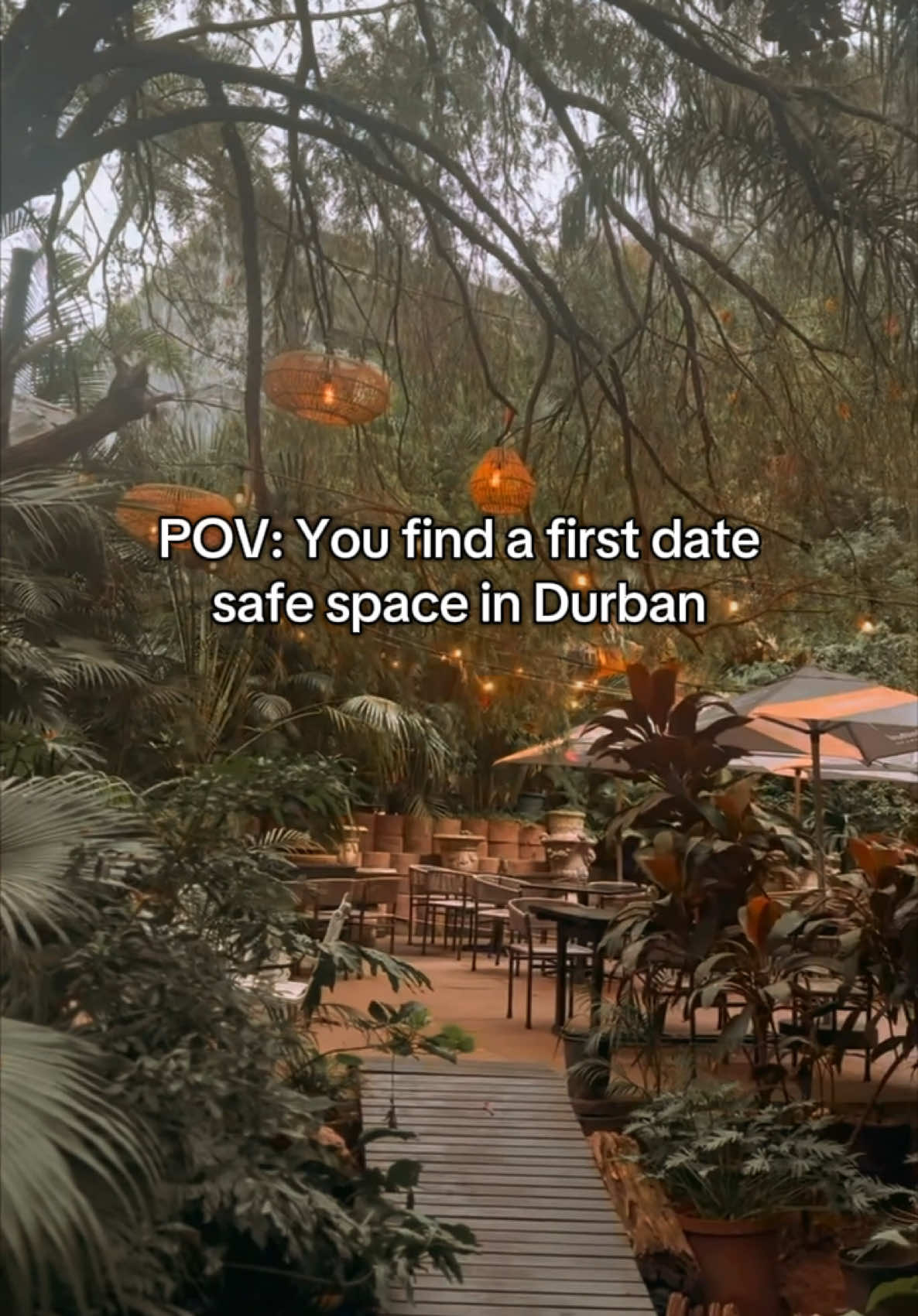
This post hits because it addresses a real safety concern women face while positioning the cafe as a protective ally, not just a business. The "POV" format makes it feel aspirational and hopeful, turning a serious issue into something that feels achievable and worth sharing.
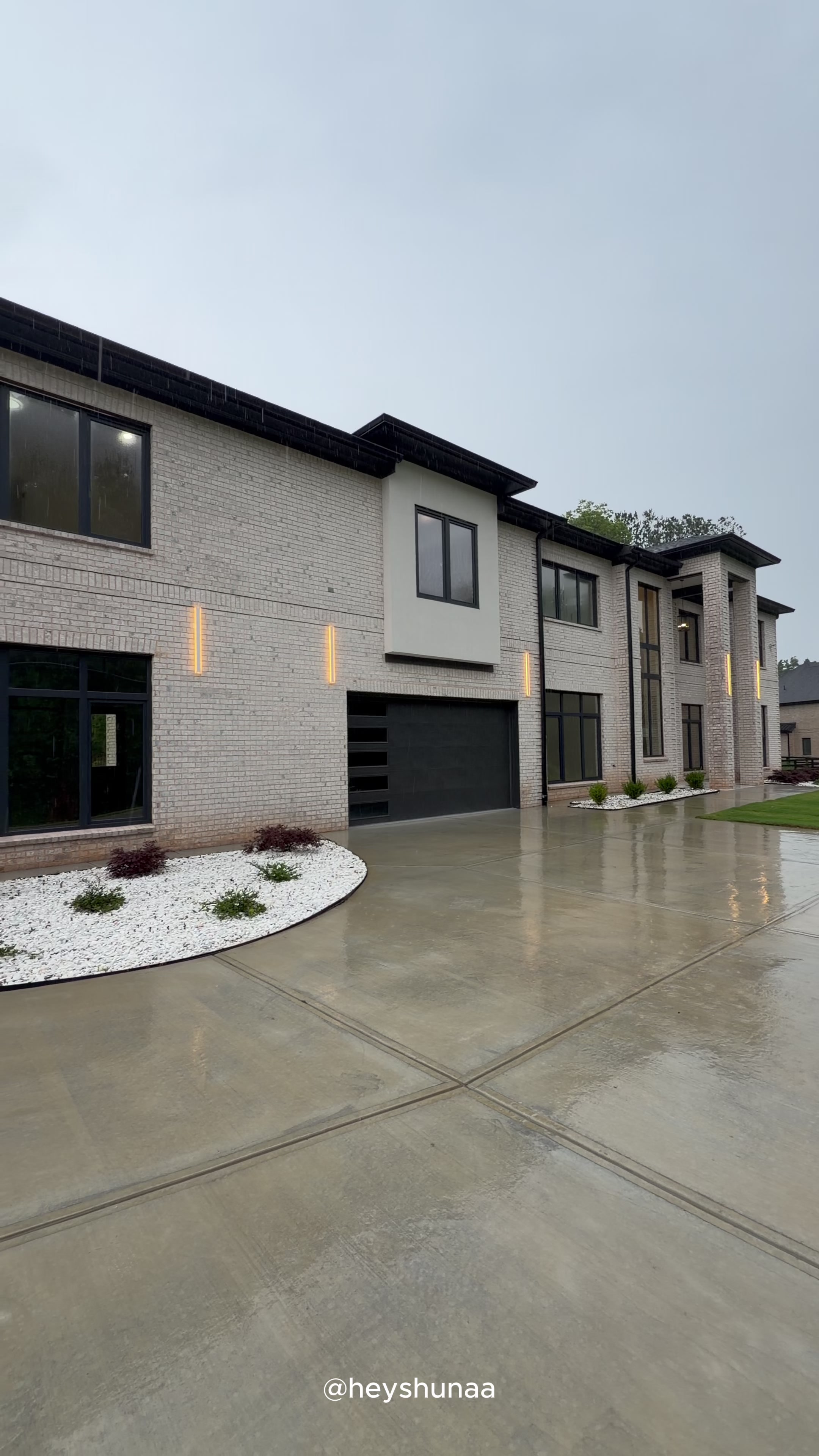
The clean architectural porn angle taps into aspirational daydreaming, but the comments reveal people are actually doing the math. High saves and shares happen because it sparks debate about value, not just admiration. People engage harder when they have opinions about the deal.
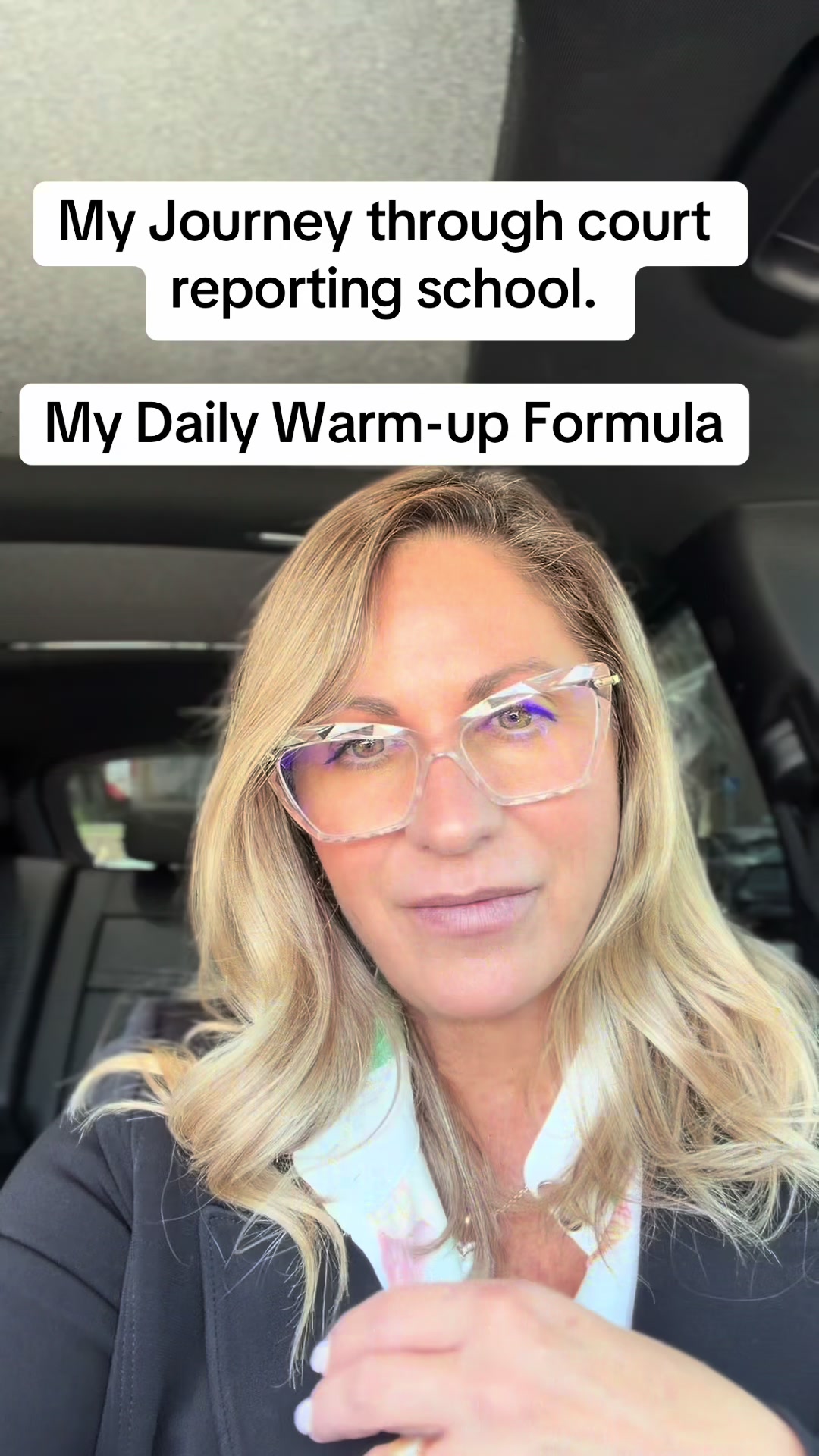
People crave vulnerability from high-achievers. By flipping the script from "look how fast I did it" to "here's what actually made it happen," she gave permission for others to stop comparing and start working. The niche audience (aspiring court reporters) found a role model who demystified success.

The bold promise ("become irresistible") paired with neuroscience framing taps into creator anxiety about visibility while the confident, direct delivery makes abstract personal branding feel actionable and real. The visual contrast between the casual poolside setup and serious intellectual claim creates intrigue that stops scrolls.
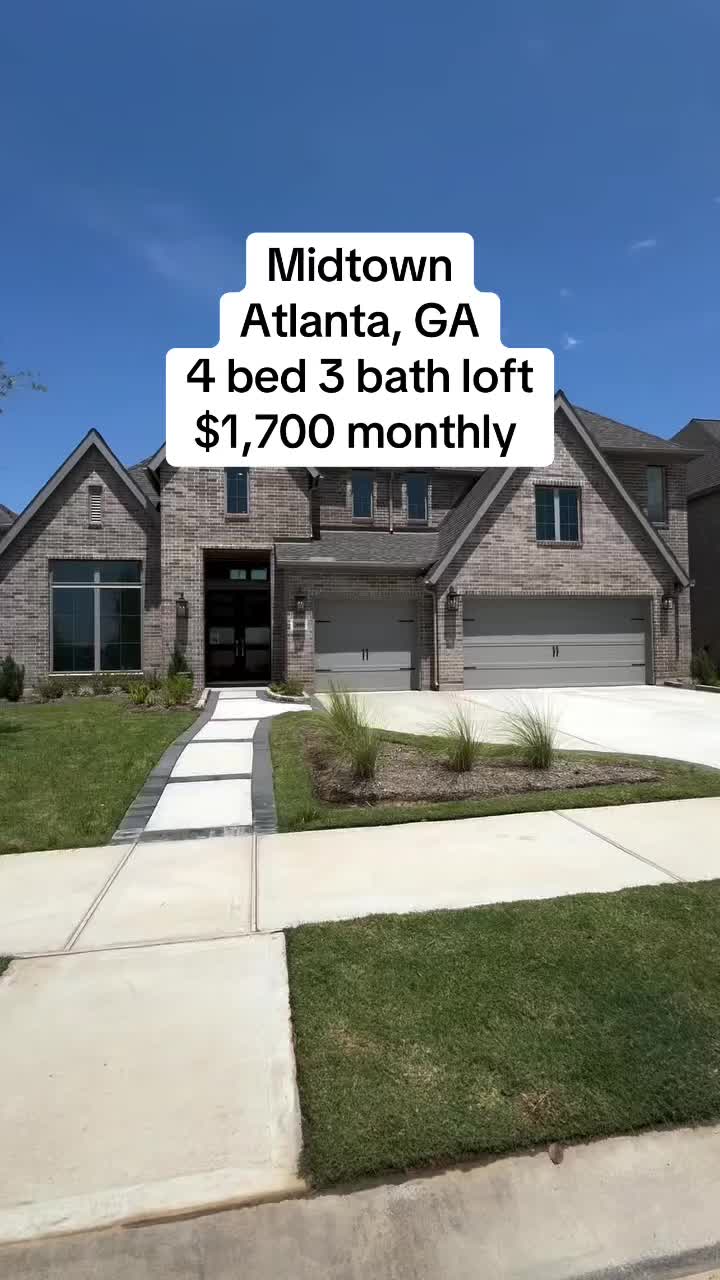
People immediately questioned whether the price is real, creating debate that drove engagement. The specificity of location plus an almost-too-good number triggered skepticism, which paradoxically made the post stick and spread.
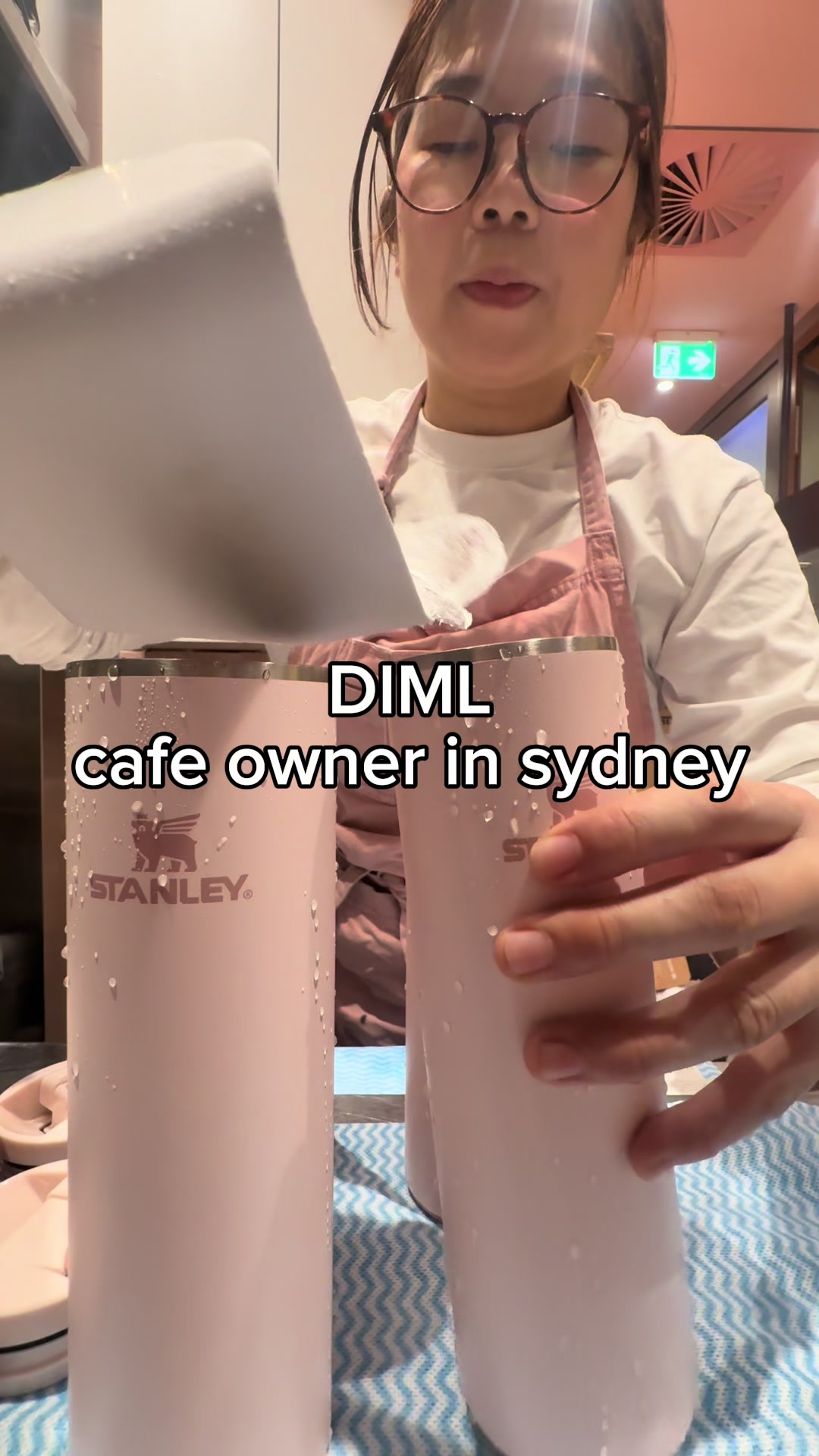
Small business owners connect with seeing someone like them succeed at scale. The partnership angle plus the casual behind-the-scenes setup makes it feel authentic rather than corporate, triggering both aspiration and relatability in struggling cafe owners.

The aesthetic perfection and walkable charm triggered aspirational desire, but the comment section's reality-check about pricing and location actually amplified engagement. People saved and shared because they wanted to visit or discuss the neighborhood—not just admire from afar.
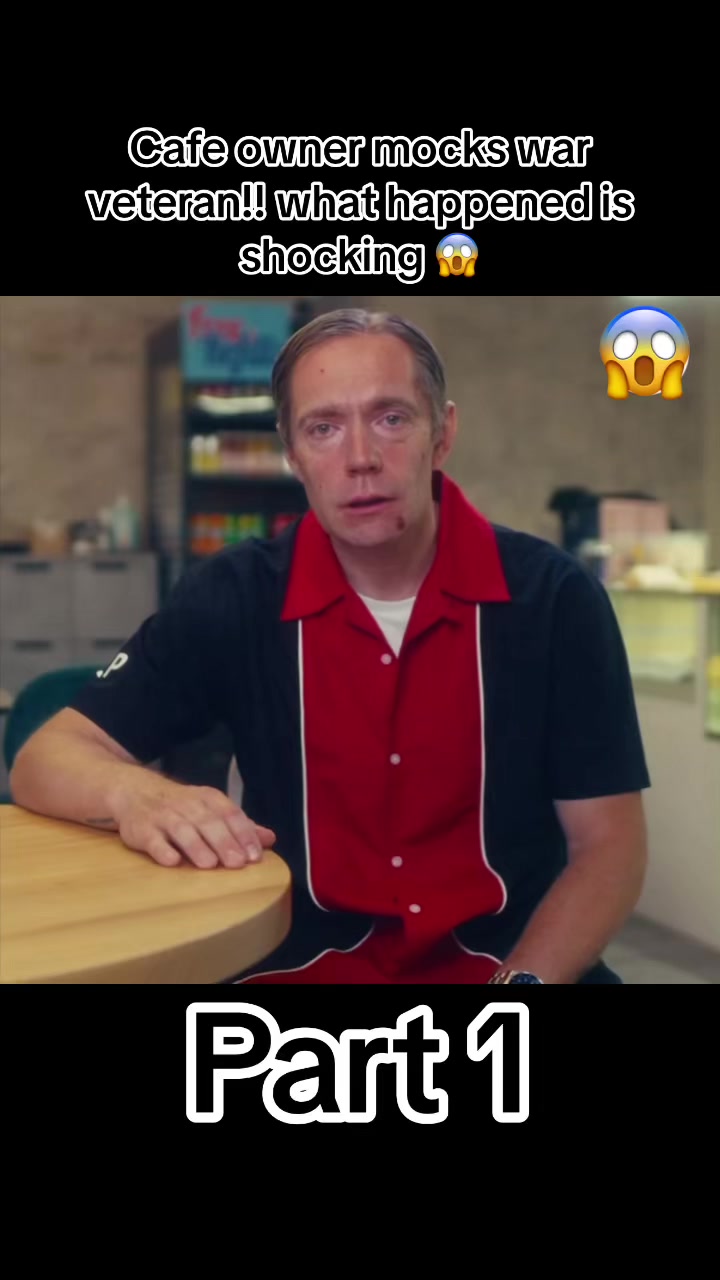
The setup of a shocking confession paired with deliberate cliffhanger framing ("Part 1") creates anticipation that keeps people watching and saving for the payoff. Curiosity combined with respect for veterans taps into genuine interest, not just outrage bait.
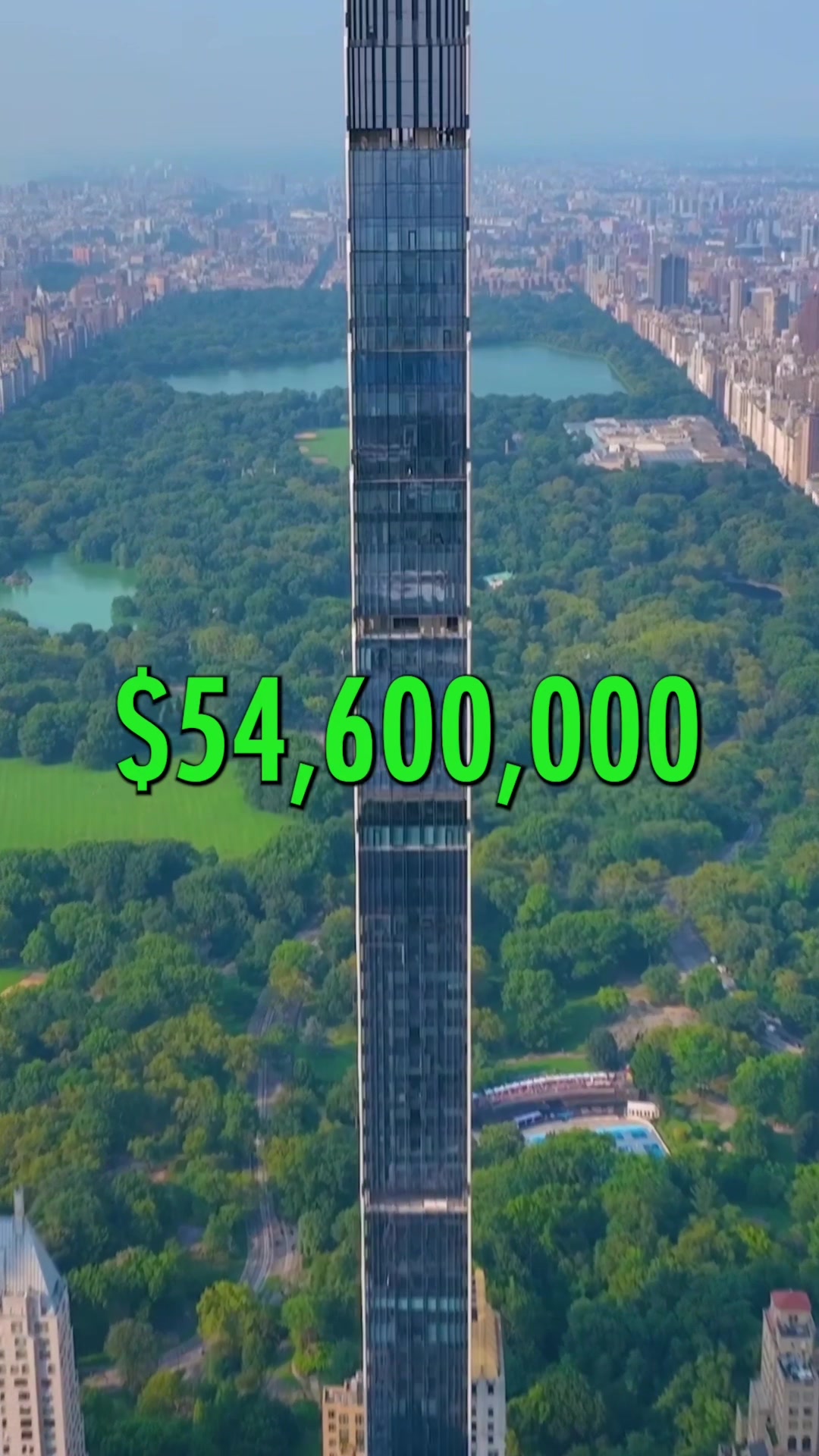
The sheer absurdity of the price tag paired with the aerial perspective makes the luxury feel almost unreal. People can't help but react to a number that big, especially when framed against what that money could buy instead. The scale and isolation of the tower emphasize how removed this world is from their own.
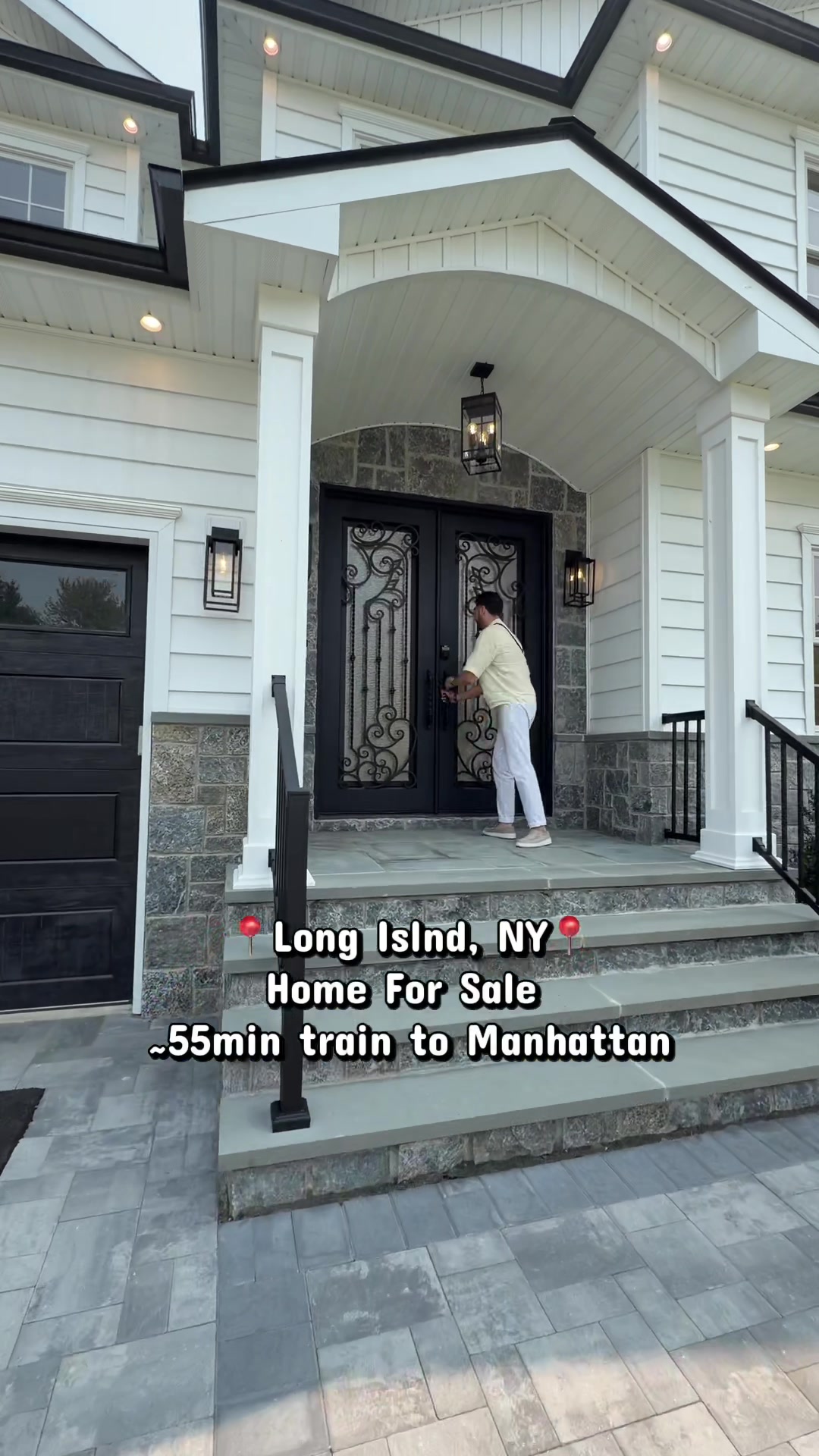
The post exploits curiosity by withholding key information (price and location) until the end, forcing viewers to watch through. Pairing aspirational architecture with practical details like "55min to Manhattan" speaks to people weighing lifestyle trade-offs, not just window shopping.
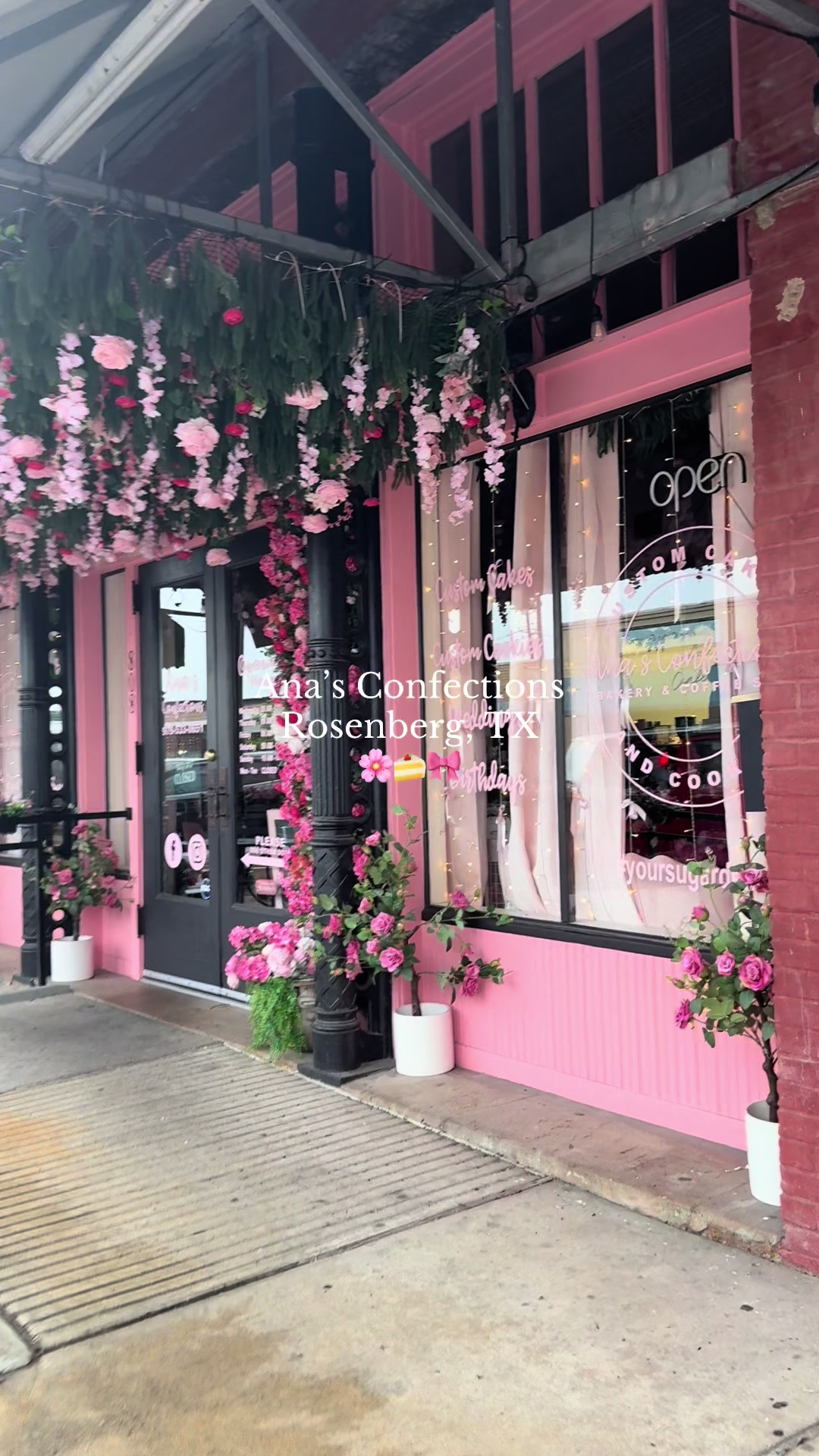
The aesthetic perfection and local specificity created discovery moments for people in the same area who'd somehow missed this gem, turning a simple storefront video into a "I need to visit this" trigger rather than just a pretty picture.
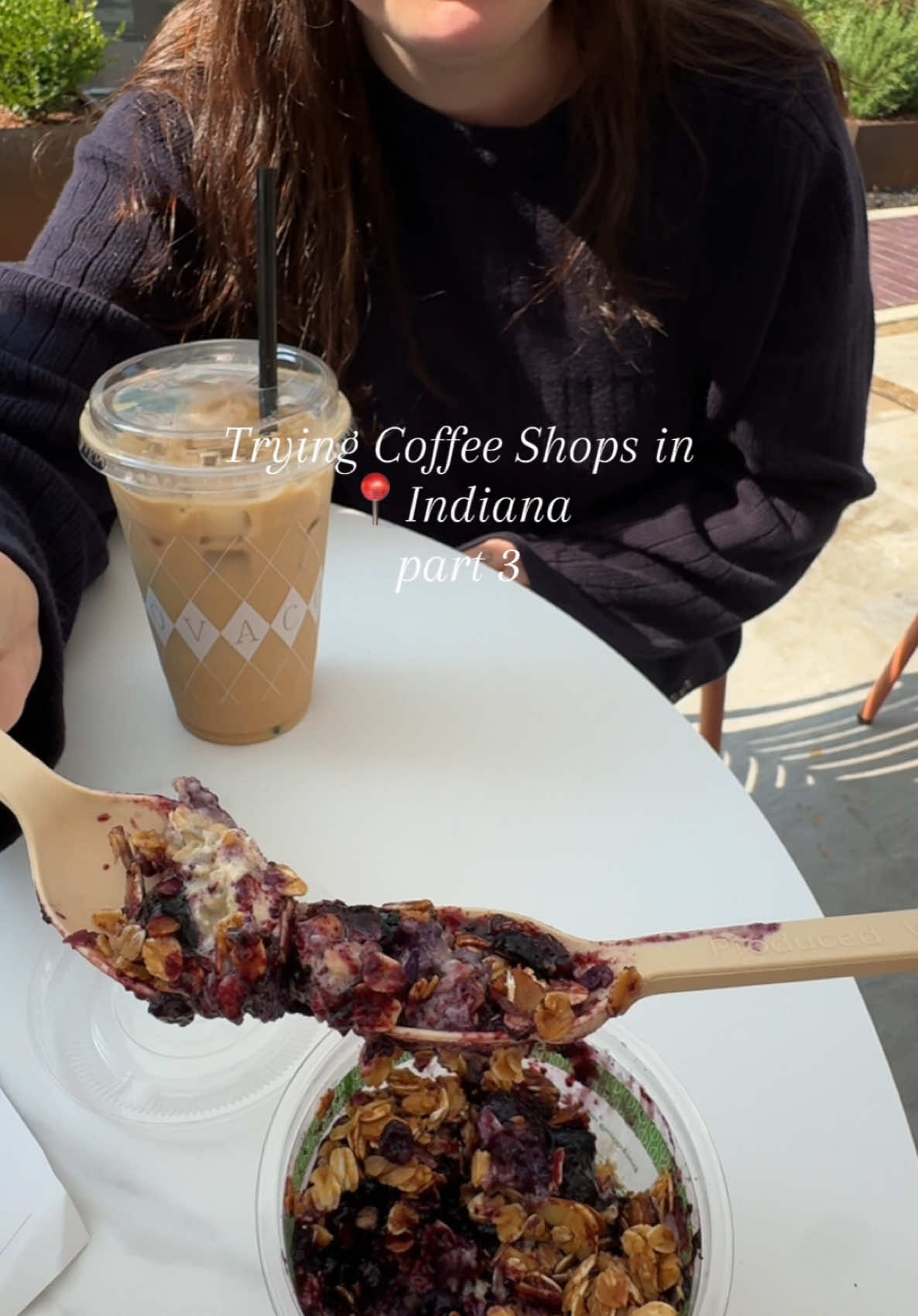
A series format creates anticipation and community participation. By positioning this as "part 3," viewers feel invested in discovering all entries and actively nominate locations, turning the content into an interactive local guide that keeps people coming back.
People are hungry for honest takes on immigration and work opportunities abroad. The post hits that sweet spot between aspirational (Australia's legendary work-life balance) and realistic (it's complicated), which sparks genuine curiosity rather than eye-rolling idealism.

The deliberate boundary-setting hits because it's honest about limits. Life coaches often blur into therapy territory, and calling that out directly makes the creator credible instead of overstepping, which people respect.
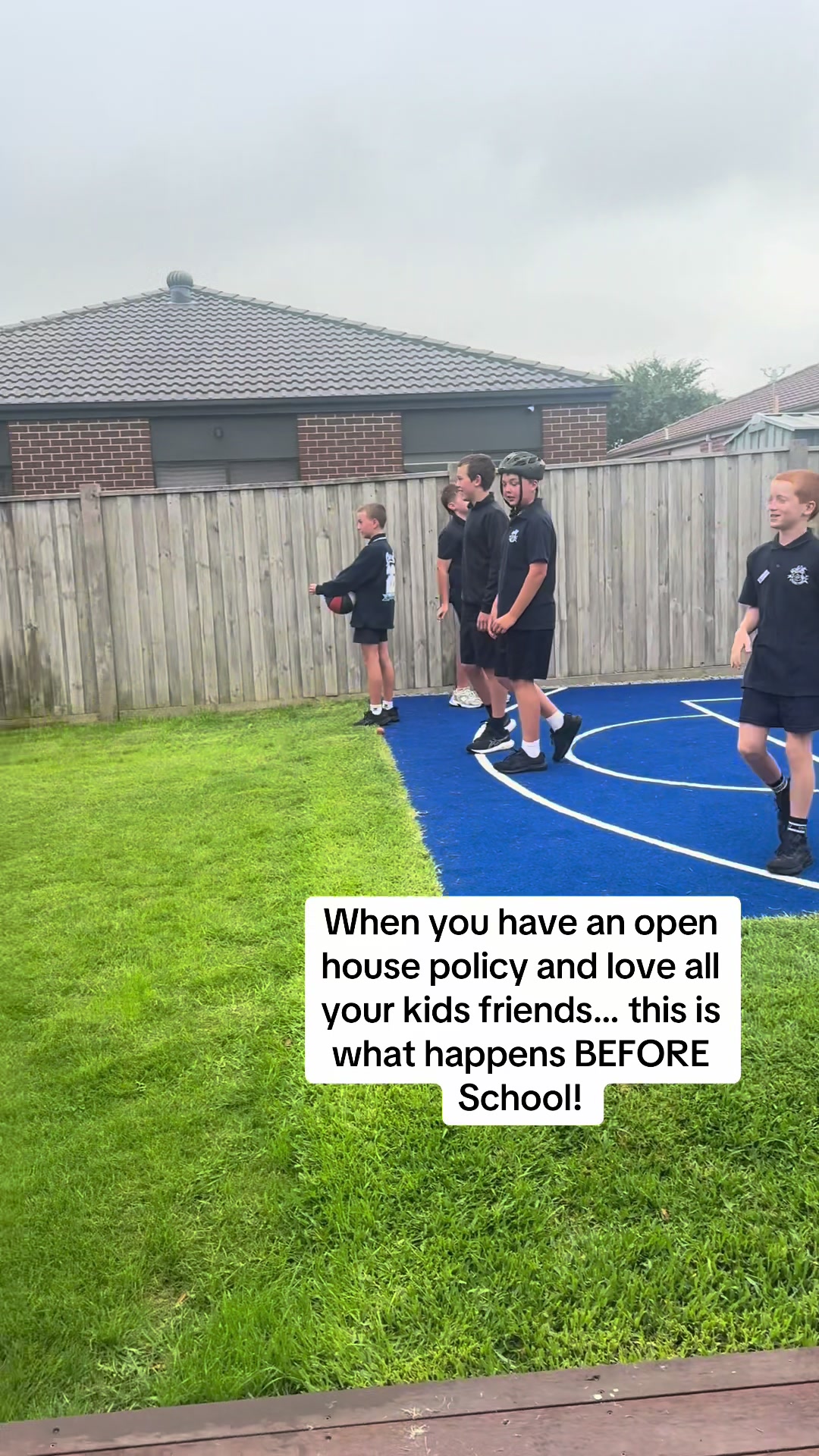
Parents recognize the aspirational lifestyle of having a home kids actually want to gather at, plus the relatable chaos of managing pre-school energy. The authentic moment (messy, active, real) feels refreshingly honest compared to curated parenting content.
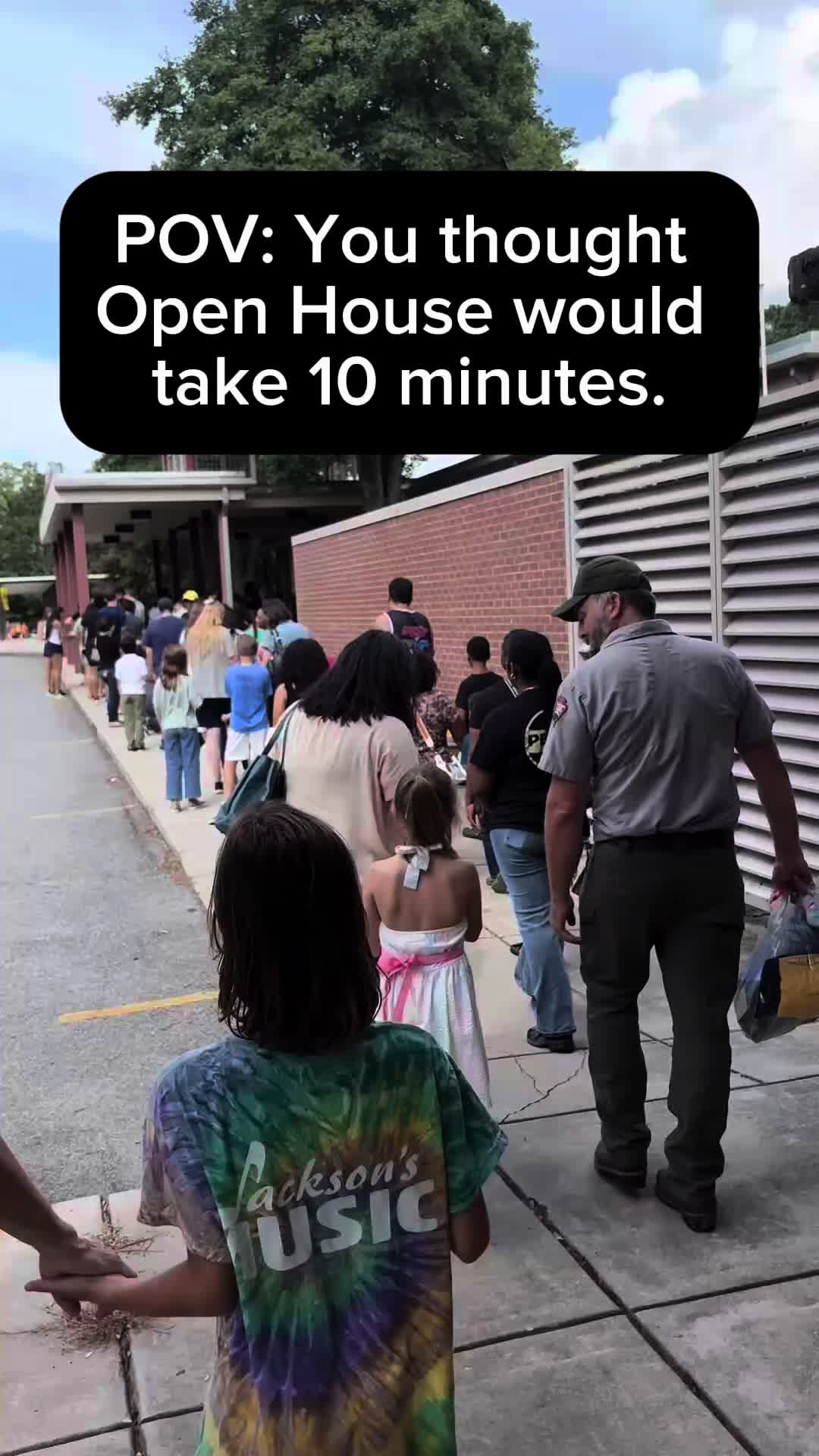
The relatable chaos of parent expectations clashing with reality hits a nerve. People recognize the specific frustration of showing up to a crowded event without accounting for everyone else having the same idea, wrapped in the universal experience of school open houses.
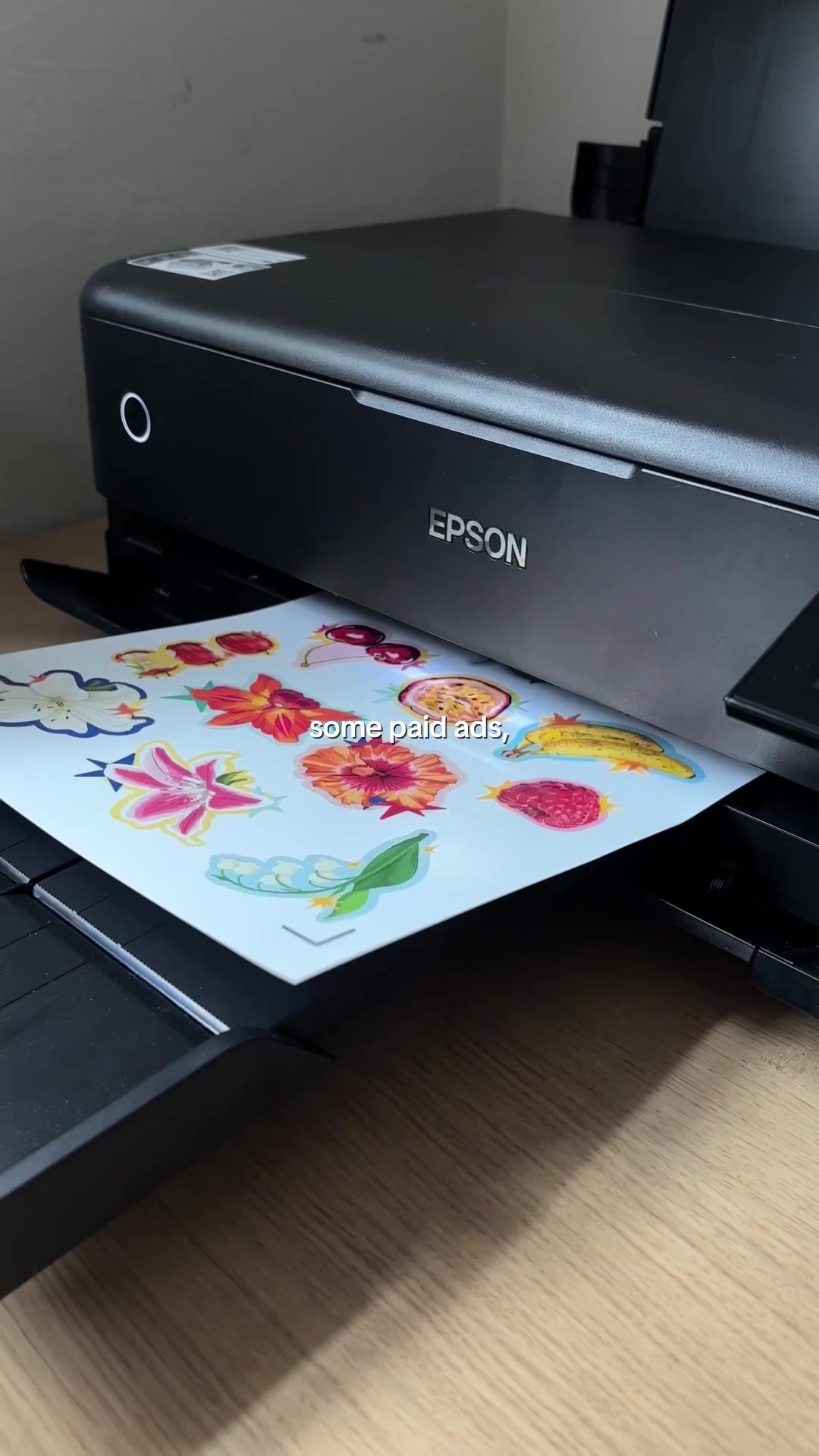
People rallied behind a small creator choosing authentic craft over AI shortcuts. The raw act of hand-drawing stickers in 2024 feels like a quiet rebellion, and viewers responded by celebrating the human effort itself rather than just the product.

The self-aware humor breaks the stiff realtor mold. Jumping around like an excited kid flips the script from "professional showing" to "genuine enthusiasm," making the property feel worth caring about and the agent genuinely likeable.
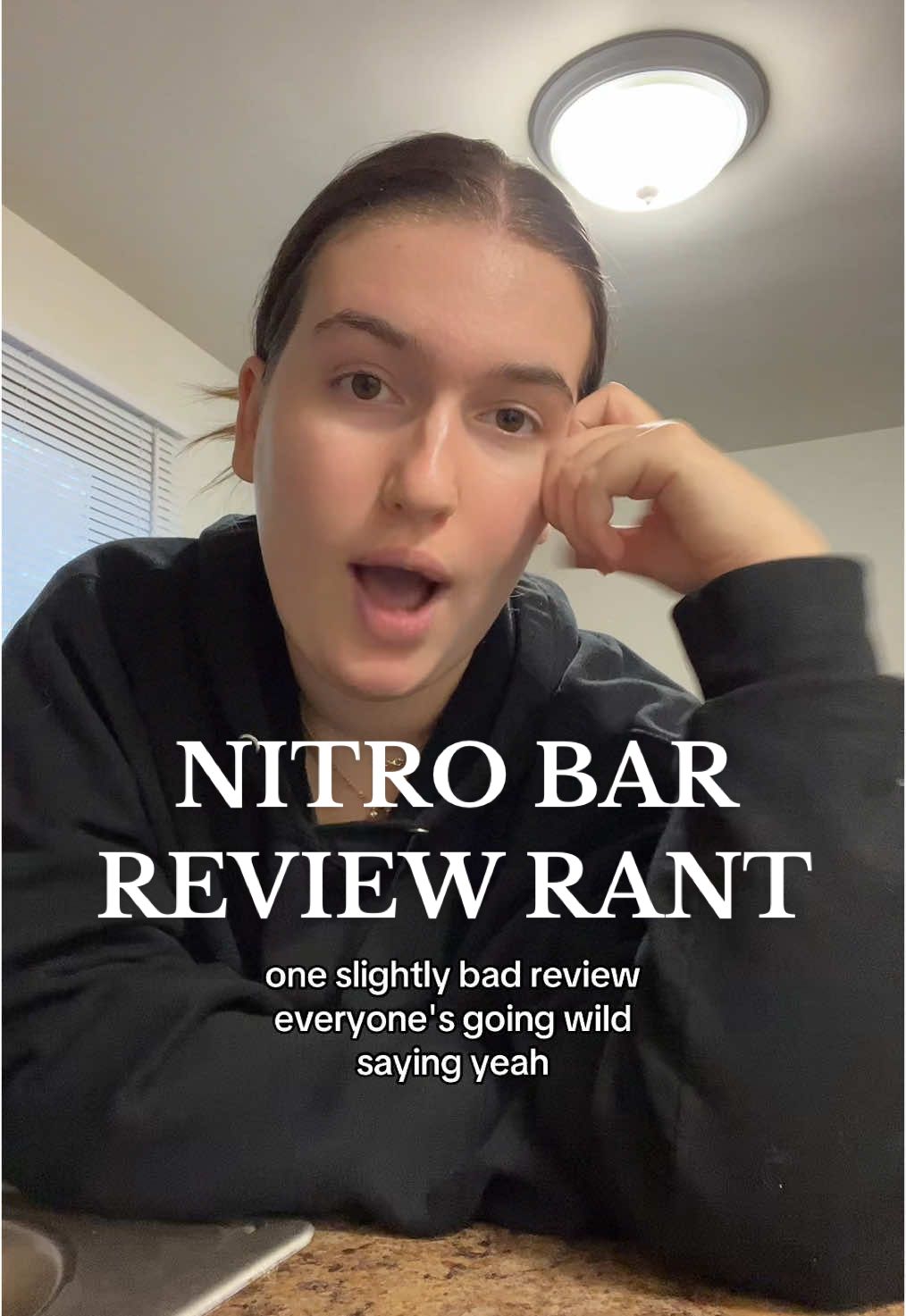
This post flipped a narrative by defending a small business owner against online criticism, tapping into the universal frustration of watching someone get piled on unfairly. People connected with the vulnerability of running something in public and the empathy for imperfection.
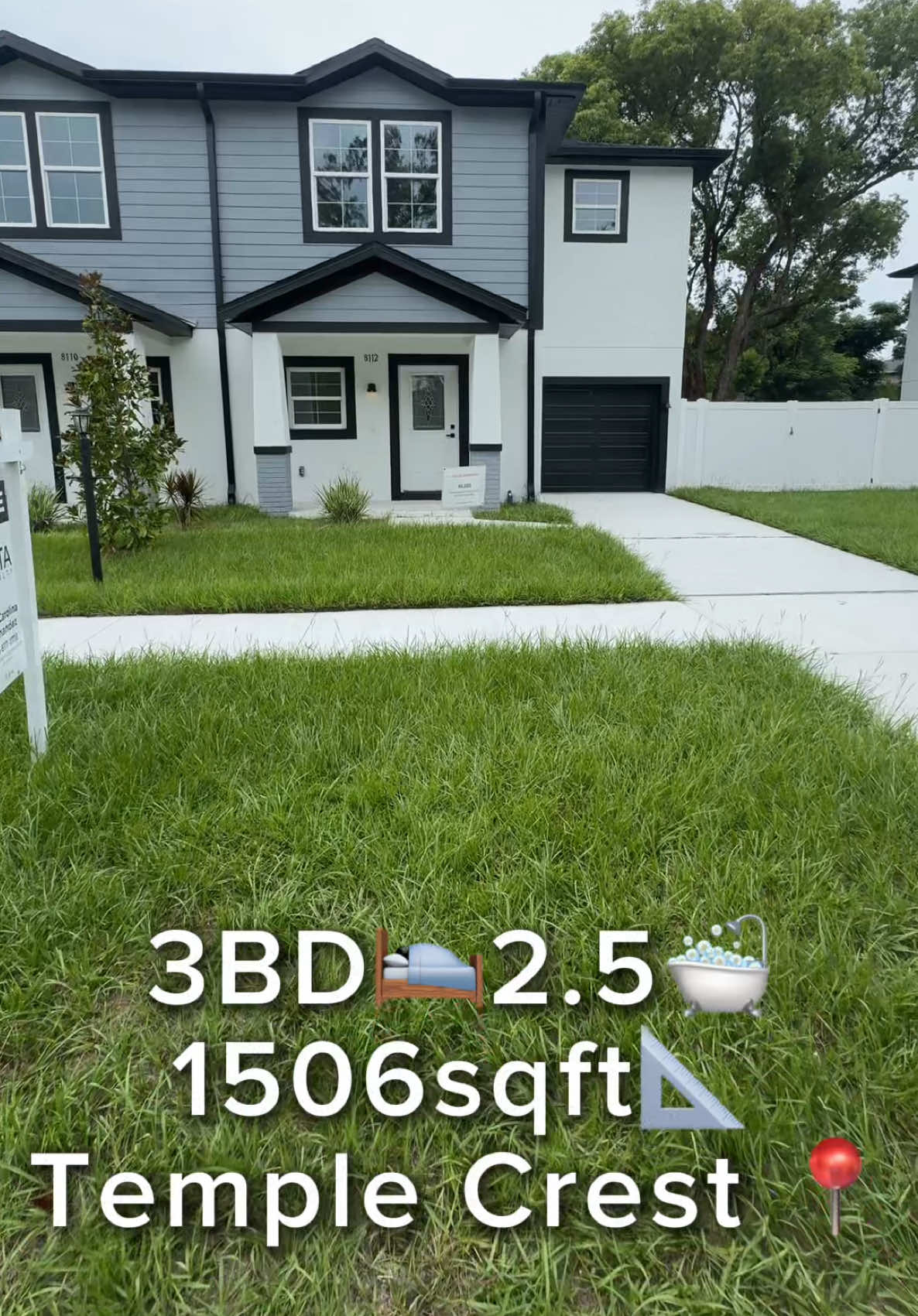
People engage heavily with real estate posts that show the actual product clearly and invite immediate debate. The straightforward specs and clean visuals sparked conversation about value and neighborhood context, turning the listing into discussion rather than passive scrolling.
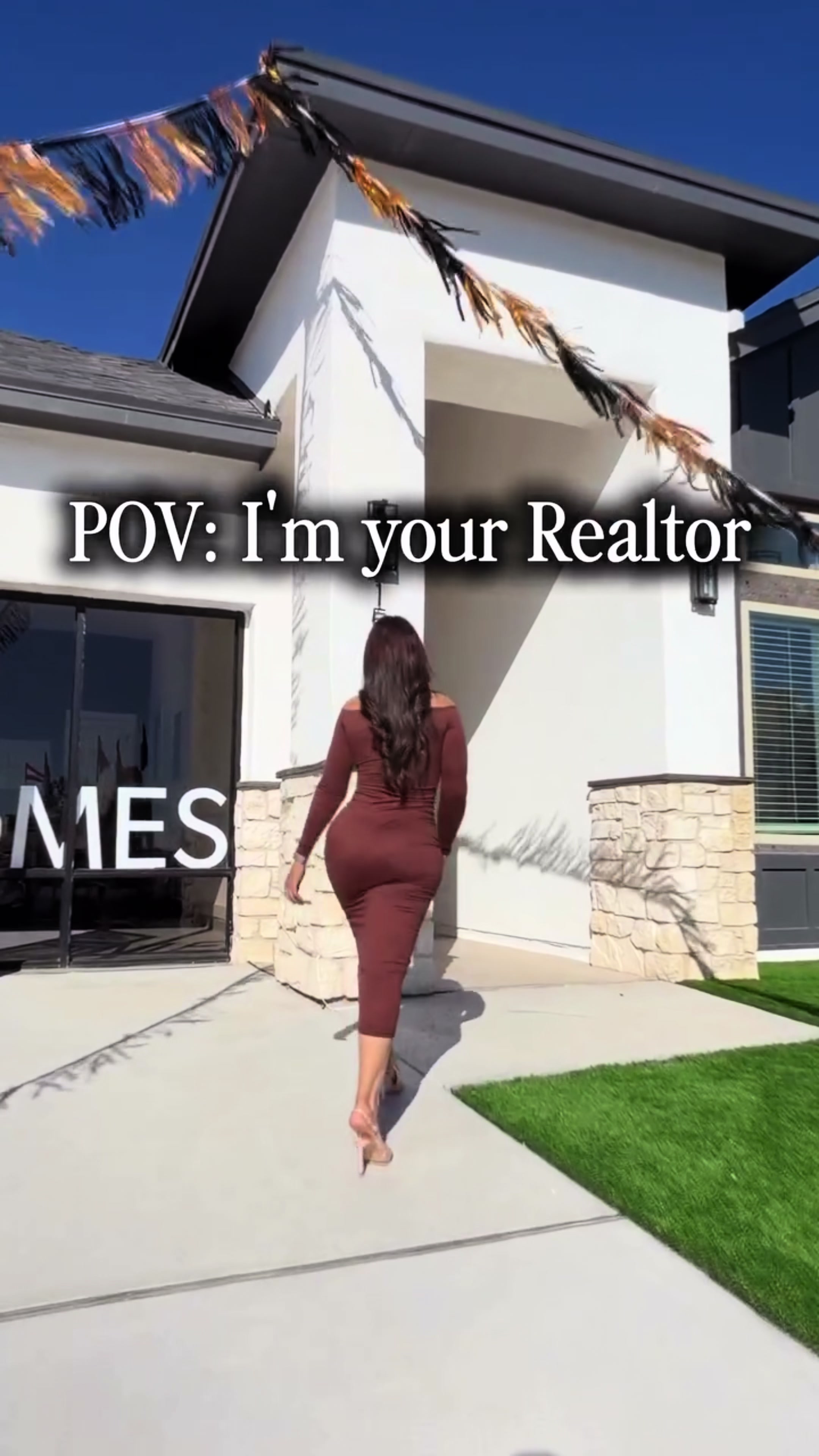
The post nails the tension between attraction and competence by flipping the realtor pitch into self-aware humor. It acknowledges what catches attention upfront, then pivots to the actual value prop, making the agent feel honest instead of sleazy. People comment because it validates their skepticism about sales tactics while rewarding the creator's transparency.

People crave permission to admit their non-linear careers don't match their degree. By openly sharing his own mismatch (engineering to journalism), he created space for others to confess their pivots without shame, turning a vulnerable moment into collective validation.
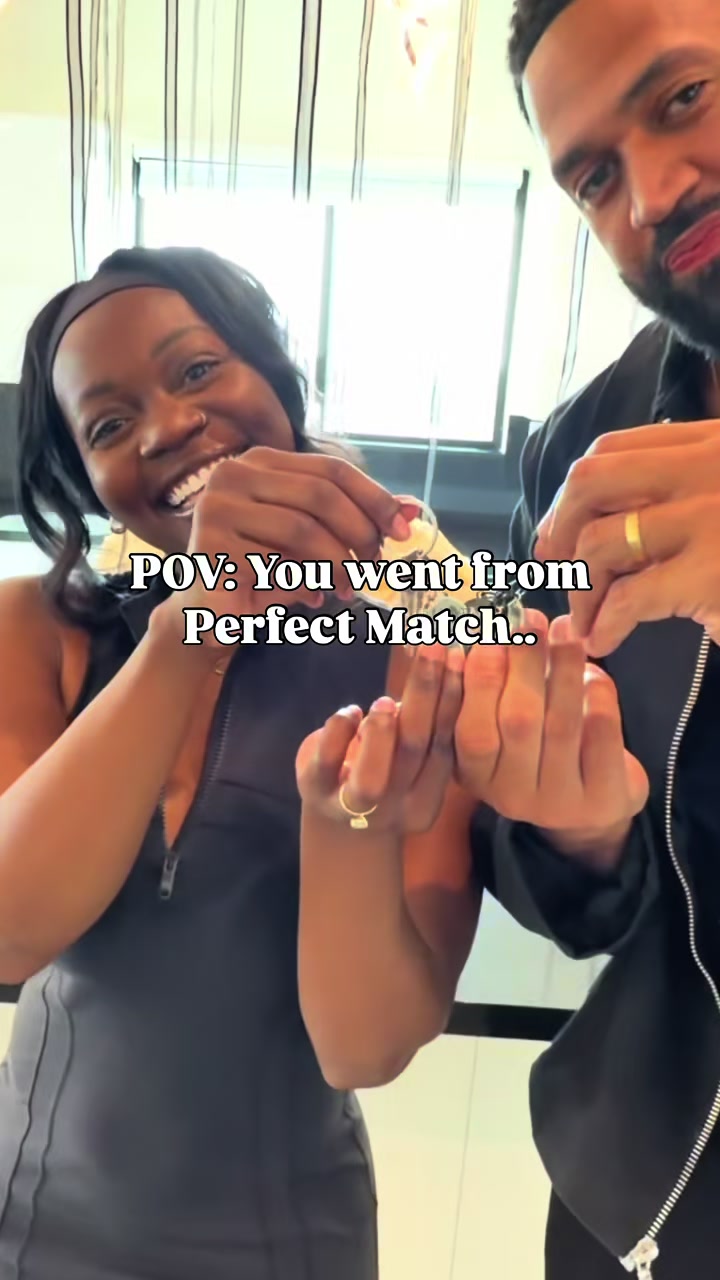
People love seeing real-life couples from reality TV achieve milestones together. The post taps into genuine investment in their relationship journey, pairing that emotional stake with a tangible life moment (buying a home) that feels like a true victory lap.
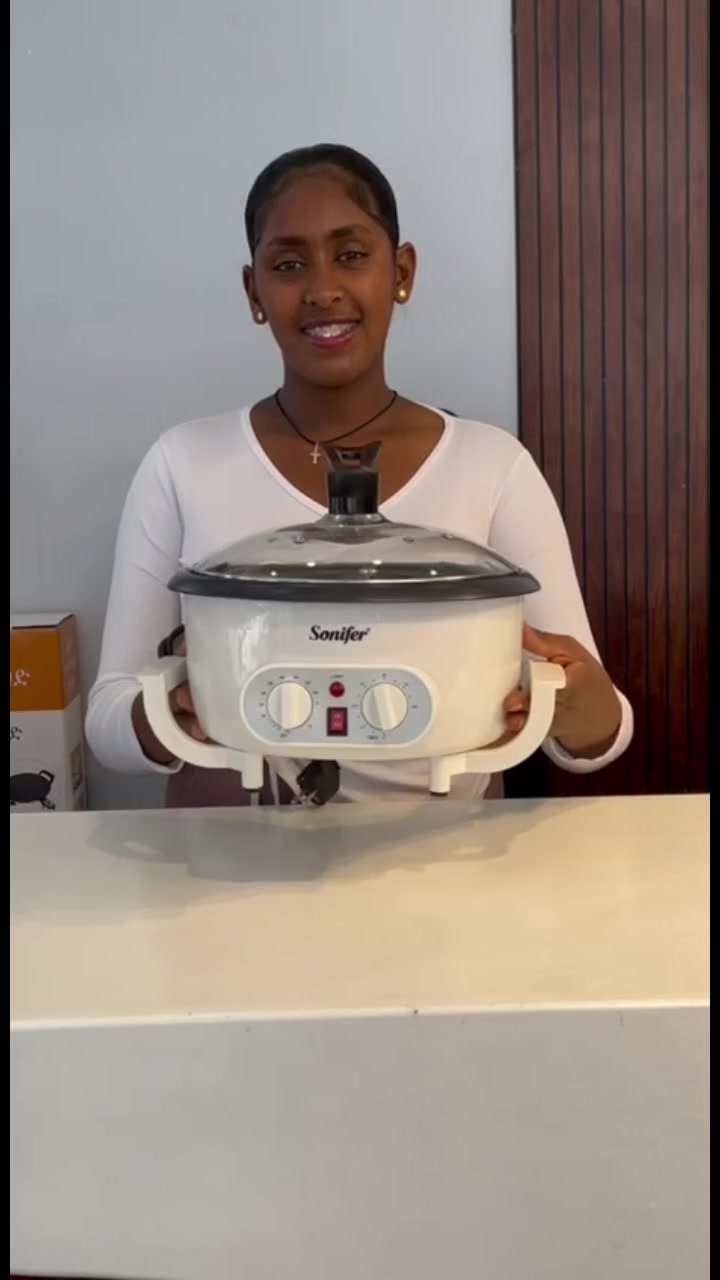
Direct product presentation with genuine enthusiasm cuts through noise. The straightforward approach, authentic smile, and clear product visibility work because people want to see what they're actually buying—no fluff, just honest endorsement.
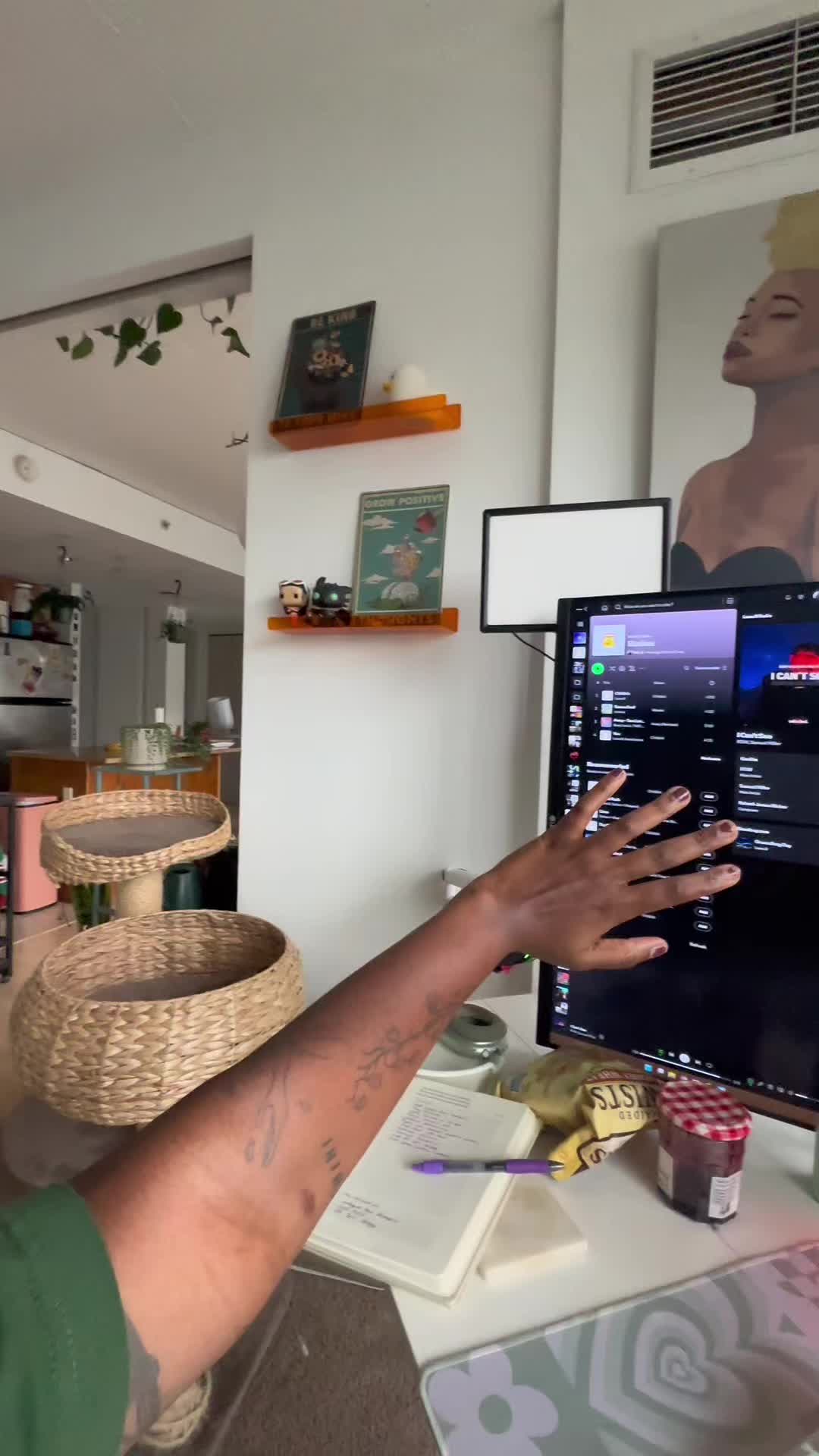
The unfiltered desk setup and hands-on screen interaction builds credibility through showing actual work rather than talking about it. People save this because it feels like a genuine peek into someone's real workflow, not a polished pitch—making the career pivot message feel attainable instead of aspirational.
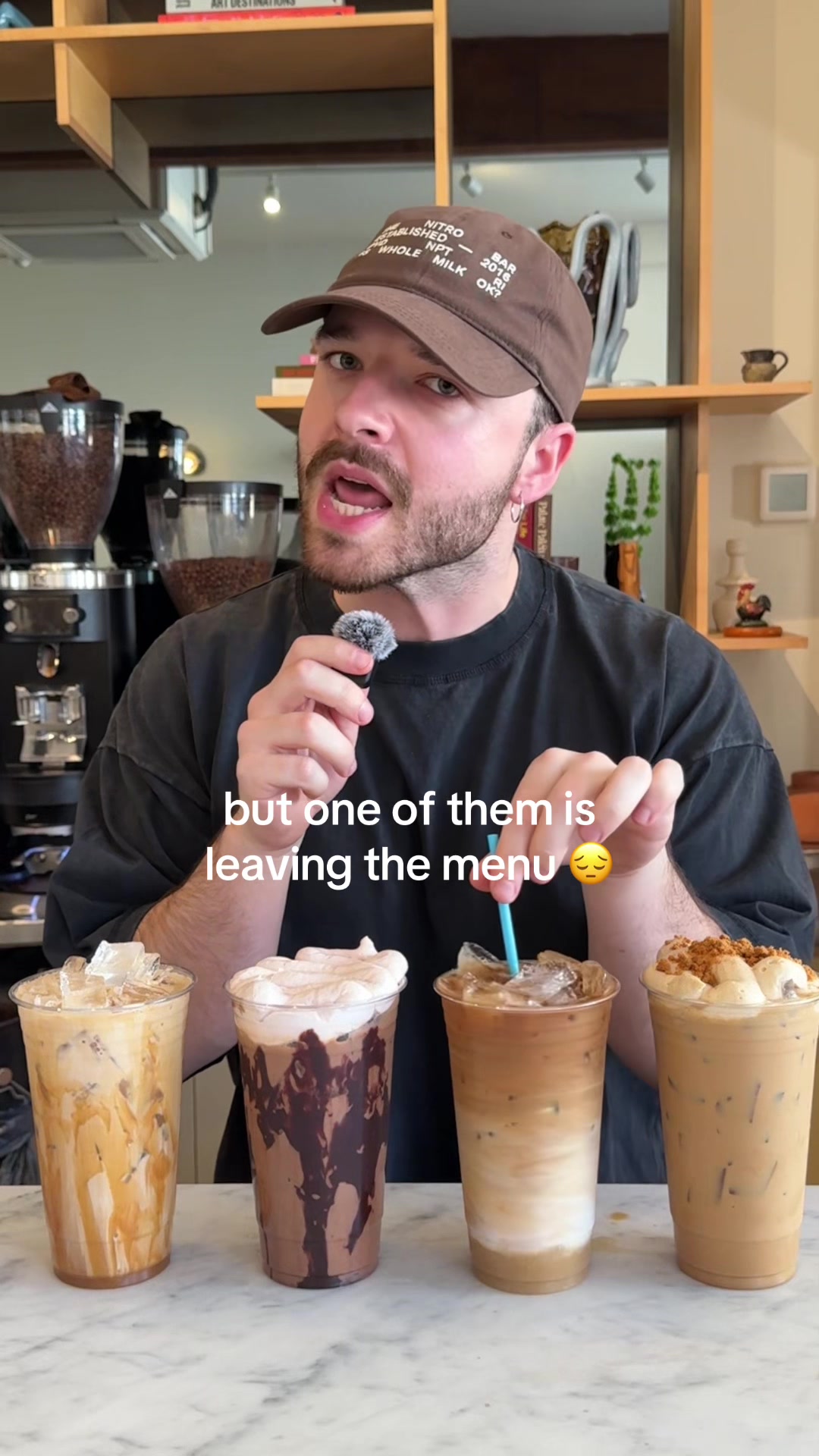
People are emotionally invested in cafe menus. By presenting four drinks and claiming one's getting cut, you're forcing them to defend their favorite, turning a simple product showcase into a high-stakes choice that feels personal.
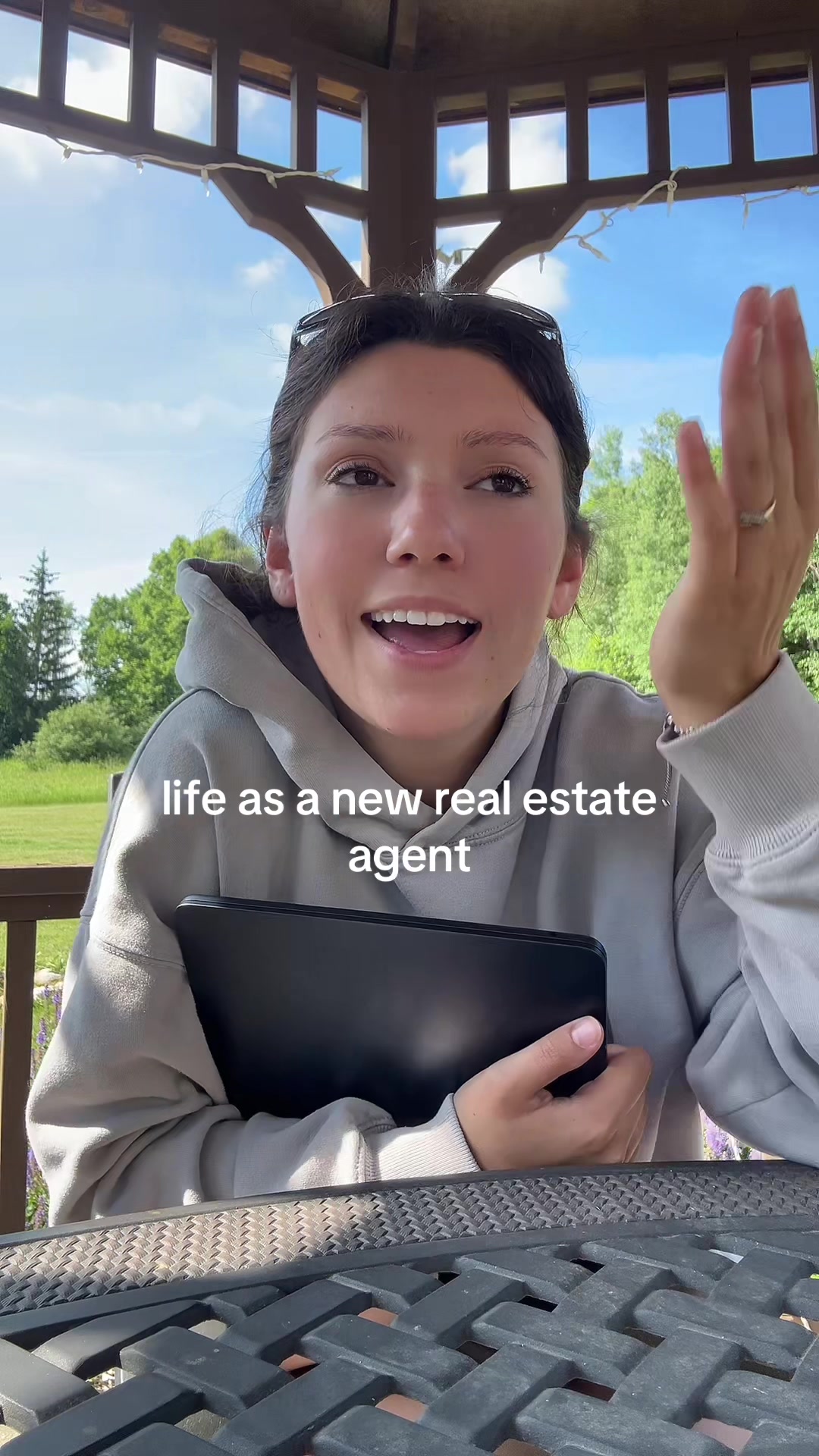
The post taps into the shared pain point of new real estate agent startup costs through self-deprecating humor and a relatable "quitting already" bit. The genuine excitement mixed with vulnerability about financial struggle creates connection with others in the same boat, turning a real frustration into something funny rather than discouraging.
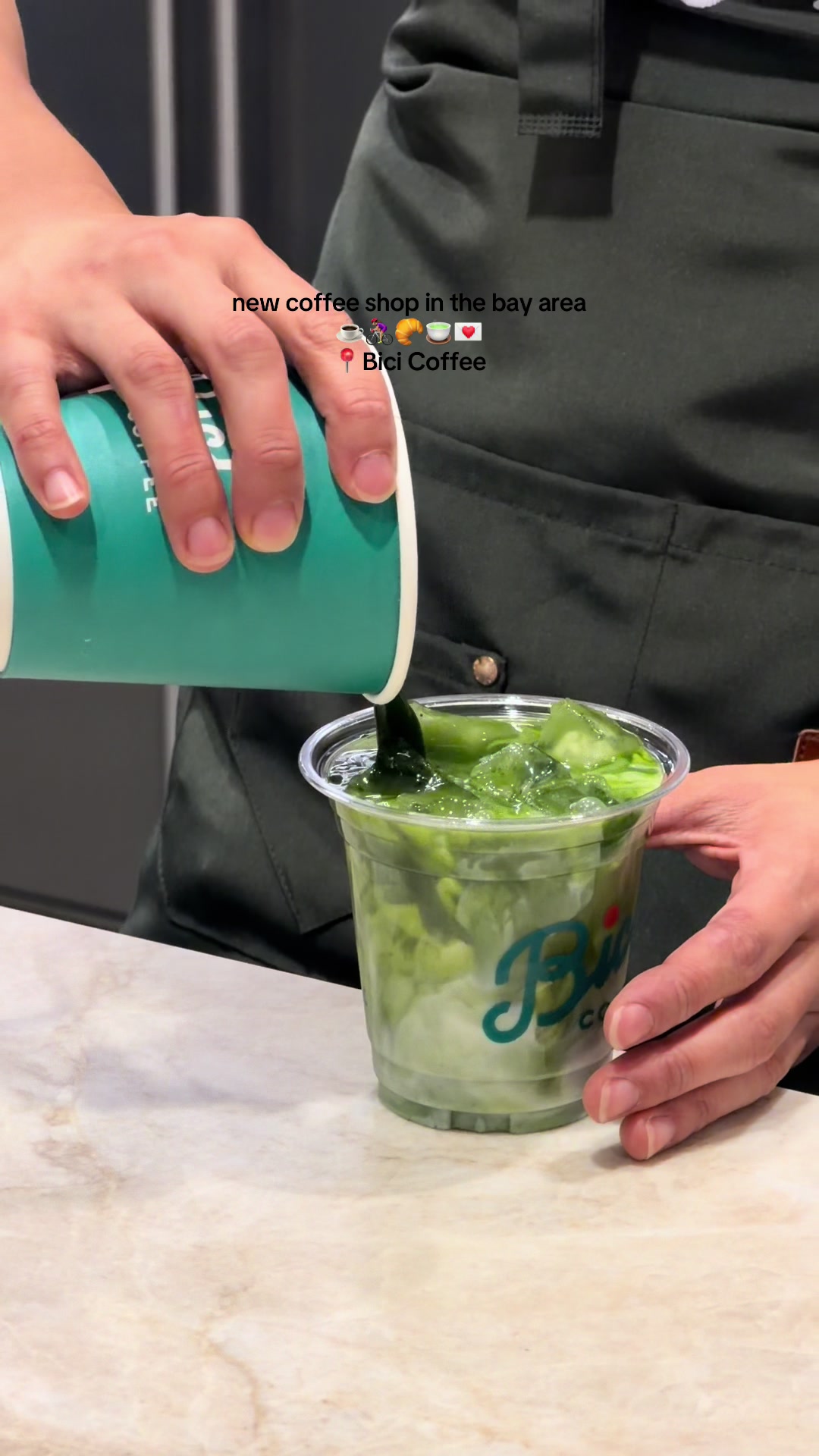
Bright, vibrant product shots with satisfying pour mechanics tap into discovery mode. People save this because it feels like a personal recommendation from someone who actually went—local, genuine, shareable.

The skeleton visual is darkly humorous commentary on real estate agent culture, tapping into a shared joke about the profession's cutthroat reputation. The "RULES" framing positions it as insider wisdom, making viewers feel like they're in on something provocative about an industry everyone has opinions about.
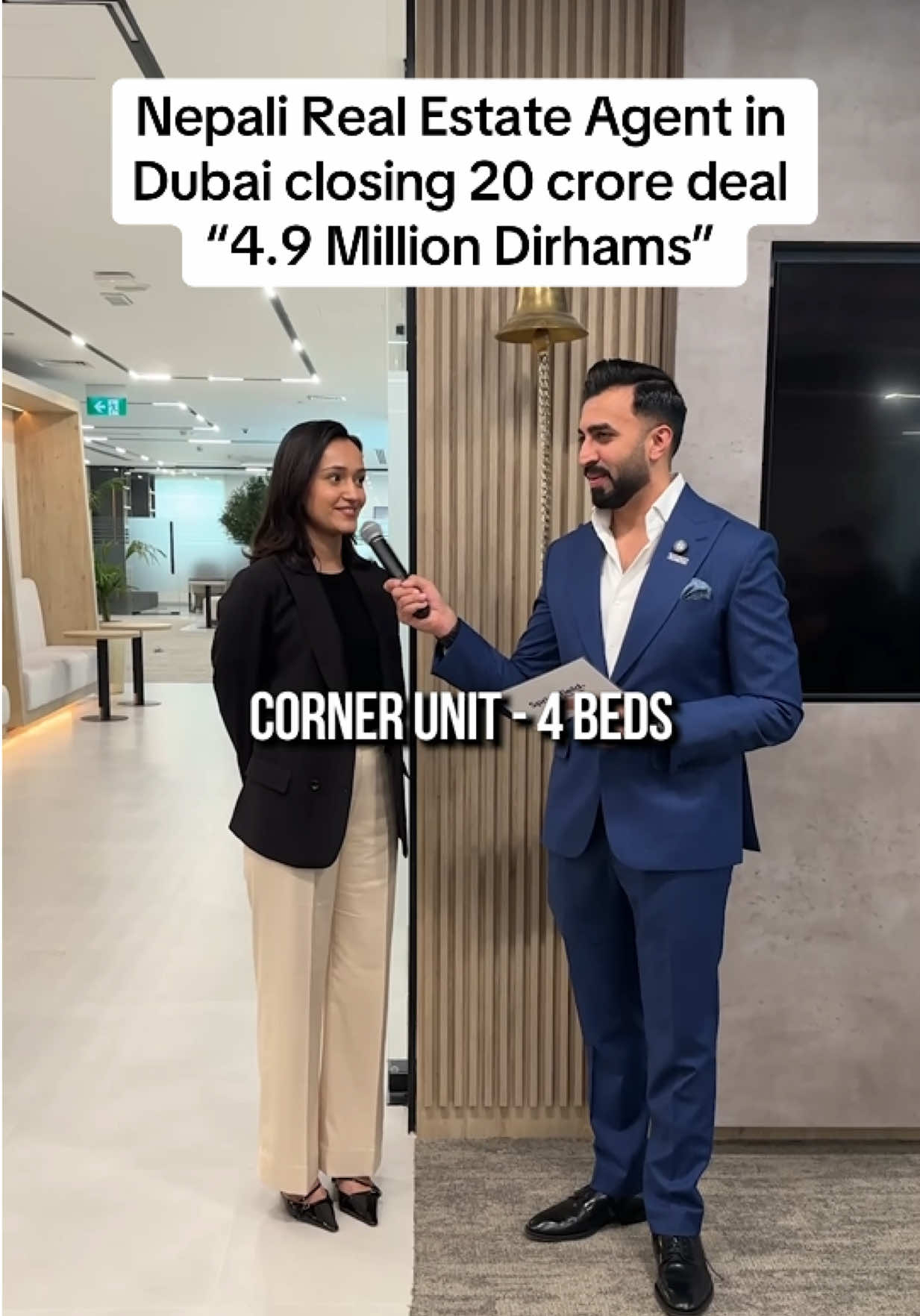
The post taps into the aspirational appeal of big-money deals while anchoring it to an underdog narrative—a Nepali agent succeeding in a competitive Dubai market. The specificity (4.9 million dirhams, corner unit, 4 beds) makes the win feel tangible, not inflated. People engage because it combines the thrill of witnessing high-stakes success with the relatability of someone breaking barriers.
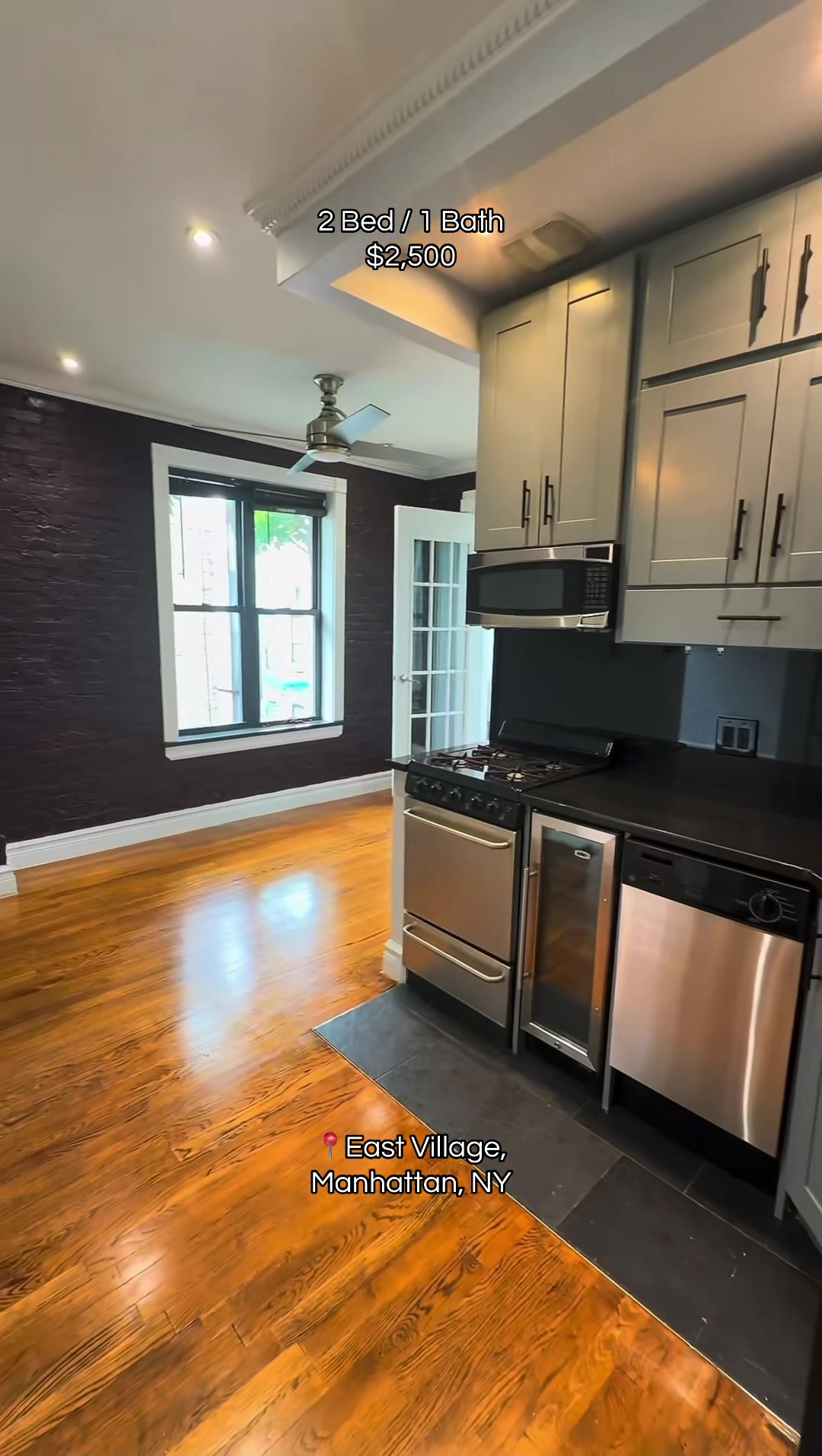
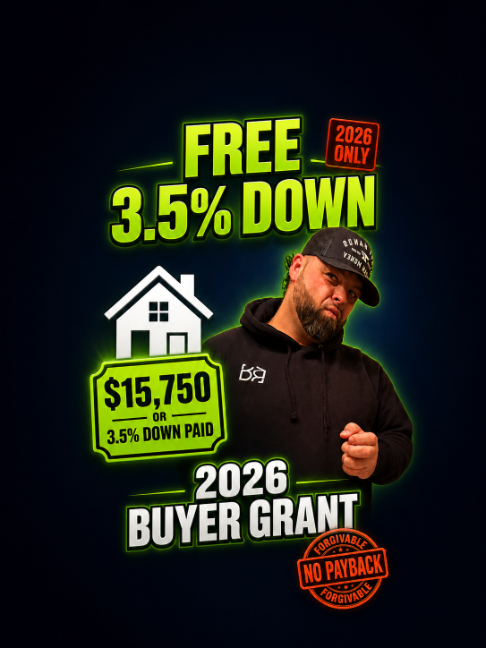
People are starved for concrete, actionable financial help. This post wins because it translates a real (if niche) program into a tangible number—$15,750 on a $450k home—that suddenly makes homeownership feel possible instead of impossible. The specificity makes it shareable.
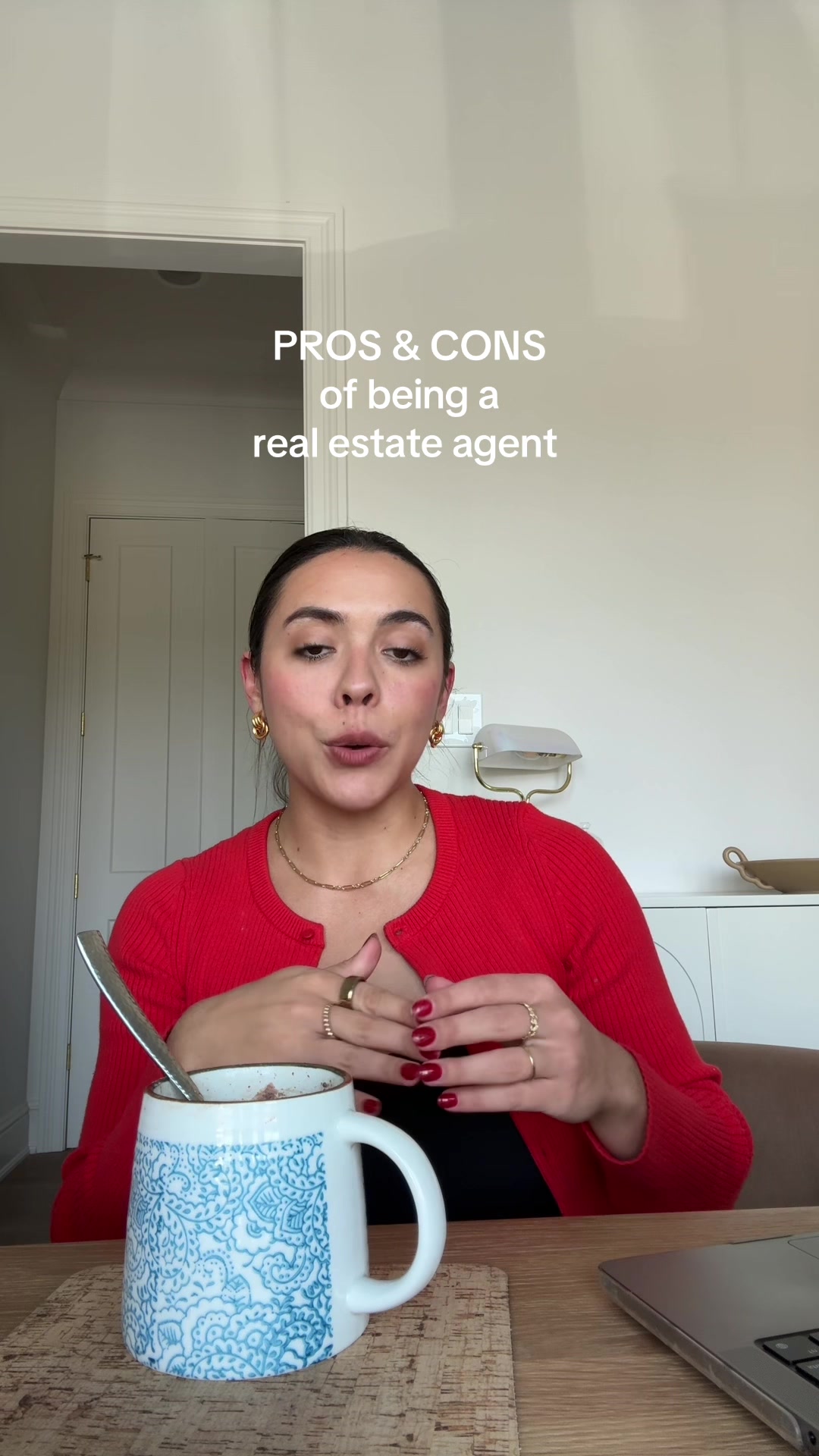
People are hungry for career reality checks from insiders. This hits the save button hard because it's genuinely useful intel presented by someone living it, not a glossy pitch. The pros-and-cons format feels like insider advice you'd trust.
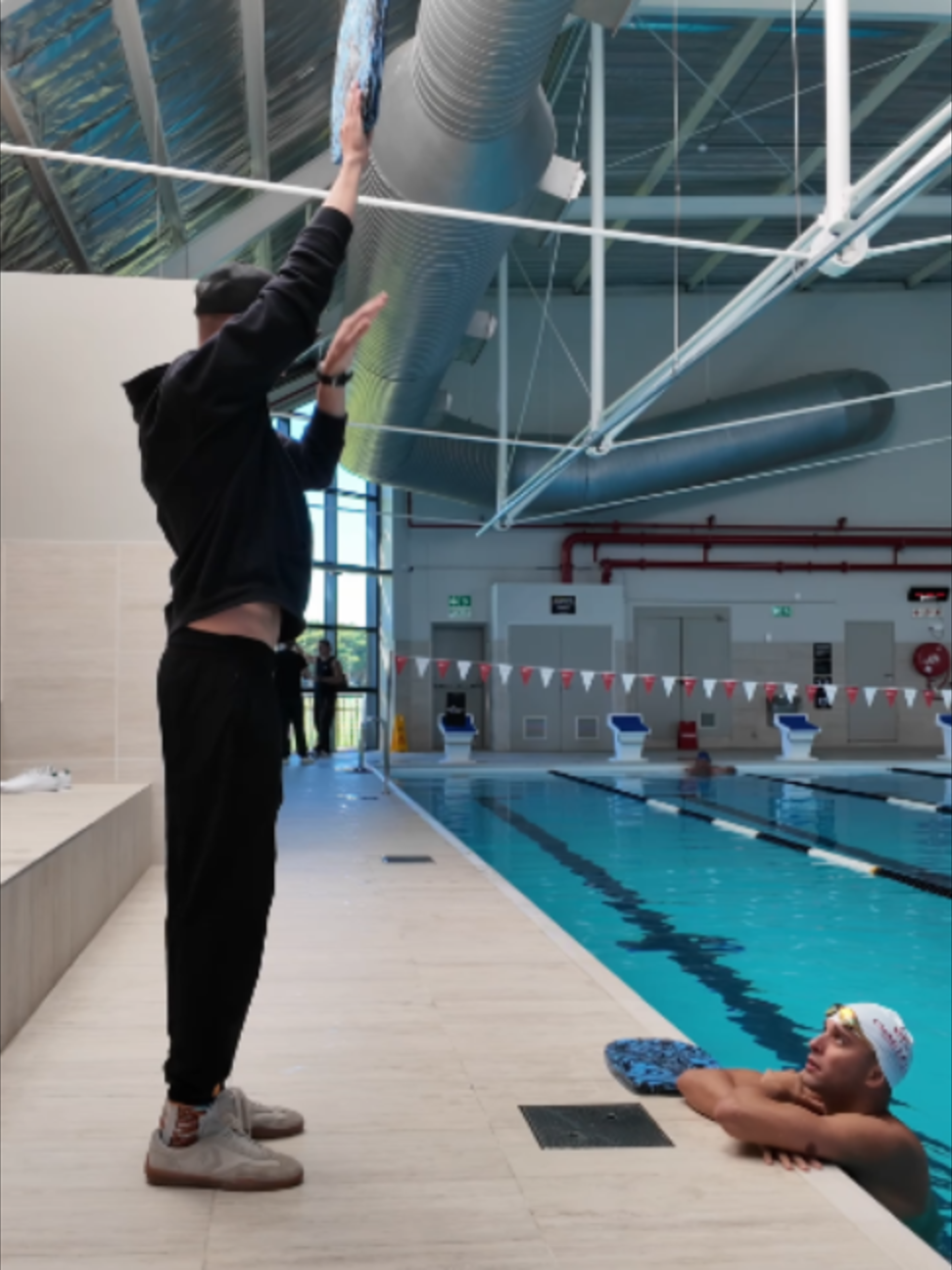
The unexpected visual gag—a coach literally reaching up while their client stays perfectly still in the pool—subverts what people expect from motivational content. The absurdist humor and the top comment revealing the "joke" (portrait vs landscape mode) creates a shareable moment that feels both silly and relatable to anyone who's ever felt confused by coaching advice.
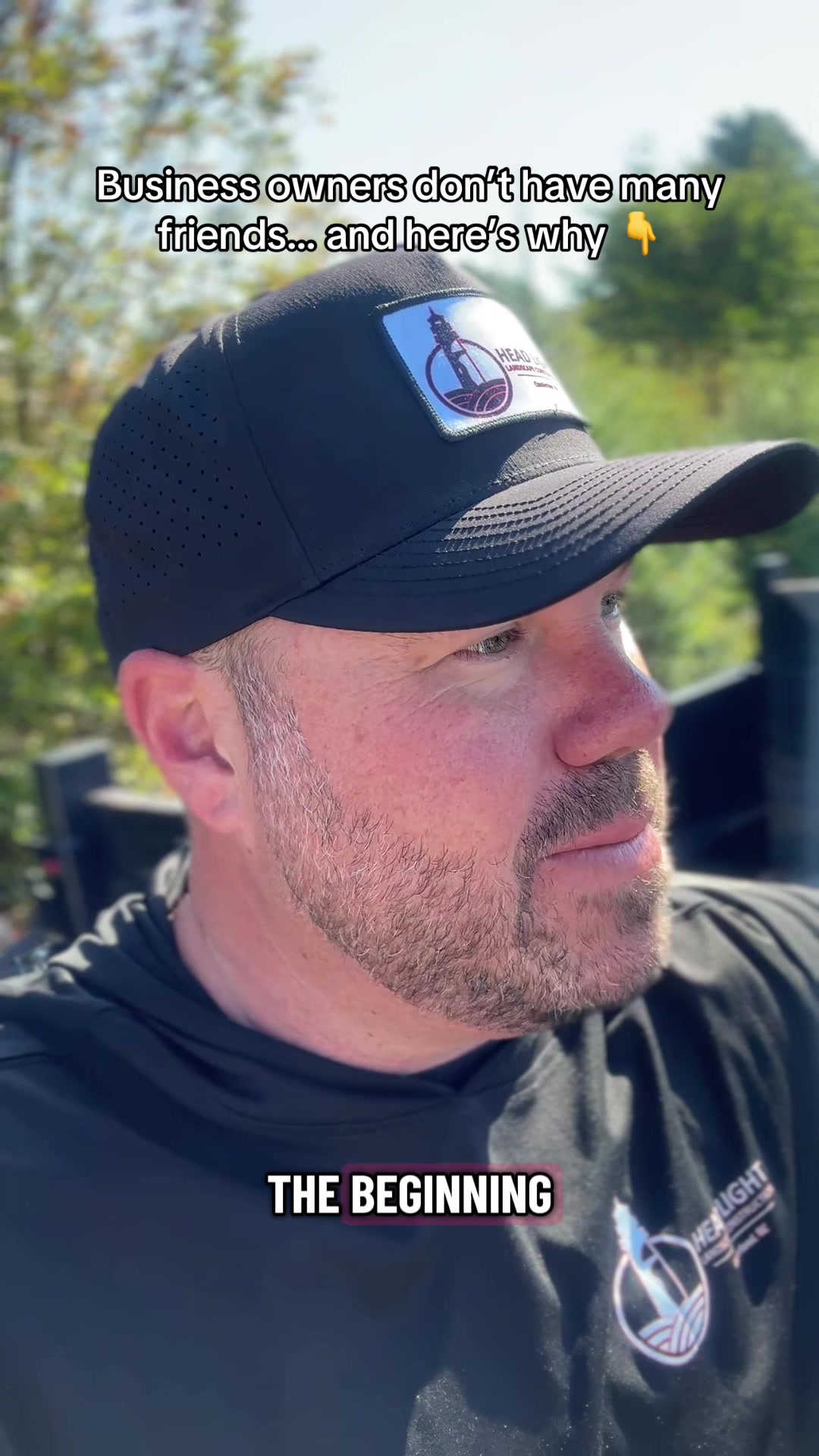
This post hits a universal pain point for entrepreneurs—the loneliness that comes with ambition. The hook promises explanation but the punchline is just "THE BEGINNING," which creates a cliffhanger that makes people feel seen and desperate to hear more.
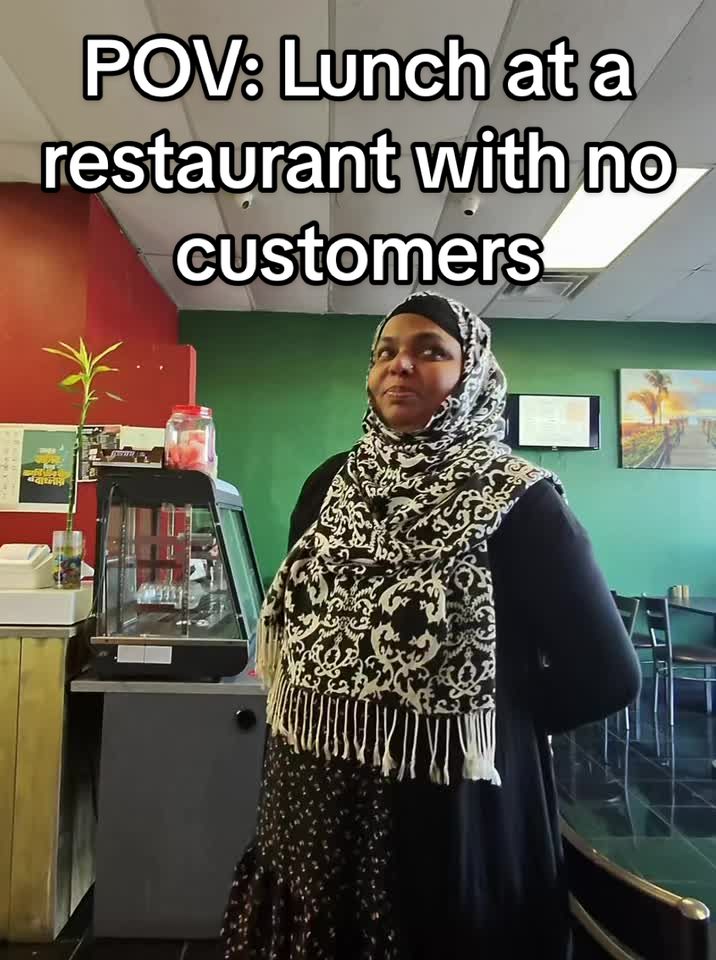
The specificity of an empty restaurant creates genuine curiosity and empathy. People want to know the story behind a struggling small business, especially when it's a POV that puts them in the owner's shoes for a moment of quiet struggle.
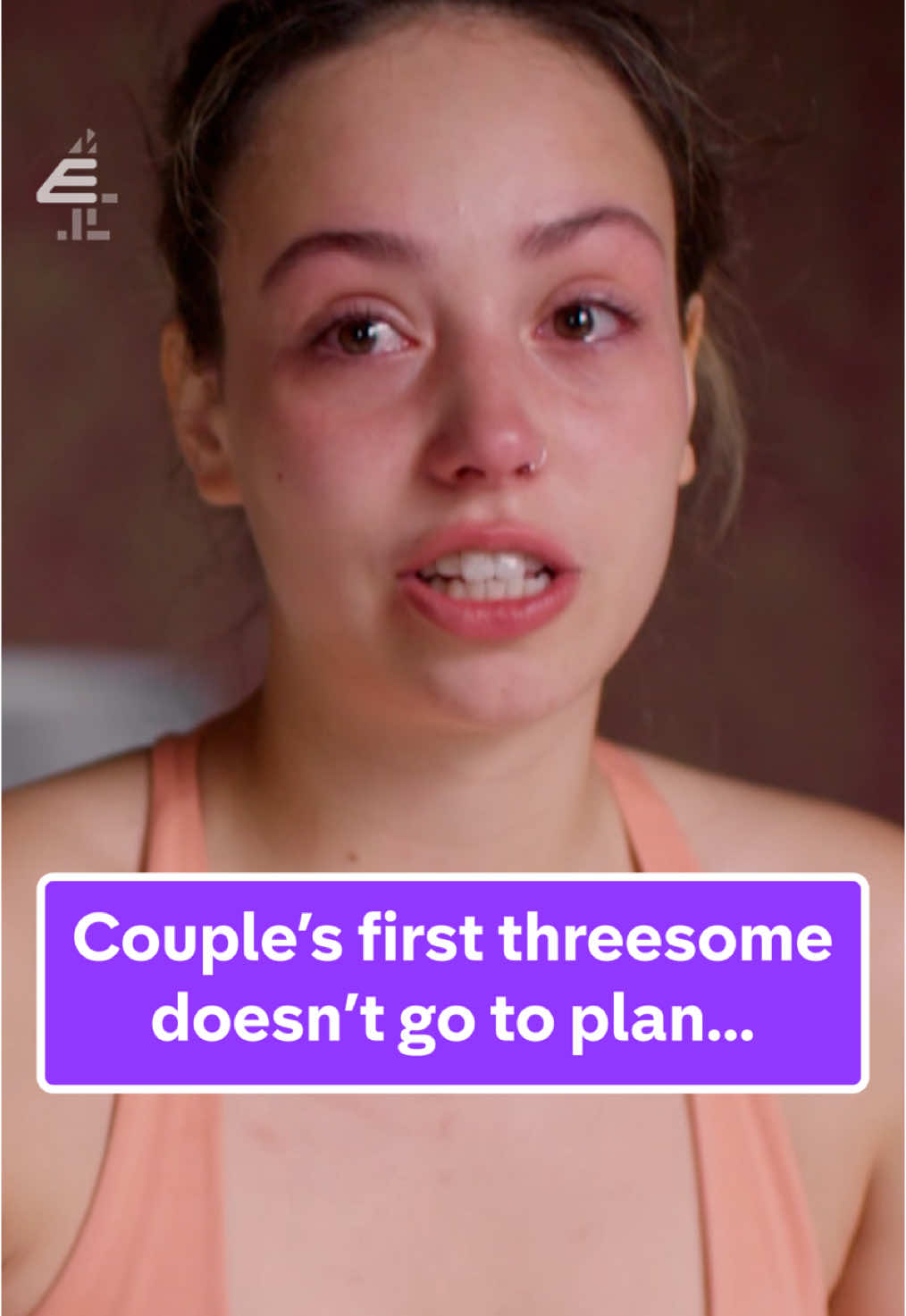
People can't resist watching relationship drama unfold in real time, especially when there's an uncomfortable truth being exposed. The raw facial expression and the setup promising chaos tapped into curiosity about how couples actually behave when things don't go their way.
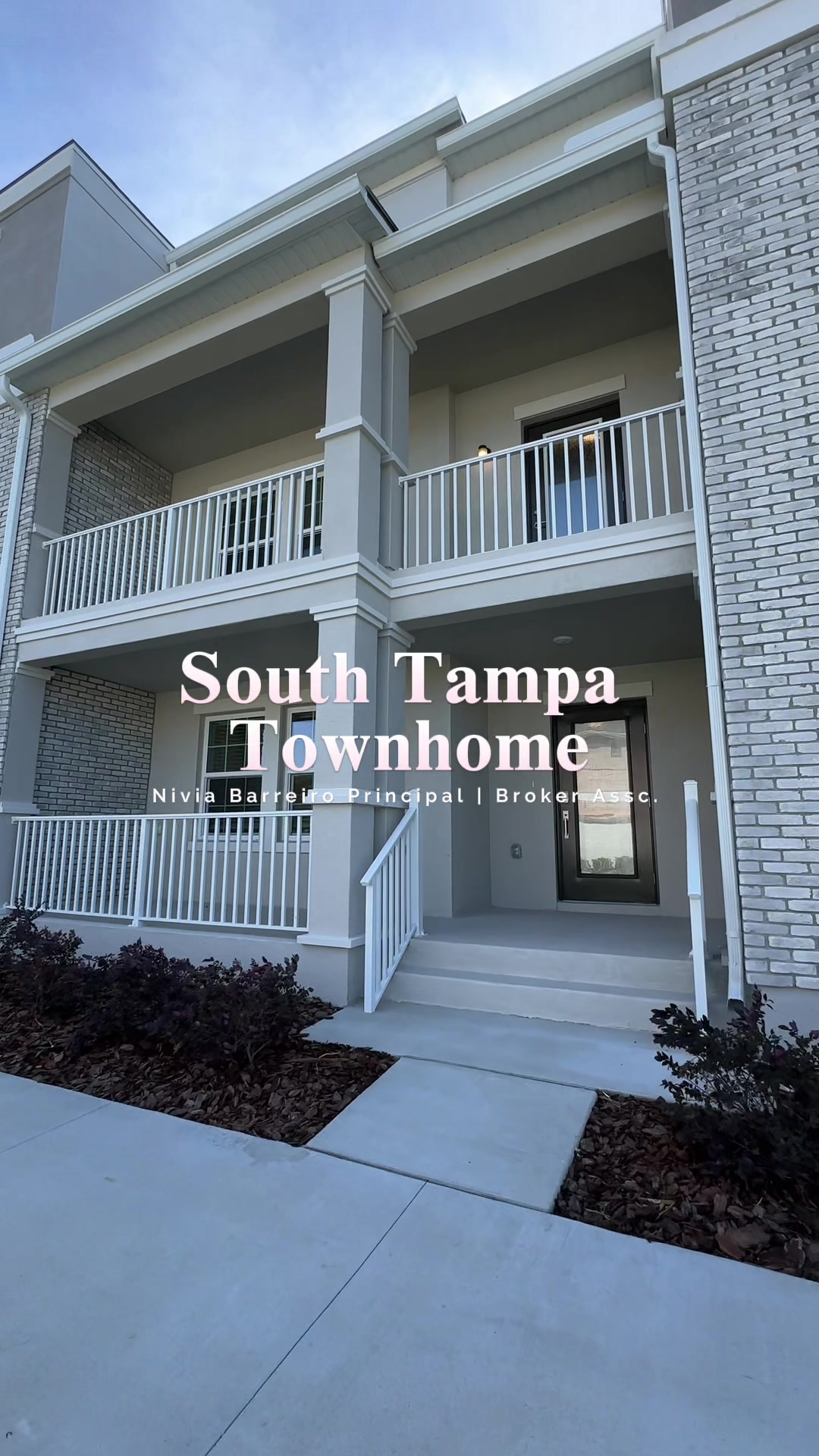
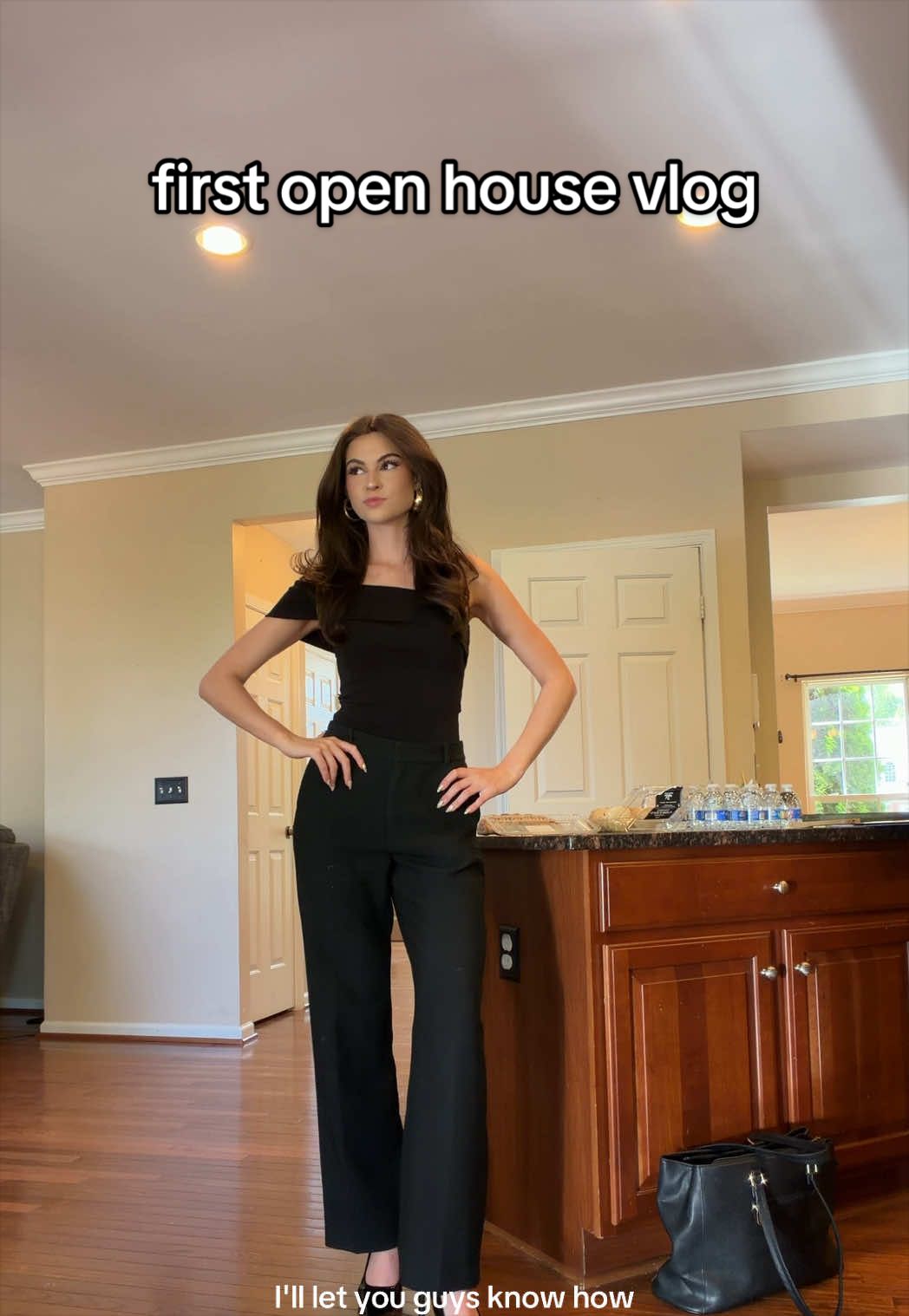
The relatable vulnerability of a first-time open house moment hits harder than polished real estate content. She's dressed to impress but literally stressed about logistics, which feels authentic to what new agents actually experience, not the highlight reel version.
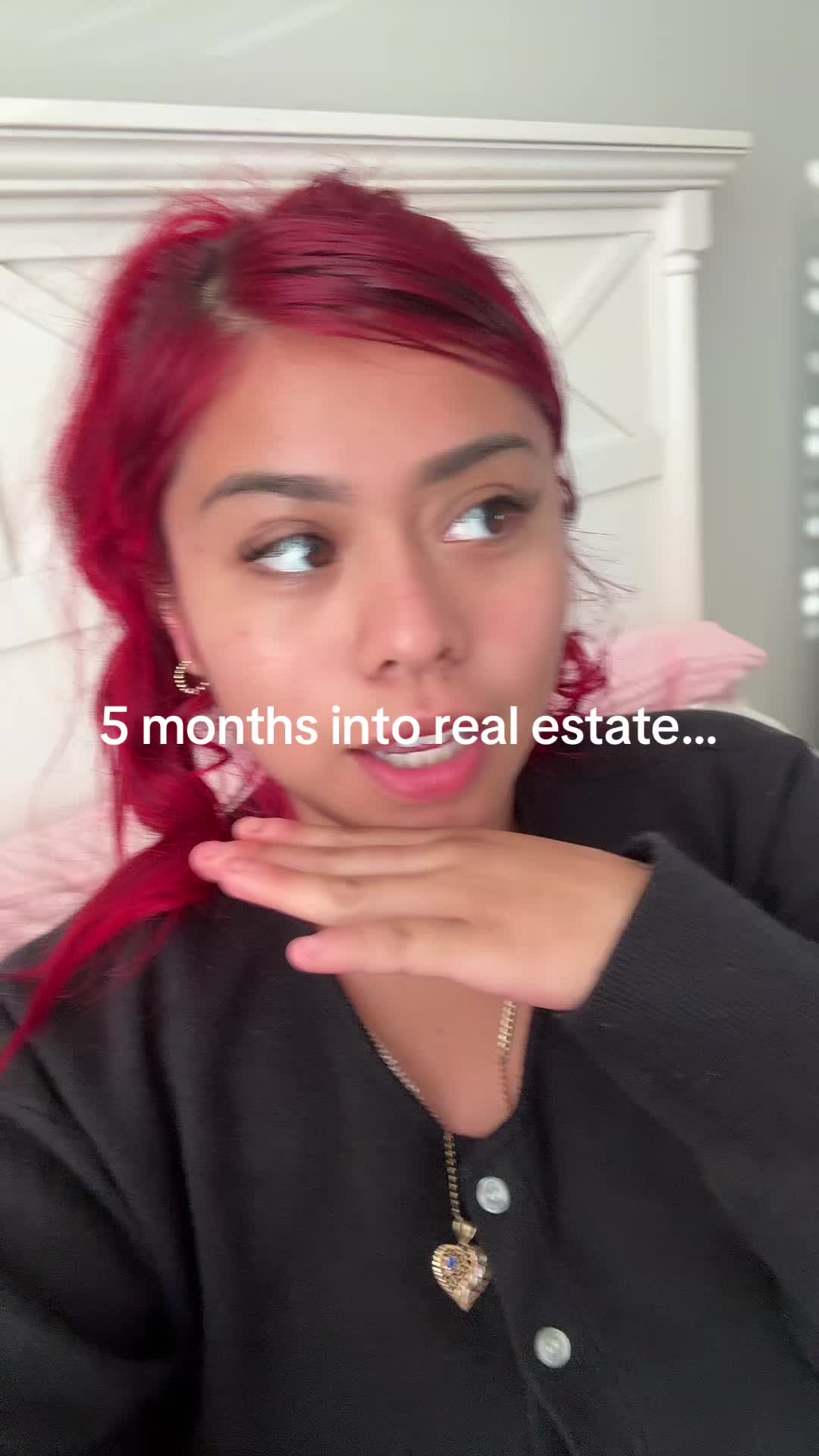
The raw vulnerability of struggling in a new career struck a nerve. People love seeing someone early in their journey asking for real advice, and the comment section became a genuine debate about whether success requires fitting a mold or breaking it.

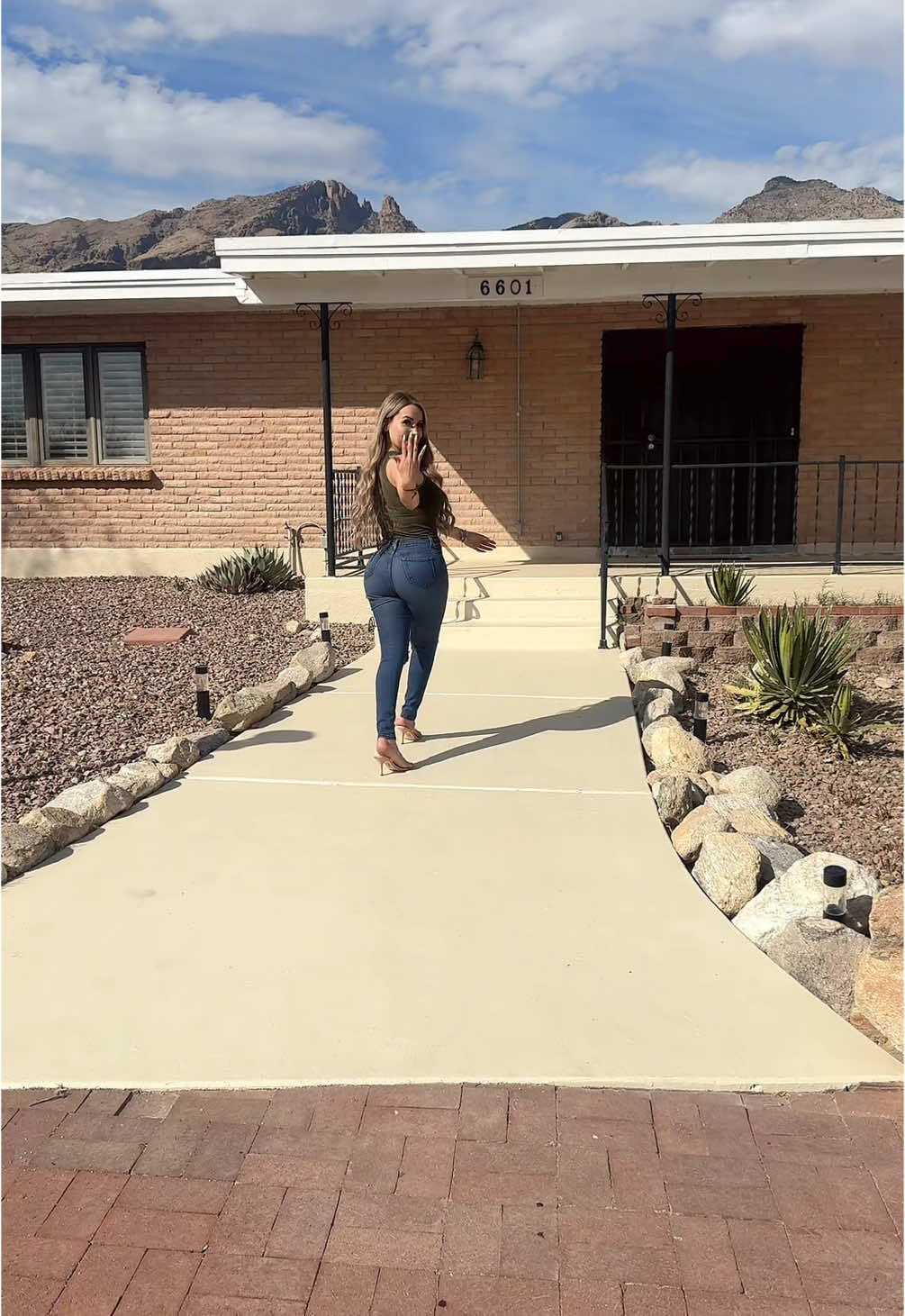
The post tapped into a tension between aspiration and skepticism. People are drawn to luxury real estate content, but the comments reveal they're more interested in reacting to the realtor than the property itself. The friction between the polished listing and viewers' real opinions is what kept them engaged.
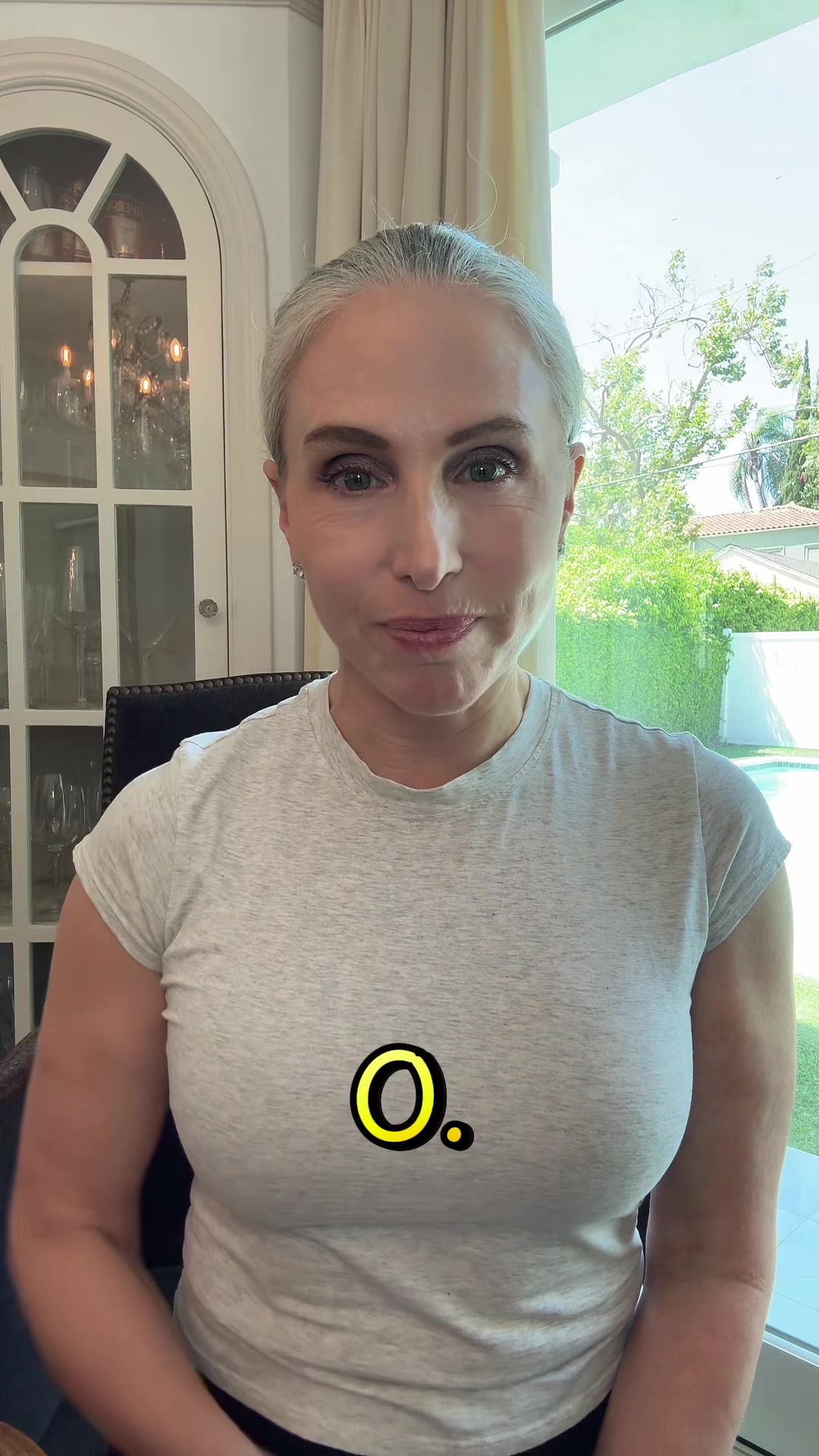
People are drawn to unfiltered career transparency from someone with serious credentials. The specificity of her resume combined with the casual, no-nonsense delivery makes her feel credible without being intimidating, which sparks both aspiration and genuine questions about paths forward.
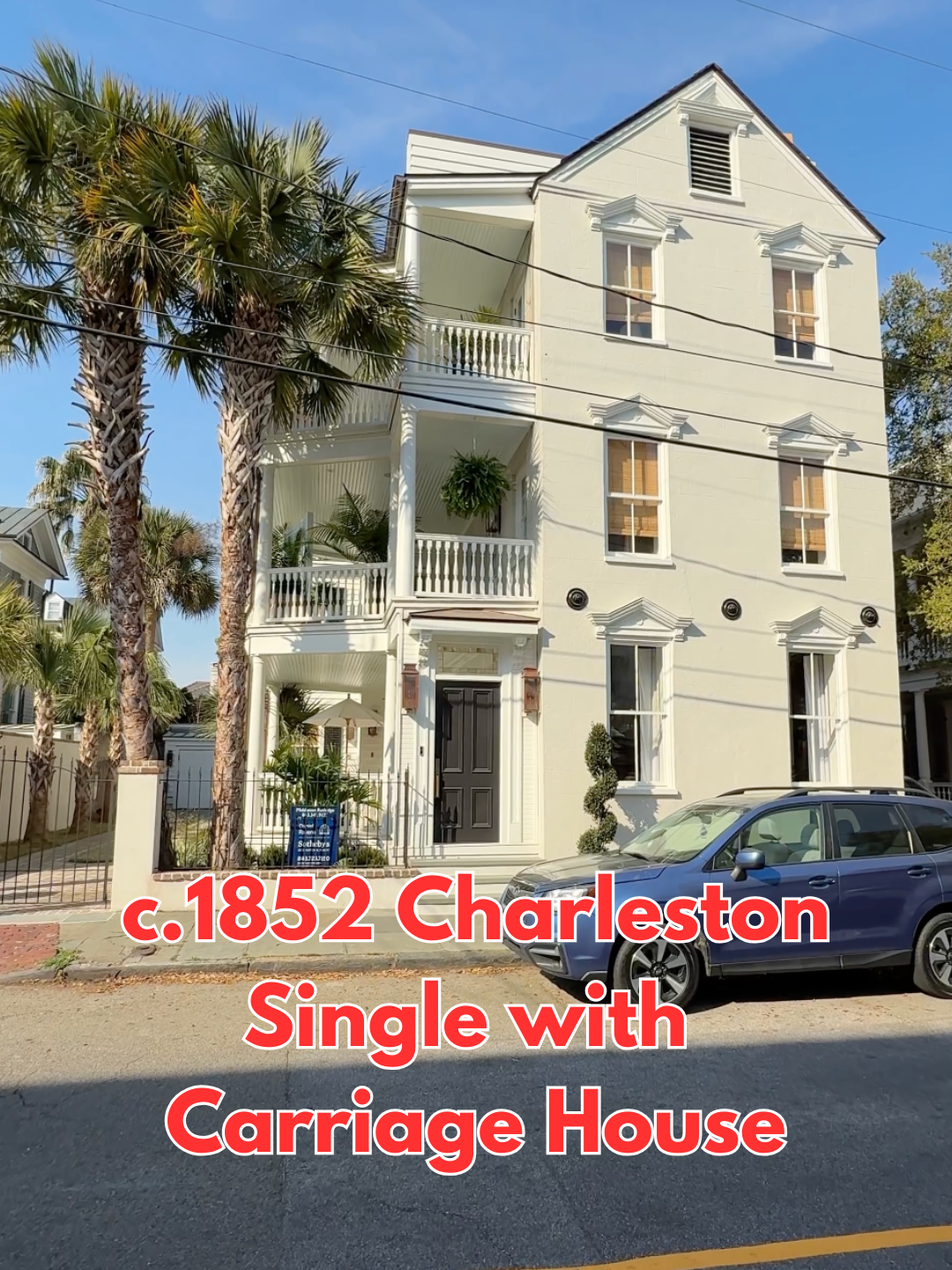
Historic restoration projects tap into aspirational fantasy paired with tangible proof of value creation. The dramatic before-and-after arc of returning a property to its authentic bones, combined with the staggering price appreciation, hits the sweet spot between "I could dream about this" and "this actually works."

People crave actionable self-worth frameworks that feel like permission, not preachy advice. The direct, no-nonsense delivery paired with concrete boundaries (don't chase, don't force) makes abstract self-love feel achievable and grounded.
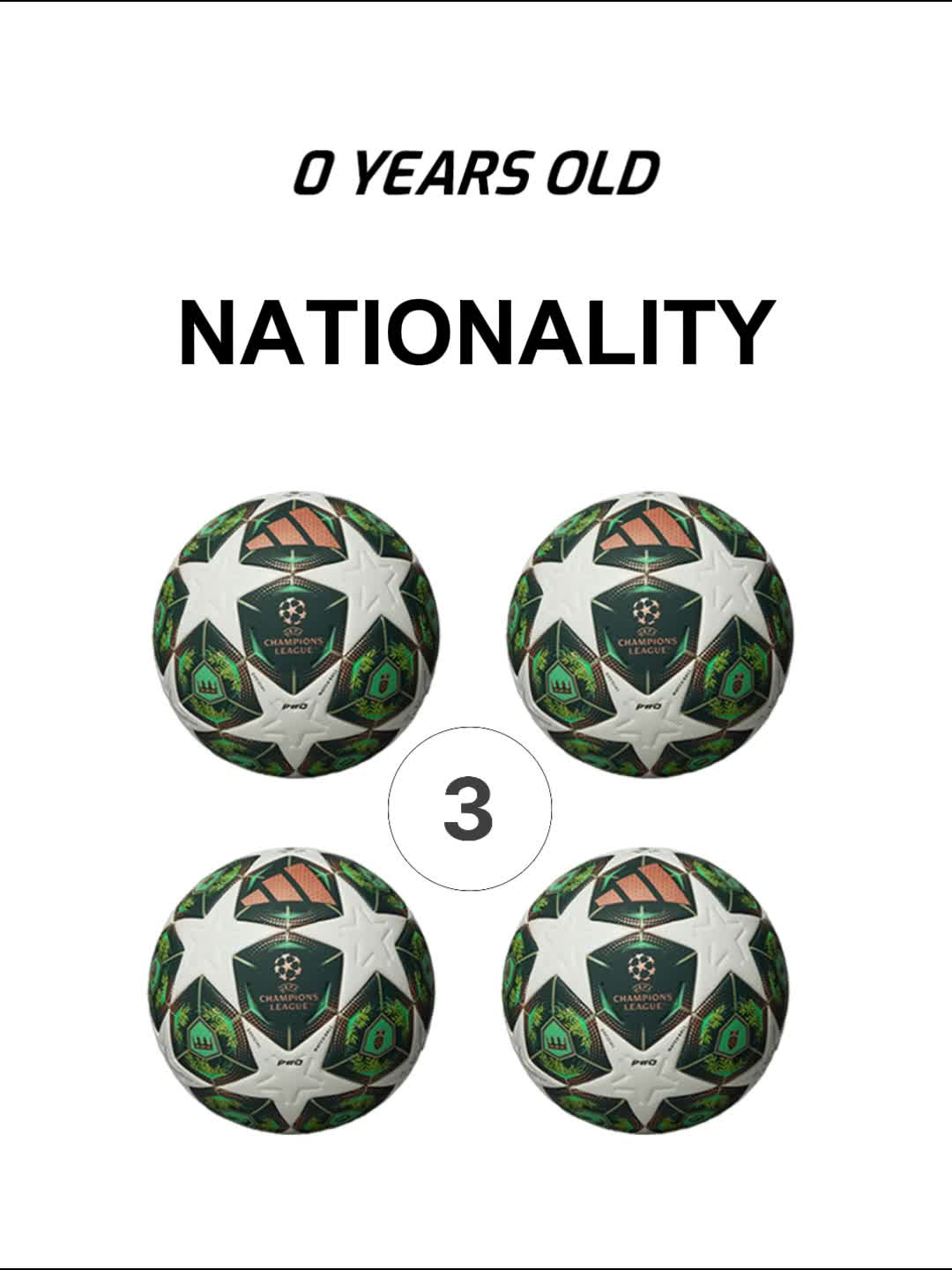
The post taps into instant identity recognition and competitive self-sorting. Showing four identical objects with a simple "choose yours" mechanic lets people claim their tribe without friction, and the football context gives it immediate cultural weight that sparks genuine discussion.
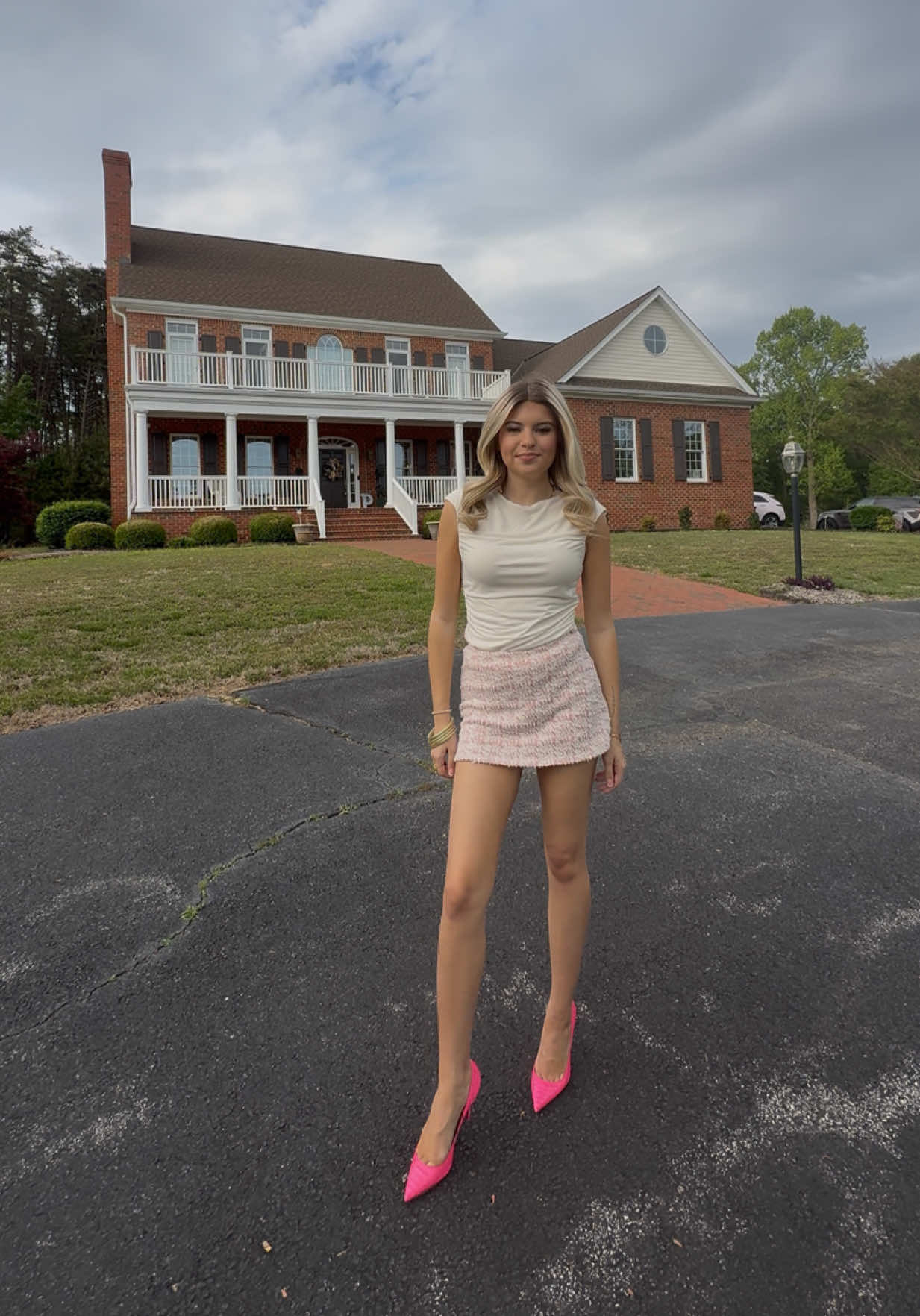
The age joke landed because it flipped expectations—calling a 2005-built house "old" feels absurd to millennials who grew up in those homes, creating an instant relatability moment that transcended the real estate pitch.
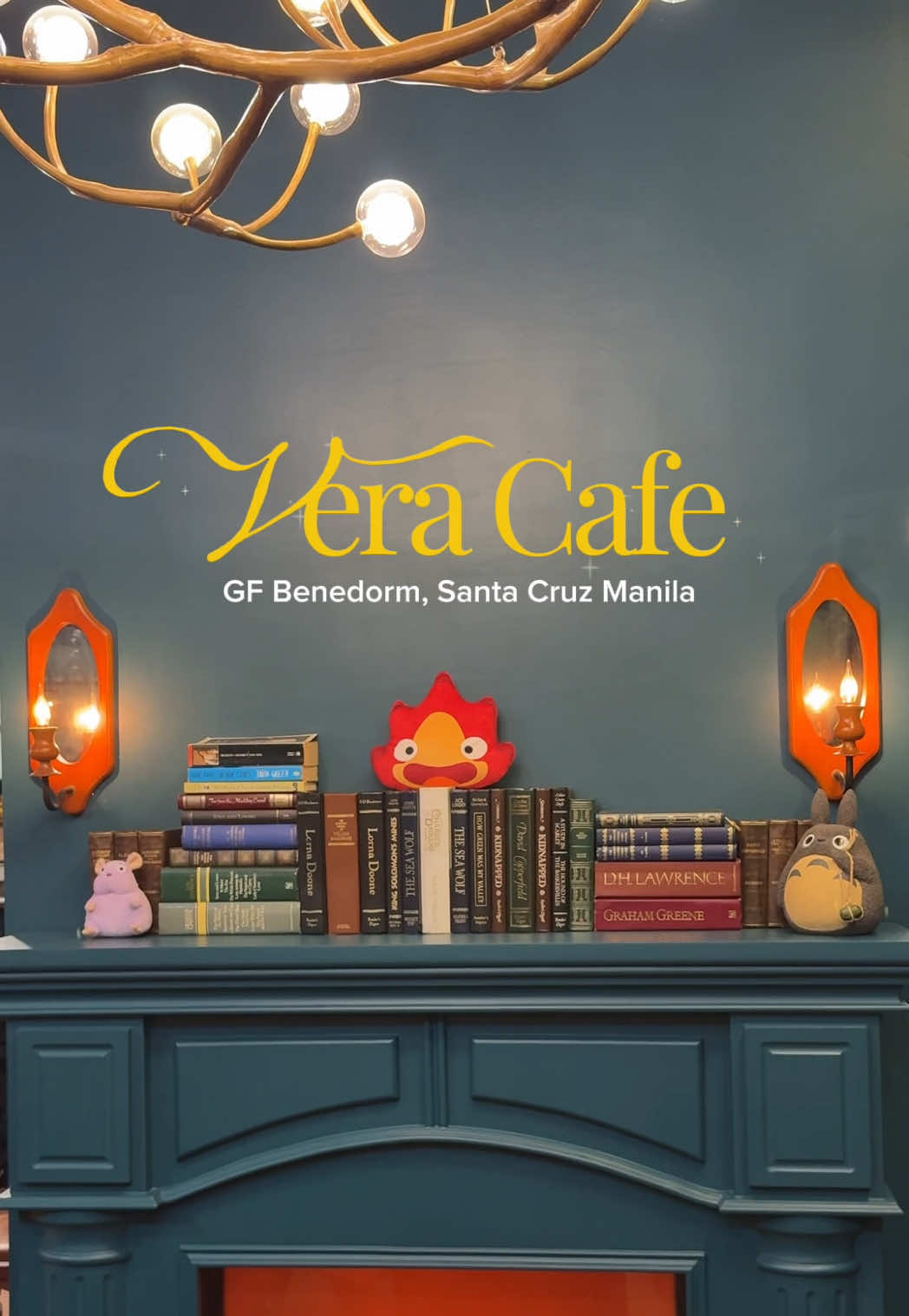
The post nails the "aesthetic sanctuary" angle by connecting a physical space to beloved cultural nostalgia (Ghibli). People crave both the visual escape and the aspirational lifestyle it represents, making them want to visit and share the discovery with others who get it.

The dual role creates comedic tension that feels genuine—boyfriend energy clashing with coach authority in a relatable way. People save it because it captures a real dynamic they recognize or want, wrapped in humor that doesn't feel forced.
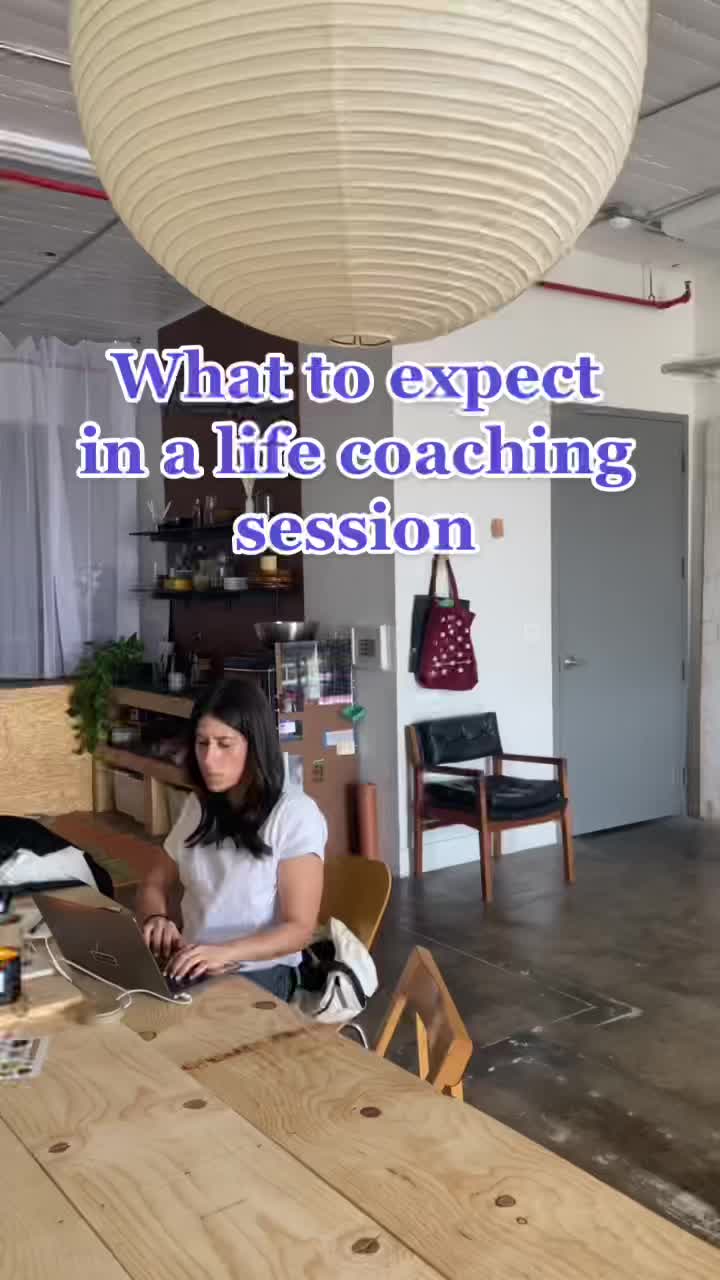
People saved this because it demystified life coaching in an accessible, non-salesy way. Showing the actual environment and process removes the mystique and makes the service feel achievable, not just for the ultra-wealthy or desperate.
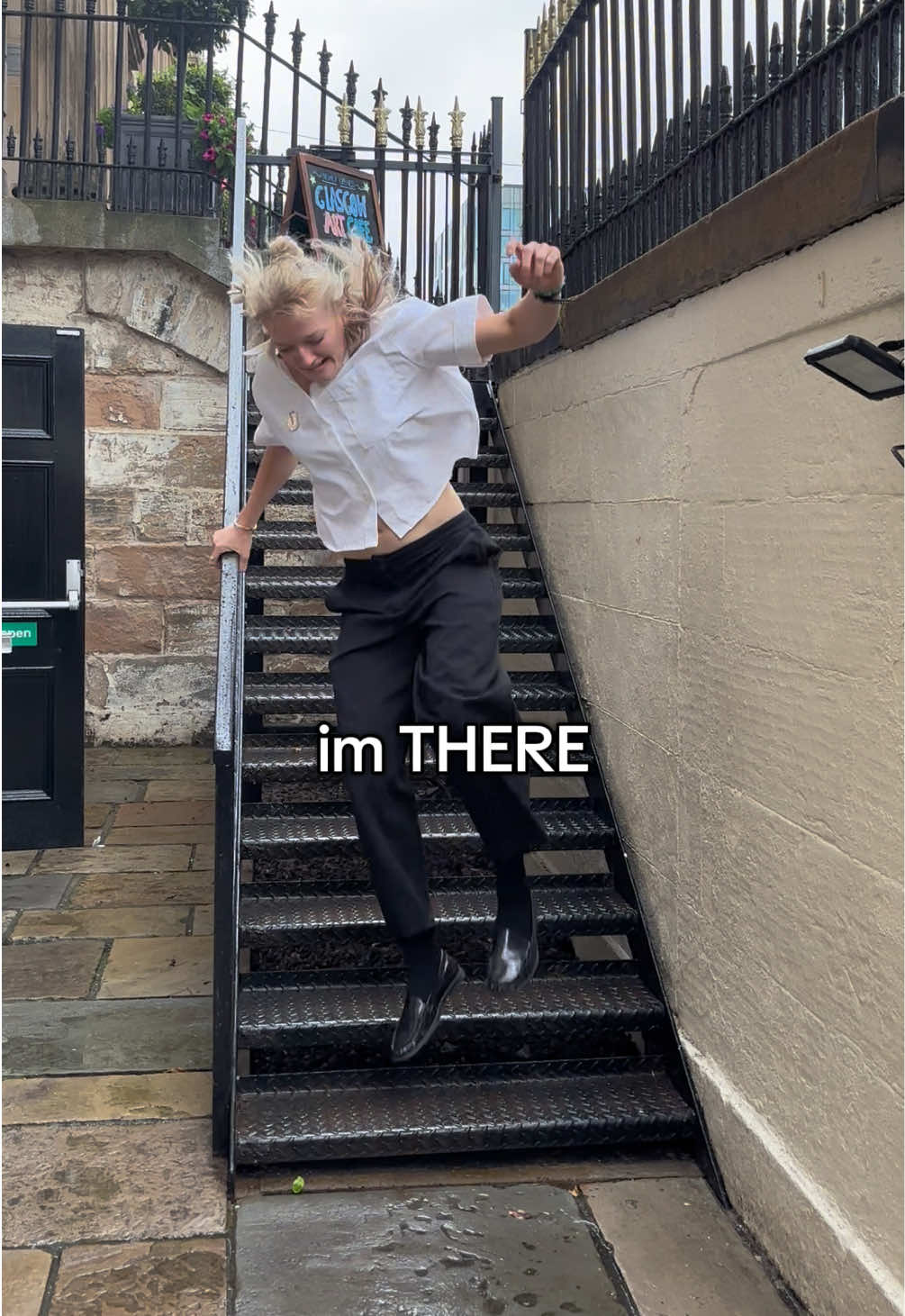
Raw joy and unfiltered personality beat polished content. Someone genuinely stoked about their cafe creates an infectious energy that makes people want to be part of that world, not just consume the product.
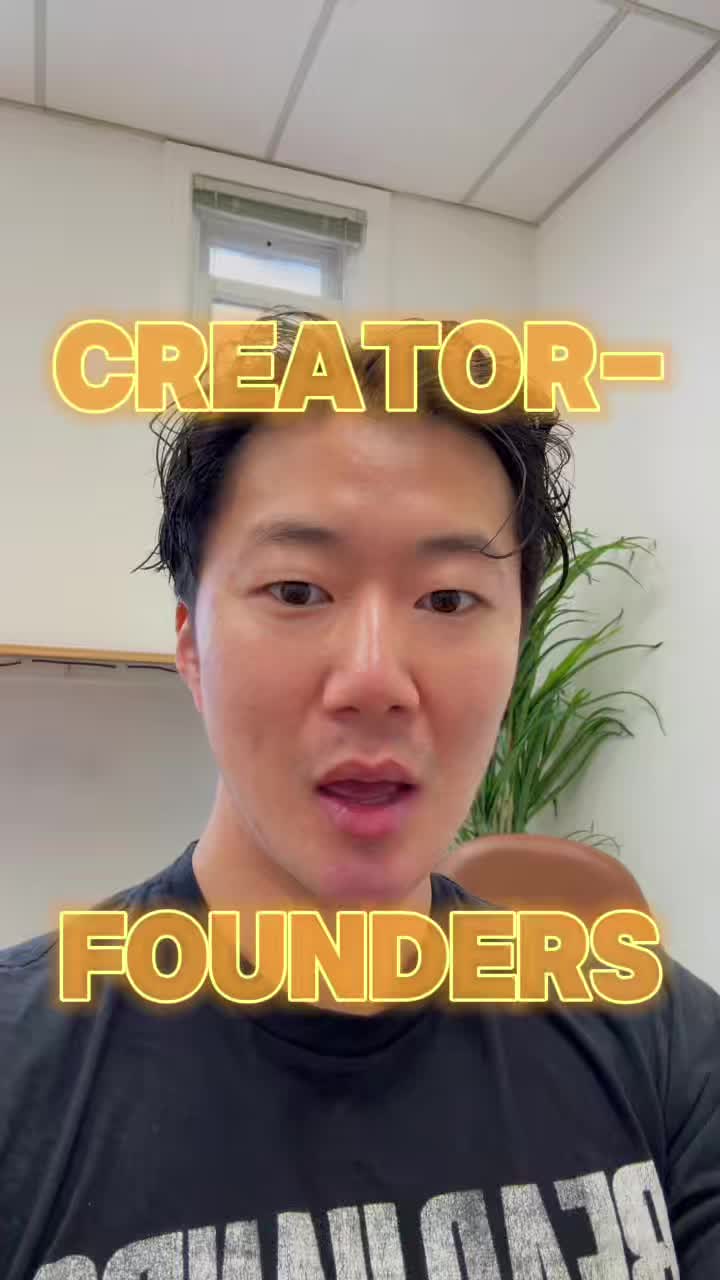
The casual, direct call-out of creator culture's obsession with vanity metrics hits because it's self-aware critique from someone inside the system. People save it because it articulates frustration they feel about the gap between what gets praised online and what actually matters in business.
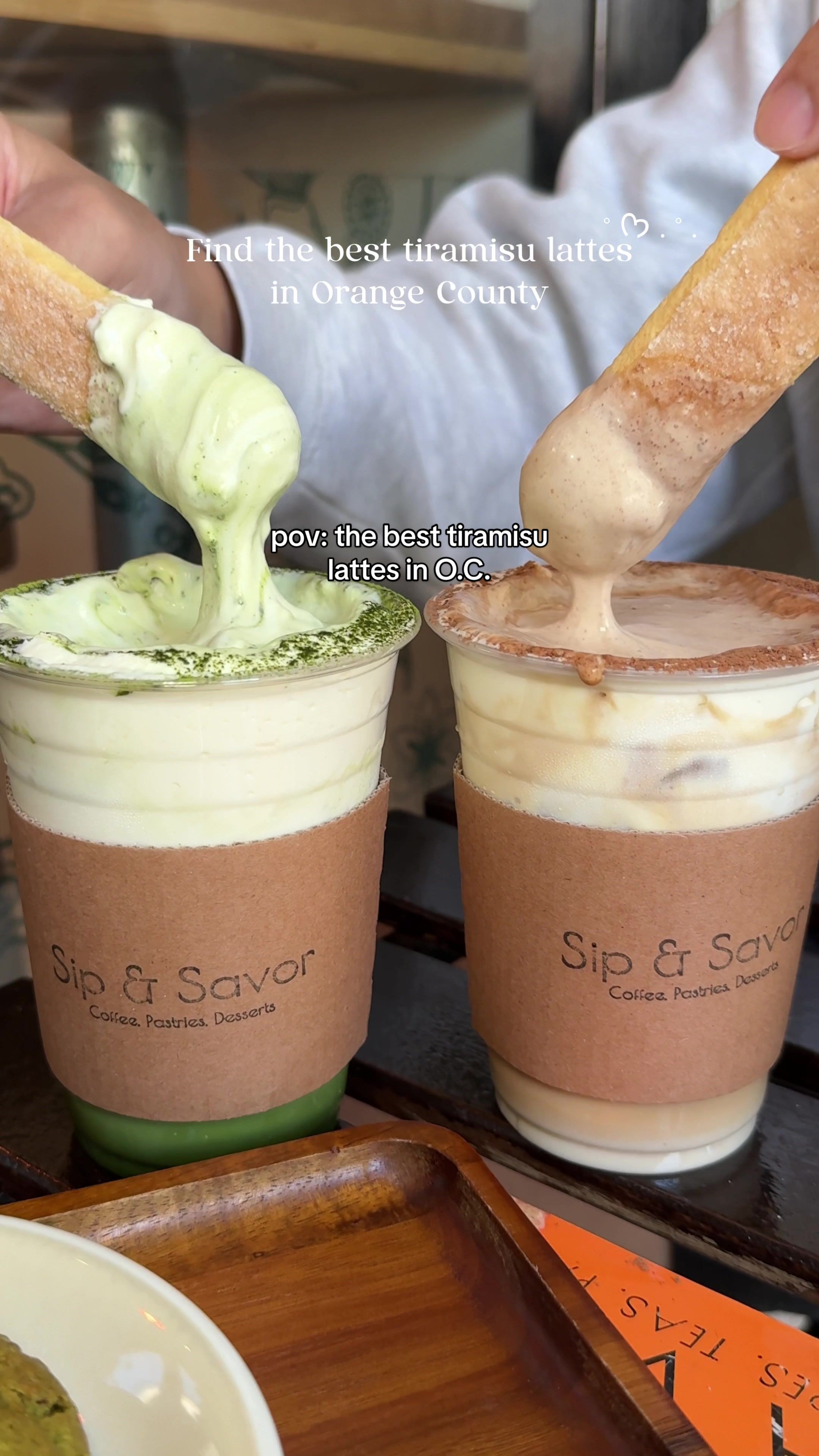
Close-up food visuals paired with a hyper-local "best in [place]" claim creates urgency and collectibility. People want to find the exact spot and try it themselves, especially when the product looks this creamy and indulgent.
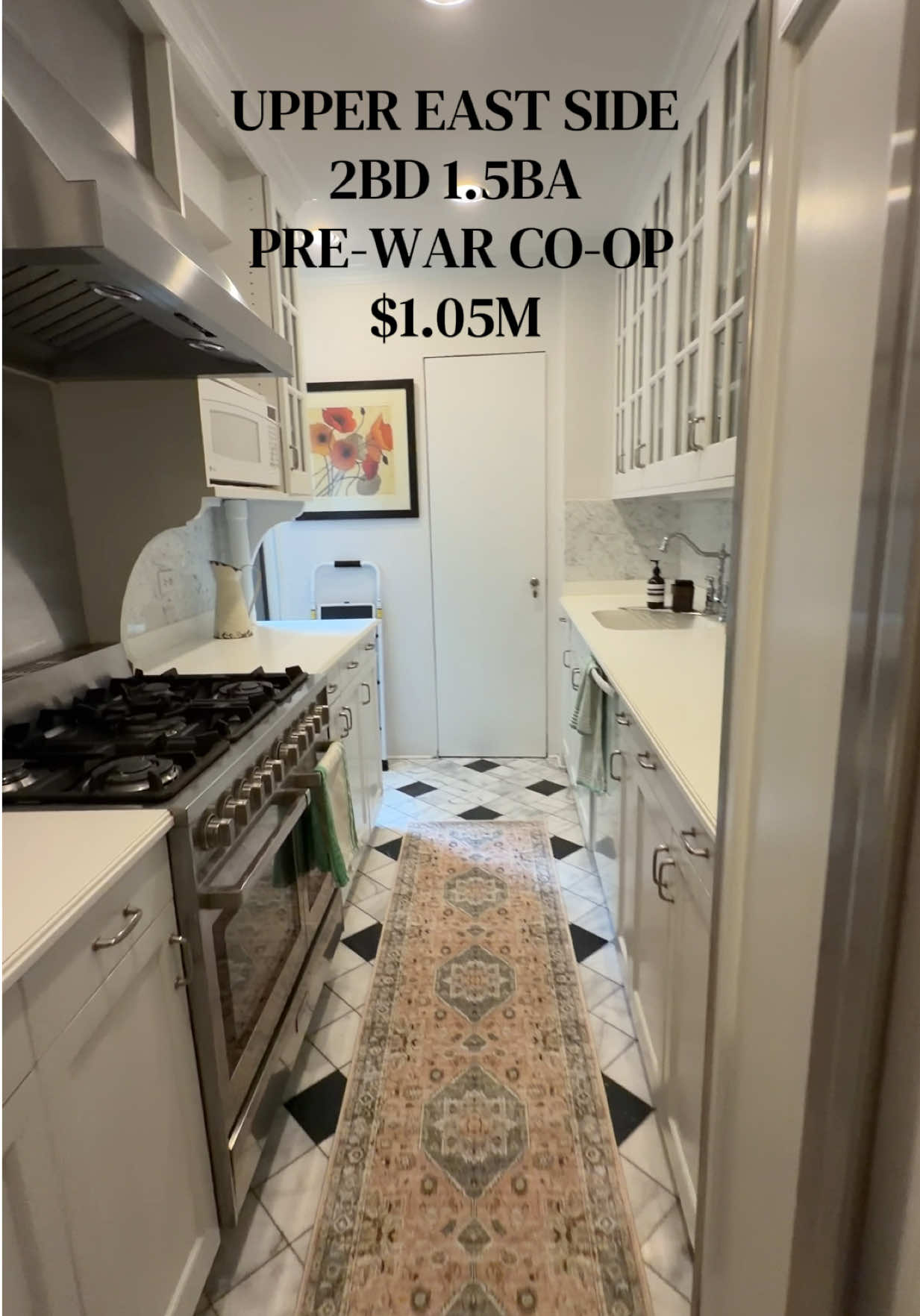
People are fascinated by the value proposition puzzle in NYC real estate. A pre-war co-op at $1.05M on the Upper East Side reads as either a steal or a trap, and that cognitive tension makes people stop scrolling. They want to figure out what's actually going on here.
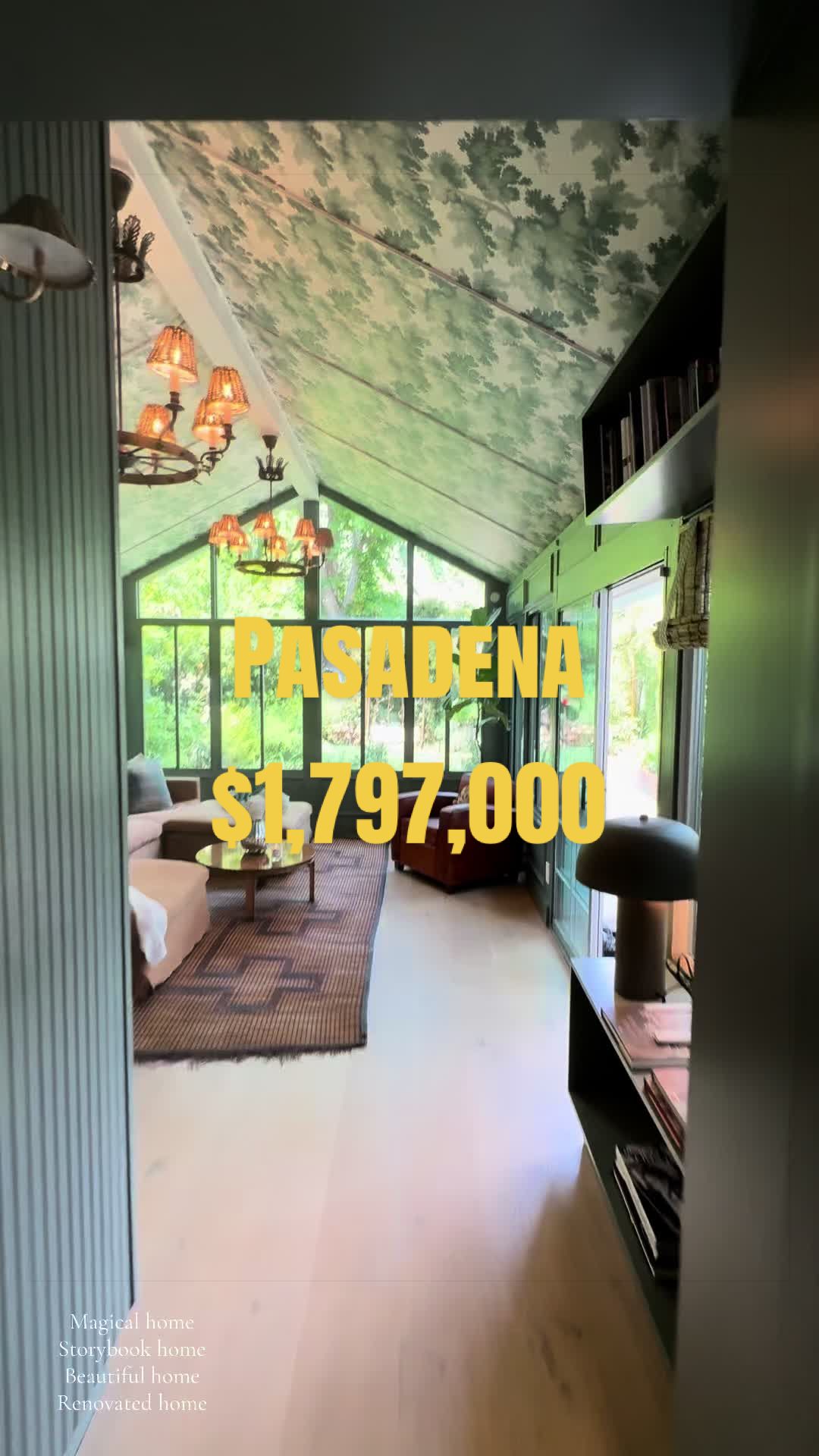
Luxury real estate with authentic historical character and thoughtful restoration beats generic high-end. The "storybook cottage" angle taps into that fantasy of owning something with soul, not just square footage—people save and share because they're emotionally invested in the home's narrative, not just its price tag.

The relatable frustration of business ownership hit hard here. By framing the grind as a "toxic relationship," she tapped into shared exhaustion among entrepreneurs and aspirational people watching, making struggle feel honest rather than motivational.
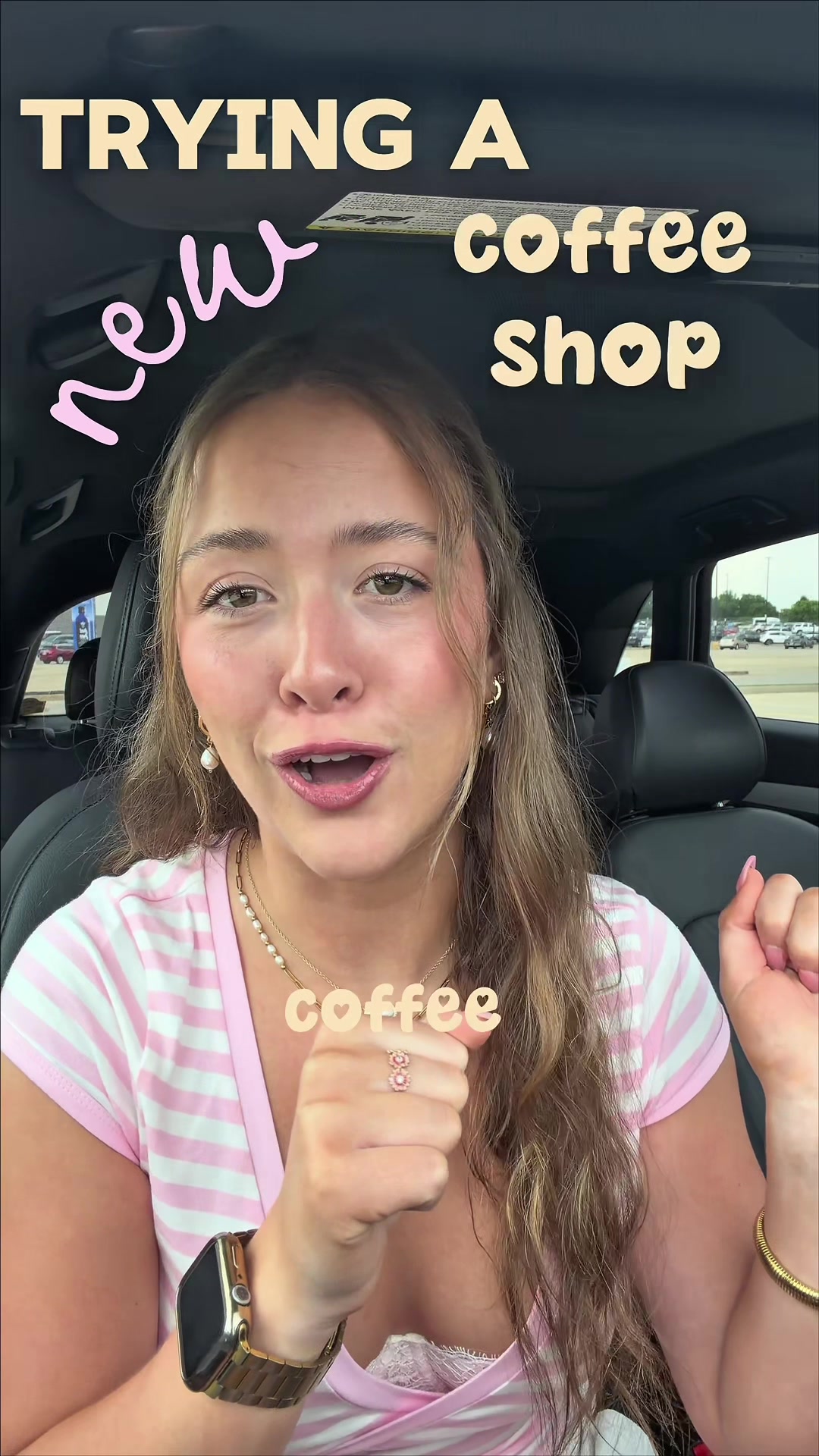
Genuine enthusiasm from discovering a real local gem hits harder than polished reviews. The raw, in-the-moment excitement and specific location tag turned casual coffee content into a community moment people wanted to amplify and contribute to.
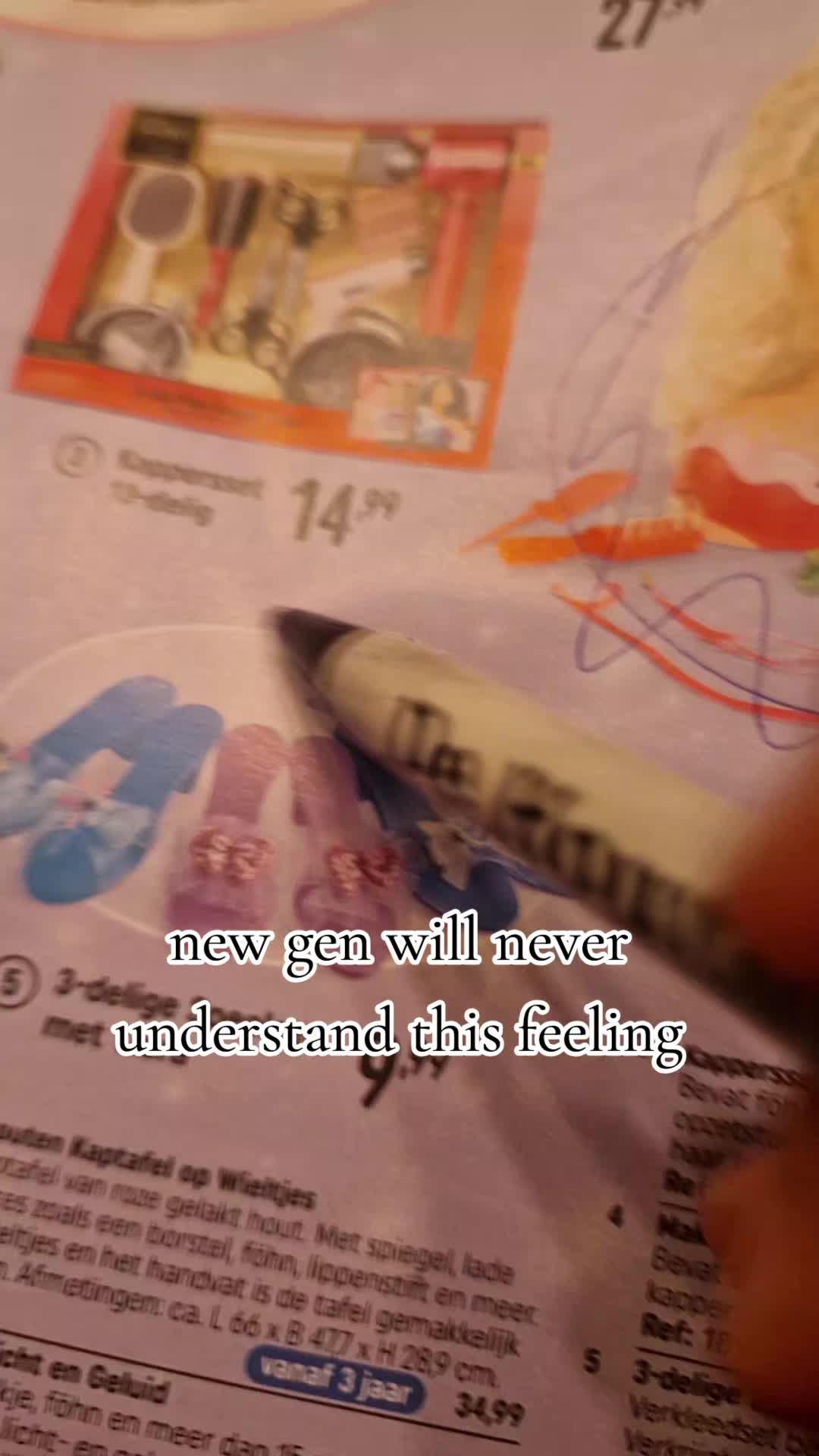
Nostalgia hits harder when it's about collective disappointment. The video taps into a shared millennial/Gen X memory of catalog shopping—circling items you'd never actually get—creating instant recognition and a bittersweet laugh that people can't help but share.
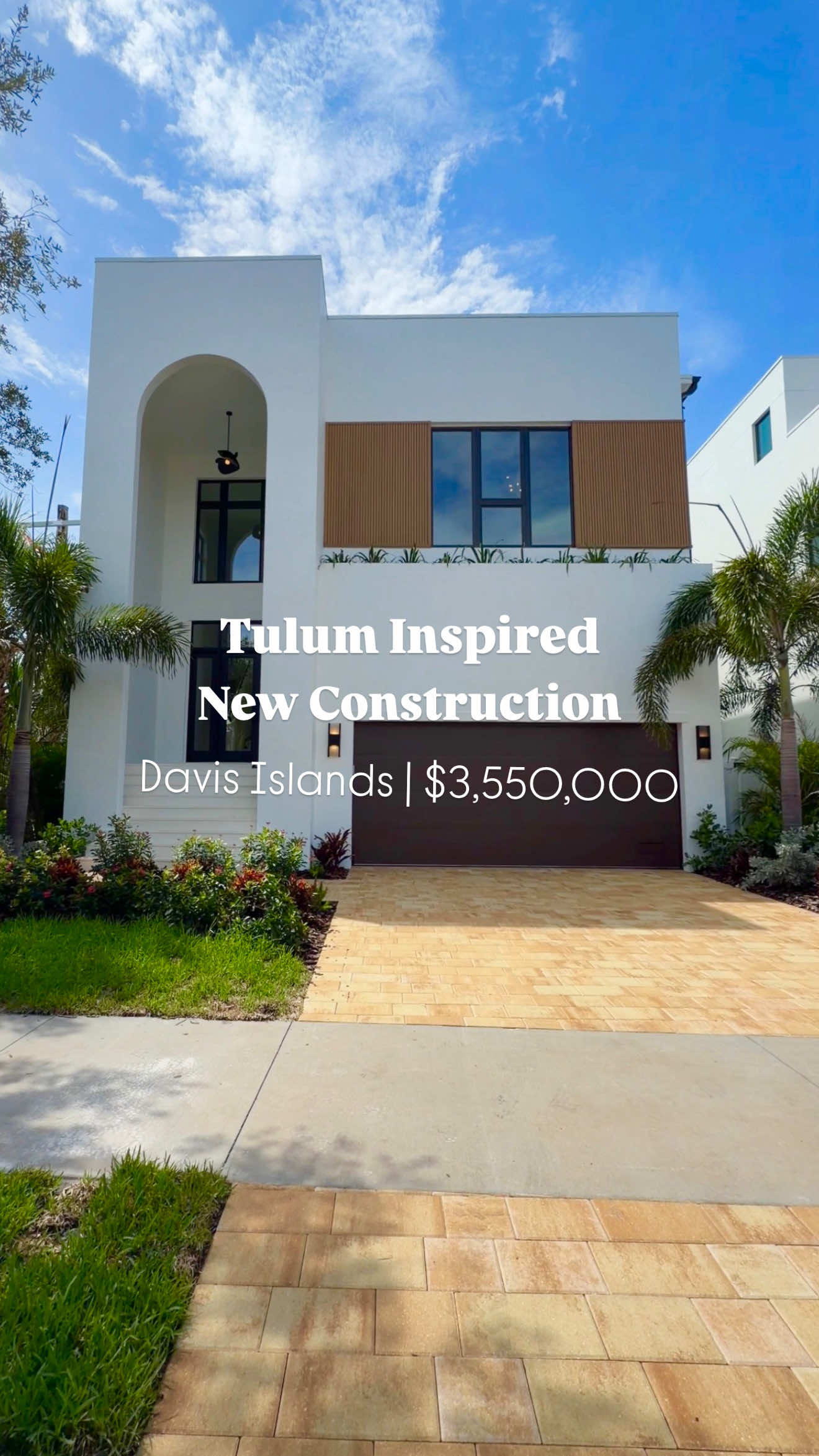
Tulum-inspired architecture hits aspirational without feeling out of reach, and positioning this as a "sister property" to a viral predecessor taps into proven audience interest. The warm wood and organic details make luxury feel livable rather than sterile.
New homeowners are hungry for practical, relatable advice that saves them money and prevents costly mistakes. This video hits that sweet spot by showing a real problem (getting gouged by contractors) and the simple solution (get a second quote), making viewers feel smart and protected rather than intimidated by homeownership.
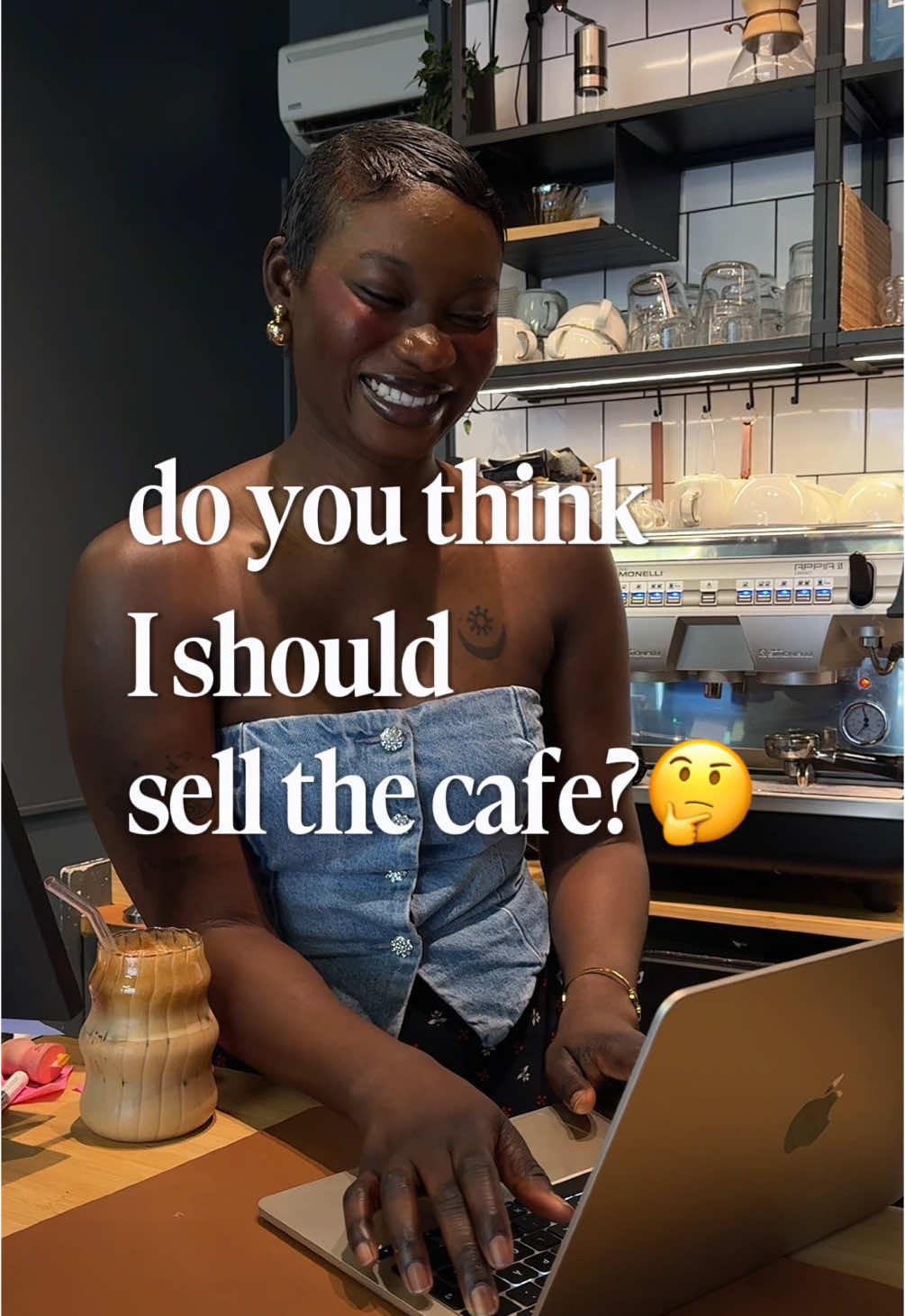
The creator presented a genuine fork-in-the-road decision that invited people to weigh in on her future. People gravitated toward defending what she's already built because it feels real and precious—not a rhetorical question, but an actual dilemma that made her audience want to protect her dream.
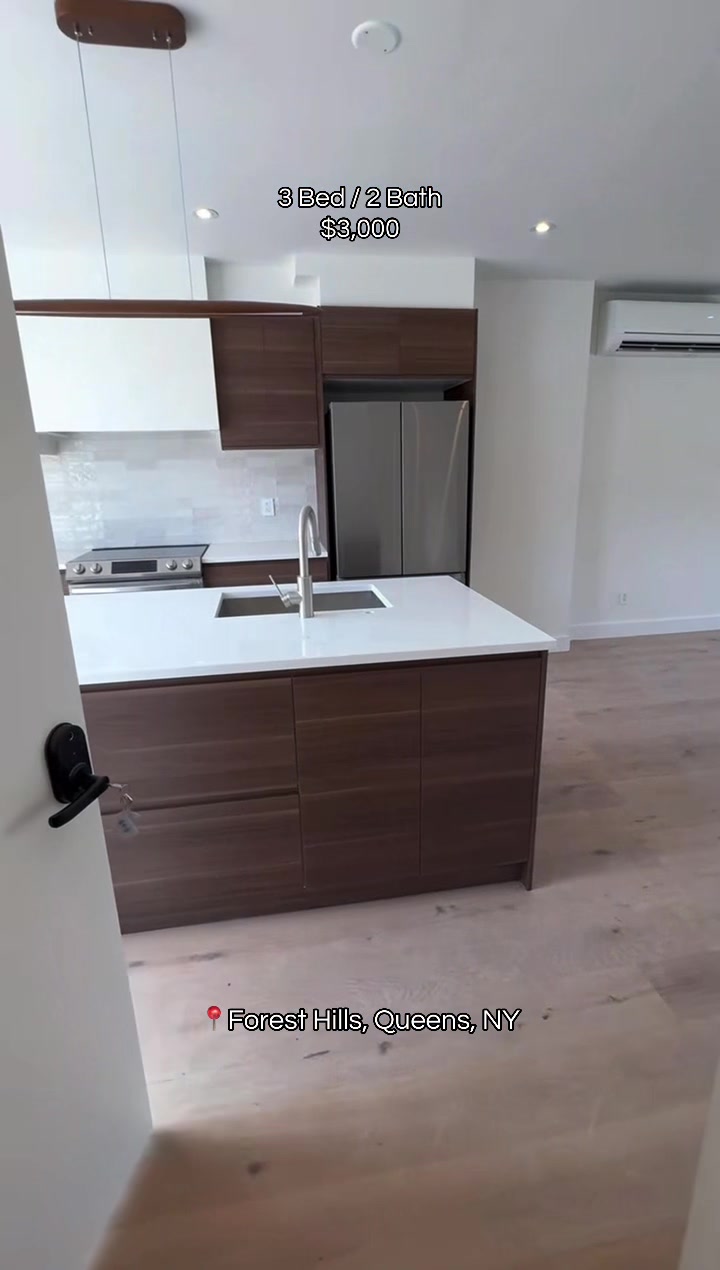
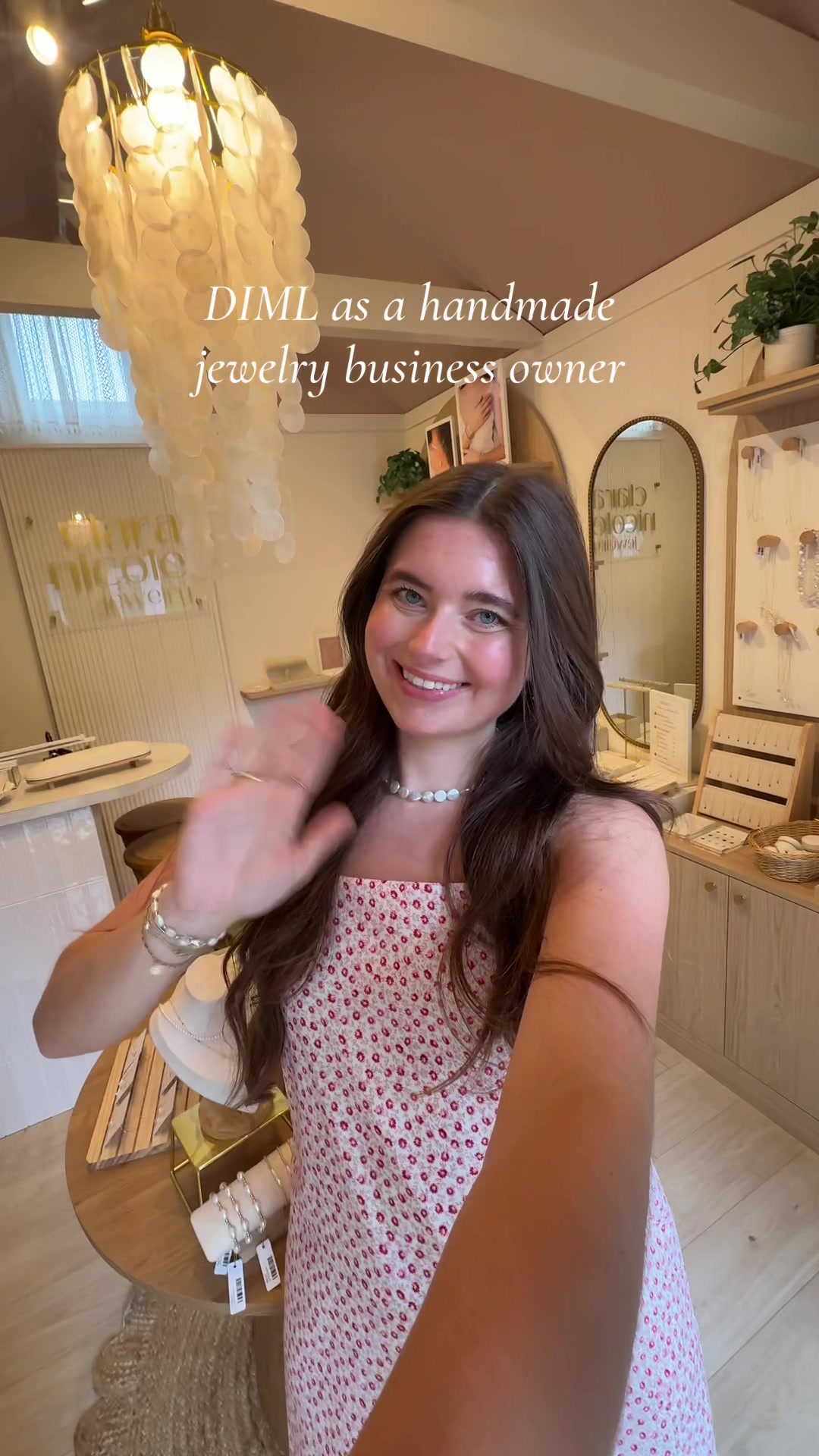
People connect with founders who are genuinely proud of their work and space. The aesthetic storefront, warm lighting, and authentic joy create aspirational yet believable content that makes small business feel achievable rather than distant.
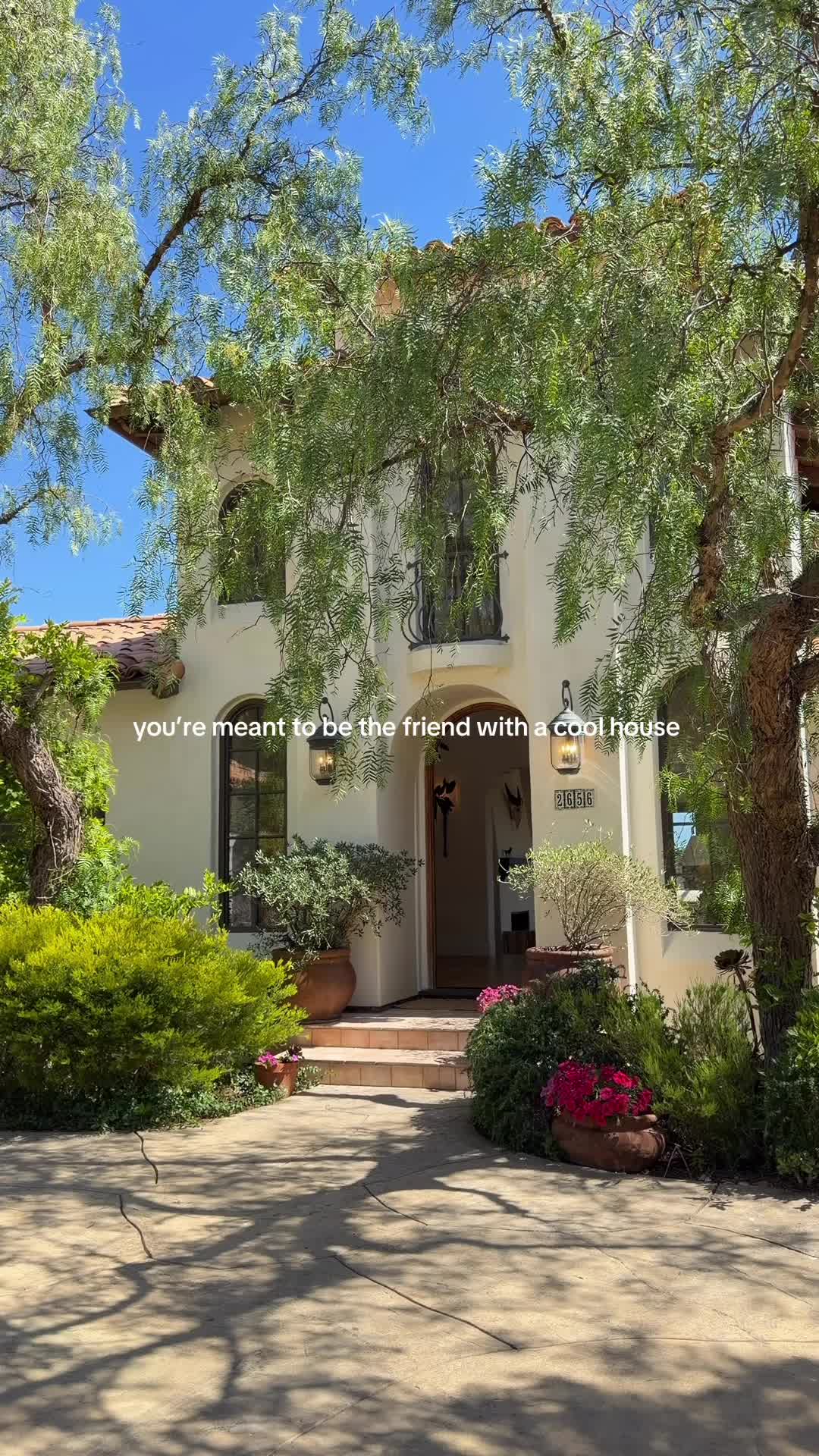
The aspirational appeal of a genuinely beautiful property paired with a relatable truth hit hard. "You're meant to be the friend with a cool house" taps into a universal fantasy about status and belonging, while the stunning visuals back up the claim. People saved it because they wanted to remember what that dream looks like.
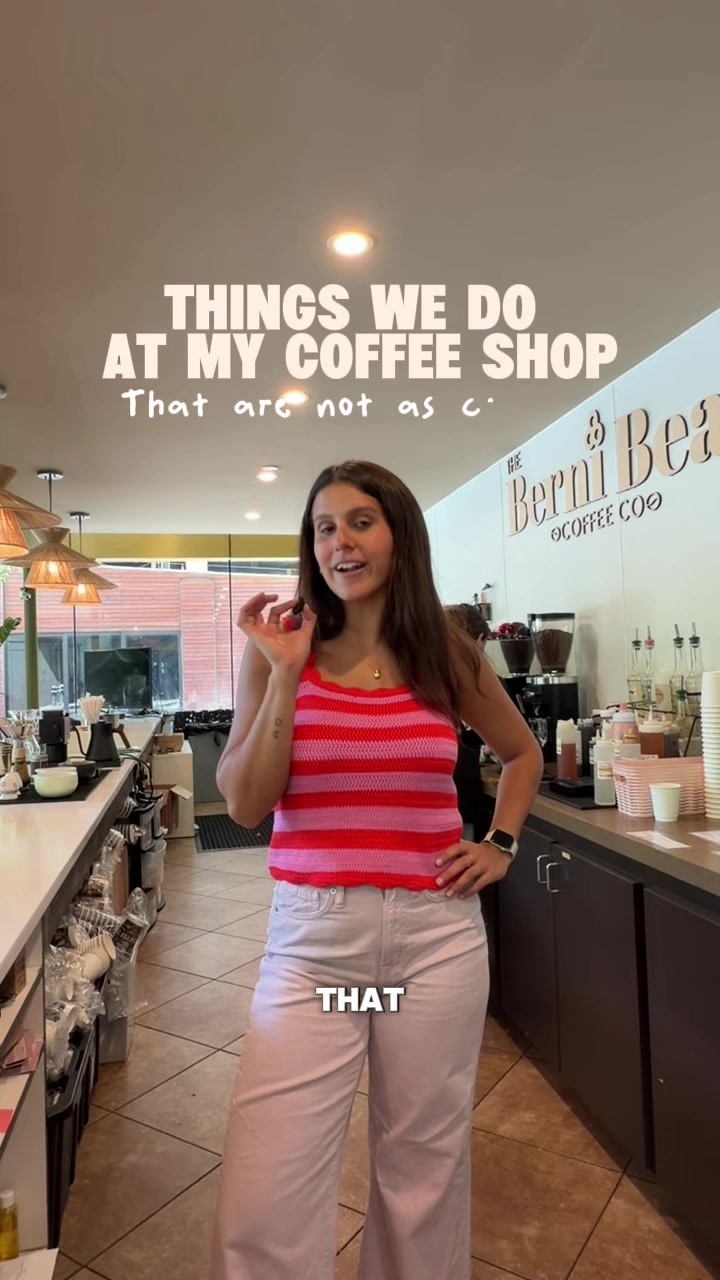
The setup creates anticipation with a bold claim ("not as c...") that hooks viewers into wondering what the shop does differently, then delivers relatable frustrations baristas solve. People save because it validates their pet peeves and shows a business that actually cares about consistency.
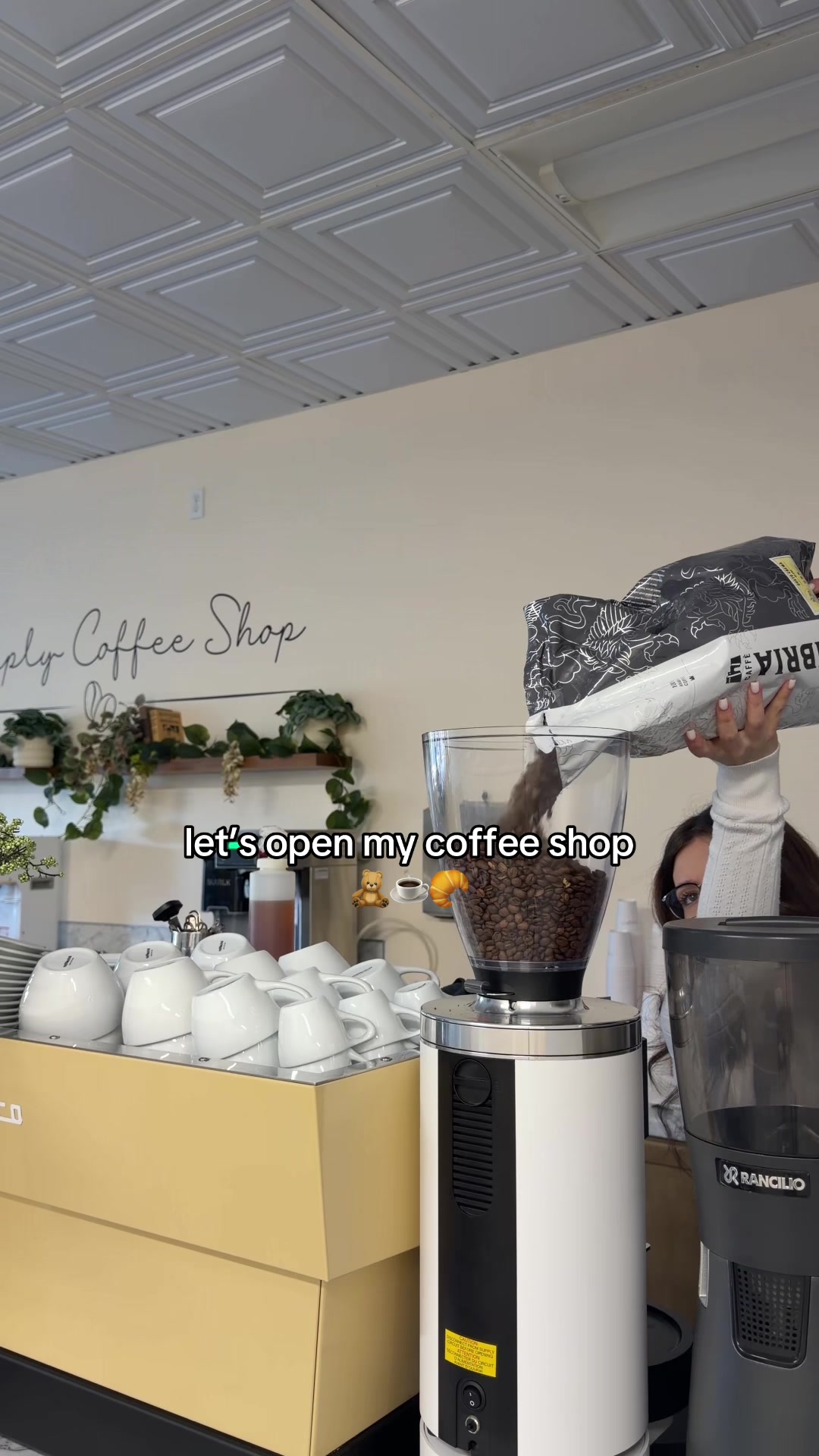
People save this because it fulfills a specific fantasy: seeing someone actually do the thing they daydream about. The clean aesthetic, the intimate shop setup, and the real-moment action of opening create aspirational content that feels achievable rather than out of reach.
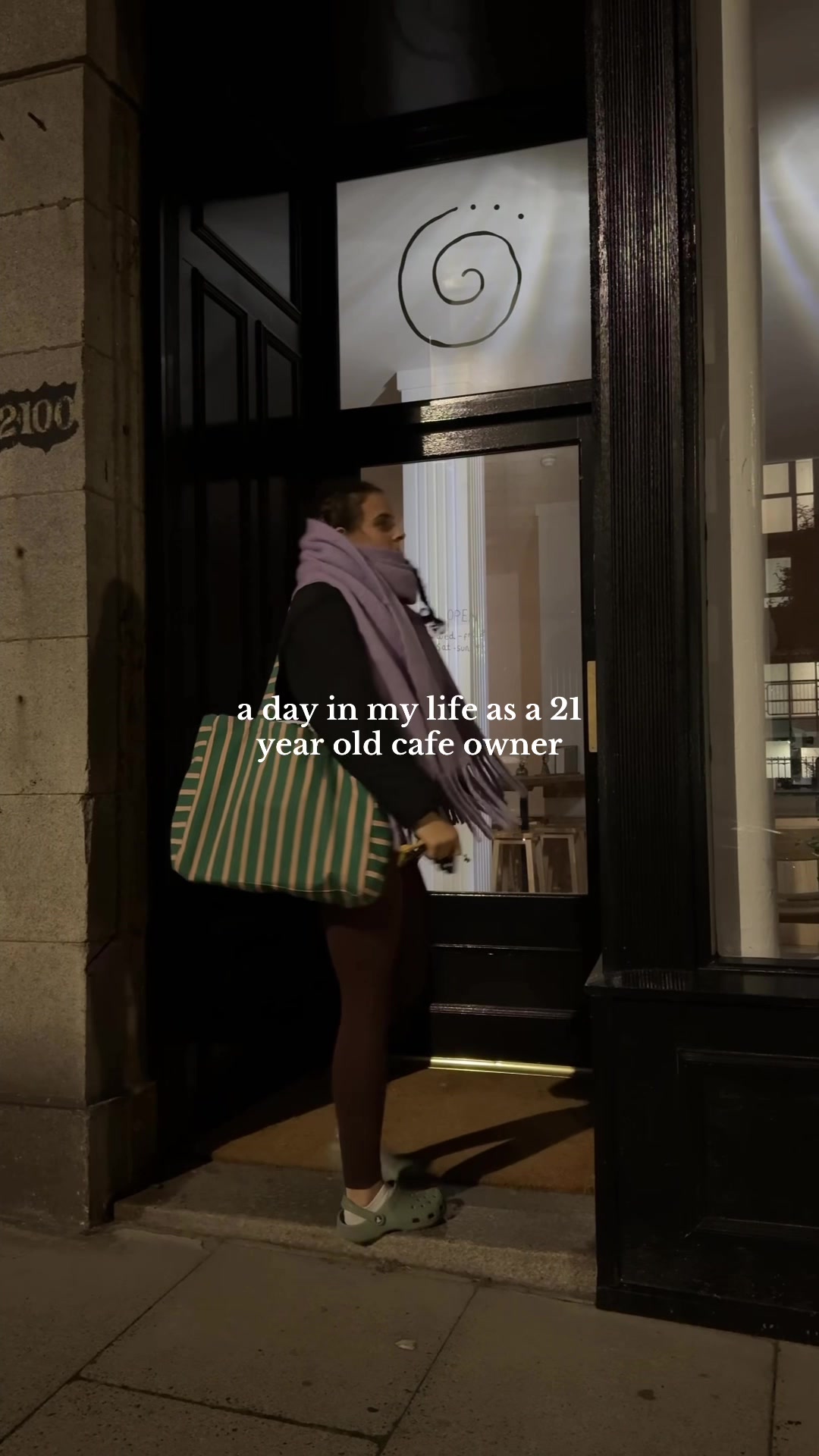
People are drawn to the hustle of young entrepreneurship, especially when it looks unsustainable. The "when do you sleep" reaction reveals the appeal isn't inspiration—it's witnessing someone running on fumes, which feels raw and relatable for anyone grinding hard.
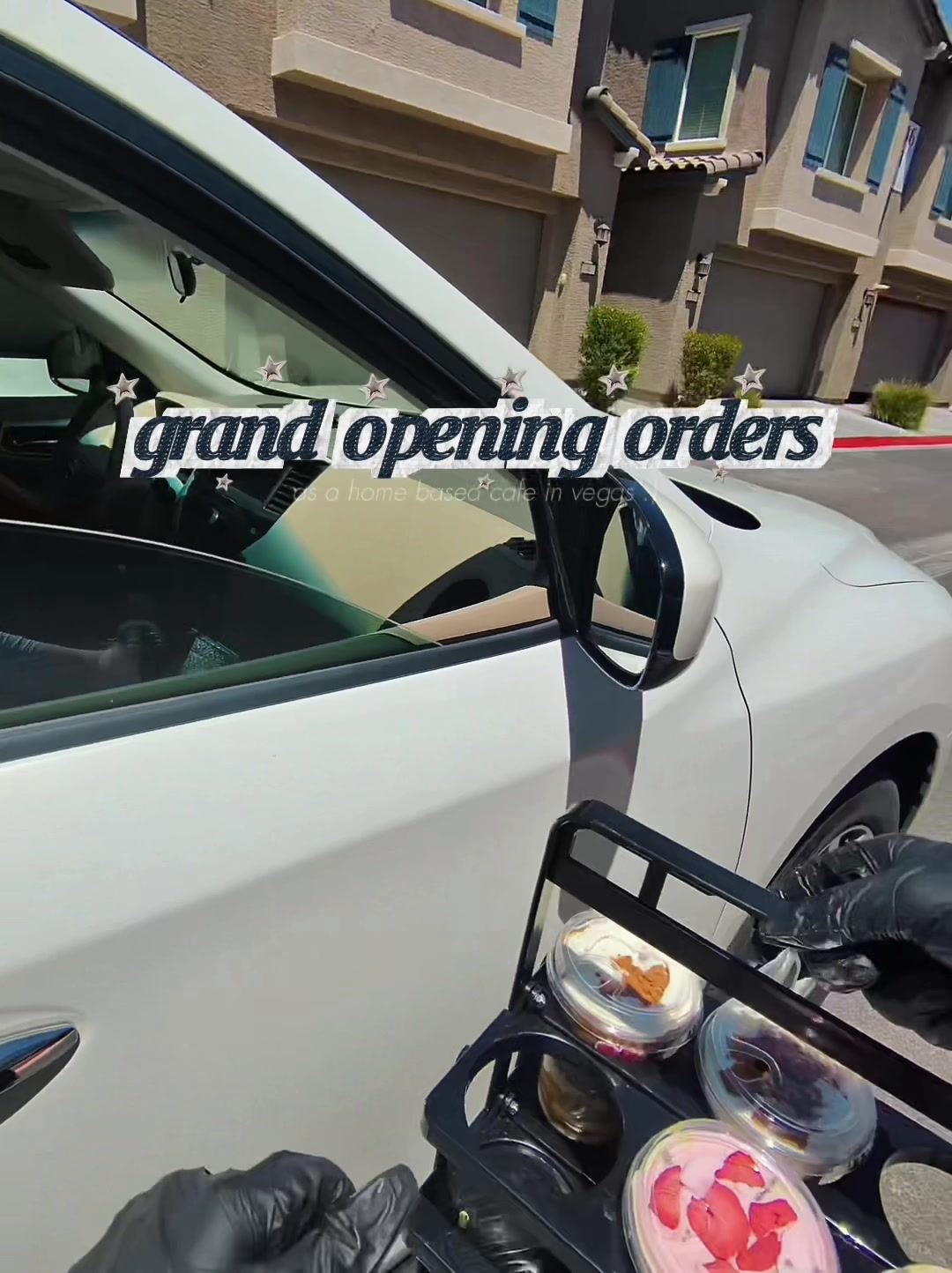
People are drawn to the underdog business story paired with transparent pricing that undercuts luxury competition. The value proposition (3 drinks for $15 vs. Starbucks' $15 for 1) creates a "too good to be true" moment that sparks both excitement and skepticism, making viewers want to validate or debate what they're seeing.
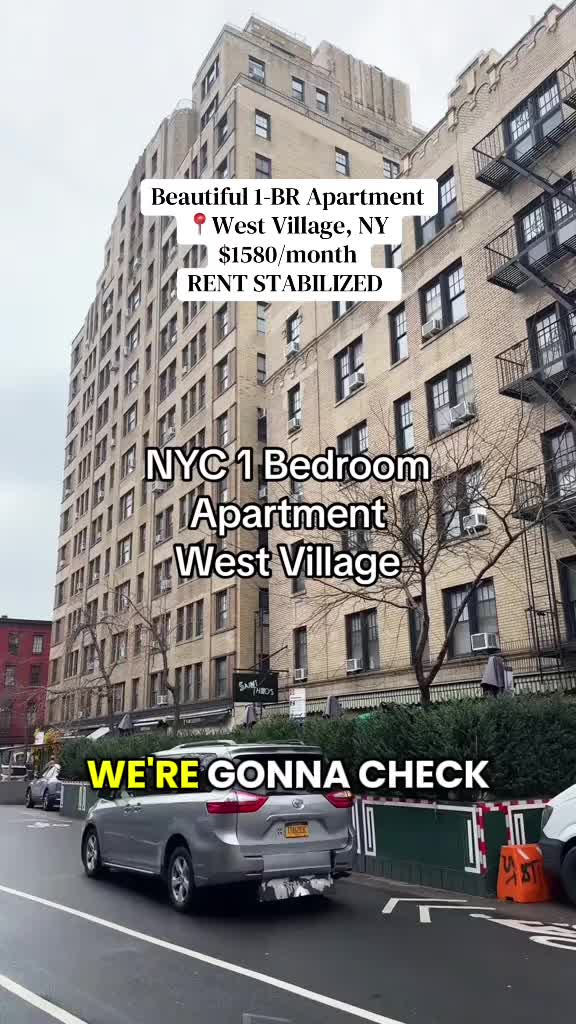
The price point ($1,580 for a 1BR in West Village) triggers immediate skepticism, which is exactly what makes people stop and engage. People can't scroll past what feels impossible to believe, so they comment asking if it's real.

The post hits on transformation anxiety—that nervous excitement about change. By anchoring it to a specific timeframe (6 months) and validating that discomfort is part of the deal, it gives permission to people already considering a shift. The raw selfie and direct eye contact make it feel like genuine conviction, not polished advice.
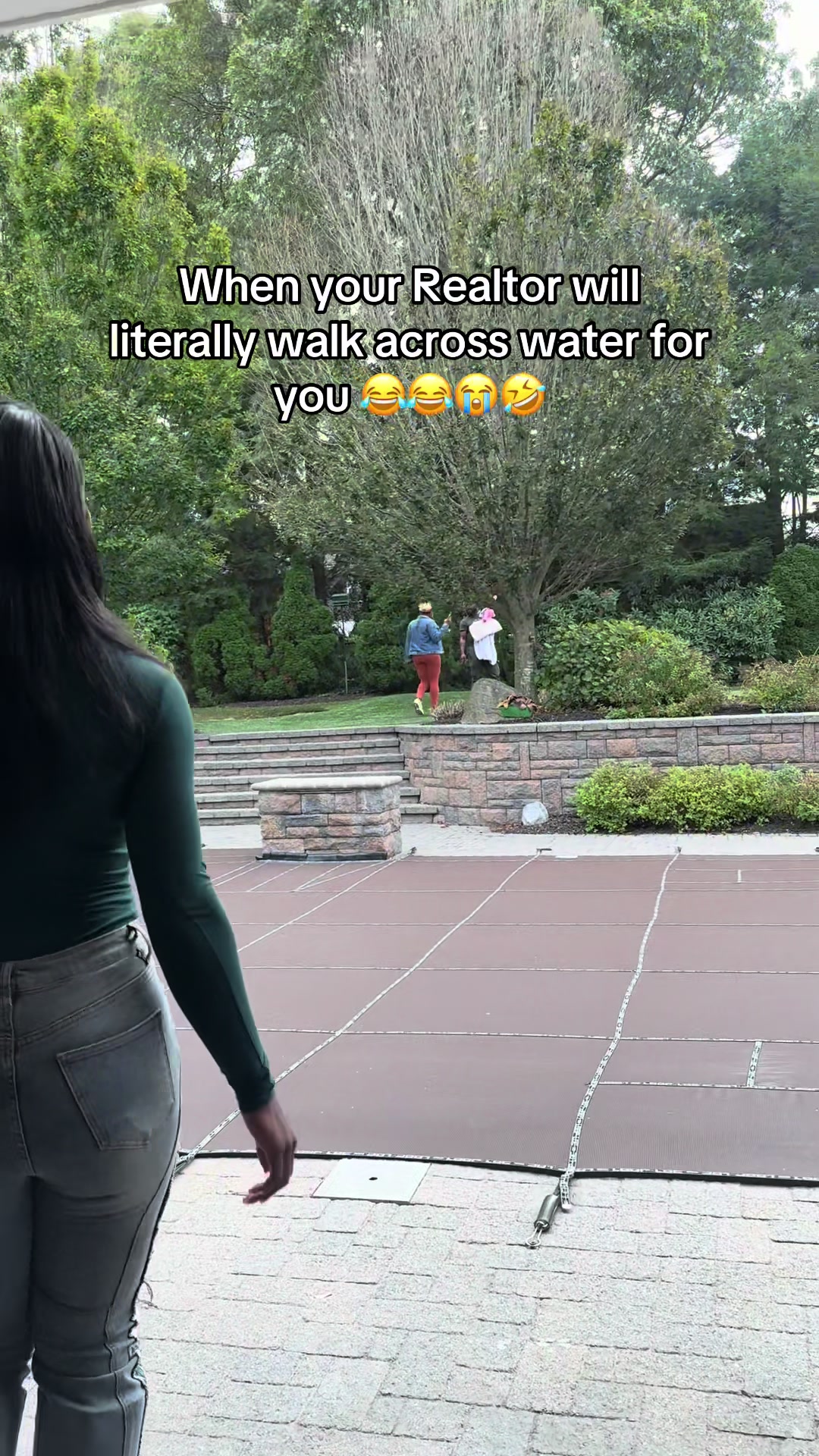
The humor lands because it captures a relatable moment of professional chaos. A realtor literally walks into a pool mid-showing, turning a potential disaster into comedy by framing it as divine protection rather than incompetence.
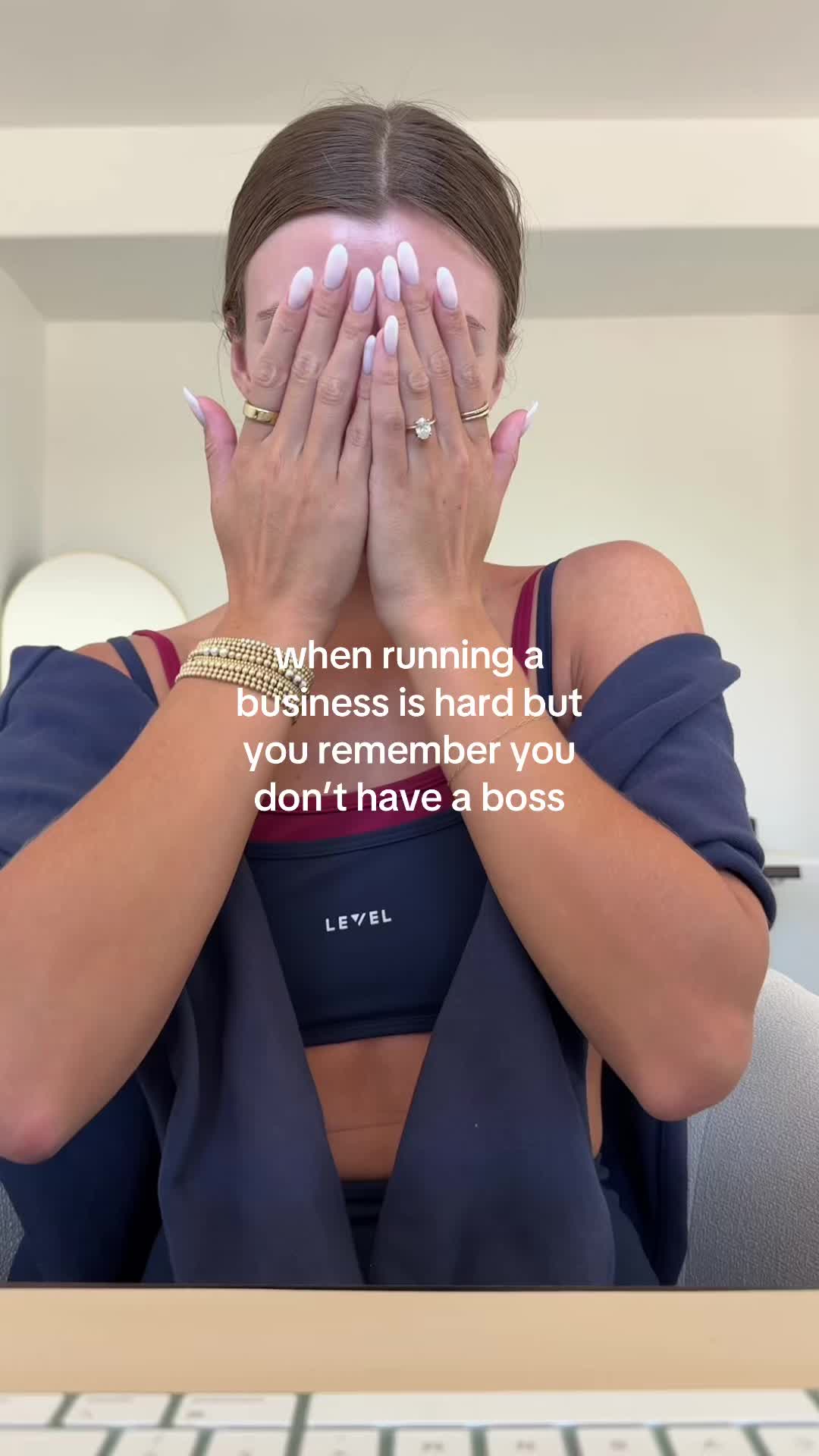
The post taps into the real exhaustion of self-employment while flipping it into a win. People running their own businesses feel simultaneously overwhelmed and protective of that freedom, so this relatable frustration actually reinforces why they chose the path.
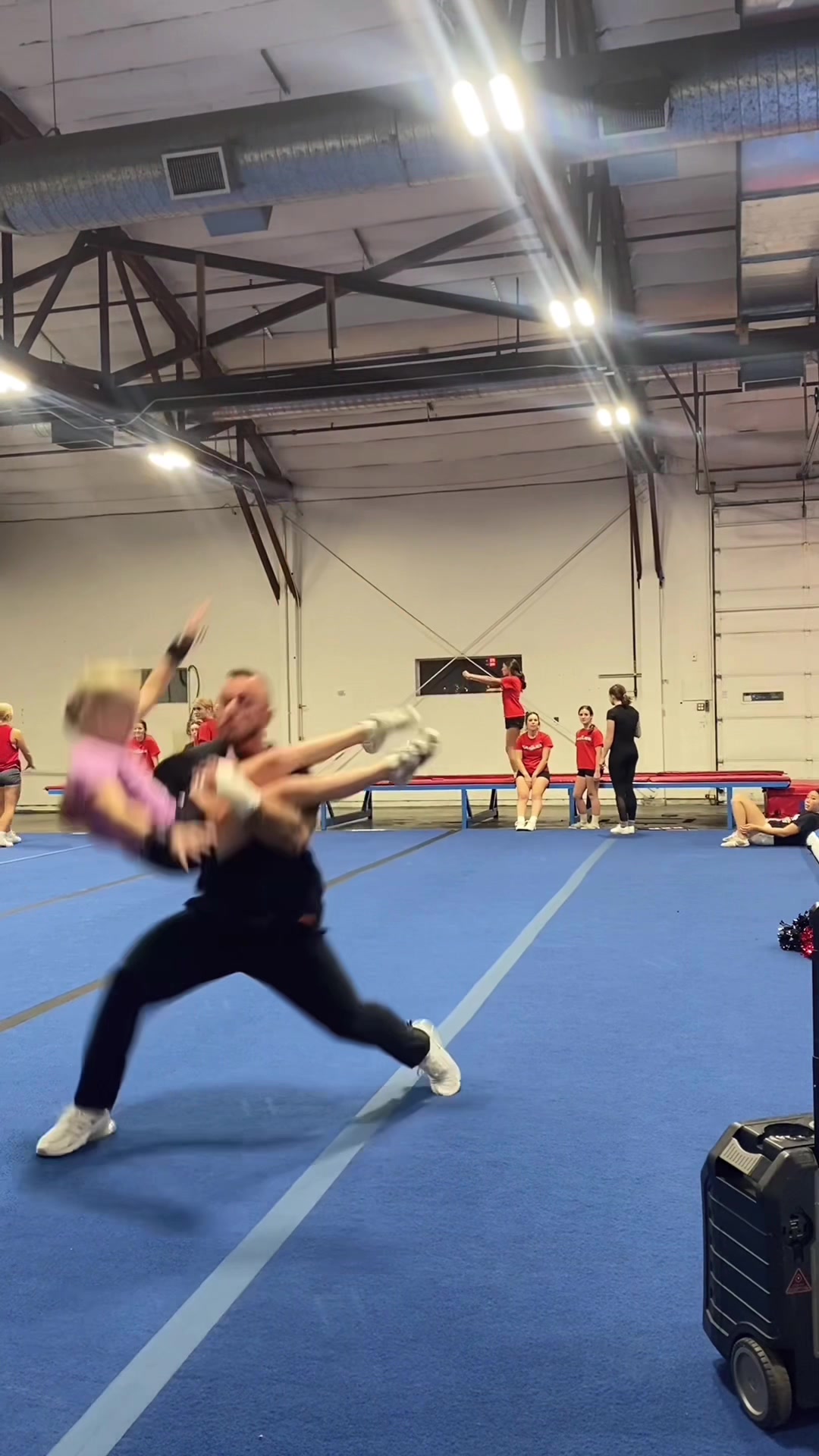
Raw athleticism combined with expert intervention triggers deep respect. People connect with the split-second decision-making and trust between coach and athlete—it's vulnerability and competence at once.
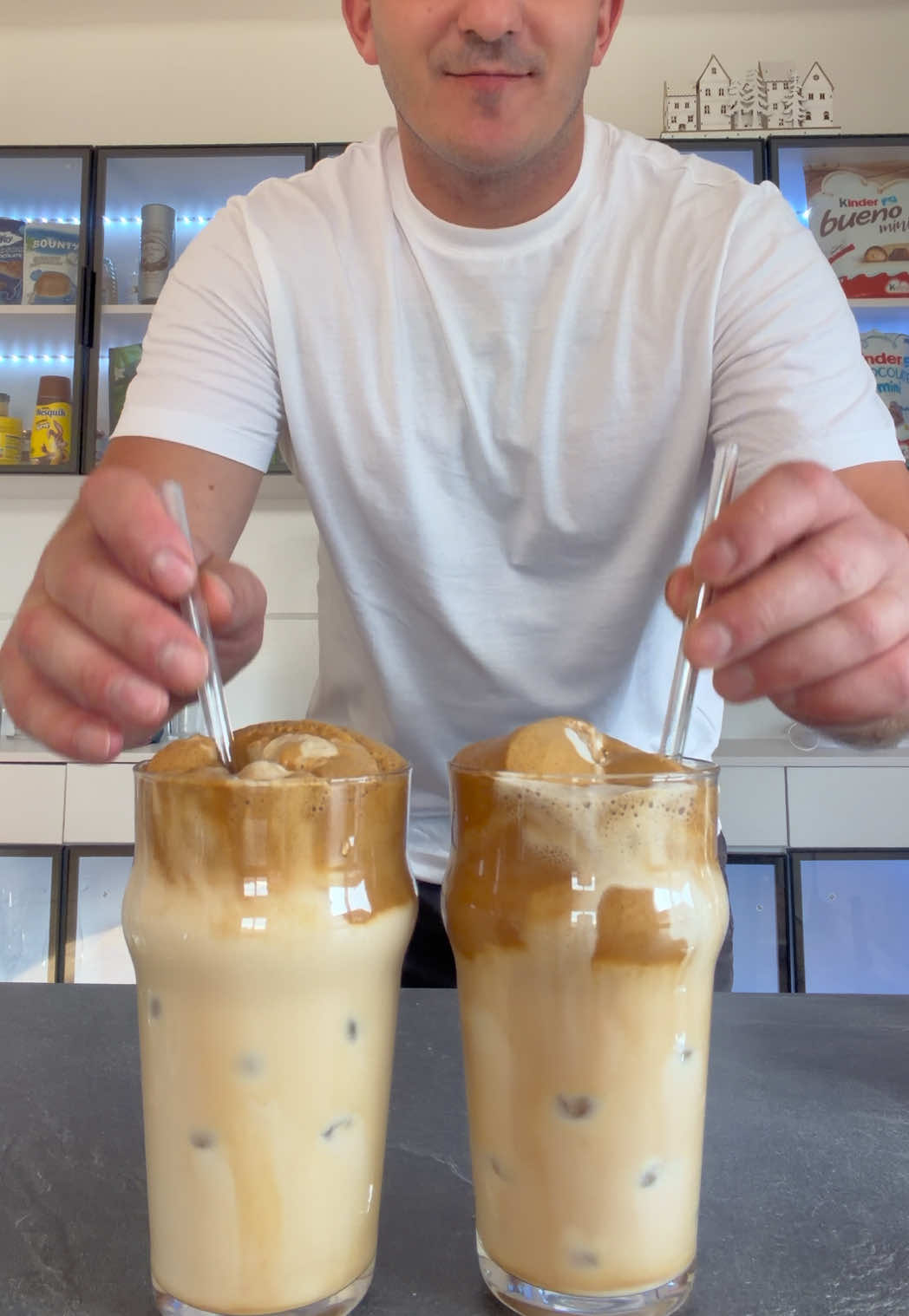
Spanish lattes hit the sweet spot between café-quality visuals and accessible home recreation. The side-by-side comparison makes viewers feel they can actually replicate this, while the creamy, indulgent result taps into the comfort-food satisfaction people crave midweek.
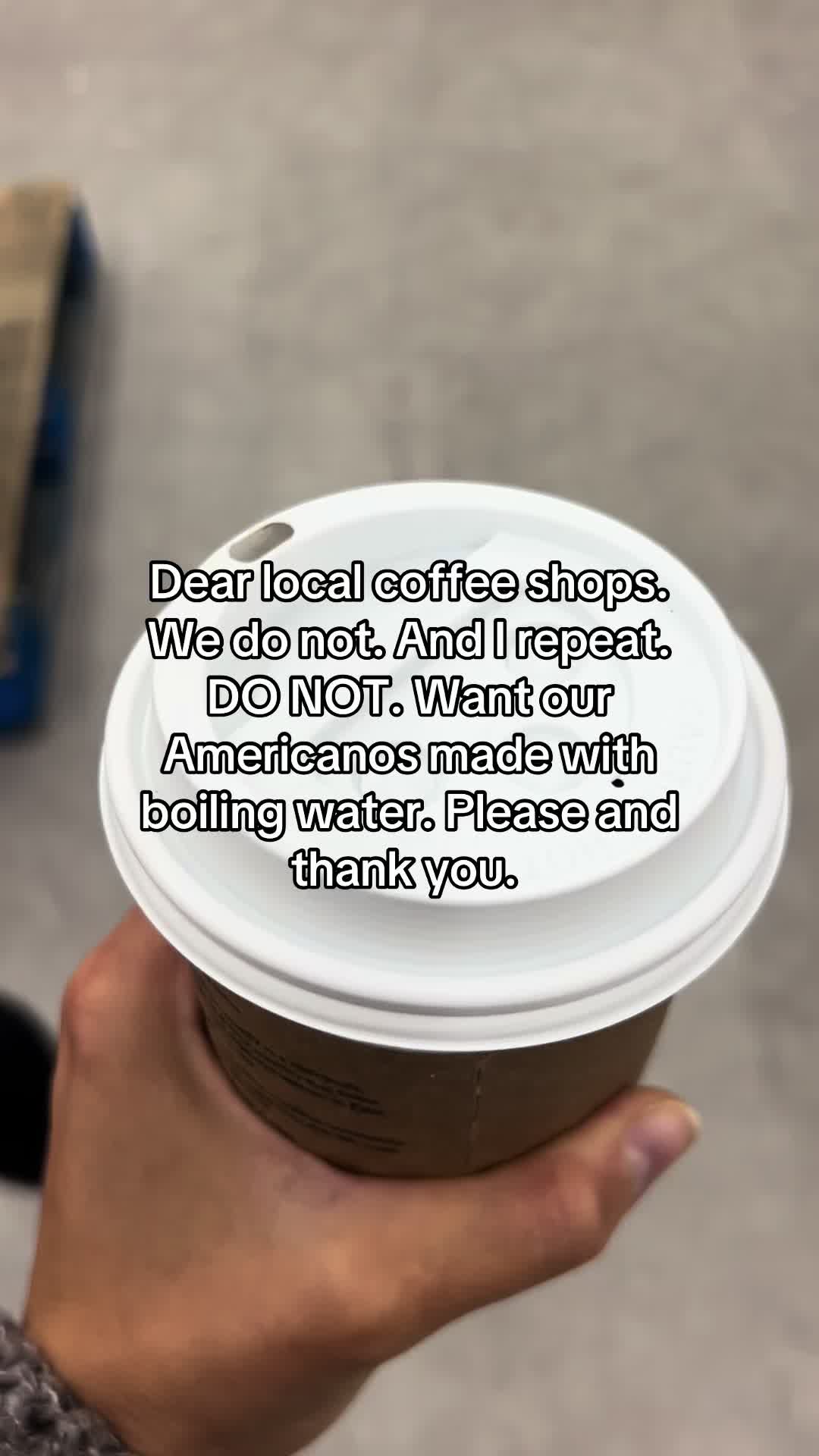
Coffee gatekeeping wrapped in humor hits hard. The post exploits a genuine frustration (hot drinks) while triggering the expert-versus-casual divide, pulling people into a debate about whether the complaint is even valid. The comedy disarms potential defensiveness.
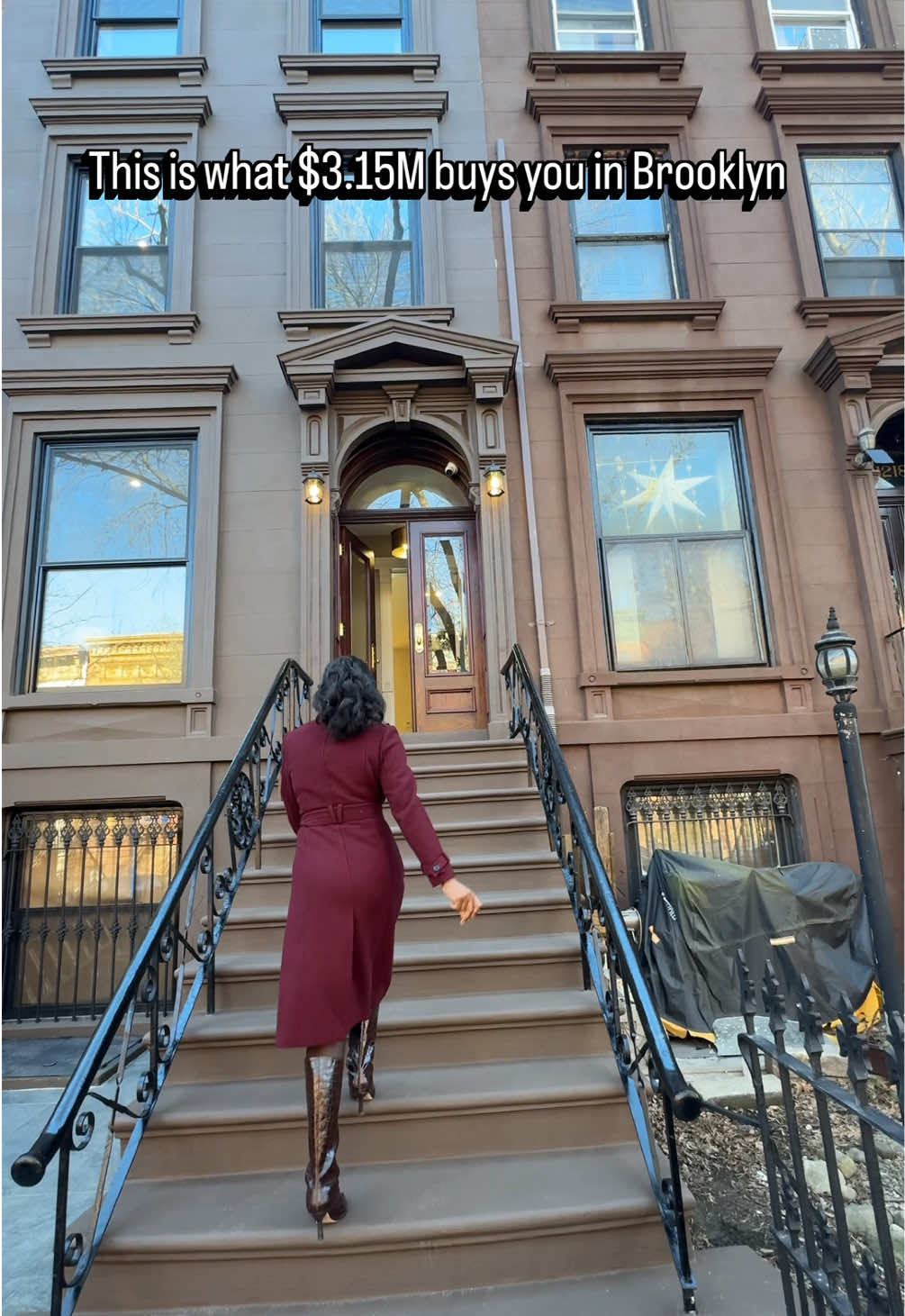
People are drawn to the specificity of real estate posts that show exactly what a big price tag actually gets you. The combination of aspirational visuals (elegant brownstone, styled presentation) with concrete neighborhood details makes the listing feel both achievable and desirable, sparking both fantasy and genuine consideration.
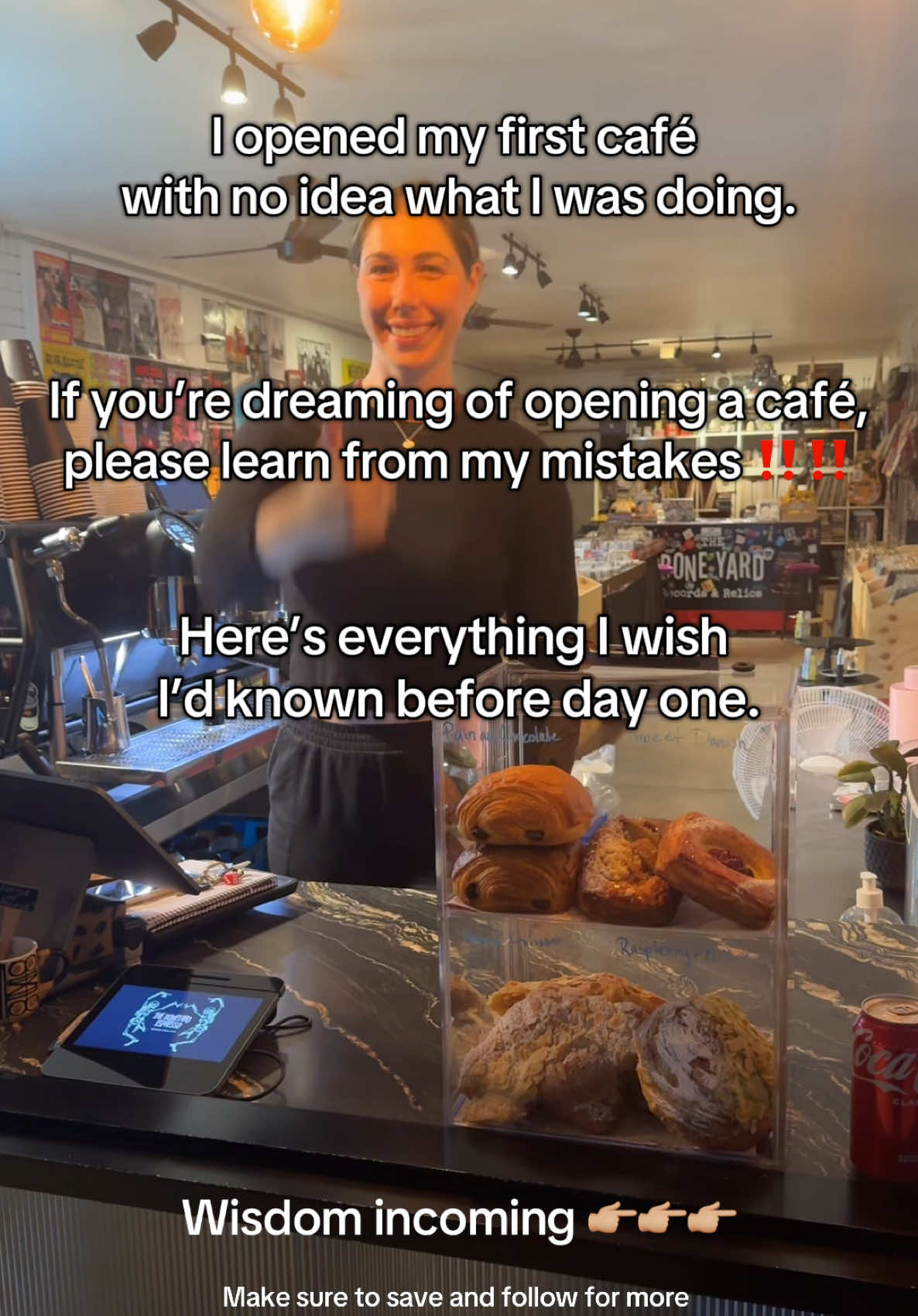
The hook of admitting total inexperience creates instant credibility through vulnerability. People save this because it promises real, hard-won lessons from someone who actually did the thing, not theoretical advice.
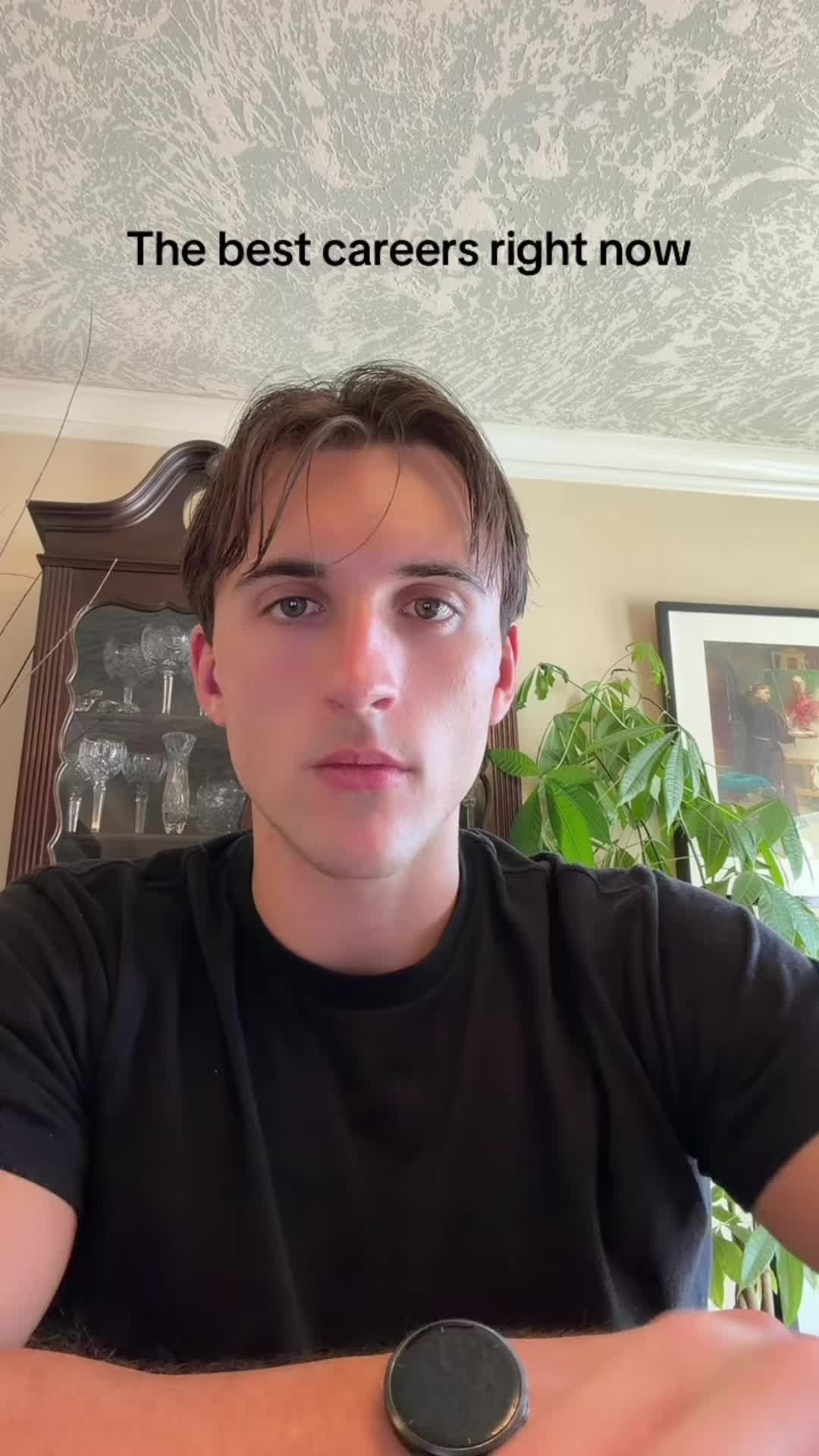
The direct, no-nonsense breakdown of high-ROI careers taps into genuine anxiety about education and money. People crave clarity on practical paths forward, especially when it cuts through noise and delivers honest earning potential talk without gatekeeping.
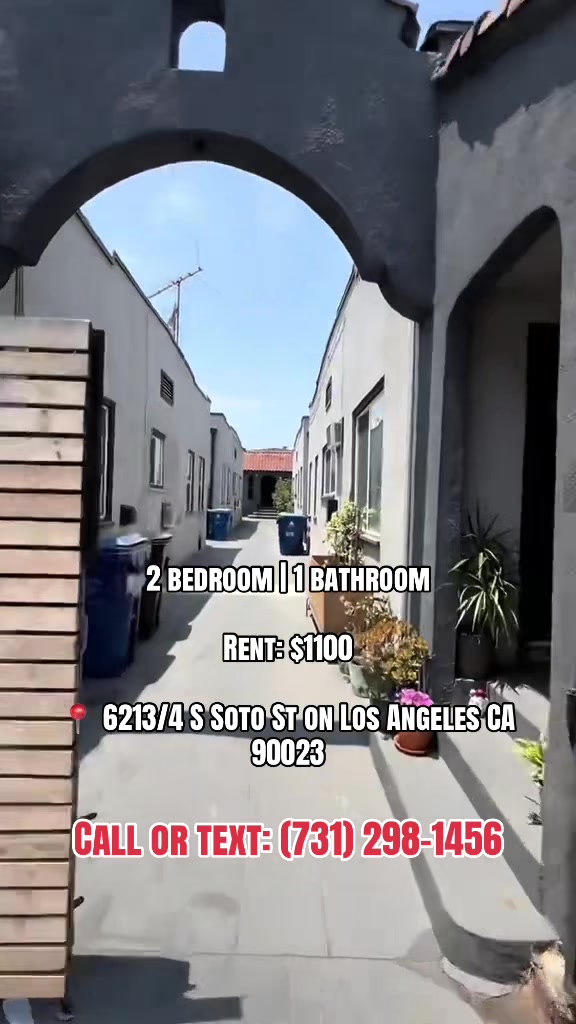
The $100 rent price point in LA is so absurdly low it reads as either a scam or a genuine find, creating curiosity that makes people save and share. The straightforward property tour framed as a deal triggers both skepticism and hope, driving engagement from people checking if it's real or telling others about it.
She cuts through the noise by acknowledging a gray area that everyone thinks but nobody says out loud. The combination of confidence, specificity, and honesty about career paths sidesteps the tired "follow your passion vs. get rich quick" debate and gives people permission to think differently about their own choices.
Authentic enthusiasm paired with a hyperlocal angle creates discovery momentum. The genuine reaction shot combined with specific flavor callouts and a local business hook makes people want to visit and share the finding with their community.

The "what I wish I knew" format taps into the universal desire for insider knowledge, especially when someone's being candid about the struggles nobody mentions. Real estate agents starting out feel isolated, so seeing a peer acknowledge the hard truth builds instant trust and makes them feel less alone.
This hits a nerve because it positions LLC formation as a naive move, flipping the script on what most entrepreneurs think they're doing right. The conviction in delivery sells the idea that there's a hidden wealth-building layer most people miss, creating intrigue around a gap in knowledge.
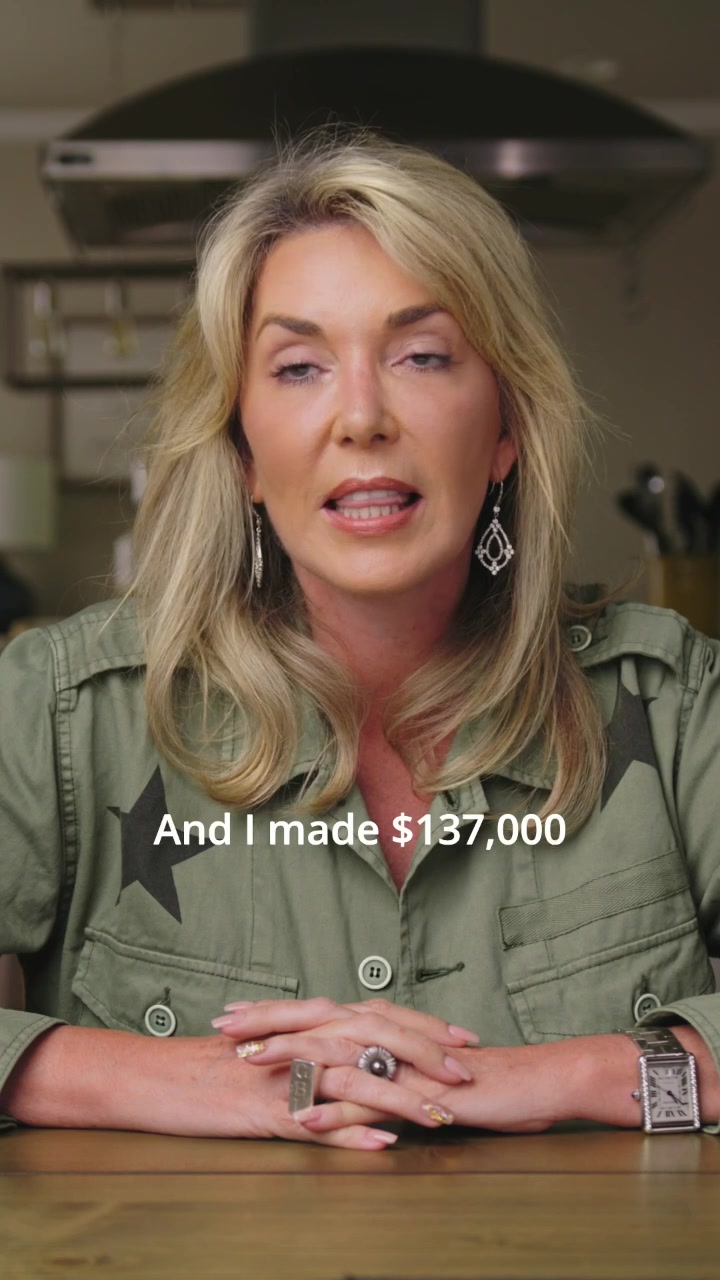
The specificity of a six-figure commission hits harder than vague success talk. People don't just want inspiration, they want proof that real money moves happen in real estate, which makes the path feel less mythical and more achievable.
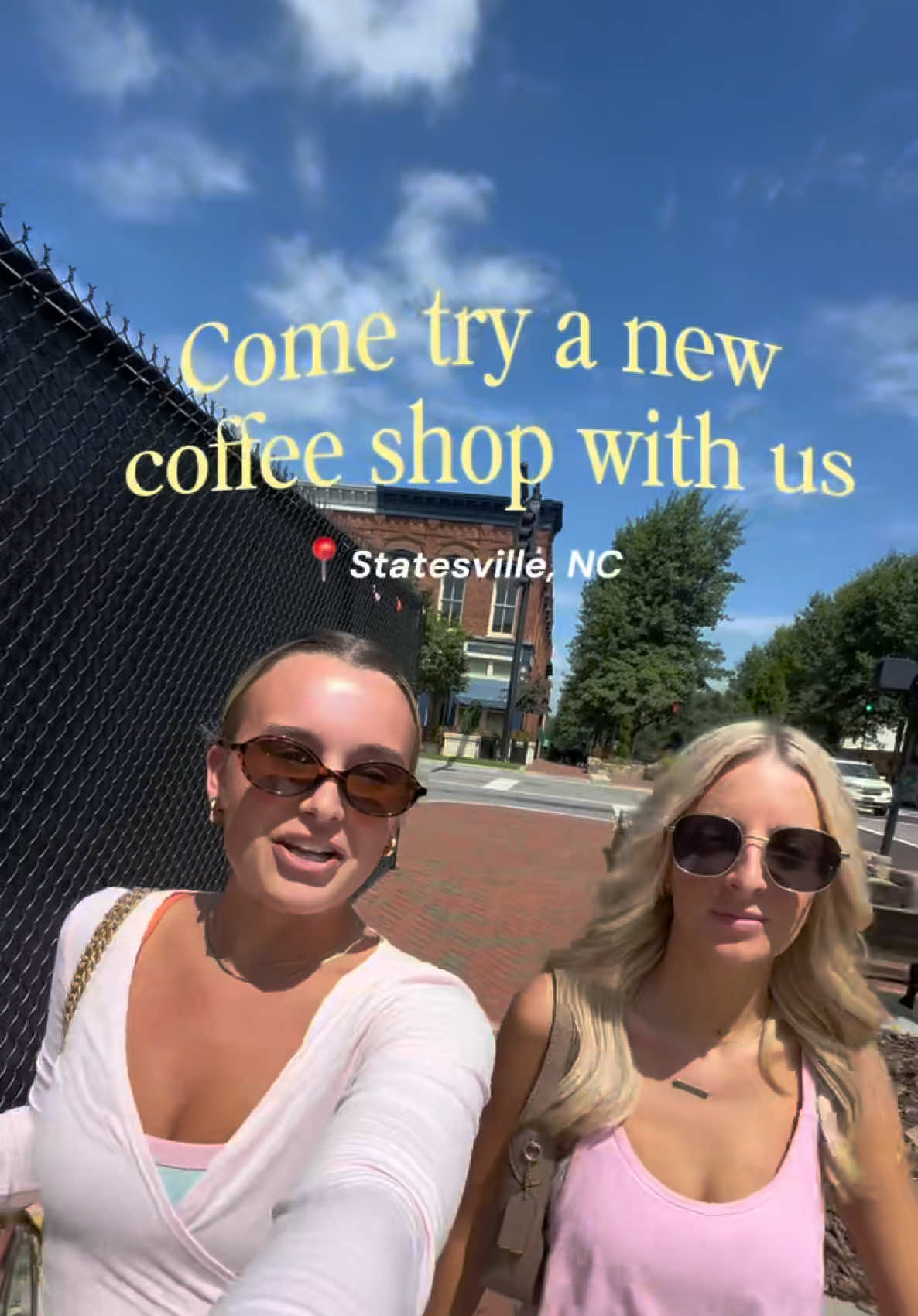
The post taps into local pride by inviting people into a genuine discovery moment about their own community. People engage fiercely when they realize something cool exists near them and feel included in sharing that discovery.

People crave permission to pursue unglamorous paths to wealth. This cuts through the noise of passion-obsessed entrepreneurship culture by validating that boring, repetitive, profitable work beats chasing exciting ideas that don't make money.
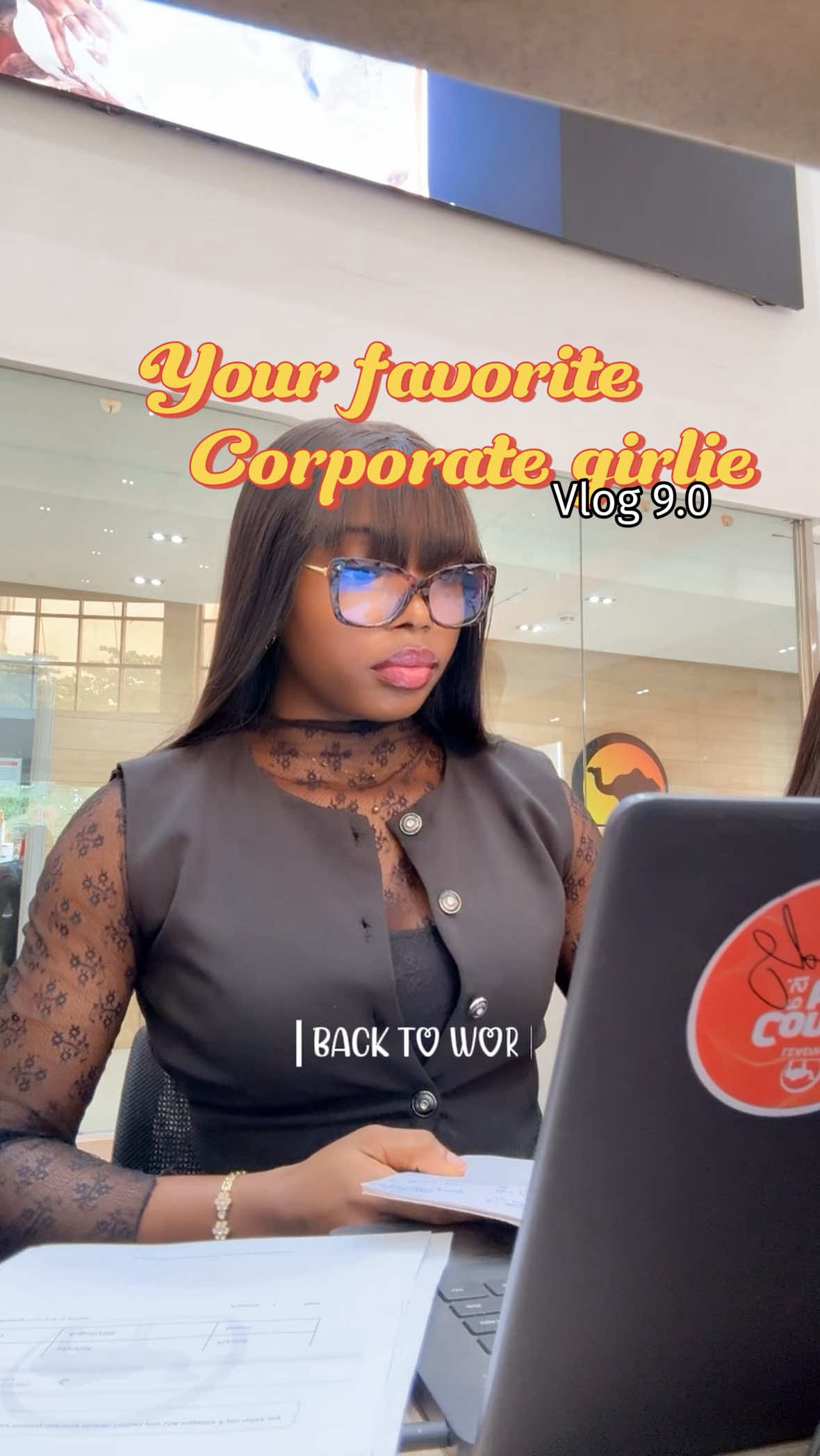
The "come to work with me" angle taps into aspiration wrapped in relatability—viewers get to inhabit a polished corporate identity without the gatekeeping. The confidence and style elevate it beyond a simple day-in-the-life, making the mundane feel aspirational.
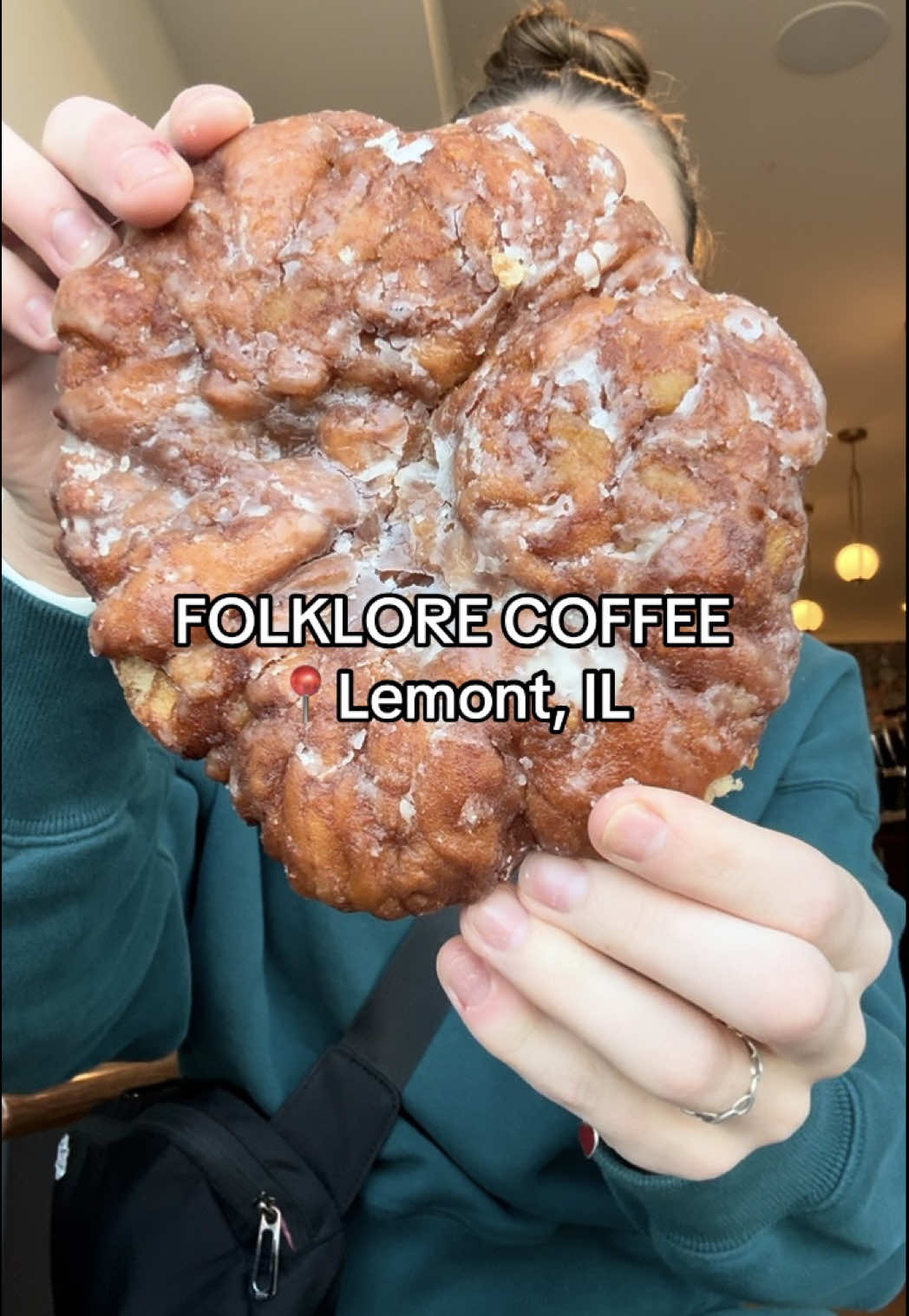
People save and share food close-ups that look indulgent and Instagram-worthy, especially when paired with a specific, discoverable location. The giant pastry in hand creates immediate desire, while tagging the exact cafe makes it shareable for locals seeking their next trip.
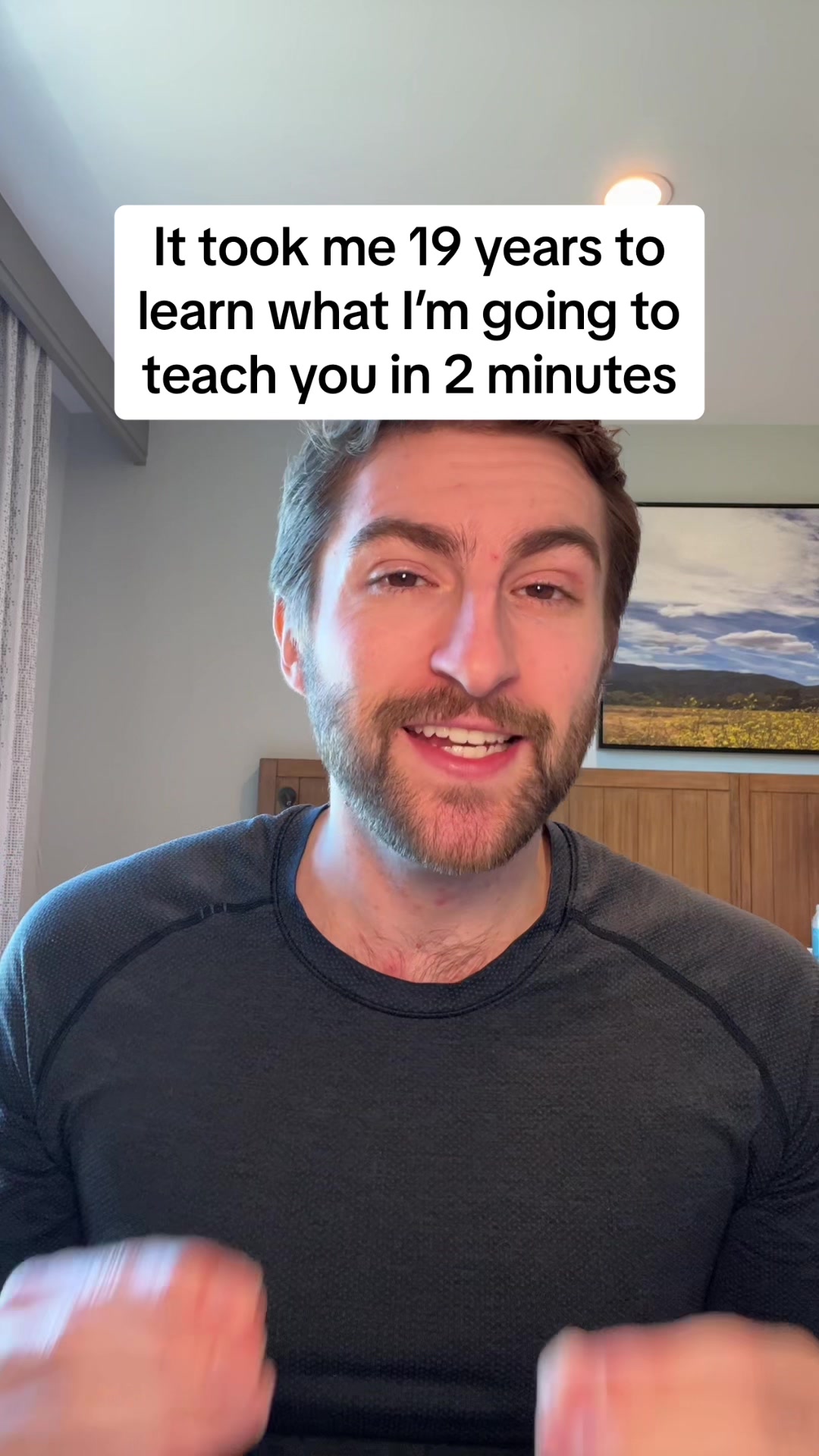
The promise of distilling deep expertise into bite-sized wisdom hits hard. The "19 years to learn, 2 minutes to teach" framing makes people feel like they're getting insider access to years of work compressed, which satisfies both the hunger for shortcuts and the respect for earned knowledge.
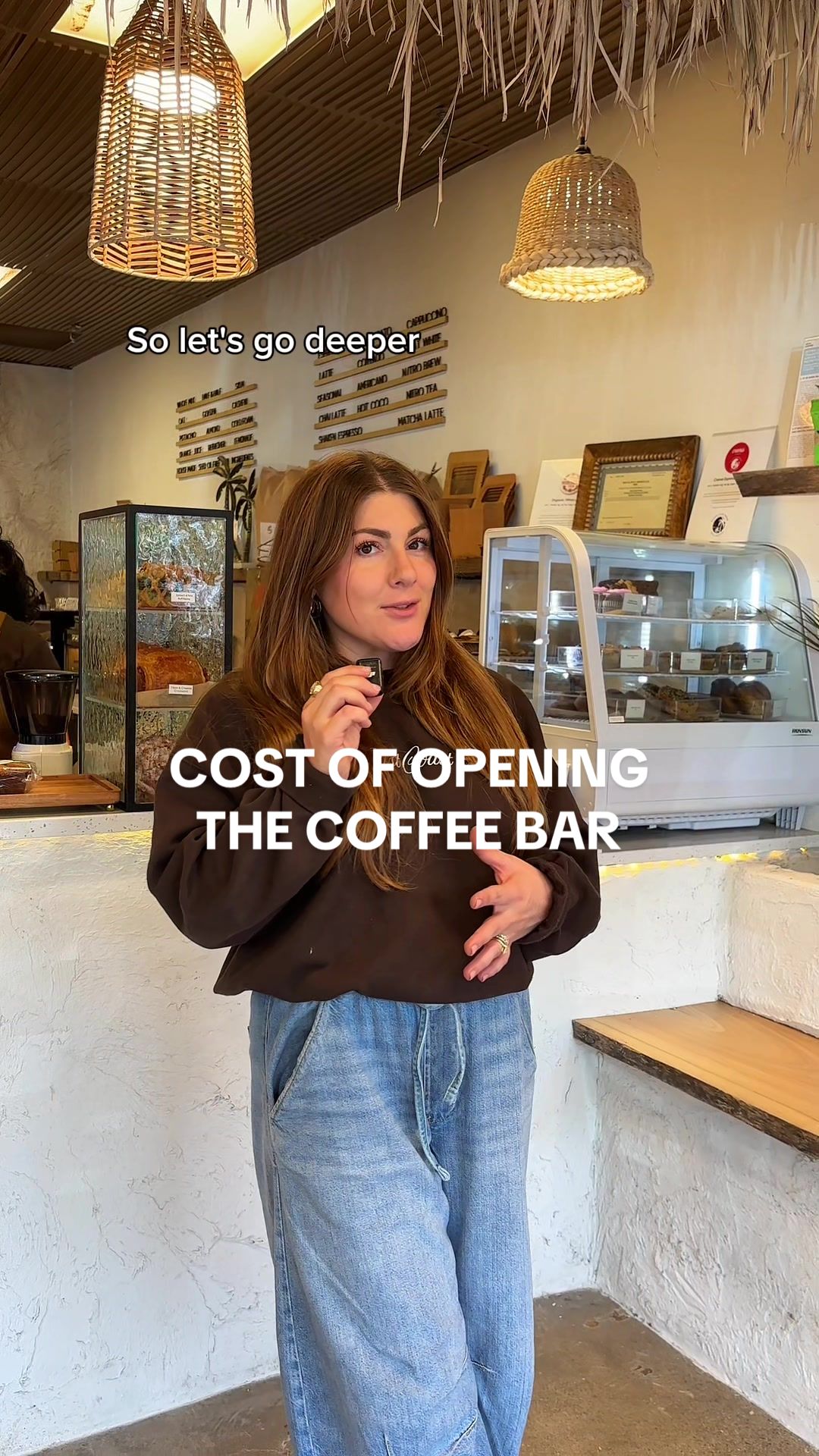
People crave transparency about the unglamorous side of small business dreams. The "here's what it actually costs" angle bypasses typical inspiration content and lands as real talk that validates both aspiring entrepreneurs and customers who wonder why quality costs more.
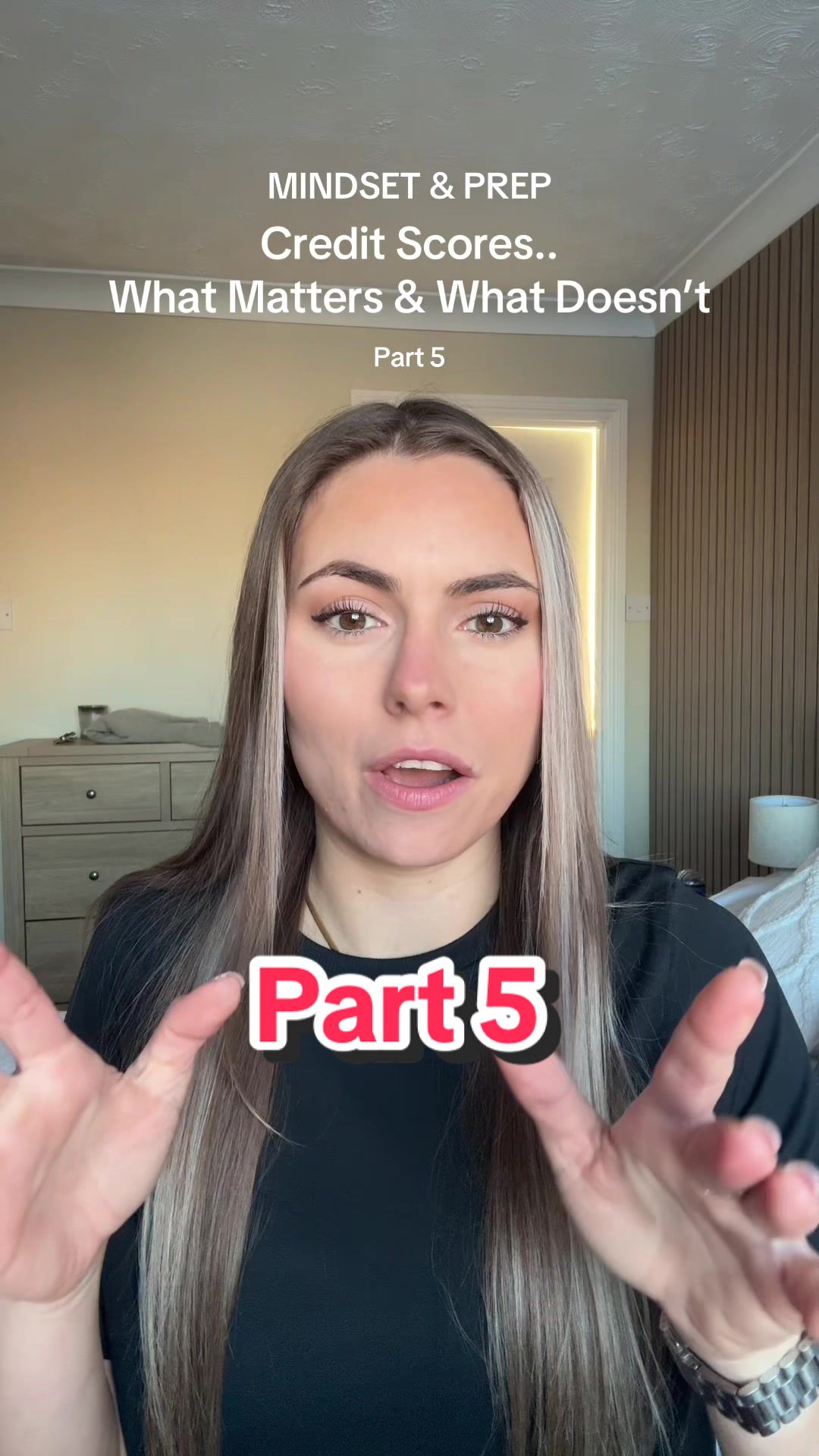
Series content built trust and authority by breaking down credit myths in digestible chunks. Part 5 signals repeat viewers who follow the whole journey, while the relatable anxiety about financial transparency in the top comment shows people crave demystifying content that validates their fears.
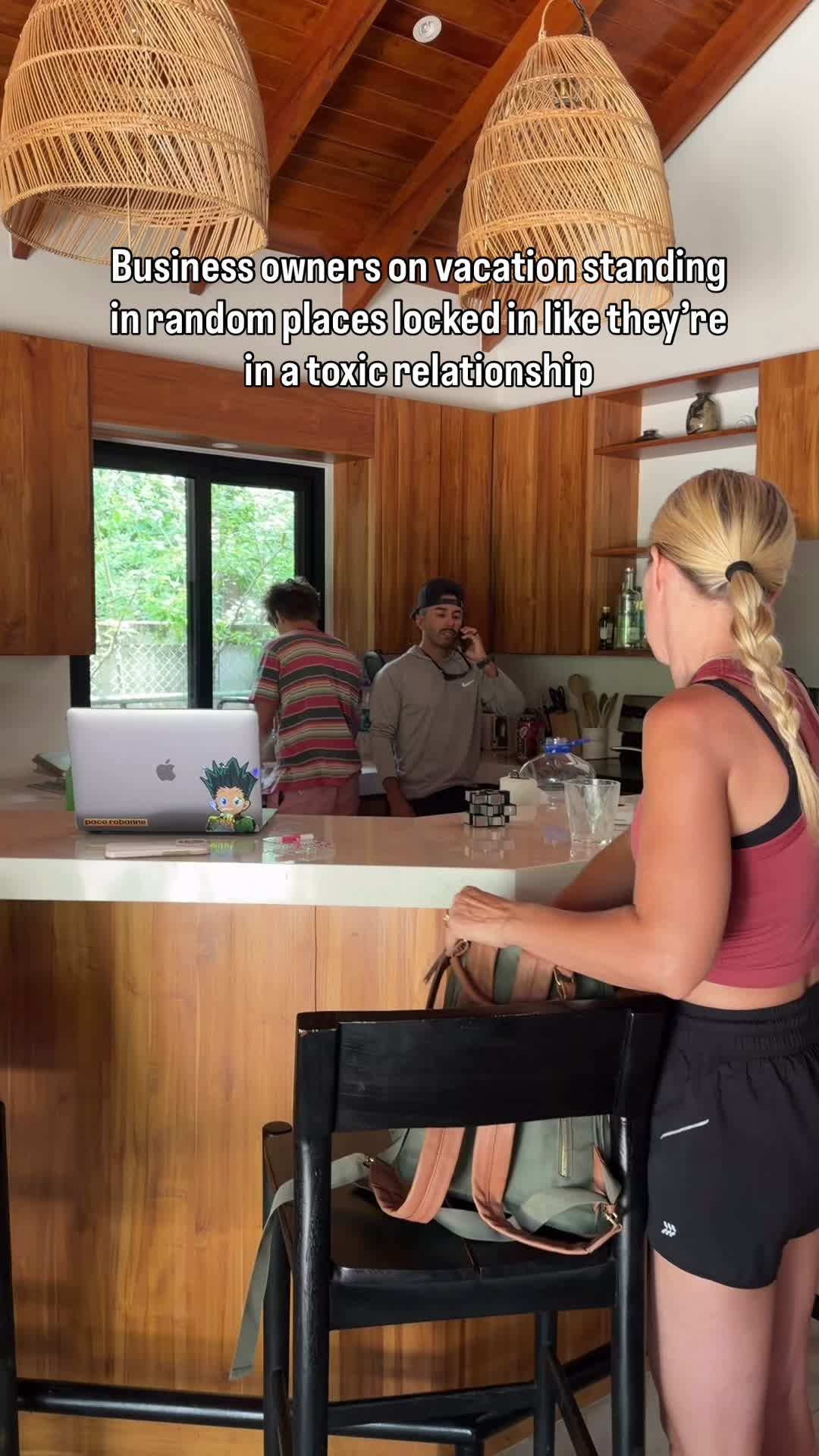
The humor lands because it captures a universal truth about entrepreneurship that feels both funny and painfully relatable. Business owners recognize themselves in that trapped, can't-fully-disconnect energy, and that honest acknowledgment of the hustle myth beats aspirational content every time.
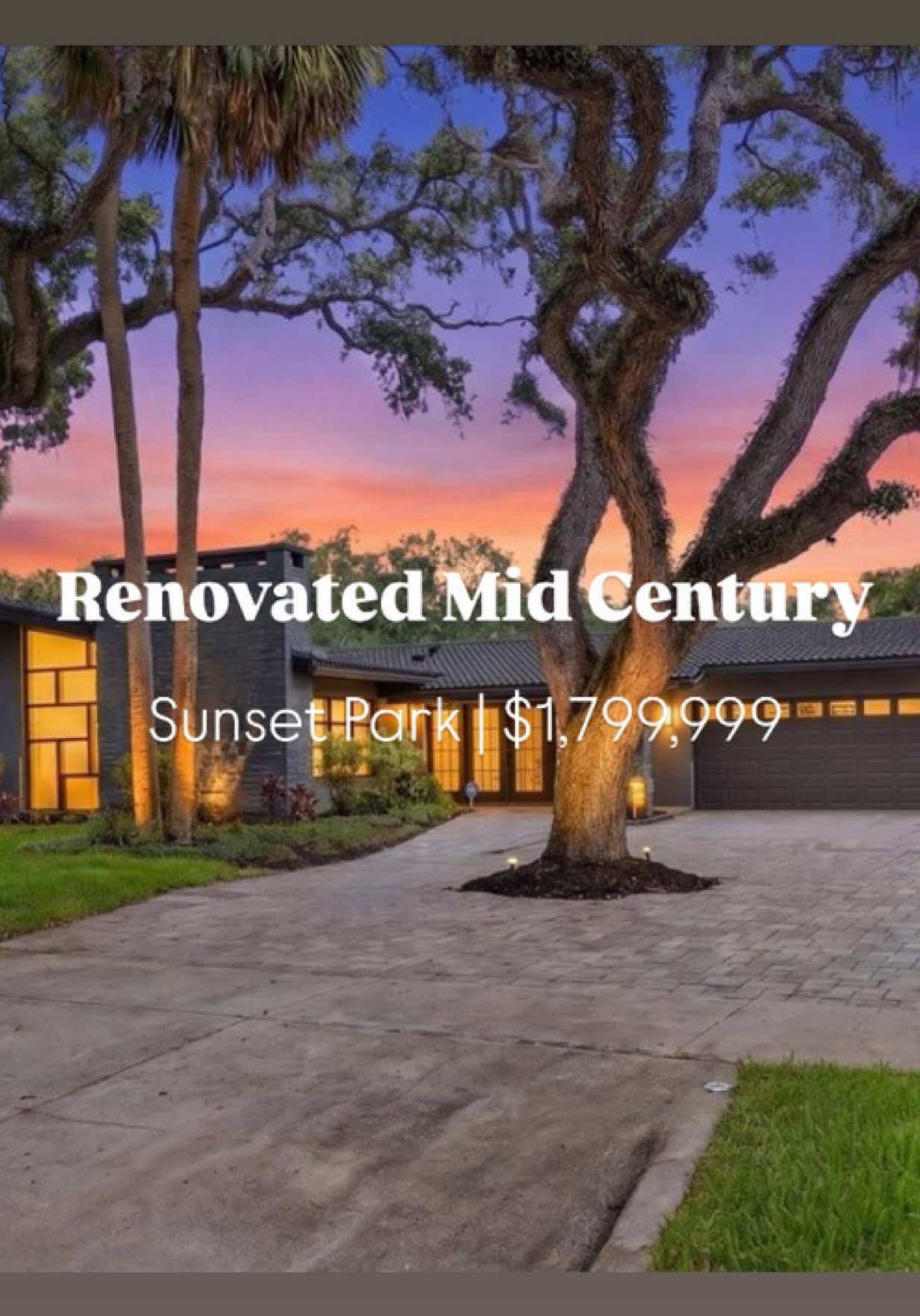
The dramatic sunset backdrop and architectural character create an aspirational visual hook, but the comments reveal the real engagement driver—people are divided on the renovation choices themselves. Controversial design decisions (that tree placement, the modern remodel of a classic MCM home) sparked genuine debate rather than passive scrolling.
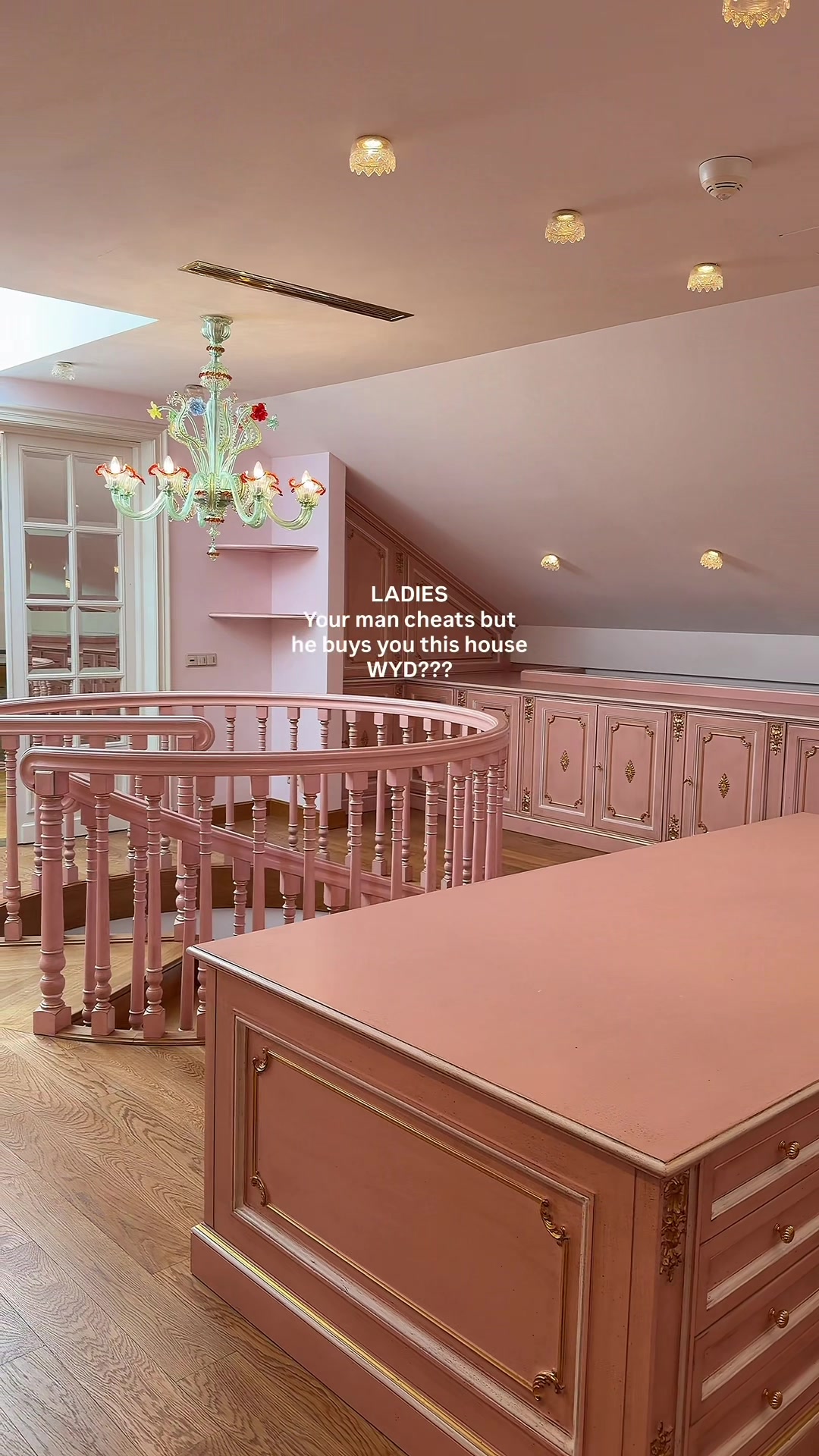
The post taps into a universal relationship dynamic—using luxury real estate as the ultimate "apology gift." People engage because it's relatable (relationship drama is everywhere) wrapped in aspirational visuals (a stunning pink mansion). The humor and absurdity of the premise creates instant debate in comments.
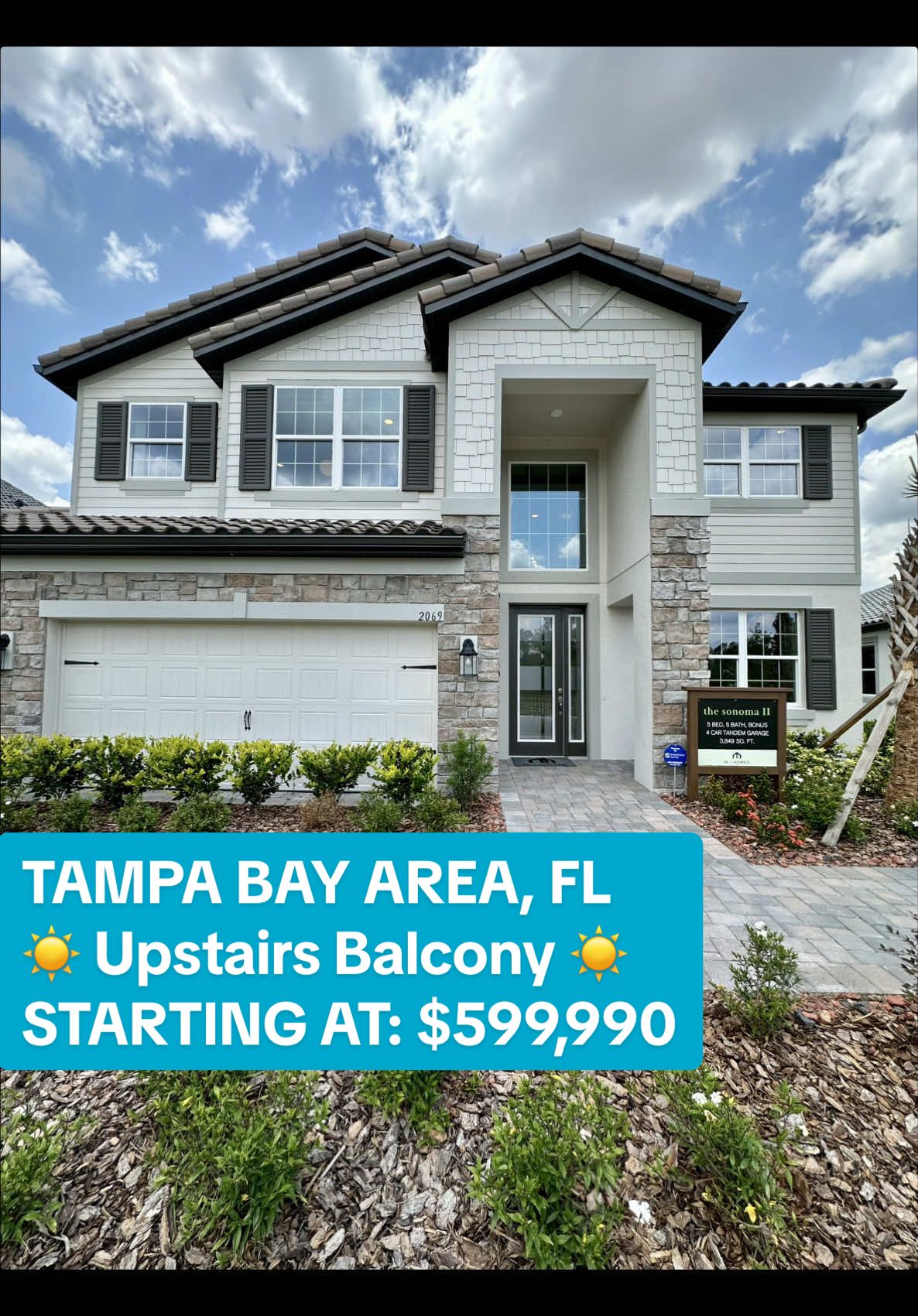
The post hits the aspirational sweet spot where people can actually see themselves living. A clean, sun-soaked new construction with specific amenities listed triggers the "I could do this" feeling rather than the "that's for someone else" feeling, especially when paired with an accessible entry price point.
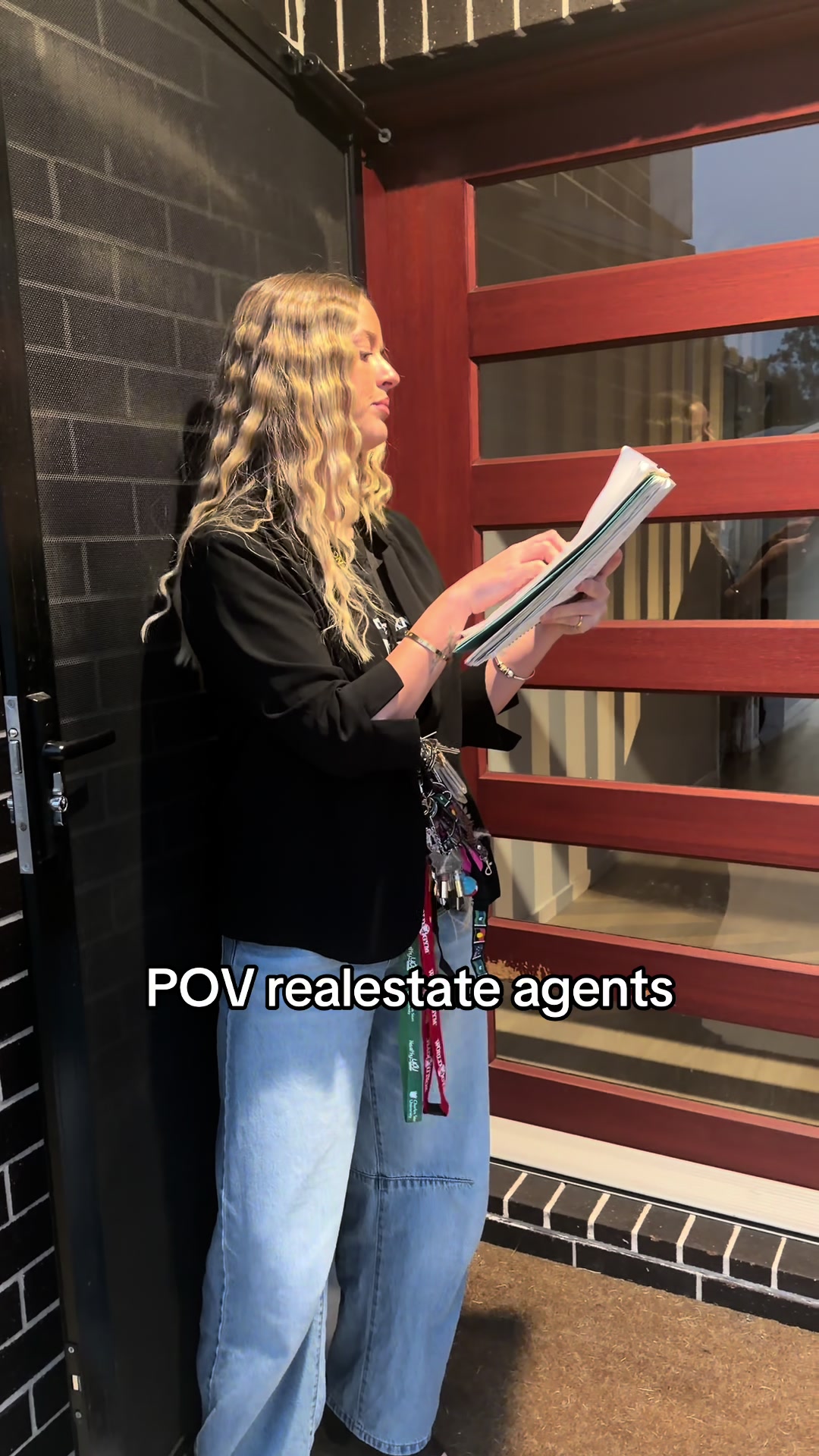
People connected with the relatable stereotype of real estate agents as a specific type of professional with their own unwritten rulebook. The humor landed because it felt observational and true, tapping into shared cultural understanding of a profession everyone encounters but rarely sees parodied.

The headline creates cognitive dissonance—$35/hour sounds low, but the promise that it could still qualify you for a home triggers hope and curiosity. People want to believe homeownership is attainable, so they engage to either validate their own situation or challenge the math.
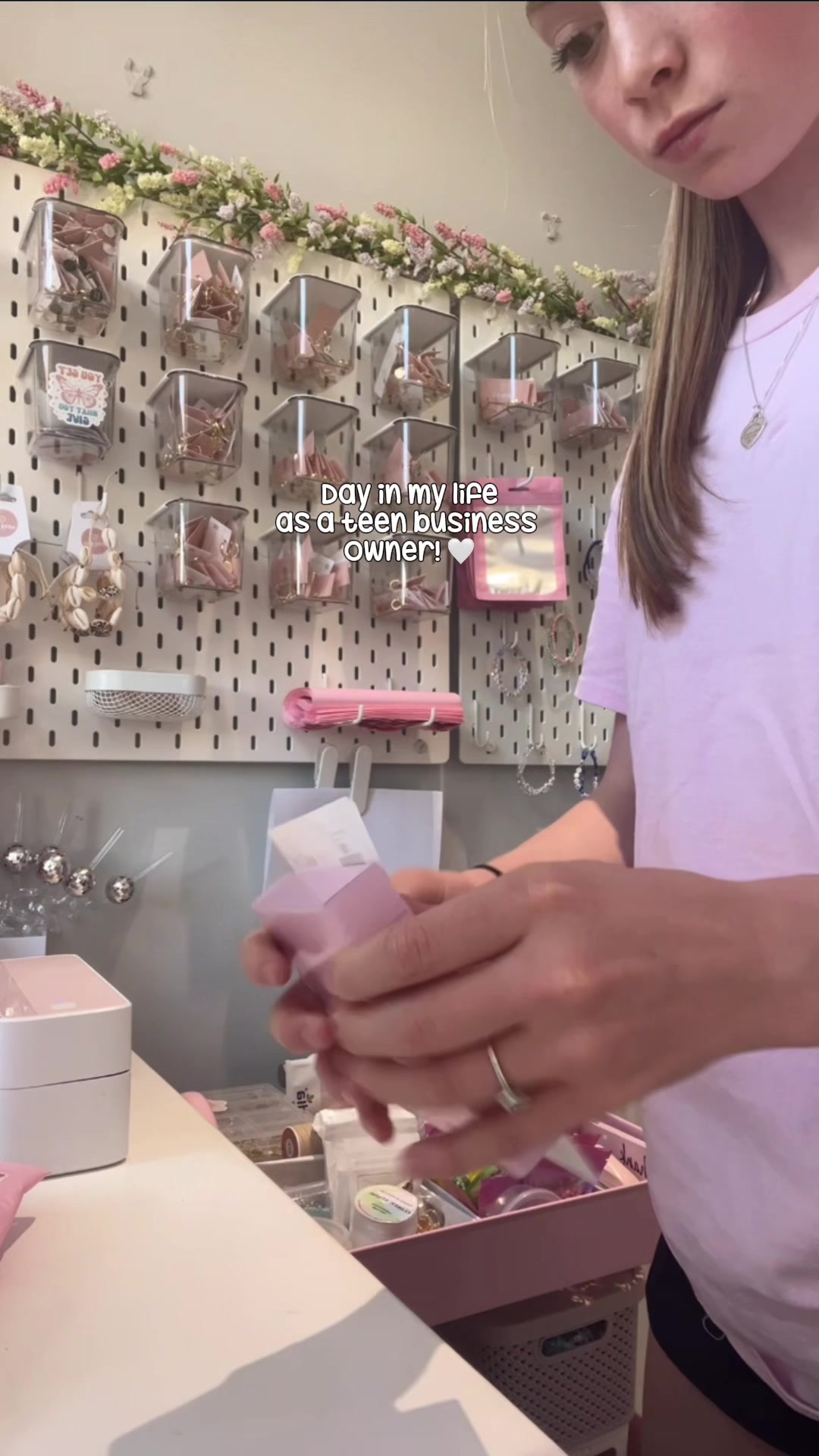
The aesthetic setup and calm packing routine tap into aspirational entrepreneurship without the gatekeeping. Viewers see a relatable teen actually doing the work, making business ownership feel achievable rather than distant or flex-heavy.
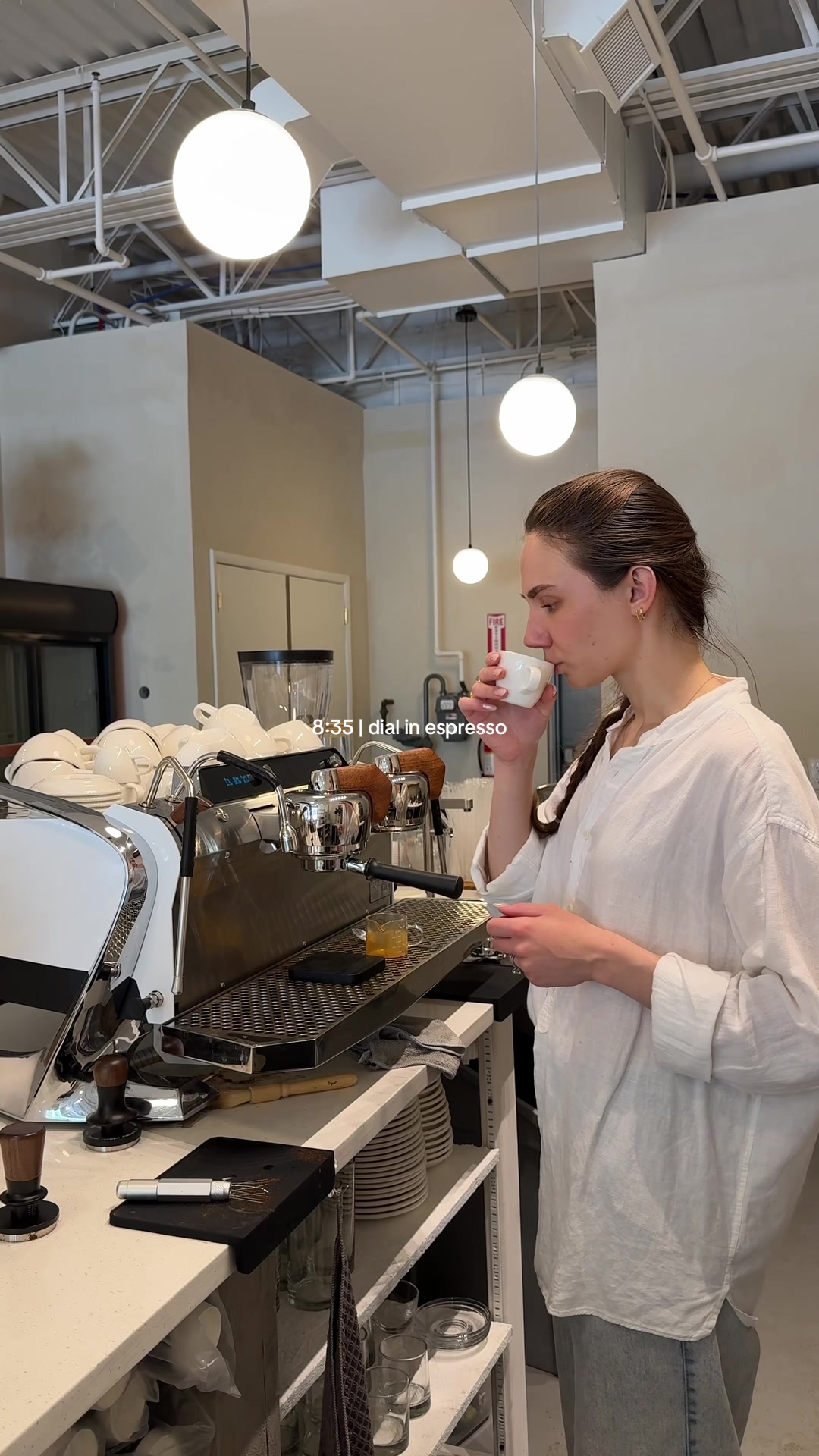
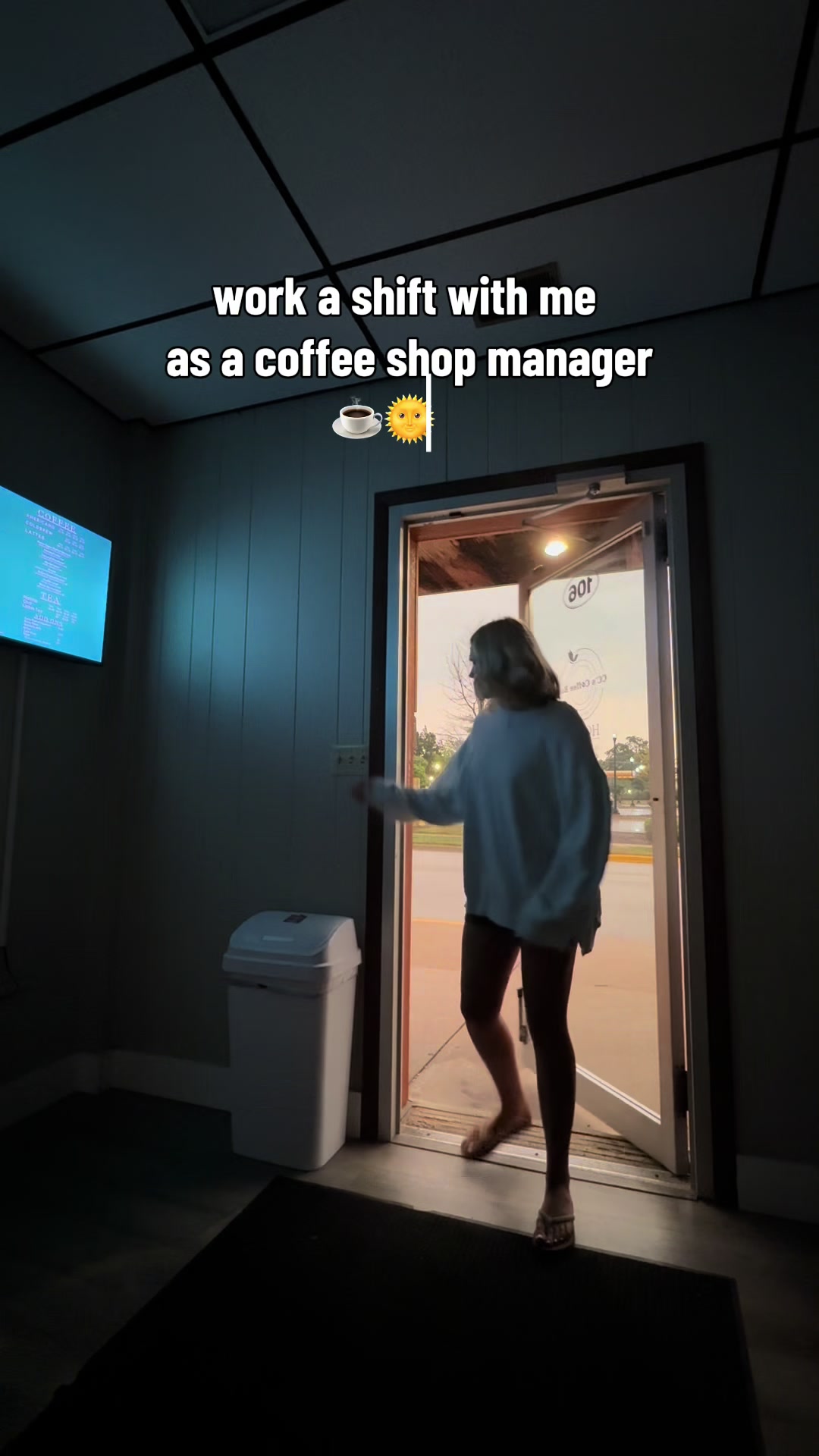
People save this because it taps into the aspirational fantasy of opening your own coffee shop paired with genuine, unfiltered behind-the-scenes authenticity. The creator isn't performing—she's just working, which makes the dream feel accessible rather than untouchable.
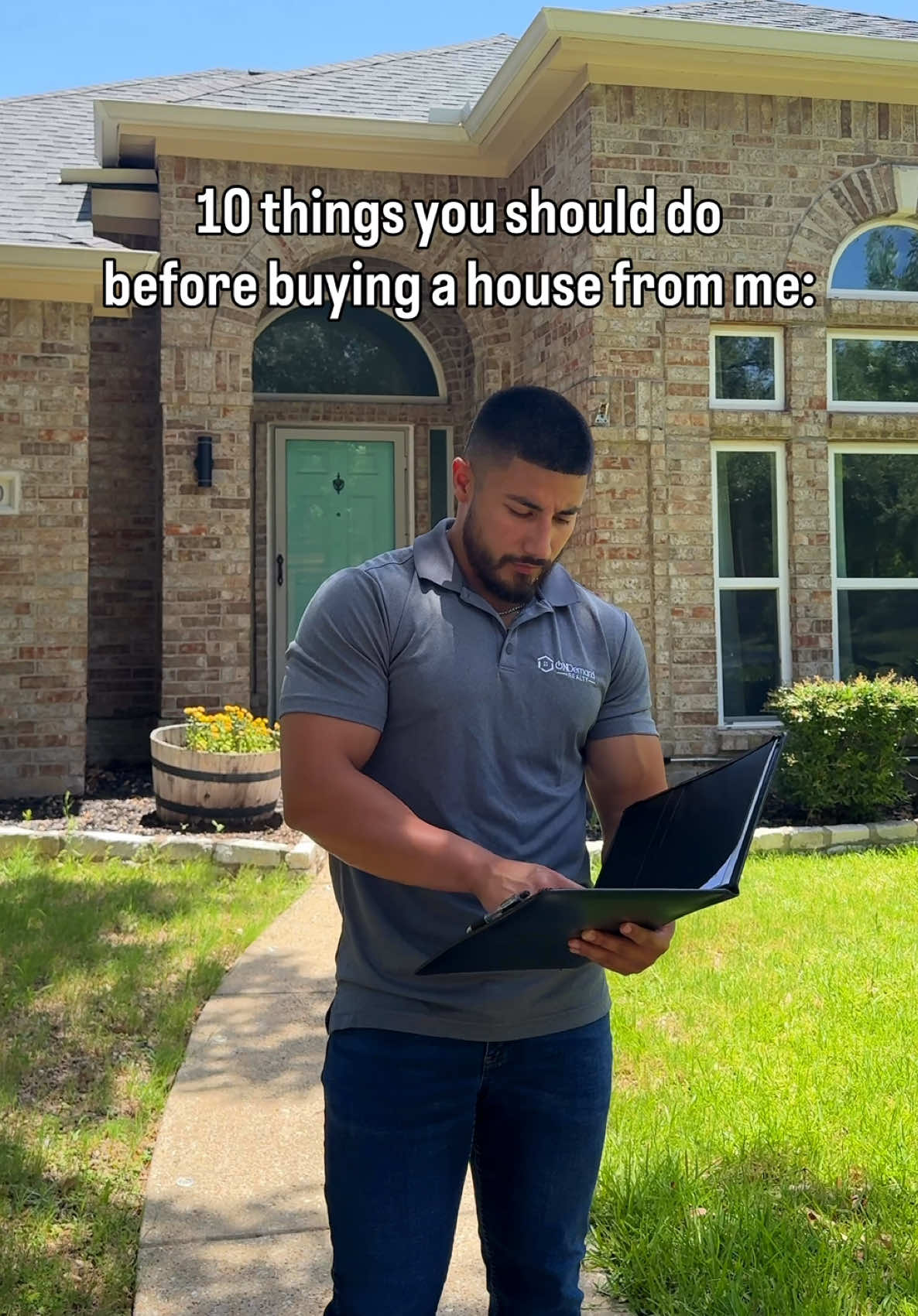
The post taps into personal branding and physicality as a differentiator in a traditionally buttoned-up industry. People engage because it's unexpected, slightly playful, and positions the realtor as both competent and approachable rather than stuffy.
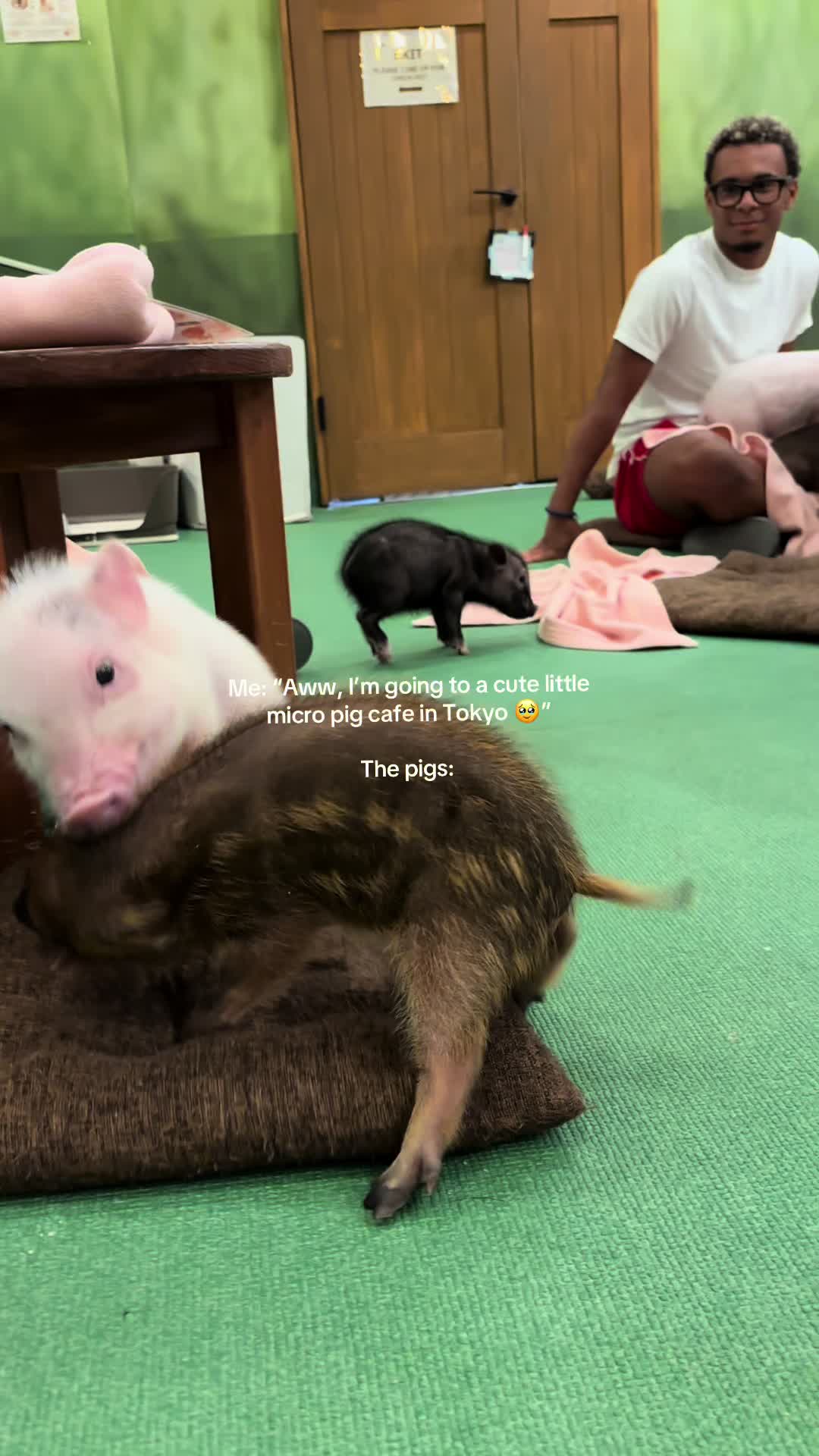
The expectation-versus-reality gap between "cute micro pig cafe" and the actual chaotic energy of the pigs creates instant comedy. People love when reality crashes the fantasy, especially when it's captured with genuine surprise rather than forced humor.
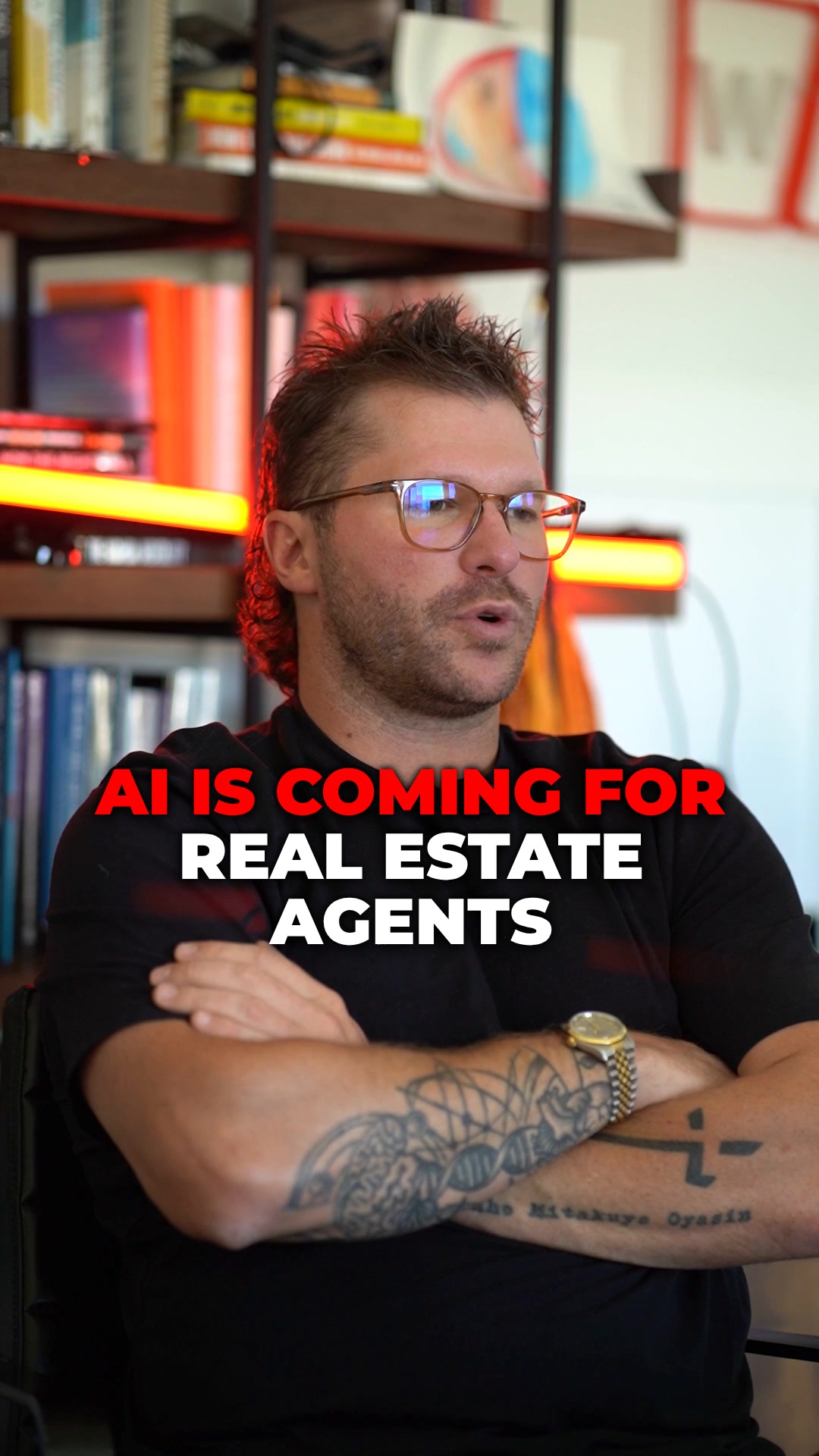
The hot take about AI disrupting real estate hits a nerve because agents feel threatened but also know it's partially overblown. People save and share posts that voice their own anxieties, especially when delivered with confidence by someone who seems to understand the industry.
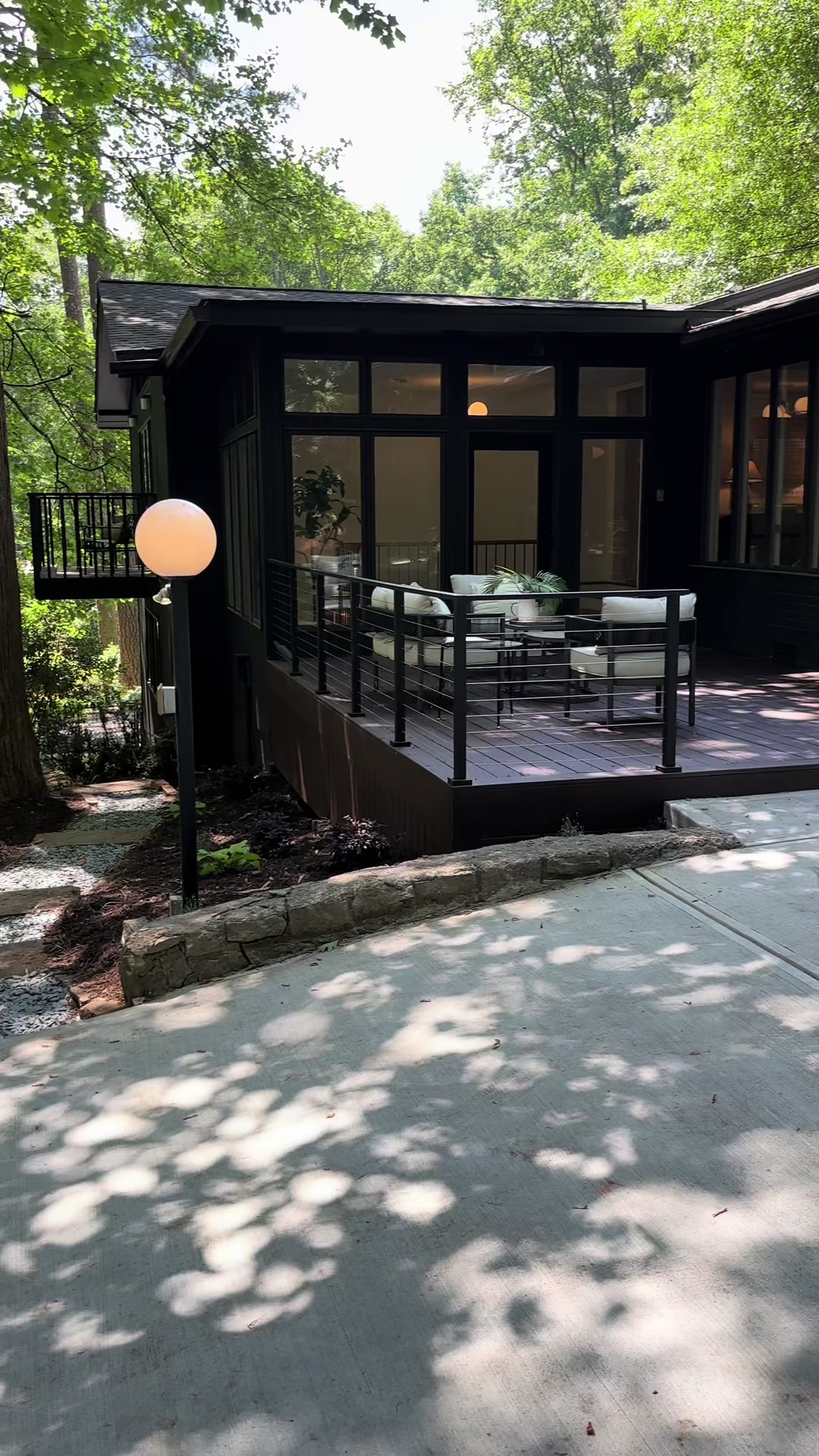
The aesthetic restraint works harder than flashiness. Black modernist architecture against lush green creates immediate desire without needing to shout. People saved and shared because it felt like discovering something real, not a staged listing.
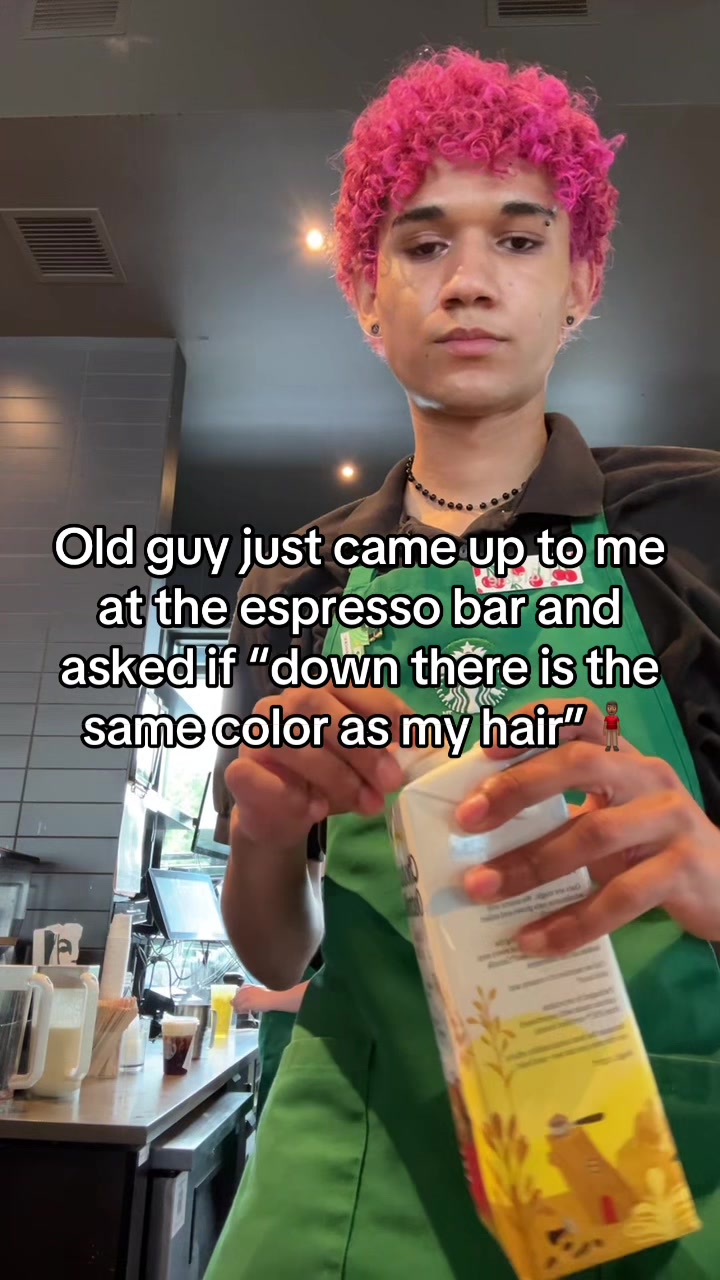
The post taps into workplace awkwardness that feels uncomfortably real. A random customer's creepy comment becomes shareable because it's relatable, slightly uncomfortable, and opens up a conversation about what counts as acceptable behavior in customer-facing jobs.
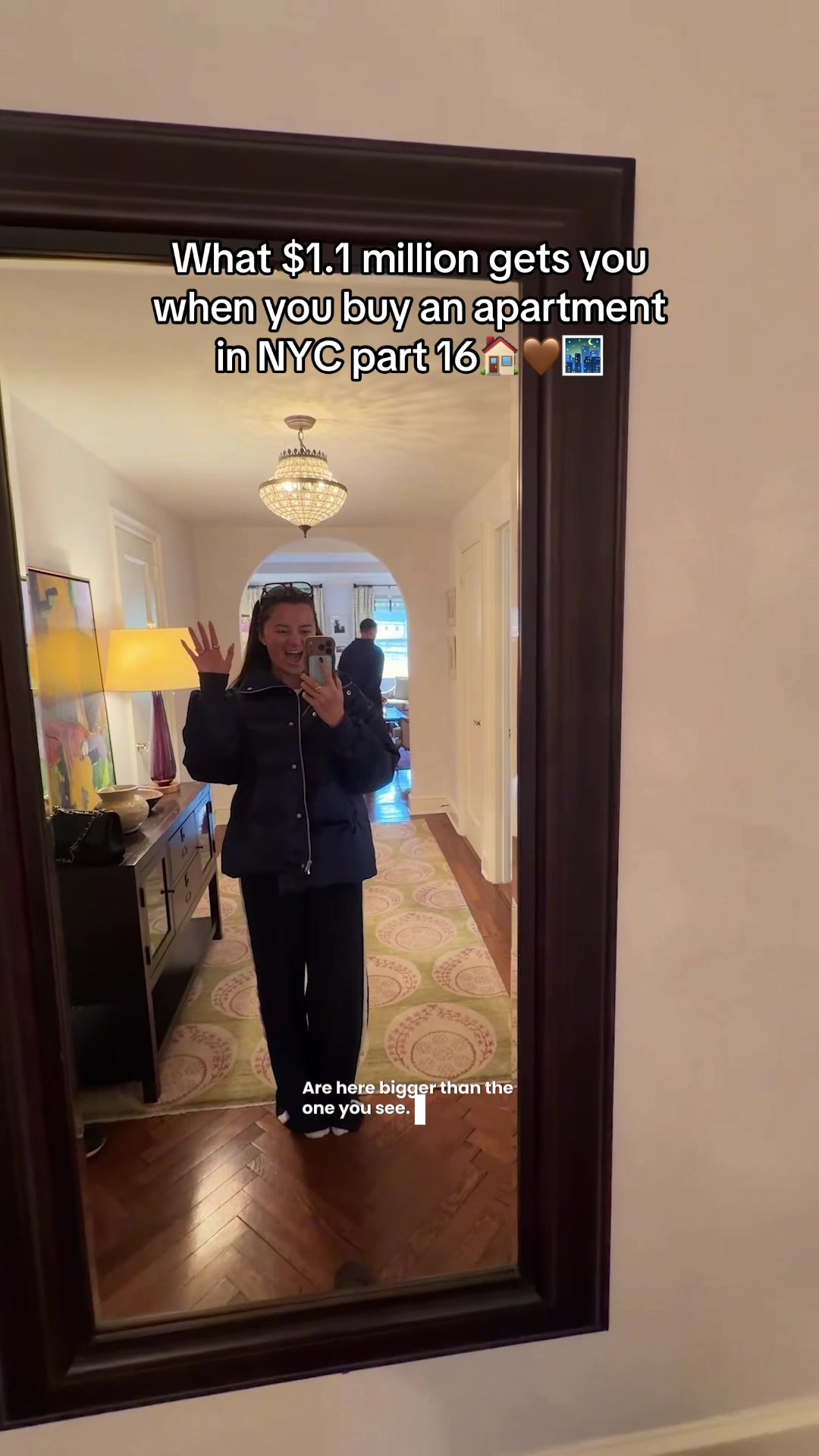
The absurdity of NYC real estate pricing hits different when you actually show what $1.1M buys you. People aren't mad at the apartment, they're amused by the reality check that a narrow hallway and no laundry somehow costs more than most homes in America.
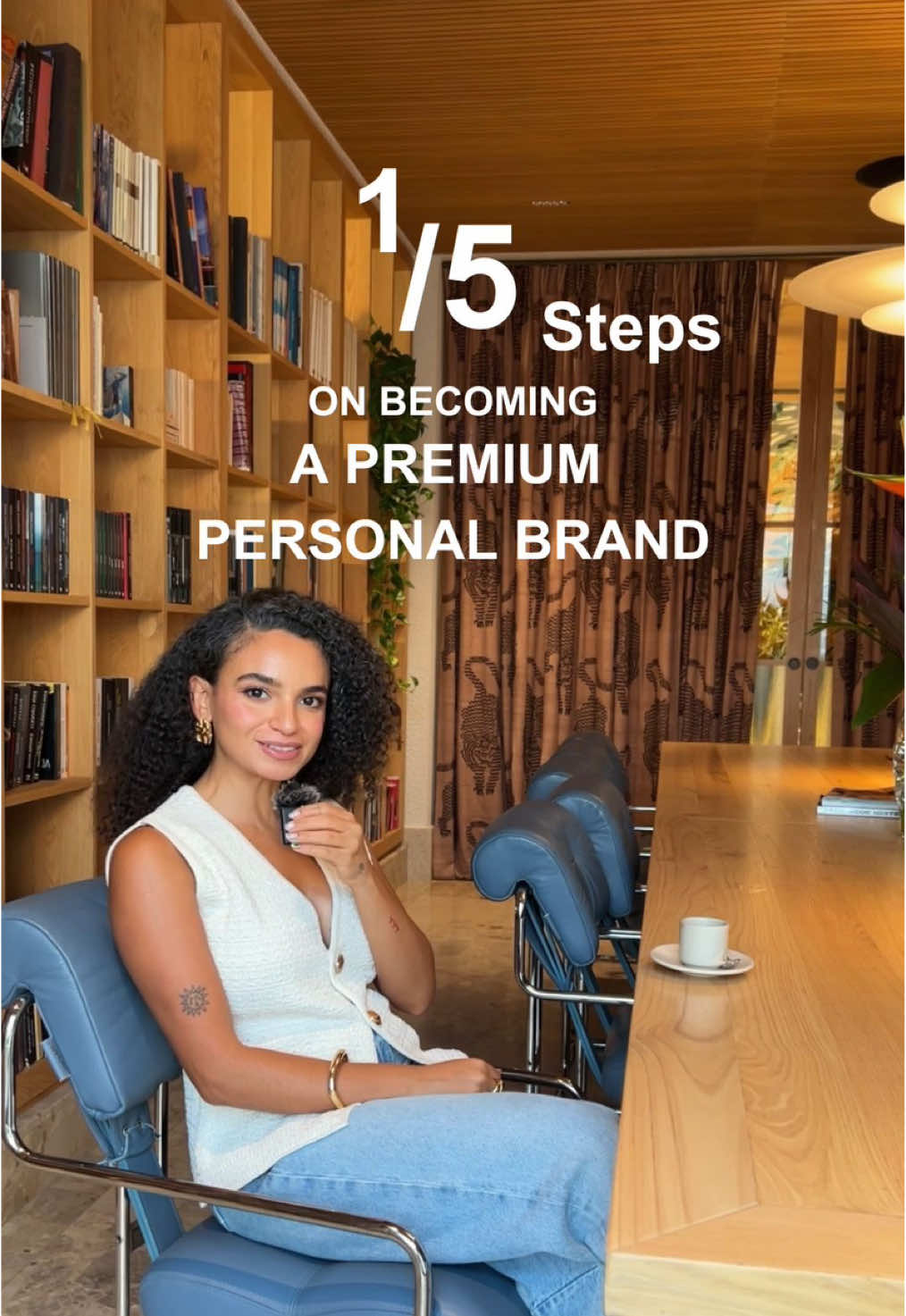
People crave actionable frameworks that promise tangible results, especially around status and self-improvement. The "15 steps" format signals completeness and credibility, while the luxury setting and polished aesthetic create immediate aspirational pull that makes the advice feel attainable.

Real milestone achievement hits different when it's genuinely emotional. The authentic joy and vulnerability of someone actually living out a business-building journey makes people want to celebrate with them, not just scroll past.
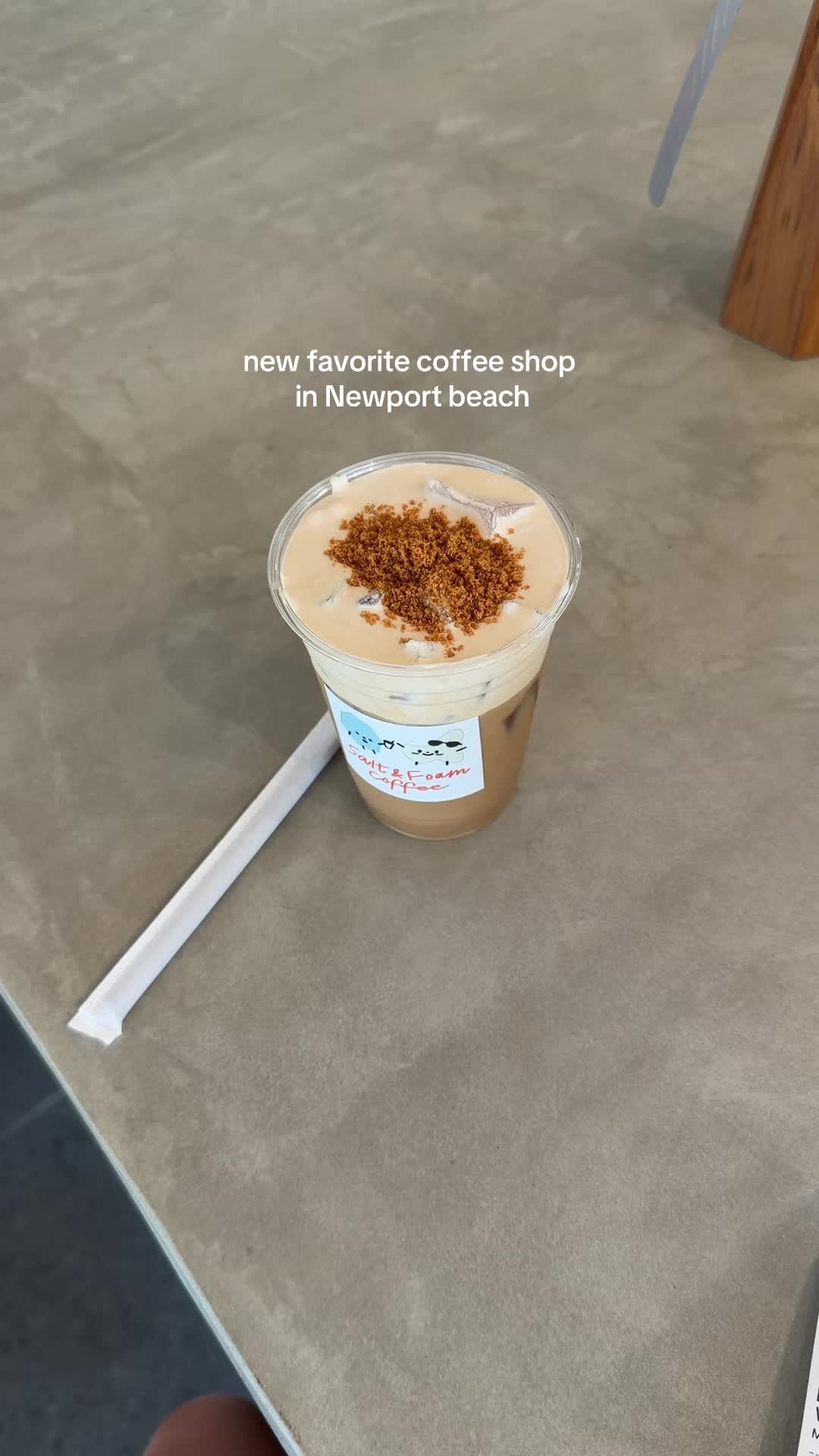
The post taps into local discovery and FOMO by combining a visually appealing drink with a specific, desirable location. The casual "I'm obsessed" framing feels like a genuine find rather than a promotion, making it shareable among people hunting for their next favorite spot.

People are hungry for practical solutions to real business problems, especially funding. The post taps into that gap between having an idea and knowing how to actually execute it, positioned as a direct connector rather than generic advice.
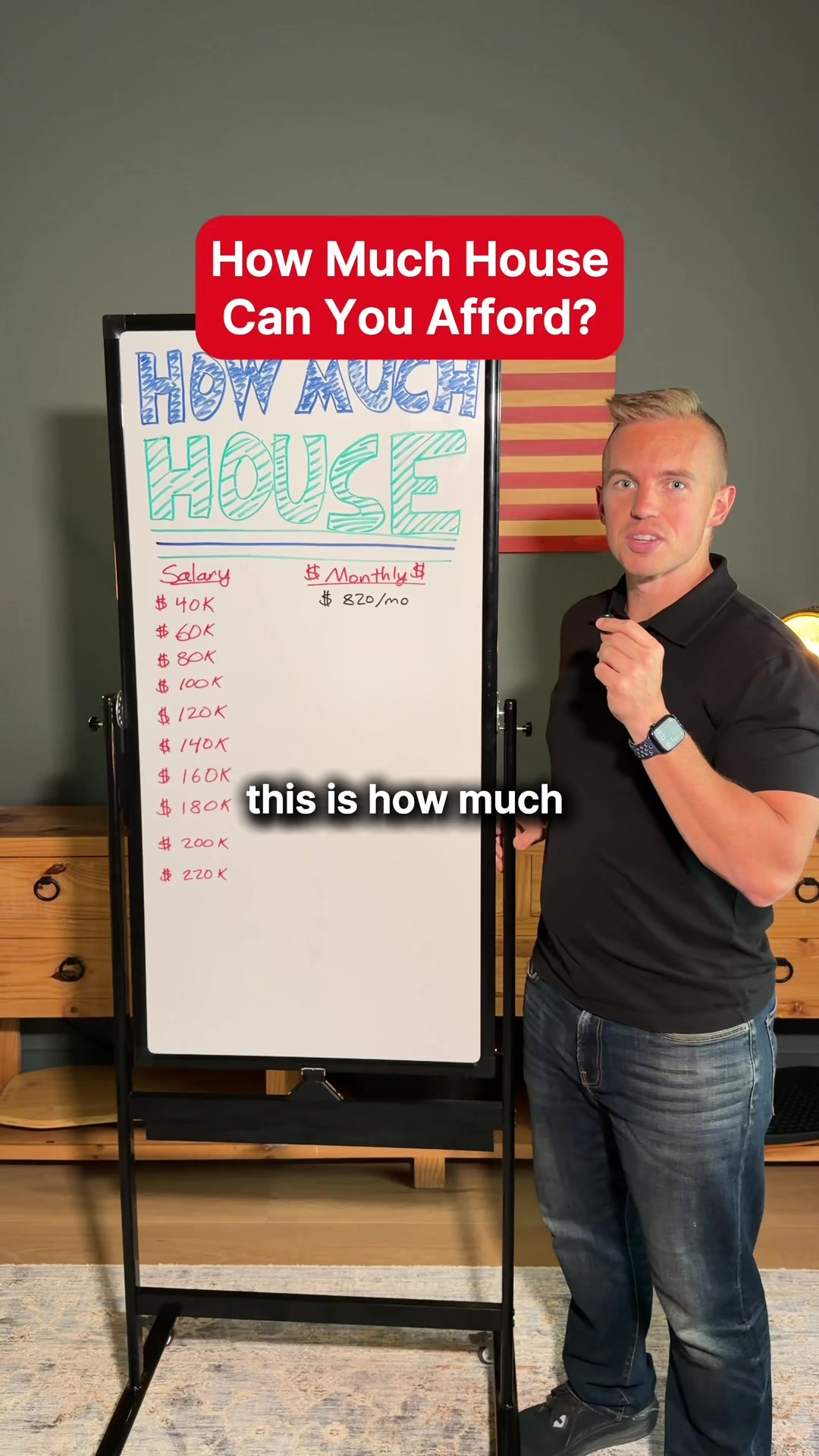
This hits because it cuts through the noise with concrete math that people can actually use. Most folks sense they're stretched thin on housing but don't know the real numbers, so seeing the salary-to-home breakdown spelled out felt like permission to reconsider their choices.
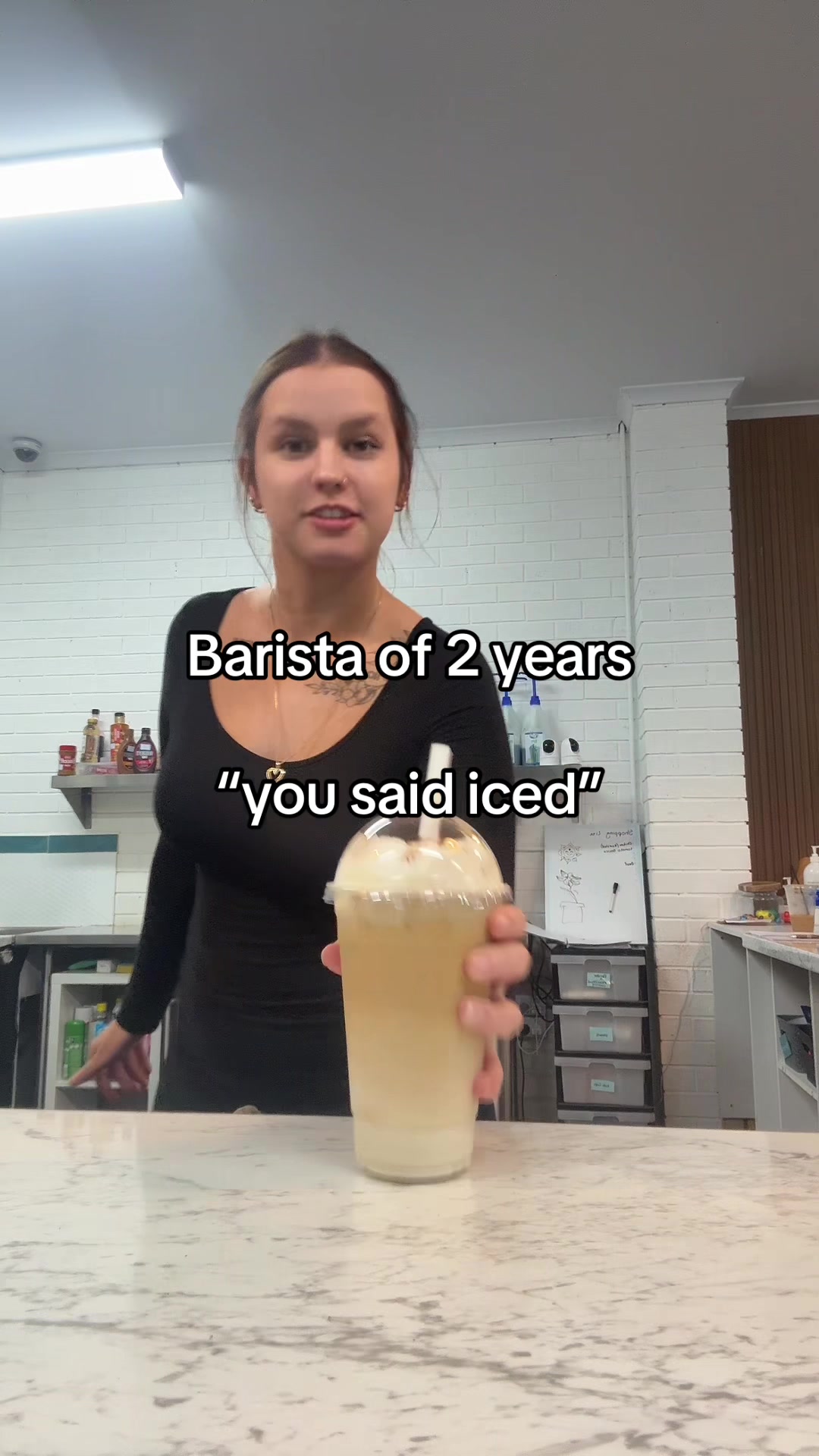
This hits because it captures the universal barista frustration of customers changing their minds or disputing what they ordered, played with deadpan humor and a physical payoff. The "let me rewind the tape" energy feels like calling out a lie in the most professional way possible, which baristas everywhere recognize instantly.
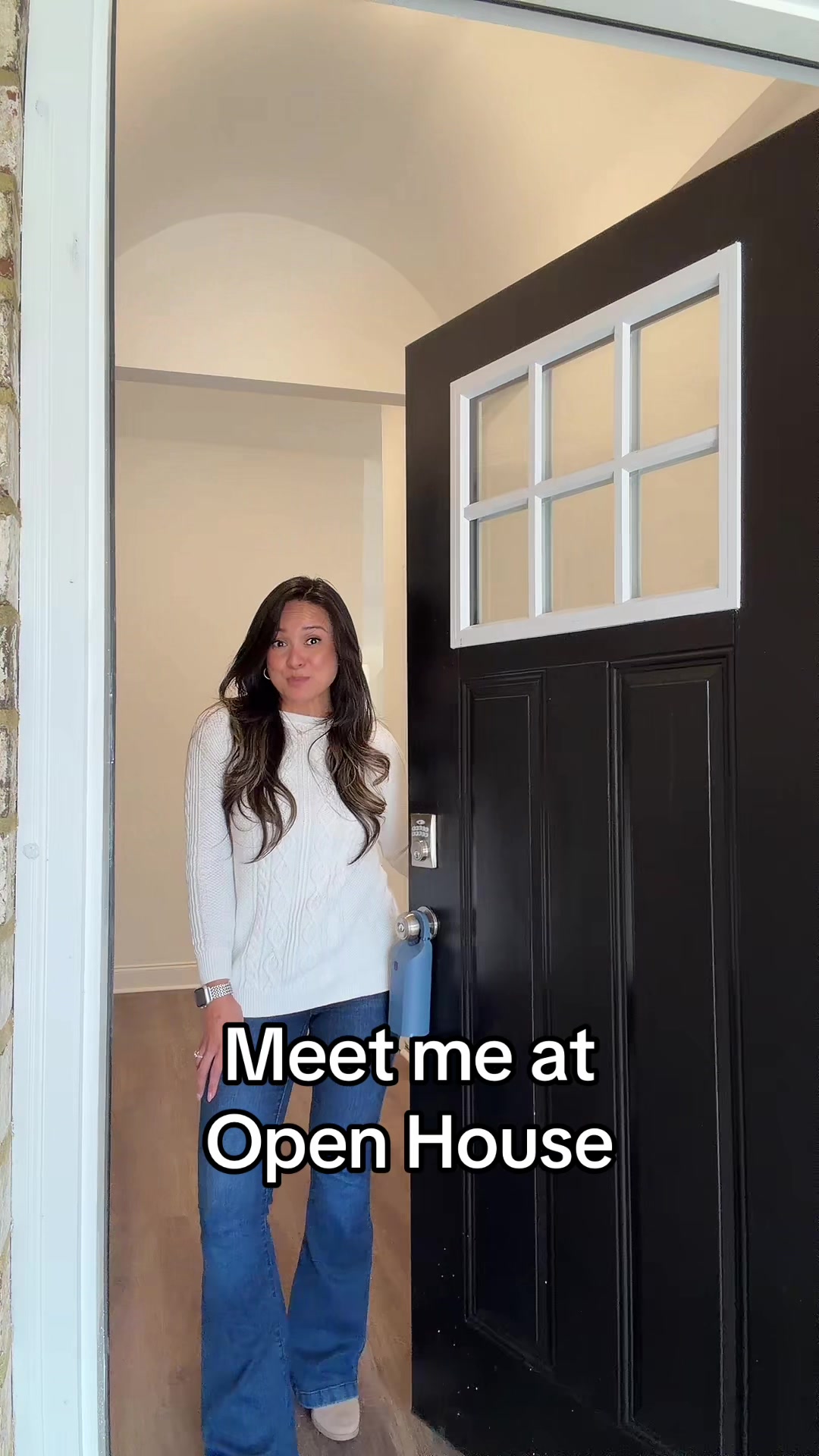
A realtor positioning herself as the approachable face of a property creates personal connection that makes real estate feel human, not transactional. The casual, in-person invite cuts through the typical listing noise and turns browsing into meeting someone real.
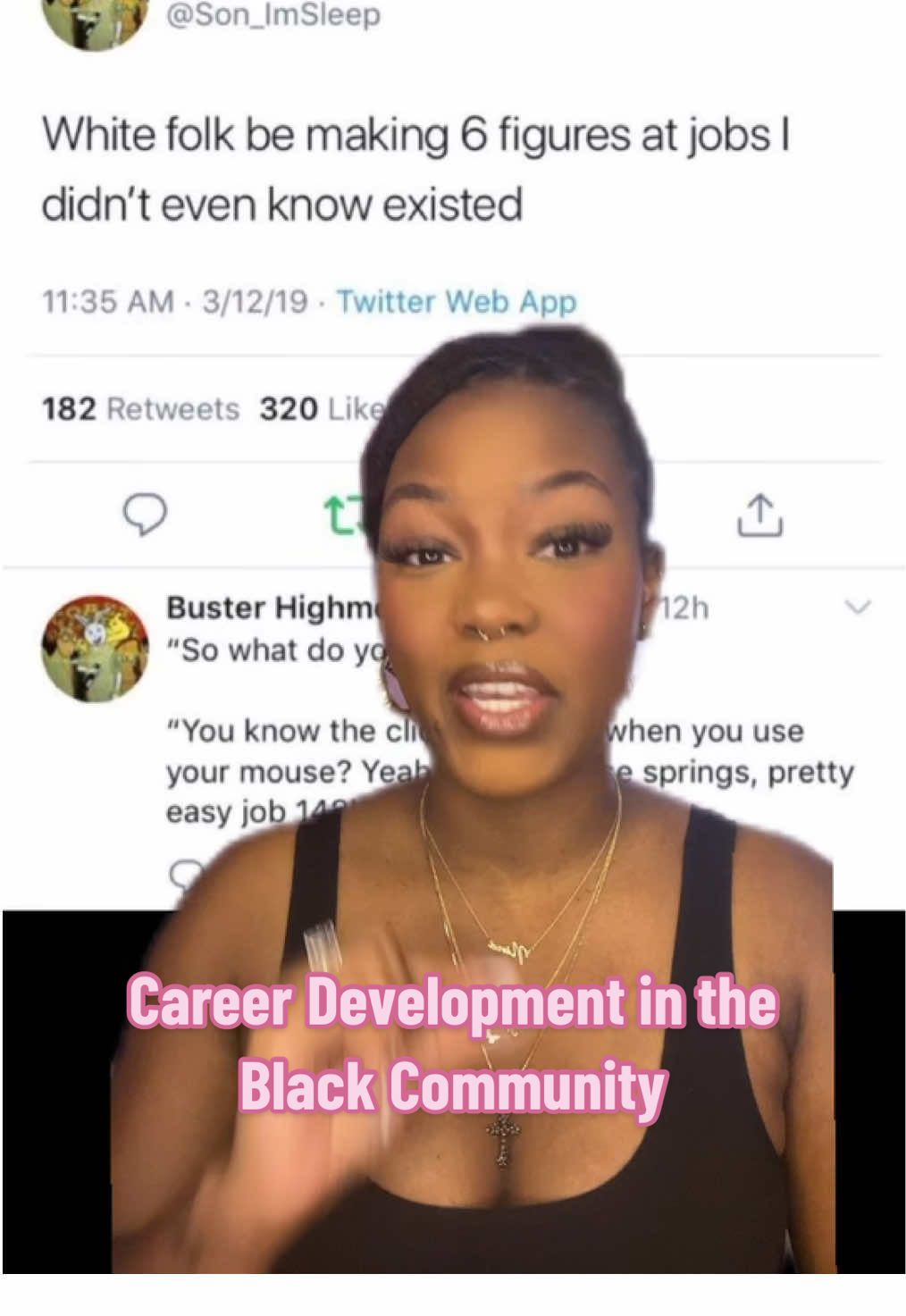
The post tapped into career anxiety by validating a universal frustration—that traditional paths feel limited and others seem to have insider knowledge. It sparked genuine discussion because people wanted to share their own unconventional wins, turning it into a crowdsourced career discovery tool.
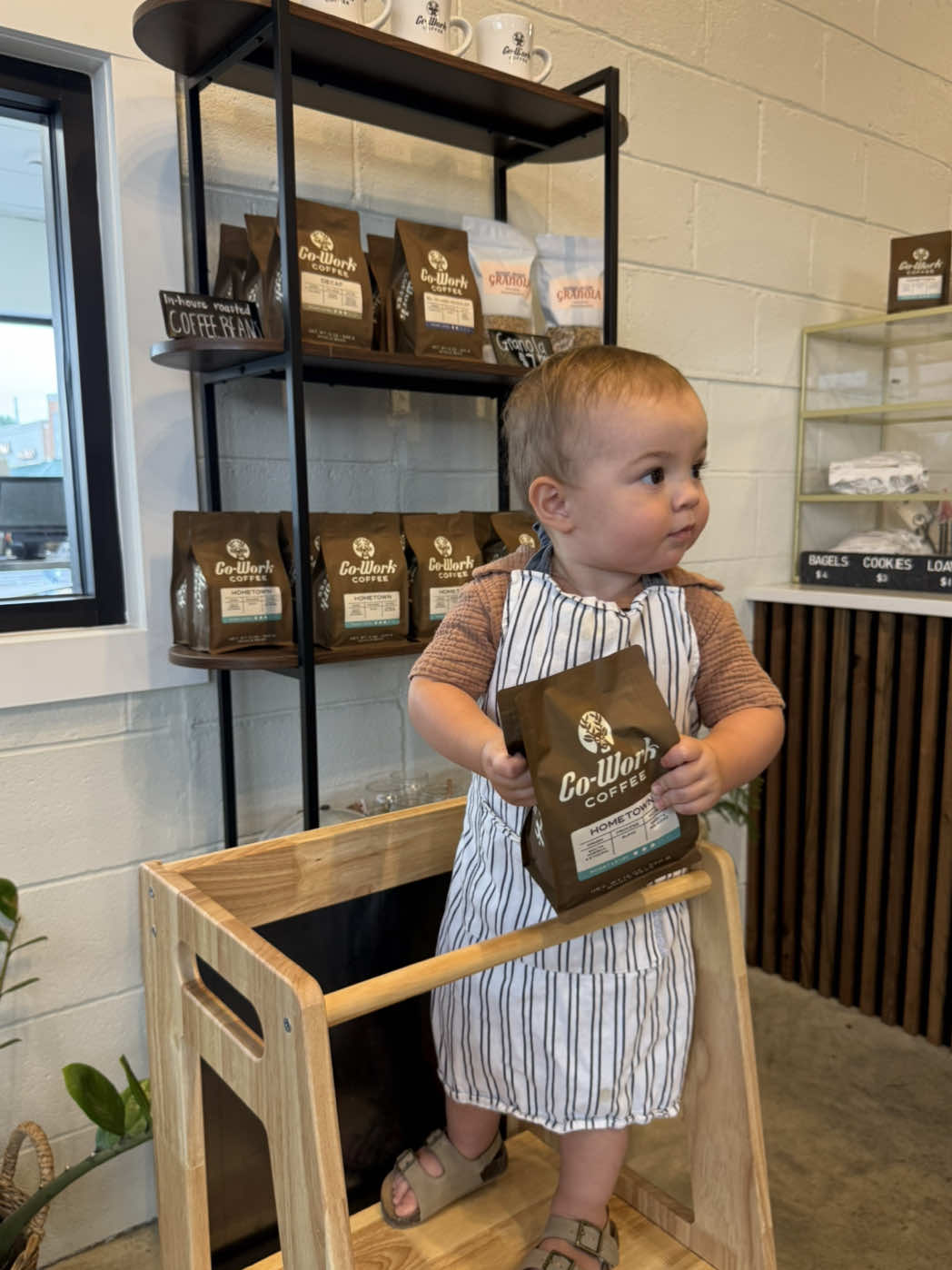
A toddler working a full shift at a coffee roastery is absurdly charming, but what really lands is seeing genuine joy and competence scaled down. The humor comes from treating a baby like a real employee, and people connect because it's wholesome without being saccharine. The business gets featured naturally through a real (if tiny) ambassador.
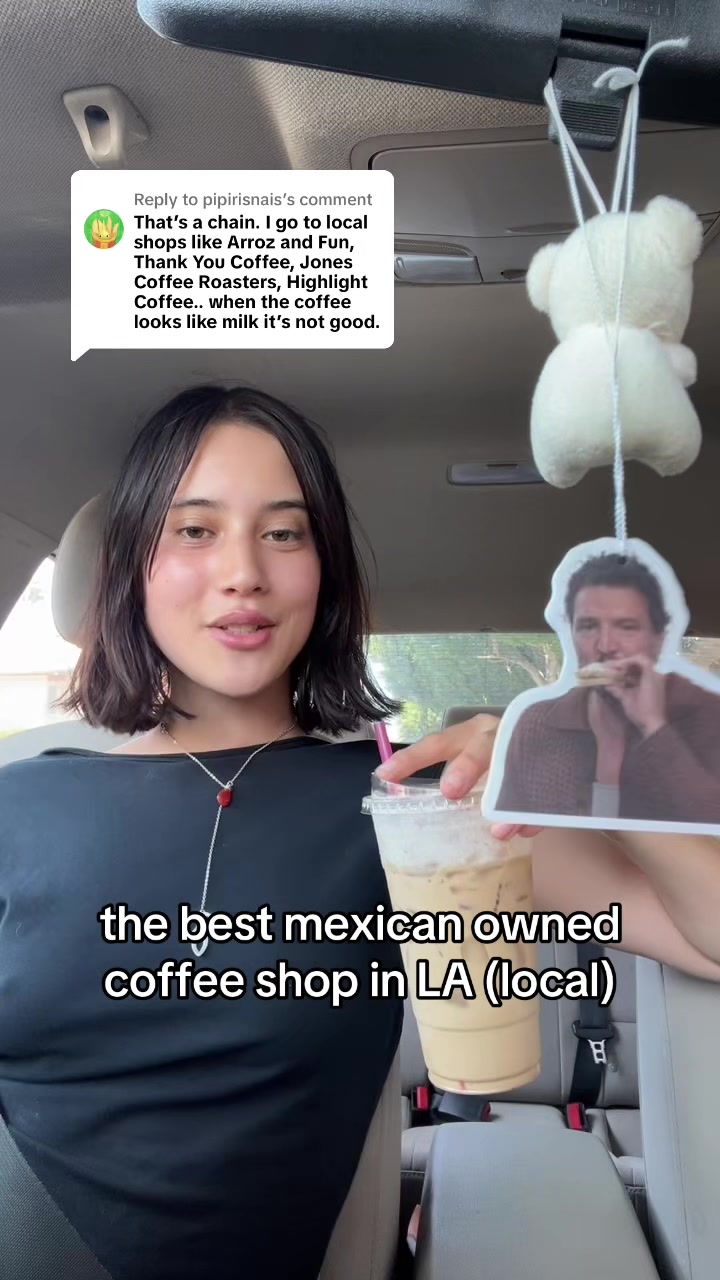
Community recommendation taps into the desire to support local, underdog businesses. The honest acknowledgment of chain coffee limitations paired with a specific local alternative creates trust and makes viewers feel like insiders discovering something real.
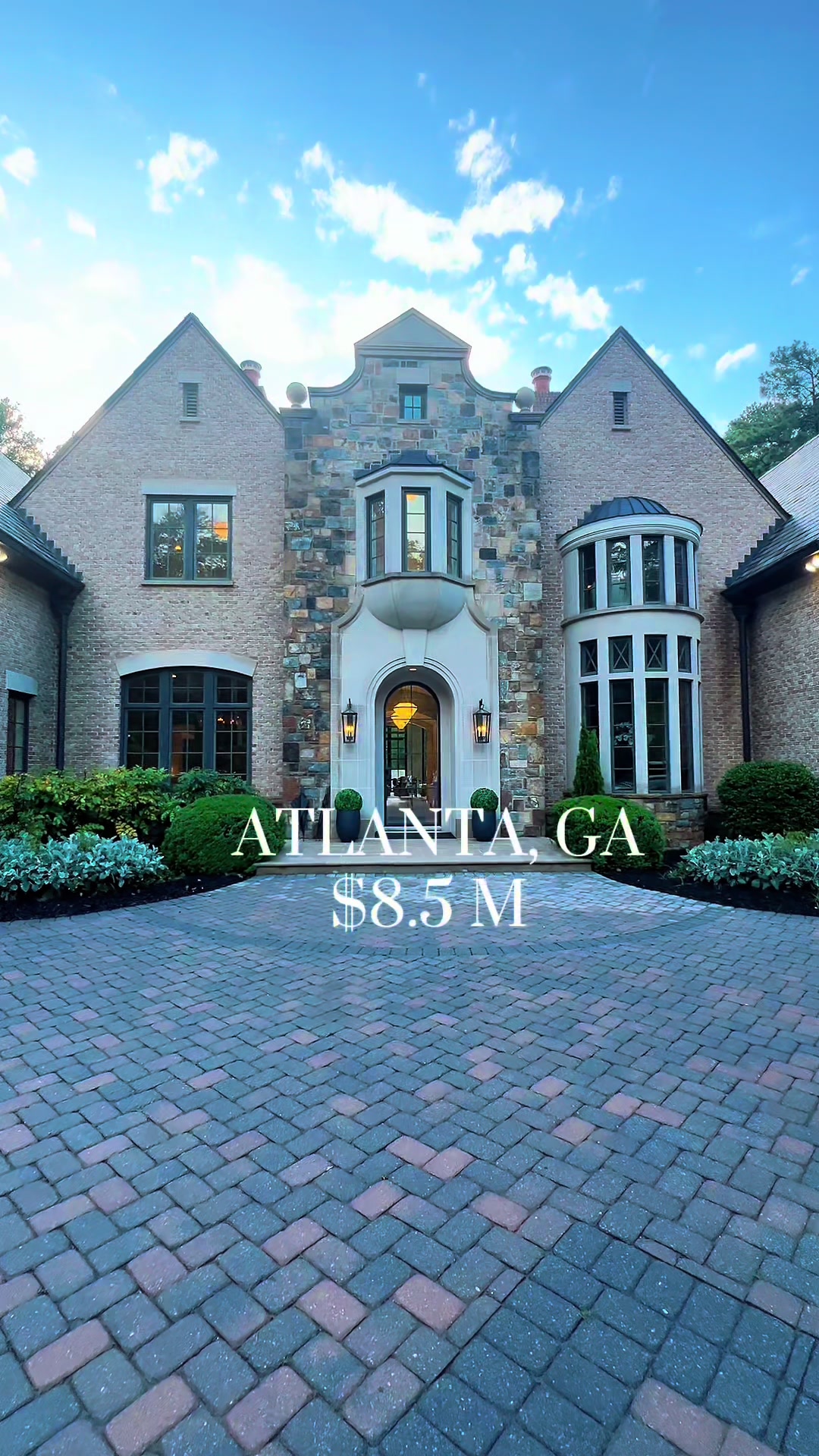
A perfectly composed luxury home with architectural presence triggers aspirational feelings without gatekeeping. The straightforward listing approach paired with an achievable-feeling price point (for the luxury market) and relatable caption makes viewers feel like they're getting insider access to something exclusive.
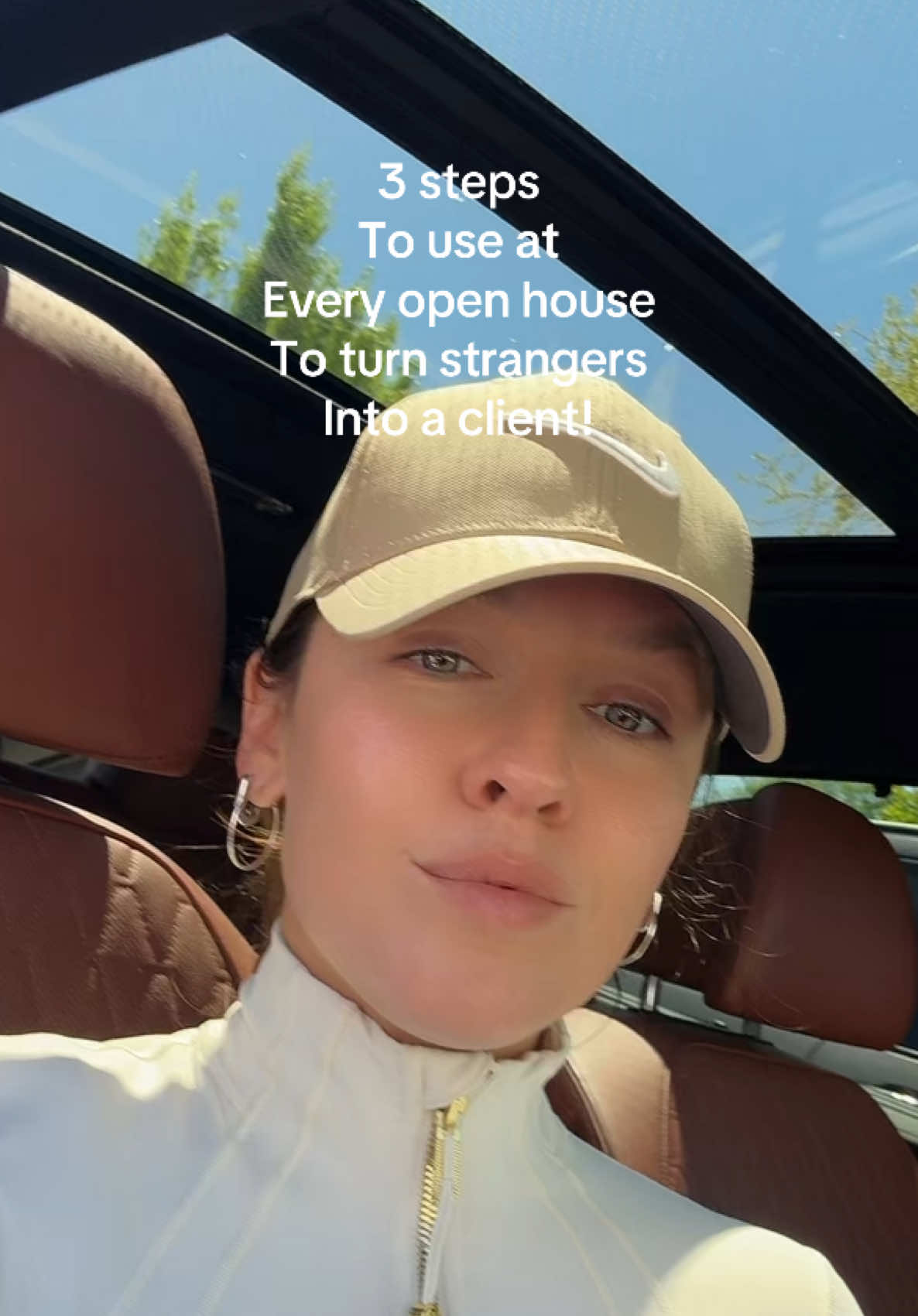
People in sales careers crave tactical, immediately actionable advice they can deploy. This post hits that nerve by packaging conversions strategy into a numbered framework that feels both strategic and executable, sparking both validation and debate among realtors.
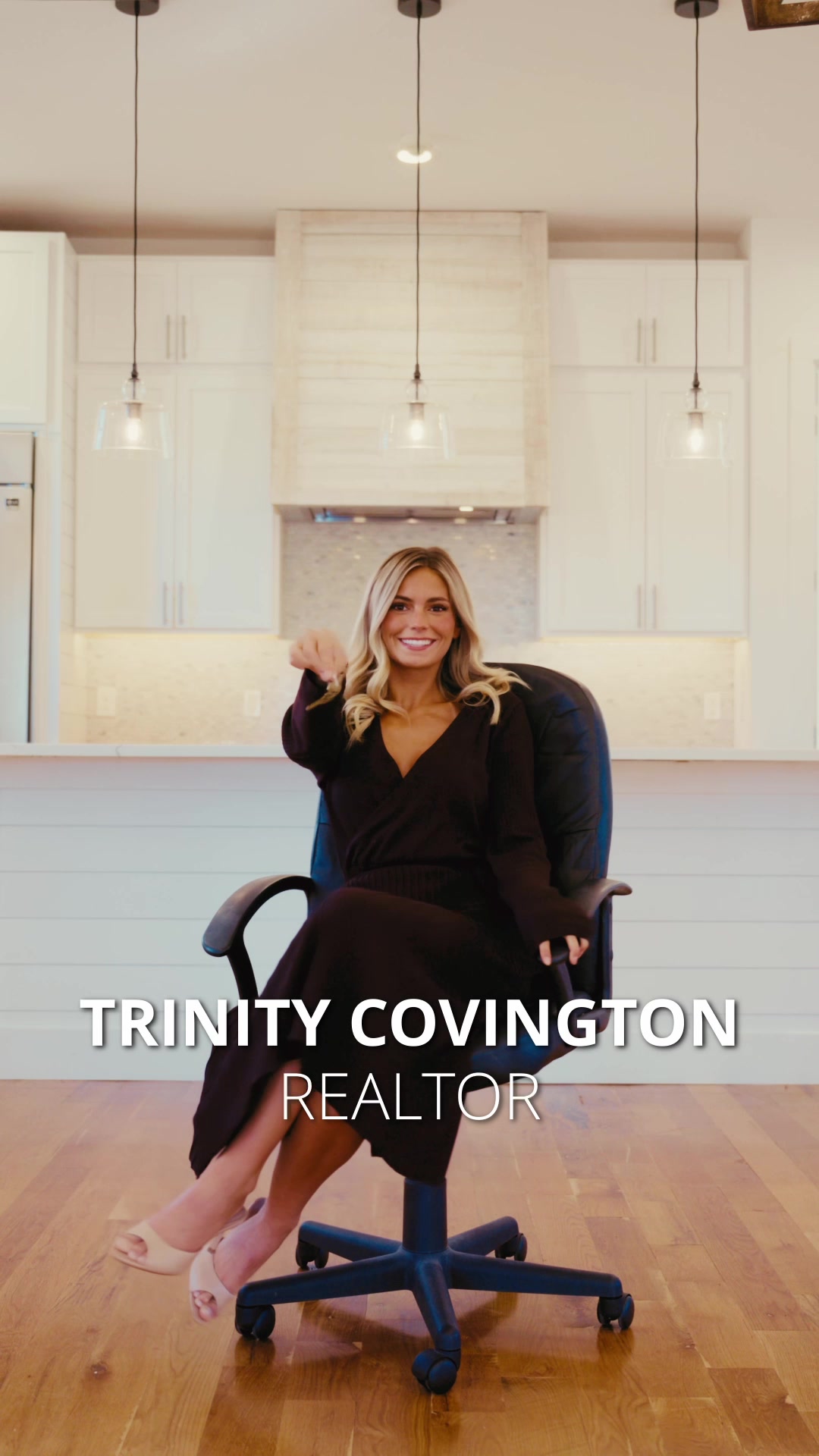
A fresh realtor introducing herself in a high-end kitchen created aspirational real estate content that doubles as personal branding. The setting itself is the pitch, and her confidence combined with the luxury backdrop makes the career feel attainable and desirable rather than gatekeepy.
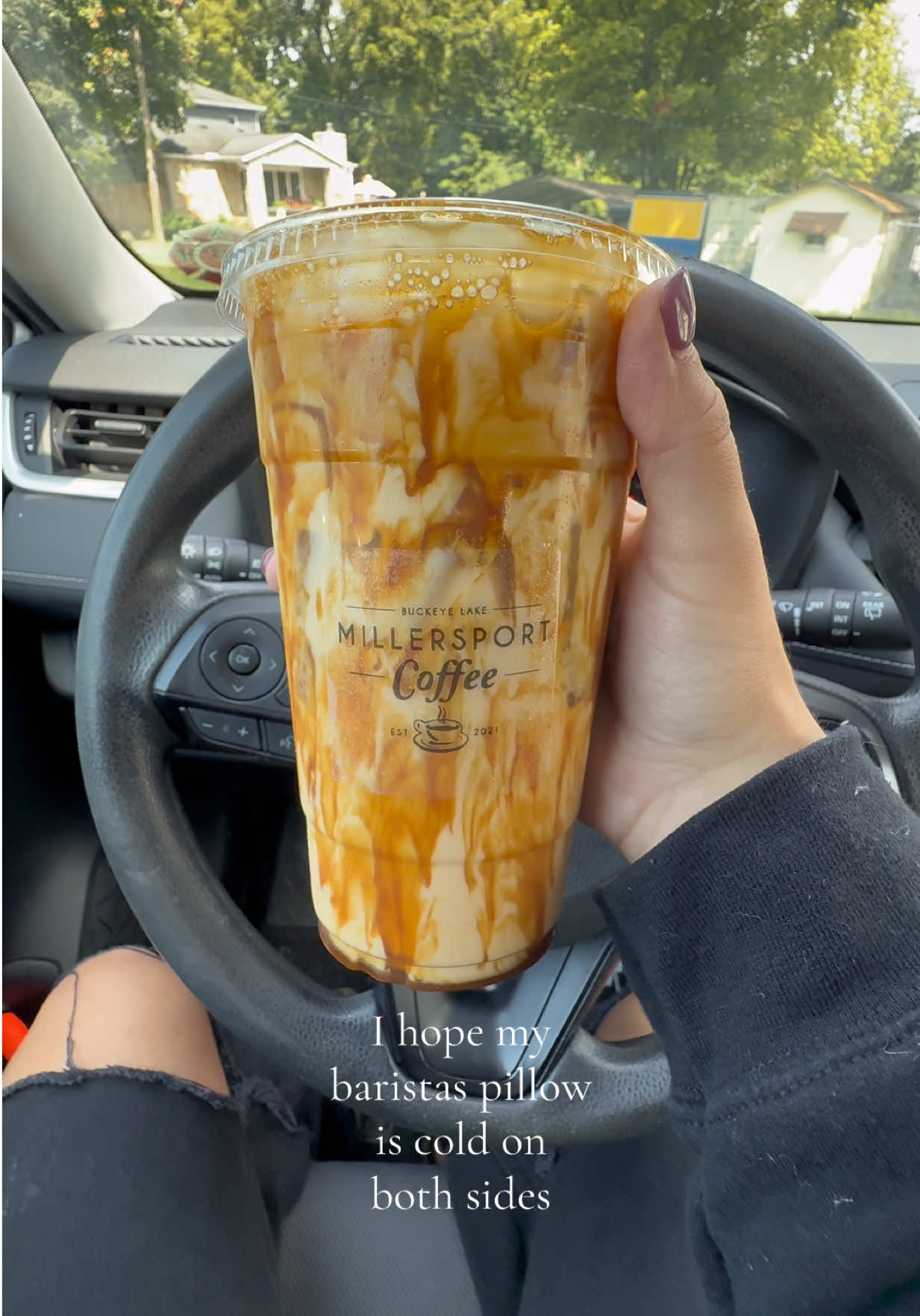
The casual flex of a visually stunning iced coffee hits different when paired with playful, slightly suggestive copy. People want to feel like they're in on a local gem, and the genuine enthusiasm mixed with self-aware humor makes it feel like a friend's recommendation, not an ad.

The stylized animation and cozy cafe aesthetic triggered heavy saves because it taps into aspirational comfort and creative world-building. People wanted to keep this for inspiration or reference, treating it less as entertainment and more as a design blueprint to return to.
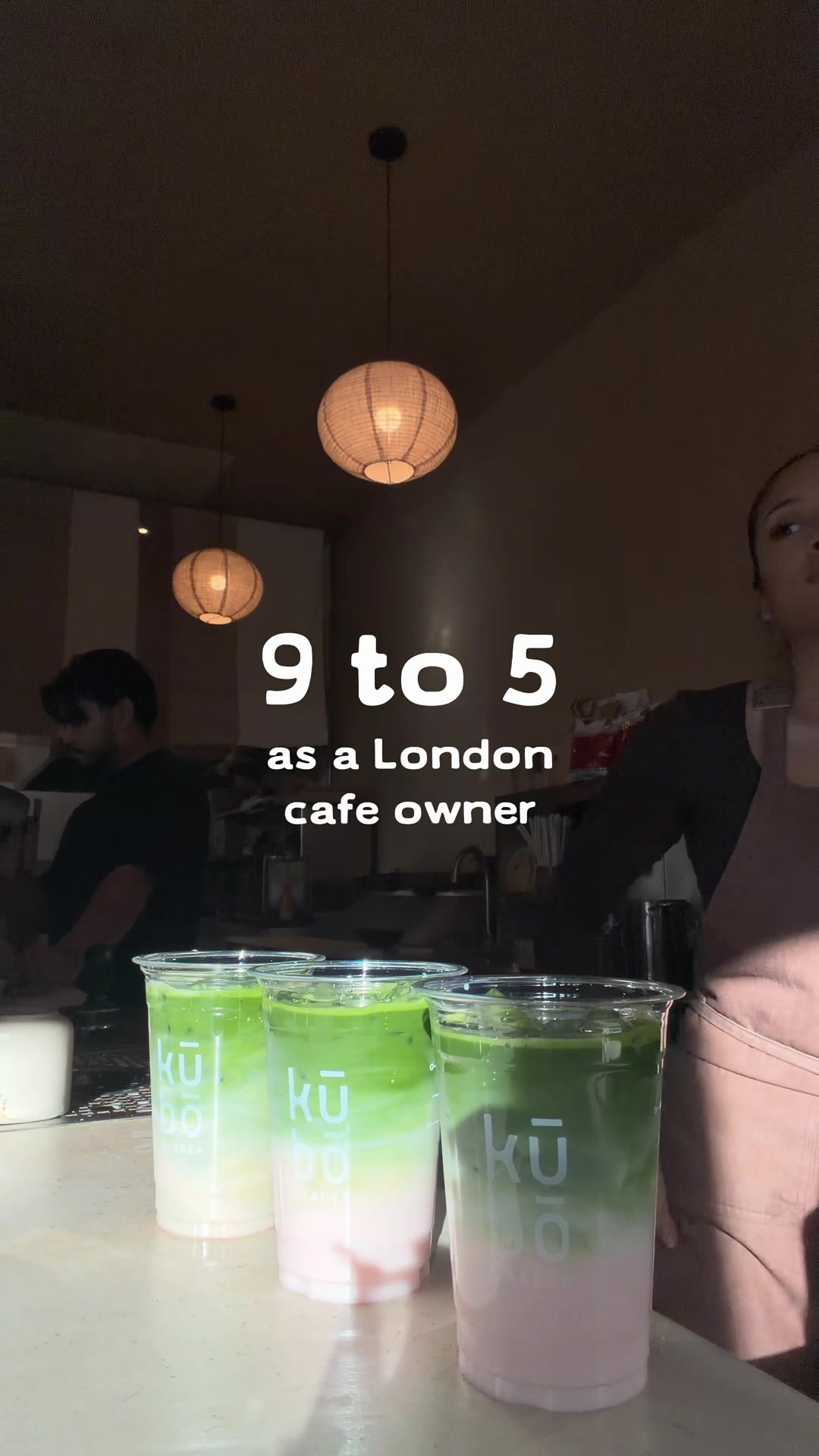
The specificity of London cafe life paired with culturally distinctive products (ube matcha, taho) creates genuine intrigue. People connect to the grounded reality of running a small cafe while feeling transported to something they can't easily find elsewhere.
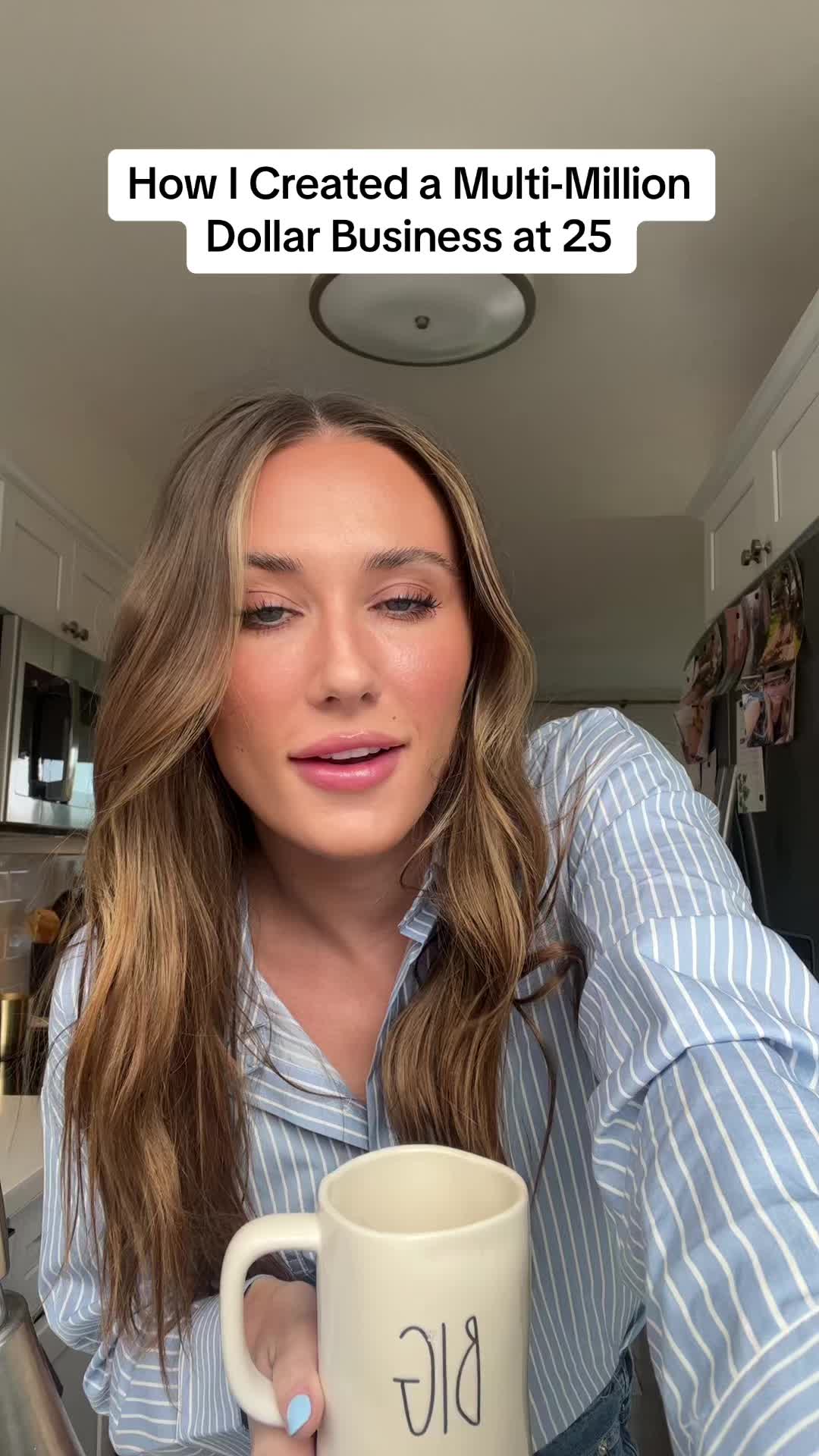
The aspirational angle (building millions by 25) hooks viewers, but the vagueness frustrates them. People want the secret sauce, not motivational platitudes. High saves suggest interest in the topic, but comments reveal skepticism about unsubstantiated claims.

People crave permission to stop internalizing other people's criticism. The "mirror" concept flips the script from self-doubt to self-protection, making it feel like wisdom rather than avoidance. It hits because it validates what viewers already sense but feel guilty thinking.

The post works because it combines direct confrontation with vulnerability. The creator's expression and tone suggest genuine concern rather than judgment, making the call-out feel personal and earned, not preachy. People save and share it because it hits a nerve they needed hit.
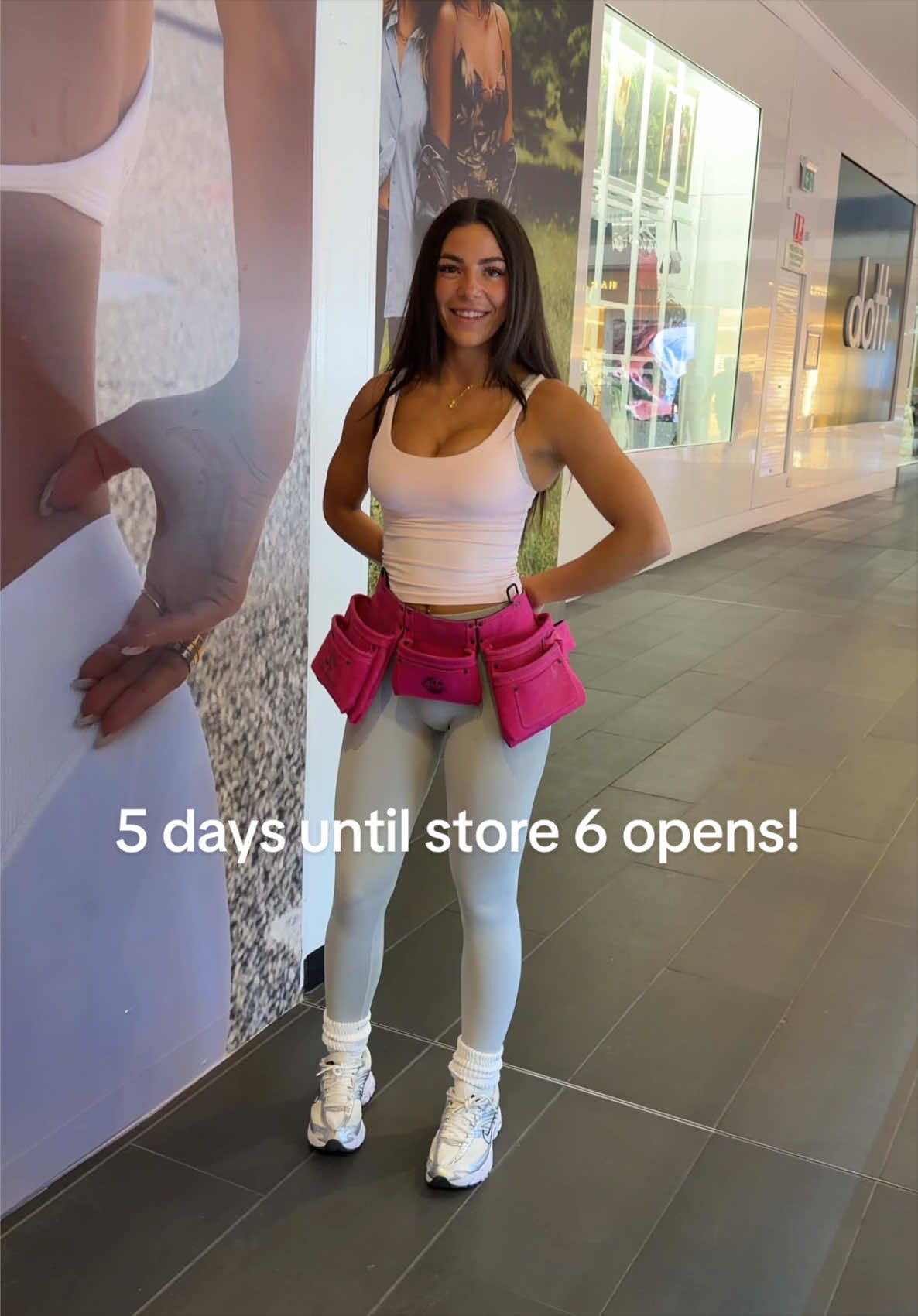
The raw excitement of a business milestone hits differently when paired with unfiltered confidence. People saved this because it felt like witnessing a real founder moment, not a polished announcement, combined with the visual appeal that naturally draws attention.

People are hungry for proof that high income doesn't require burnout. The raw, casual delivery in a car makes the claim feel genuine rather than polished, and the specific hourly breakdown makes it credible and replicable rather than vague inspiration.
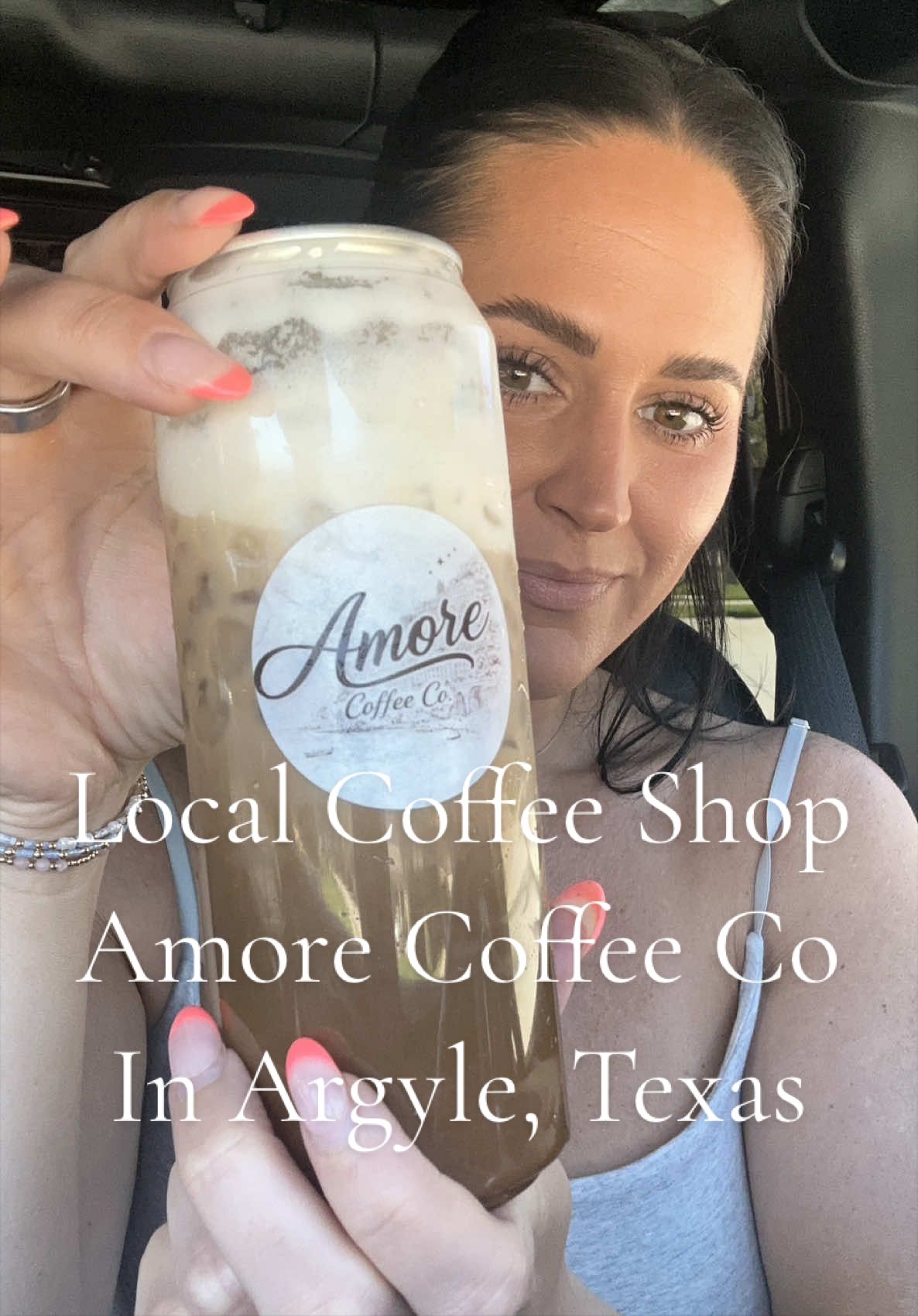
People are hungry for local discoveries they feel they're missing out on—especially when it's positioned as a hidden gem with authentic character. The genuine enthusiasm combined with specificity (real location, real coffee shop) creates urgency and relatability for viewers in that area.

Raw joy about landing a dream job cuts through the noise because it's genuine celebration without the humble-brag polish. People connect with unfiltered relief and pride, especially when paired with honest growth and gratitude.
The phrase "what you go through, you grow through" hits because it reframes struggle as inevitable personal development rather than random suffering. People save this because it's the permission slip they needed to stop viewing their hardship as pointless.
The post taps into real financial anxiety around seasonal income swings, which is deeply relatable for anyone self-employed or hustling on the side. The self-aware humor about "overshareing" combined with the styled-up persona creates a safe space to laugh at money stress rather than hide it.
People crave genuine, localized advice from someone in their community. By positioning herself as a real person navigating the same decision (not an expert dispensing wisdom), she invited her audience to become collaborators rather than passive viewers. The specificity of Tampa neighborhoods and the vulnerable "help us out" framing made this feel like asking friends, not following a sales pitch.
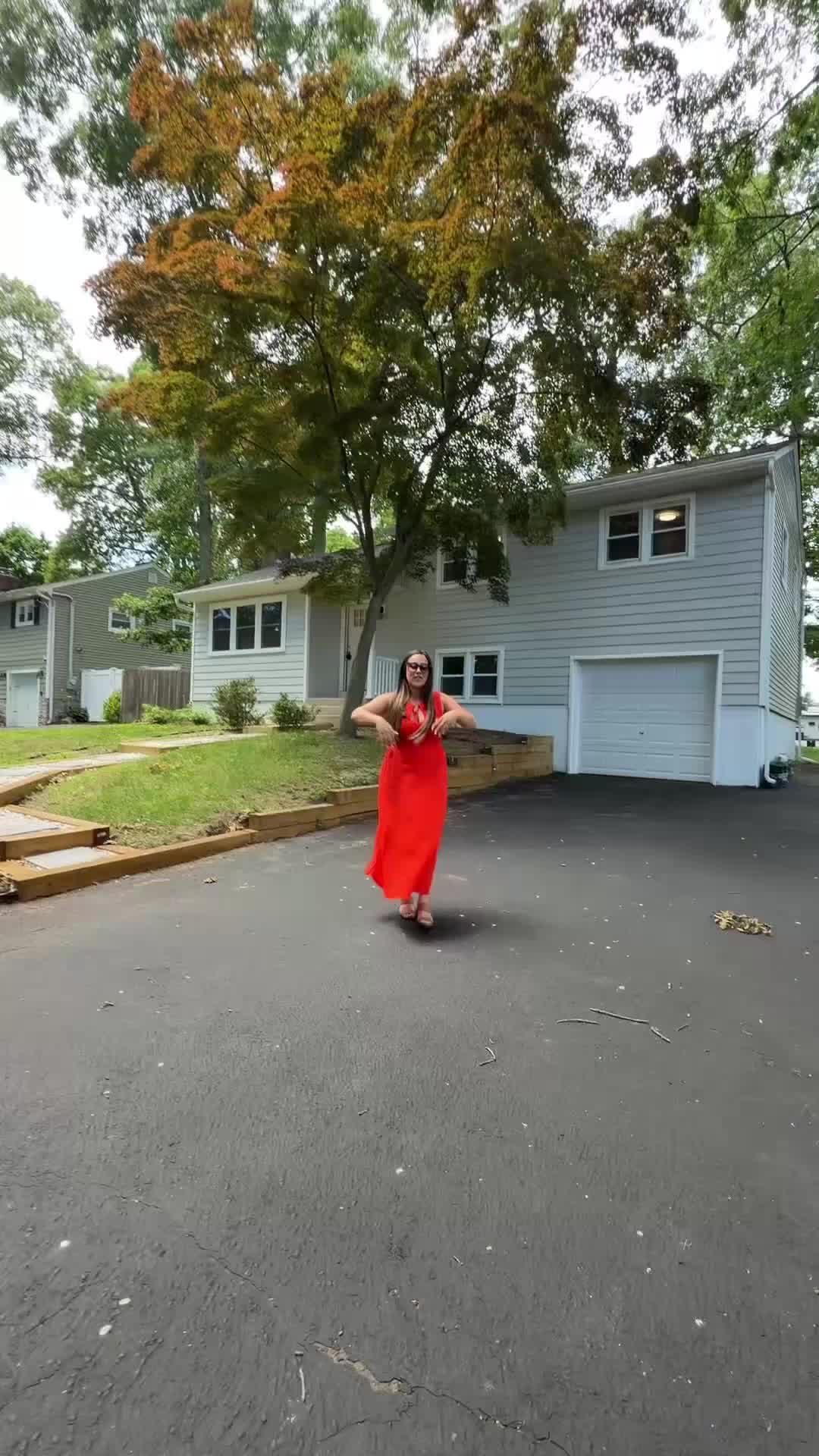
The low down payment hook triggers immediate mental math and aspiration, but the comments reveal the real draw—people want to debate whether this deal is actually good. A property post that sparks genuine disagreement performs better than one that just shows off.
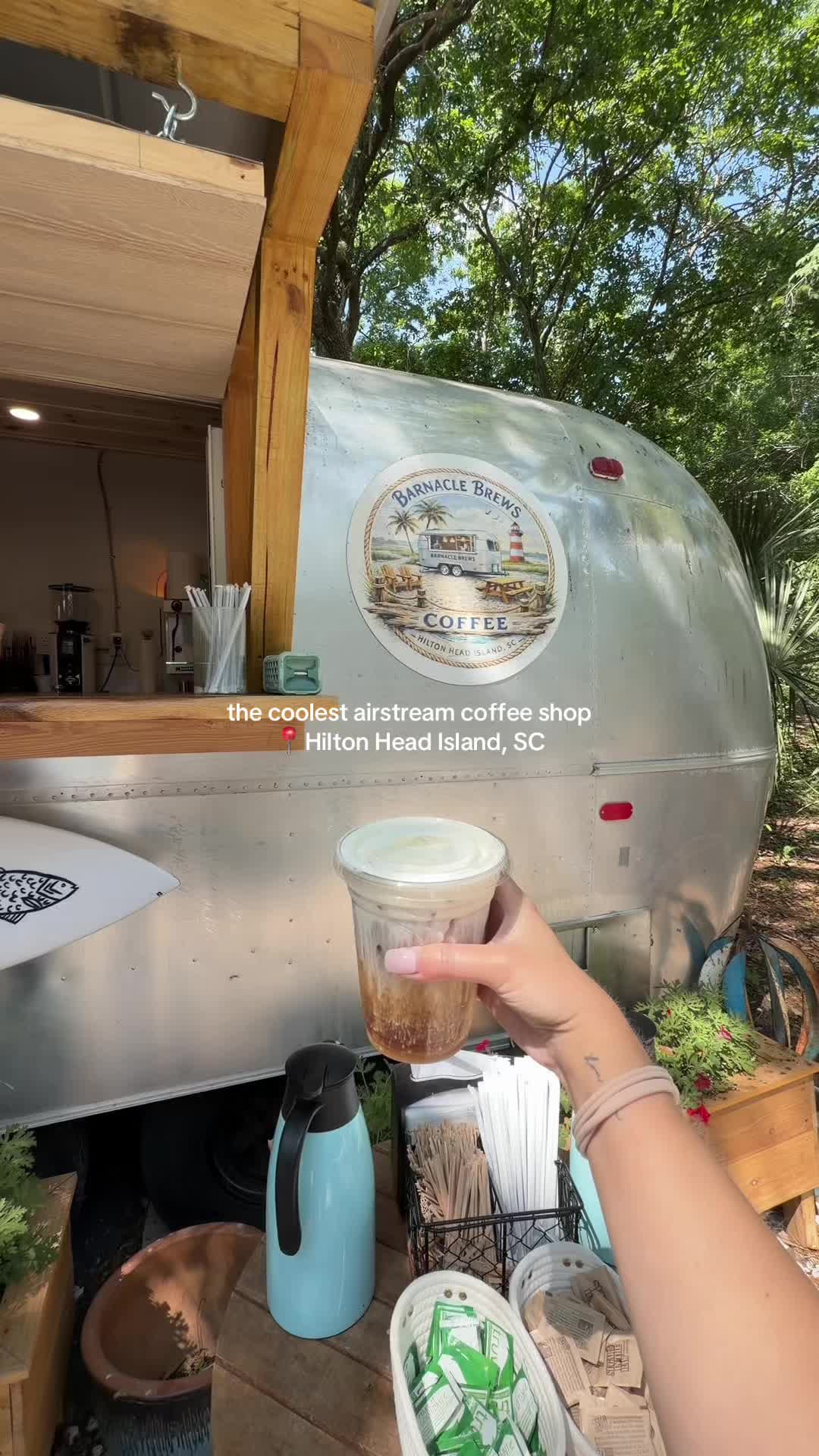
The vintage Airstream setup is pure novelty—it's Instagram-worthy enough to make people want to visit, but the real hook is the specificity. Naming the exact location (Hilton Head Island, SC) transforms this from a generic coffee post into a destination moment. High saves suggest people are bookmarking this as a place to actually go.

The post taps into a real tension—career ambition versus financial reality—by asking a question that splits the room. People engage because it validates their frustration while opening a conversation about unconventional paths, making it feel honest rather than preachy.
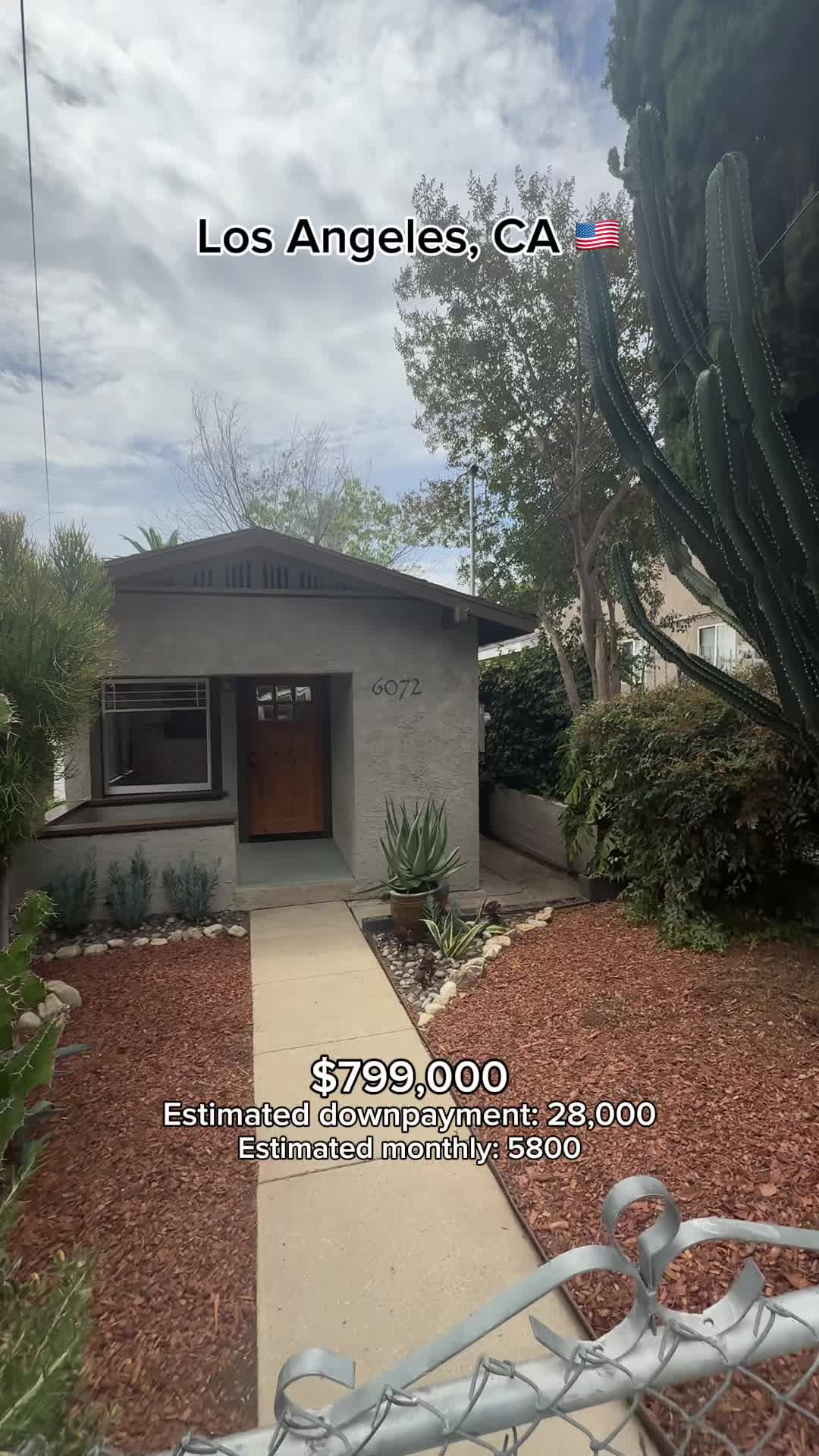
The jaw-dropping price-to-space ratio in LA creates immediate cognitive dissonance that sparks debate. People can't resist comparing it to what their money buys elsewhere, turning the post into a conversation about cost of living reality.
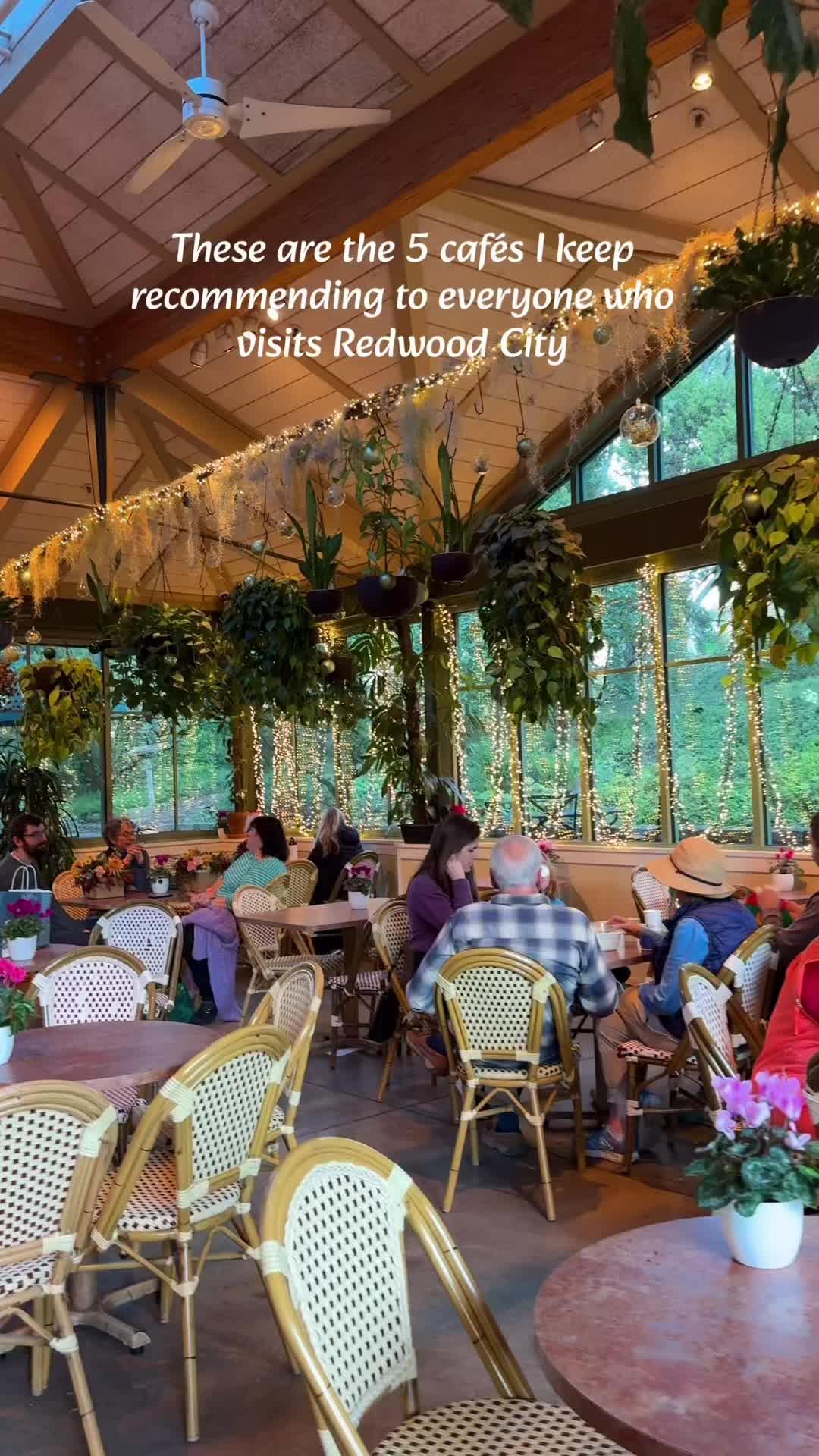
People save local recommendations obsessively because they want insider knowledge about their own city. The specific, curation-based format (a ranked list of exactly 5) feels more trustworthy than generic praise, and the aesthetic cafe setting makes it feel like advice from someone who actually hangs there.
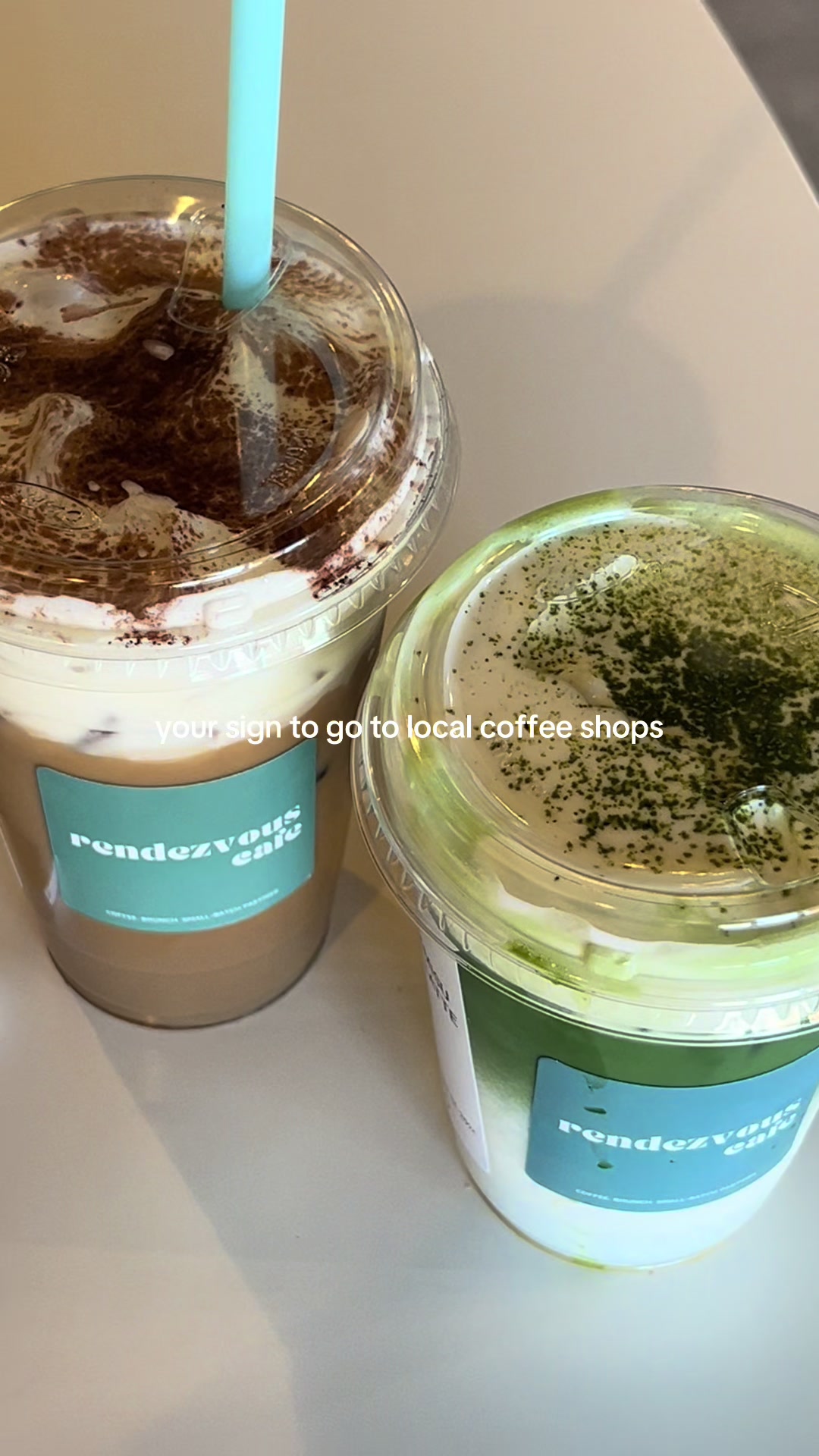
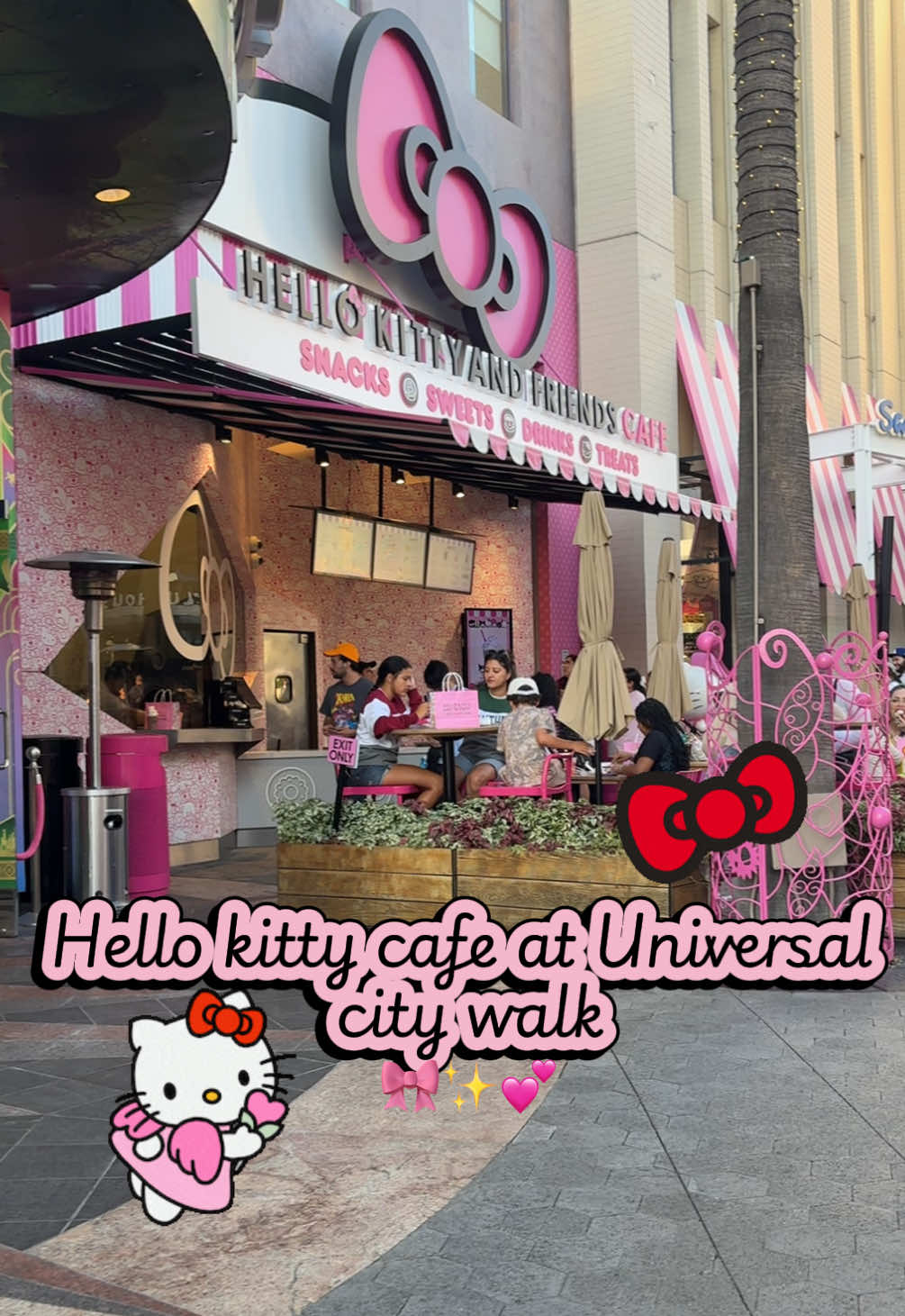
Massive share reach because people desperately wanted this to exist in their location. The gap between what fans saw and what was actually available created urgency and disappointment that made them spread it. A real place, but presented like exclusive access.
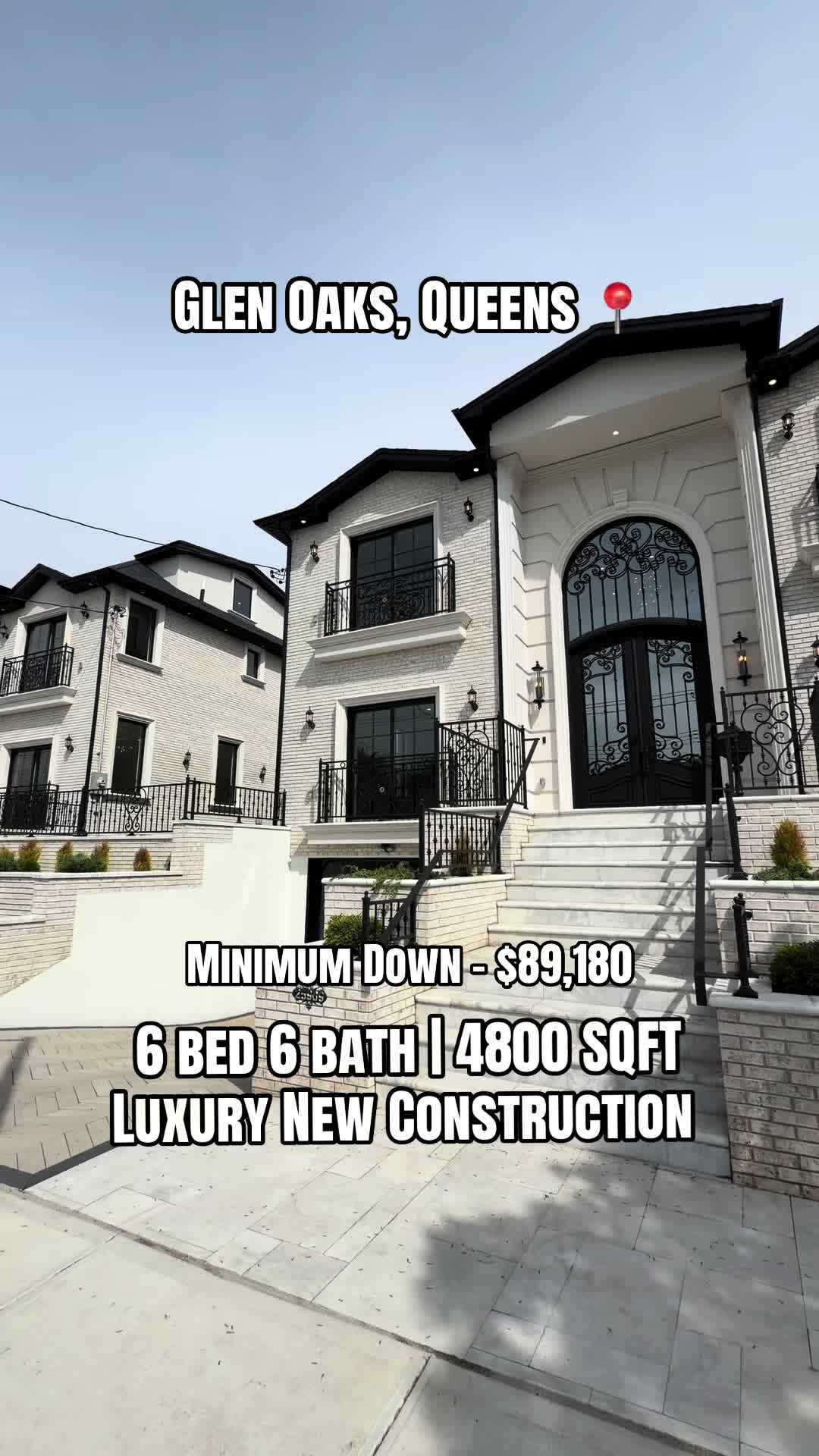
Luxury real estate content performs when it shows the full property context, not just glamour shots. The wide establishing shot and specific specs create credibility, while the accessible down payment ($89K) reframes an expensive property as attainable rather than fantasy. People engage because they can actually do the math.
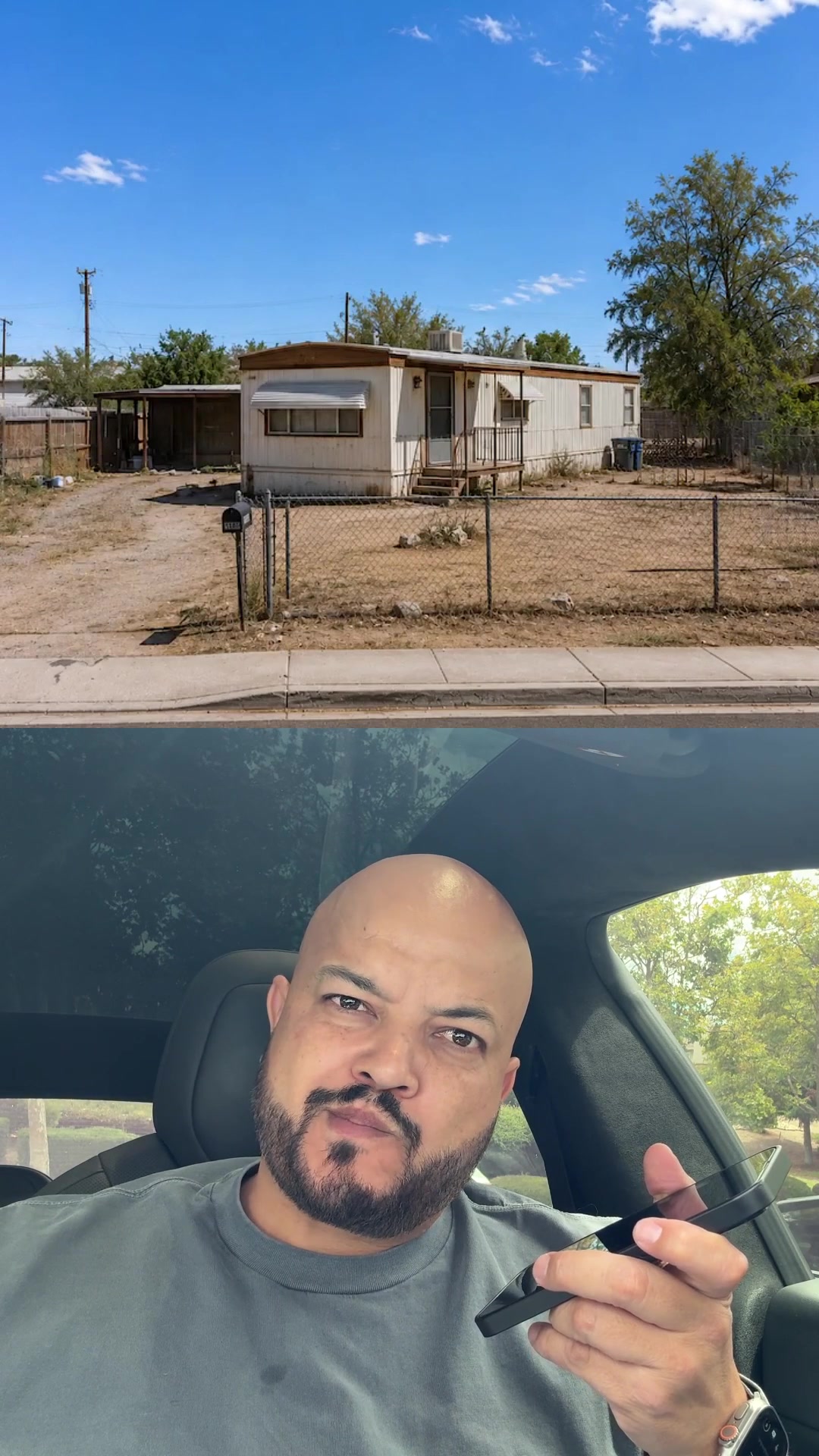
The post taps into the universal frustration of housing affordability by acknowledging the gap between dreams and reality with humor and empathy. People felt seen—the realtor isn't dismissing the mismatch, he's validating it while offering a genuine partnership path forward.
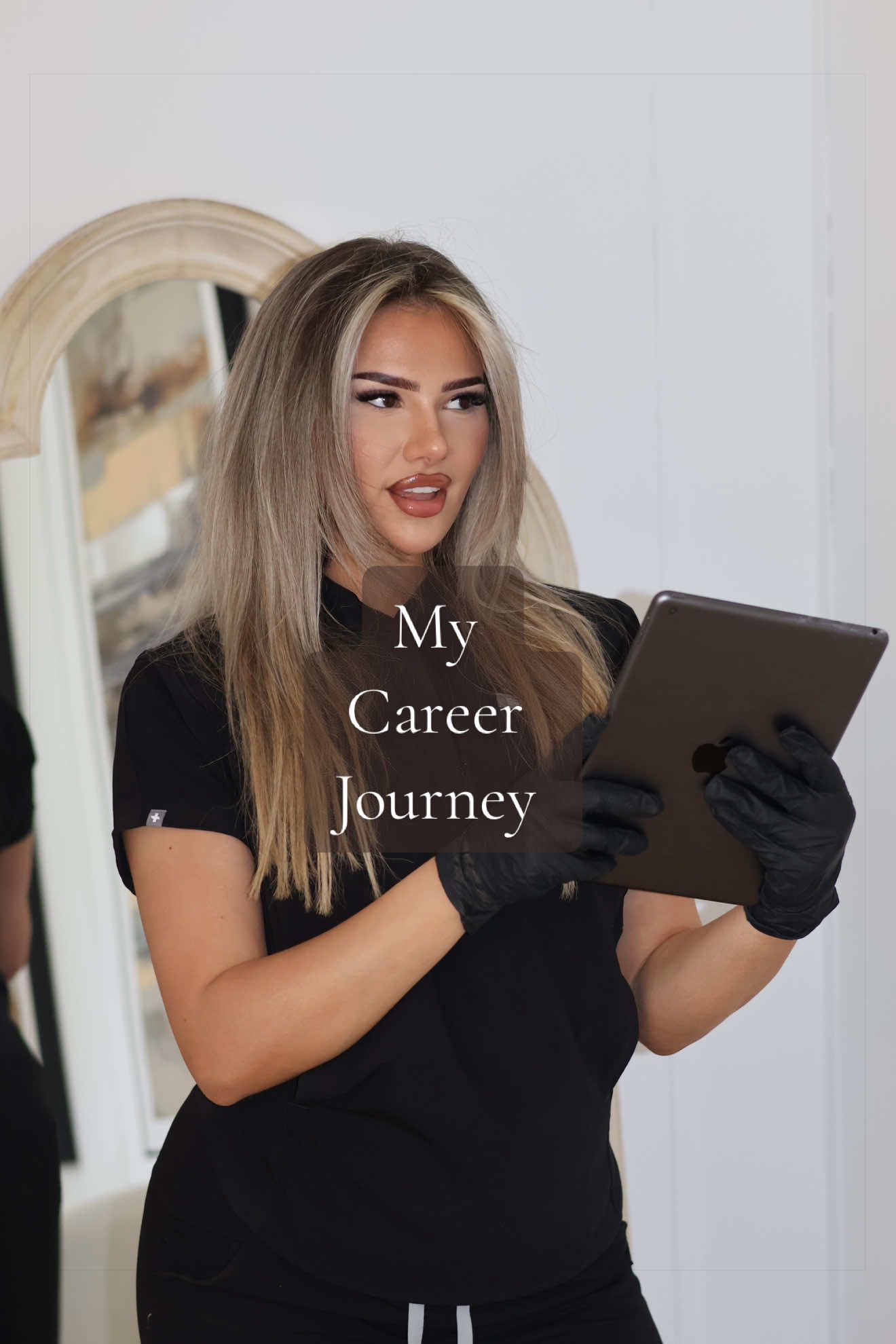
The "career journey" framing invites aspiration and relatability simultaneously. People save this because it promises insider perspective on a competitive field, while the vulnerability about difficulty makes it feel honest rather than polished.
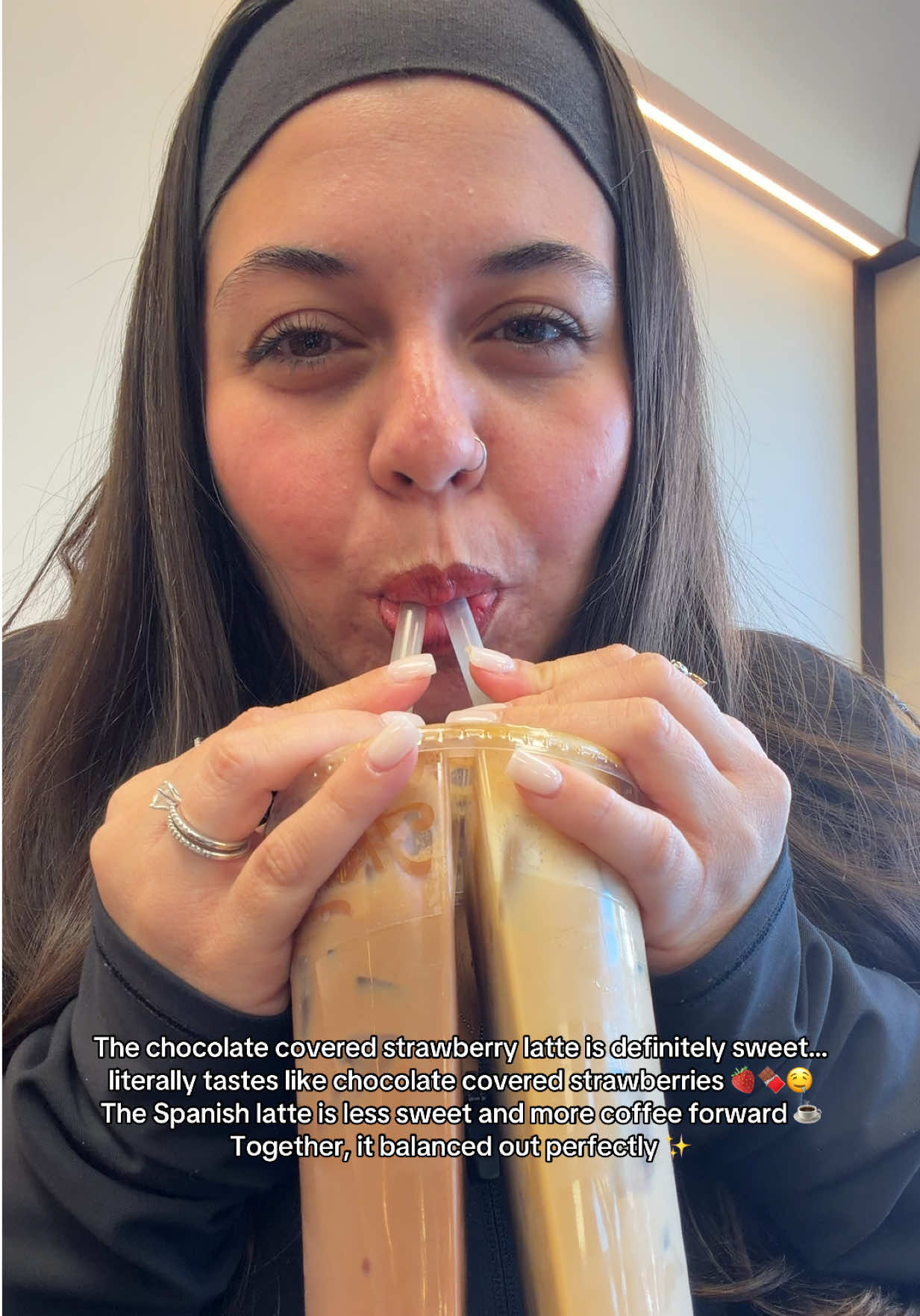
The split-drink format taps into genuine curiosity about flavor combinations while her unfiltered reaction feels authentic, not staged. People save and share it because it solves a real question: does mixing sweet and bitter actually work, and her honest assessment proves it does.
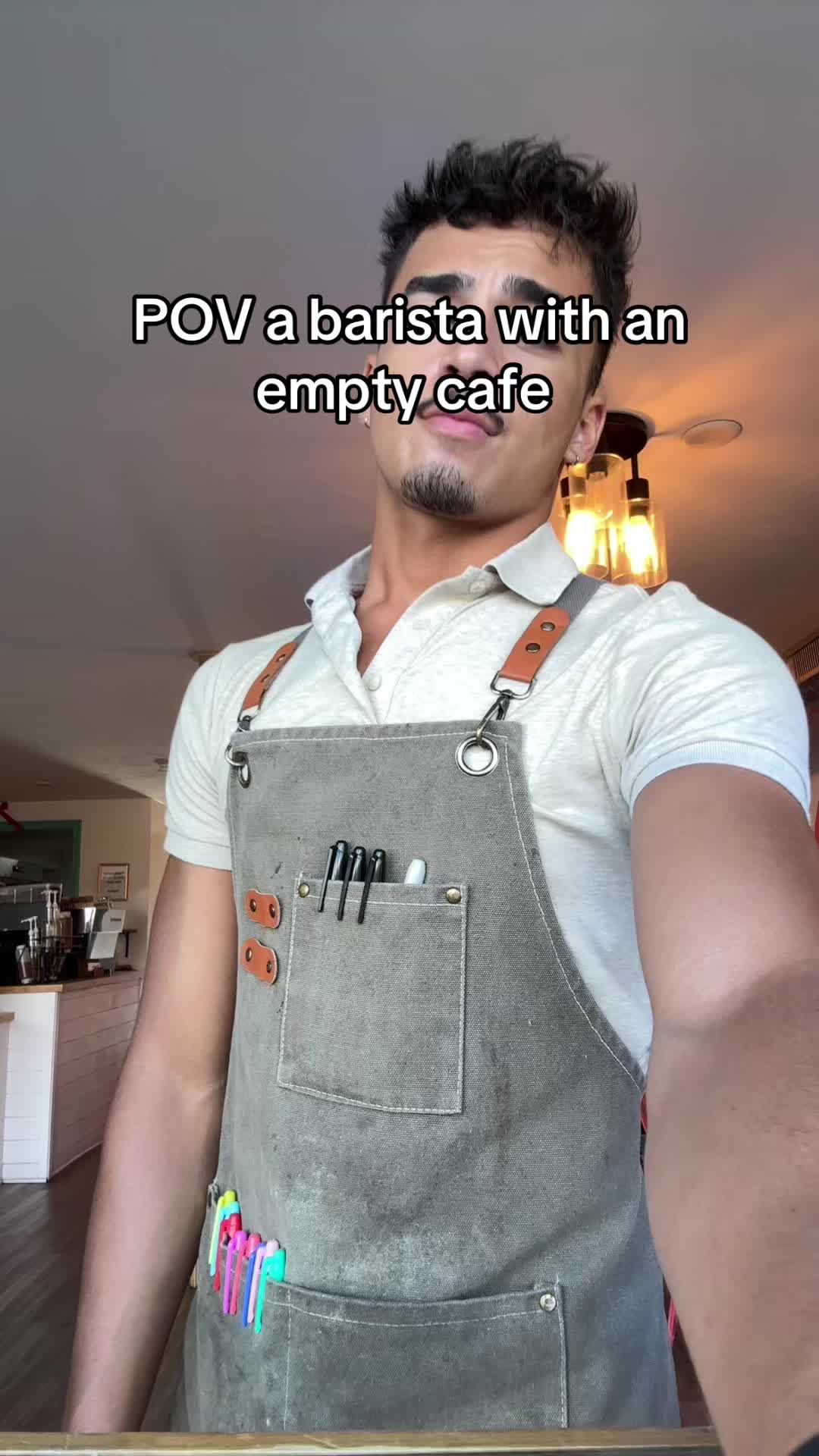
The "empty cafe" setup creates comedic anticipation, but the punchline flips it to show the reality of cafe life. People save this because it validates their own experience while the POV format makes them feel seen as the worker.
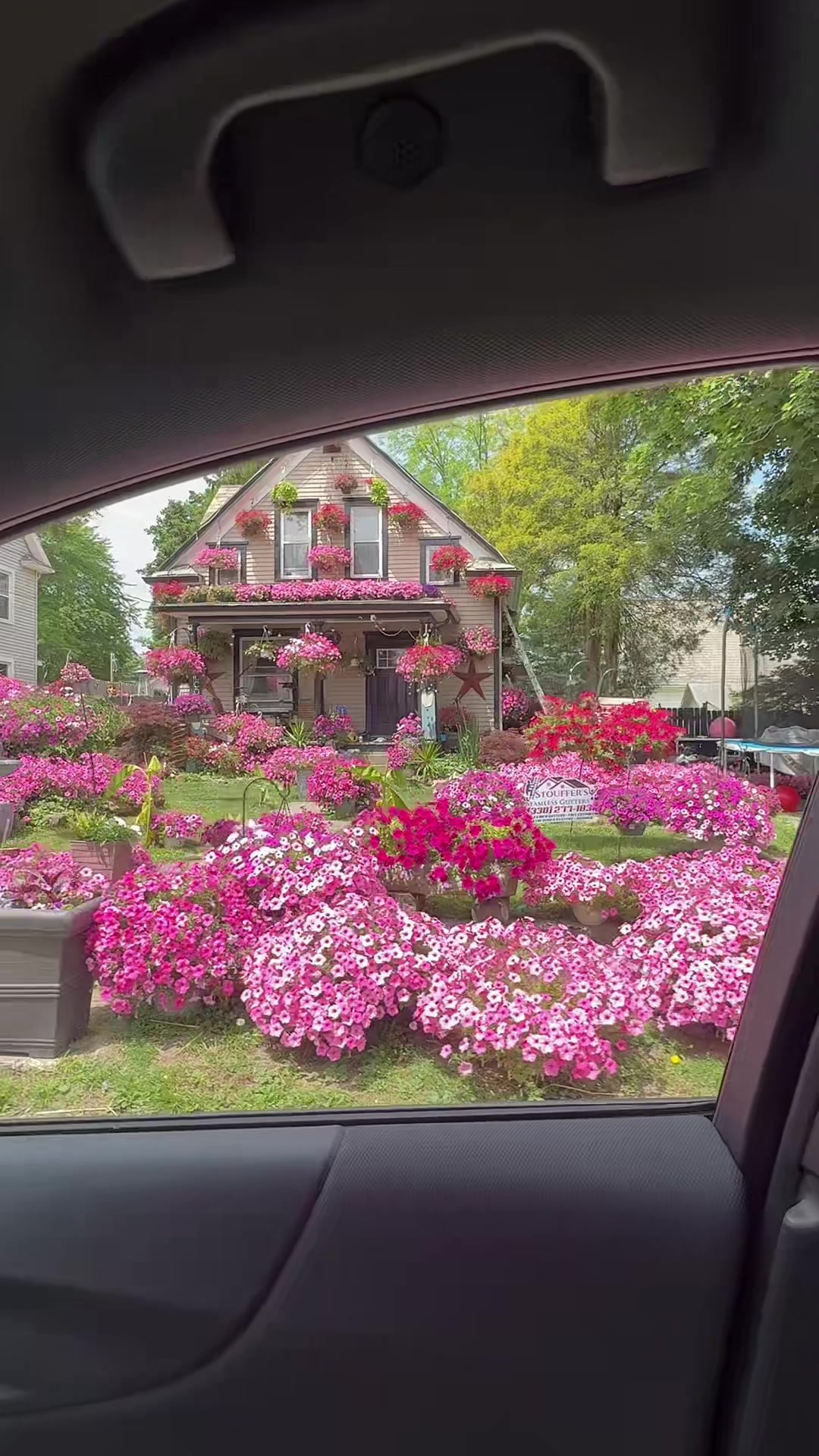
The framing—shot from inside a car looking out—creates intimate discovery rather than a staged showcase. It feels like stumbling upon something magical during a drive, which taps into that aspirational-yet-relatable sweet spot. Pure visual joy without the pressure of "look at my perfect home."
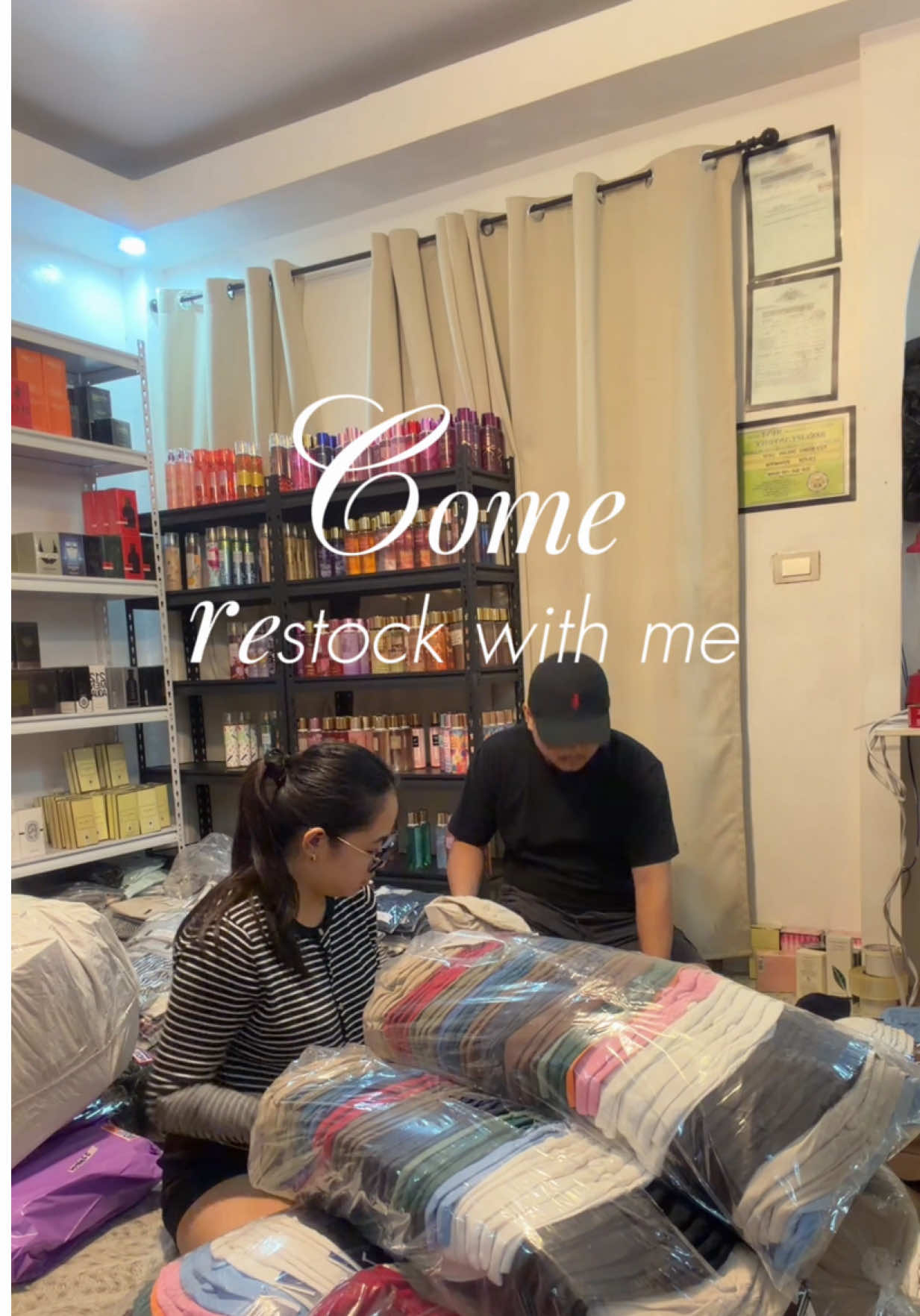
People are drawn to behind-the-scenes business operations because they reveal the unglamorous reality of entrepreneurship. The restocking content feels accessible and honest, letting viewers peek at the actual work involved in running an online business without the filter.
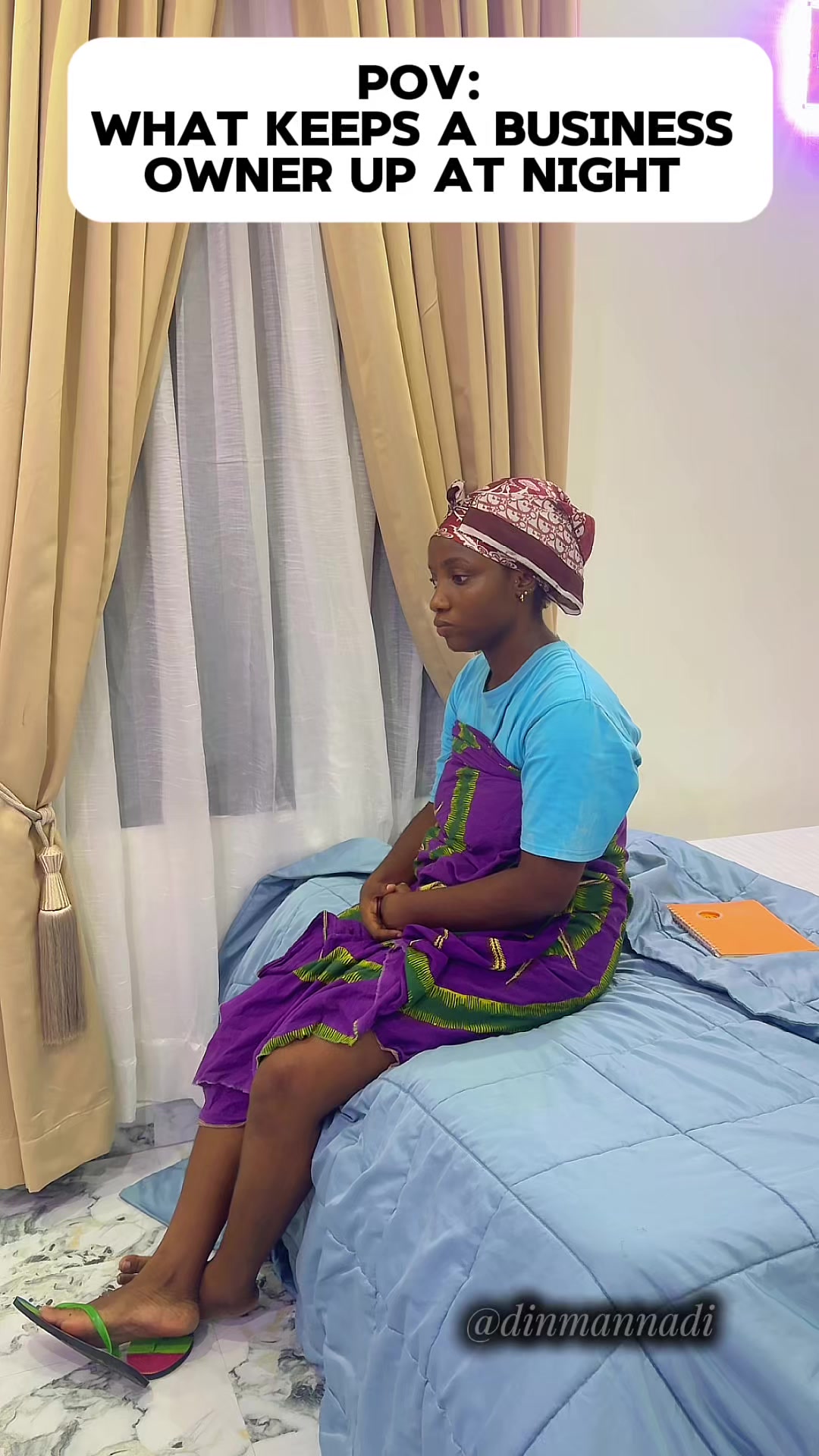
People connect deeply with honest struggles that feel universal but rarely get spoken aloud. By showing a real business owner in a vulnerable moment (sitting alone at night, visibly stressed), this tapped into shared entrepreneurial anxiety that most creators gloss over. The relatability turned viewers into advocates.
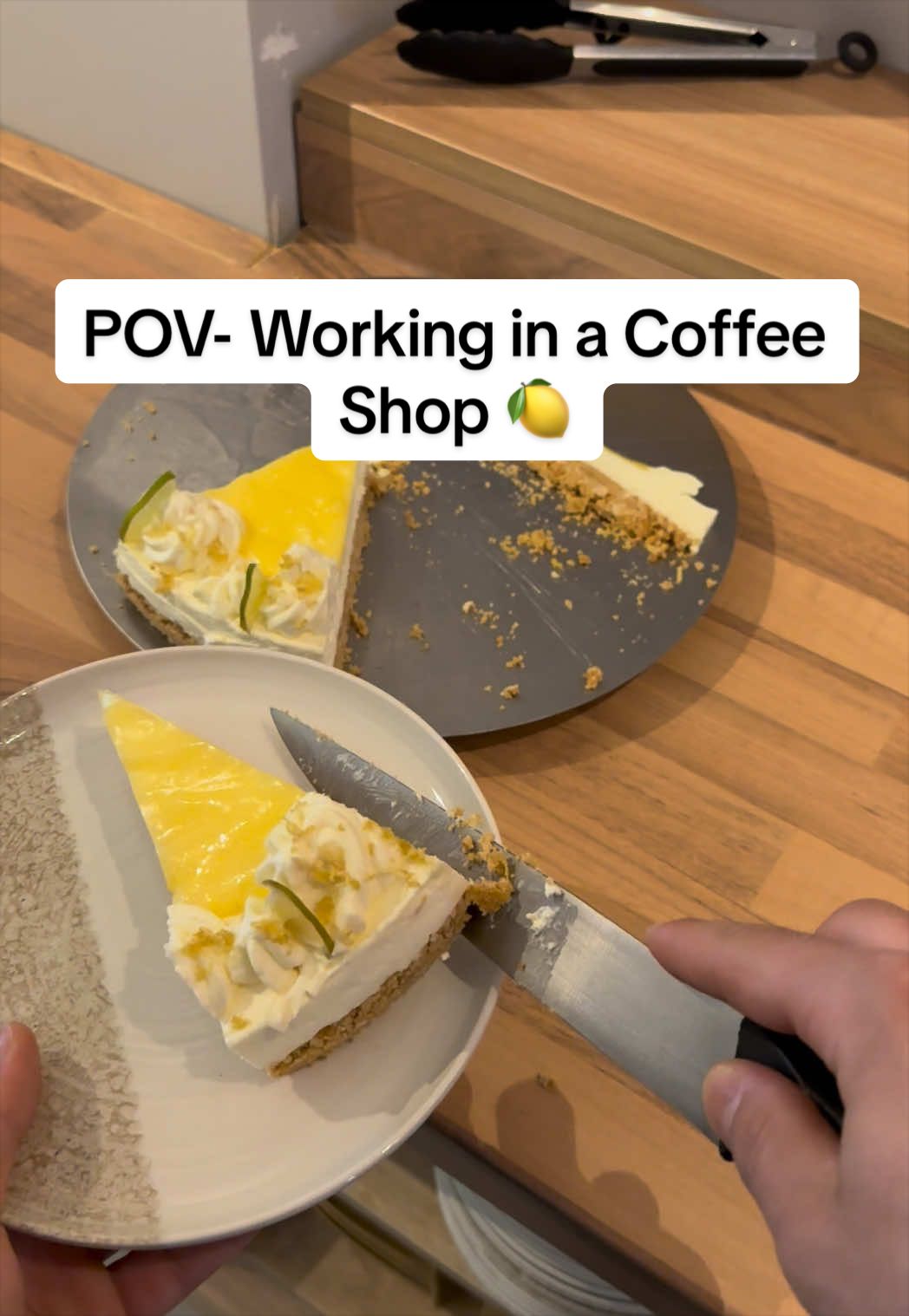
This hits the "behind-the-scenes peek at a job everyone romanticizes" angle hard. Beautiful plated desserts + that aesthetic coffee shop vibe taps into the fantasy of working somewhere that feels aspirational and creative. People watch to live vicariously.
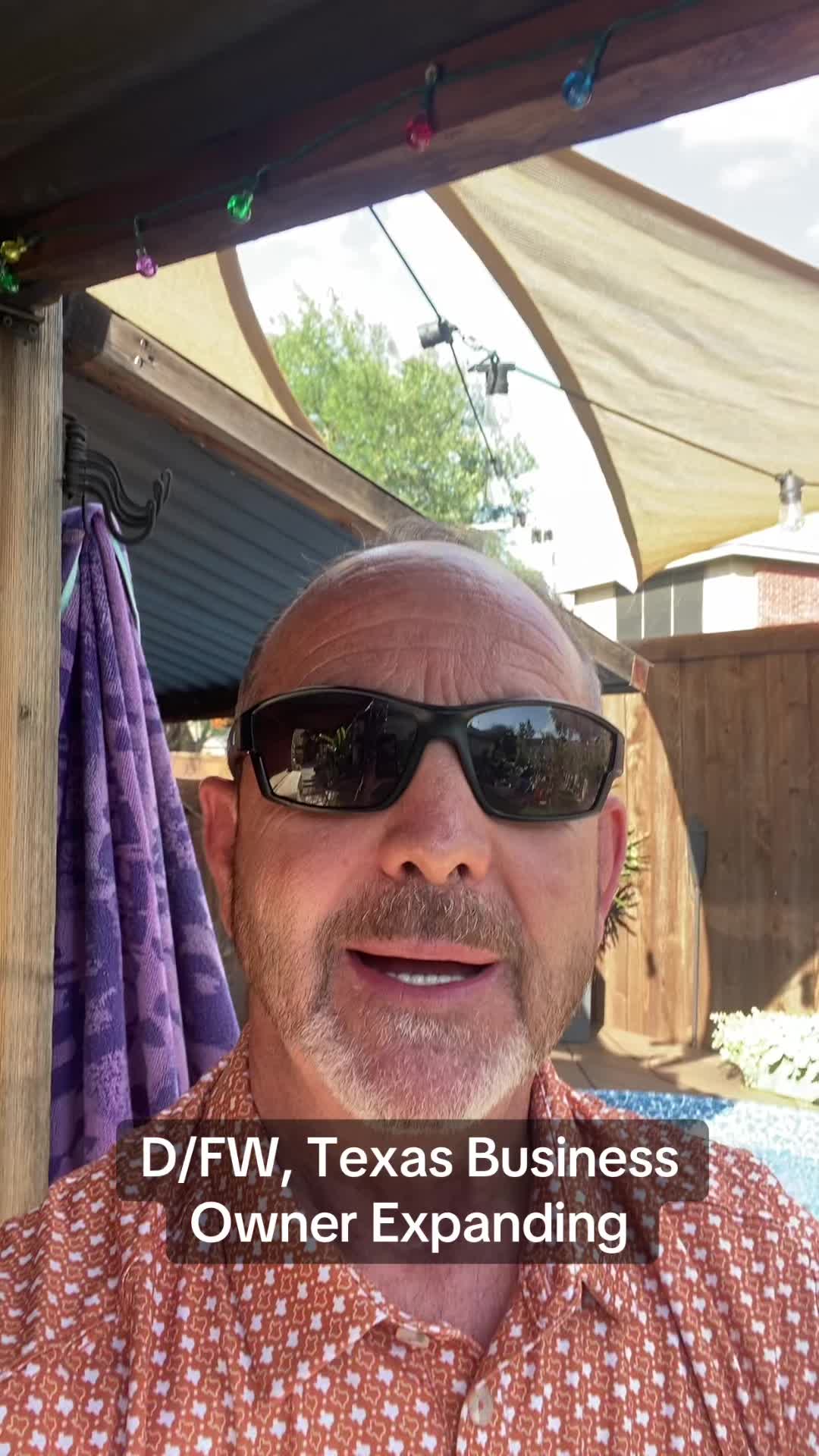
People engage when they see themselves reflected in content. A straightforward "where are you from" question in a local business context created immediate recognition and community, turning viewers into participants rather than passive watchers.
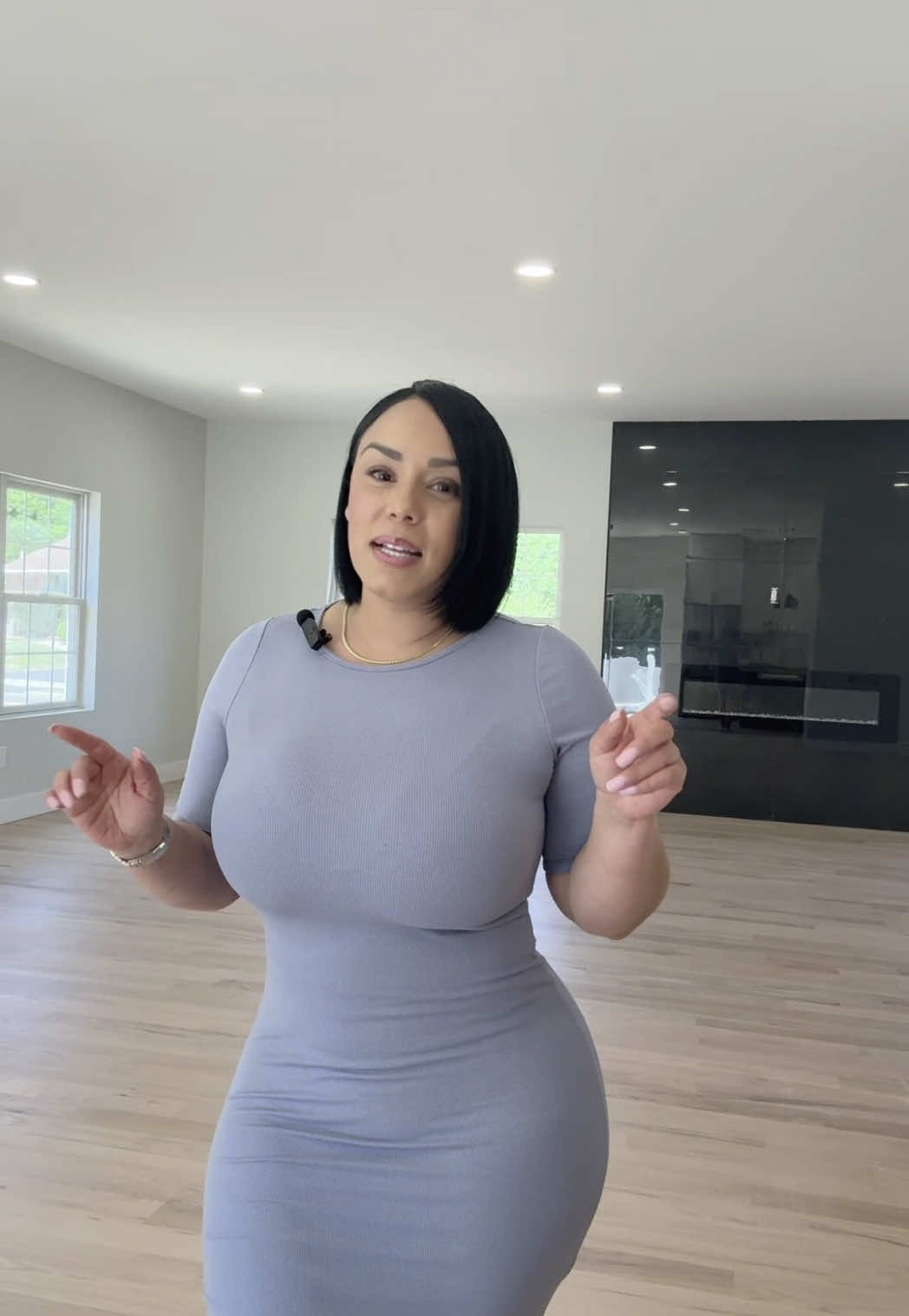
People clicked because the creator's genuine enthusiasm and direct address created an immediate personal connection that transcended typical real estate content. The confident, unfiltered energy made viewers feel like they were getting a real person's perspective, not a polished sales pitch.
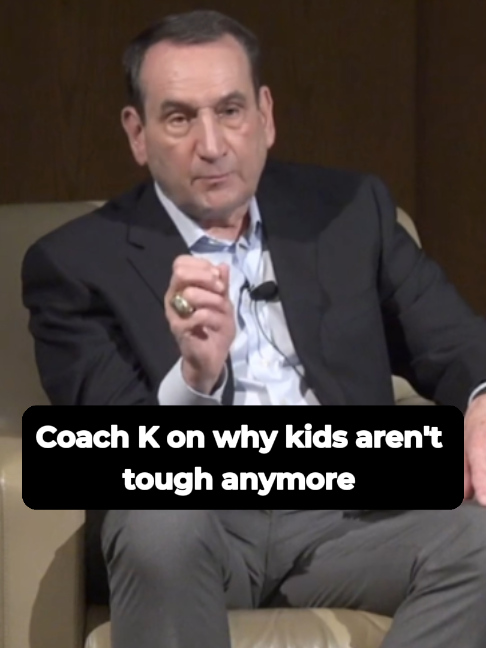
This taps into a generational frustration many adults feel about parenting shifts, delivered by an authority figure with credibility. The hot take format invites debate while feeling like insider perspective rather than preaching.

Carefully styled flat lay with vibrant colors (matcha green, cinnamon spice, cream) and varied textures creates a feast for the eyes that feels aspirational without being unattainable. The specific menu breakdown paired with location makes it a perfect save-and-visit post for people hunting their next cafe moment.
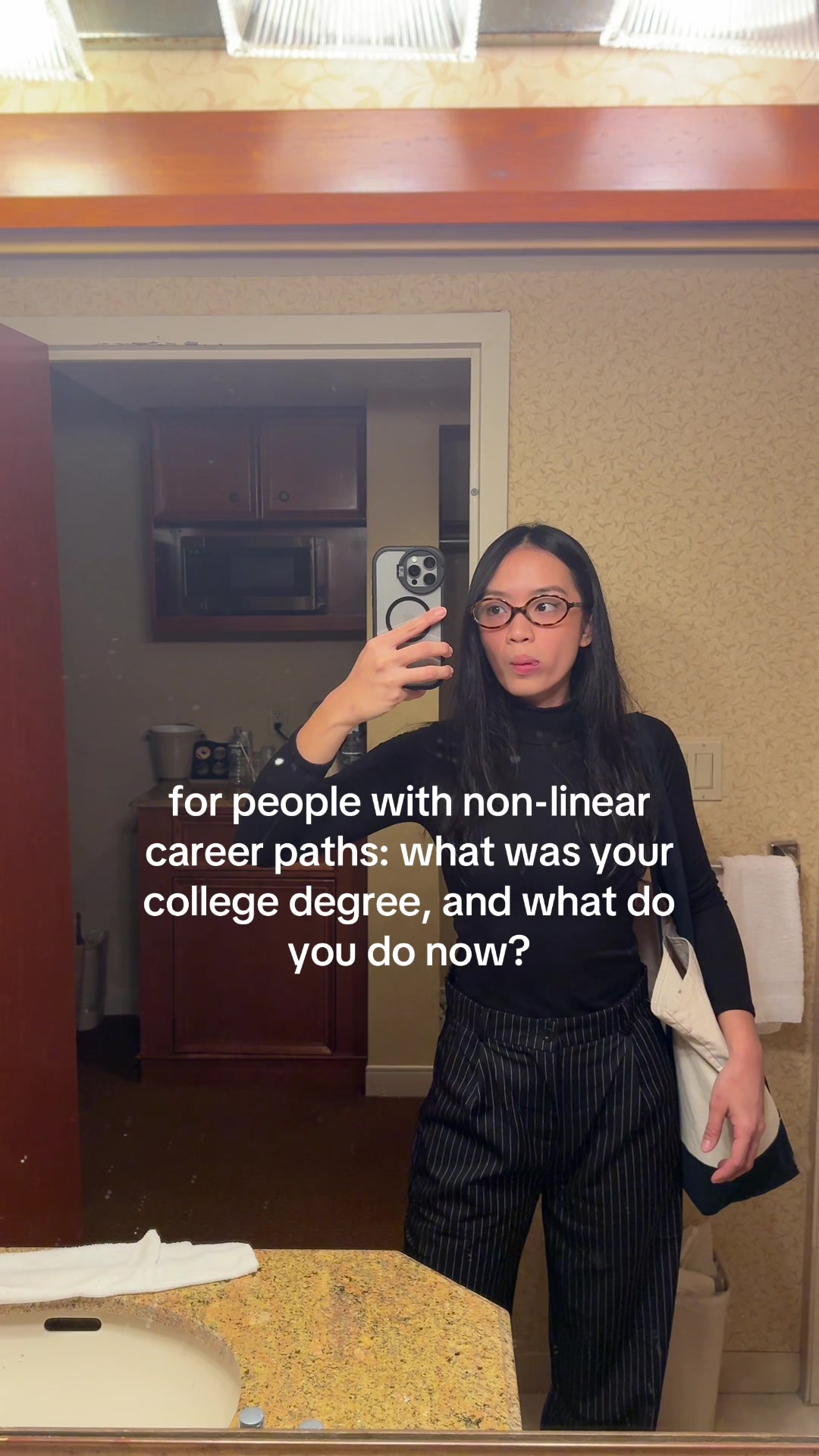
People crave permission to abandon the "supposed to" path. By openly sharing an unconventional pivot (engineering to flight attendant), the post validates the messy reality that most careers don't follow a straight line, making thousands feel less alone in their own detours.
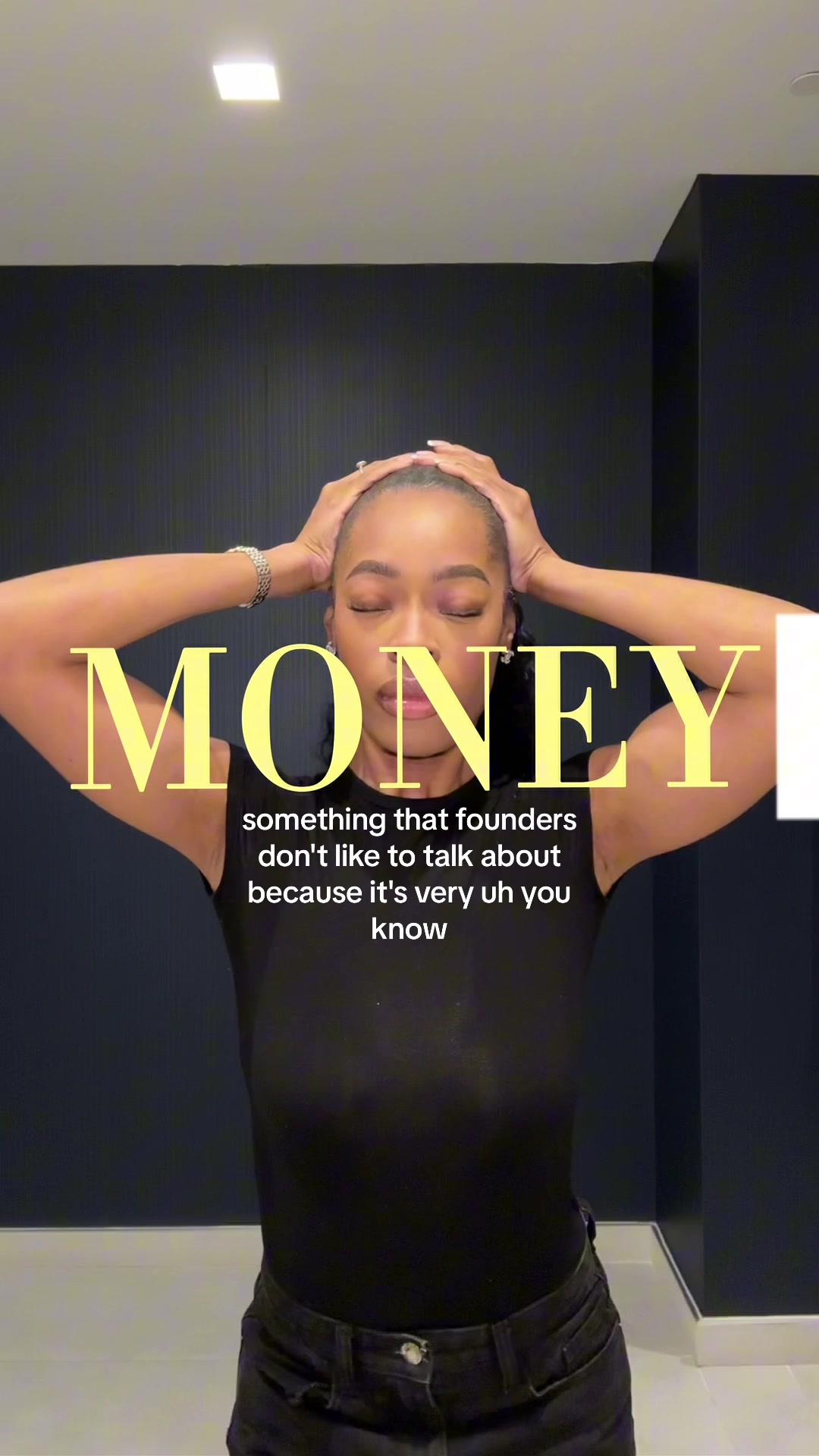
People crave insider perspective on the money side of entrepreneurship, especially when it's candid and slightly irreverent. The vulnerability of admitting discomfort around discussing finances paired with quiet confidence ("actually THREE companies") created the perfect tension that made founders feel seen and non-founders curious.
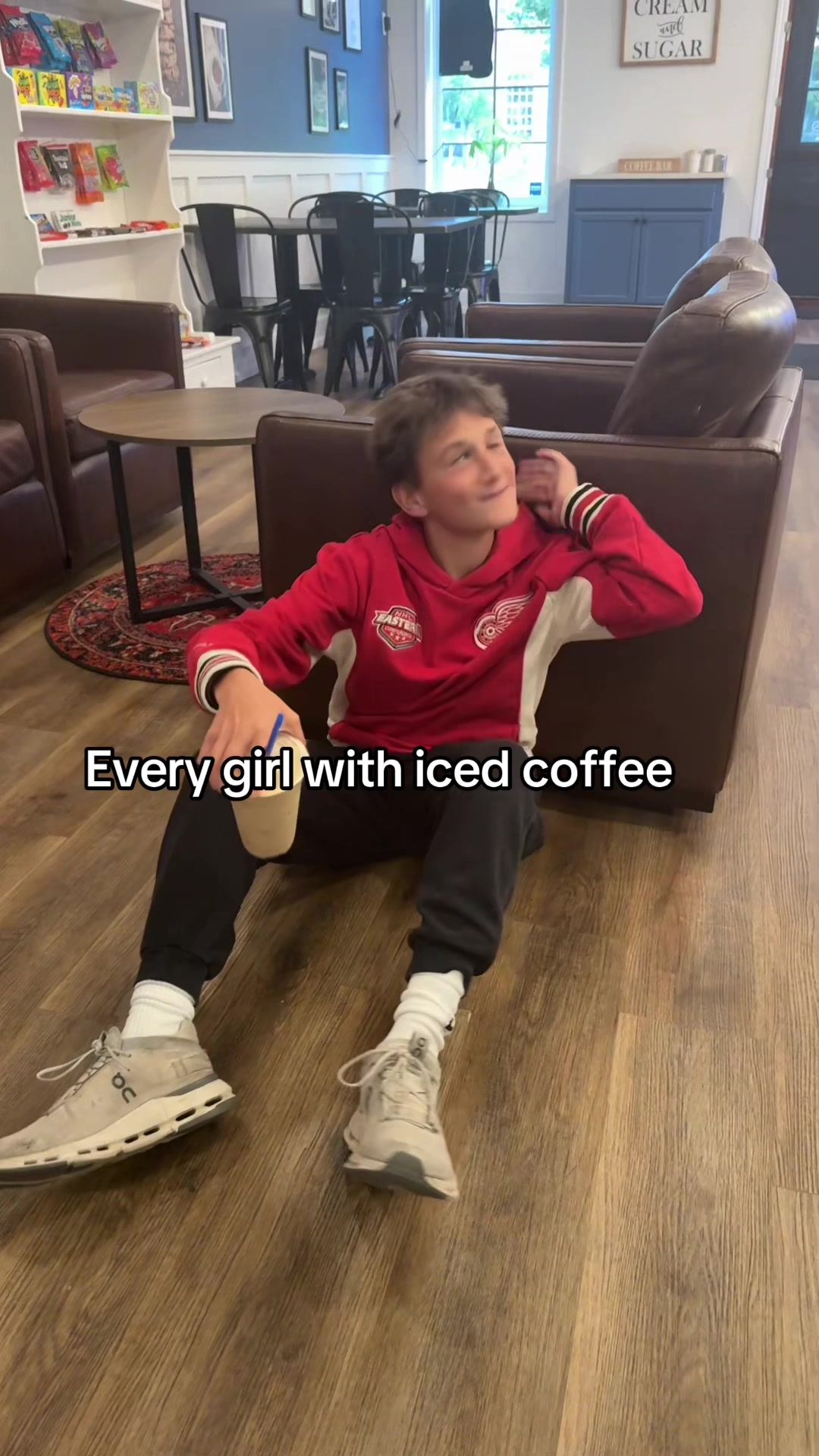
The relatable "every girl" angle paired with a candid, unflattered moment hits harder than polished content. People saved and shared this because it nails a universal coffee behavior in a funny, unguarded way that feels like a friend's observation rather than a brand trying to be funny.
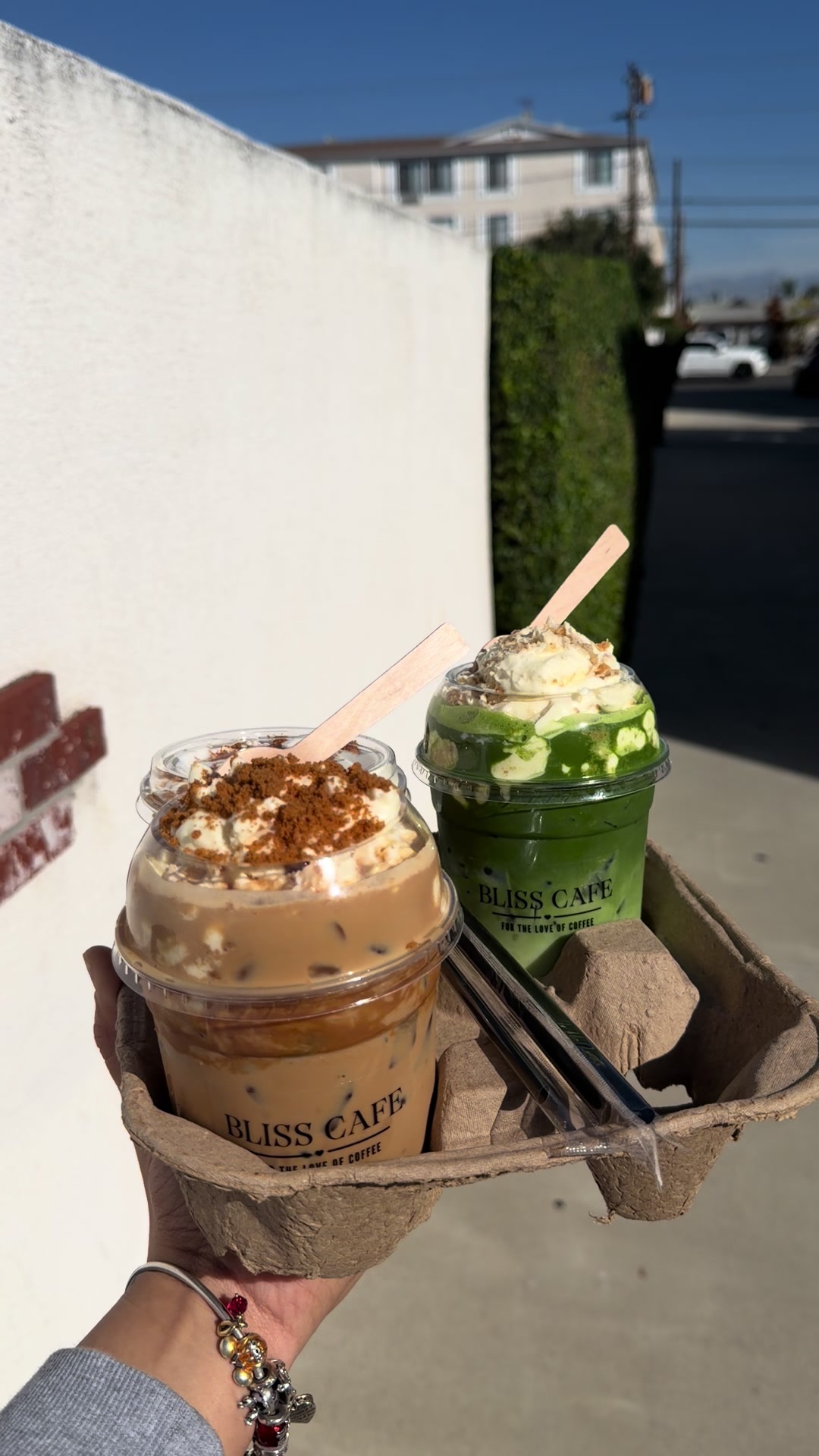
The aesthetic pairing of two vibrant drinks in an egg carton against bright daylight hits that sweet spot between aspirational and accessible. People want to discover hidden local gems they can actually visit, and the specific flavor combos feel inventive enough to justify the trip without being intimidatingly complicated.
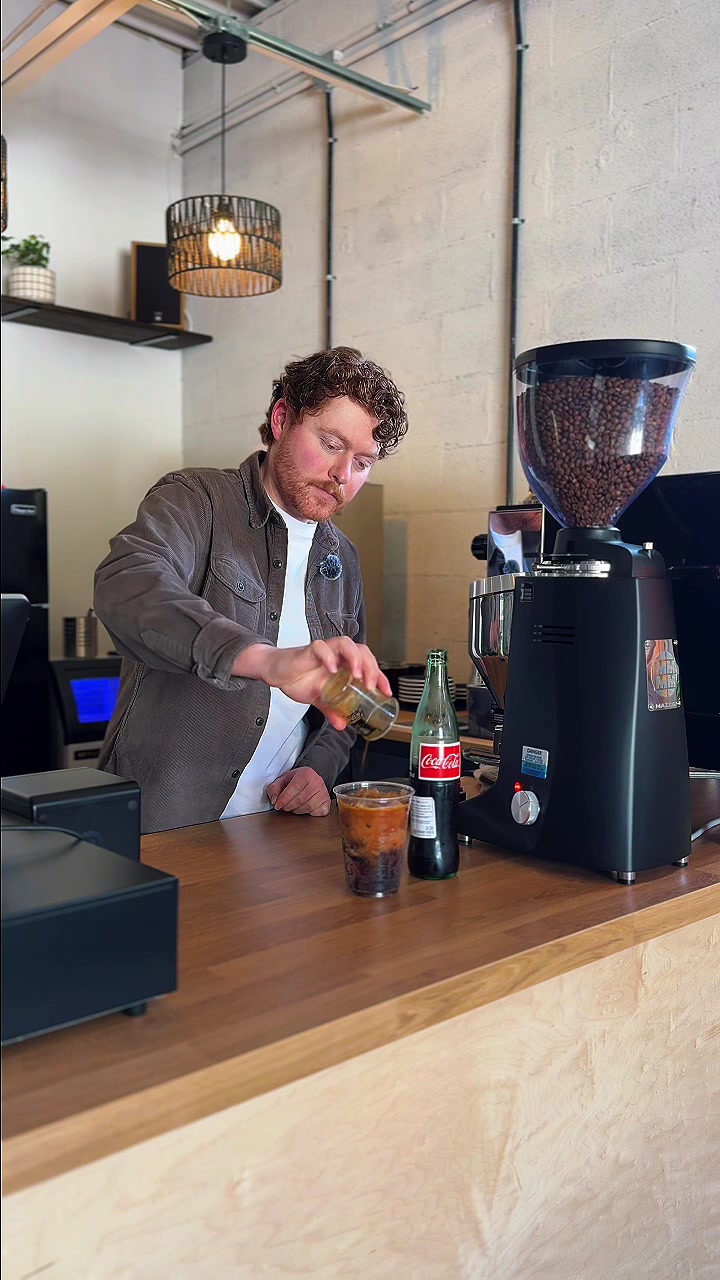
Mixing coffee with cola taps into the viral sweet spot of unexpected flavor combos that feel both playful and oddly genius. The casual execution and clean aesthetic make it feel like a real discovery rather than a stunt, sparking genuine debate about whether this is brilliant or blasphemous.

People save this at 8x the normal rate because it promises a complete life philosophy in under a minute. The setup "if you wanna succeed in life" hooks viewers into expecting a formula, and the confidence in delivery makes them feel they've discovered something valuable worth keeping.
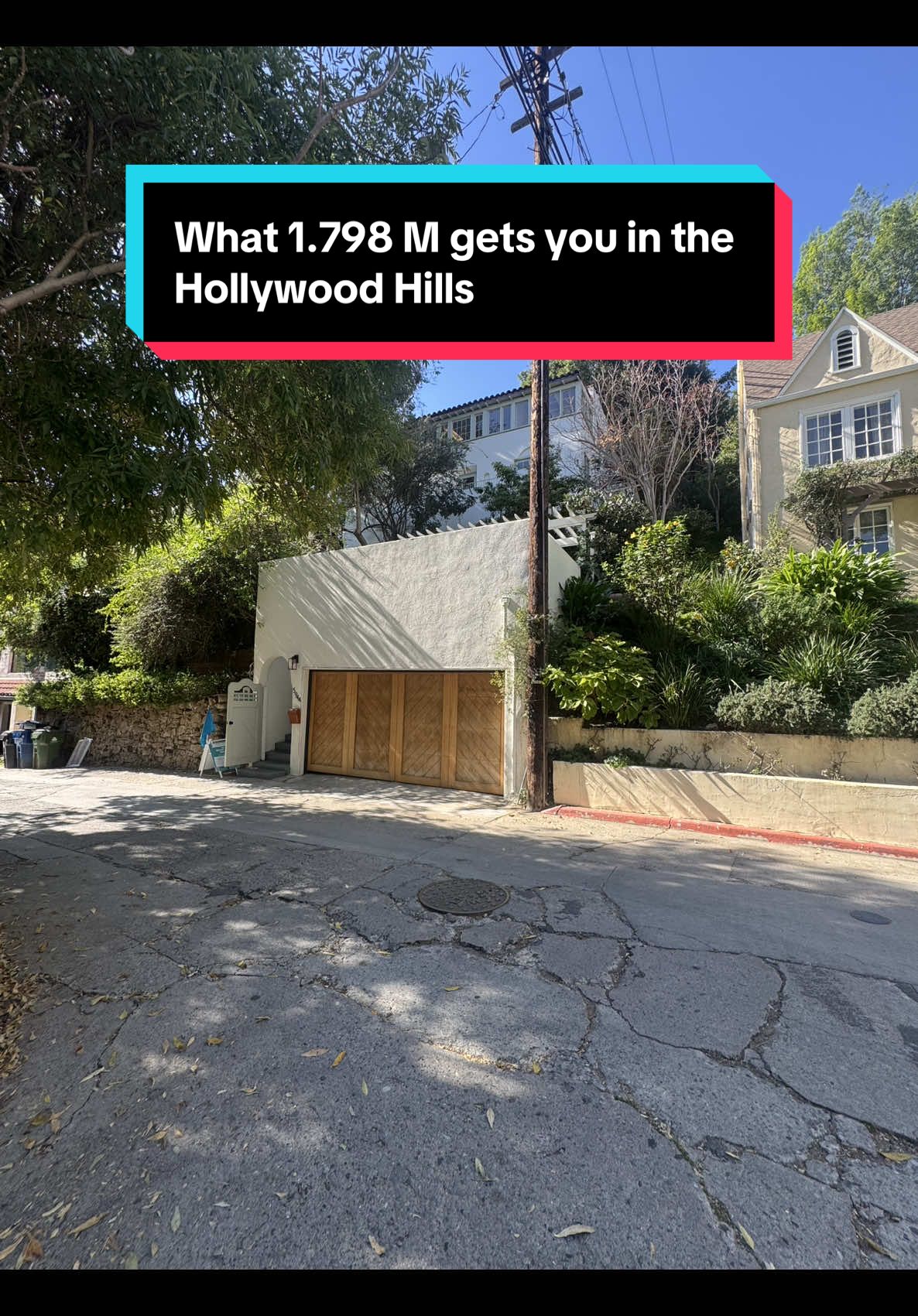
The stark contrast between the price tag and the underwhelming exterior creates cognitive dissonance that stops the scroll. People want to understand what $1.798M actually gets you in Hollywood Hills, and the answer (a modest facade hiding secrets) triggers curiosity and commentary.
A confident, polished selfie with minimal caption taps into the "just showing up" energy that personal brand builders crave. The simplicity (just a smile, a look, "hey hey") feels effortless and magnetic, letting people project their own interest onto the person rather than a pitch.
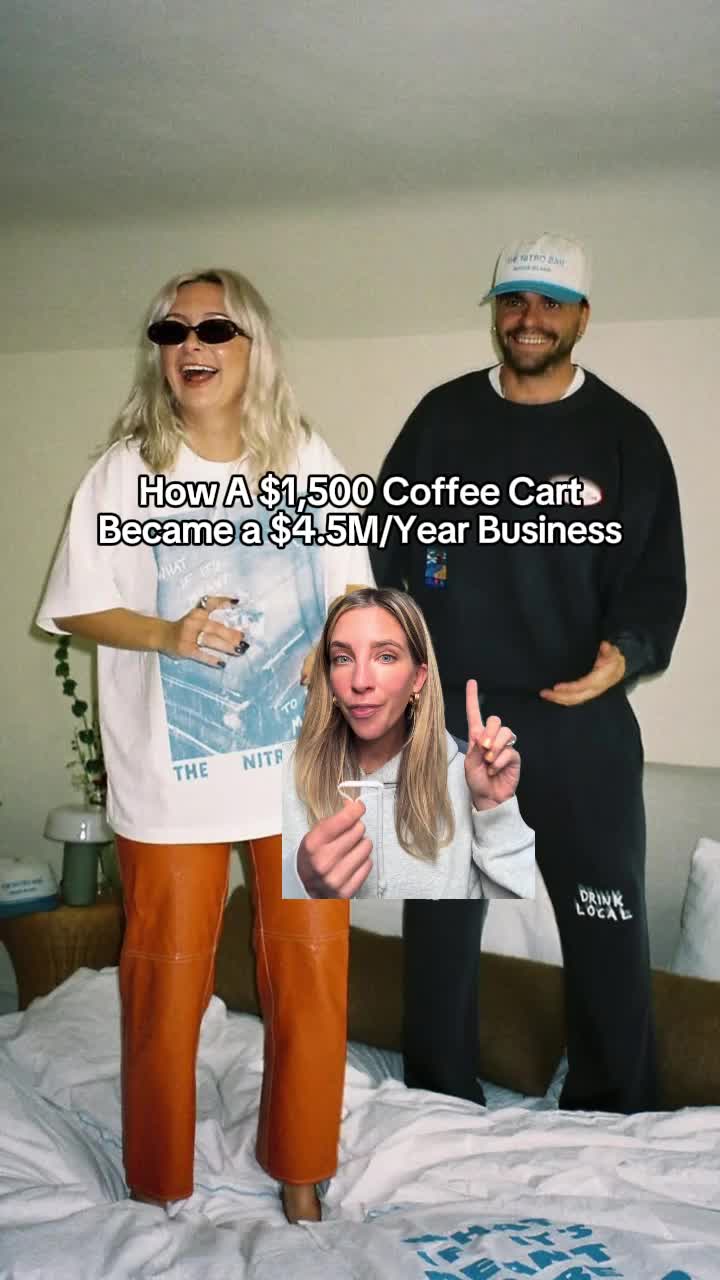
The underdog origin story hits harder than polished success. People crave proof that massive revenue is possible with scrappy resourcefulness, not inherited advantages, making them want to save and share the blueprint.
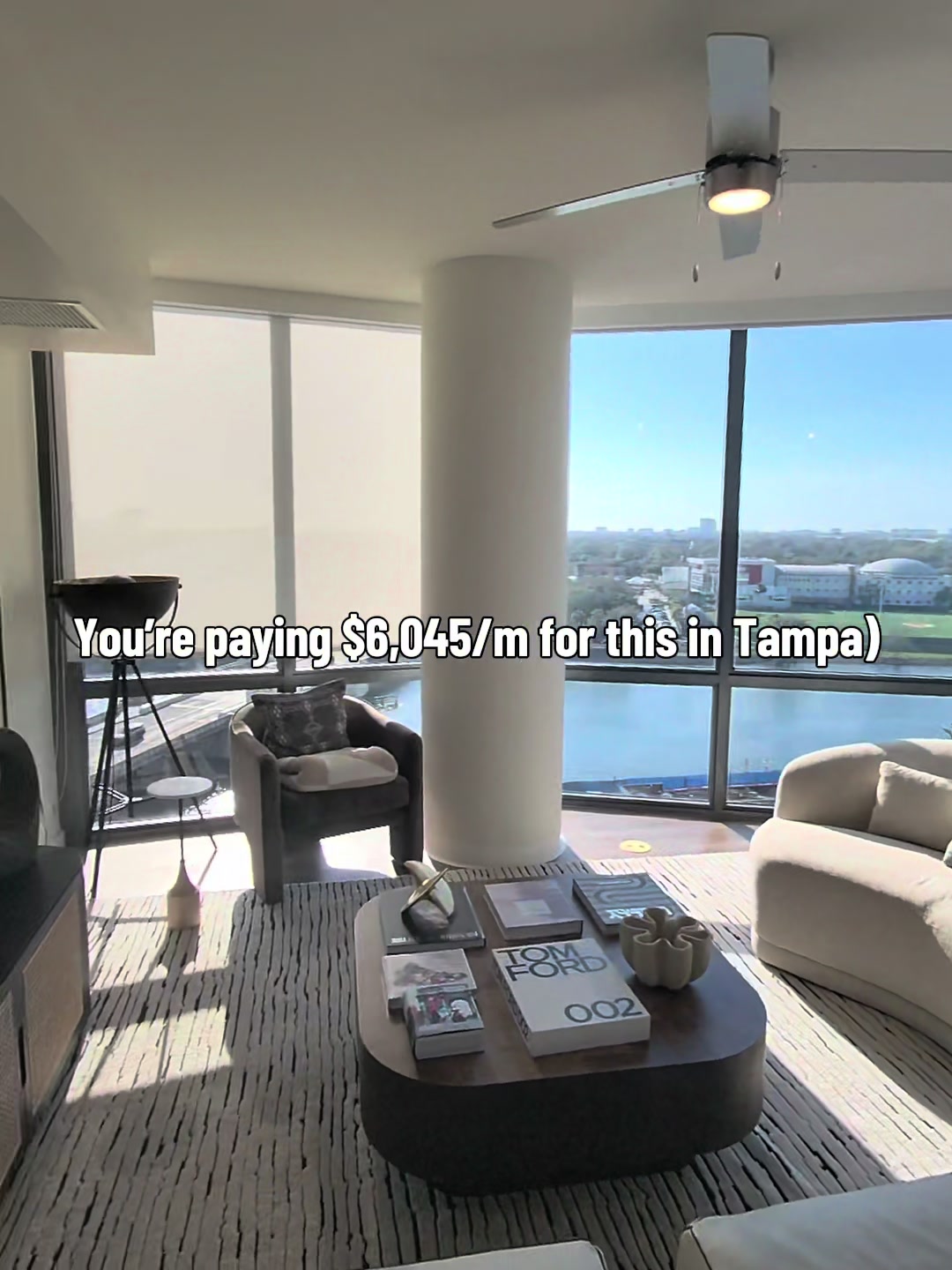
The price point paired with visible trade-offs (carpet, column in living room) triggers immediate pushback. People love evaluating whether luxury pricing matches the actual product, and this sparked debate because the answer felt genuinely debatable.
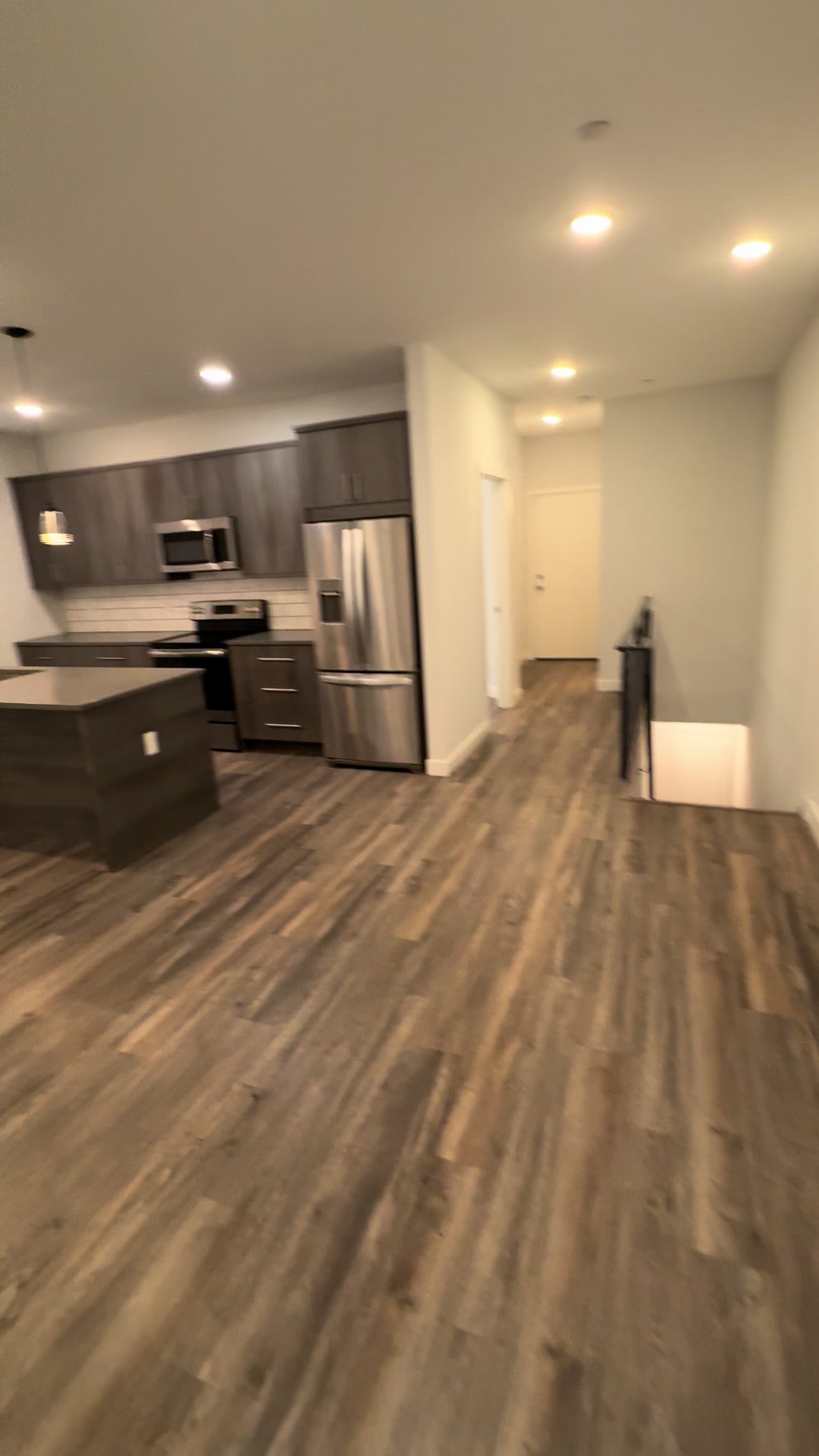
The blurry, handheld walkthrough feels authentic and urgent, like you're getting a sneak peek before it's gone. People save and share because it's affordable housing in a real neighborhood, shown raw and honest instead of over-produced.
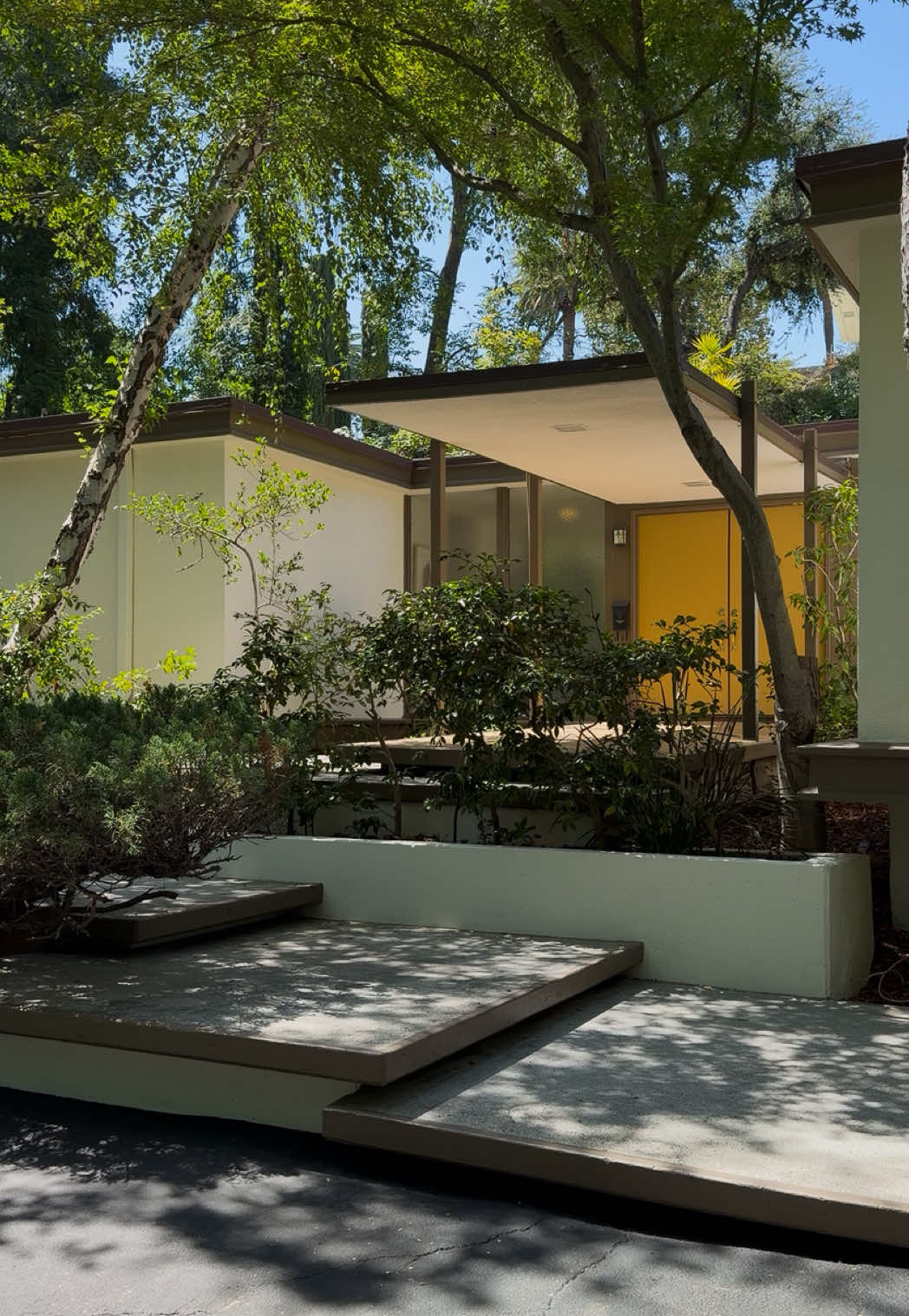
Architectural heritage paired with scarcity (first sale in 30+ years) triggers aspirational longing. The mid-century modern aesthetic is evergreen, but pairing it with historical specificity and rarity made this feel like discovering a time capsule rather than just another listing.

People love watching someone clap back at online criticism with humor rather than defensiveness. The owner turned a viral jab into a funny, self-aware moment that made her look clever instead of greedy.
A VC admitting the game is rigged against founders hits harder than typical startup advice because it breaks the mythology. People save this because it contradicts what they've been taught to want, making them feel smart for reconsidering the obvious path.
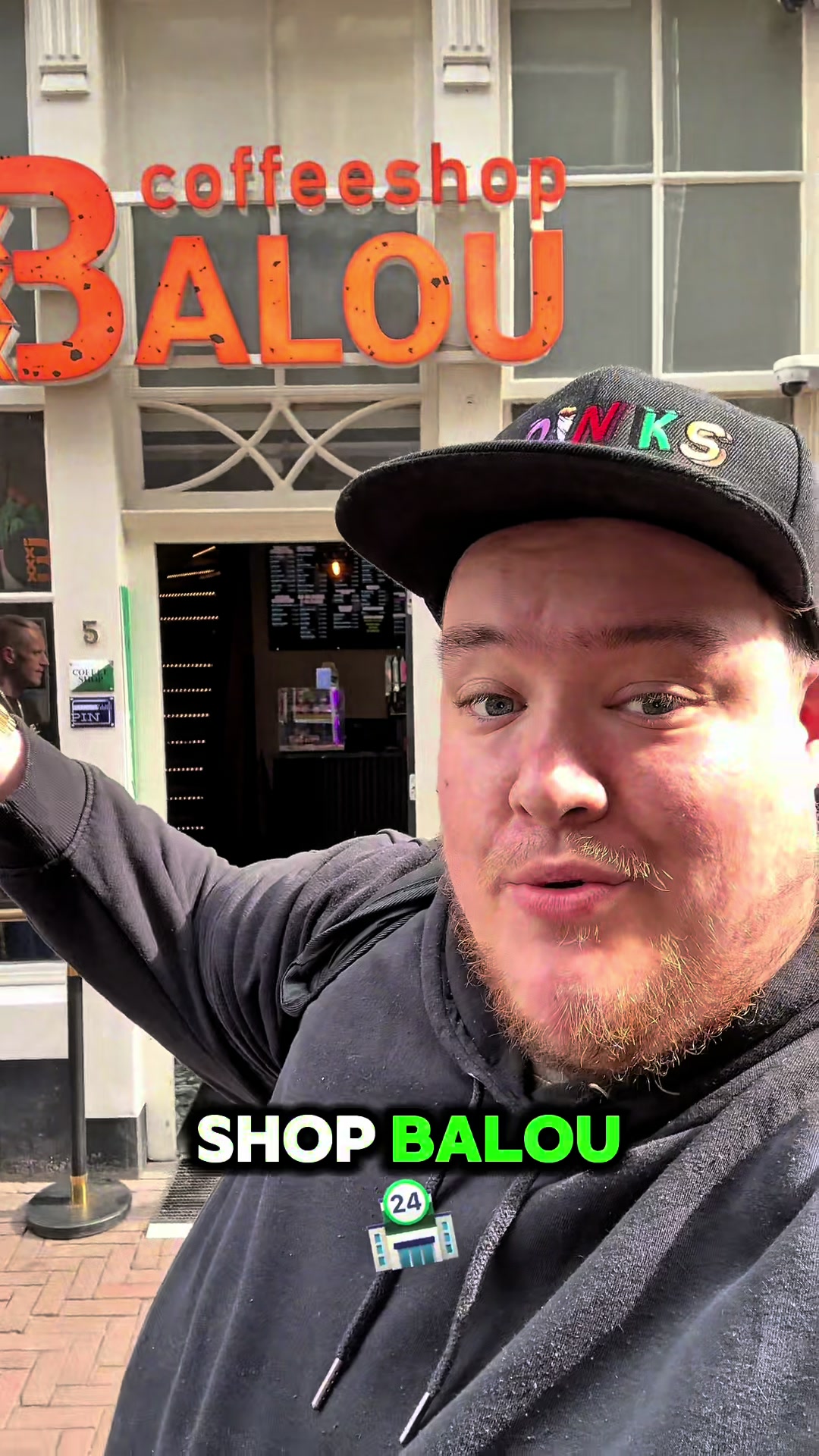
People are drawn to content that casually showcases niche local spots with insider energy. The raw, unfiltered storefront moment combined with the specific product callout (popcorn zkittles) taps into travel discovery and that "know-where-to-go" appeal that makes viewers feel like they're getting the real scoop.
The raw joy of achieving a major life milestone at an unexpected age cuts through noise. Showing genuine celebration in a real moment, paired with the specificity of "22," taps into aspirational relatability—young viewers see themselves, while older viewers celebrate the ambition.
This hits because it exposes a knowledge gap that costs people real money. The wide-eyed shock paired with concrete financial stakes (thousands lost, deals falling through) makes abstract mortgage advice feel urgent and personal. People save because they're thinking "I didn't know this."
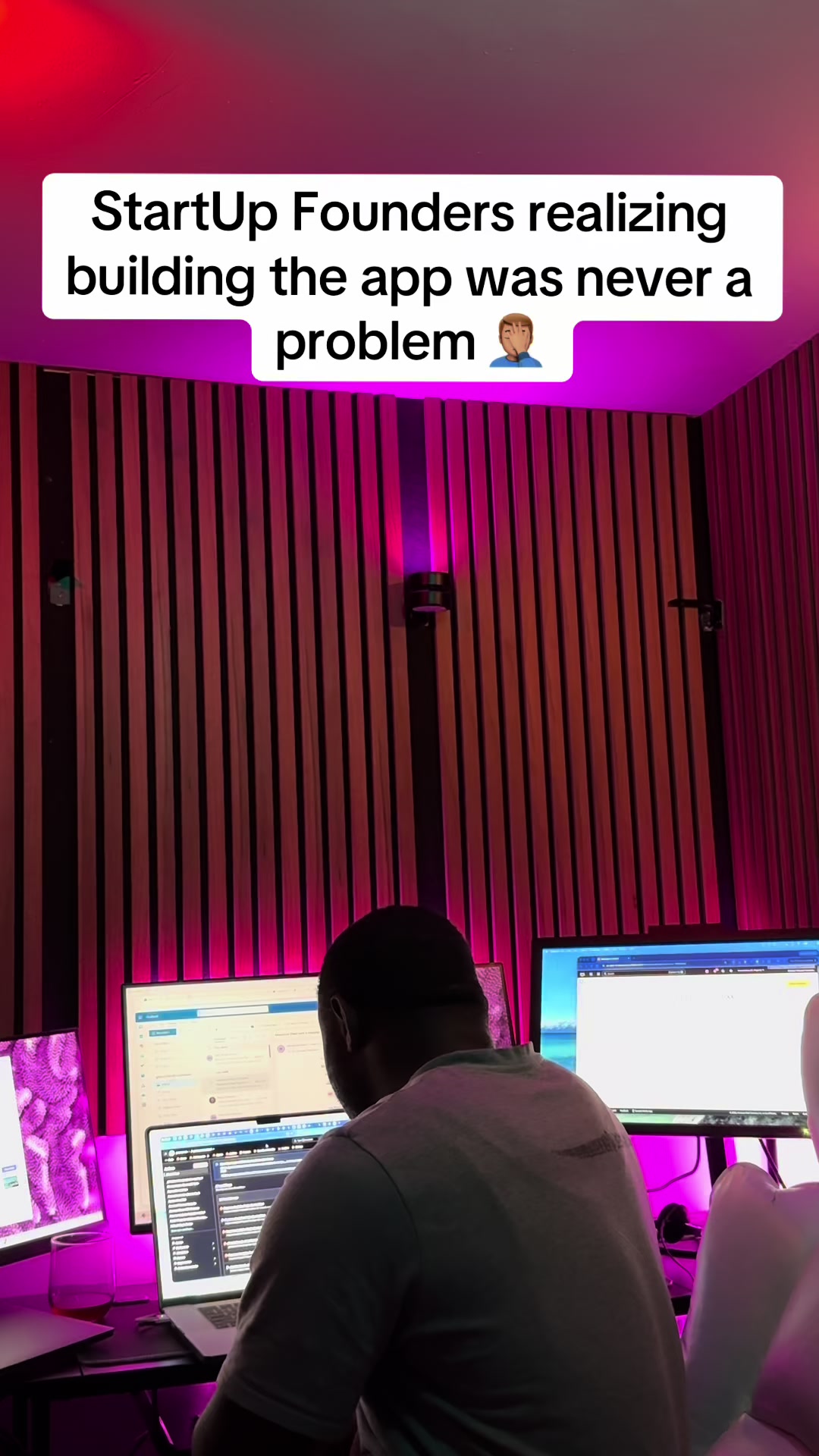
Startup founders relate hard to the gap between shipping product and actually getting people to use it. The meme captures that brutal realization that technical execution was the easy part, and now comes the unsolved problem: distribution and user acquisition.
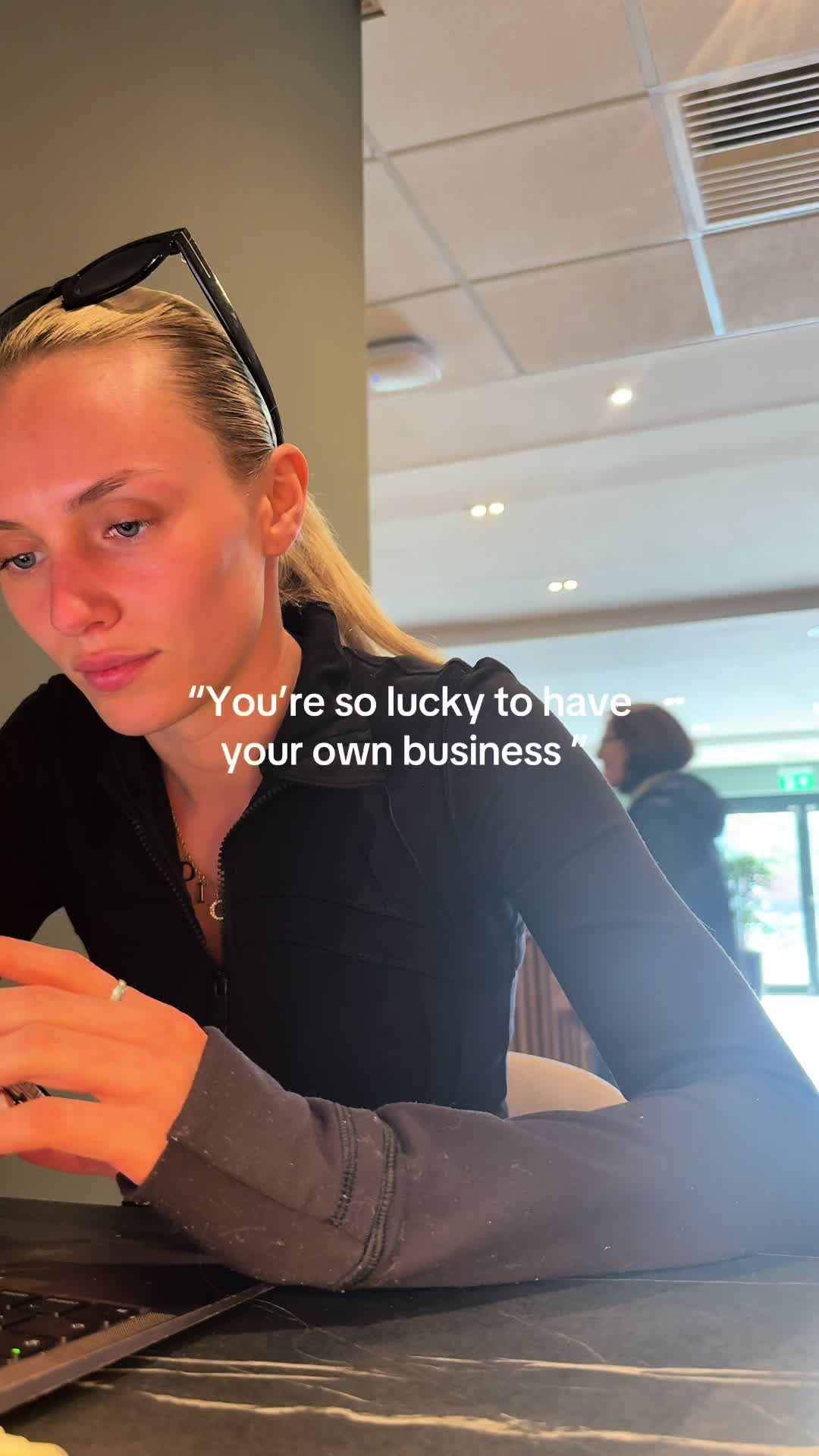
The post taps into the entrepreneurial struggle by flipping the "you're so lucky" narrative, showing the unglamorous reality behind the business. People save and share it because it validates their own grind while pushing back on the myth that success is handed out.
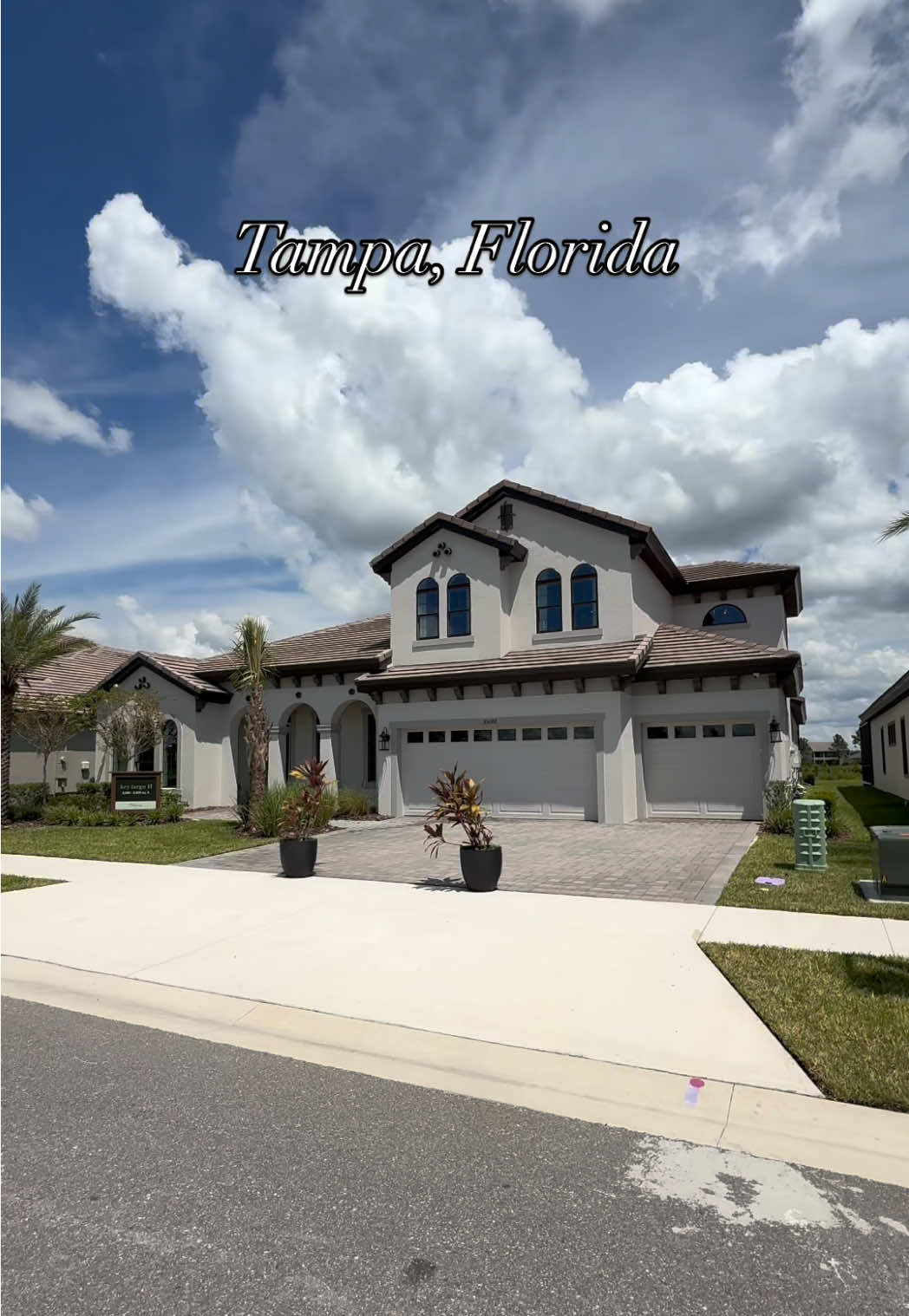
Beautiful real estate doesn't need gimmicks, just a clean shot and honest specs. People save and share this because it solves a real problem: seeing what luxury actually looks like in their price range. The straightforward presentation feels trustworthy, which matters when you're talking about the biggest purchase most people make.
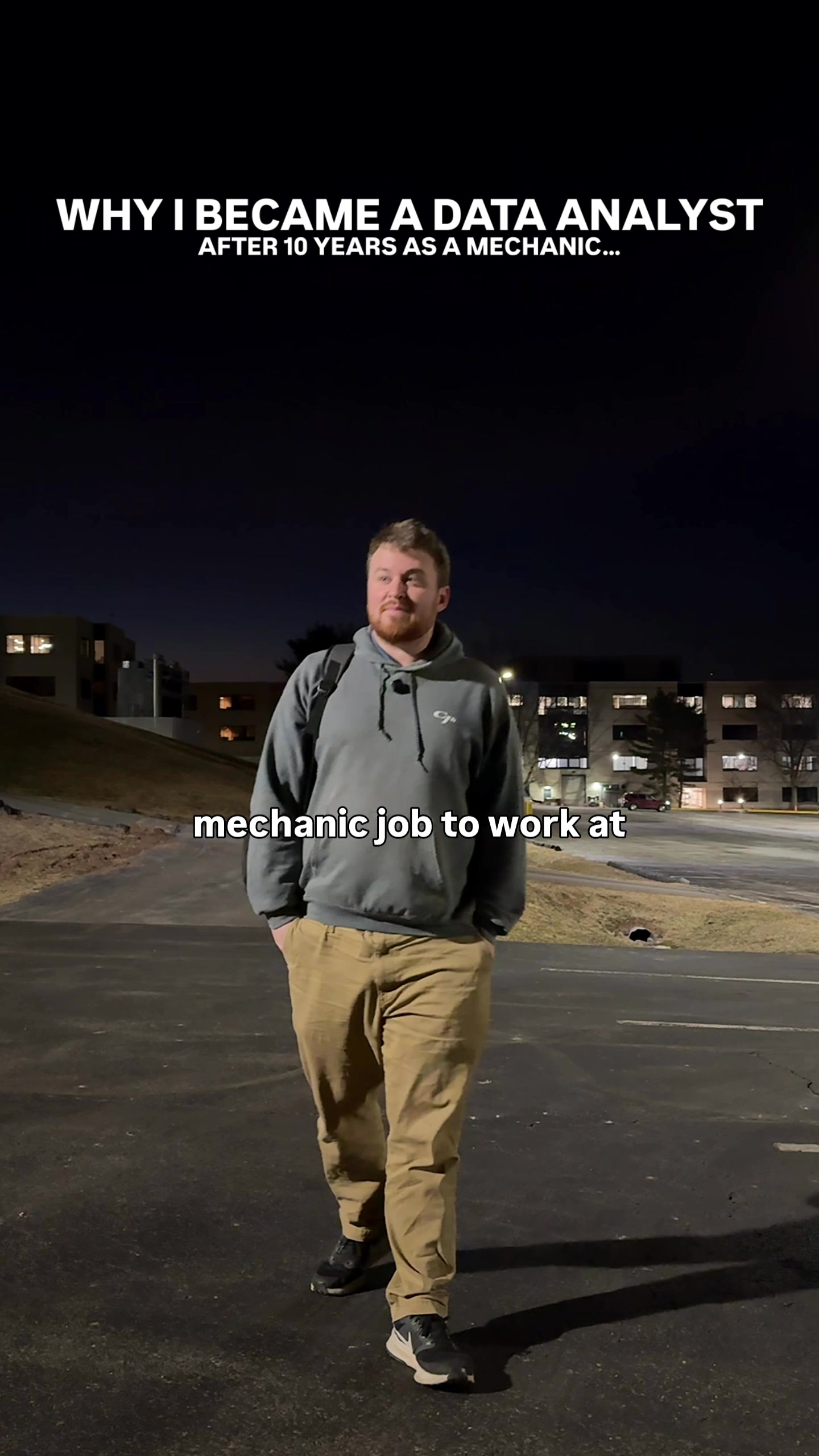
The career pivot hook works because it positions a tangible, relatable decision (leaving trades for data) as proof of self-awareness rather than failure. People connect with the implicit message: sometimes the smartest move is recognizing when a path isn't serving you anymore.
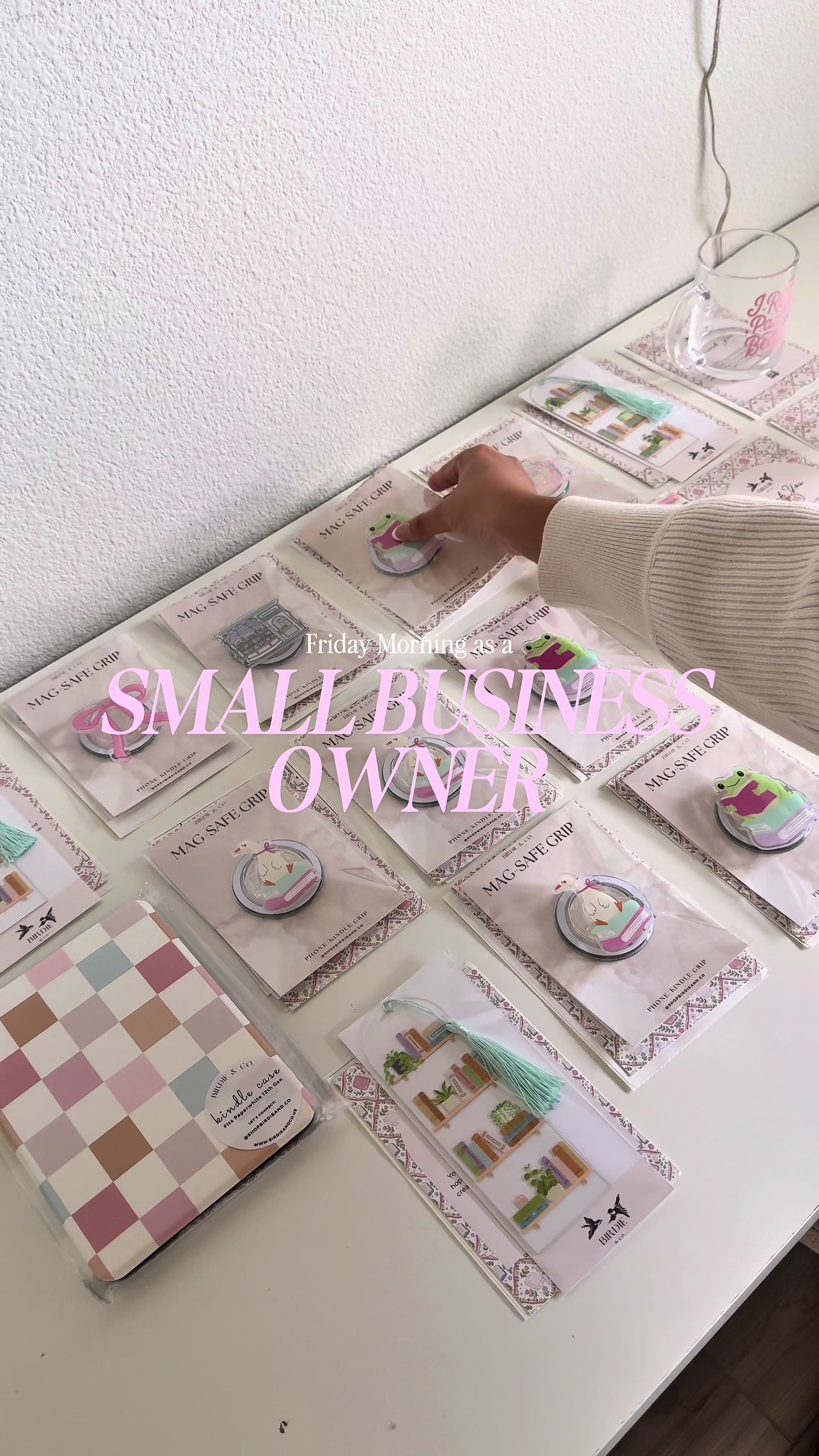
The aesthetic setup and hands-on work taps into aspiration without pretense. People want to see the real grind of small business ownership—the organized chaos, the tangible products, the honest "we're busy" energy. It's achievable and beautiful at once.
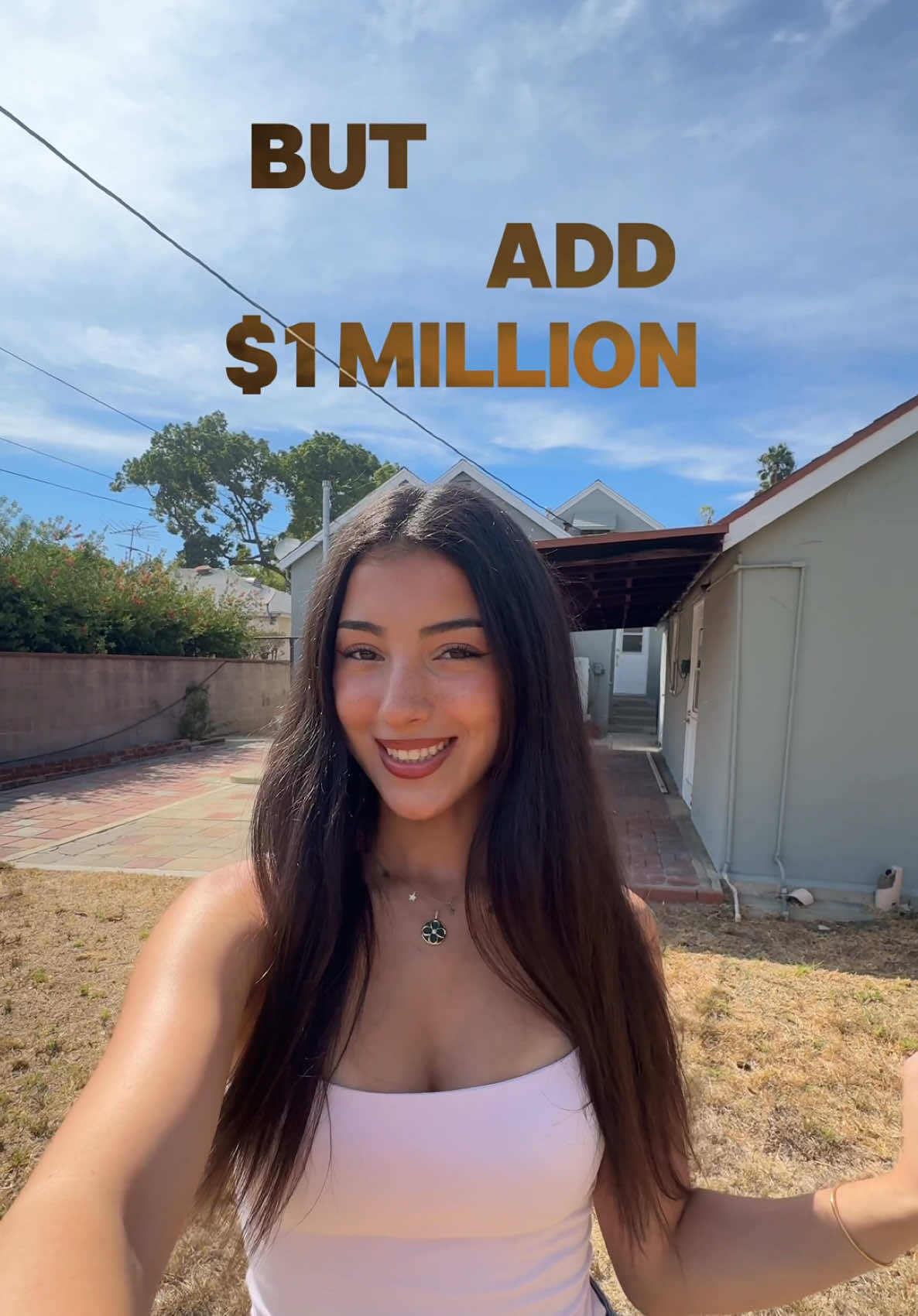
The "but add $1 million" hook creates instant cognitive dissonance that sparks debate. People can't help but weigh in on whether the price matches the property, turning the listing into a discussion rather than passive scrolling content.
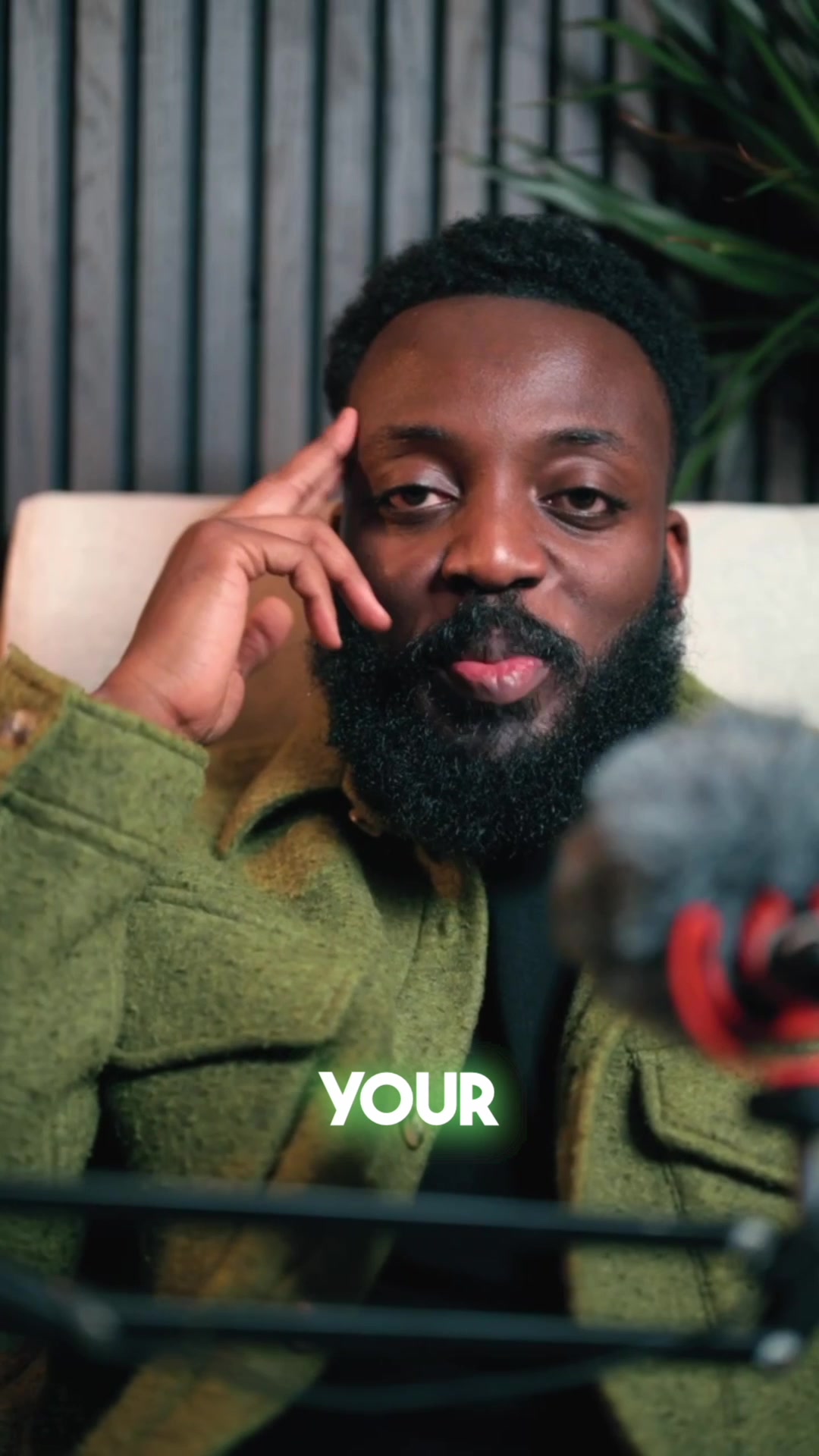
People are hungry for permission to stop over-explaining themselves. This taps into a quiet frustration many feel about emotional labor in conversations, where the real insight isn't the communication tactic but the liberation of setting boundaries without guilt.
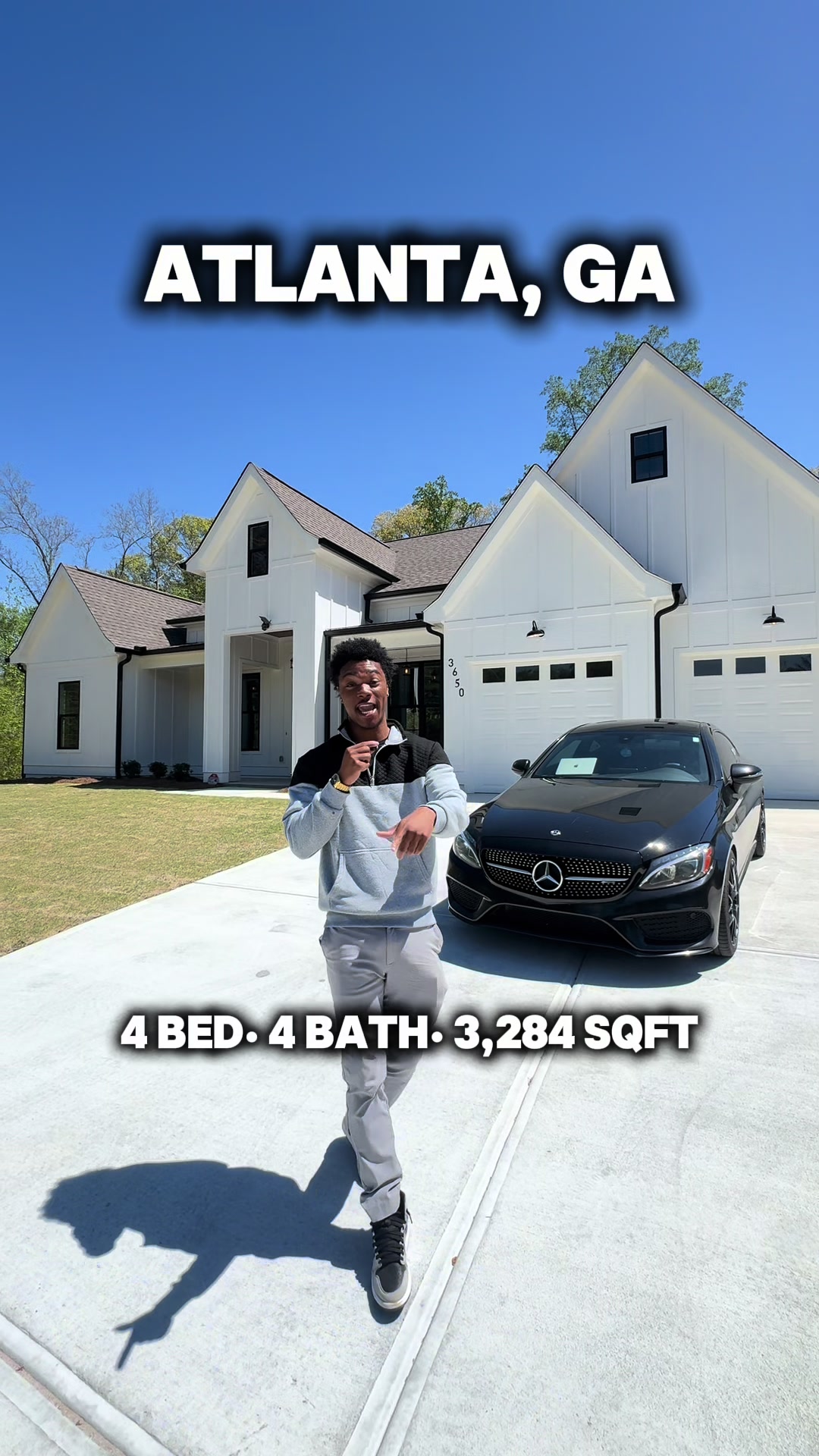
Aspirational real estate paired with genuine enthusiasm and a sharp location hook (no HOA, one acre near the city) hits the sweet spot between fantasy and attainability. People saved and shared because it feels achievable, not just eye candy.
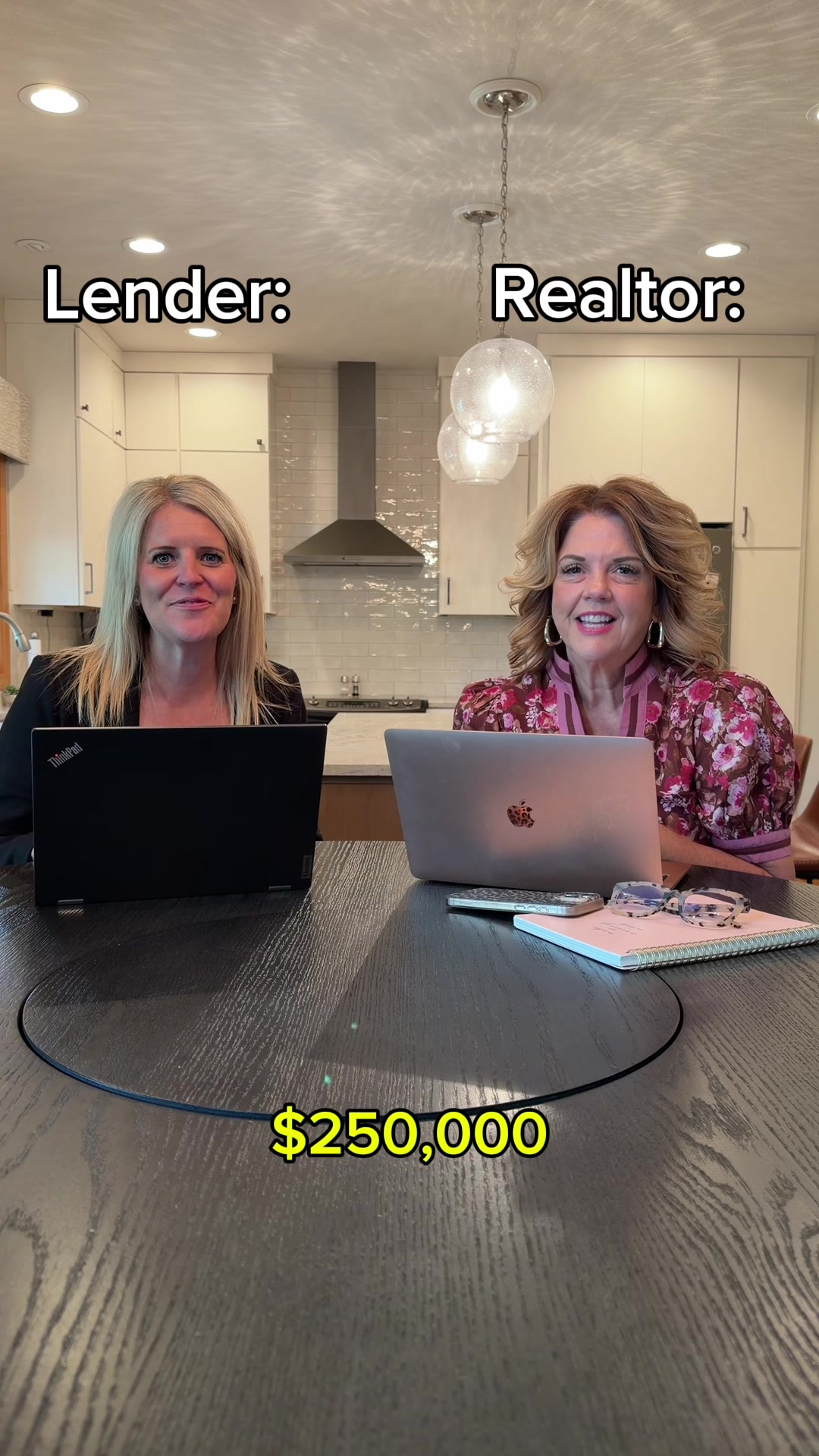
The lender-vs-realtor angle taps into a real friction point in home buying that people experience firsthand. By playing these two roles with contrasting energy, it validates the frustration while keeping it light and relatable to anyone who's navigated the mortgage maze.

The raw honesty about business ownership hitting different. Showing cash immediately disappearing into overhead costs taps into the shared frustration small business owners feel when growth doesn't equal personal wealth. The vulnerability paired with relatability generates massive engagement.

A dramatic personal narrative that flips a painful label into a success story creates instant emotional pull. The tension between starting point and endpoint makes people want to understand the full journey, turning curiosity into engagement.
People connected with the honest chaos of balancing motherhood and entrepreneurship. The raw, unscripted energy of juggling business while managing kids without backup resonates deeply because it validates a struggle many face but rarely see content about.
The absurd gap between buyer expectations and market reality hits hard for anyone who's house hunted or sold. The exaggerated facial expression paired with a relatable frustration makes it funny while validating what realtors actually deal with daily.

The post taps into a specific cultural moment around Vegas' reputation while showcasing resort luxury in a way that feels candid rather than promotional. The tension between the location's notoriety and genuine appeal creates intrigue that outweighs typical resort marketing.
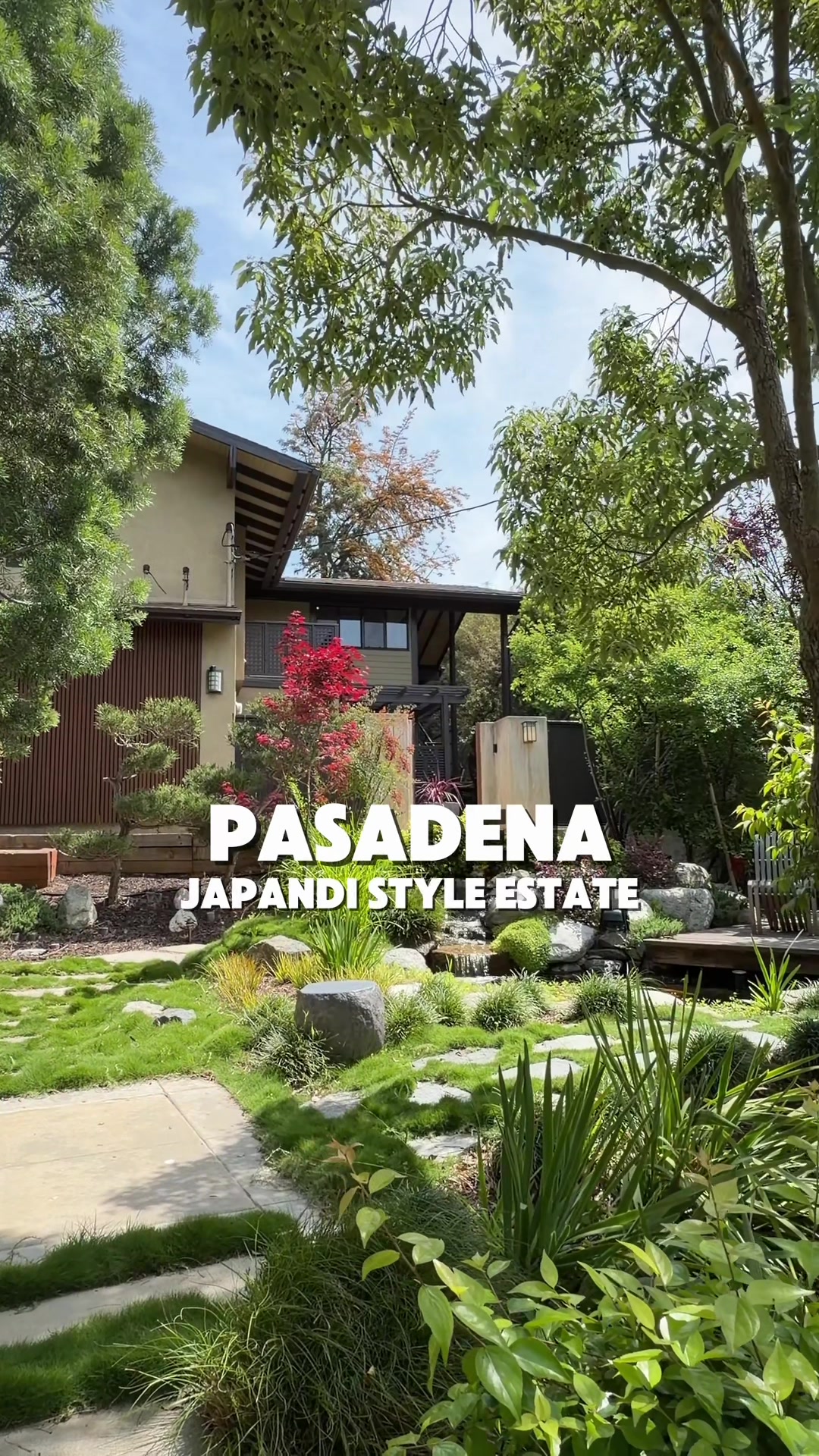
The aesthetic pull of a specific, beautiful architectural style (Japandi) in an aspirational location hits harder than generic luxury real estate. People save and share homes that feel like a lifestyle fantasy, not just a transaction.
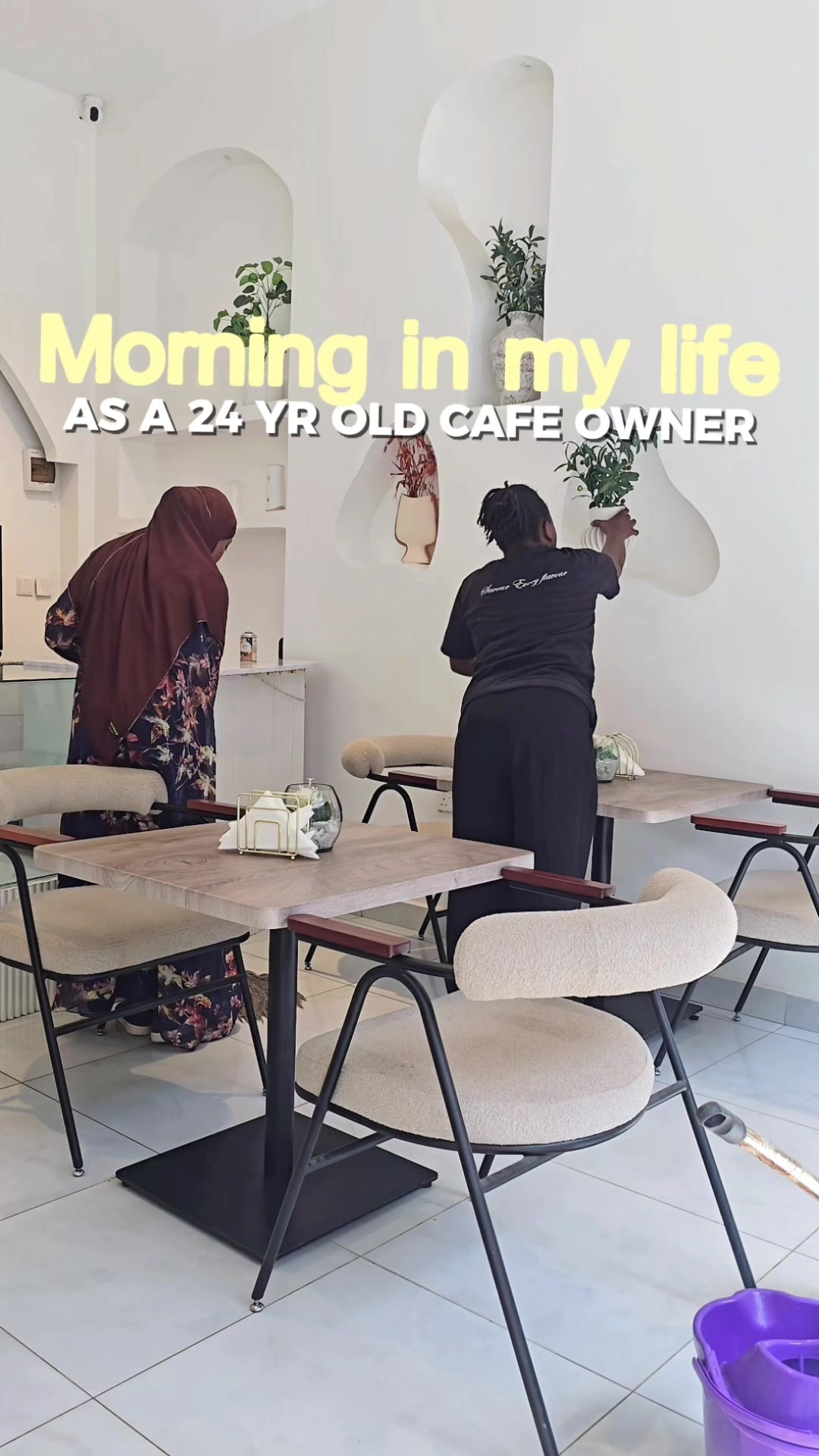
Young entrepreneur authenticity paired with practical business wisdom hits hard. People see themselves in her—the aesthetic cafe, the real work behind it, the honest mistakes—making it aspirational but believable, not out of reach.
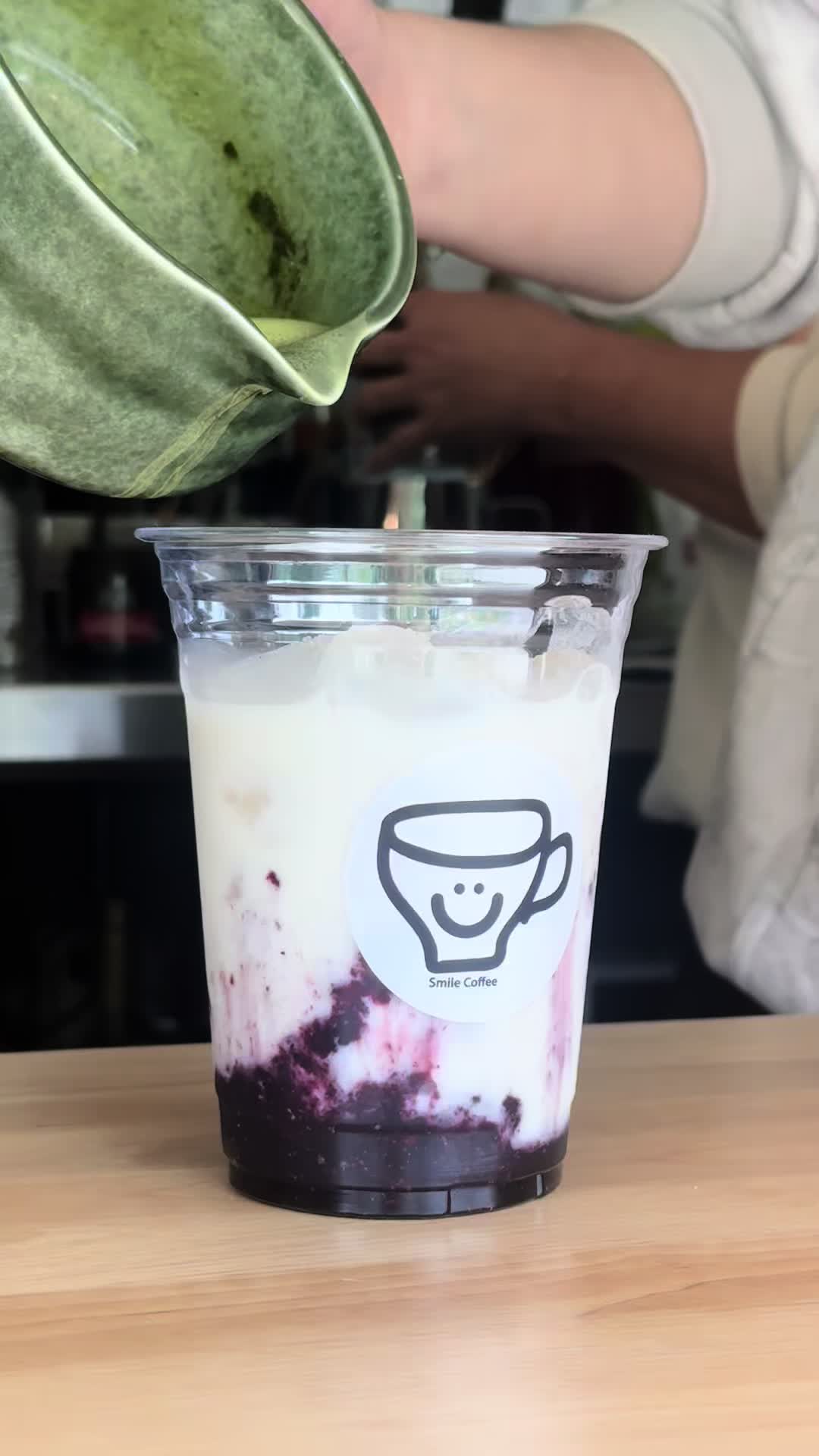
The visual transformation of layering a creamy drink over dark fruit base is inherently satisfying to watch, and pairing it with a specific local recommendation creates urgency—people want to discover hidden gems before everyone else does.
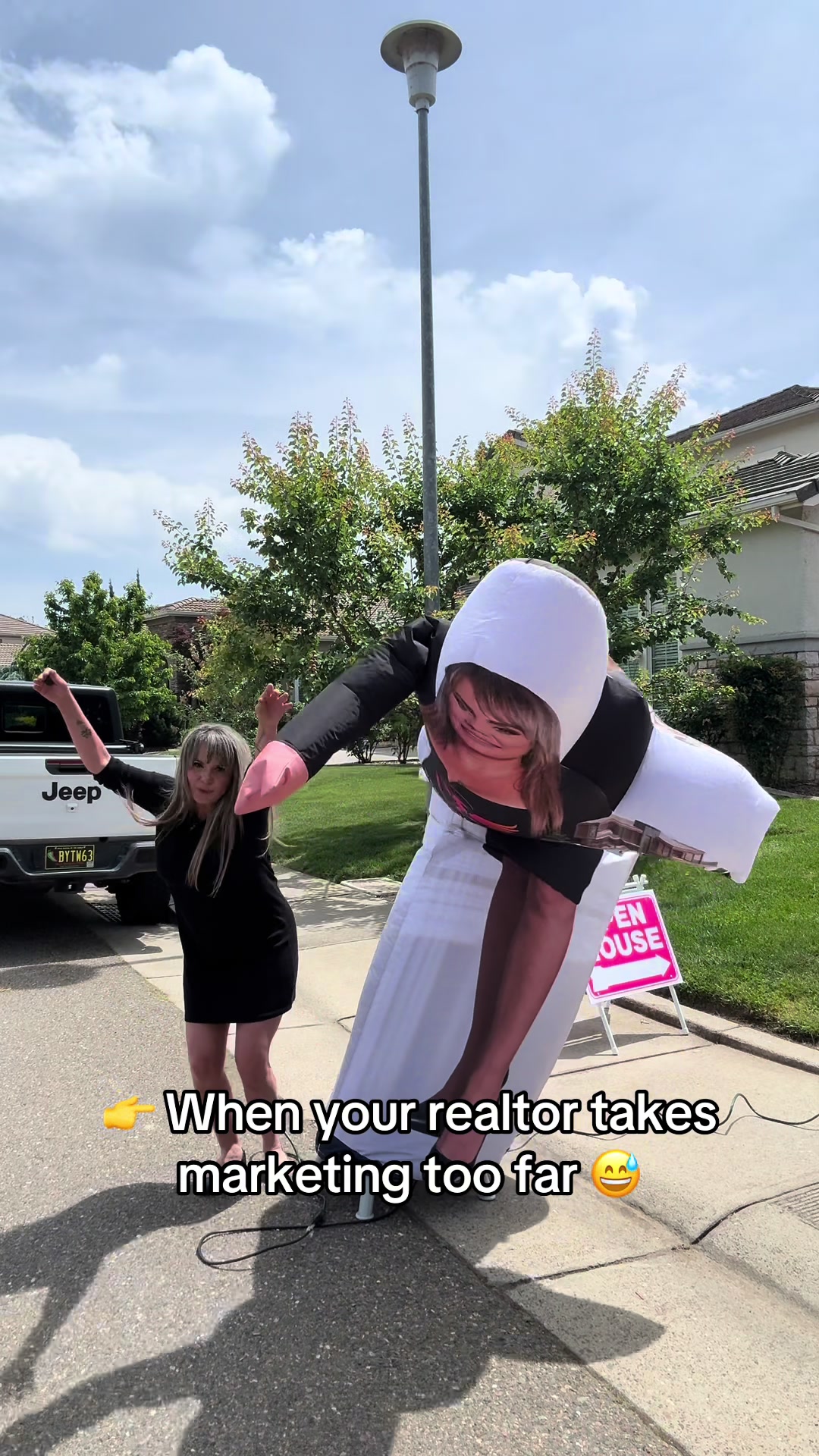
This nails the self-aware humor that realtors desperately need. By poking fun at aggressive marketing tactics instead of defending them, it disarms the skepticism people have about the industry while making the realtor feel relatable and fun, not pushy.
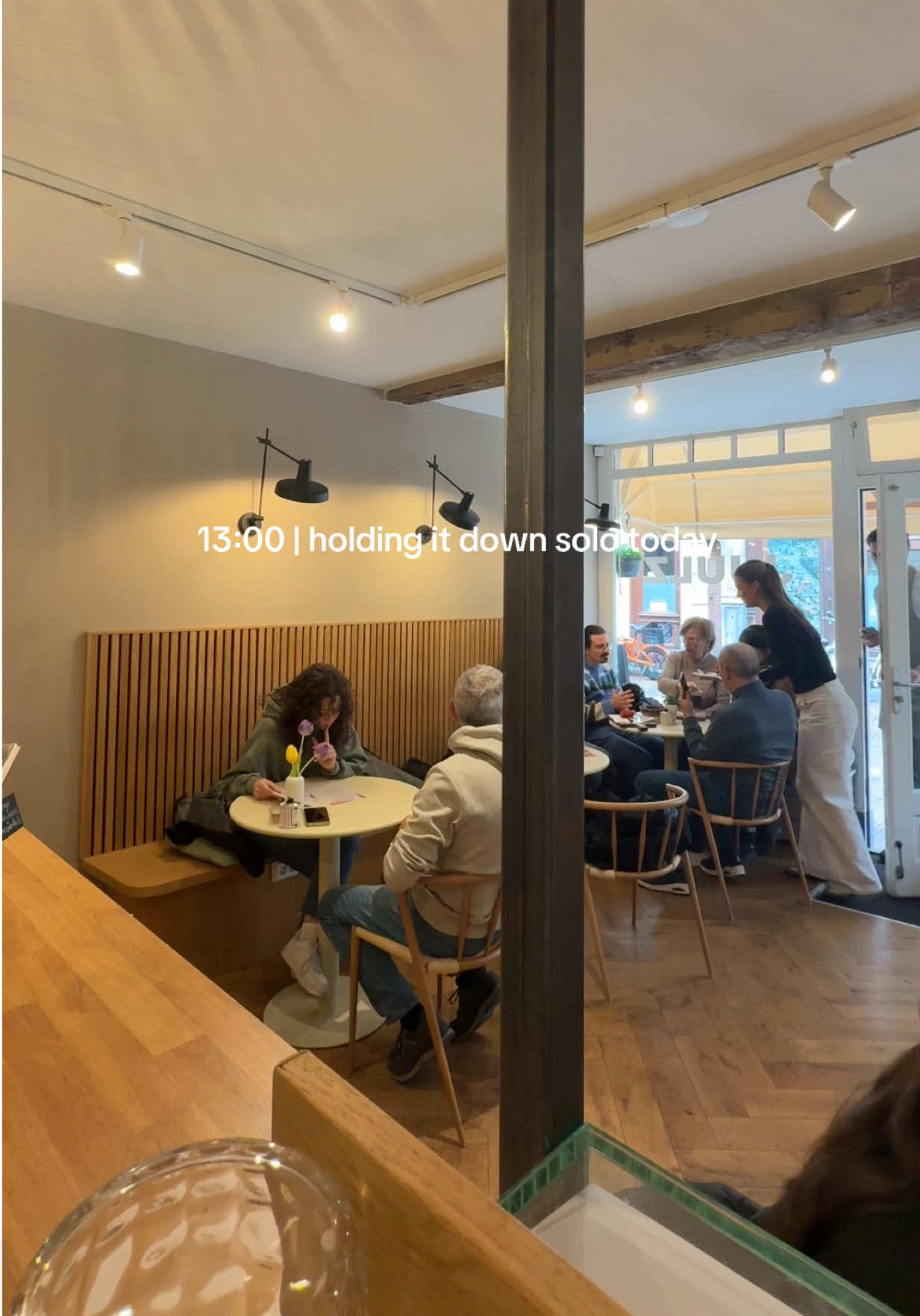
People are drawn to the confidence of someone young running their own operation solo. It taps into aspiration, self-doubt, and the comparison game. Viewers see themselves in the creator's age and wonder if they're behind, which makes them engage deeply.
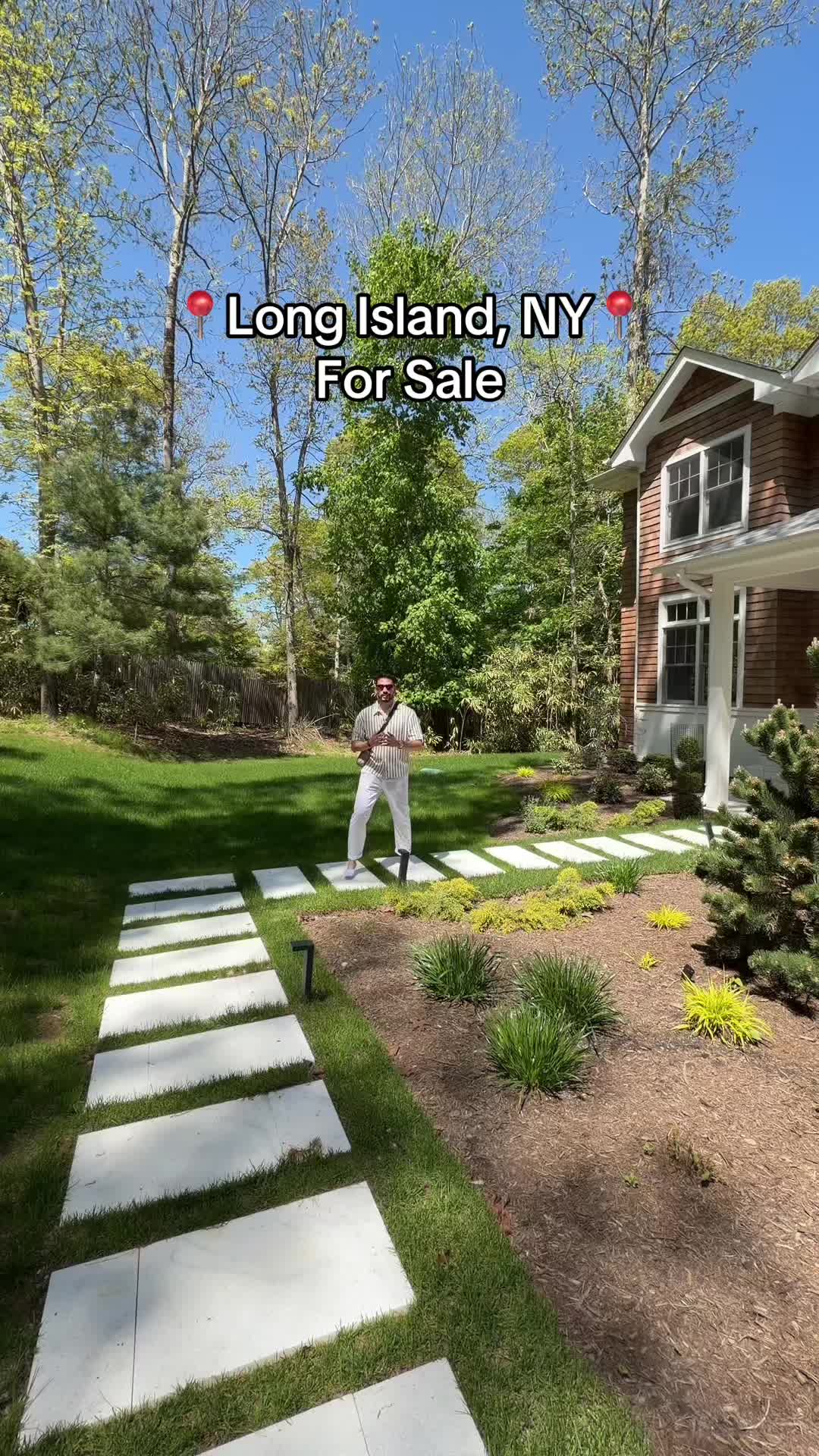
People can't resist guessing property prices, especially when a beautiful home is presented without the asking price revealed. The mystery creates immediate engagement because viewers mentally appraise the house themselves, then stick around to see if they're right.
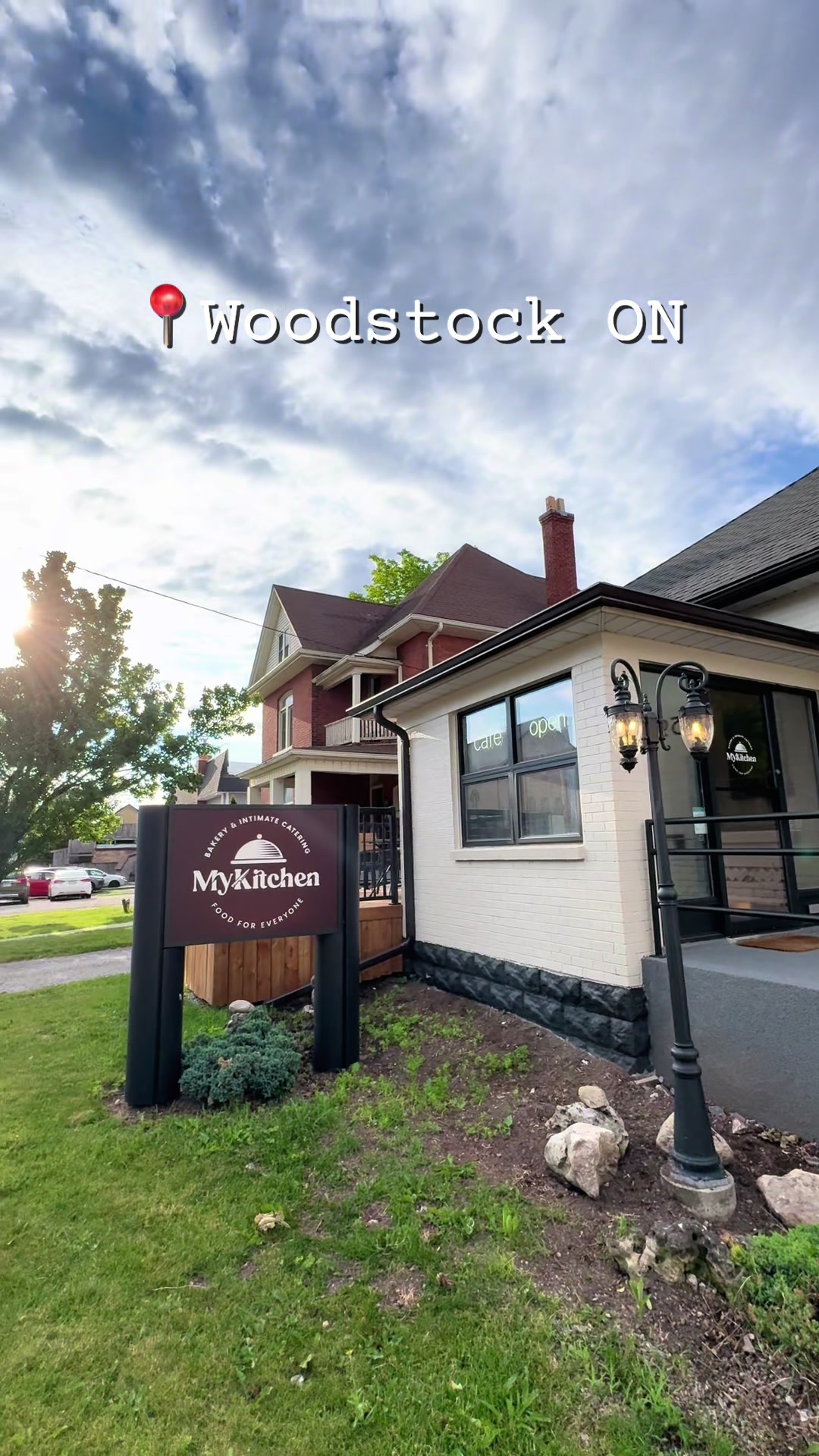
People in the community didn't know this gem existed, so seeing it for the first time felt like discovering a secret. The location reveal combined with quality aesthetics and genuine local pride tapped into that "I need to check this out" urgency.
First-time homeowner sticker shock hits different when it's relatable. The shock of discovering a basic home expense costs way more than expected taps into shared anxiety about hidden costs in homeownership, amplified by the honest, slightly panicked reaction.
The post flips a scary number ($300k) into an inspiring narrative about calculated investment, not reckless spending. People engage because it reframes failure-adjacent vulnerability as founder confidence, tapping into both the desire to believe in bootstrapped success and the relatability of huge financial risk.
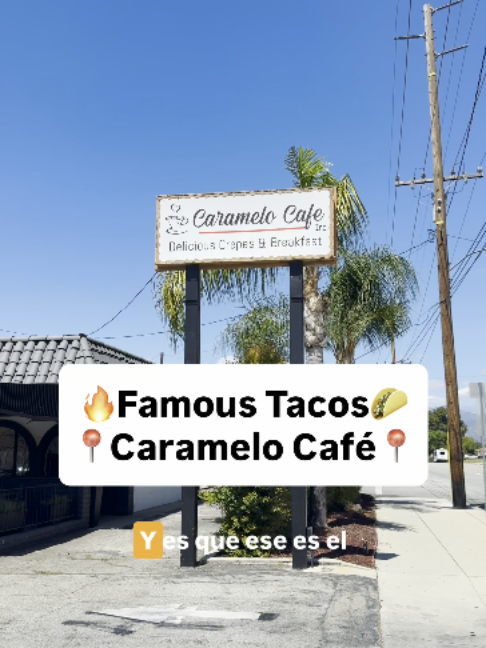
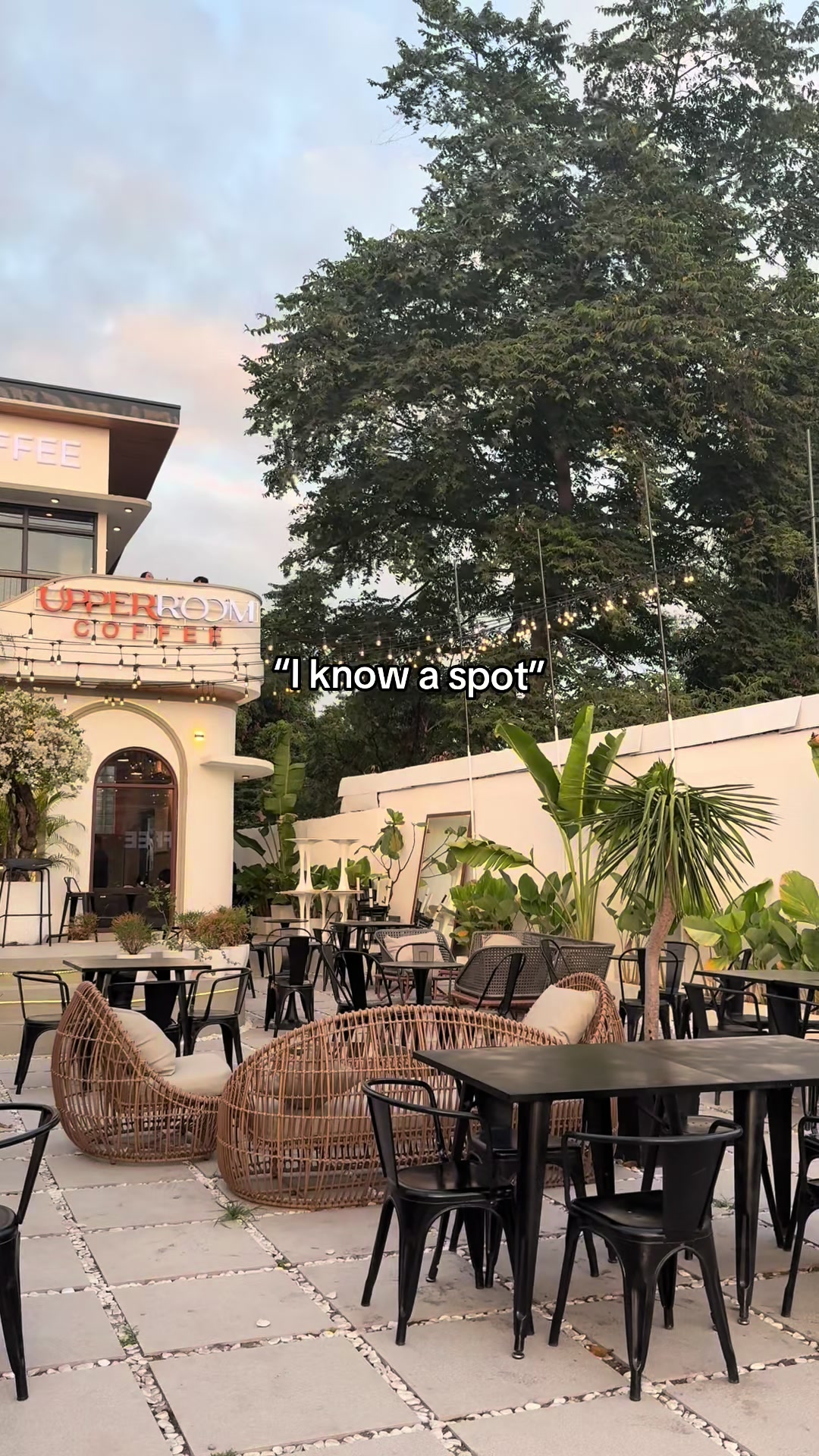
The "I know a spot" energy taps into the universal desire to discover hidden gems and feel like an insider. A beautifully designed space with an exclusive photobooth experience creates FOMO while feeling accessible enough to actually visit.
Raw vulnerability about small business struggles cuts through the noise because it's honest about the gap between the dream and the grind. People in similar situations see themselves reflected back, which sparks genuine conversation rather than polished inspiration.
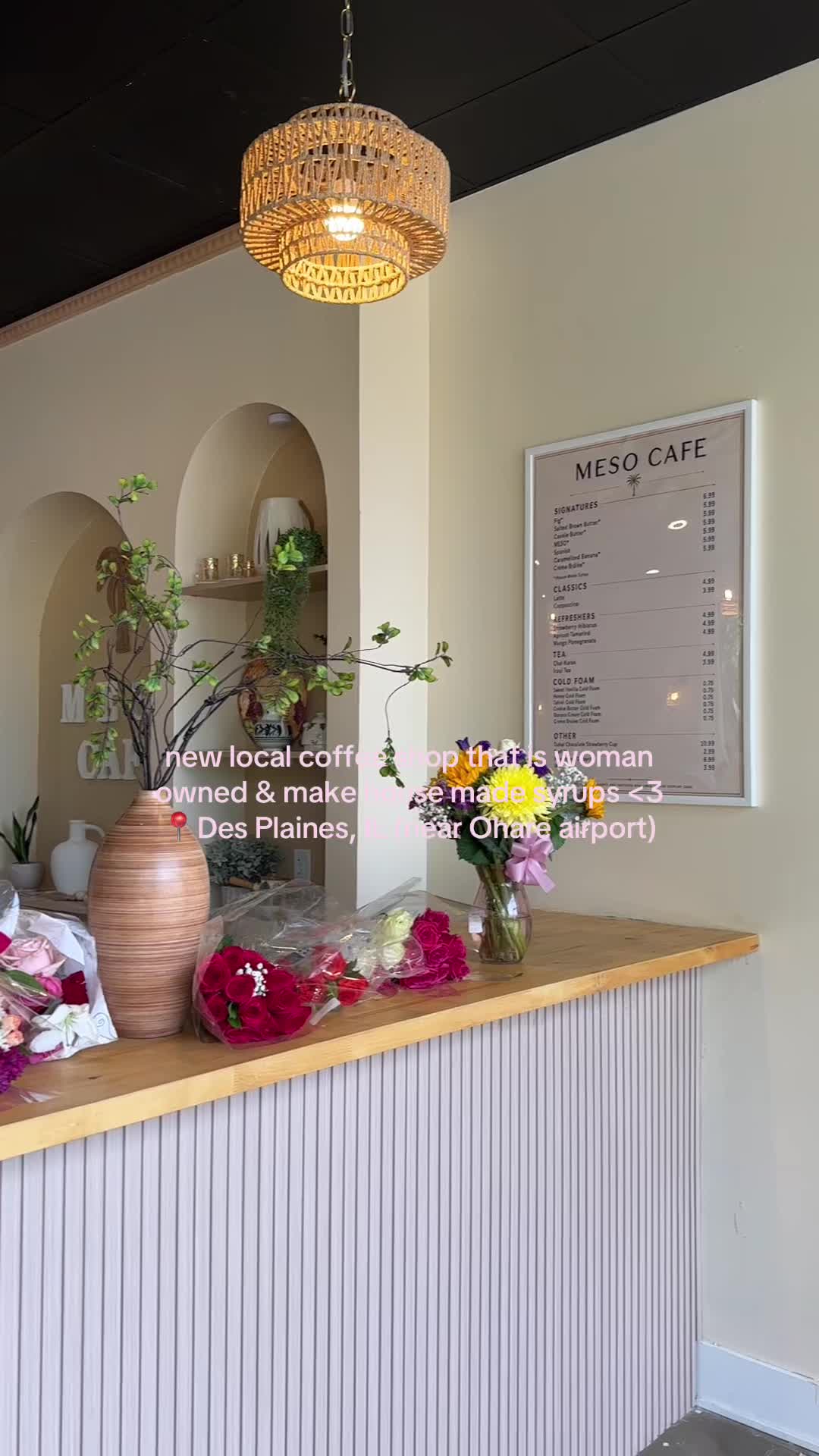
People save this because it hits the sweet spot of being genuinely discovery-worthy while feeling personal. A woman-owned local café with aesthetic design and a cultural story gives people something they actually want to share with friends, not just scroll past.
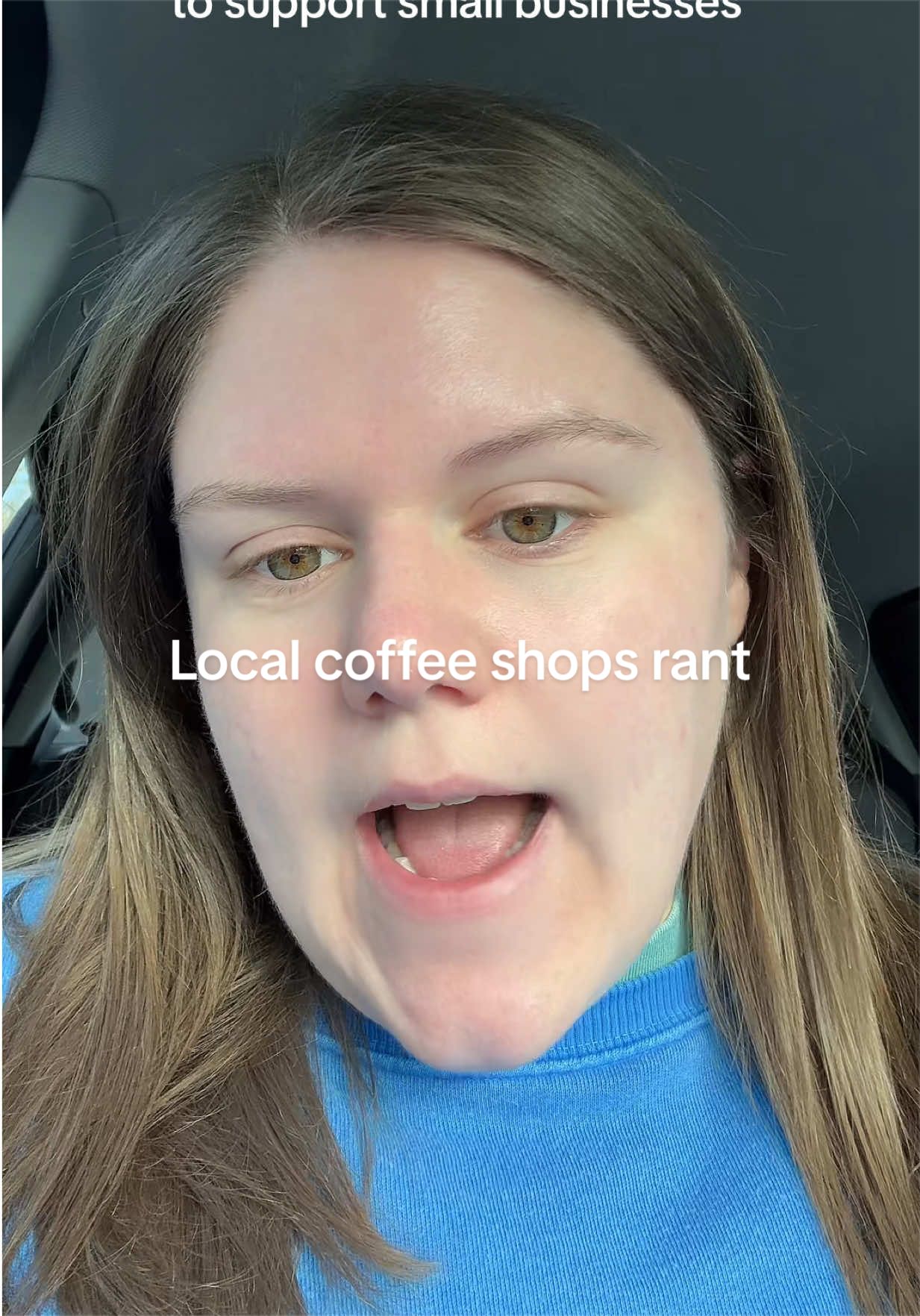
People are hungry for permission to criticize the local coffee shop experience without feeling like jerks. This taps into a real frustration about indie cafes that are charming but wildly overpriced, understocked, or run with confusing business logic. The specificity about zero breakfast sandwiches on a Monday morning makes it feel observed and honest rather than mean.
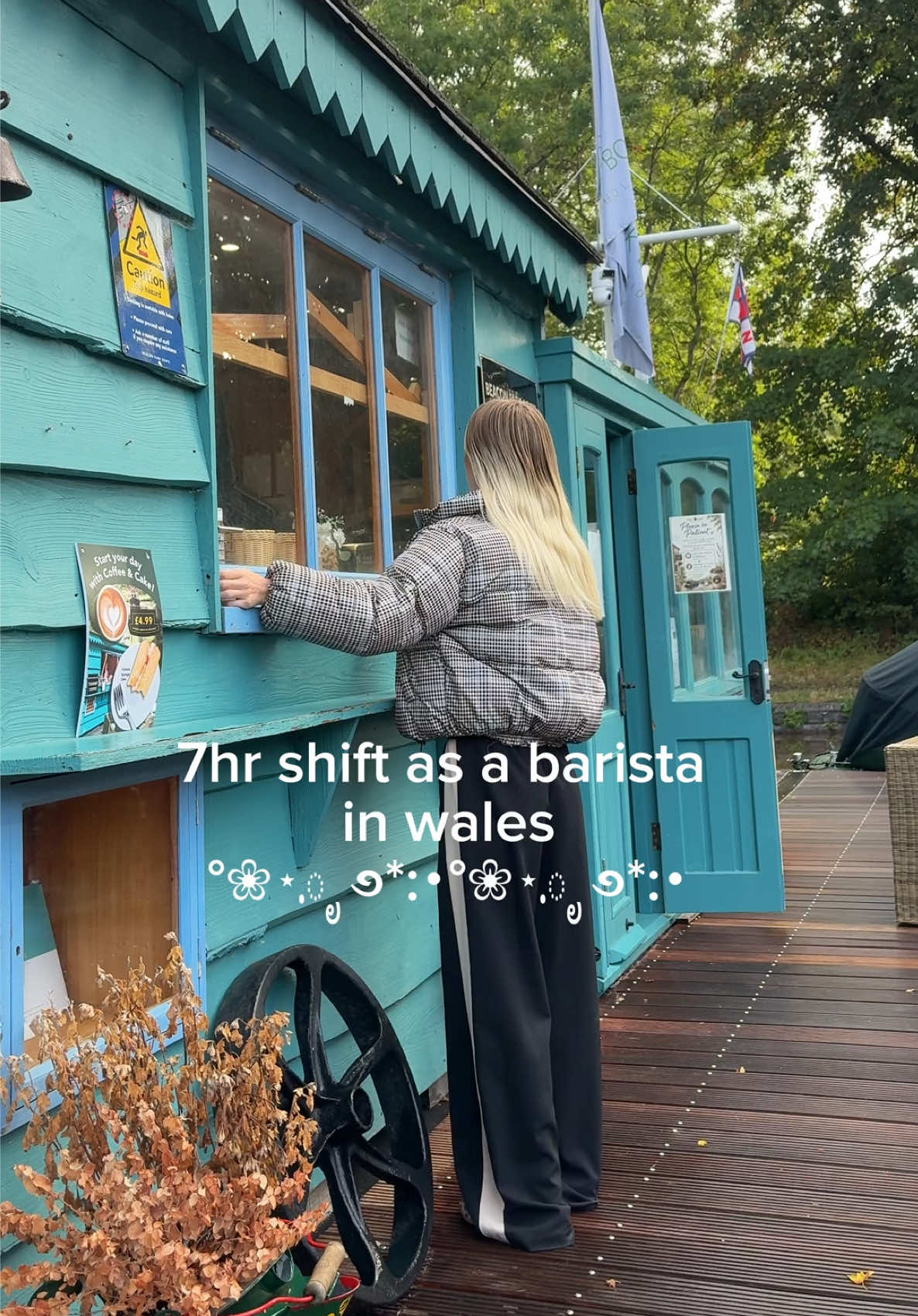
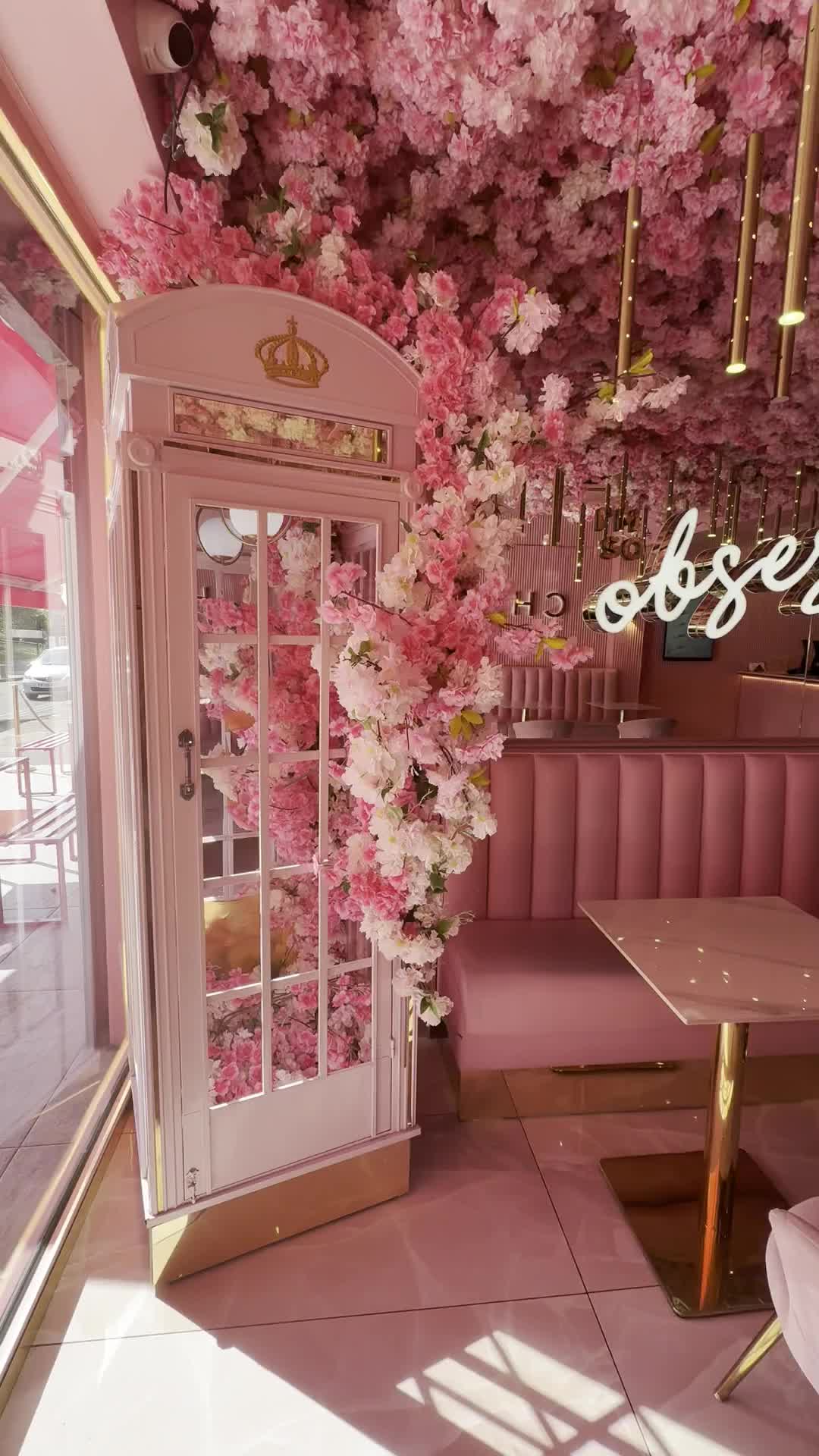
Immersive aesthetic spaces trigger aspirational fantasies. The floor-to-ceiling pink florals, velvet seating, and neon sign create an Instagram-worthy environment so cohesive it feels like stepping into someone's dream, making people want to experience it themselves and share it with friends.
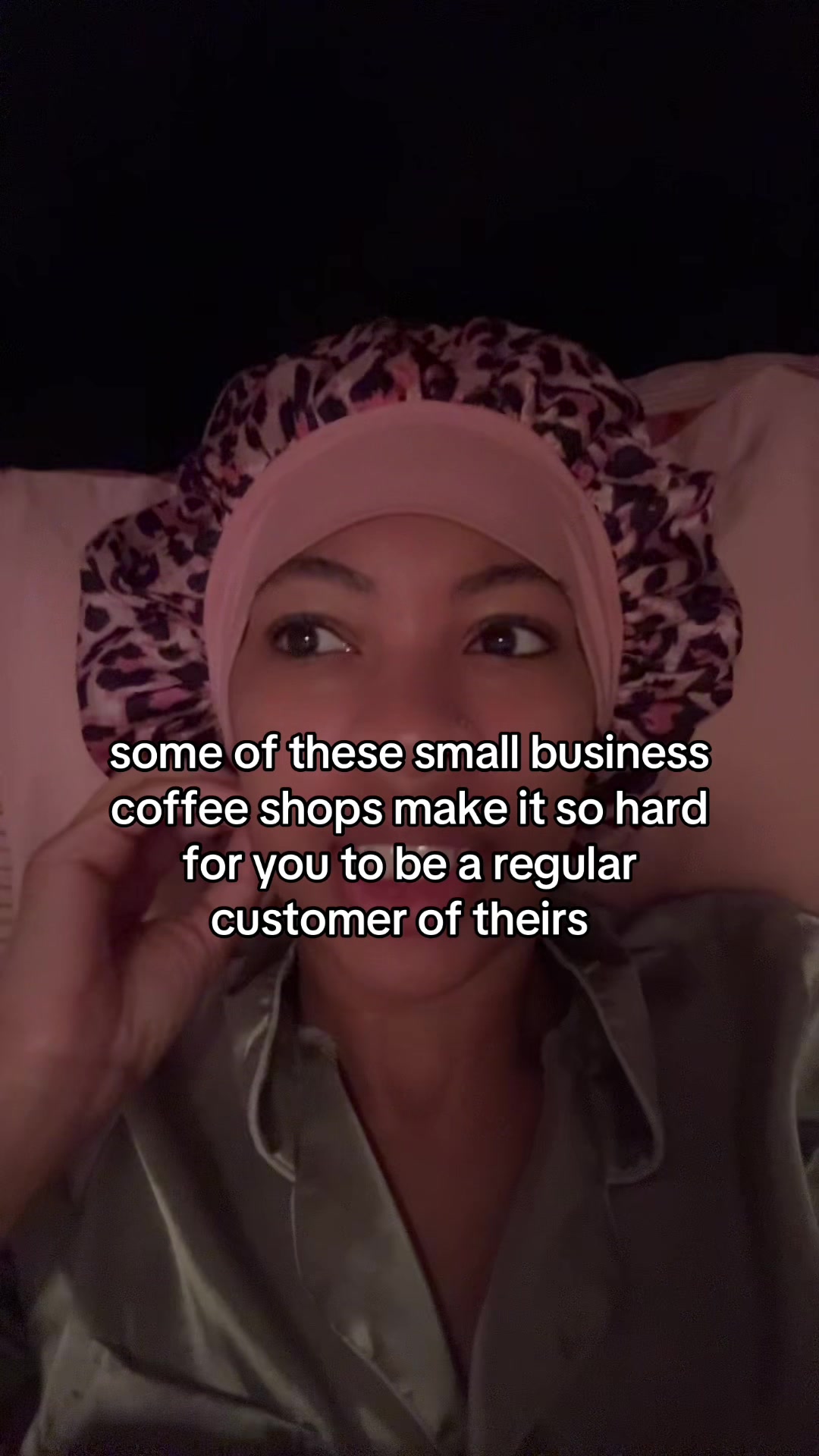
This hits a universal customer frustration with indie coffee shops—inconvenient hours, closed when you need them, inconsistent quality. People engage hard because it's a relatable gripe that touches both cafe loyalists and casual customers, sparking debate about what makes small businesses worth the effort.
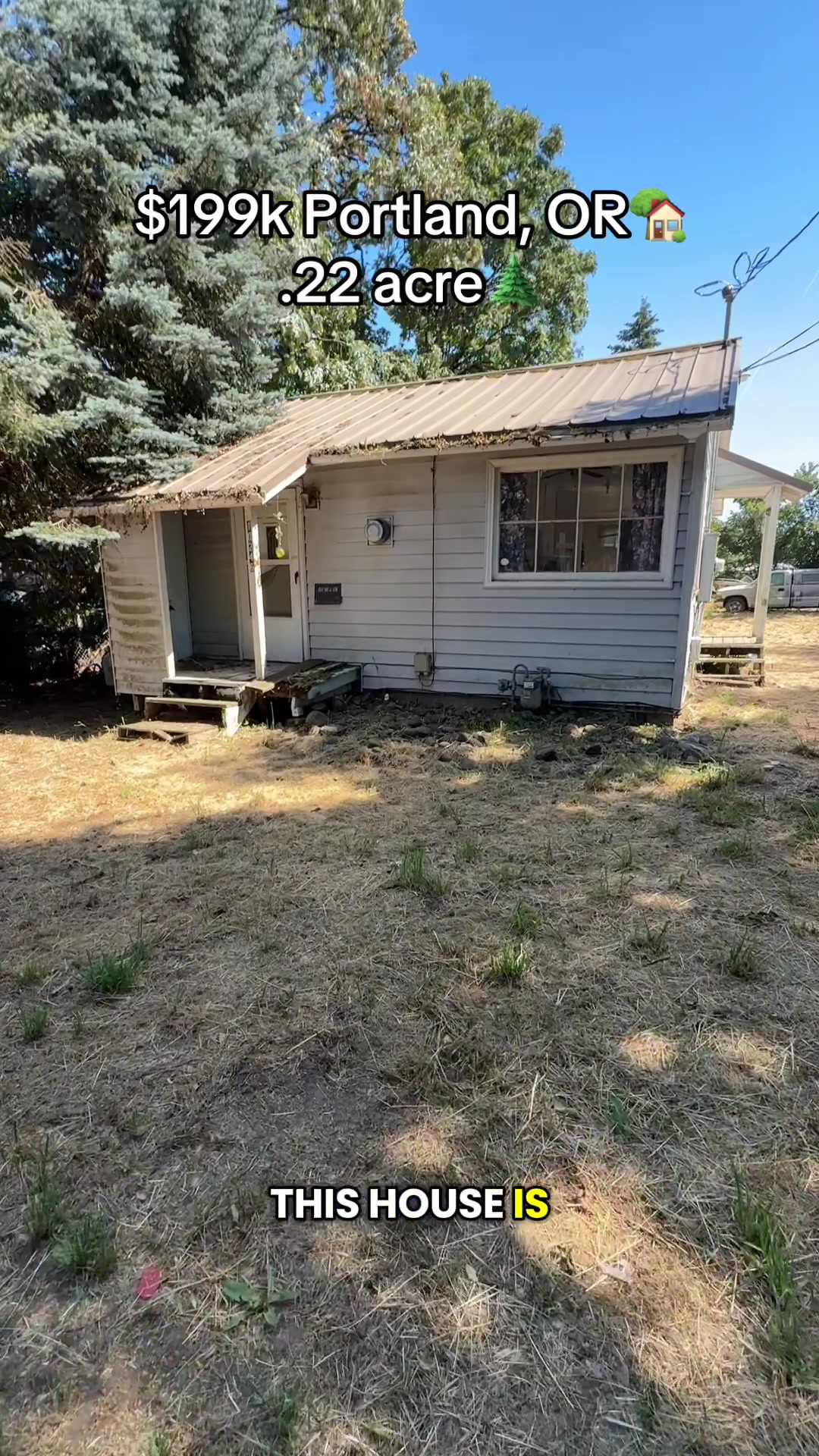
People are fascinated by the absurd gap between price and condition—the post taps into the real estate market's frustrating reality where location alone justifies asking prices that seem insane relative to what you're actually getting.
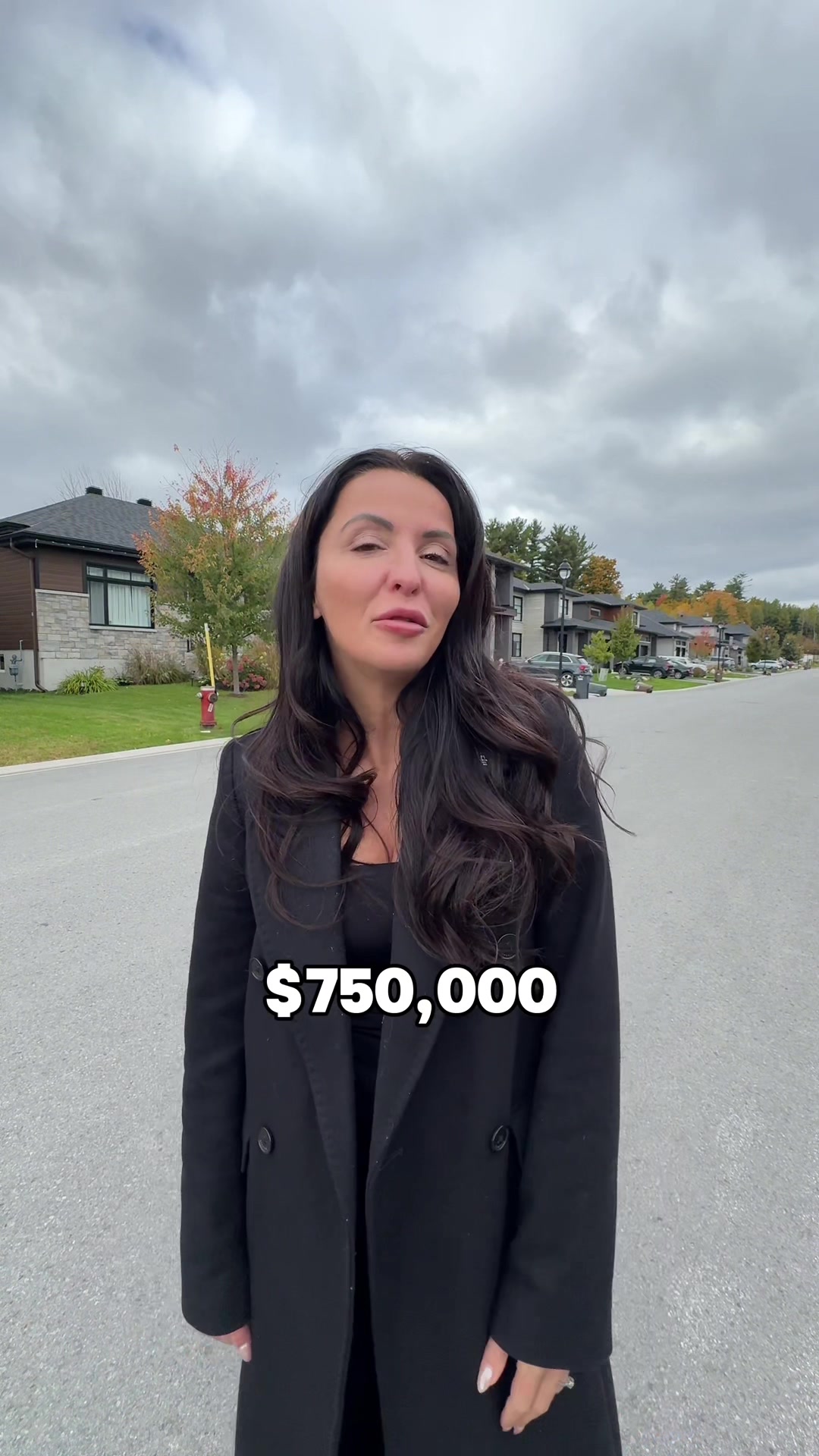
The specificity of the price point ($750K) anchors the post in reality and creates immediate curiosity about the deal itself. People want to know if this is a win, a loss, or shocking for their market, which drives saves as a reference point even if engagement stays moderate.
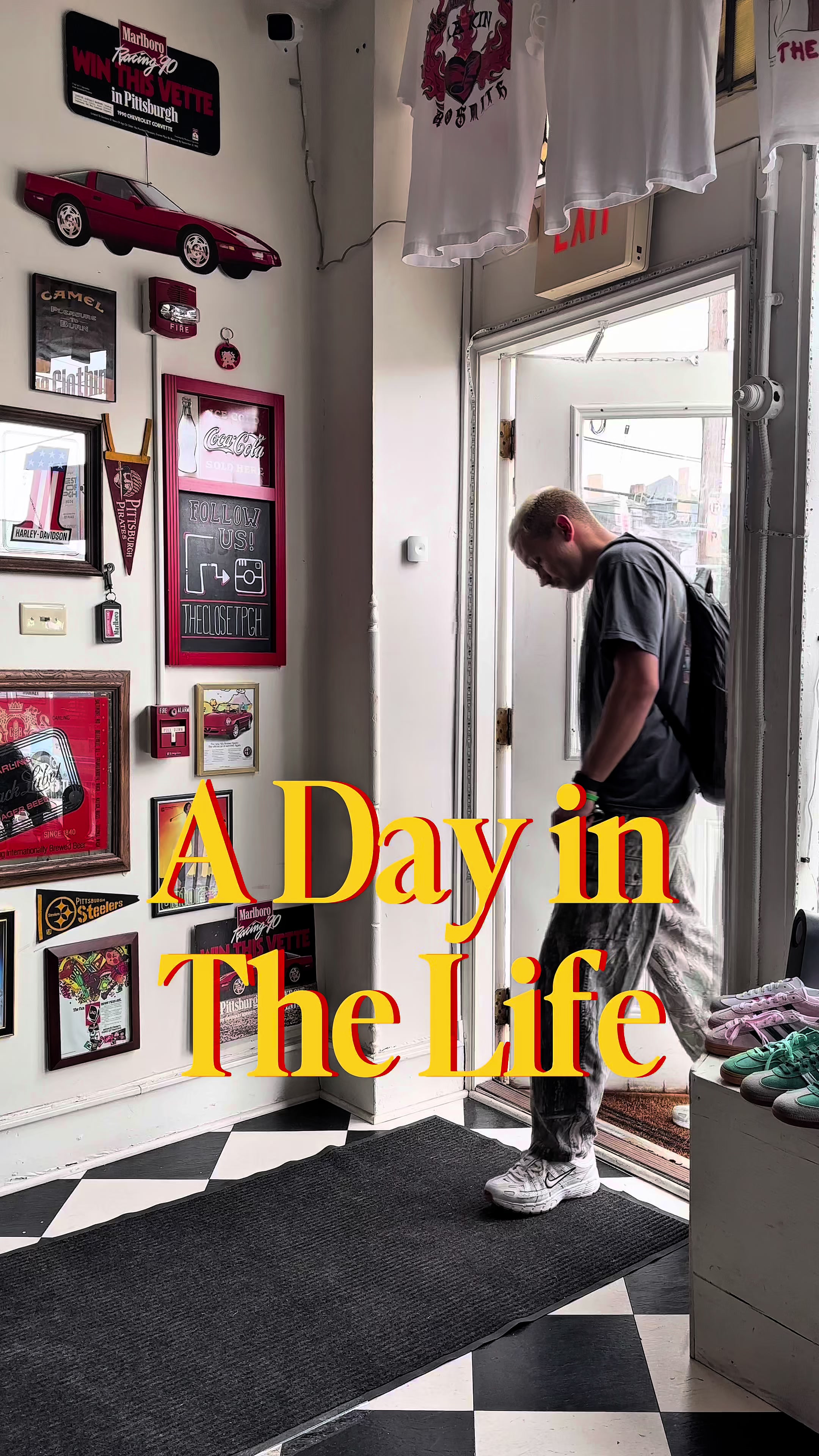
The day-in-the-life format paired with a curated, visually distinctive space (vintage store packed with memorabilia) makes the behind-the-scenes work feel aspirational without being preachy. People save it because it's both aesthetic inspiration and a peek at the unglamorous reality of running something cool.
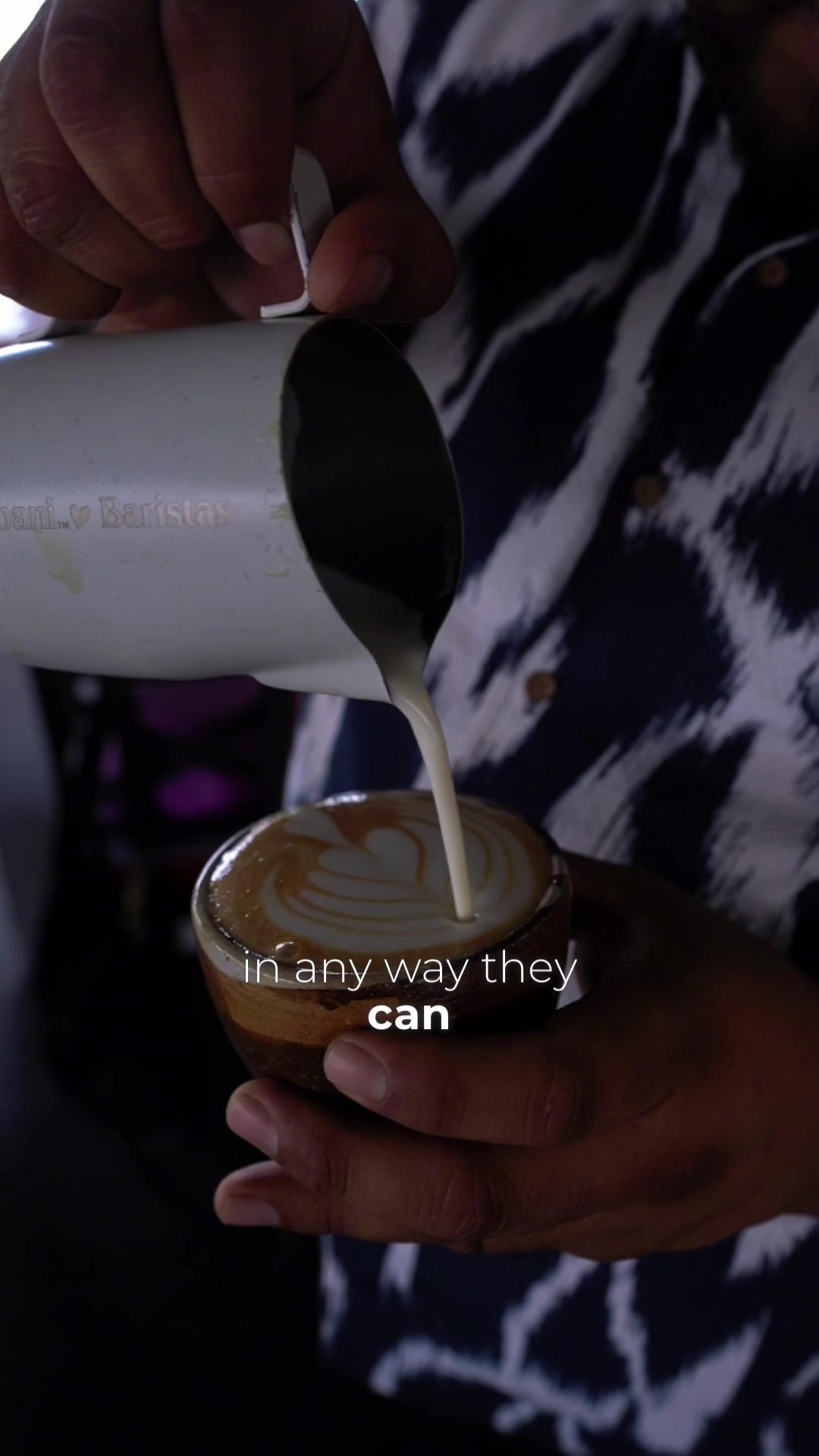
The video captures skilled latte art paired with a local business shout-out, triggering both appreciation for craft and community support instincts. The contradiction between the beautiful execution and the implied business struggles (evident in comments) creates tension that makes people want to engage and defend their position.
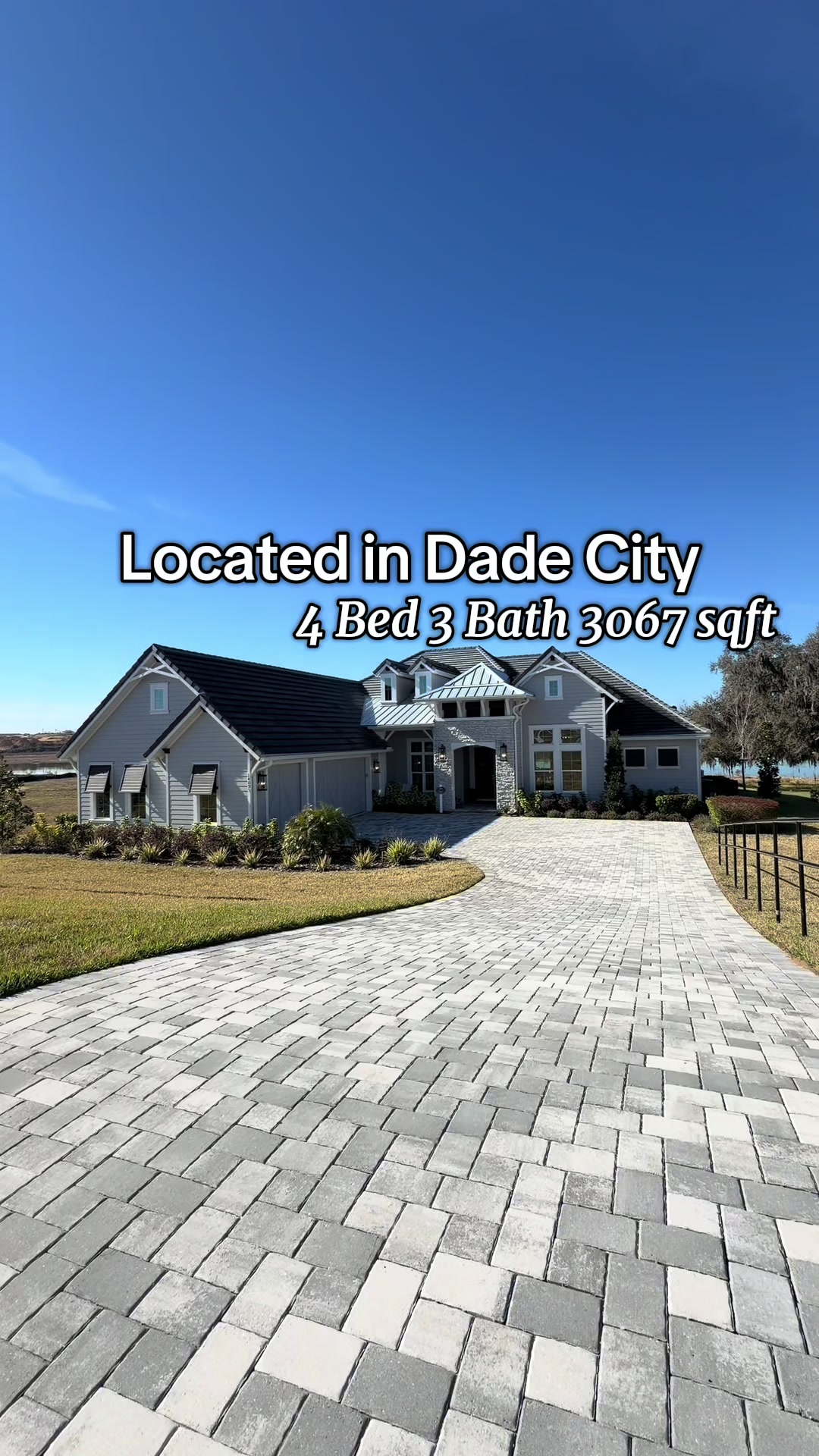

The stunning product shot paired with an unexpected flavor combo taps into cafe culture's sweet spot: aspirational yet approachable. The visual composition is so clean and satisfying that it functions as mood content—people want to save and share it before even tasting it.
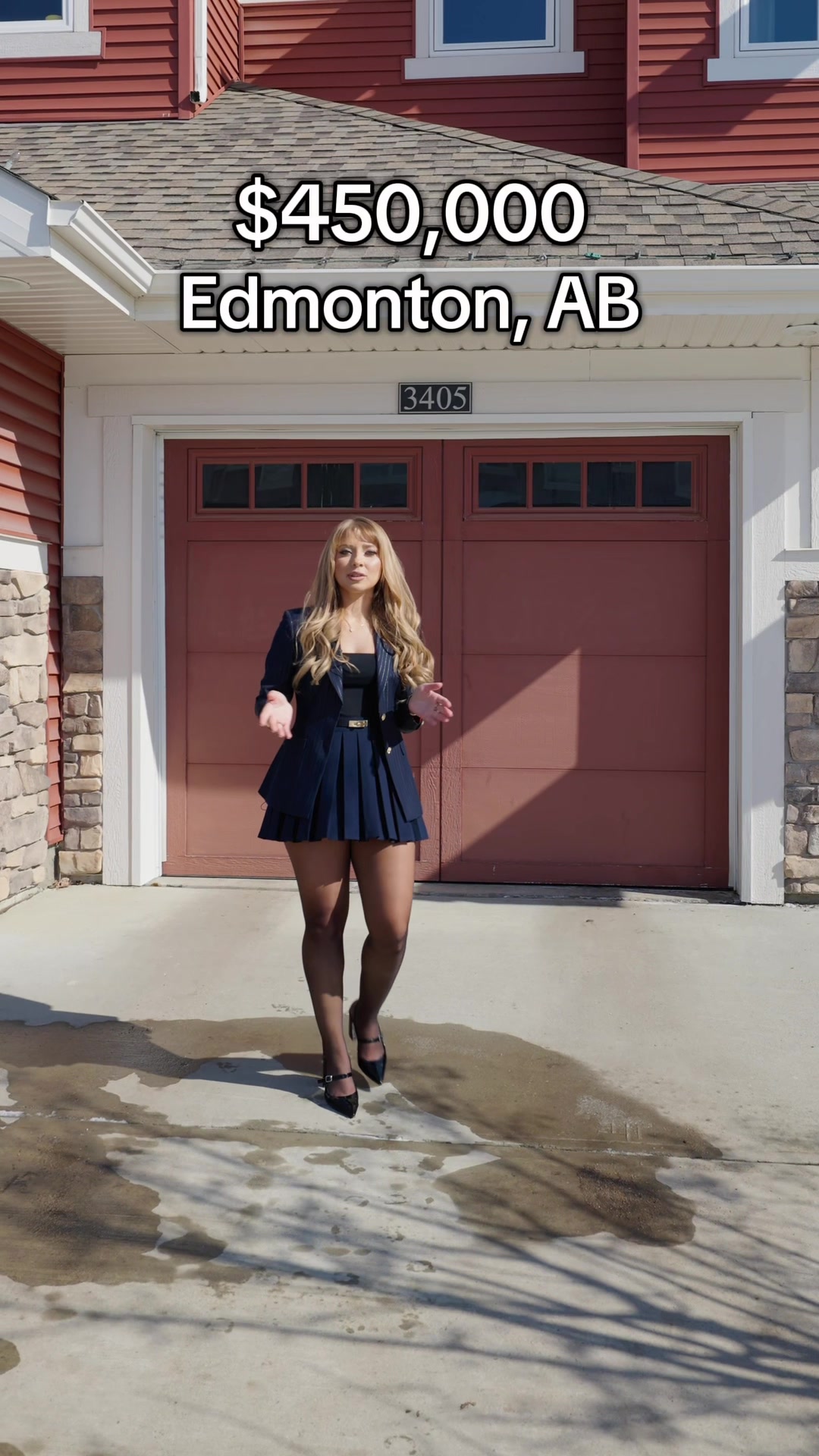
The realtor as the main attraction, not the property. Her polished presence and confident positioning in front of the home creates parasocial interest that outweighs the actual listing details, turning a real estate post into personality-driven content.
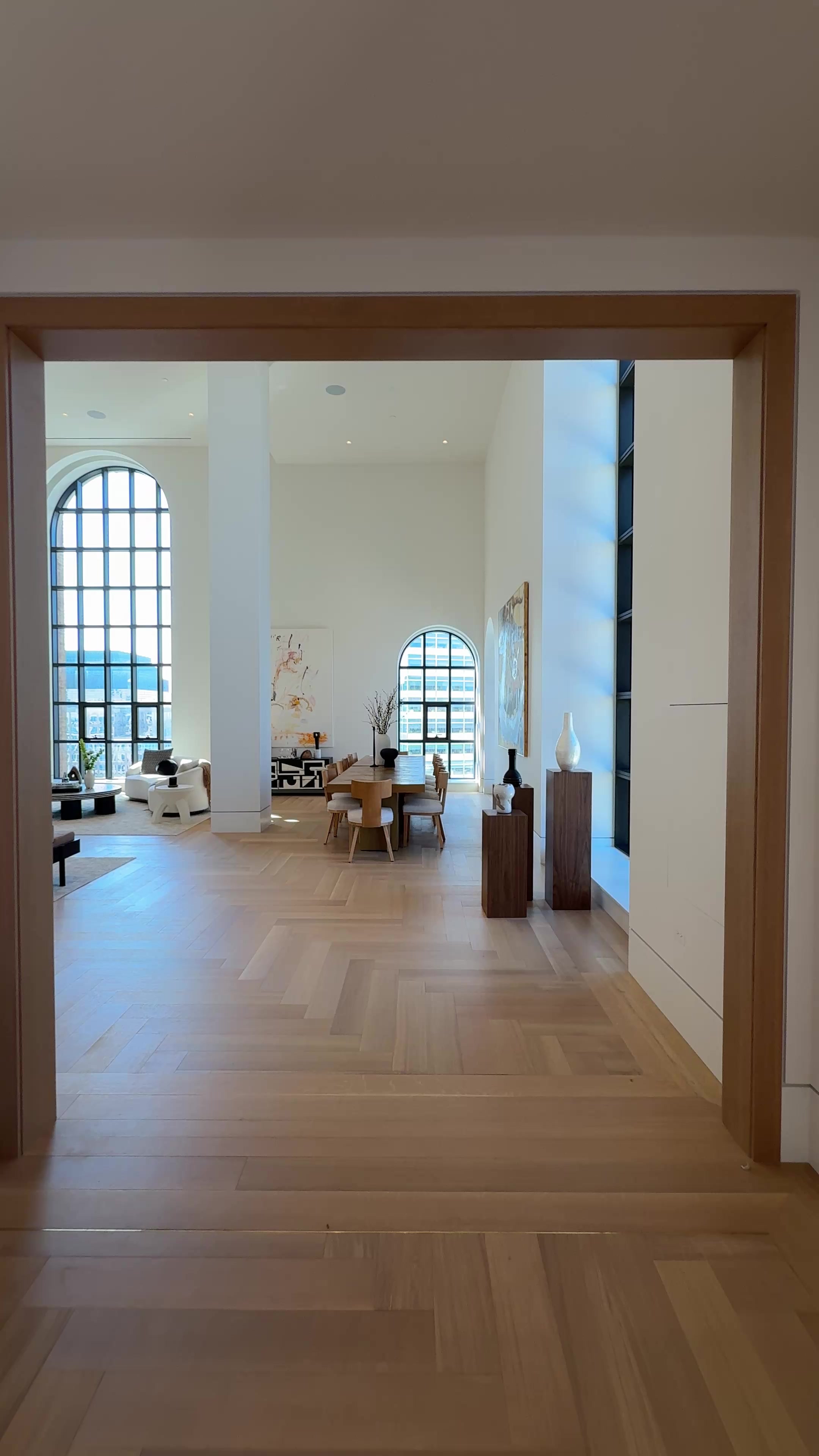
The post taps into aspirational fantasy while keeping it playful and accessible through humor. Tagging the actual buyer creates intrigue and community participation, turning a luxury listing into a shareable moment rather than just a sales pitch.

The confident self-presentation paired with the "business owner" label taps into aspirational relatability. People save and share this because it feels like authentic self-promotion from someone who knows their worth, not a desperate pitch.
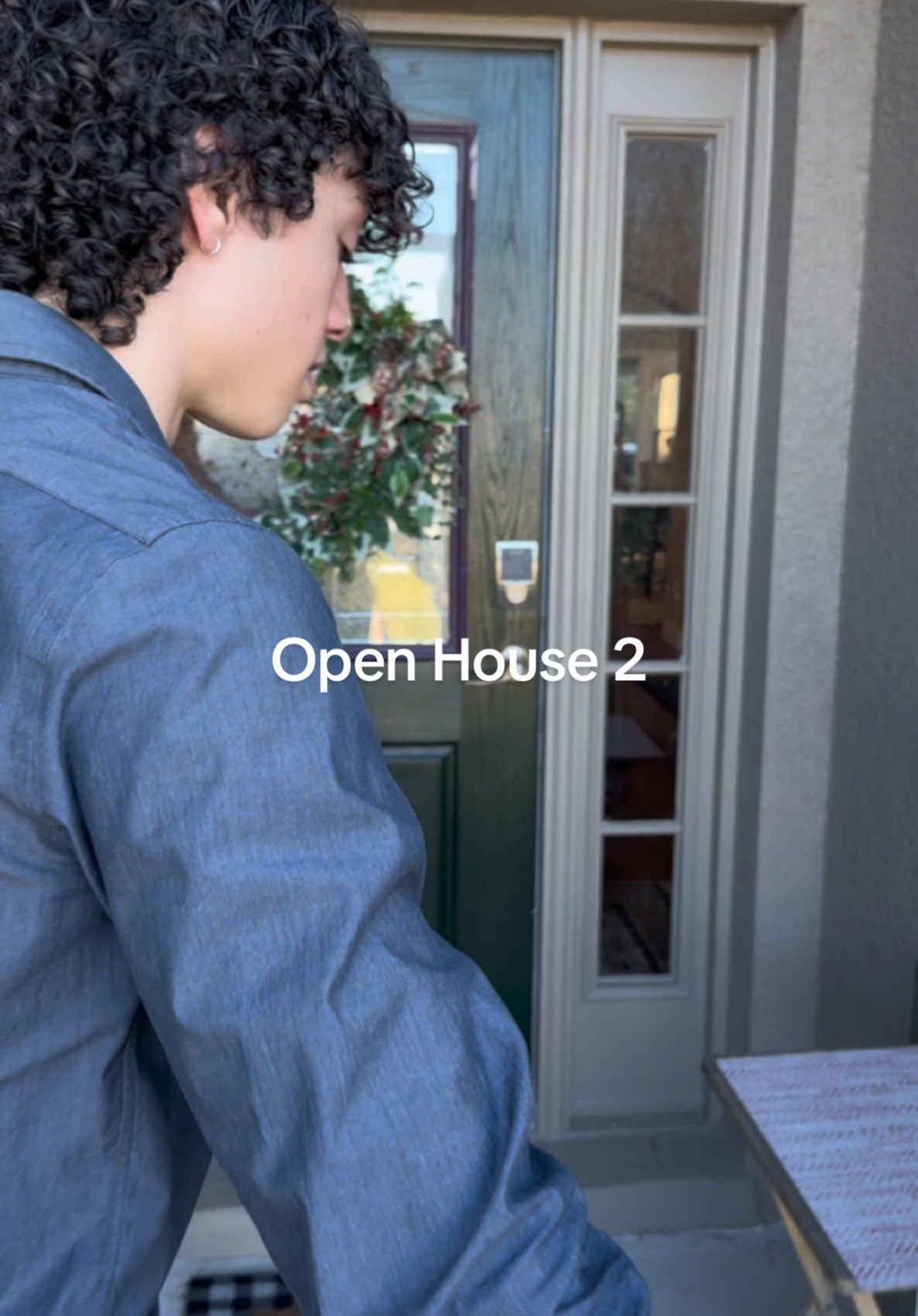
People aren't just interested in the house—they're drawn to the authentic, unpolished realness of the tour. The self-aware "I know I need a mic" humanizes it and makes the property feel like a genuine recommendation from a real person, not a polished sales pitch. Raw beats rehearsed.

The cinematic pour shot paired with polished editing and brand visibility creates an aspirational yet accessible moment. People save content that makes them want to visit a place, and this delivers both visual satisfaction and a clear destination.

People save content that gives them a concrete framework they can immediately apply to their own struggles. By breaking mental suffering into actionable steps, this positioned psychology as learnable rather than mysterious, making viewers feel like they discovered a usable tool.
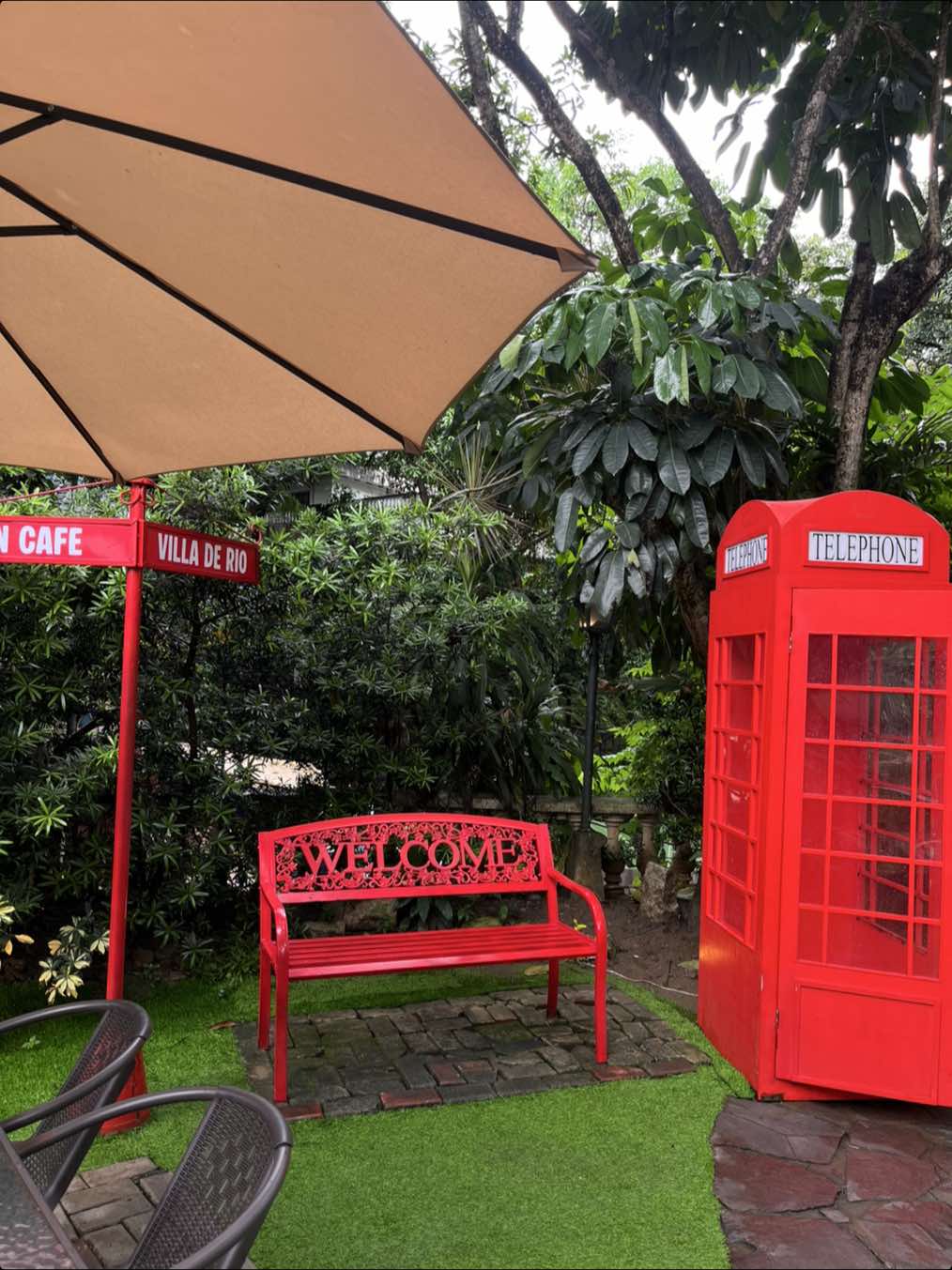
The aesthetic completeness sells itself. A cohesive, Instagram-ready space with British phone box charm, lush greenery, and statement seating creates instant desire without needing convincing. People save and share because it's a whole vibe they want to visit or recreate.

The setup triggers a shared anxiety (suspicious silence from pets and partner) that perfectly mirrors real relationship moments, then delivers immediate payoff with harmless mischief. The relatable domestic tension and absurdist humor of sock-trapped cats made it feel like watching a friend's chaotic inside joke.
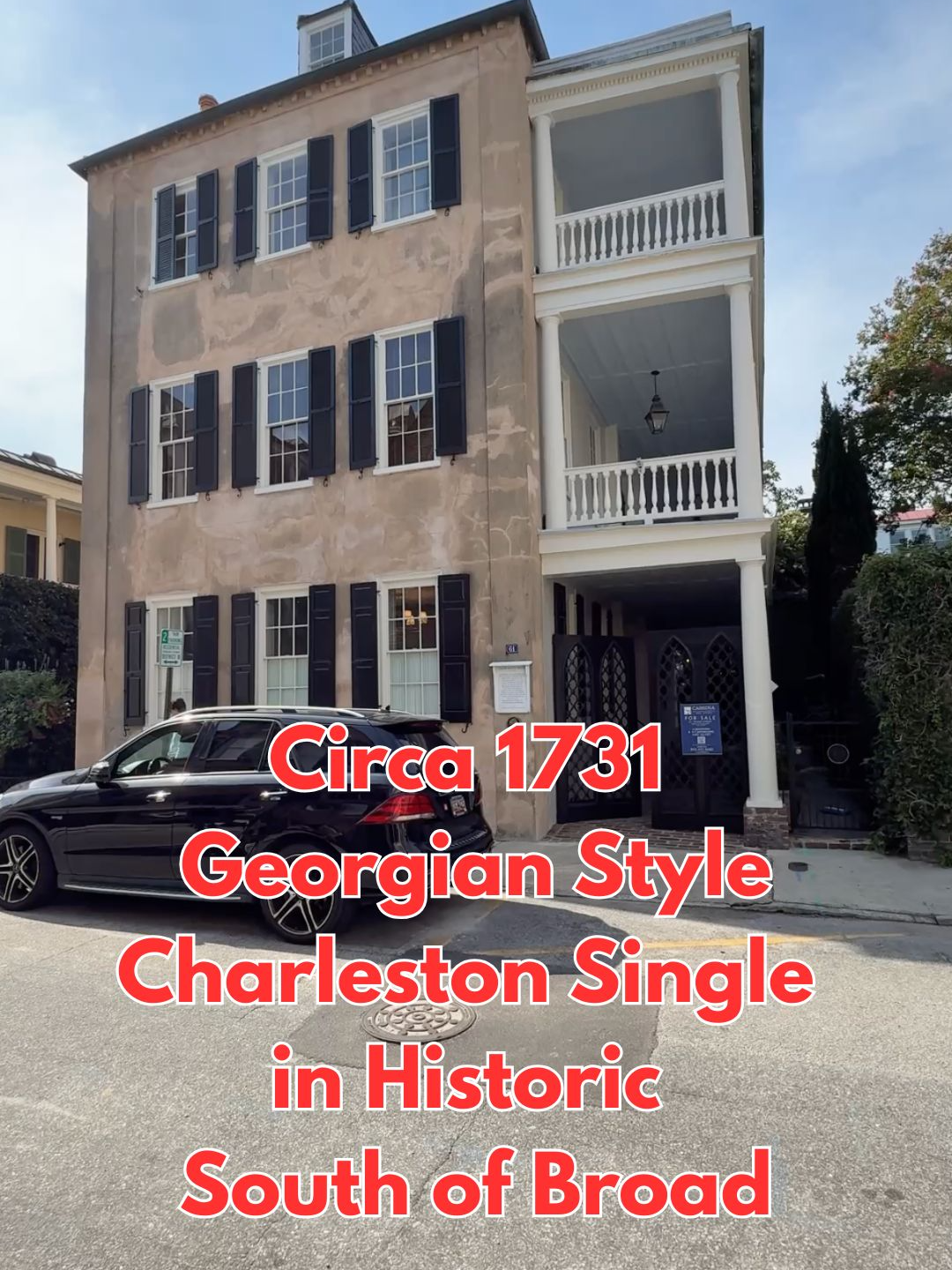
Historic real estate taps into nostalgia and aspiration simultaneously. Showing a 1731 Charleston home with architectural details and period character lets people daydream about owning a piece of history without the pressure of actually buying, while the rarity and location create that "I could never" factor that keeps people watching.
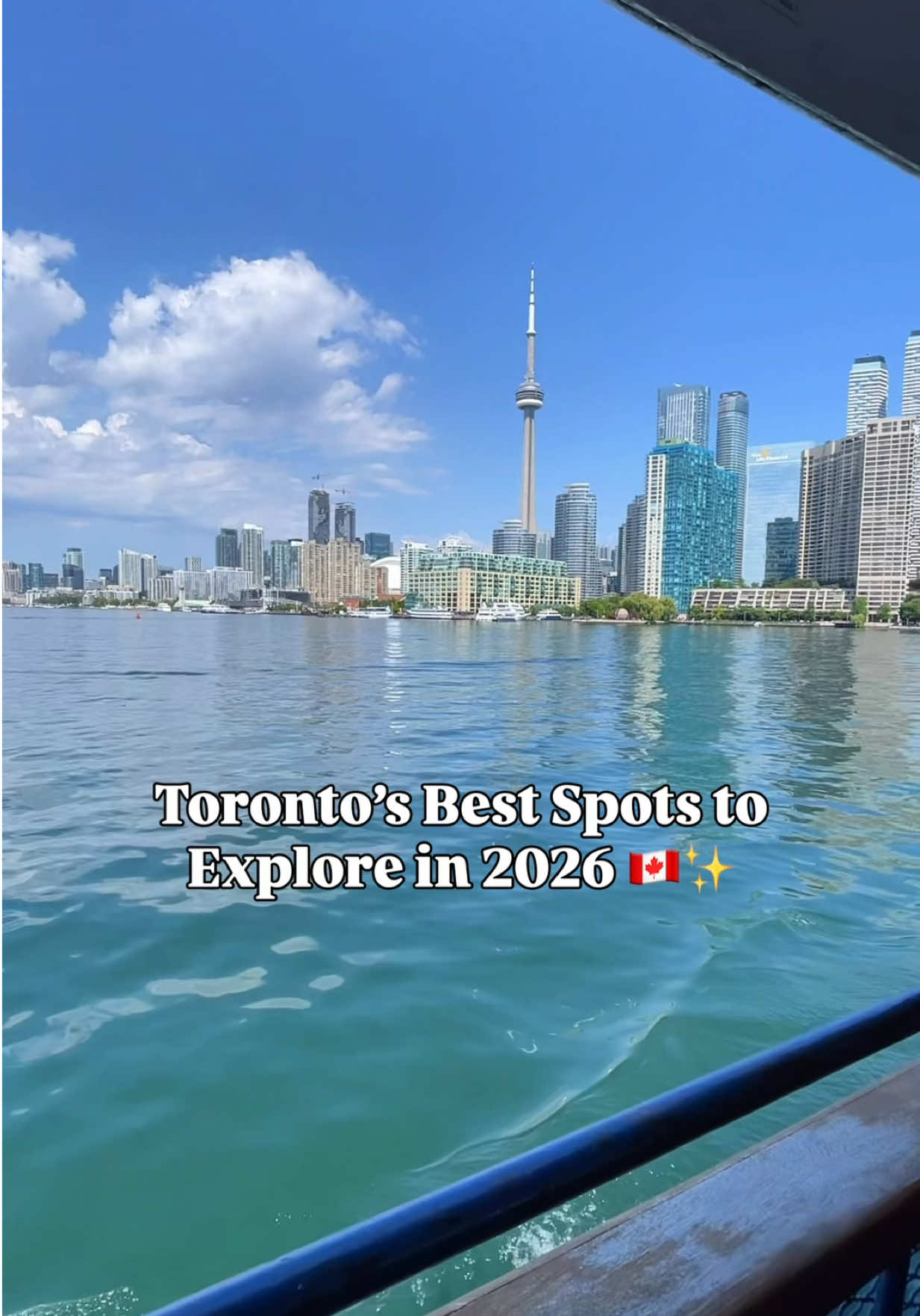
Cinematic travel content paired with practical usefulness hits hard. The stunning waterfront shot establishes aspiration, while the "bucket list for 2026" framing makes it feel timely and actionable rather than just pretty scenery. People save and share because it's both inspiration and a ready-made travel plan.
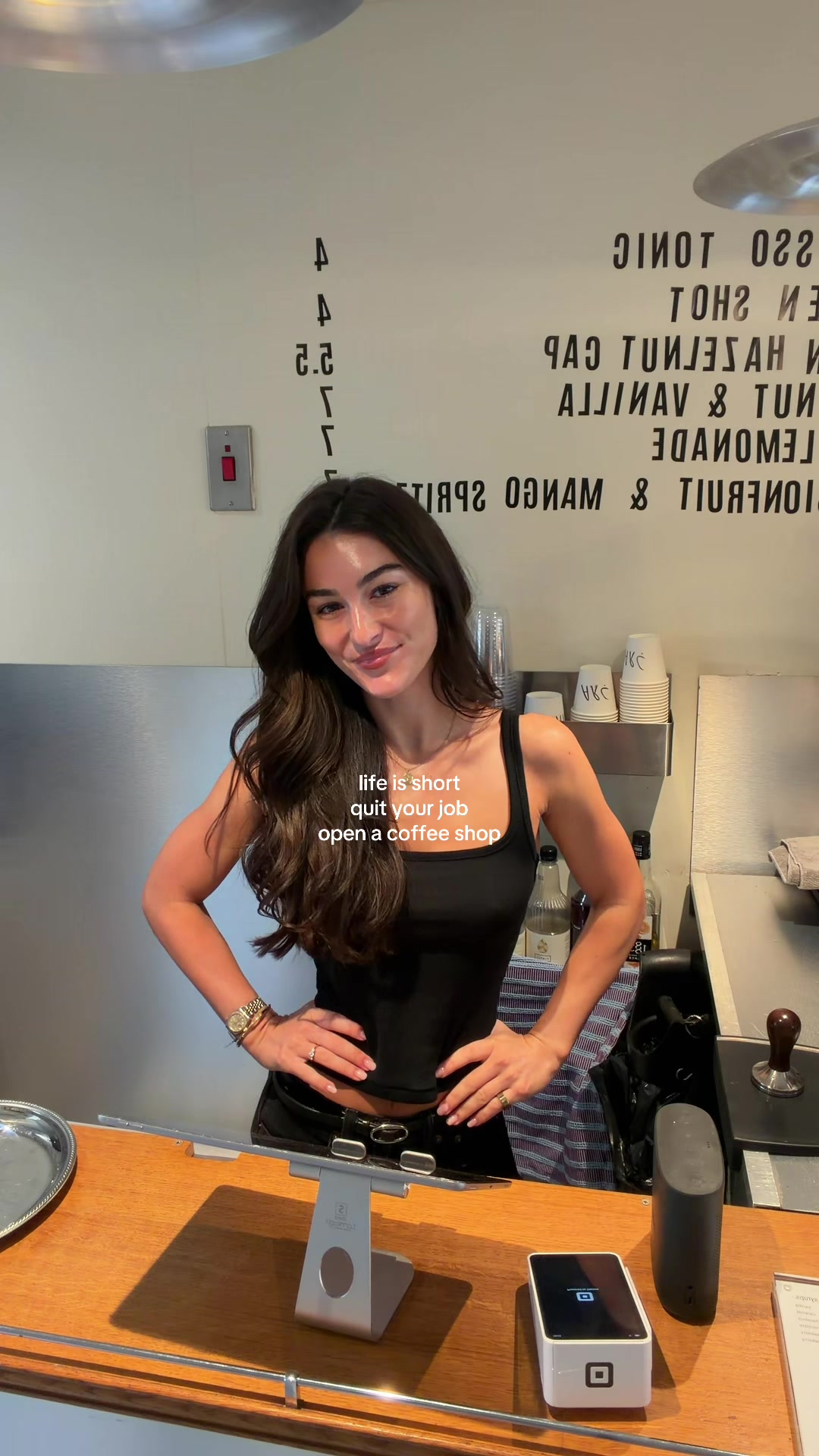
The "life is short, quit your job, open a coffee shop" hook taps into escapist fantasy while the behind-the-scenes reveal of a thriving cafe proves it's actually possible. People save and share because it feels like permission to dream, backed by tangible proof.
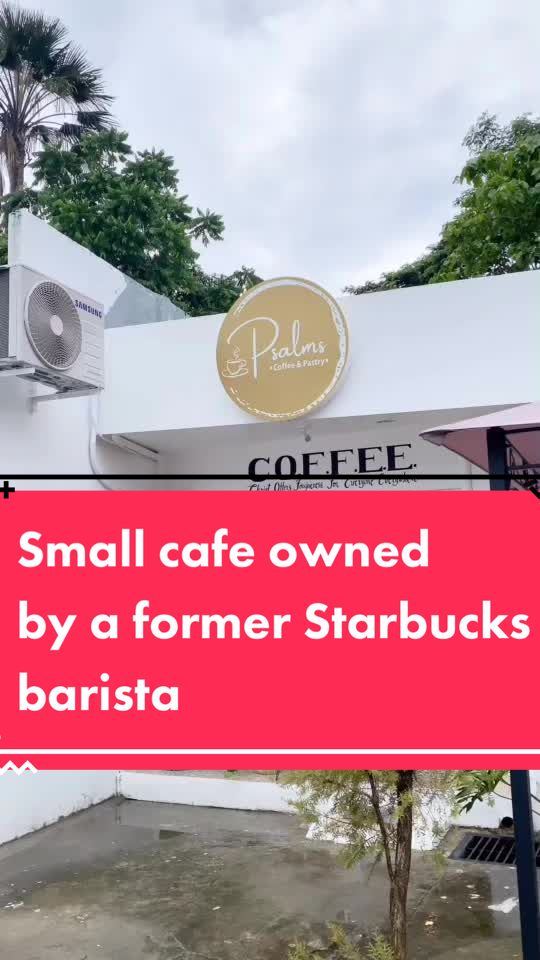
People are drawn to the underdog founder story, especially when it involves trading corporate security for independent success. The "former Starbucks barista" angle taps into a universal fantasy of escaping the system to build something personal, making this feel aspirational without being unattainable.
The price point ($1,050 for 1BR in LA with utilities included) triggers immediate skepticism, which actually drives engagement. People save and share to fact-check or warn others, turning doubt into distribution. The "too good to be true" feeling makes it unmissable.
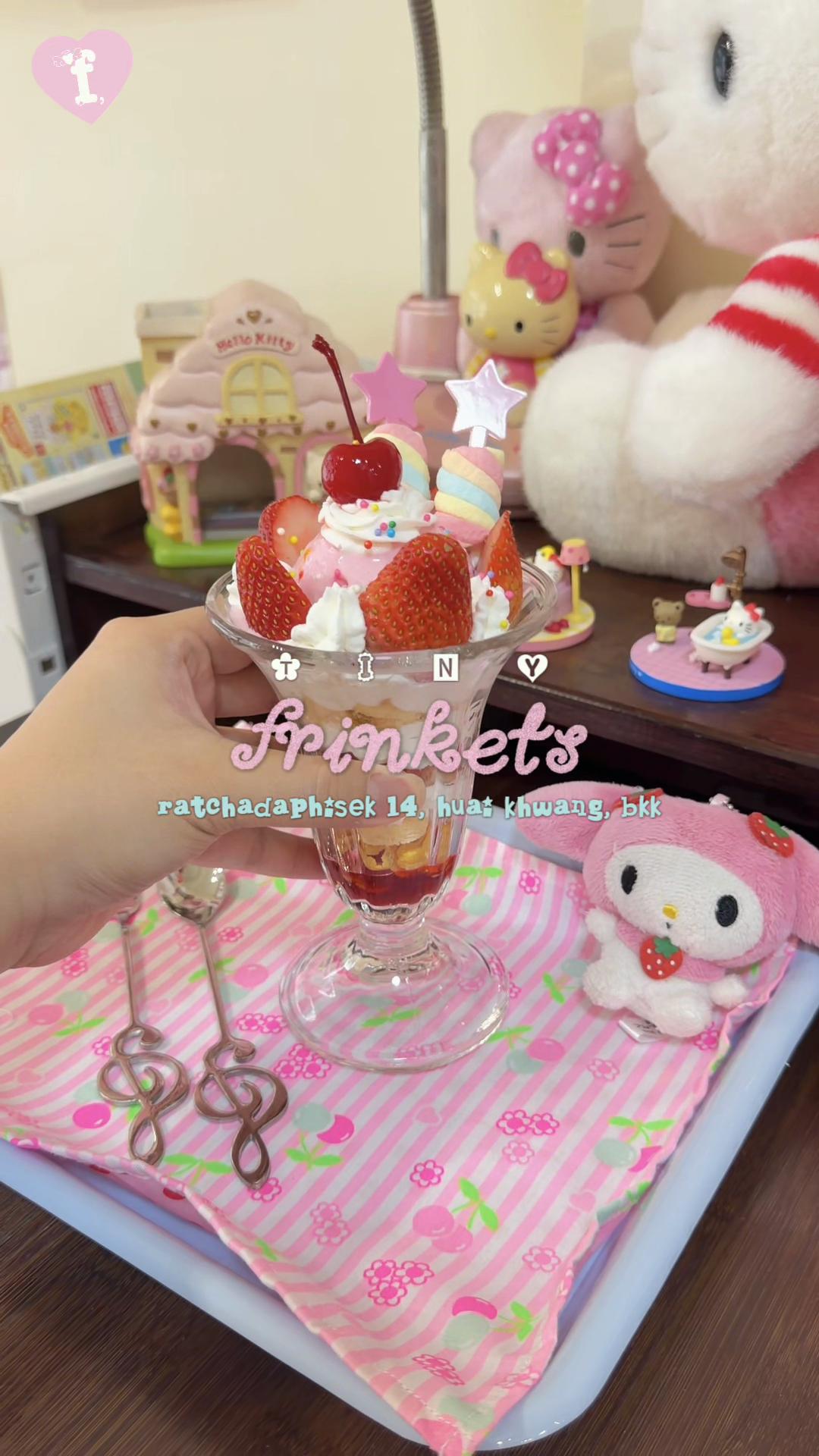
The overwhelming visual cuteness combined with actual food creates irresistible desire to visit. This isn't just aesthetic fantasy, it's a real cafe you can go to tomorrow, which triggers both the save impulse and the share impulse.

The power flip between you and money hits because it reframes scarcity mindset into abundance reality. By flipping "I need money" into "money needs me," it shifts someone from desperation to worthiness in a single sentence, which feels like permission they didn't know they needed.

People save this because it articulates something they already feel but haven't named. The core message about self-worth getting eroded by over-investment in others hits a nerve many are living through, making it feel validating rather than preachy.
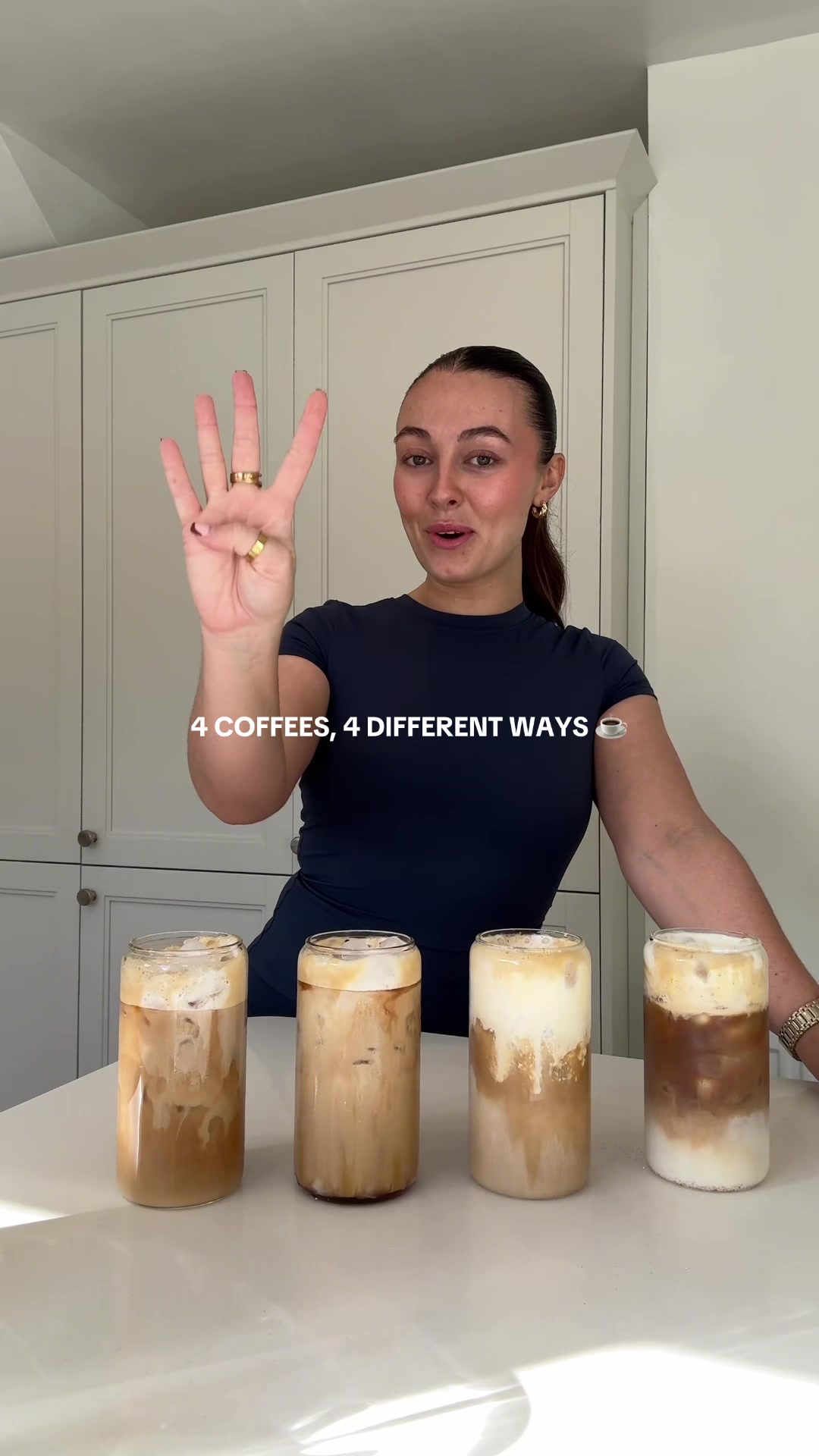
People save this because it's relatable escapism dressed as a practical guide. The "coffee flight" format transforms an ordinary kitchen into something experiential, letting viewers imagine themselves doing the same thing while also giving them genuinely useful variations to try.
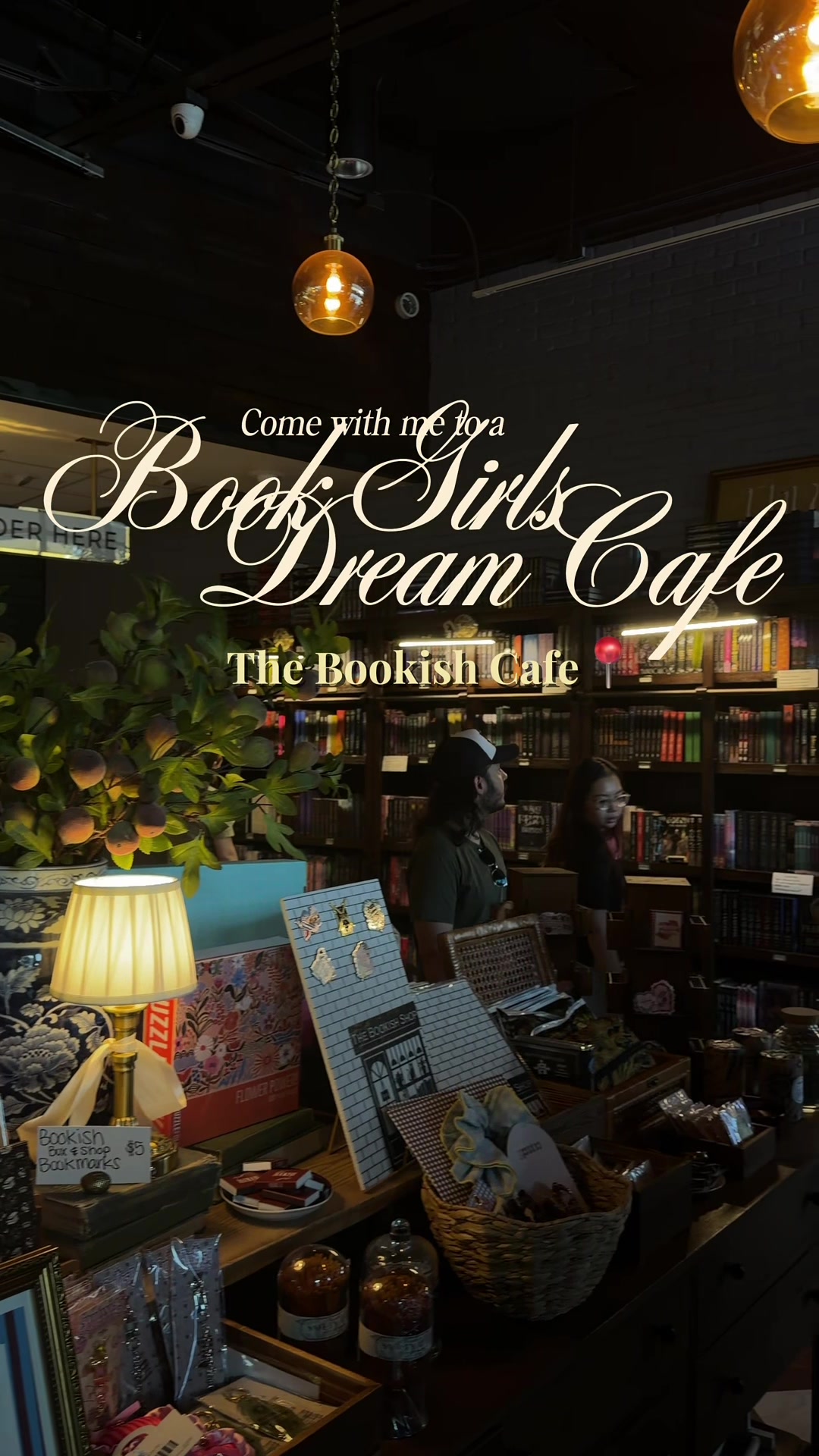
This post tapped into the book community's hunger for aspirational spaces that match their identity. The aesthetic perfection (moody lighting, floor-to-ceiling books, curated details) combined with the "come with me" framing made it feel like an exclusive discovery rather than just a cafe tour, sparking the "I need this" response.

This taps into the fantasy of cafe culture as a lifestyle, not just a beverage. The hyper-aesthetic drinks and serene setting create FOMO wrapped in aspiration, making people feel like they're missing out on a version of themselves that exists in prettier spaces.
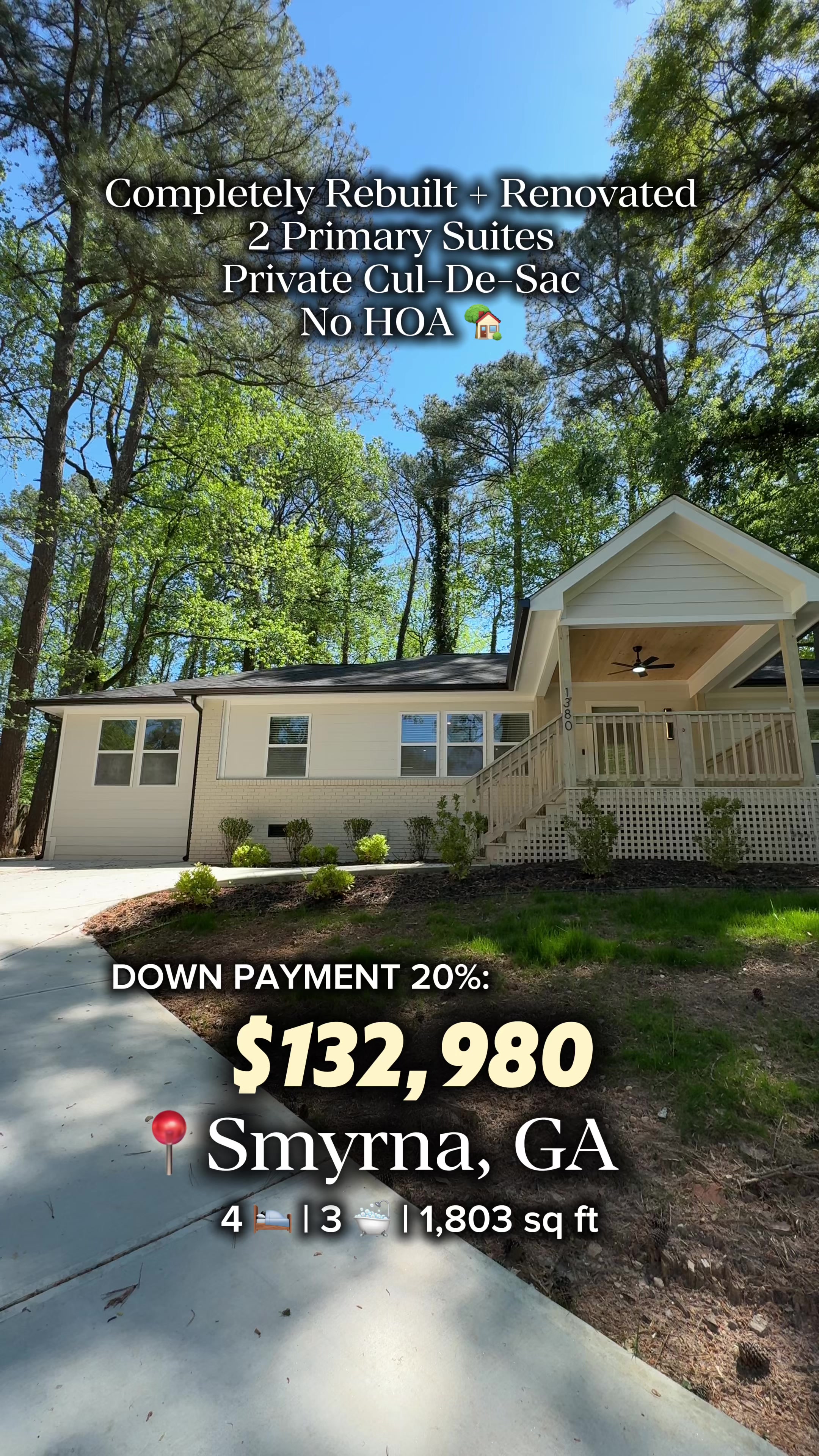
The specific down payment figure ($132,980) hits harder than the full price because it's relatable to actual buyers—it's concrete, achievable, and reframes homeownership from "impossibly expensive" to "here's what you actually need right now." Pairing renovation quality with attainable entry numbers sells the dream without the sticker shock.
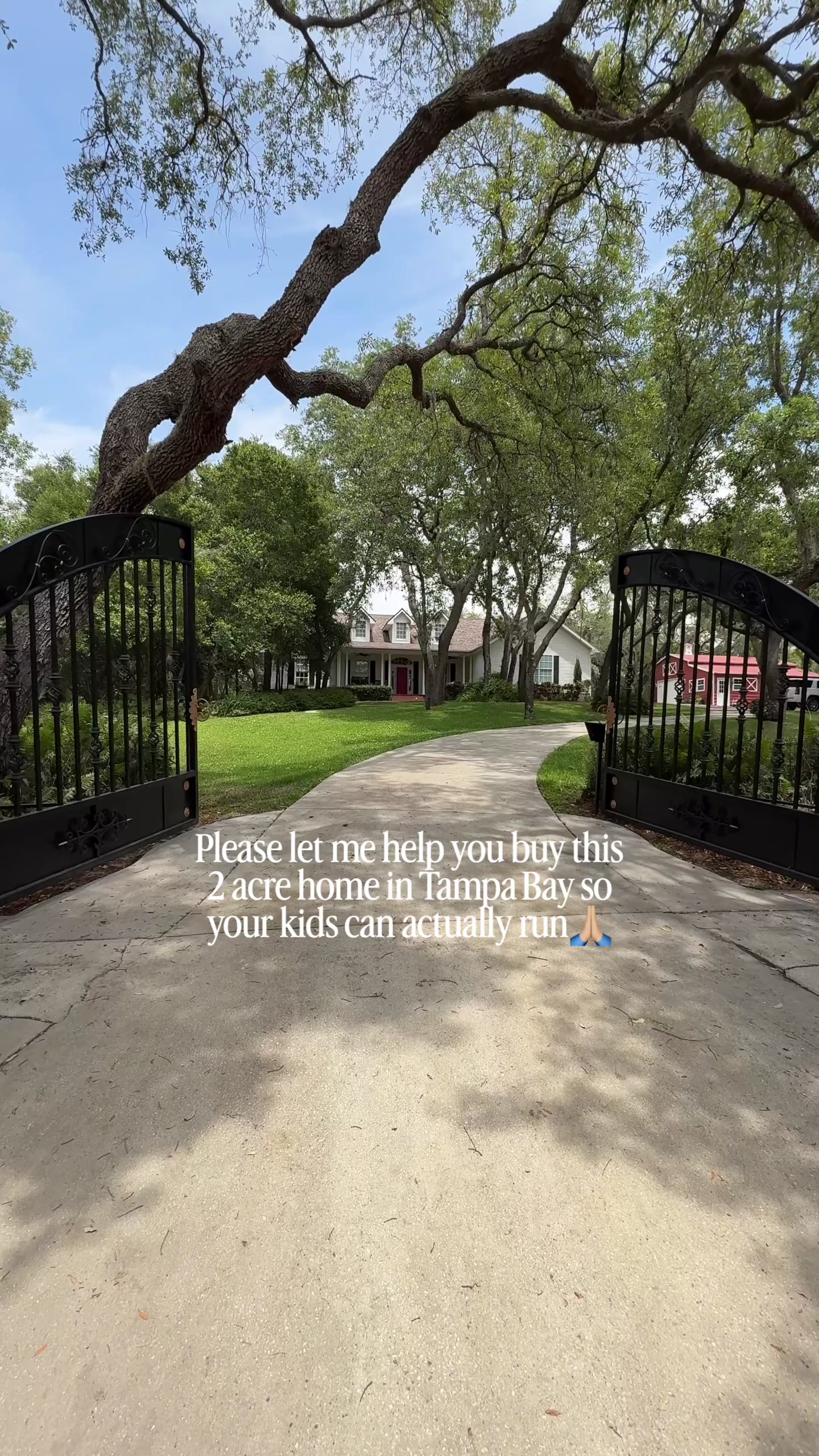
The post taps into aspirational daydreaming by showcasing an objectively stunning property with relatable humor ("your kids can actually run"). The "let me help you buy" opener flips the typical real estate pitch into something self-aware and charming, inviting people to engage playfully rather than feel sold to.
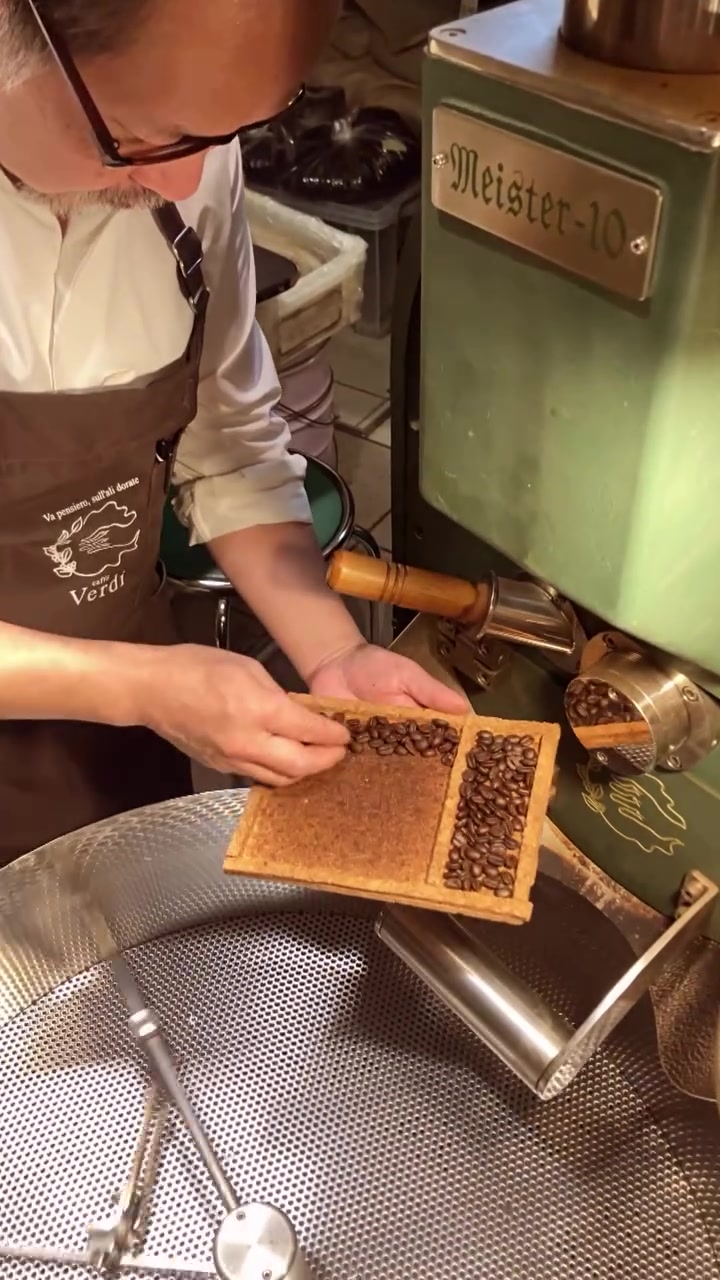
People are drawn to craft processes that feel both accessible and expertly executed. Watching someone work a vintage roaster with precision and care triggers curiosity about the skill behind something they consume daily, turning a functional machine into theater.
The post hits on a universal frustration—recognizing when sympathy becomes manipulation. The cryptic framing creates intrigue, and the cinematic black-and-white aesthetic gives weight to what feels like forbidden wisdom people already suspect but rarely hear stated outright.
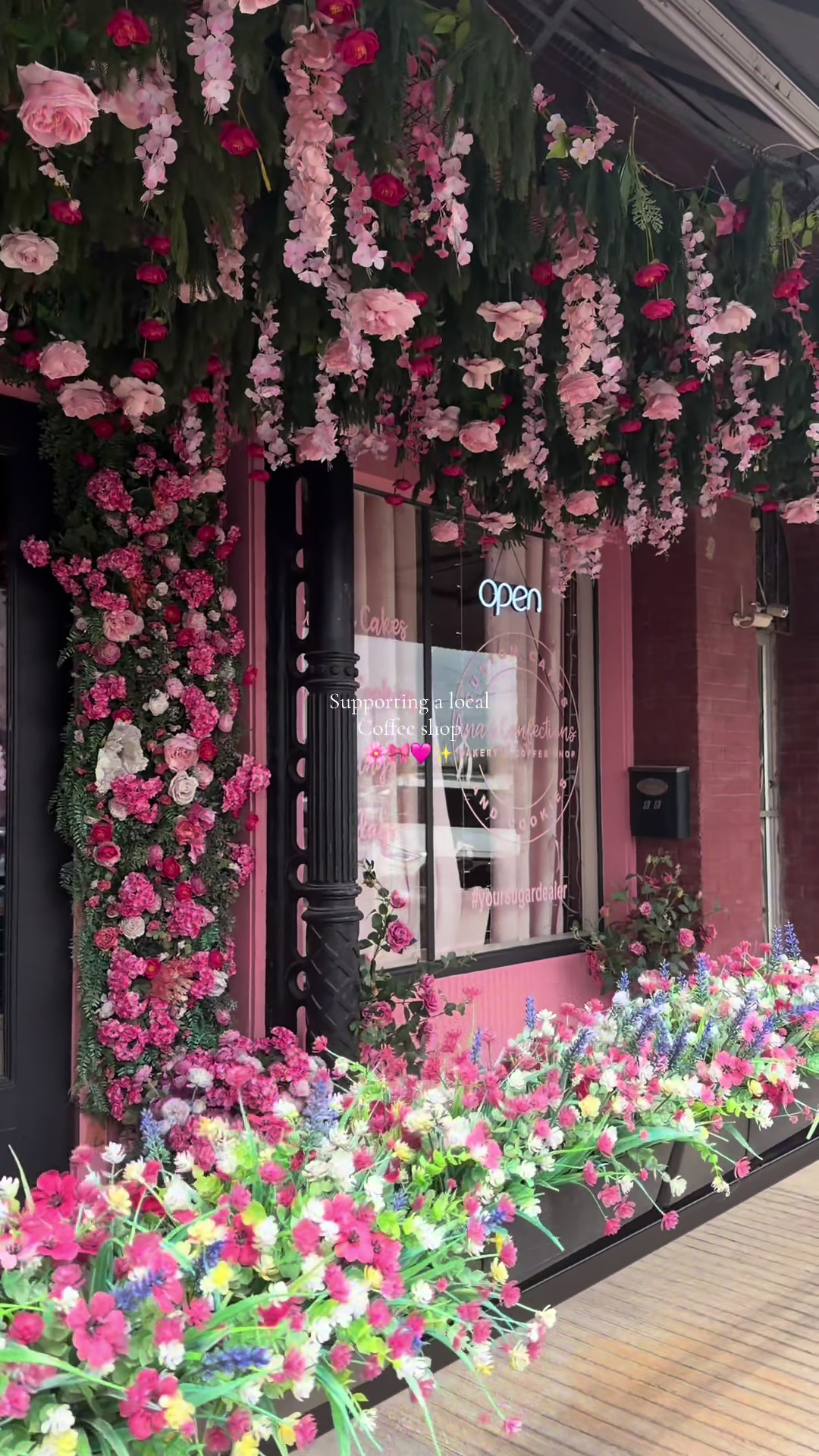
The overwhelming floral aesthetic creates an aspirational, Instagram-worthy moment that feels both luxe and local. People save and share this because it's the kind of place they want to visit and tag their friends in, making it shareable currency for their own feeds.
Founder salary transparency taps into a void in startup discourse. By naming a specific number ($100k) and inviting scrutiny, she reframes a taboo topic as discussable, making audiences feel like insiders in a conversation usually kept behind closed doors.
The raw shock and relief on her face matched the exact emotional moment most job seekers crave, making it instantly relatable. "No more phones" signaled a specific career win, not generic success, which made people feel seen in their own frustrations.
The absurdity of getting fired over four cake pops while openly planning to start a competing 24/7 coffee shop creates cognitive dissonance that's hilarious and relatable. People love the audacity of someone publicly leveling up after being wronged by a corporate giant.
The property listing tapped into viral momentum from another creator's mention, turning cross-platform curiosity into footfall. People came to verify a claim, which boosted engagement beyond typical real estate content.
The radical career pivot from prestigious to "lesser" field hits because it's permission people didn't know they needed. The genuine joy on her face contradicts everything society says should make her miserable, creating cognitive dissonance that makes people stop scrolling and engage.
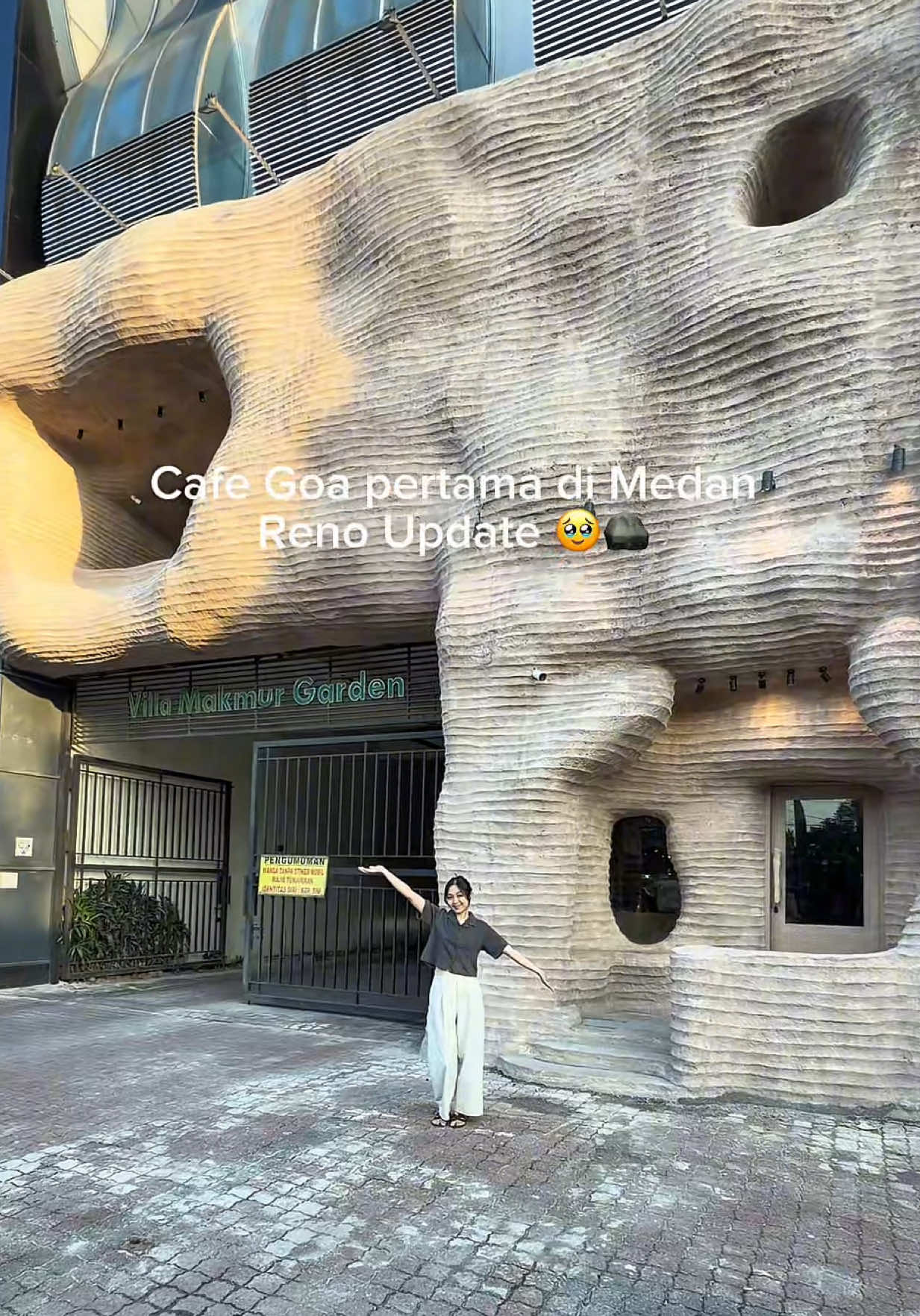
Architectural transformation generates intrigue and anticipation. The dramatic before-and-after of this sculptural renovation taps into the universal appeal of renovation reveal and the "grand opening" countdown, especially in a competitive cafe market where aesthetic differentiation drives foot traffic.

Raw vulnerability in a car delivers a gut-punch message about action over timing. The unfiltered setting and direct eye contact create intimacy that makes the advice feel like a personal pep talk, not a lecture. People saved it because they needed permission to move.
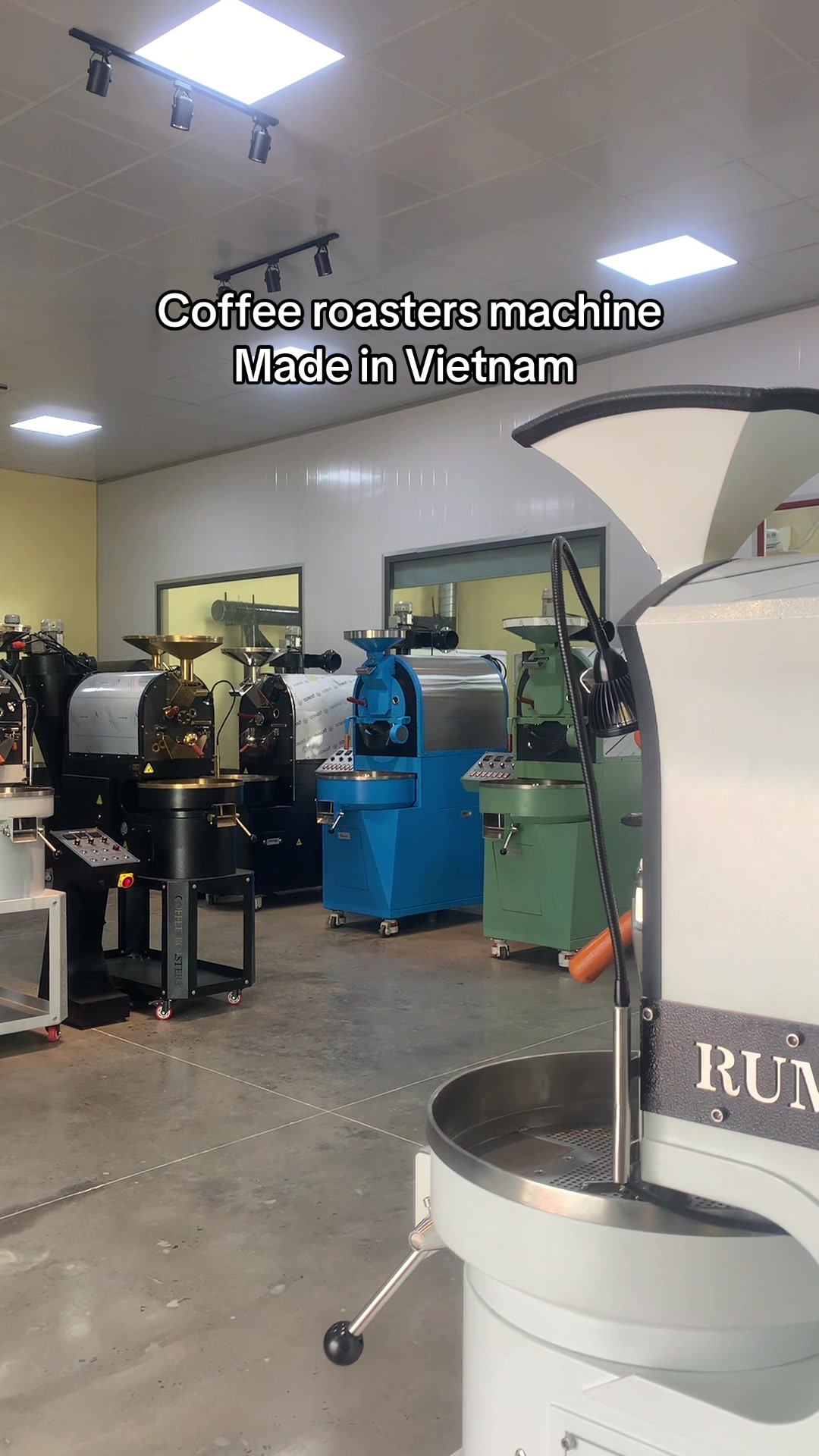
Showing manufacturing capability in a niche market taps into both aspiration and practical need. The facility tour positions Vietnam as a credible producer, sparking genuine B2B interest from people actively seeking suppliers.
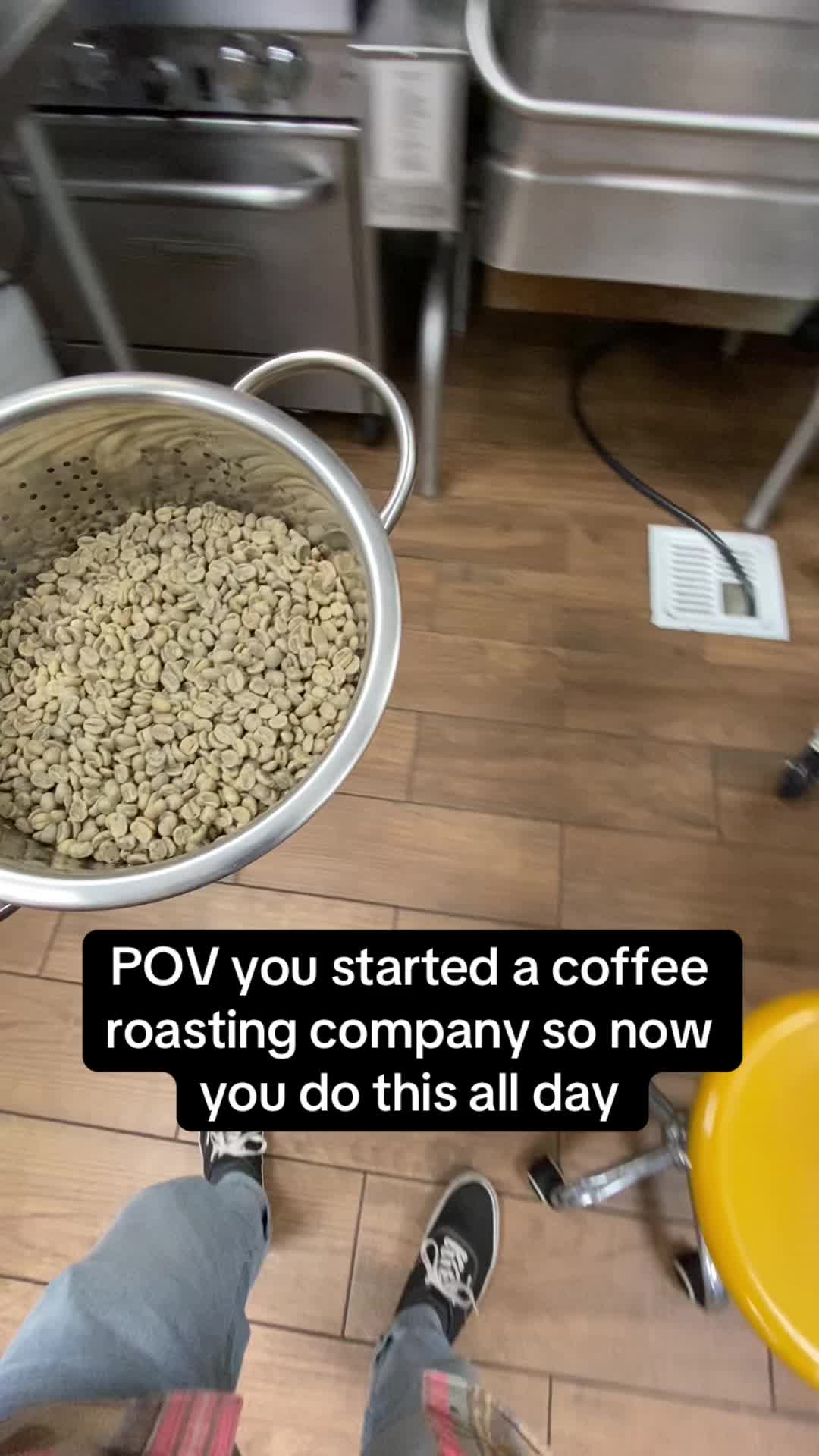
The raw, unglamorous reality of running a coffee roasting operation hit differently. People connect with the messy truth of small business over polished brand narratives. It's the POV format paired with an honest "this is my life now" moment that made it feel authentic rather than promotional.
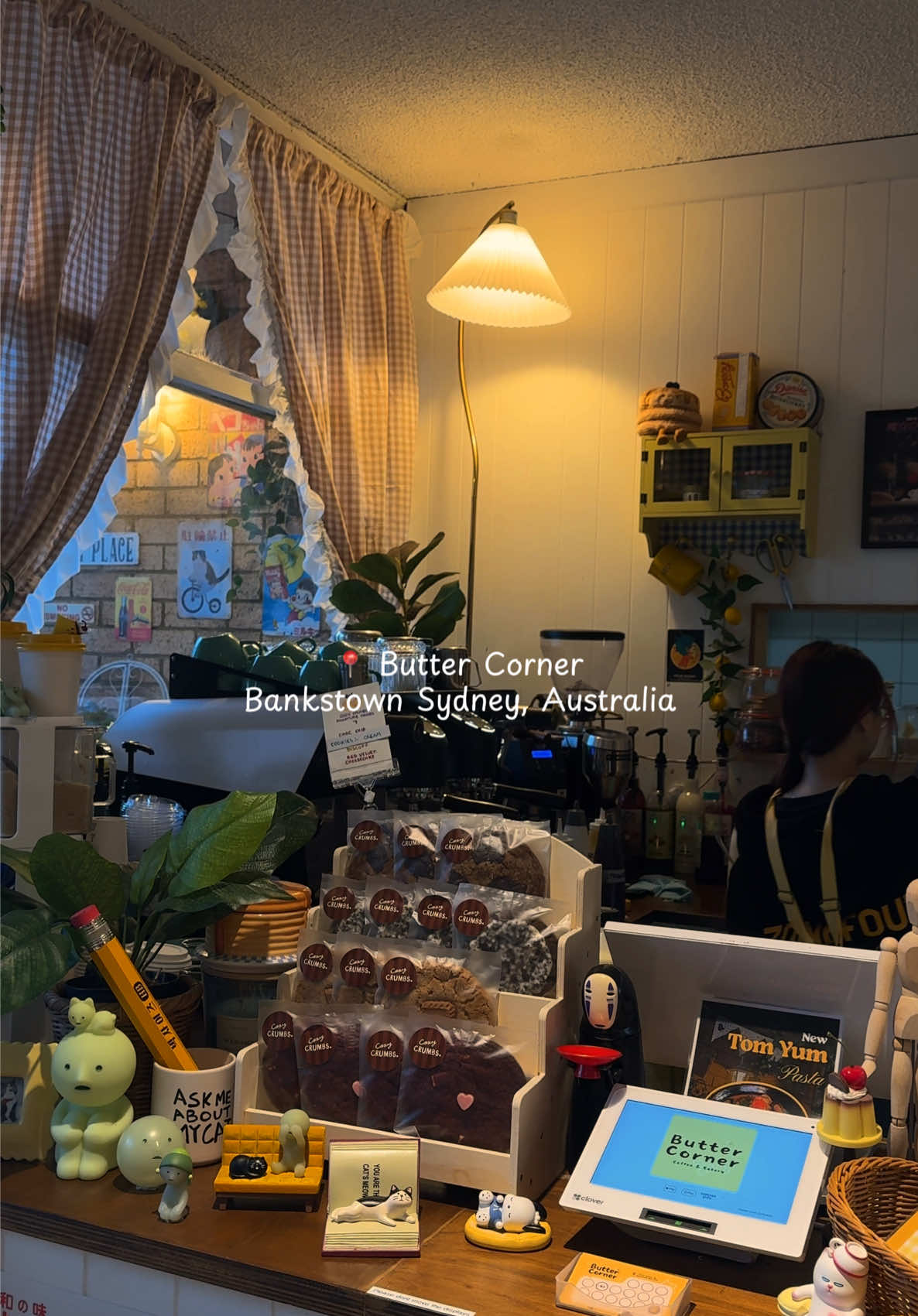
People crave behind-the-scenes access to small, aesthetically pleasing businesses they already love or aspire to own. The cozy cafe setting combined with the "opening" angle taps into curiosity about how these dreamy spaces actually work, creating both aspirational and community-building appeal.
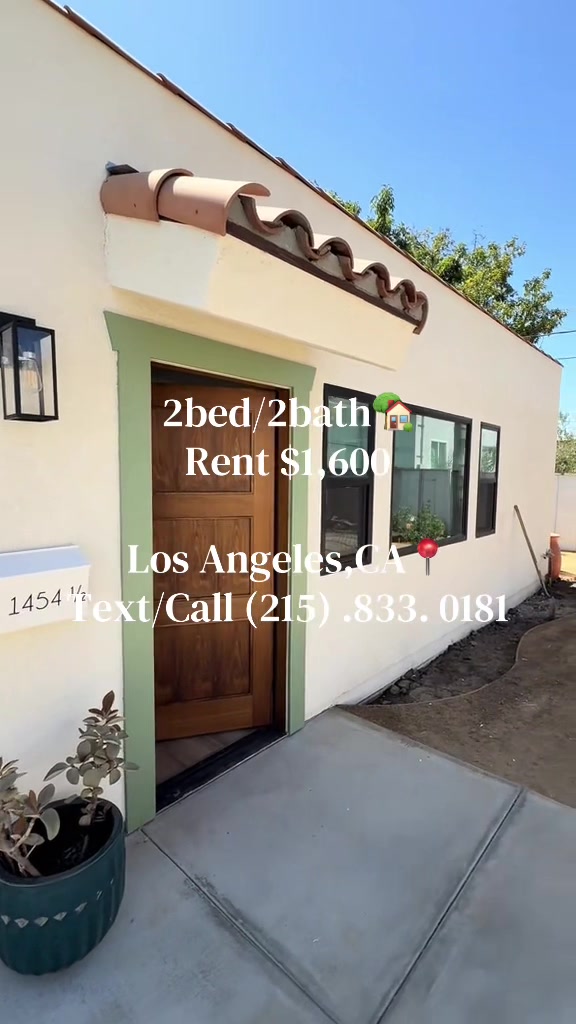
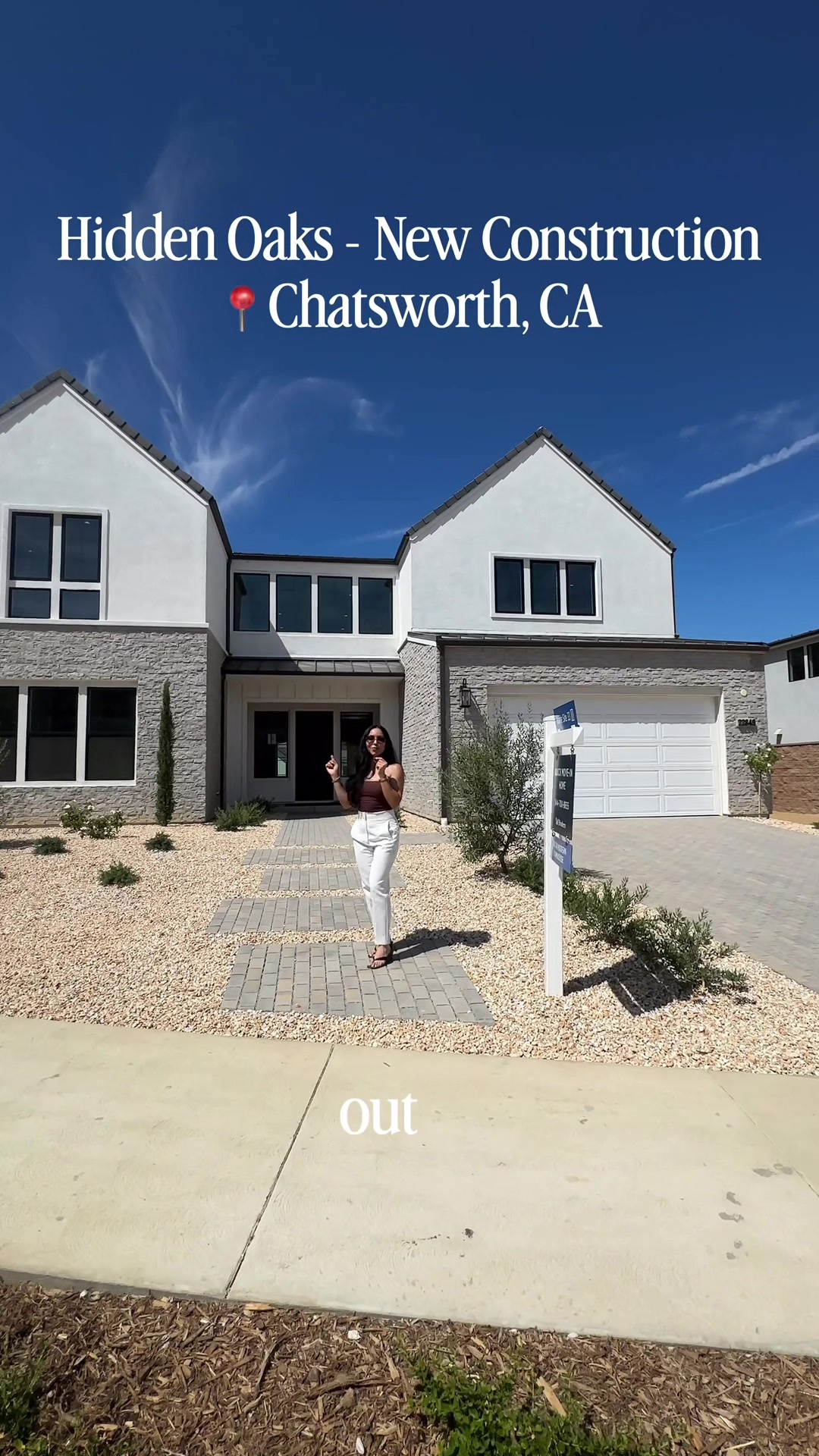
People want to see the goods upfront. A stunning new construction with premium specs (Toll Brothers, Wolf appliances, 6 beds) shown in bright daylight with a confident agent creates immediate credibility and curiosity about price. The visual appeal plus specificity makes it worth stopping for.
People are fascinated by real estate value propositions, especially when geography creates stark contrasts. A young realtor confidently presenting a modern home with genuine enthusiasm triggers both aspiration and practical curiosity about affordability across regions.
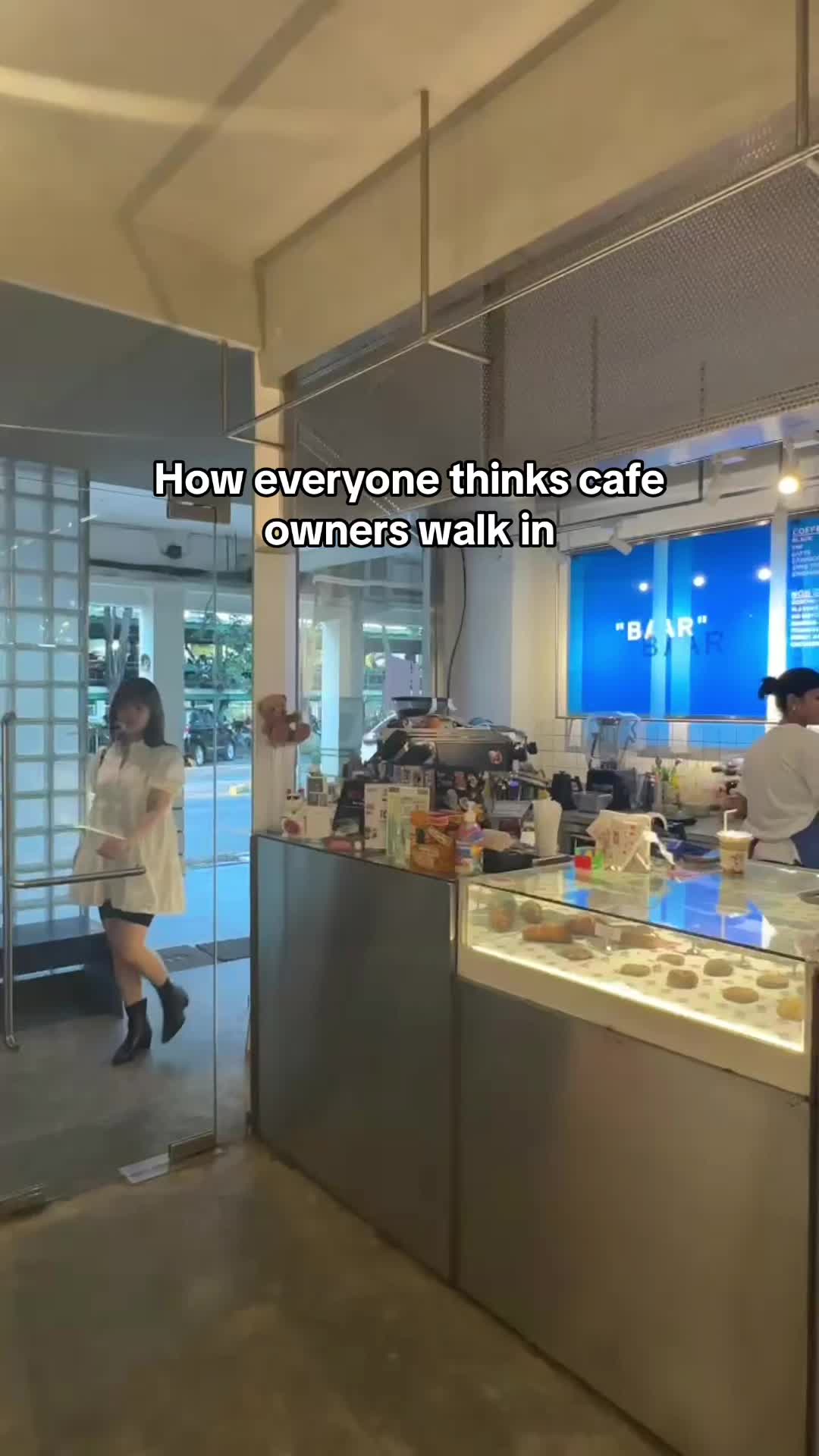
The myth-busting angle captures what cafe owners actually experience versus the polished aesthetic people imagine. It's relatable because it exposes the unglamorous reality of running a small business, which resonates deeply with both owners and customers who've witnessed the hustle firsthand.
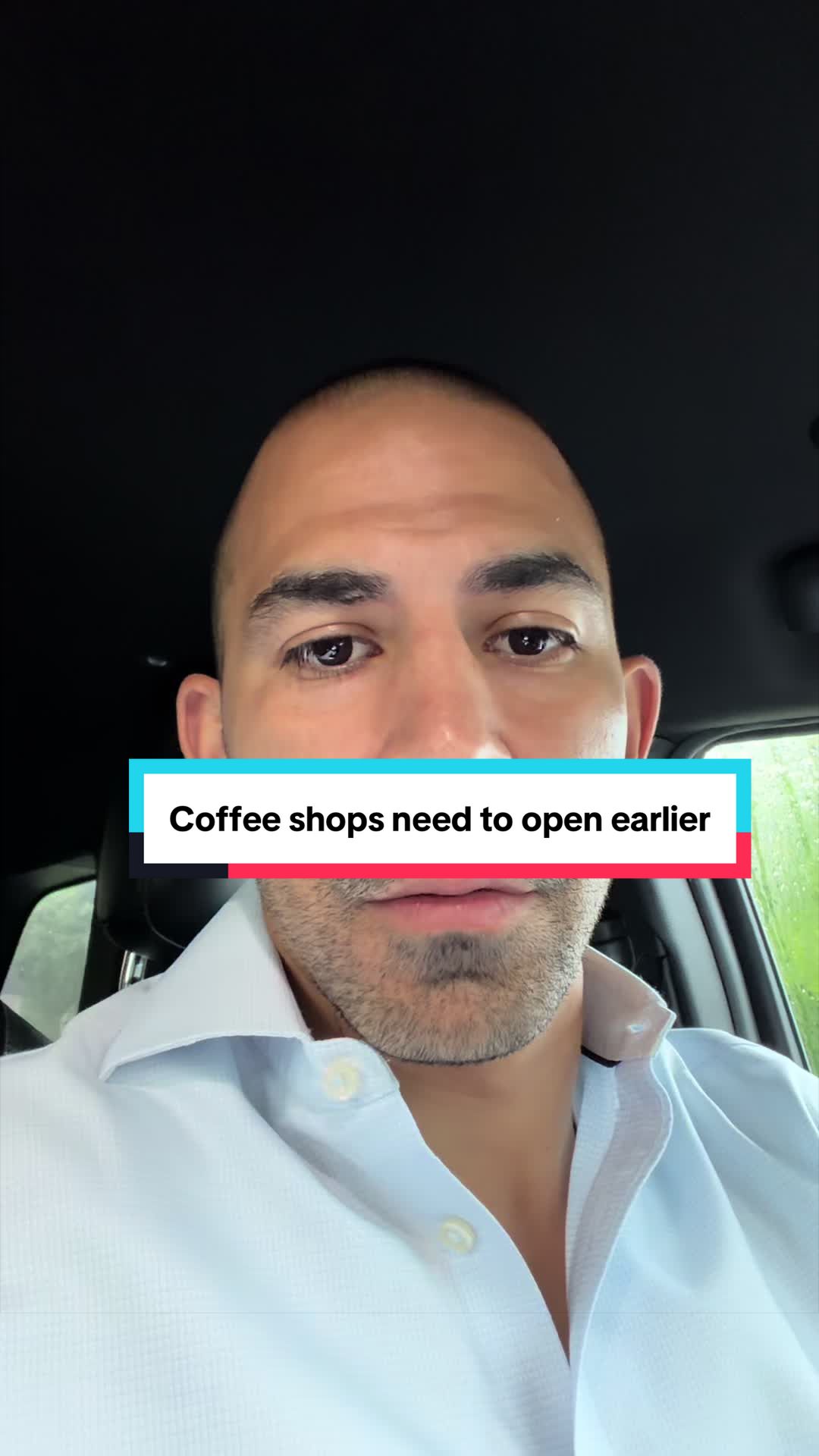
A frustration that feels both personal and universal — the mismatch between when people need coffee and when local shops actually open. This strikes at a real operational blind spot, making viewers feel validated for a complaint they've silently harbored.
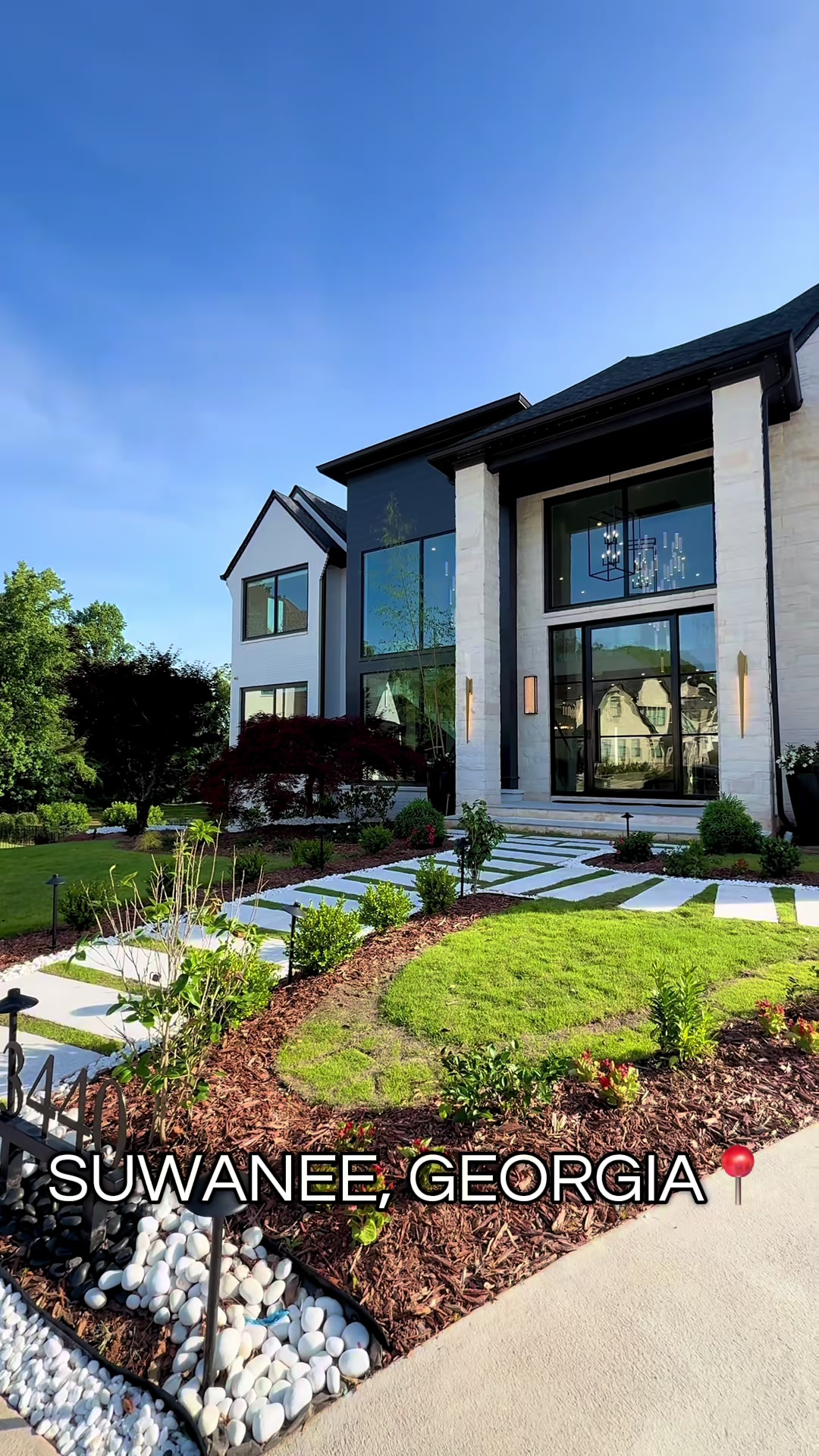
This post succeeds because it presents luxury real estate as aspiration without apology, then lets the visual do the heavy lifting. People engage hard on high-price homes because they trigger curiosity, debate, and fantasy window-shopping, even if they'll never buy.
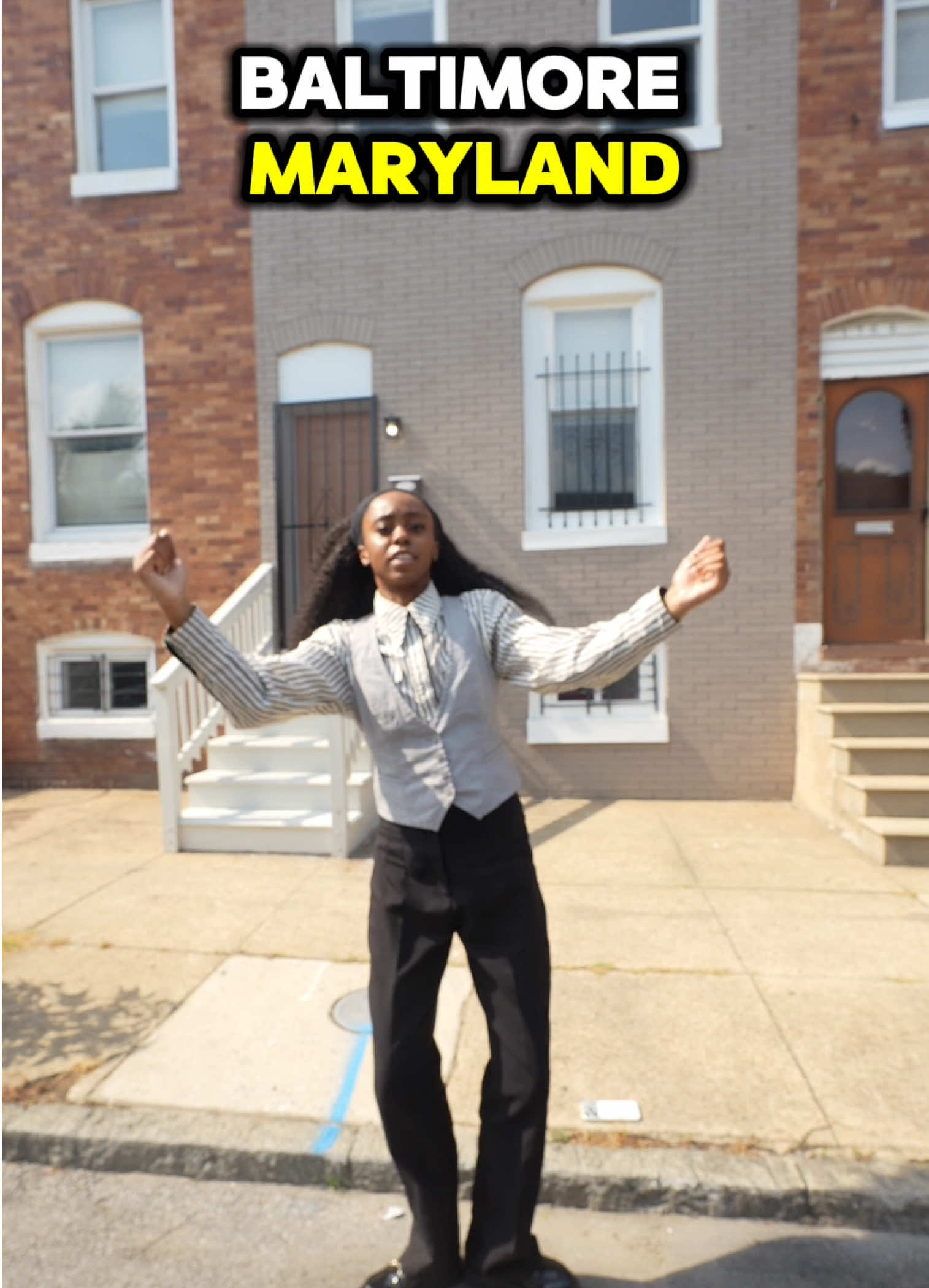
People connected with the confidence and personality on display. Real estate content typically feels sterile, so this agent cut through by being unapologetically themselves, turning property listing into entertainment first. The affordability angle hooked them, but the genuine energy made them stick around.
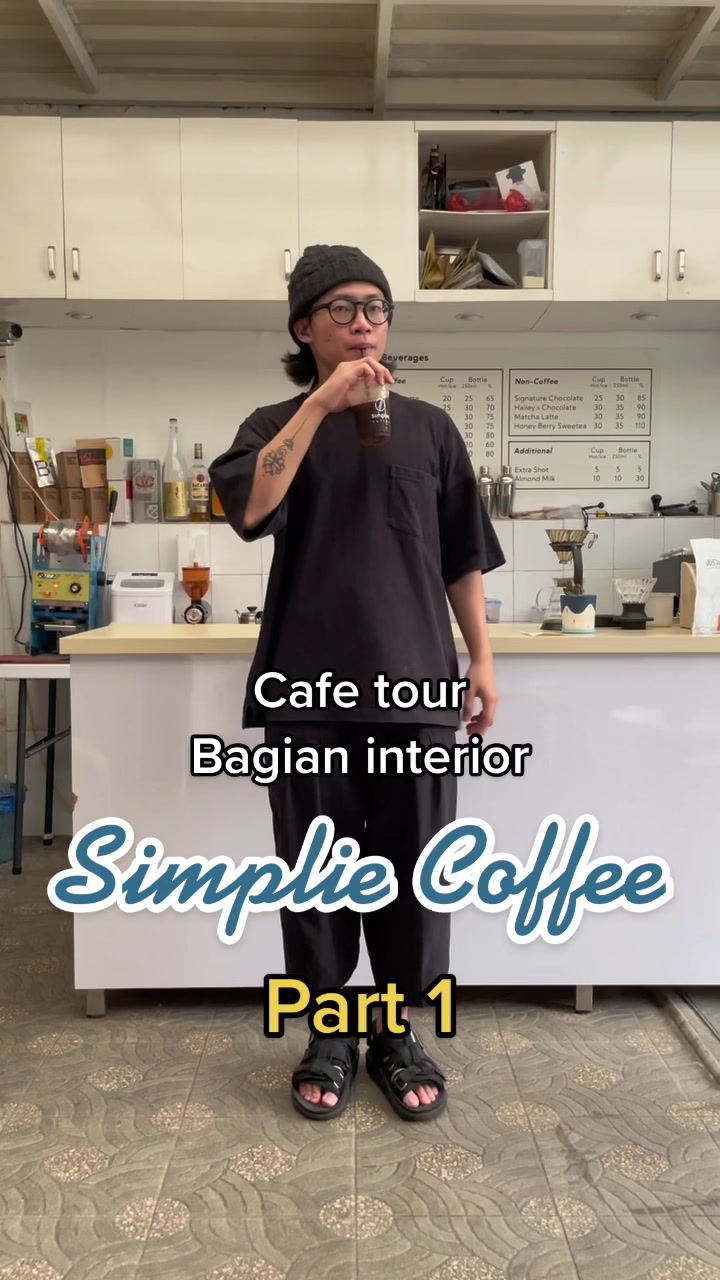
People save behind-the-scenes cafe content because it feels like an exclusive peek into a real workspace. The casual, authentic vibe of someone walking through their own space creates ownership and relatability that polished content can't match.
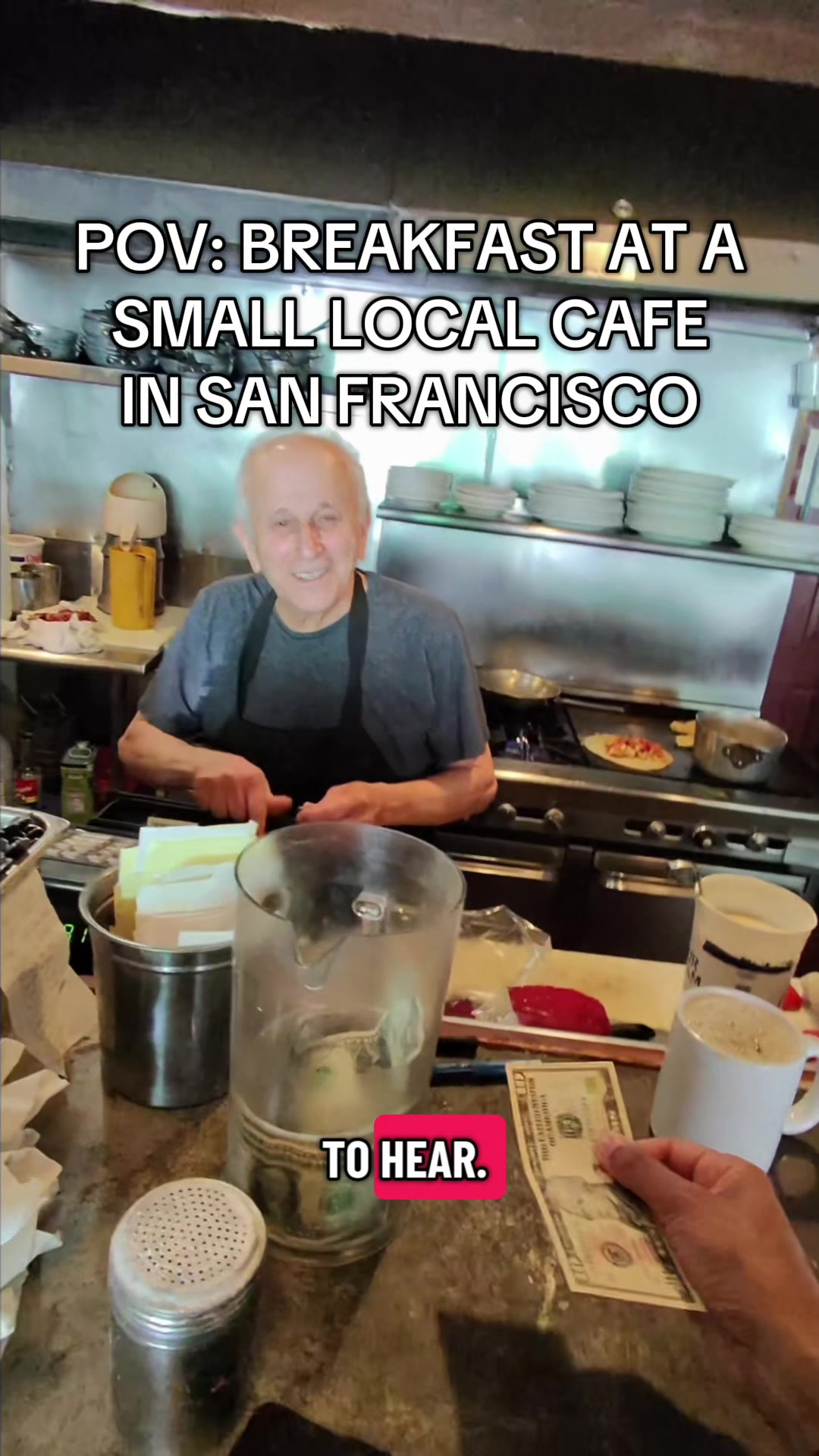
The joke lands because it contrasts the humble "simple breakfast" framing with the unspoken reality of San Francisco pricing. Viewers recognize themselves in that gap between what breakfast should cost and what it actually does, making the punchline feel universal and painfully relatable.
The $400K price tag creates immediate cognitive friction that stops scrollers cold. People are shocked by the real number, and that sticker-shock moment gets them invested in watching the breakdown, especially when delivered by someone who clearly owns the space.
The "good/better/best" ranking format taps into people's hunger for career shortcuts and validation. Positioning a premium tool as the ultimate solution appeals to job seekers feeling stuck, even if the comments reveal skepticism about the actual value proposition.
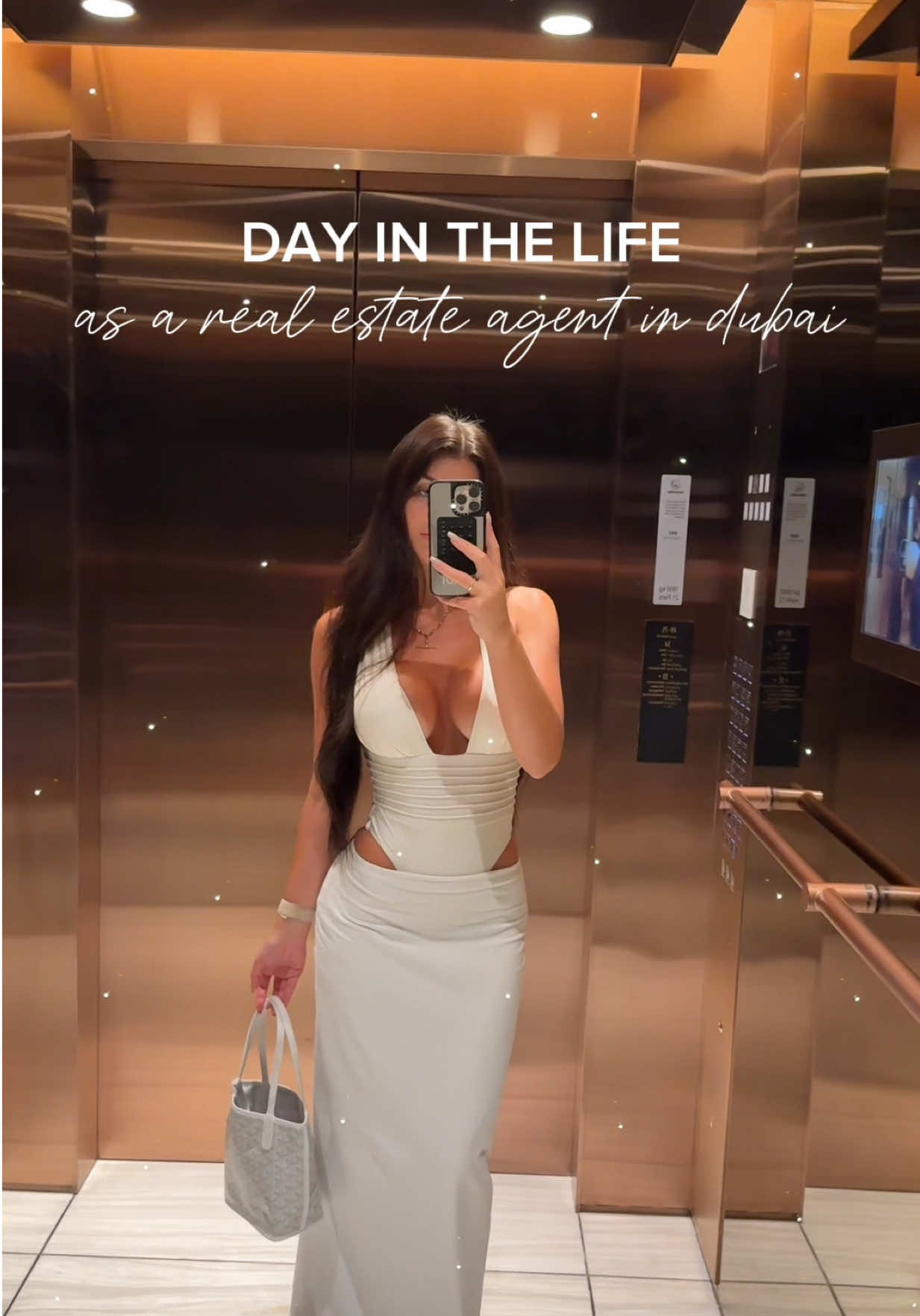
People are drawn to the aspirational fantasy of luxury real estate work, especially when it's wrapped in a relatable, self-aware joke. The "day in the life" format makes high-end selling feel tangible and glamorous without being preachy, tapping into both career curiosity and lifestyle envy.

This post taps into founder FOMO by asking a direct, community-building question that immediately invites responses. People want to feel part of an in-crowd, and a simple "where do you meet?" creates space for community members to self-identify and connect.
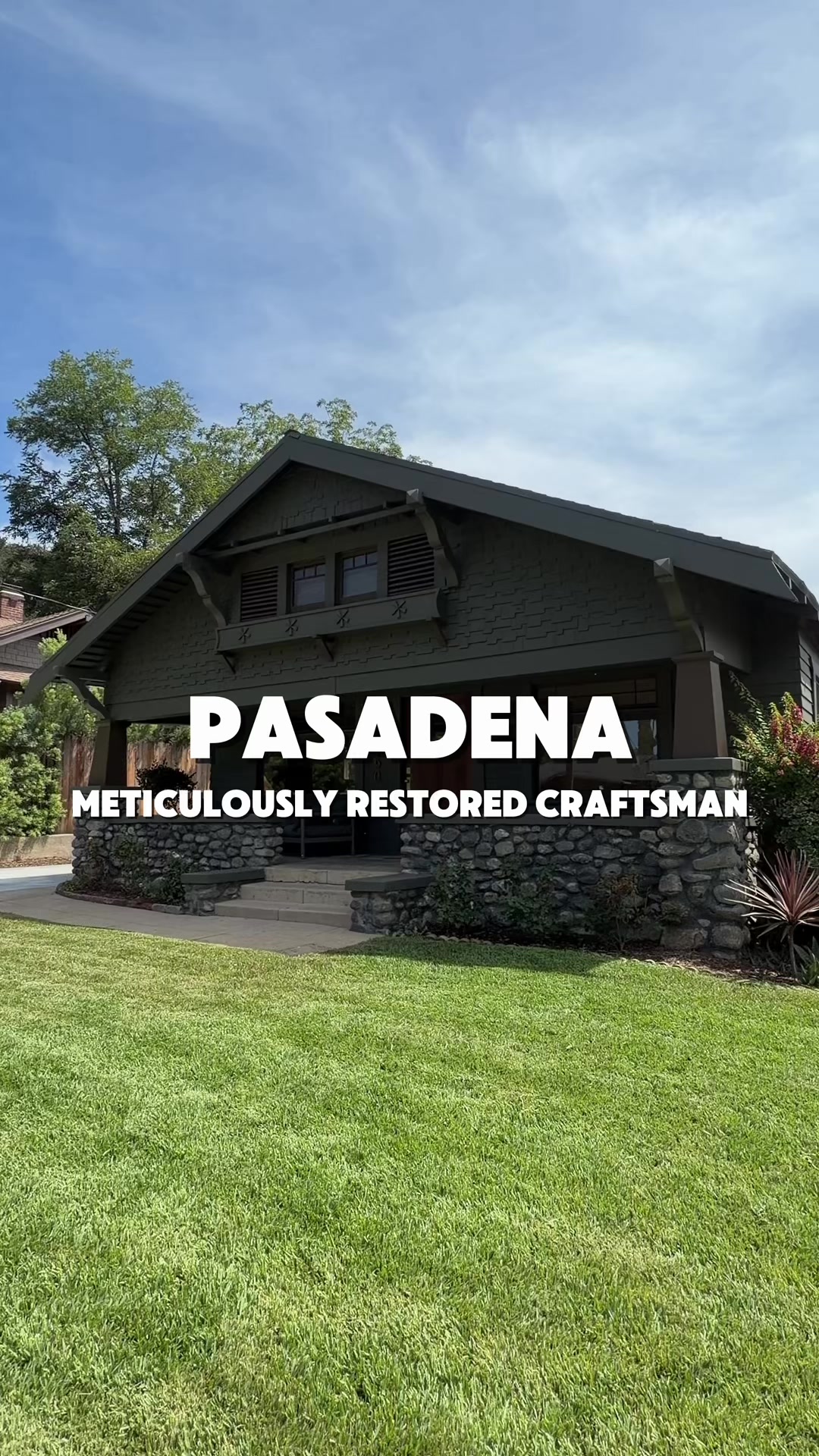
Historic architecture hits different when it's been restored to pristine condition. This Craftsman taps into nostalgia and aspiration simultaneously, making people feel they're seeing something rare and valuable that's actually available right now.
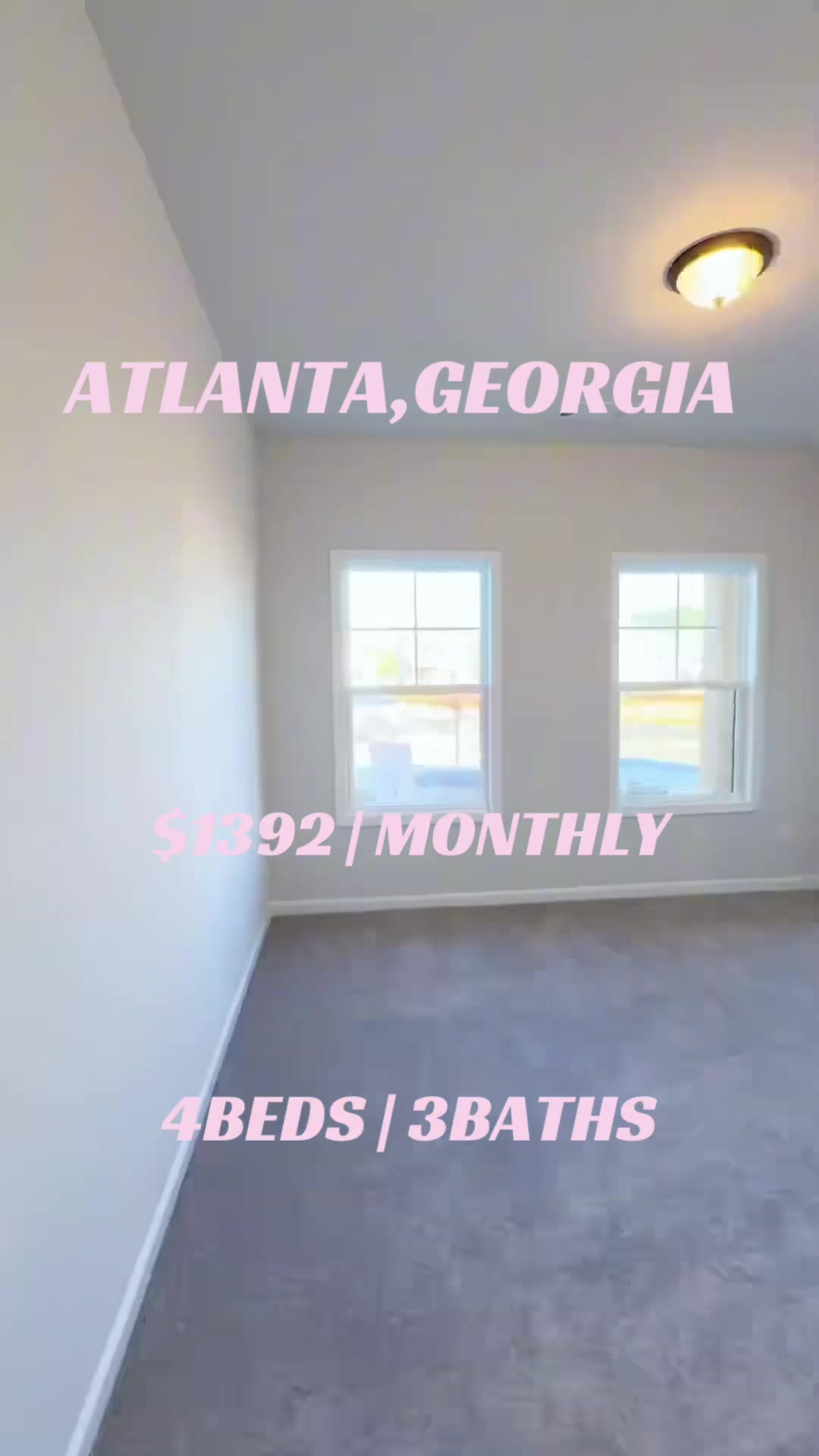
The price-to-space ratio is the hook here. Four beds, three baths for $1,392/month in Atlanta triggers immediate "wait, really?" reactions. People save and share deals that feel too good to pass up, especially when the clean, bright aesthetic proves the listing is legitimate.
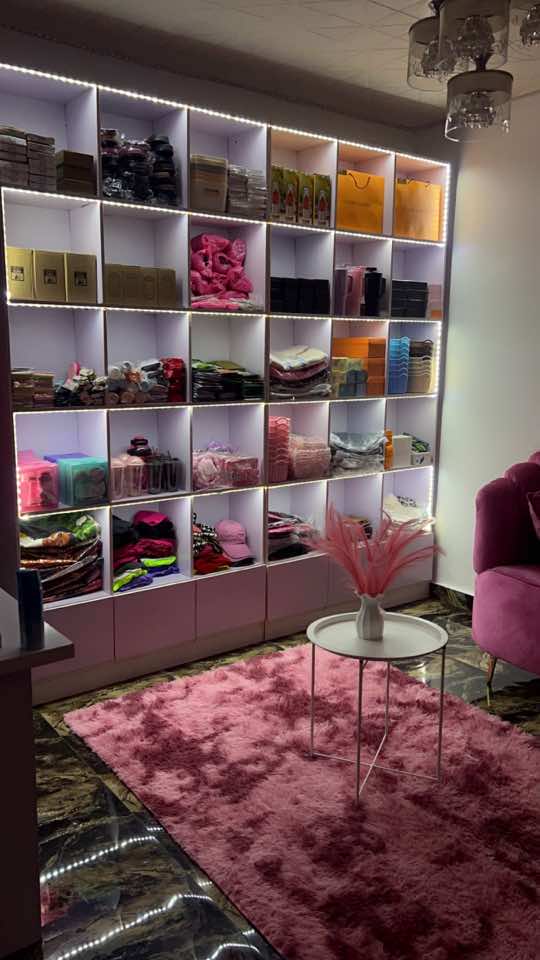
This post taps into aspiration through aesthetic perfection. The curated showroom display with synchronized lighting and color coordination feels both achievable and luxurious, making viewers want to build something beautiful themselves rather than just buy from you.
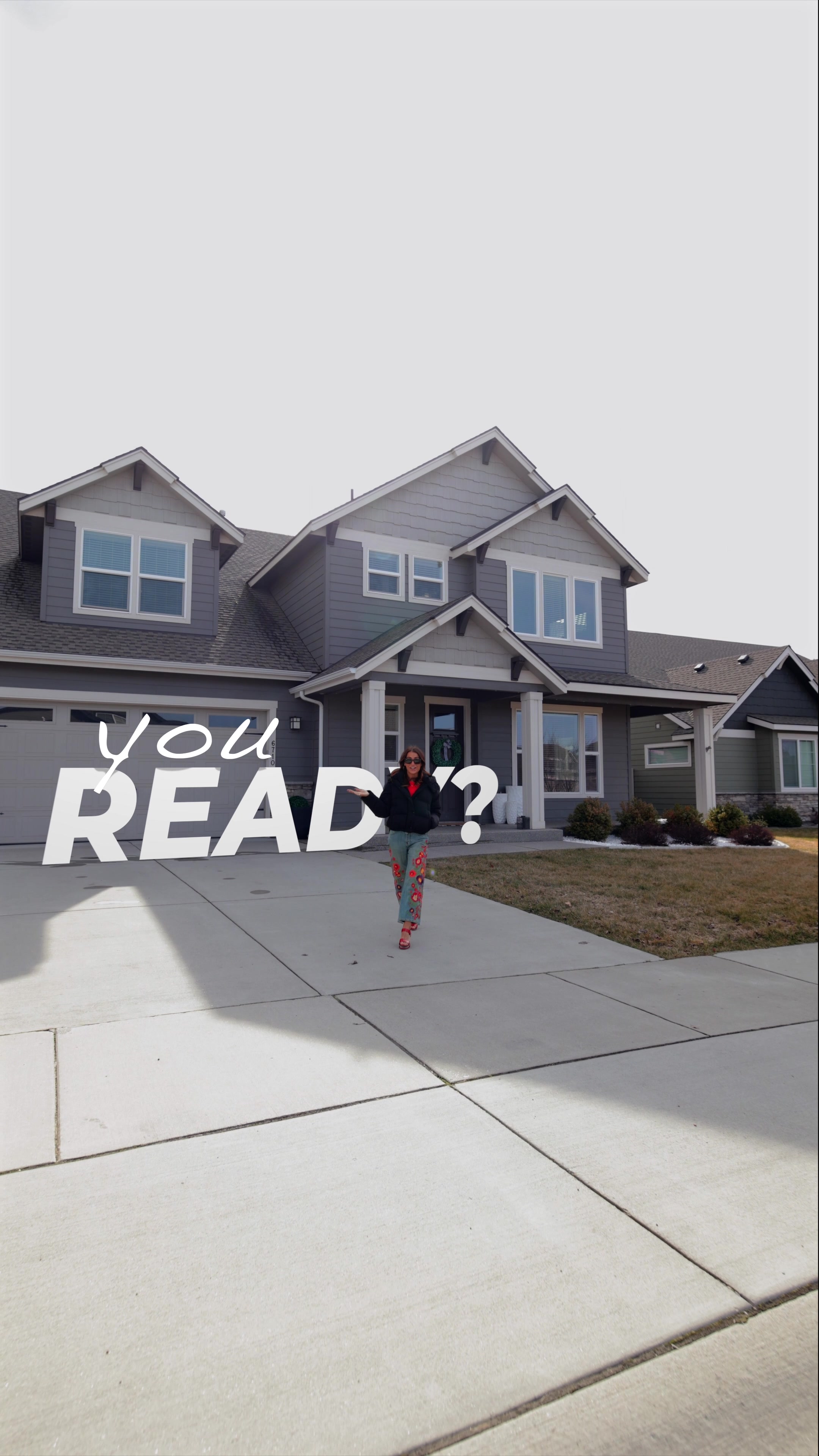
The direct address "you ready?" creates immediacy and involvement, making viewers feel personally invited rather than just shown a listing. High saves suggest people are bookmarking this as either a genuine lead or inspiration for how to market real estate.
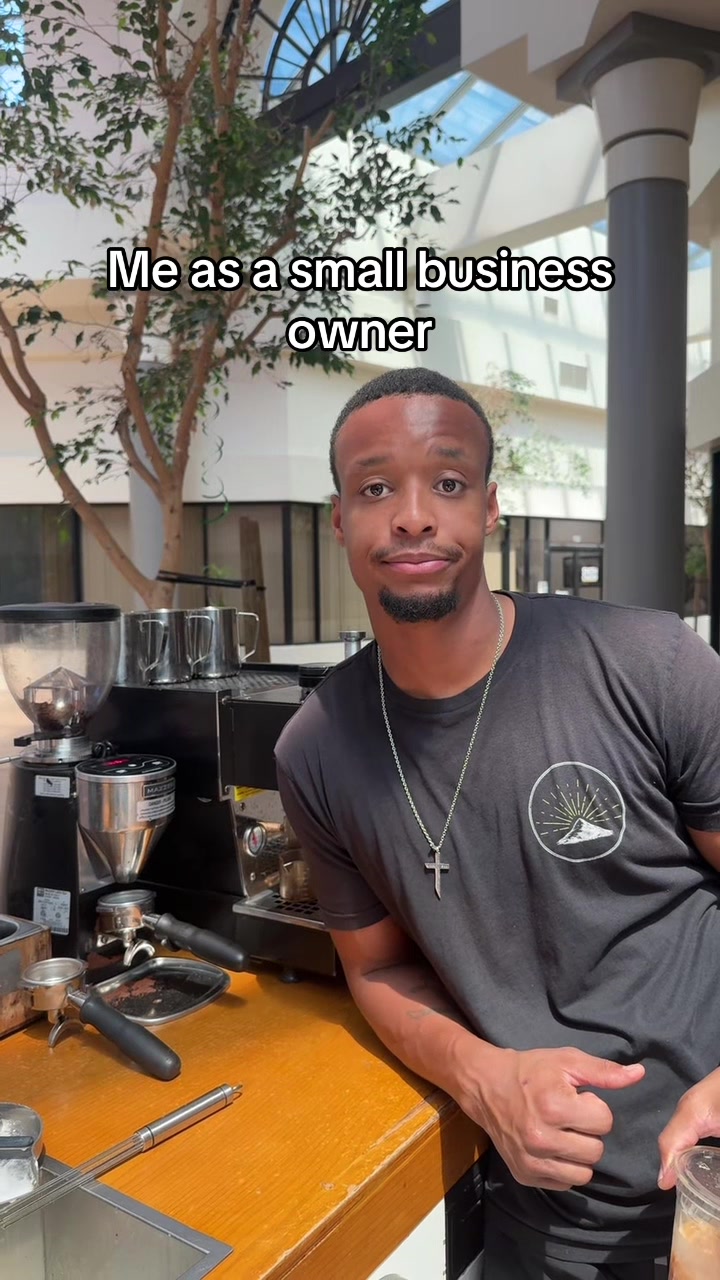
The relatable exhaustion of early entrepreneurship hits harder when shown through a real person's genuine expression rather than complained about. The setup is simple, the delivery is honest, and it validates what small business owners already feel.
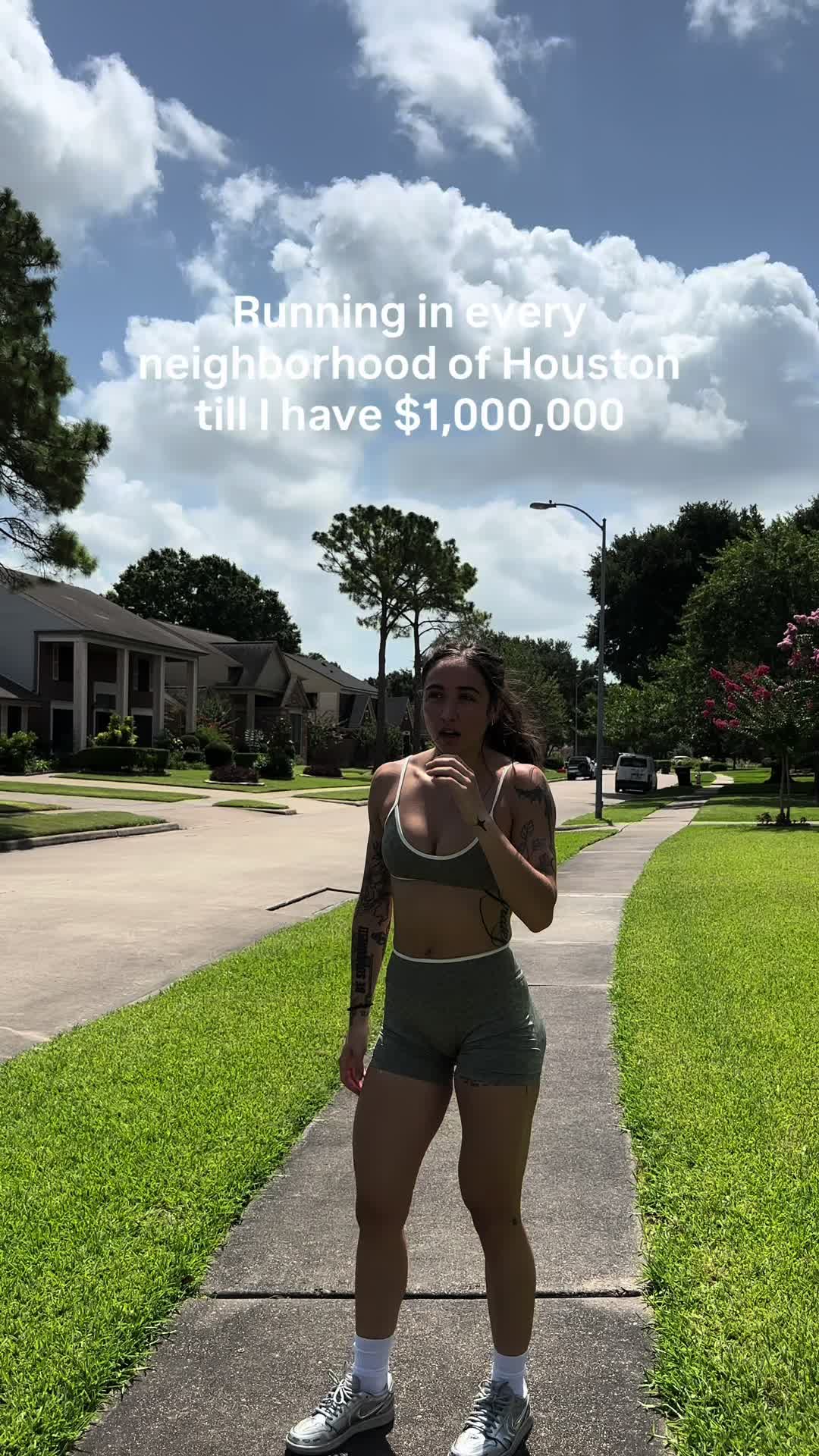
The absurd premise (running neighborhood-to-neighborhood to earn a million) paired with genuine hustle energy creates a hook that makes people stop scrolling. It's funny, ambitious, and relatable to anyone grinding toward a big number—the specificity of Houston neighborhoods makes it feel real, not generic.
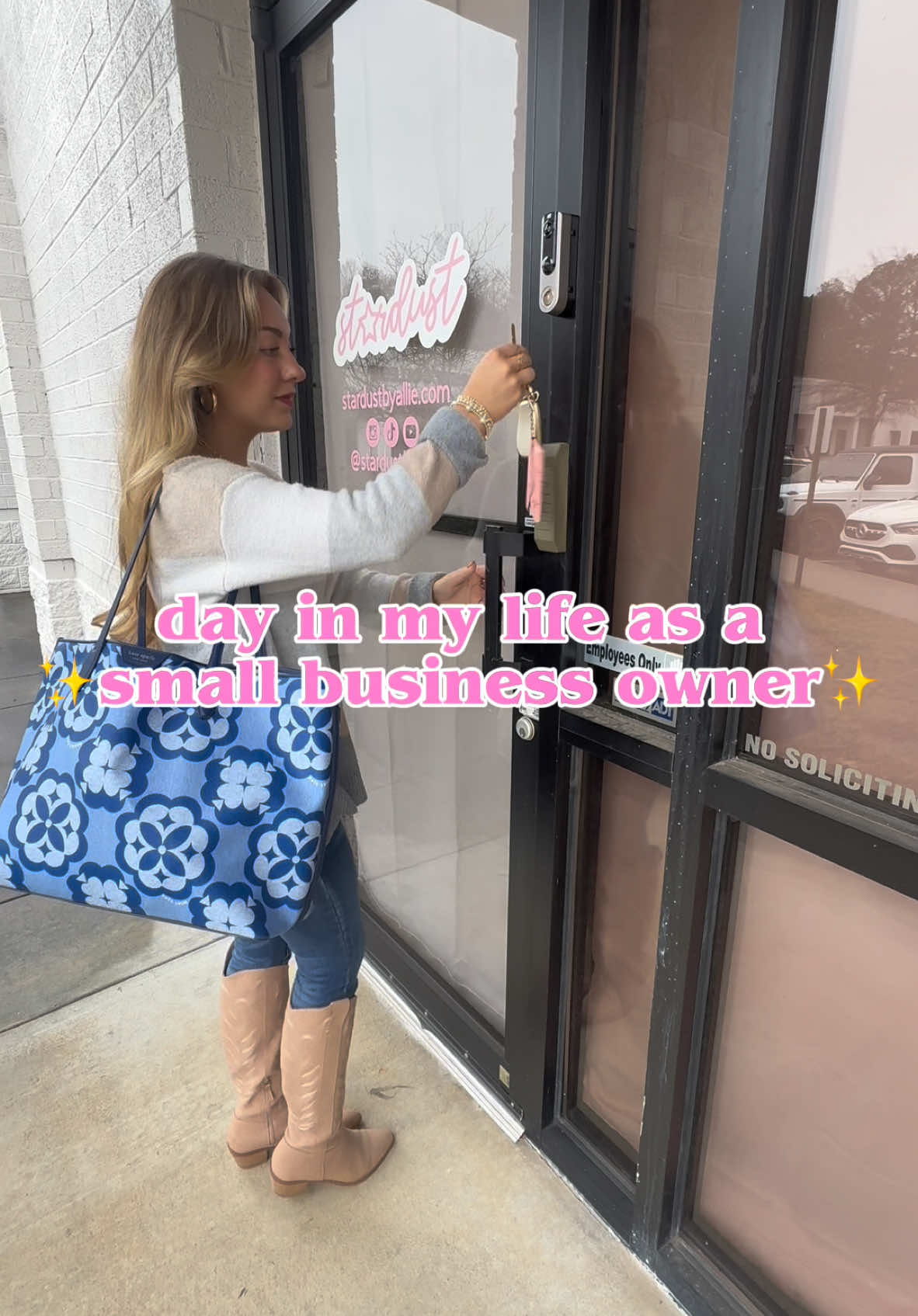
People are drawn to the calm, sensory satisfaction of watching quiet work happen in real time. The ASMR framing transforms routine business tasks into something meditative and aspirational, letting viewers escape into a peaceful version of entrepreneurship they find oddly comforting.
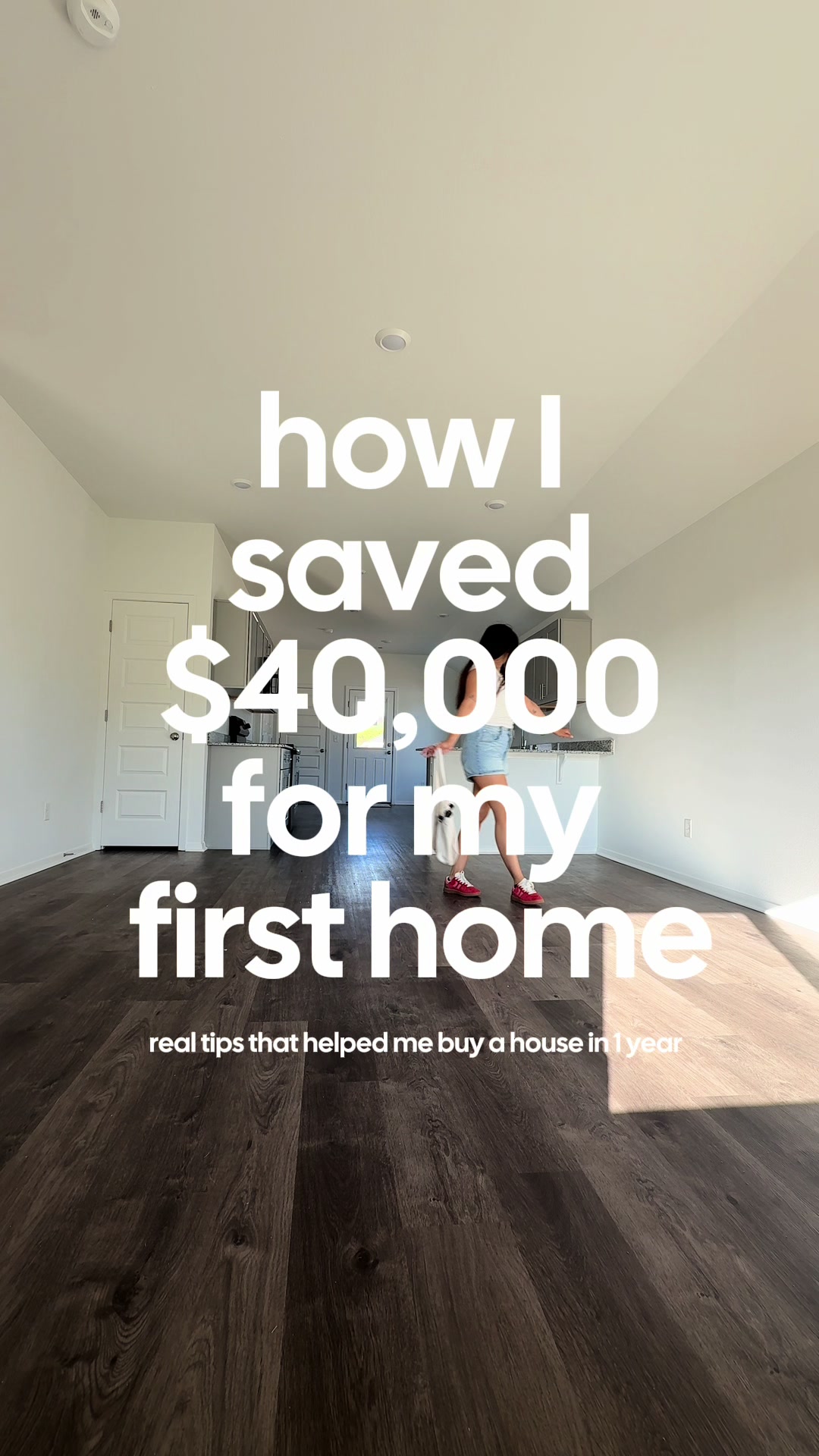
People crave the unglamorous truth about financial wins. The specificity of "$40,000 on a $55K salary" paired with concrete tactics (tracking, side hustles, mindset shift) feels achievable rather than aspirational, which made this deeply saveable—viewers wanted to reference it later.
The juxtaposition of a heavy life thesis against a playful, relatable moment creates permission for people to talk about their own rock-bottom stories. By framing loss as a stepping stone rather than failure, it hits people wrestling with their thirties and life pivots.

Two guys authentically rating a local coffee shop creates natural discussion because viewers get to form their own opinions before seeing the brand's response. The format feels like friends giving honest feedback, not a polished review, which invites debate and builds community investment in the outcome.
The counterintuitive business wisdom hits because it flips the "think big" narrative. People save this because it's actionable, specific, and comes from someone who clearly practices what she preaches, making abstract entrepreneurship feel achievable.
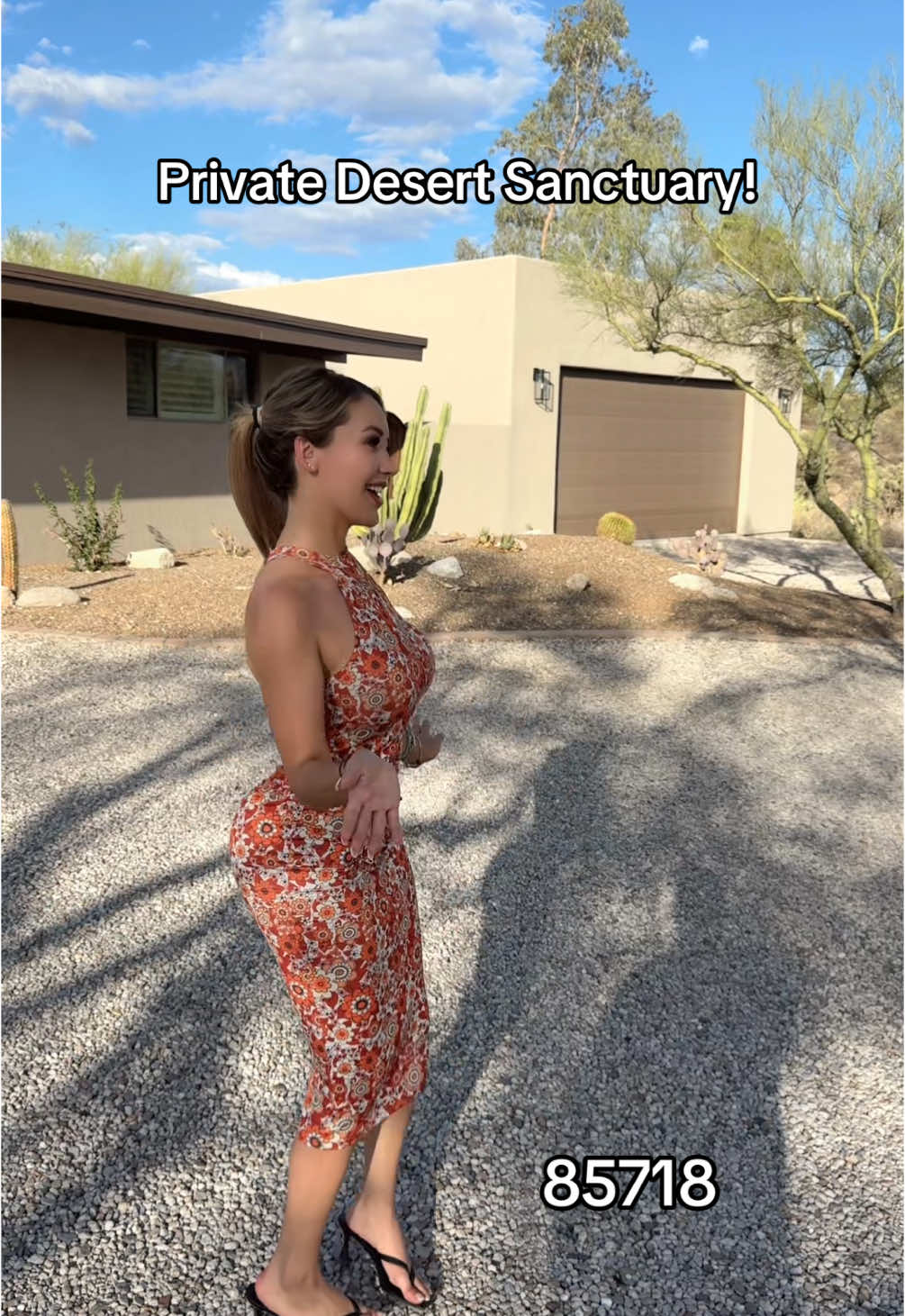
The aspirational desert lifestyle pitch clashes hilariously with the modest modern home, sparking debate about pricing and realtor desperation. People love roasting the gap between marketing hype and reality, which drives engagement through humor and relatable skepticism.
This hits because it captures the unspoken tension in real estate—clients who are objectively problematic but have financial backing, forcing agents to smile through the awkwardness. The humor comes from that relatable professional compromise.
People crave the real numbers behind homeownership, especially from someone navigating it solo for the first time. The relatable vulnerability of showing actual monthly costs breaks through the aspirational real estate content noise and hits the practical anxiety point where most first-time buyers actually live.
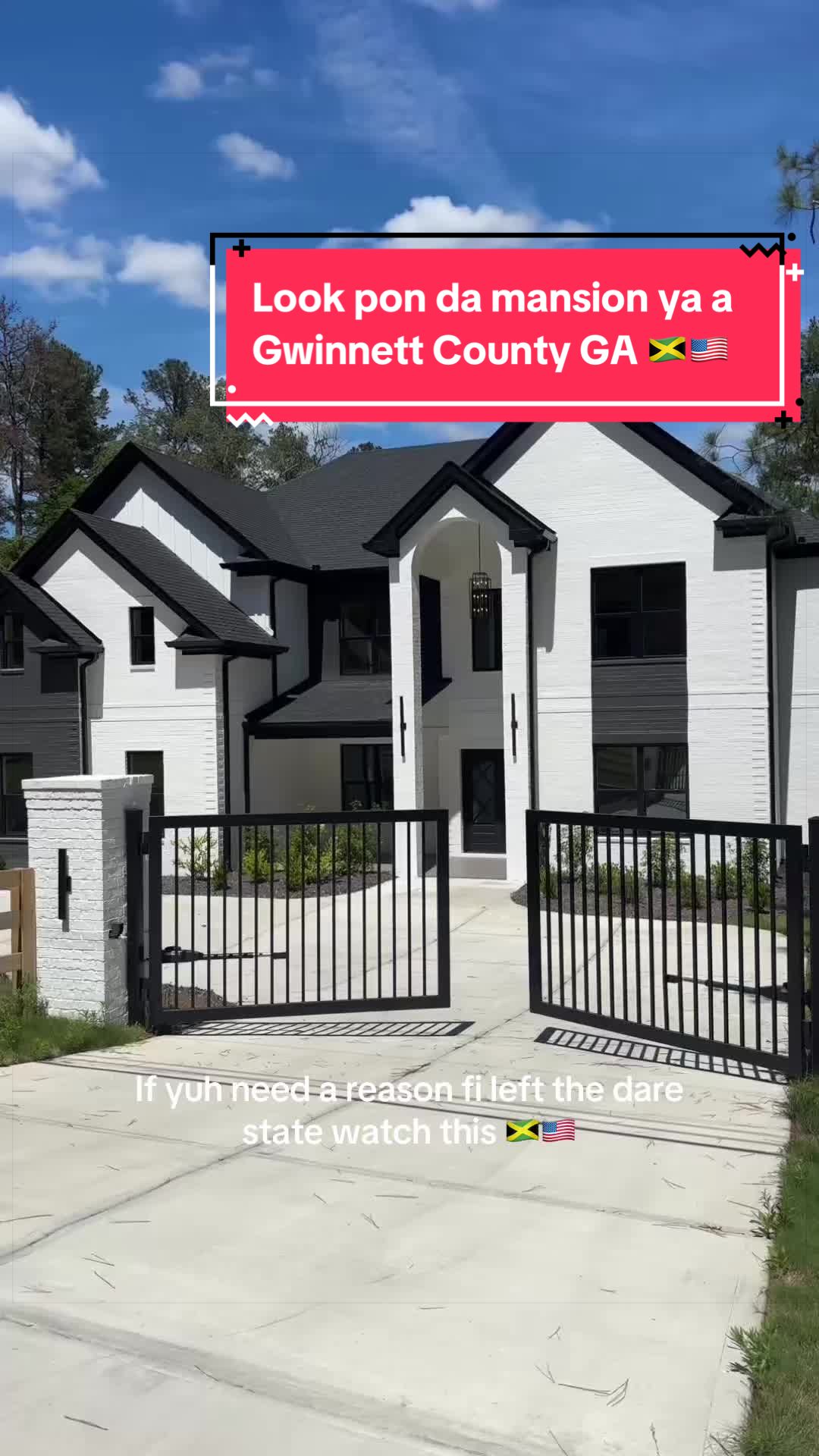
The Jamaican Patois hook paired with a genuinely impressive property creates an accessible entry point that feels authentic rather than salesy. People are drawn to the personality and specificity, then stay because the house actually delivers on the hype.
People love watching someone genuinely excited about building a new life from scratch. The haul format taps into that fantasy of a fresh start, and pairing it with a realtor creates built-in credibility and aspiration. The massive save rate shows viewers are actually collecting these product ideas for their own homes.
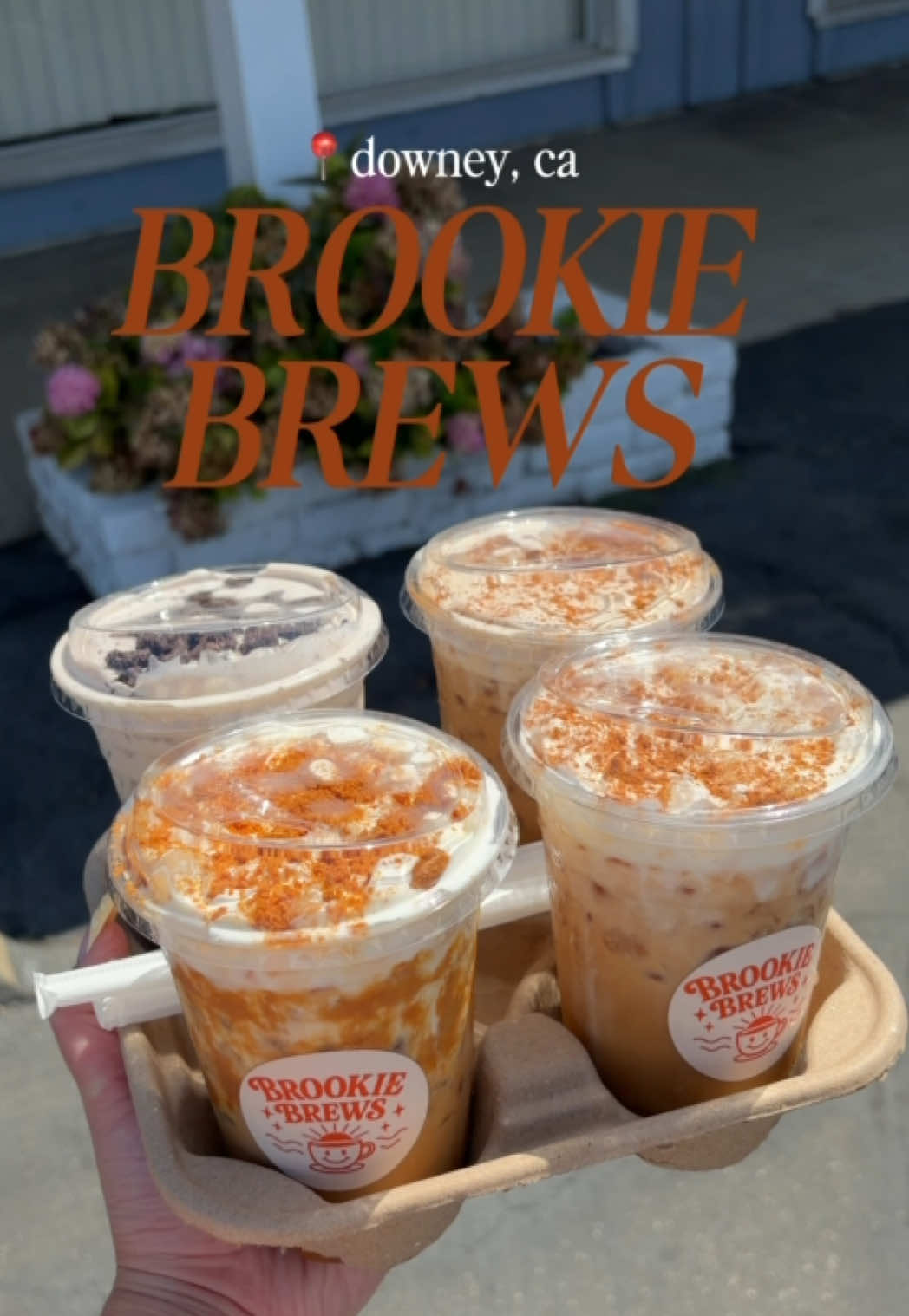
Local coffee spots with visually appealing drinks and a specific location hook perform exceptionally well because they tap into discovery and urgency. People want to know exactly where to find something beautiful and unique in their area, making this feel like a genuine recommendation rather than an ad.
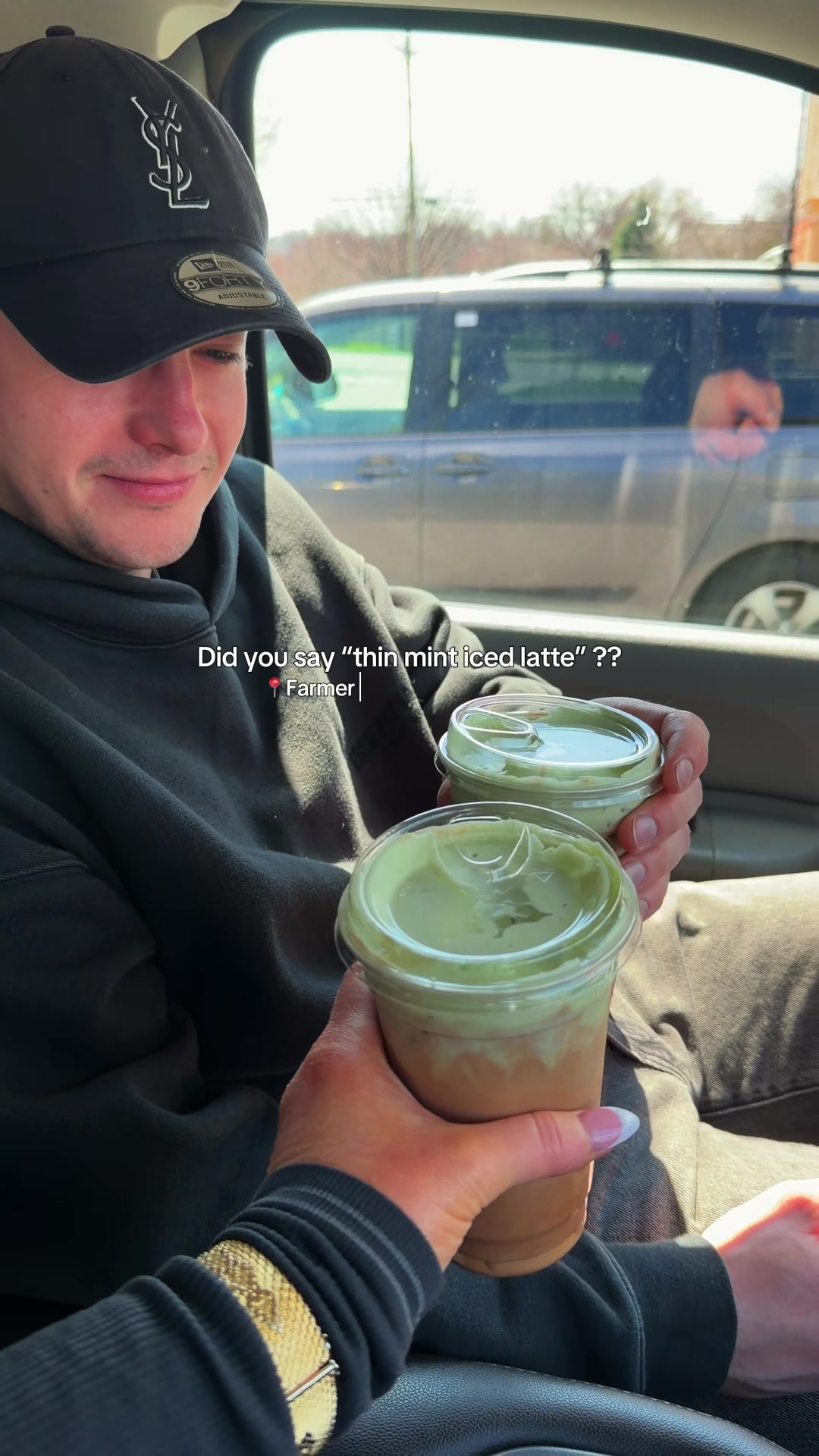
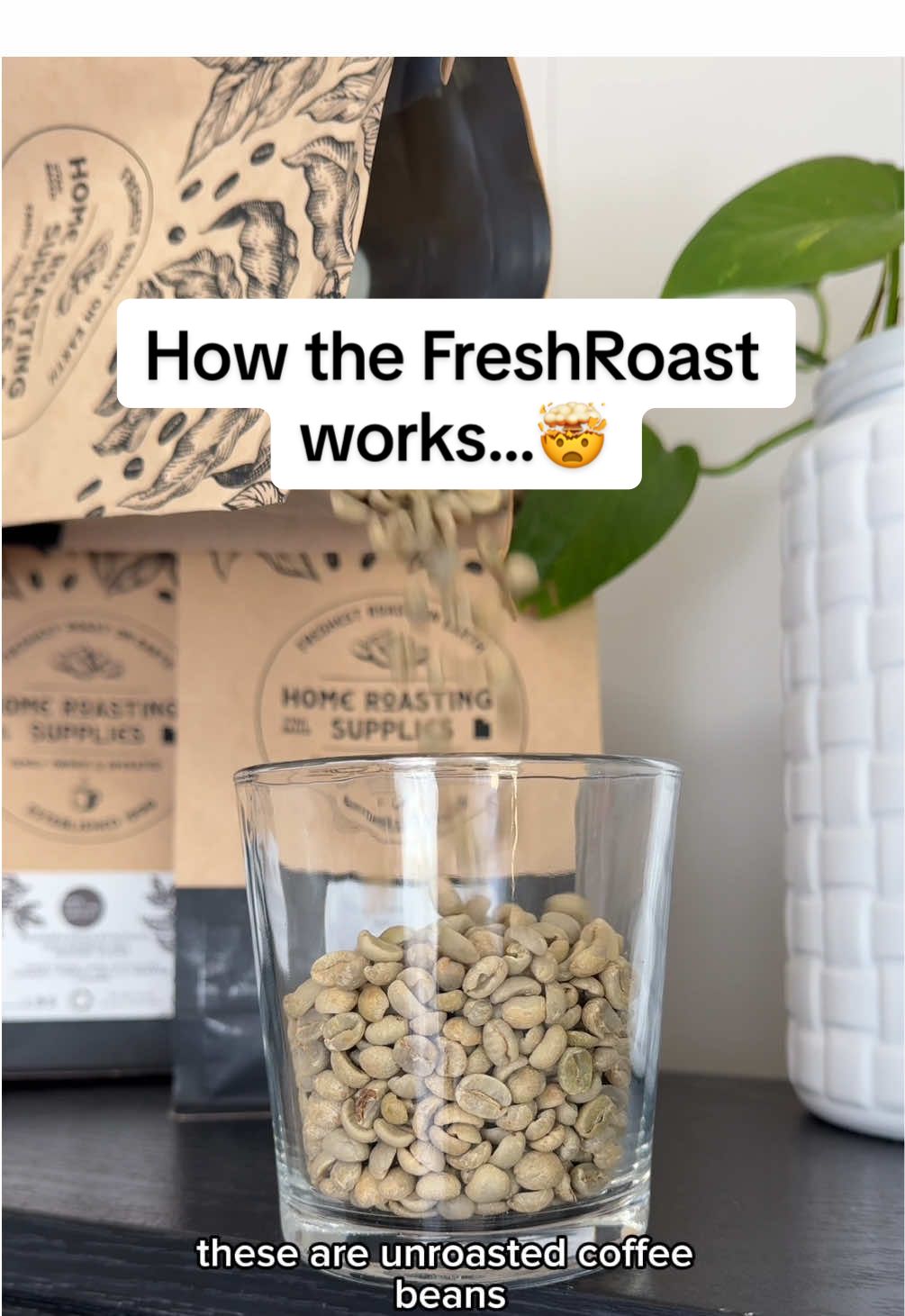
People love watching niche hobbies explained, especially when there's built-in debate potential. The roast level sparked immediate discussion because coffee enthusiasts have strong opinions, turning passive viewing into active conversation.
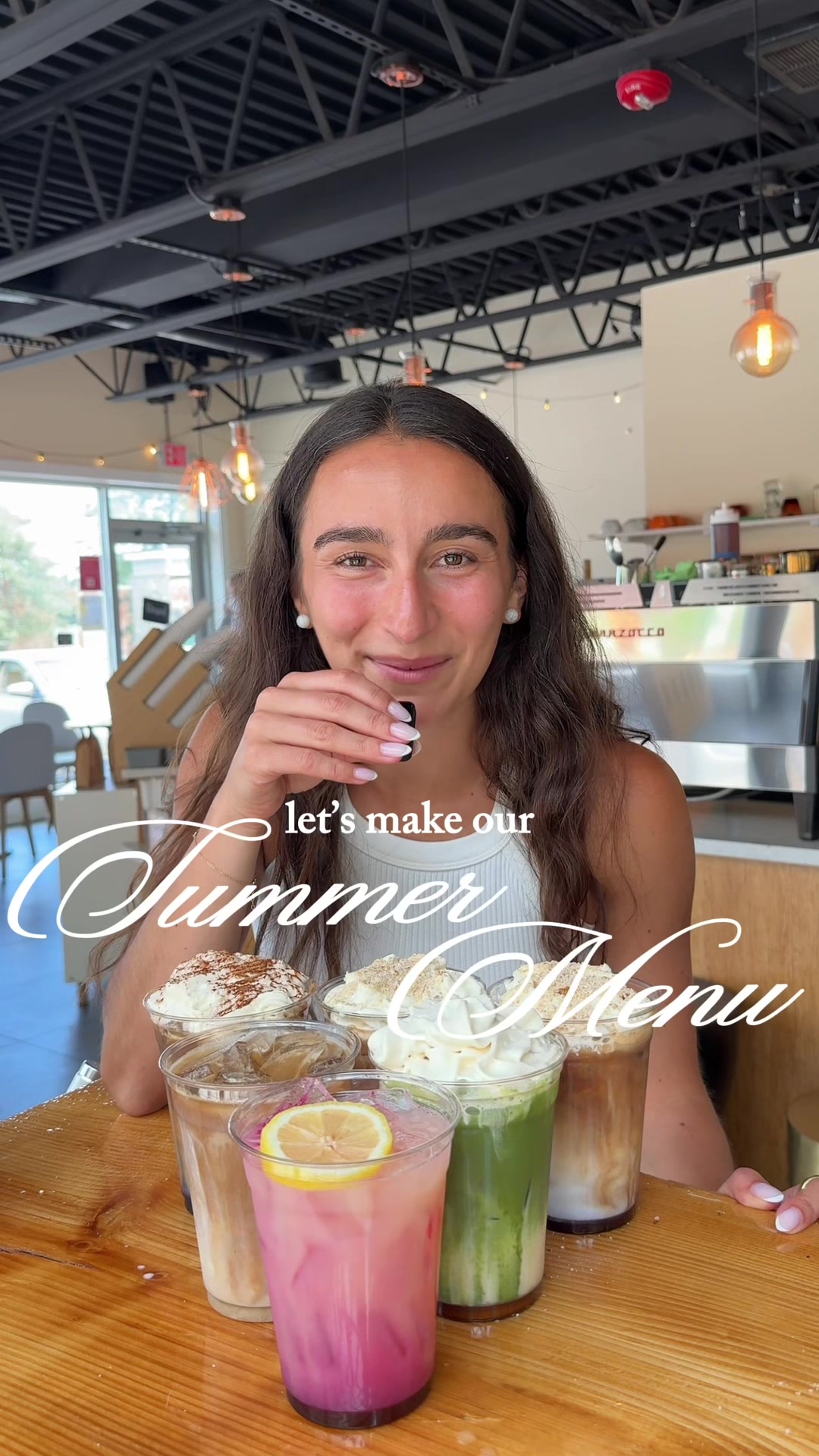
The menu reveal taps into summer planning energy and café aspirationalism, but the real hook is the debate brewing in comments. People are invested enough to argue about technique, which signals this content sits in a sweet spot between inspiration and credibility challenge.
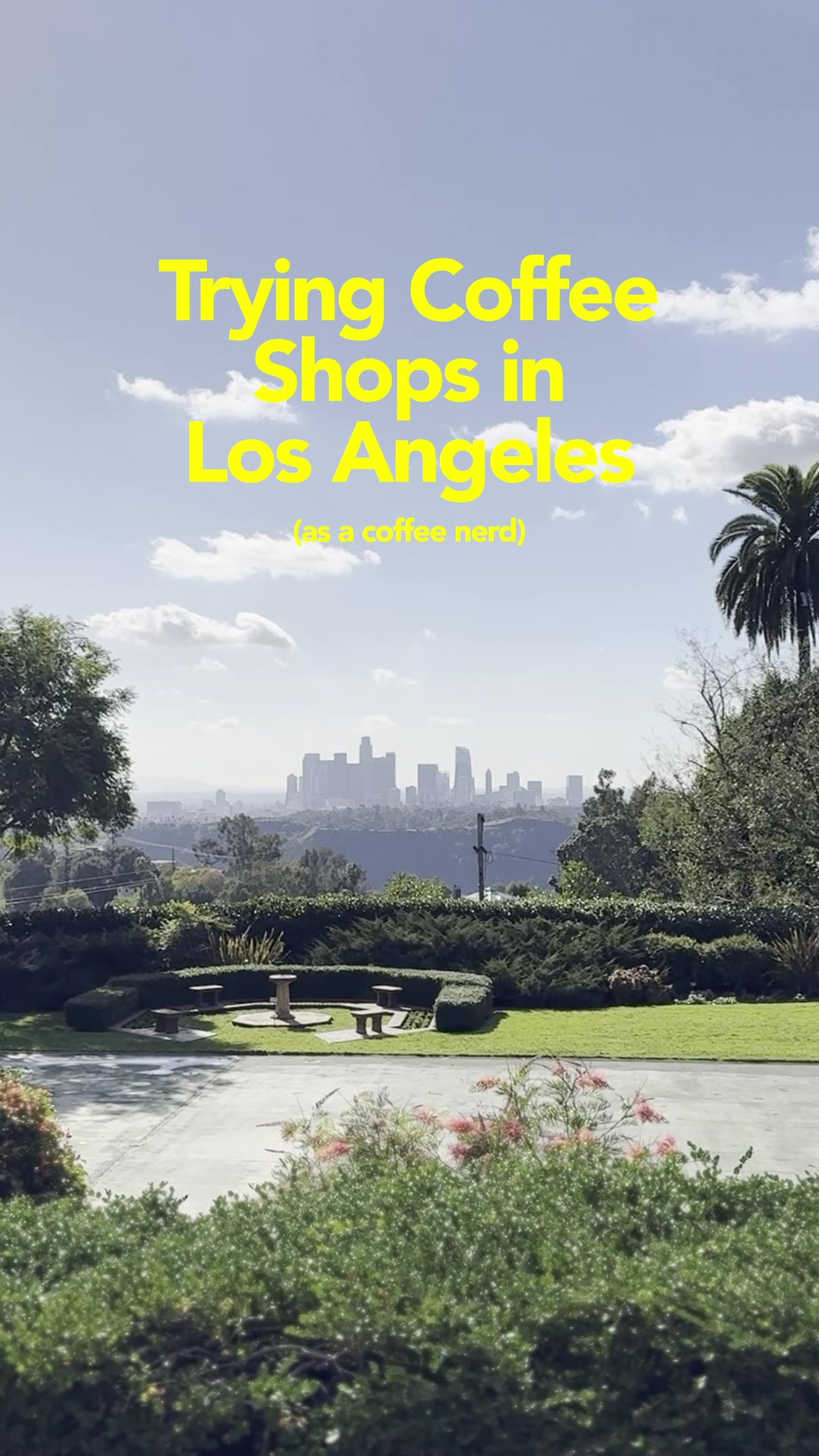
Local exploration content with a series framework builds trust and drives real-world action. People want a guide to their own city, especially when it's tied to a niche passion like specialty coffee. The episodic format keeps them coming back.
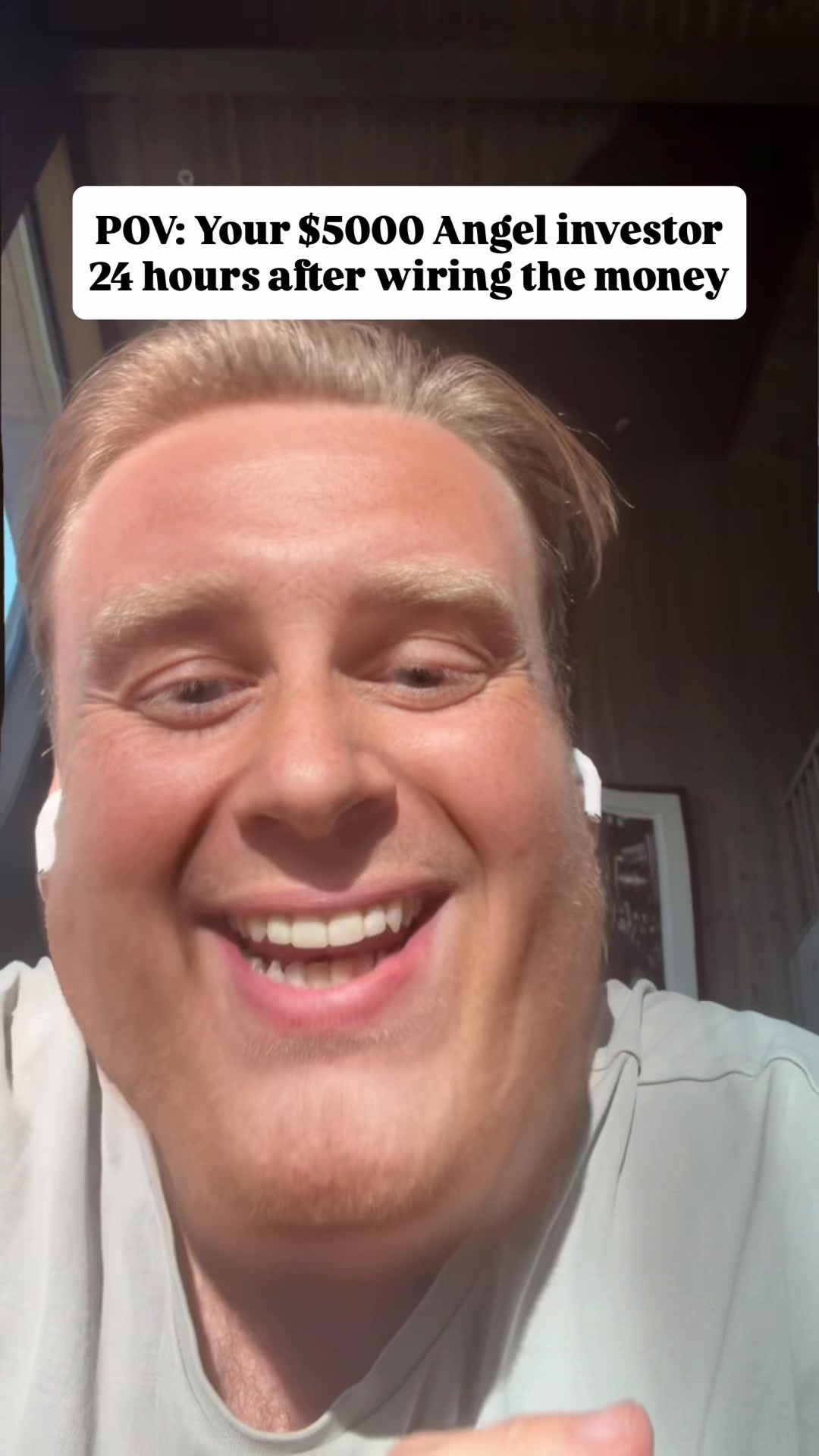
The post nails the universal startup founder frustration with small-stake investors who suddenly act like board members. It's relatable because founders recognize themselves in this dynamic, and the exaggerated expression sells the joke about ego inflation.
The post taps into creator insecurity by framing personal branding as essential, then delivers relief through a relatable, aspirational visual. The candid moment with the coffee grounds the abstract concept in something tangible, making personal branding feel less intimidating and more about vibe than strategy.
The post hits a shared pain point (job hunting in a tough market) with honest acknowledgment rather than toxic positivity, making it feel like real advice from someone in the trenches. The specific tool mention transforms it from venting into practical value people actually want to save and share.
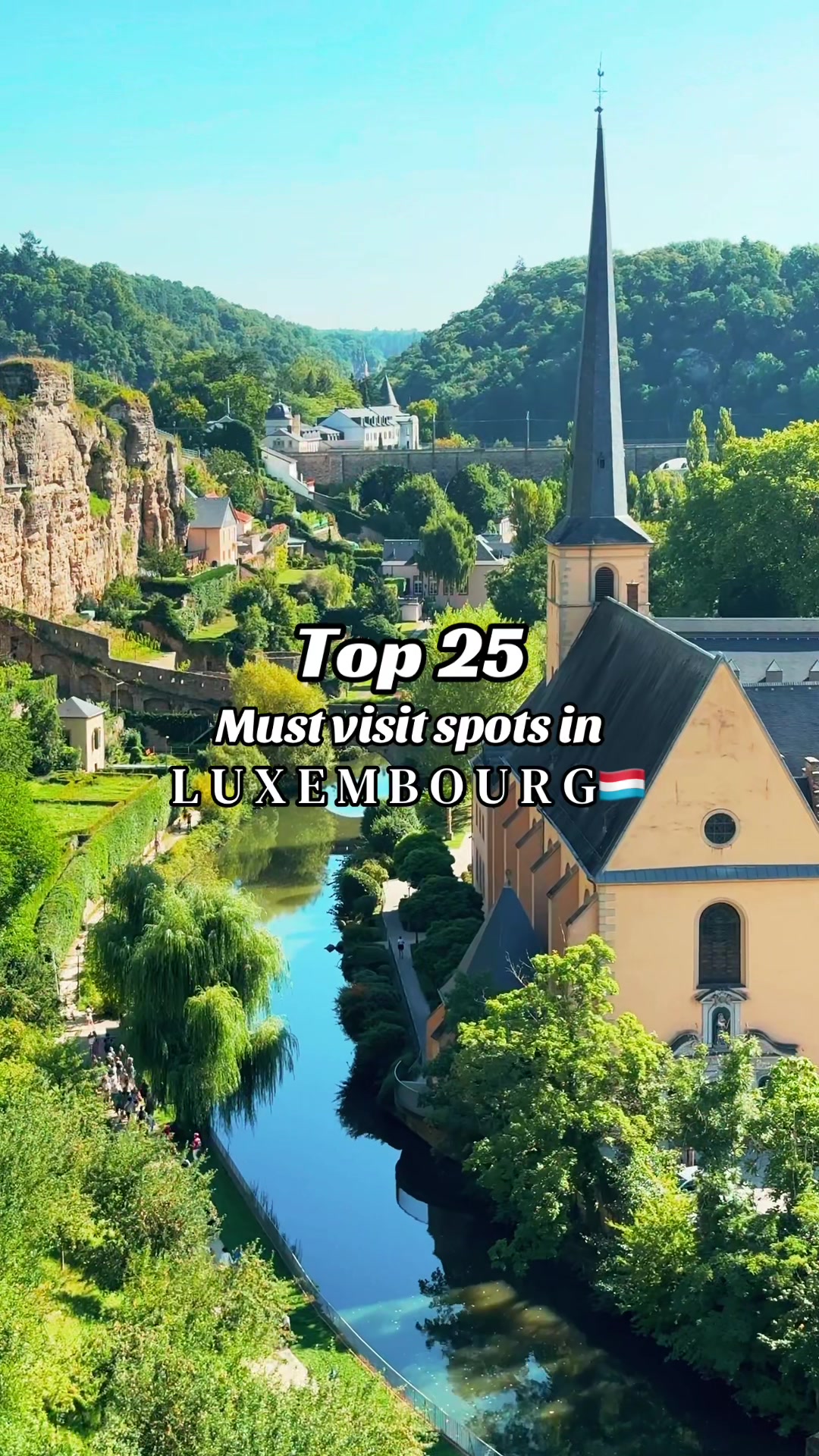
Stunning aerial cinematography of a picturesque European destination taps into wanderlust and practical travel planning. The "Top 25" format gives people actionable itineraries they can save and reference, making it useful beyond just aesthetible scrolling.
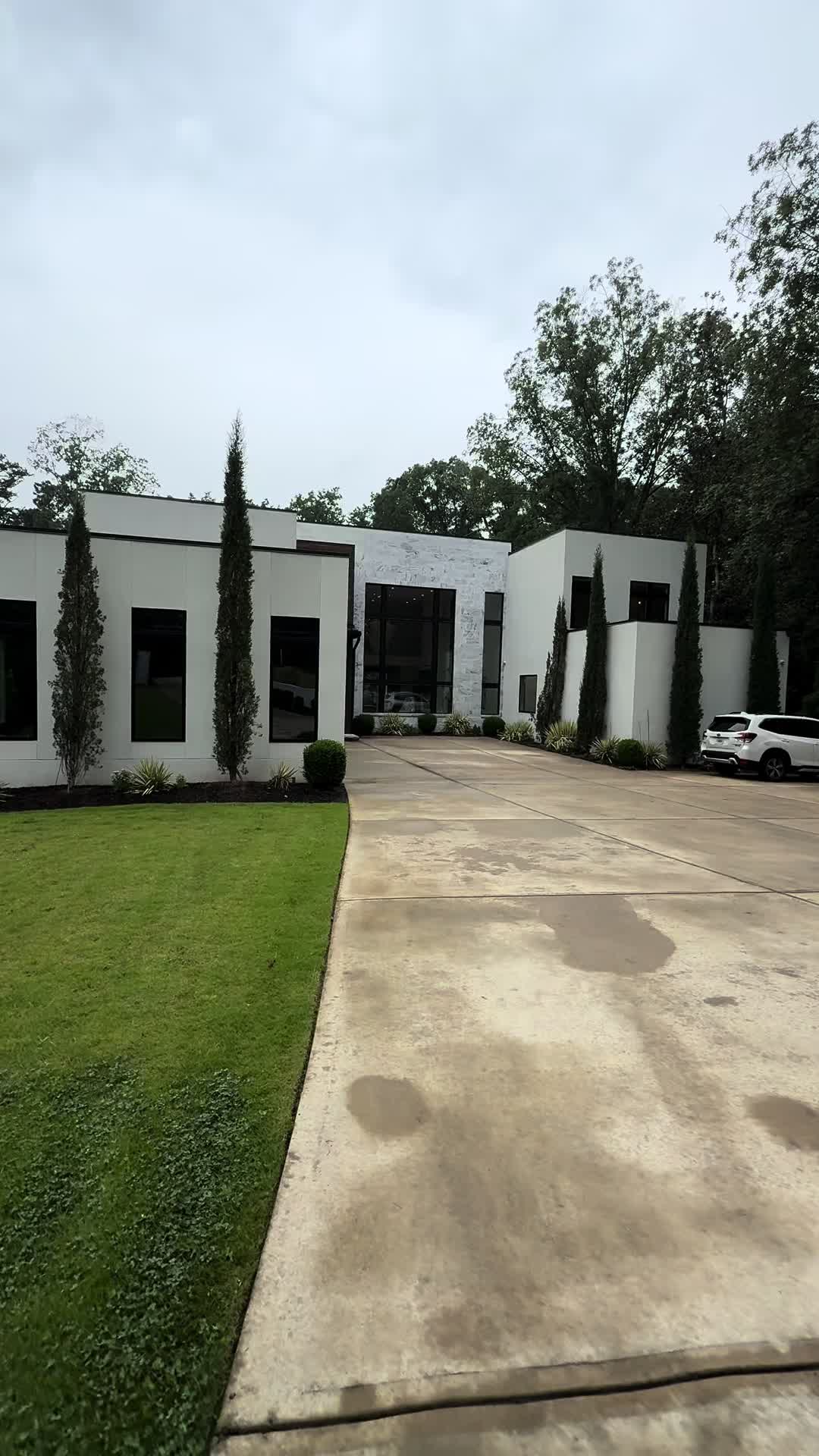
The aspirational architecture paired with cinematic presentation created a fantasy moment that feels achievable, not unattainable. People save and share homes they imagine themselves in, and the modern minimalist design with resort amenities hits the emotional sweet spot between luxury and livability.

The talking head format paired with contrarian advice hits hard because it feels like genuine wisdom from someone who gets it, not marketing speak. People save and share this because it validates a strategy they're already considering but doubted.
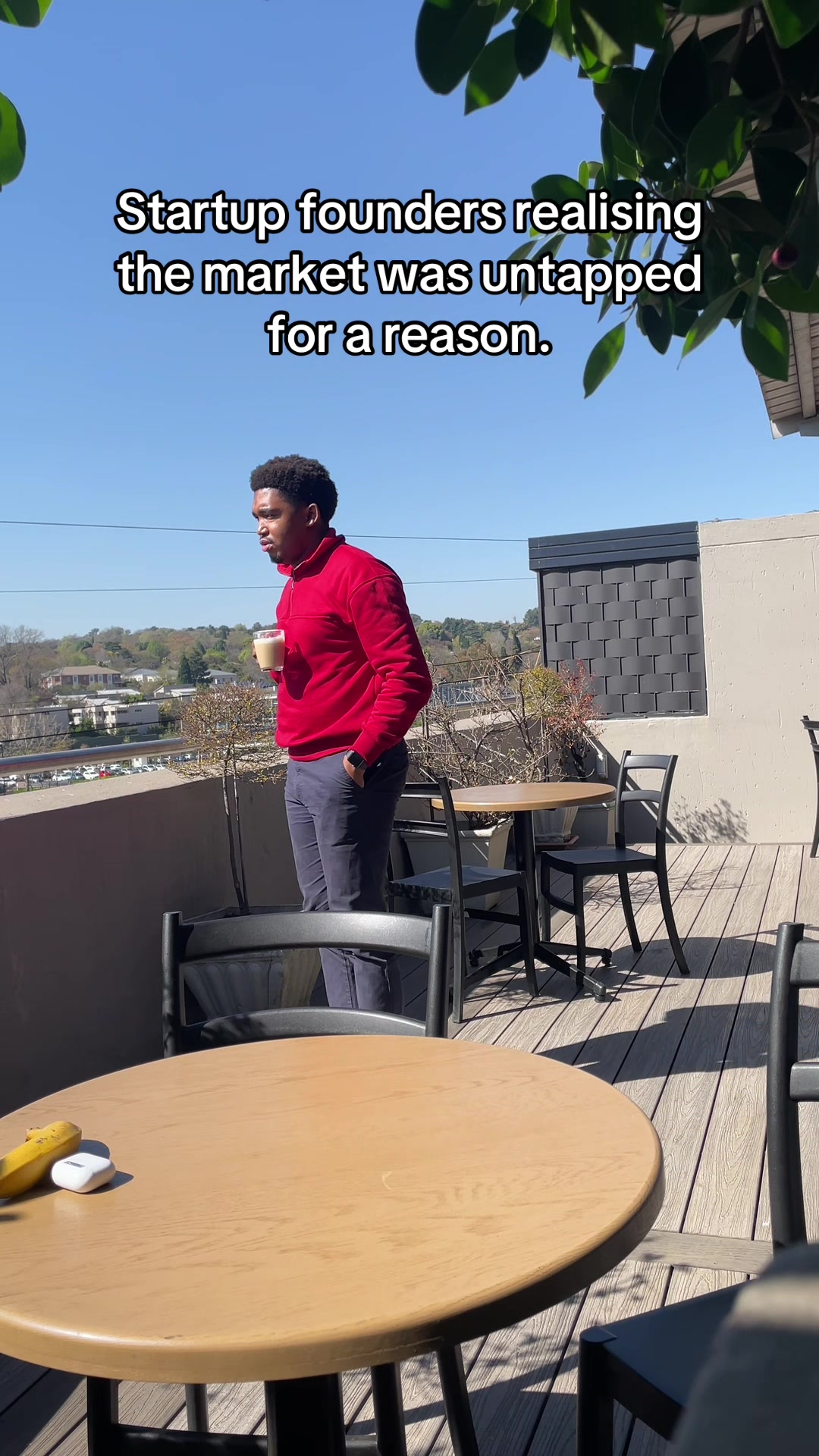
The post nails the self-aware founder struggle by flipping the script on startup hype. The joke cuts deeper than surface-level humor because it touches on a real fear—that your idea might solve a problem nobody actually has or cares enough to pay for. People engage hard because they either recognize themselves in it or find the honesty refreshing.
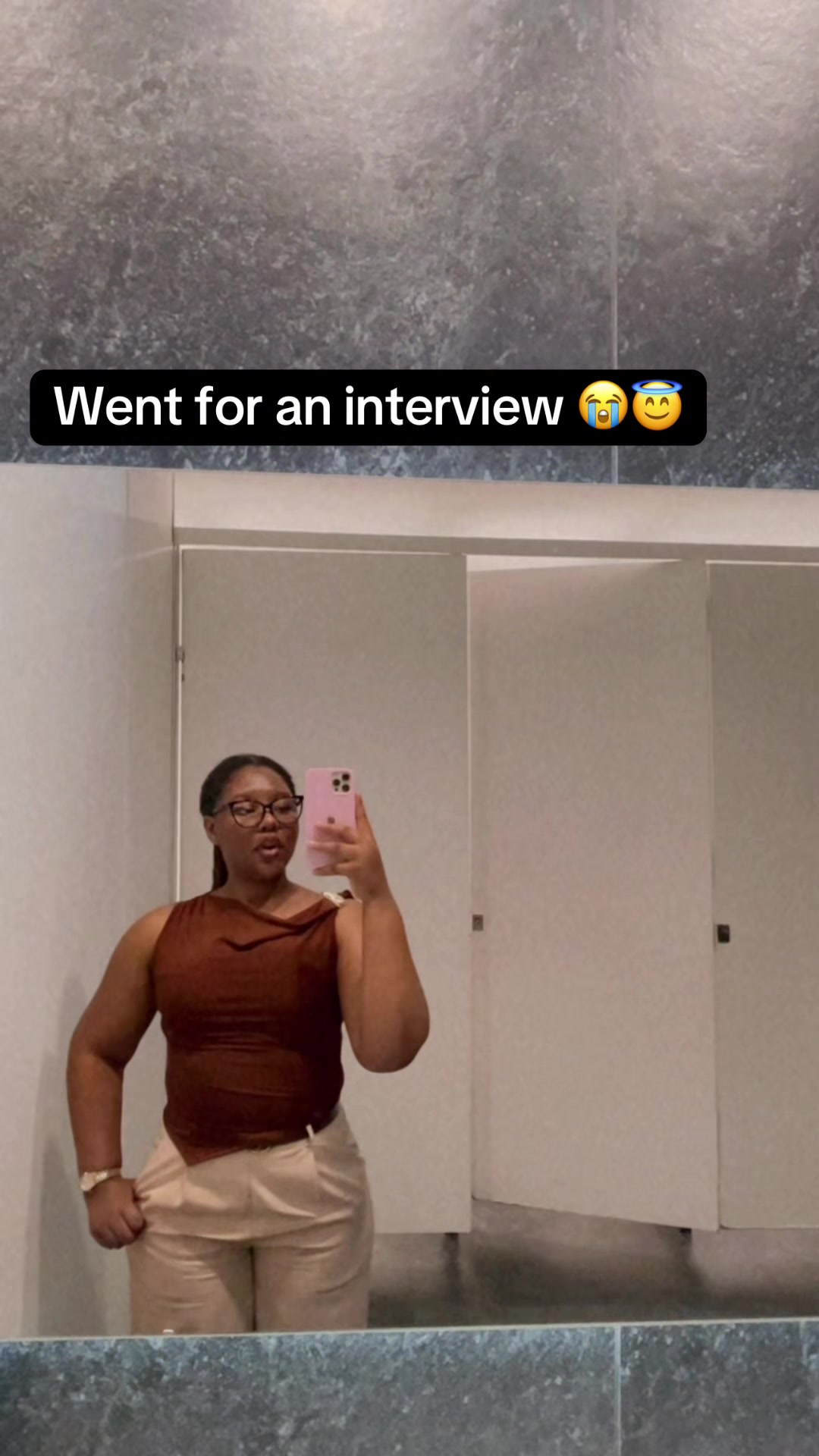
This taps into the universal relief of escape. After years grinding through call centers, the raw emotion of finally breaking free feels earned and honest, making viewers who are stuck in their own cycles feel seen and hopeful.
The post taps into a gap between conventional business wisdom and deeper meaning-making. By asserting that spiritual forces underpin market success, it reframes entrepreneurship as something beyond tactics and data, giving ambitious people permission to trust intuition and purpose over spreadsheets.

People crave insider knowledge that feels exclusive, and watching an expert quickly dismantle multiple founders hits that sweet spot. The format delivers three separate "gotcha" moments in rapid fire, making it feel like you're getting premium business education compressed into seconds.
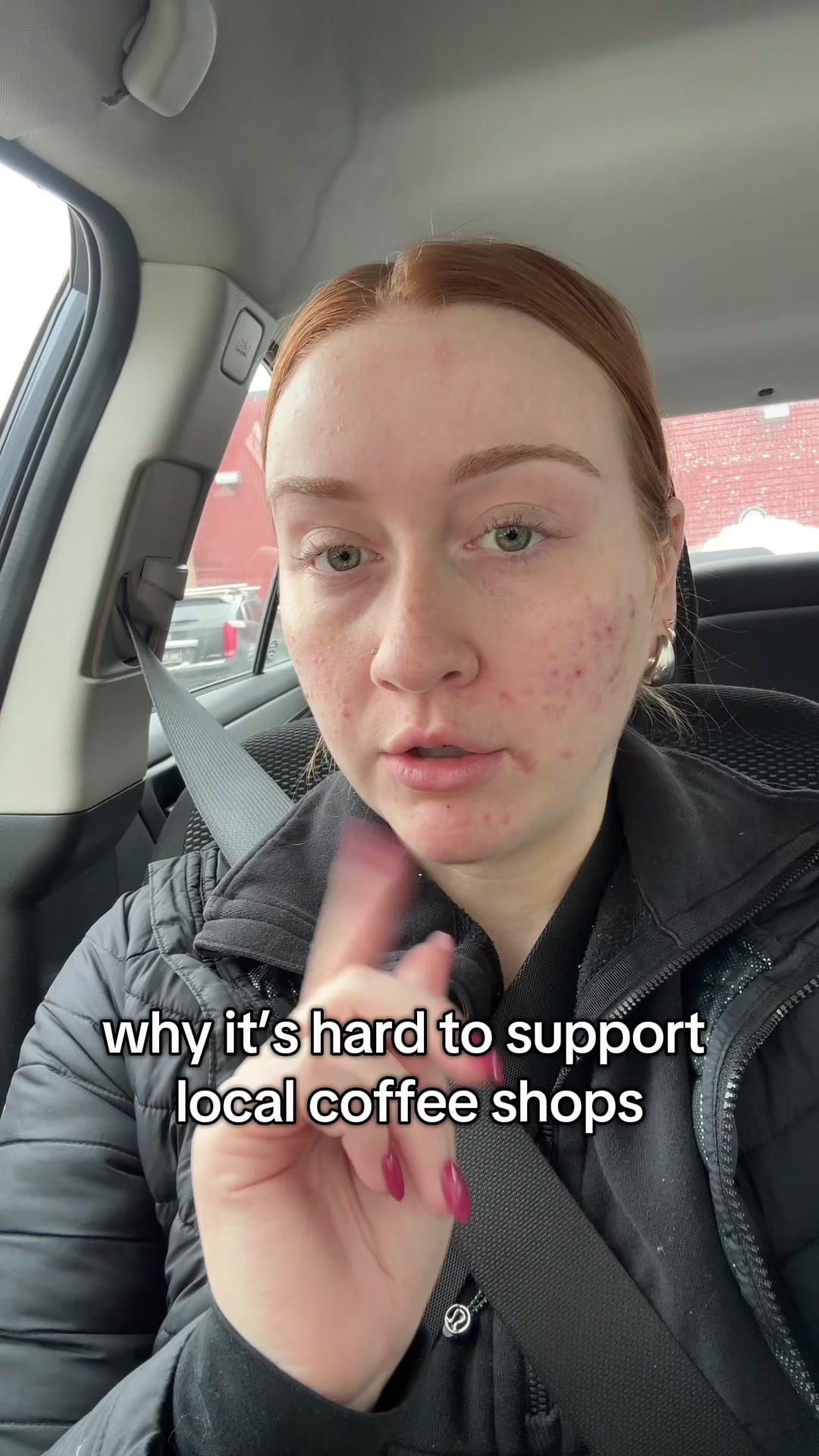
People want to support local coffee shops but feel frustrated by real, fixable problems—awkward hours, uncomfortable spaces, missing amenities. The raw vulnerability and specific complaints make this feel like a shared grievance rather than complaining, which sparks community agreement.
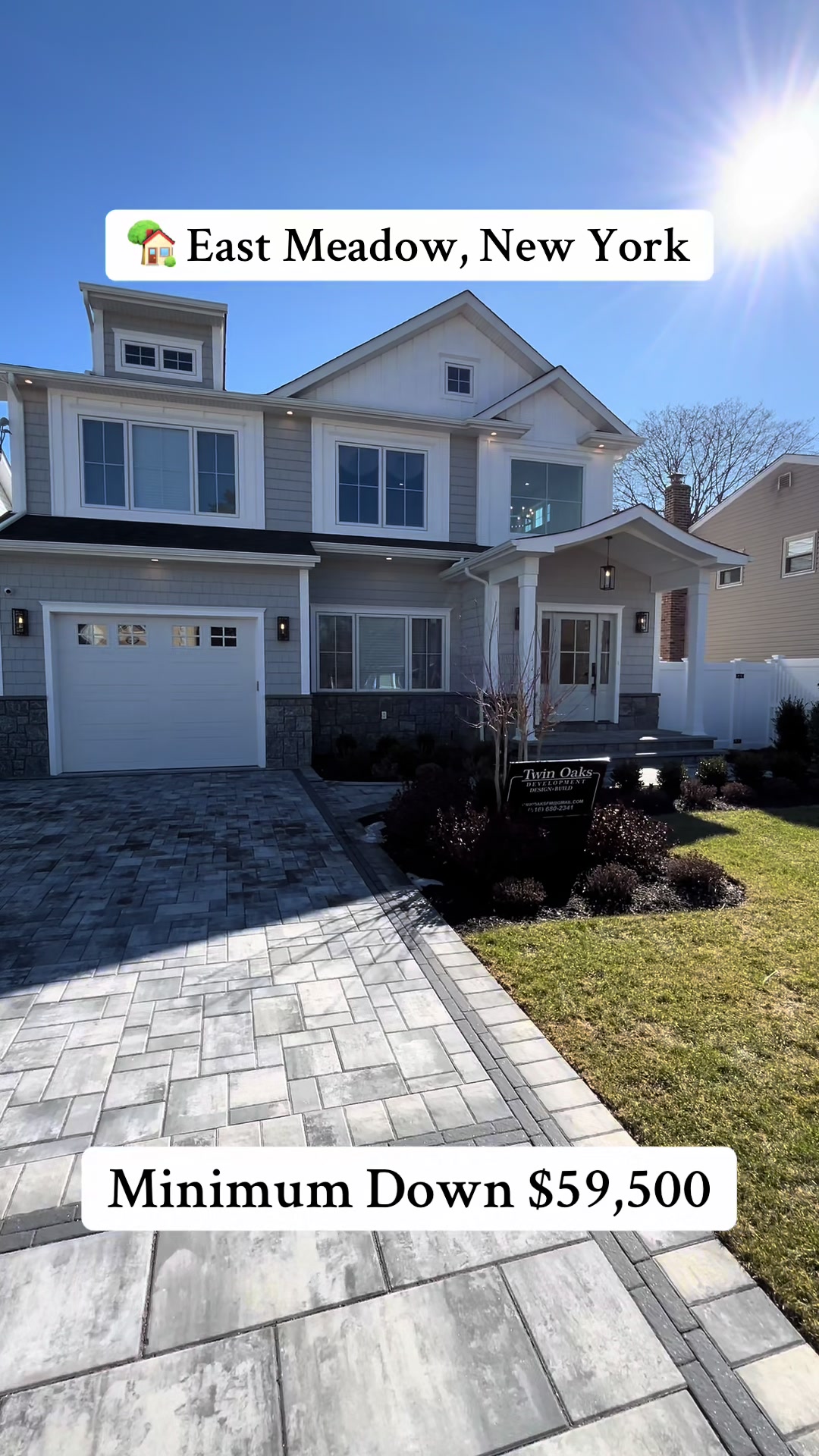
People are fascinated by the gap between what they think New York real estate is and what actually exists. A modern suburban house with a driveway and yard in NY challenges expectations, making it shareable and save-worthy for anyone considering the region.
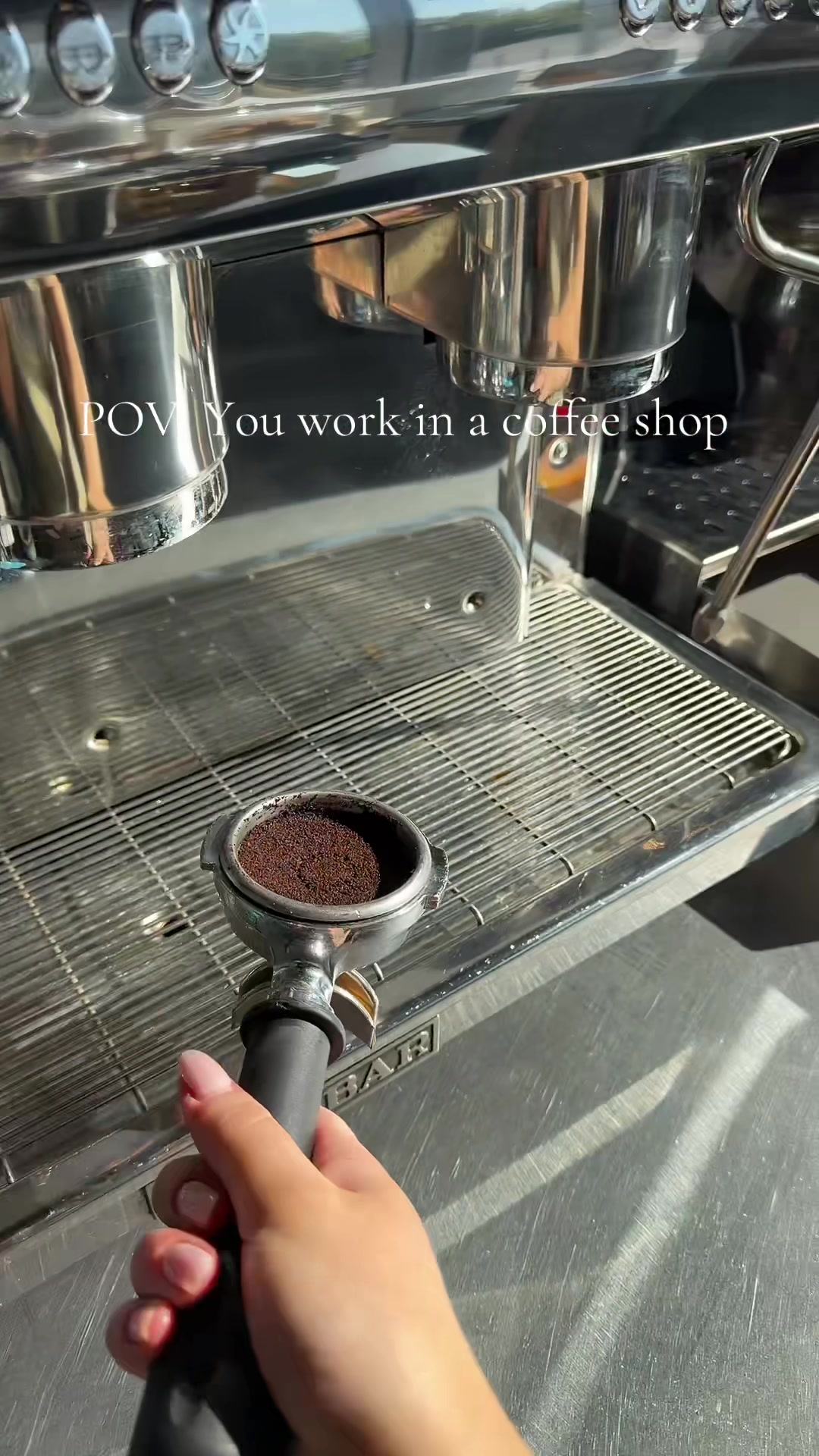
The beauty of espresso machinery and the tactile satisfaction of tamping grounds hits differently when you're already obsessed with coffee culture. This taps into the aspirational fantasy of working somewhere with pristine, high-end equipment while keeping it grounded in the actual craft.
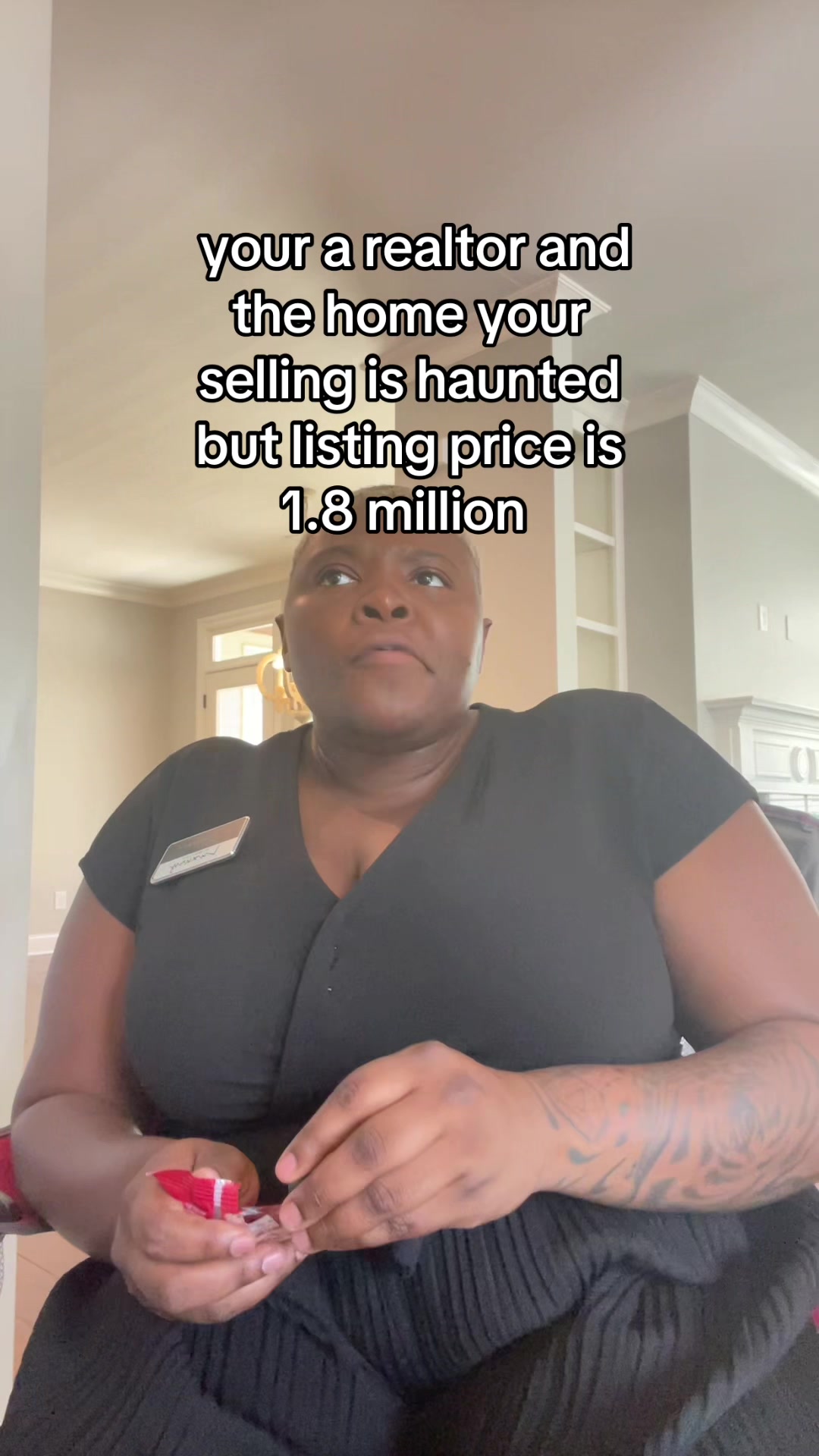
The absurd scenario of a realtor casually accepting a haunted house at premium price taps into real professional frustration—the tension between ethics and commission. It's funny because it mirrors the unspoken dynamics of the industry without being mean-spirited.
Direct, unfiltered affirmation from someone who clearly believes what they're saying cuts through the noise. People aren't looking for polished inspiration, they're looking for permission to stop apologizing for existing. The genuine delivery and vulnerable subject matter (health struggles in comments) made this feel like advice from someone who's been there, not a script.
This taps into a genuine safety concern realtors face with clients in vulnerable situations, delivered through physical comedy that feels earned rather than performed. The humor works because it acknowledges a real professional tension most realtors experience but rarely voice publicly.
Asking a provocative question that contradicts what people expect to hear taps into the gap between workplace reality and motivational platitudes. The "controversial take" format gets people to engage because they either strongly agree or want to argue.
The staged robbery bit works because it taps into the shared absurdity of real estate—showing homes to strangers while pretending nothing weird is happening. It's funny because realtors live this reality, making the exaggeration feel painfully true.
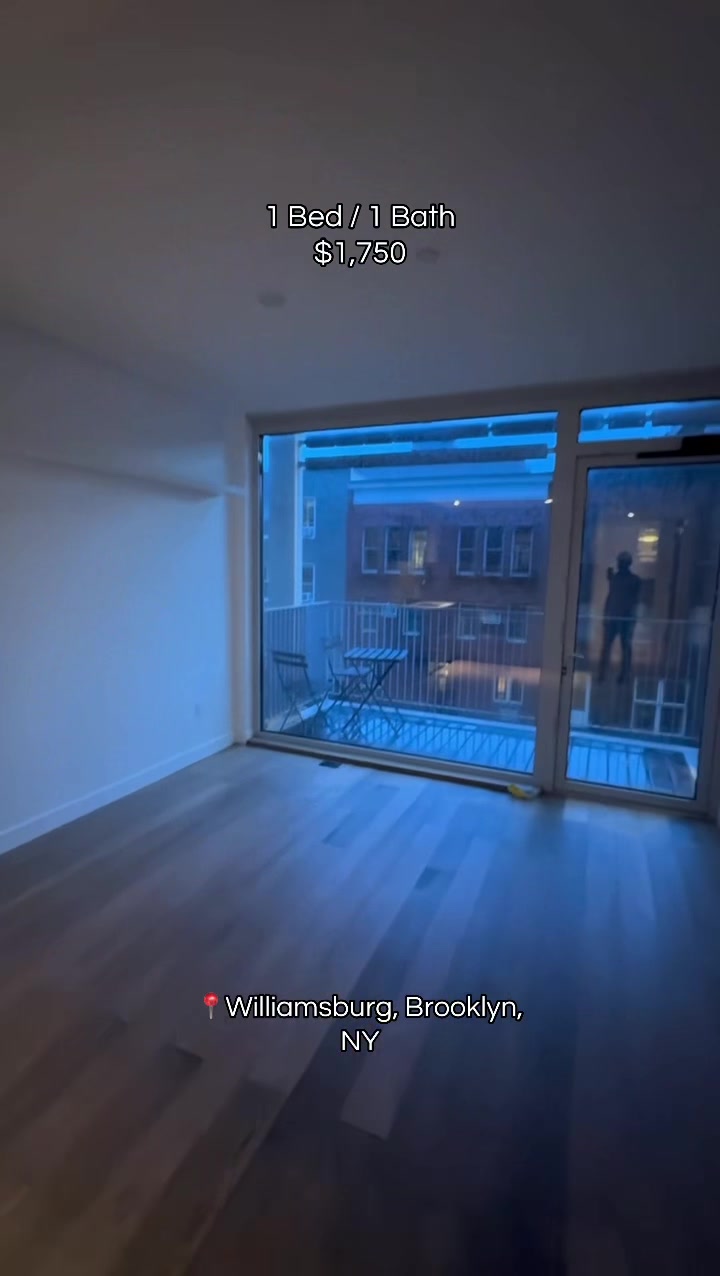
The quiet luxury aesthetic and honest pricing transparency trigger aspiration without intimidation. People save it because it feels attainable and real, not like a fantasy penthouse. The blue hour lighting and minimal staging let the space breathe, making viewers imagine themselves there rather than just admiring from afar.
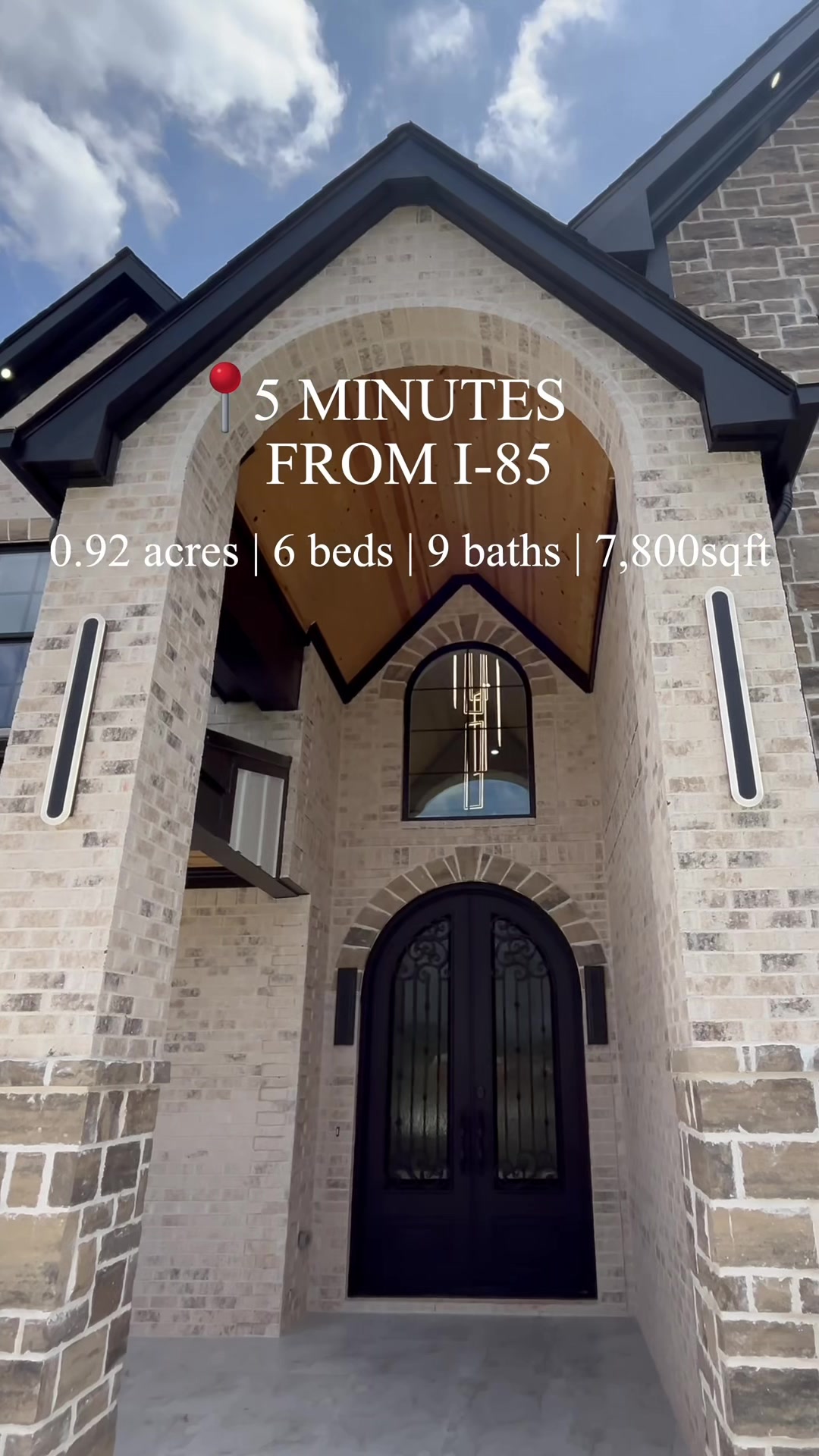
The post hooks viewers with location scarcity ("5 minutes from I-85") and architectural drama, making a luxury property feel attainable and discussable rather than untouchable. Asking "Would you have bought it?" transforms a listing into a personal choice moment, sparking genuine debate about value.
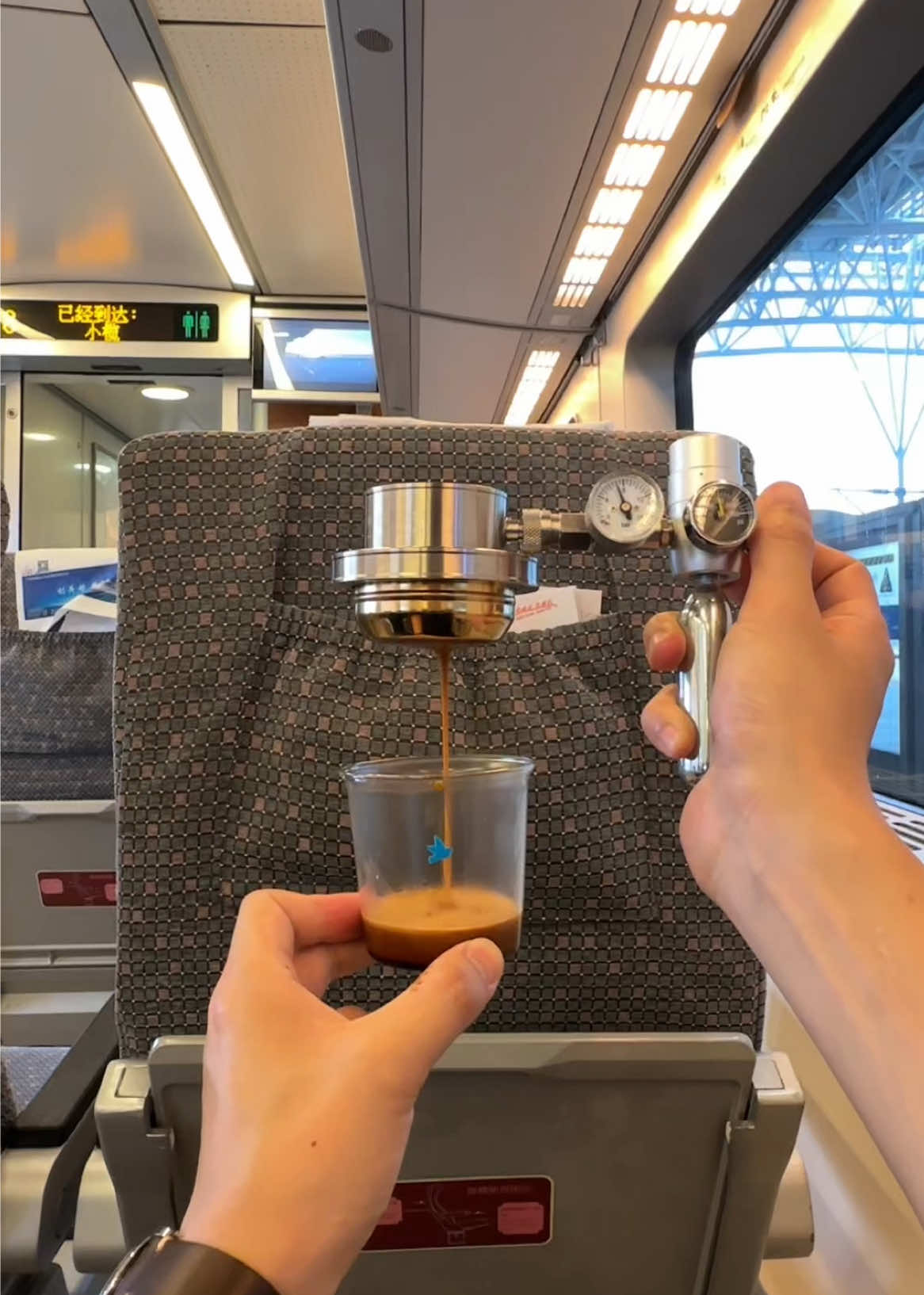
Capturing specialty coffee in an unexpected location (a train) taps into the aspirational yet accessible luxury vibe. The novelty of watching a perfectly pulled espresso happen in transit, combined with the tactile satisfaction of the pour, creates that irresistible "wait, how is this happening right now" moment.
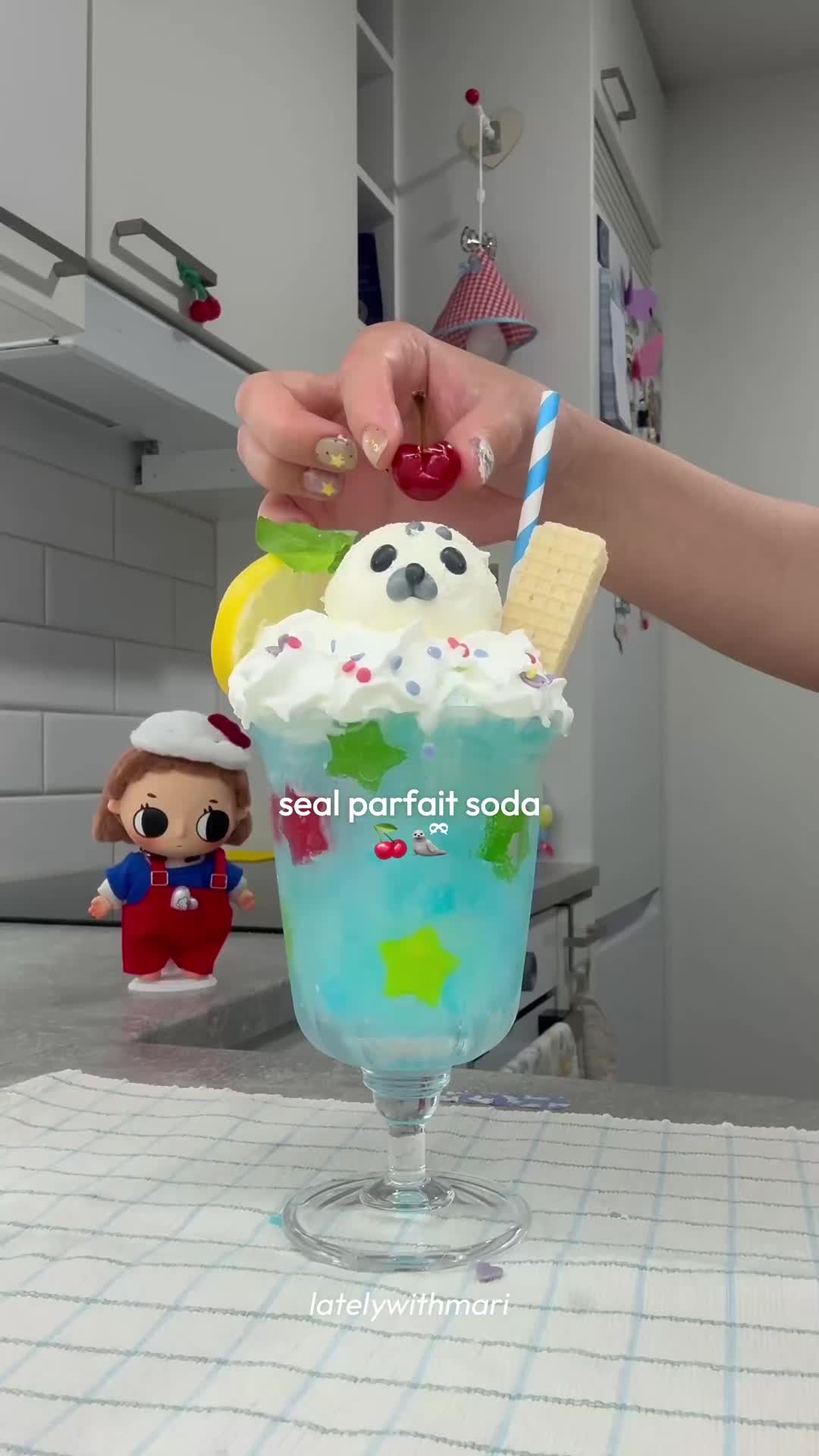
People love seeing beloved game aesthetics translated into real, edible form—it's the sweet spot where nostalgia, creativity, and visual satisfaction collide. The seal character and pastel colors make it inherently shareable and saveable.
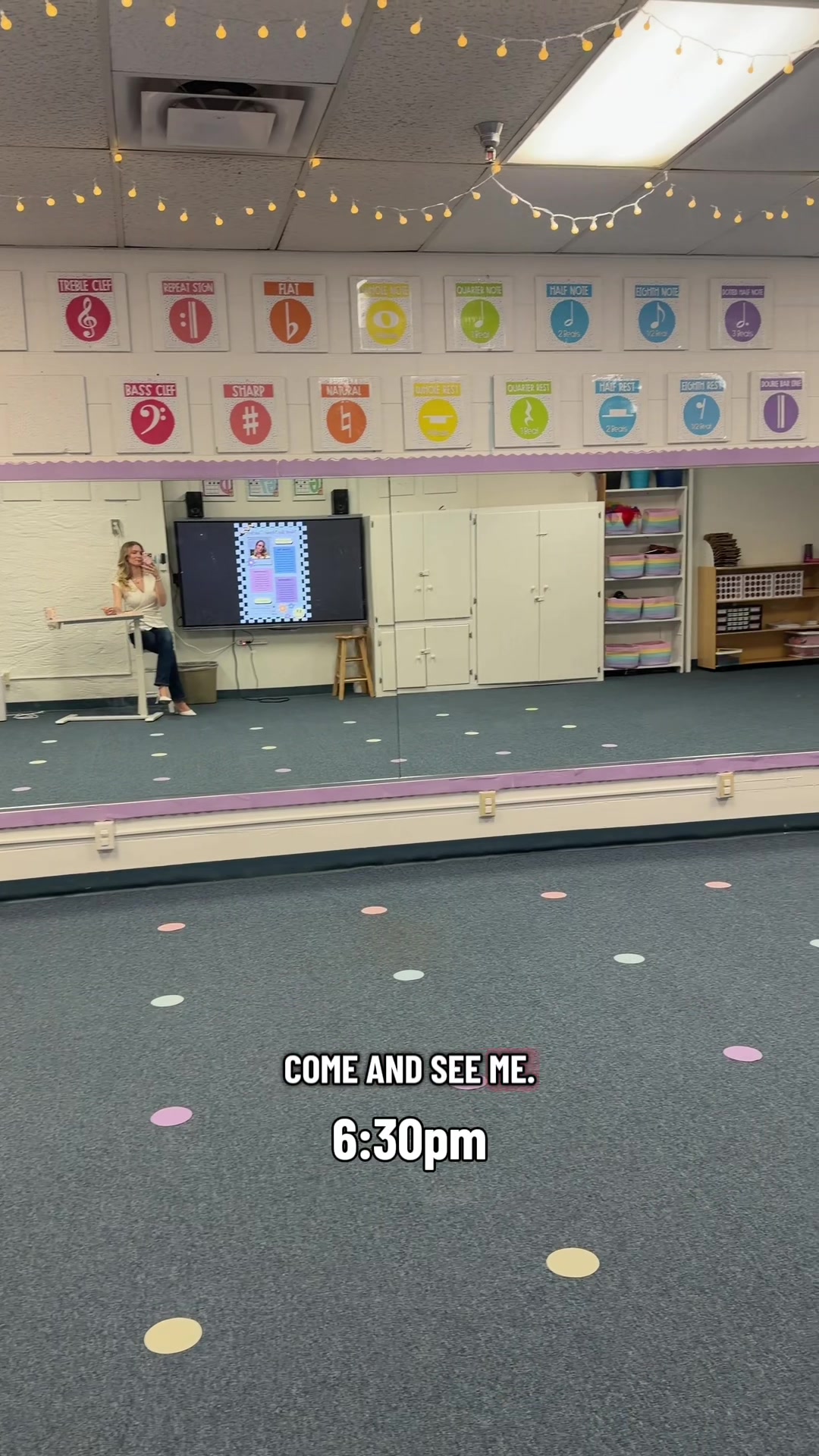
This taps into a relatable frustration specialists face at open house—being invisible despite their crucial role. The humor of sitting alone with a book while the main classroom gets flooded validates a real professional blind spot parents have, sparking both commiseration and practical problem-solving in comments.
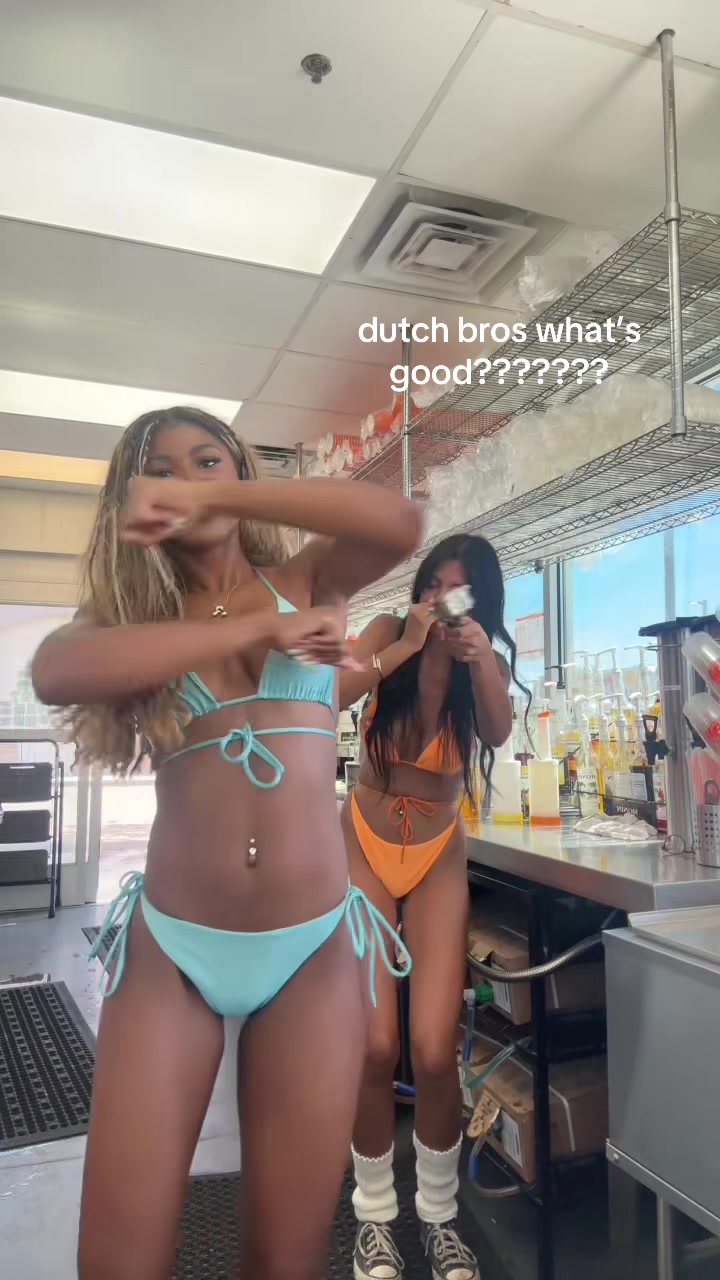
The post taps into a specific local phenomenon—a coffee shop known for its aesthetic appeal and staff presence—and frames it as insider knowledge ("we already know"). People engage because it feels like discovering a spot that's become culturally significant beyond just serving coffee.
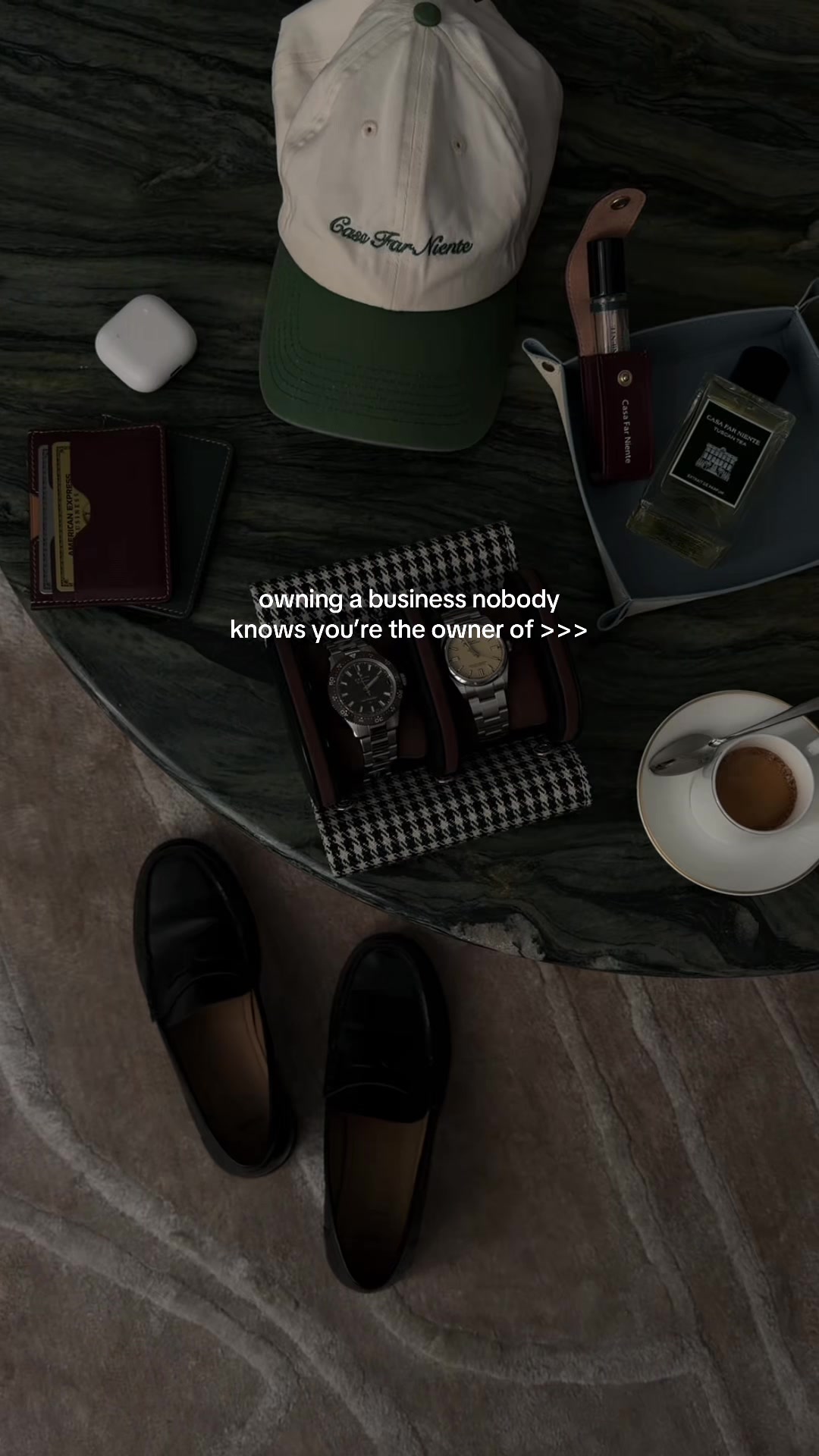
The post taps into aspirational entrepreneurship without the hustle-culture preaching. By showing luxury goods paired with a real truth—that business ownership is invisible labor—it speaks to people who want success on their own terms, not the Instagram-famous version.

Local real estate takes spark harder when they're playful and self-aware. The realtor angle paired with a cheeky attitude about neighborhood preferences created permission for people to share their own Houston housing situations and opinions without it feeling like a sales pitch.
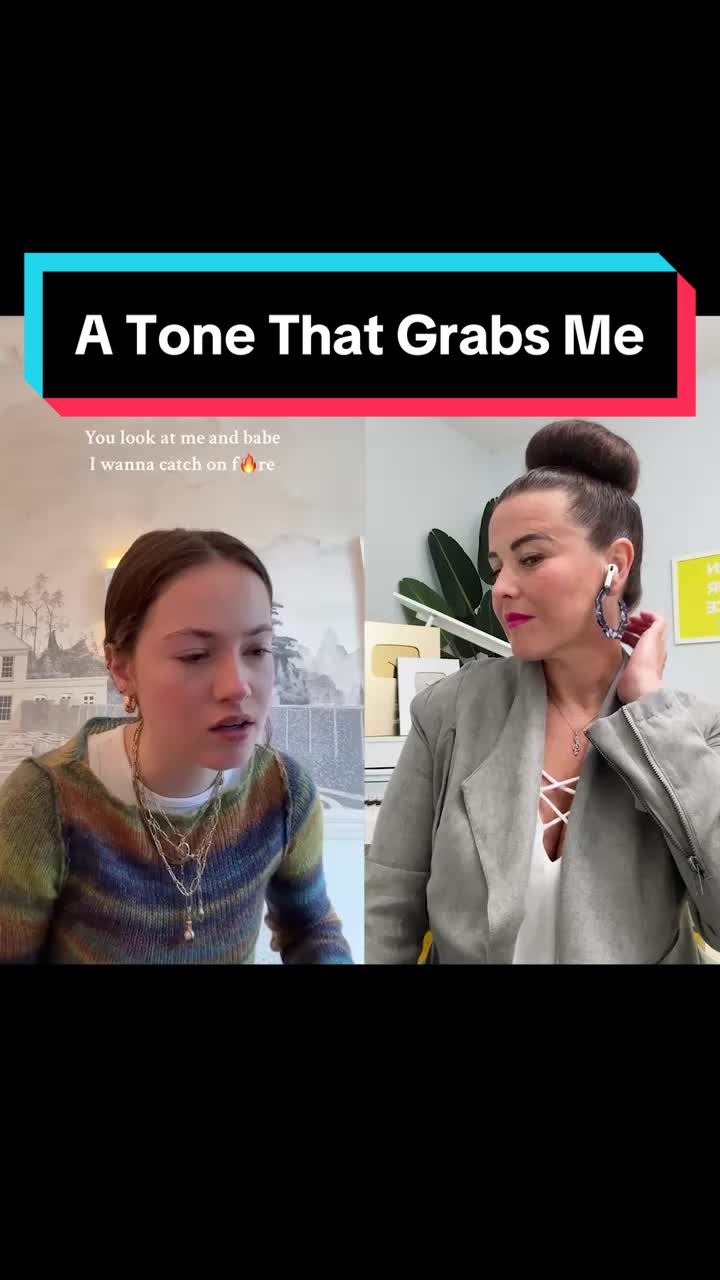
The post taps into genuine admiration between two people—one discovering another's talent for the first time. The raw reaction of "I'm impressed" feels earned and unscripted, which makes it shareable and rewatchable.
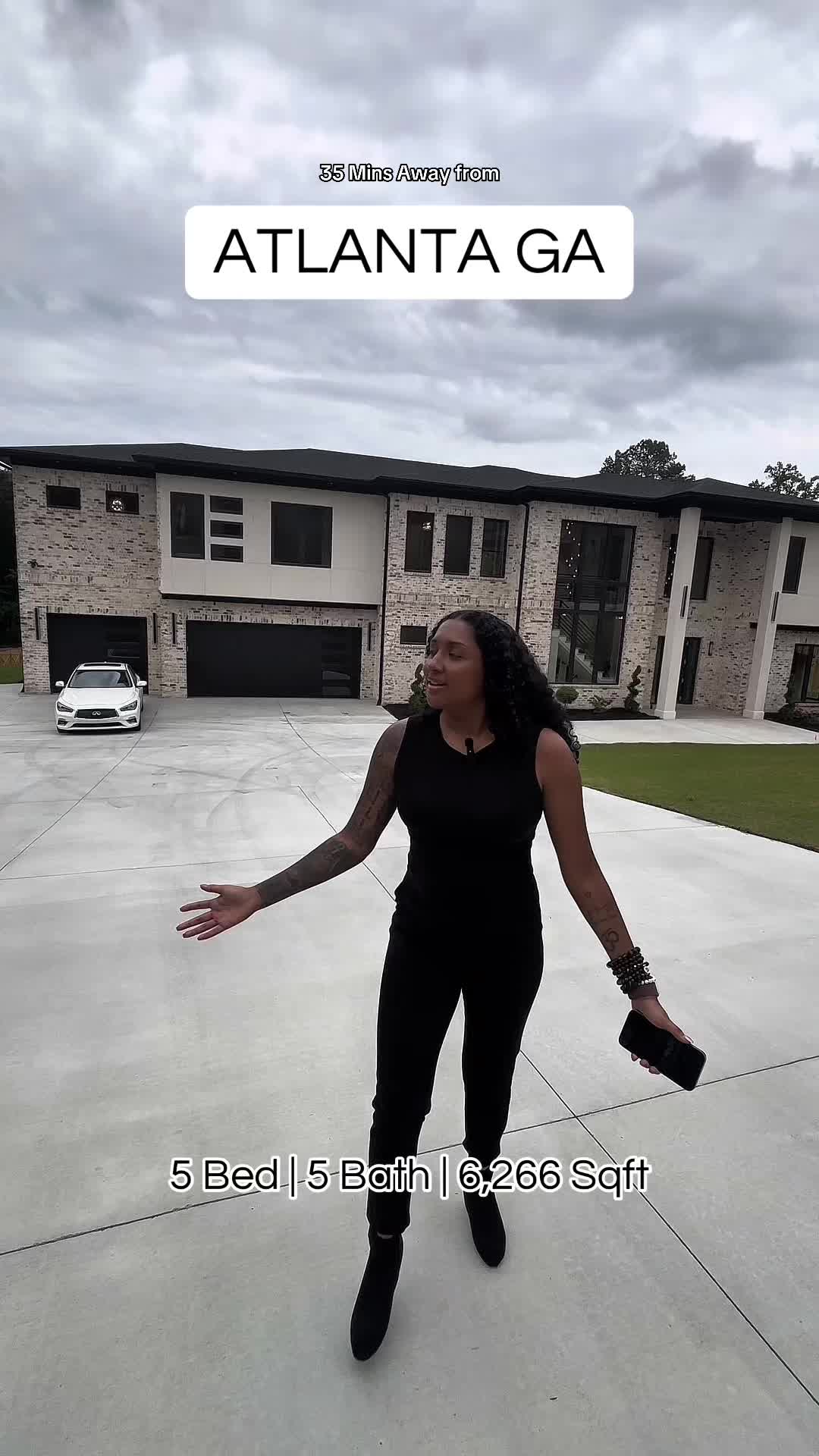
The location hook paired with an aspirational property creates instant curiosity. People want to see what exists 35 minutes from a major city at this price point, and the confident presentation from someone clearly connected to the space makes it feel discoverable and real, not just another listing.
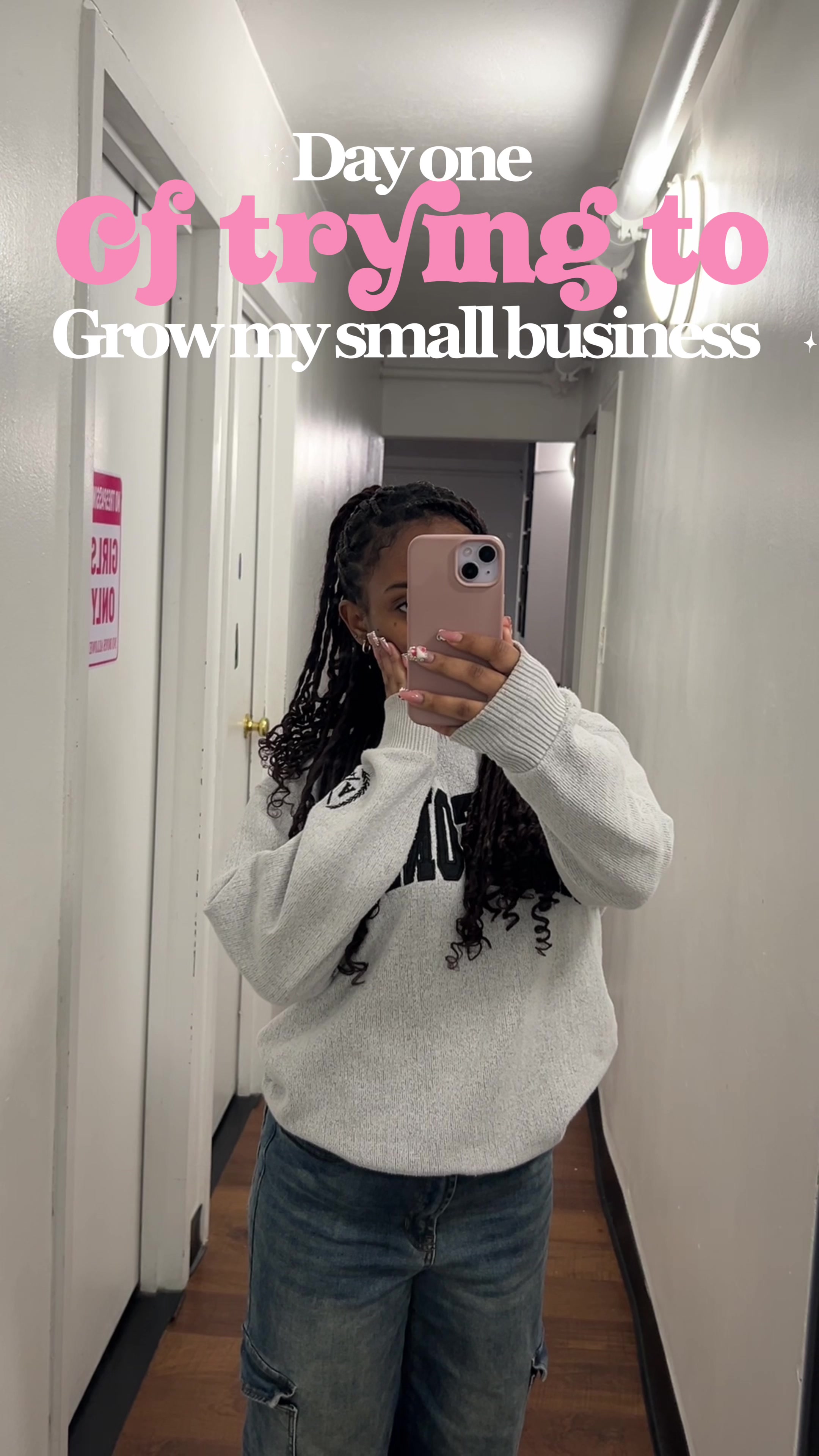
The "Day One" framing taps into the satisfying beginning of a journey people want to follow. Pairing vulnerable authenticity in a bare hallway with ambitious entrepreneurship makes it relatable rather than intimidating, sparking genuine curiosity about what comes next.
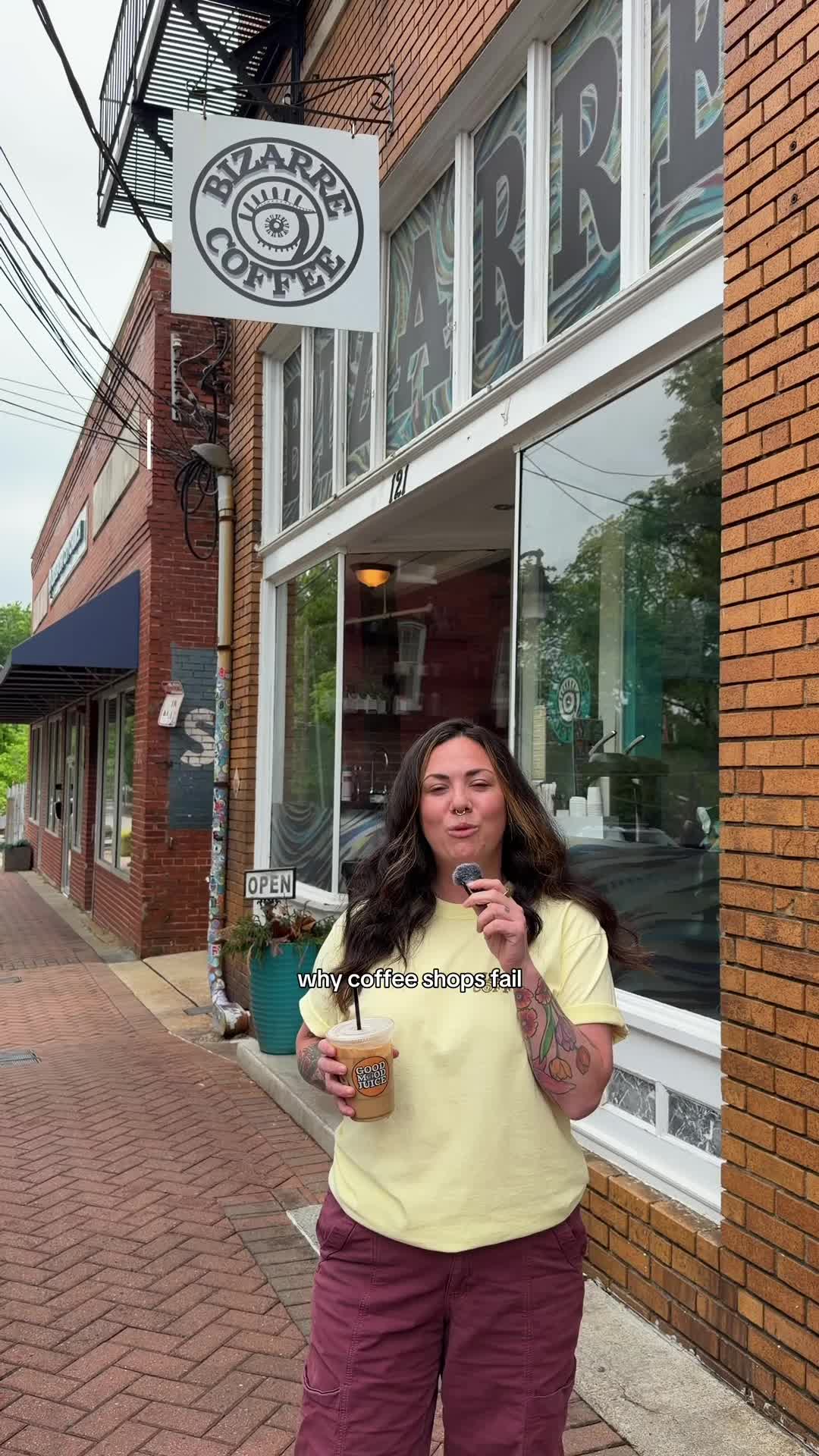
People crave brutally honest takes about small business struggles, especially when the creator admits uncertainty rather than pretending to have all the answers. The "do you actually know" framing invites self-reflection and sparks debate because it hits a nerve with both owners and customers watching.
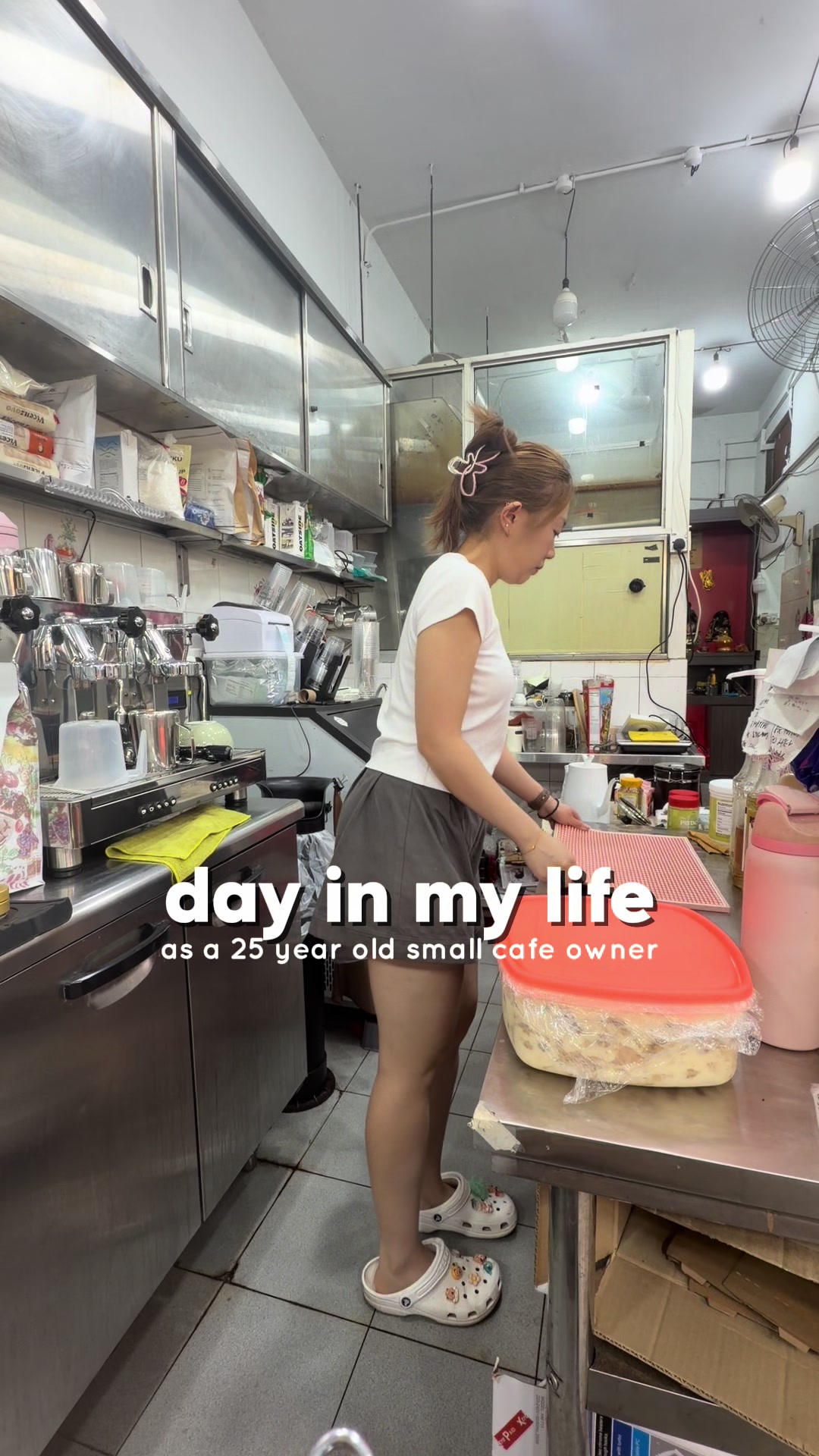
Young founder transparency hits different. Showing the unglamorous reality of running a tiny cafe—cramped space, repetitive work, actual exhaustion—makes the creator feel trustworthy and relatable instead of performative. People want to see the person, not the fantasy.
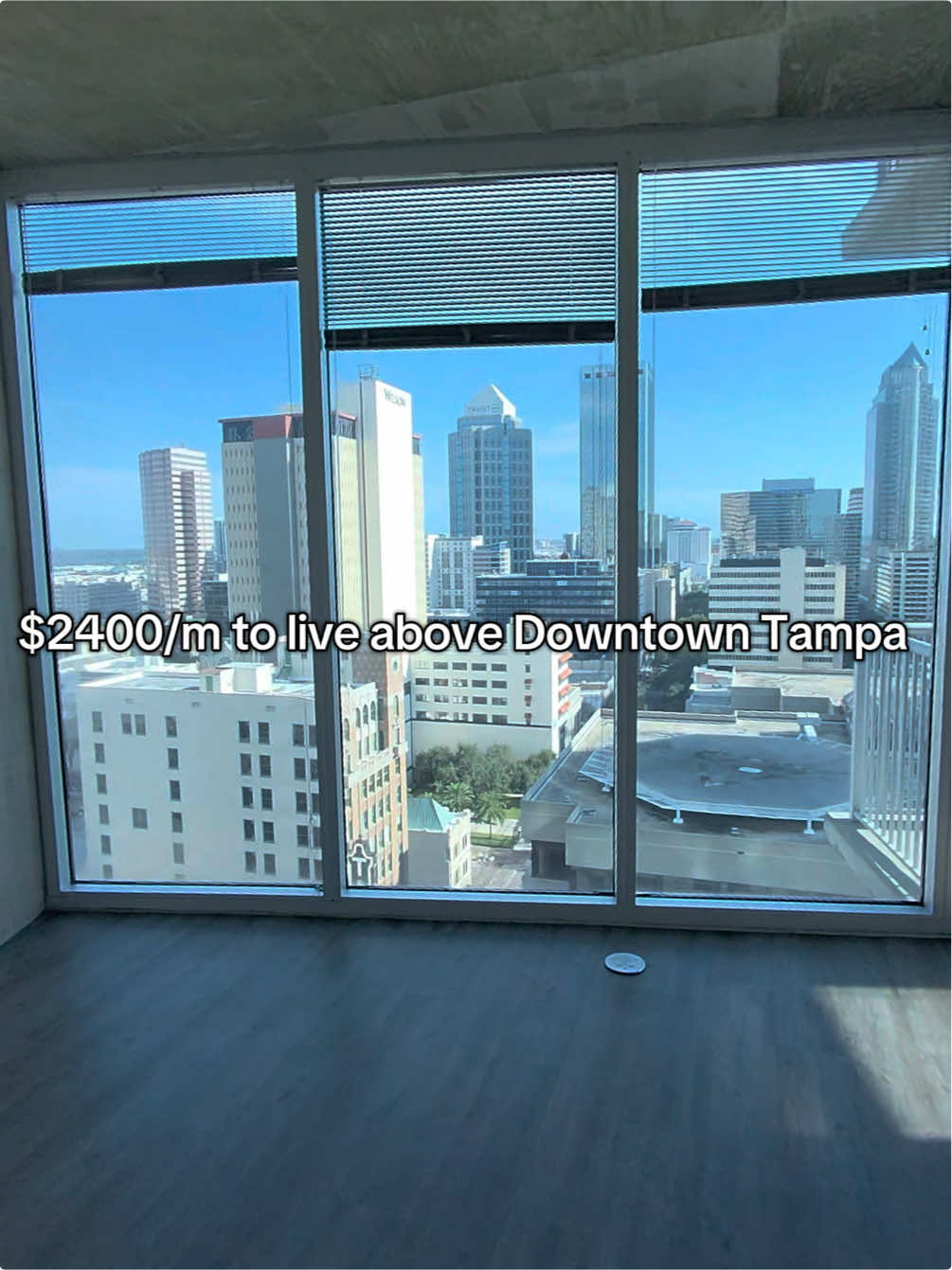
People love a good real estate price check because it hits the intersection of aspiration and skepticism. The clean skyline view triggers desire, but the specific price point immediately triggers debate about whether the lifestyle matches the cost. Raw opinions beat polished listing tours every time.

The post nails a universal frustration by presenting what sounds like profound startup wisdom, then getting immediately called out in comments for describing... a regular job. The humor lands because it's accidentally true, and people save it to remember the ironic gap between entrepreneurship rhetoric and reality.
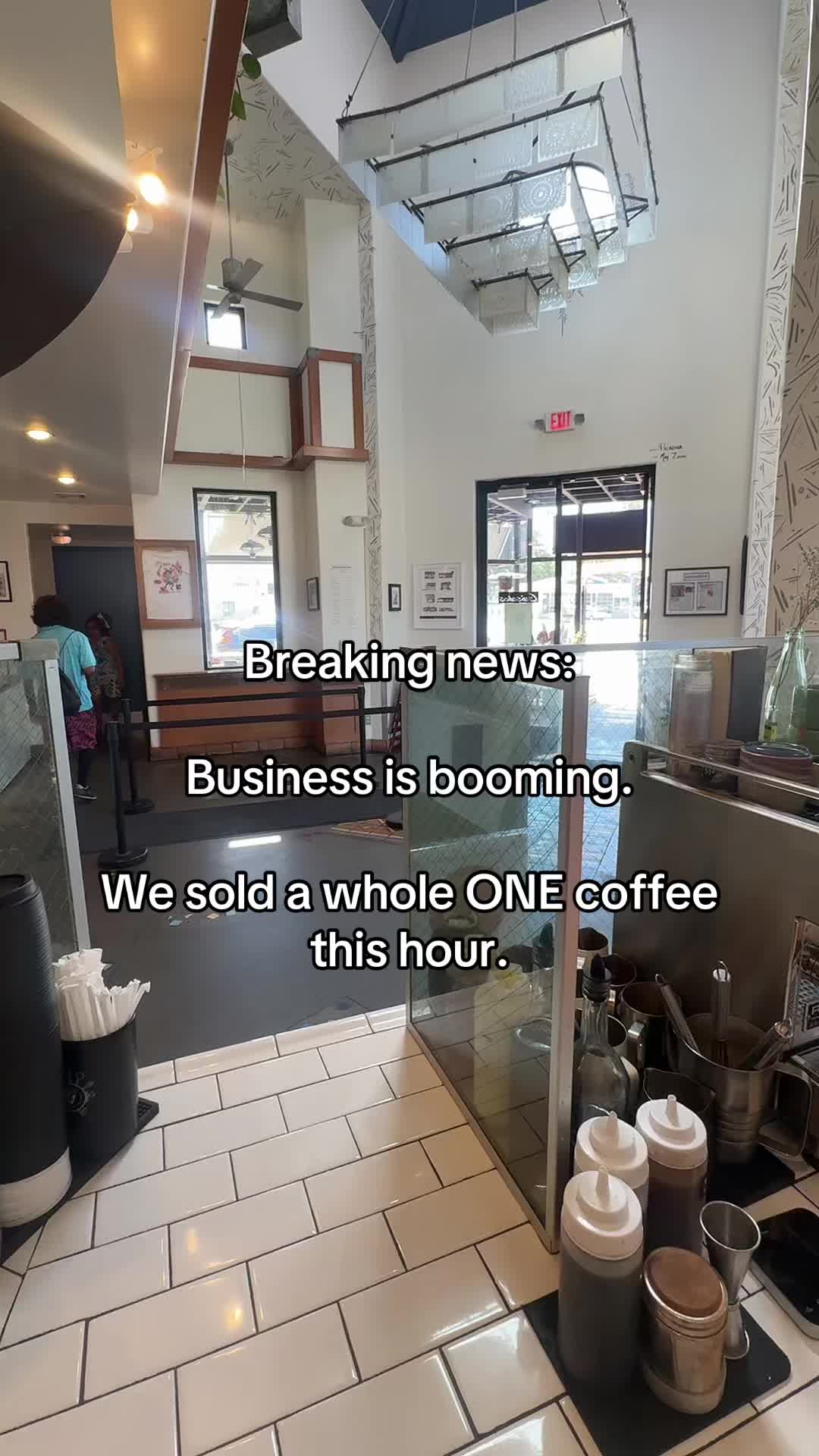
The brutal honesty about slow business struck a nerve because it's relatable struggle content wrapped in self-deprecating humor. People connect with the raw reality of a small business fighting for customers, and the caption's question turned it into a genuine conversation about what actually kills a local shop.
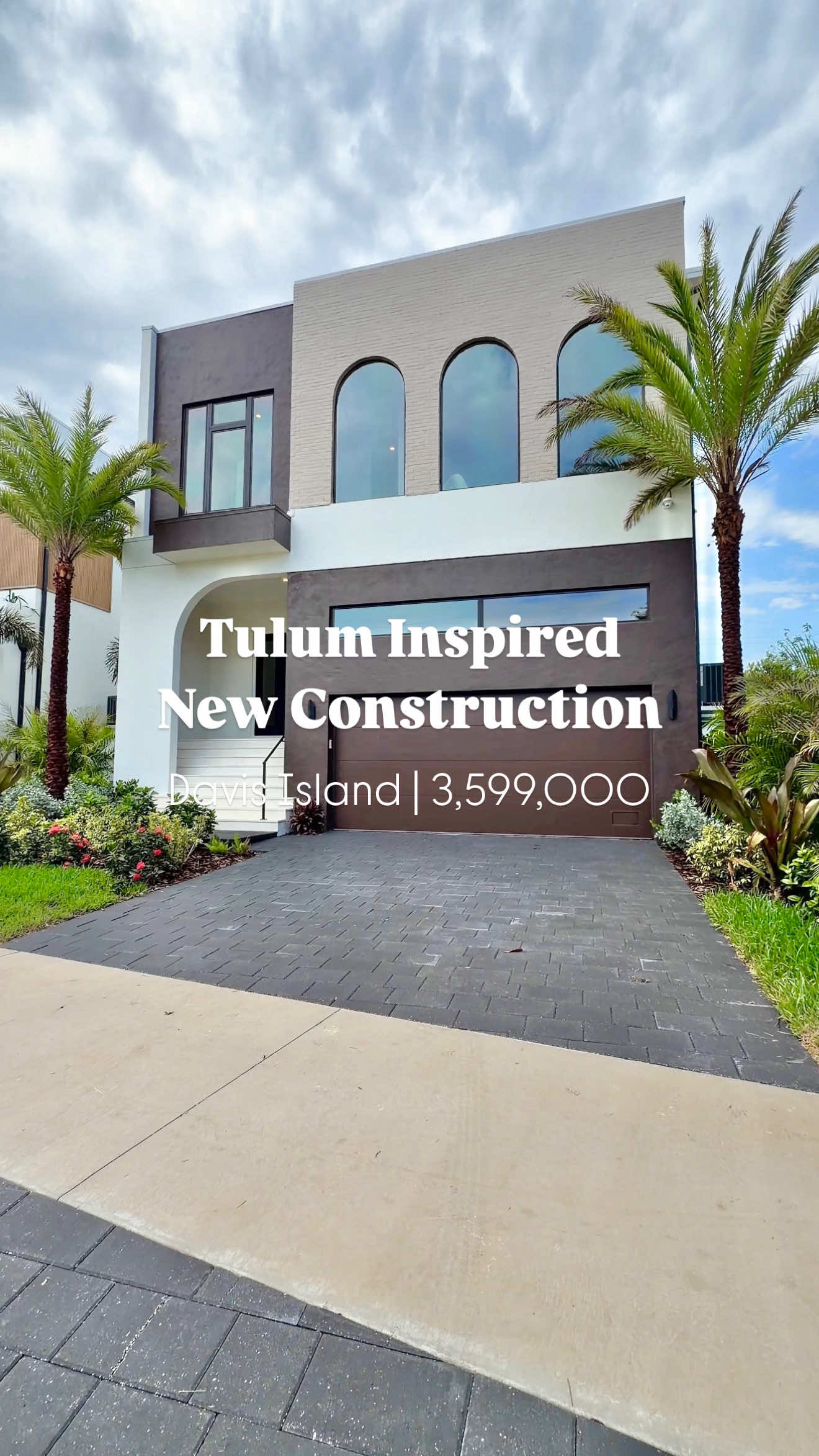
People engage hard when luxury real estate triggers a debate about value and market fairness. The "Tulum-inspired" positioning sets expectations high, which creates friction in comments from viewers who think the price doesn't match the product. That tension sparks conversation, shares, and saves.
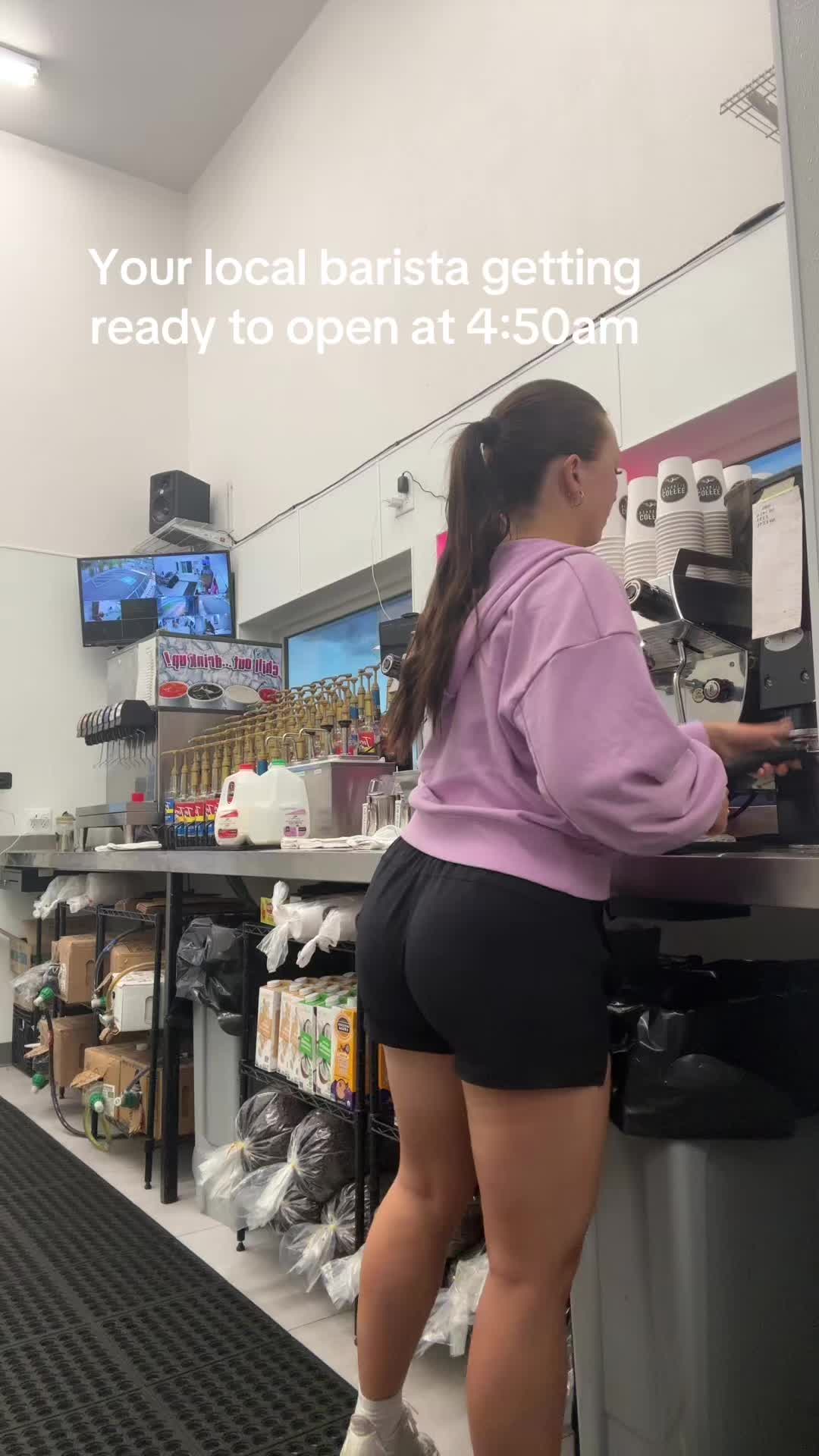
The relatable humor of catching baristas in their pre-dawn grind hits because it's a genuine glimpse of the work nobody thinks about. People see the 4:50am effort behind their morning coffee ritual and it builds respect, making the cafe feel human and worth supporting.
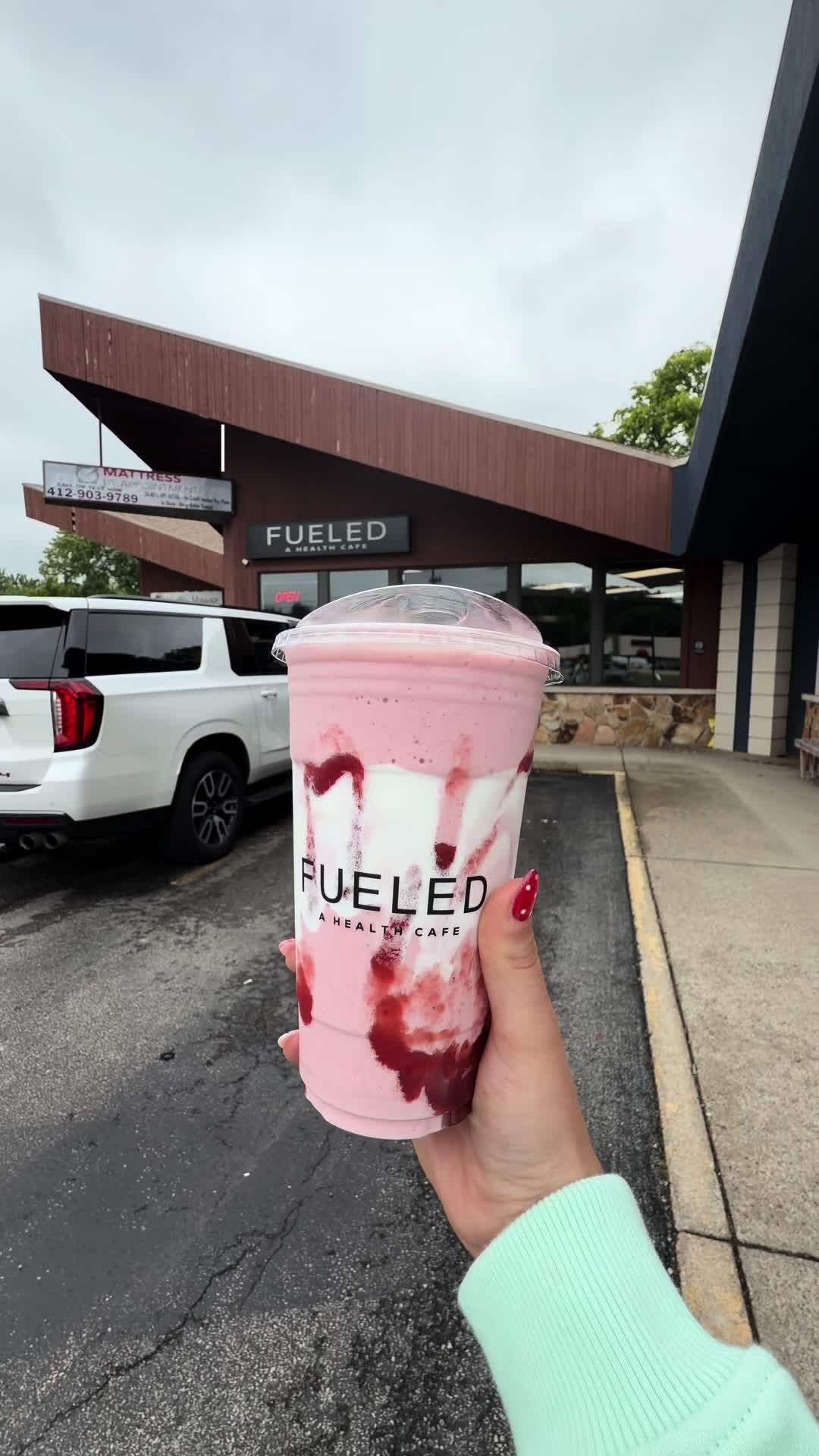
The drink itself is visually arresting—those deep red swirls against the pink create an Instagram-worthy moment—but what really lands is the specific flavor combination. Strawberry pretzel salad is nostalgic comfort food, and seeing it reimagined as a protein shake triggers both curiosity and desire. People save and share because they want to remember where to get it.
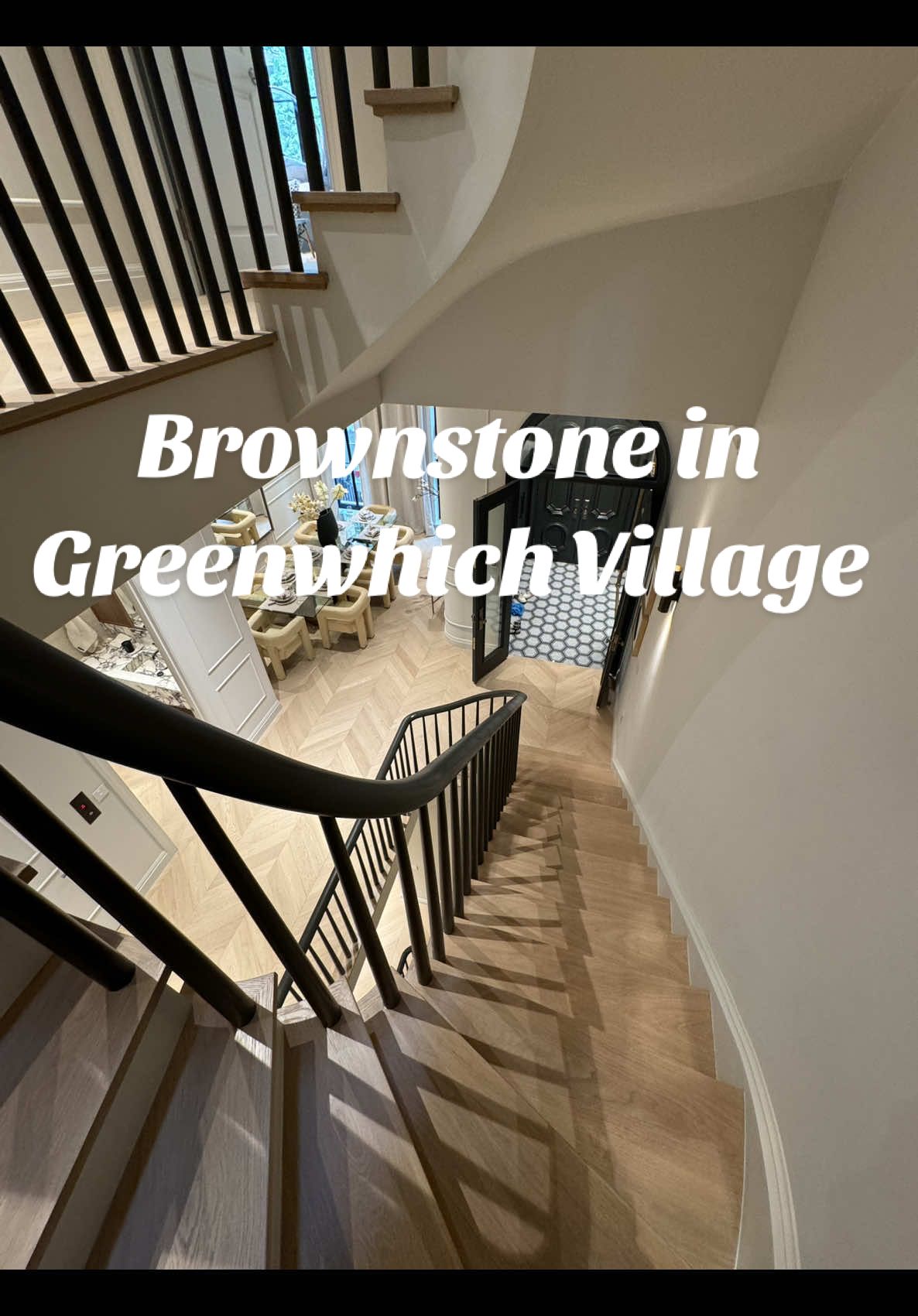
Aerial staircase shots tap into architecture porn territory, and this one nails the aspirational luxury fantasy without feeling out of reach. The angle from above creates a "wow, I want to stand here" moment that makes viewers feel like they're touring the space themselves, not just watching from outside.
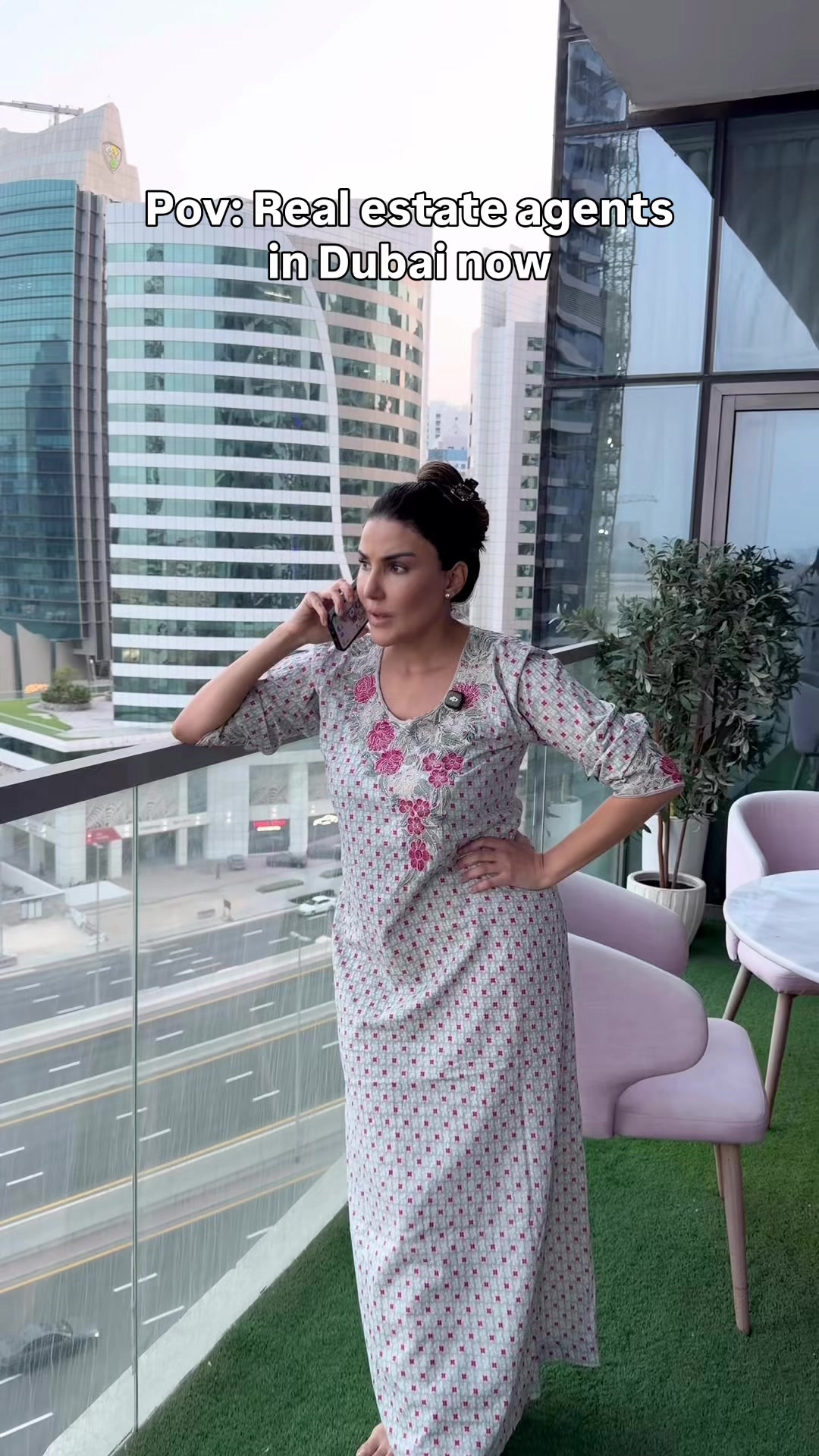
The luxury backdrop paired with a relatable "day in the life" angle lets viewers peek into a high-stakes industry moment. People are drawn to the aspirational setting combined with an implied narrative about market chaos—creating curiosity without spelling everything out.
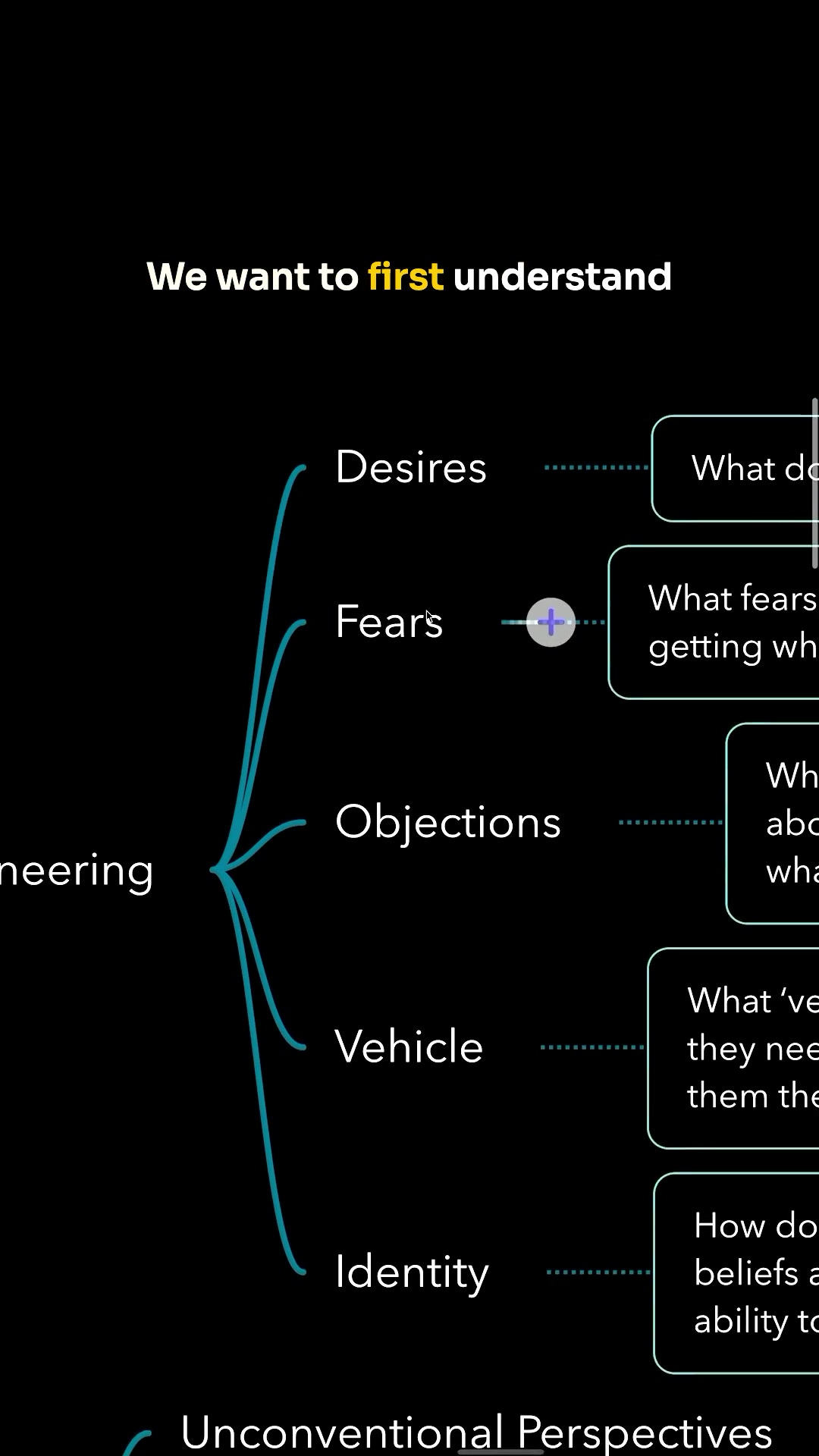
This breaks down an abstract concept (personal branding) into a concrete framework that feels both actionable and comprehensive. People save and share frameworks because they're immediately useful, not just entertaining. The "understand first" approach positions thinking before doing, which appeals to people trying to actually build something, not just chase tactics.
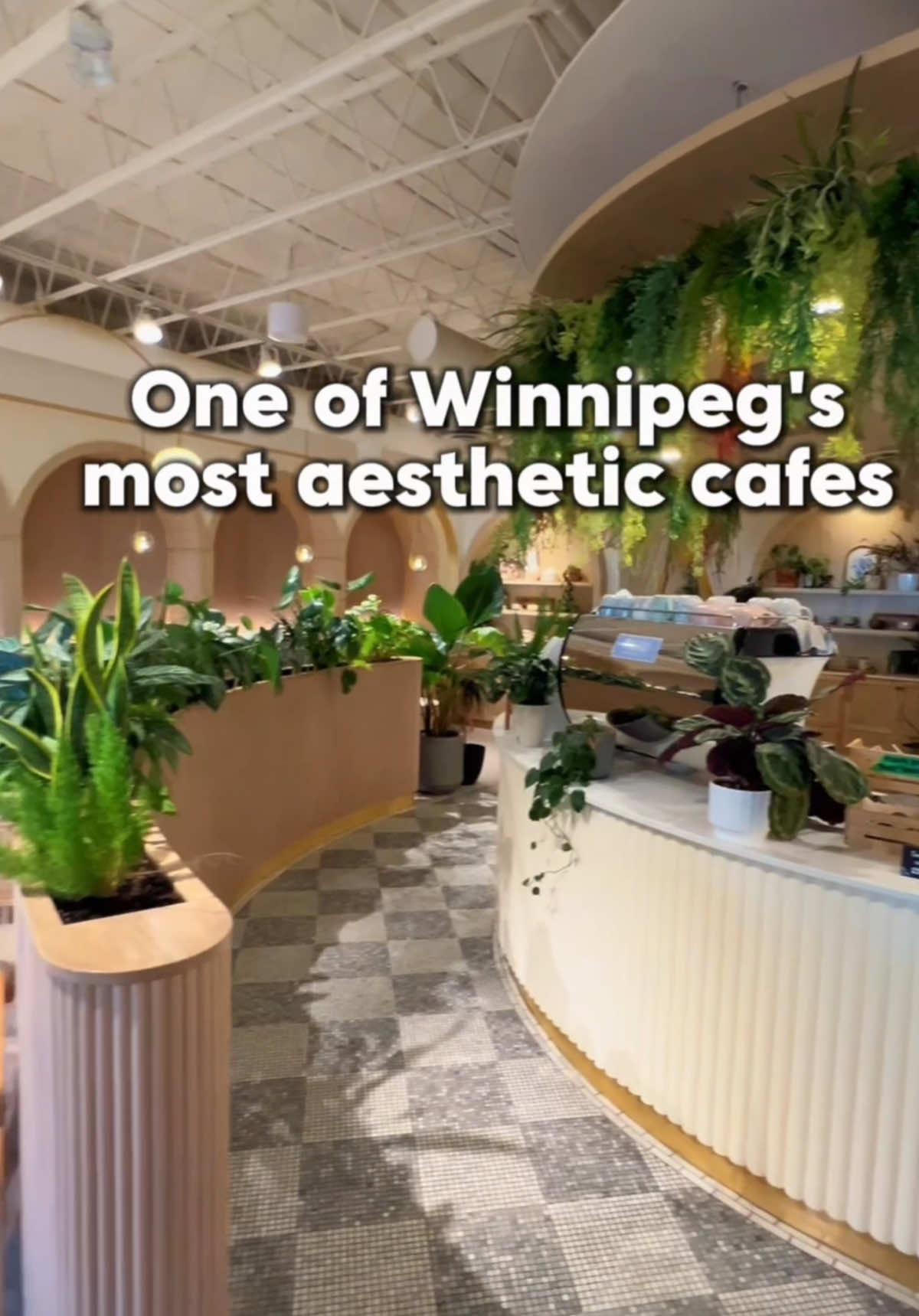
People save aesthetically perfect spaces obsessively, especially when paired with the promise of a real, walkable local discovery. The detailed caption naming specifics (Korean cafe culture, yellow interiors, slow afternoon vibes) made this feel like a genuine recommendation rather than generic cafe content.

Raw honesty about real estate hits hard because the industry is flooded with highlight-reel content. By calling out both the wins and brutal reality—inconsistent income, the grind behind those big commissions—she positions herself as trustworthy and relatable instead of just another agent selling the dream.
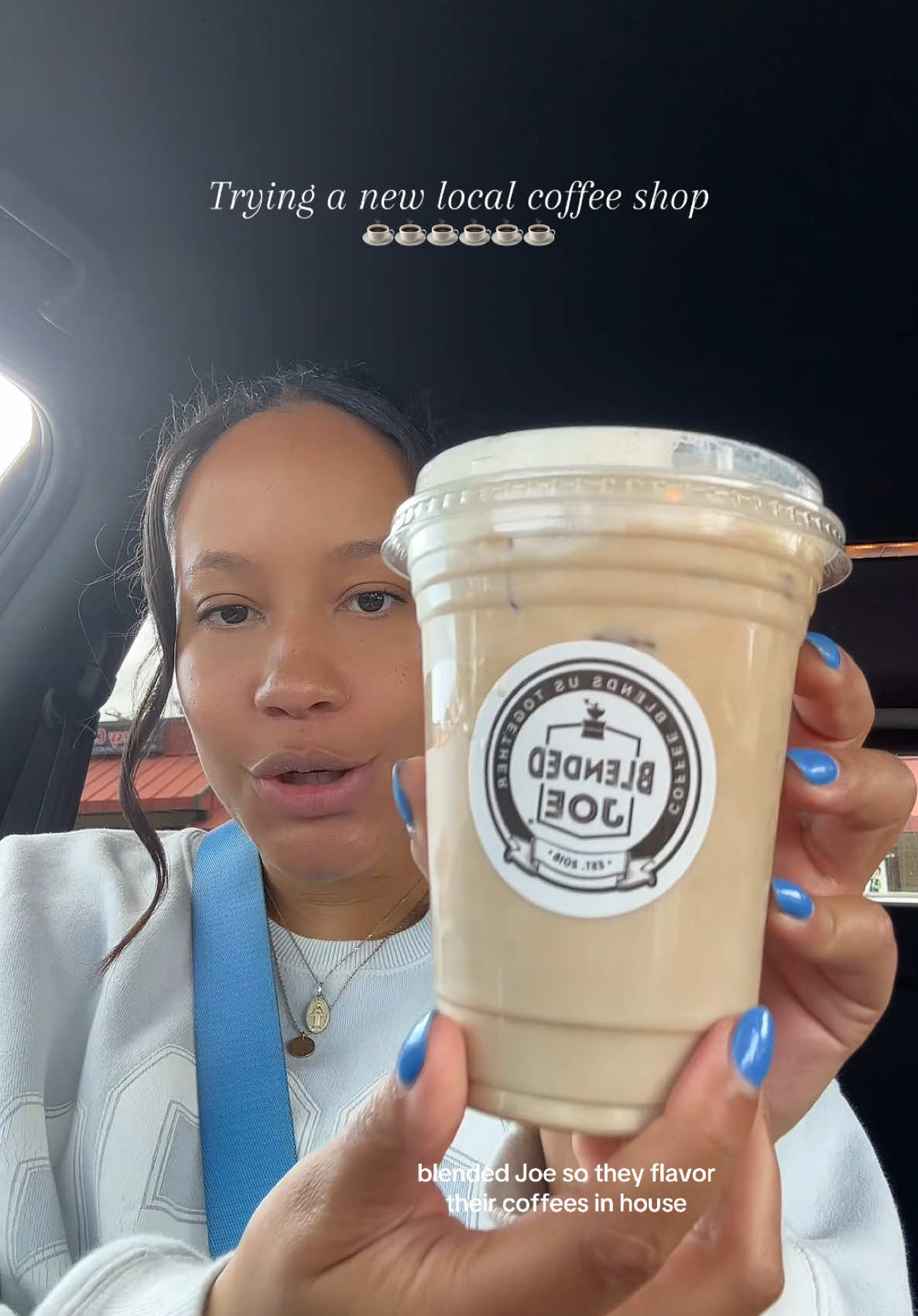
Local pride hits different on social. Spotlighting a specific neighborhood coffee shop taps into community loyalty while making viewers feel like they're discovering something real and worth supporting, not just consuming a product.
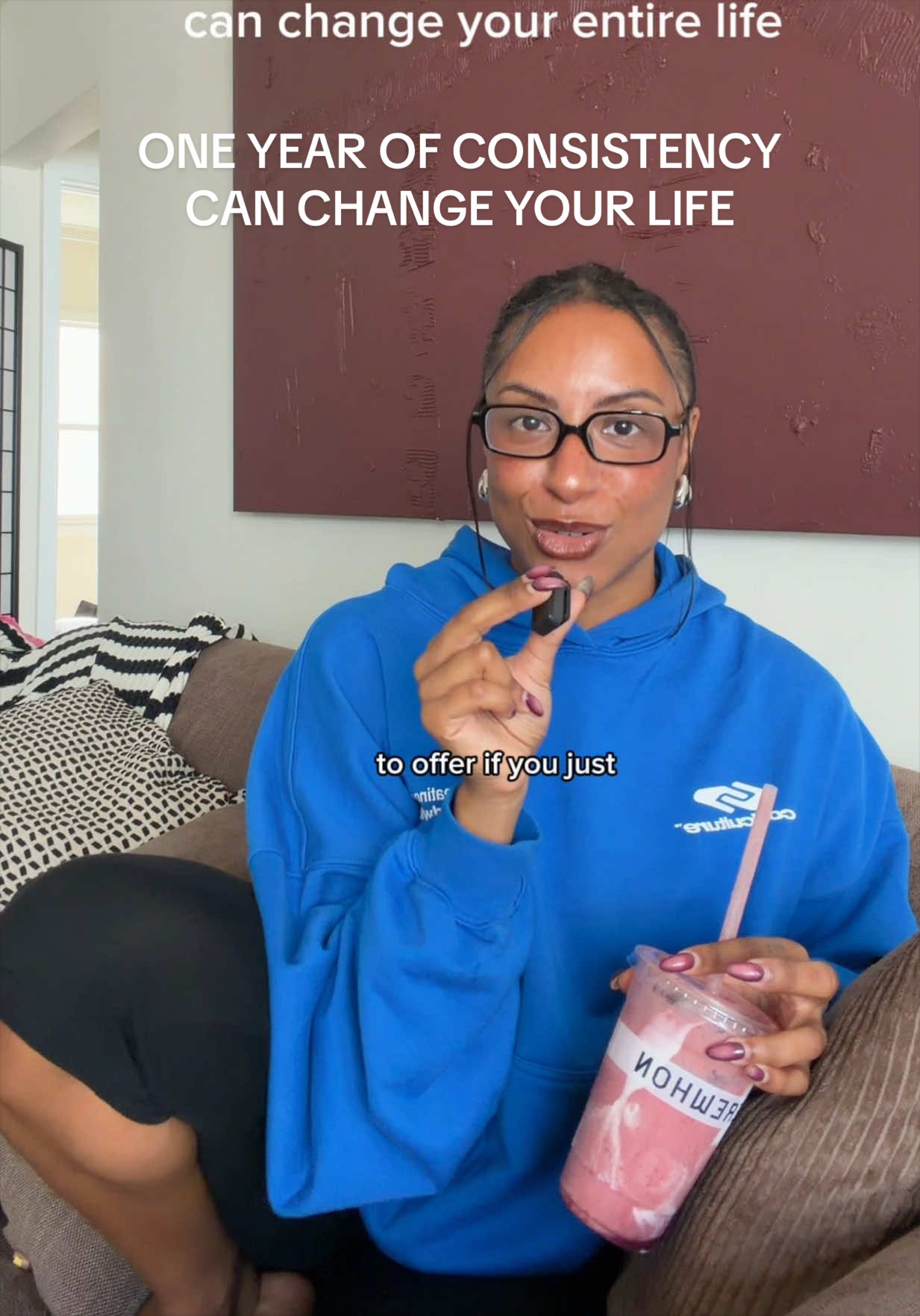
The dramatic tension between the bold promise ("one year of consistency can change your life") and the absurd visual (aggressively clutching a drink) creates cognitive dissonance that hooks people. The juxtaposition is funny enough to share, motivational enough to save, and weird enough to discuss.
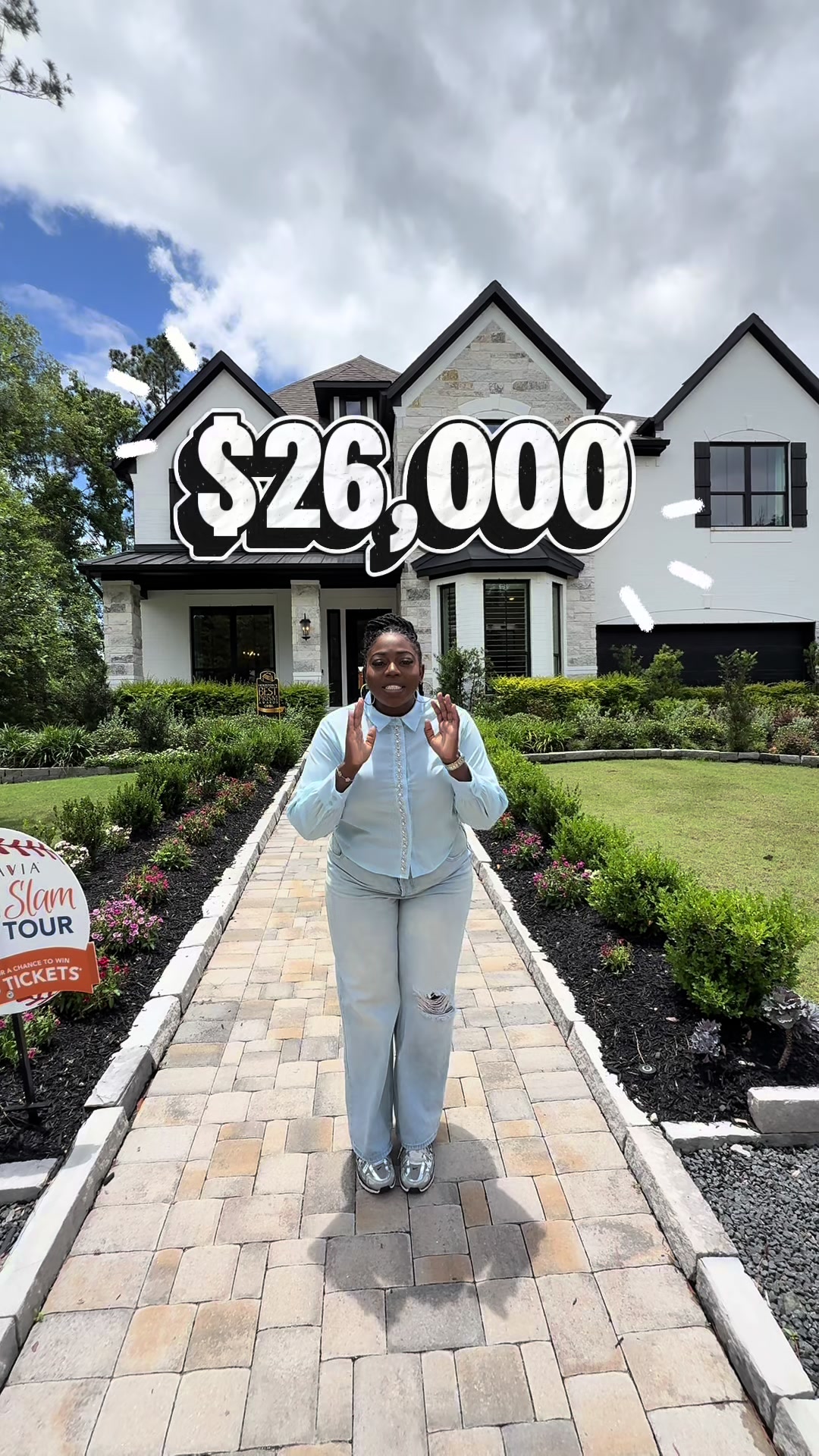
The price point triggers both aspiration and accessibility. Showing a high-end home with a surprisingly low entry cost creates cognitive dissonance that makes people stop scrolling and engage. The real conversation isn't about the house, it's about what feels possible.

People are tired of paying premium prices for mediocre coffee at chain stores, and this hit a nerve because it's a shared frustration masked as personal testimony. The specificity of "one acceptable shop out of fifty" made a universal complaint feel like her actual lived experience, not a rant.
The "messy parts" framing flips traditional career advice by admitting what most gurus won't—pivoting is uncomfortable and unpolished. People save this because it validates their anxiety while pushing them forward, mixing realism with encouragement.

The relatability of being judged for a simple order tapped into a shared anxiety. Her casual delivery and the absurd specificity of "80% of local coffee shops" made it funny rather than preachy, inviting people to either commiserate or defend their barista pride.
Luxury lifestyle wrapped in a relatable milestone hits different. The polished setting, designer details, and genuine celebration moment make success feel attainable rather than untouchable, which makes people want to follow the path.

The post taps into the aspirational tension between "I want to do this" and "how is this even possible." Showing a thriving, visibly stocked business setup while asking a relatable question creates discussion because people want the playbook—and aren't entirely sure if it's feasible for them.
The juxtaposition of a massive property achievement with self-deprecating humor ("just a girl") creates instant relatability. People connect with the vulnerability of admitting inexperience while taking on something huge, turning potential insecurity into charming authenticity.
The post taps into designer envy by showcasing a polished personal brand that feels both professionally aspirational and genuinely personal. The "girly" aesthetic paired with technical skill makes it feel achievable rather than intimidating, which drives saves from people wanting to reference it later.
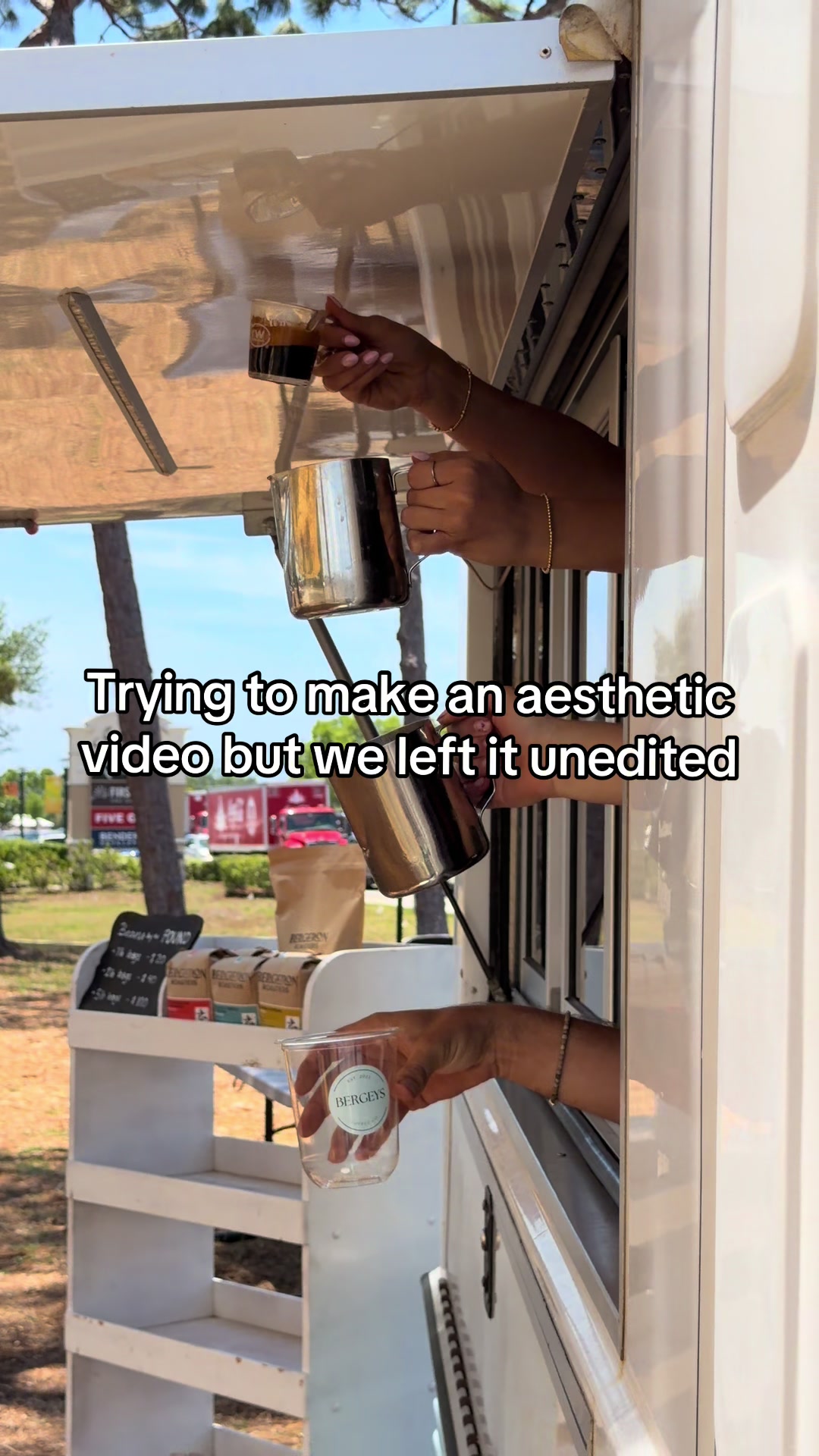
The humor comes from the self-aware contradiction—they're chasing a polished aesthetic while the reality is chaotic and painful. People laugh at the gap between intention and execution, especially when someone puts their hand in actual danger for a shot.

People connect with early-career wins framed as personal milestones. The genuine excitement in sharing a concrete achievement (multiple offers, mentoring others) hits differently than polished career content—it feels like witnessing someone's actual momentum, not a flex.
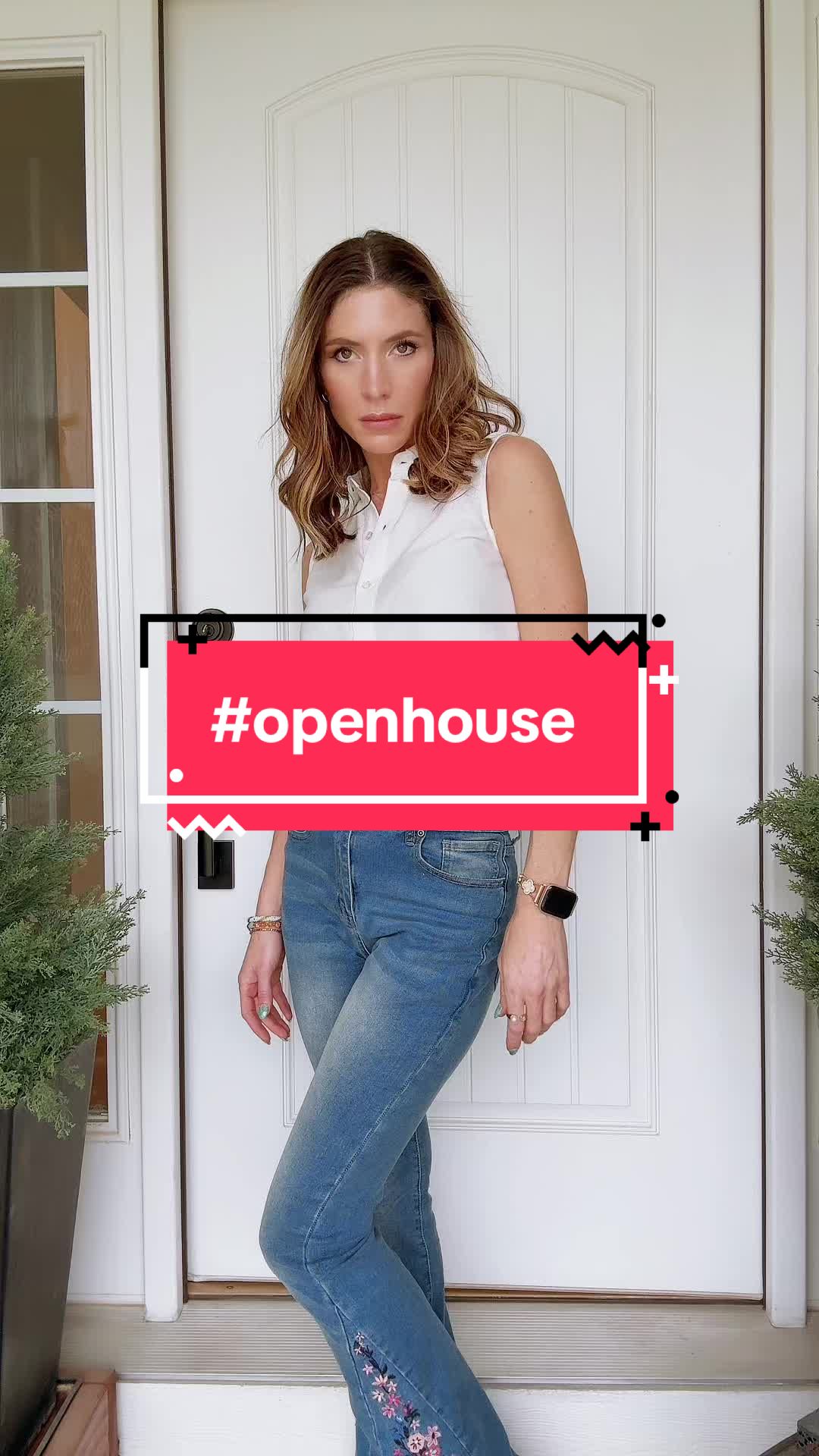
The "early 2000s nostalgia" angle taps into millennial memory in a way that feels playful rather than preachy. Pairing that specific era energy with a real estate message makes the post feel like it's from a person, not a business, which flips the usual realtor content dynamic.

This post hits a nerve by naming a common saying, then challenging it with nuance. The real hook is that financial independence isn't about rejecting men, it's about rejecting dependence, which feels like permission to viewers who've internalized shame around wanting both.
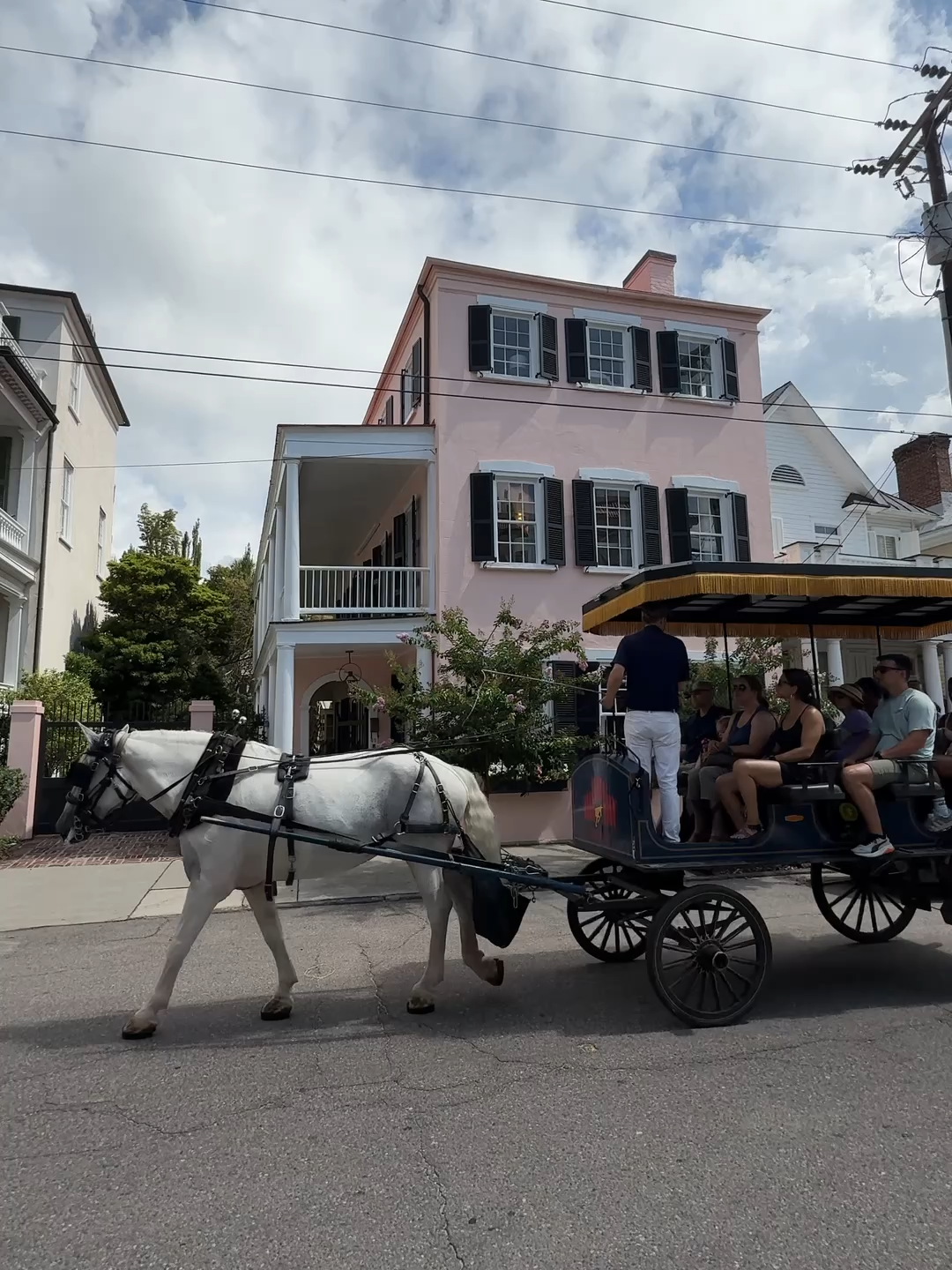
Historical significance paired with specific neighborhood prestige creates inherent intrigue. The ante-bellum detail and White Point Gardens proximity give the property instant gravitas, while the charming horse-drawn carriage aesthetic adds texture that makes it feel like stepping into a story rather than just seeing a listing.
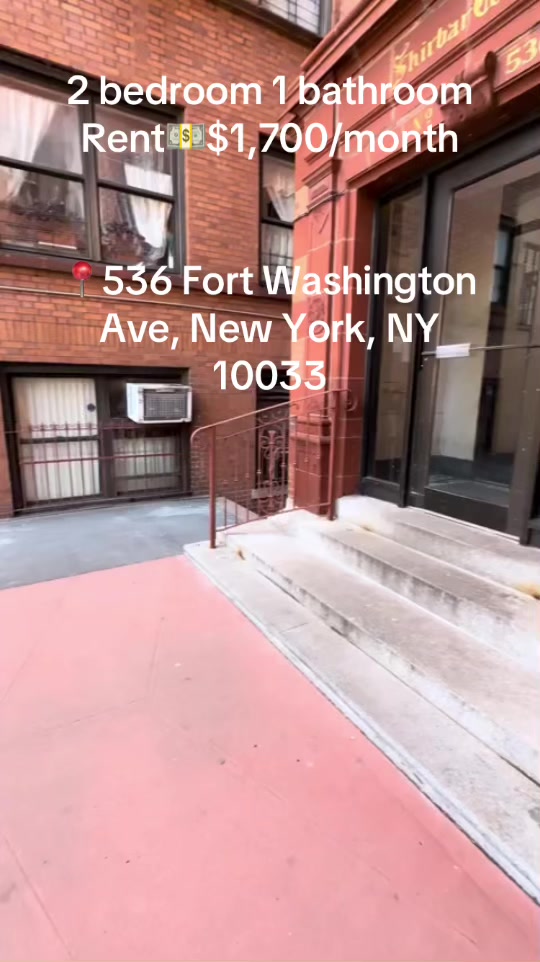
The disconnect between the ground-floor listing and the window view suggesting a higher floor created immediate skepticism, sparking debate about the space itself and pricing credibility. People engaged because something felt off, making them question the whole offer.
People saved this at 1.38x average because it promises concrete mental health tools from an authority figure in a conversational format. The podcast framing feels like insider access to practical wisdom, not generic self-help advice.
The post taps into a real tension between coffee culture gatekeeping and actual value. By openly preferring Starbucks (a taboo take in cafe circles), she flips the expected narrative and lets people vent about paying premium prices for mediocre service at "artisanal" shops.
First-time home buyers crave clarity on an intimidating process, and breaking it into numbered steps makes the overwhelming feel manageable. The talking head format in a car feels casual and trustworthy, like advice from someone who actually does this work, not a corporate explainer.
The setup promises insider business wisdom but delivers a pause—the blank space itself becomes the joke. It's a bait-and-switch that makes people share because they want to fill in the answer themselves or laugh at the misdirect.
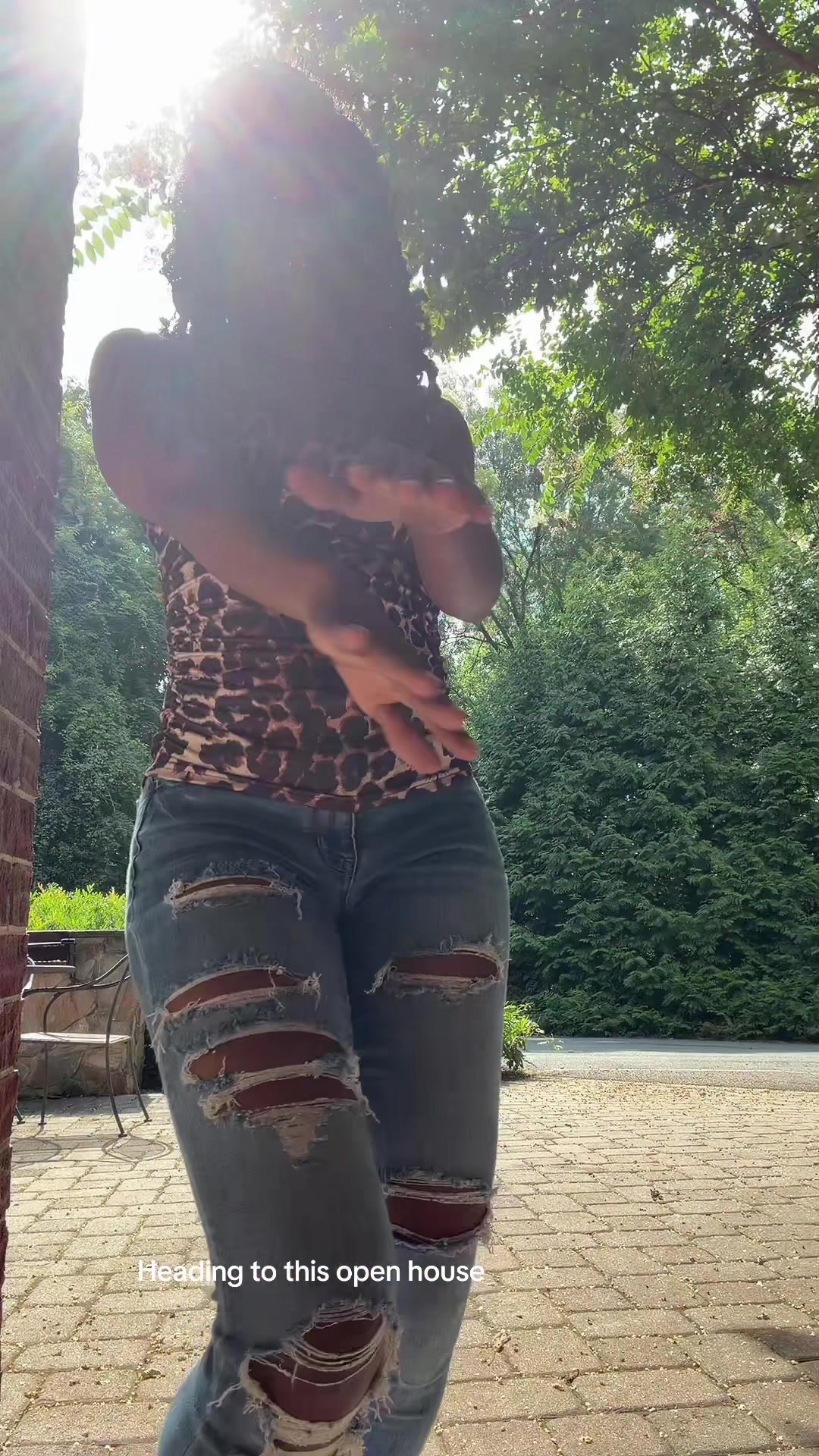
The contrast between polished real estate professional and unfiltered personal moment creates intrigue. People engage with the humanity behind the job, not just the expertise. The casual confidence in mixing a relatable parenting errand with a fashion moment feels authentic.
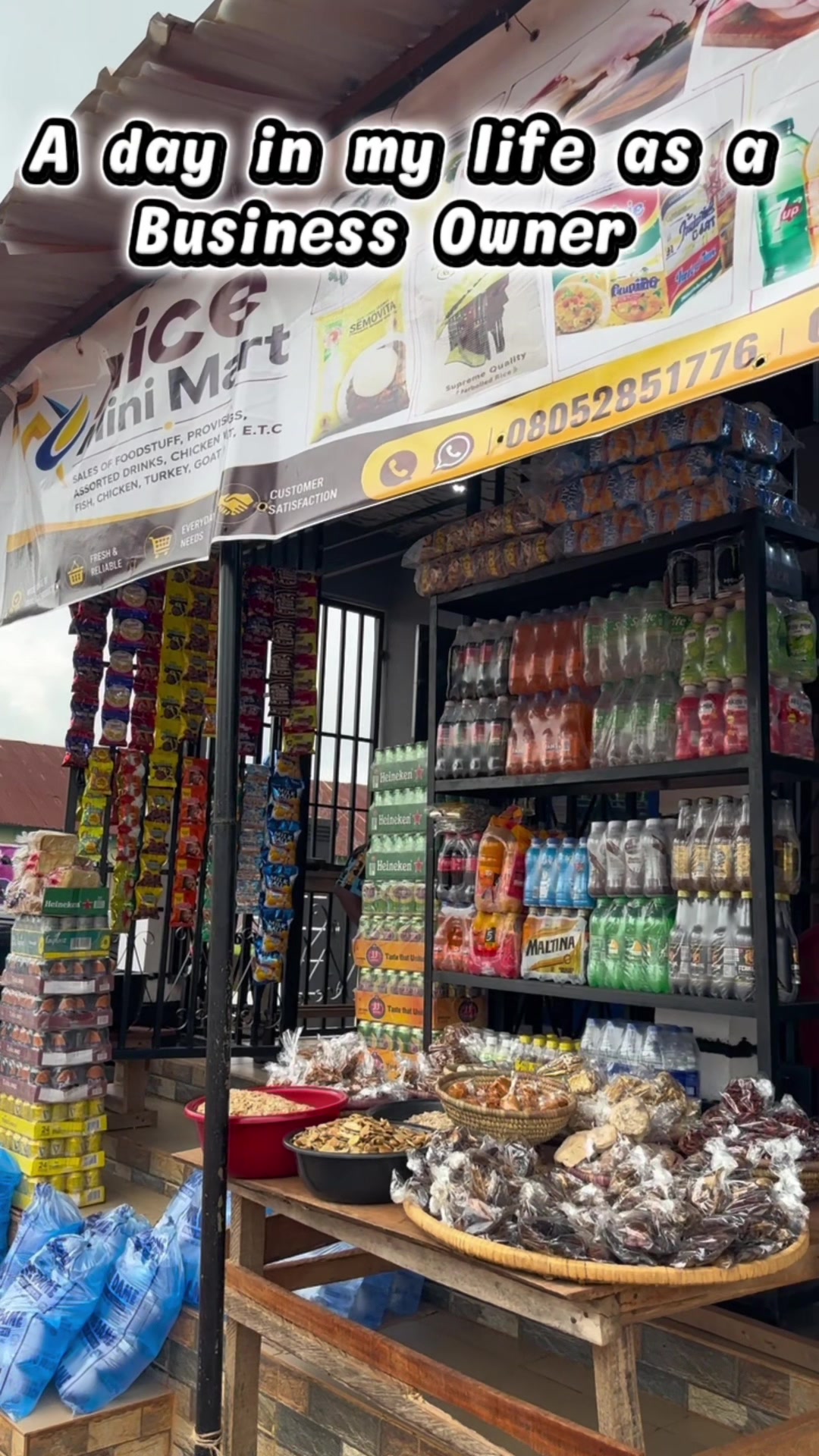
This post taps into aspirational entrepreneurship mixed with relatability—showing a real, modest business that's thriving creates permission for viewers to start their own. The "day in my life" format makes success feel achievable rather than distant, while the motivational caption about purpose and self-worth hits deeper than typical hustle culture.
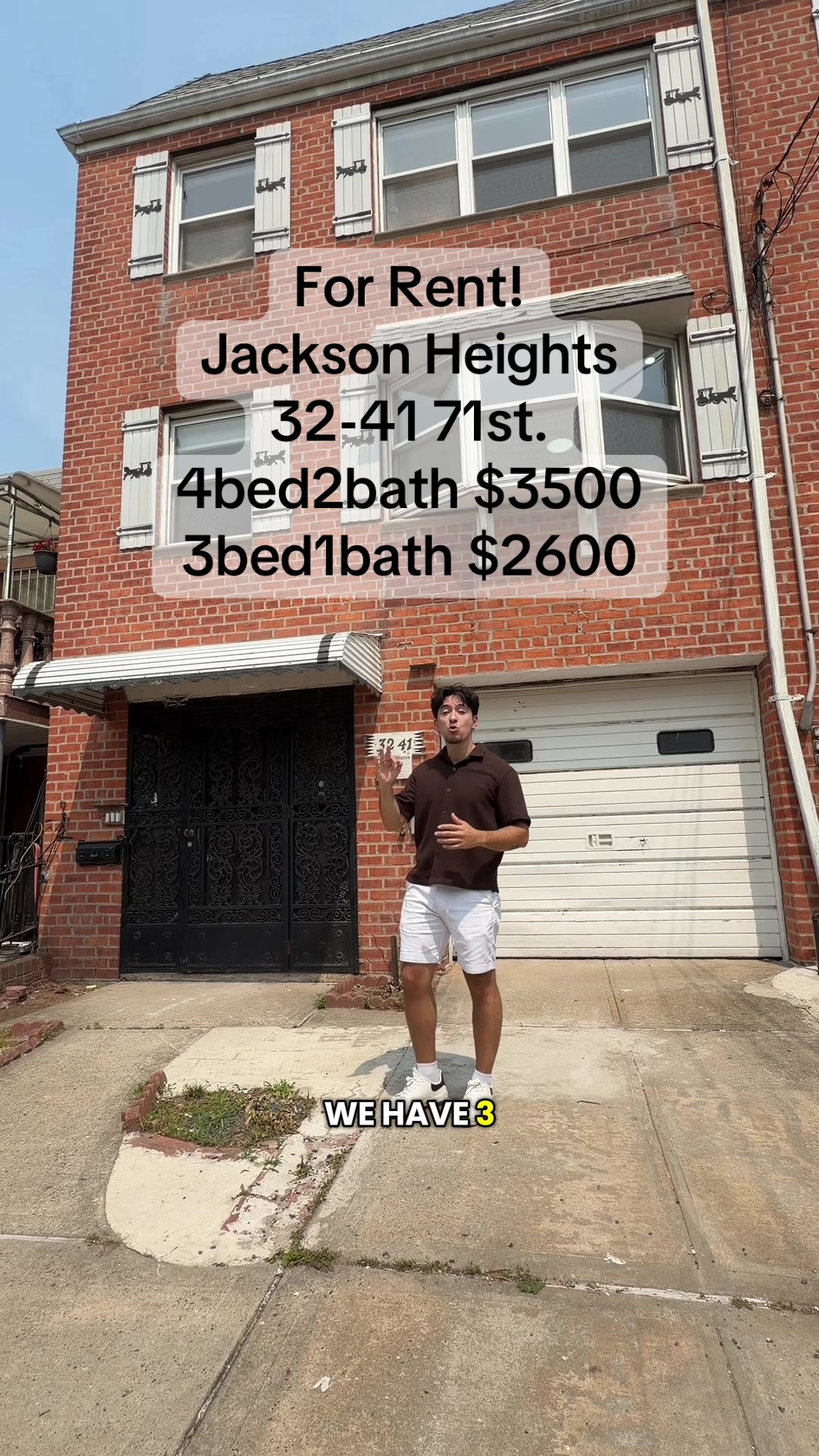
Direct, no-fluff property listing with exact prices and specs cuts through real estate noise. The straightforward approach and specific neighborhood details make it feel honest rather than sales-y, which builds trust with people actually hunting for apartments.

Buying a home at 25 taps into aspiration and financial independence, especially when paired with a humble fixer-upper. People save this because it feels achievable and inspiring, not out-of-reach luxury.
The caption promised great service, but top comments immediately called out overpricing and AI menu issues, creating cognitive dissonance that sparked debate. People engaged harder because the post contradicted itself, turning what should've been pure praise into a discussion about value and authenticity in local cafes.
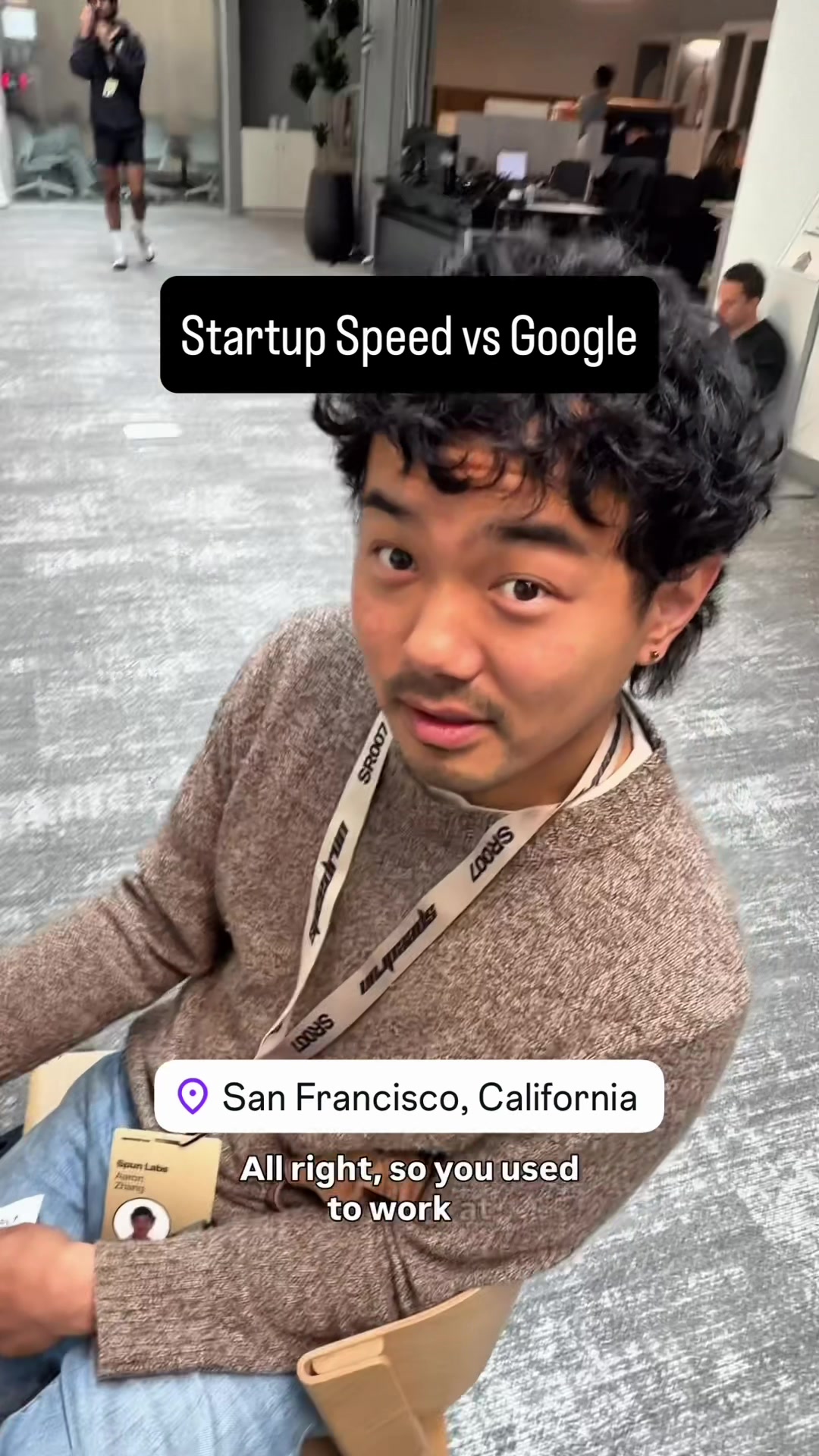
The "startup vs big tech" comparison taps into a real tension people feel about pace and autonomy. Showing someone who left Google and moved faster creates permission for viewers to question whether they're also stuck in unnecessary bureaucracy.
People crave career advice that feels forbidden or counterintuitive, especially when delivered by someone willing to name the unspoken rules everyone knows but won't say. The "sneaky but it works" framing gives permission to acknowledge that hiring isn't purely meritocratic, which people find both validating and oddly liberating.
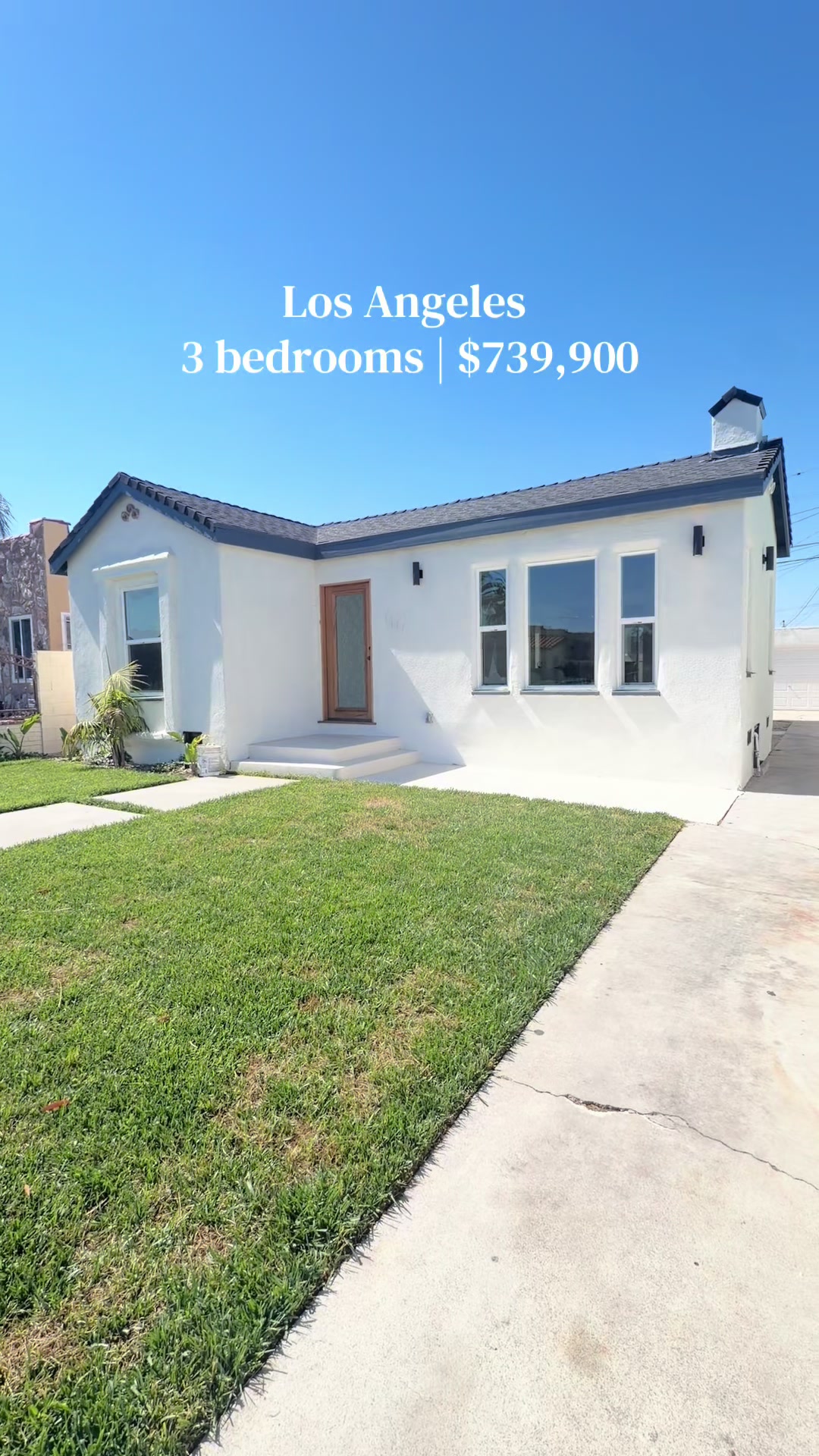
This post reframes homeownership as accessible rather than impossible, using a specific price point and grant info to shrink the psychological gap between renting and buying. The direct call-to-action combined with tangible benefits hits people's aspirations while giving them a concrete next step.

The contrast between a dismissive comment and genuine success taps into people's desire to prove doubters wrong. By opening with vulnerability (the naysayer's words), then revealing the win, it validates the risk-taking mindset her audience desperately wants permission to embrace.
The juxtaposition of casual confidence with the raw reality of running a small business hits because it acknowledges the gap between the polished exterior people see and the actual grind behind it. People save this because it validates their stress and makes them feel less alone in the struggle.
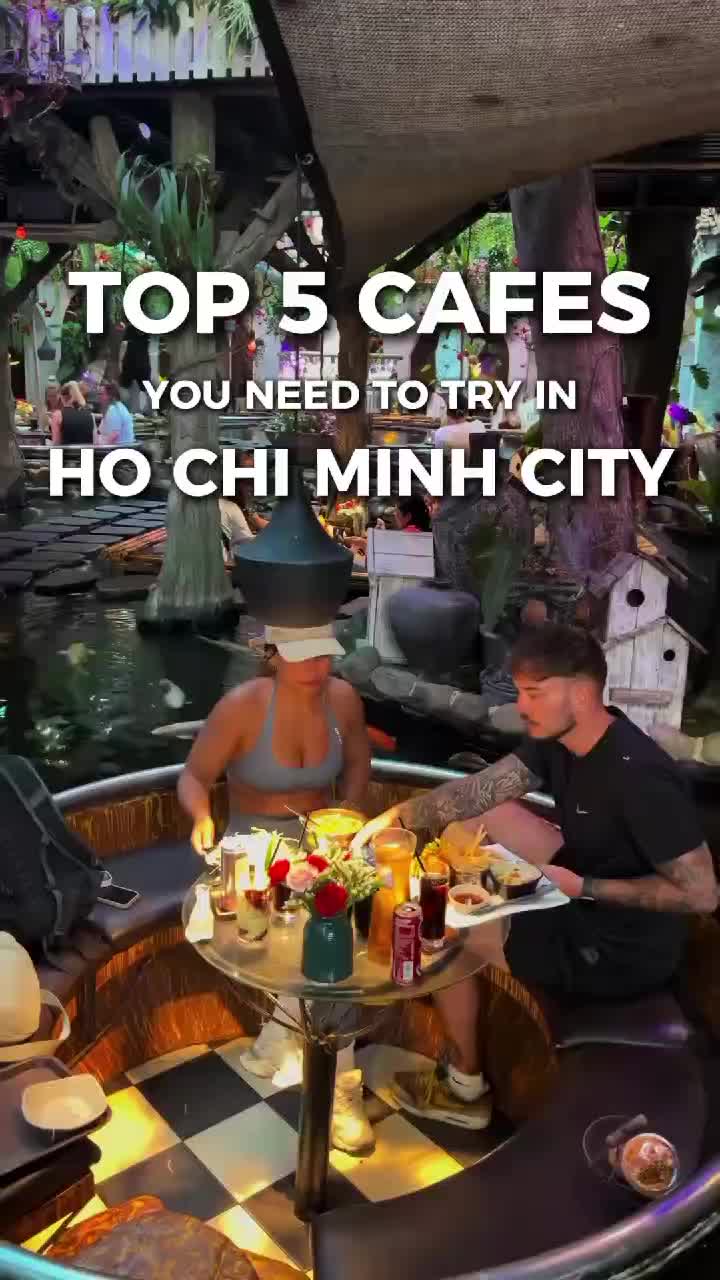
People crave aspirational travel content that shows them exactly where to go, but they trust it more when real experiences contradict the hype. The gorgeous aesthetic got views, but locals correcting the picks in comments proved the content had genuine value worth saving and sharing.
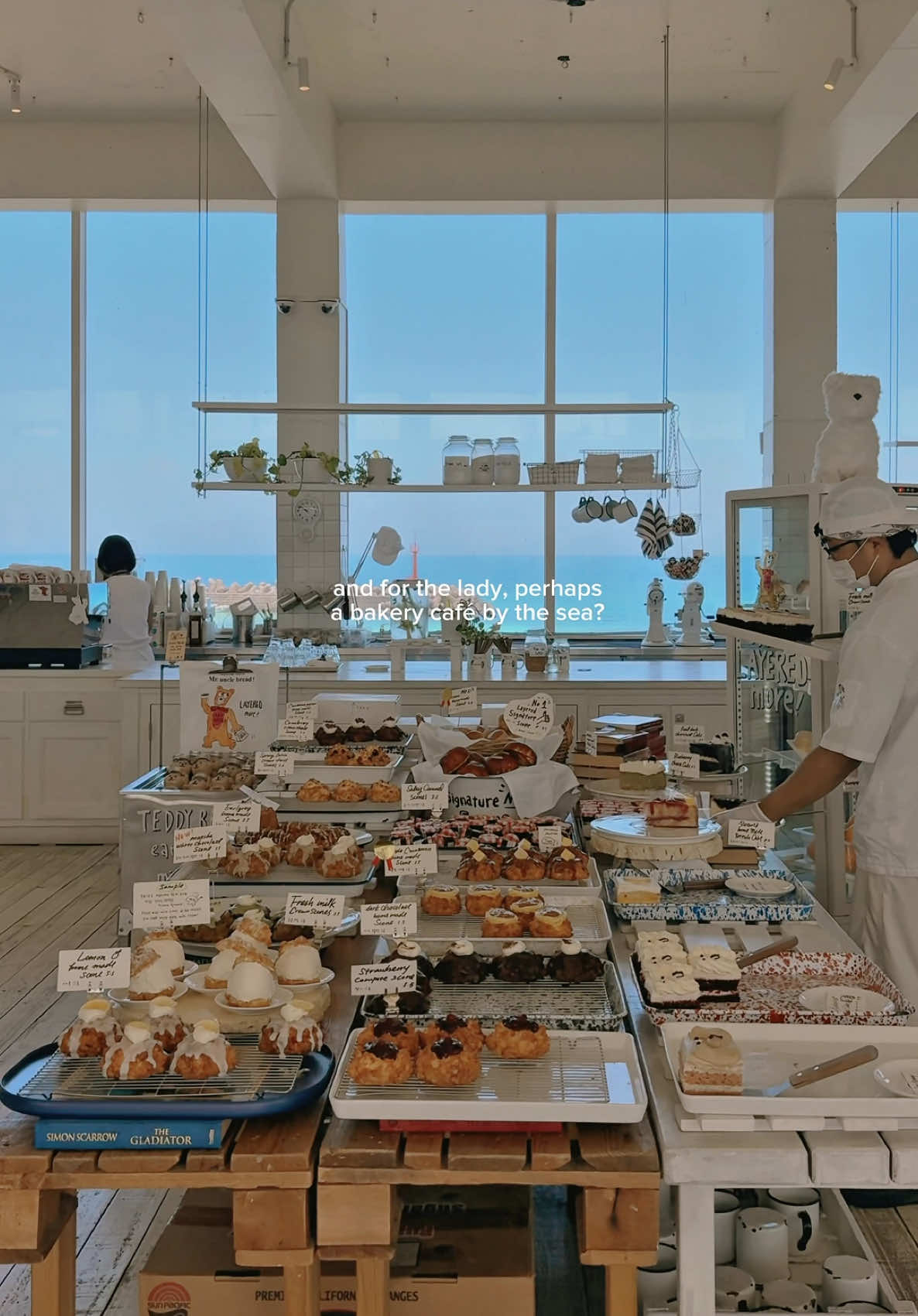
This post taps into the fantasy of a perfect moment—beautiful space, good food, ocean views, zero pretension. It's aspirational without being out of reach, and the calm aesthetic paired with genuine appreciation for simple things (good cake, good coffee) feels earned rather than forced.

People crave tactical advice they can immediately use in high-stakes moments. This closing question works because it shifts the power dynamic—instead of being interrogated, the interviewer gets to feel heard and valued, which naturally reveals authentic culture and makes you memorable.

The raw honesty about real estate's unsexy reality cuts through the glamour fantasy. People clicked because it validates what they suspected: the job might look lucrative but comes with brutal truths nobody talks about. That vulnerability makes it feel real.
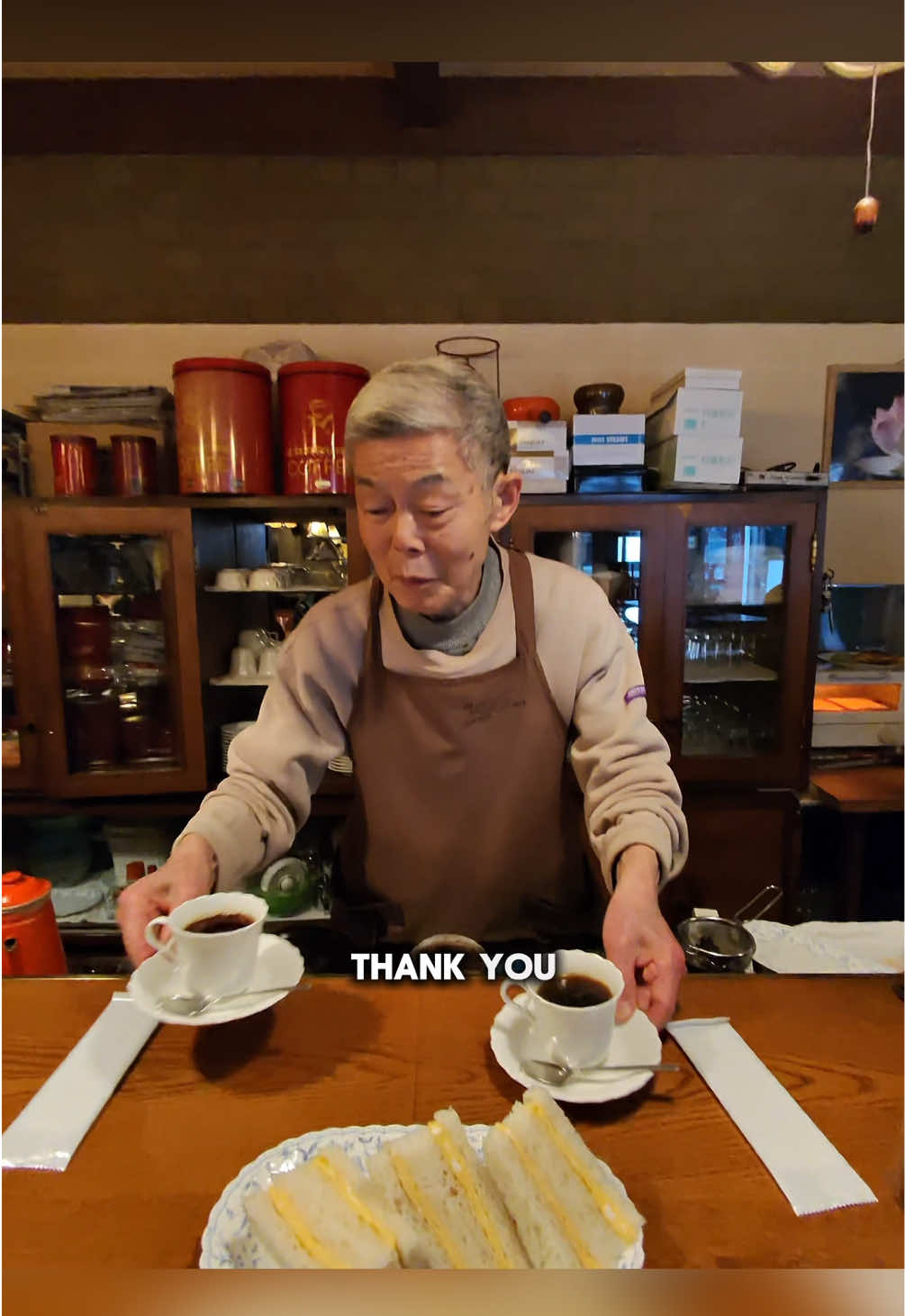
Authenticity and craft mastery win when paired with genuine human connection. Viewers aren't just seeing a cafe, they're witnessing decades of dedication distilled into a moment, which triggers both nostalgia and respect for simple excellence.
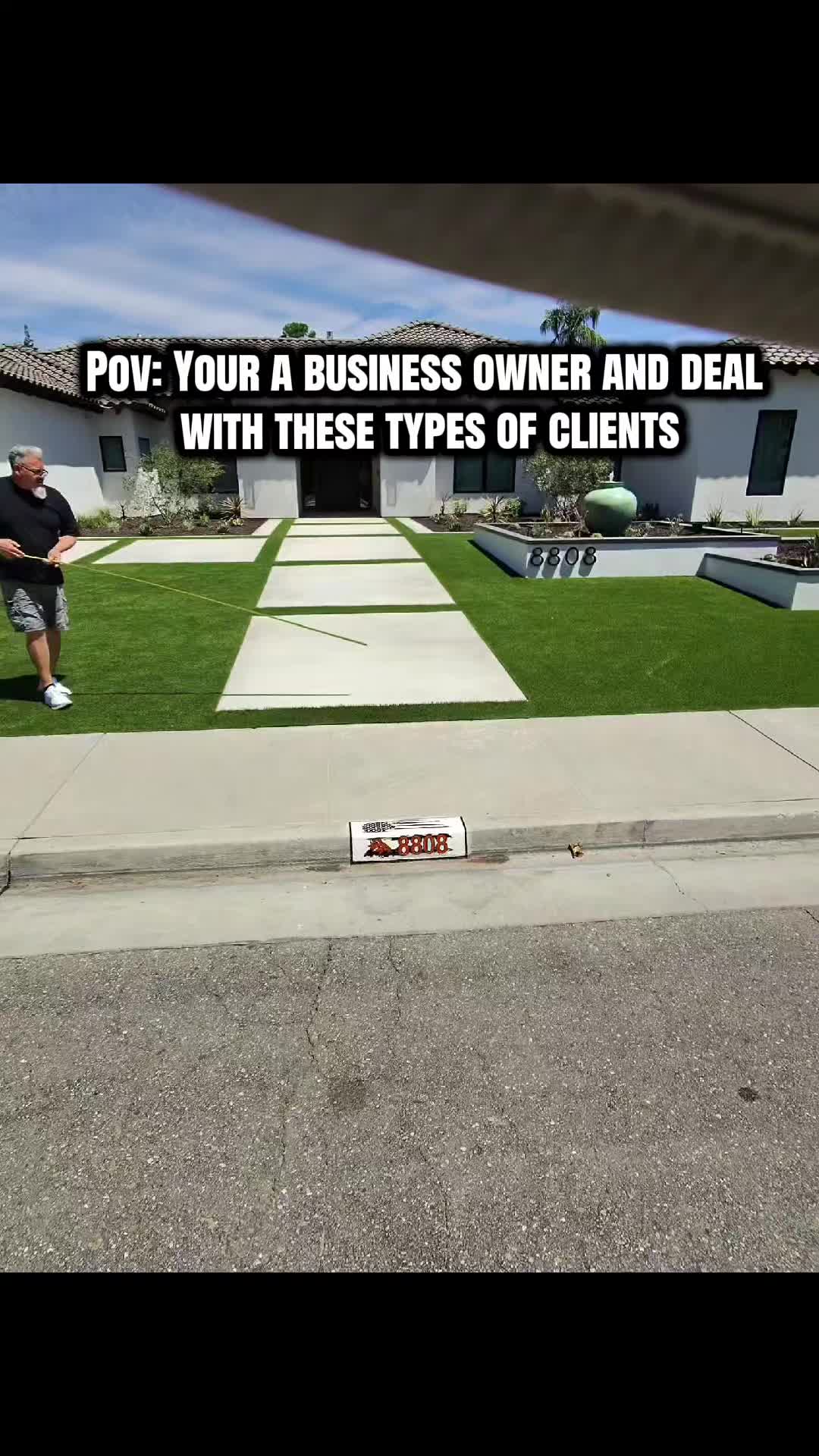
People love watching business owners call out bad clients because it validates frustrations they have but can't express. The specificity of the complaint (4 inches off) plus the clear setup makes it feel like real consequences, not just venting.
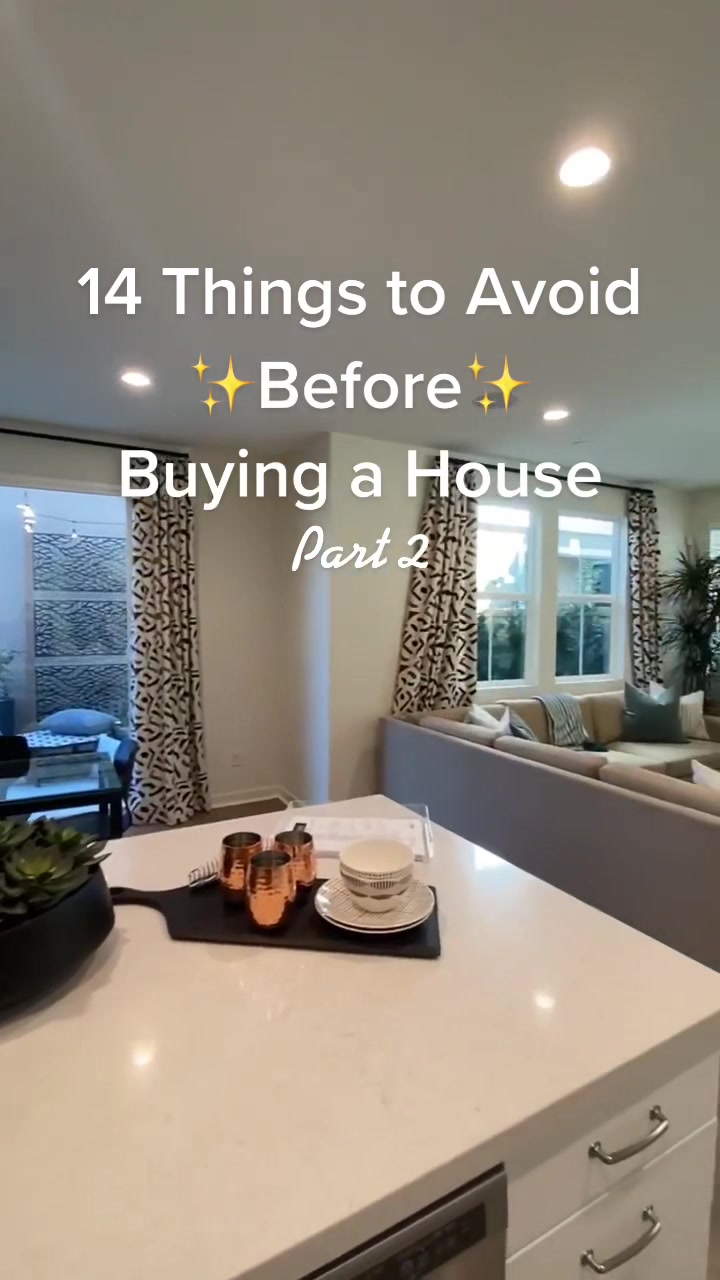
People don't just want rules—they want permission to question them. This post taps into the anxiety first-time buyers feel about "doing it wrong," then creates room for debate in the comments, making viewers invested in the answer.
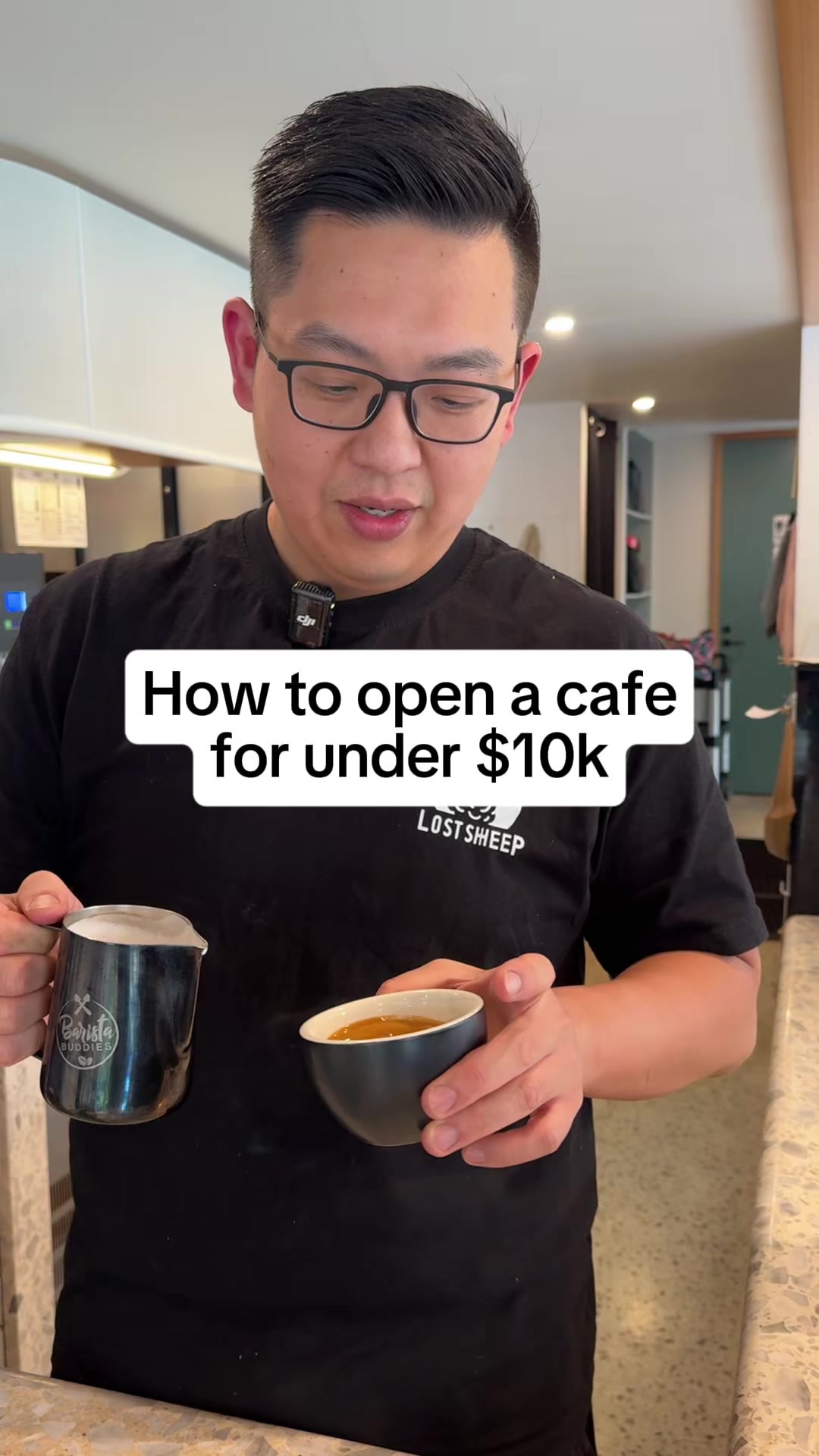
The "$10k cafe" hook taps into entrepreneurial curiosity, but the comments reveal people want the messy truth, not the polished shortcut. The save rate spiked because viewers bookmarked it to either call BS or extract real lessons from the friction.

This taps into the universal relief of a deal actually closing in real estate, where deals fall apart constantly. The exaggerated celebration against the luxury house backdrop makes the anxiety relatable to anyone in the industry while being hilarious to outsiders watching.
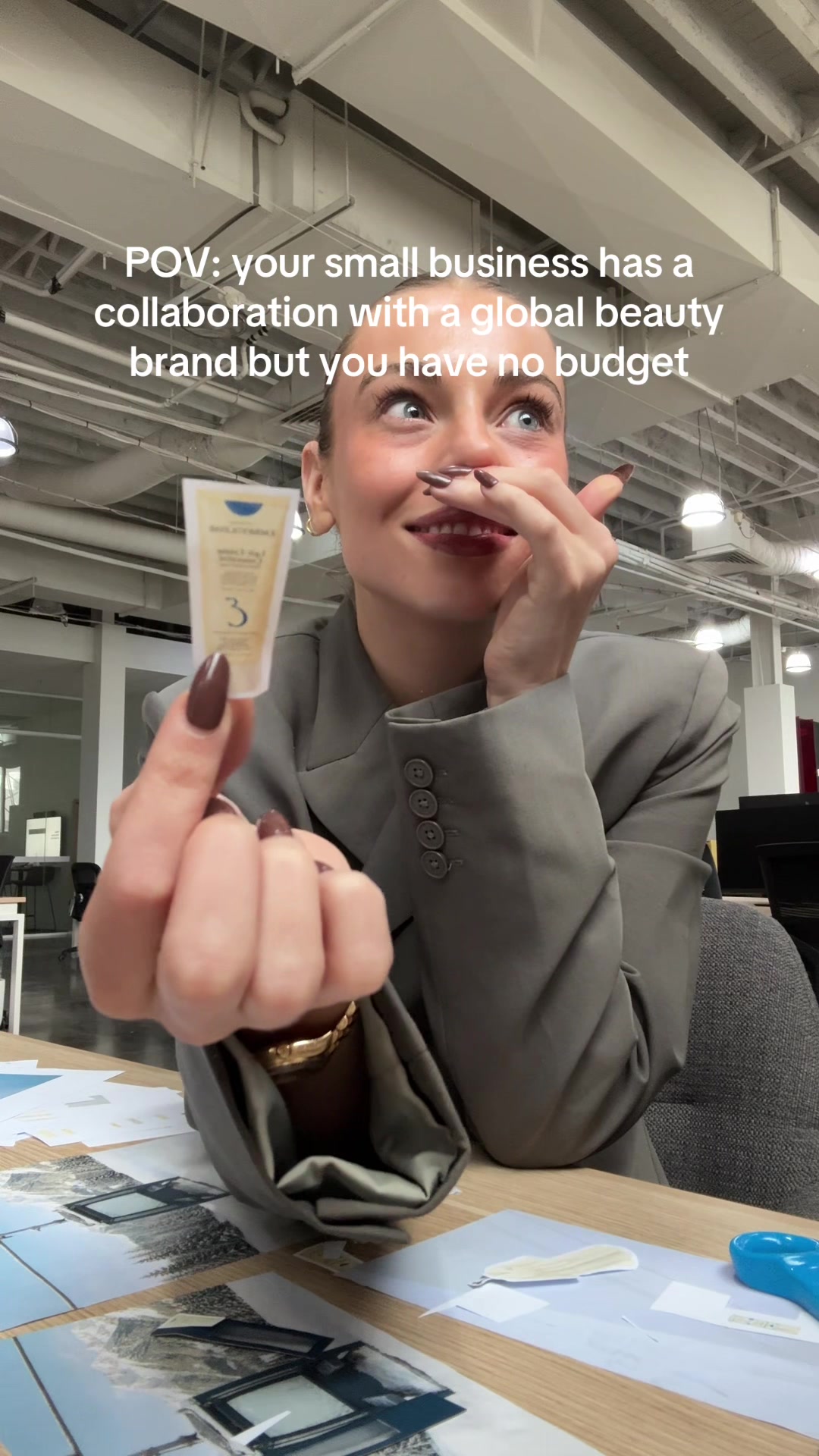
The specificity of the scenario hits a nerve for small business owners—that exact tension of landing a dream collab but having zero resources to execute it. The exaggerated facial expression sells the internal chaos, making viewers feel seen in their own scrappy hustle moments.
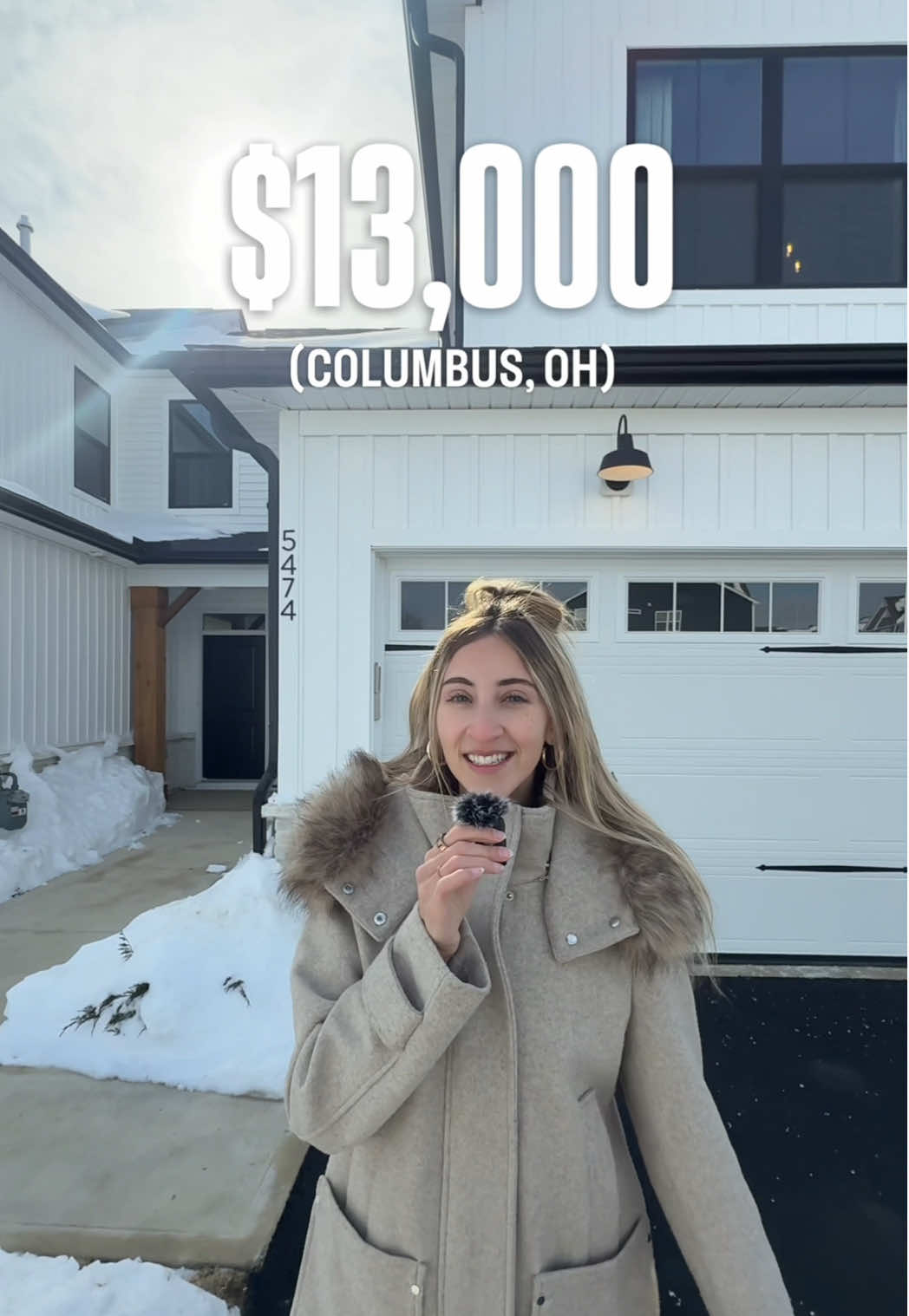
The price point juxtaposed with brutally honest neighbor reality checks hit a nerve. People aren't just scrolling through real estate—they're seeking validation that the market feels as painful as it actually is, and the comments delivered exactly that.
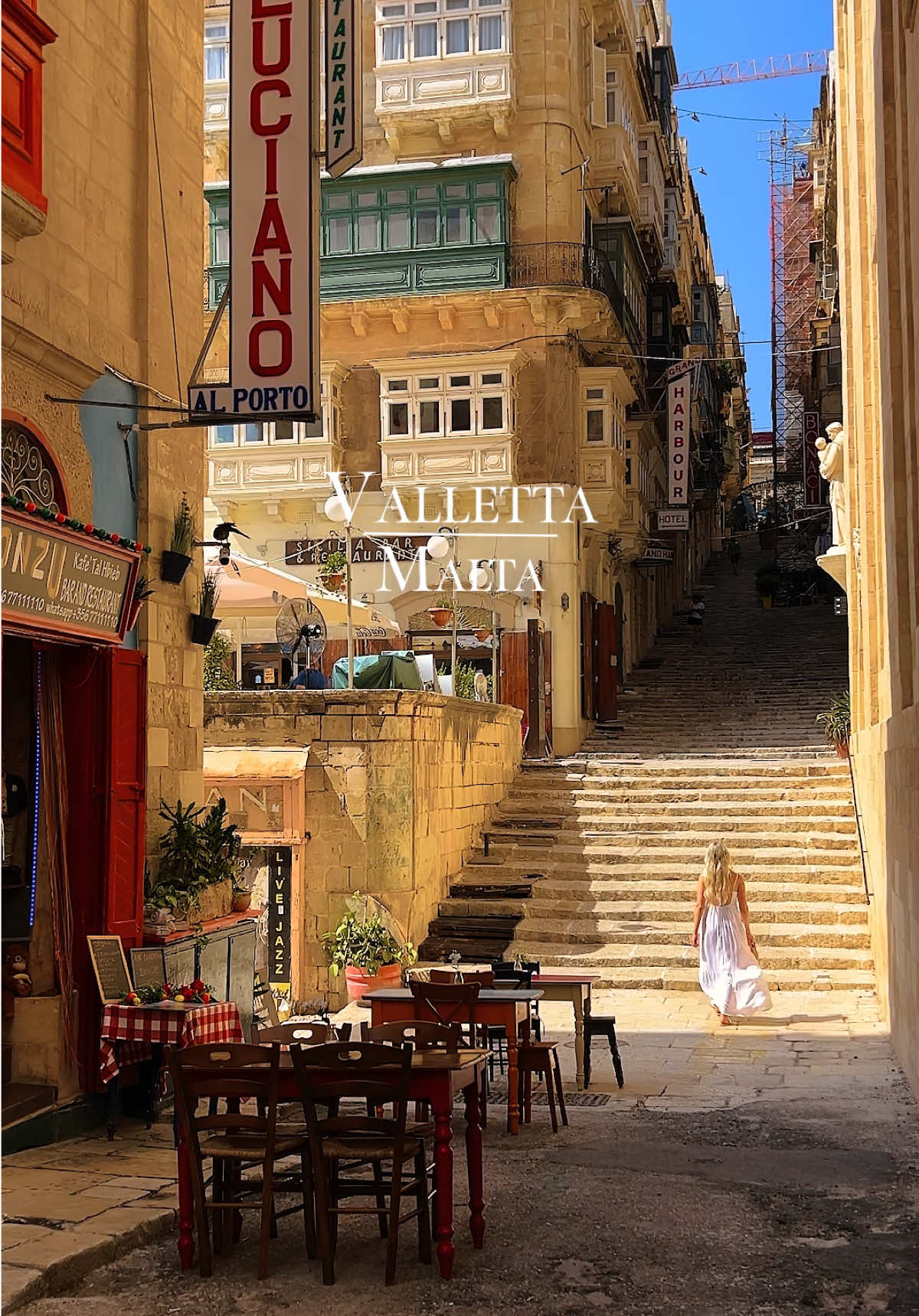
This post taps into wanderlust and the fantasy of unplanned discovery in a picturesque destination. The golden light, romantic framing, and solitary figure create an inviting "what if I went there" feeling that begs to be shared with travel partners or saved for future planning.
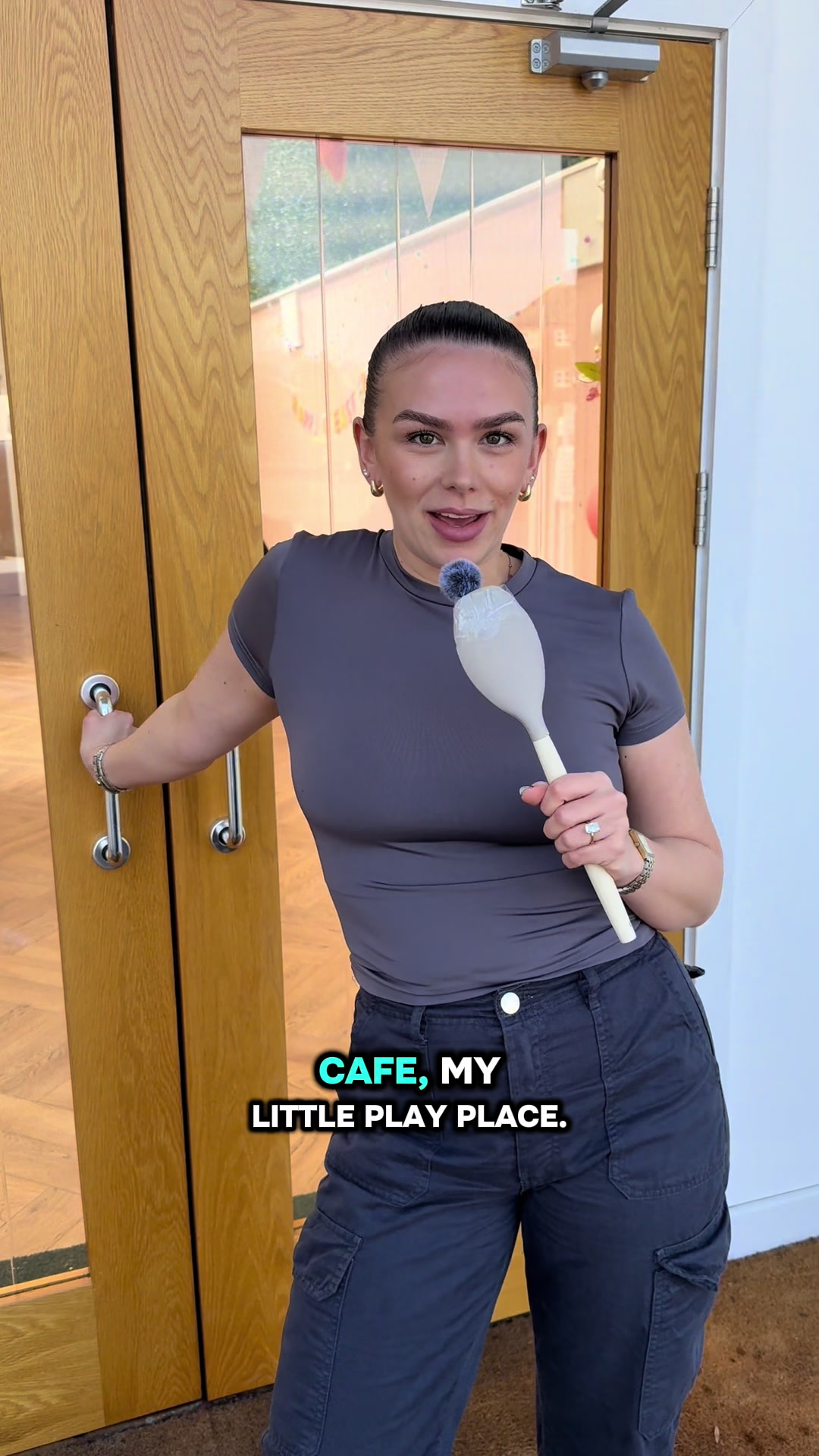
The infectious energy and genuine enthusiasm for showcasing a personal passion project taps into people's desire to see real business pride. Viewers connected because it felt like watching a friend celebrate something they've actually built, not a polished ad.
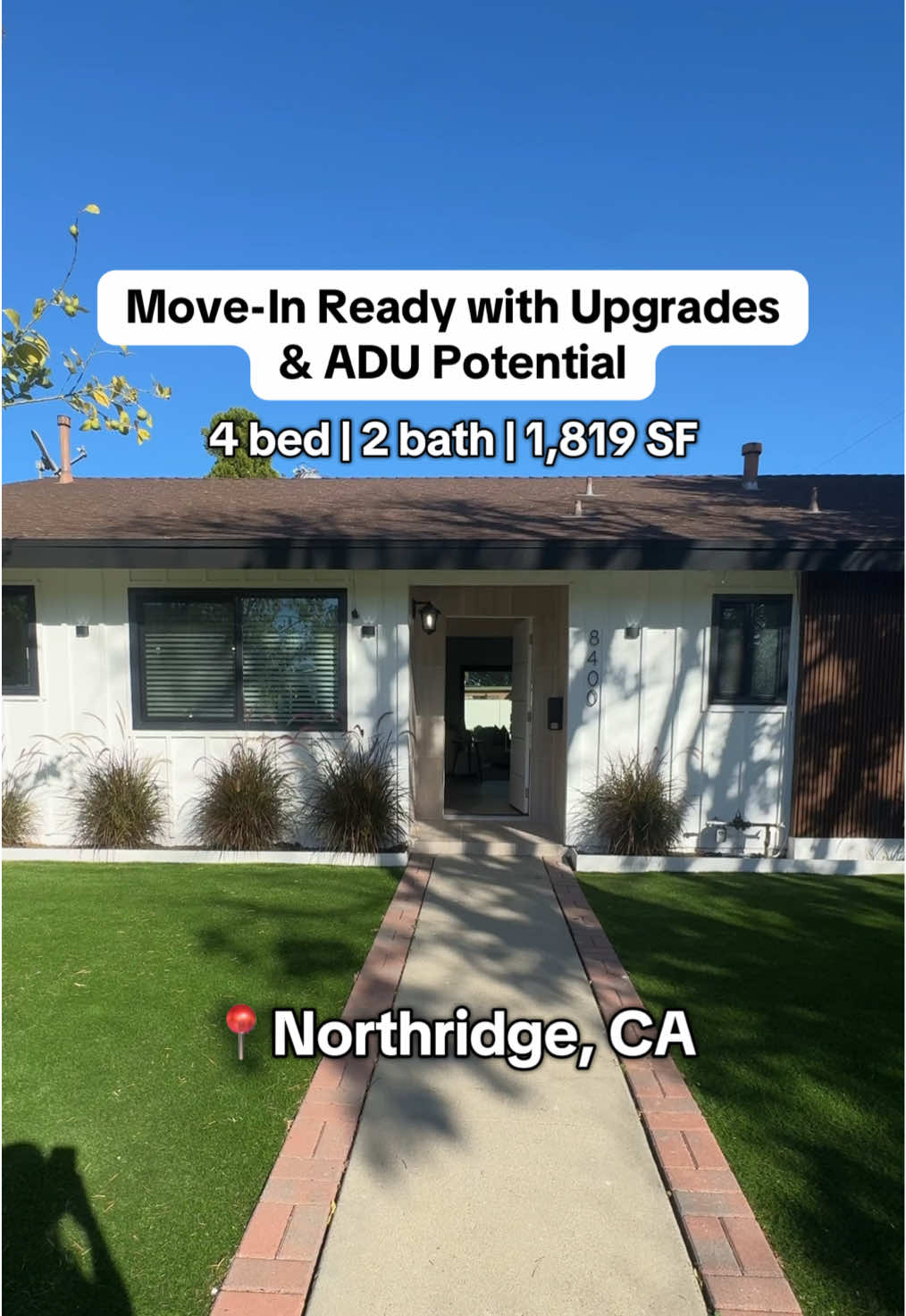
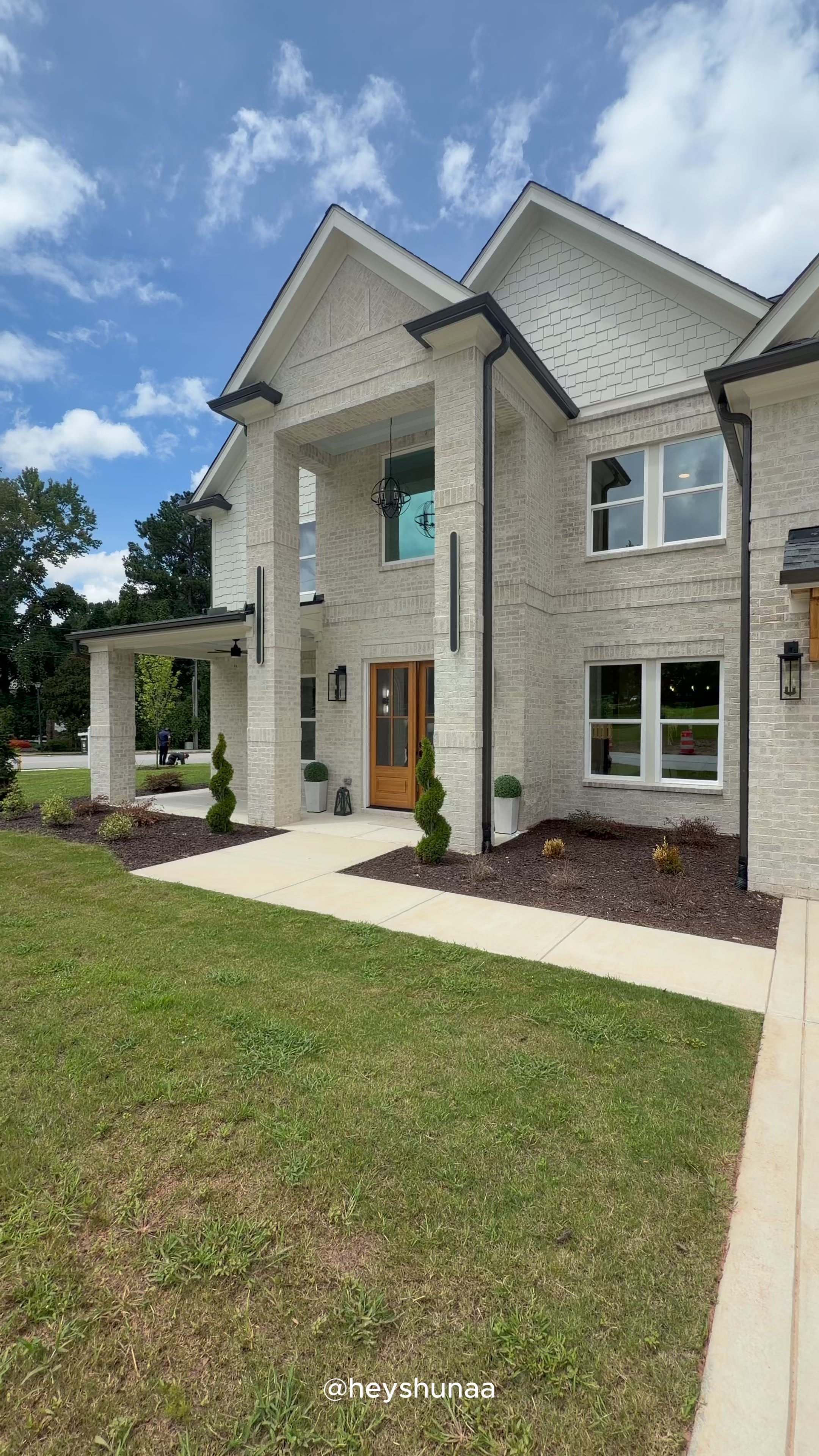
Clean architectural photography paired with specific property details (square footage, bedroom count, no HOA) hits the sweet spot between aspirational and actionable. People save and share because it feels like a real home they could actually buy, not an untouchable fantasy.
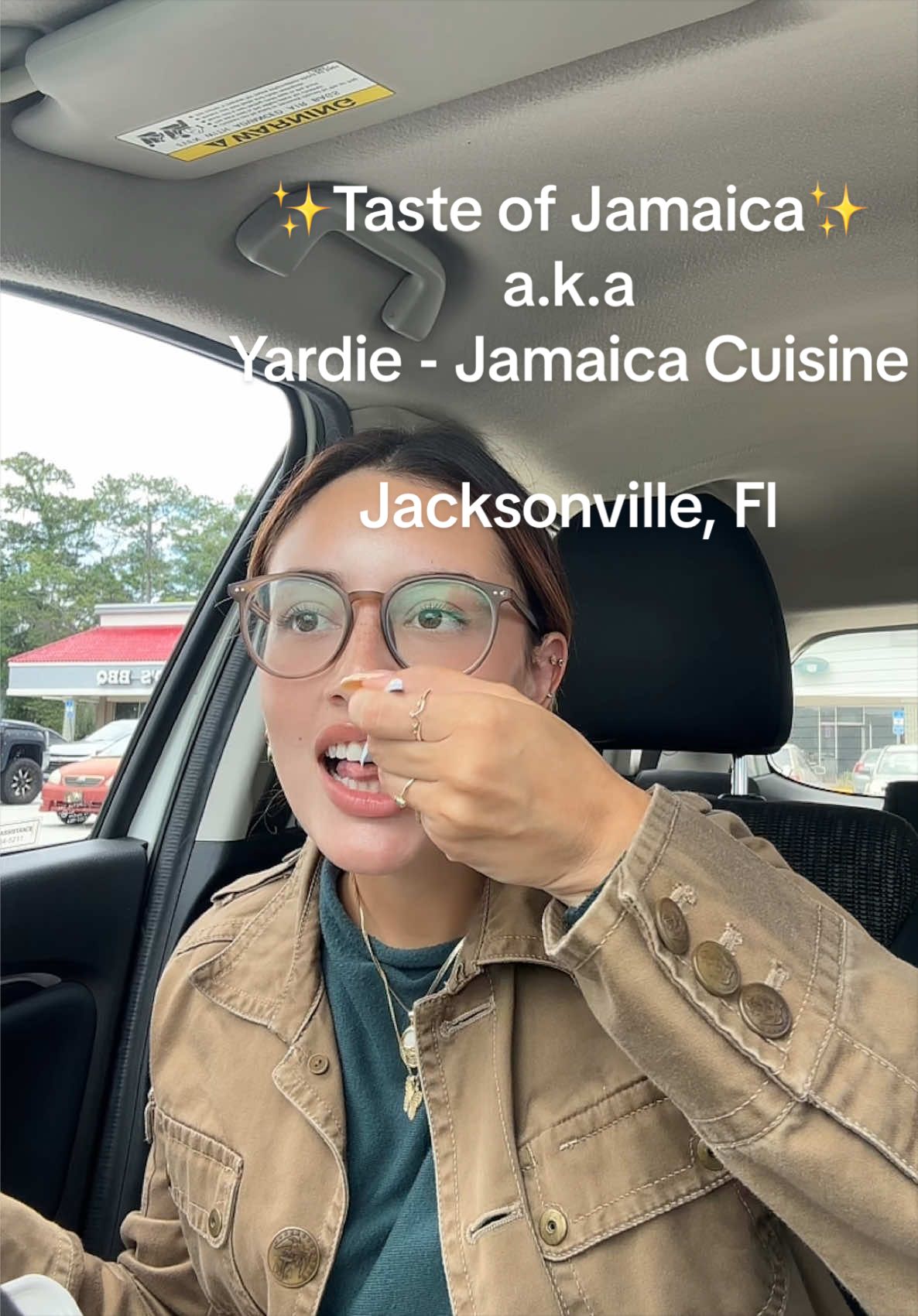
Raw excitement about discovering an underrated local spot hits harder than polished reviews. The genuine reaction and "I found this gem" energy taps into that satisfying feeling of being in-the-know about your community's hidden food treasures.
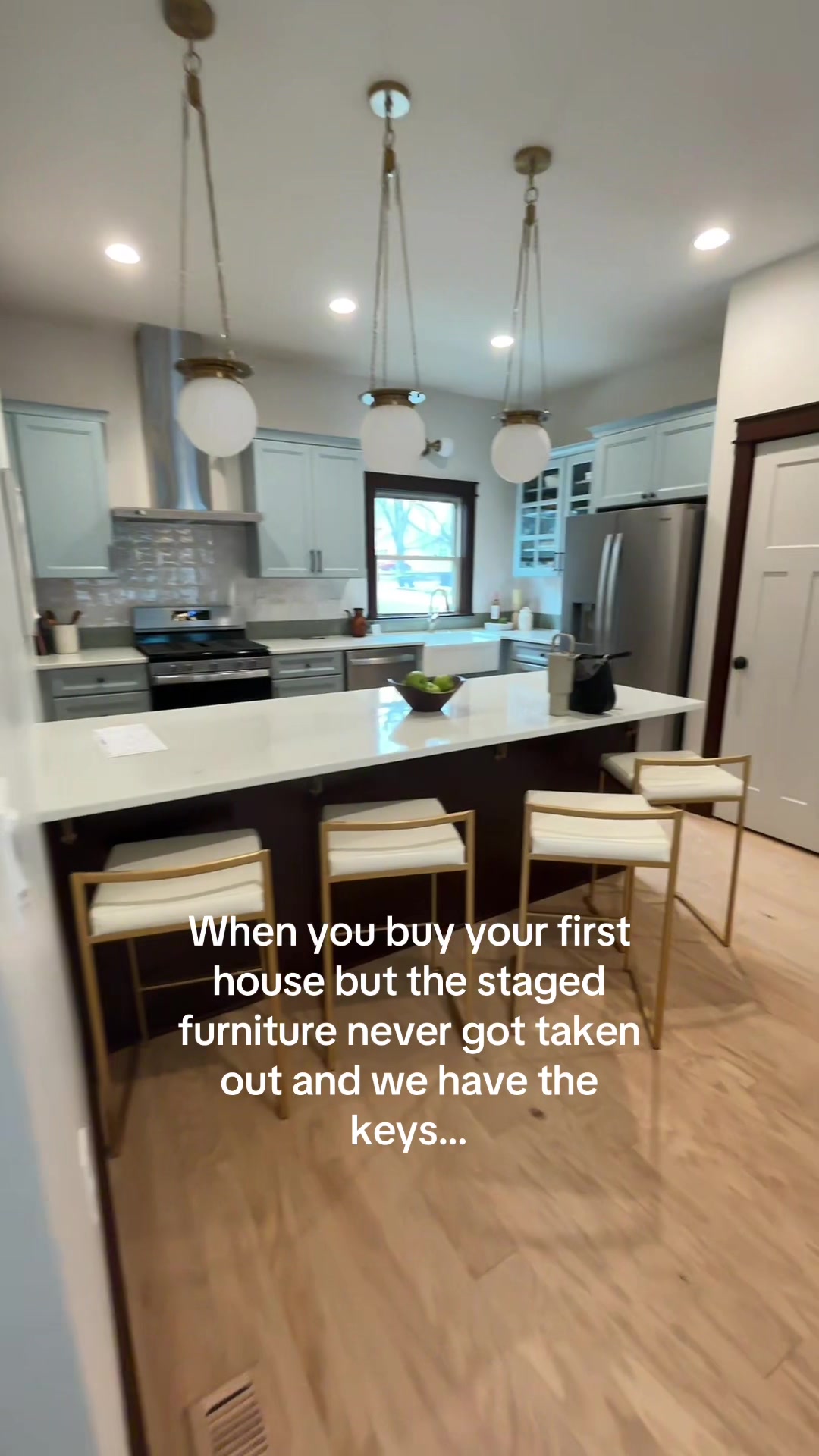
People love a relatable win dressed up as uncertainty. The post taps into first-time homebuyer anxiety while revealing an actual lucky break—staged furniture left behind is free real estate (literally). The humor comes from playing dumb about obvious good fortune, which feels genuine and earned rather than boastful.
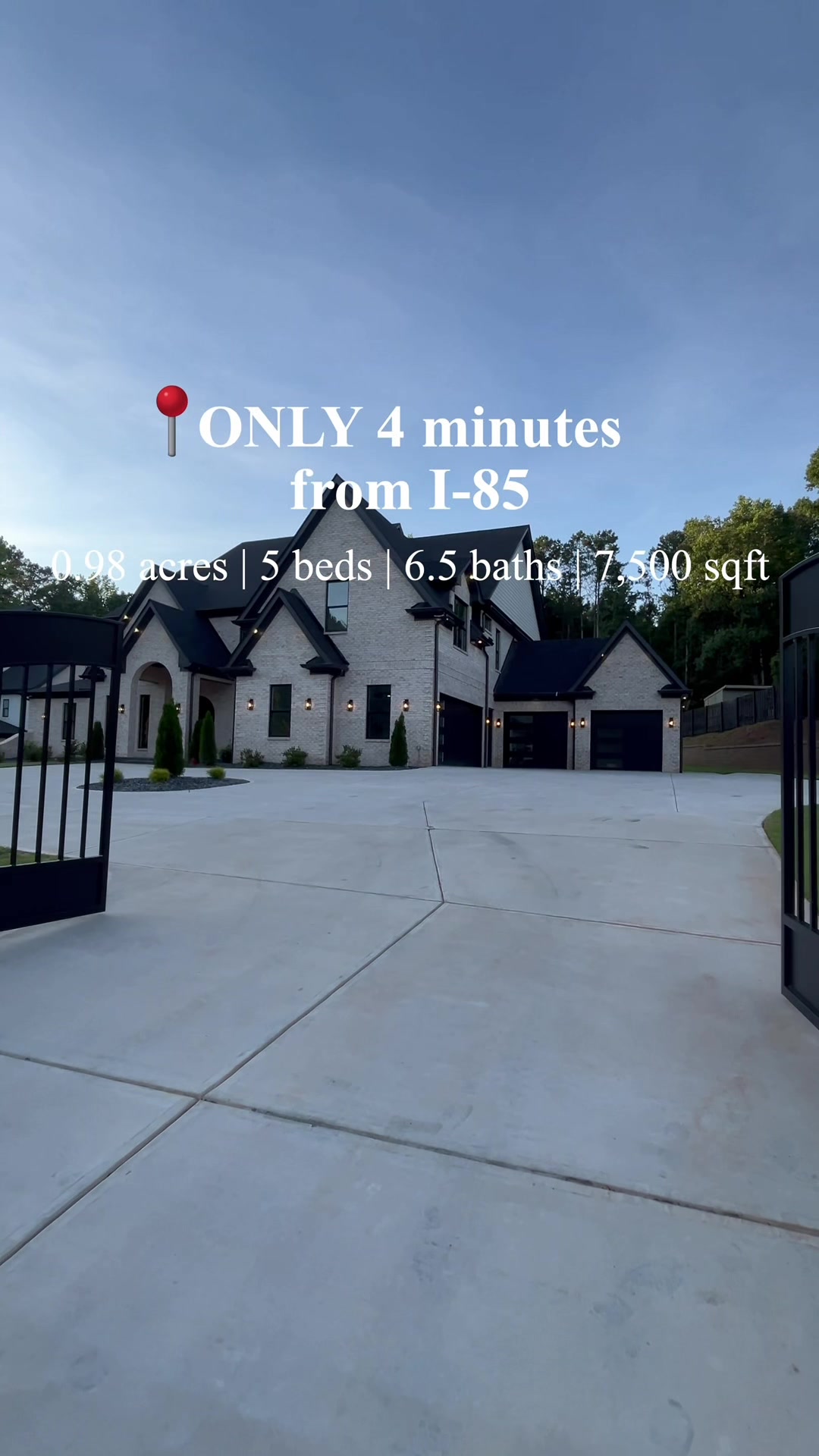
The specificity of "only 4 minutes from I-85" paired with luxury property specs hits the sweet spot between aspiration and practicality. People save and share because they're actually considering it, not just daydreaming about something impossibly far away.
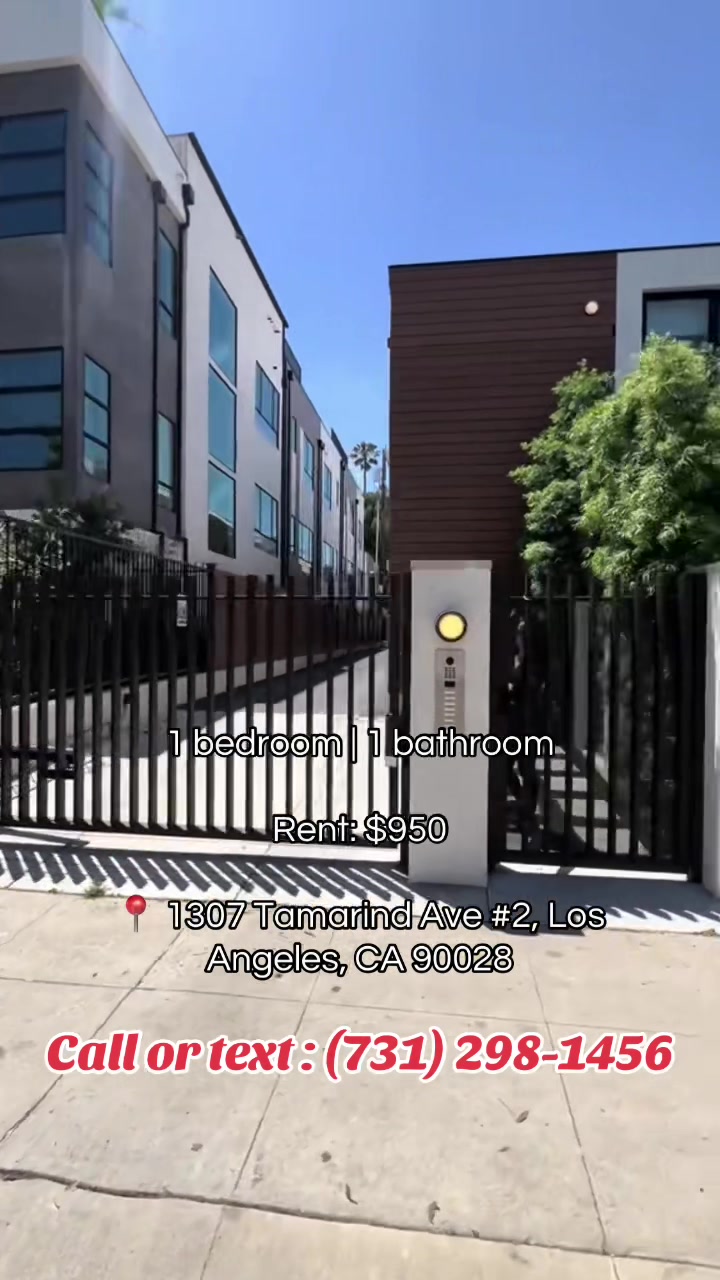
The $950 rent price in LA is shockingly low, creating immediate disbelief that drives engagement. People save and share because they either want to verify it's real or grab it before it disappears. The cognitive dissonance between location and cost is the hook.
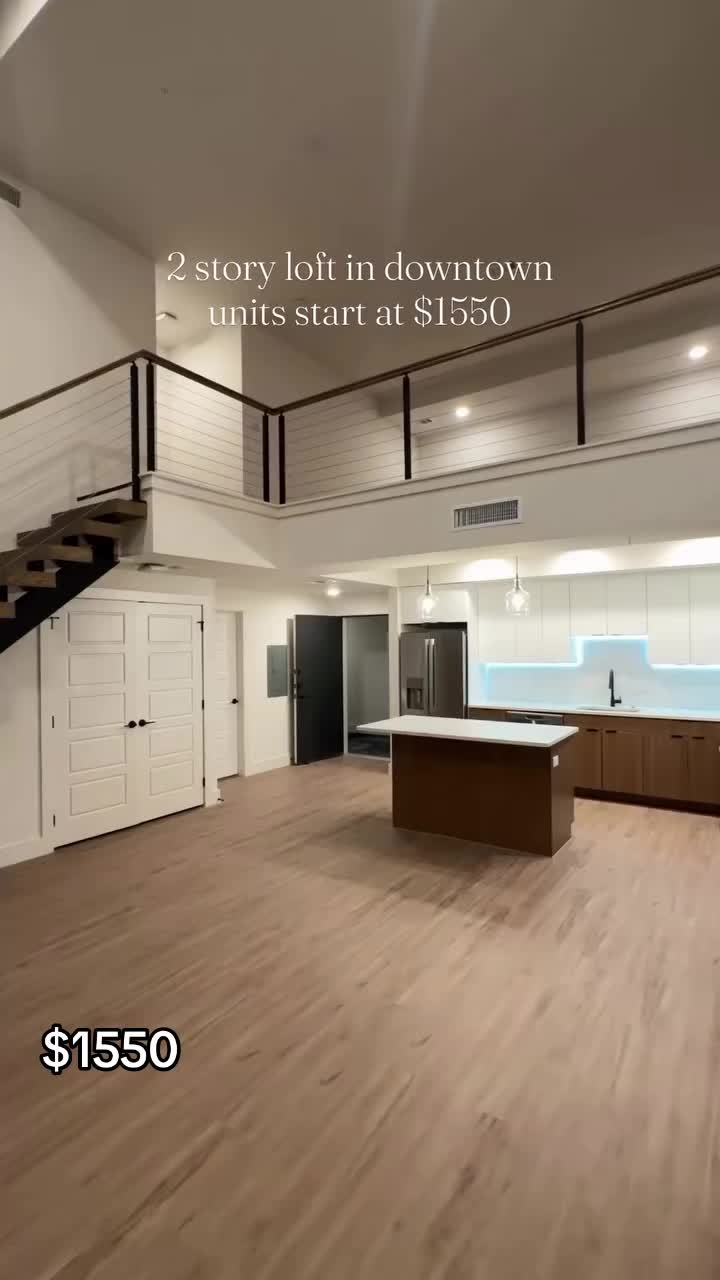
People are shocked by the price point relative to the space quality. A modern, two-story loft with high ceilings and finished finishes at $1550/month reads almost too good to be true, which triggers both skepticism and urgent interest. The visual does the heavy lifting—no need to oversell.
Self-deprecating humor about incompetence paired with genuine expertise flips the script on real estate marketing. People expect polished perfection from realtors, so admitting what you can't do while confidently selling the house creates trust and memorability.
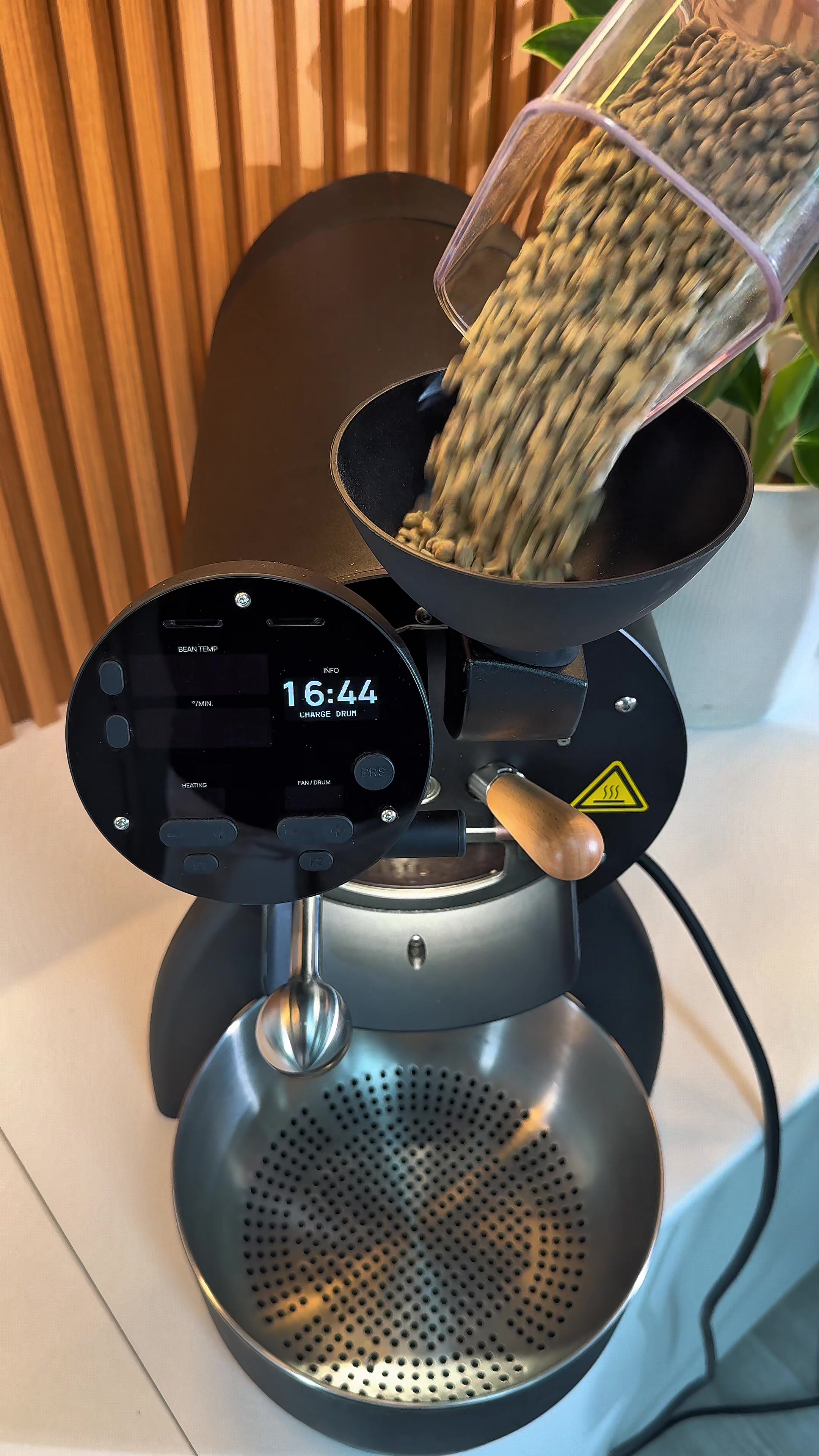
The precision and automation of specialty coffee roasting taps into aspiration without gatekeeping. People are drawn to seeing professional-grade equipment doing exactly what it promises, with zero guesswork. It feels attainable yet impressive.
People crave real sales tactics in action, especially when an objection gets handled smoothly. This captures the exact friction realtors face daily and shows a solution that actually works, making it feel like a masterclass rather than a lecture.
The unfiltered joy and genuine laugh sell harder than any polished coffee ad ever could. People connect with real people having real fun at their own business, especially when there's a playful visual hook that makes them curious about what's actually happening.
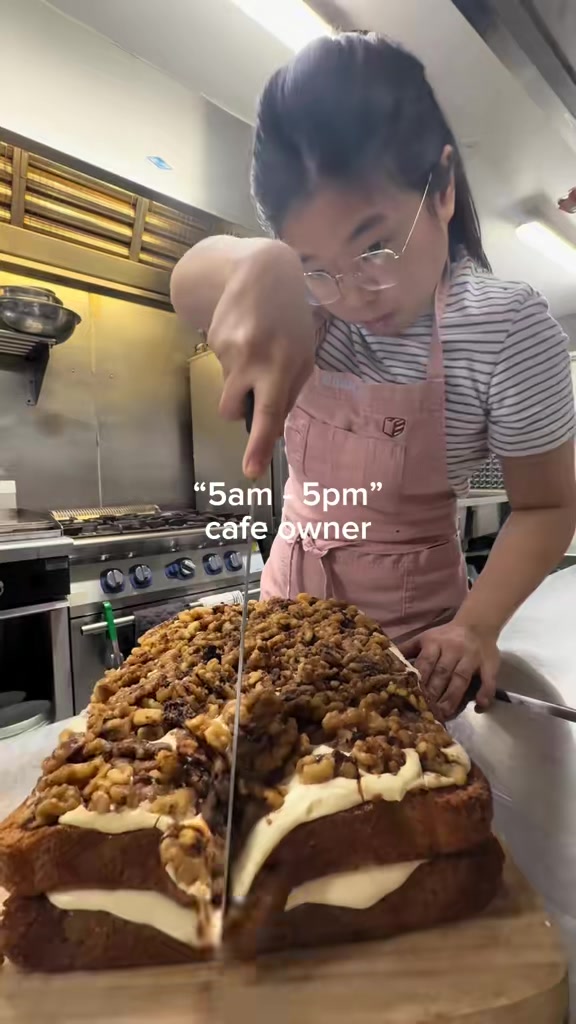
Food preparation content hits hardest when it's visually satisfying and tied to a real person's story. The combination of messy, tactile cooking moments with the cafe owner identity creates authenticity that makes viewers feel invested in her success, not just the product.
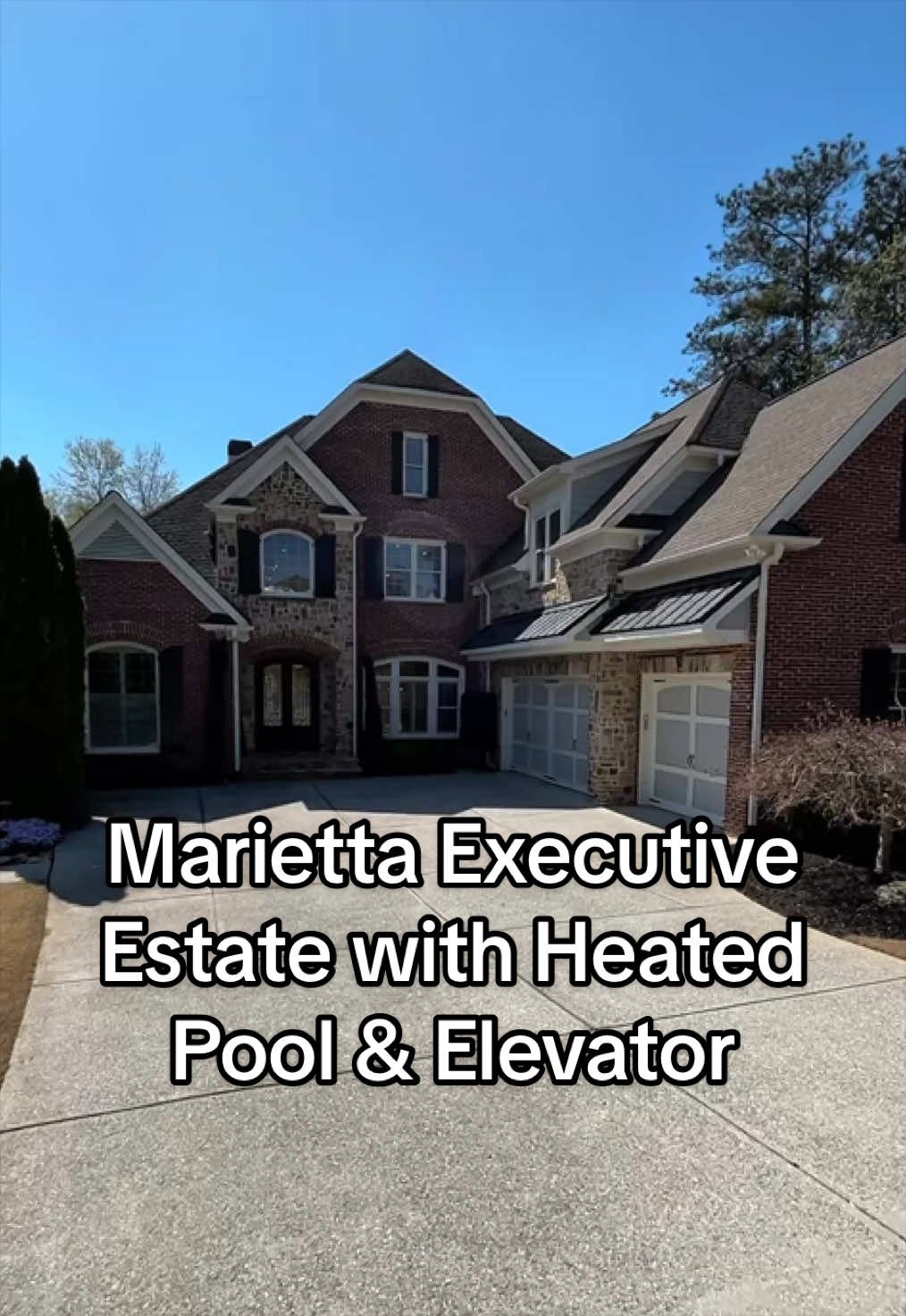
Luxury real estate hits different when it triggers aspirational dreaming rather than just property specs. The stairs, the scale, the "someday" feeling made people project their own life moments onto the space, turning a listing into emotional inspiration.
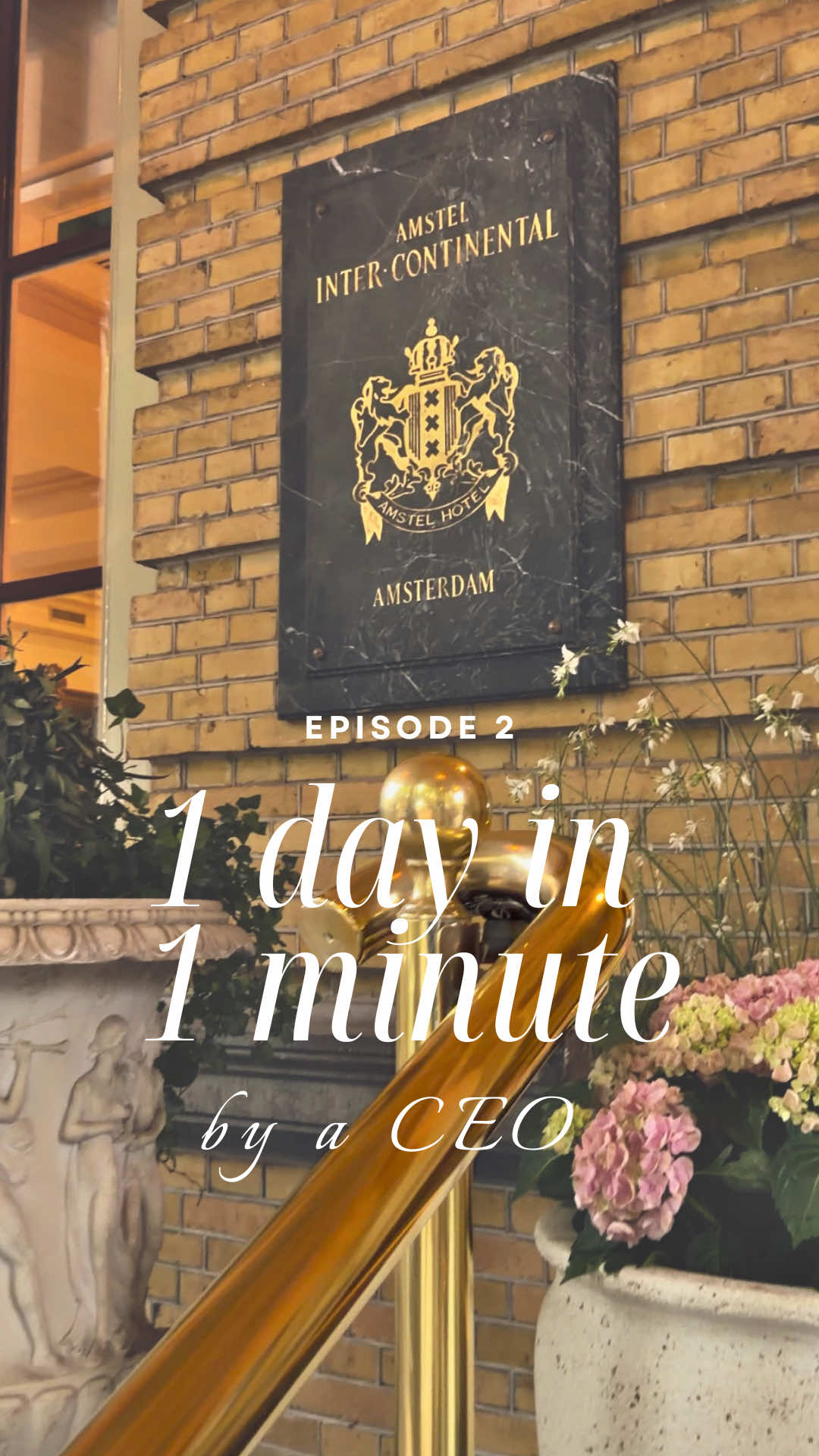
The aspirational lifestyle paired with relatable CEO authenticity creates compelling escapism. People want to see successful women actually living their lives, not just flexing—the mix of working from home, meetings, and luxury travel feels achievable yet elevated.
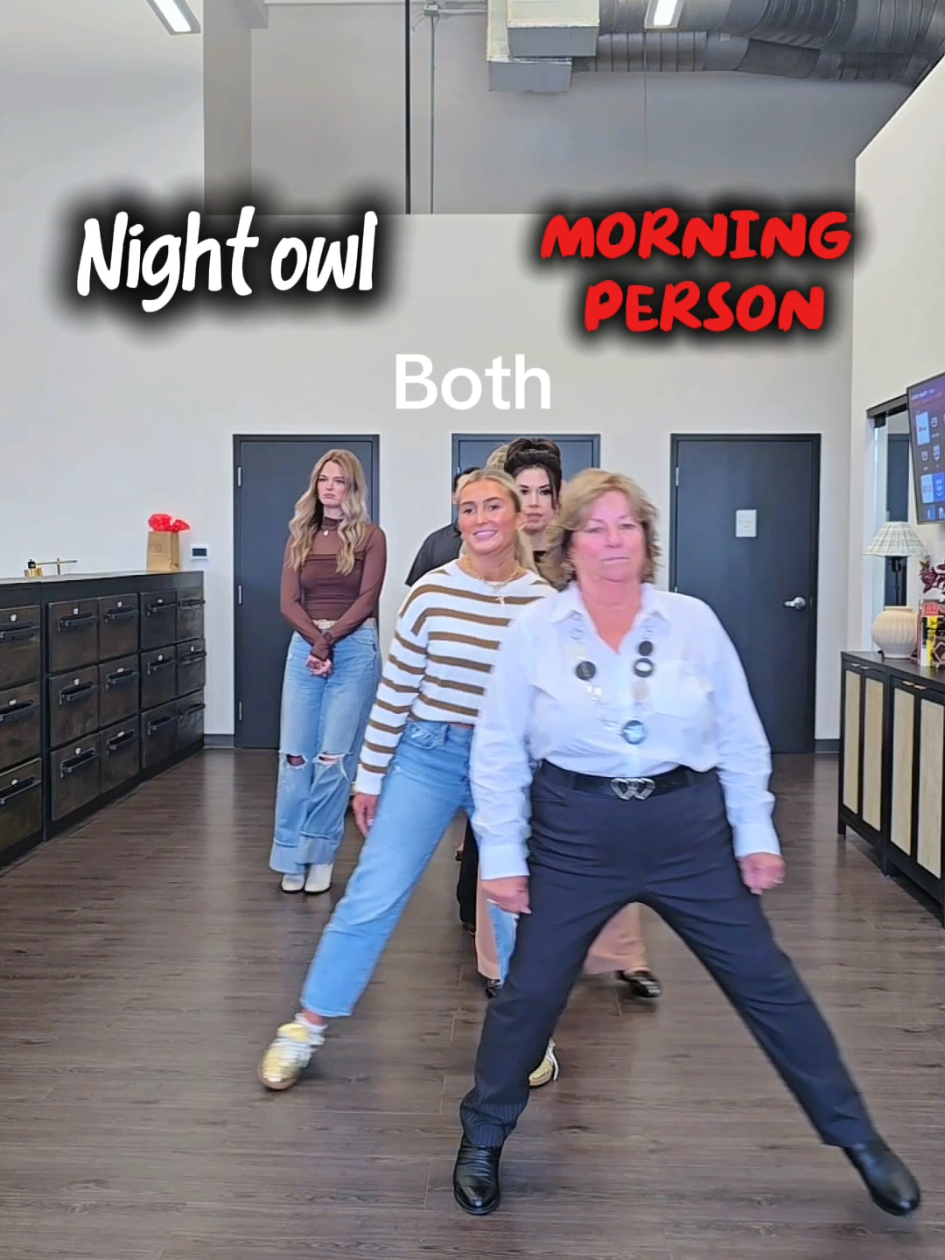
The "this or that" format taps into workplace dynamics people actually debate, especially in competitive environments like real estate. The generational divide and office personality archetypes made it feel like a personal litmus test, sparking genuine curiosity about who earns what and why colleagues tick differently.

This hit because it's the universal frustration of real estate translated into a relatable moment. The visual contrast between the dream property and the person's honest reaction captures what every buyer feels when reality meets wishlist, making it funny because it's painfully true.
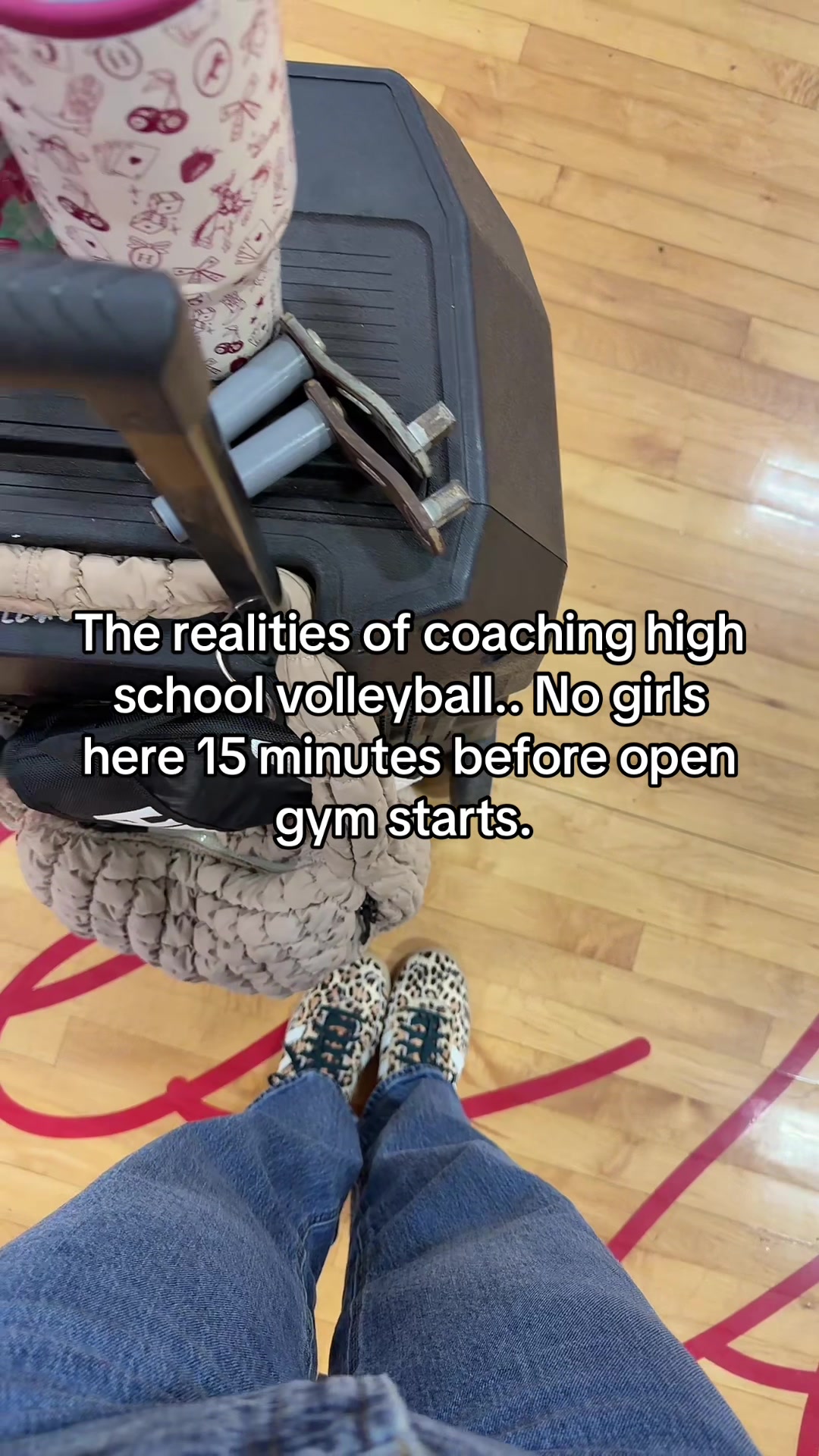
This taps into the shared frustration of coaching youth sports where you're constantly fighting against no-shows and lack of discipline. The humor comes from the relatable absurdity of setting a start time that nobody respects, making coaches feel seen in their daily battle.
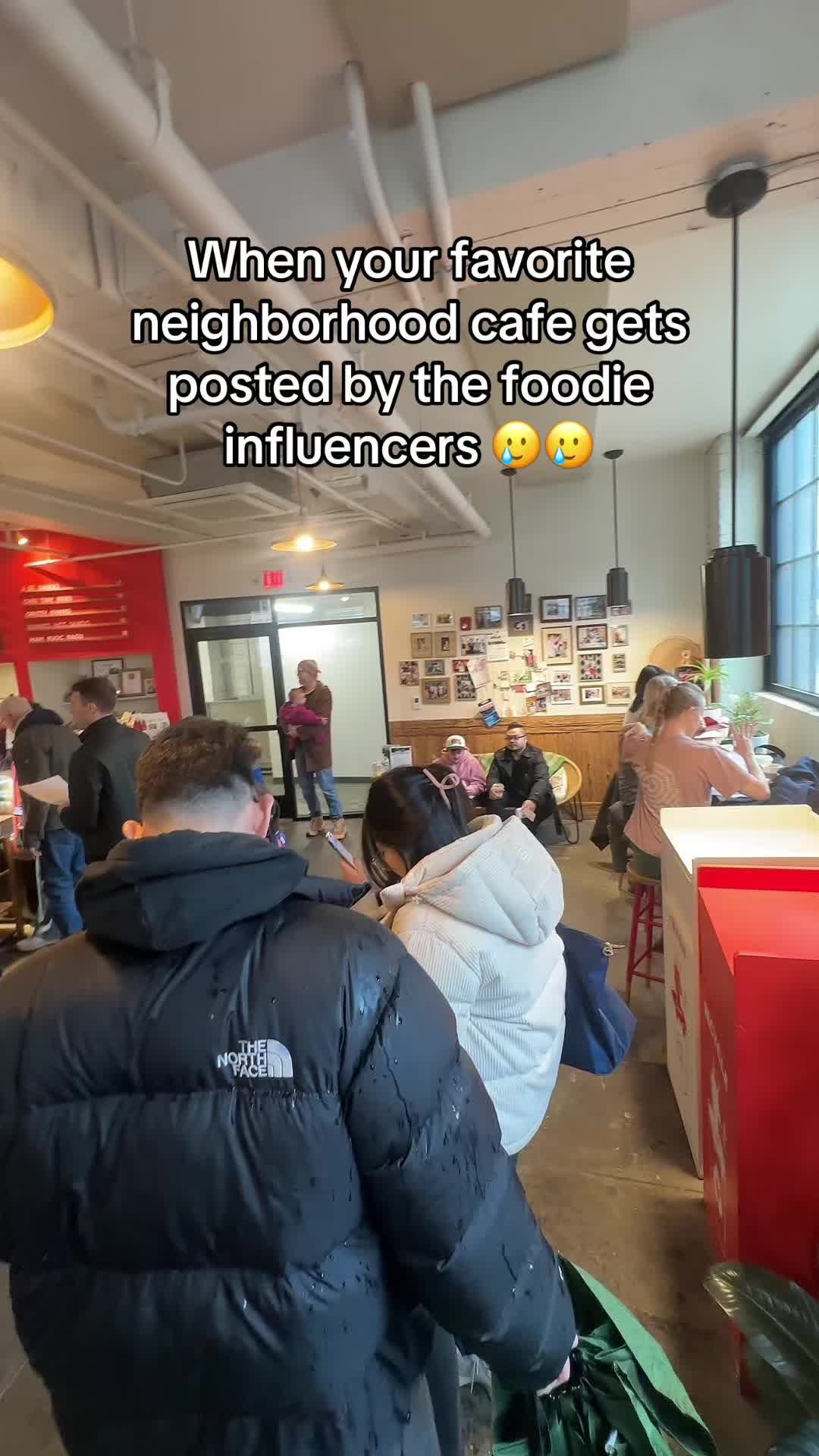
This taps into the universal frustration of seeing your local gem blow up after influencers discover it. The bittersweet humor of finally getting validation while losing the place that made it special hits hard with people who care about their neighborhoods.
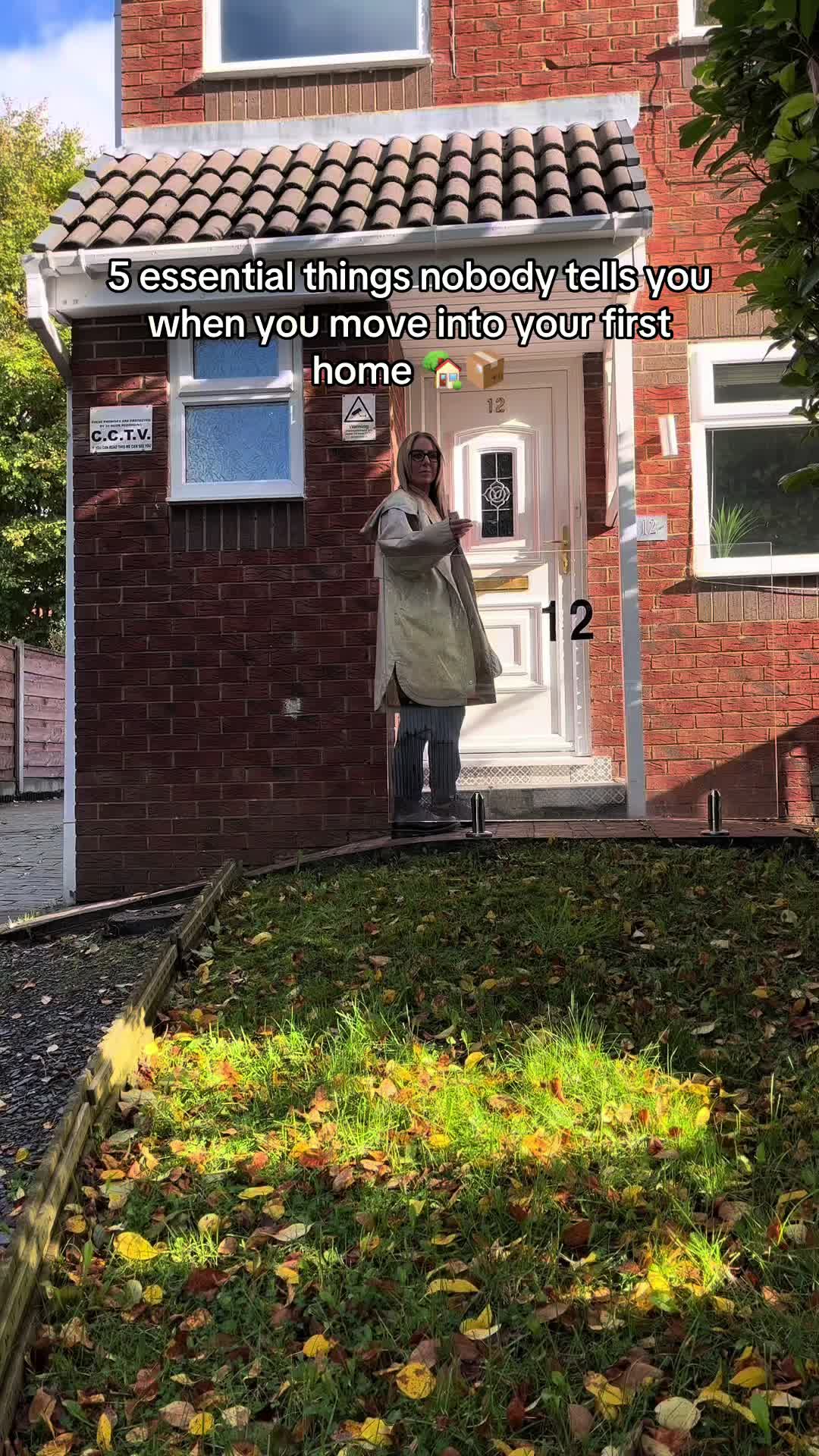
People moving into their first home are anxious about the unknown logistics, and this post fills that gap with practical, no-nonsense advice they didn't know they needed. The high save rate shows viewers treating it like a reference guide for a major life moment.
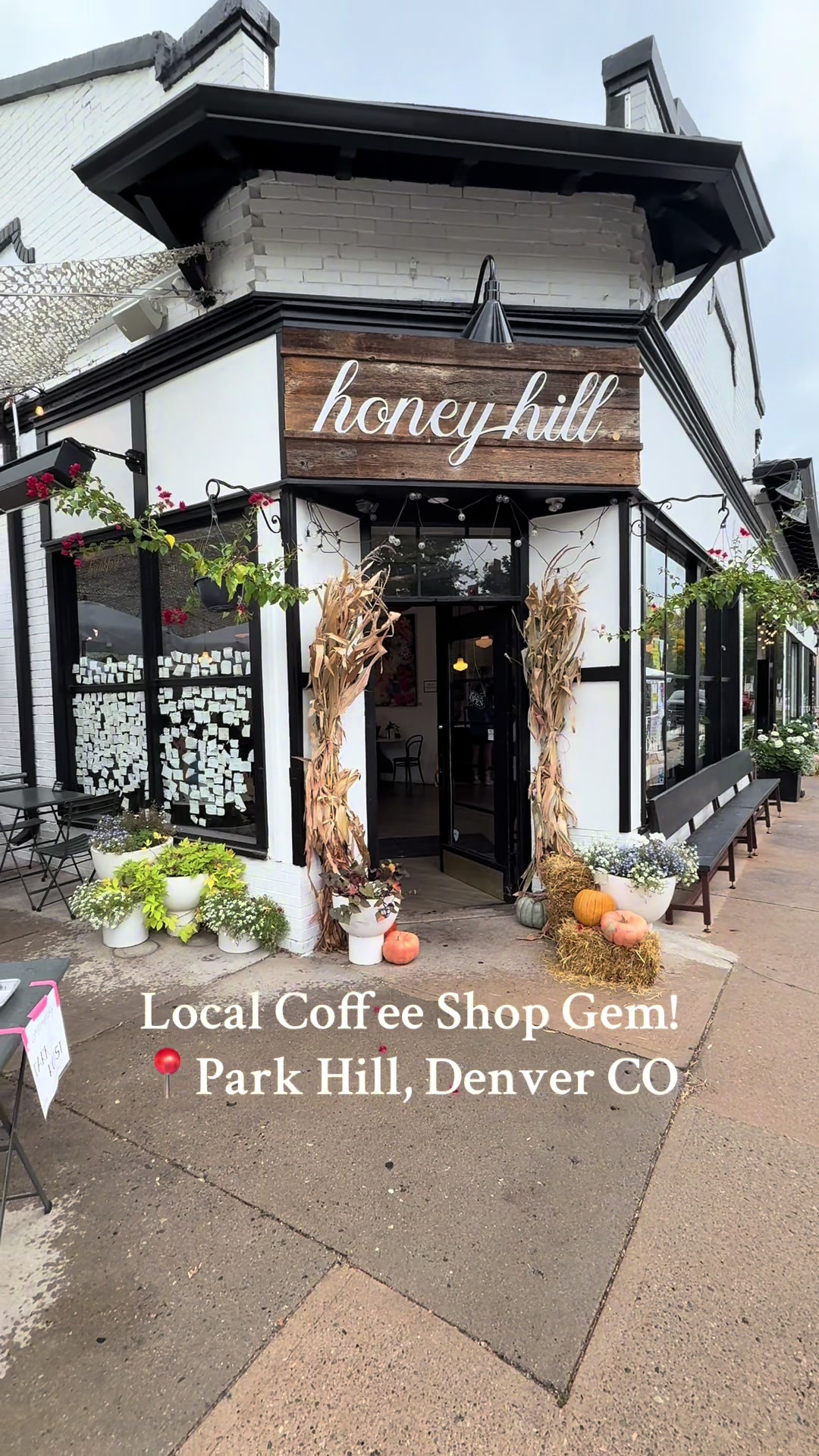
People save and share local cafe discoveries because they're curating their own neighborhood guide, not just consuming content. A beautiful storefront with practical details (address, hours, menu breakdown) gives viewers actionable intel they can actually use.
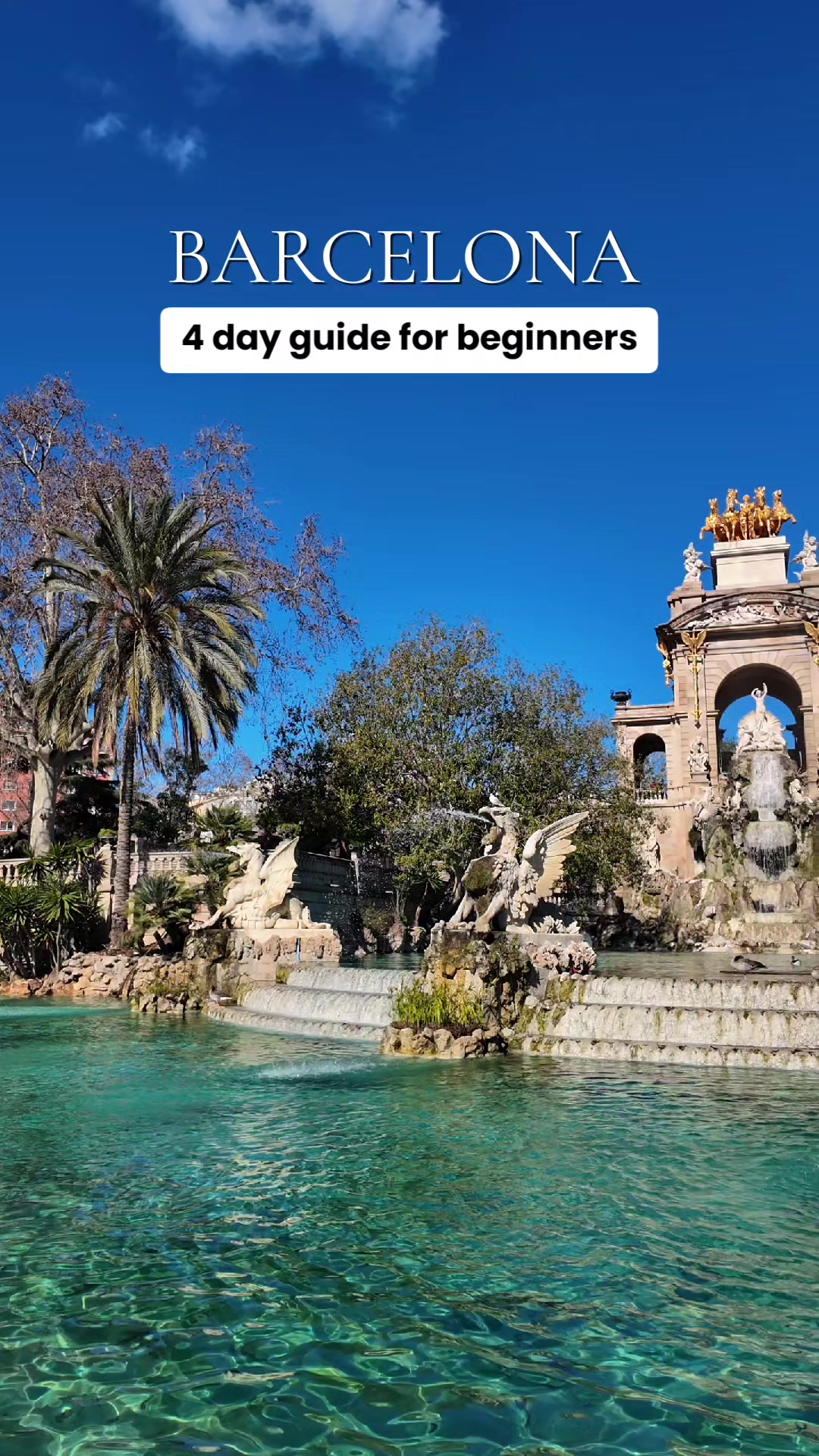
The post delivers practical, actionable travel planning in a format that mirrors how people actually research trips. Stunning visuals paired with a clear itinerary structure lets viewers save this as a reference guide, which explains the 6.9x save rate. It's aspirational without being pretentious.
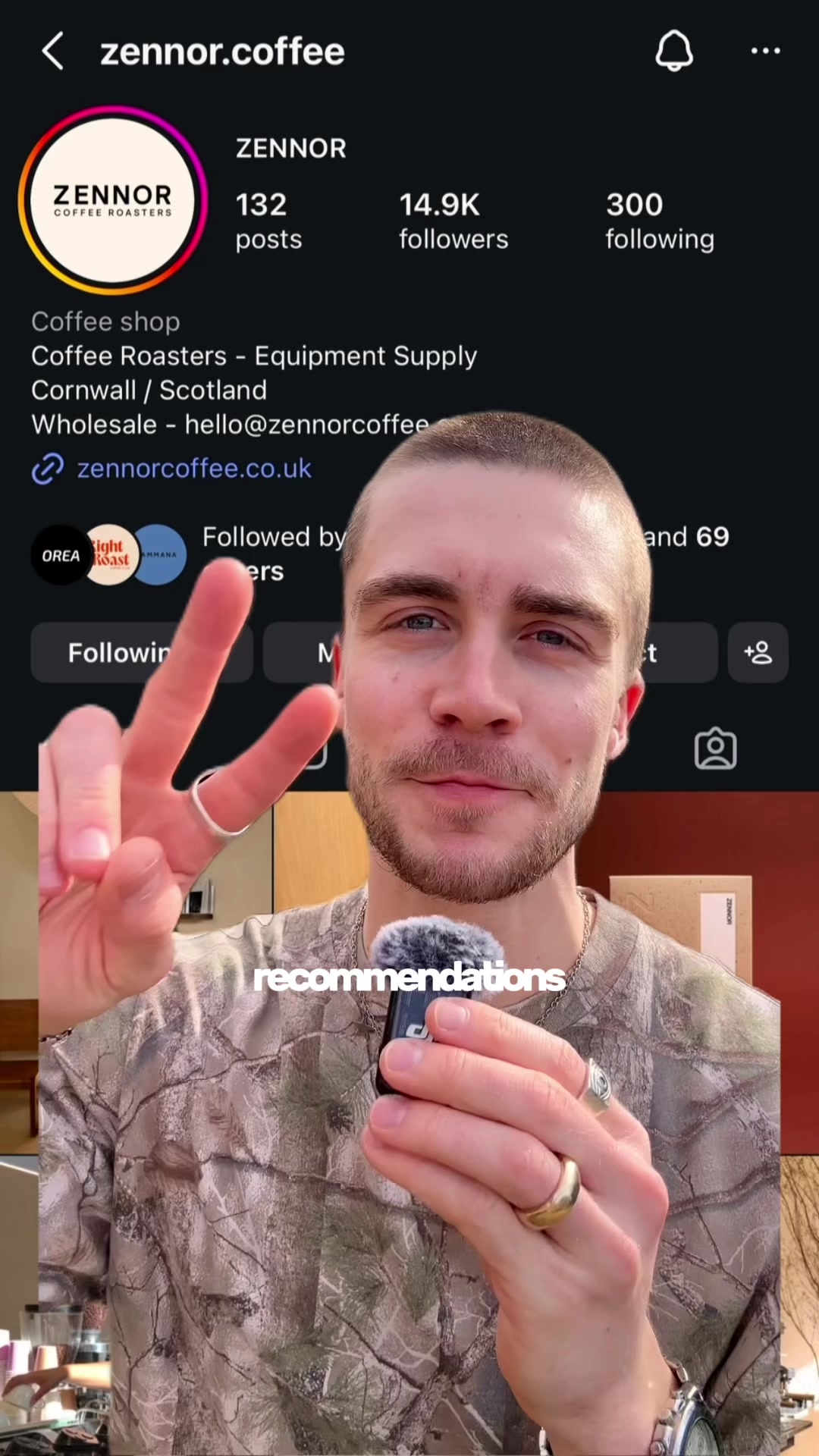
A founder sharing genuine recommendations from other coffee roasters positions him as a curator, not a competitor—this builds trust and sparks real conversation. People save content that helps them discover new brands and feel part of an insider community.
This post nails relatable workplace humor by calling out a specific, recognizable behavior among realtors. The casual self-awareness and visual contrast between sloppy and polished phone work feels like an inside joke that lands because it's true, not preachy.
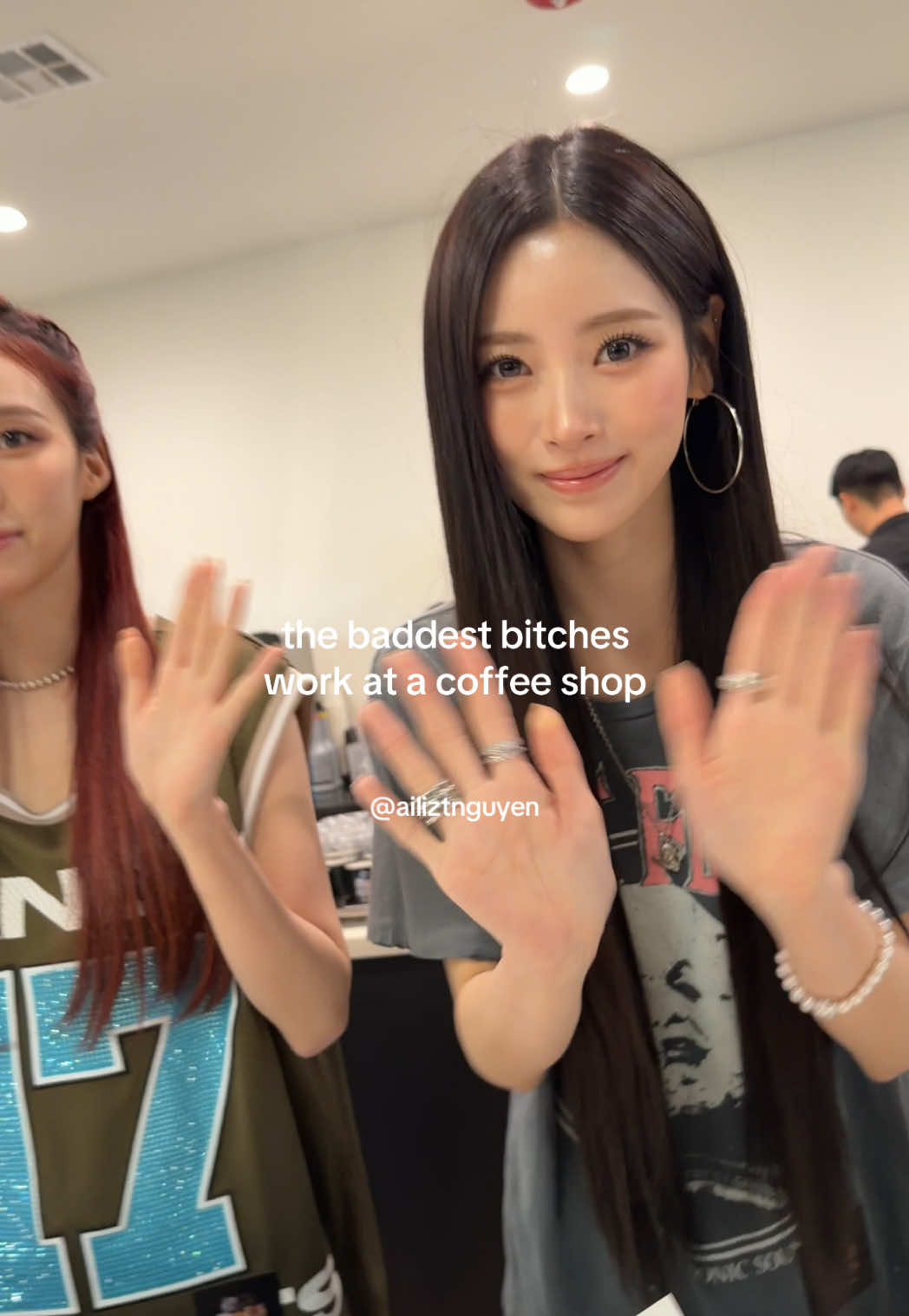
The post taps into the "attractive people in unexpected places" angle, amplified by mentioning a K-pop group. People clicked because the setup promised something funny or relatable about coffee shop culture, then got the bonus of recognizing (or discovering) a niche music group. The aspirational "baddest bitches" framing made it feel celebratory, not gatekeepy.

People love an unconventional path that refuses to fit into neat boxes. The contrast between prestigious credentials, survival modeling gigs, and a dream outcome feels honest because it shows the messy reality of ambition without pretending the journey was linear or easy.

This is Part 6 of a local coffee shop series, which builds anticipation and community investment. People in SCV are hungry to see their neighborhood celebrated and to discover hidden gems, so a series format keeps them coming back while turning viewers into local scouts who want to share their own finds.
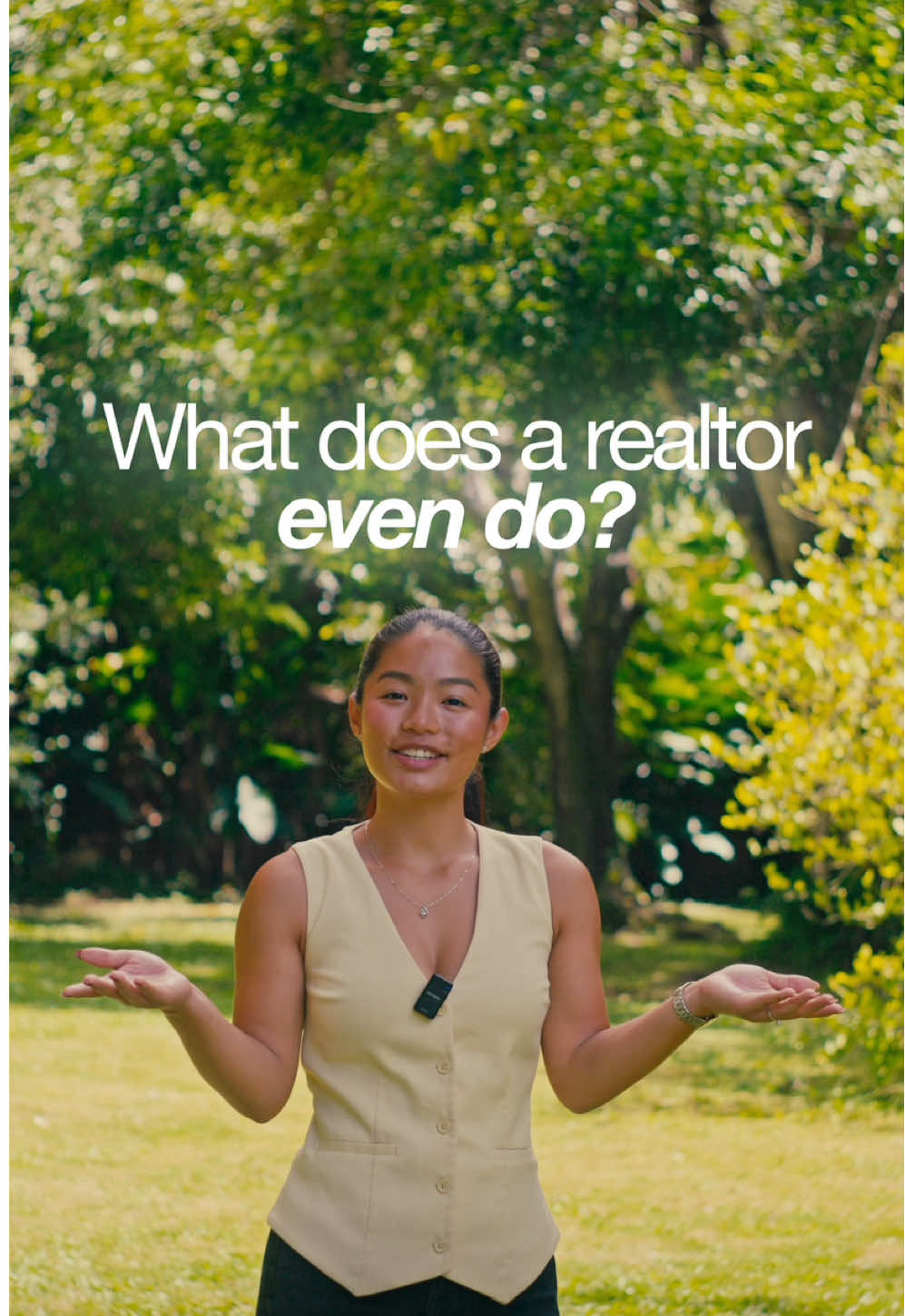
The post taps into a common misconception about realtors by directly addressing the "what do you even do?" skepticism people have. The vulnerable, relatable framing of defending her profession against legitimate doubt feels honest rather than salesy, making it shareable and save-worthy.
Documenting real progress on a long-term goal (Day 169) taps into the satisfying specificity of tracking—viewers want to see the unglamorous middle of someone's journey, not just the highlight reel. The numbered day creates accountability and proof, making it feel like watching someone actually build something instead of just claiming they did.
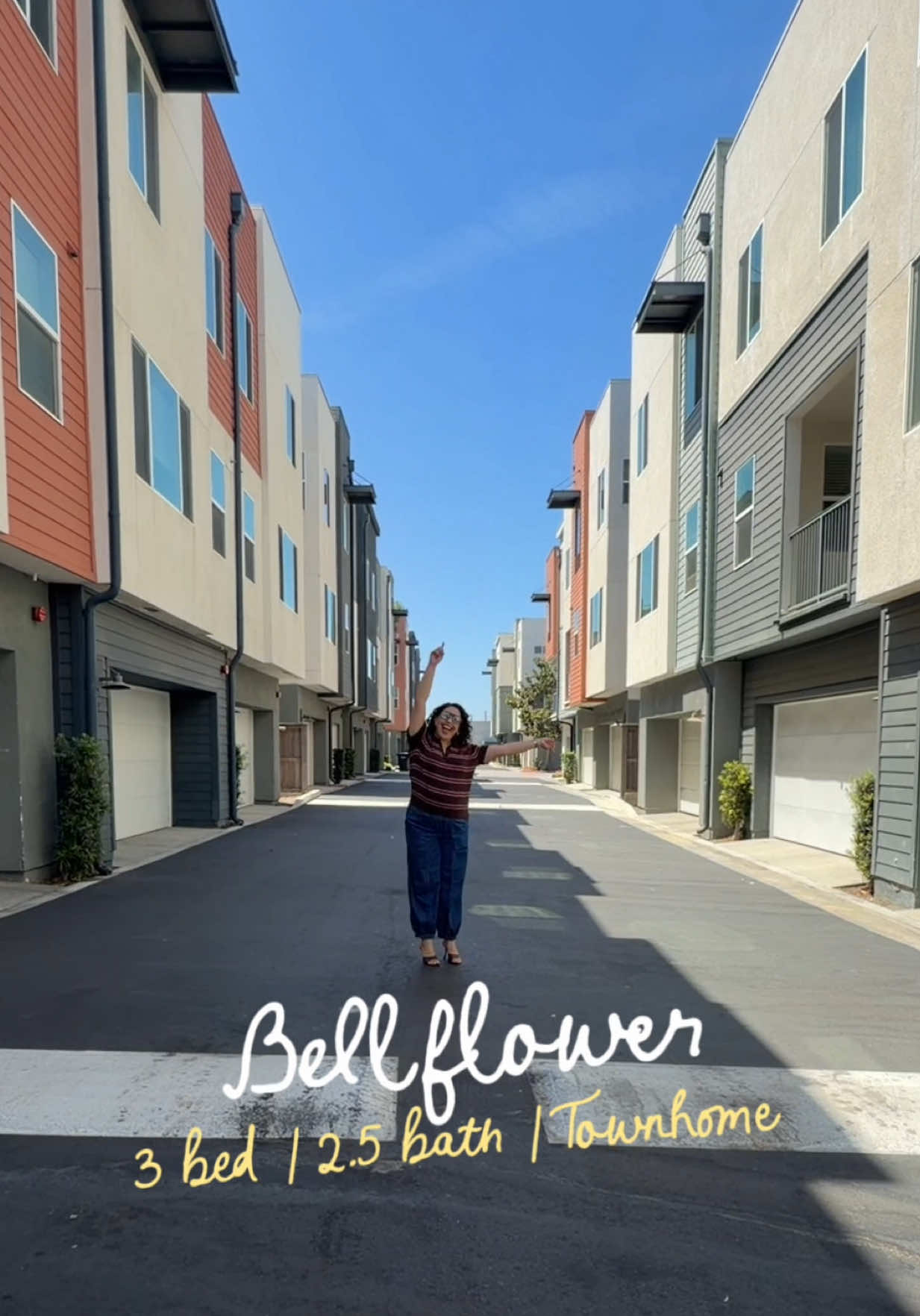
The aerial walkthrough and genuine joy capture beats typical static listing shots. People engage hard because they see themselves living there, not just viewing inventory. The energy feels personal, not transactional.
First-time buyers are exhausted by perfected home content and crave permission to start small. This video's strength is showing a real, unglamorous kitchen setup that validates the messy middle of homeownership, not the aspirational end goal. It cuts through the noise of influencer homes by being deliberately imperfect.
This post taps into founder aspirations by positioning someone with undeniable credibility (15 years, 100+ companies, 9 unicorns) speaking directly to early-stage builders. The "founder first" philosophy feels like insider wisdom that validates the messy reality of startups over polished VC narratives.
The specific price point and scarcity messaging create urgency that feels real, while the authentic, direct-to-camera delivery makes the offer tangible rather than glossy. People save it because it's actionable intel they can actually use.
This hits because it names a specific, painful truth people live with daily—life dissatisfaction isn't always about external circumstances, it's about internal misalignment. The raw, direct delivery from a regular person (not a polished guru) makes the diagnosis feel honest rather than preachy.
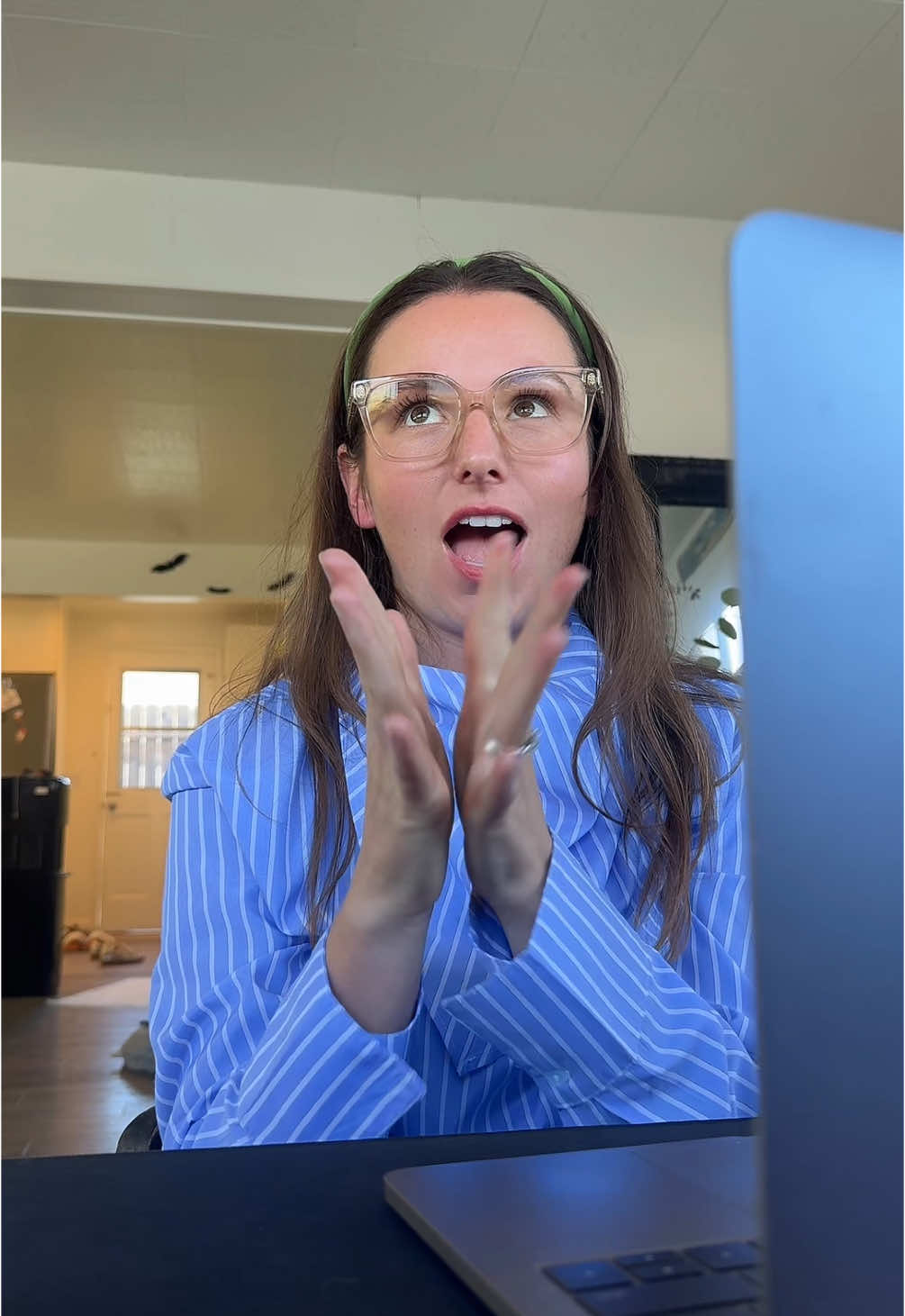
Raw honesty about career regret hits hard because most people have made that exact trade-off—choosing security over desire. The vulnerability of admitting you'd do it differently gives permission for viewers to question their own choices without feeling alone in that doubt.
Announcing a founder journey series taps into people's hunger for authentic startup transparency. The casual, intimate framing—building in public while juggling a day job—feels refreshingly real rather than polished, making the behind-the-scenes promise feel genuinely achievable and relatable.
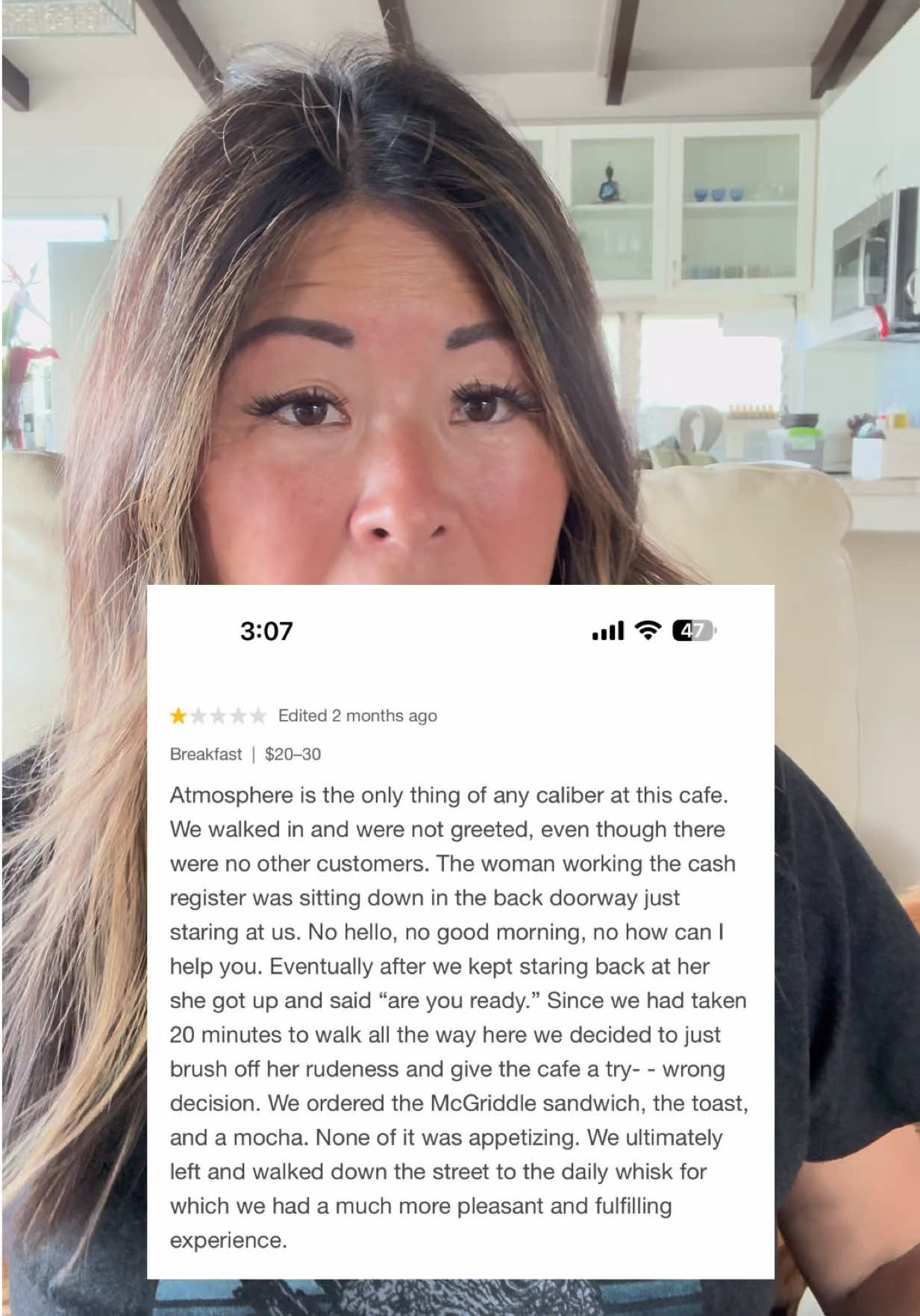
This post flipped a negative one-star review into engagement gold by owning the criticism without defensiveness. Showing vulnerability about a real service failure—and the human response to it—created space for nuanced discussion about customer service, not just cafe bashing.
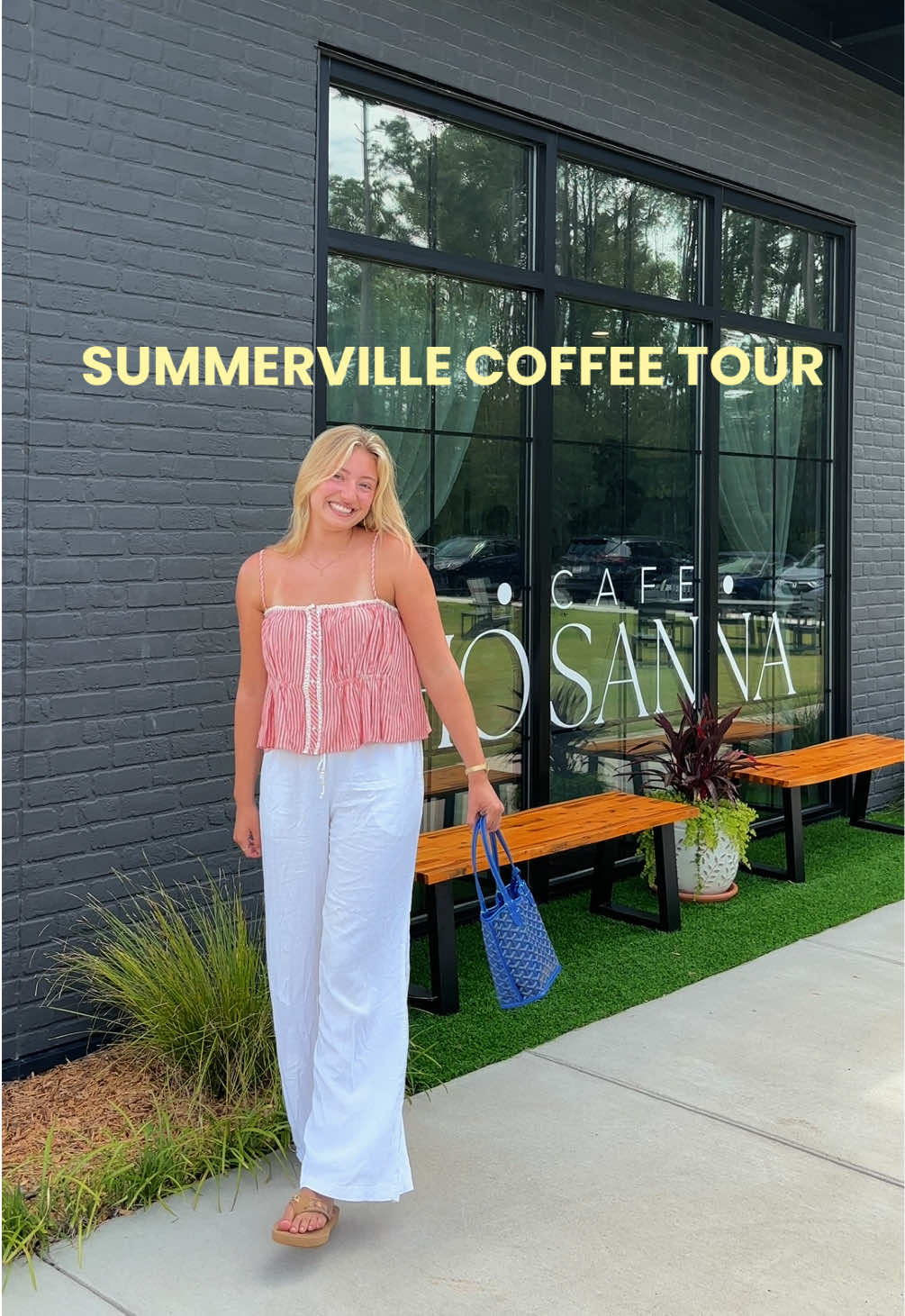
Local business spotlights with genuine enthusiasm tap into community pride and create a natural feedback loop where businesses themselves engage. The specificity of a coffee tour in a real town makes it feel discoverable rather than promotional, so people save and share to support their own neighborhoods.
People are drawn to achievable wealth stories, especially from peers their own age. Buying a home at 20 on a modest salary feels deflatingly possible, which makes it more compelling than aspirational luxury content. The specificity of the numbers creates credibility.
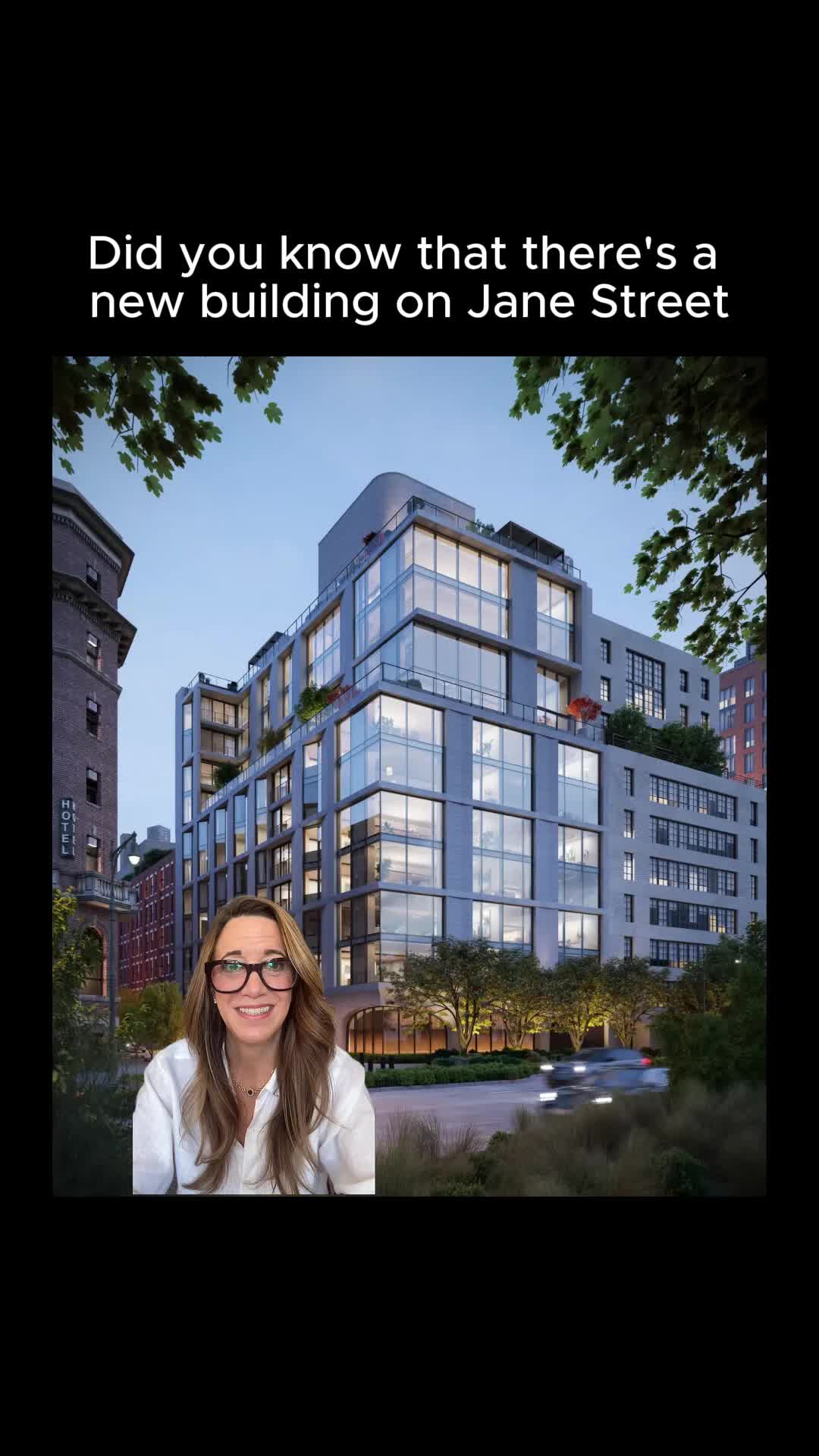
People are fascinated by absurdity disguised as luxury. A car elevator isn't practical—it's theater. The post taps into the "did you know" angle that makes luxury feel like a secret worth sharing, while the impracticality invites skepticism and conversation.
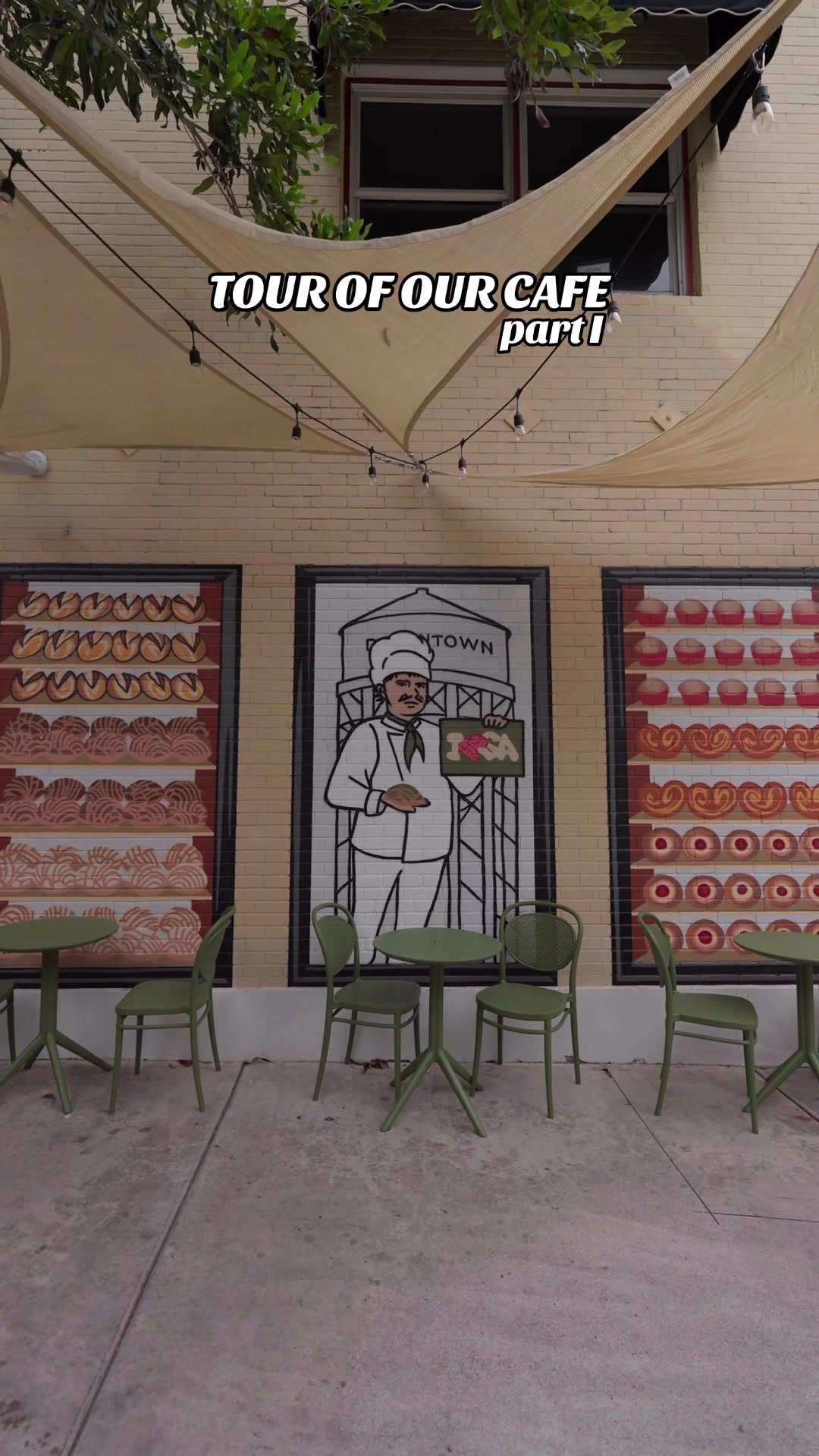
People love discovering real local spots, especially when the aesthetic does the selling. The clean visuals, charming murals, and inviting setup made this feel like stumbling upon a hidden gem worth visiting, not a generic promo.
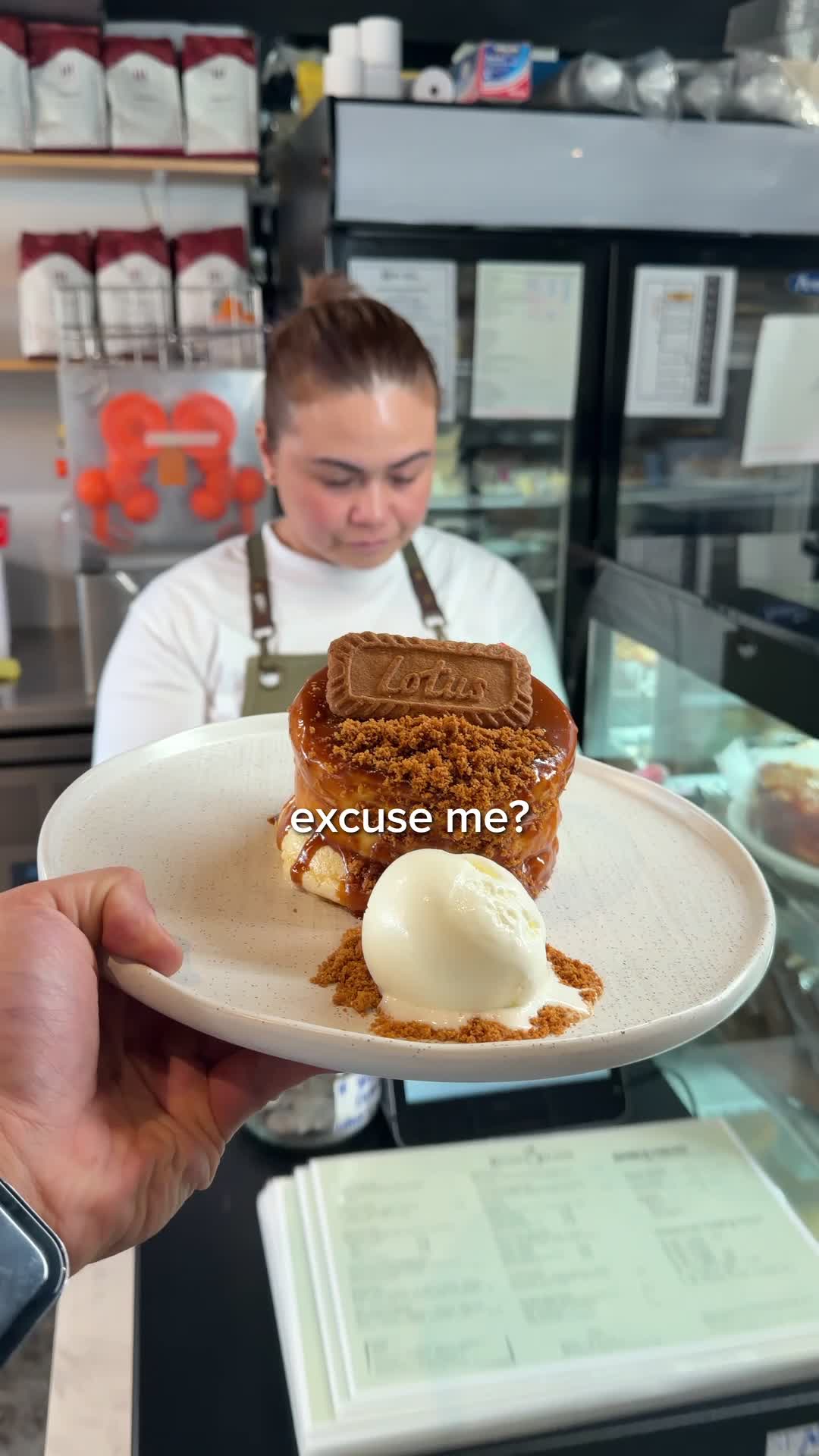
The "excuse me?" reaction paired with an unexpectedly decadent plated dessert creates a playful tension between restraint and indulgence. People save this because it's both mouth-watering food content and a relatable moment of delicious contradiction.
Direct urgency targeting a specific pain point (moving soon in LA) catches people mid-decision. The casual car selfie feels genuine, not polished, making the offer feel accessible rather than gatekeepy. Real estate becomes approachable when positioned as a friend who can solve an immediate problem.
Young homeownership is aspirational and relatable at the same time. Showing a real kitchen with real monthly costs (not a fantasy) makes the achievement feel attainable, while the frustration about service charges gives people permission to validate their own financial grievances.
This taps into the satisfying allure of organized inventory meets genuine passion—the creator's authentic love for her products shines through in how she moves through the space, making viewers feel her pride in the work rather than just seeing a showroom.
The "Day 1 of becoming her" framing taps into transformation fantasy while staying grounded in real vulnerability. People connect with the specificity of her age, her actual credential, and the honest uncertainty in her expression, not just the aspirational outcome.
People respond to practical career advice that calls out what they already suspect—that premium job platforms are a luxury gatekeep. The ranking format makes the comparison instant and satisfying, while the genuine surprise in her delivery sells the hierarchy without feeling preachy.

The bait-and-switch hook ("jk") paired with genuine disappointment about a local coffee shop taps into a real tension people feel about supporting small businesses versus getting quality product. The honest reaction makes the message land harder than pure criticism would.
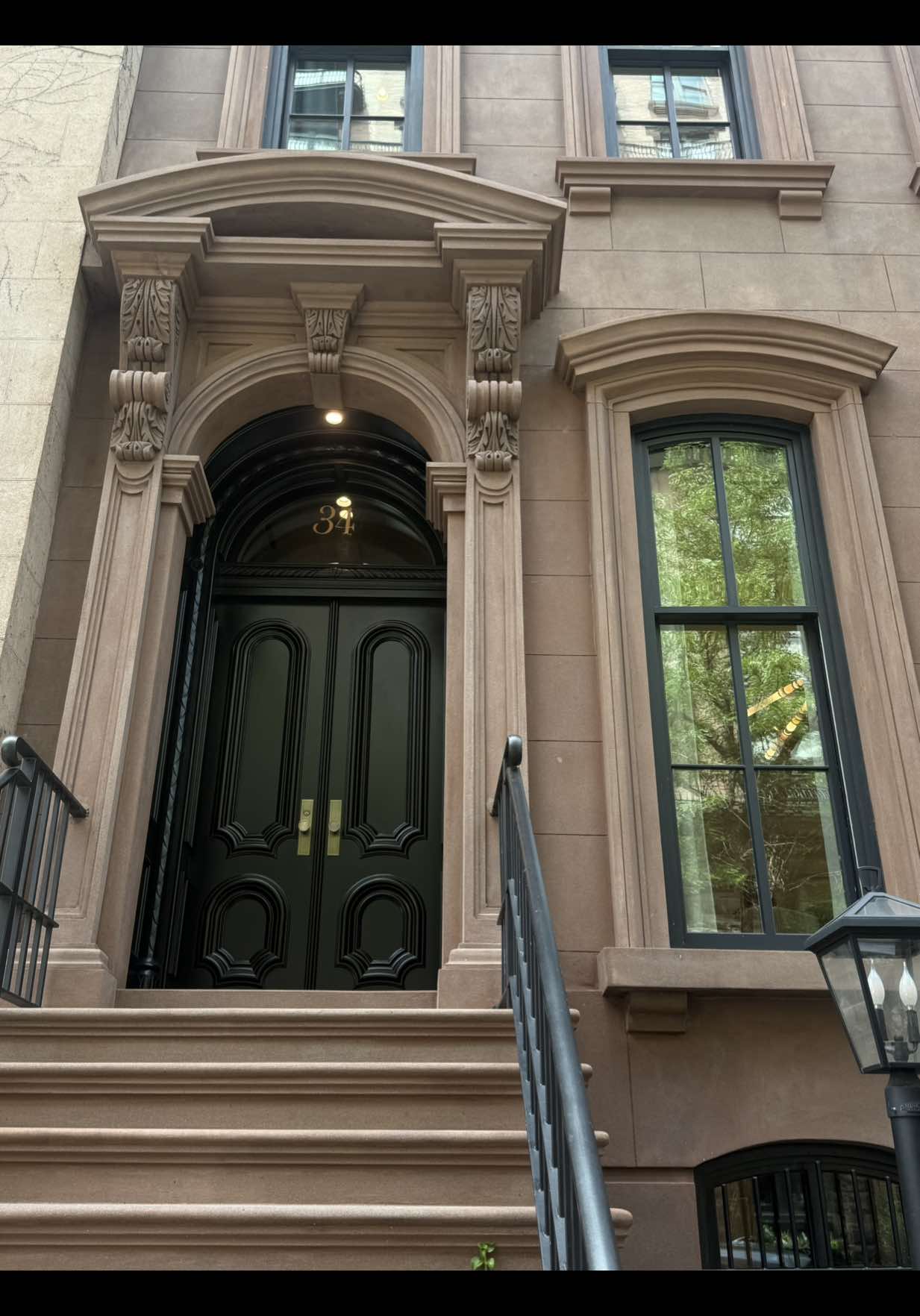
Luxury real estate that showcases architectural character and craftsmanship taps into aspirational desire without feeling completely out of reach. People save and share homes with genuine soul, not just price tags. The ornate details and classic elegance invite fantasy while feeling tangible.
People crave real-world accountability in the home-buying process. By sharing her genuine search journey with its messiness and missteps, she invited viewers to confront their own behavior through a relatable lens, sparking passionate debate about what buyers and agents actually owe each other.
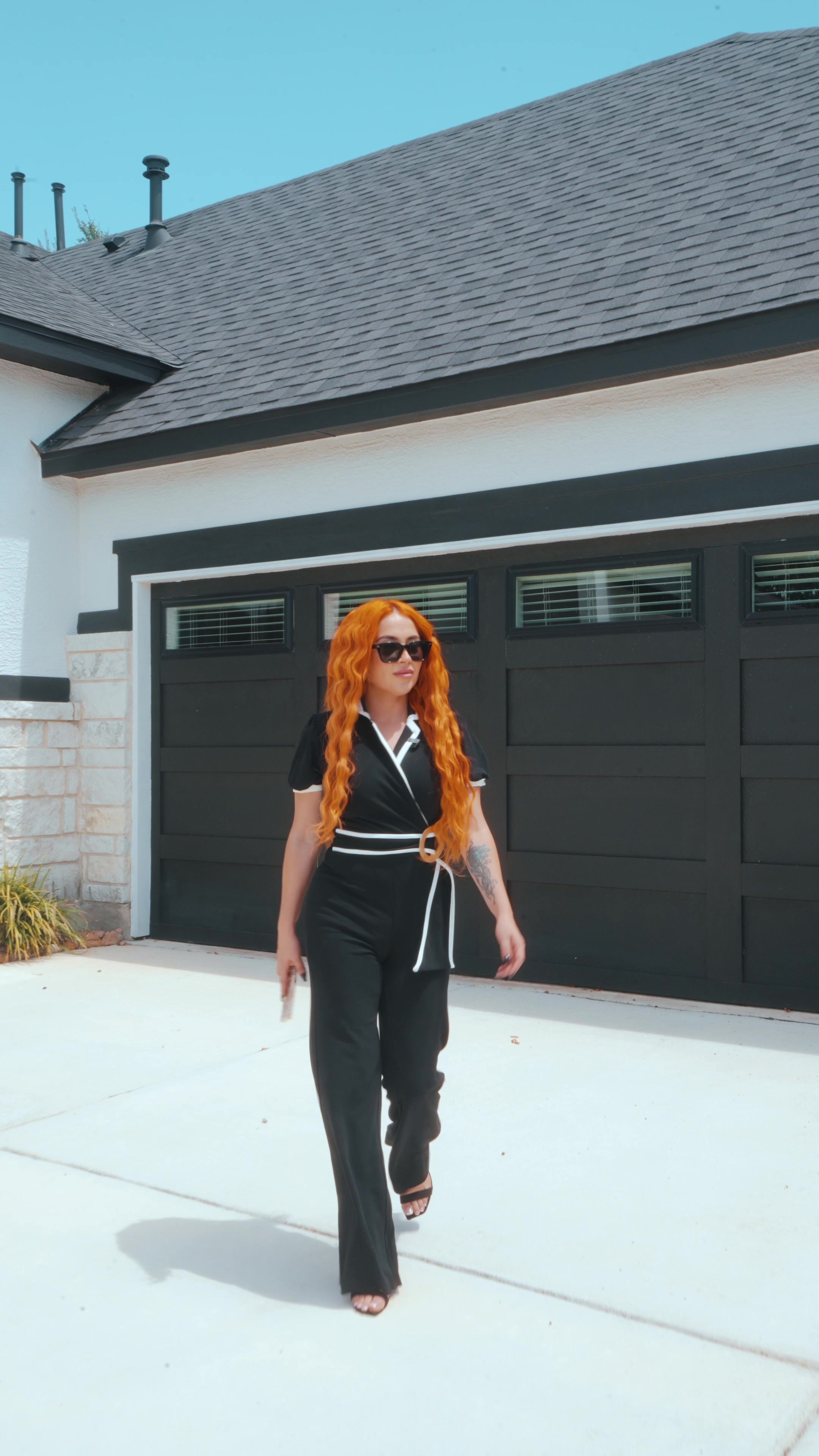
Nostalgia paired with confidence made this work. The Kim Possible reference taps into millennial and Gen X recognition while the realtor positions herself as capable and fun, not stuffy. The aesthetic is polished, the vibe is playful, and it breaks the boring realtor stereotype while still looking professional.

The absurdist confidence of casually handling a jellyfish on your bare skin while trash-talking its ability to hurt you taps into shock value and mild secondhand embarrassment. People watched because it's audacious and slightly unhinged, wrapped in the safety of knowing stingless jellyfish exist.
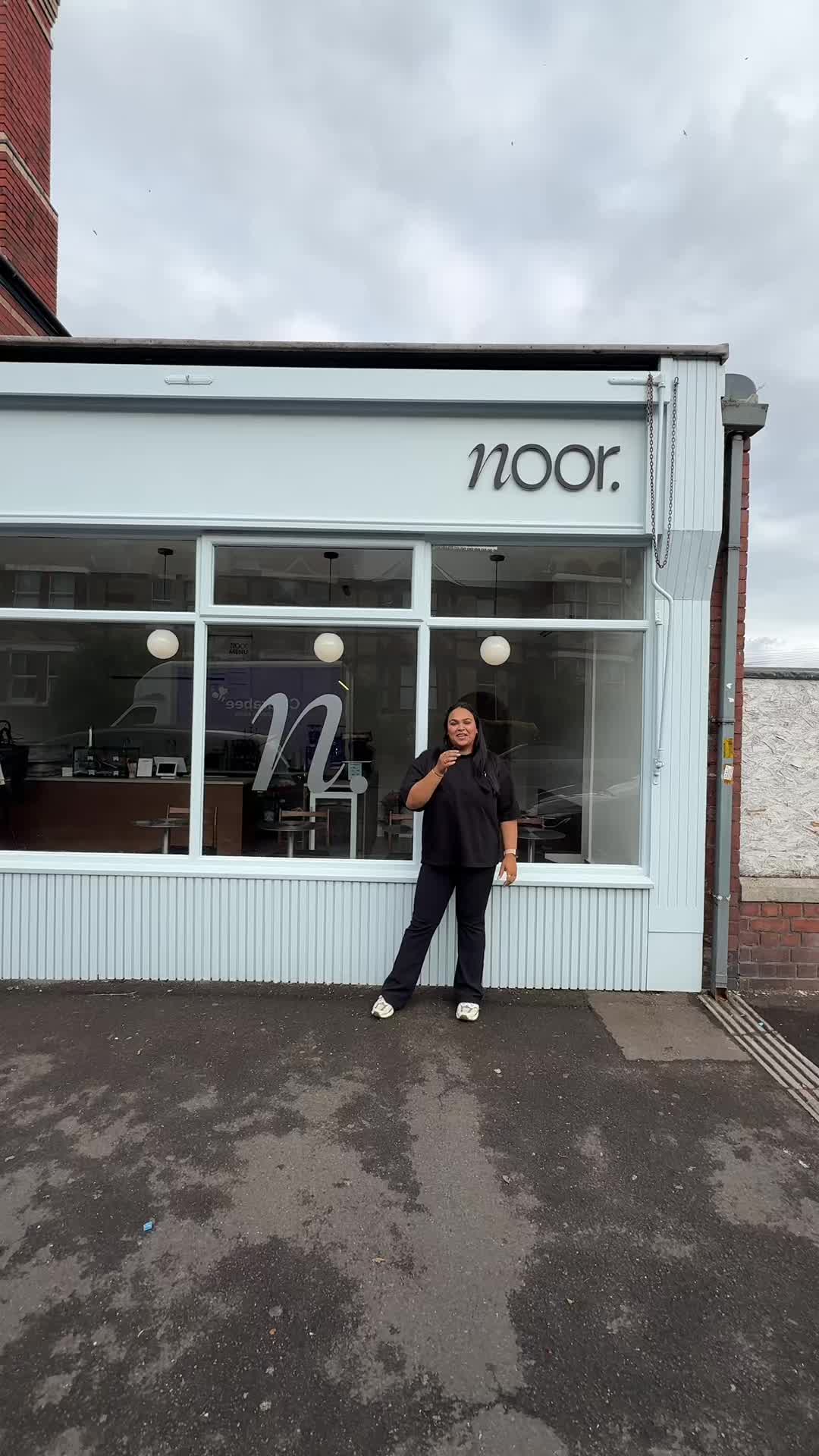
Opening day energy taps into real anticipation and community investment. People aren't just watching a cafe launch—they're imagining themselves there and immediately invested in its success, sparking genuine feedback and well-wishes.
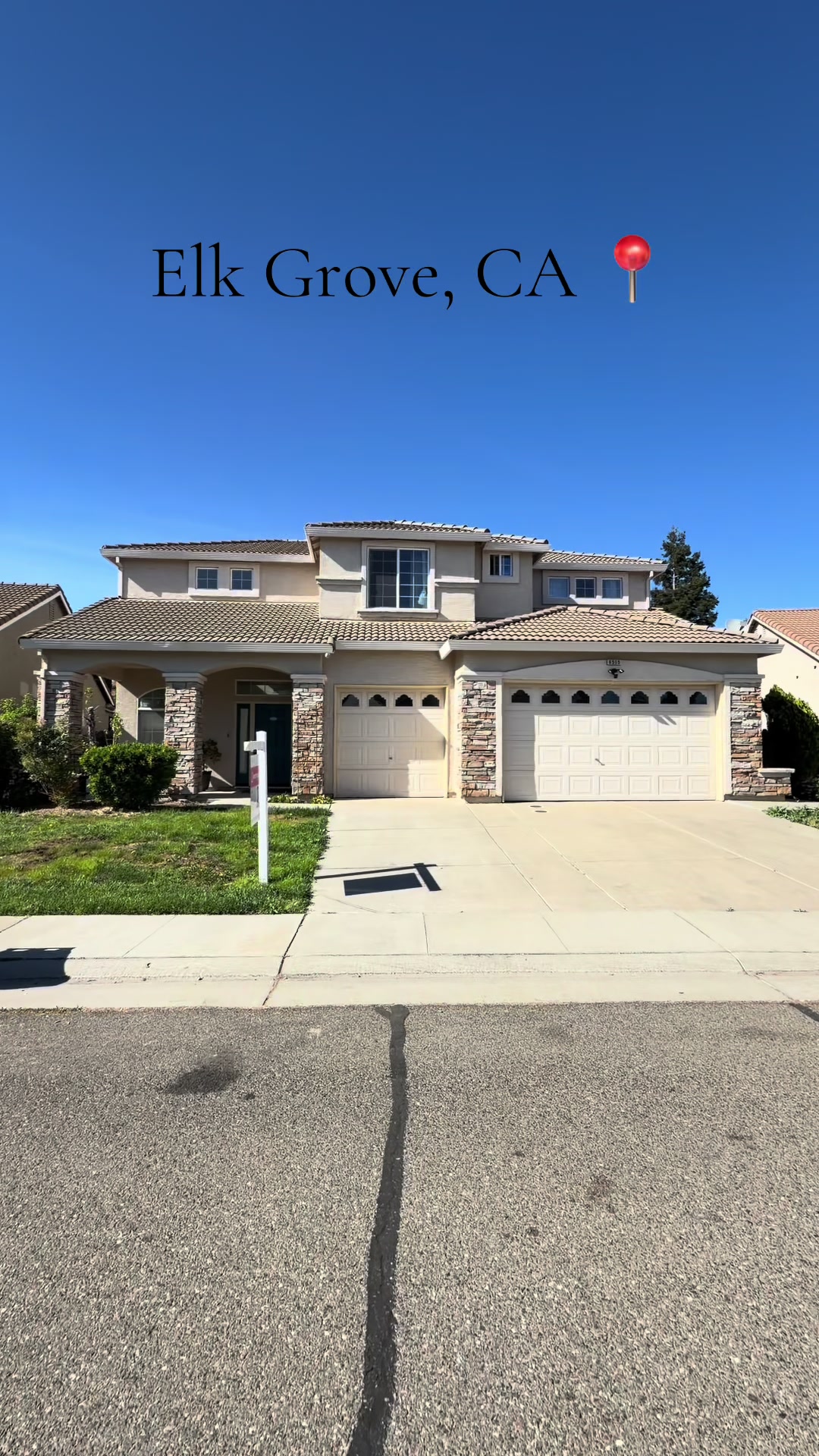
This post performs because it shows a genuine, desirable home in a relatable California suburb without overselling. The clean aesthetic and straightforward property showcase tap into real buyer intent, while the conversational caption invites people into the search process rather than pushing a sale.
Founders are hungry for actionable investor intel, and framing it as "the last batch you need" creates urgency while positioning the creator as a gatekeeper with insider knowledge. The specificity to Nigerian startups makes it feel relevant and non-generic.
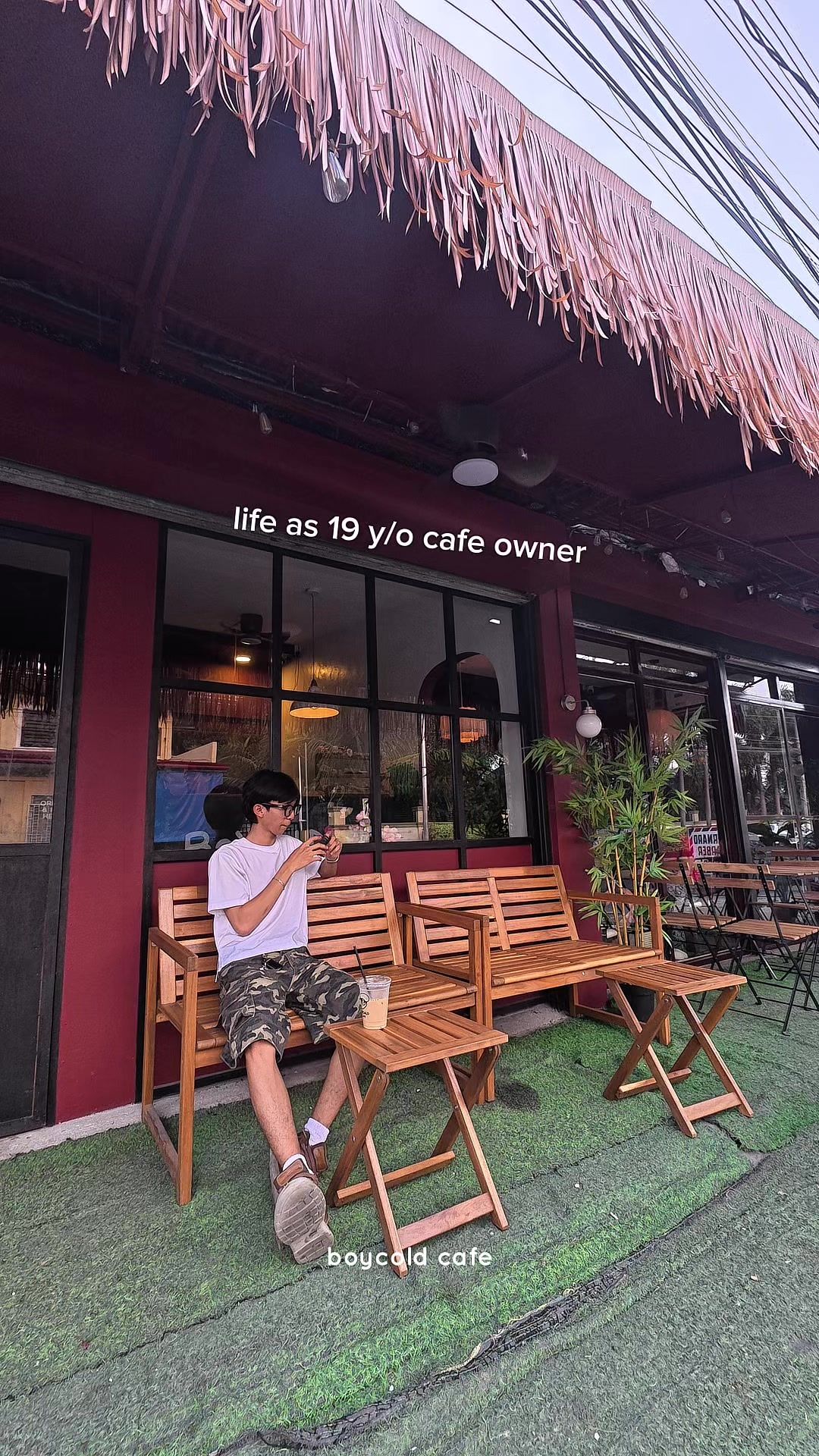
People are drawn to young entrepreneurs doing real work at their own business. There's an inherent pull in seeing someone your age actually building something tangible rather than just talking about it. The casual authenticity of sitting outside your own cafe grounds it in reality.
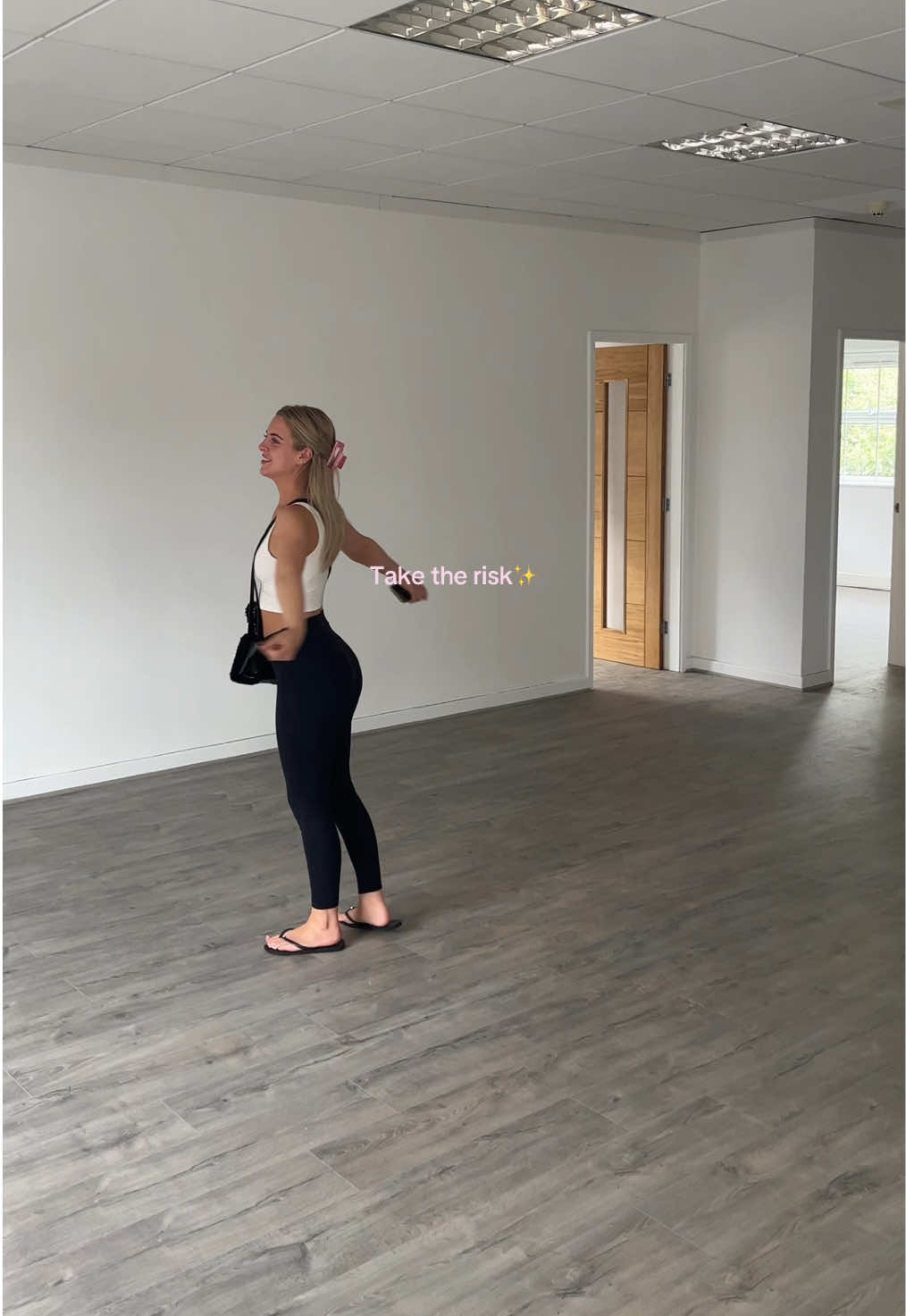
People connect with real transformation stories where someone took a genuine leap. The before-and-after (bedroom nail tech to salon owner) combined with vulnerability about fear made this feel earned, not bragged. The specificity of the £10 detail and the personal pride moment hit harder than generic success talk.
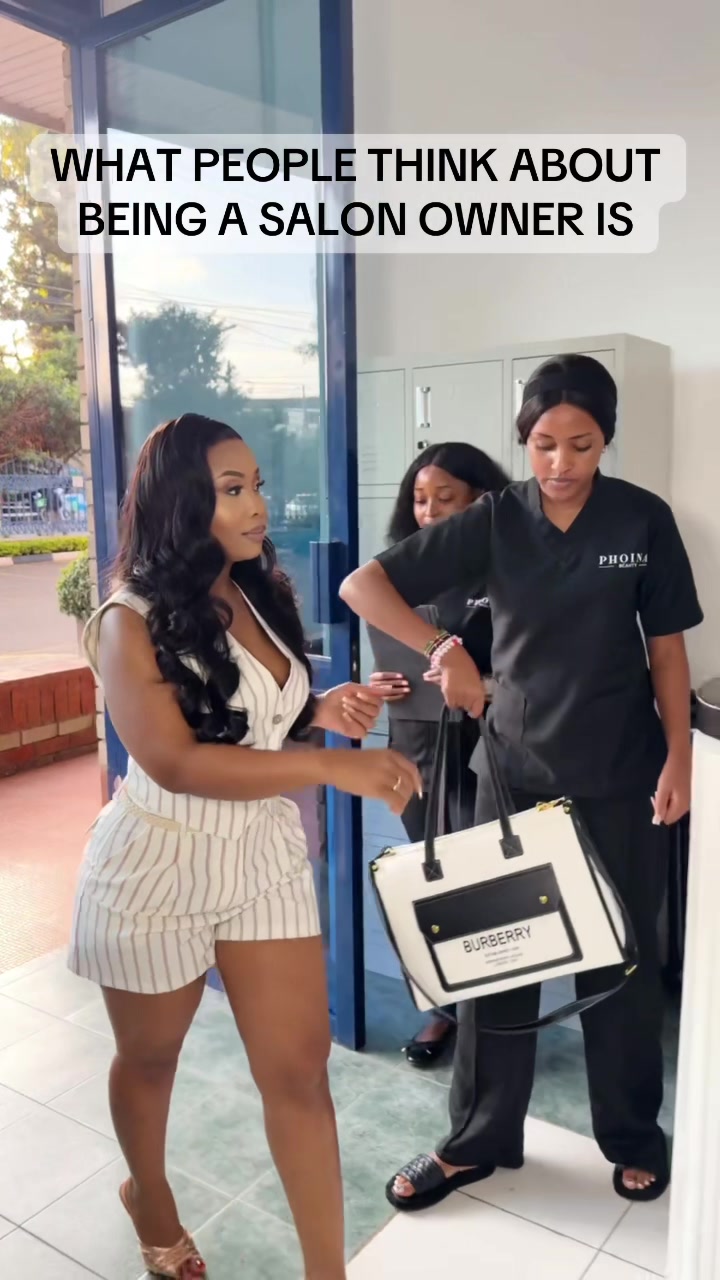
The gap between perception and reality of salon ownership hits hard because it flips the "glamorous boss" expectation on its head. People expected luxury and ease, but got a honest look at the unglamorous daily grind, which feels refreshingly raw.
The setup-payoff structure hooks people with a relatable false promise, then reveals the unglamorous reality of beauty entrepreneurship. It taps into a shared frustration that makes viewers feel seen and validated in their own struggles.
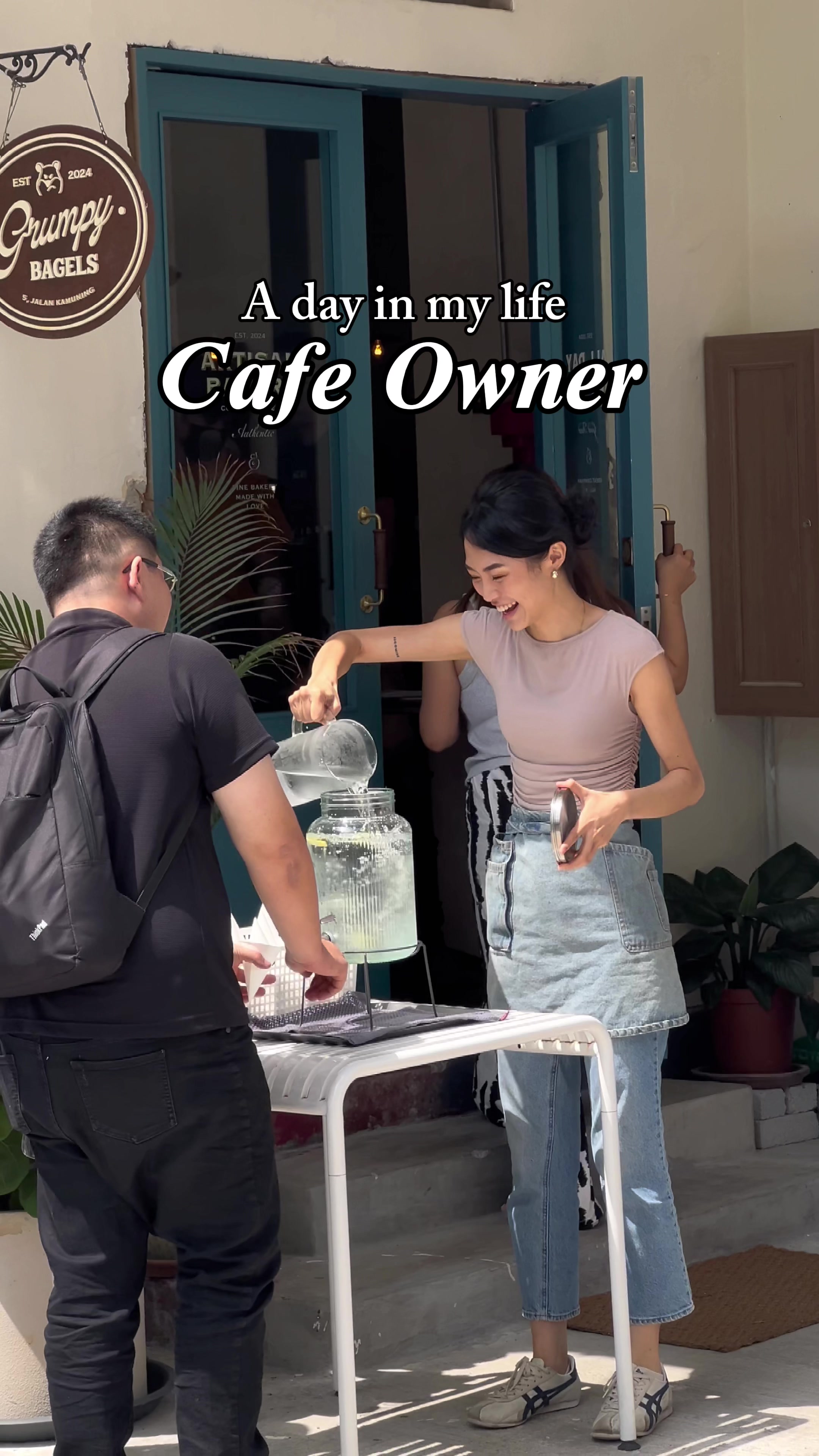
People are drawn to founders who sweat the details—early mornings fixing equipment, adding water stations for customers. It feels real because the owner is visibly invested in solving actual problems, not performing perfection.
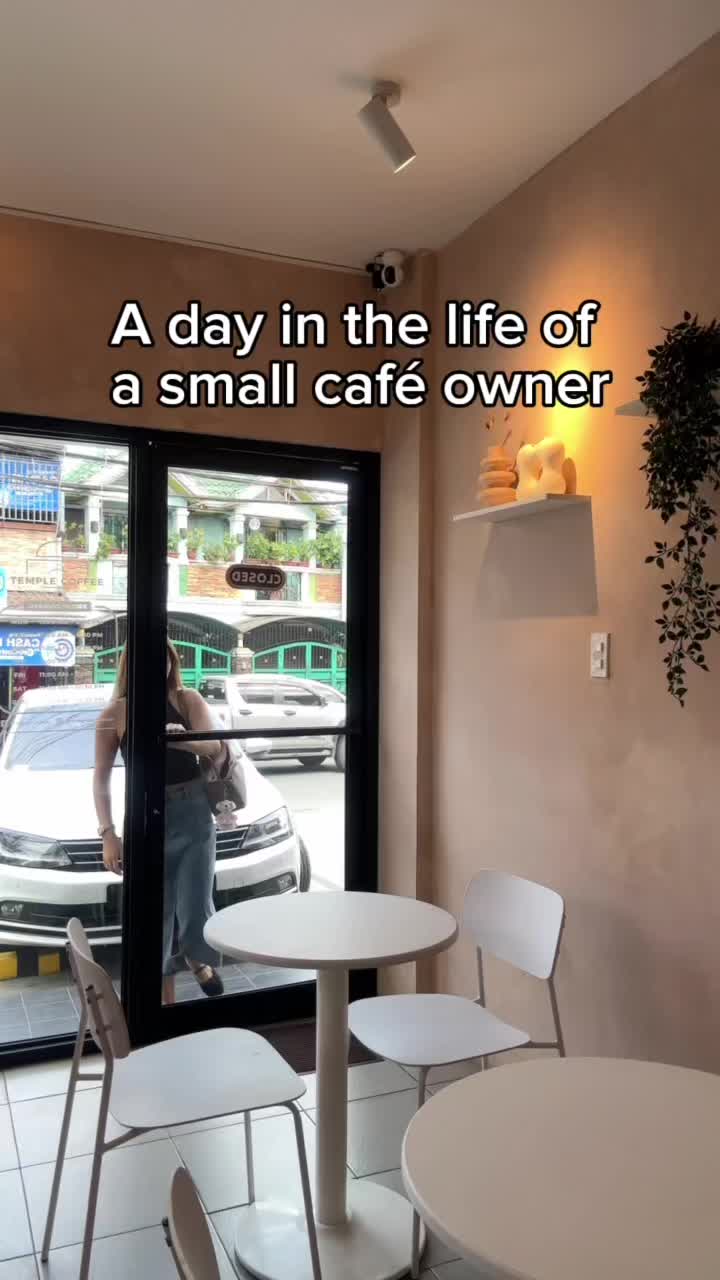
Day-in-the-life content from small business owners hits because it's authentic glimpse into the unglamorous reality people romanticize. The intimate, unpolished view of running a tiny café makes it relatable and aspirational simultaneously.

Introducing the founder behind a growing food brand creates immediate connection and stakes. People engage harder when they can put a face to the business, especially in a founder-story context where authenticity and personal investment matter more than the product itself.
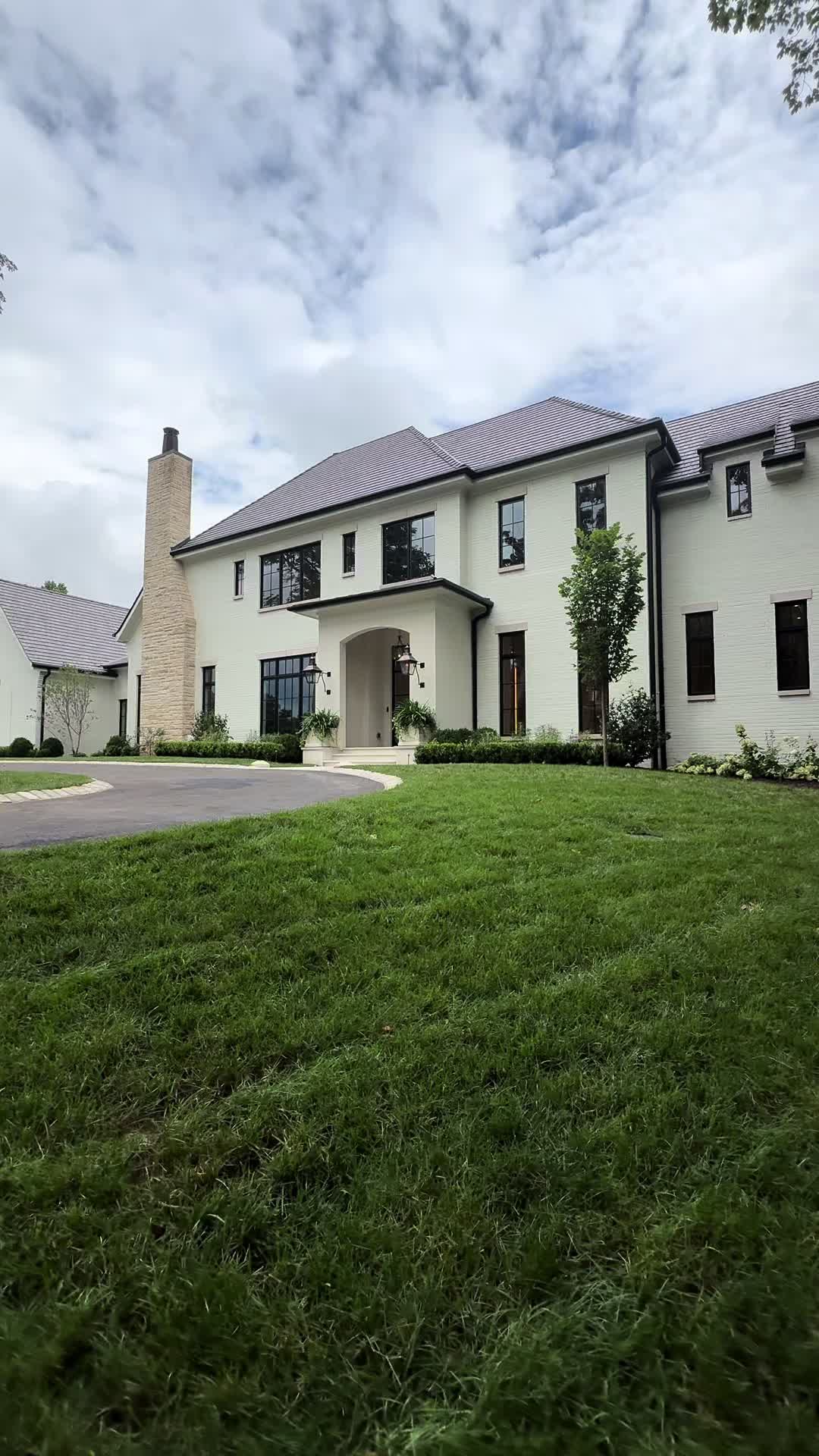
The property's prestige and scale trigger aspirational desire, while the clean aesthetic and dramatic sky create visual intrigue that stops the scroll. Pairing a statement price point with exclusive features signals scarcity, which makes people want to save and share before the opportunity vanishes.
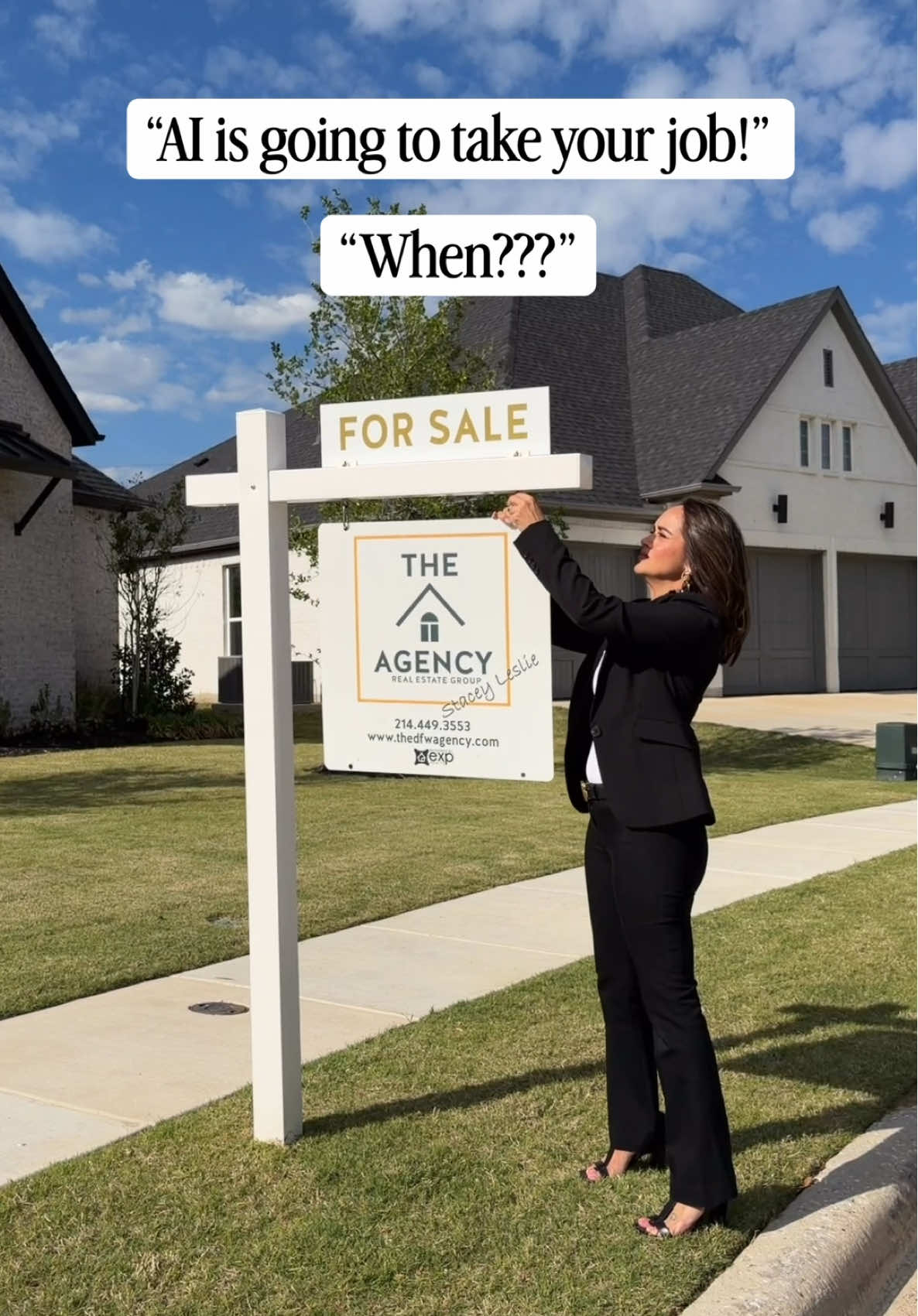
The post taps into the current anxiety around AI displacement by flipping it with humor and specificity. A realtor defending her profession against an overblown fear feels timely and relatable, especially when paired with the visual proof of her actual work. People engage because it's both reassuring and funny.
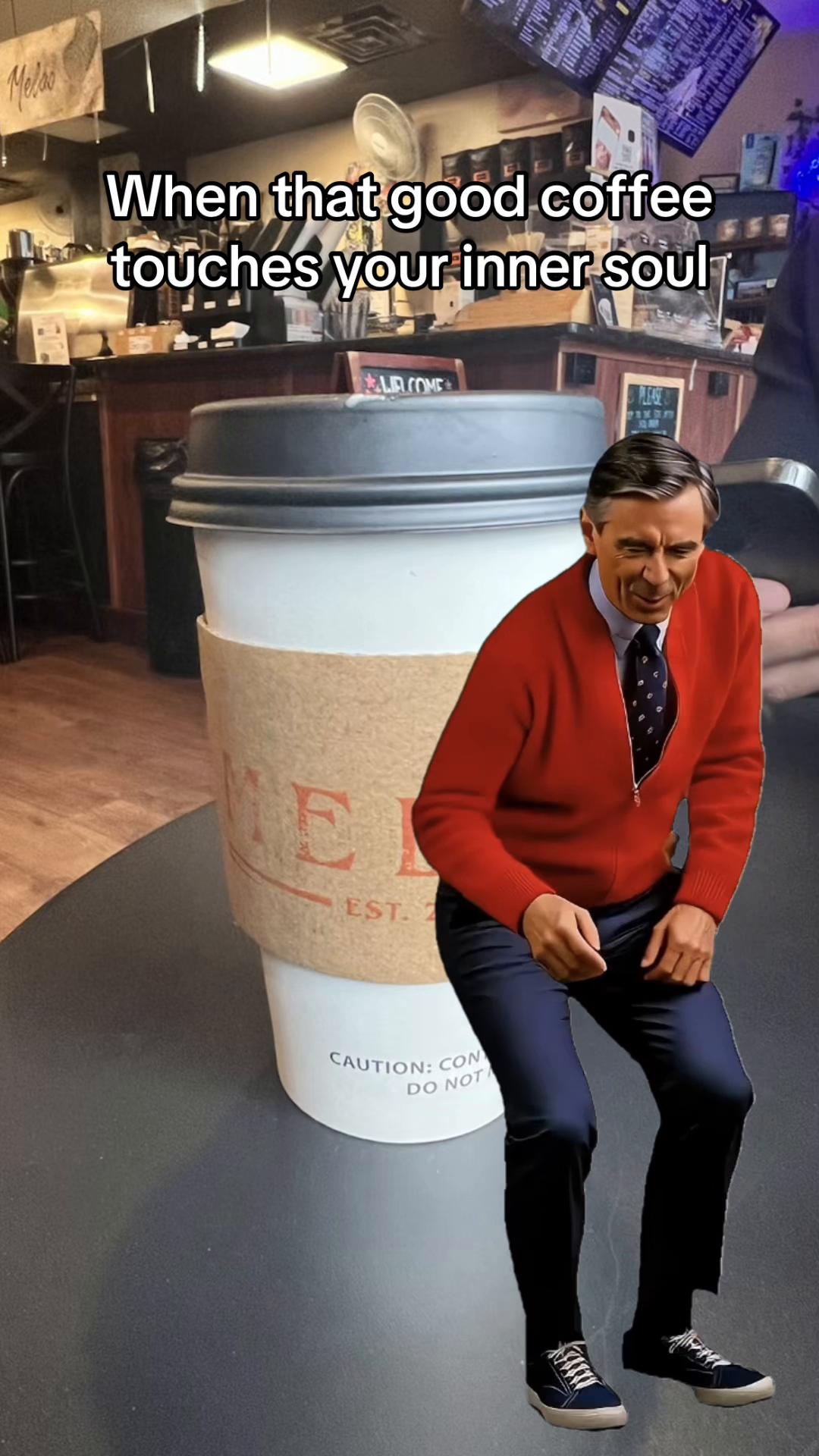
The absurdist humor of using Mr. Rogers in a wholesome-breaking moment hits because it's unexpected and relatable. Coffee culture devotees connect with the emotional exaggeration, while the meme format lets people project their own "good coffee moment" onto it.
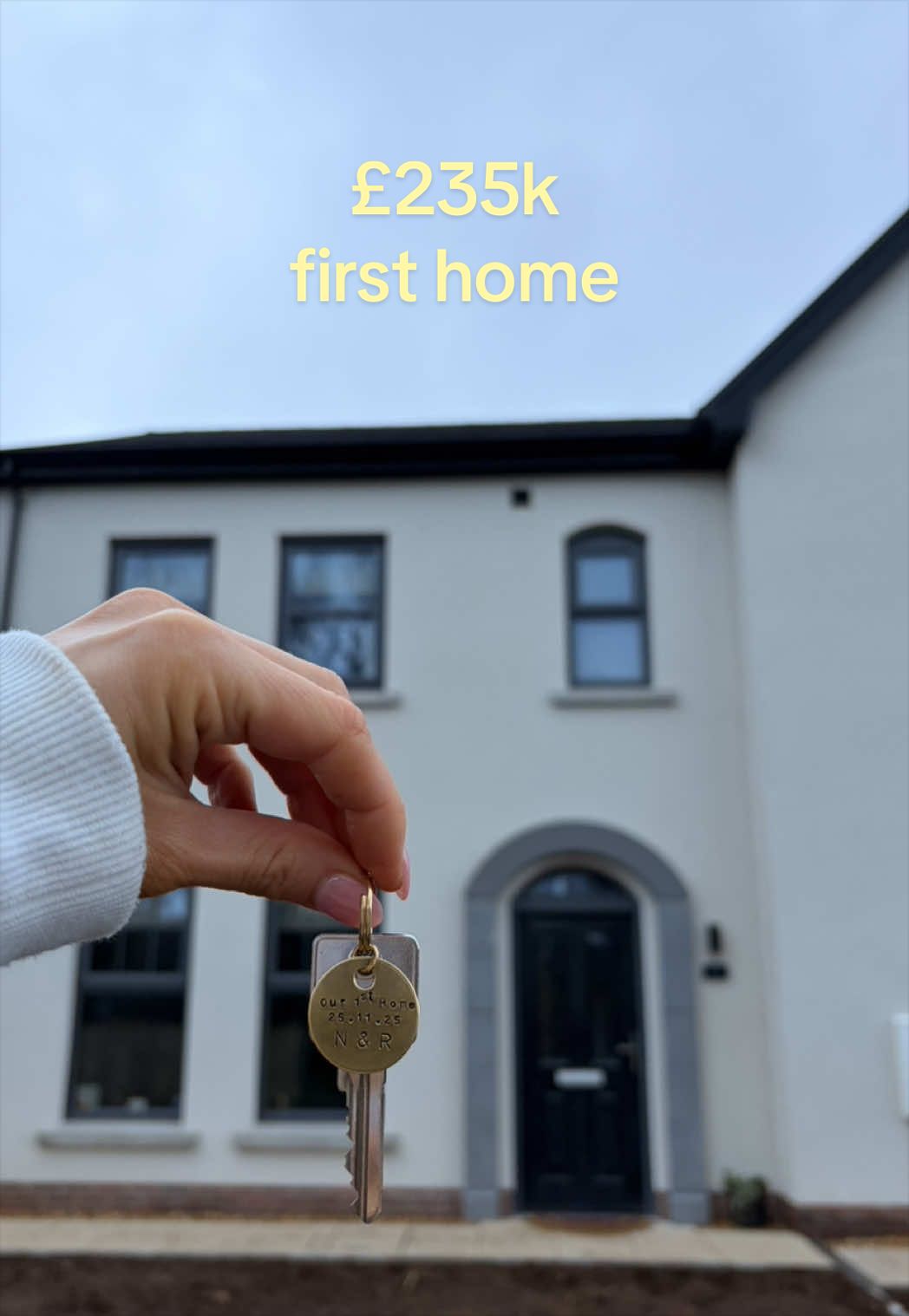
This taps into genuine life milestone emotion—the specificity of "£235k first home" makes it relatable and aspirational for younger audiences, while the tactile detail of holding the key creates an intimate, celebratory moment that feels earned rather than flexed.
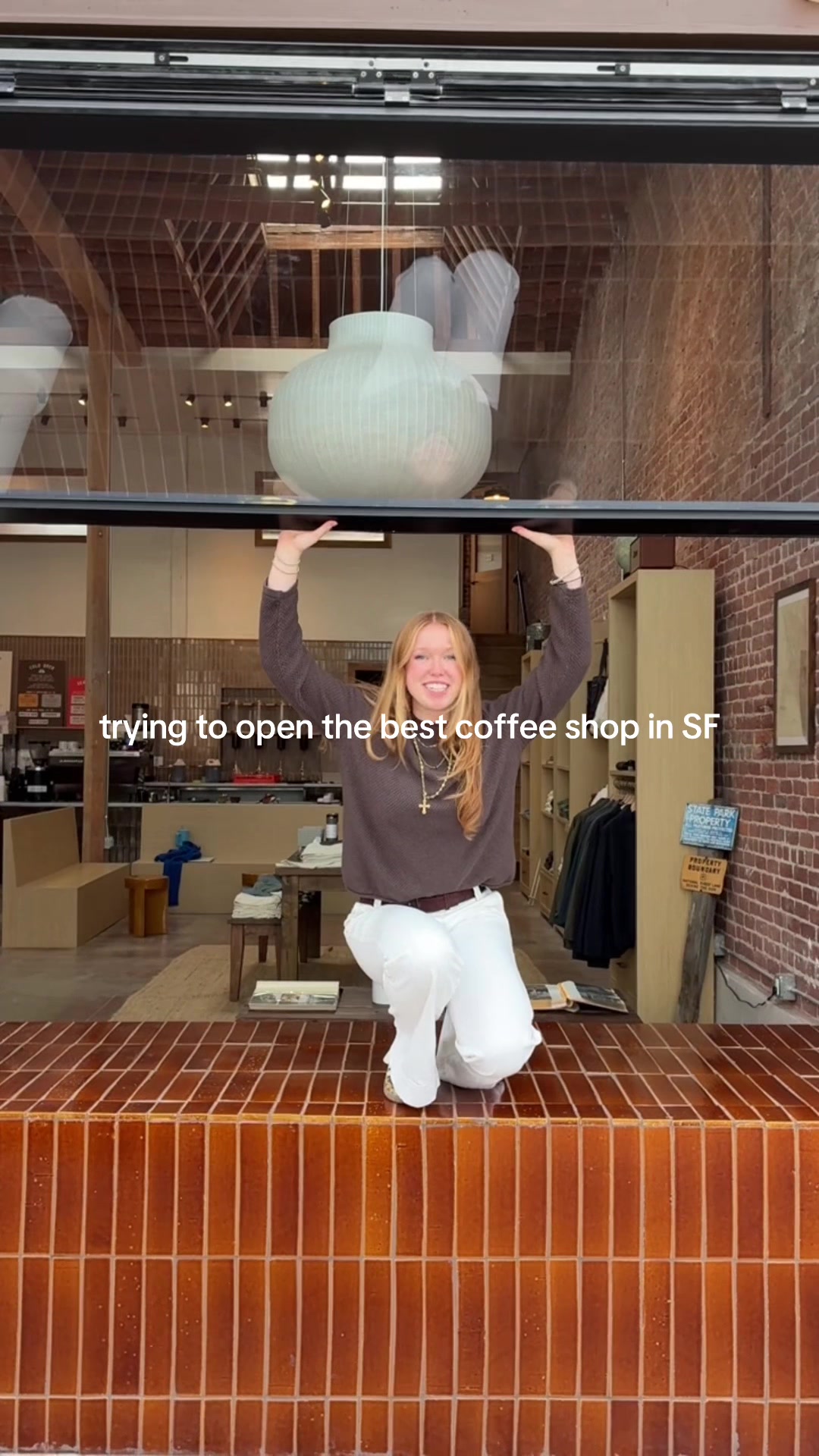
The joy of a founder actually listening to their community hits different. She's celebrating customer feedback as wins, which builds genuine loyalty—people feel heard and invested in the shop's success.
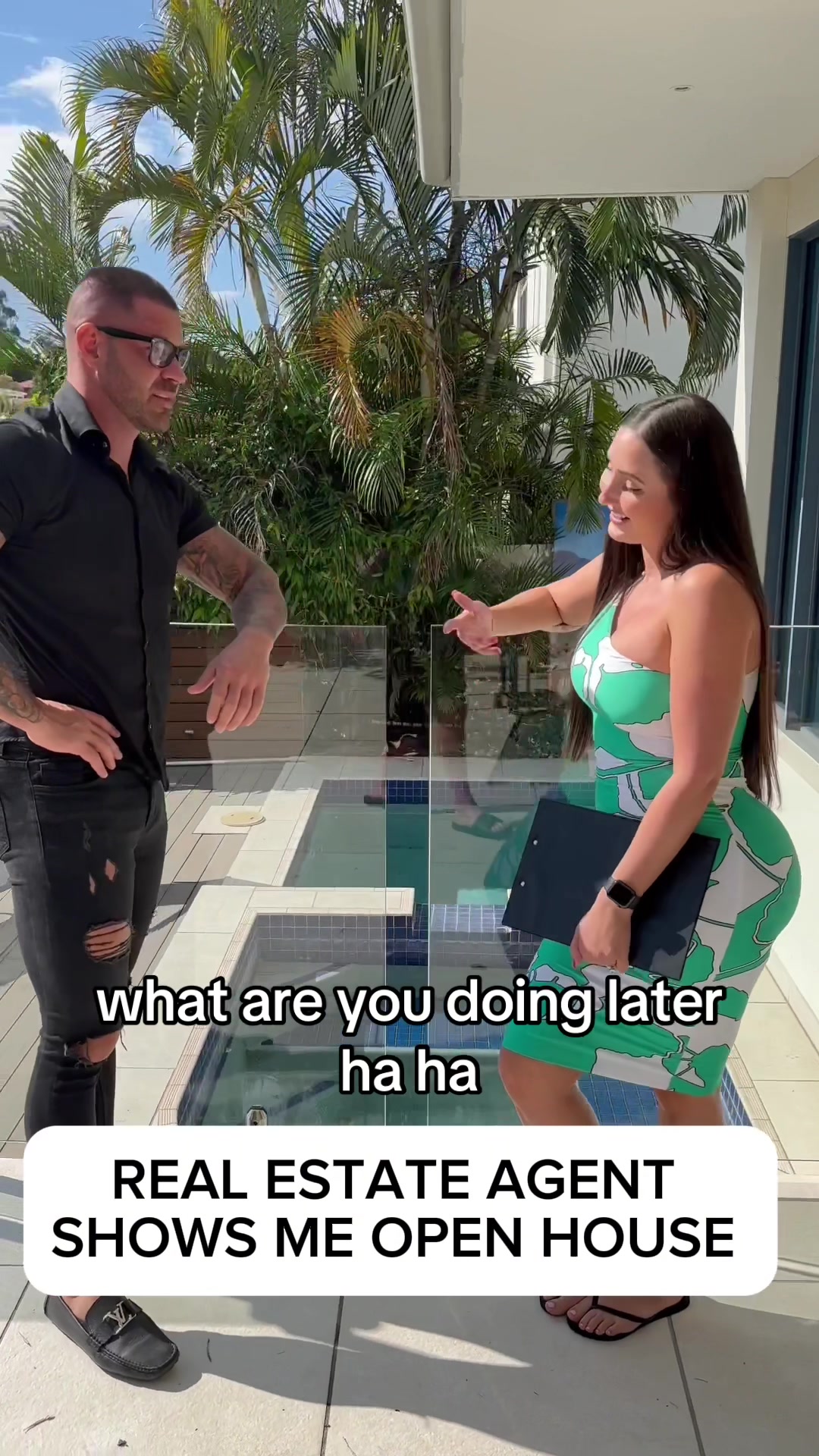
The casual, flirty banter between two people touring a luxury property taps into aspirational voyeurism mixed with genuine human chemistry. People watch for the house but stay for the playful interaction that feels unscripted and real.

Local specificity paired with a relatable personal moment (just you and your dog, genuine enjoyment) makes people want to visit and recommend alternatives. The casual authenticity beats polished promotion.

The juxtaposition of a young entrepreneur casually running skincare operations in a Philippine warehouse taps into aspiration without pretense. People connect with real business hustle in unglamorous settings, especially when it's relatable scale and the founder is visibly doing the work themselves.
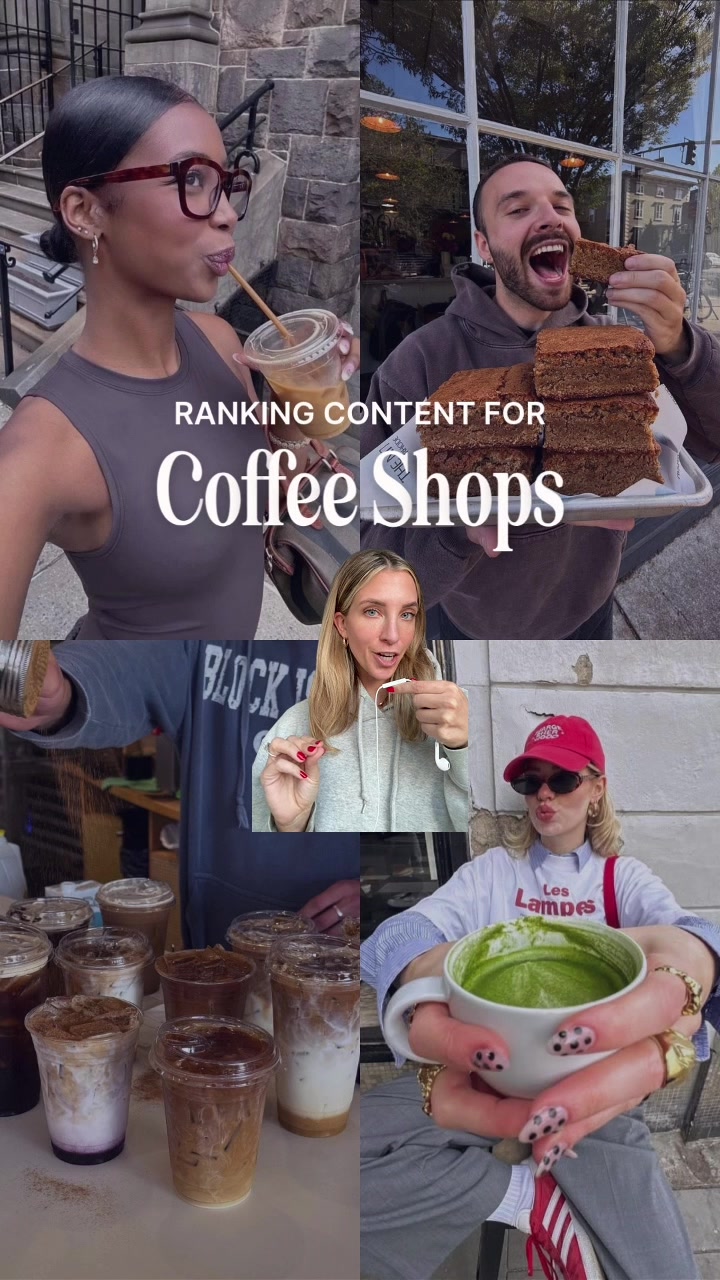
Ranking real local coffee shops gives viewers a fun discovery tool while making shop owners feel seen and validated. People save this because it's genuinely useful and shareable within their community.
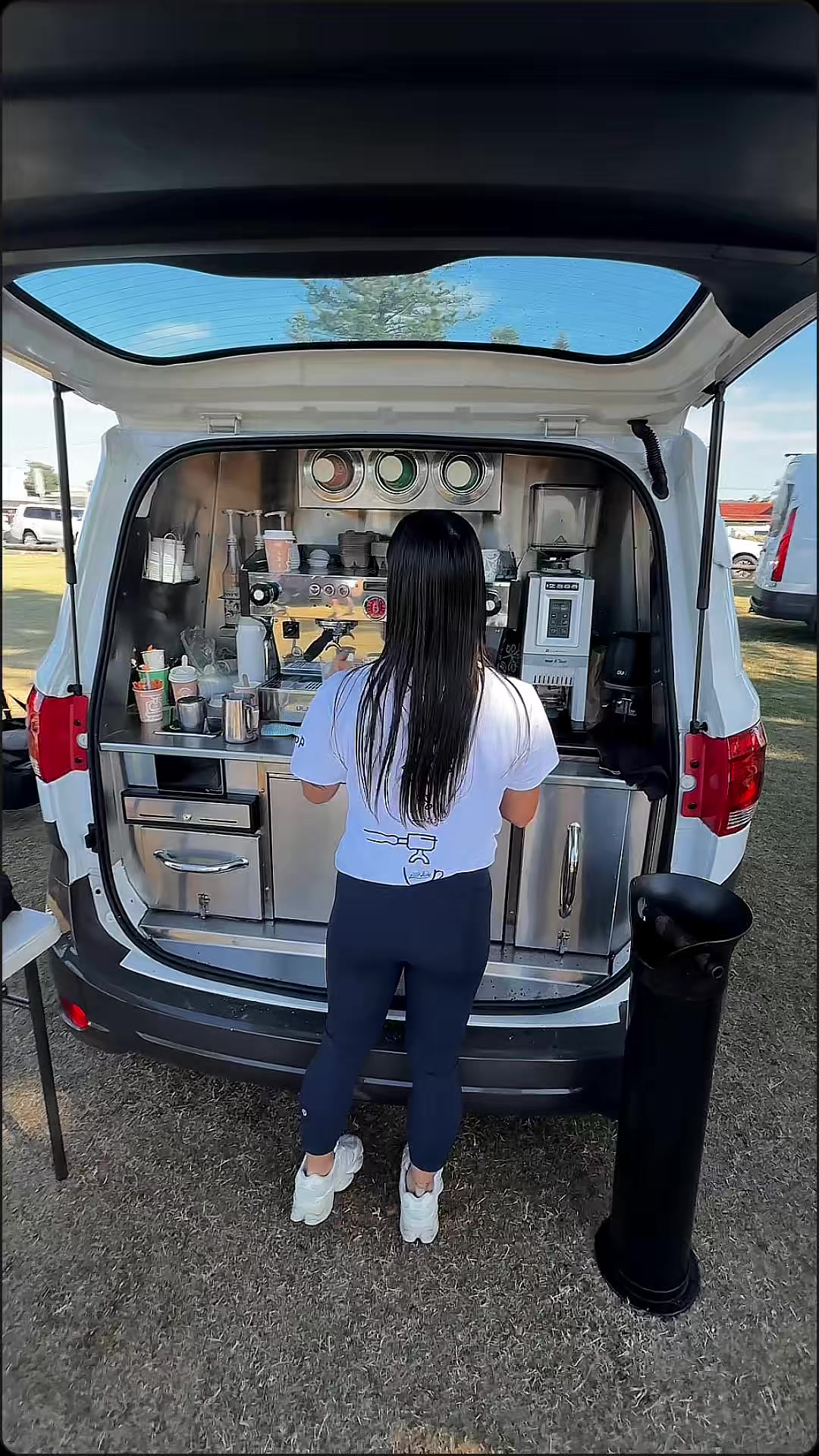
Mobile coffee setup triggers entrepreneurial aspiration mixed with practical curiosity. The fully-equipped van in a parking lot feels achievable in a way a brick-and-mortar never does, making people imagine themselves doing it rather than just admiring from afar.
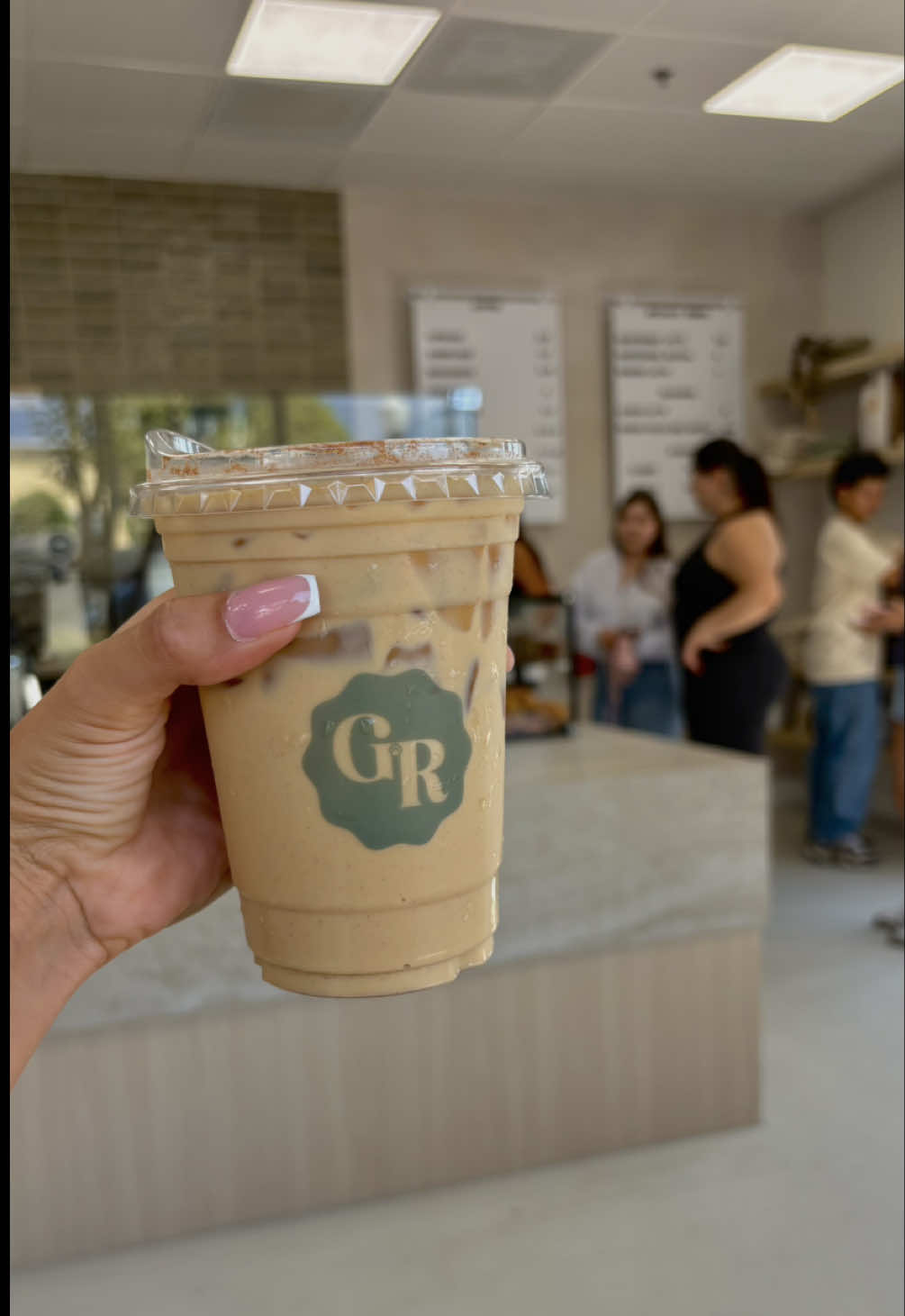
This post taps into genuine community support for a real person's business launch. The creator already had a relationship with the cafe owner, making it feel like celebrating a friend rather than promoting a brand, which transforms it from advertising into authentic celebration that people want to amplify.
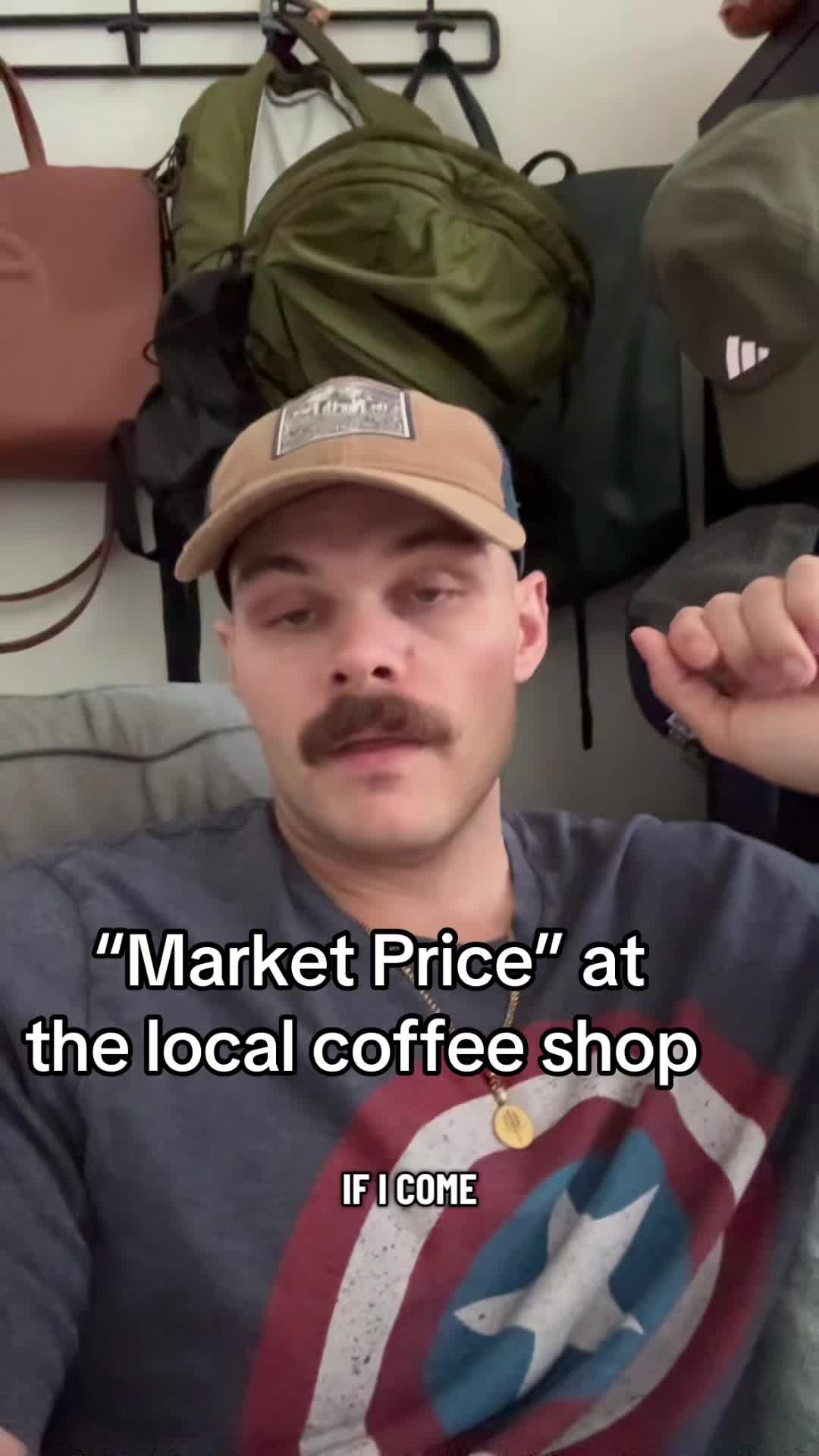
The post taps into a universal frustration about deceptive pricing practices at indie businesses. People support local, but they hate feeling like they're being played, and this guy's direct call-out validates that suspicion perfectly.
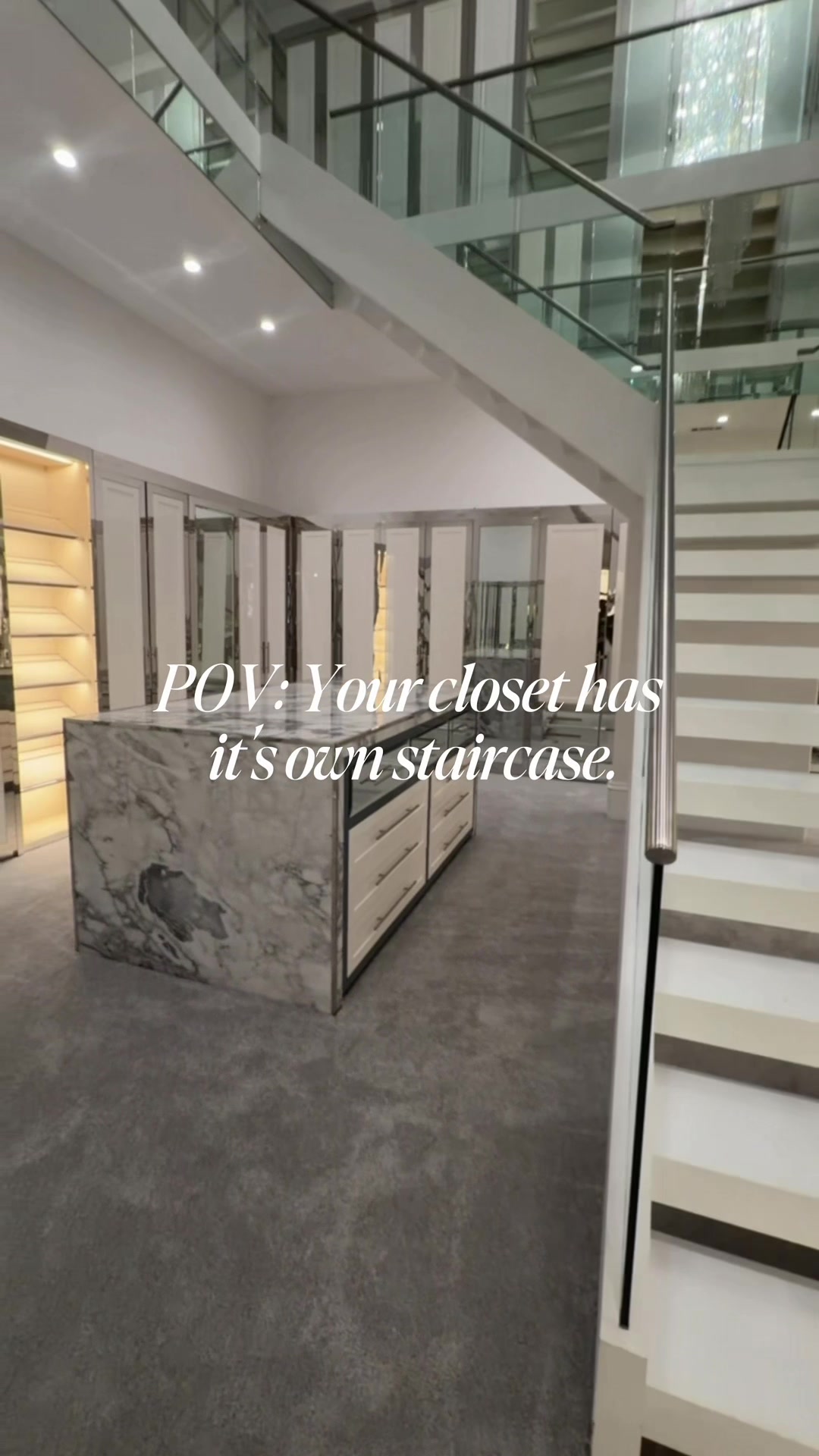
This taps into aspirational fantasy by presenting a closet as an entire architectural statement rather than just storage. The two-story design with marble, chandelier, and balcony makes it feel like a luxury showroom, which flips the everyday mundane (getting dressed) into something worth daydreaming about.
First-time homebuyer hauls tap into major life milestone energy and practical inspiration simultaneously. People save these because they're hunting for the exact same items, making this feel like a personalized shopping guide disguised as a personal journey.
People love seeing niche, unexpected career paths with real equipment and setup. The POV angle makes viewers instantly curious about an unfamiliar profession, and the comments show they're rooting for someone doing something genuinely different and profitable.
The post captures aspirational independence through a stark visual contrast—a solitary figure against luxury skylines—paired with a confident, almost defiant statement about business ownership. It hits the intersection of motivation and relatability: people want the lifestyle and the quiet confidence to own it without needing validation.
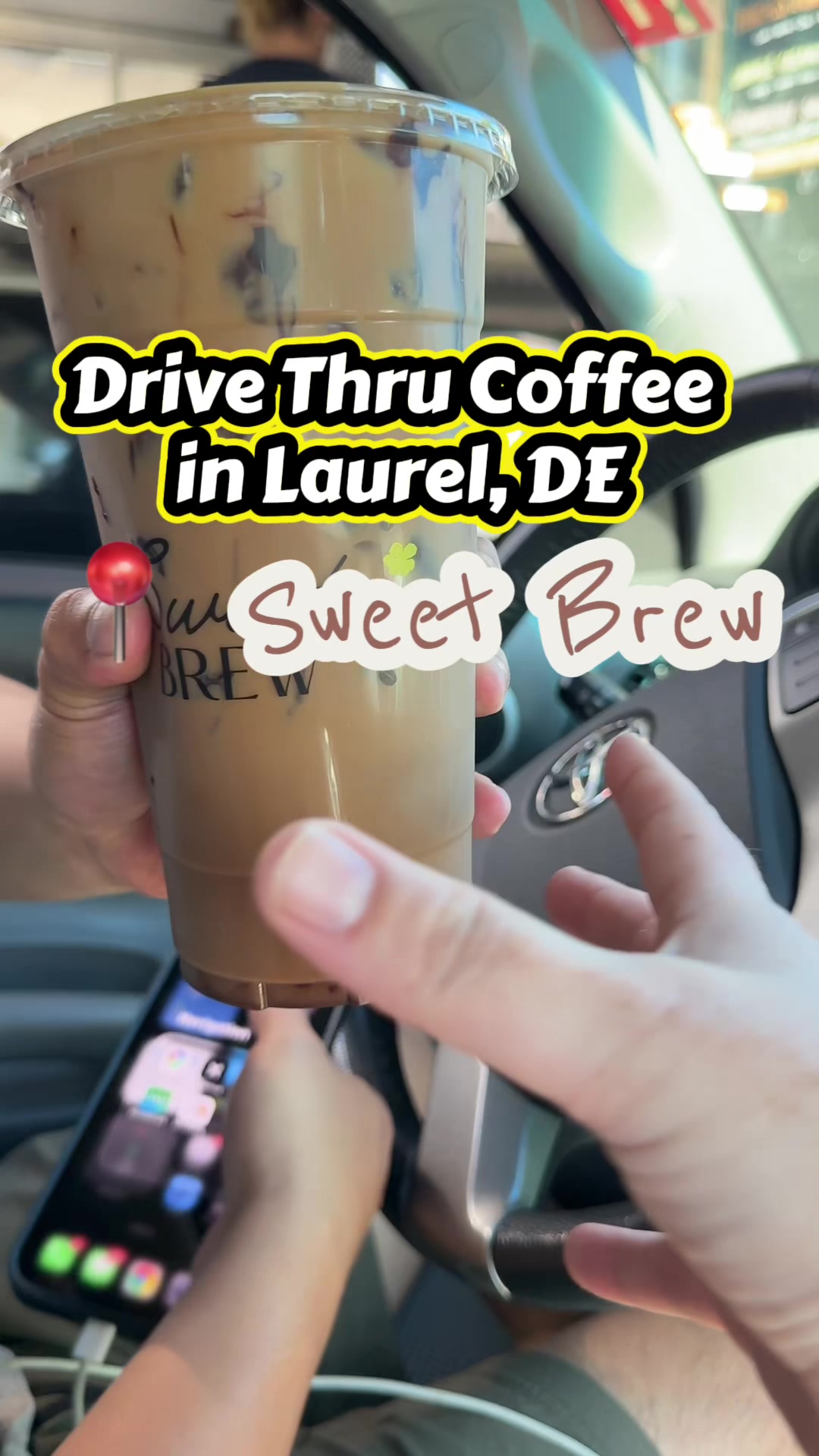
People love discovering local gems, especially when they're shown in an authentic, relatable moment. The casual drive-thru format and genuine enthusiasm make it feel like a real recommendation from a friend rather than ads, sparking locals to share their own favorite spots.
People are drawn to the calm, aesthetic rhythm of coffee shop work because it feels like a glimpse into a world where everything moves with purpose and precision. The POV format puts them behind the counter, making the routine feel aspirational yet oddly soothing.
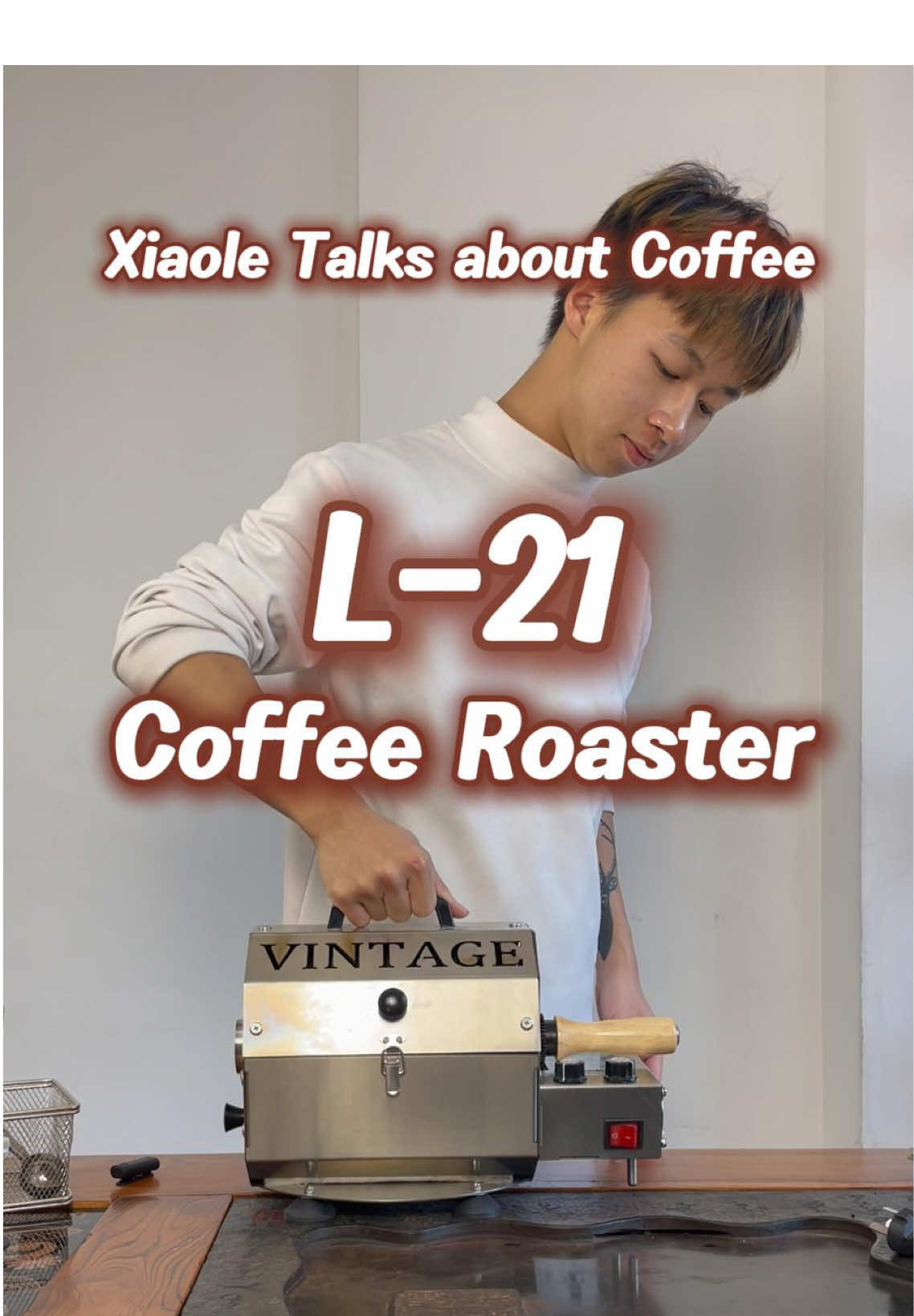
Niche expertise paired with a striking visual (vintage equipment, minimal aesthetic) taps into coffee culture's aspirational side. People are drawn to authenticity mixed with craftsmanship, especially when presented without overselling.

The post taps into career anxiety by offering a practical mindset shift that feels achievable. Skill stacking reframes being "stuck" as an opportunity to build optionality, which appeals to people wanting direction without needing a perfect five-year plan.
The pristine, symmetrical approach shot creates an aspirational yet accessible entry point into luxury real estate. Perfect composition and towering trees frame the property as extraordinary without feeling untouchable, sparking genuine curiosity about the location and lifestyle rather than dismissing it as unreachable.

Luxury real estate that feels almost unreal catches attention because it collapses the gap between aspiration and absurdity. People save and share homes that make them say "this exists?" rather than just "I want this." The sheer scale and amenities here trigger disbelief first, desire second.
People are drawn to the quiet competence and scale of professional baking. A perfectly arranged lineup of identical cakes being prepped with methodical precision taps into satisfaction and visual order, while the early morning timestamp adds a layer of admiration for the work ethic involved.
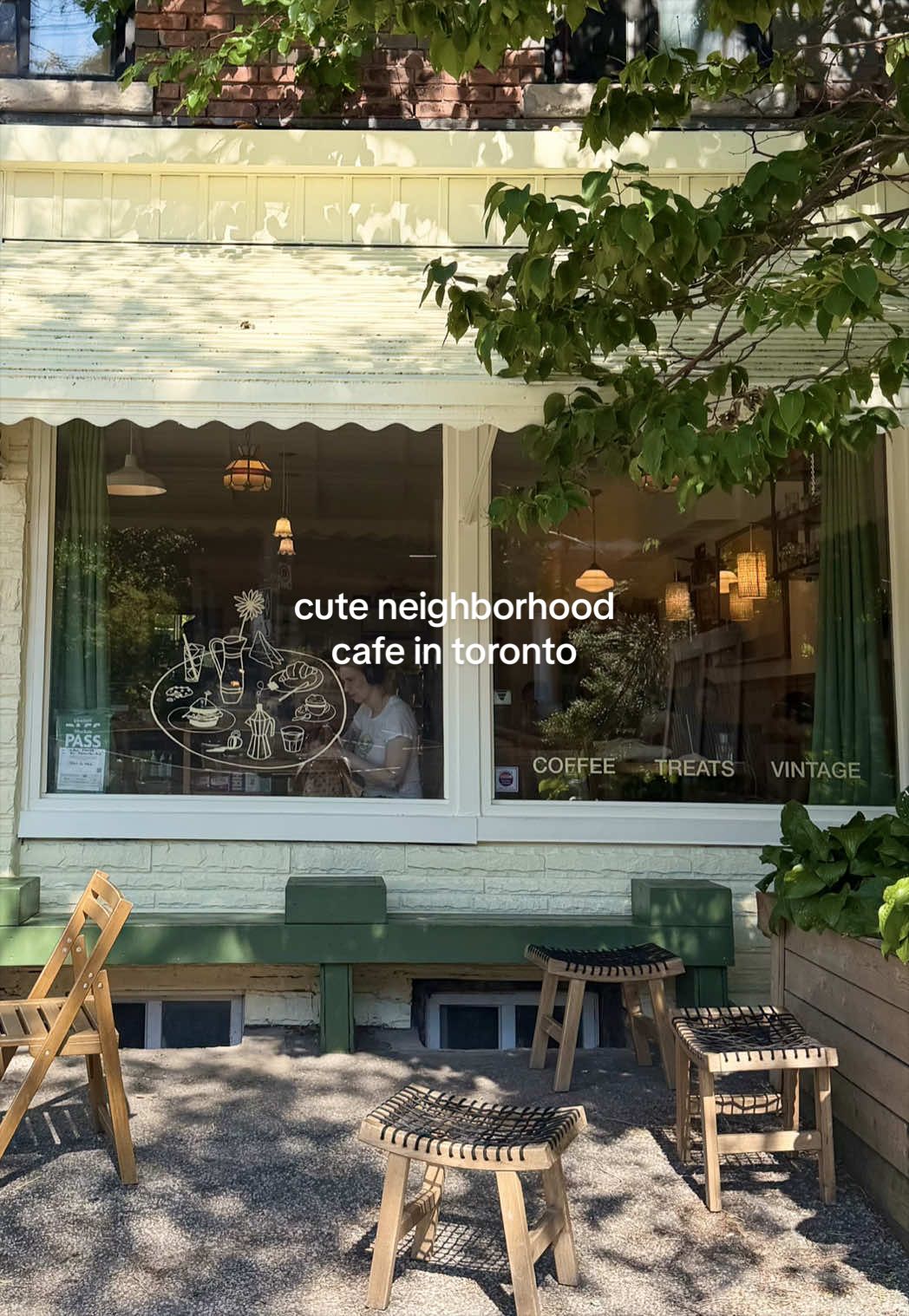
People save and share spaces that feel like they've discovered a secret. This cafe hits the sweet spot between aspirational (cute, curated aesthetic) and accessible (neighborhood spot, not a tourist trap), making it feel like genuine local knowledge worth spreading.
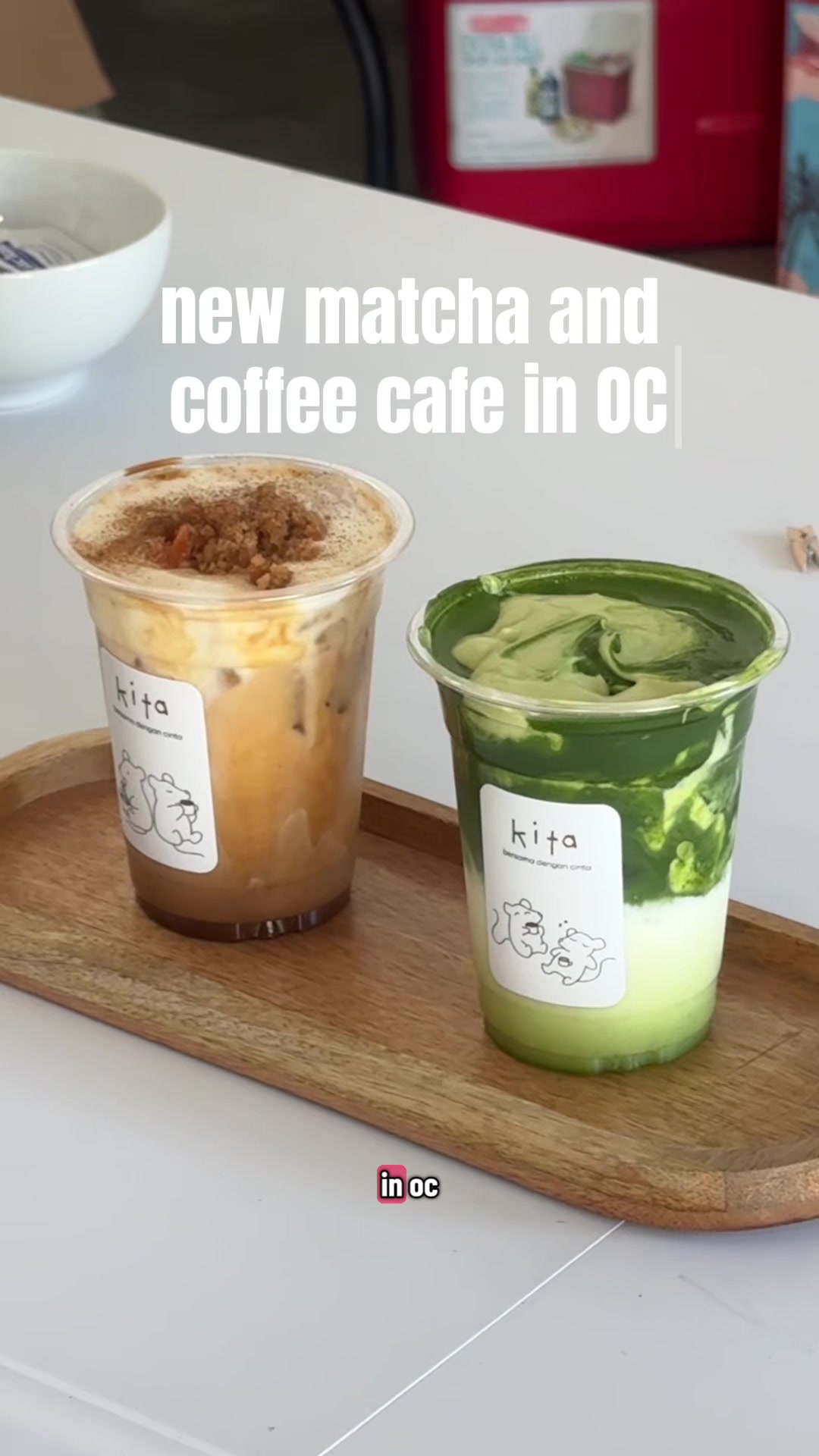
People loved the bait-and-switch reveal of a fake popup cafe. The polished product shots and café branding set genuine expectations, then the caption's self-aware question made the deception payoff feel like a fun inside joke rather than clickbait. It tapped into both aspiration (beautiful drinks) and relatability (the creator's hustle).

People are frustrated with local cafes' logistics, not quality. This taps into genuine annoyance about inaccessibility—odd hours, limited parking, no WiFi—making Starbucks the pragmatic choice even if they prefer the cafe experience. It's relatable friction that sparks agreement.

The post taps into a passionate subcommunity of hot chocolate enthusiasts by presenting an unpopular opinion as fact. People who care deeply about quality hot chocolate feel seen and validated, sparking genuine debate about brands and technique rather than dismissal.
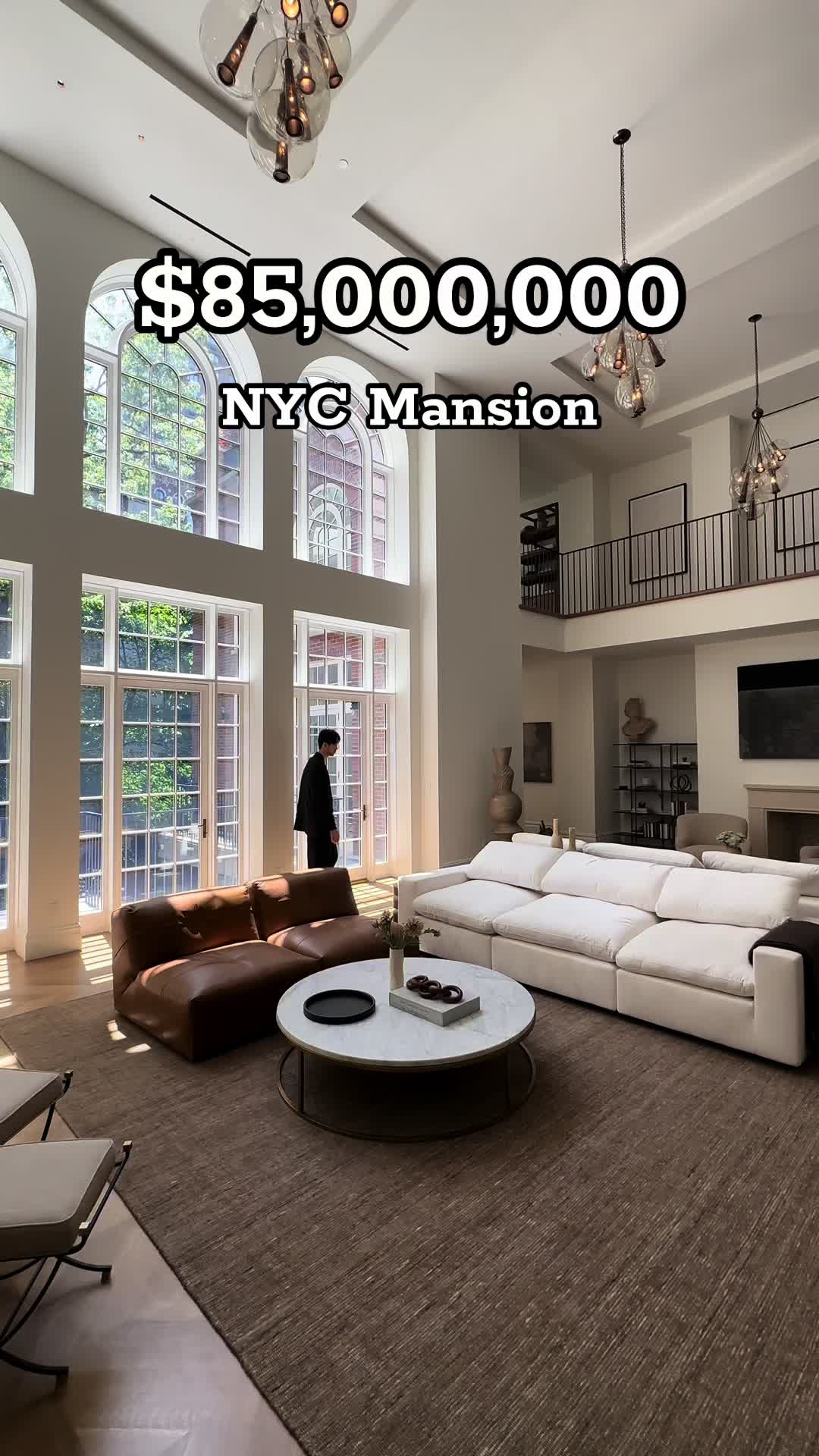
The sheer scale of the number paired with the tangible luxury of the space creates cognitive dissonance that people can't scroll past. Eight-five million feels abstract until you see the soaring ceilings, natural light, and breathing room—suddenly it's real and jarring, and people need to process it by commenting.
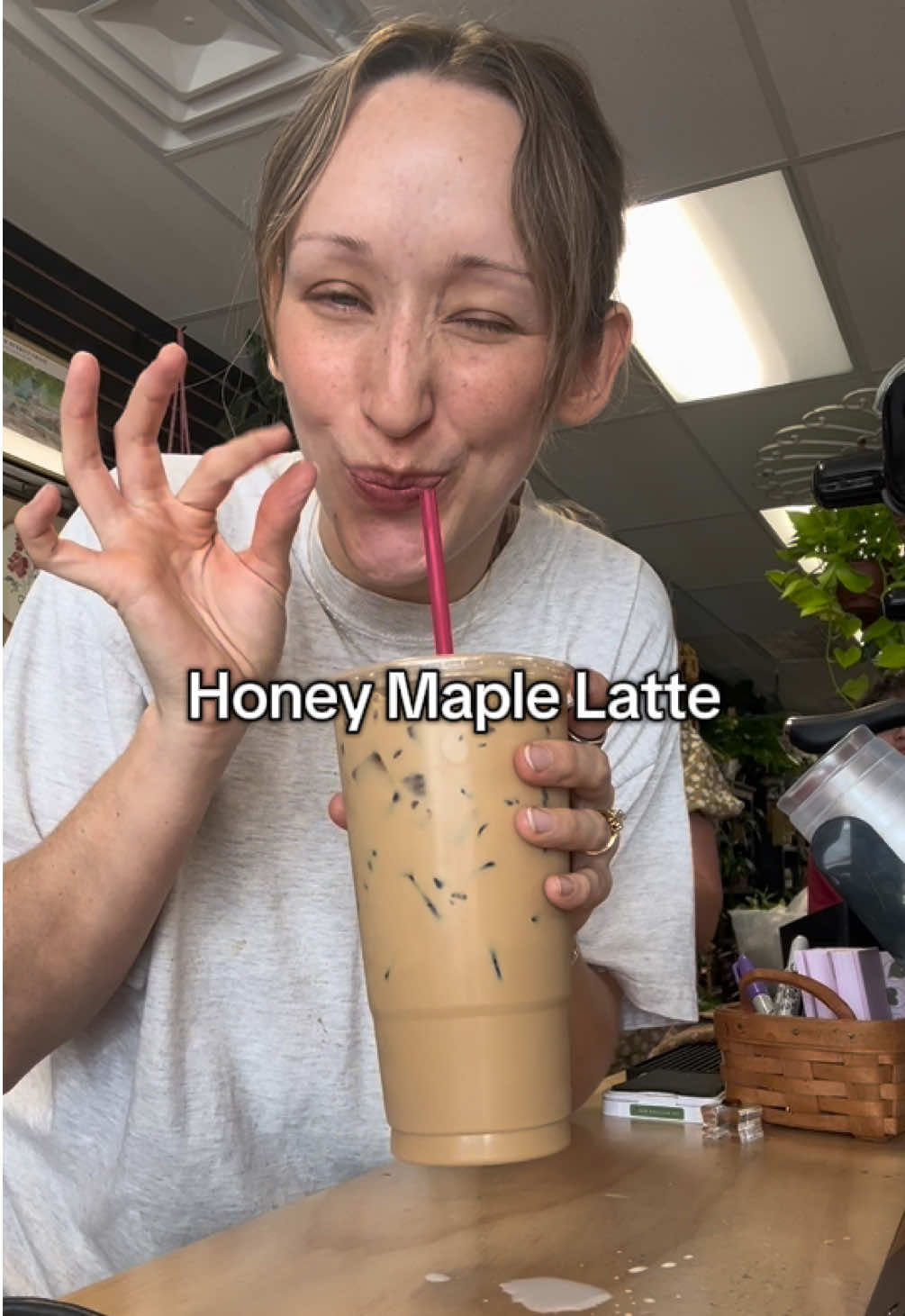
Raw authenticity paired with a relatable food reaction creates genuine engagement. The unfiltered moment of someone actually tasting and enjoying a drink feels honest in a space often filled with staged cafe aesthetics, making it feel like a friend's recommendation rather than a brand push.

The post taps into local pride and travel discovery by positioning Atlanta as an underrated gem worth exploring beyond the obvious spots. The stunning nighttime skyline shot combined with a confident value proposition ("steal") creates aspirational yet accessible appeal that makes people want to share it.
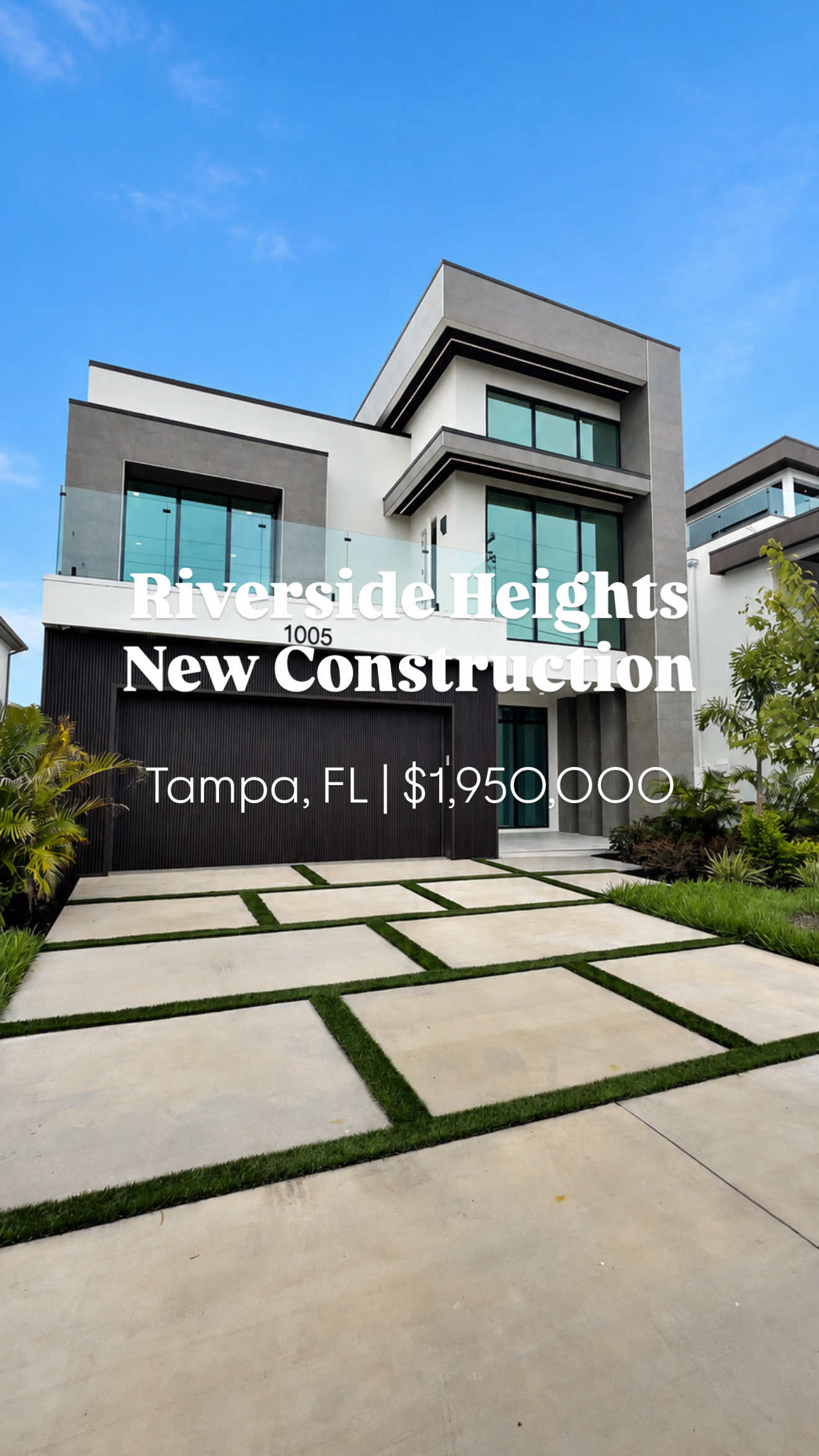
Exclusive access before public market launch taps into FOMO and insider status. The "first look" positioning combined with a stunning modern aesthetic makes viewers feel they're getting privileged intel, not just another listing.
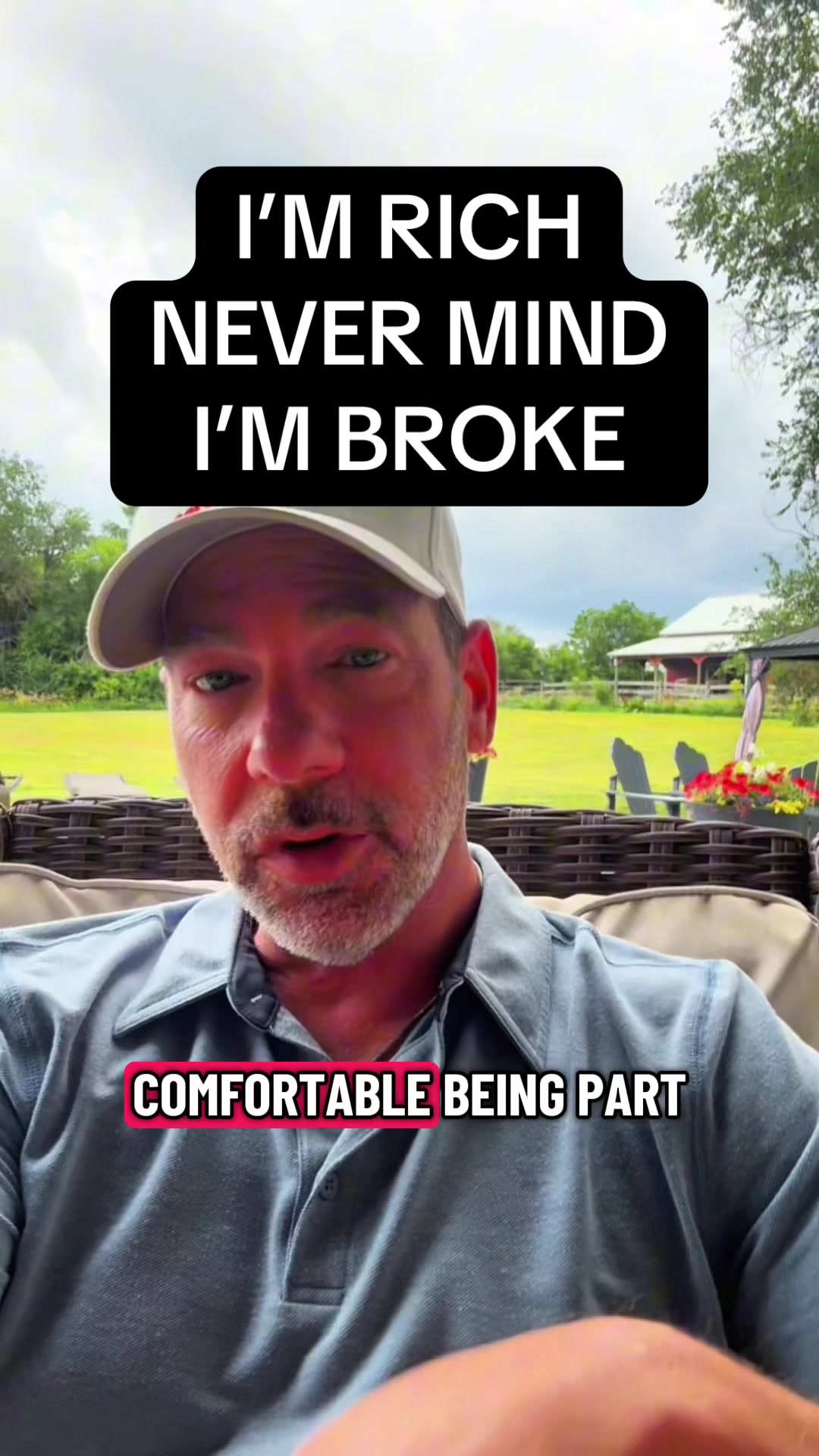
This hits because it speaks the unspoken truth about the emotional rollercoaster of business ownership. The rawness of admitting financial chaos and bad decision-making resonates because most entrepreneurs feel it but don't say it out loud, creating that "he knows me" moment.
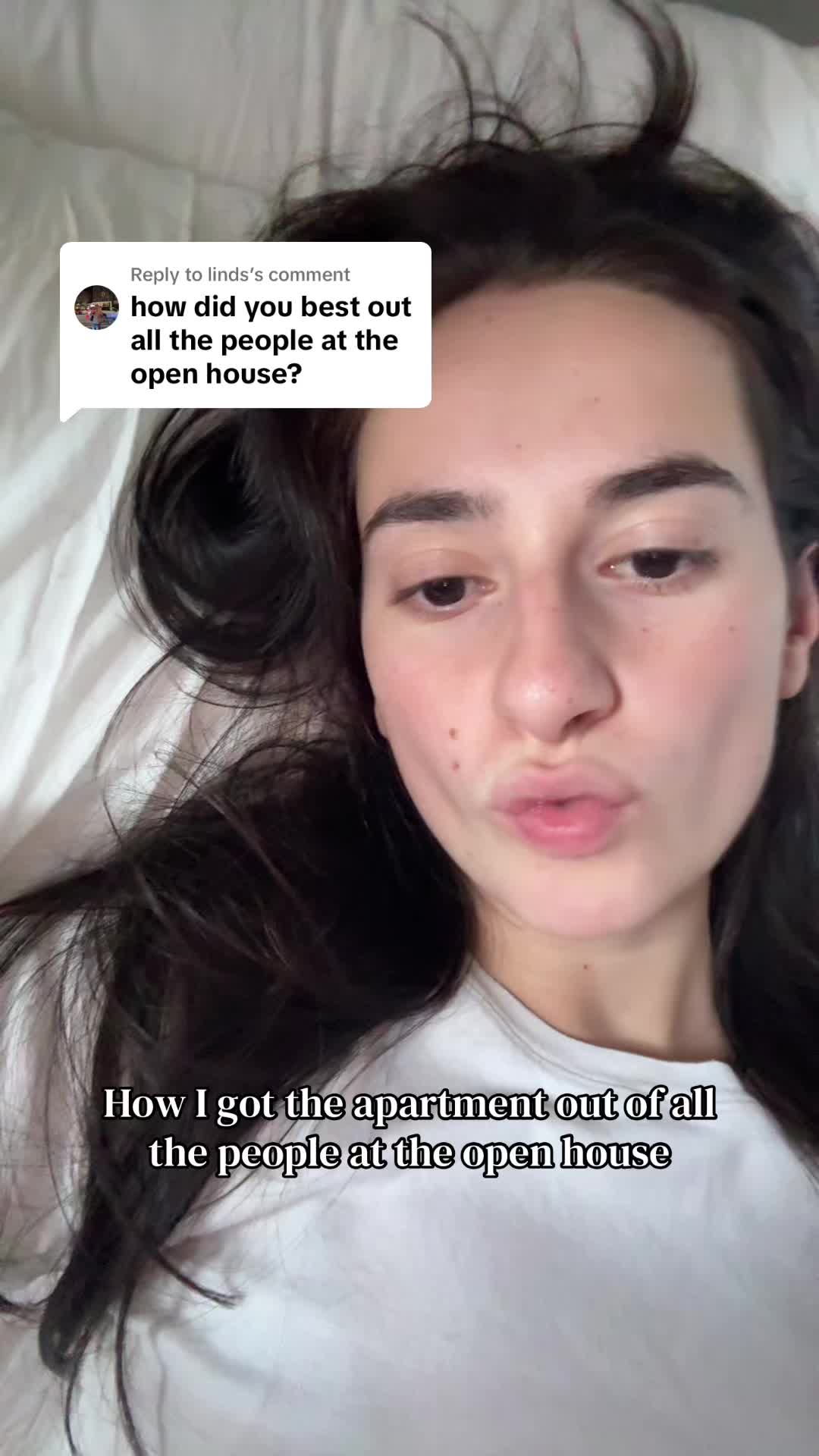
People engage hard when someone claims insider knowledge but the reveal feels too simple or unattainable. The comment ratio exploded because viewers expected a clever strategy and got something that felt like a flex instead, sparking debate about privilege and real estate tactics.
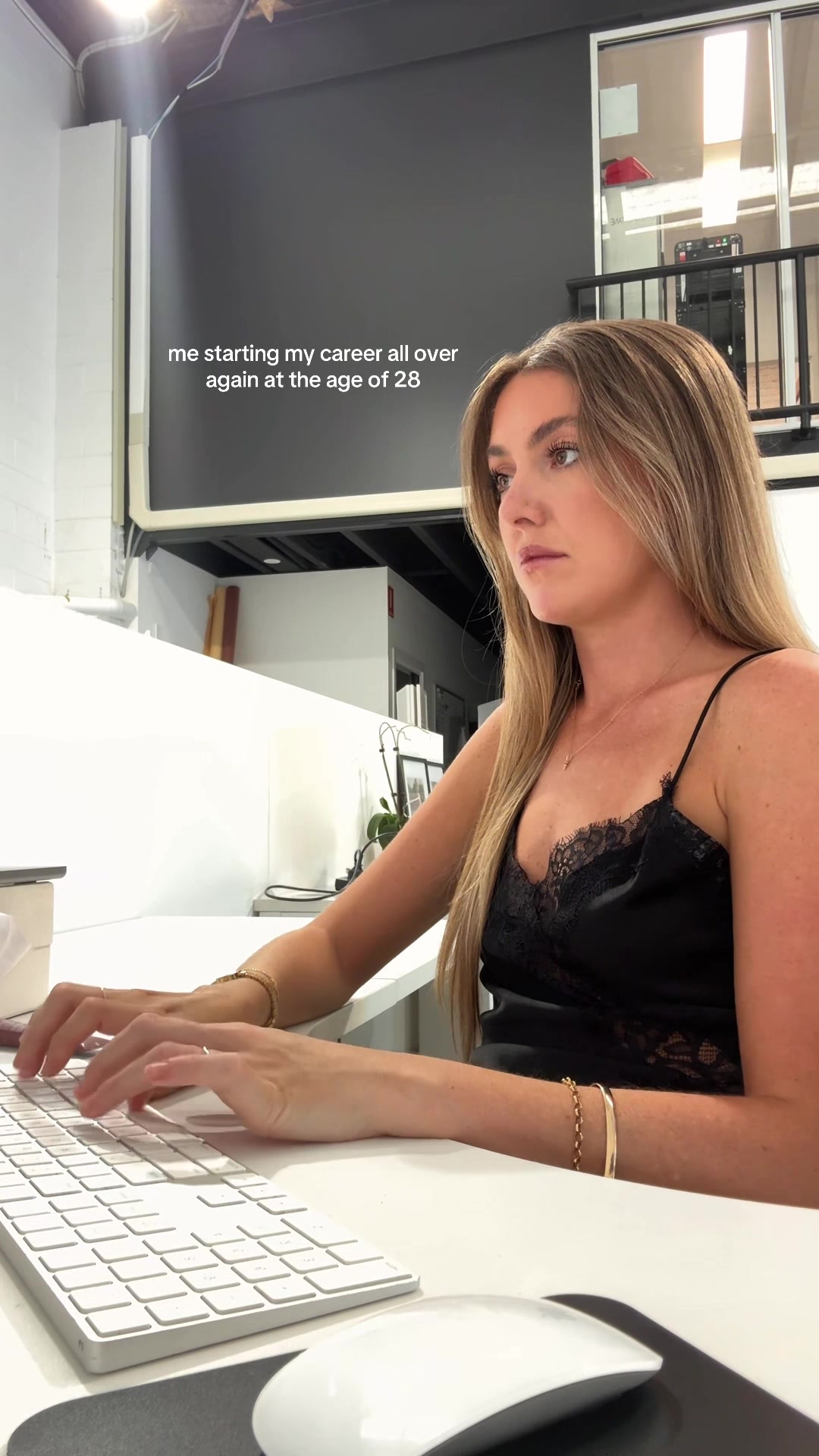
This taps into a universal anxiety about mid-life pivots and career "failure," then flips it into permission to reset. The raw vulnerability about imposter syndrome makes it feel real rather than inspirational, which is exactly what people needed to hear.
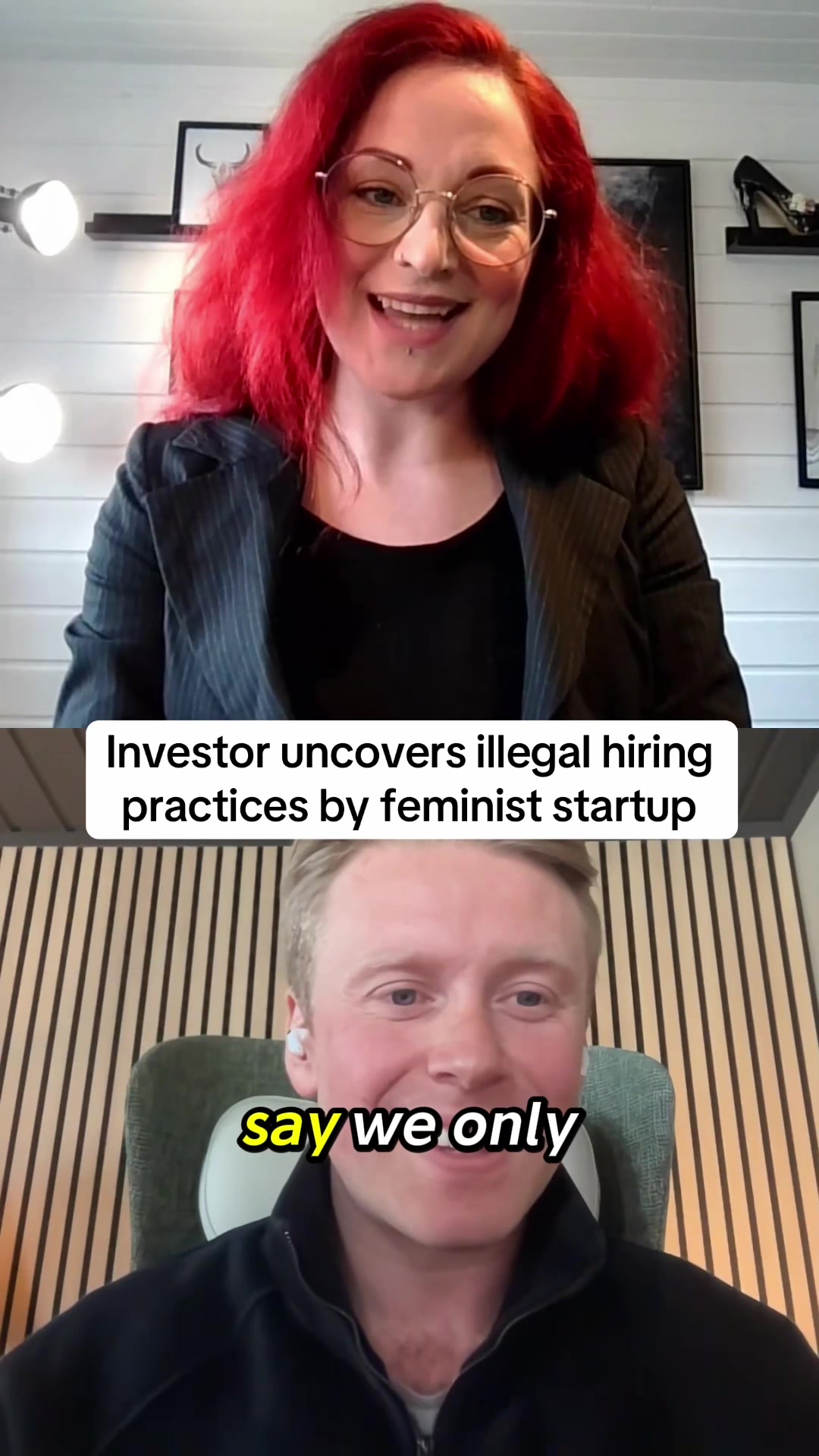
The ironic juxtaposition of calling out discriminatory hiring while the setup suggests the opposite creates cognitive dissonance that makes people stop scrolling. The "Shark Tank" format adds credibility, and the punchline lands hardest because it flips expectations about who's being criticized.
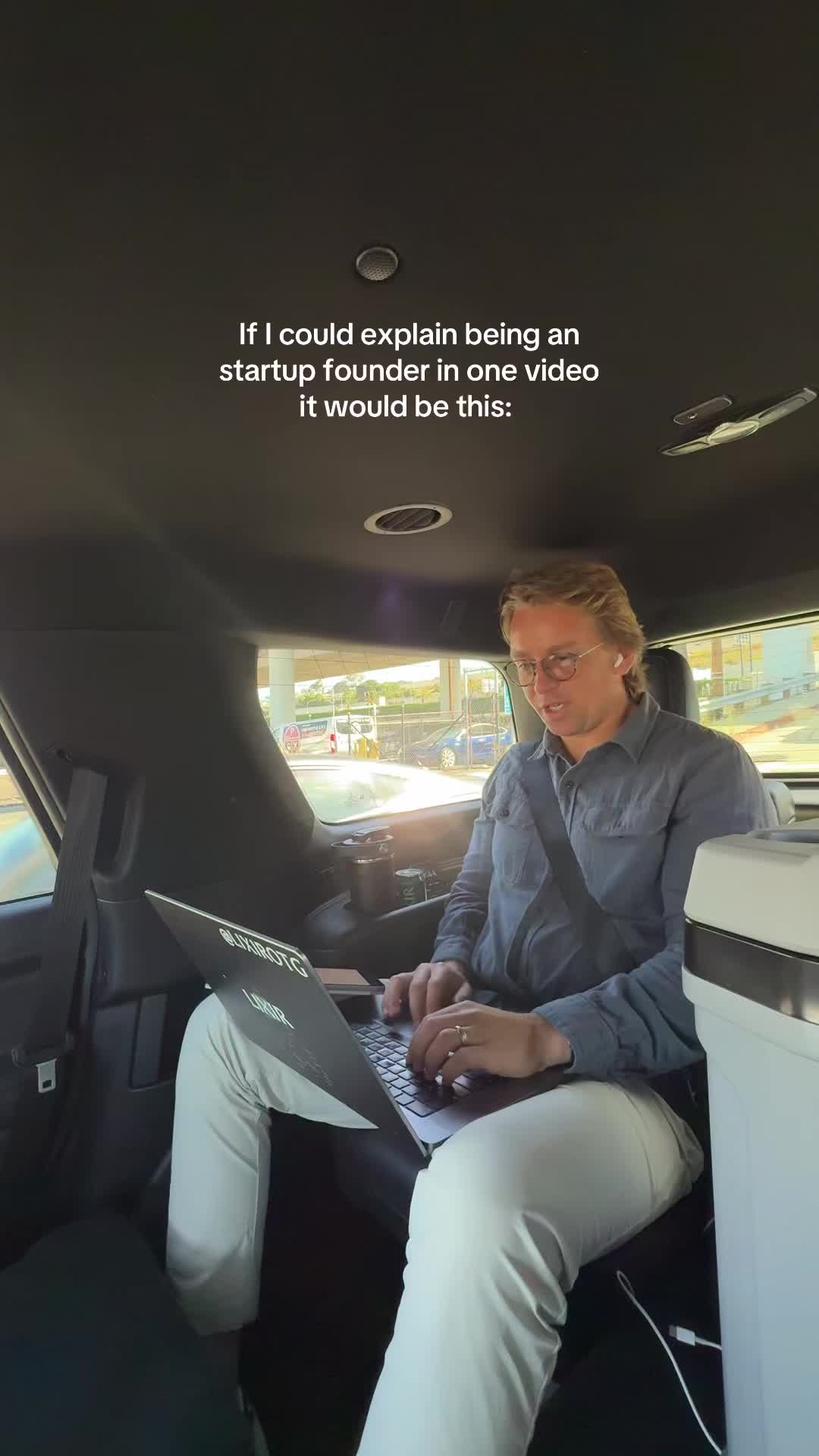
The relatable humor of catching a founder in an unglamorous moment (working from an Uber) paired with the meta joke setup creates authentic appeal. People connect with the stripped-down reality of startup life, not the polished version.
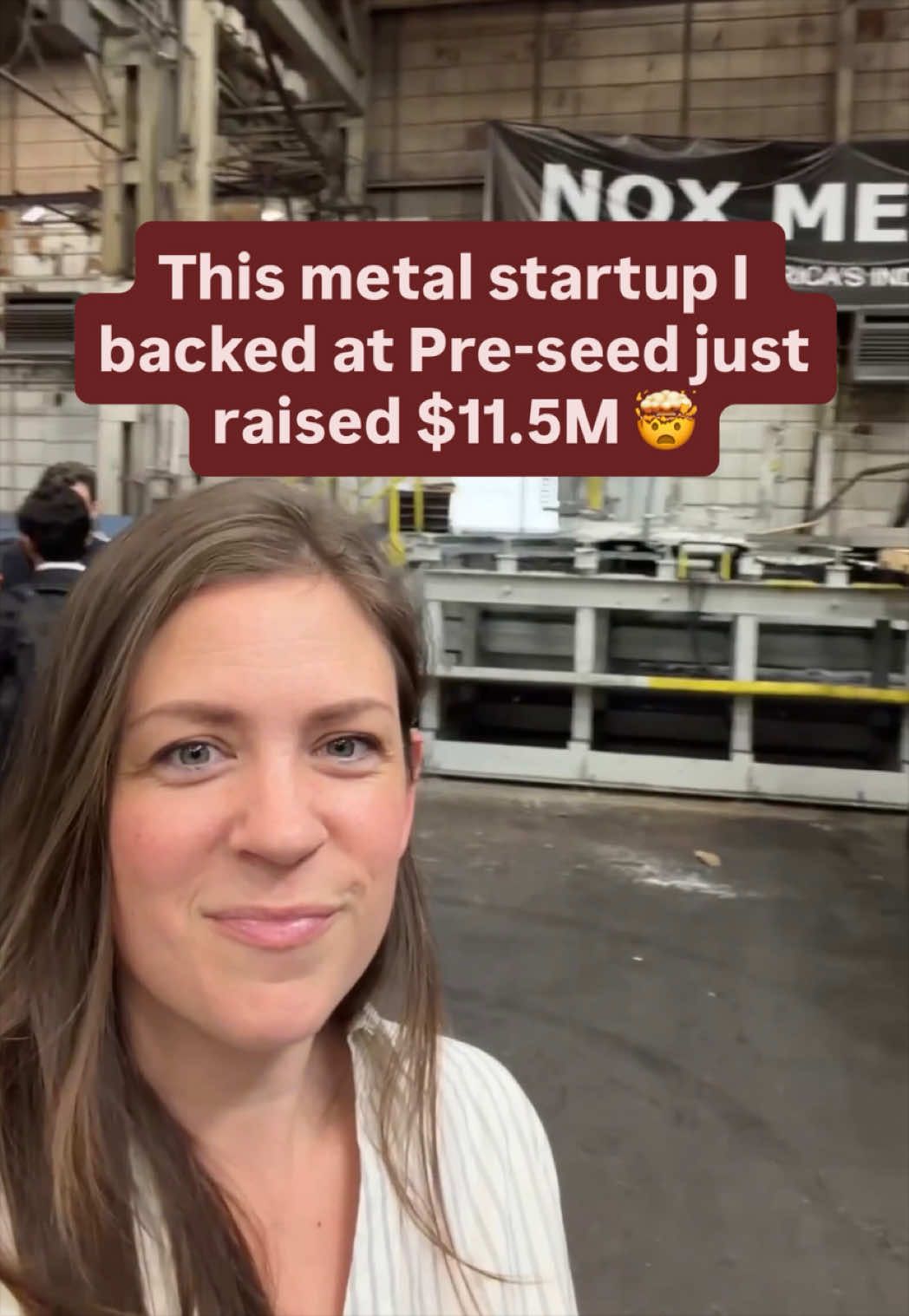
People are drawn to founders who share their wins transparently and make seemingly boring industries feel exciting. The specificity (metal servicing, $100B market) validates the opportunity while the personal stake ("I invested") builds trust and makes the achievement feel earned rather than lucky.

The joke opener ("I'm just joking") creates anticipation that pays off when the property reveal happens. Viewers initially think it's about the person, then get redirected to genuine luxury real estate, making the pivot feel refreshing rather than like a bait-and-switch. The aesthetic execution doesn't hurt either.
The post cuts through empty apologies by reframing accountability as action, not words. People are exhausted by hollow "I'm sorry"—this hits because it demands something harder and more real.

Real frustration wrapped in comedy hits harder than polished takes. The exaggerated facial expressions and relatable coaching moment tap into something genuine—the tension between trying to lead and feeling ignored—while staying light enough to laugh at.
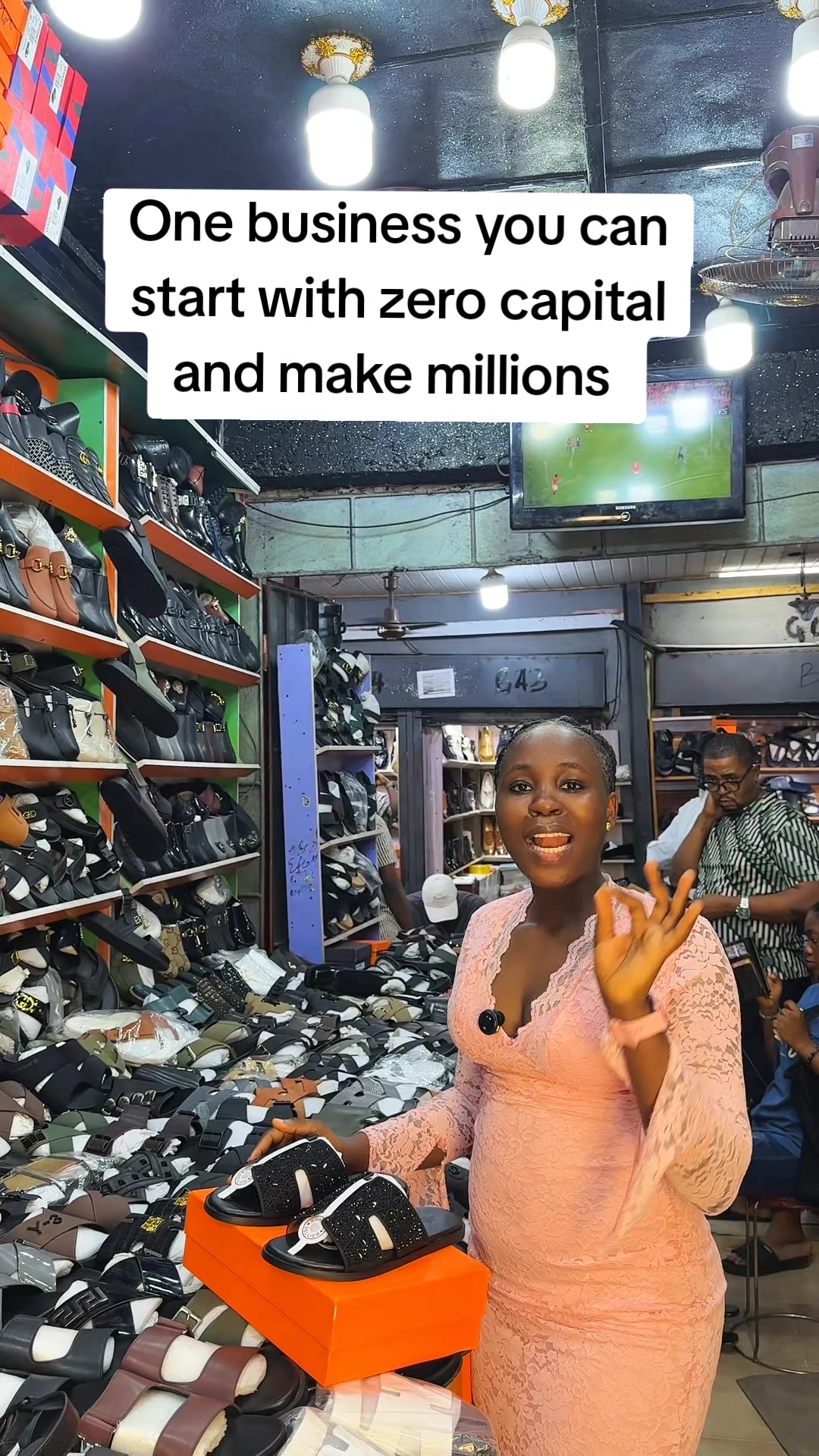
The promise of zero-capital business taps into real economic anxiety while showing a tangible, existing example (a shoe reseller) that proves it's possible. People engage because it feels attainable and relevant to their situation.
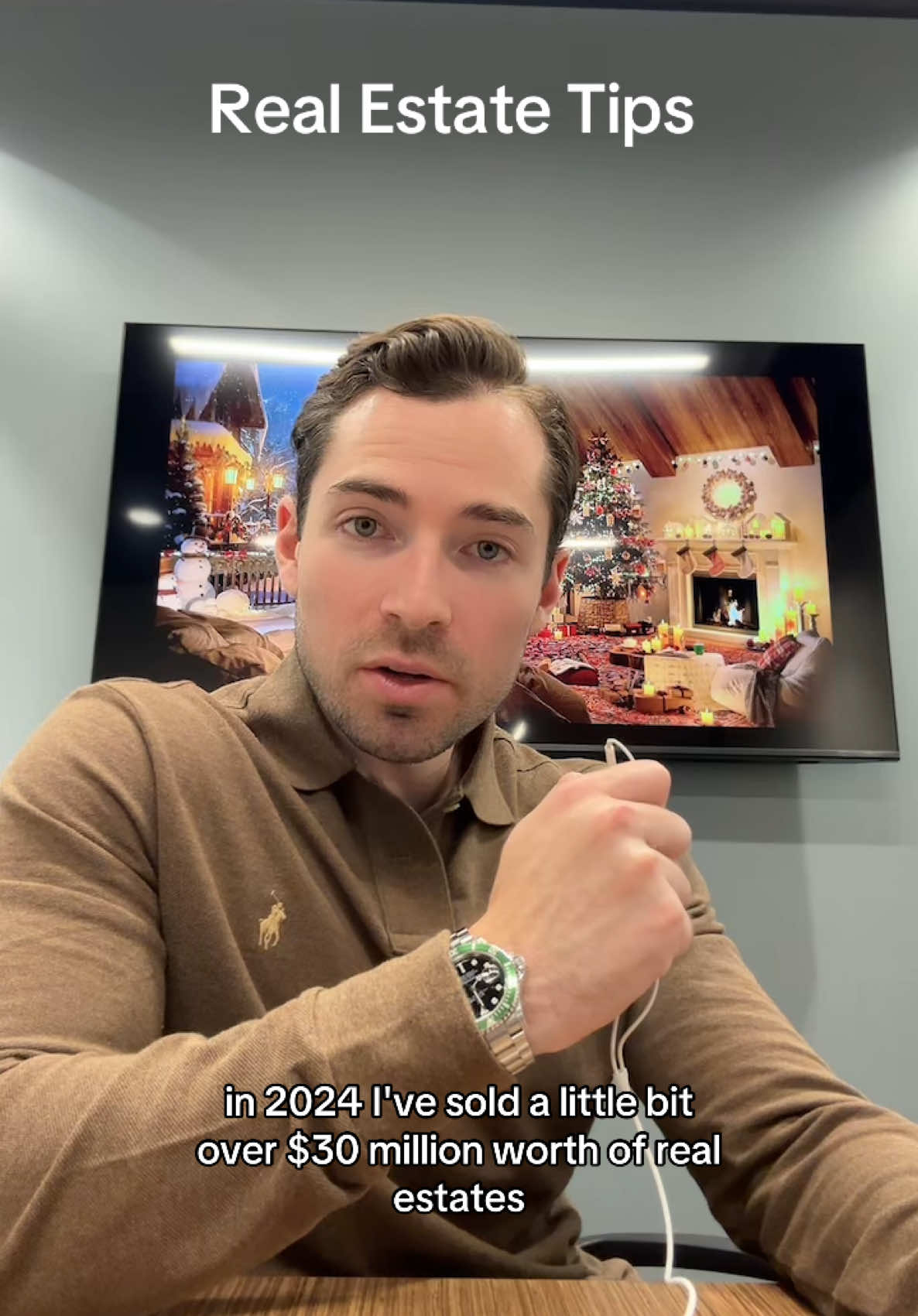
People crave insider validation from someone who's actually made it. Dropping a $30M sales flex paired with genuine advice transforms this from generic tips into proof that the path works, sparking both aspiration and debate in the comments.
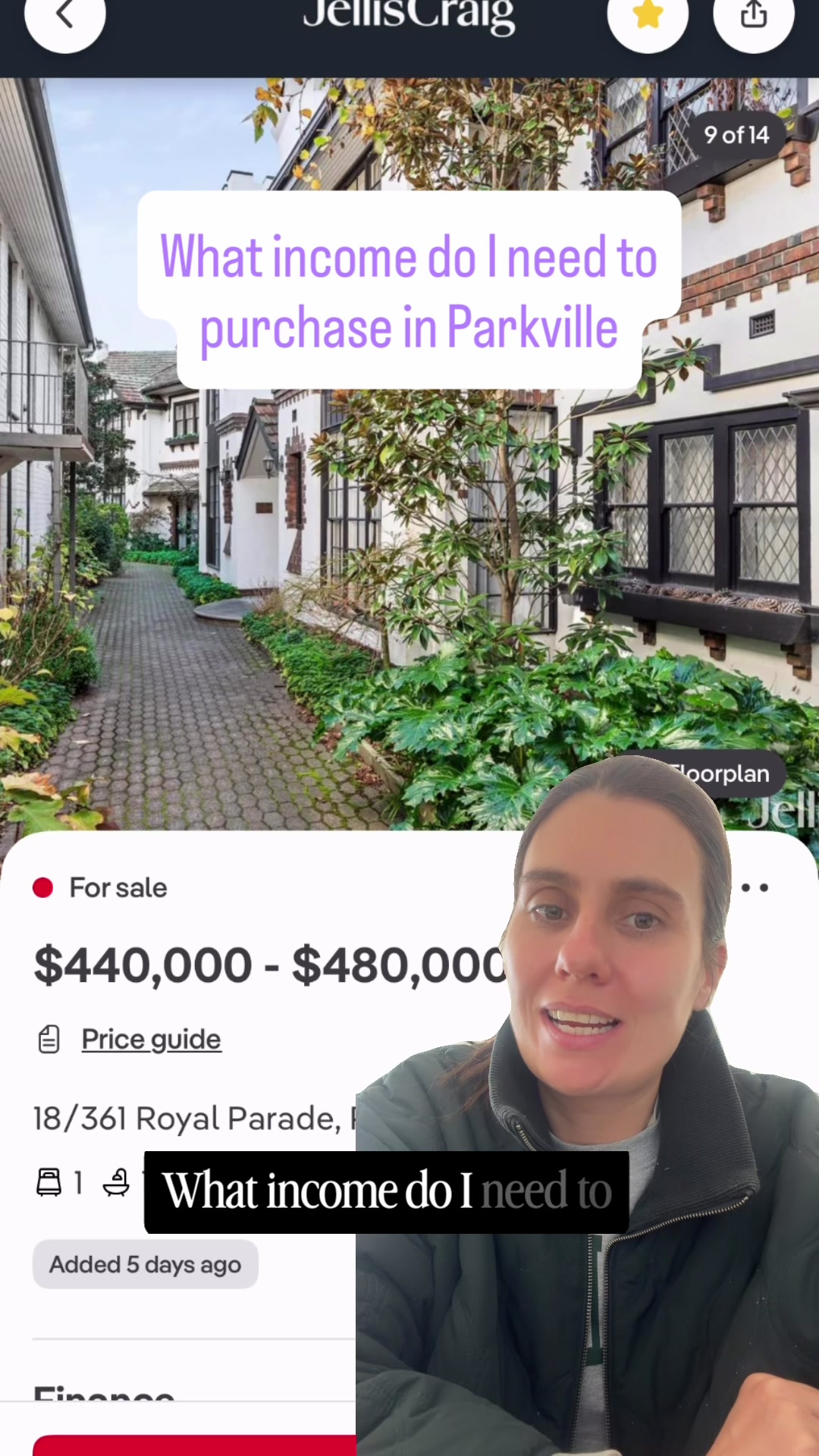
People are hungry for real financial math on housing in their area—especially when it exposes hard truths about affordability. The breakout comes from combining local specificity (Parkville, a real neighborhood) with unfiltered income requirements, making abstract housing costs suddenly personal and discussable.
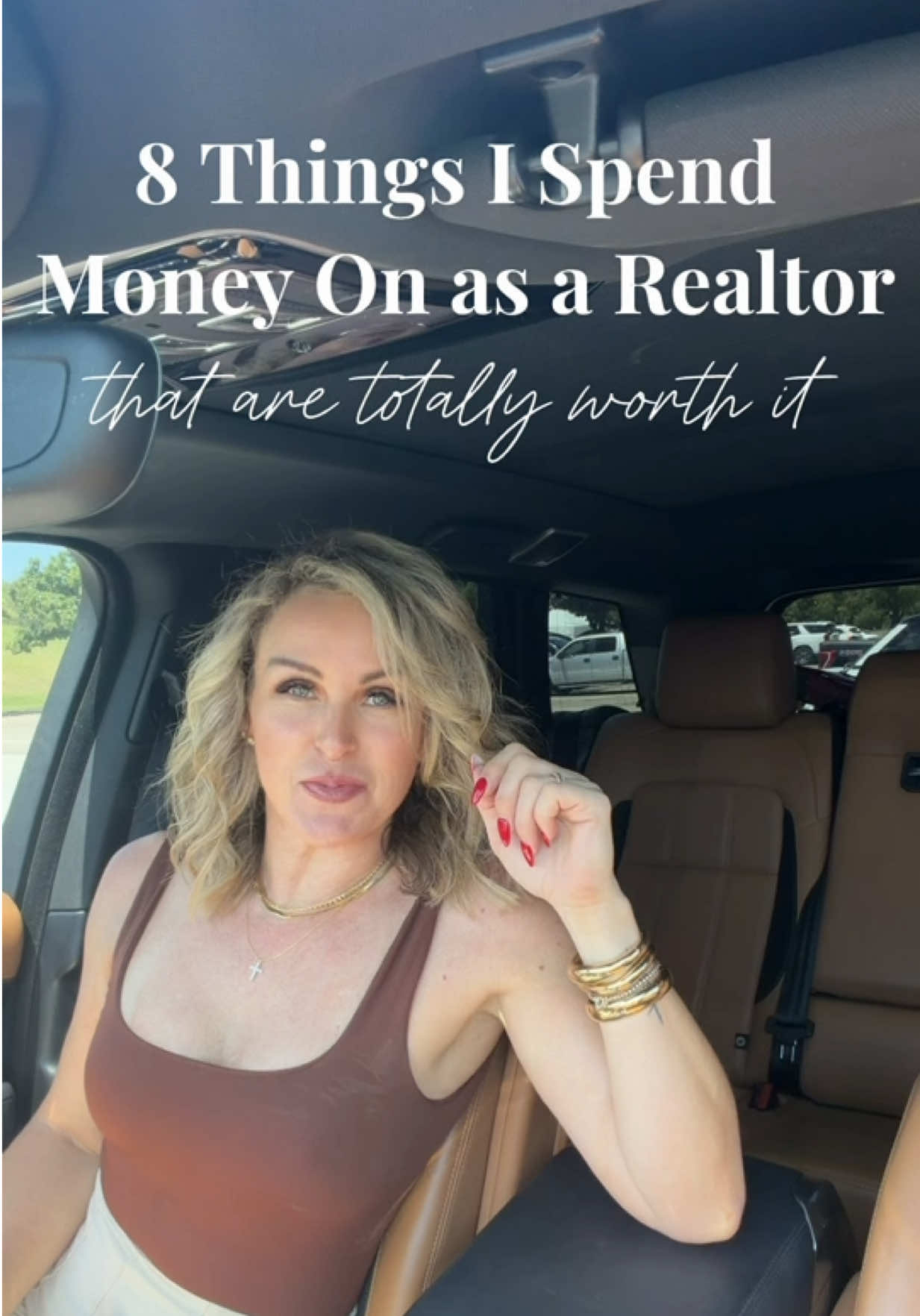
People save content about smart spending because it validates their own investment decisions and gives them permission to spend on things that feel like luxuries but actually serve their business. The "worth it" framing makes self-care and professional tools feel less guilty.
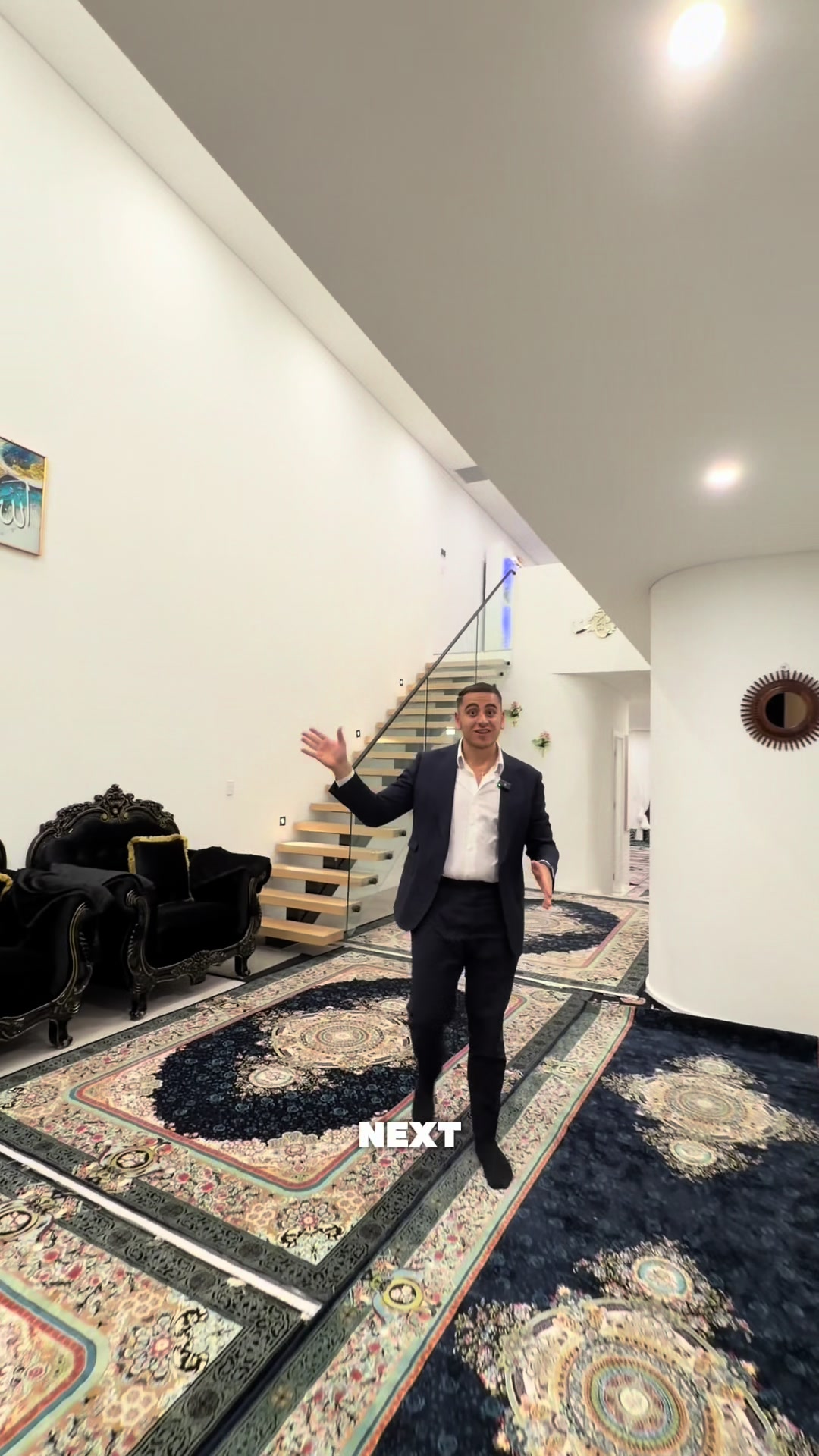
Luxury real estate walkthroughs perform exceptionally well when they showcase jaw-dropping design choices that invite debate. The ornate rugs and eclectic mix of high-end and baroque elements sparked conversation because they're visually polarizing—people can't help but have an opinion, which drives shares and comments.
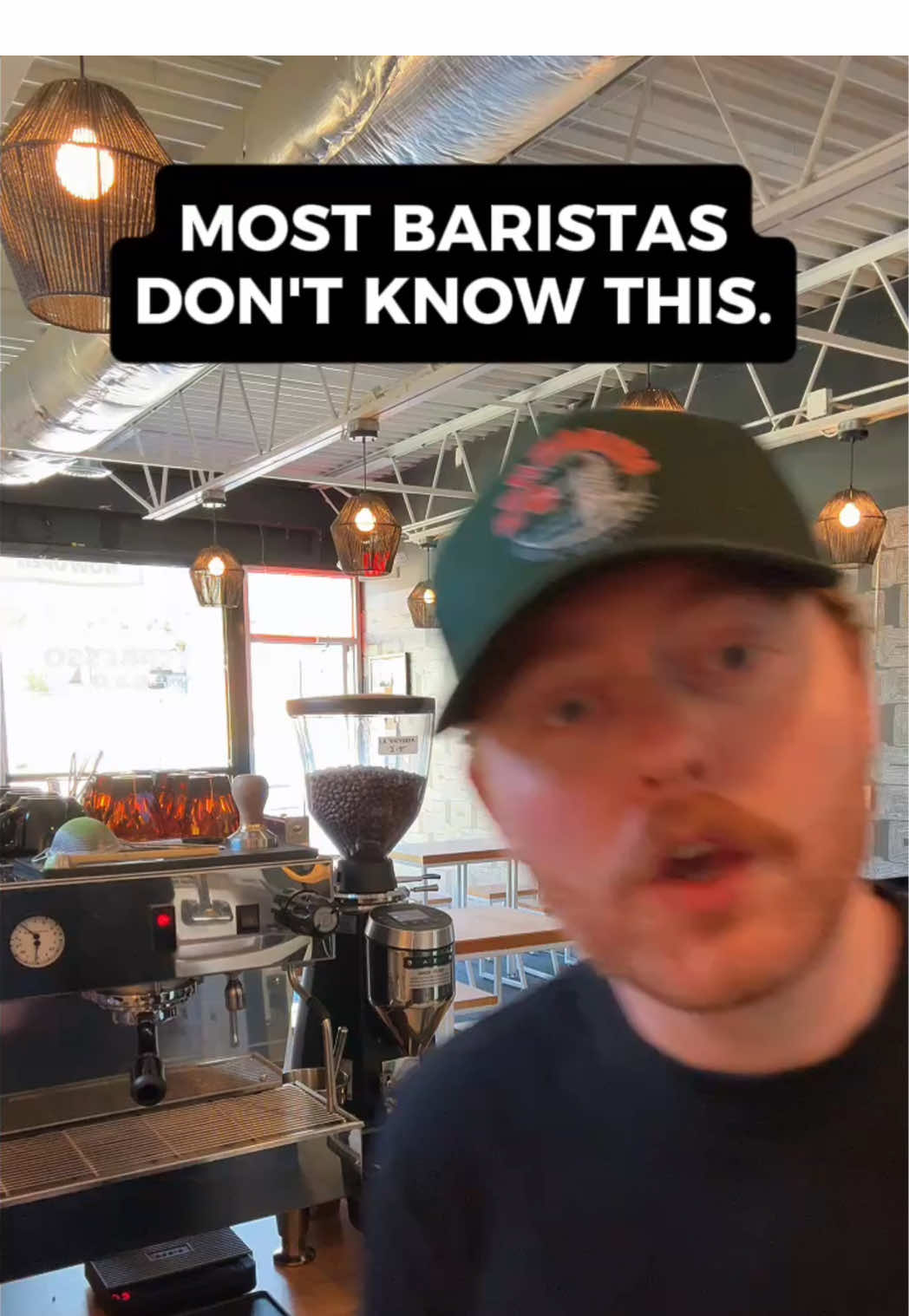
The post taps into insider coffee culture by gatekeeping a tiny detail only specialists notice, making viewers feel like they're joining a secret club. The specificity and self-aware niche positioning invite niche expertise to validate the claim, sparking recognition and belonging among baristas.
The credentials claim without visible proof creates instant skepticism, turning the moment into compelling debate. People engage hard when authority feels performative rather than substantiated, making this feel less like advice and more like social theater worth discussing.

This post taps into the passionate fandom debate around a K-drama love triangle by positioning the show's couple as the "happy ending" alternative to real startup life chaos. Fans gravitated toward the emotional stakes and relationship commentary, making it feel like insider gossip about characters they're invested in.
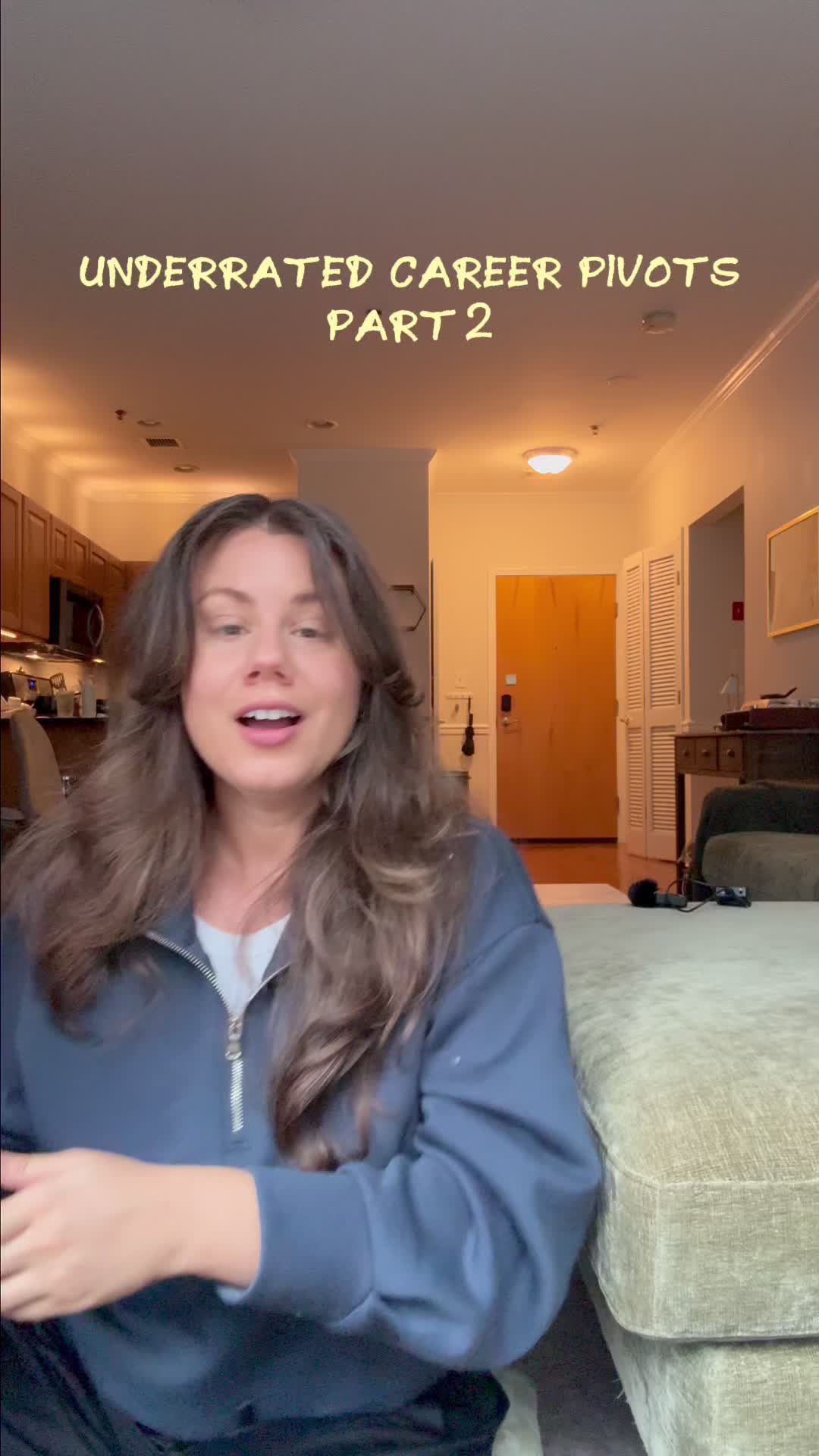
People crave permission to change careers without starting from zero. By showing how existing skills transfer to higher-paying roles, this taps into the universal anxiety of "am I trapped?" while offering concrete hope that expertise has portable value.
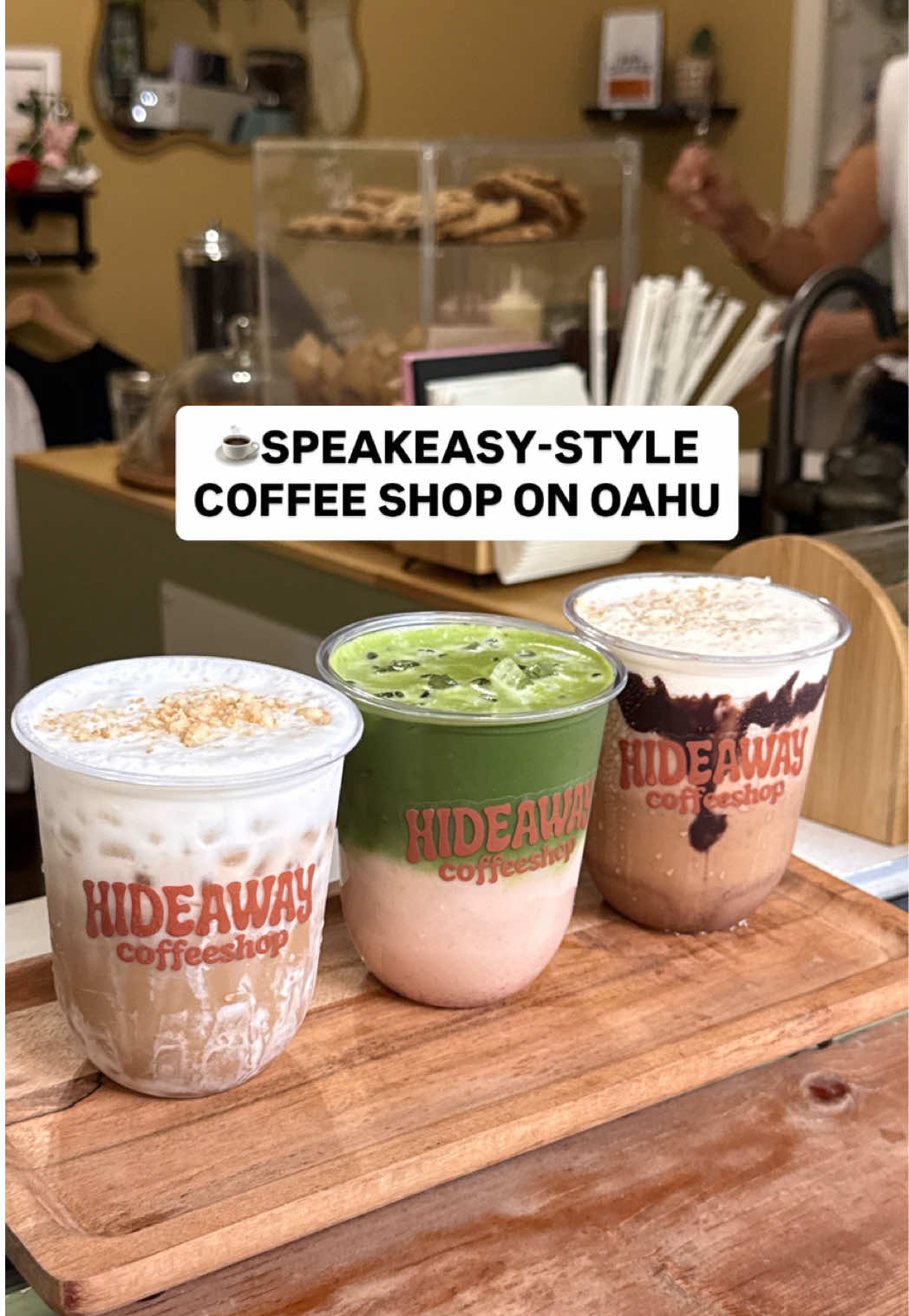
The hidden-gem angle taps into discovery satisfaction and local pride. People save and share spots they feel like they've found first, especially when there's a fun secret to unlock—the speakeasy-style entrance creates intrigue without being pretentious.
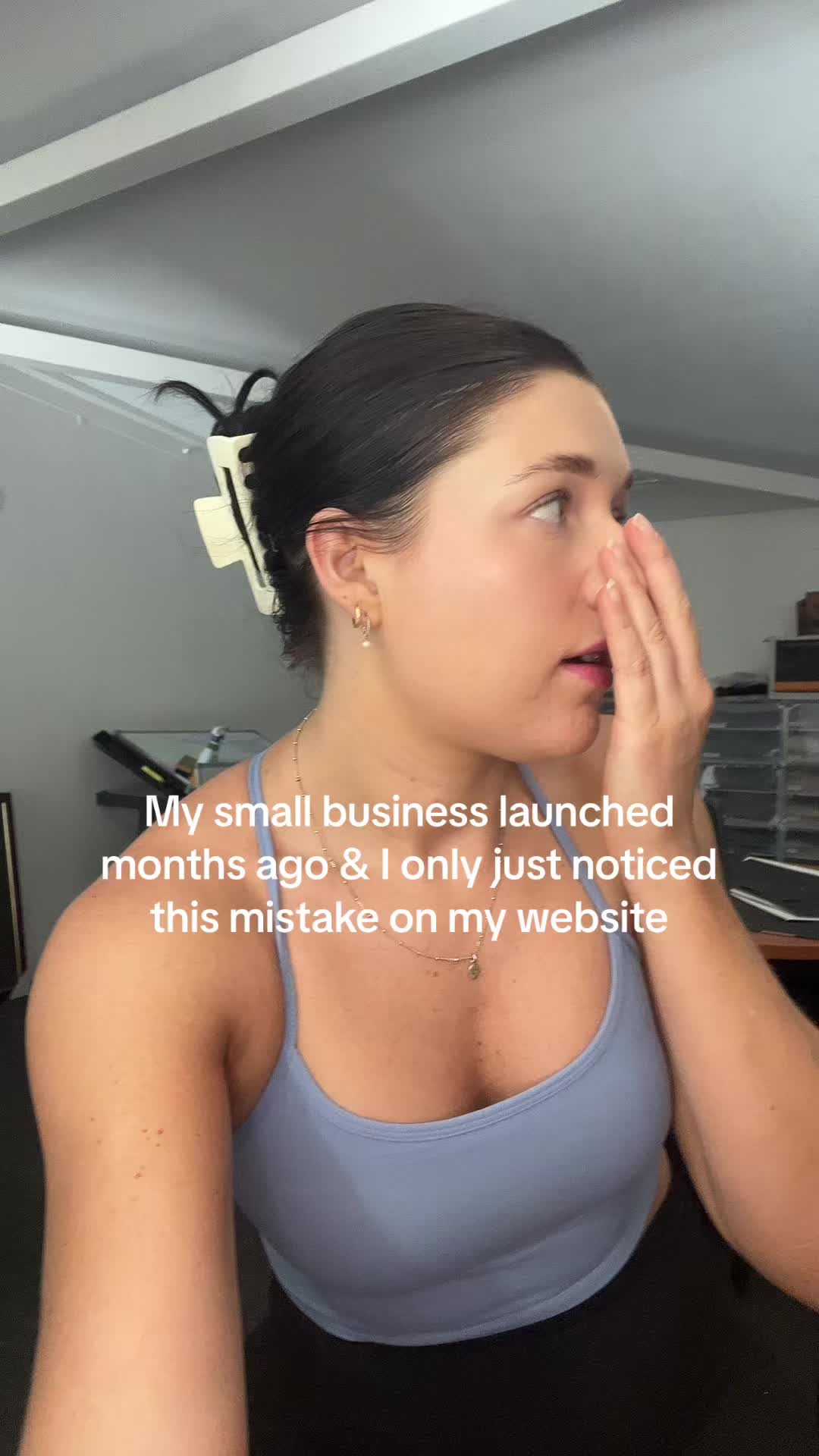
The raw vulnerability of discovering a months-old mistake in real-time hits harder than polished content. Viewers connected with the genuine panic and relatability of running a small business, turning her oversight into a shared laugh rather than mockery.
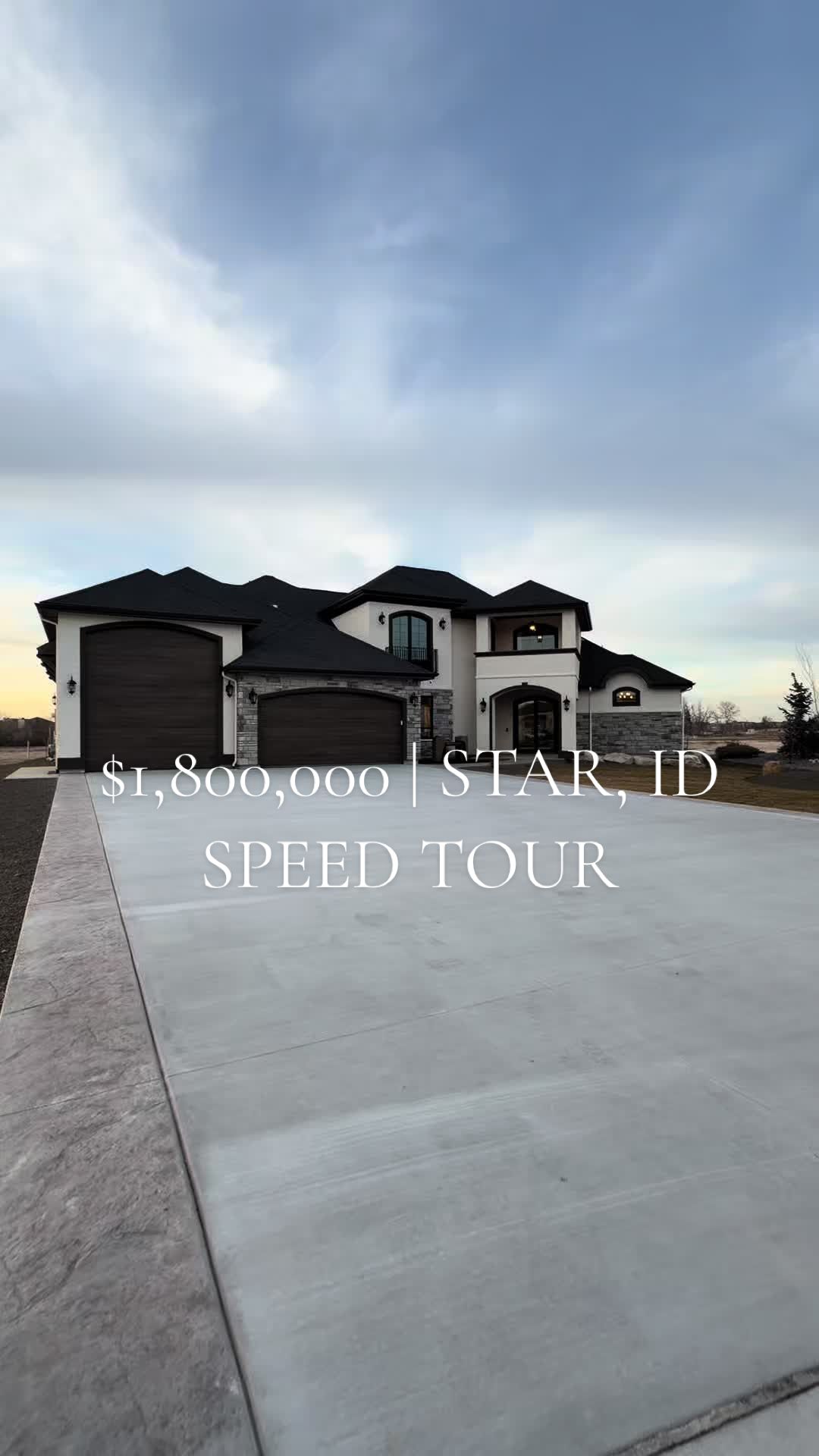
The "speed tour" format paired with luxury real estate taps into aspirational fantasy—people scroll through high-end homes they'll never own partly for entertainment, partly to imagine. The breakout performance suggests audiences crave quick visual consumption of luxury porn without commitment, making the format itself addictive regardless of purchase intent.
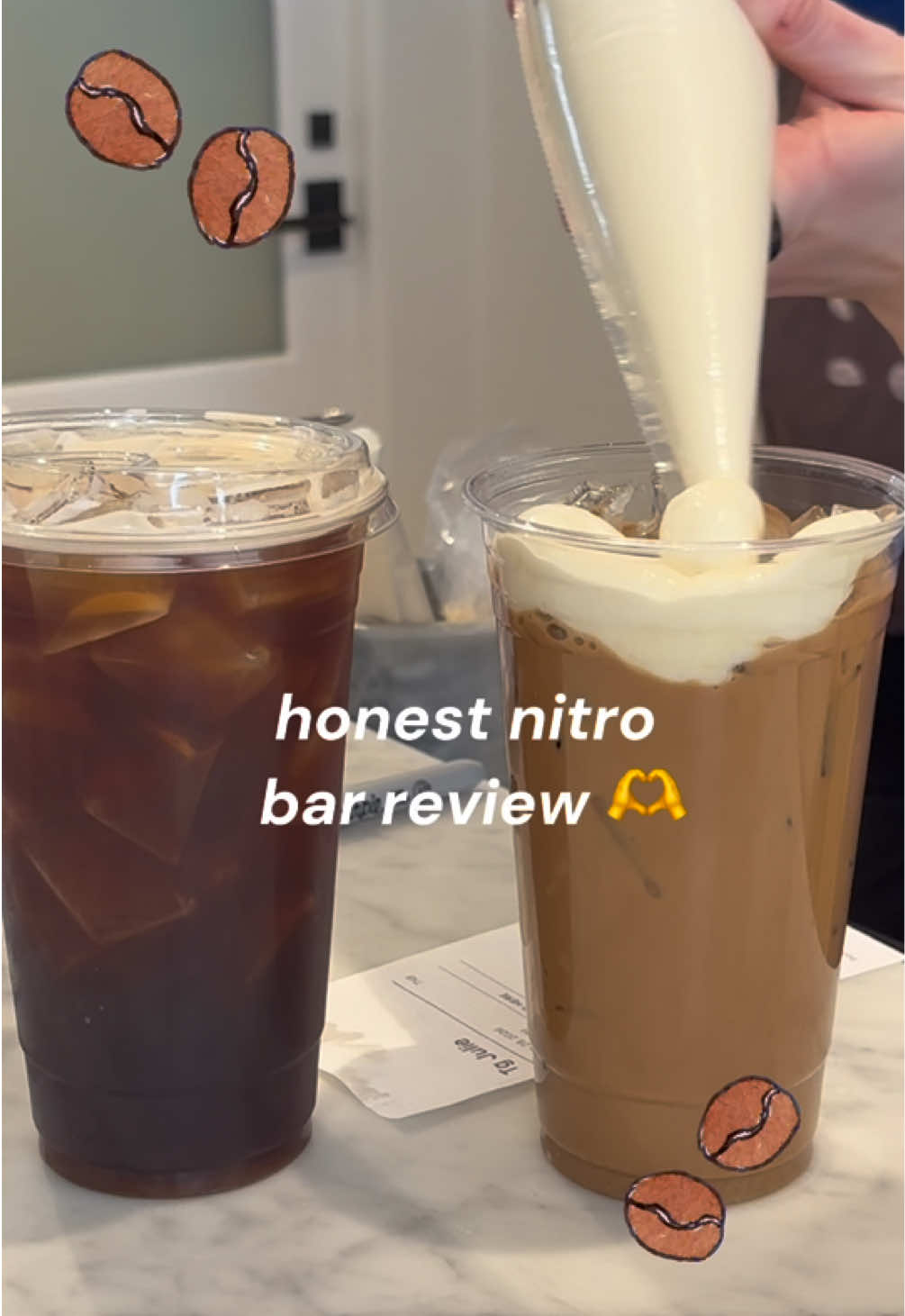
The "honest" framing paired with a genuinely positive experience creates permission for disagreement. By leading with authenticity rather than hype, viewers feel like they're getting real intel, not a sales pitch. The cream pour visual reward and coffee shop charm anchor it as relatable rather than aspirational.
People crave proof that unconventional career paths actually pay off, especially early on. The directness of stating earnings creates immediate credibility and invites others to share their own wins, turning the video into a confidence boost for agents questioning if they made the right move.
Seasoned professional cutting through job-search anxiety with permission to abandon perfectionism. The advice feels earned and unpretentious because it comes from someone who looks like they've lived it, and it directly contradicts the soul-crushing pressure people feel to land the "right" role immediately.
People save this because it delivers tangible personal branding advice wrapped in social proof. Showing a real LinkedIn profile as a case study makes the concept concrete and actionable, not theoretical.

The aspirational confidence paired with real execution details makes this feel achievable, not just fantasy. Positioning jewelry as the next money move during a specific time frame (2026) creates urgency and FOMO while the "bringing y'all with me" framing builds community around the journey, not just the outcome.
Government work has predictable hours; real estate doesn't. This flips a relatable frustration into confident self-promotion by positioning availability as a selling point rather than a complaint. The humor makes it shareable without feeling like a straight brag.
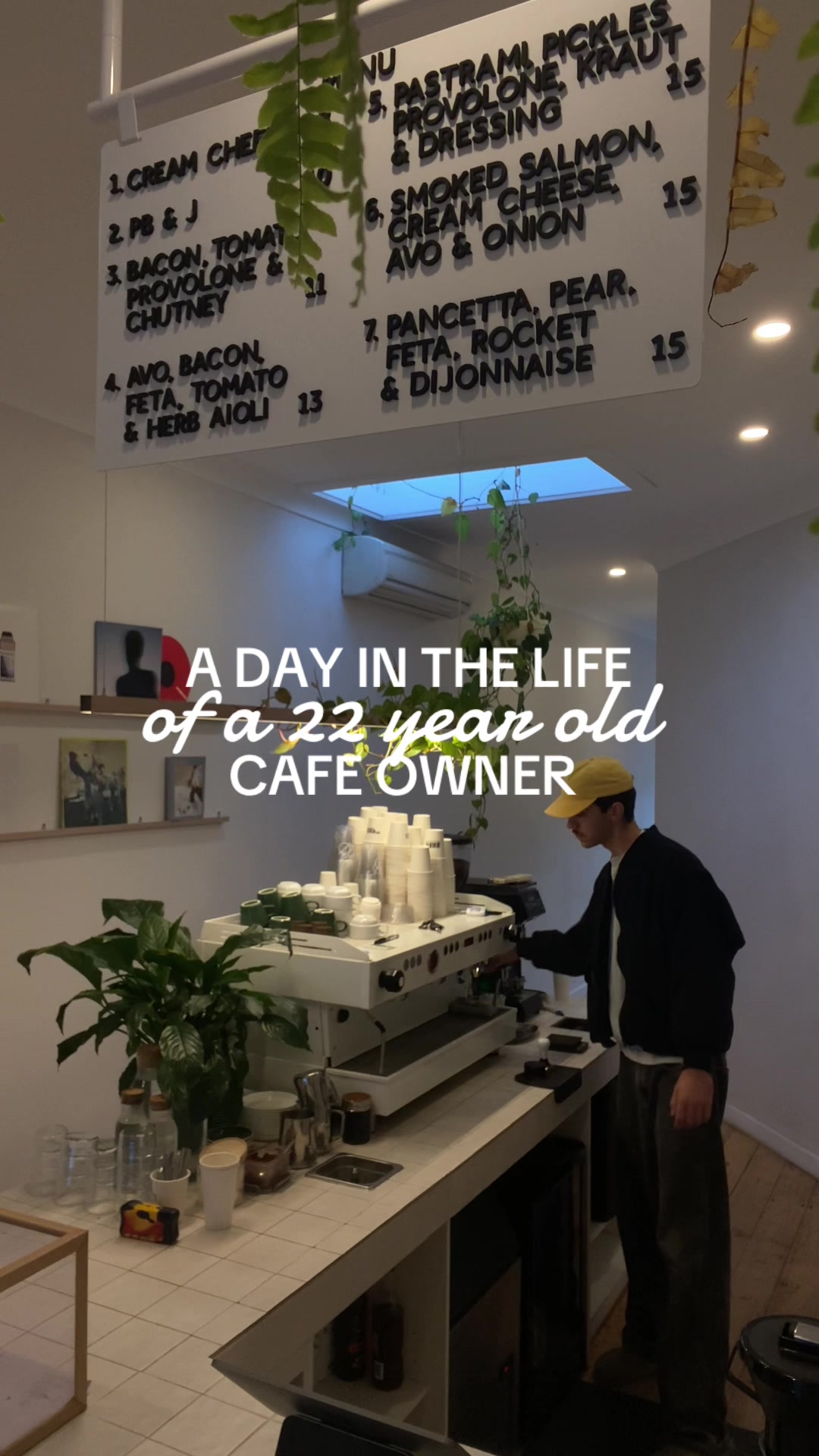
Young founder energy mixed with the unglamorous reality of running a cafe taps into aspirational entrepreneurship without the fakeness. People save this because it shows the actual work, the early mornings, the specifics of what it takes to build something at 22.
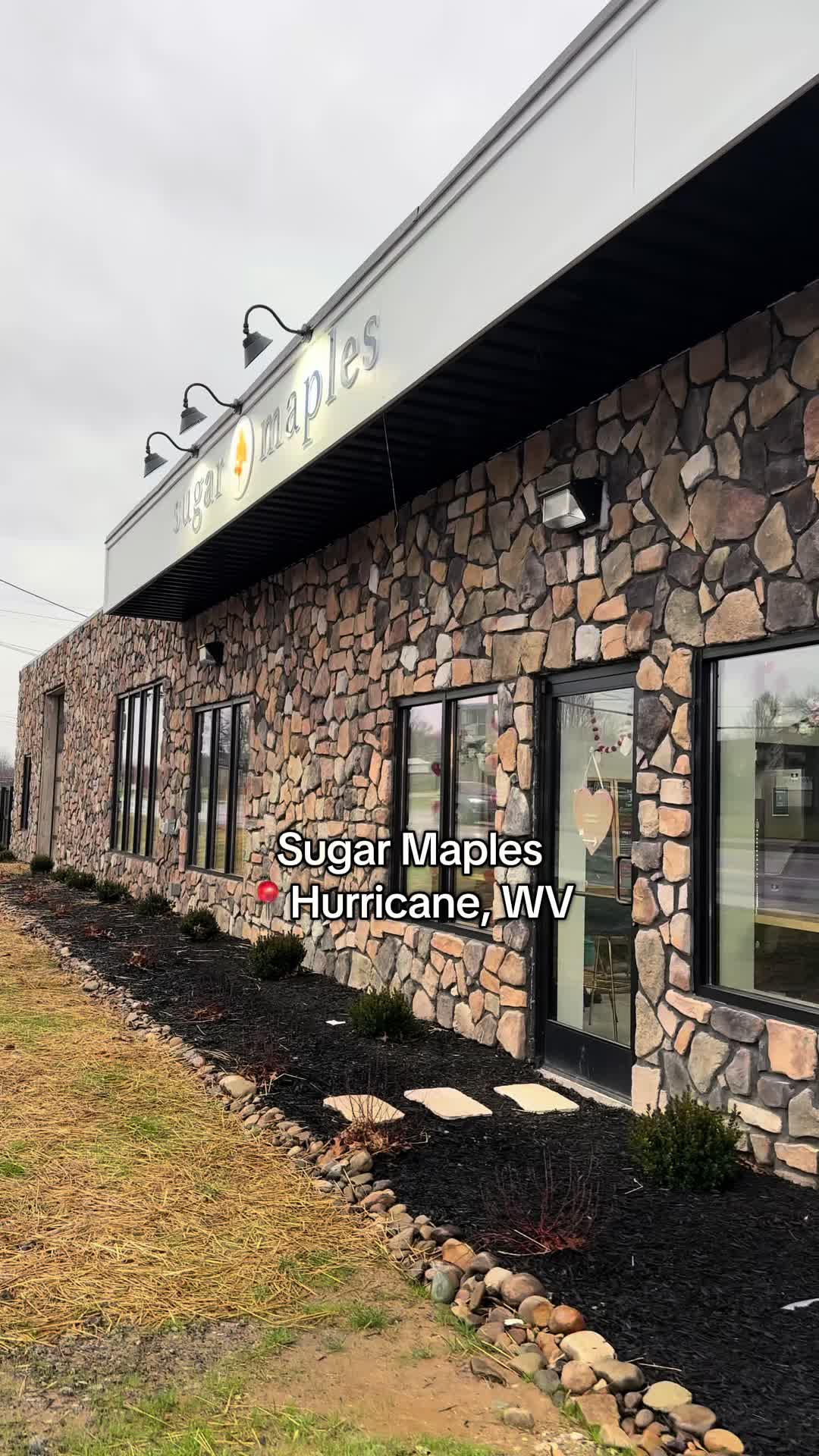
People are drawn to authentic local business spotlights that celebrate small-town entrepreneurship. The geographic specificity and genuine community pride tapped into the "support local" movement while the correct pronunciation detail created a micro-moment of connection that felt personal and aware.
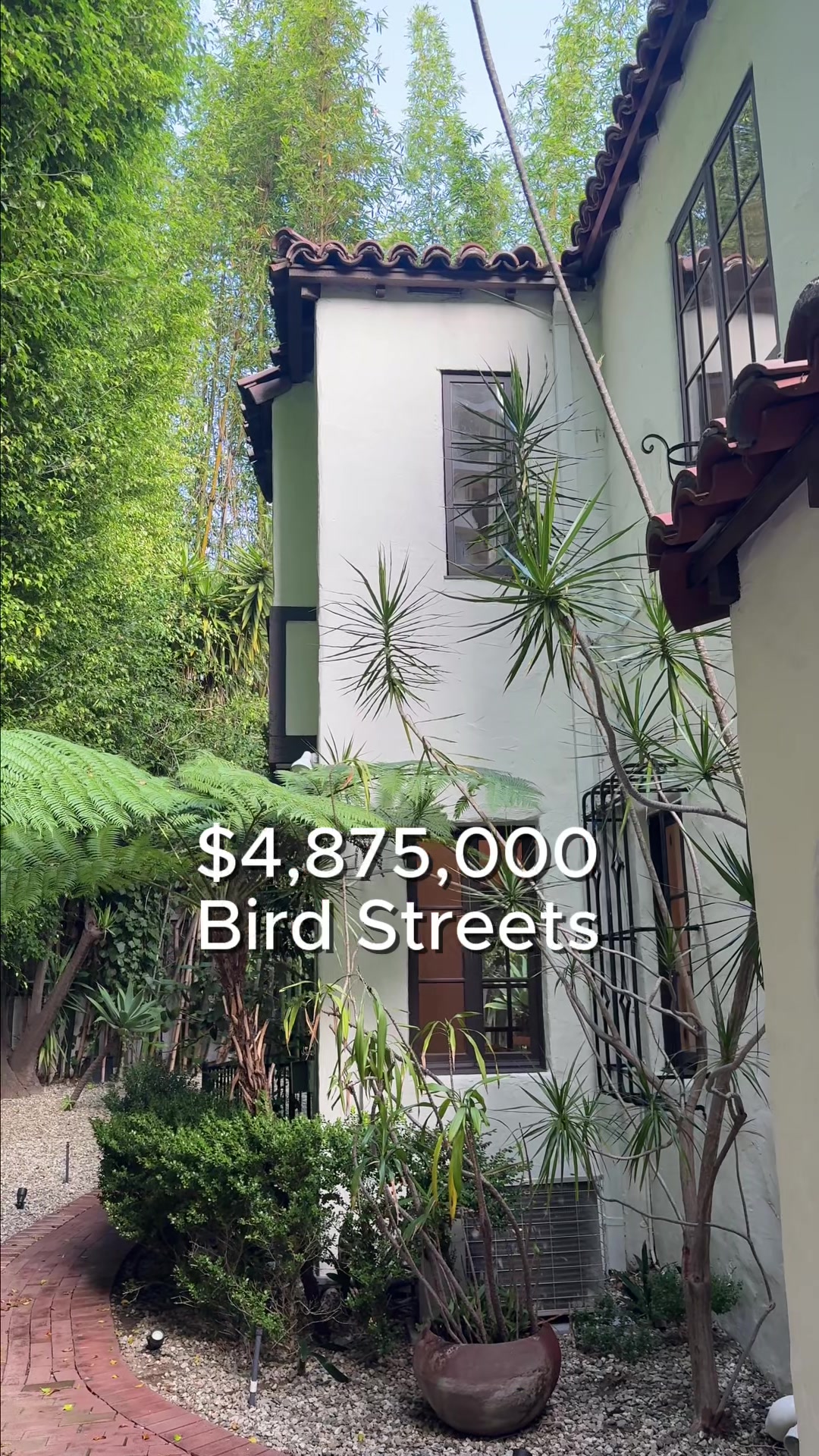
The property's aesthetic whispers rather than shouts—lush greenery, soft architectural details, and that courtyard intimacy hit the aspirational sweet spot without feeling untouchable. People save this because it feels like a place they could actually live in, not a museum piece.
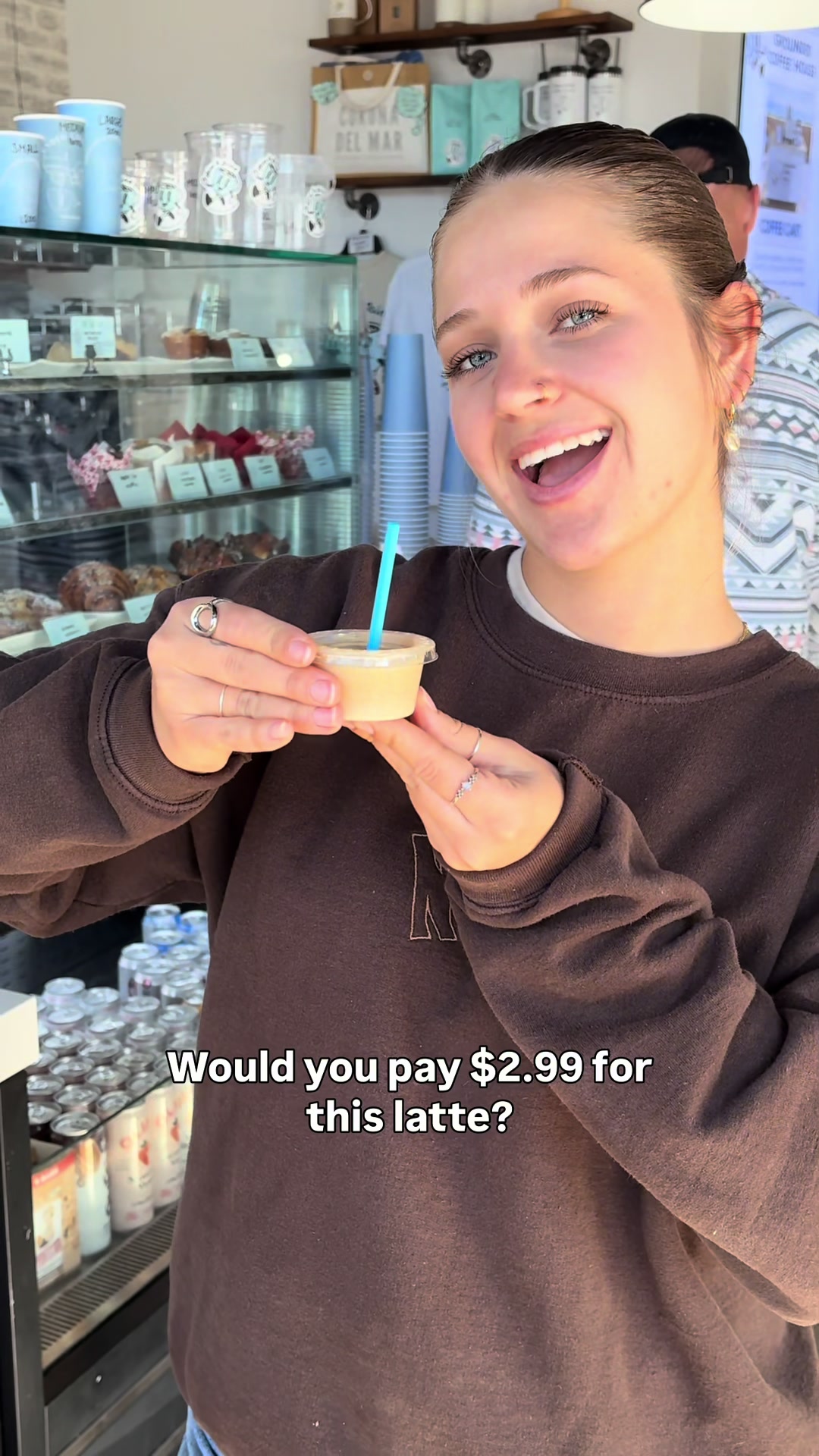
The setup primes viewers to evaluate a product, then the "everything is a lie" disclaimer flips expectations and creates curiosity. People engage because they're in judge mode, then realize they've been played in a fun way.
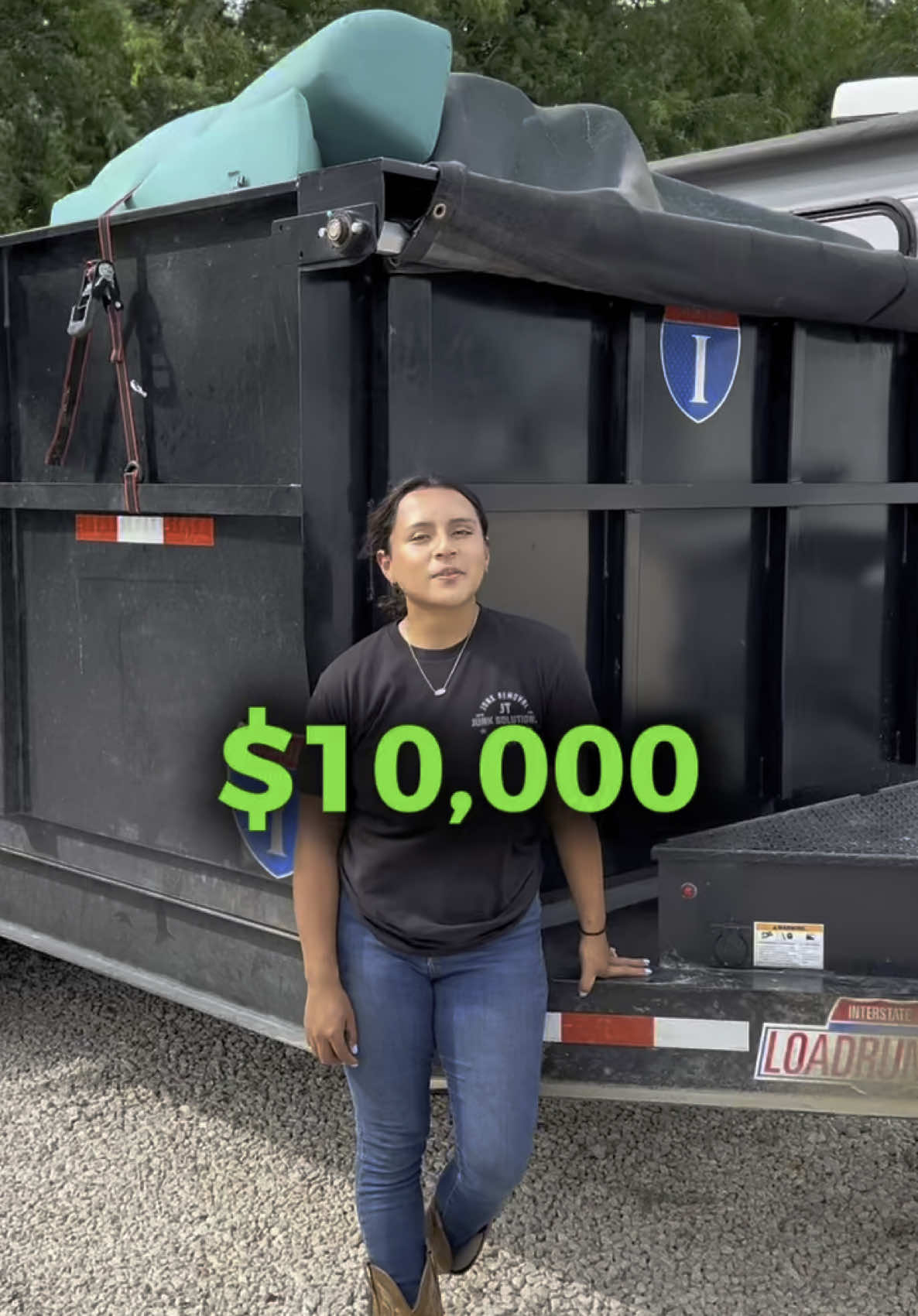
The $10K framing creates curiosity through relatability—it's real enough to feel achievable but specific enough to spark debate. Pairing a concrete number with actual business wisdom (showing the truck as proof) converts skepticism into engagement rather than dismissing it.
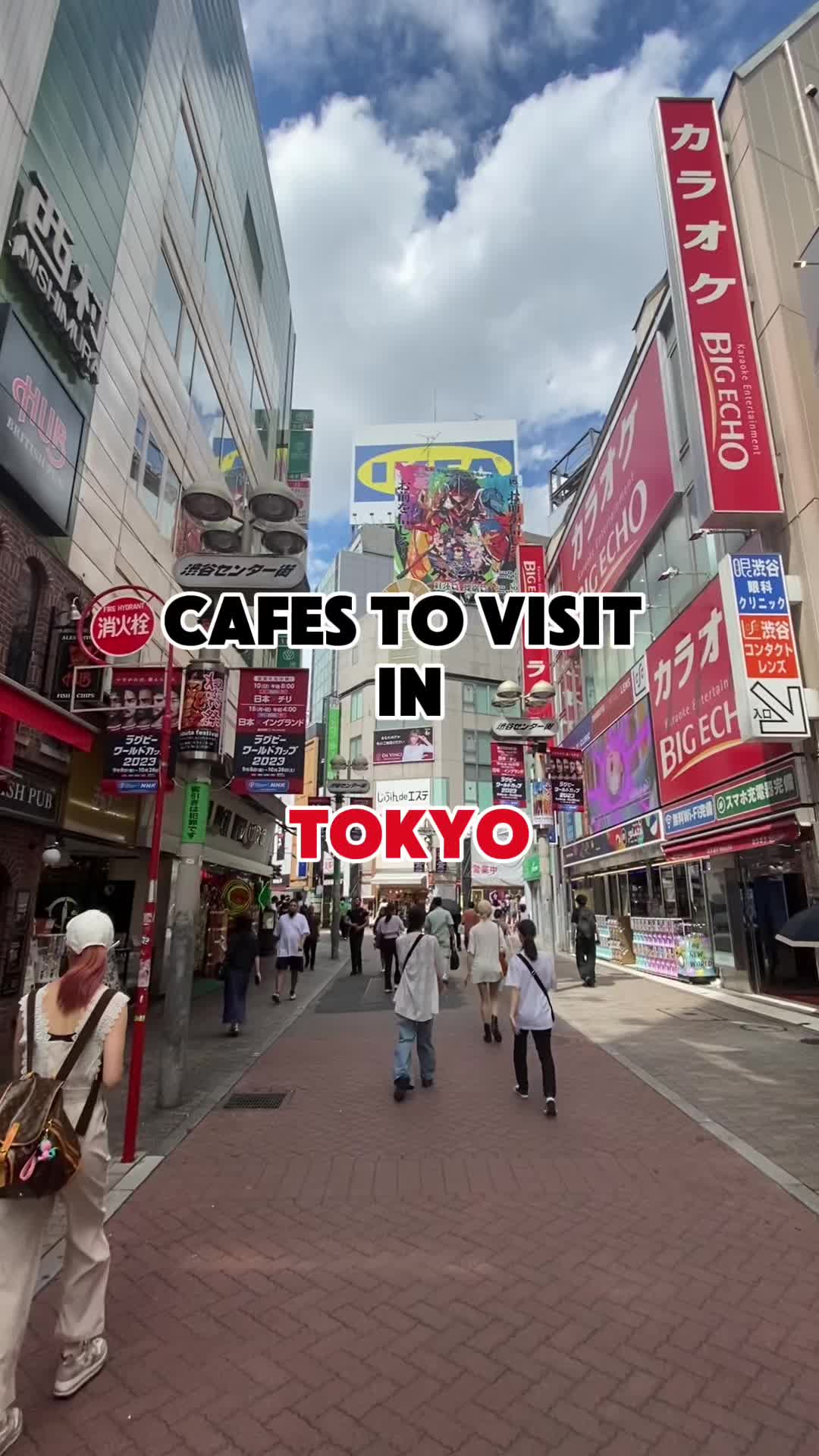
People are craving tangible travel destinations they can actually visit, not aspirational fantasy content. A straightforward cafe guide to a major city scratches an immediate, practical itch—whether they're planning a trip, daydreaming, or already there.
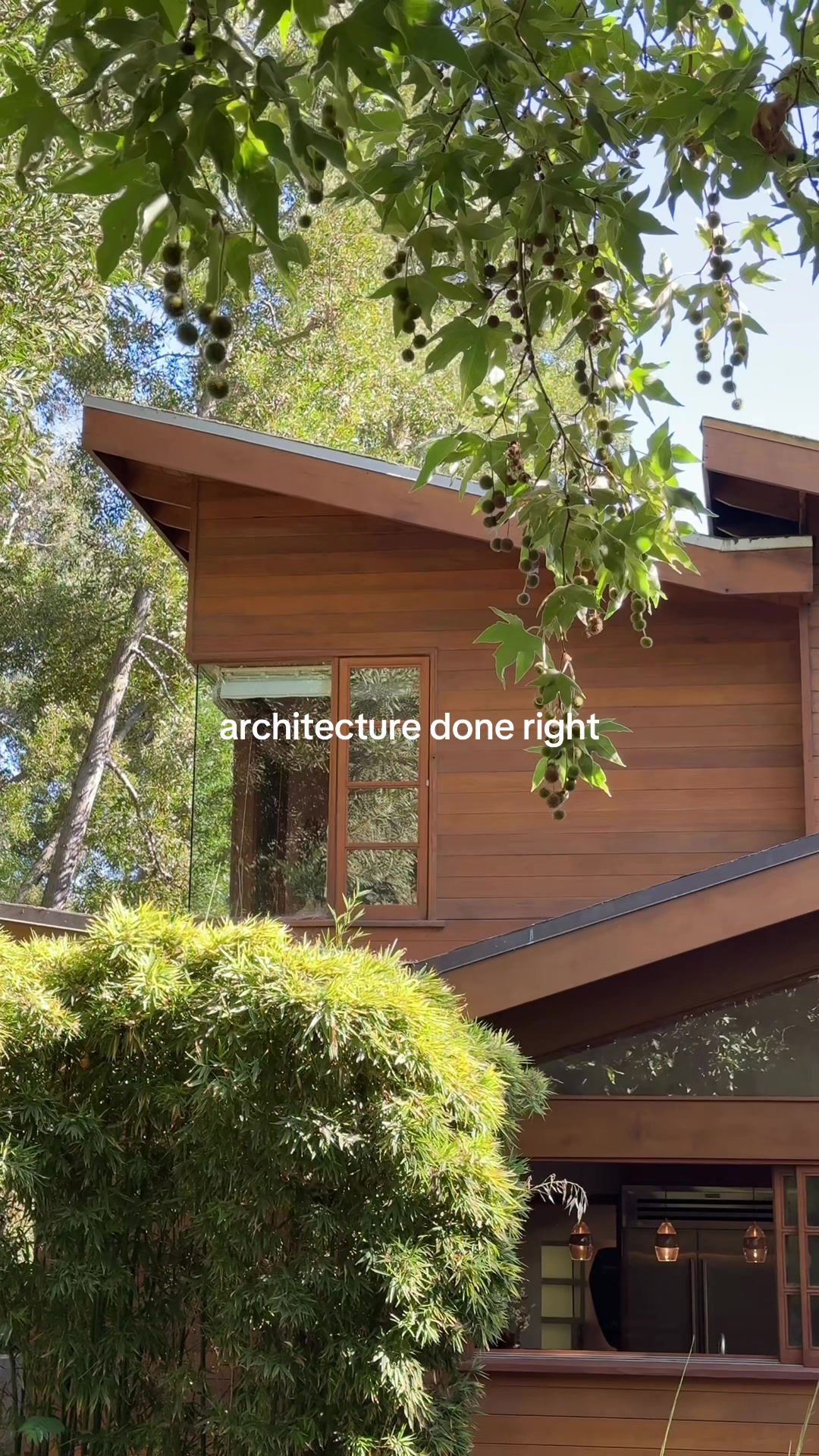
People crave validation that their taste is good. "Architecture done right" frames a stunning home as objectively excellent, letting viewers feel smart for appreciating it. The modern wood aesthetic hits that sweet spot between aspirational and believable.

Parents recognize themselves (or their worst fears) in this hot take about entitled kids. The conditional gift-sharing rule hits because it exposes a real parenting tension—generosity vs. entitlement—wrapped in a relatable frustration that feels earned and honest.
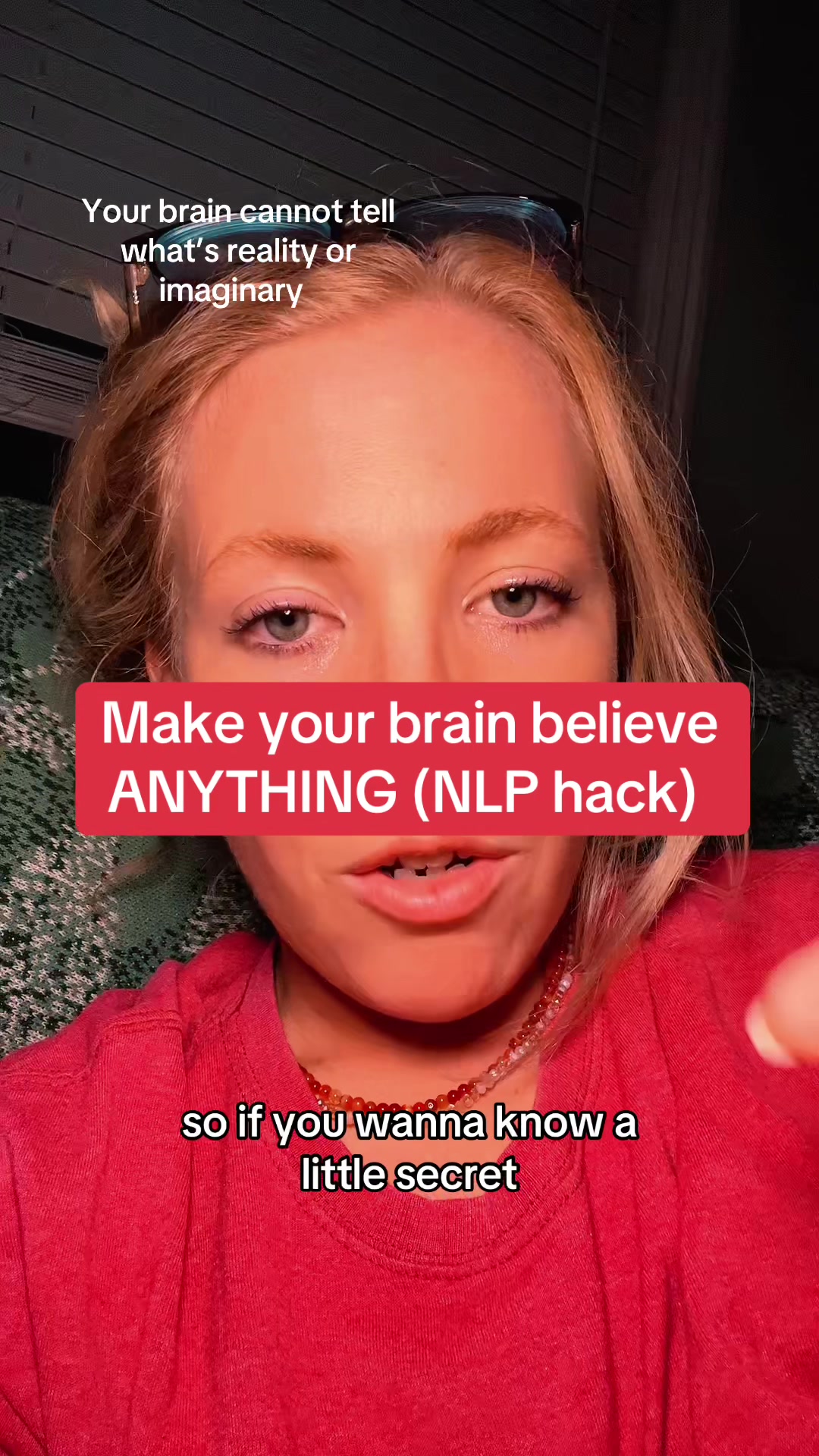
People crave the "secret hack" angle because it suggests brain science can be gamified and shortcuts exist. Pairing neuroscience language (NLP, subconscious) with a forbidden-knowledge vibe taps into both curiosity and the desire to feel in control of their own minds.
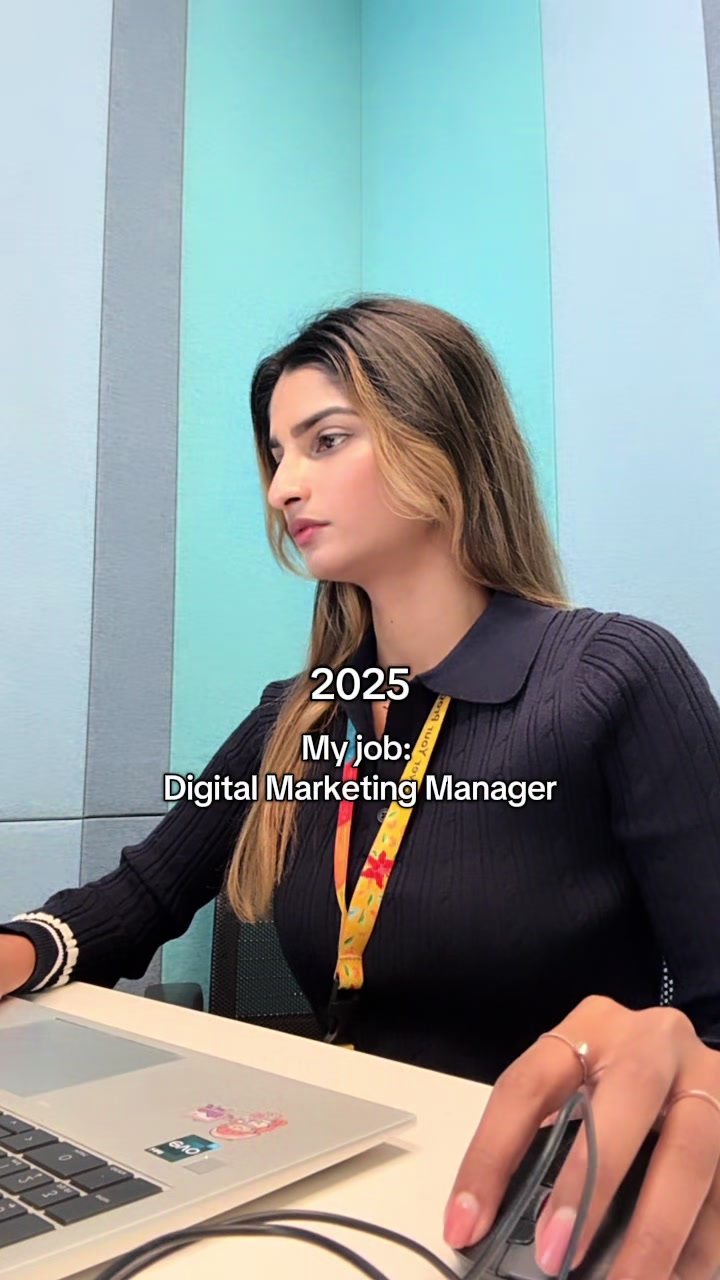
The gap between what people study and what they actually do hits hard because it's universal anxiety wrapped in relatability. People save this because they're either validating their own pivot or bracing for theirs.
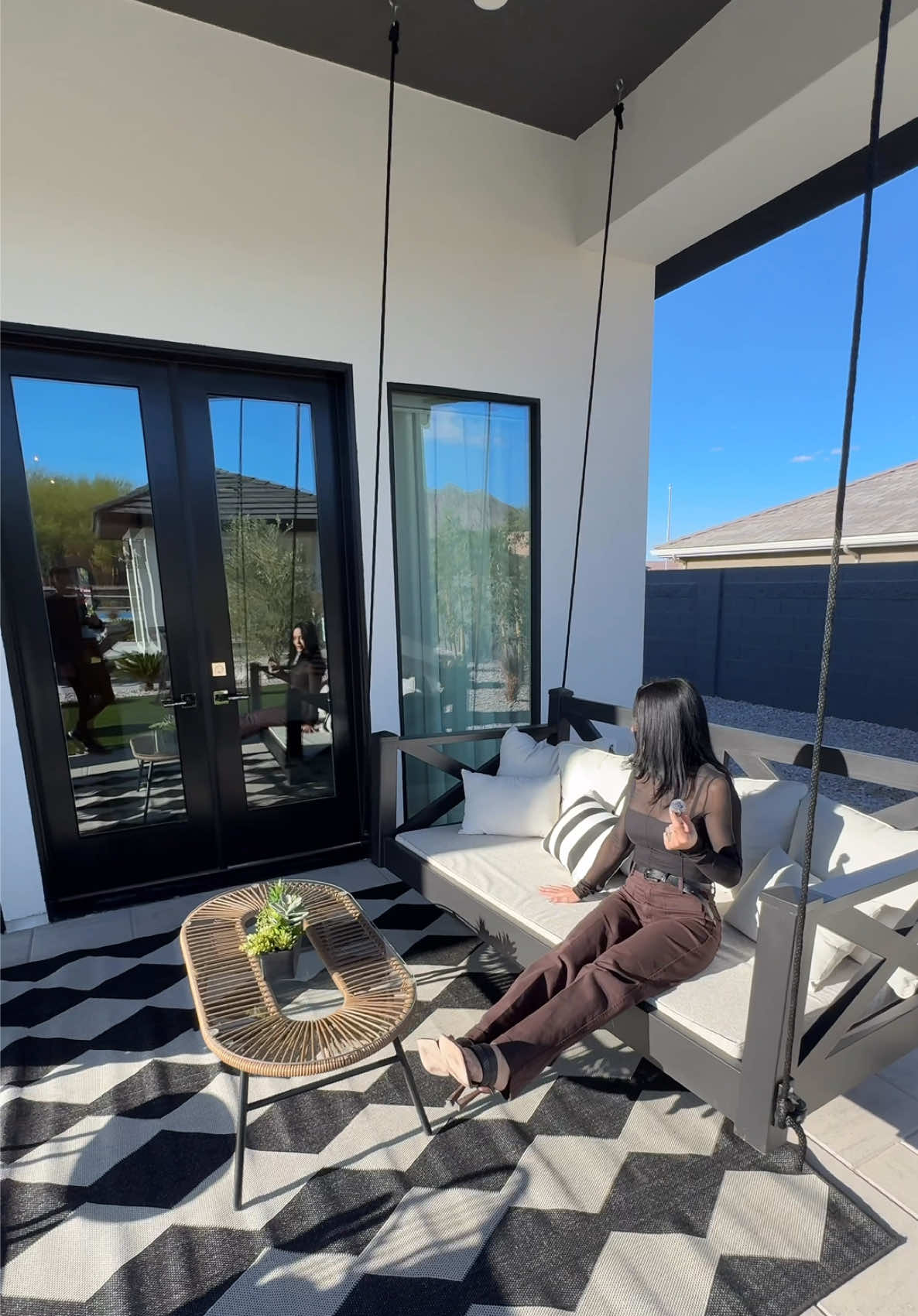
Modern luxury real estate content wins when it feels like a private glimpse into an enviable lifestyle rather than a sales pitch. The aspirational aesthetic combined with the relaxed, lived-in vibe makes people want to imagine themselves there, triggering saves and shares.
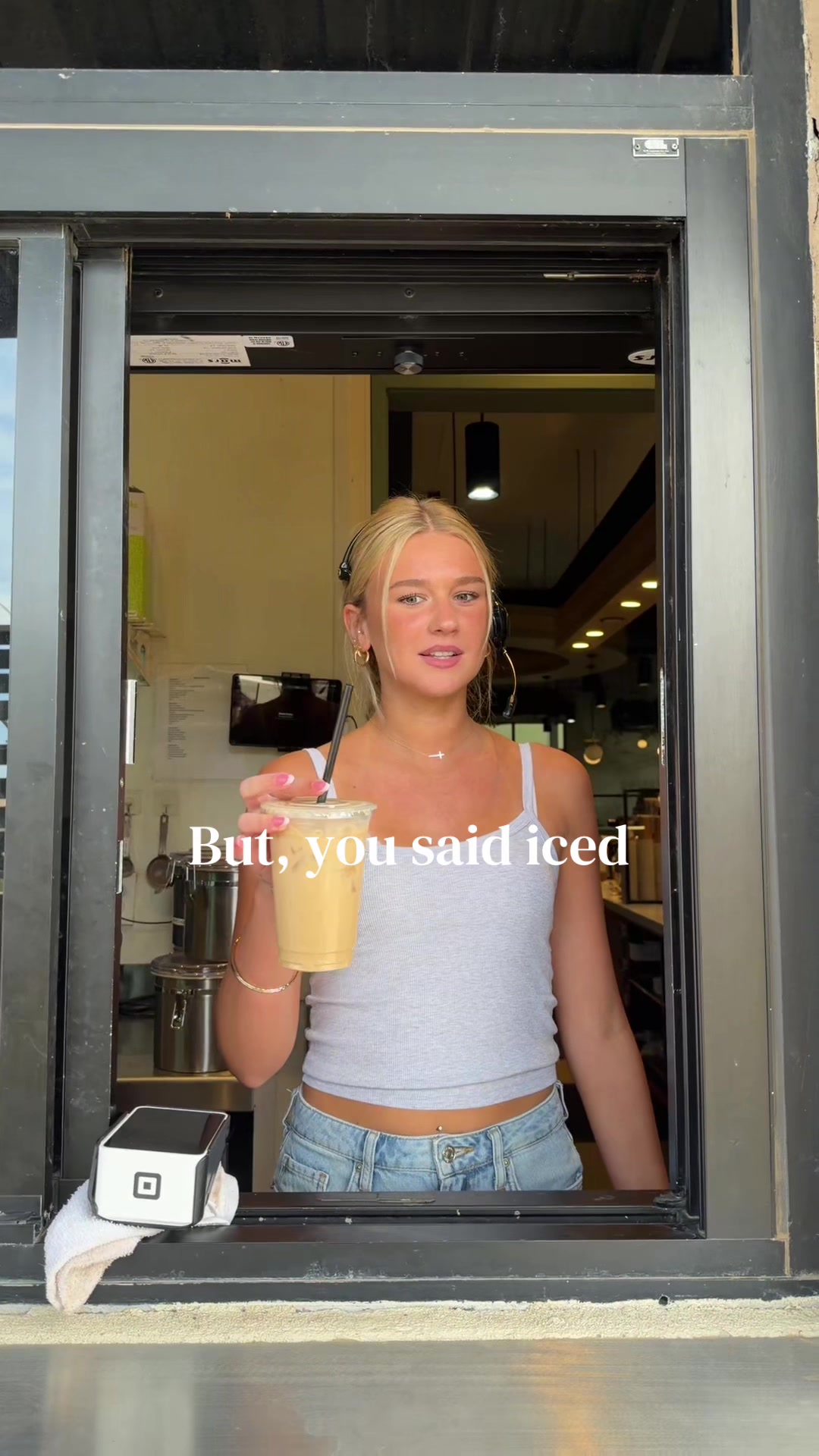
The post nails a universal barista frustration through a relatable character arc. The "gotcha" moment where the customer contradicts themselves triggers recognition and humor, making cafe workers feel seen while giving everyone else a peek behind the counter.
Genuine warmth and vulnerability in a typically polished industry felt refreshing. The "trust the process" admission that she's camera shy made her relatable instead of slick, which real estate audiences crave when considering who to trust with their biggest purchase.
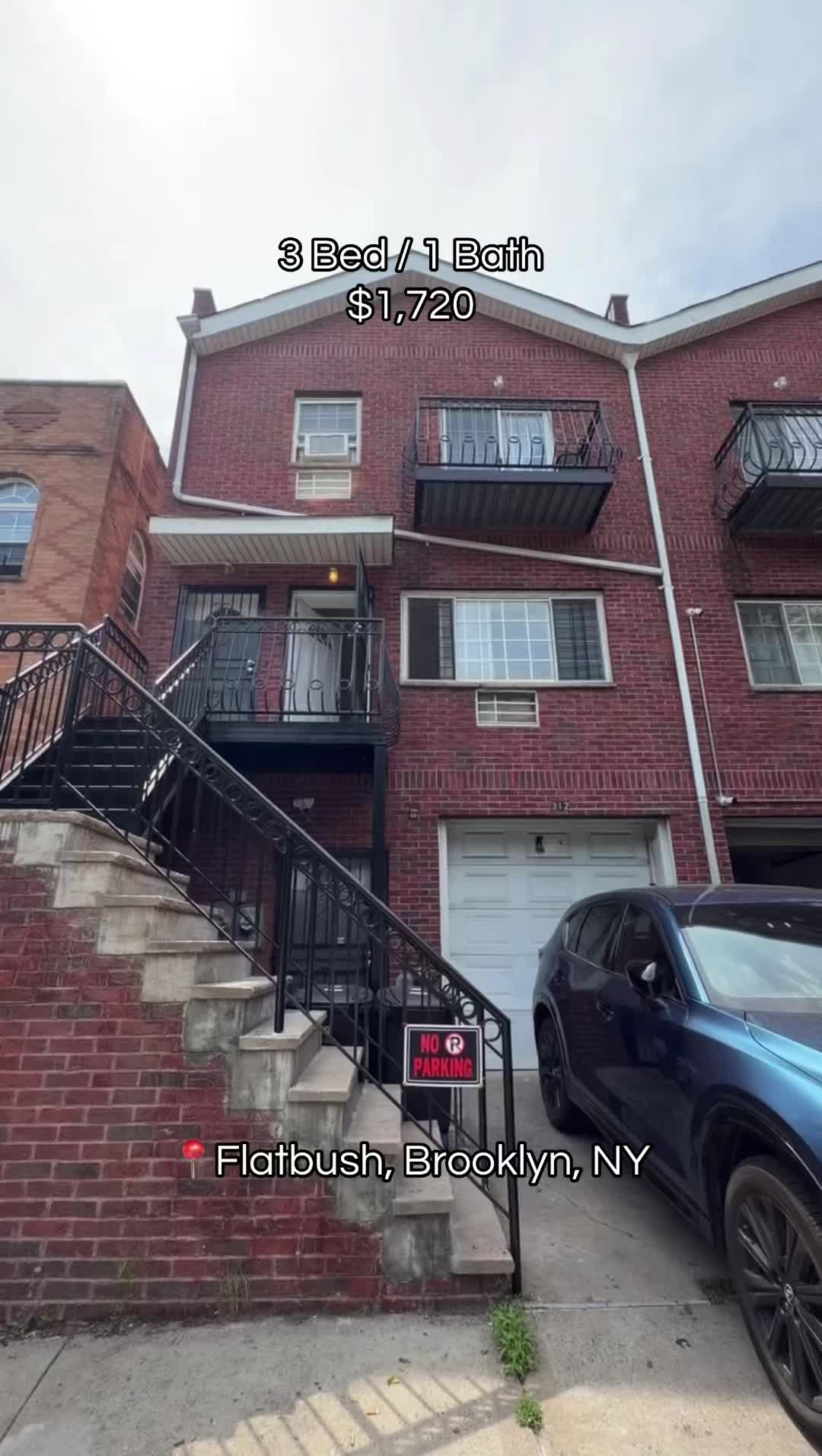
The stark reality of Brooklyn pricing hits different when you see the actual property. One bathroom for $1,720 on a modest rowhouse sparked genuine debate because it forces viewers to confront the gap between what they're paying and what they're getting, making it shareable frustration.

This taps into the founder's paradox—the tension between grinding daily and building for exit. By positioning the "exit" as the real wealth play, it reframes entrepreneurship from survival mode to strategic endgame, which hits harder than generic hustle content.

The "$47 billion CEO got fired" hook taps into schadenfreude and business lessons simultaneously. People crave cautionary tales about ambition gone wrong, especially when there's a clear villain (unchecked founder power) and a moral (maintain control or lose everything).
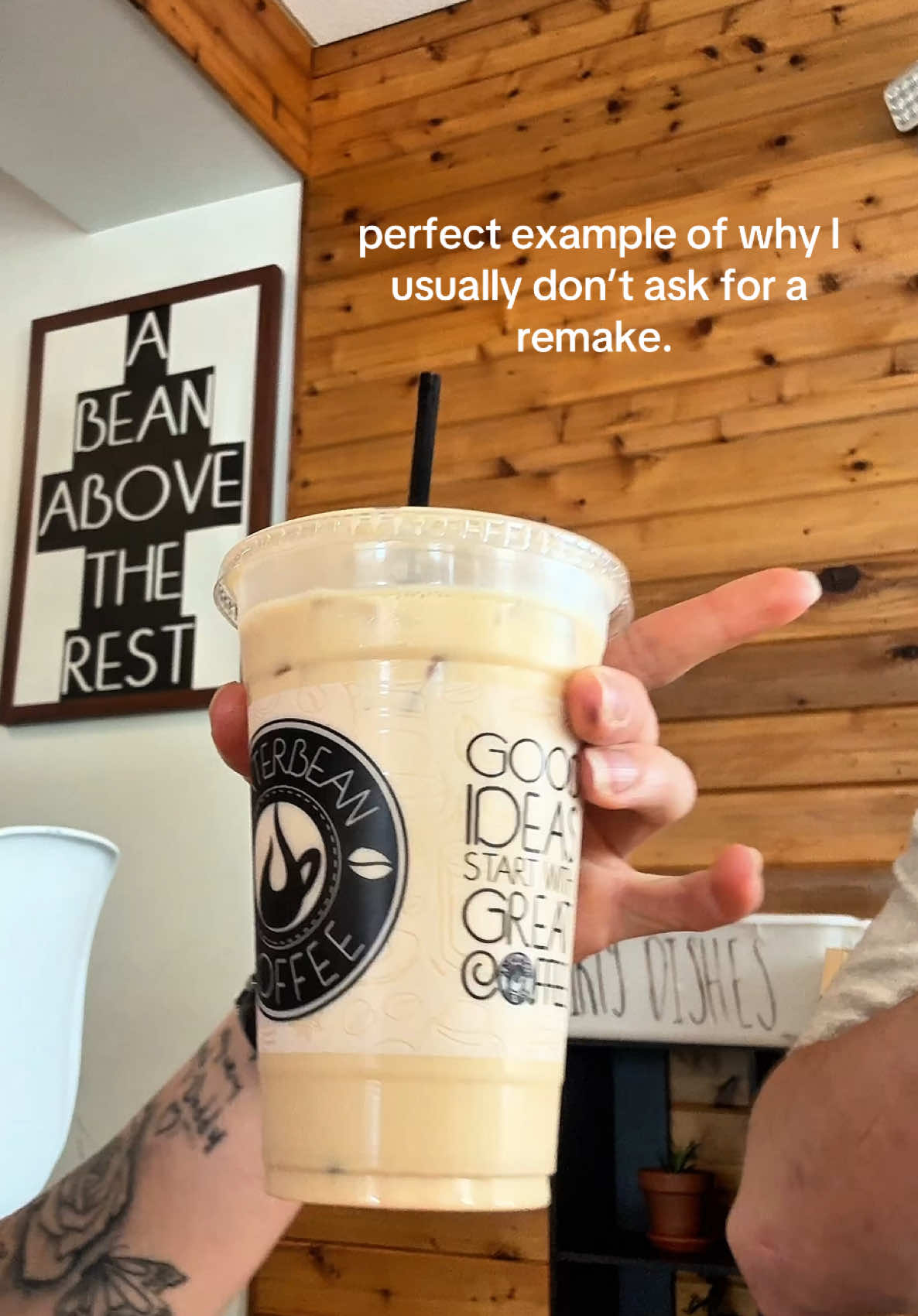
People love calling out incompetence in their favorite places. This hits the intersection of frustration (a botched order) and gatekeeping (coffee shop standards), which sparks debate because viewers either feel validated or defensive about their own coffee experiences.
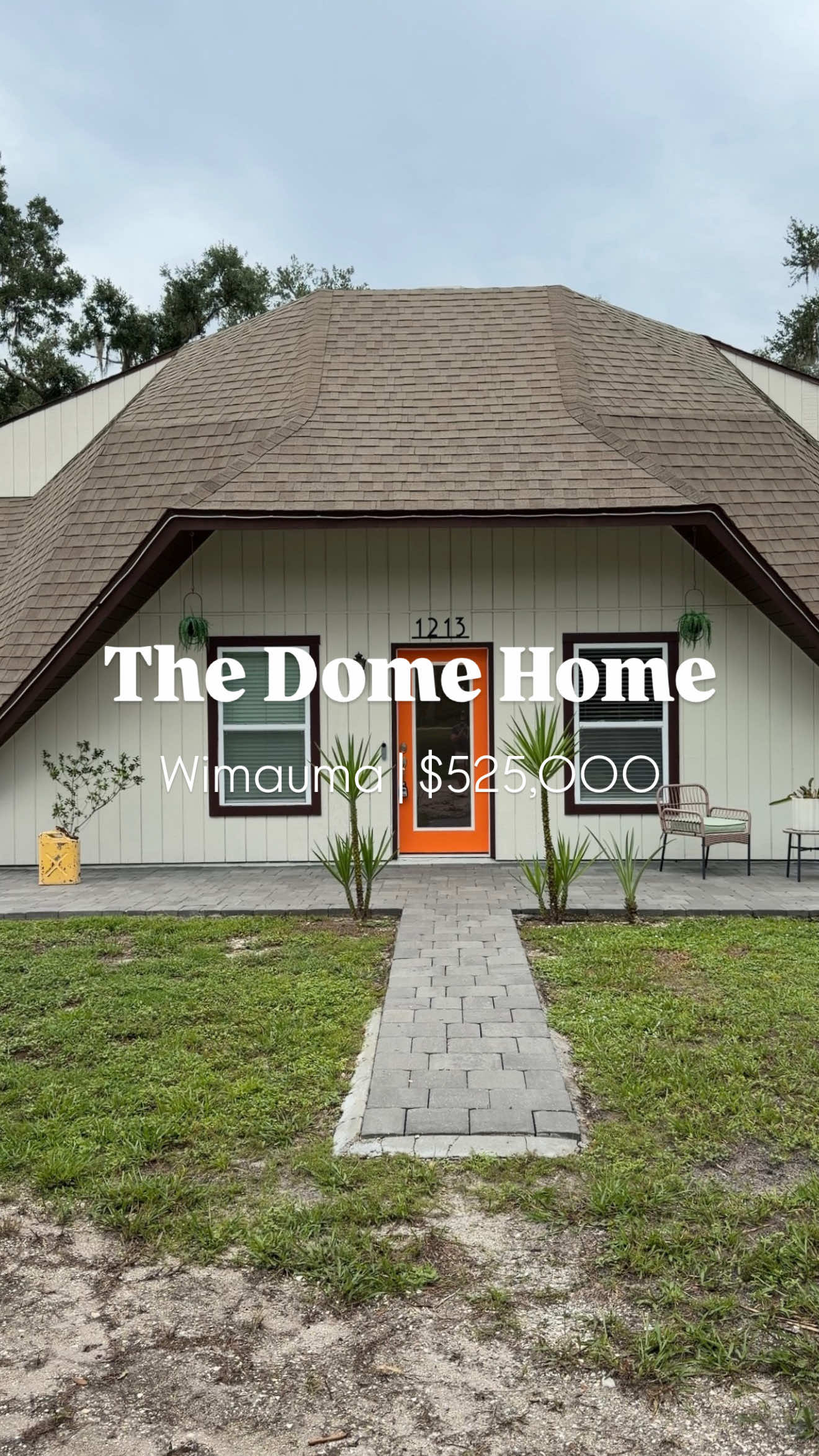
The dome architecture is so visually distinctive it breaks past the scroll, but the real engagement comes from viewers spotting practical problems (open bathroom, HOA restrictions) that they immediately want to discuss. People are drawn to unique properties, then energized by finding the catch.
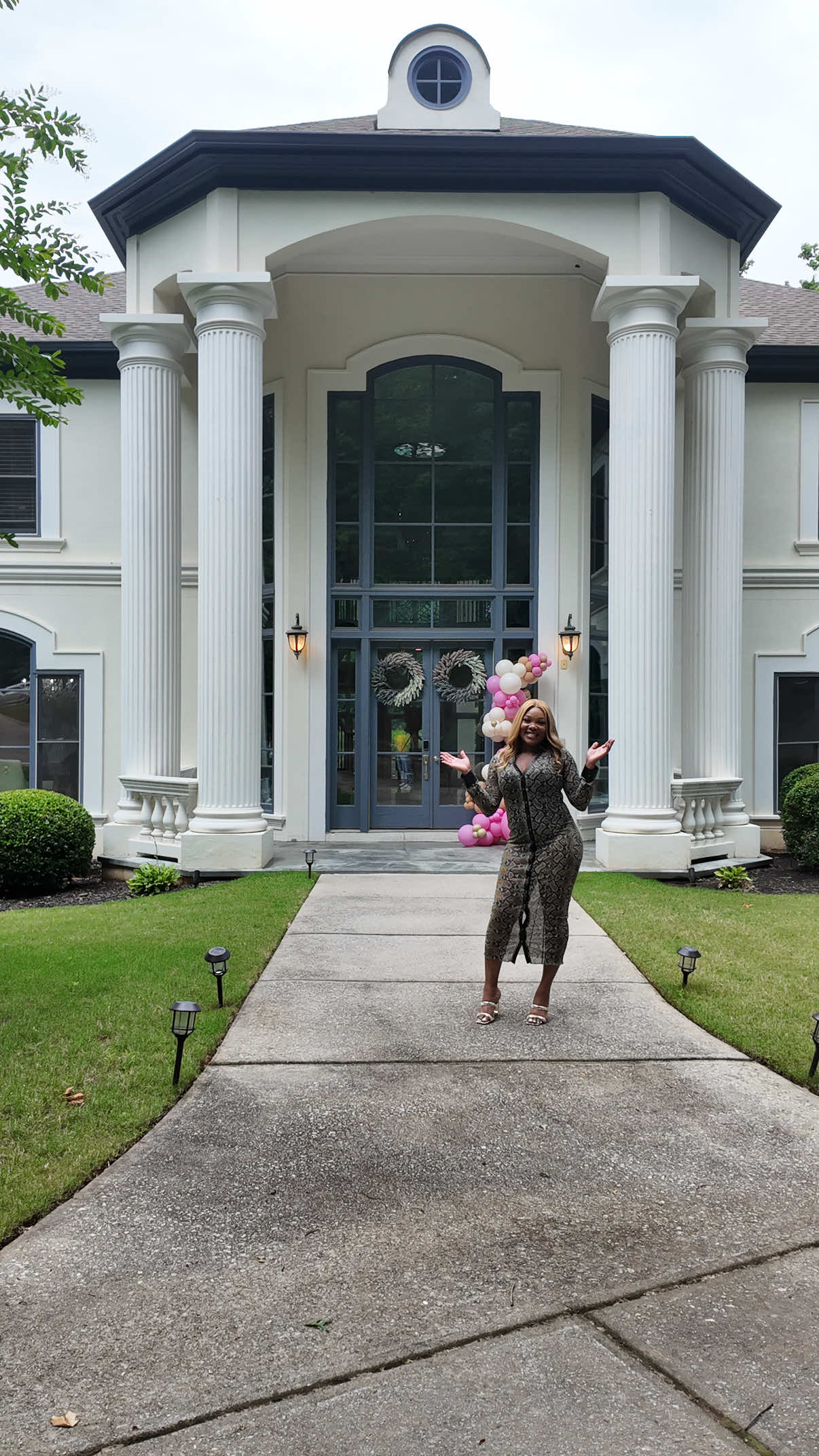
Aspiration without gatekeeping. The realtor positioned herself as the confident owner of the space, not just a salesperson showing inventory. People saved and shared because luxury felt accessible through her presence, not intimidating through the property alone.
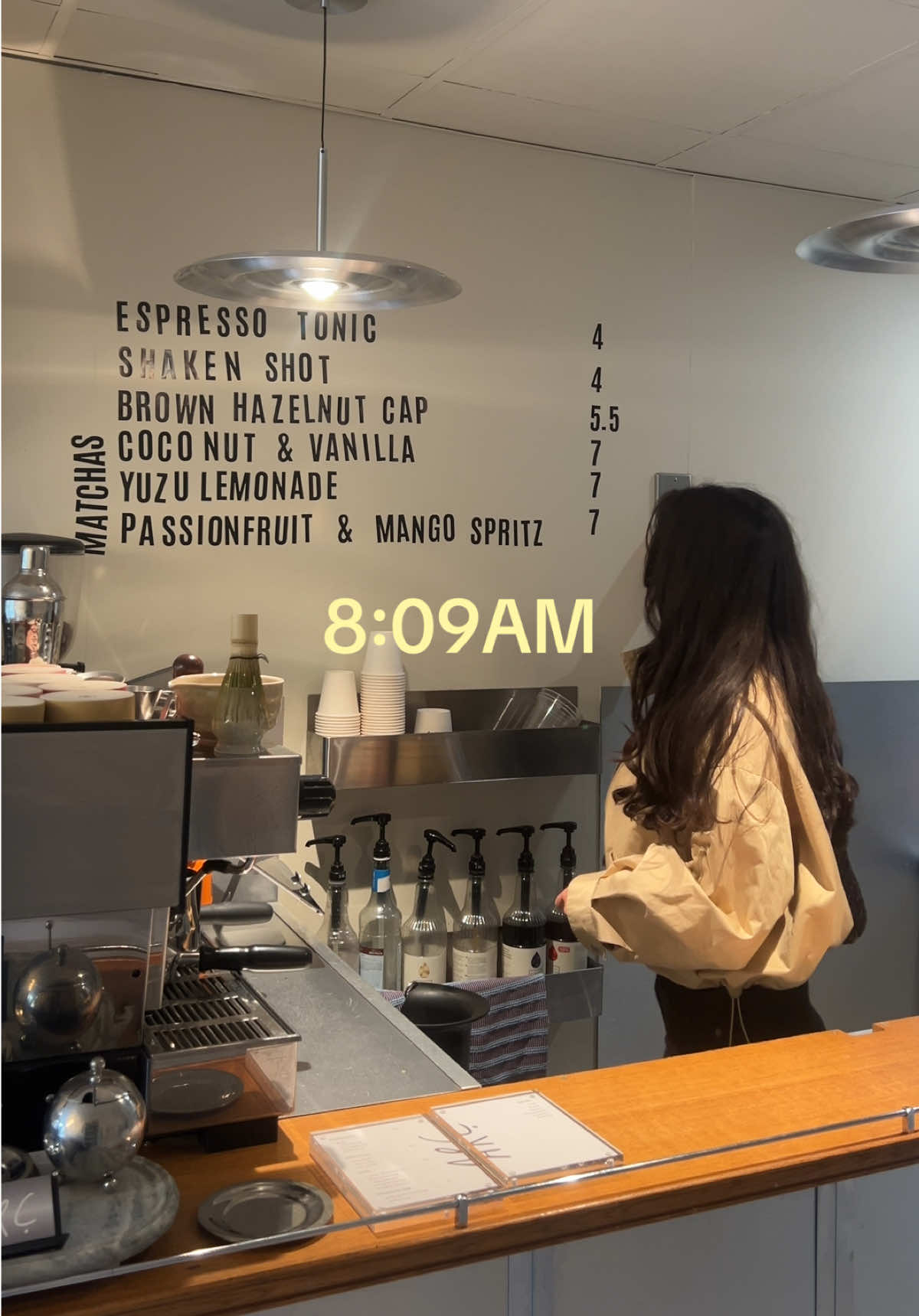
Early morning routine content hits because it combines aspiration with relatability. The "opening at 8:09am" detail makes the dream feel achievable rather than unattainable, while the honest caption about putting out chairs adds humor and strips away the polished fantasy.

The post taps into a relatable financial mistake wrapped in genuine disbelief. The setup ("who didn't want to be saved") creates narrative tension while the facial expression sells the absurdity, making viewers feel smart for catching what the homebuyer missed.
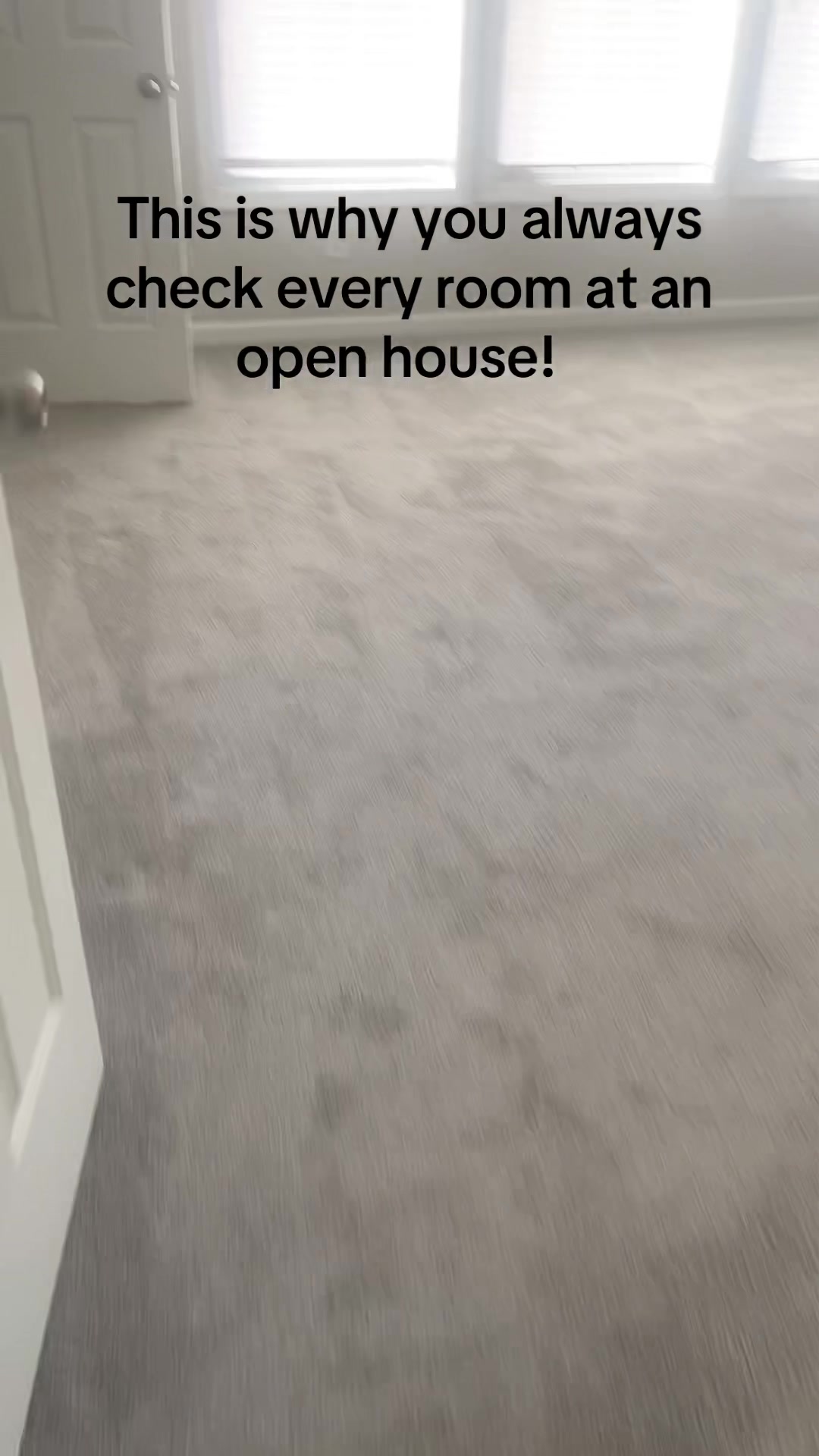
People aren't just buying homes, they're buying peace of mind. By showing a minor flaw (stains on carpet) with humor instead of hiding it, this realtor built trust through honesty while making viewers laugh at the absurdity of thorough home inspections.
People are drawn to innovation that feels both pointless and polished. The sleek design and unnecessary complexity trigger curiosity and debate—it's the friction between "why does this exist?" and "wow, it actually works" that keeps people watching and commenting.
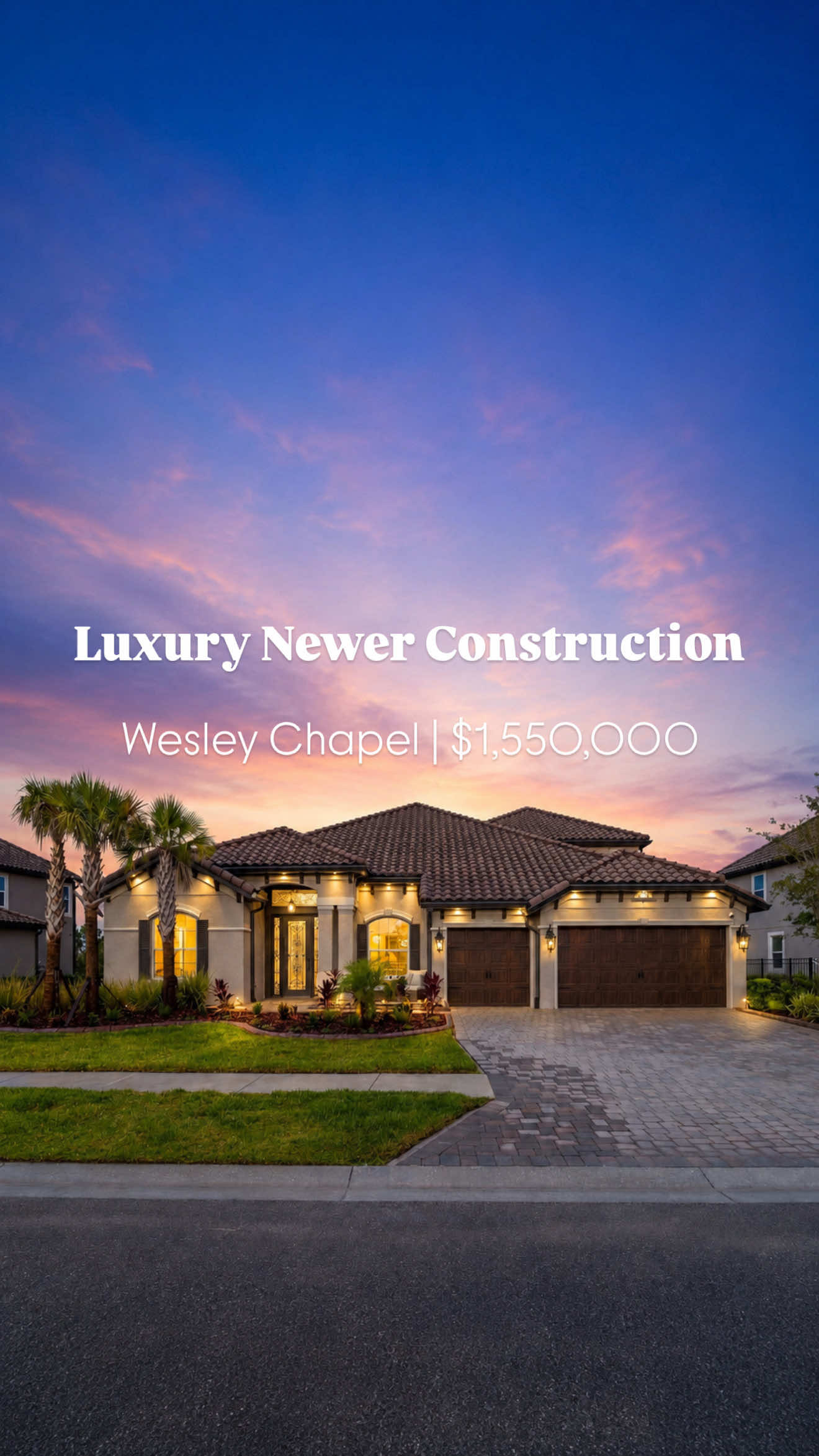
The exterior-to-interior contrast creates genuine surprise, tapping into the satisfying reveal moment people crave. The "never judge a book by its cover" angle feels aspirational yet relatable—luxury hiding in plain sight hits differently than obvious opulence.
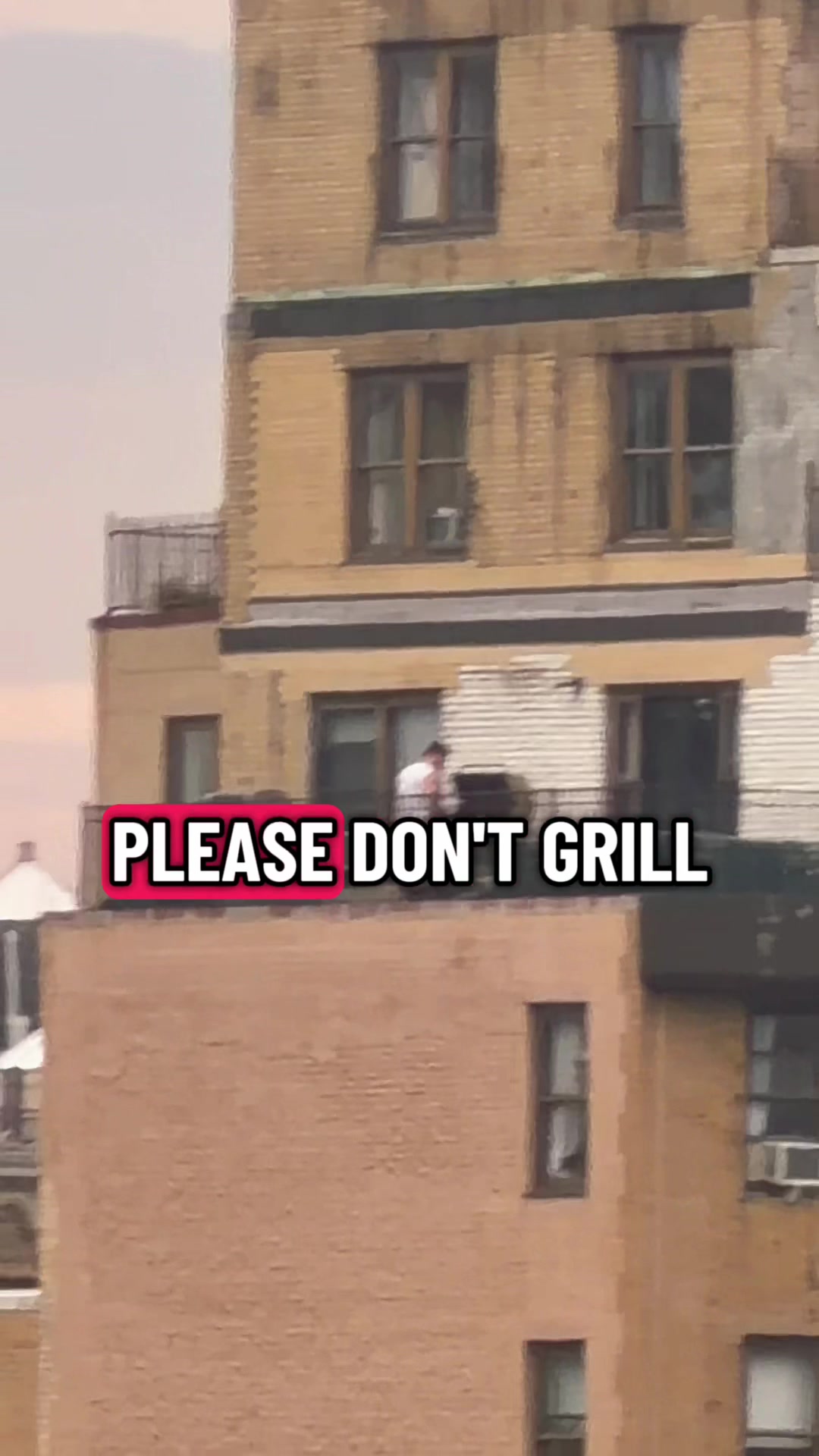
The post taps into New York City's unspoken social code by calling out a neighborly violation with humor. The specificity of the complaint and the casual tone make it relatable to anyone navigating tight urban living, while the comments reveal the real draw: debating what makes someone a "real" New Yorker.

Direct, contrarian advice from someone with credibility hits different. Founders save this because it cuts through the noise of their own overthinking—validation that market demand matters more than pitch polish, delivered by someone who clearly invests in startups.
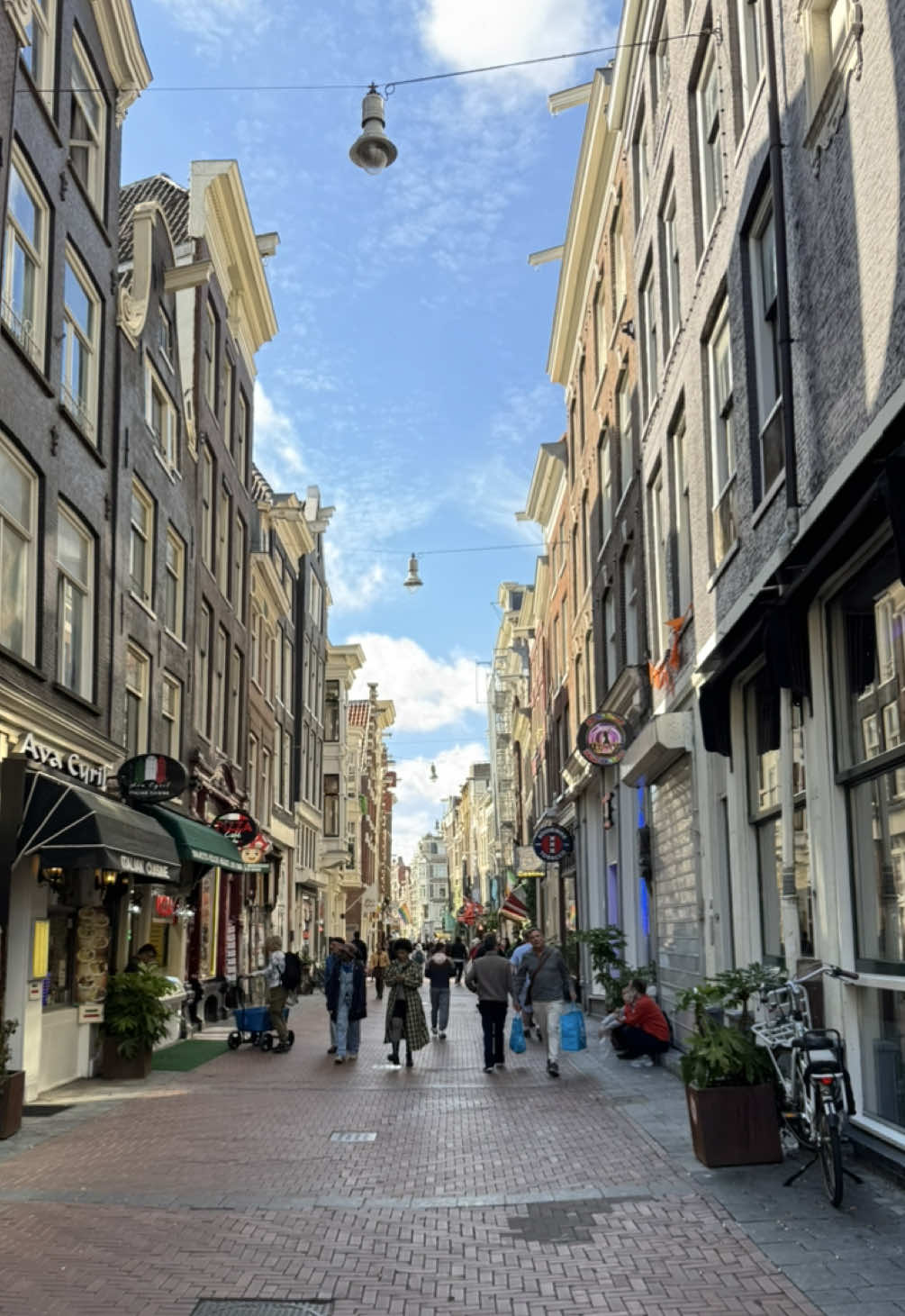
The post hooks on a common travel misconception—Amsterdam's "coffee shops" are actually cannabis dispensaries, not cafes. This surprise factor combined with relatable confusion makes it instantly shareable for anyone planning a trip or enjoying travel humor.
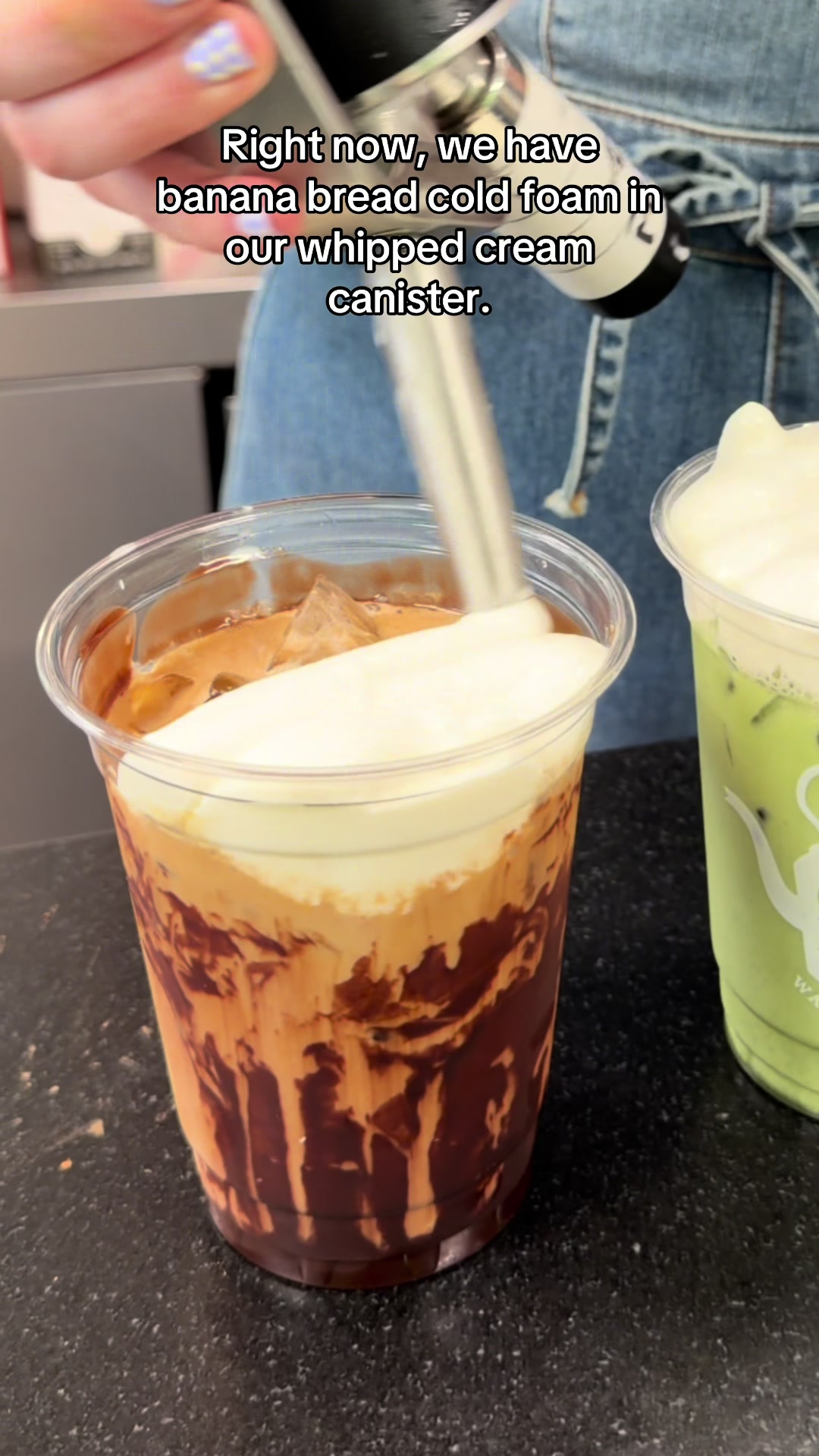
The satisfying visual of cold foam being dispensed into a drink, combined with the unexpected flavor pairing (banana bread), taps into both ASMR satisfaction and curiosity. People save it because it's process-driven eye candy that also makes them want to try something specific.
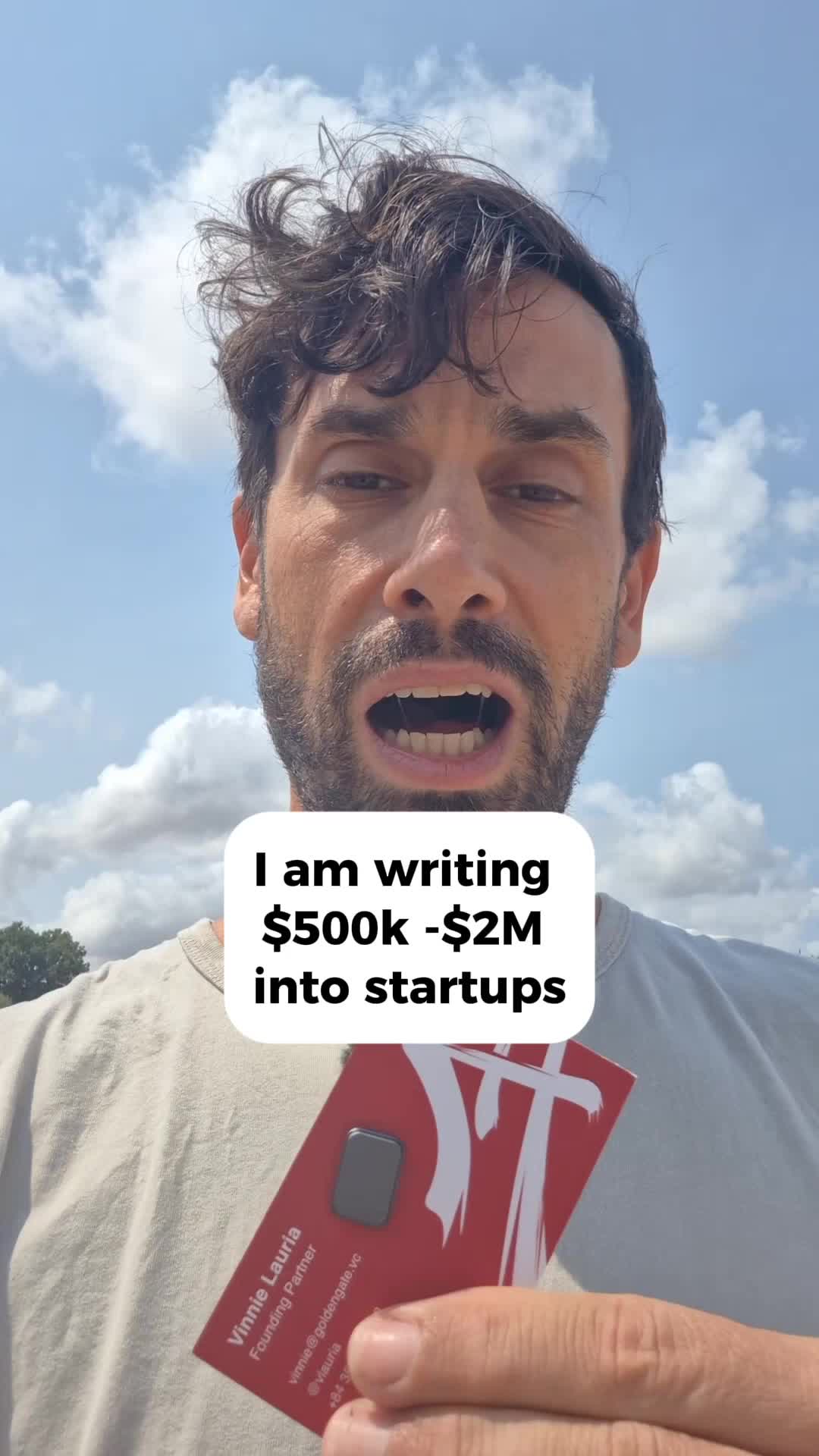
The raw, unfiltered energy and direct eye contact creates urgency and authenticity. Pairing a high-stakes financial commitment with an accessible "DM me" call-to-action makes opportunity feel within reach, sparking both genuine pitches and playful engagement from people who want to feel part of the action.
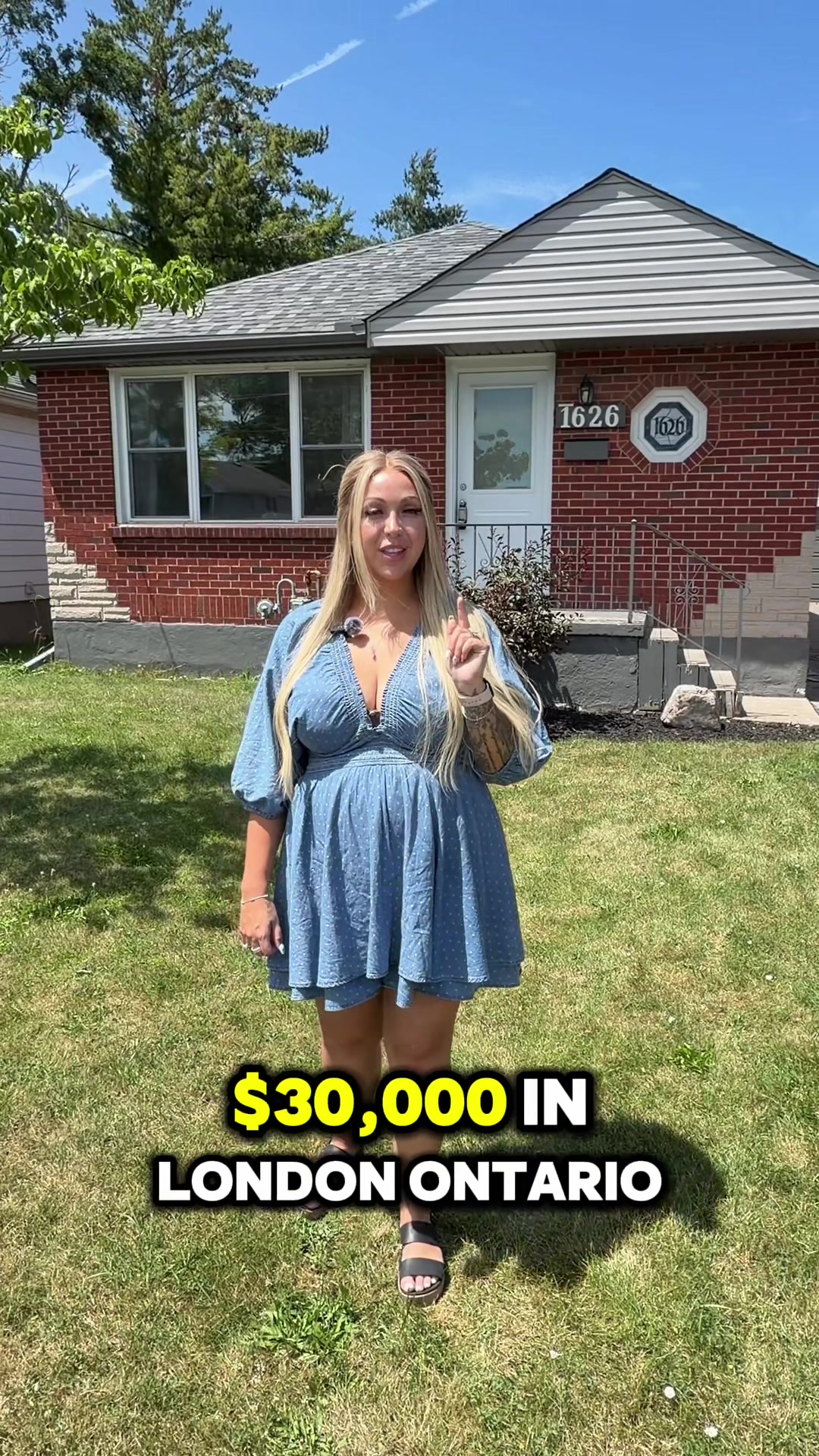
The headline creates intentional ambiguity that stops the scroll, but viewers felt misled when the actual price reveal happens. People shared and commented heavily because the misleading framing sparked genuine frustration, which paradoxically amplified reach even as it turned them off.
The post taps into inside-joke territory by making a specific family name feel like a cultural moment or meme-worthy reference. Viewers either get it (and feel part of the club) or want to understand what they're missing, both driving engagement hard.
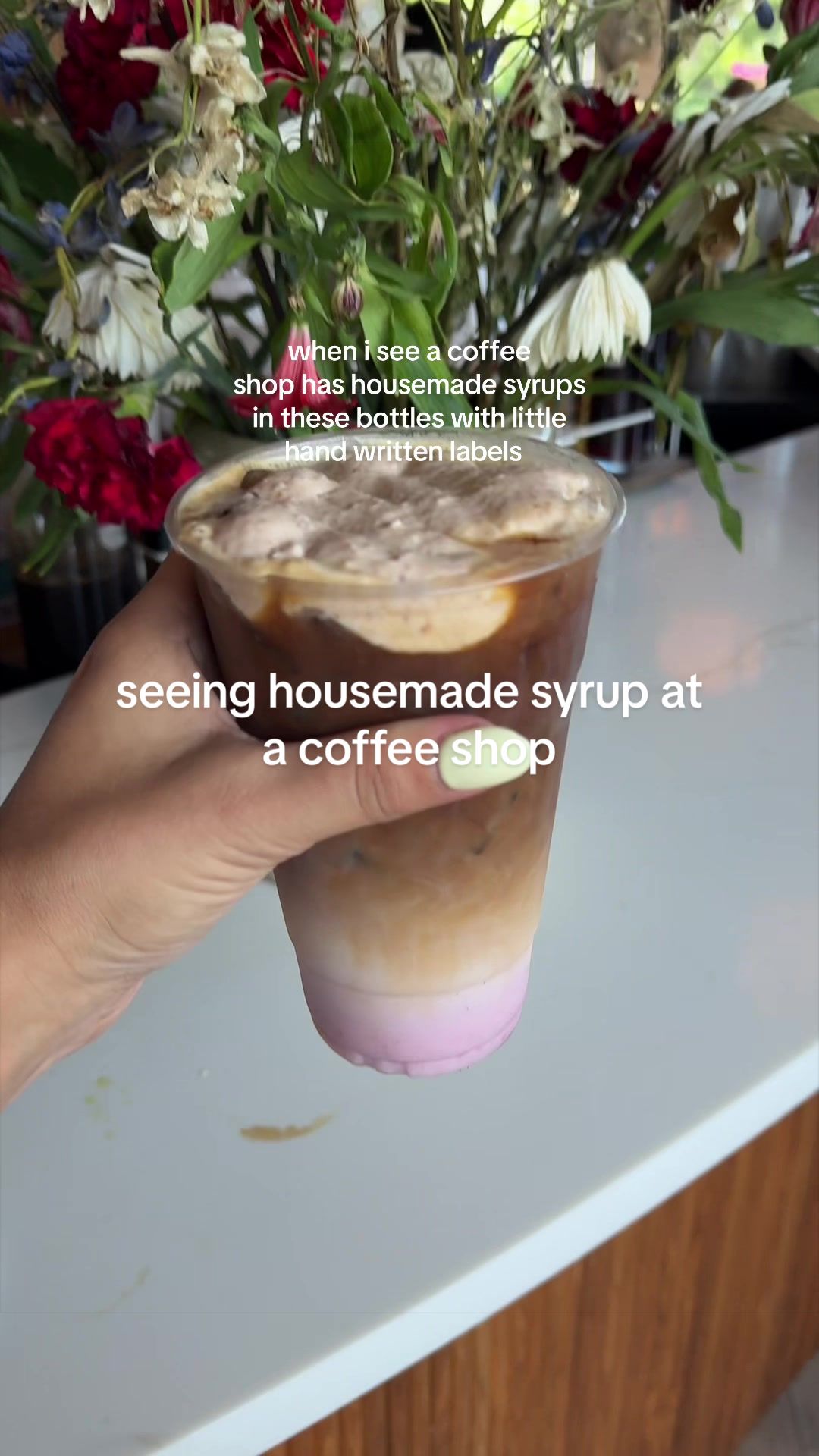
Raw frustration with complex financial systems cuts through because it mirrors what millions feel but don't say out loud. The specificity of USDA loans transforms a vague pain point into something tangible and shareable, making people want to pass it along.
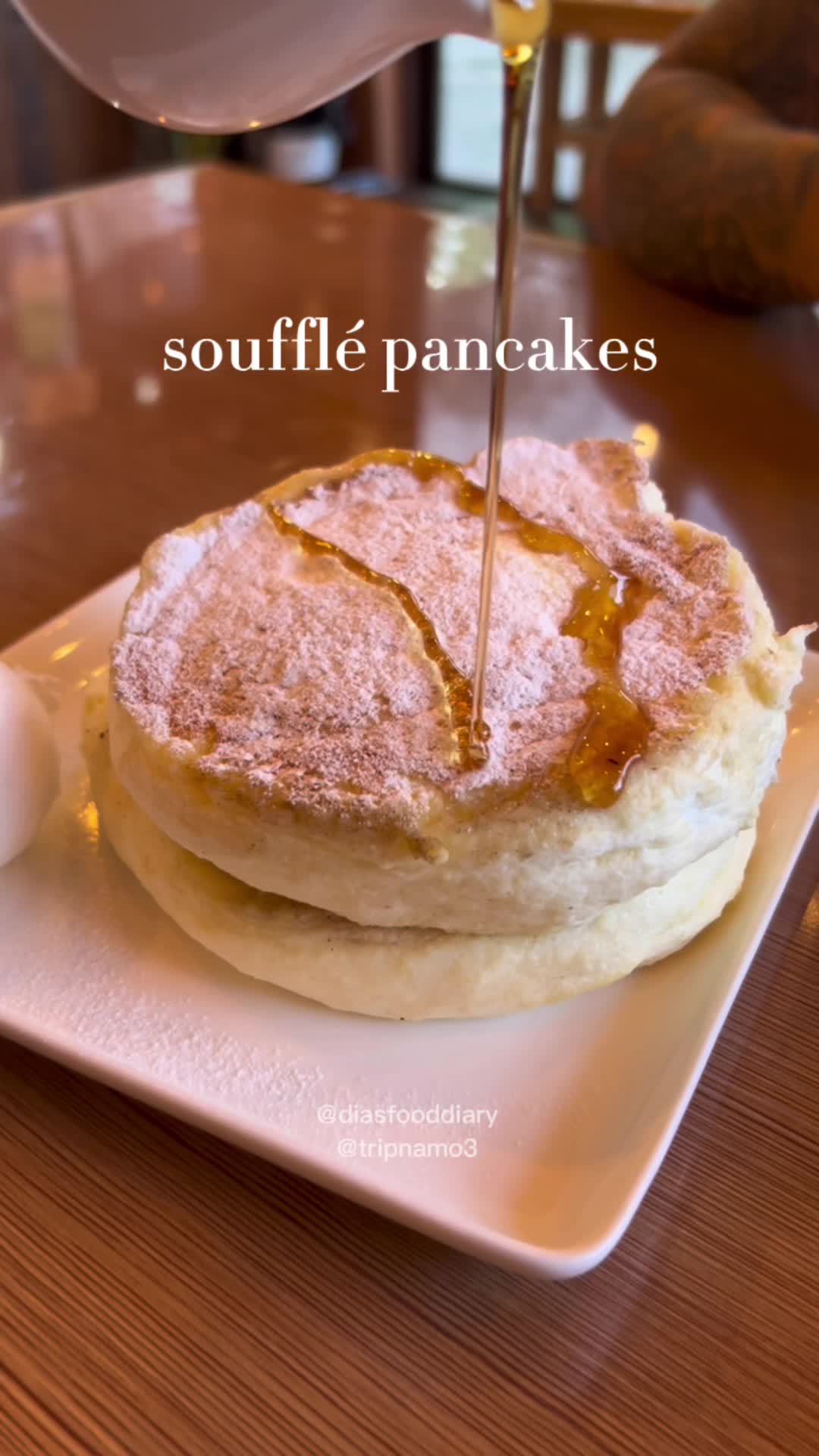
The soft-focus, luxe plating of fluffy pancakes with syrup dripping in real-time creates an almost ASMR-like sensory appeal. People save and share because it looks restaurant-worthy yet approachable, tapping into that sweet spot of "I want to experience this" without feeling unattainable.
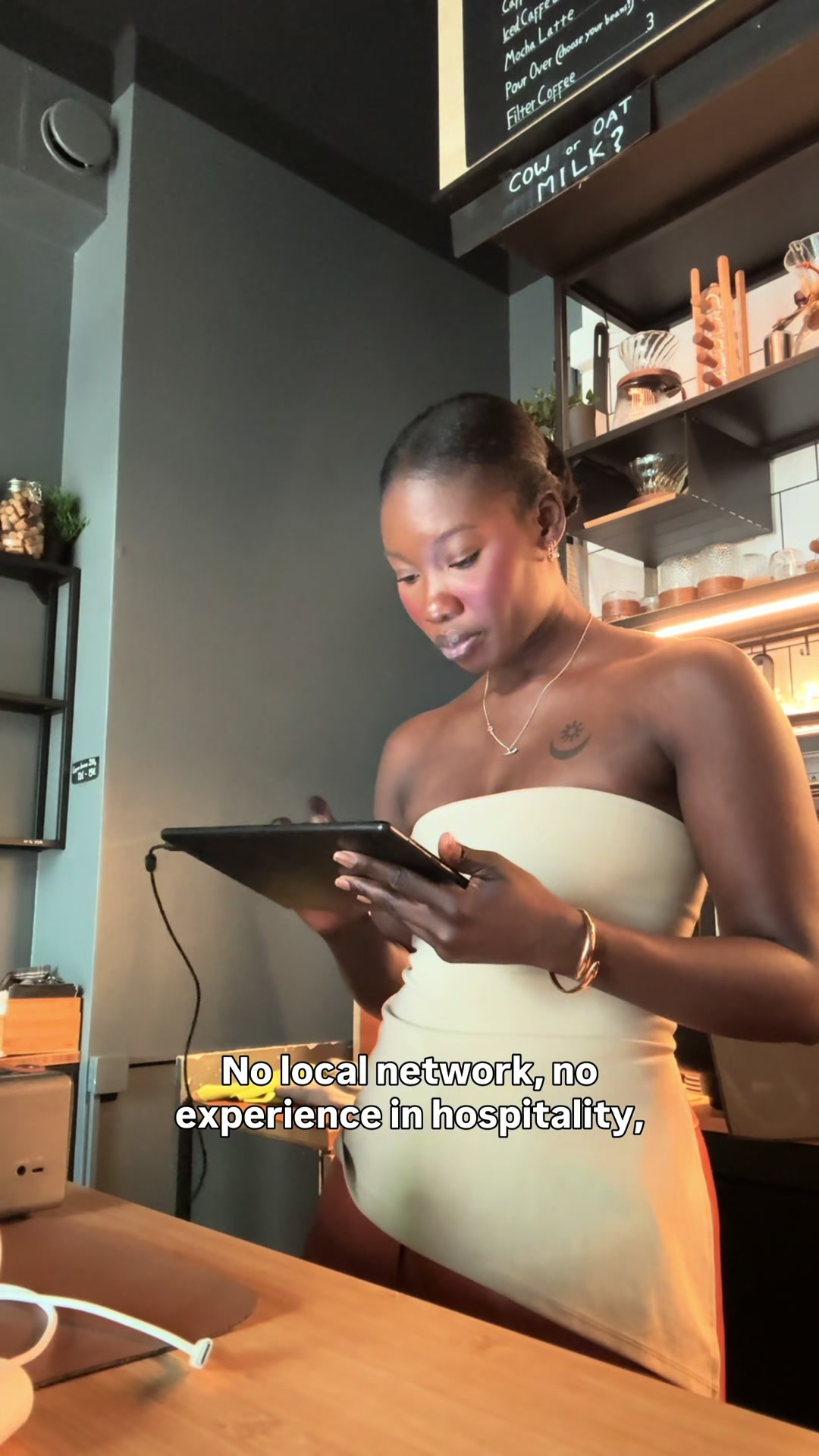
Starting a business in an unfamiliar country hits differently when shared authentically. This post taps into entrepreneurial struggle and resilience while positioning the creator as someone who's earned the right to teach others, making followers invested in what comes next.
Confidence and personality in real estate cuts through the noise. By positioning herself as the memorable face behind the homes, she turned a property listing into a personal brand moment that made people talk, even if divisively.
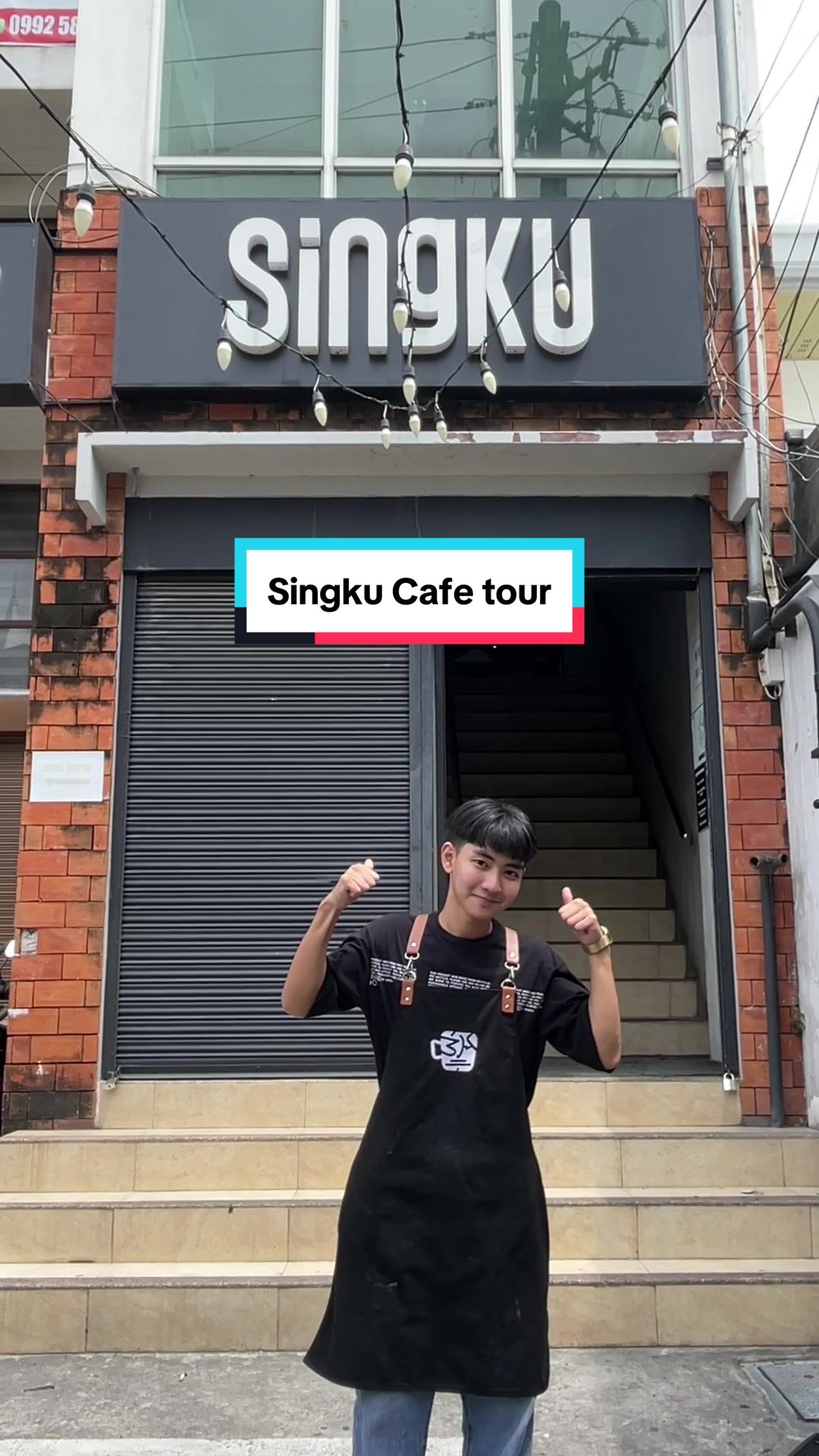
A genuine, charismatic introduction to a local cafe with personality beats polished marketing. The creator's natural energy and the cafe's specific charm (tied to Pampanga culture) made this feel like a friend's recommendation rather than a promo, which drives shares over likes.
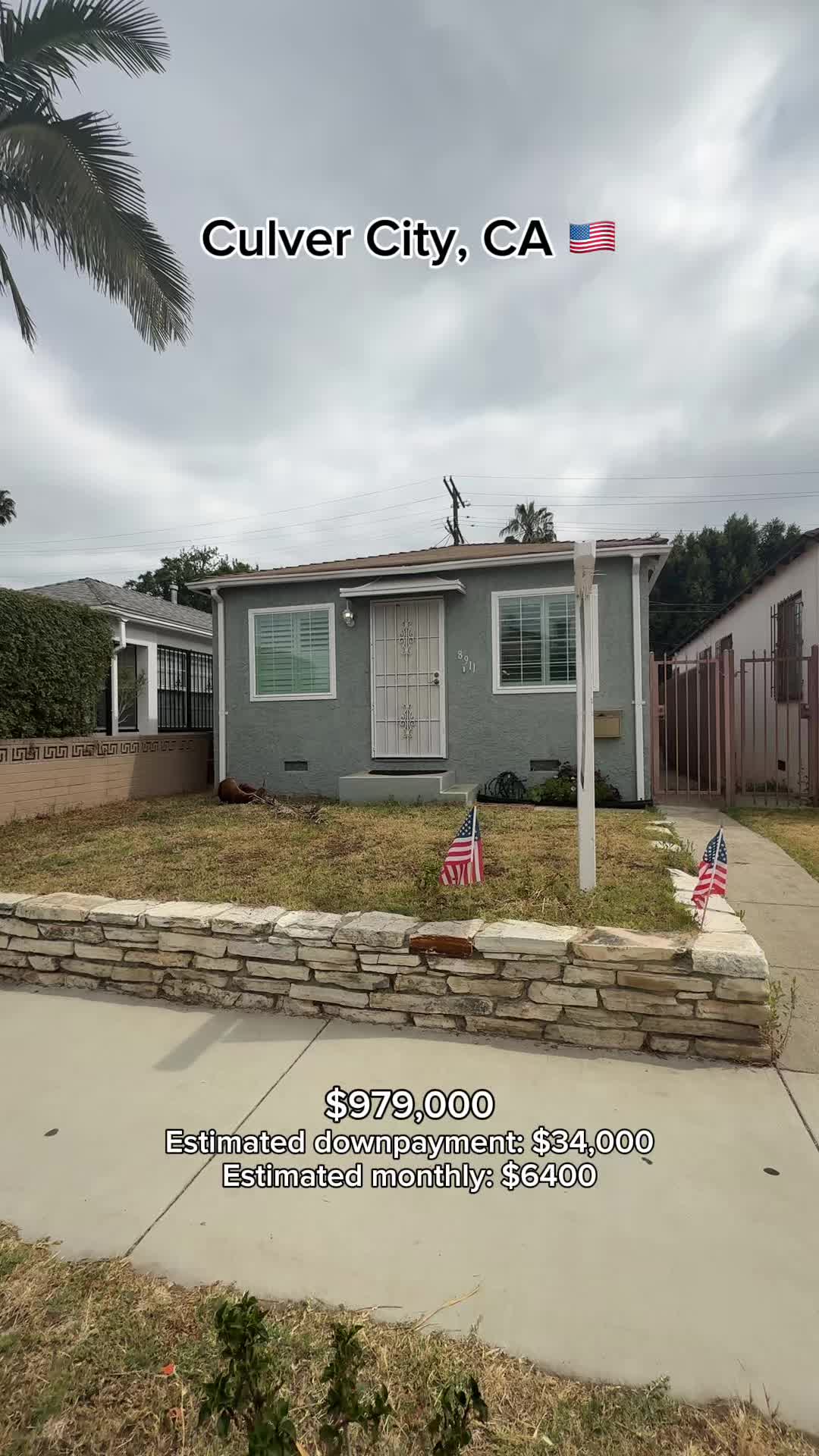
People are fascinated by the disconnect between price and reality. A modest home priced near $1M sparks immediate debate because viewers can instantly judge value themselves—no expertise needed. The comments show genuine shock, which feels more authentic than polished real estate content.
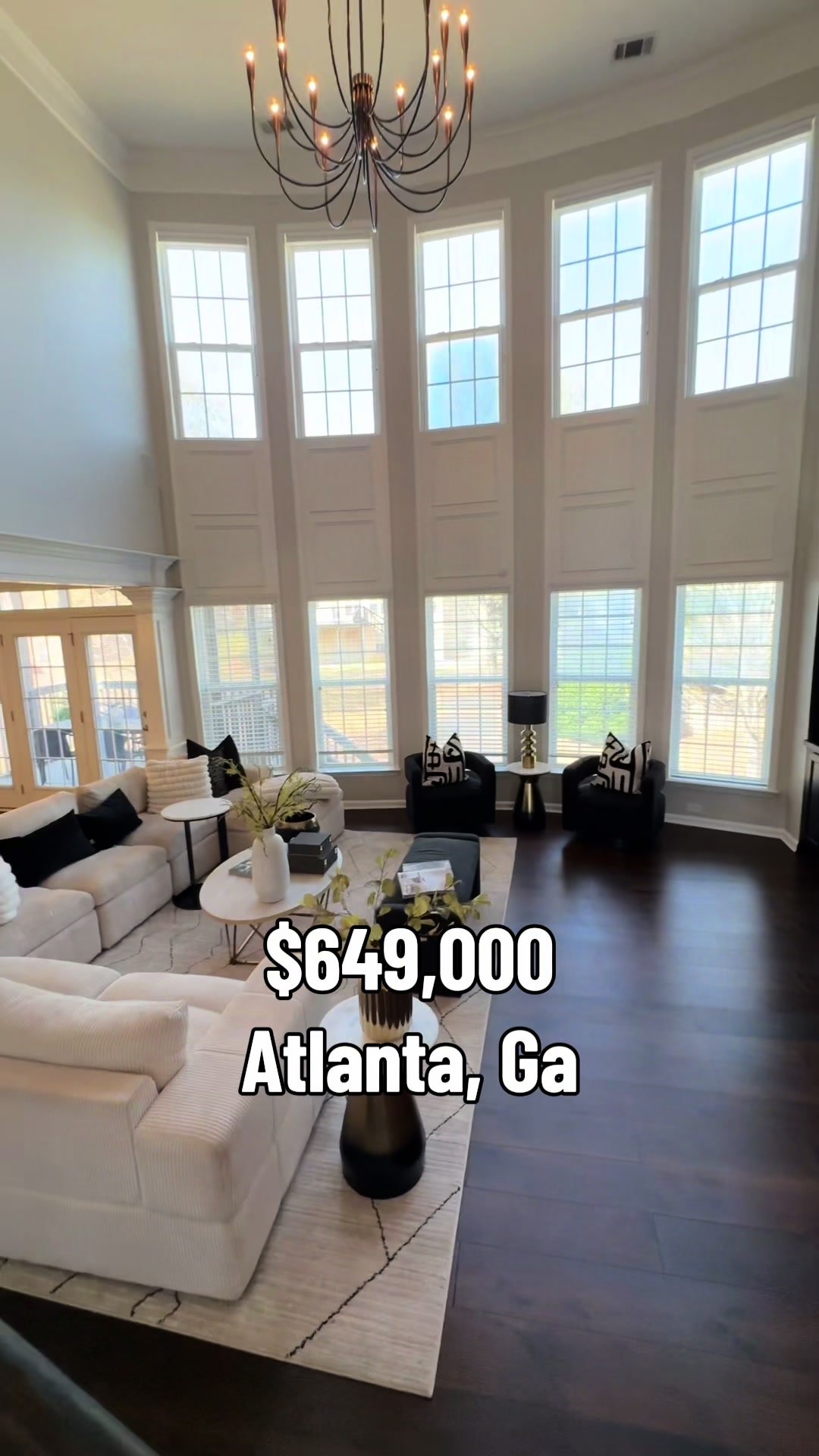
People engage heavily when real estate pricing feels counterintuitive to the visual quality. The pristine, luxury aesthetics clash with skepticism about the price point, sparking debate about value and location—exactly what gets people talking and sharing.
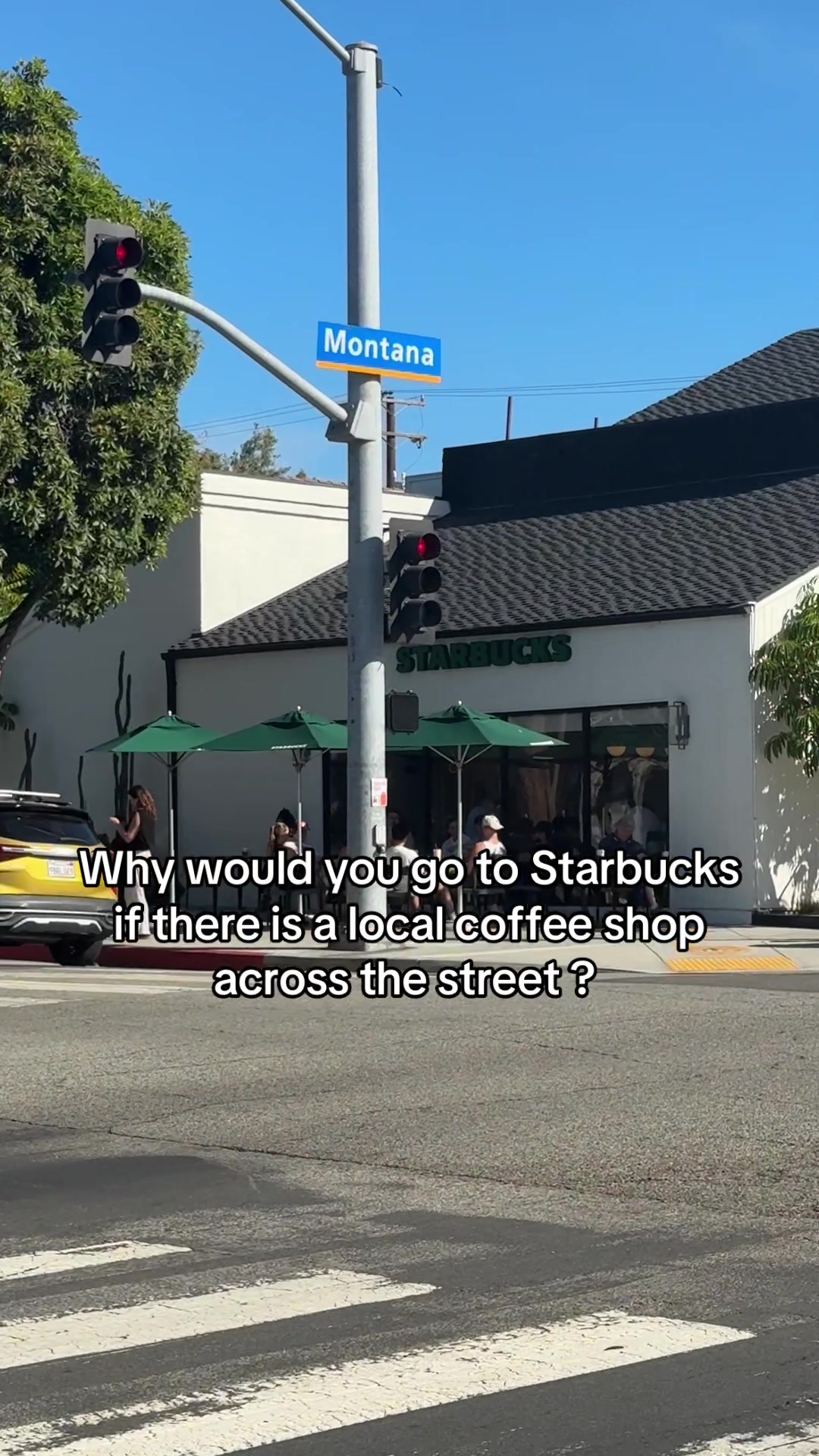
The post tapped into a real tension people feel about supporting local versus convenience, then let the comments do the arguing. By posing a genuinely debatable question rather than preaching, it created space for people to push back, which made it feel like a real conversation instead of a lecture.
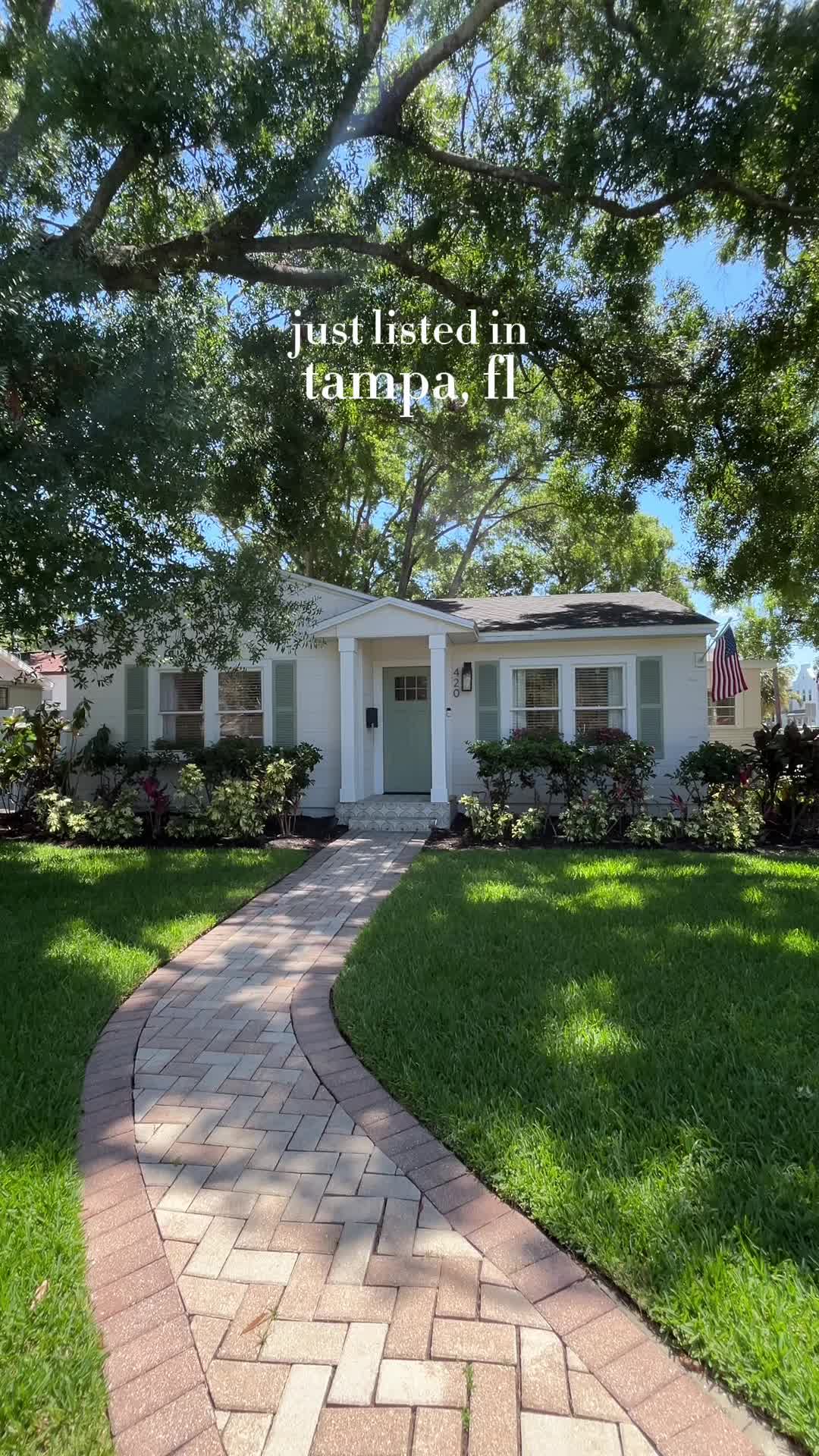
People want to feel like they're discovering a real opportunity, not being sold to. The vague "just listed" hook combined with an aspirational but achievable property sparks genuine curiosity and discussion—especially when the price is mysteriously absent, making everyone fill in their own dream scenario.
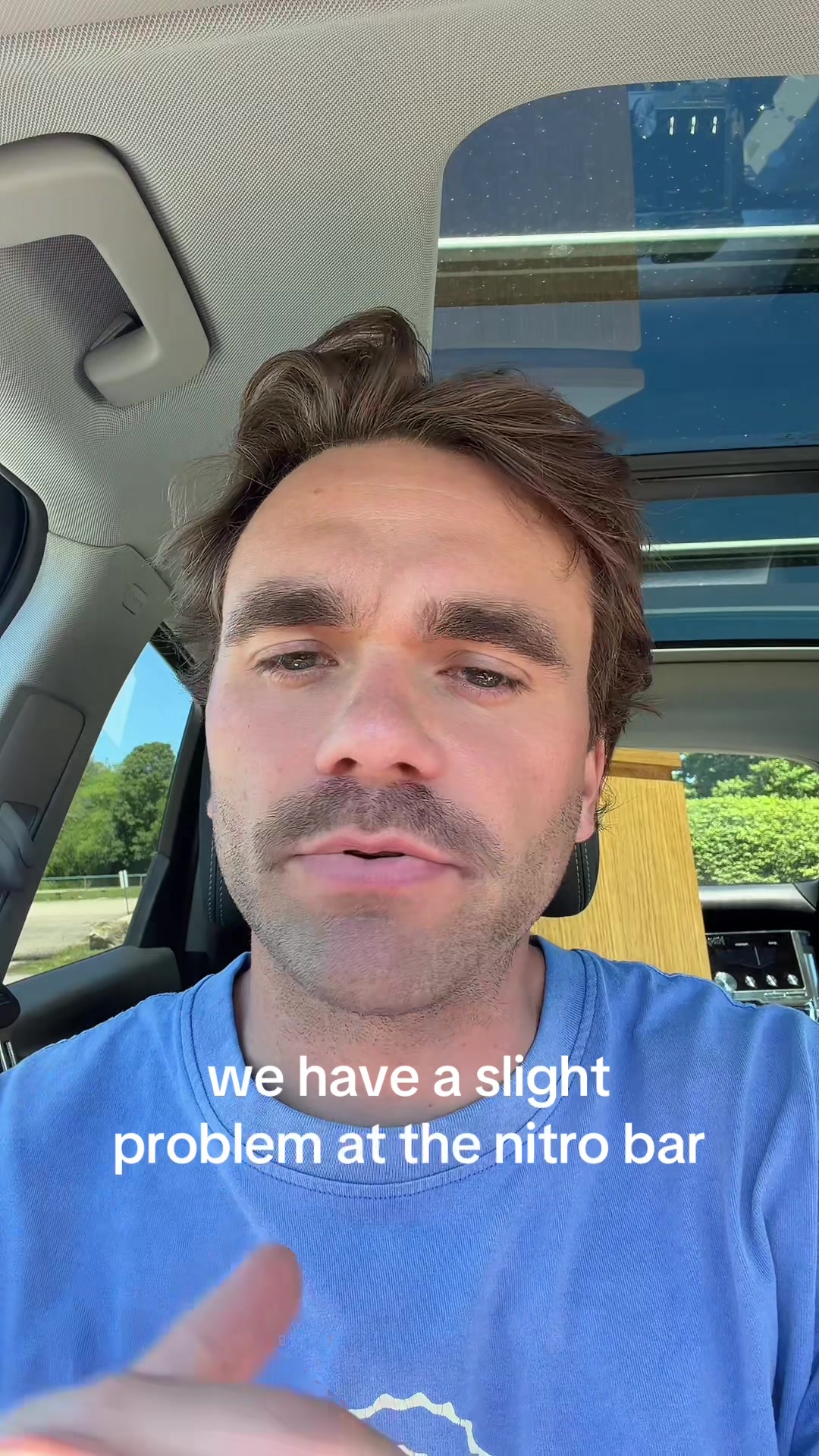
The "slight problem" framing creates curiosity while the raw, unfiltered car confessional feels genuine—people lean in because he's being real about a business challenge, not selling. The top comments show viewers want to problem-solve with him, turning a complaint into collaborative engagement.
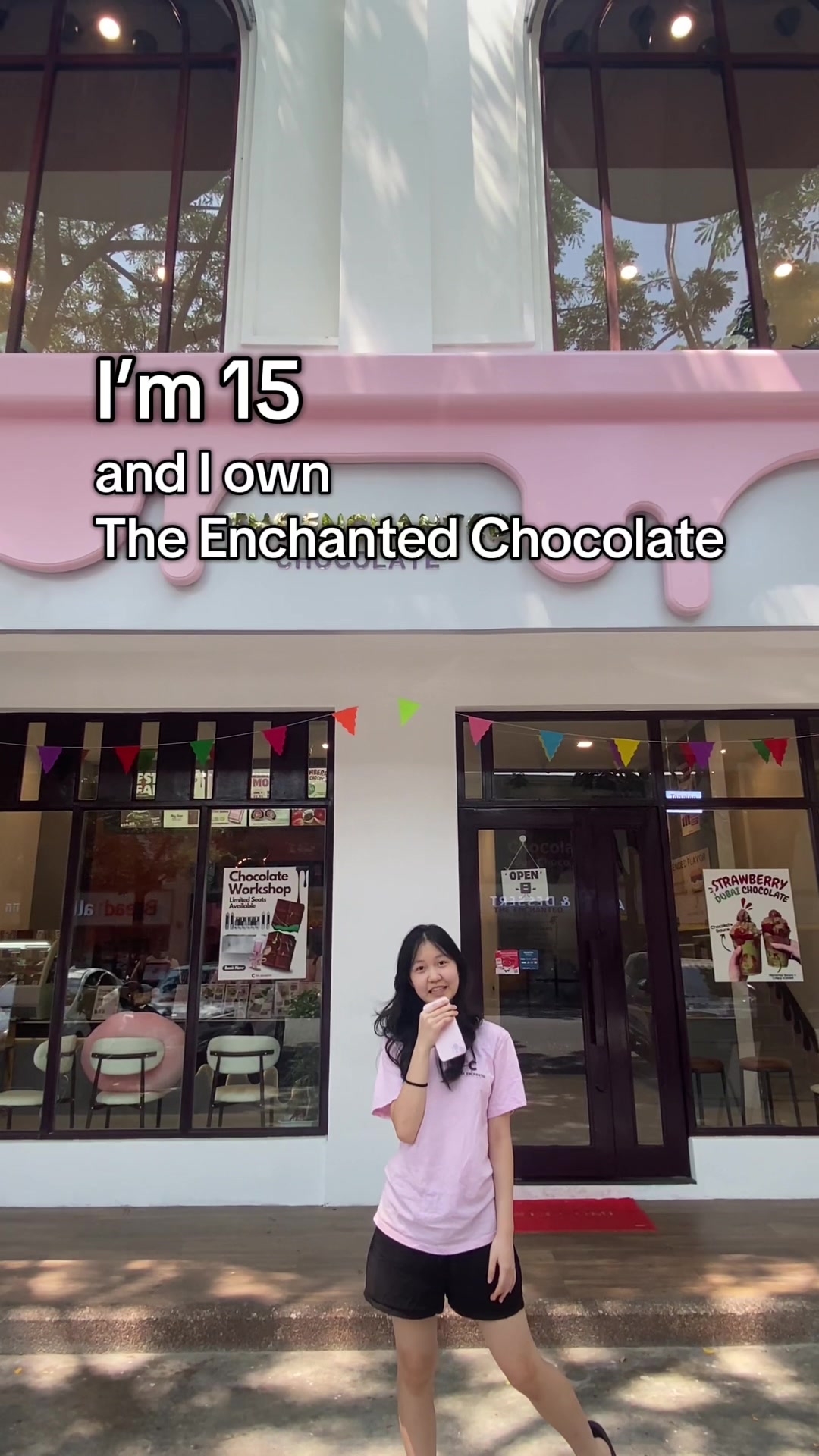
Young entrepreneurship paired with aspirational achievement taps into a potent mix of inspiration and relatability—people are drawn to someone their age who's already "made it," while the comments show the vulnerability of viewers comparing themselves creates engagement through honest reaction rather than envy.


The self-proclaimed "billion dollar" angle paired with a visually satisfying pour creates permission to care about a simple recipe. People save it because the humble execution (using accessible ingredients like vanilla bean paste) makes café-quality drinks feel achievable, not aspirational gatekeeping.
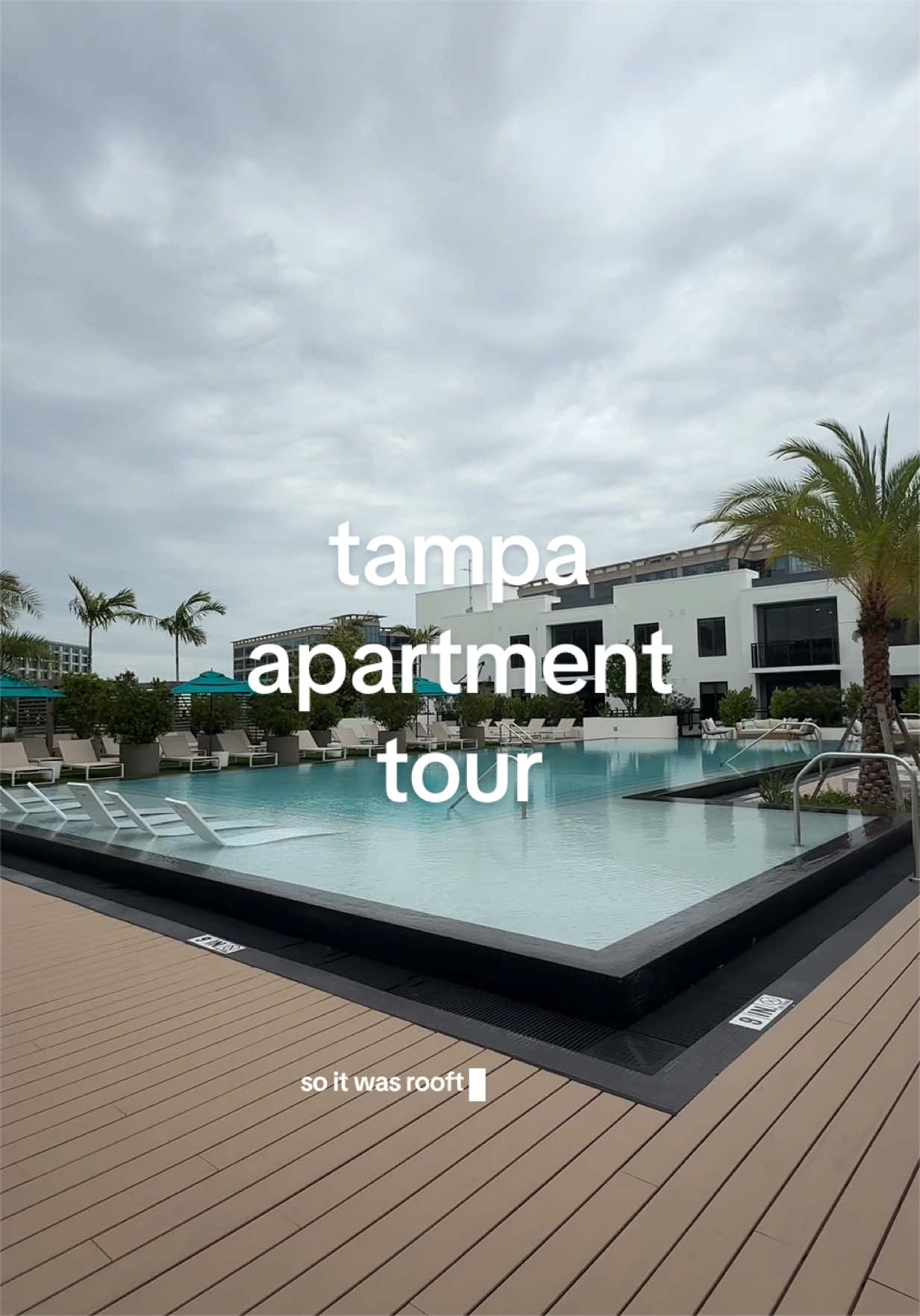
Luxury real estate tour with an aspirational lifestyle hook hits because people are inherently curious about high-end living spaces and want to peek inside something they're considering or dream about. The rooftop pool setting, clean modern aesthetics, and casual "so it was roof!" reveal build tension and make the space feel attainable rather than untouchably exclusive.
The post taps into aspirational lifestyle comfort by pairing aesthetic self-presentation with relatable Seattle/PNW culture. The combination of casual confidence and curated cozy vibes creates authentic appeal that feels both attainable and desirable.

People are hungry for permission to not sacrifice their entire life for work, especially in their 20s. This taps into a quiet rebellion against hustle culture—the idea that you can build a career without burning out resonates because it feels honest, not preachy.
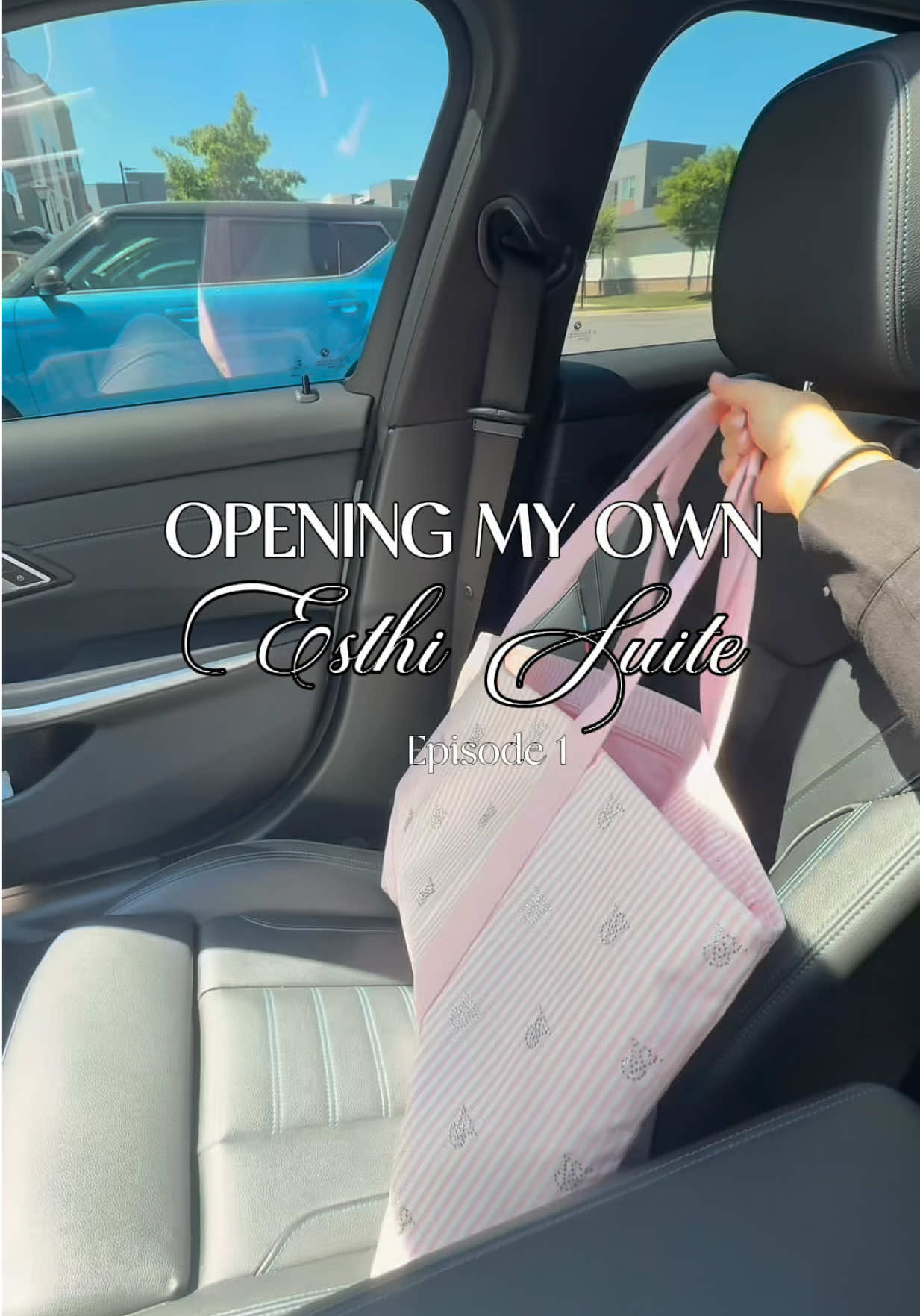
The aspirational journey of leaving employment to start a business taps into a universal fantasy, especially in beauty/wellness where independence feels achievable. The "Episode 1" framing creates serialized momentum people want to follow, while the raw documentation (shot from inside the car, genuine moment) makes it feel credible rather than polished fantasy.
She turned a relatable work grind into pure swagger. The post works because it's a realtor confidently owning her hustle with attitude, making a typically buttoned-up profession feel accessible and fun. People are drawn to authenticity mixed with humor.
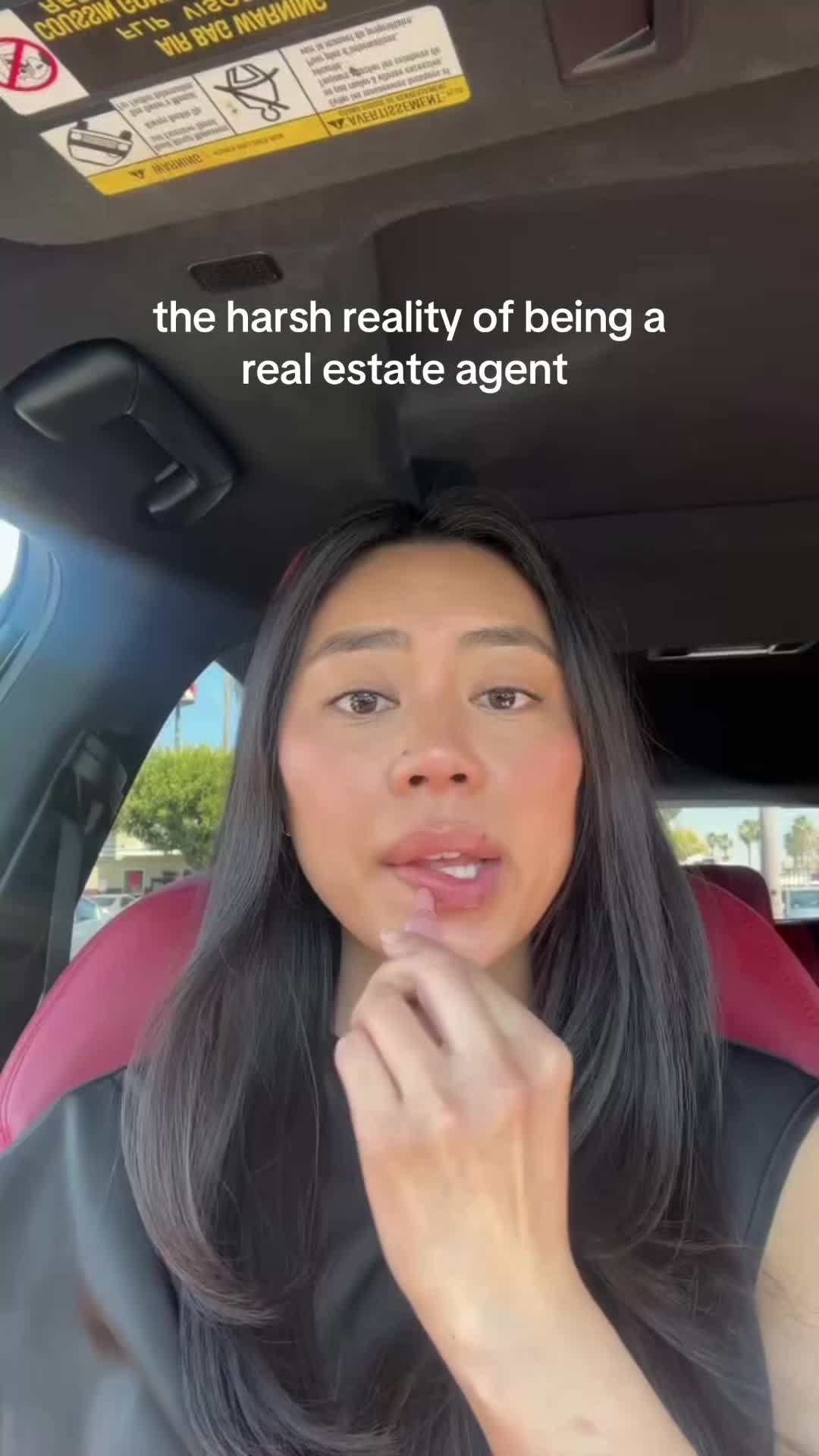
People crave insider truth from professionals who typically project success. This realtor's deadpan honesty about the brutal financial reality of the job hits harder than any aspirational content because it validates the silent struggle viewers suspected was real.

Showcasing local craftsmanship and ingenuity in action taps into pride and authenticity. People engage deeply when they see someone solving real problems with skill, especially when it reflects cultural identity and resourcefulness.
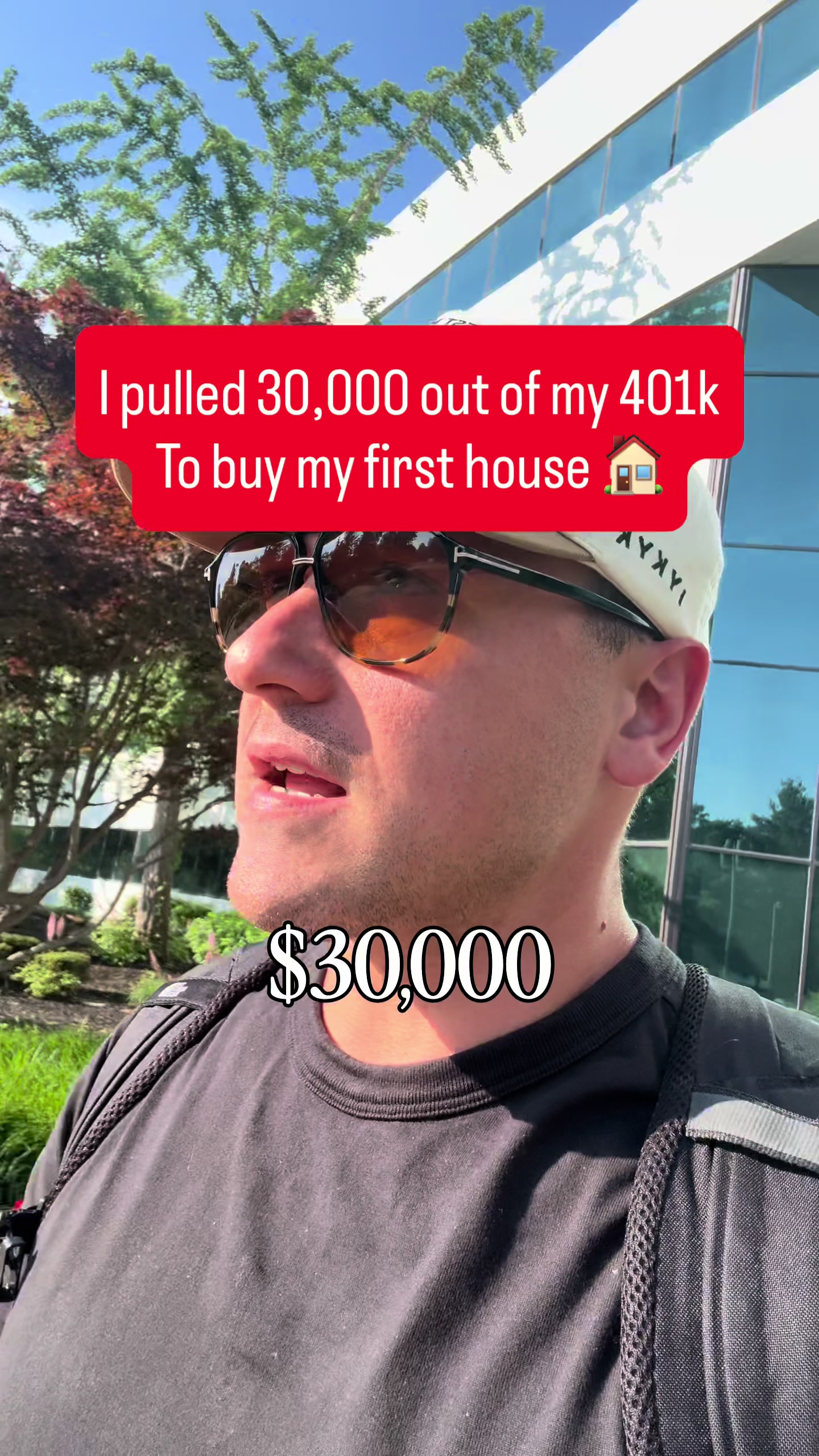
People engage intensely when you make a financially controversial move look achievable. Pulling from retirement savings to buy property hits that sweet spot between "this is risky" and "this person actually did it," sparking debate about whether it's genius or reckless. The specificity ($30k from a $401k) makes it feel real, not theoretical.
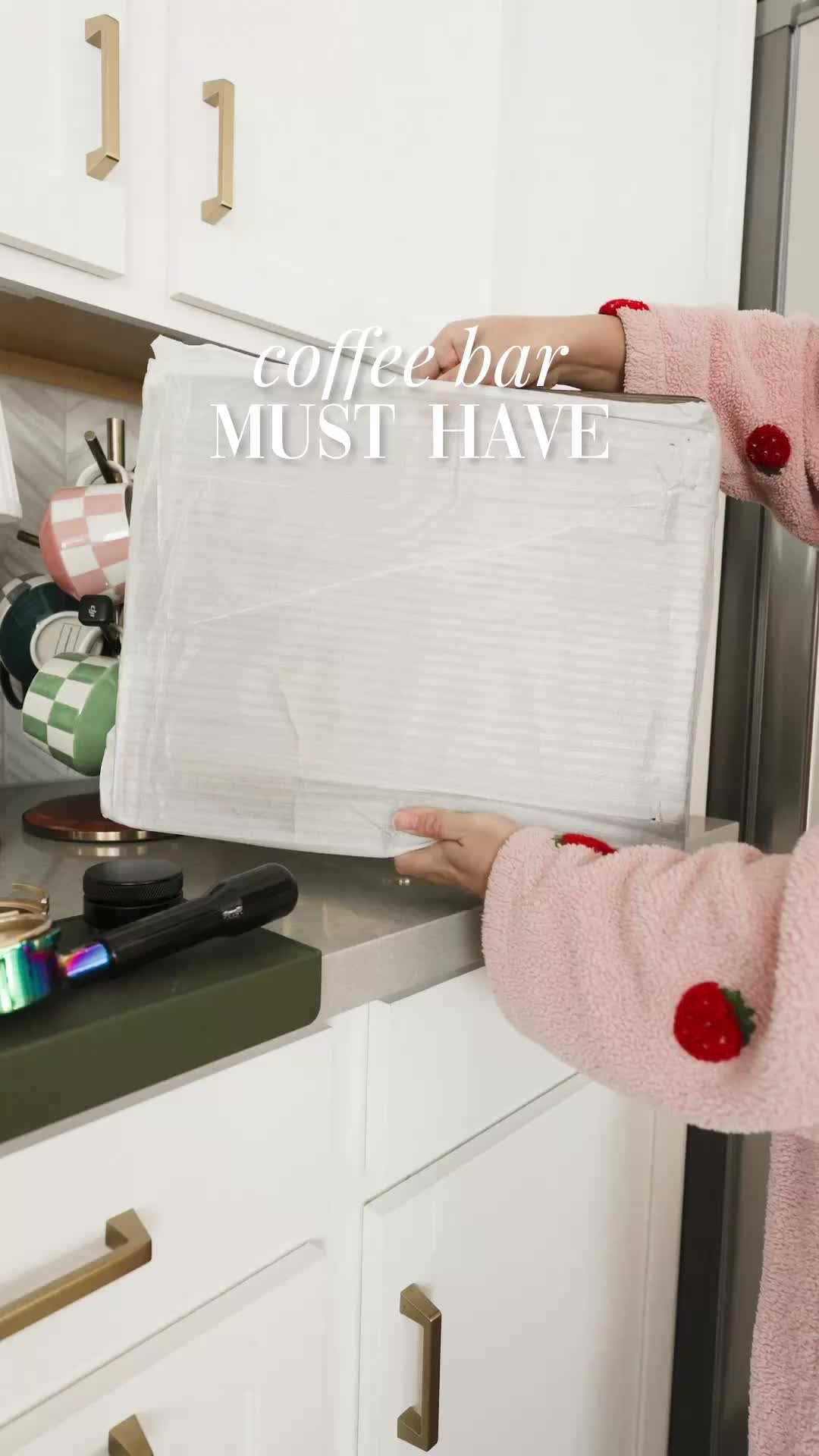
People loved seeing a simple, practical solution to an annoying coffee problem they actually have. The aesthetic setup and satisfying reveal of a functional hack tapped into the "I need this" feeling that drives saves and shares.
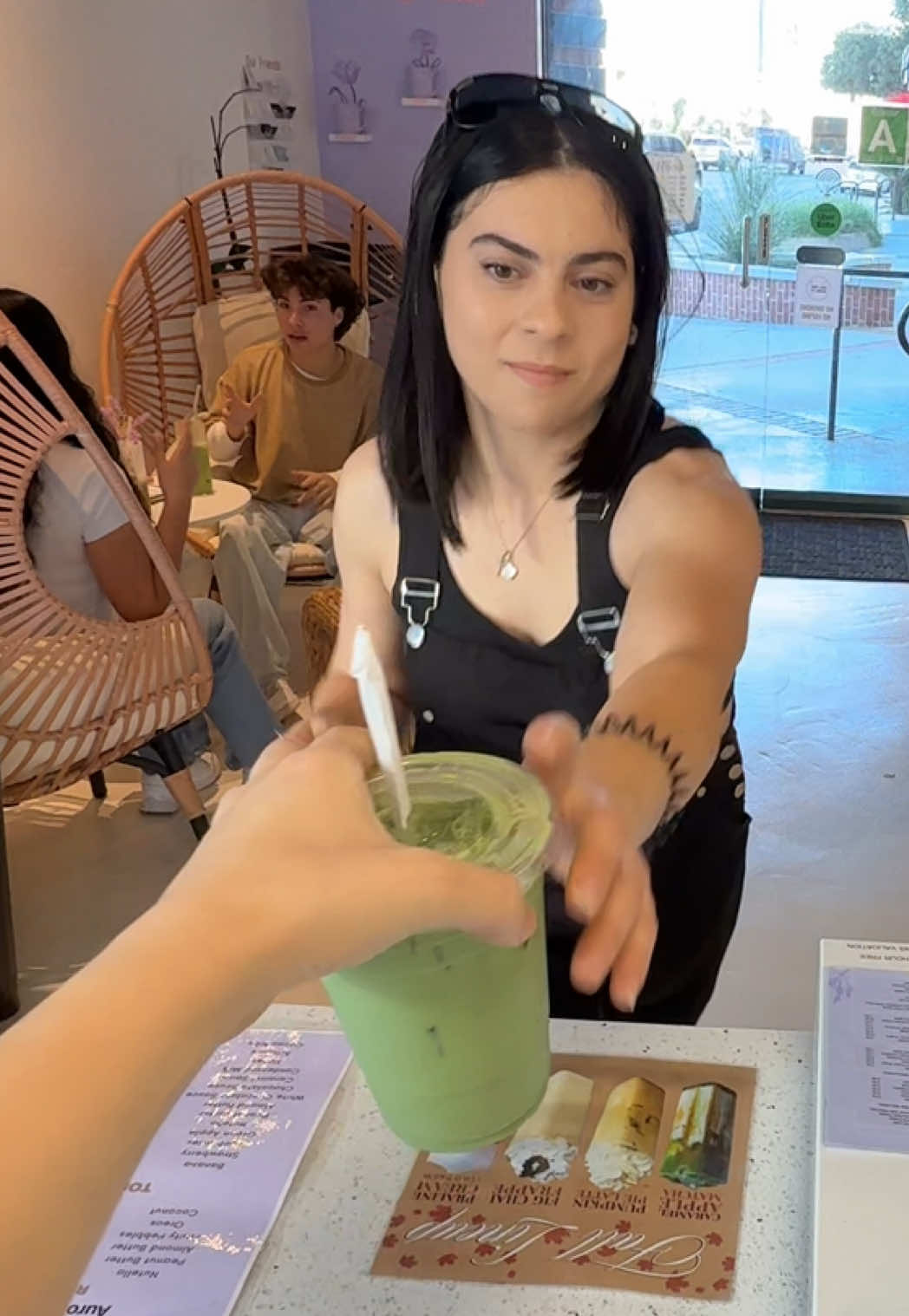
The post taps into a viral trend moment (Quicksilver challenge) while grounding it in relatable barista humor. The unexpected collision between pop culture reference and everyday cafe reality made people stop scrolling and share it forward.
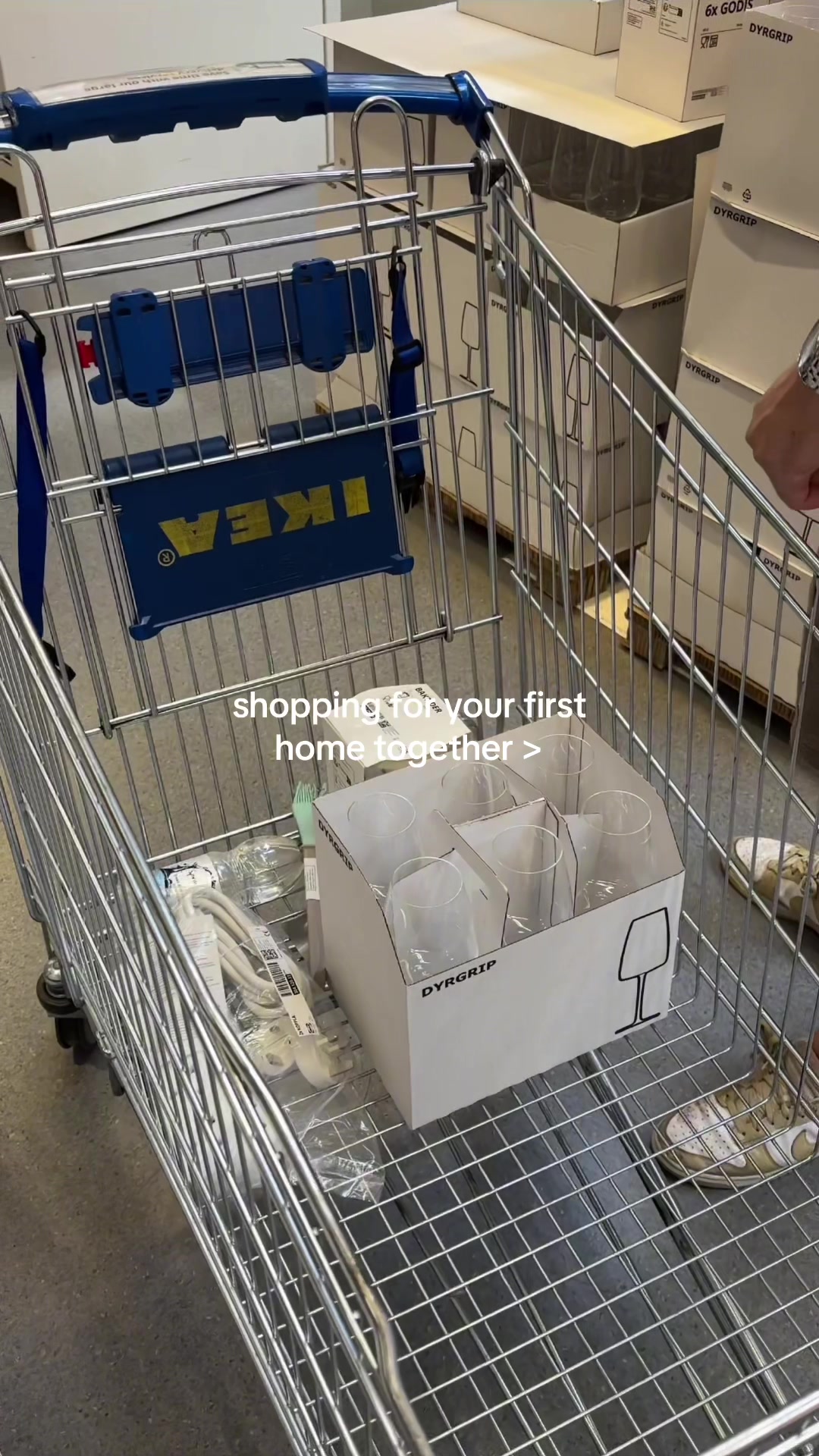
This taps into a universal milestone moment that feels both aspirational and achievable. First-time home shopping with a partner hits the sweet spot between life accomplishment and intimate couple content, making viewers feel the emotion of building something together.
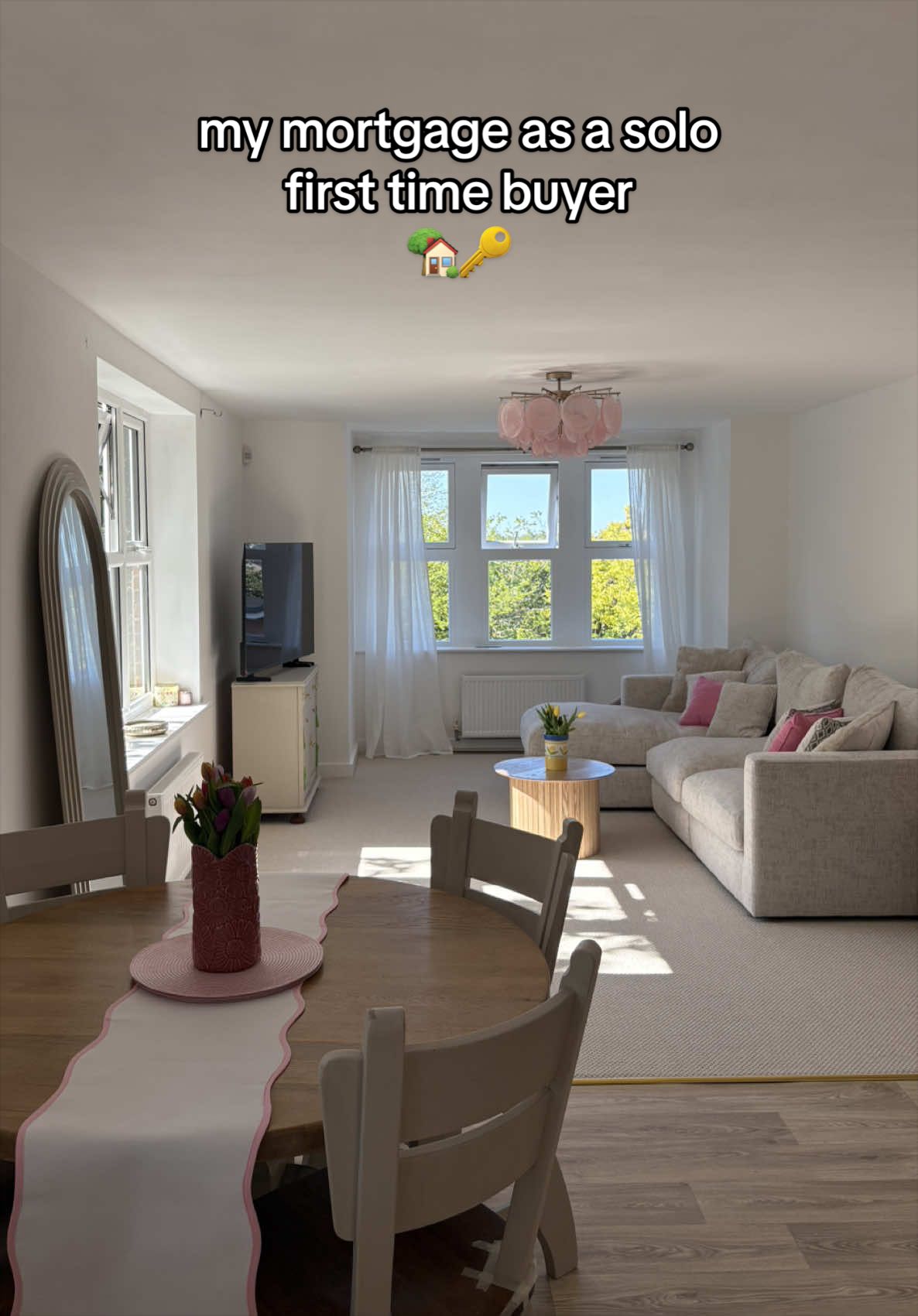
This post succeeds because it shows the actual payoff of a major life milestone in an aspirational-yet-relatable way. A solo first-time buyer flexing a clean, well-decorated apartment hits the sweet spot between "I can see myself doing this" and "this is goals"—it's personal achievement mixed with aesthetic satisfaction.
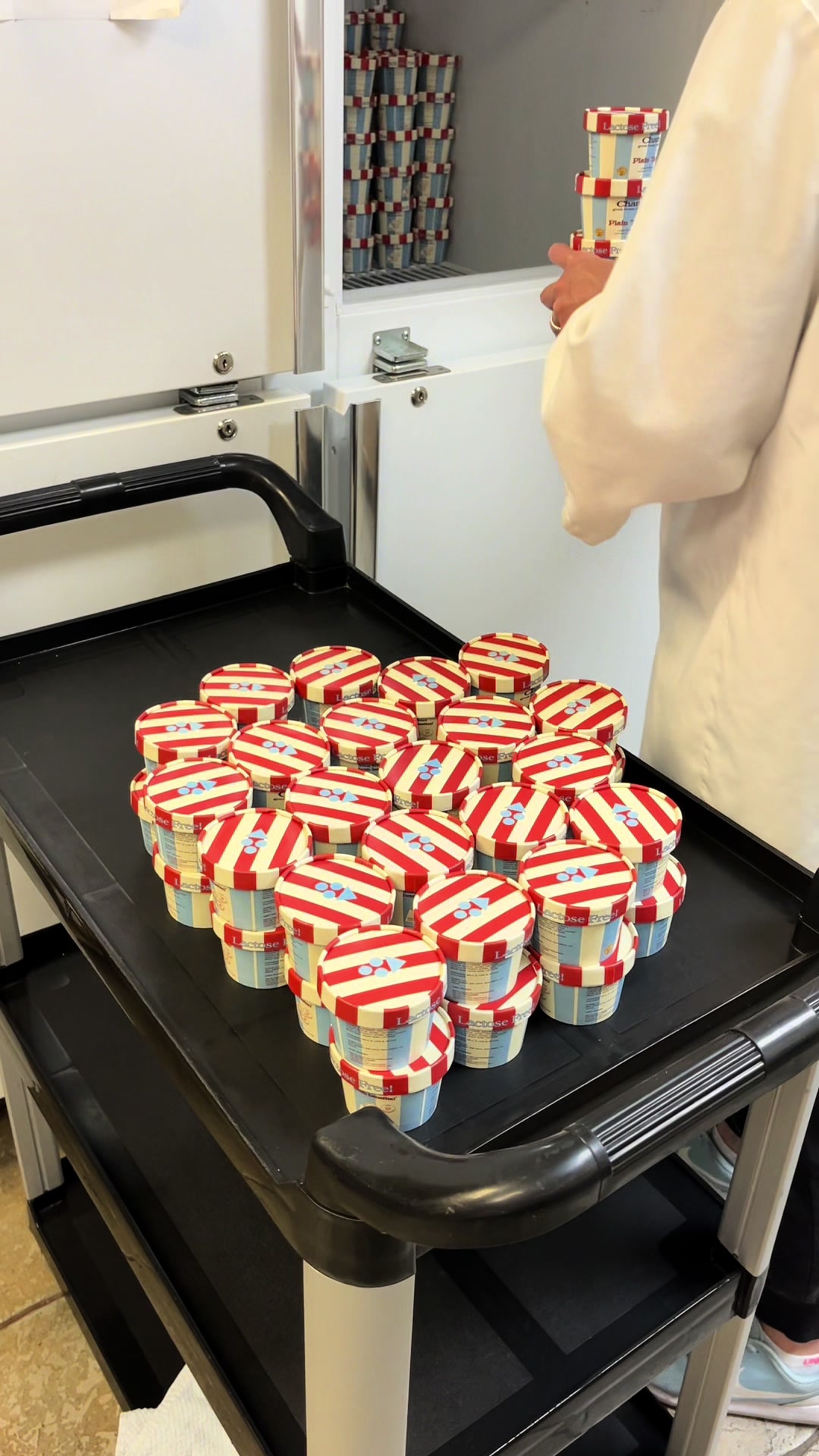
People connect with founder stories that show scrappy beginnings. Displaying dozens of yogurt containers stacked in a lab setup feels both humble and ambitious, making the brand feel real and achievable rather than corporate. The visual density creates intrigue—viewers want to know what comes next.

The post taps into aspirational identity fusion—showing you don't have to choose between seemingly opposing passions. The visual contrast (high fashion moment meets genuine career pivot) combined with the relatable "I get to do both" angle speaks to people tired of forced career compartmentalization.
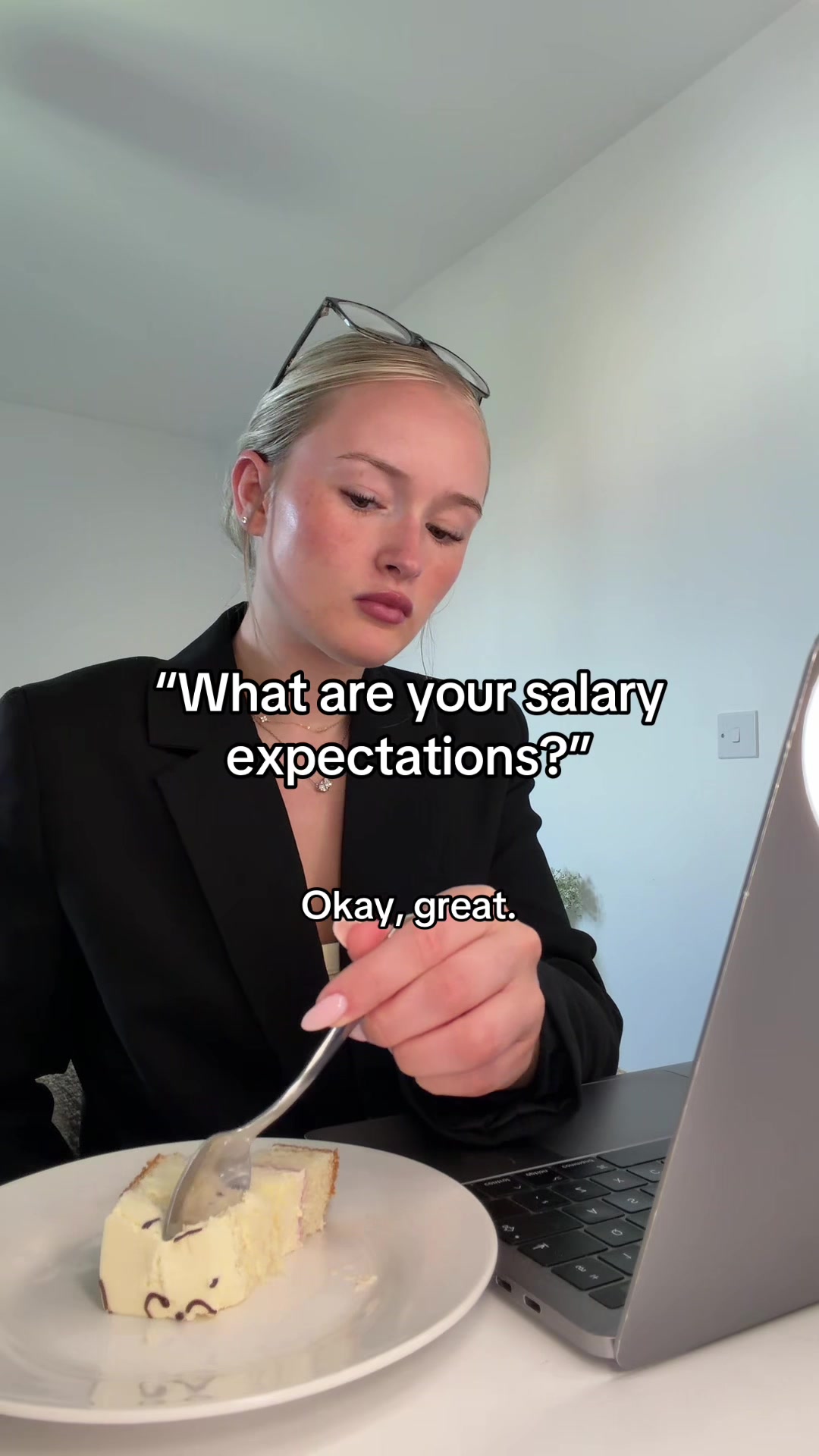
The absurdist setup of answering a dreaded interview question while casually eating cake creates cognitive dissonance that keeps people watching. It's funny because it's ridiculous, but the actual answer is genuinely useful, making it feel like a hack rather than just a joke.
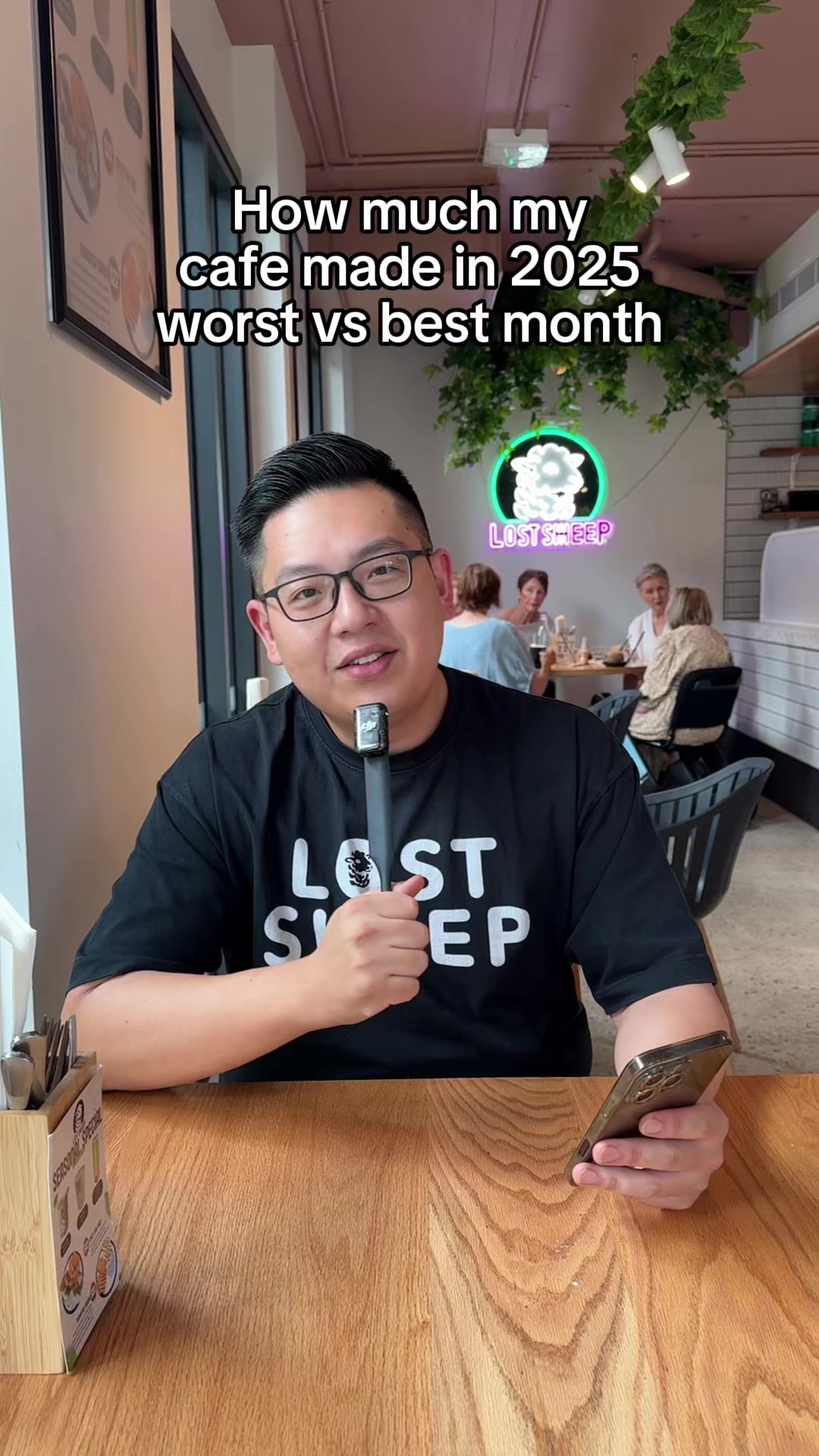
Small business owners are hungry for honest revenue talk that shows real ups and downs. This hit because it's vulnerable without being victimhood—just facts about the grind, which makes people either nod in recognition or feel inspired that growth is possible.
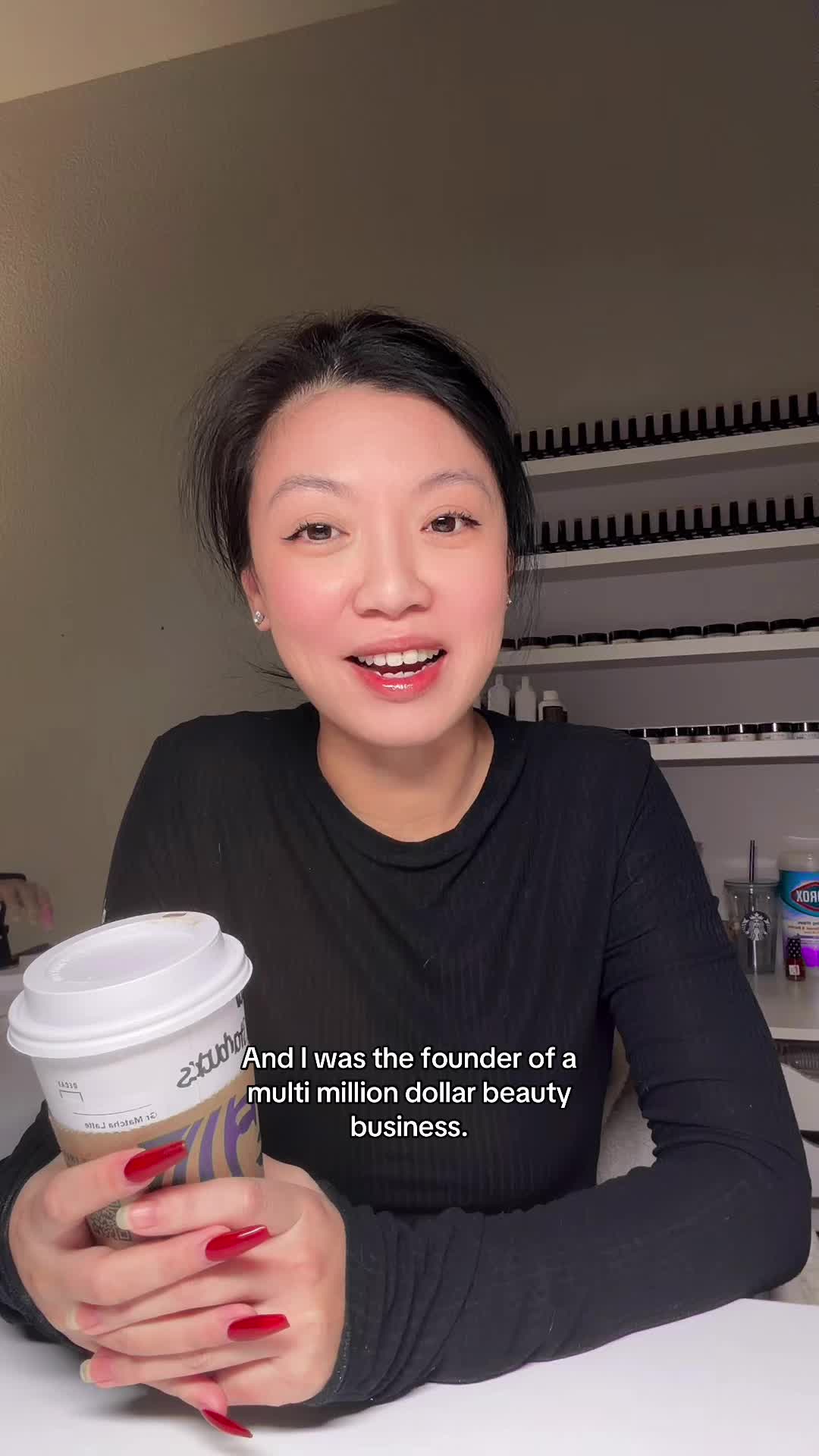
Raw vulnerability about losing a multi-million dollar business breaks through the noise because it reframes failure as inevitable entrepreneur territory, not a personal flaw. People save this because it gives permission to fail and try again.

People rallied behind a small business owner facing platform censorship because it felt like a real, unfair problem affecting someone relatable, not a polished pitch. The vulnerability and specific ask created genuine community support rather than passive scrolling.

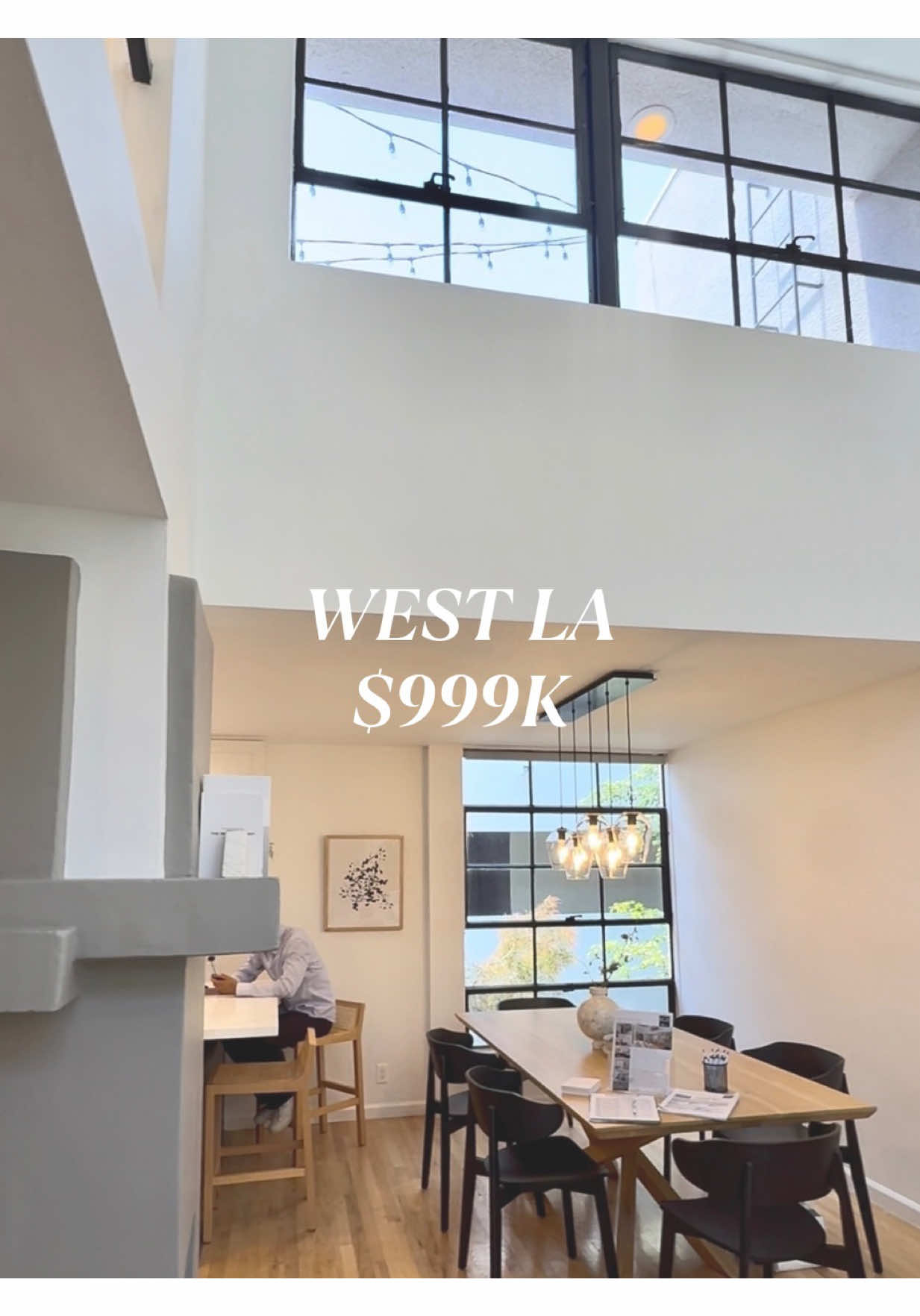
The price point triggers immediate curiosity—$999K in West LA reads as an anomaly, making people stop to investigate. The clean, bright aesthetic with architectural details (high ceilings, loft, rooftop deck) feels aspirational without being unattainable, which sparks genuine interest rather than passive scrolling.

The stark, wide-angle approach to a property reveal taps into genuine curiosity about what's actually inside luxury buildings everyone drives past. People aren't just interested in the unit—they're fascinated by access to a world that feels slightly closed off, making the straightforward documentation feel like insider knowledge.
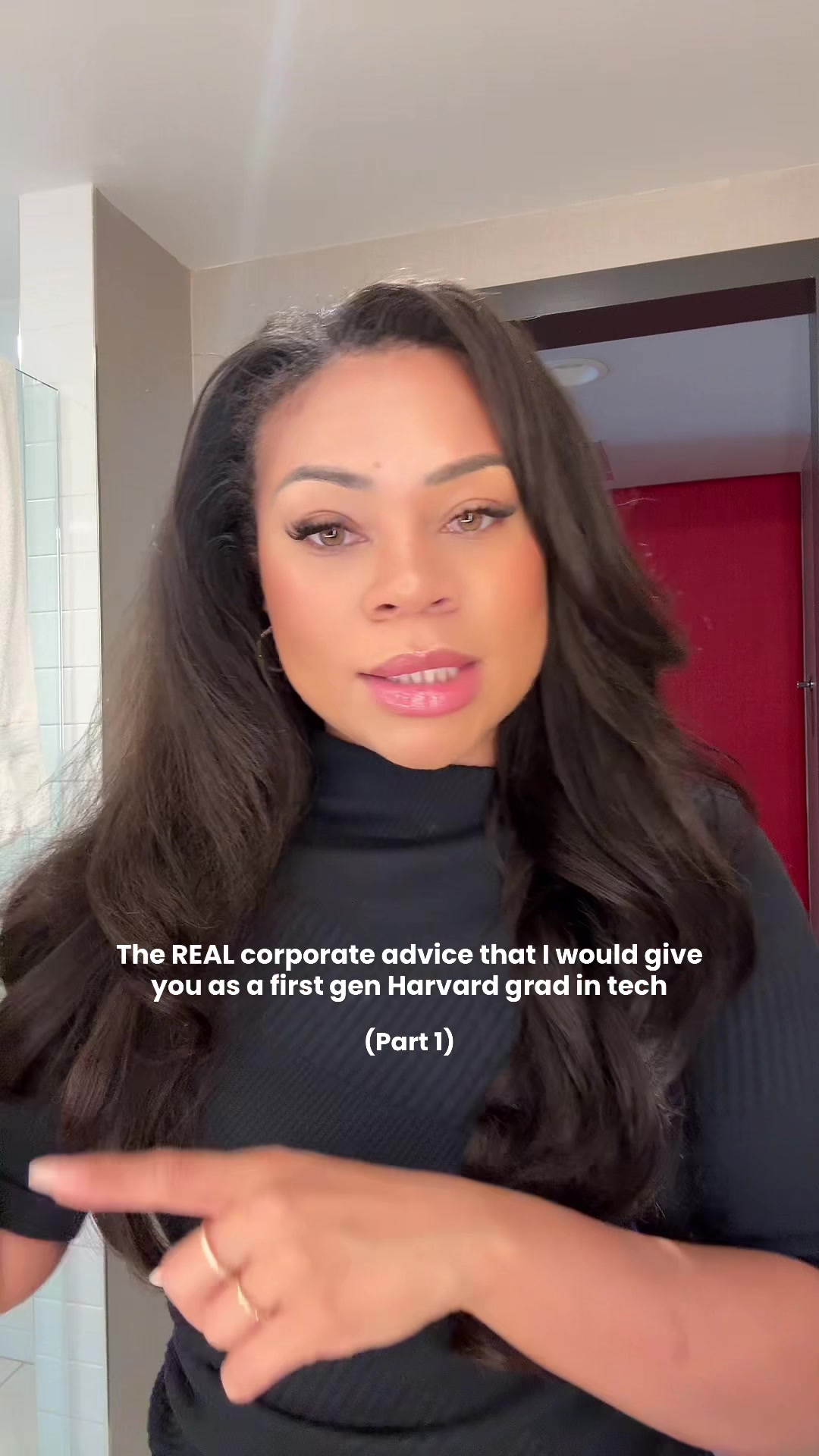
Insider career advice from someone with real credentials hits because people crave unfiltered truth about corporate dynamics. The Harvard MBA plus first-gen angle gives authority while the "real advice" framing promises the stuff they don't teach in orientation.
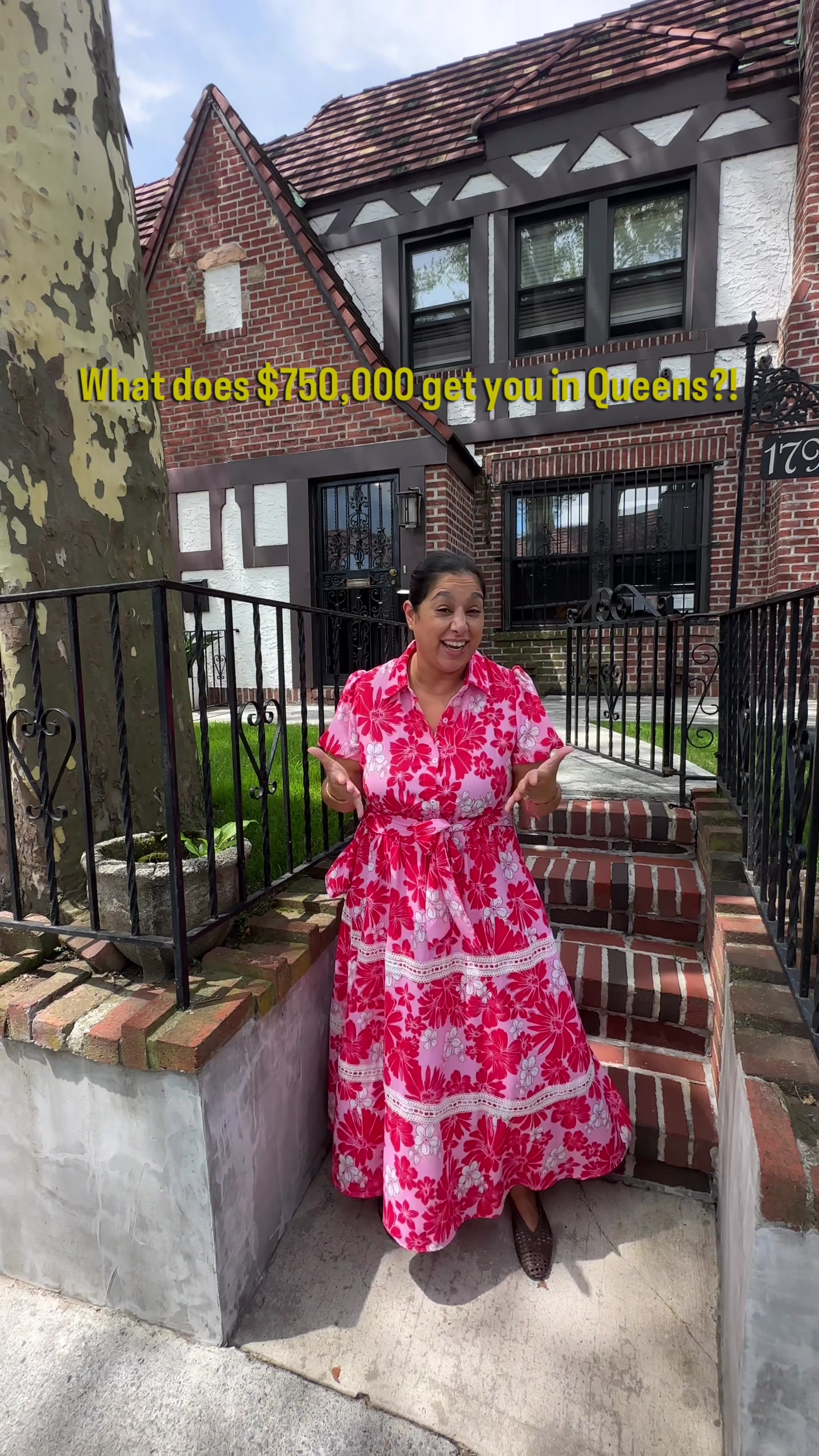
The price-to-location juxtaposition created genuine curiosity and sparked real debate. People couldn't help but interrogate the deal because it felt too good to be true, turning skepticism into engagement rather than scrolling past.
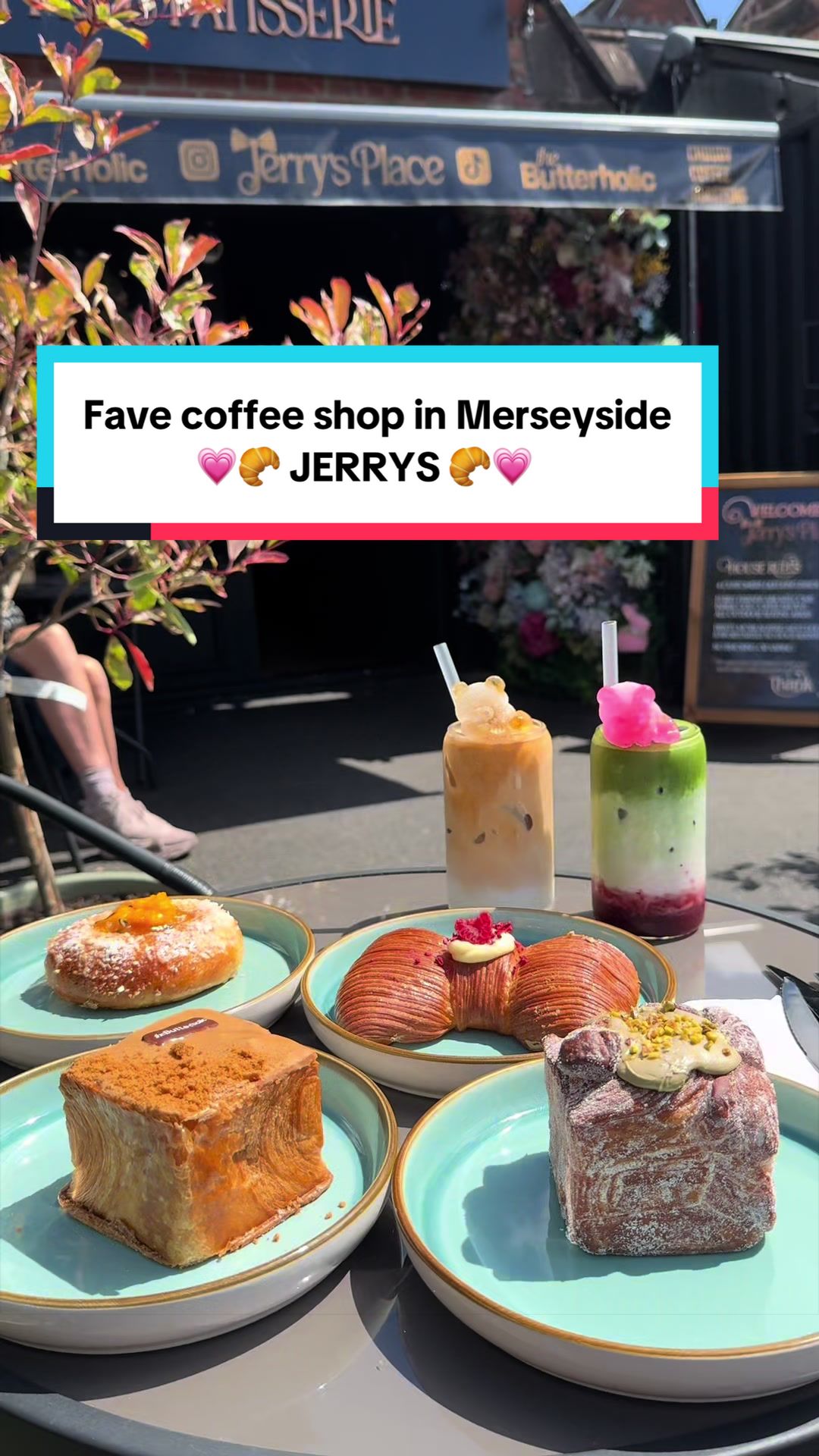
The beautiful presentation and Instagram-worthy details (those bear ice cubes, colorful layered drinks, perfectly plated pastries) paired with genuine local love created shareable content. People saved it because it's both aspirational and actionable—a real spot they can actually visit.
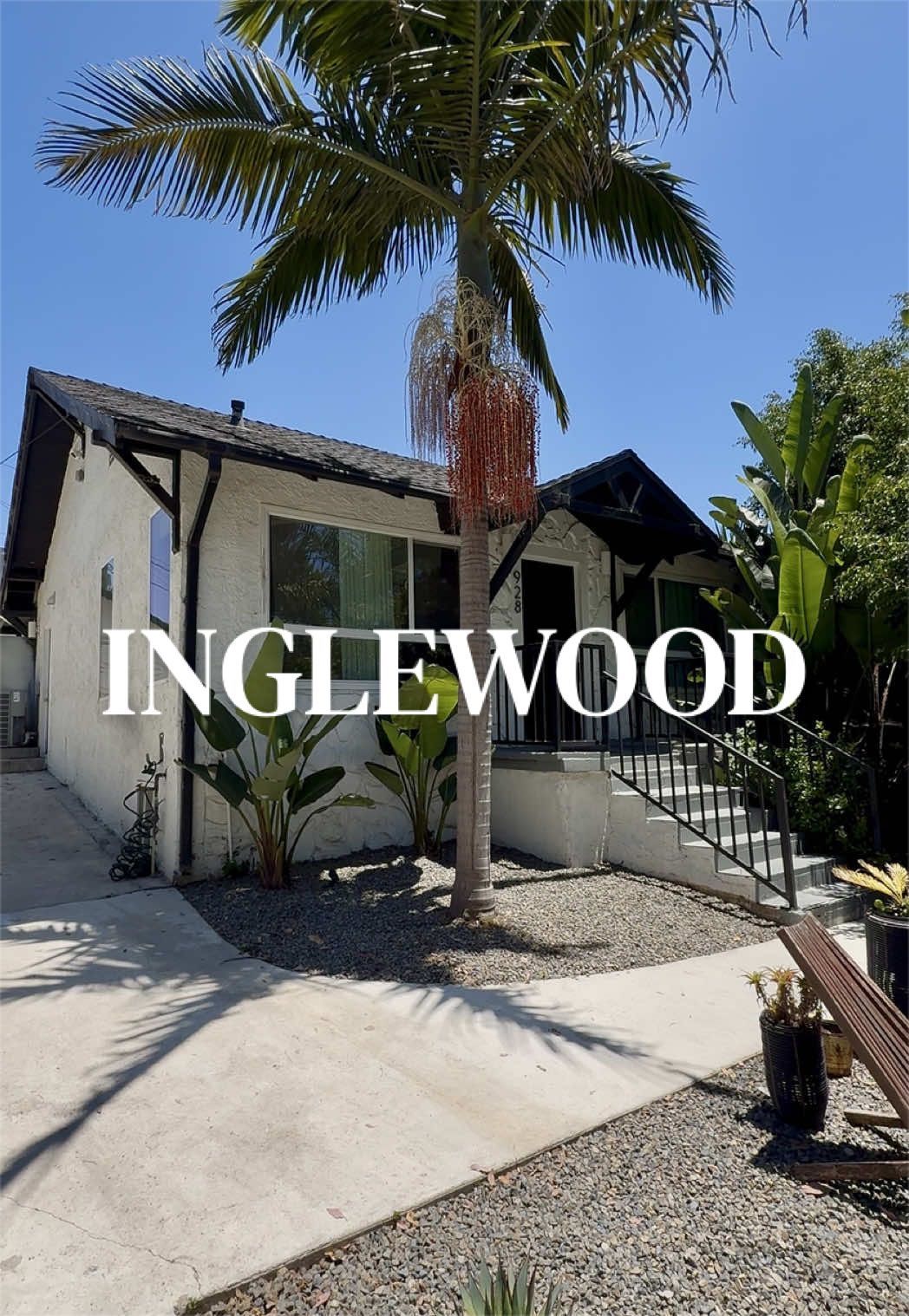
Clean, aspirational real estate showcases people's hunger to see transformation and thoughtful design. The architectural bones and designer touches make this feel achievable yet elevated, sparking both serious buyer interest and general admiration for good bones done right.
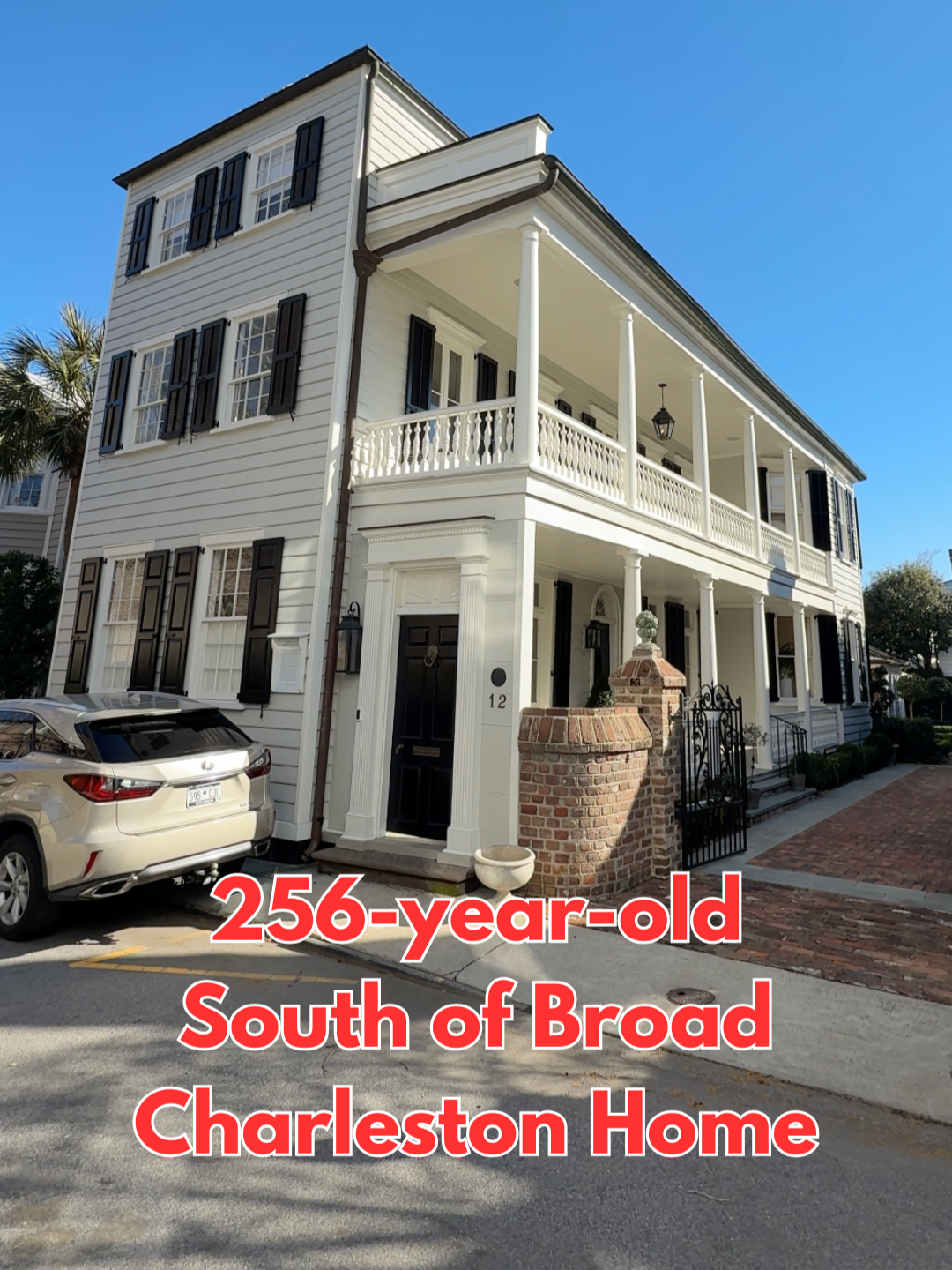
Historic property with a weird origin story (it started with a fruit?) hooks curiosity immediately. People save this because it's useful real estate content wrapped in a "wait, what?" moment that makes them want to learn more about the house and the city.
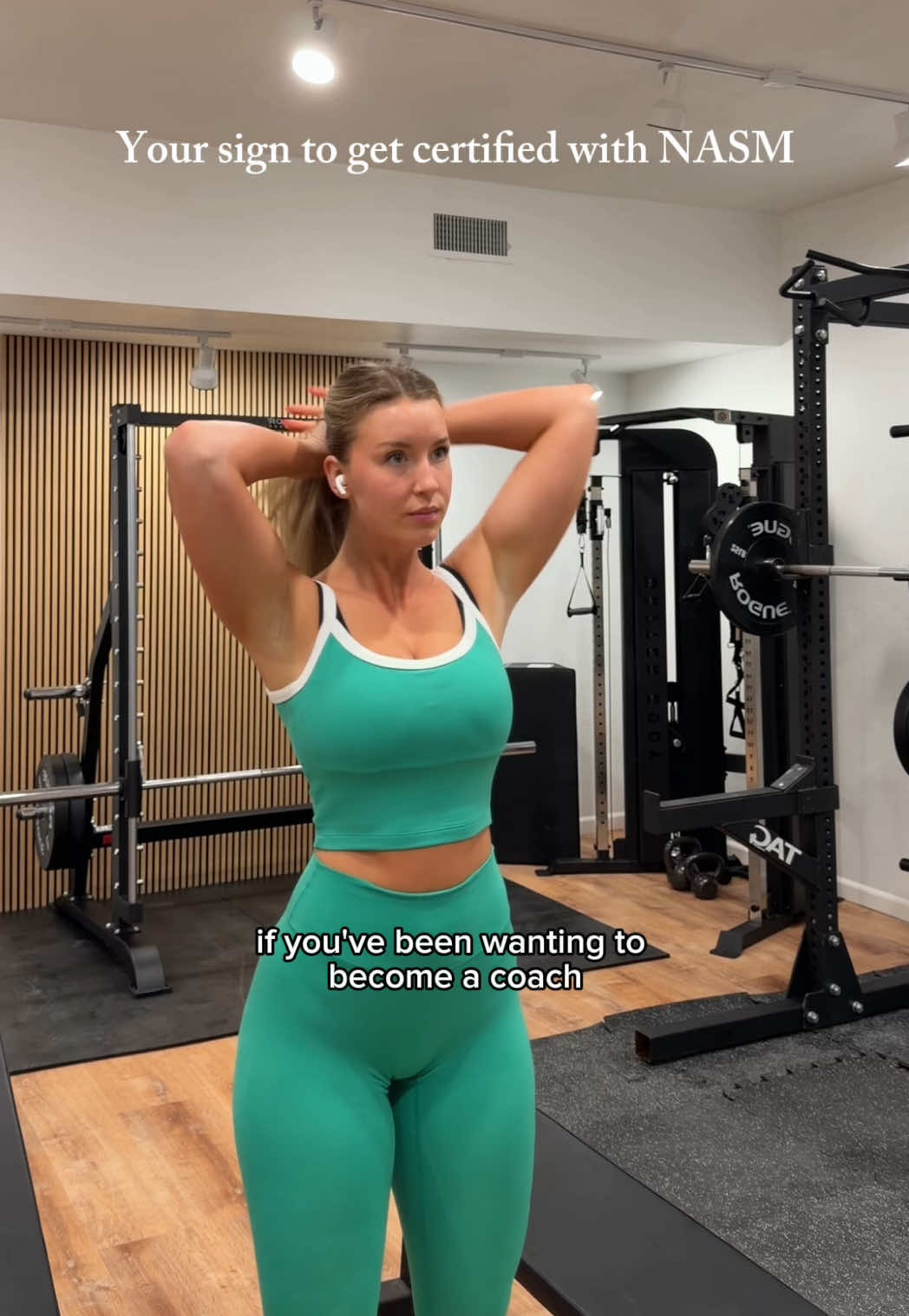
The post taps into a specific aspirational moment—someone already deep in fitness now wants credibility and legitimacy through certification. The visual confidence combined with "if you've been wanting to become a coach" speaks directly to people at that inflection point where their passion could become a profession.
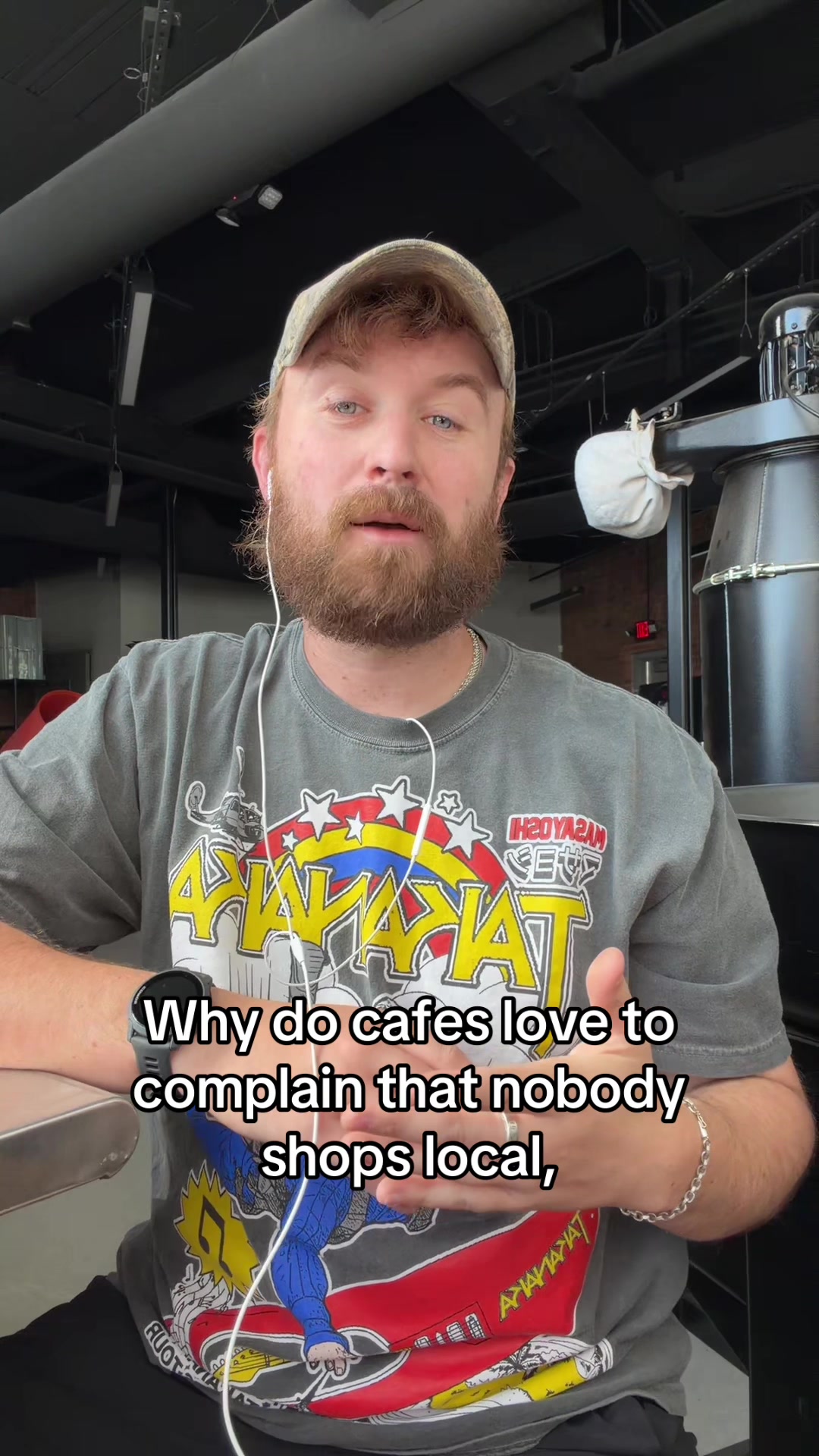
This hits a nerve because cafe owners voice a real frustration—they're doing everything "right" but customers won't show up. The contradiction between complaining about lack of local support and not actually supporting locals feels uncomfortably relatable, making people want to weigh in on who's actually at fault.
People selling homes are frustrated, stressed, and looking for validation that the process is absurd. By channeling that shared pain with a candid reaction, this post became a gathering place for sellers to commiserate and vent about their own open house nightmares.
The series framing gives people permission to follow a journey rather than absorb standalone advice. The aesthetic setting and curated lifestyle visuals make personal branding feel aspirational but achievable, not preachy. High saves suggest people want to return to this as reference material.
Young woman building a business in Cameroon tapped into diaspora pride and local entrepreneurship aspirations. The authenticity of showing real work in a beautiful space made people celebrate representation and ambition from their own communities.

The post taps into a real anxiety in tech right now: the gap between AI adoption and actual competence. By asking a provocative question instead of stating a position, it invites people to defend their own workflows and assumptions, which feels personal enough to comment on.
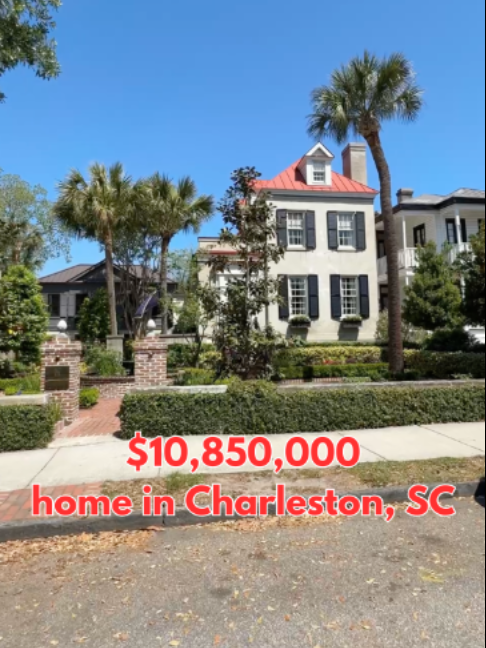
The price point paired with historical significance creates aspirational curiosity. People can't afford it, but the combination of luxury real estate and local Charleston heritage gives them permission to engage without guilt—they're learning about the property's story, not just drooling over wealth.
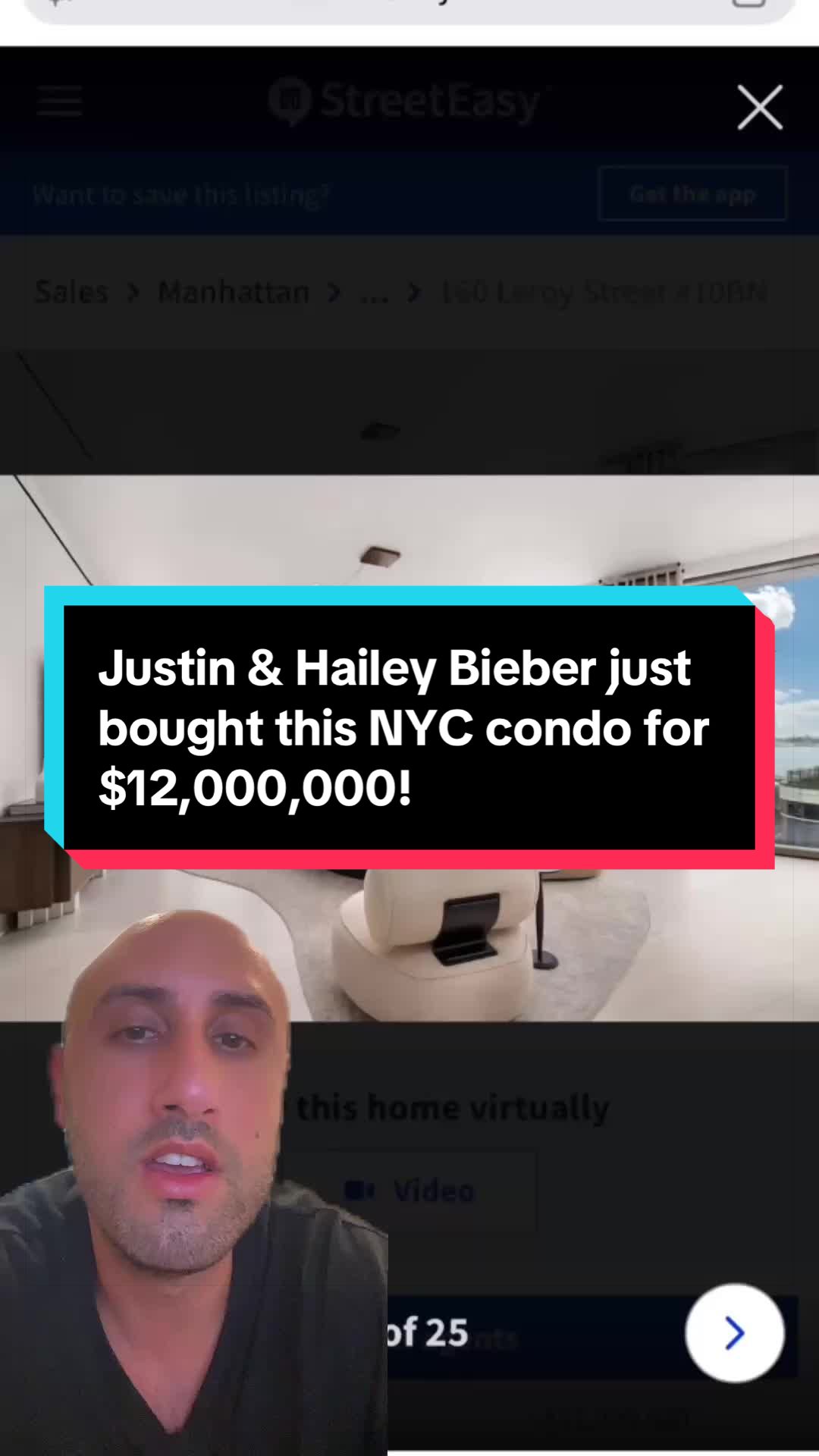
Celebrity real estate flexes tap into aspiration and debate. A $12M purchase invites people to react, judge value, and relate through envy or skepticism, which drives saves and discussion without needing viral shock.
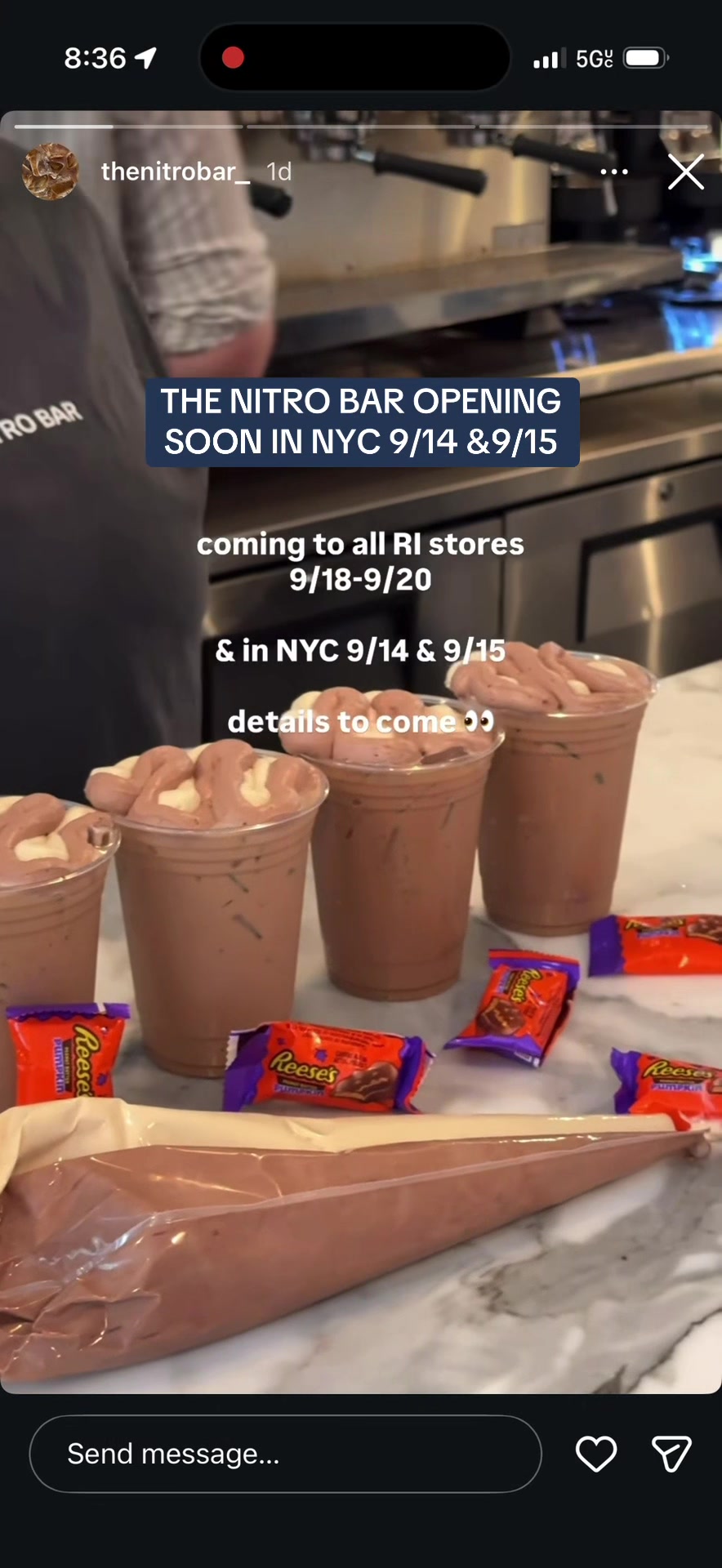
This post taps into launch anticipation by showing the actual product in a behind-the-scenes moment. The specificity of dates and locations creates urgency, while the chocolate drink visuals make people want to experience it firsthand. It's a hype-building moment that feels exclusive because viewers get early access to the announcement.
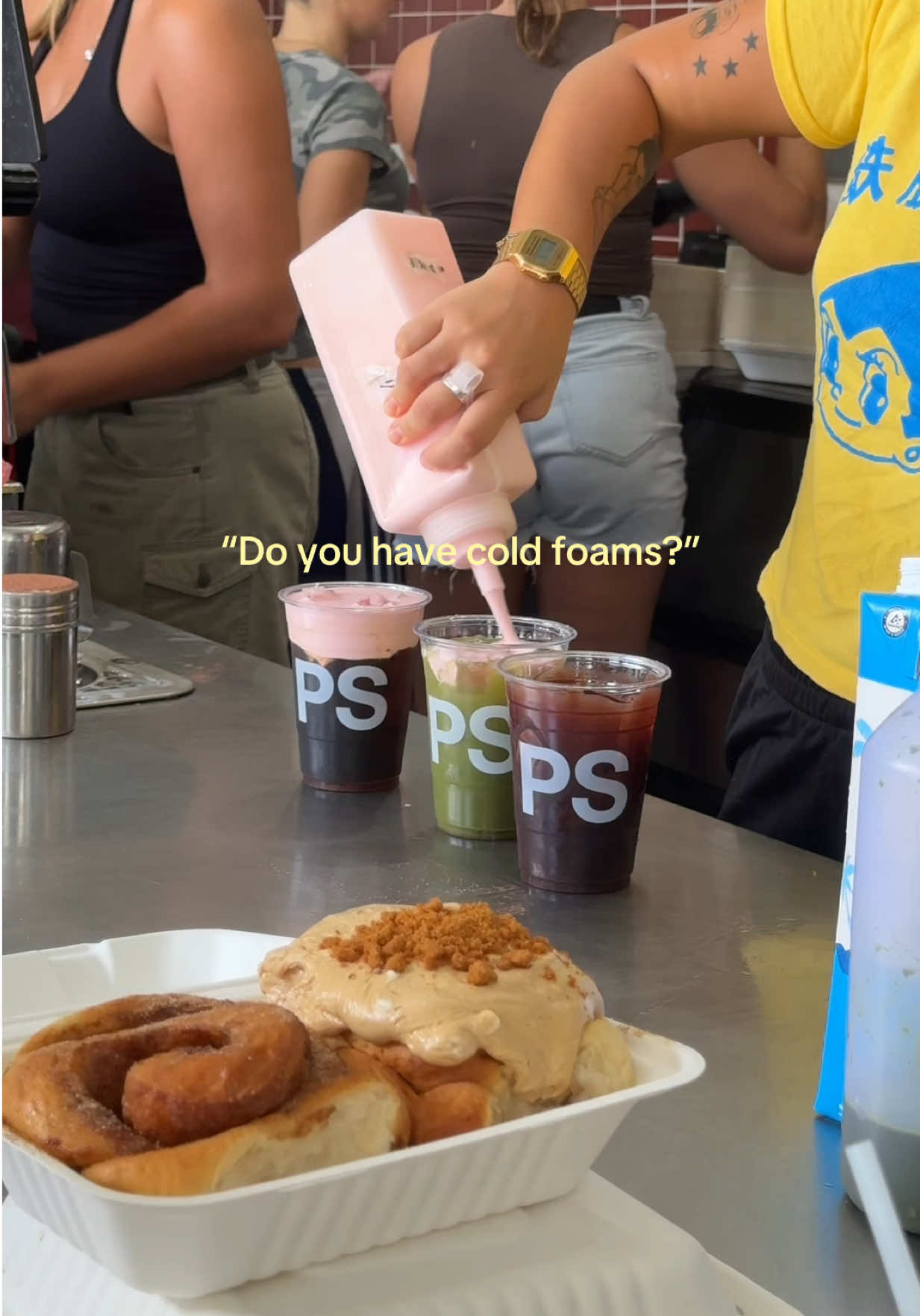
The cold foam trend taps into both indulgence and discovery. People are fascinated by cafe innovations that blur the line between drink and dessert, especially when presented as an accessible luxury moment worth sharing with others.
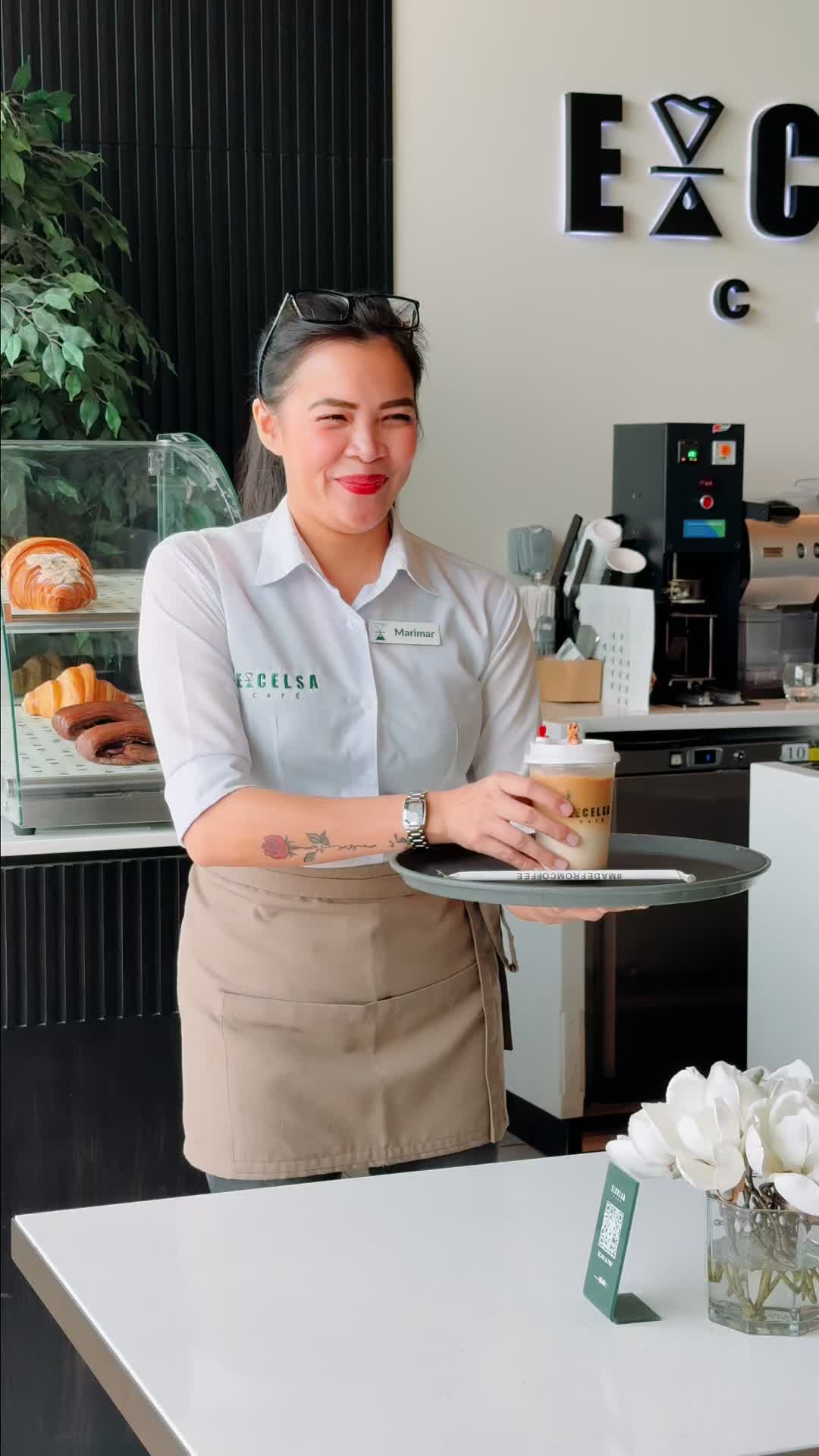
The humor lands because it captures a universally relatable service mishap—confident execution meeting complete failure—wrapped in the specificity of a real café moment. The genuine smile and slight embarrassment read as authentic rather than performed, making it feel like you're in on the joke.
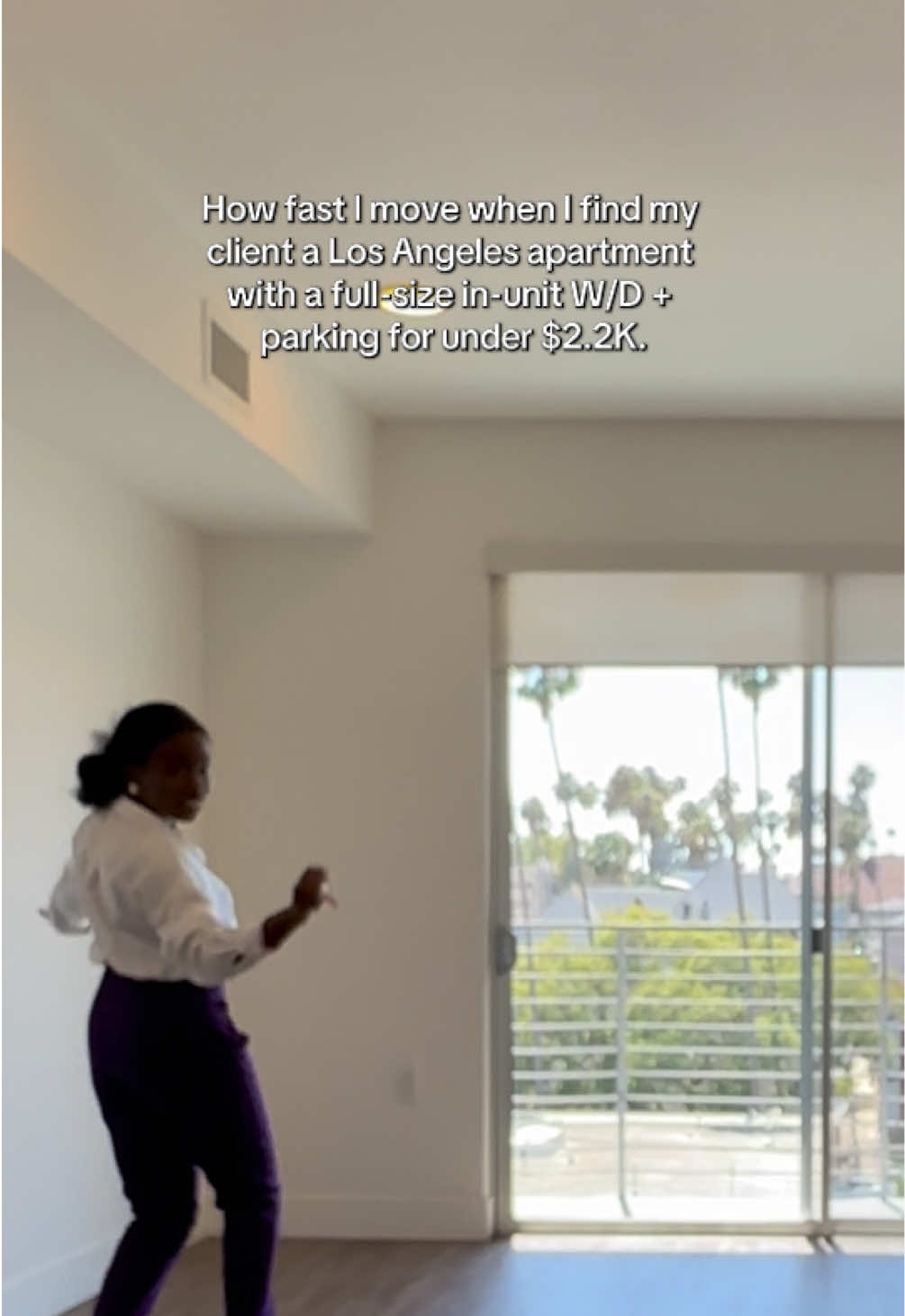
People are hungry for LA housing wins that feel impossible. A realtor finding a genuinely rare deal (full washer/dryer and parking under $2.2K) creates that perfect mix of aspiration and believability—it's not fake hype, it's proof the market has hidden gems.
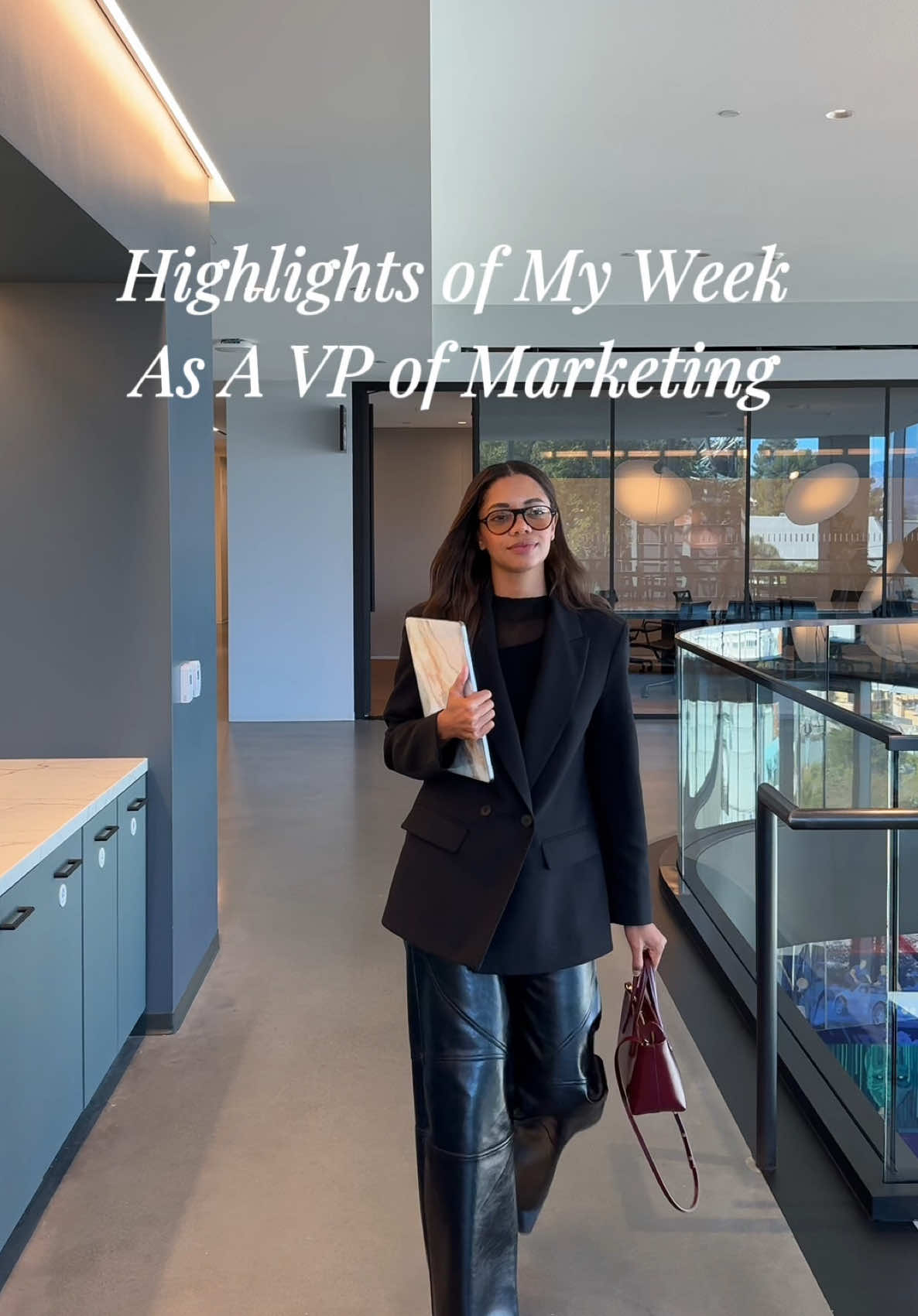
People want to peek into high-level corporate worlds they don't have access to, especially when the person is relatable and well-put-together. The aspirational setting paired with genuine confidence makes viewers feel like they're getting real intel, not a polished performance.
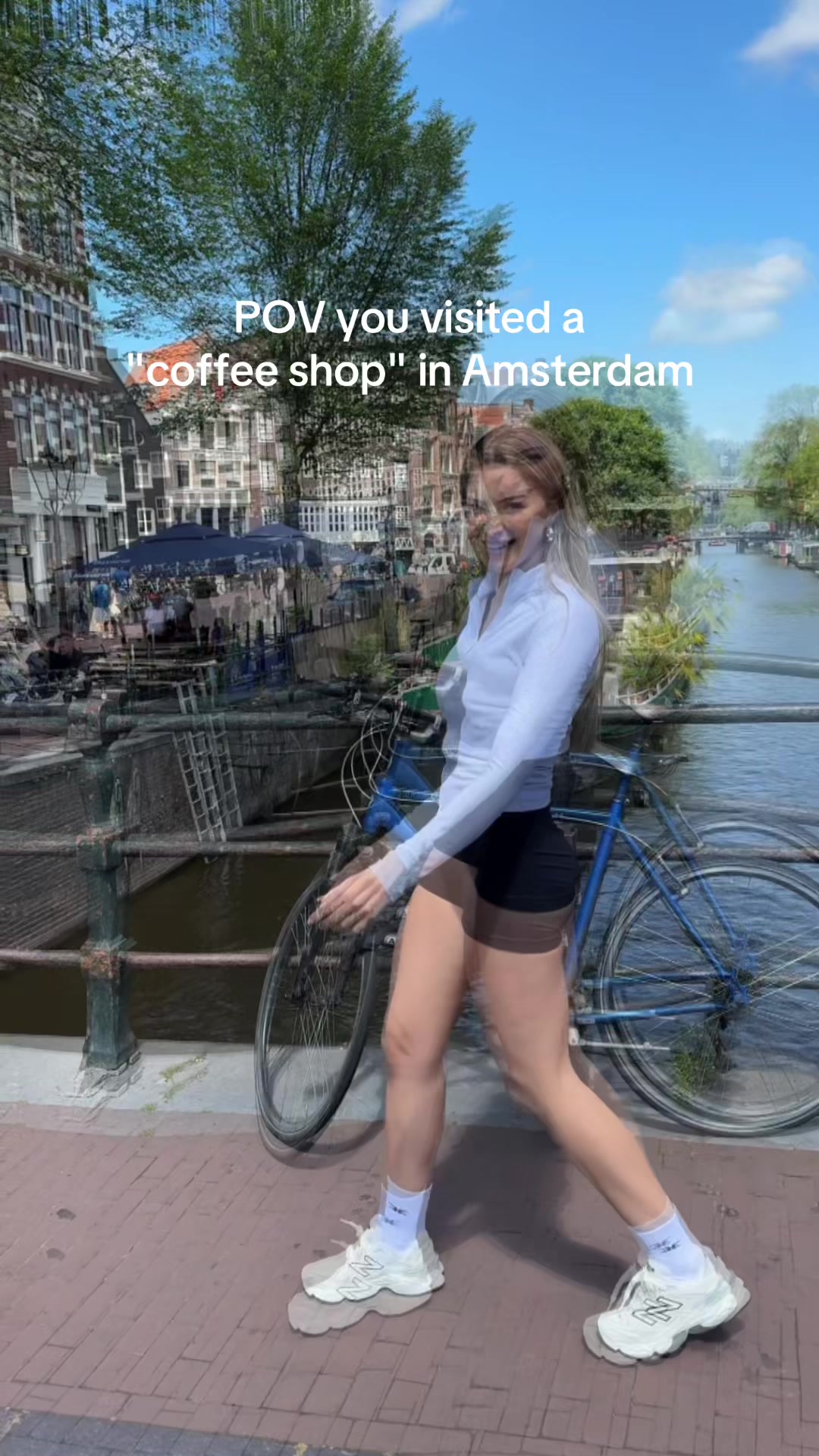
The joke lands because it plays on a cultural misunderstanding that travels. Amsterdam's "coffee shops" are famous for something other than caffeine, so showing up in athletic wear looking confused creates instant comedic friction. The POV format puts you in the experience without needing explanation.

The post nails tech industry skepticism by calling out the gap between hype and reality. People in the space recognize the emperor's-new-clothes moment, which drives saves and discussion—they're validating what they already suspect about AI-generated code quality.
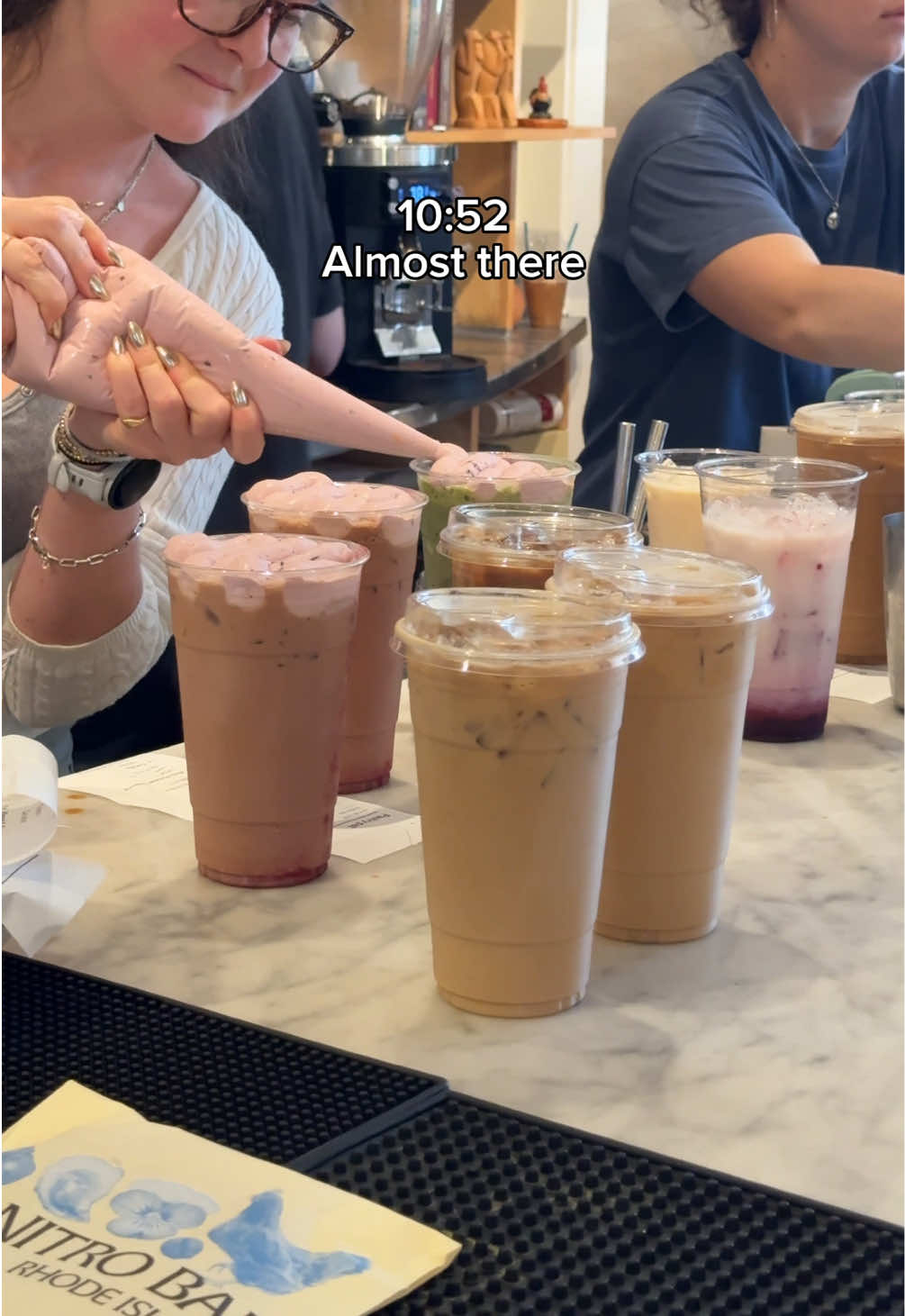
The countdown timer creates genuine anticipation that mirrors the real experience of waiting for a perfectly made drink, making viewers feel the payoff when the final product is revealed. It's a simple mechanic that transforms a still moment into narrative tension, which people crave in short-form content.
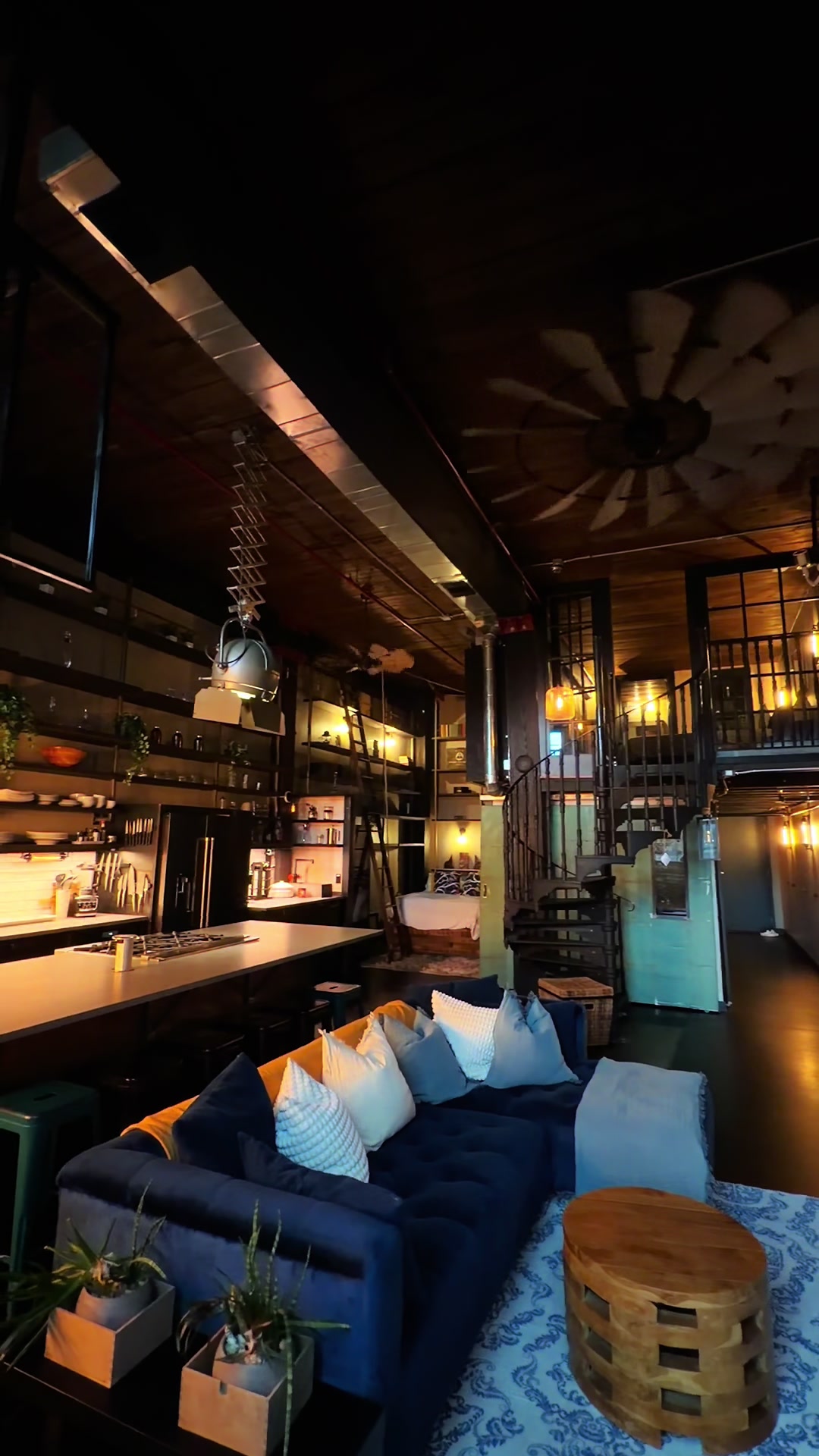
The moody, industrial nighttime photography taps into real estate's aspirational side while the raw, slightly unsettling aesthetic sparks curiosity and conversation. People can't help but react to something that feels edgy rather than polished—it breaks the generic listing mold.
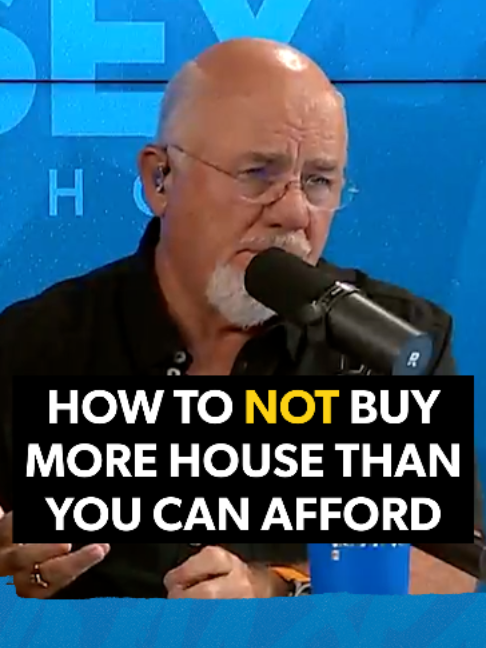
Direct, unglamorous advice cuts through the noise. People are exhausted by real estate fantasies and hungry for someone to say "buy what you can afford, not what looks good." The straightforward wisdom feels rare enough to stop scrolling.

People save aspirational content that shows real wealth-building through entrepreneurship, especially when it's presented as an accessible lifestyle rather than untouchable luxury. The "day in the life" format paired with property investment makes the path feel tangible and motivational.
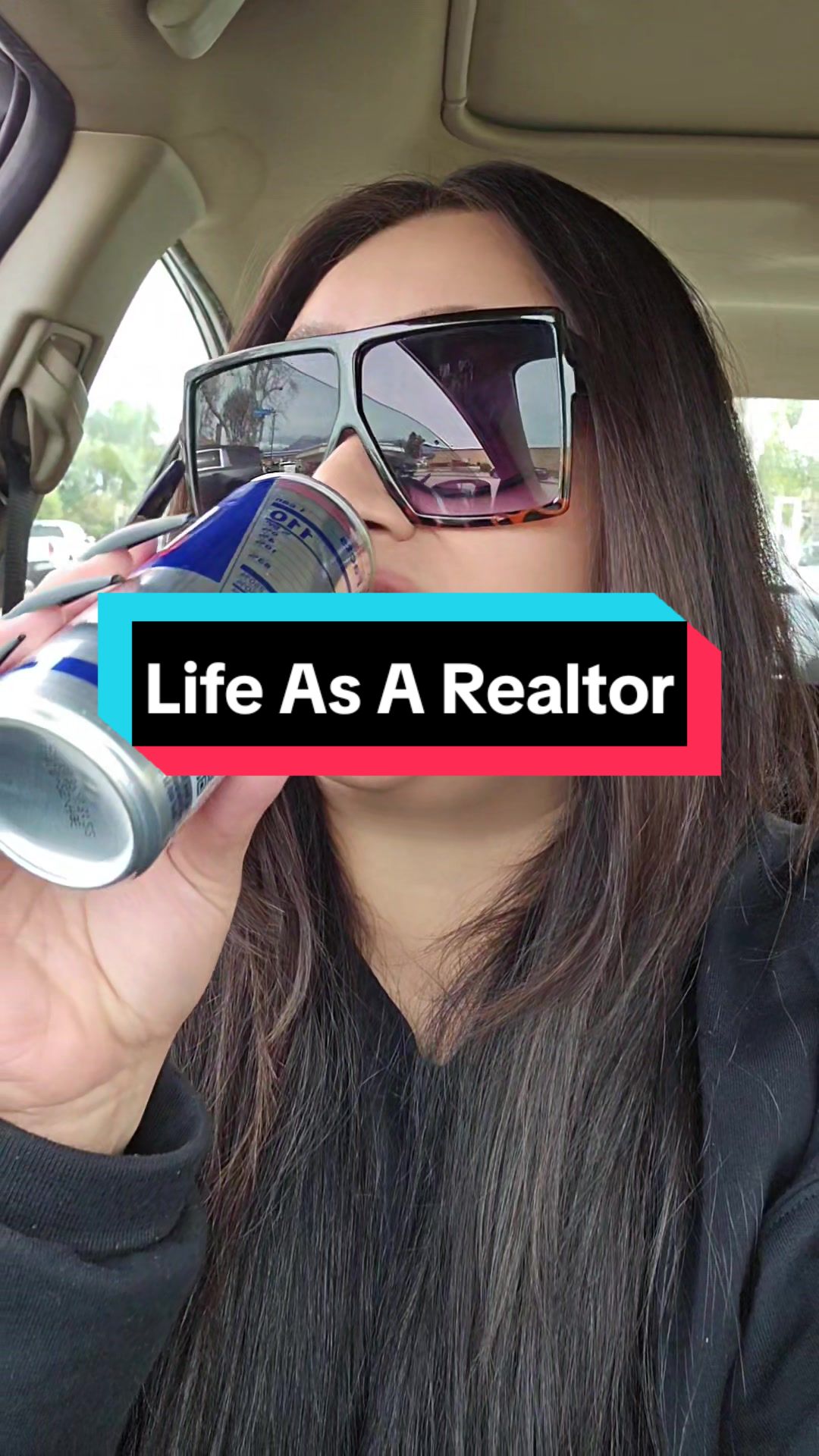
The double sunglasses create an instant visual joke that feels authentically candid, while the "life as a realtor" framing taps into people's appetite for unsexy career reality. The Pomona reference adds specific, relatable texture that makes this feel like an actual realtor venting, not a polished skit.
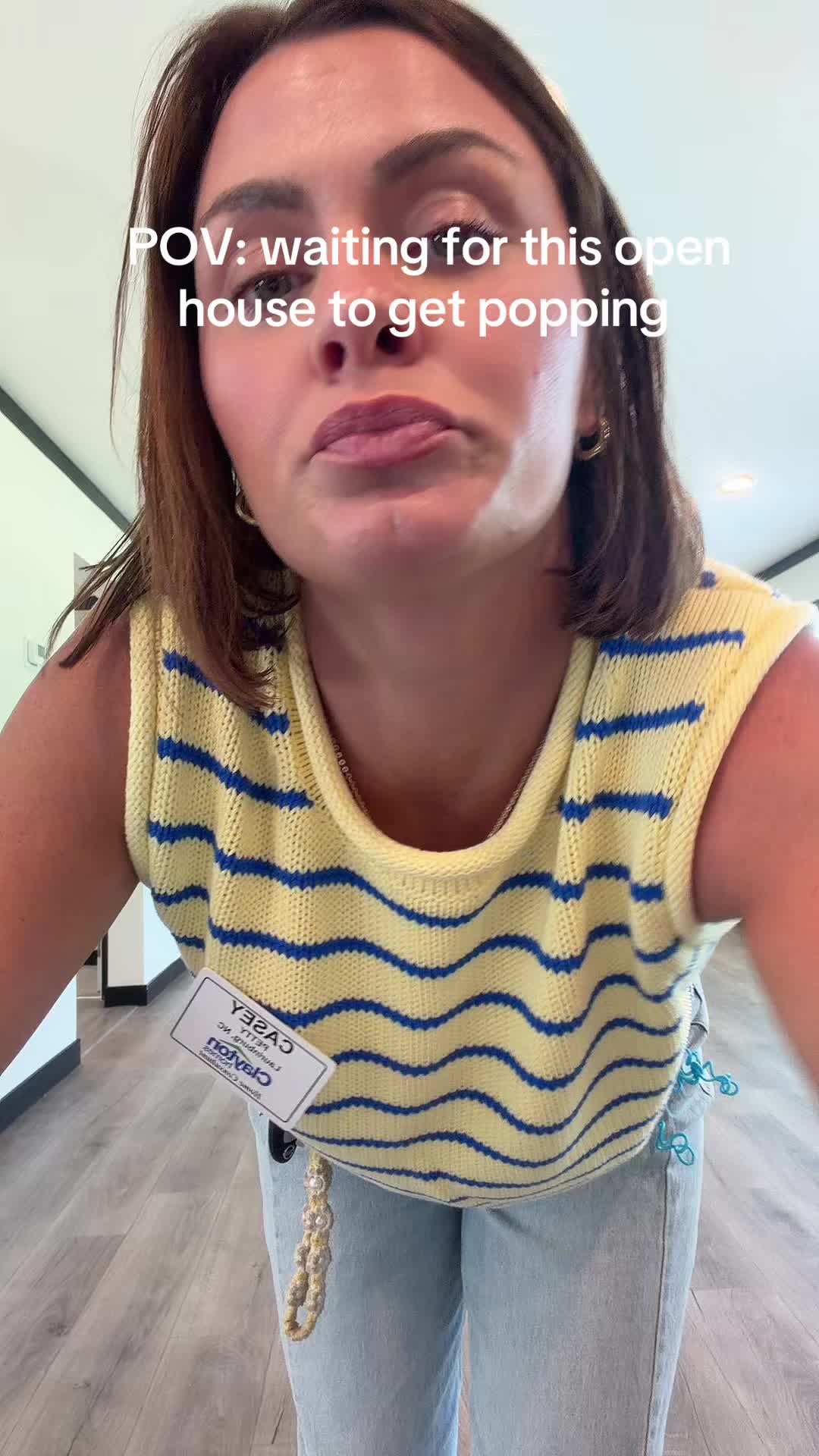
The relatable frustration of waiting for market movement hits hard. Real estate professionals recognize the anxious energy of an open house that hasn't generated buzz yet, and the exaggerated facial expression perfectly captures that internal impatience everyone in the industry knows too well.
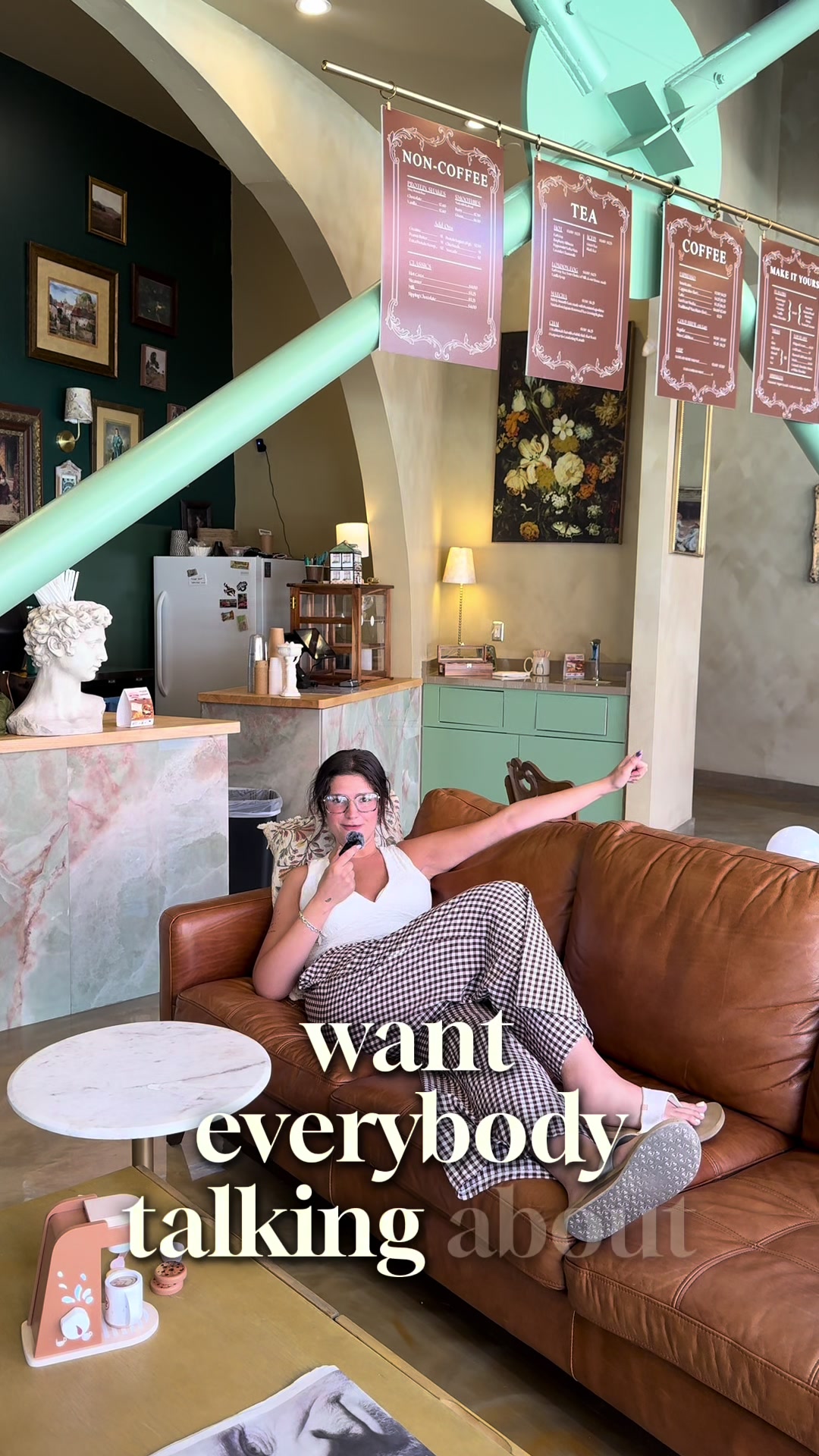
The casual confidence of someone hyping their own cafe creates infectious energy. Announcing a grand opening while lounging on the couch like it's no big deal strips away corporate polish and makes the business feel approachable, owned by a real person, not a faceless brand.
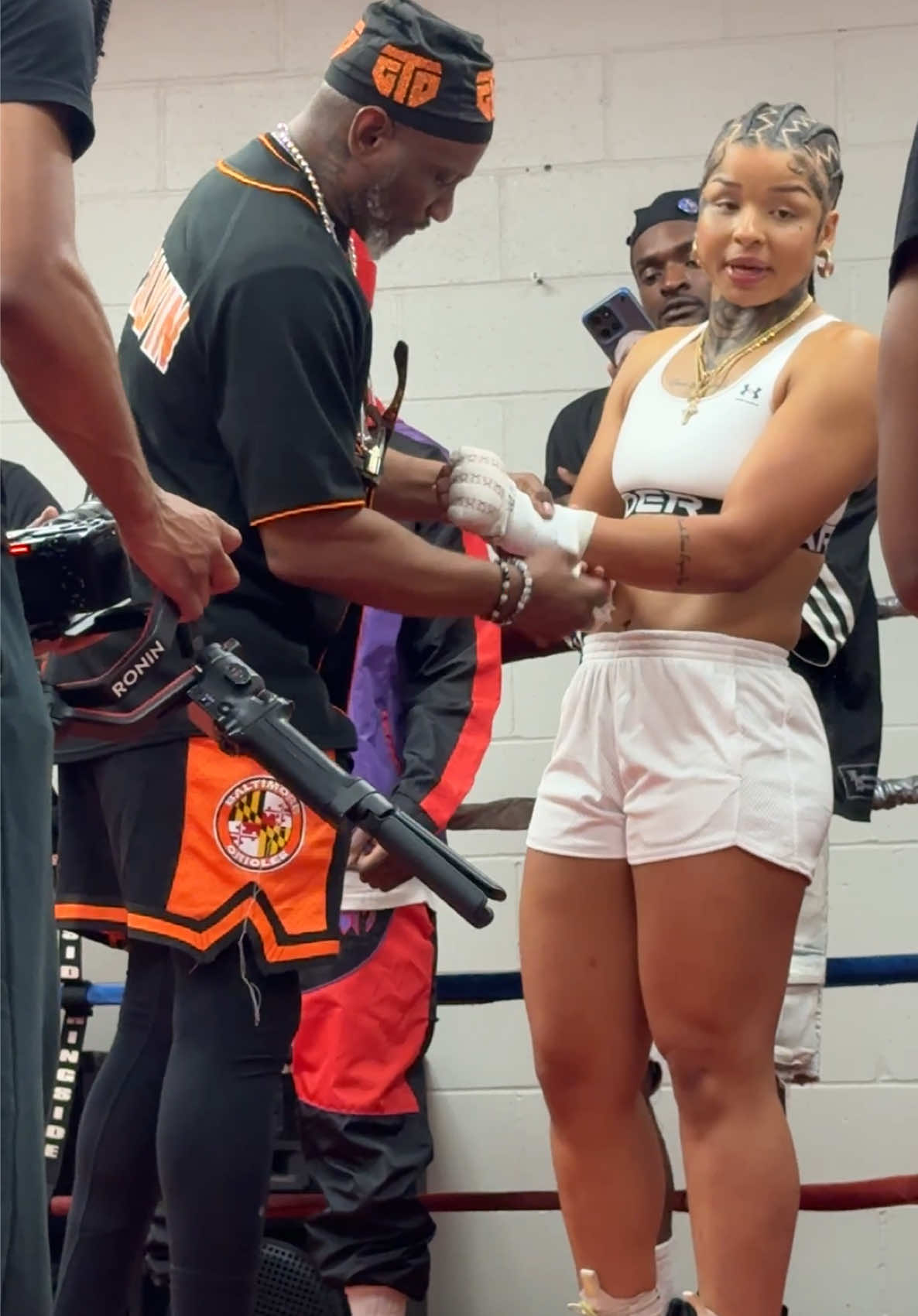
The transformation in just 8 days taps into the primal satisfaction of visible progress. People love watching someone lock in and deliver tangible results, especially when there's a mentor figure pushing them toward it. The specificity (8 days, before/after implied) makes it feel real, not hype.
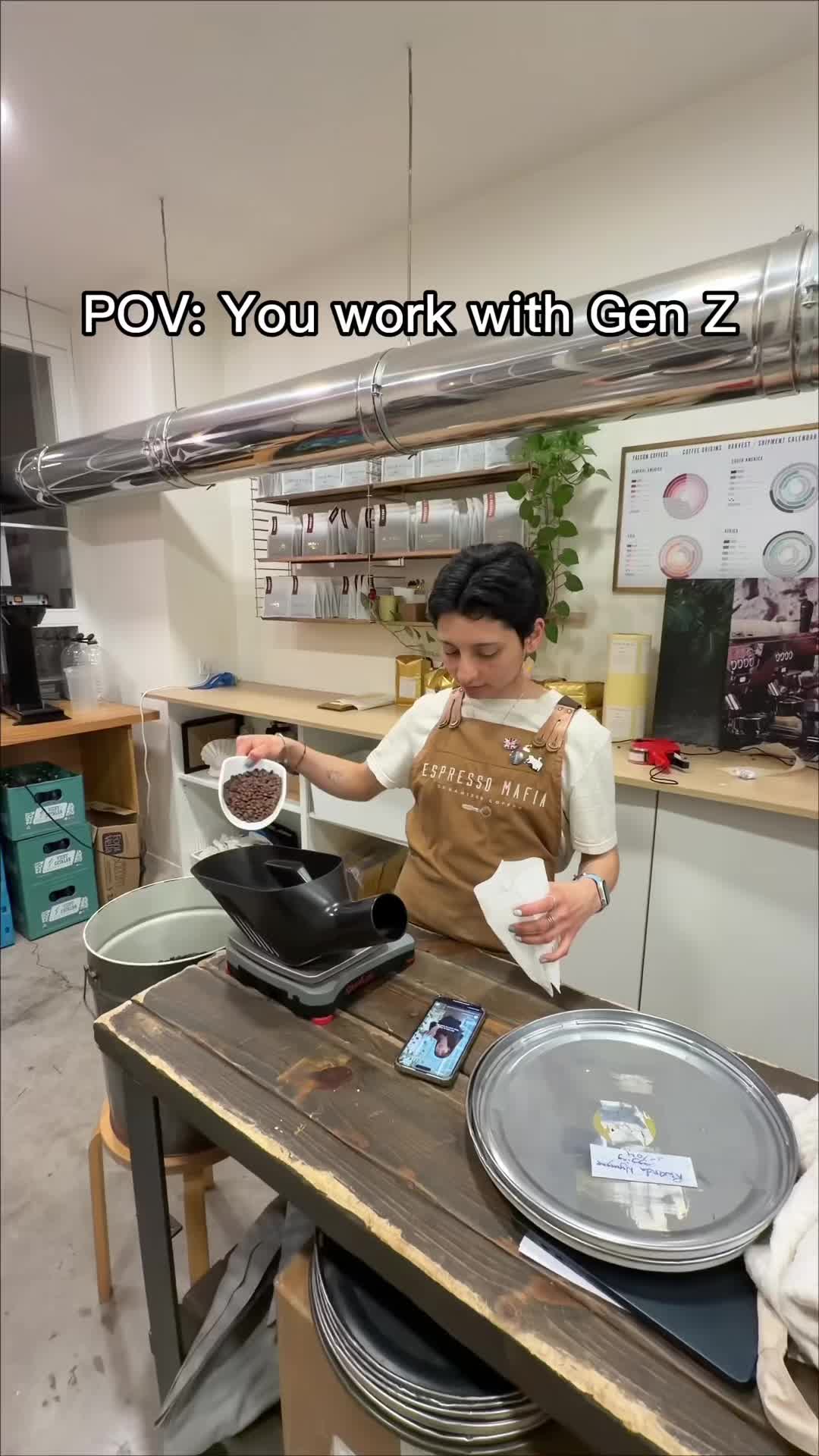
This nails the Gen Z workplace attitude that's become culturally dominant. The humor works because it's honest about a real dynamic: young workers openly reject hustle culture when compensation doesn't match effort. The relatability is razor sharp.
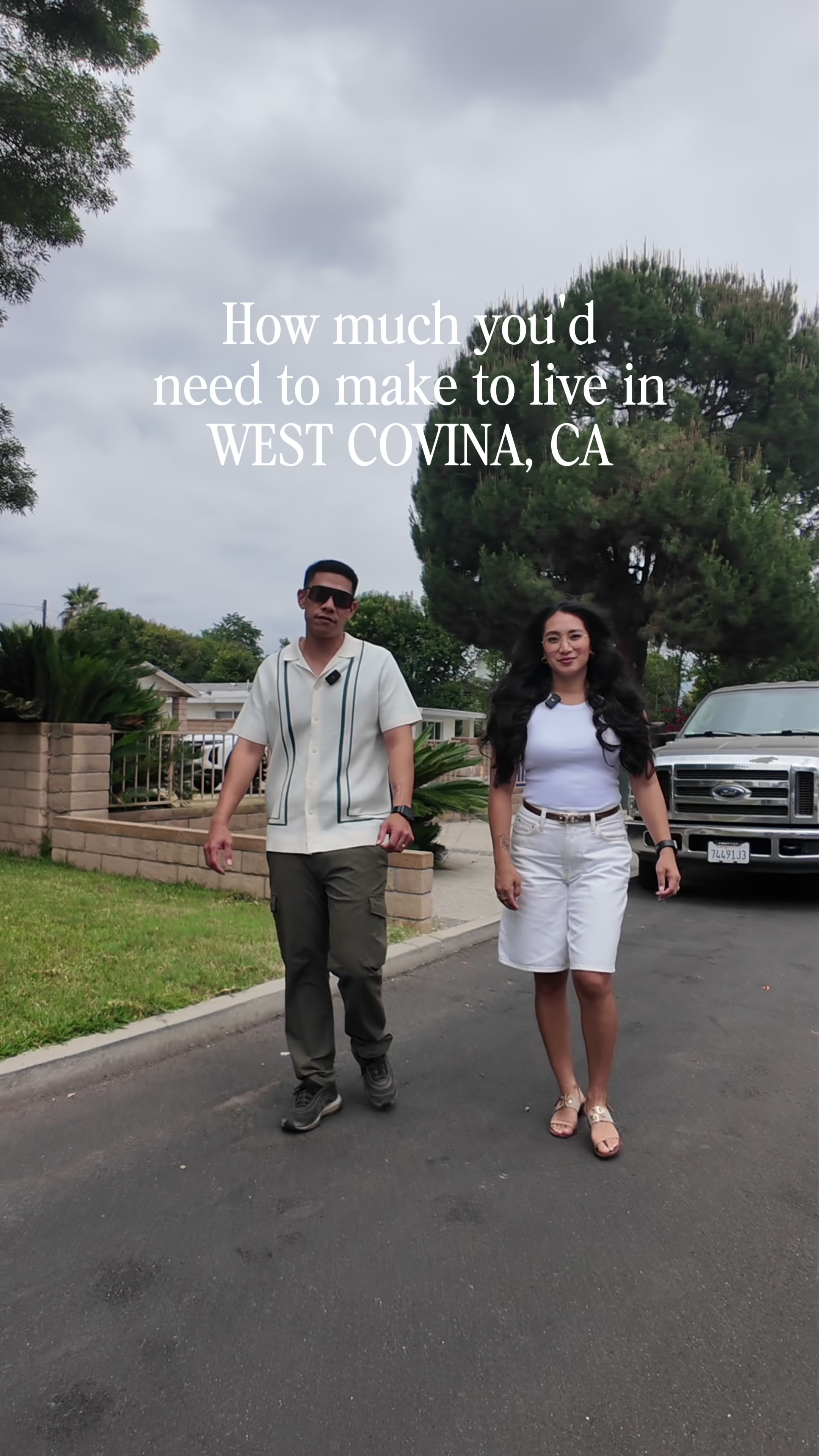
The specificity of a real number—$6,404/month—paired with the aspirational West Covina lifestyle creates cognitive dissonance that hits hard. People aren't just learning; they're confronting the gap between what they earn and what's actually required, which sparks immediate, honest reactions.
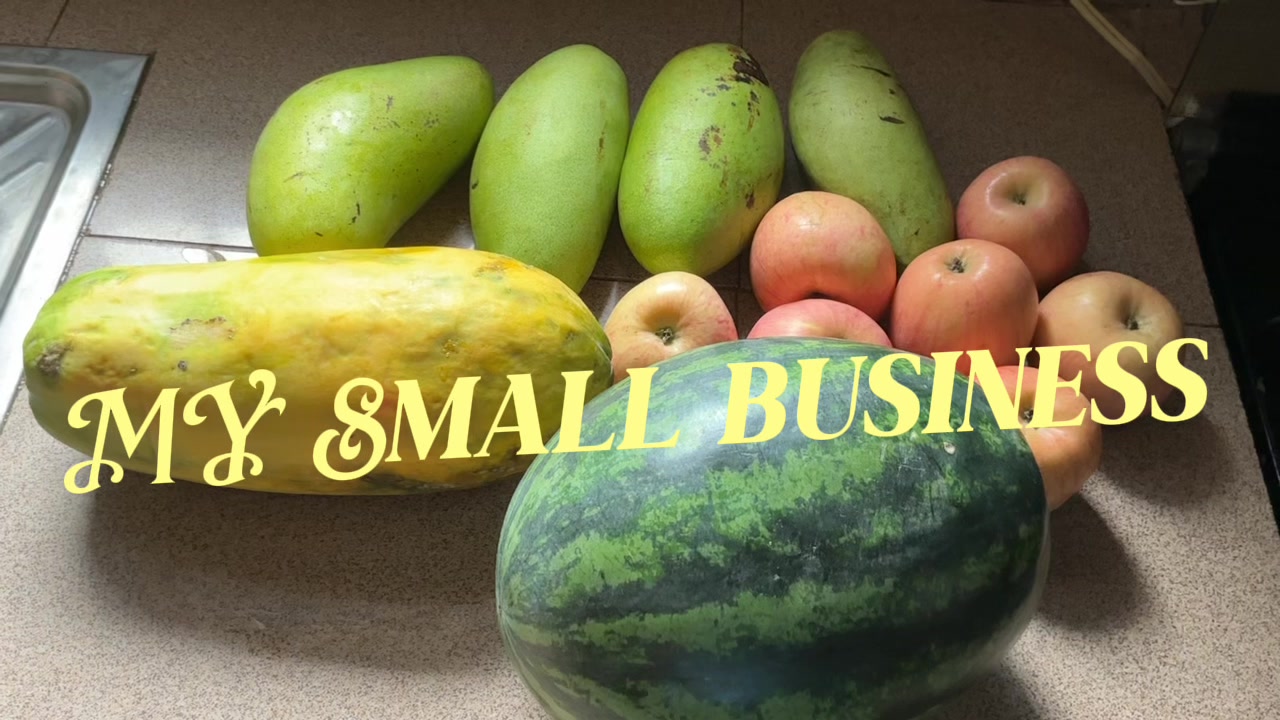
People are drawn to the unglamorous reality of small business ownership. The raw footage of someone actually doing the work, imperfections and all, feels honest in a way polished content doesn't. Viewers root for this.
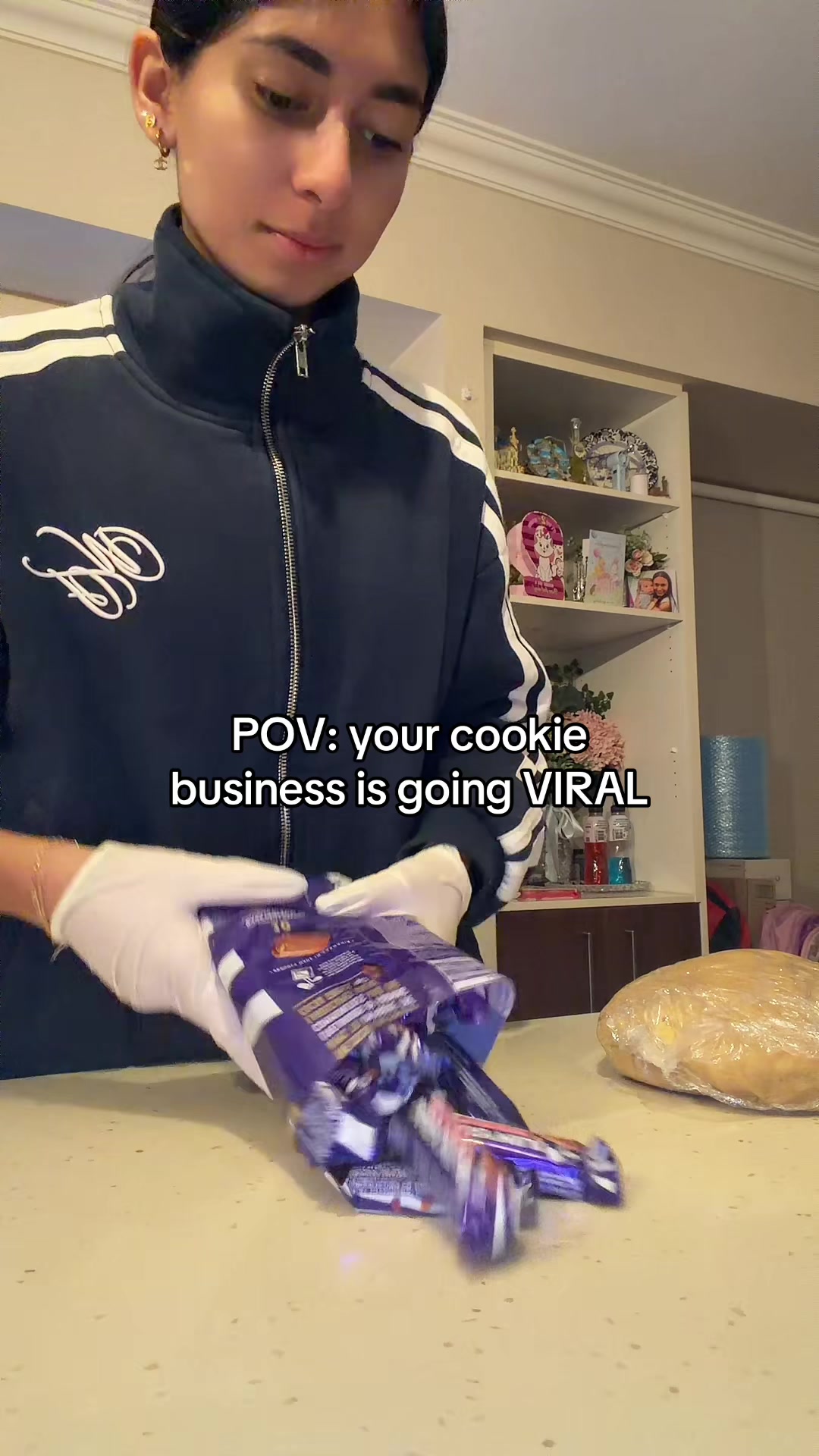
The appeal isn't the cookies—it's watching someone live out an aspirational but achievable dream. Showing the real hustle of a bootstrapped business (bulk orders, gloved hands, organized chaos) makes it feel genuine and within reach, not glamorous or unattainable.
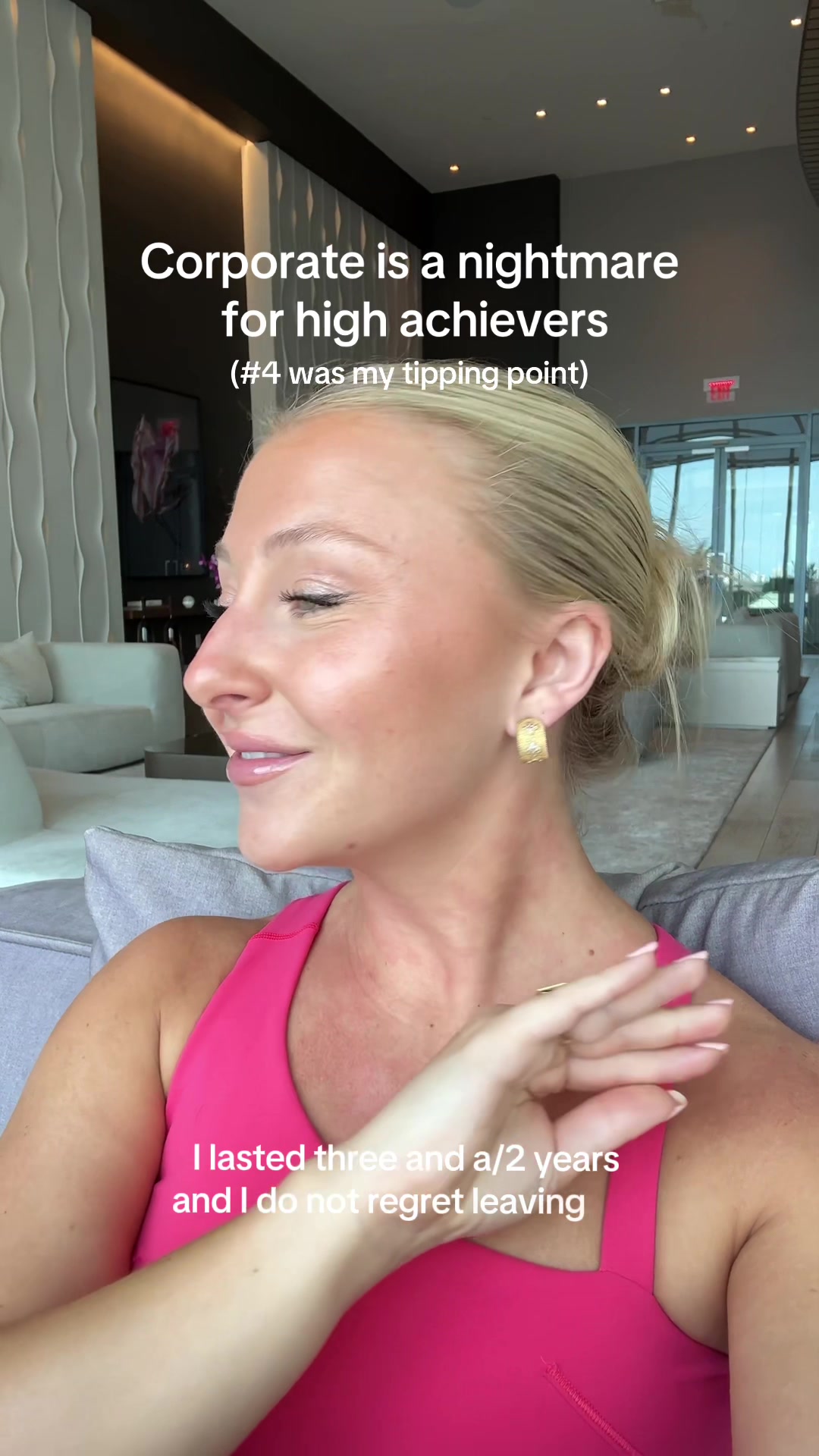
High achievers recognizing themselves in a critique of corporate culture creates validation and community. The speaker's personal pivot (leaving after 3.5 years) proves the point isn't theoretical—it's lived experience that justifies the frustration people feel but haven't articulated.
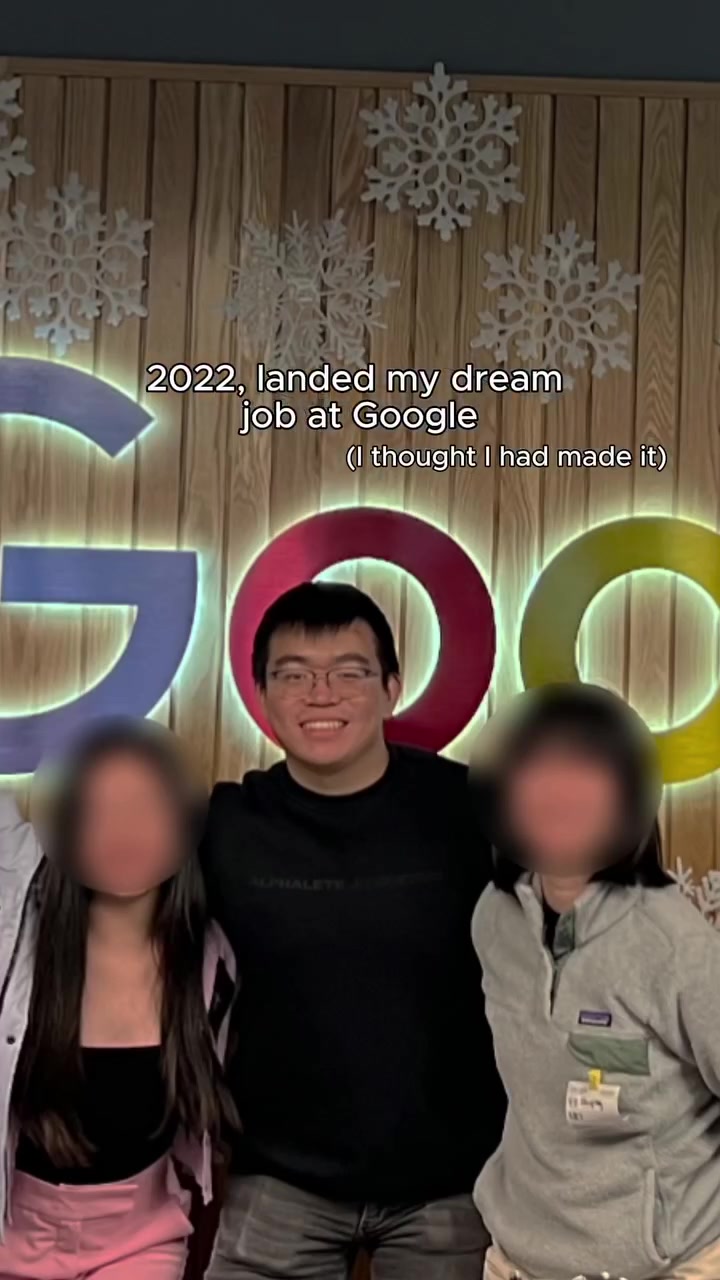
Landing your dream job doesn't feel like winning when anxiety overshadows it. This hits because it's about the gap between achievement and security, between what looks like success and what actually feels like it. The immigrant parents context adds weight, making it universal across different backgrounds.
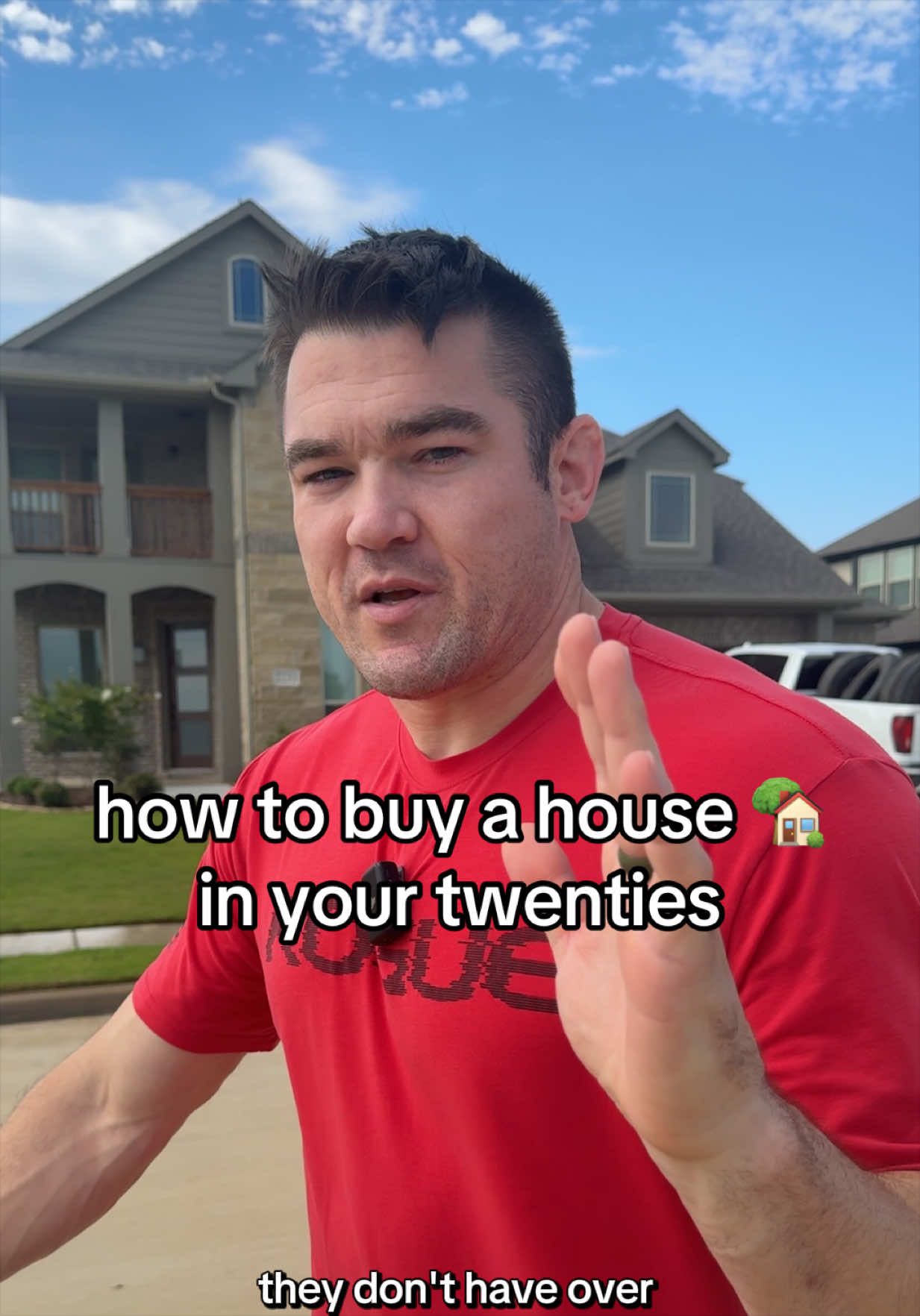
People are hungry for permission to start homeownership before they feel "ready." This post strips away the intimidation by naming three concrete factors instead of painting an impossible fantasy, which speaks directly to the anxiety of young adults convinced they'll never afford a house.

The post taps into continental pride and economic possibility by showing Nigeria controlling the entire coffee supply chain. People connect with the idea of reclaiming resources and building something world-class at home, not just extracting raw materials.

Tackling mortality in a cemetery at peace—not preachy—makes people stop scrolling. The rawness of the setting combined with genuine reflection on living well hits differently than abstract life advice. Viewers sensed authenticity and saw themselves reflected.
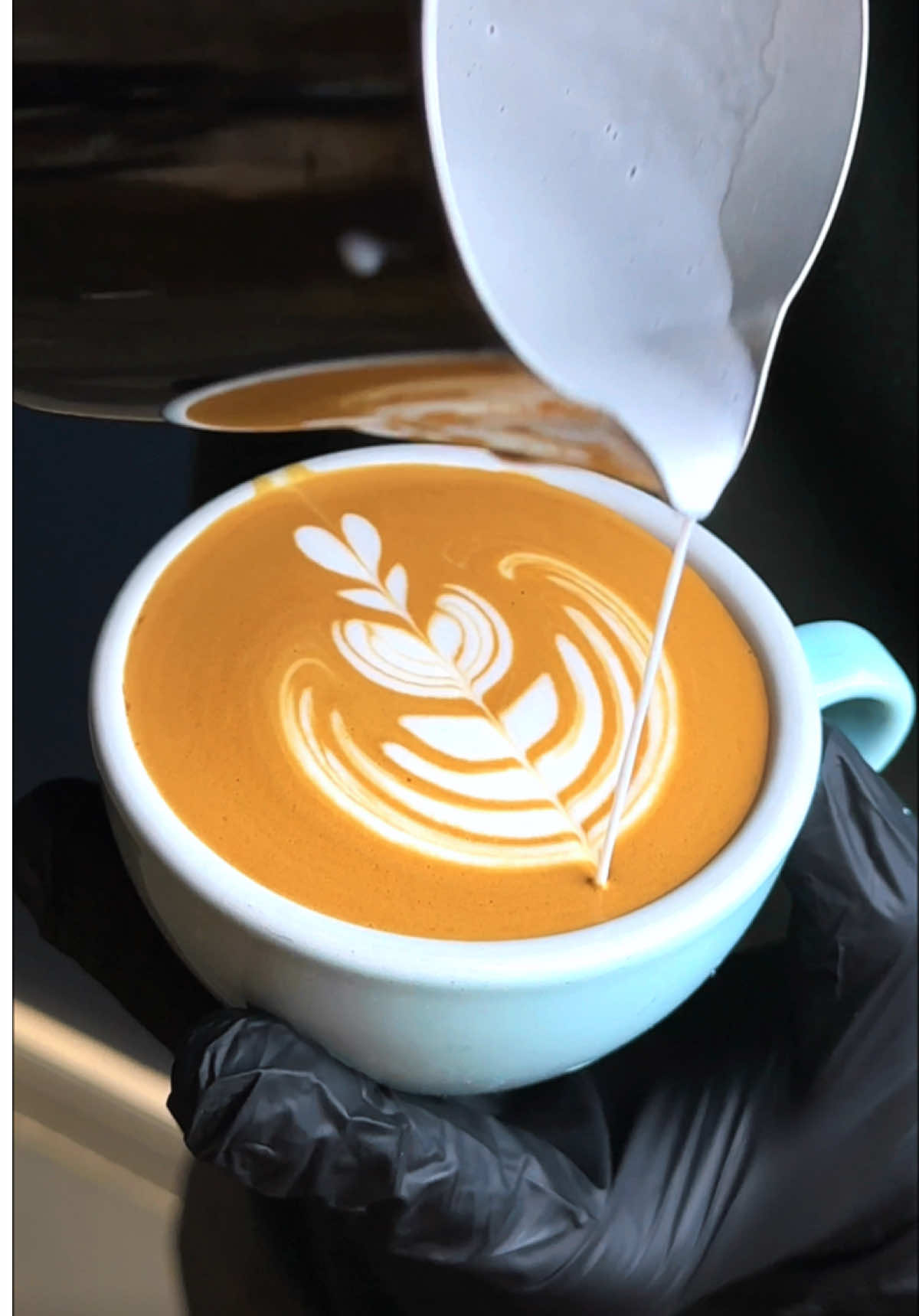
The satisfying precision of latte art in motion taps into ASMR-adjacent appeal—smooth milk pouring, clean lines forming, technical skill on display. People watch for the craftsmanship payoff, not just the coffee. It's meditative and impressive without feeling pretentious.

People are drawn to founder stories that combine personal identity with purpose-driven business. The "ethical cola" angle cuts through the noise because it's not just about success—it's about values creating the success. The combination of humble beginnings (£160 startup), relatable detail (mother of three), and clear mission (humanitarian giving) makes this feel real, not manufactured.

The raw authenticity of showing up in a real workspace with genuine excitement hits differently than polished founder content. People connect with the realness of someone actually building something, not performing success.
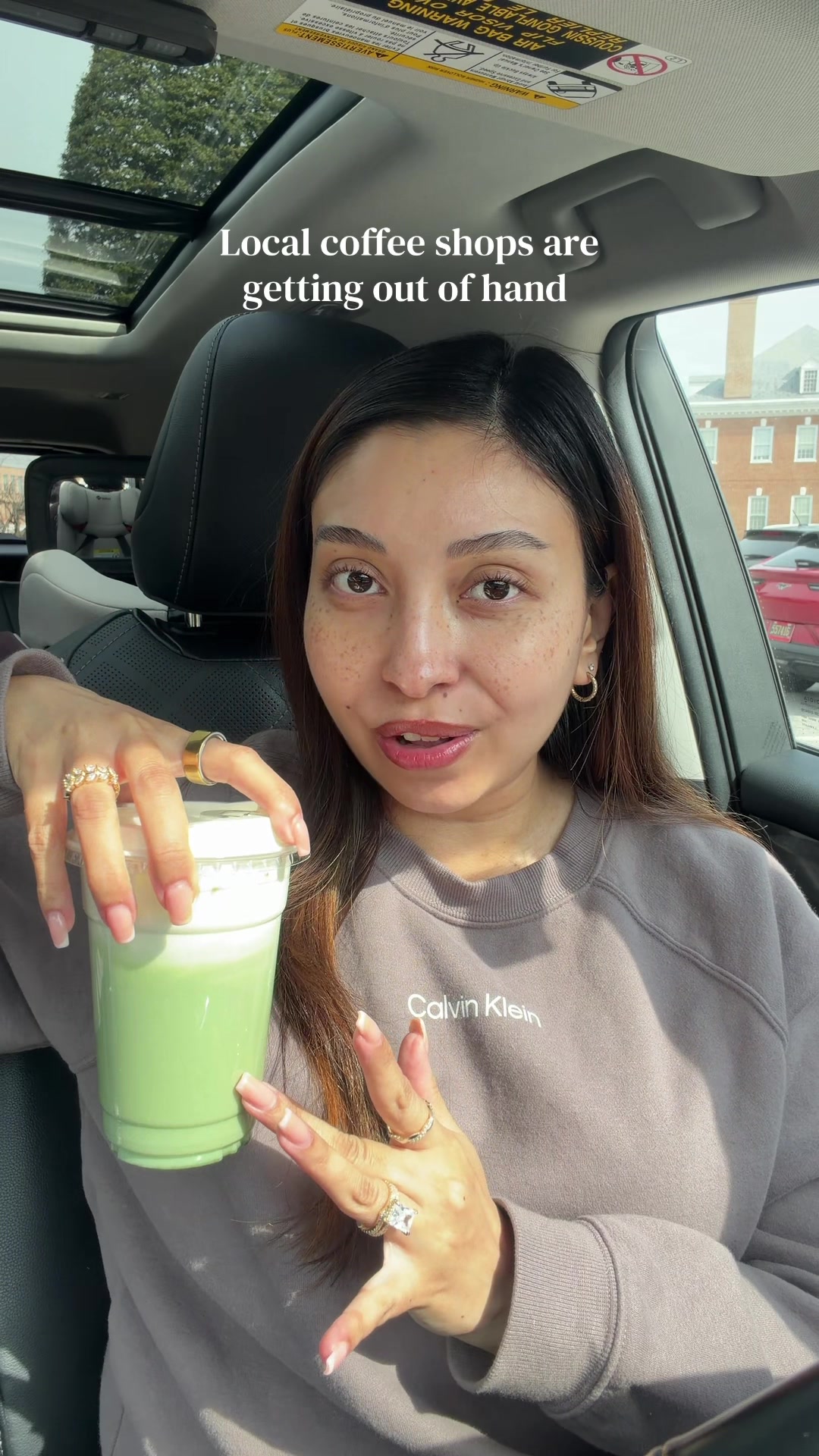
People are hungry for validation about a real frustration—overpriced coffee at indie shops. The raw, conversational tone and a relatable gripe made this feel like venting with a friend rather than preaching, which sparked genuine agreement and debate in the comments.
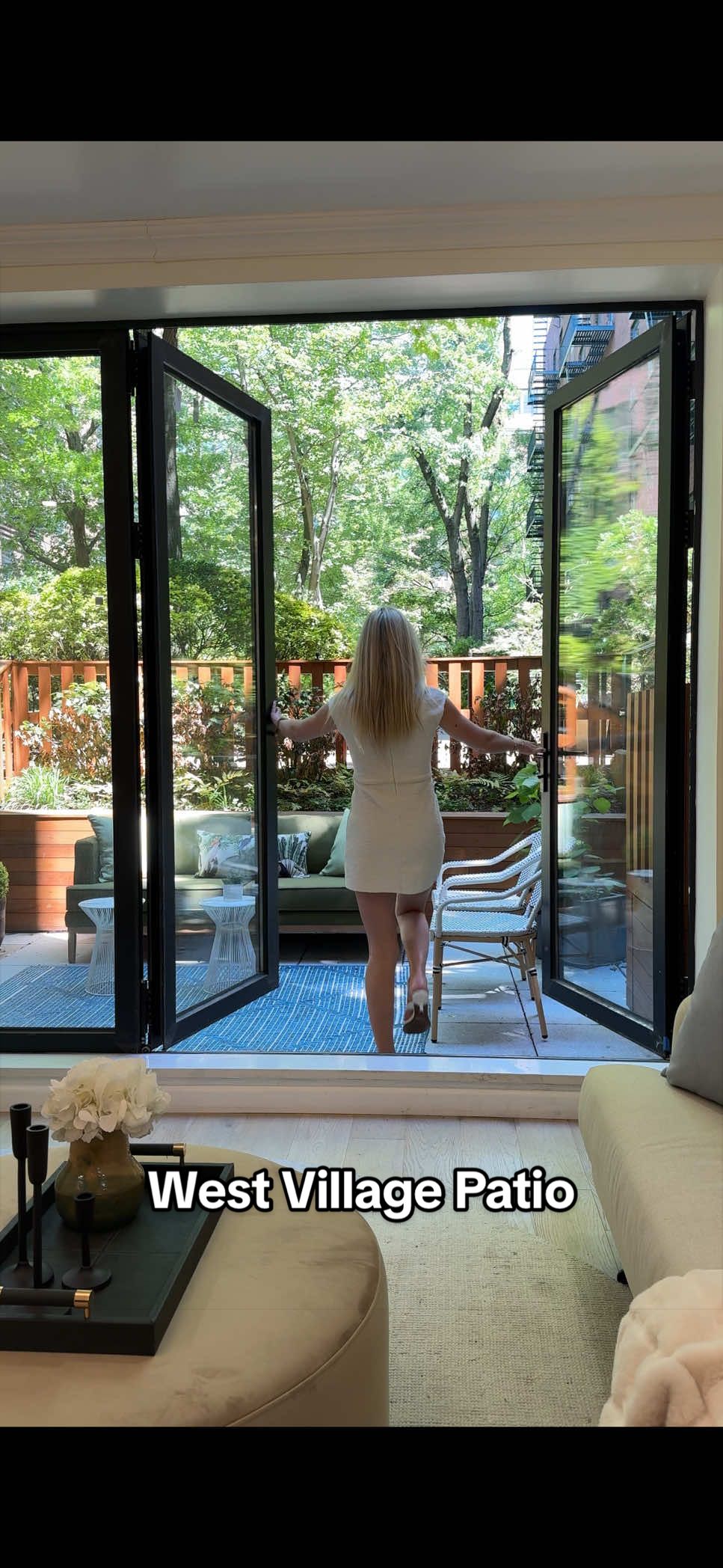
Luxury real estate performs when it shows aspirational lifestyle paired with real-world context. The combination of a stunning patio reveal with an honest price point ($1.2M in West Village) creates intrigue rather than pure fantasy. People engage because they want to understand the tradeoffs of luxury living, not just gawk at it.
This taps into the emotional turbulence of first-time home buying, naming the anxiety nobody discusses while pivoting to hope. The specificity of "eating a takeaway on a deck chair" makes the payoff feel real, not abstract, which connects with people living that exact liminal moment.

The absurdist setup (astronaut just back from the moon) collides with brutally practical advice, creating that satisfying "she's right and I hate it" feeling. People crave permission to stop making excuses, and this delivers it with wit instead of preaching.
The post taps into the relatable tension between professional success and dating—showing a real moment of exhaustion that successful women experience. The luxury car setting signals ambition while her expression conveys the emotional toll, creating contrast that feels honest rather than humble-bragging.
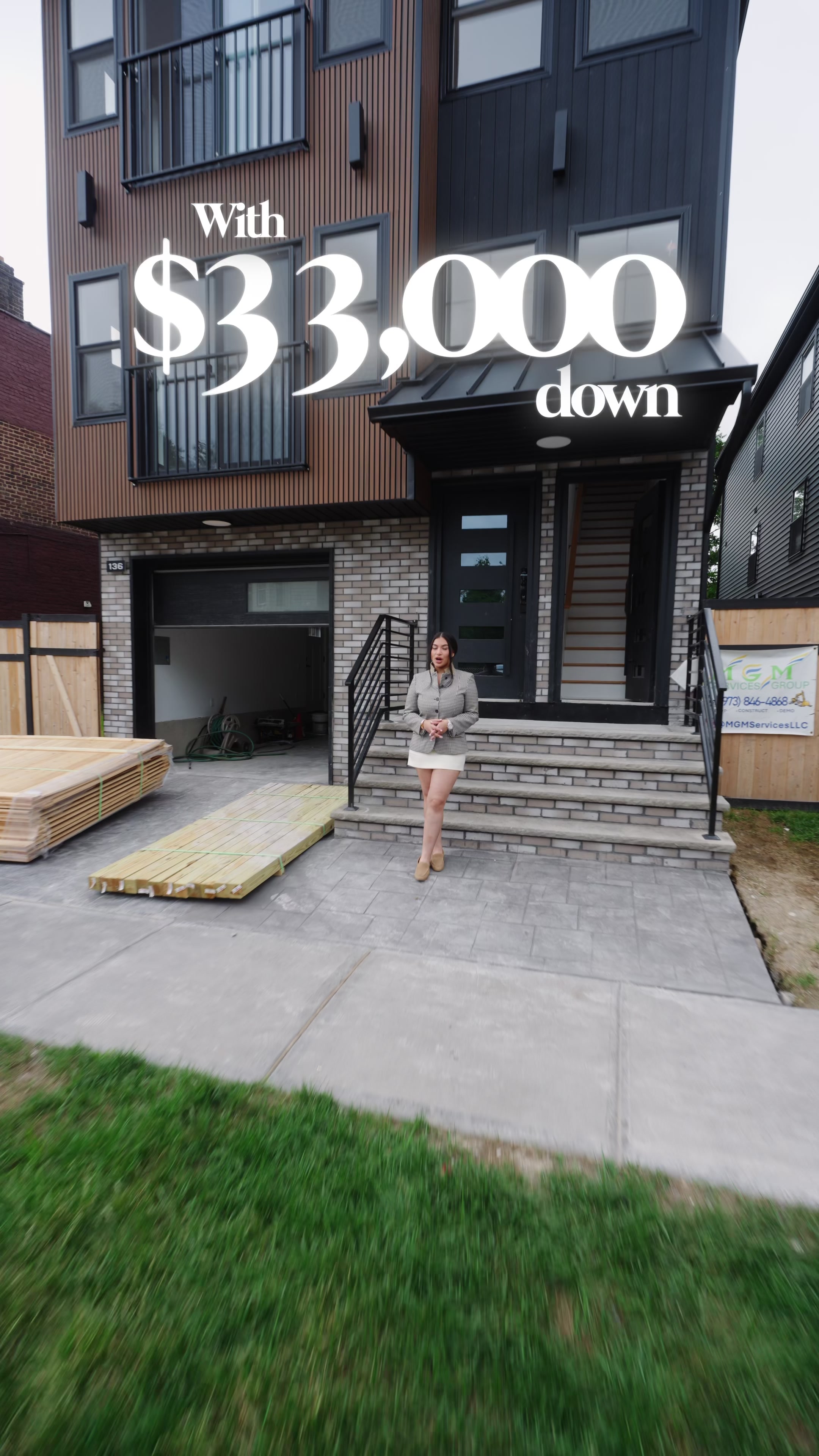
The specificity of "$33,000 down" makes an aspirational property suddenly feel achievable for regular people. By naming an exact number instead of vague language, it removes the psychological barrier and invites viewers to do the math on whether they qualify, creating genuine consideration rather than just window shopping.
The stunning office view and solitary focus create aspiration without arrogance. People crave proof that grinding alone, in a beautiful space, actually works—it feels attainable yet enviable.
People clicked because a real person addressed a genuine safety concern in her industry with straightforward honesty. The relatable vulnerability of explaining why realtors need protective measures tapped into something viewers hadn't considered, making the content feel both educational and personal.
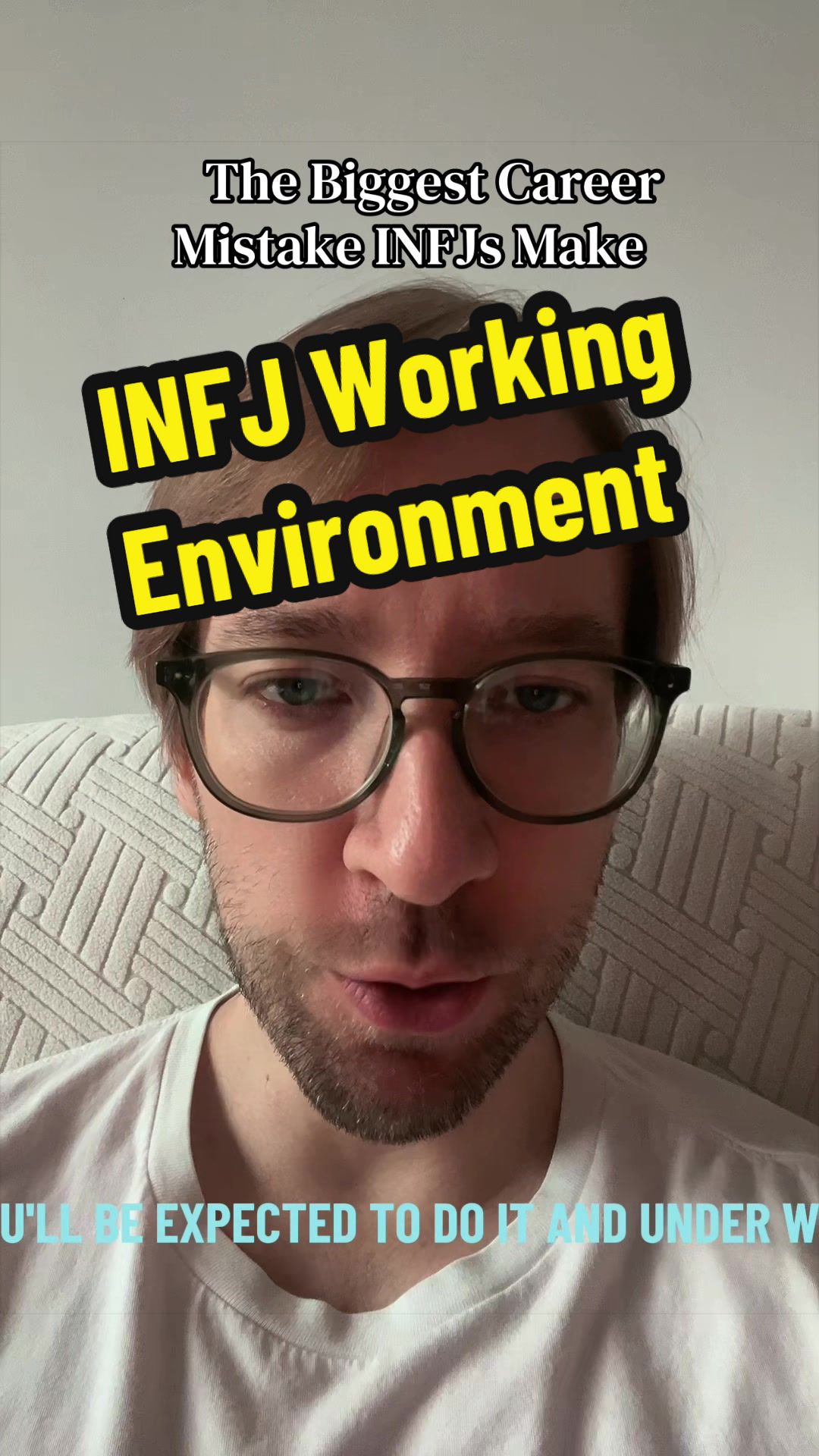
This taps into a specific identity pain point—INFJs don't just want a good job, they need the right conditions to do it. By flipping typical career advice from "what to do" to "how to do it," it validates a real struggle many overlook and positions environment as equally important as ambition.
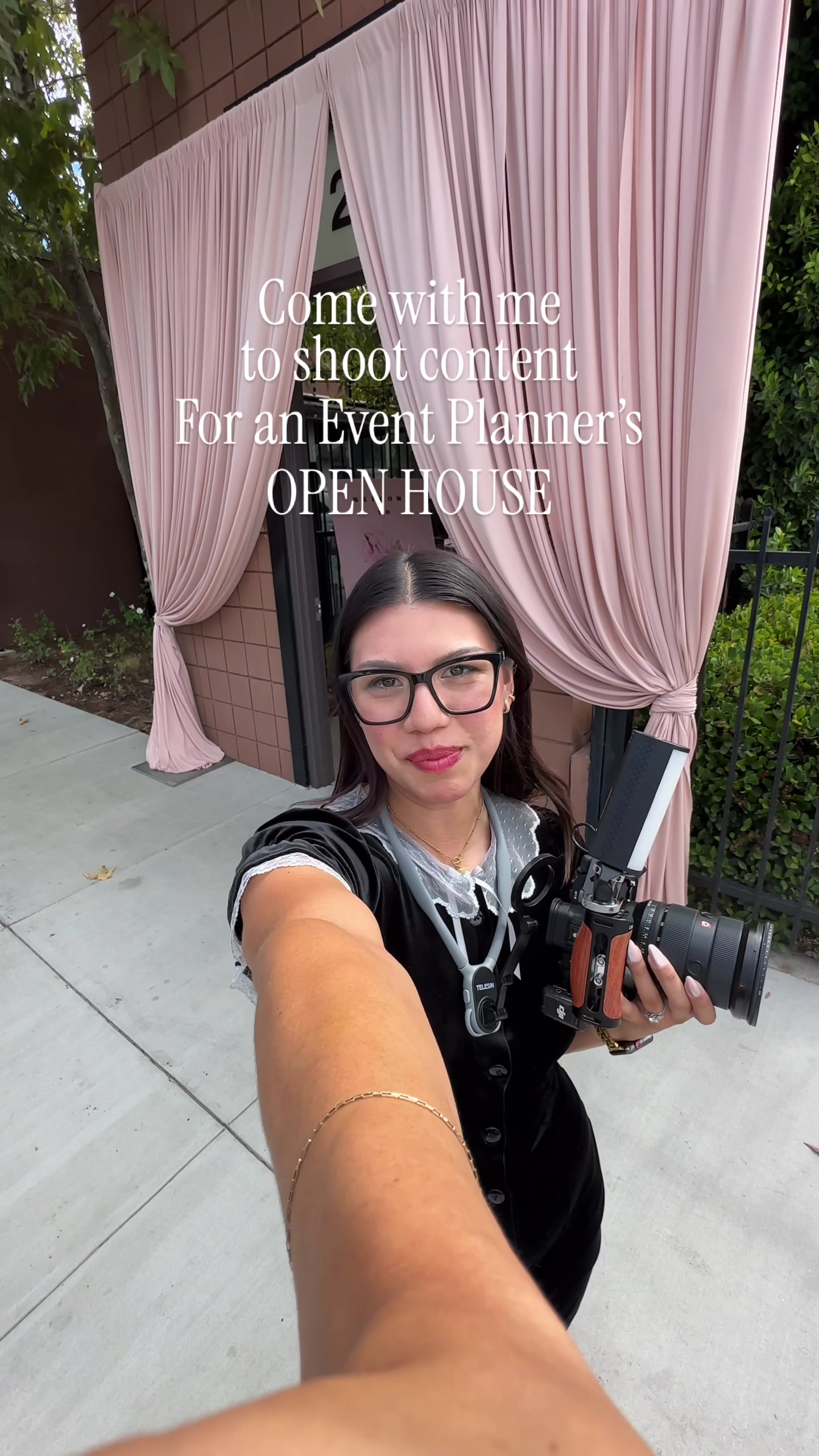
People love behind-the-scenes access to professional work, especially when it shows real production value and practical business payoff. The "come with me" framing makes viewers feel like insiders watching someone do skilled work in a beautiful setting, not just admiring a finished product.

People crave honest takes on workplace dynamics, especially when they expose generational friction. This post taps into something universal—the gap between how people treat each other at different life stages—and lets viewers feel seen for experiences they've quietly lived through.
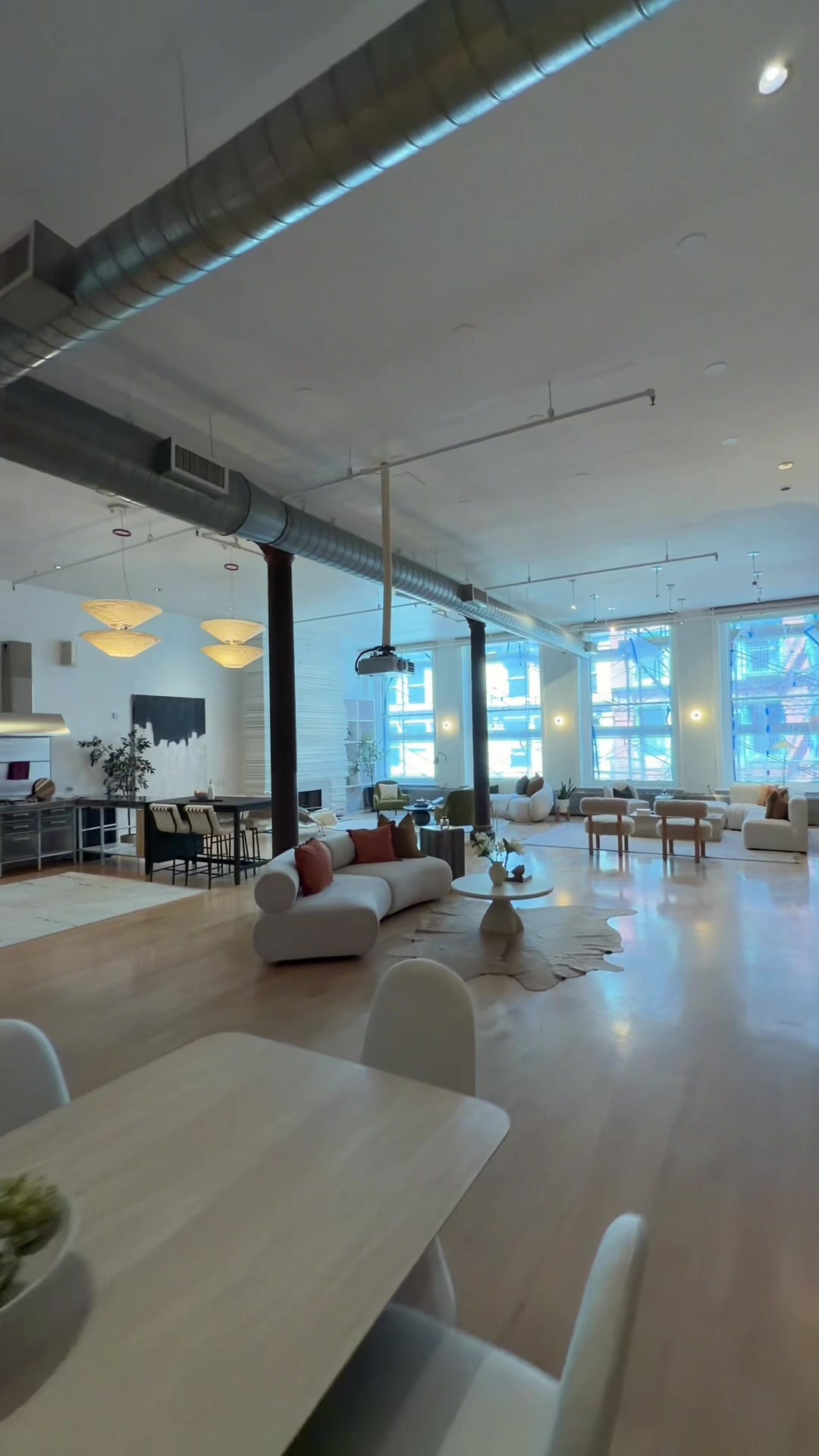
The property's connection to a famous movie tapped into aspirational fantasy and pop culture nostalgia. People don't just want to see luxury real estate, they want to own a piece of cultural history.
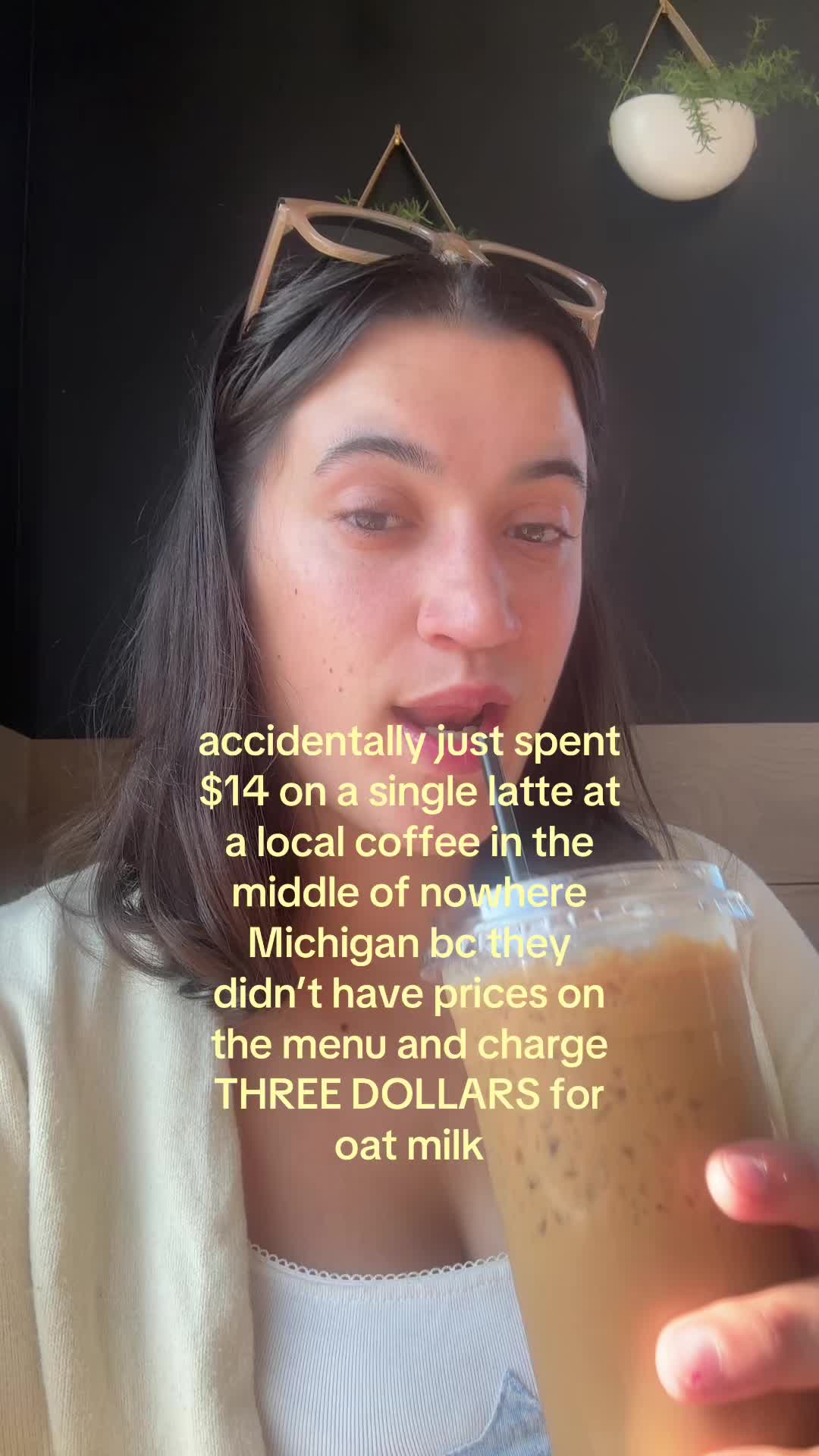
Raw frustration about hidden pricing and sticker shock hits a nerve. The casual vulnerability of getting caught off guard by a $14 bill taps into widespread resentment about coffee shop markups, making viewers feel validated in their own pricing frustrations.
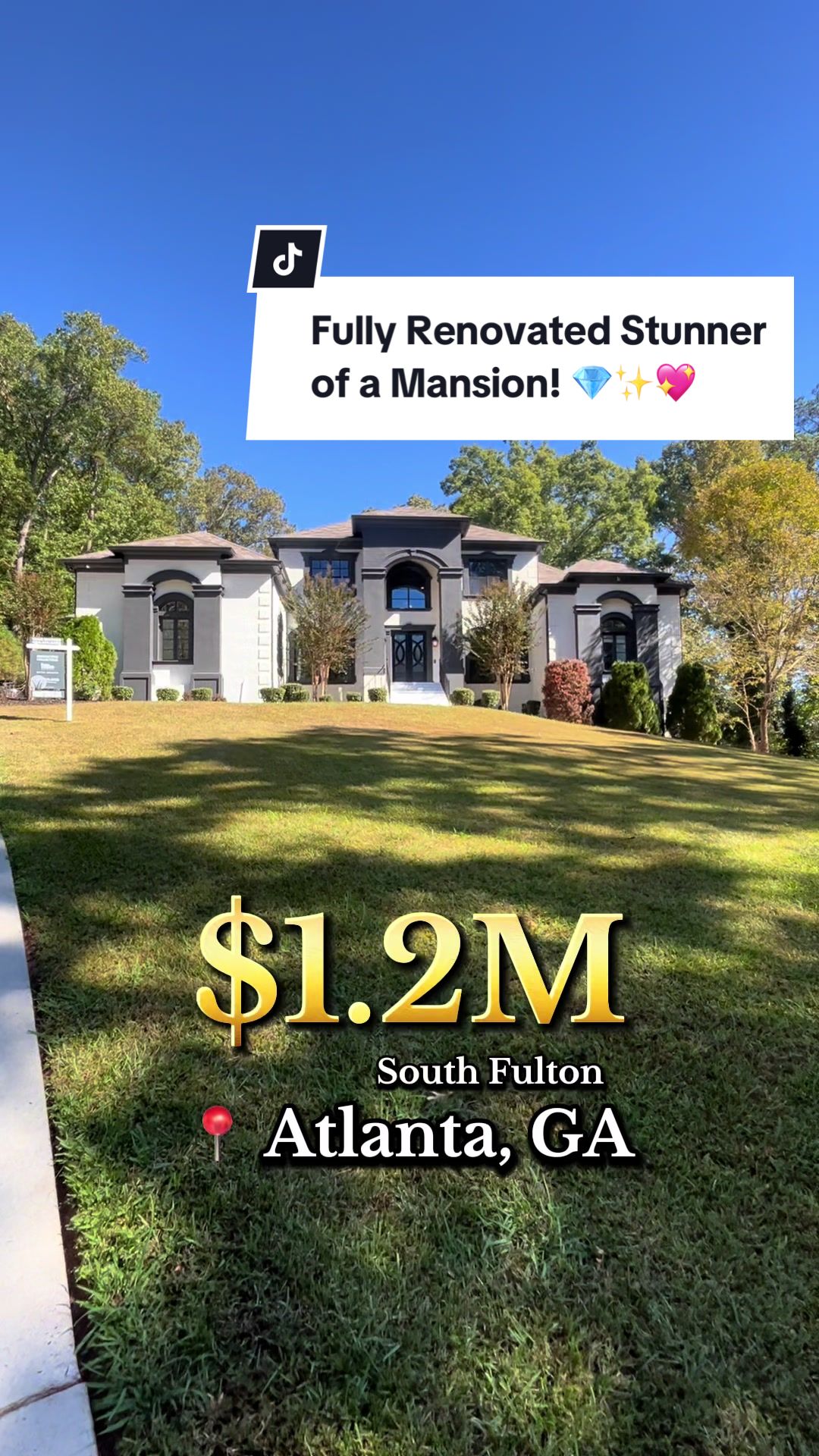
Aspirational luxury with a polarizing design style sparks debate and curiosity. The bold gold aesthetics and high price point in a specific Atlanta neighborhood trigger strong reactions—some impressed, others skeptical—which drives shares and saves as people weigh in on the taste level.
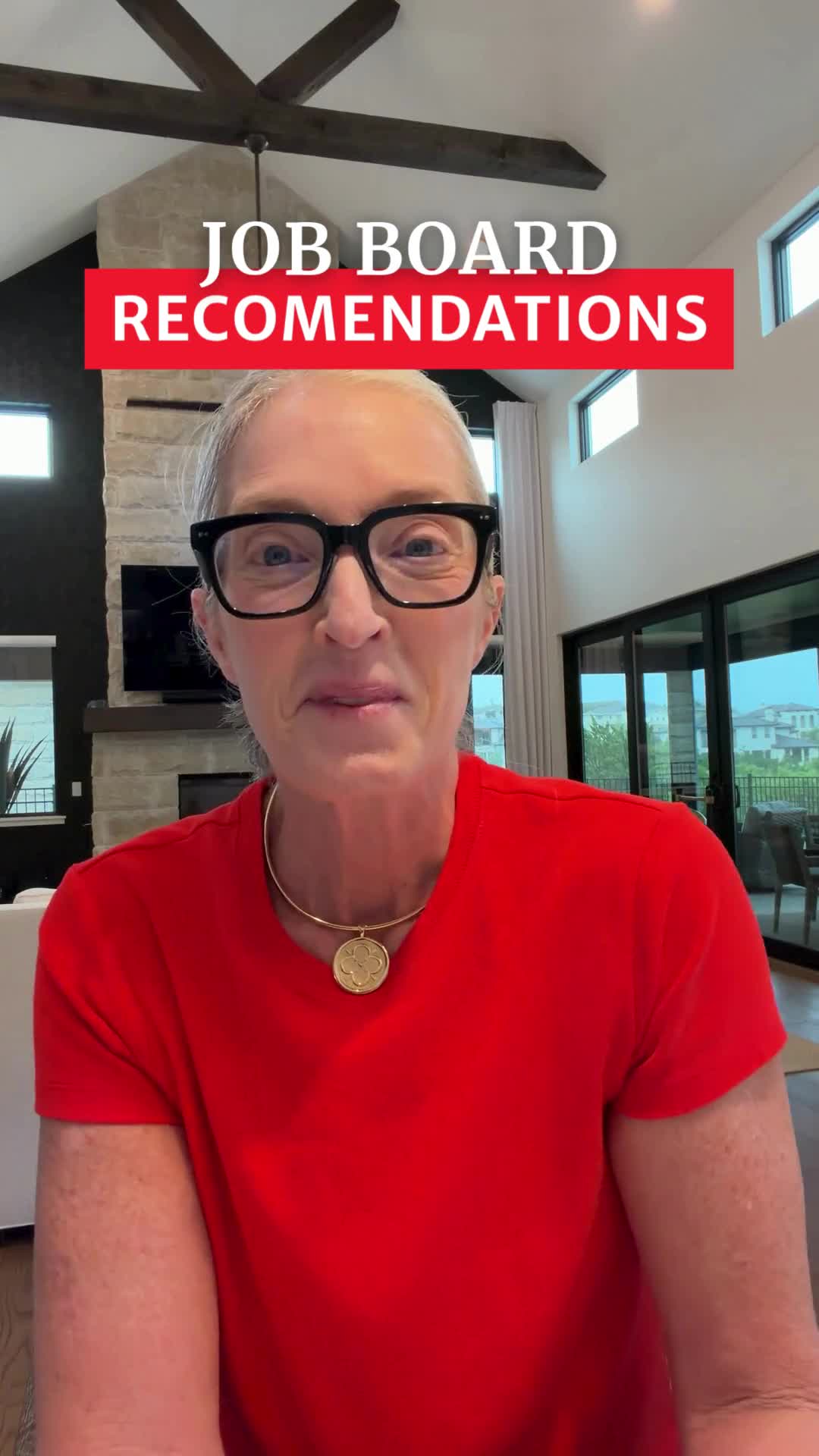
Insider knowledge from someone with real hiring power cuts through noise. People save this because it feels like getting the playbook from the person actually making decisions, not generic career advice from a content creator.
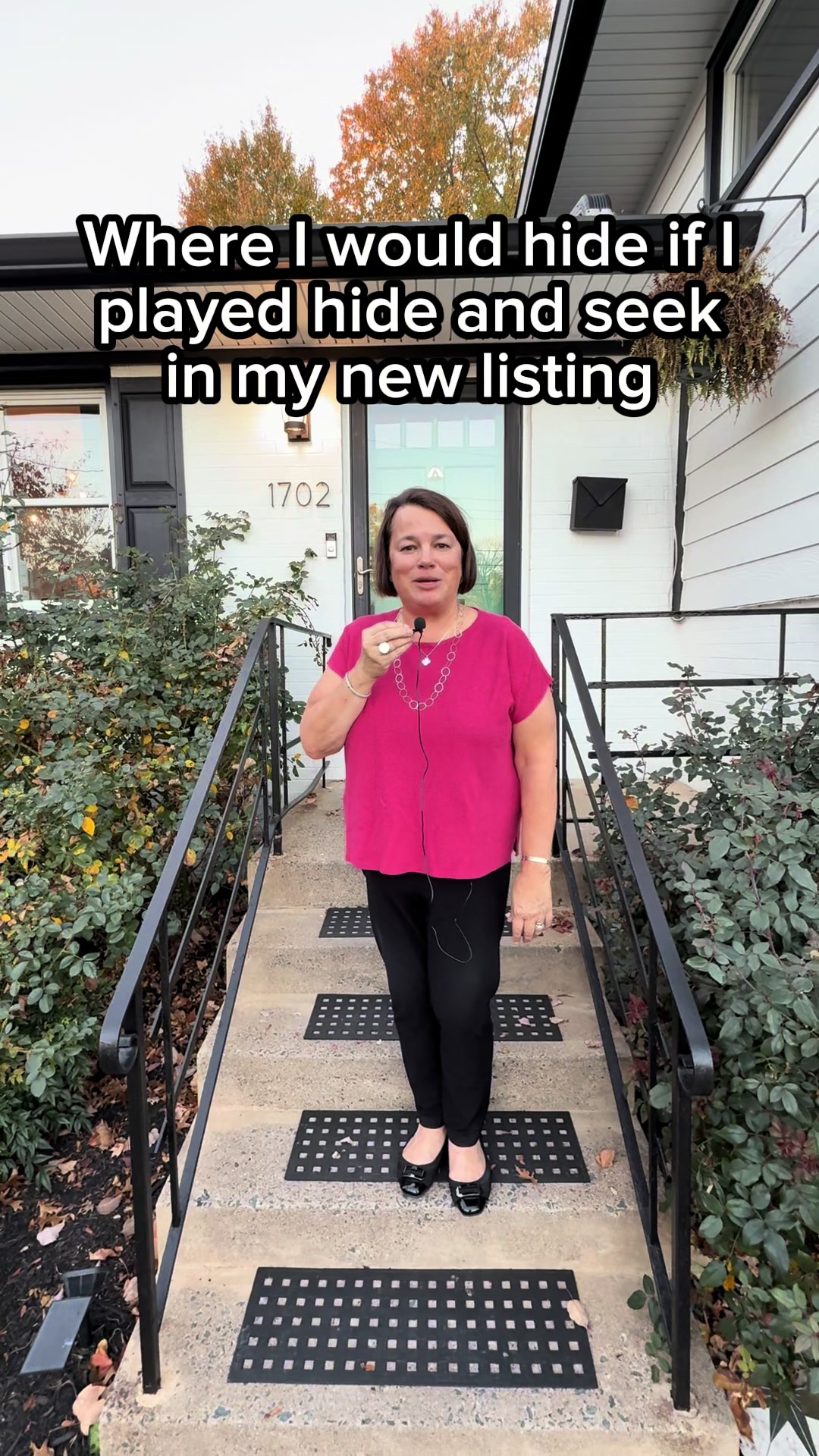
The playful hide-and-seek angle makes real estate feel like a game rather than a sales pitch, letting people imagine themselves exploring homes with genuine curiosity. It's relatable, fun, and positions the realtor as someone who actually knows her properties inside and out, not just listings on a screen.
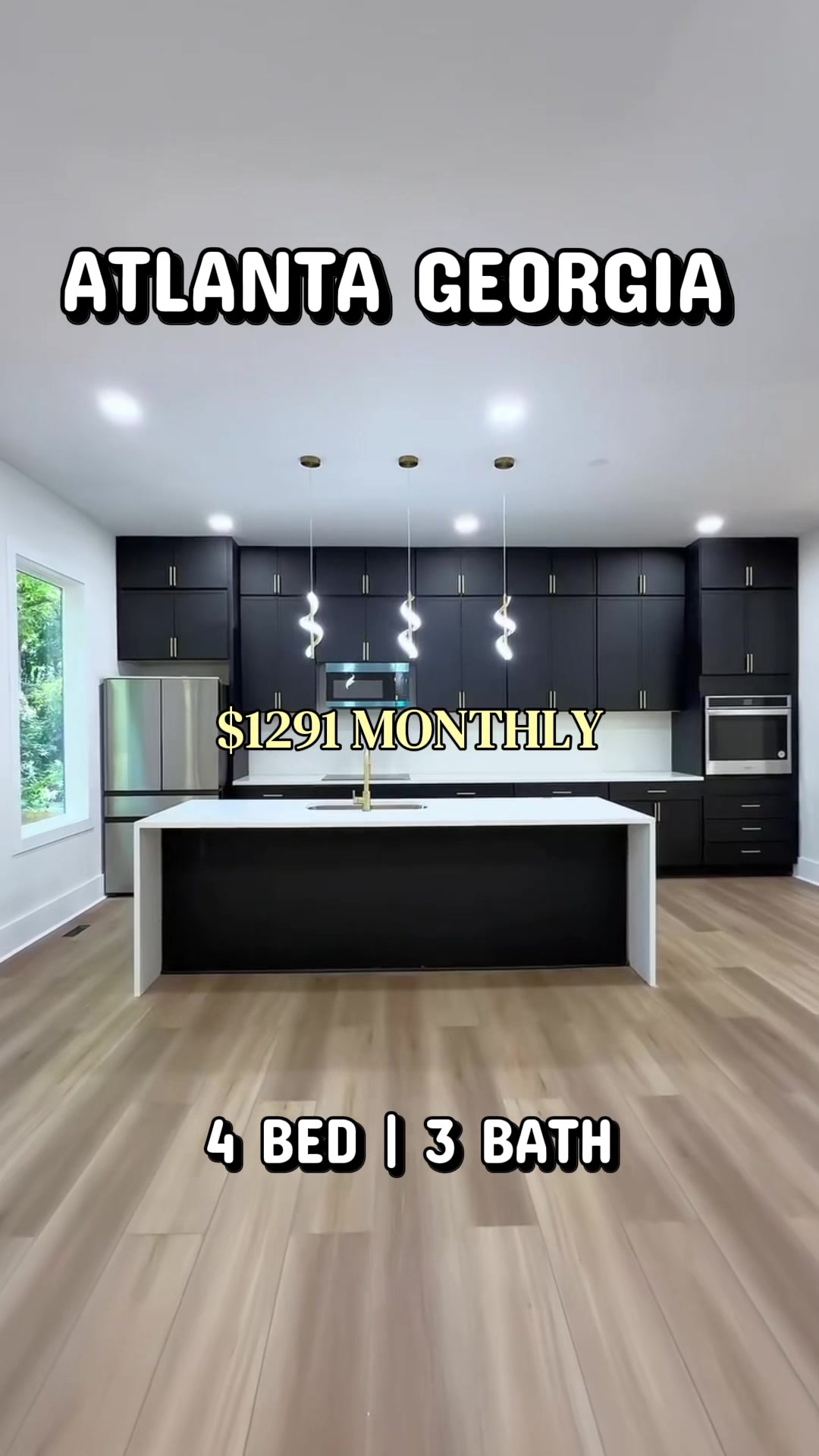
The price-to-specs ratio triggers immediate skepticism and curiosity. A 4-bed, 3-bath home for $1,291/month feels too good to be true, which makes people stop scrolling and engage—they need to understand the catch or confirm the deal is real.
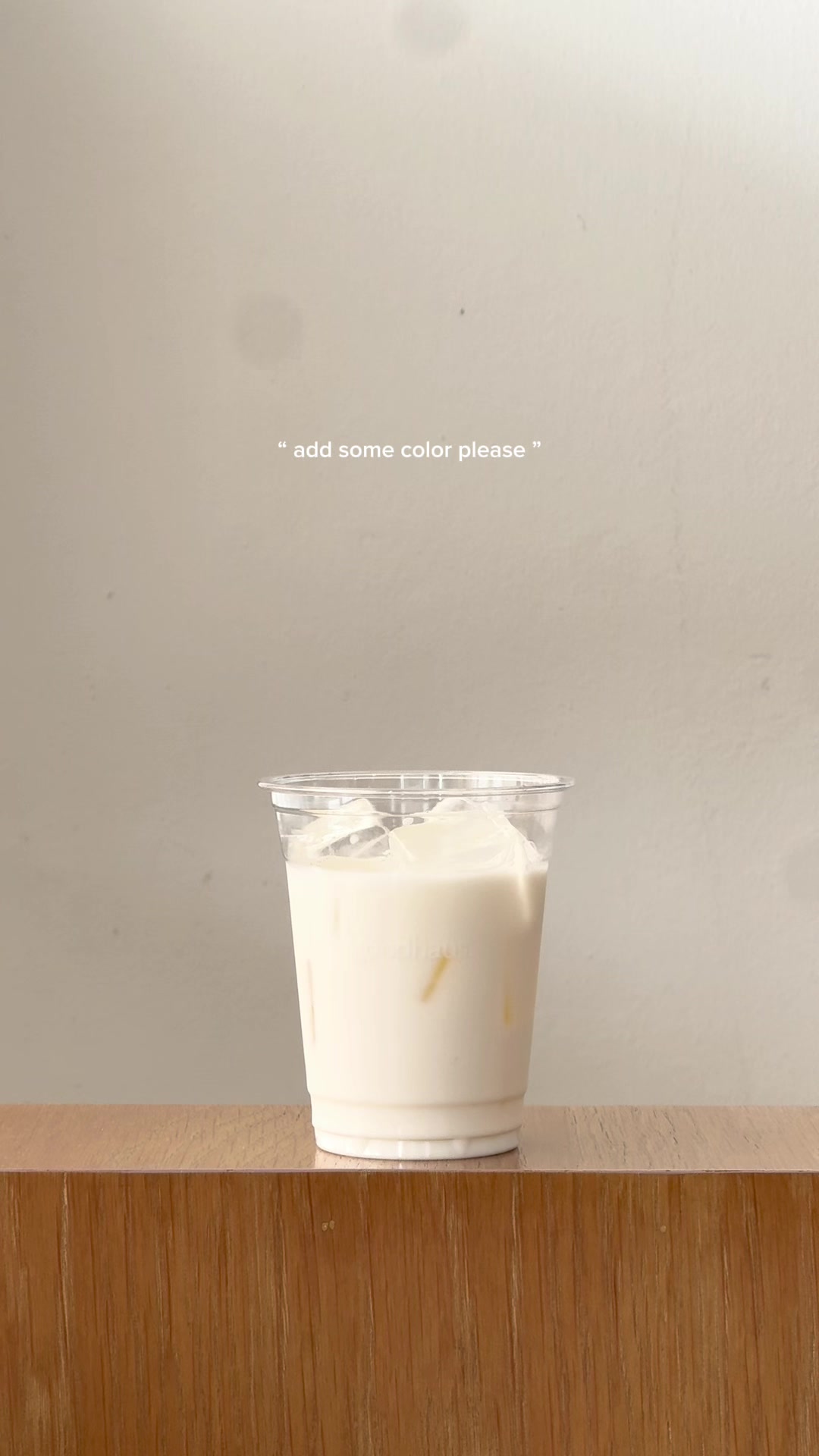
People save this because it taps into a universal café frustration presented with humor and visual clarity. The plain drink paired with the text overlay creates anticipation that feels relatable without being preachy.

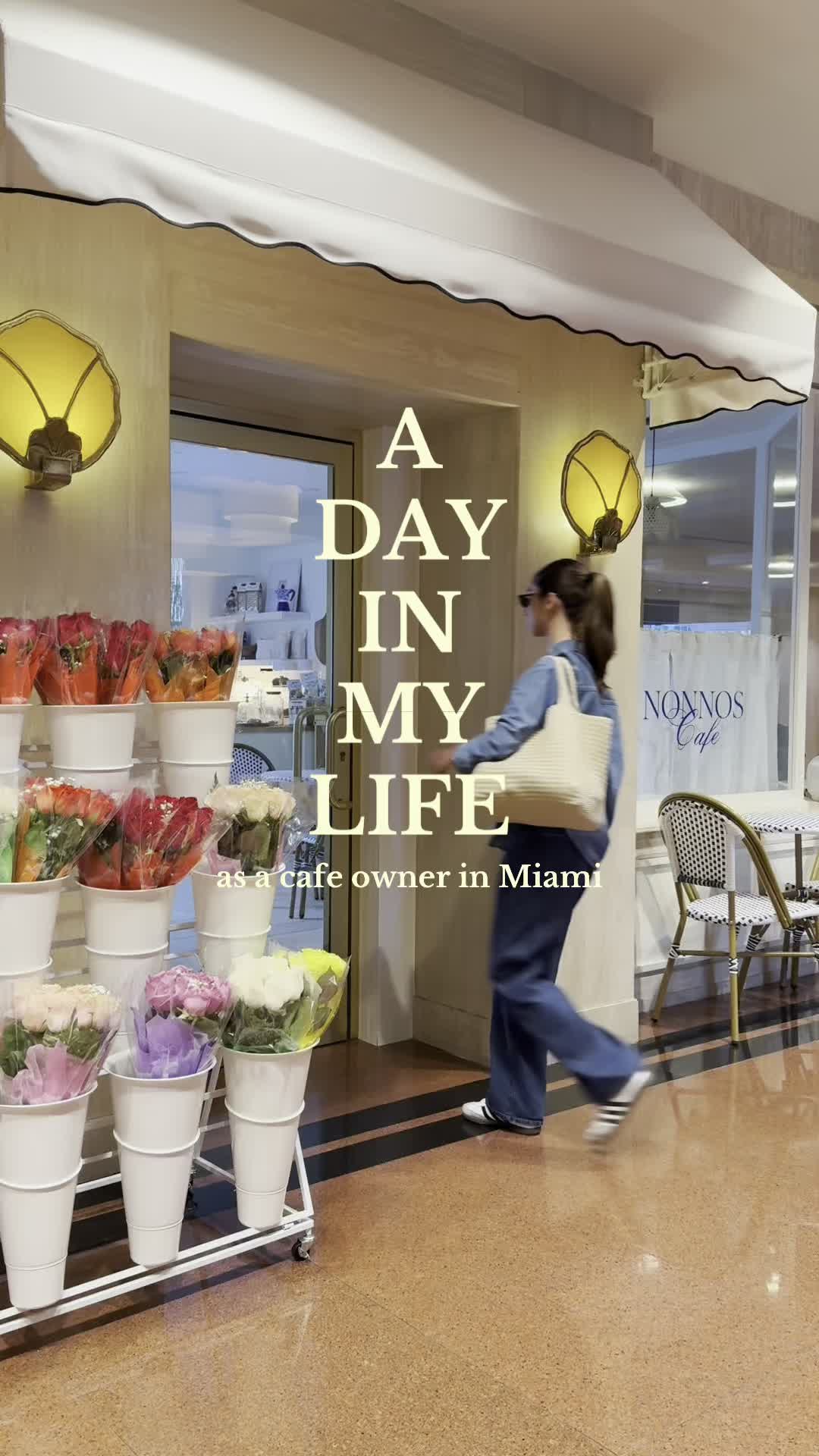
This post taps into the aspirational fantasy of owning a beautiful, thriving cafe while grounding it in a real, relatable day. The aesthetic shop, the calm confidence of the owner moving through her space, and the "day in my life" framing make success feel tangible rather than distant, pulling people toward both the dream and the immediate desire to visit.
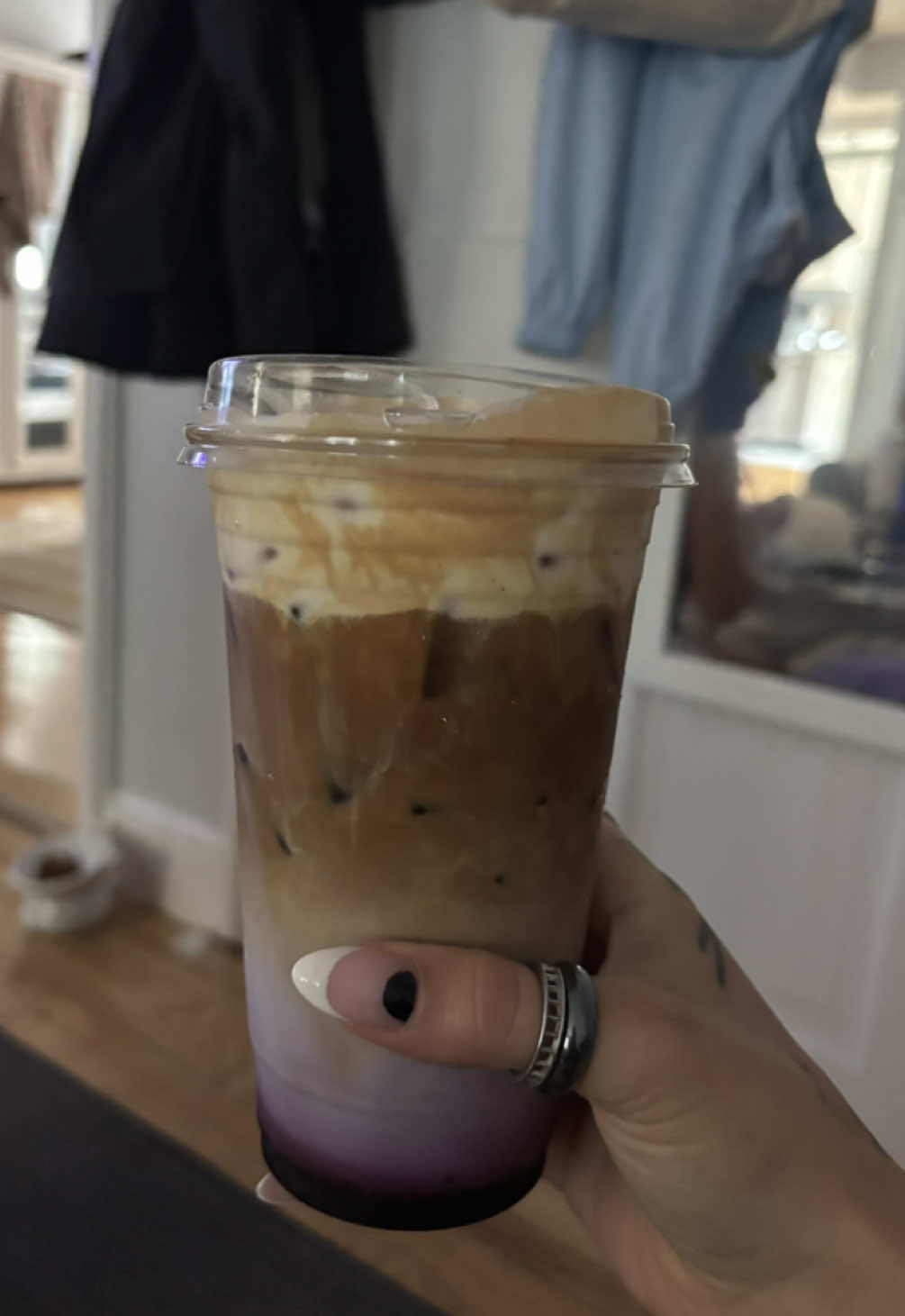

The post taps into shared frustration about luxury apartment marketing being disconnected from reality. By calling out the gap between "luxury" branding and actual conditions, it sparks recognition and validation in people dealing with inflated pricing for mediocre spaces.
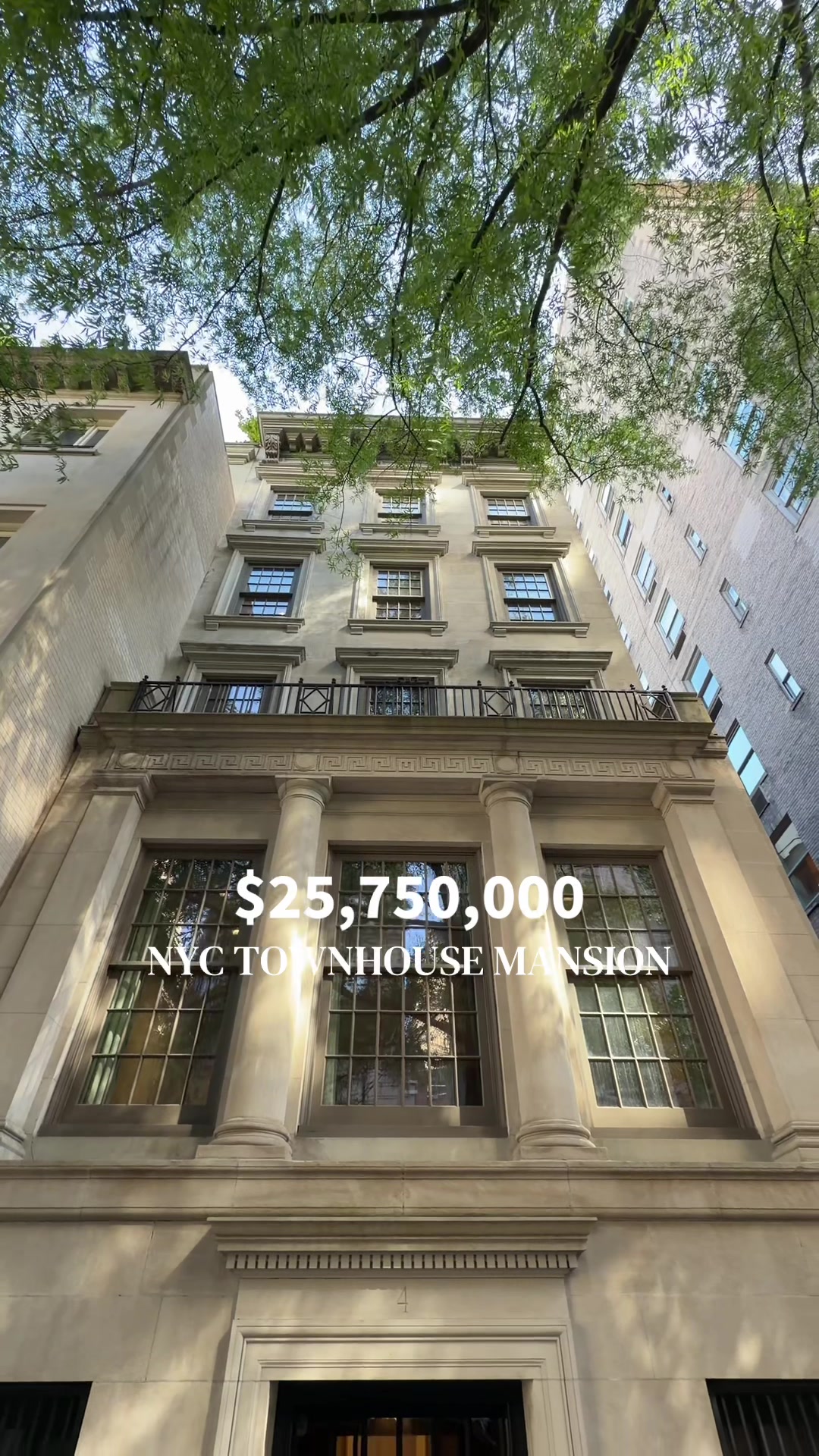
The jaw-dropping price tag paired with architectural elegance creates pure aspirational fantasy. People don't need to buy it to enjoy the escape. The upward camera angle and framing make it feel monumental, untouchable, and therefore irresistible to scroll through.
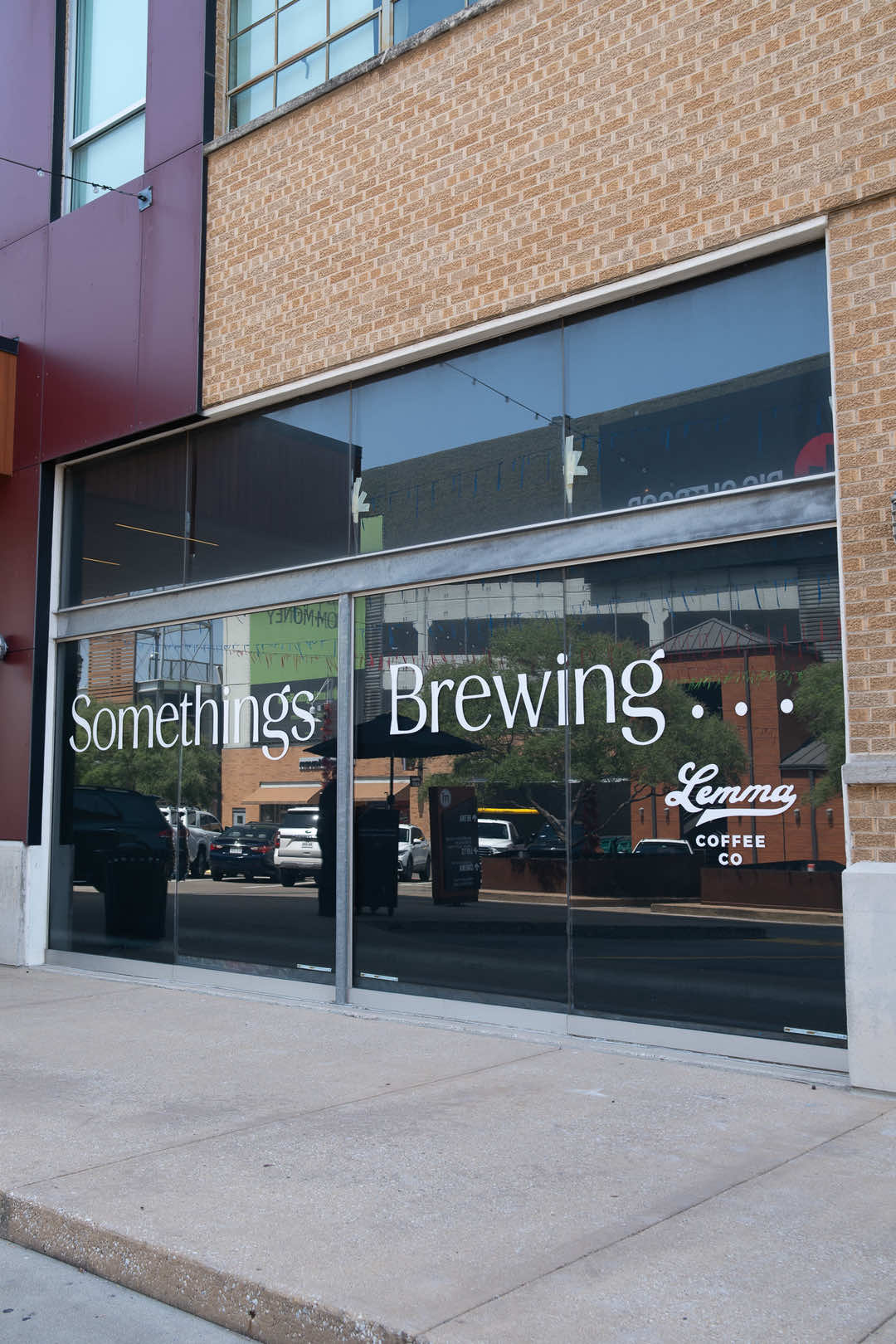
This hit because it's a milestone moment for a real local business after years of grinding. The storefront reveal taps into that underdog-makes-good feeling, especially when the community recognizes both the effort and the significance of the location.
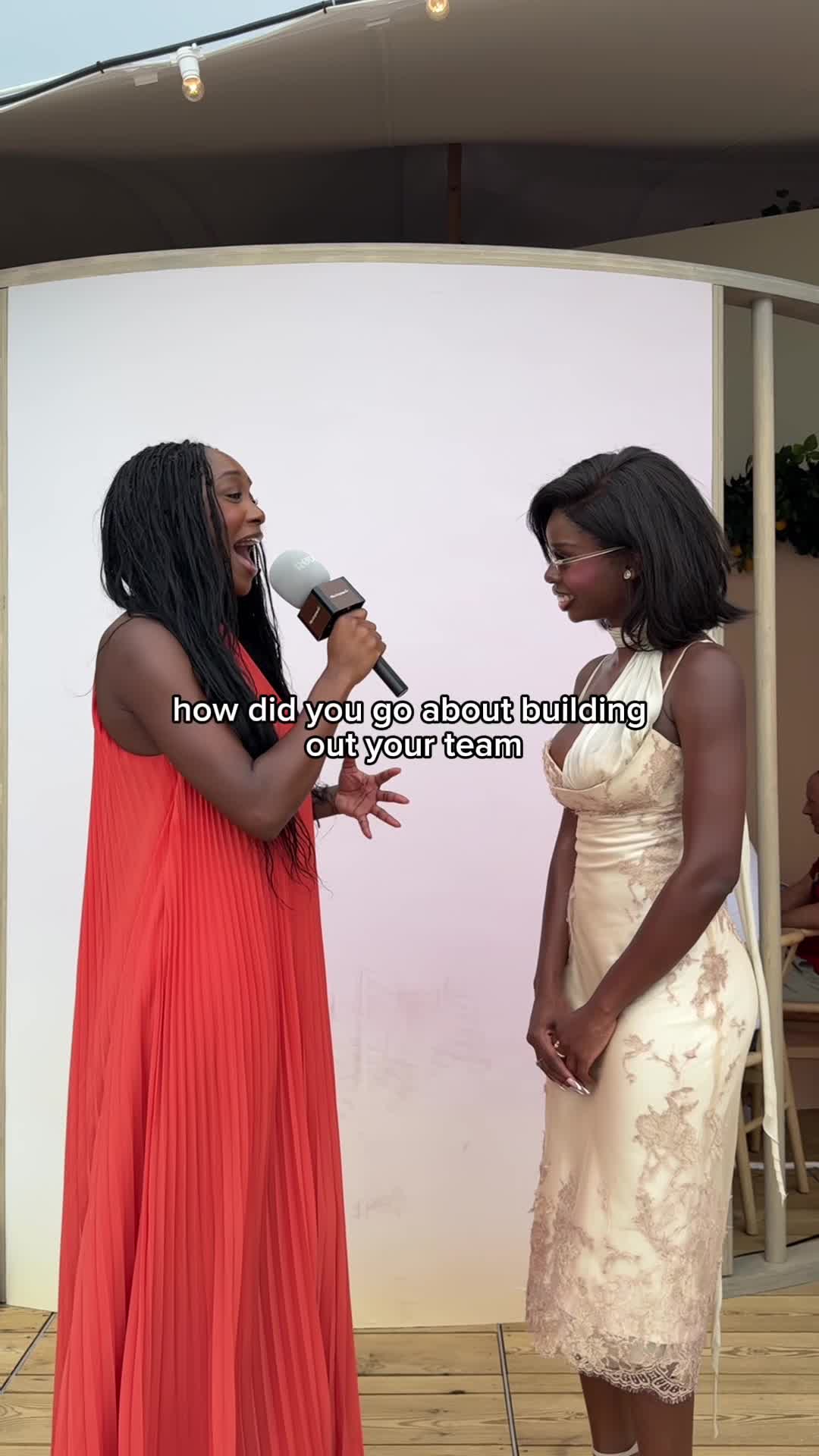
People connected with genuine entrepreneurial advice delivered by someone they admire, especially when it centers on clarity and intentionality rather than hacks. The interview format gave credibility while the speaker's authenticity and polish made the guidance feel both aspirational and achievable.
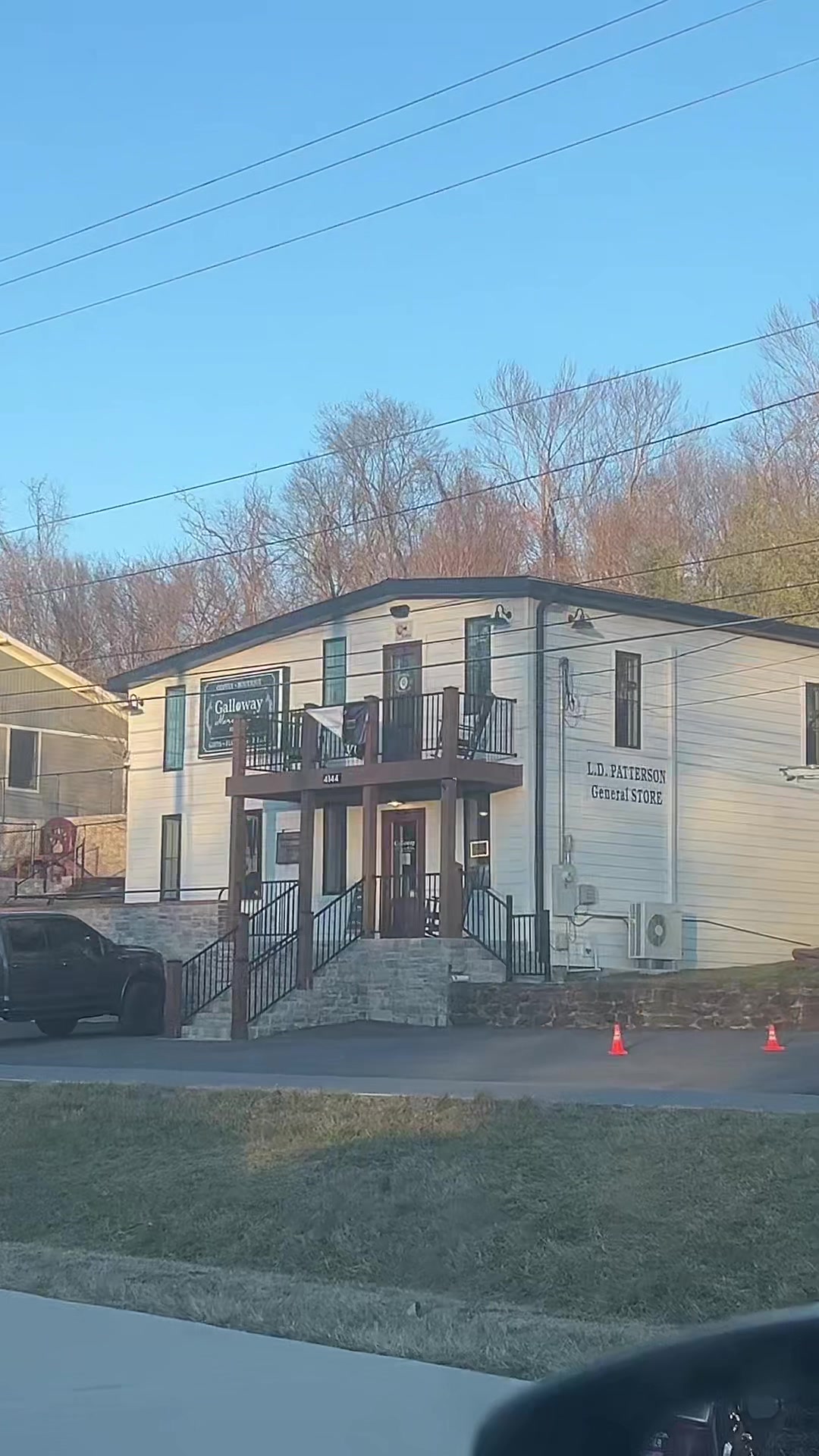
Authenticity and genuine human connection drive this. The creator's real appreciation for the staff and space felt earned, not transactional, which made viewers want to support the business too. People share what feels like discovering something good with friends.
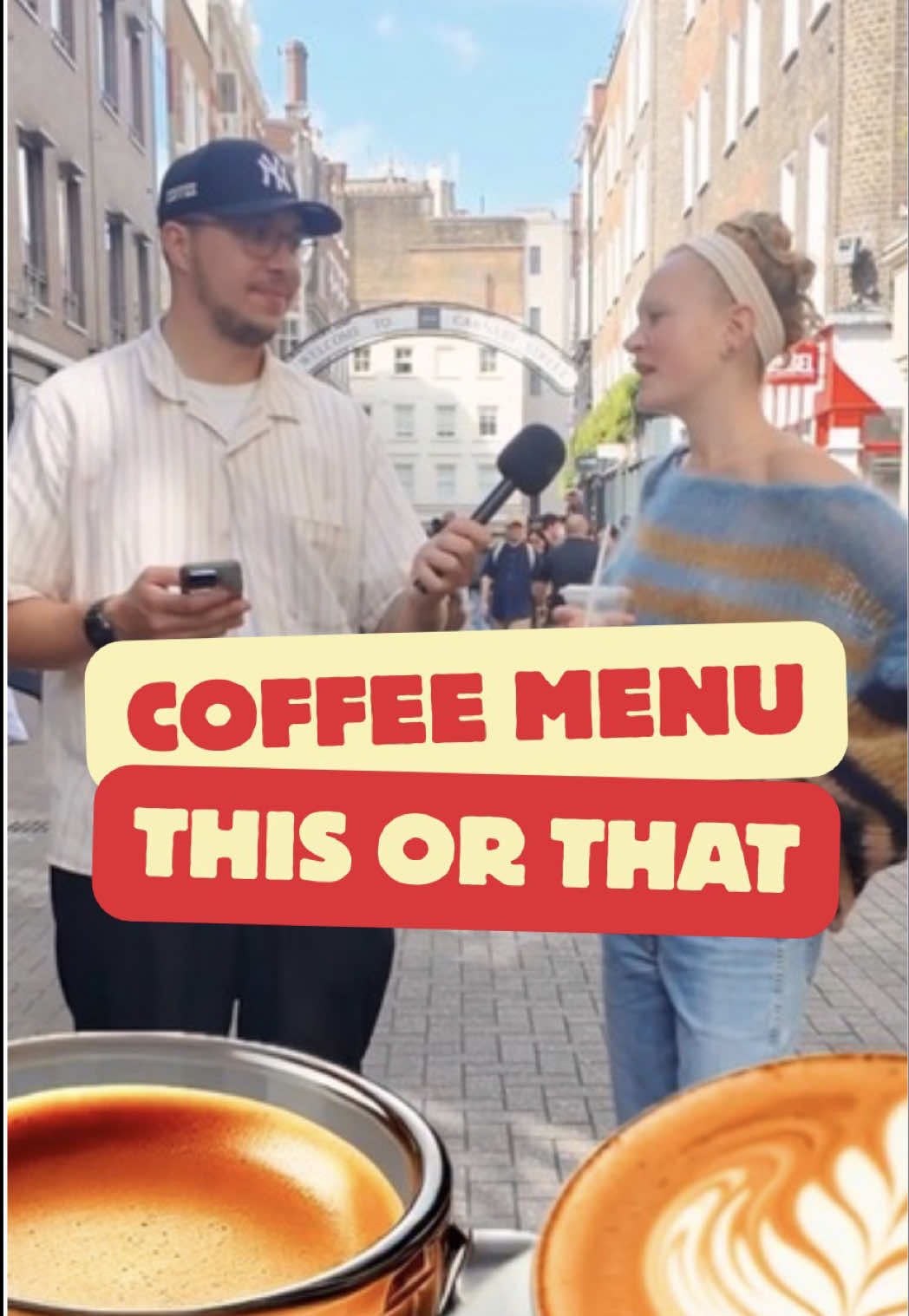
Street interviews tap into the coffee world's passionate tribalism. People love watching others defend their coffee preference like it's a personality trait, especially when the format stays light and conversational rather than preachy.
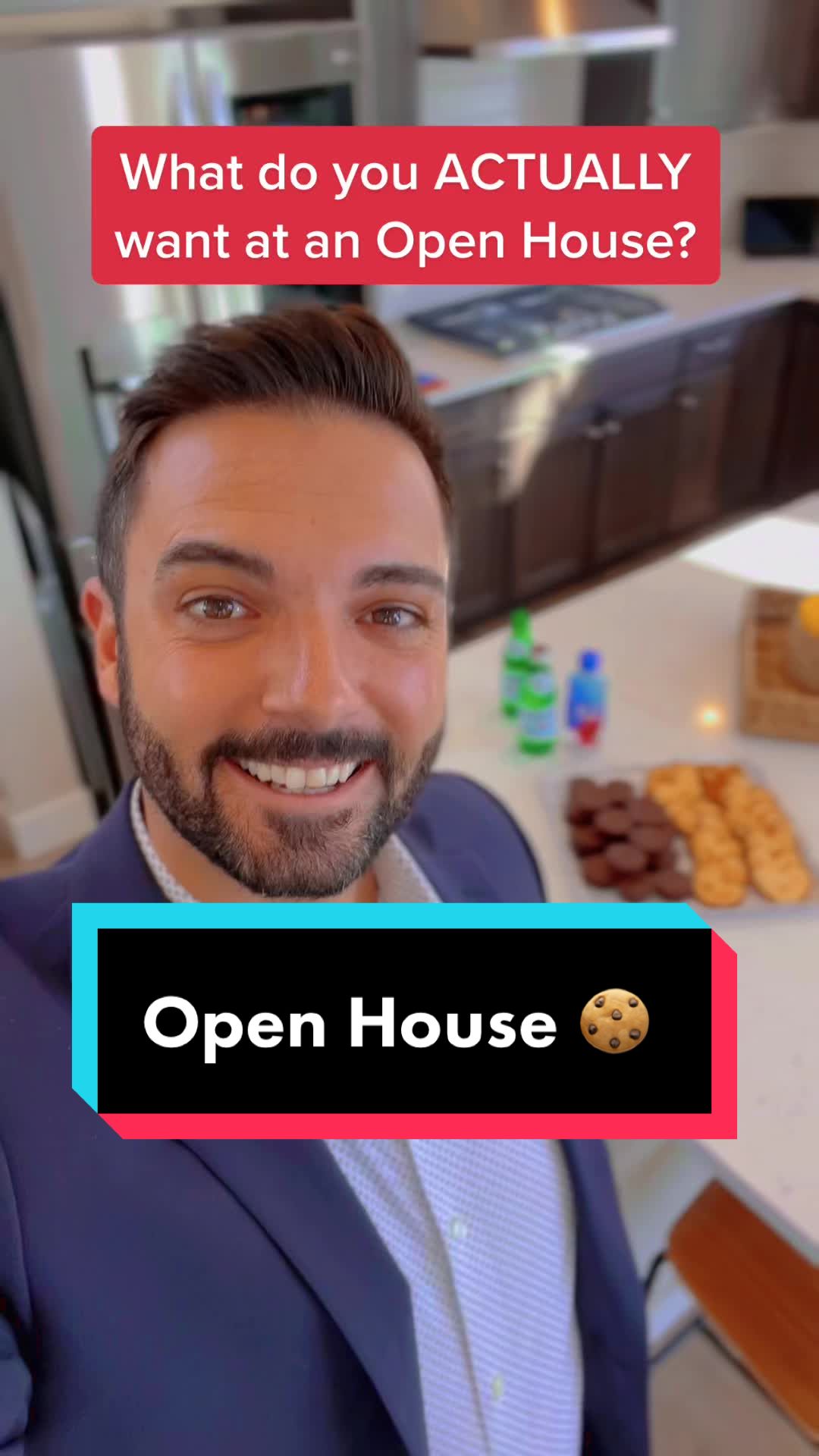
The post taps into a real, relatable frustration that realtors face but rarely voice out loud. By calling out the awkward silence of uneaten snacks at open houses with genuine personality and a pop culture callback, it validates a shared industry pain point while being funny enough to drive conversation among both realtors and curious homebuyers.
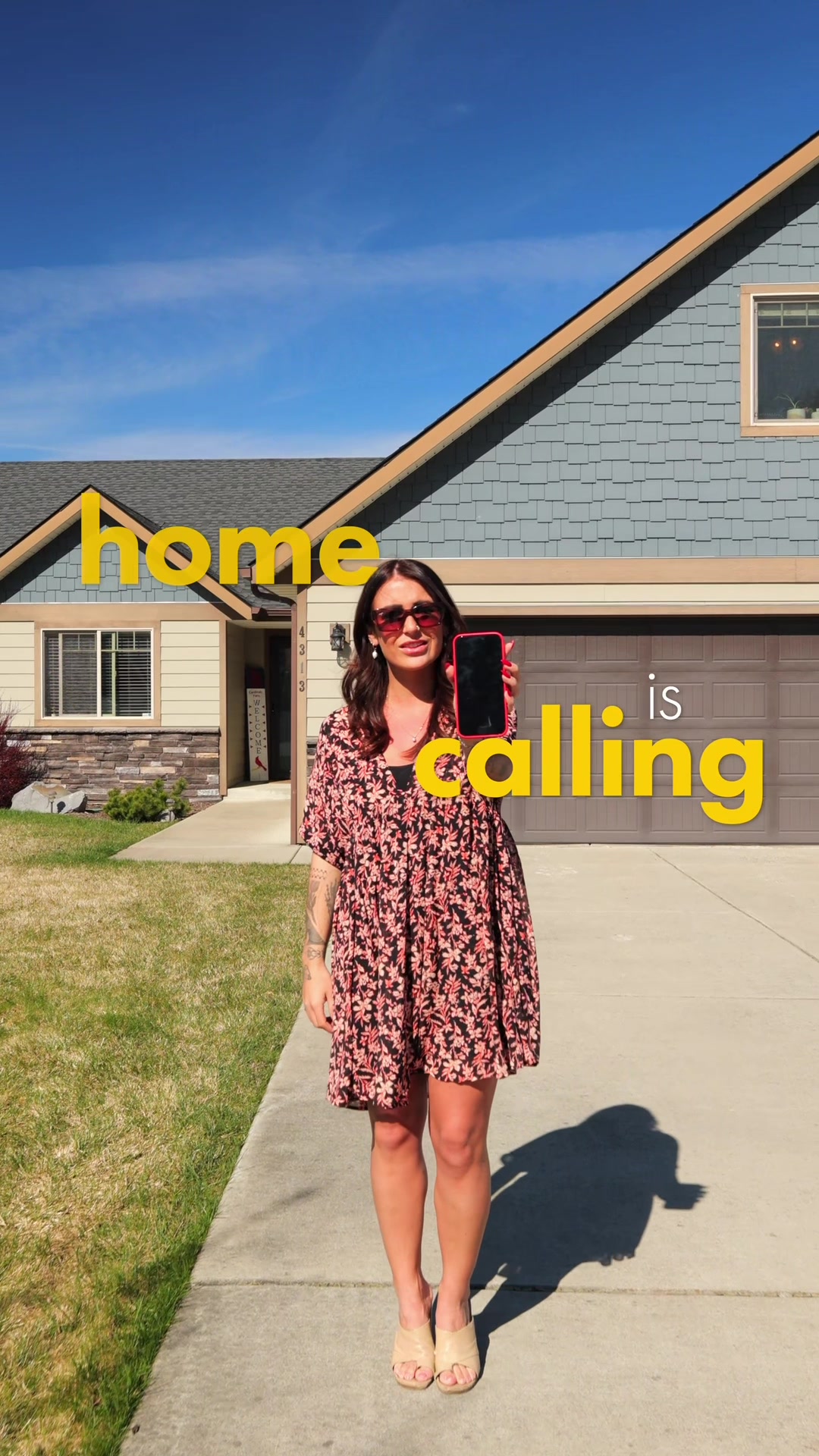
The post hooks on aspirational lifestyle (new home ownership) while subtly showcasing real estate competence through a quick win. The "home is calling" angle taps into emotional desire rather than listing specs, making the agent herself the story. People save it because it feels both achievable and impressive.
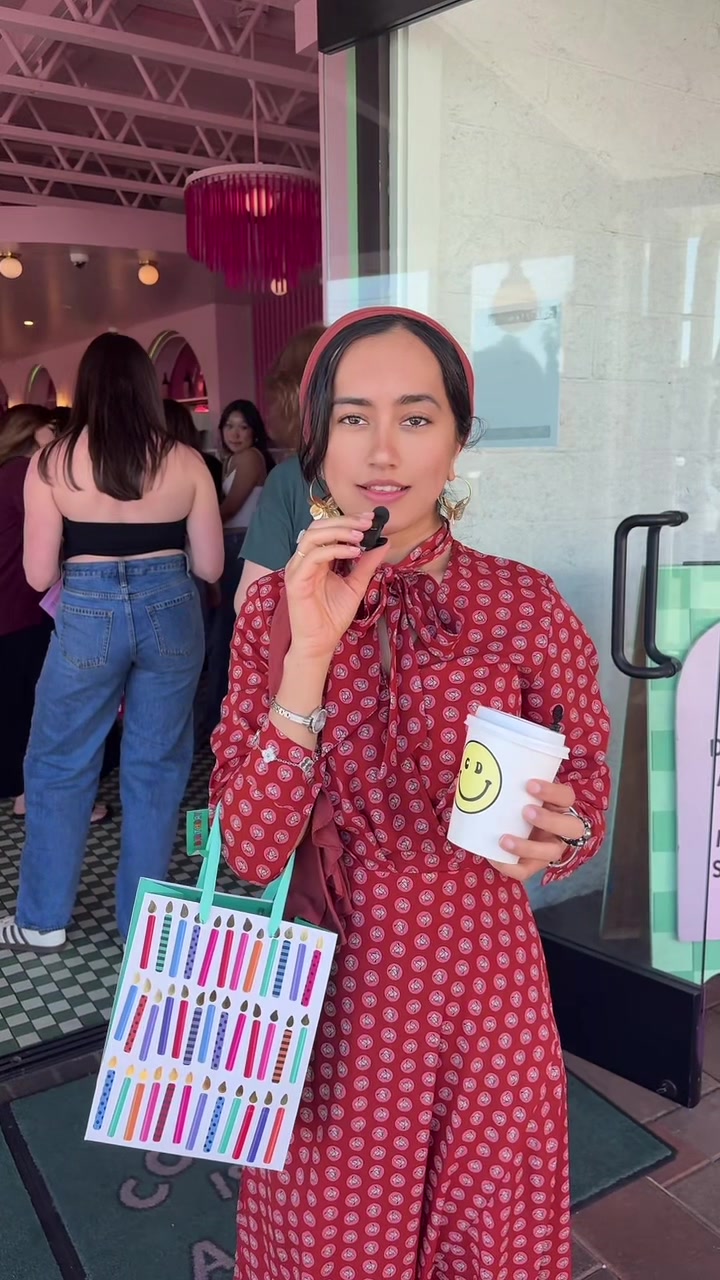
This works because it captures an aspirational lifestyle moment in a beautifully designed space. The creator becomes the subject, letting the aesthetic environment and her polished presence do the heavy lifting. People want to see themselves in these curated cafe moments.
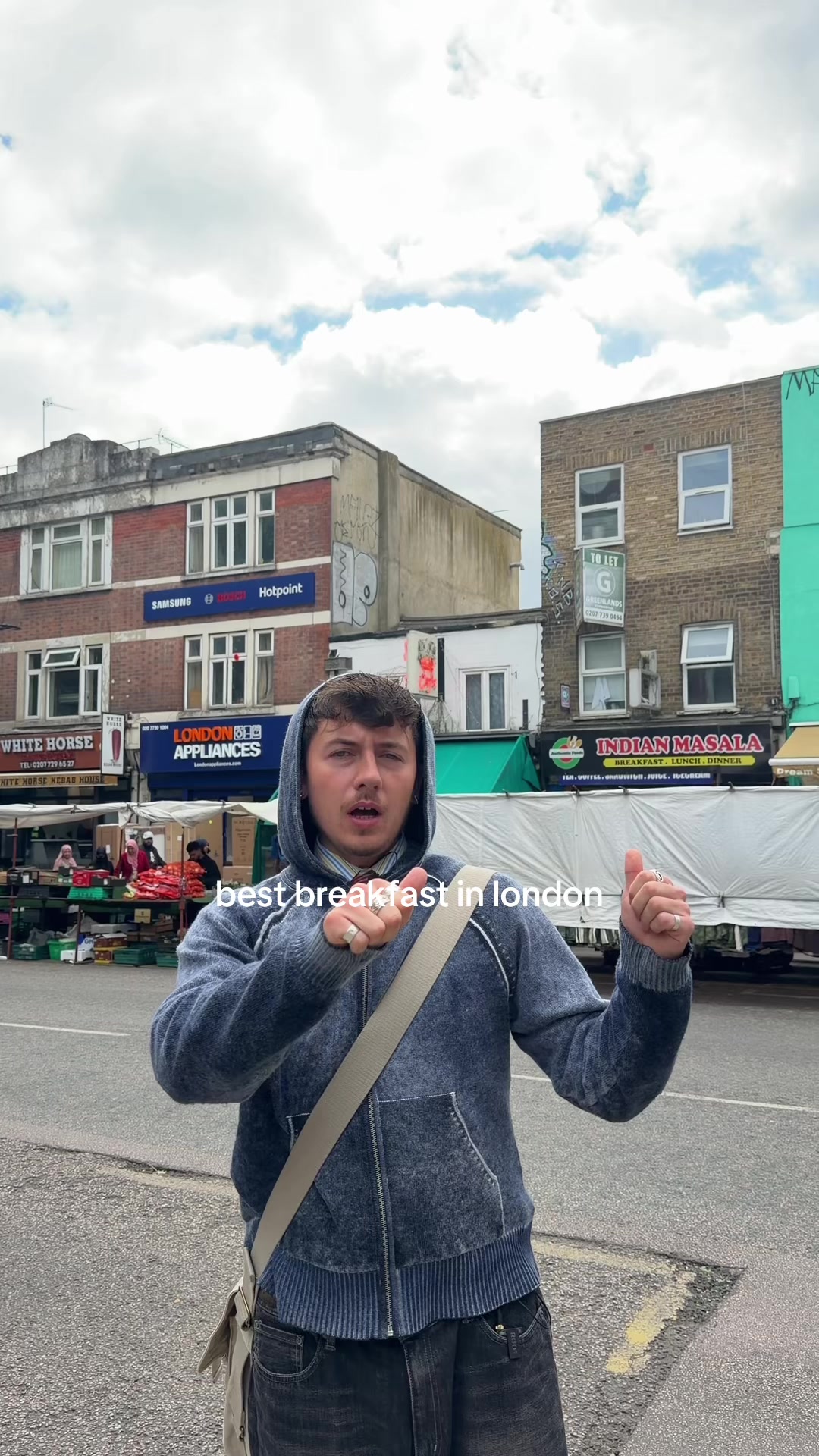
The post captures genuine human warmth from a cafe owner, turning a breakfast spot into a character study. People aren't just hungry for food—they're hungry for authenticity and kindness, especially when it feels rare.
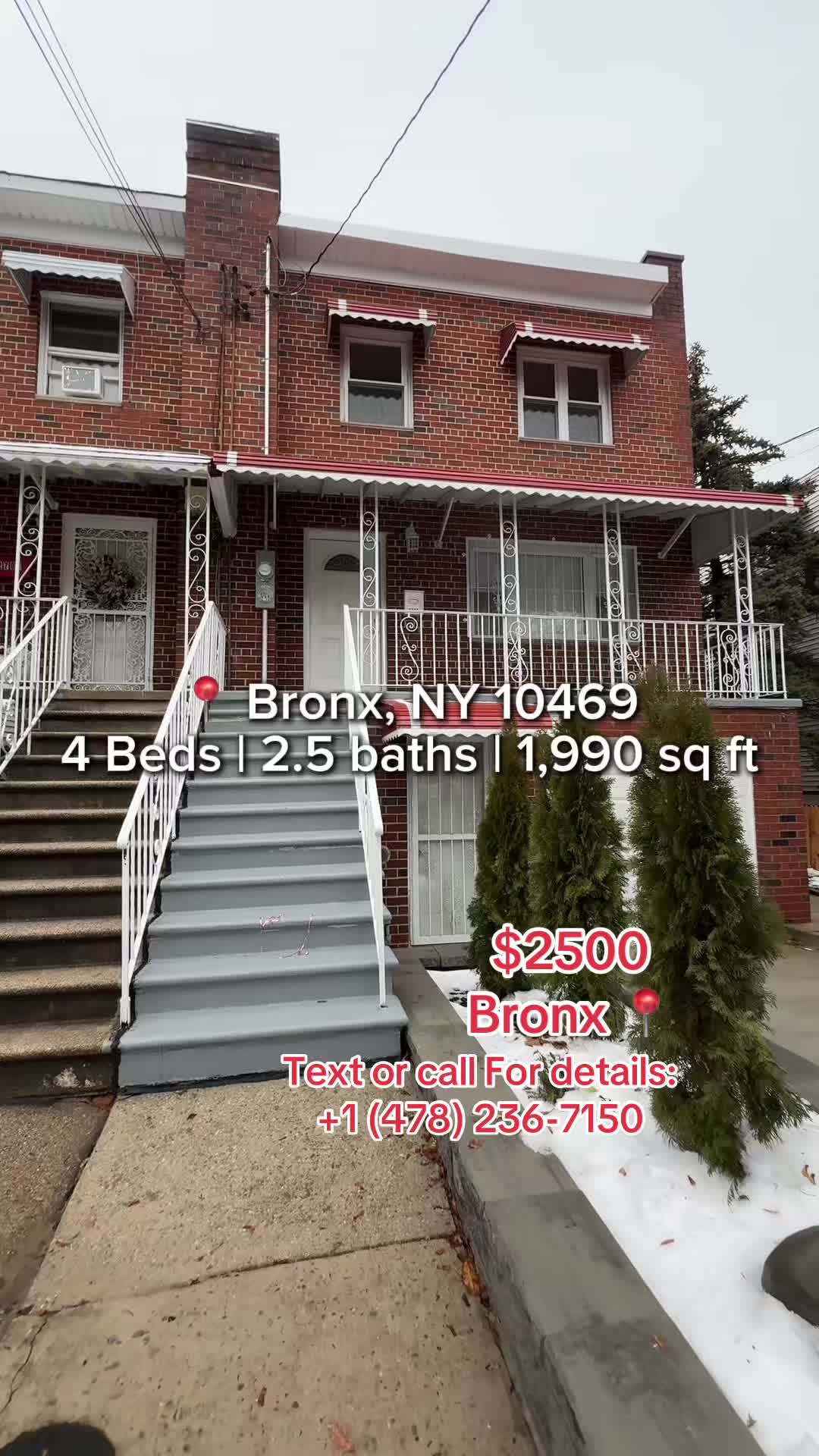
The jaw-dropping price point for a spacious 4-bed in the Bronx creates genuine shock value that drives saves and shares. People can't resist passing this on because it feels like they're helping a friend find a deal, or testing if it's real.
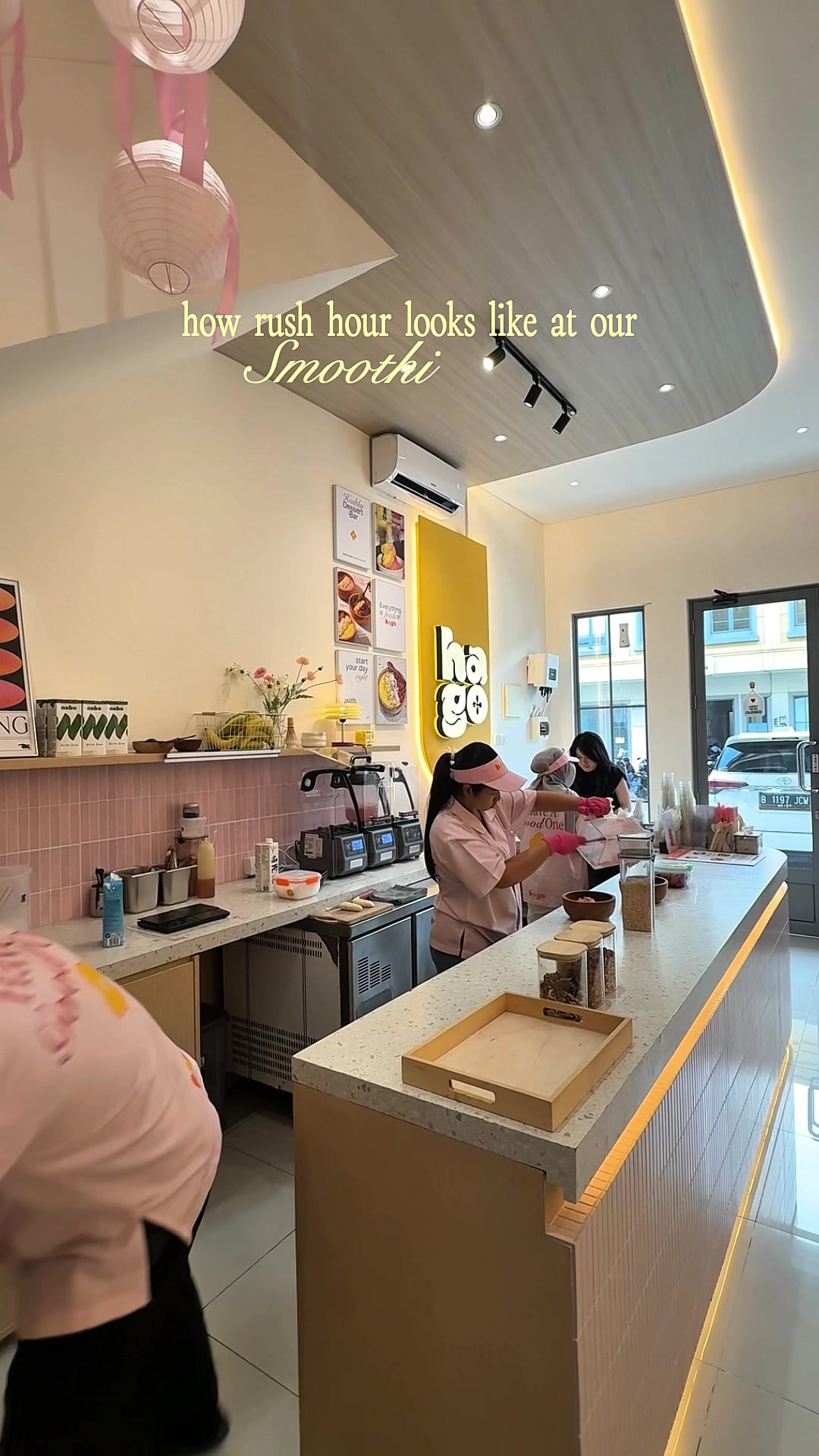
People are drawn to the behind-the-scenes reality of a beautiful space under pressure. The aesthetic cafe contrasts with the controlled chaos of rush hour, making the operation feel both aspirational and genuinely human. The self-aware caption about hardworking blenders adds warmth without overselling.
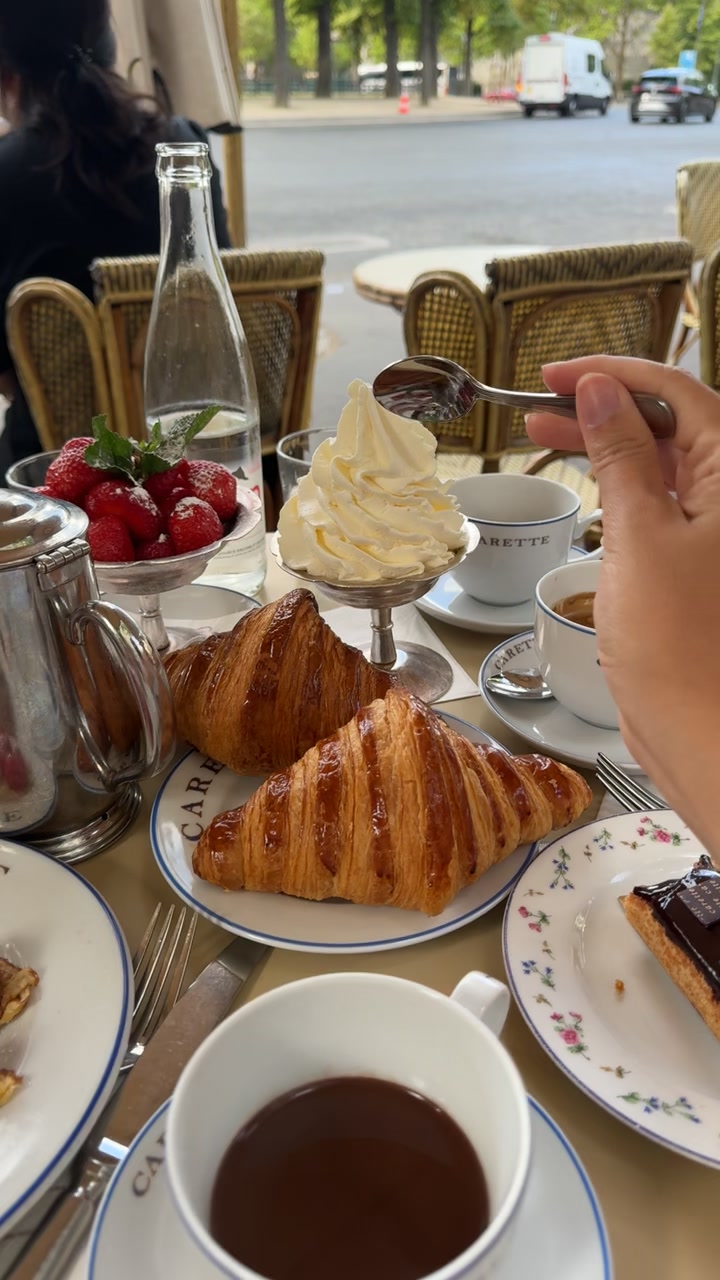
The quiet luxury of a Parisian café moment hits differently when it's visceral and real. Someone actually there, enjoying it, tasting it—not a polished advertisement. The whipped cream, the croissants, the hand holding the spoon create immediate FOMO because it feels like you're invited into something genuine.
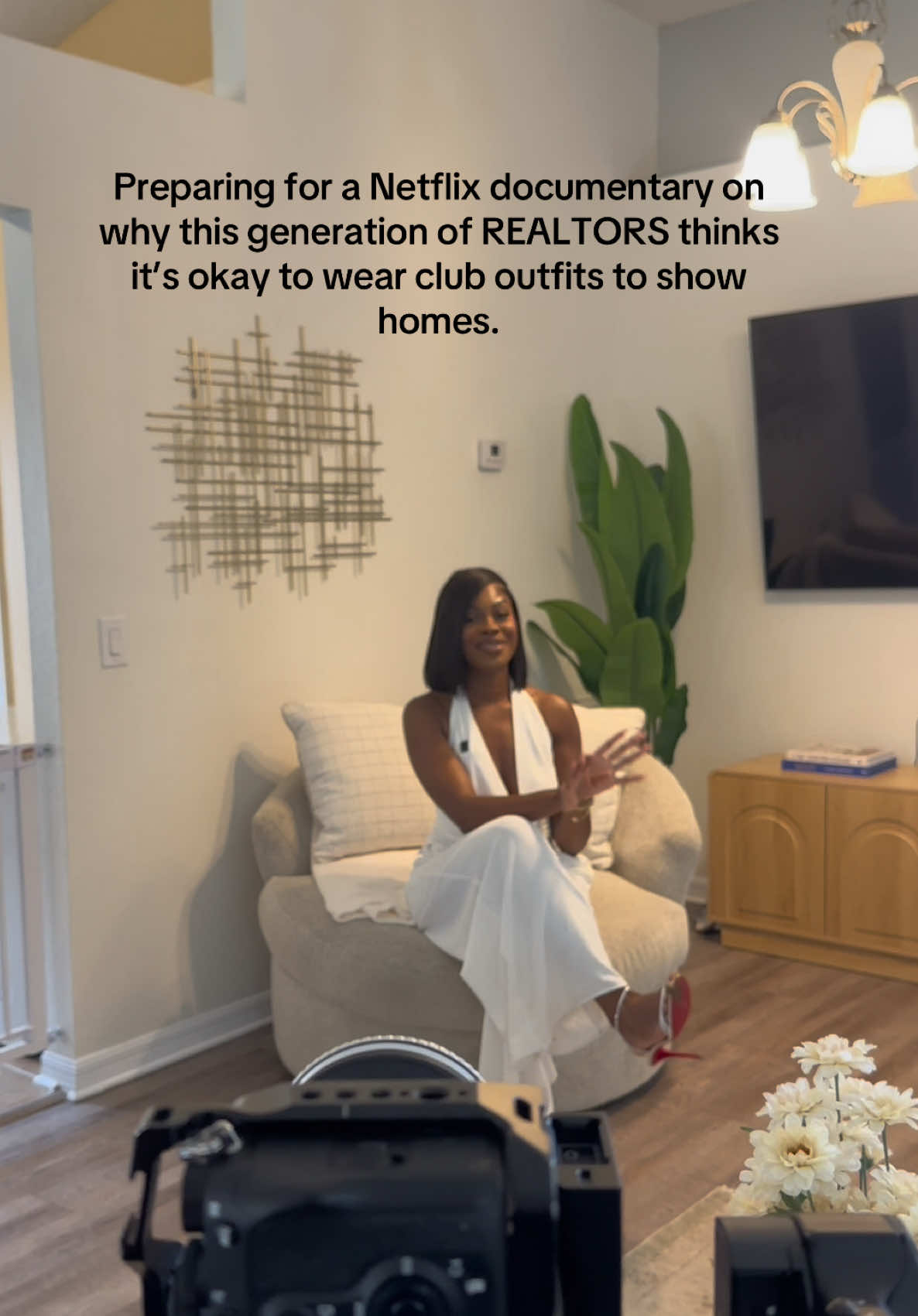
The post nails observational humor about a real industry shift—younger realtors ditching the formal blazer-and-pearls playbook for club wear and still closing deals. It's a gentle roast of a profession caught between old gatekeeping and new authenticity.
The headline triggers self-reflection by naming a pain point people experience but rarely discuss—it's not about skills or qualifications, it's about likability. Viewers save and share because it feels like a truth bomb that explains their career frustration.
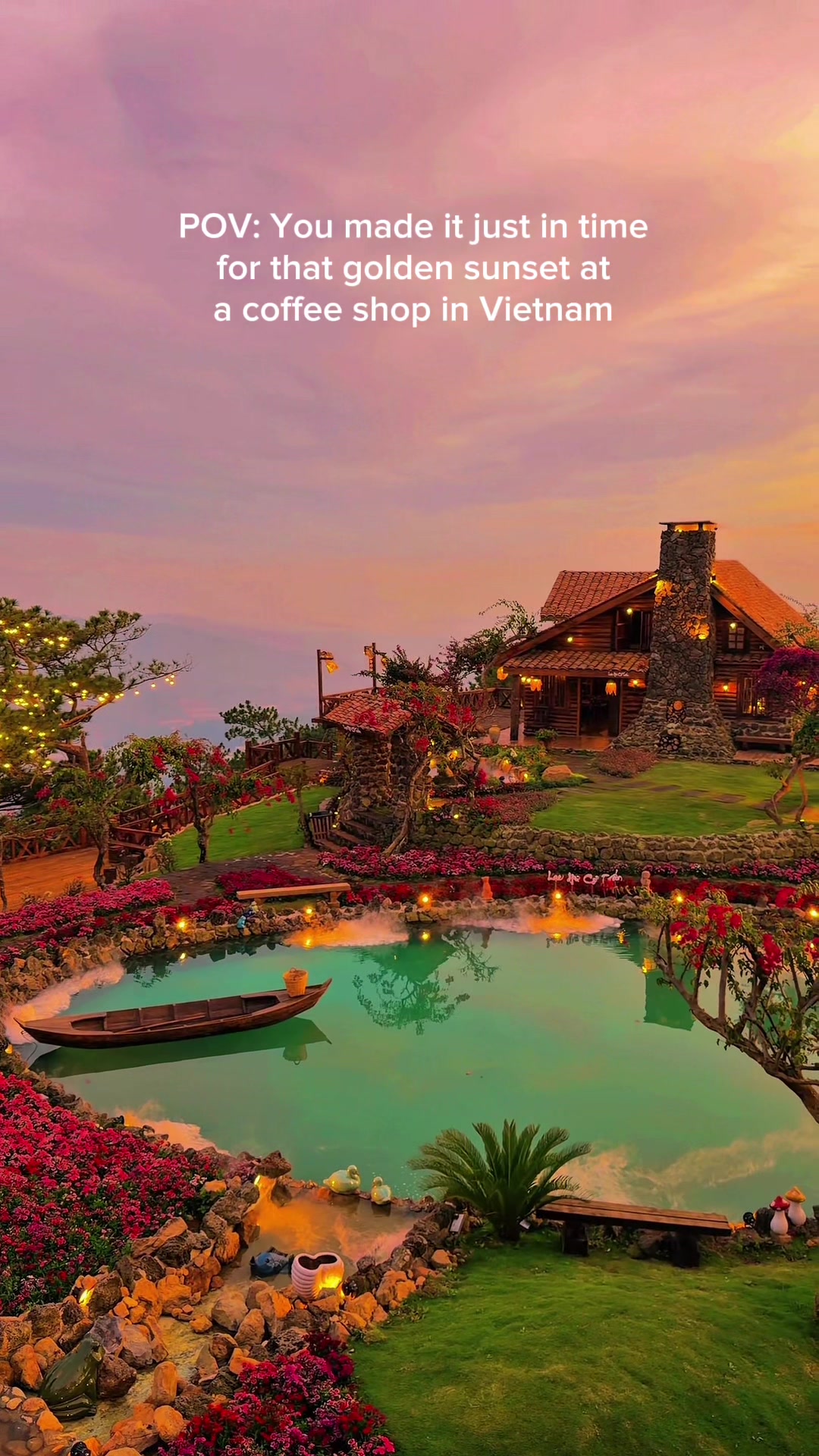
People save and share dreams, not just information. This post taps into wanderlust by presenting a cinematic escape that feels almost too perfect to be real—the surreal beauty makes it feel like a bucket-list moment worth preserving and sharing with others.
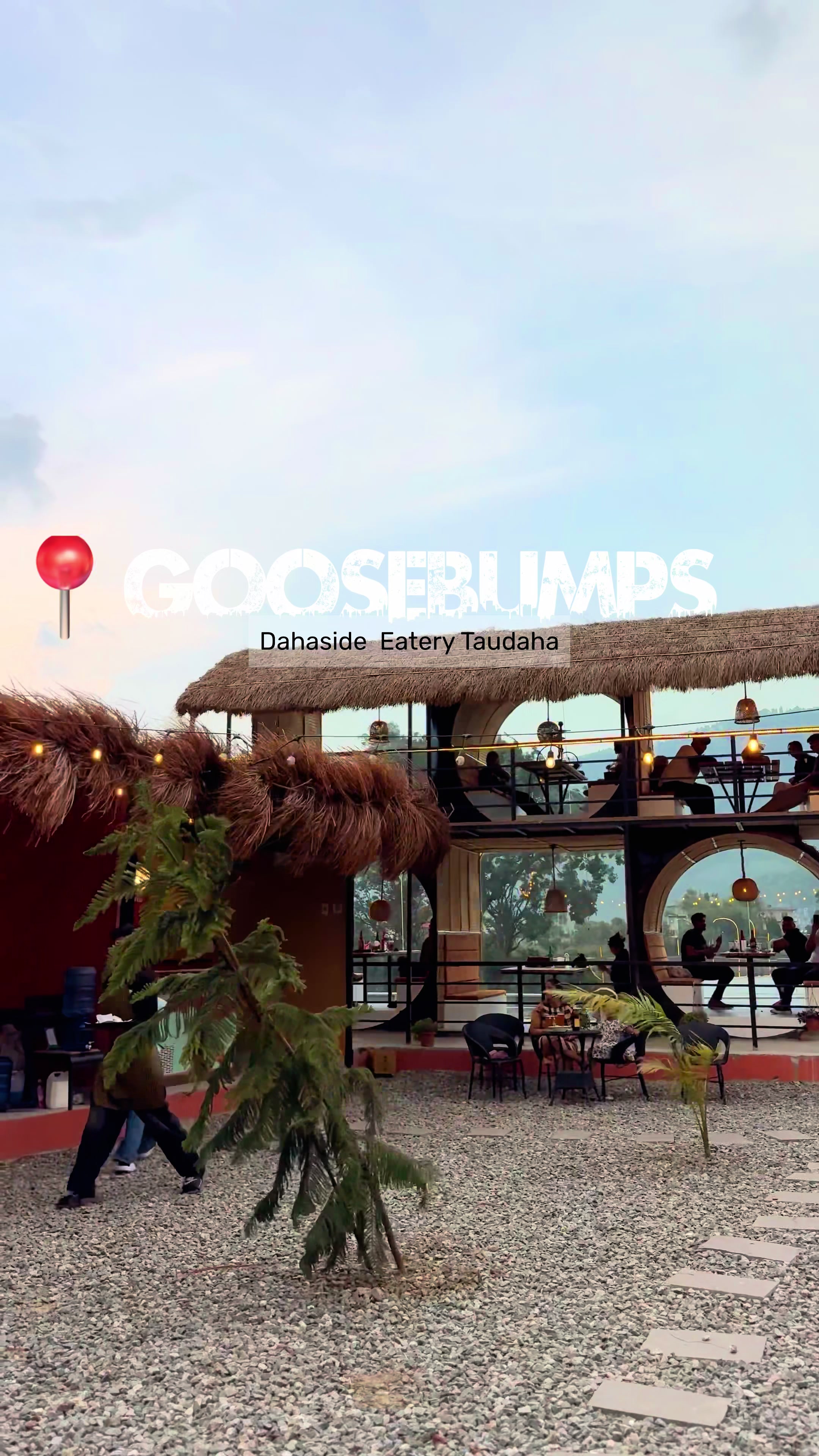
The aspirational aesthetic of a lakeside escape overpowered service complaints. People are drawn to the experience fantasy—golden hour light, thatched roof serenity, water views—more than they're deterred by the negative comments about wait times and food quality.
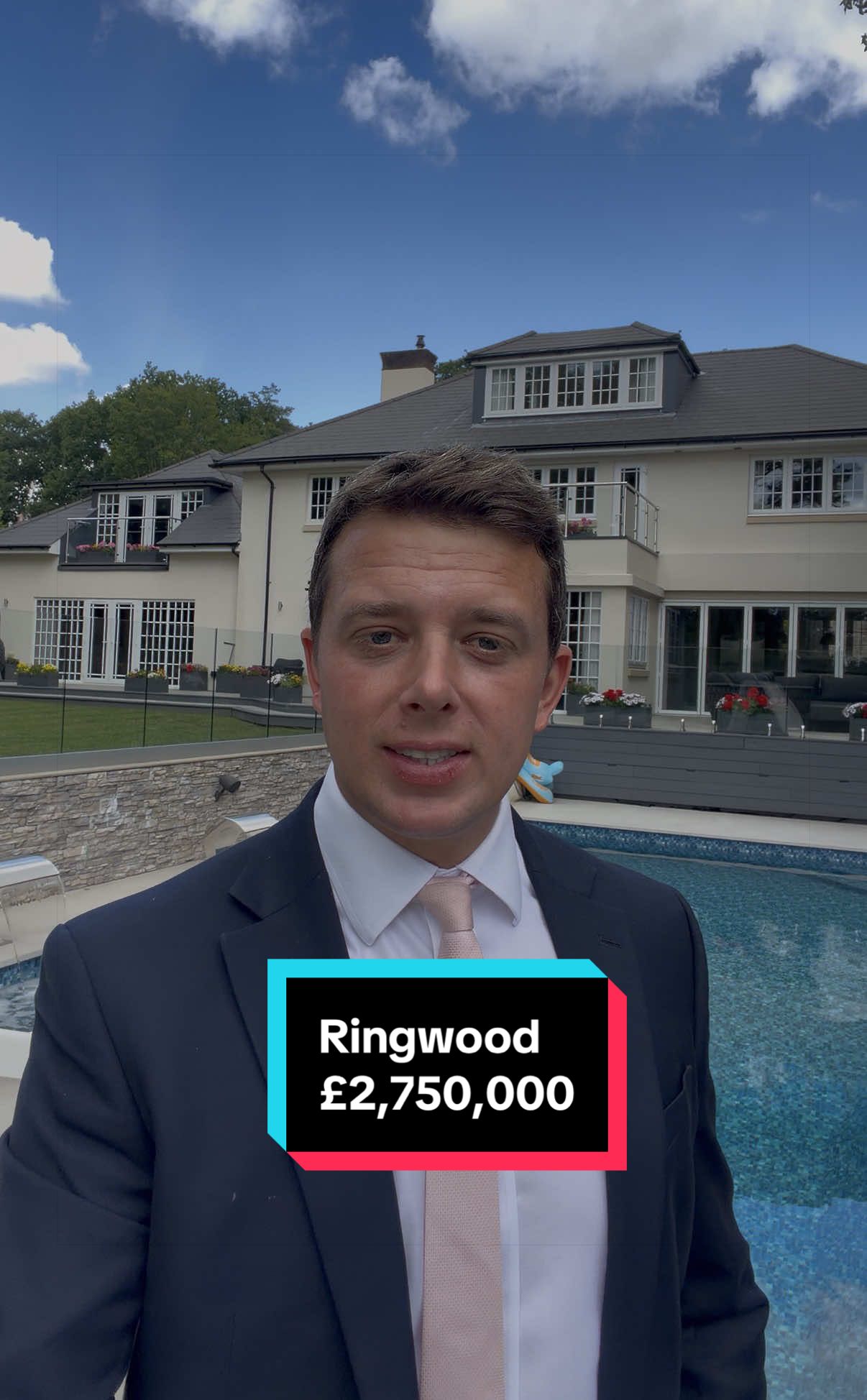
Showing a stunning property with genuine enthusiasm while standing right in front of it creates credibility and aspiration. The specific location reveal (Ringwood) plus the jaw-dropping price point sparks immediate conversation because people are curious, skeptical, or envious, all engagement drivers.
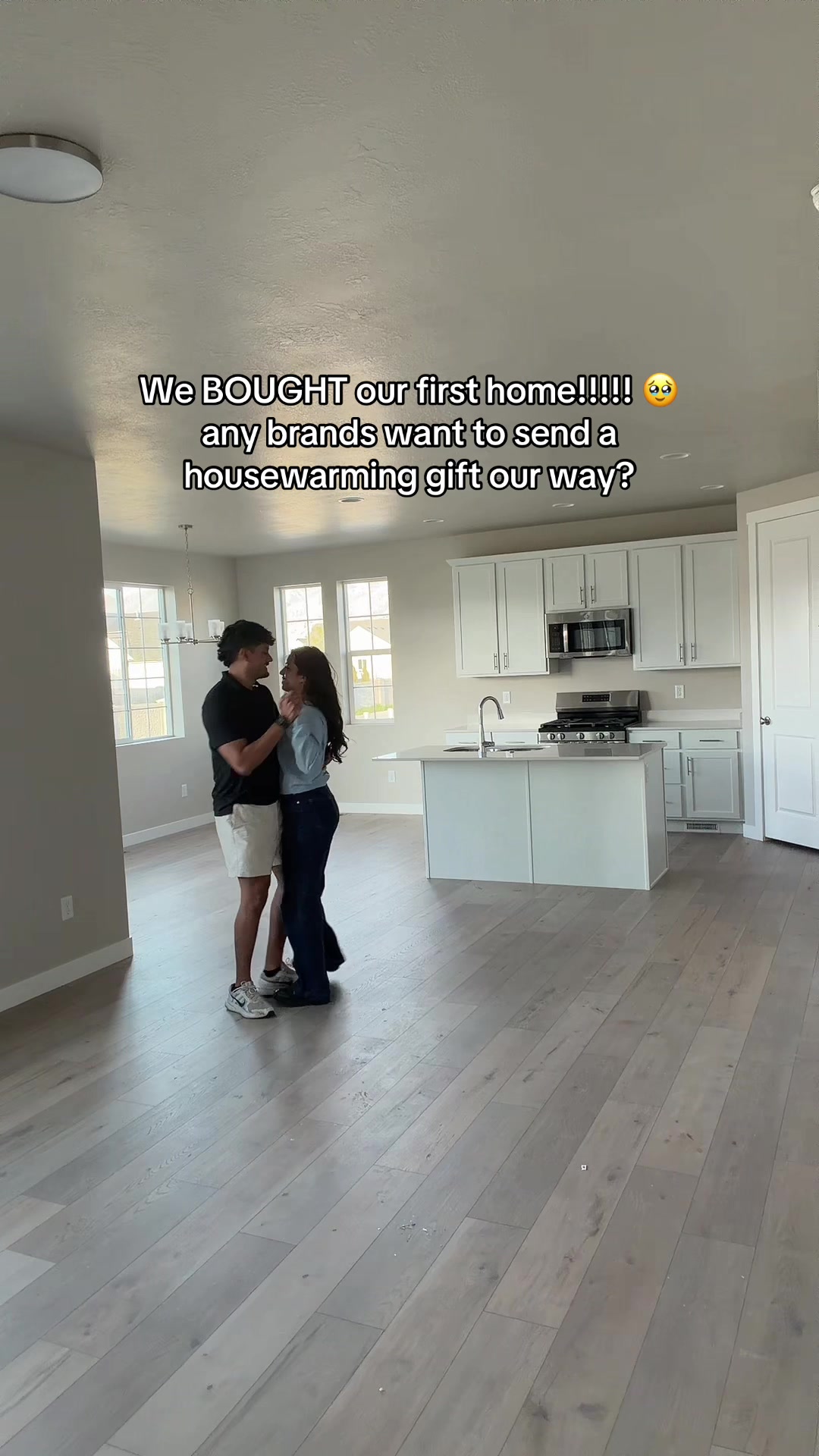
The raw joy of a first home purchase is magnetic. Two people genuinely celebrating in an empty space hits harder than any staged home tour because it taps into a universal milestone moment. Brands see opportunity in authentic life events, not polished content.
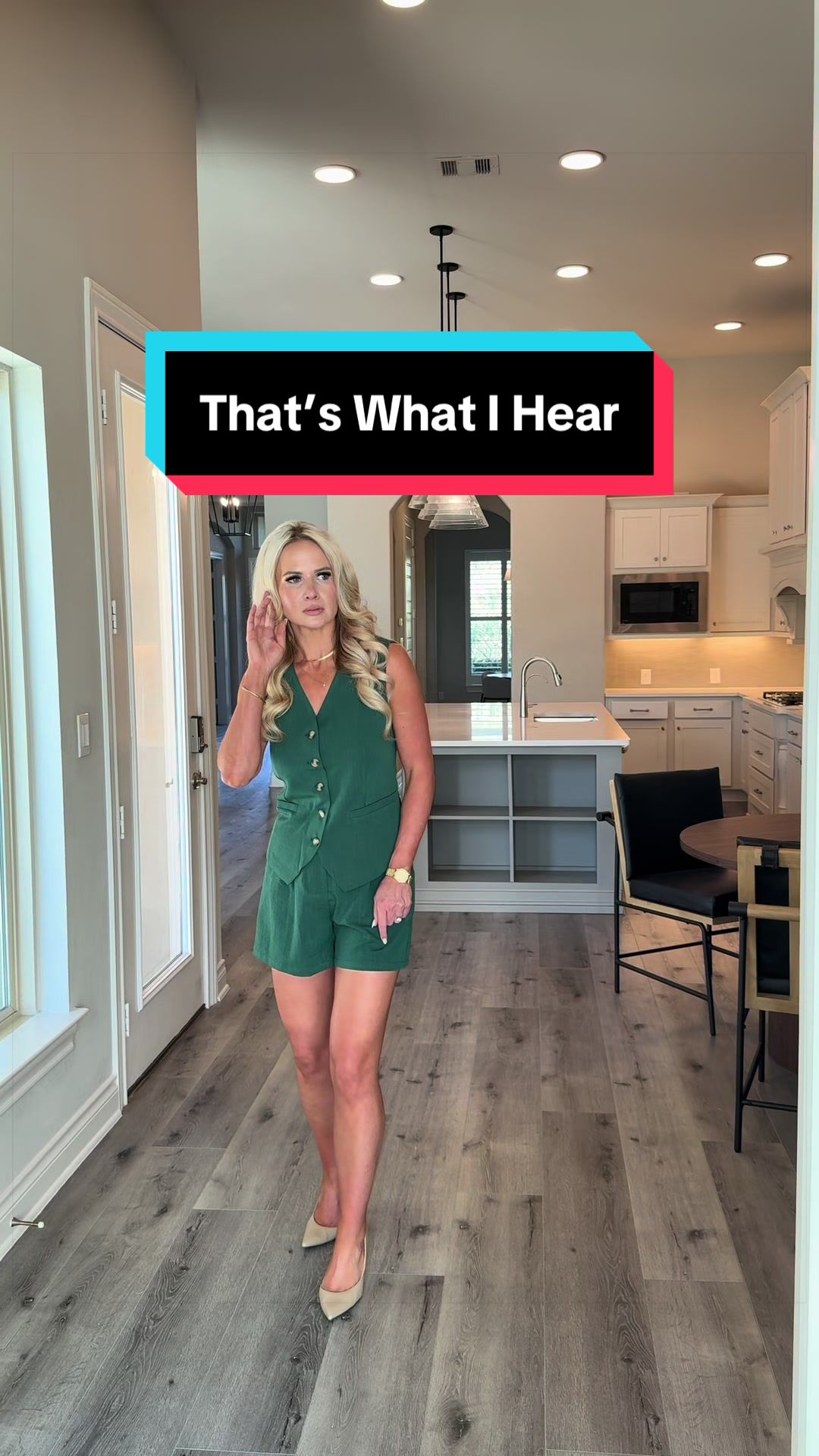
The post taps into an audio-visual trend that feels fun and personal rather than salesy. Pairing a recognizable song with a relatable interpretation creates an instant hook, making the realtor feel like a peer sharing a joke rather than pitching. People save and comment because it's entertaining first, professional second.
People crave real numbers on big life purchases, especially first-time homebuying. The candid breakdown of actual out-of-pocket costs cuts through the mystery and speaks directly to anyone anxious about affording homeownership. Authenticity wins over polish here.

This post taps into the real tension young people face when choosing careers, stripping away the glamour to show the actual timeline tradeoff. By visualizing two paths side-by-side at different life stages, it makes an abstract decision concrete and forces people to confront what they're really choosing.
The absurdist hot take about outdated job search advice hits because it perfectly captures Gen Z frustration with career guidance that hasn't aged. The genuine bewilderment in her delivery sells the joke without needing a punchline, making it feel like real exasperation rather than a sketch.
First-time homebuyer anxiety is huge, and this creator taps into it by positioning herself as the voice of experience—someone who knows what NOT to do. People save this because it feels like free financial wisdom from a peer, not a sales pitch.
People crave permission to choose happiness over prestige. By framing a major career pivot as rational (not reckless), she gave viewers a refreshing counternarrative to the hustle-at-all-costs Big 4 grind and sparked genuine conversation about what success actually means.
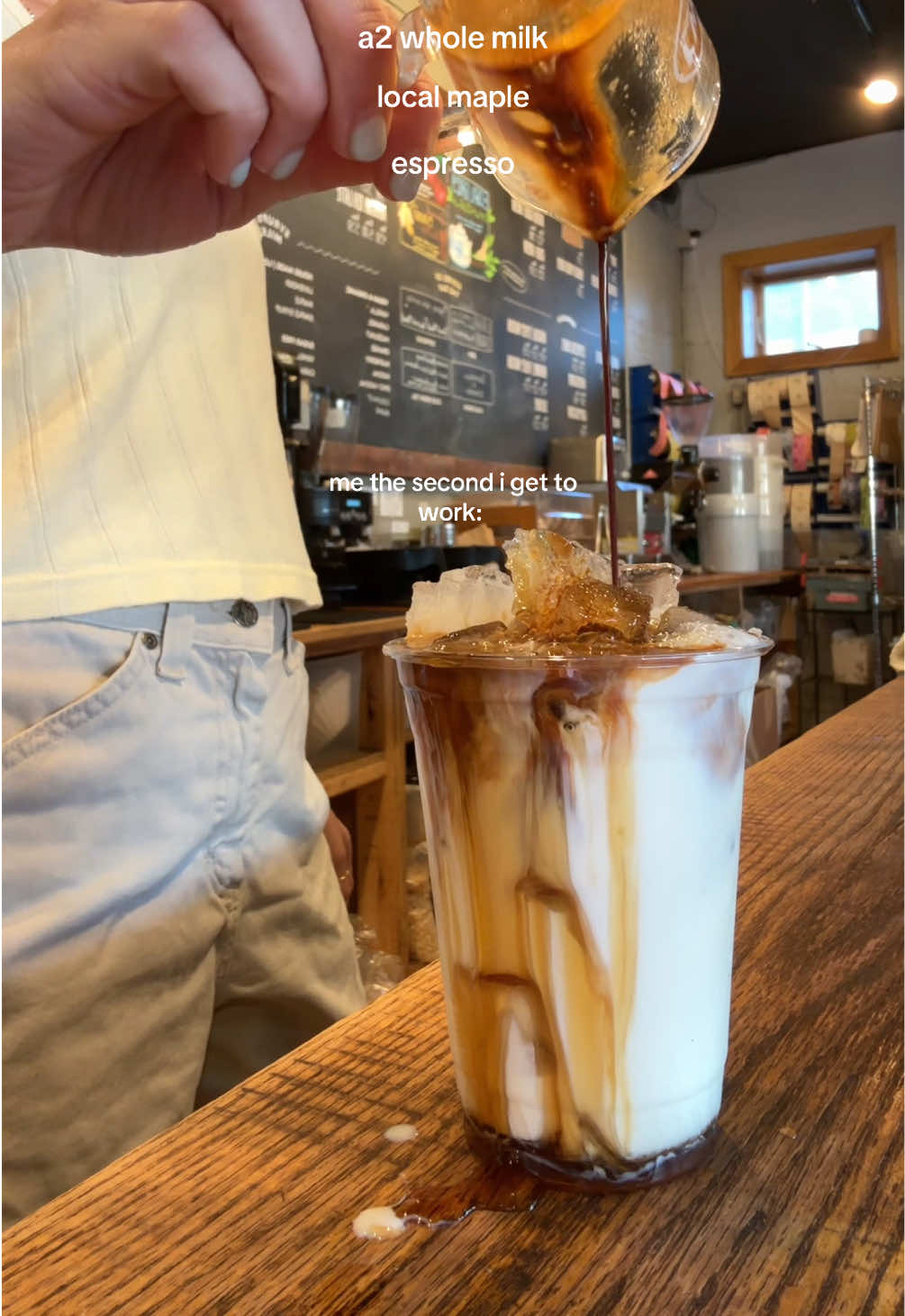
The relatable "I'm a coffee person first thing at work" hook combined with the satisfying visual of an ice-heavy drink taps into both workplace humor and the unspoken barista code of custom orders. People love feeling like insiders to a cafe's secrets.
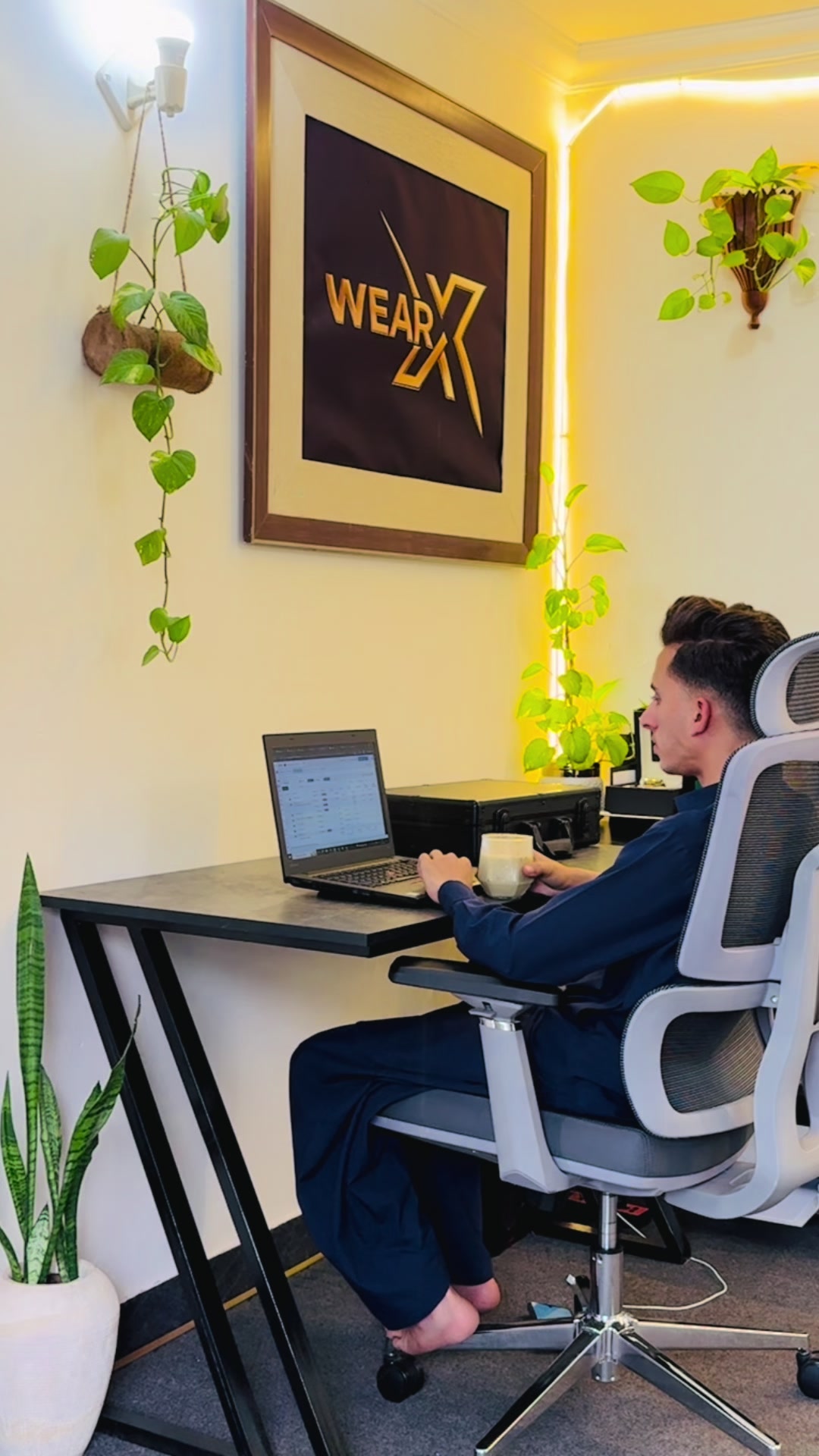
Clean workspace aesthetics combined with genuine business setup creates aspirational yet achievable vibes. The yellow neon-lit office with plants signals modern entrepreneurship without feeling untouchable, making viewers see themselves building similar setups.
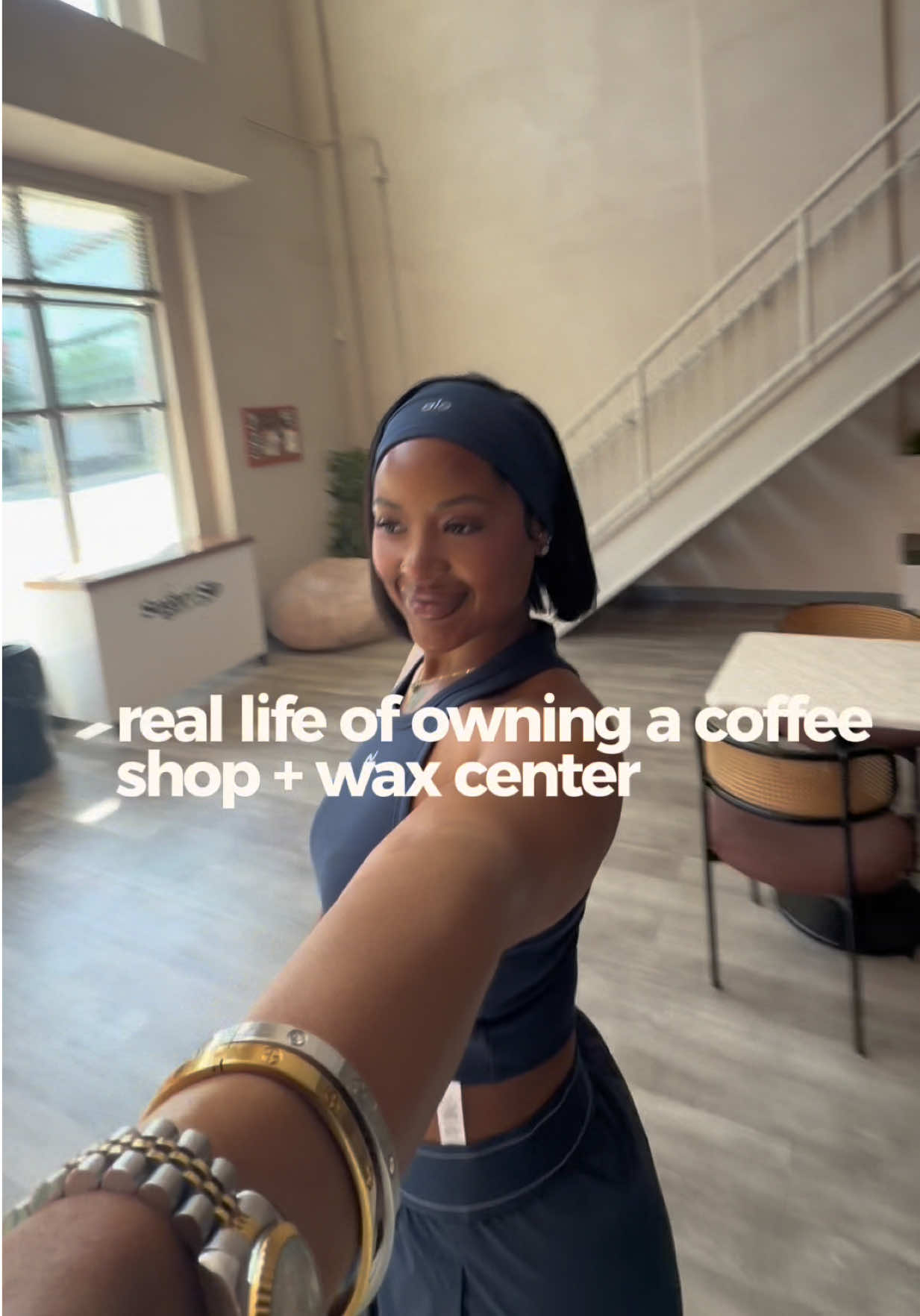
The "real life of owning" framing taps into entrepreneurship aspiration while the dual business angle signals hustle and ambition. People save this because it feels authentic to their own dreams, not polished fantasy.
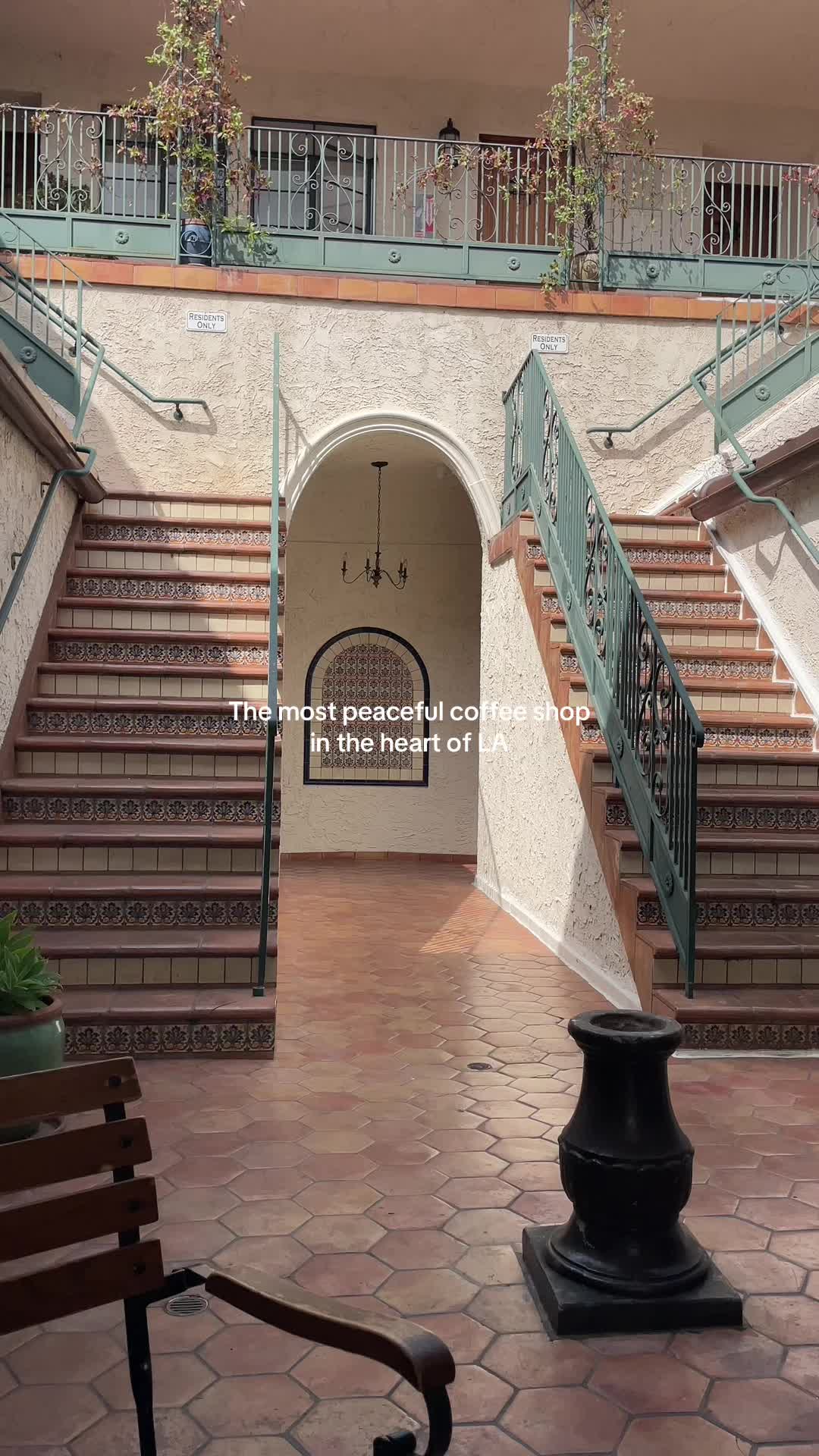
People saved this obsessively because it taps into the fantasy of hidden urban sanctuaries, places that feel removed from chaos. The architectural beauty paired with genuine solitude creates aspirational escapism that feels attainable, not out of reach.
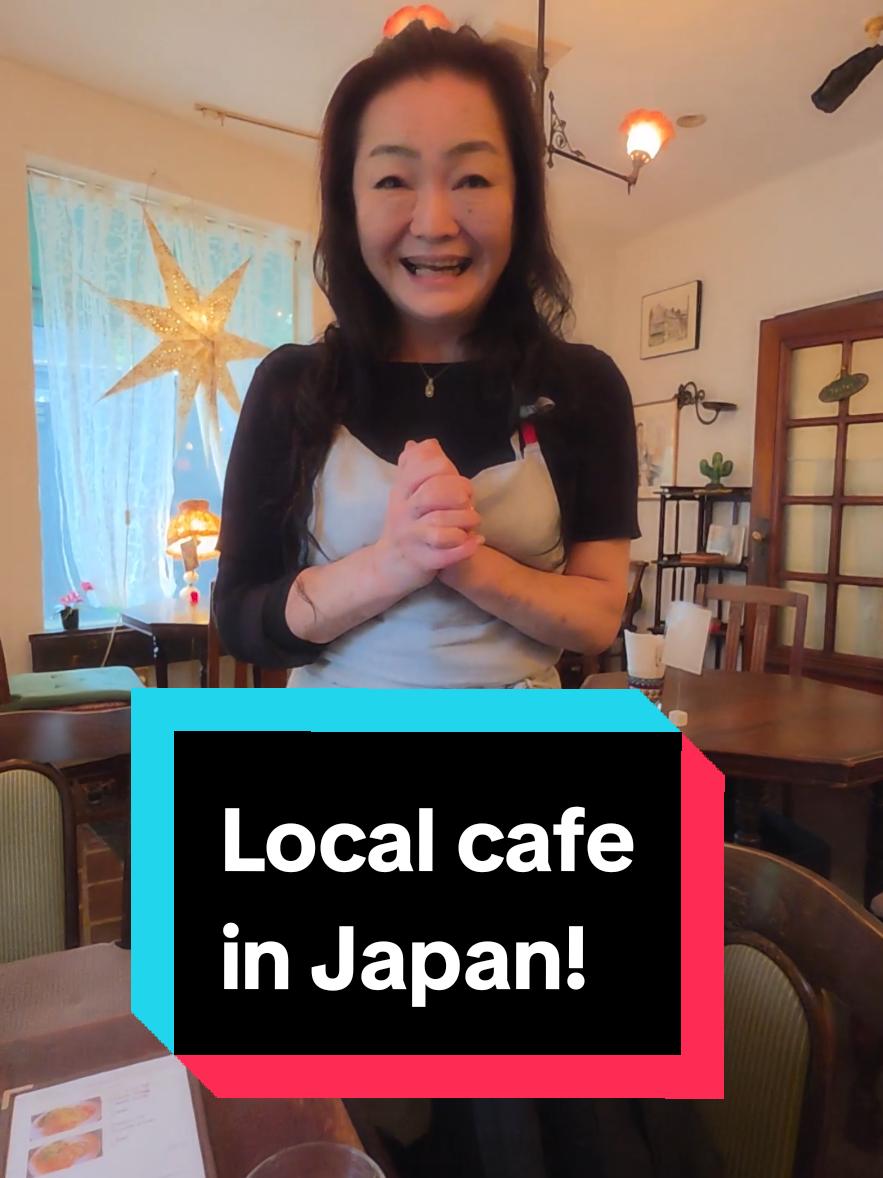
Genuine, unscripted interaction in a relatable setting hits harder than polished travel content. The real conversation with the cafe staff felt authentic—people save this because it's a slice of actual cultural exchange, not a curated experience.
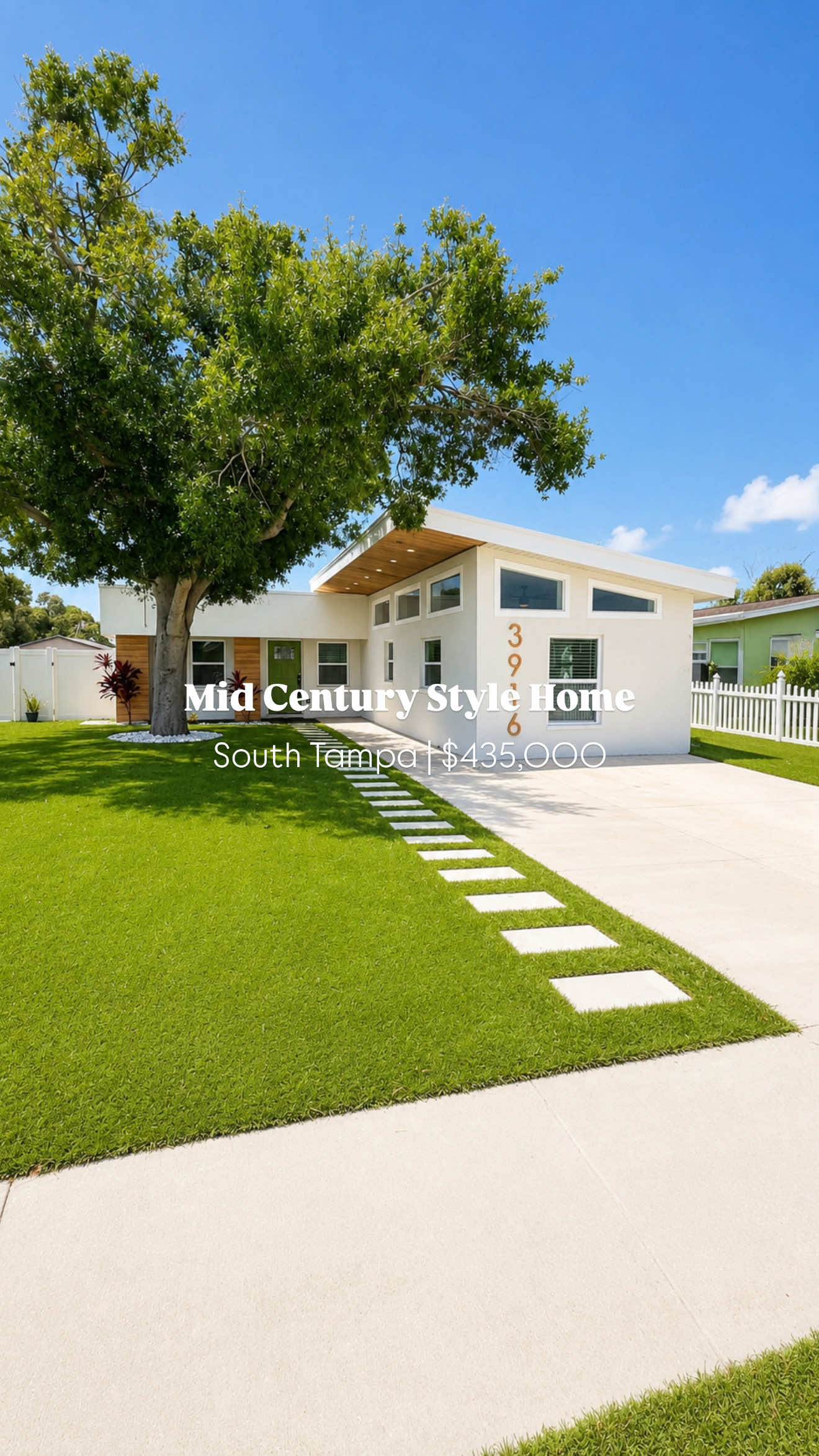
People are drawn to homes with a strong visual identity, especially when paired with specific details that spark debate. The mid-century design creates instant aspirational appeal, while mentioning flood zone and location triggers genuine concern and discussion, making viewers feel like they're weighing a real decision rather than just scrolling through listings.
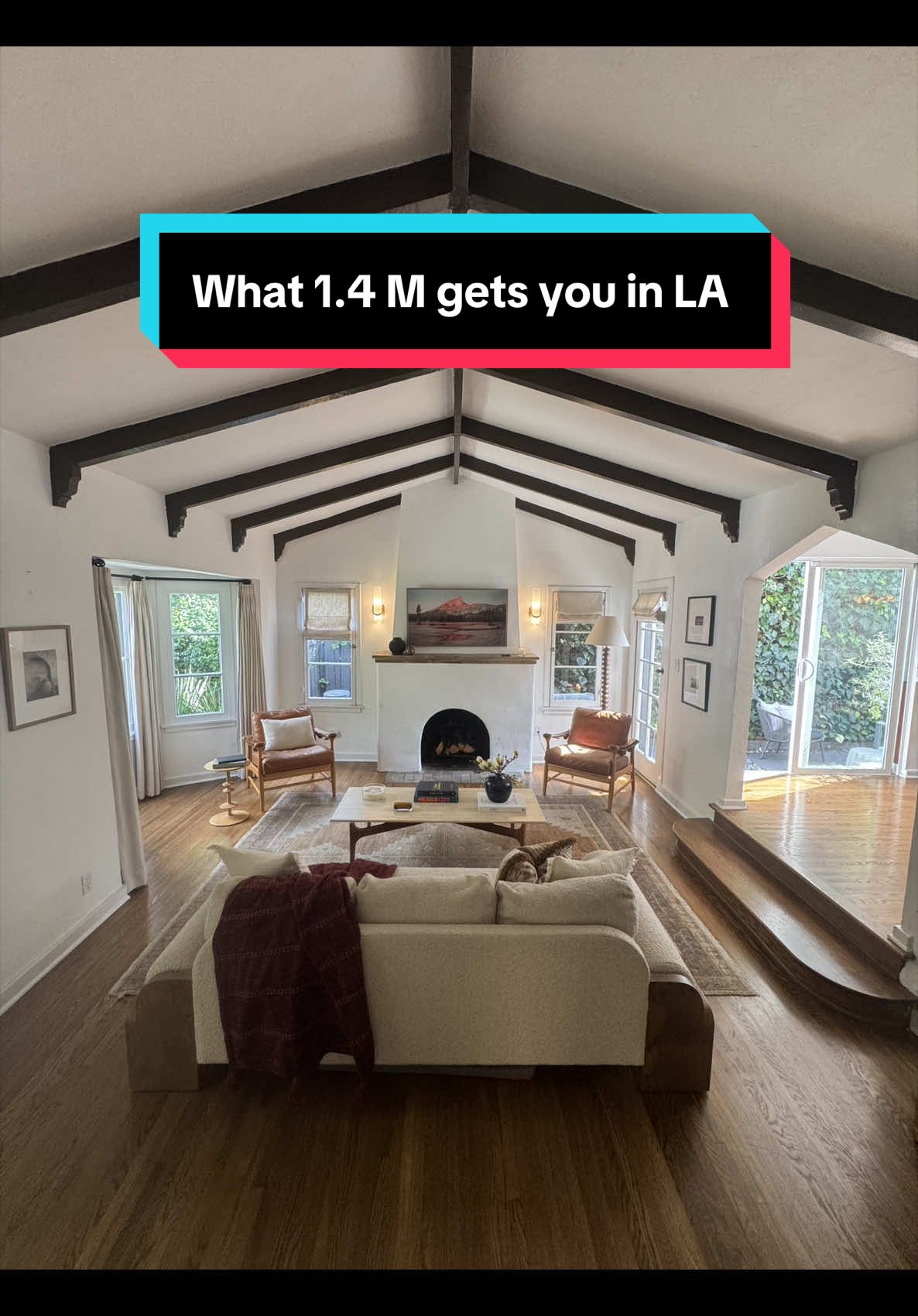
The gap between stunning design and eye-watering price creates cognitive dissonance that stops the scroll. People save it not because they can buy it, but because they're fascinated by what 1.4M actually gets you in LA, making it feel like aspirational window shopping rather than a sales pitch.
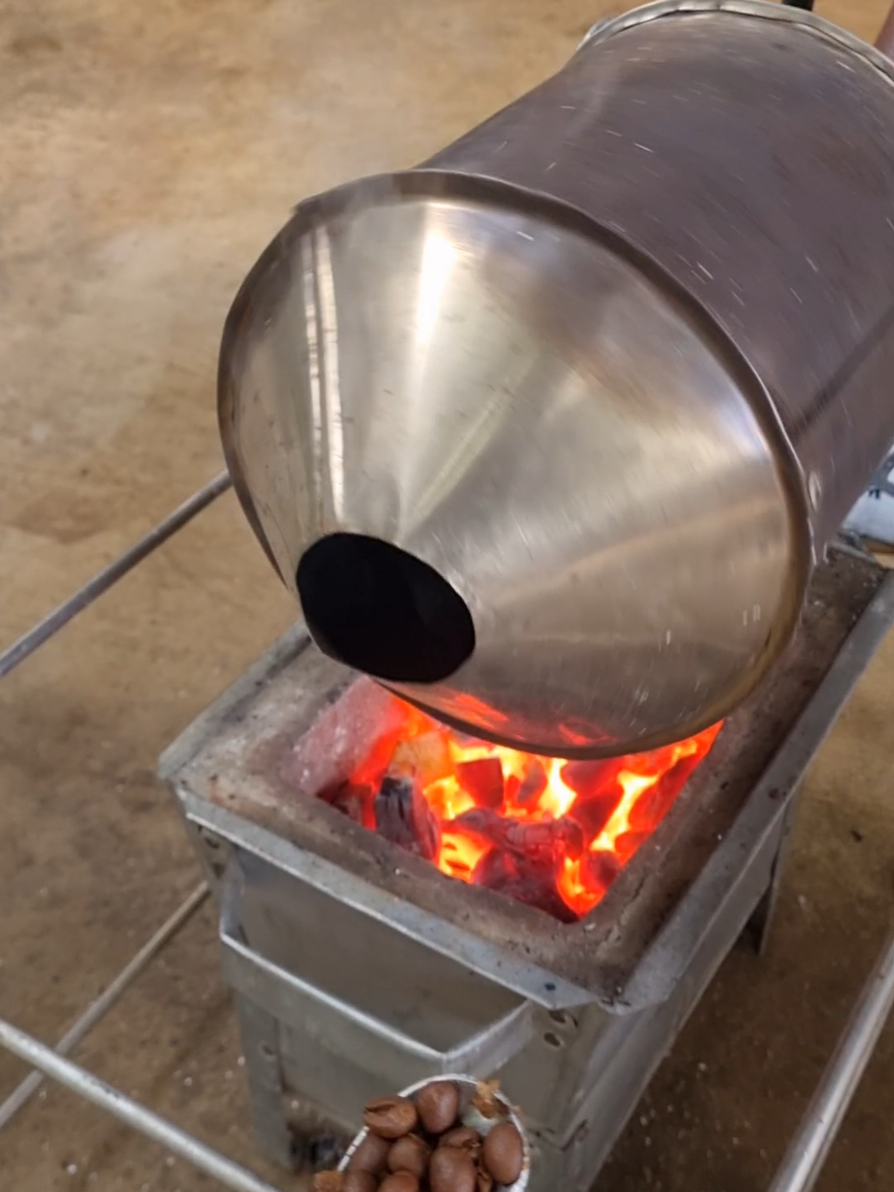
The raw, tactile appeal of watching coffee roast over live fire taps into sensory craving and craft authenticity. People are drawn to the visible transformation and the implied aroma, making an industrial process feel intimate and achievable.
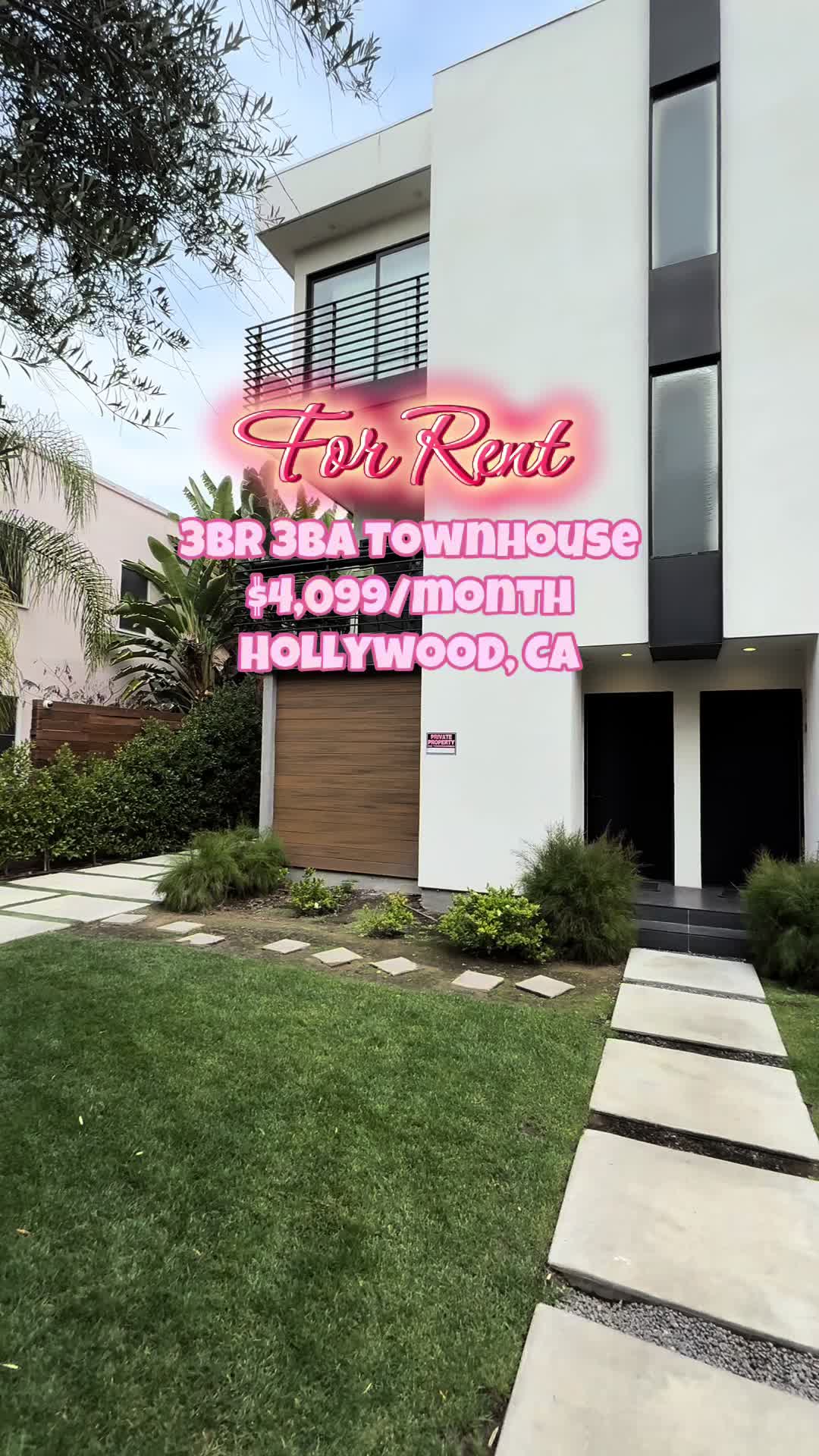
The price point hits a nerve in an expensive market. At $4,099 for a 3BR in Hollywood, this isn't just a listing—it's a rare find that makes people feel like they spotted a deal. The neon aesthetic adds aspirational polish to what's fundamentally a practical problem solver.
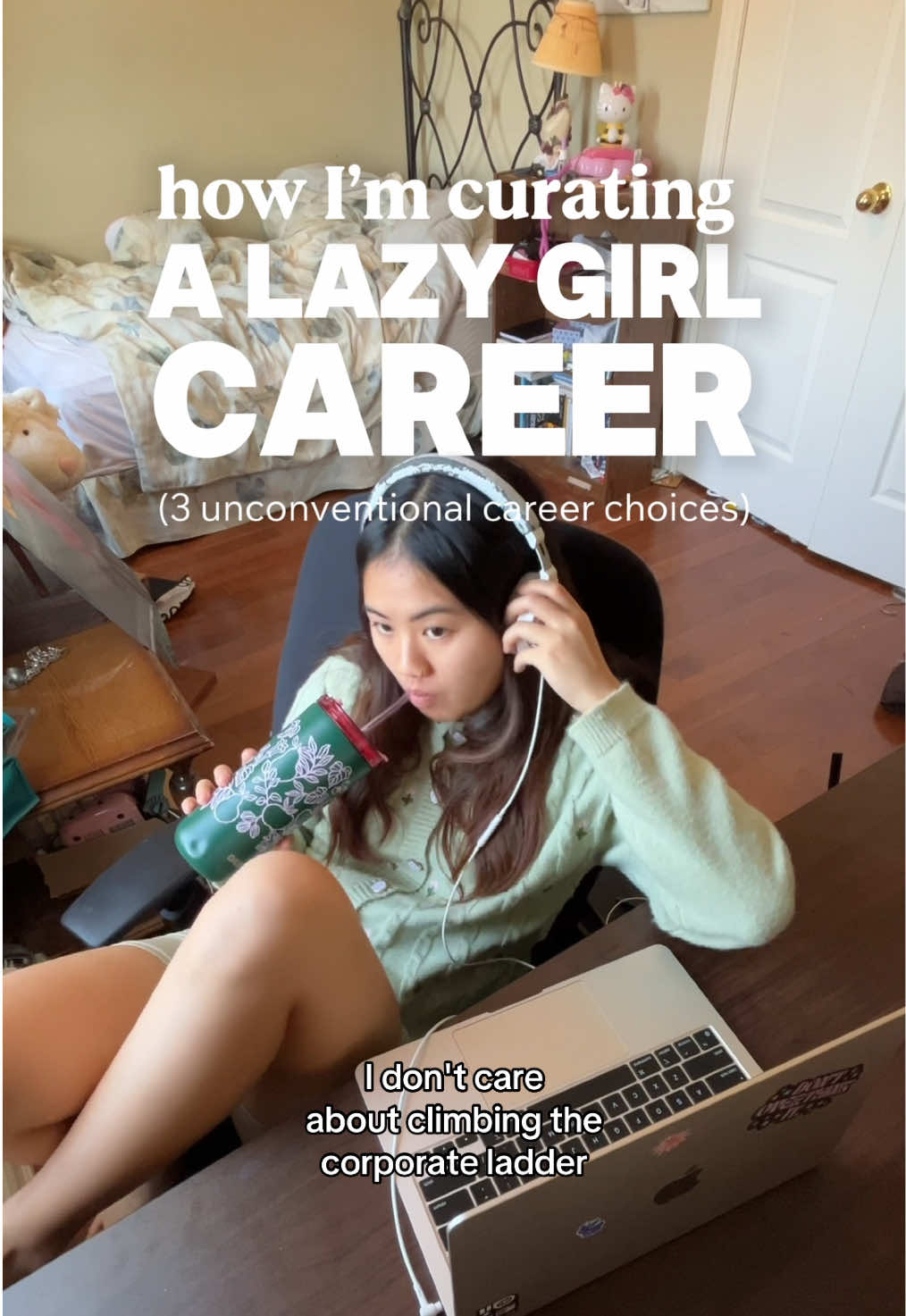

Dreamy, immersive spaces trigger wanderlust and save-ability. The combination of vibrant aesthetics, discovery appeal, and travel inspiration—wrapped in cafe culture—speaks to people planning their next trip or seeking escapism through visual beauty.
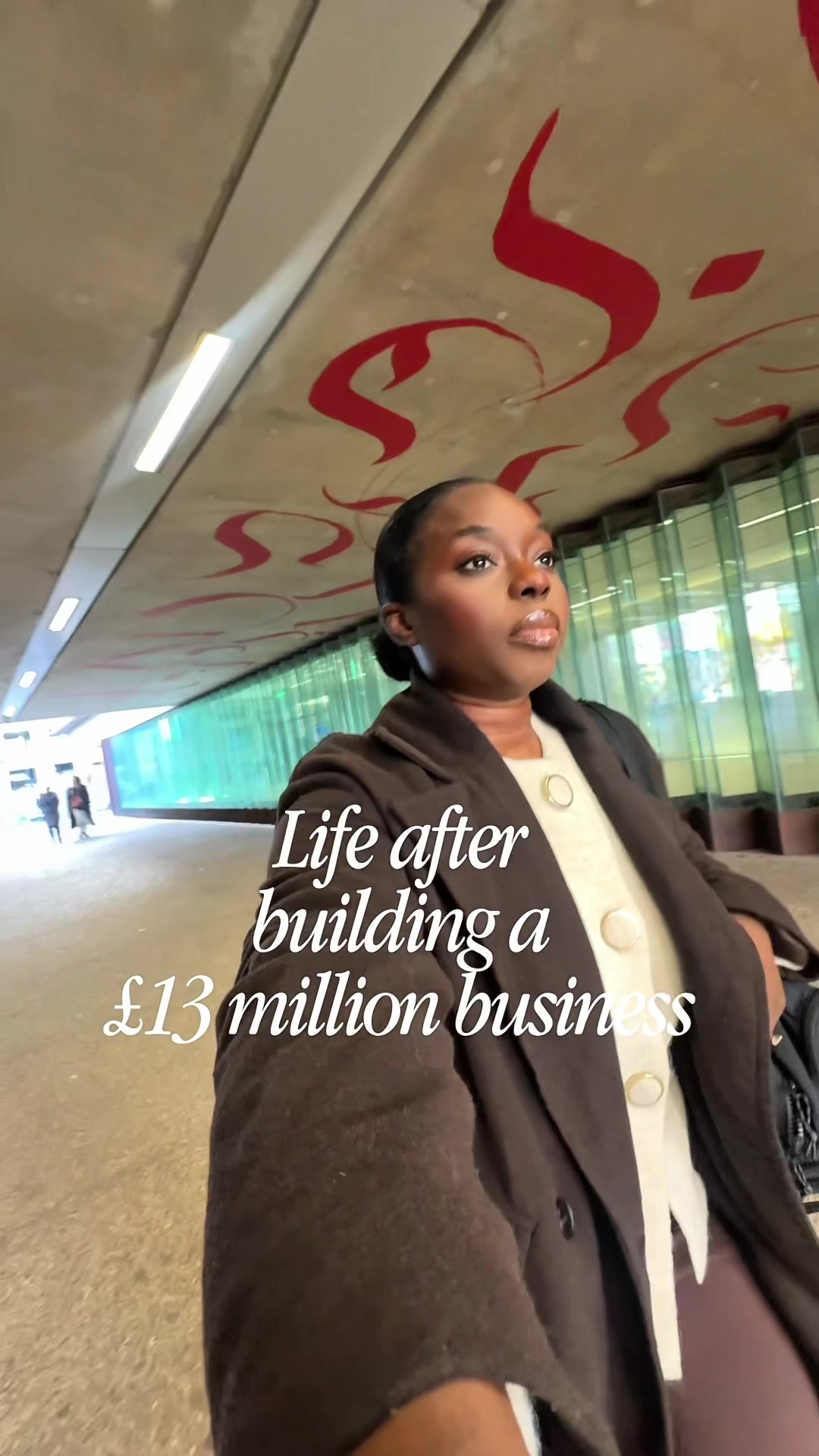
The specificity of a £13 million business milestone paired with an ambiguous "life after" hook creates curiosity that drives saves. People want the full story, and the polished setting signals legitimacy, making this feel like insider access to real entrepreneurial stakes.
Authentic founder stories with real reactions hit harder than polished pitches. People connect with the vulnerability of a young entrepreneur sharing actual challenges, not just success highlights.
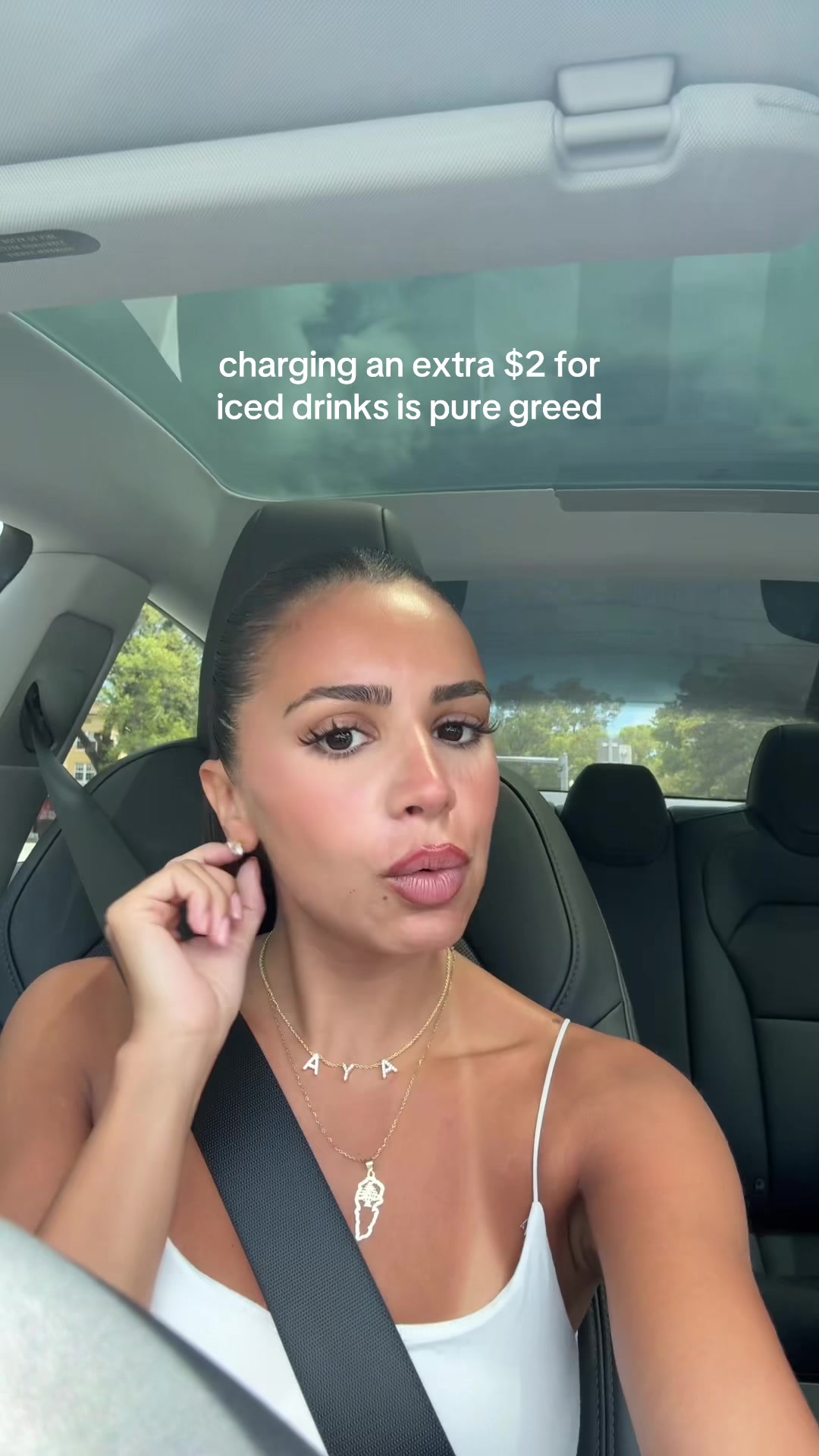
This taps into a universal frustration about perceived price gouging on something that feels like an obvious ripoff. The hot take framing ("lost their damn minds") validates what viewers already suspect, making them feel heard rather than lectured. Raw delivery from a car amplifies authenticity.
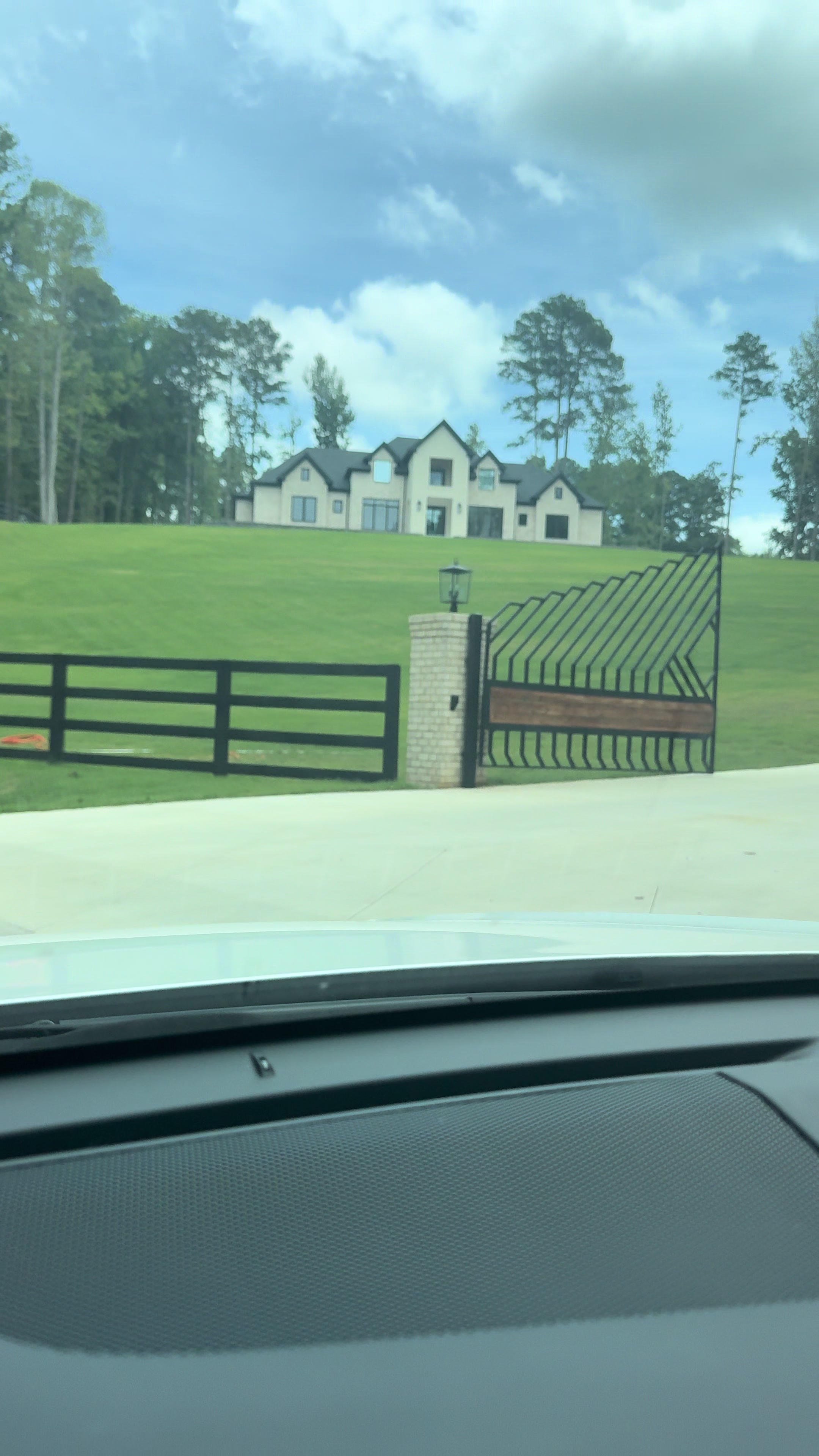
The aspirational property showcased on a stunning acreage hit a nerve around success and representation. A Black female realtor flexing a high-end listing tapped into celebration and admiration, while the casual car-window framing kept it relatable instead of stuffy.
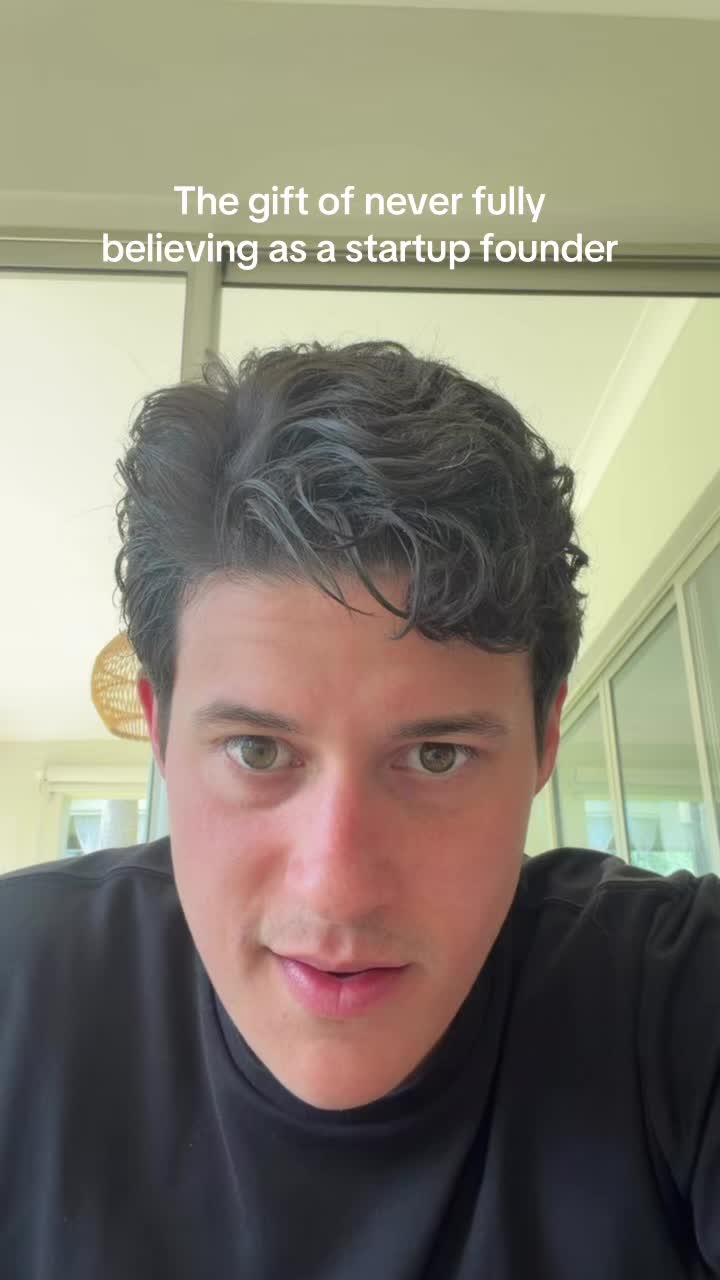
The post taps into founder psychology by reframing self-doubt as an asset, not a liability. It's relatable because it validates the anxiety most entrepreneurs actually feel while flipping it into something protective and wise.
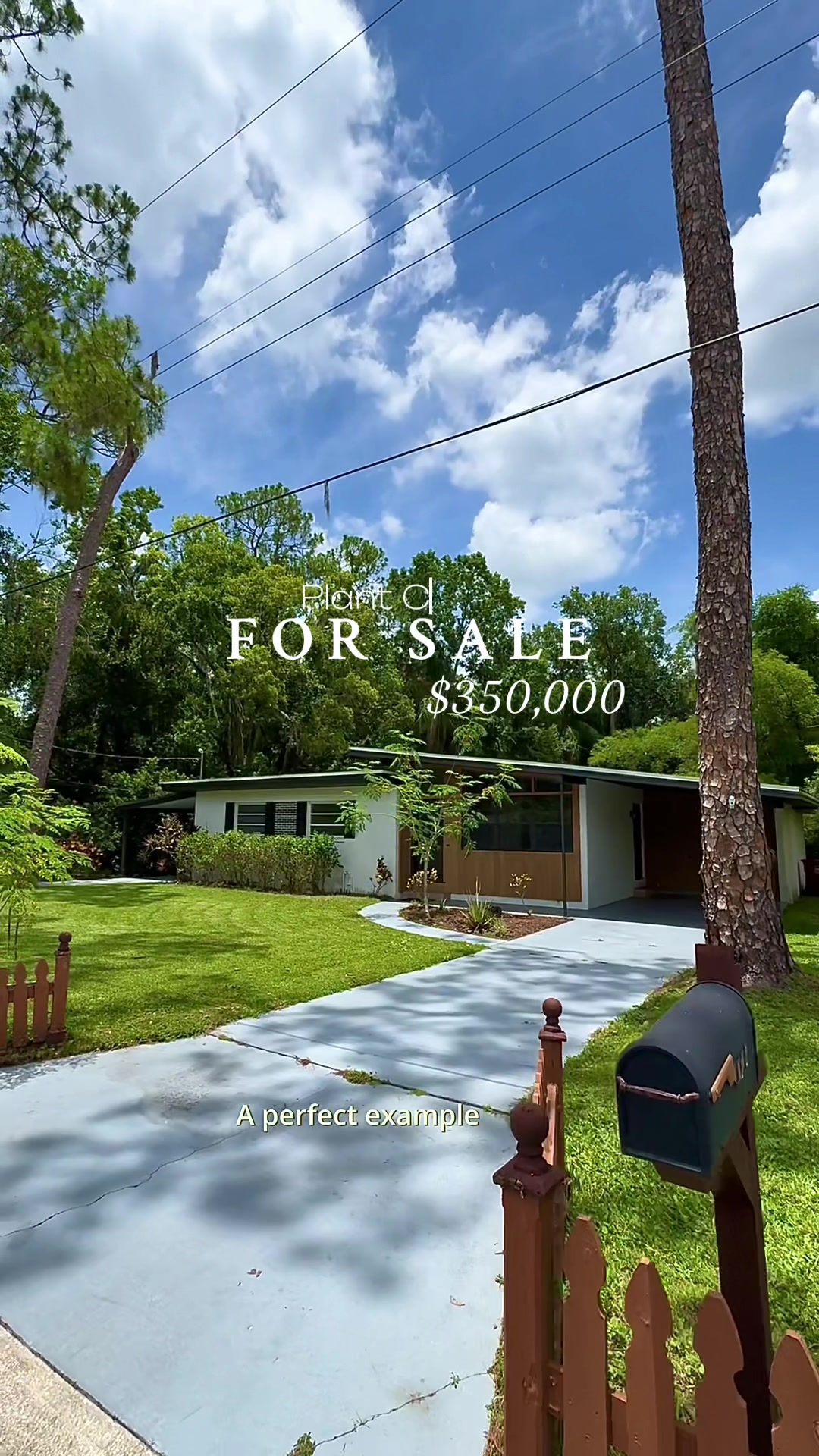
The post taps into real estate FOMO by showing a desirable property at a price point that feels achievable, but the comments reveal the real story: location skepticism. People engage hard because there's tension between the attractive home and the "meh" location, turning a simple listing into a debate.

People lean in for founder stories that feel specific and lived-in, not polished. The "Part 2" framing taps into genuine curiosity about what comes next, and the raw, unfiltered delivery makes viewers feel like they're hearing real struggle rather than a highlight reel.
The setup promises drama (bad treatment at a cafe) but delivers humor instead, creating a satisfying misdirect. People love the fake-out because it feels like an inside joke, plus the genuine frustration expression reads as authentic even when it's comedic.
The raw exhaustion moment hits harder than polished professionalism. People connect with the unguarded truth of a grueling job, and seeing someone literally collapse on the floor after showing homes all day humanizes the grind behind selling real estate. It's vulnerability disguised as humor.
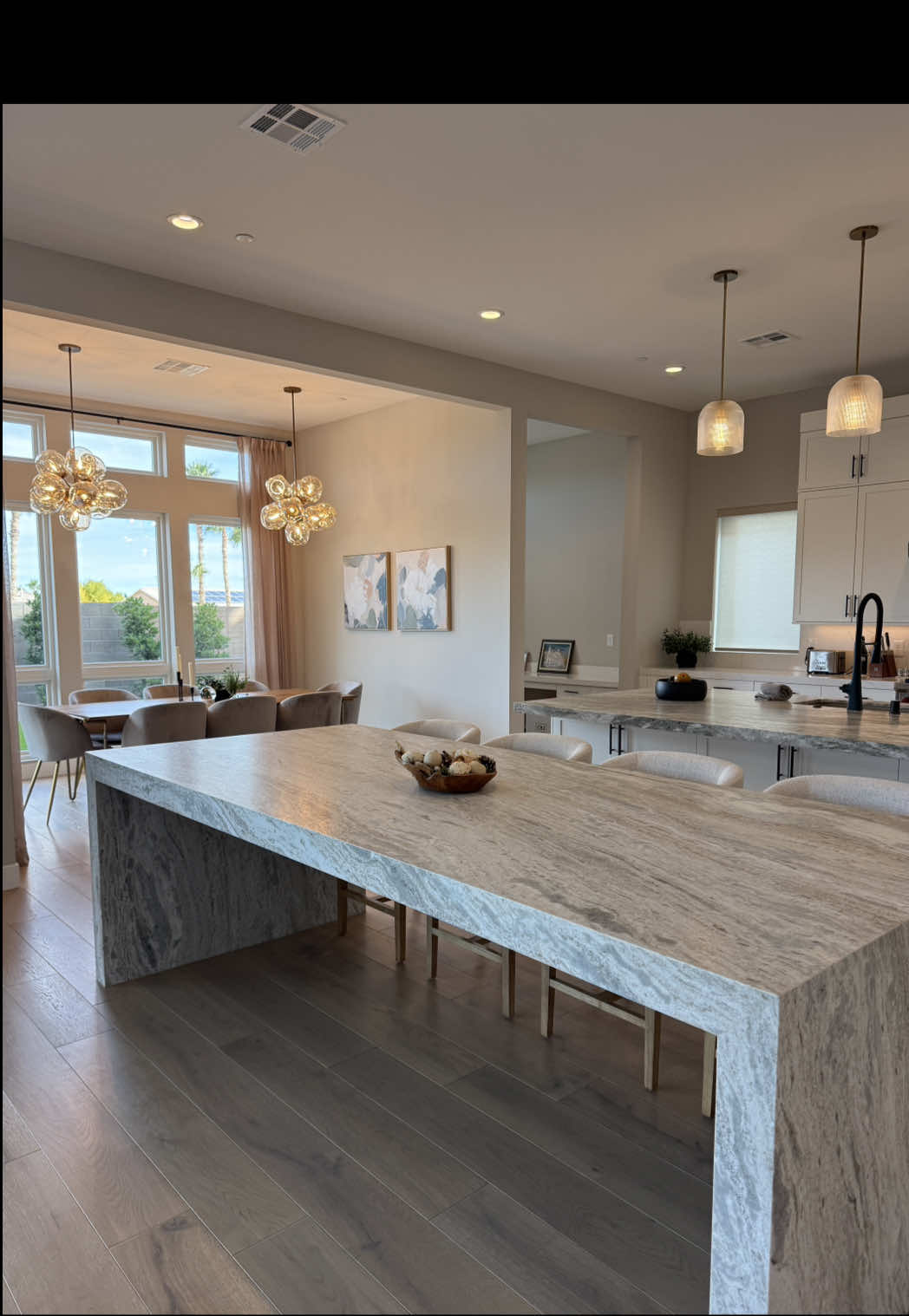
This post flips the "realtors are overpaid" narrative by showing the unglamorous work behind the glamorous homes. The comments prove people connect with the grind and imperfection, not just the finished product. Real frustration reads as authentic.
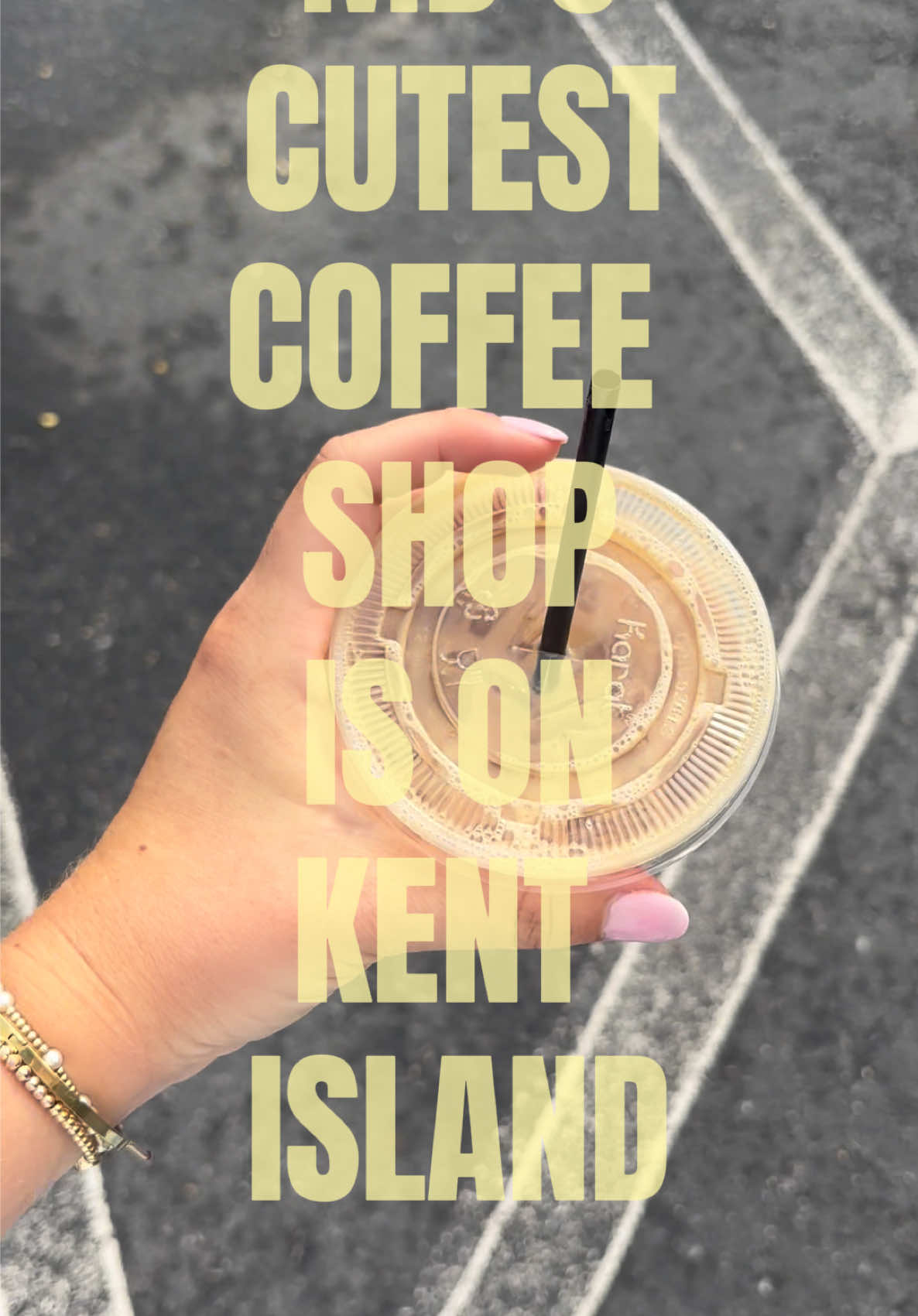
Calling out a specific local gem sparks protective passion and community pride. People save and share places they love, especially when there's a slight gatekeeping tension—the coffee shop becomes a badge of belonging to something discovered.
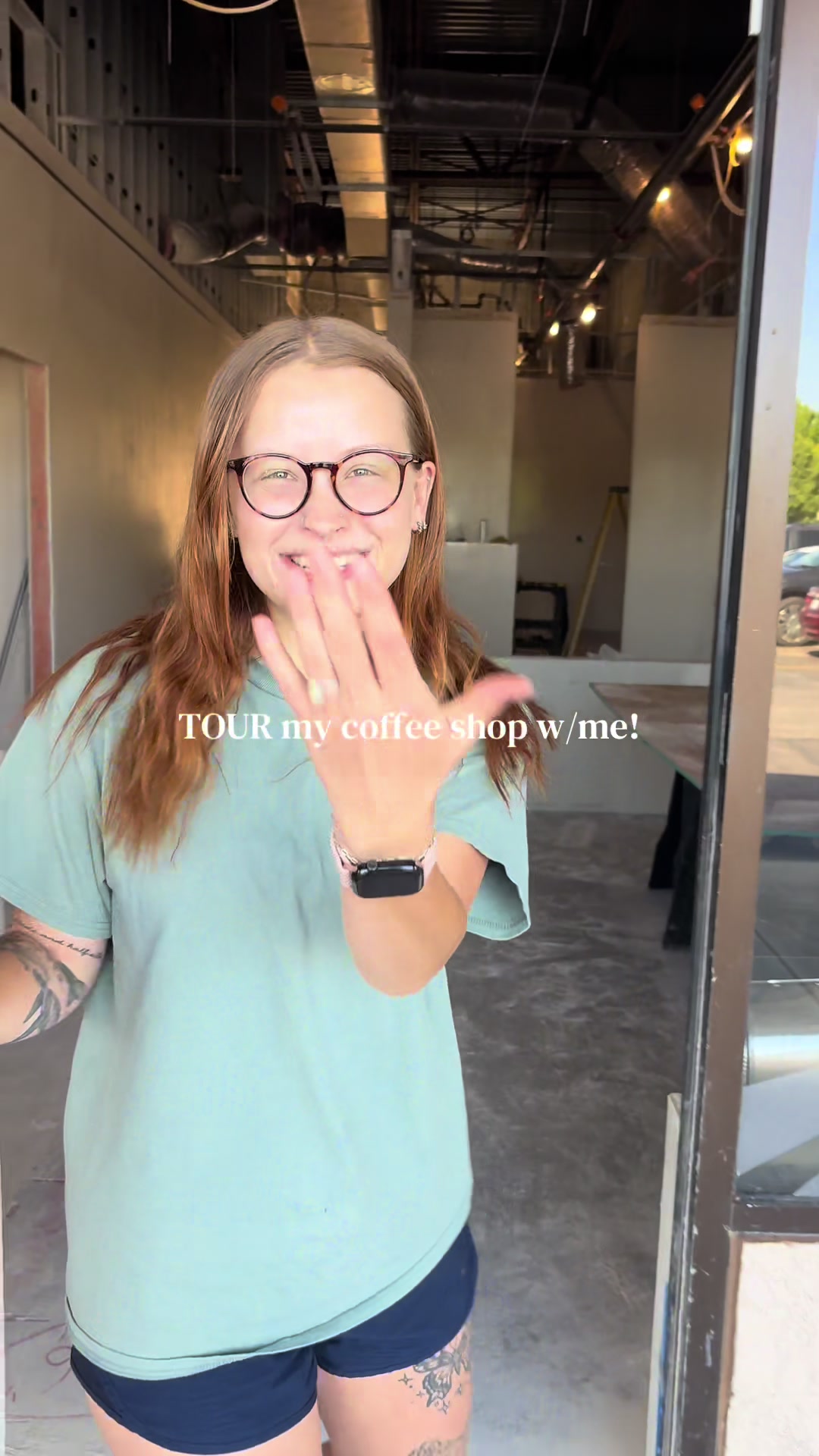
People connect with founder energy and local pride. The post taps into genuine community excitement around a real person building something, especially when they're filling a specific local need that people are actively asking for.

Direct, confident self-presentation without apology taps into the aspirational yet accessible personal brand space. The unfiltered confidence and simple framing ("Summer Outfit") lets the aesthetic speak for itself, which builds trust and engagement in lifestyle content.
The raw emotional honesty about entrepreneurship's brutal mental toll cuts through the usual success porn. By showing the contradiction—looking put-together while internally fractured—it validates what business owners actually feel but rarely admit publicly.
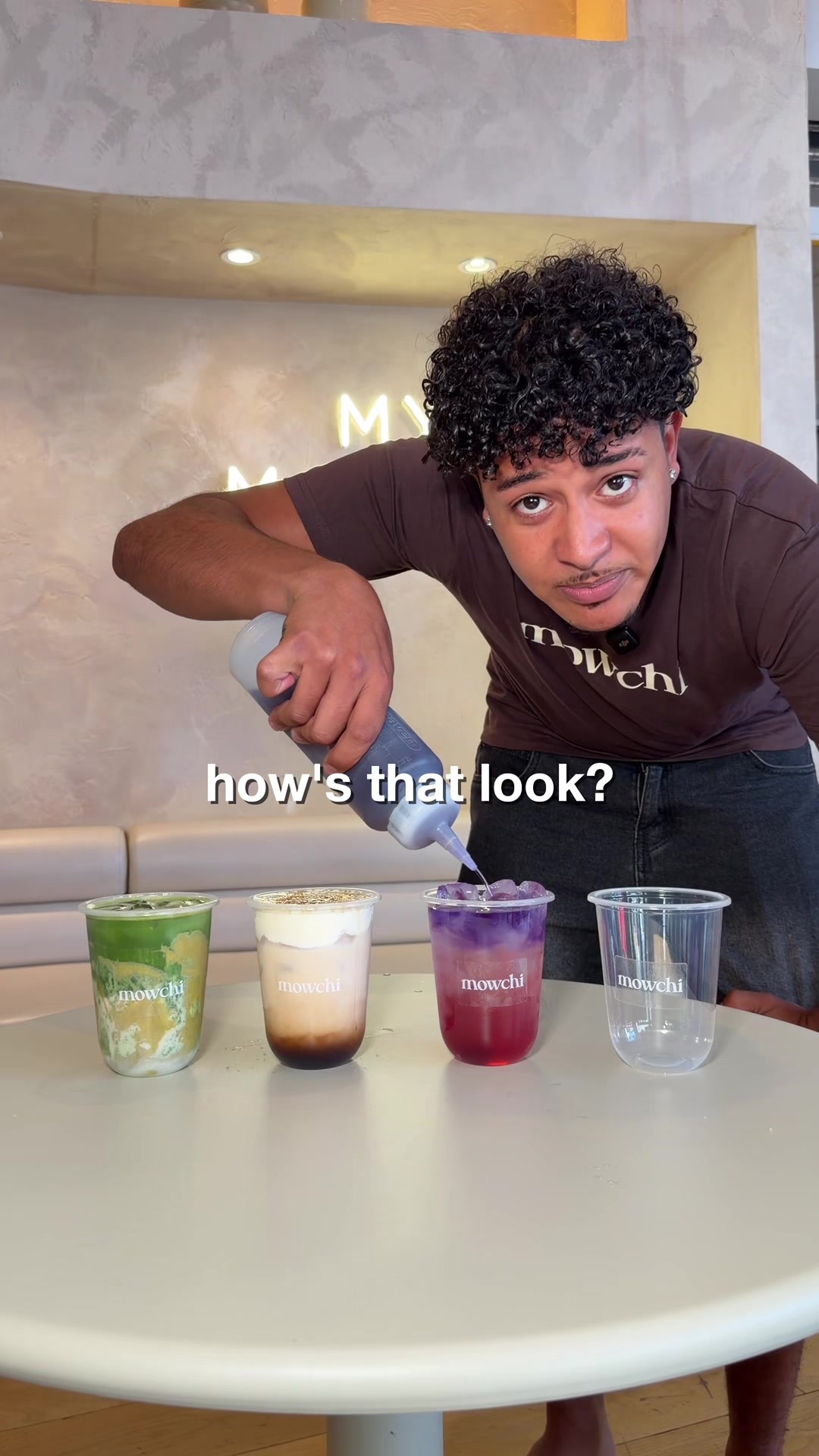
Breaking news framing around a major market collapse hits hard because it triggers urgency and stakes people care about. The NYC real estate angle speaks directly to wealth anxieties, while the "Part 1" cliffhanger ensures people come back for answers.
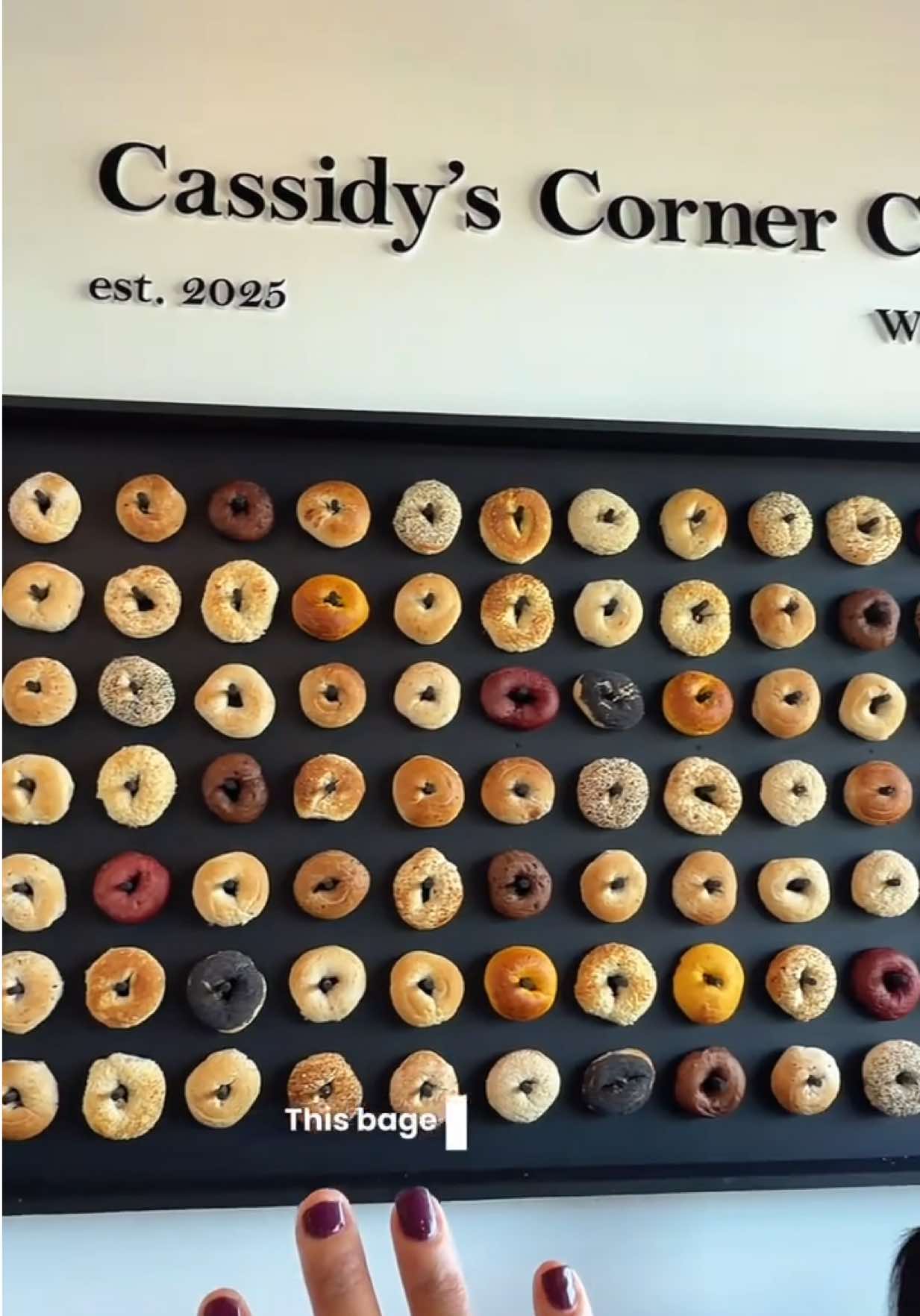
A grid of 70+ bagels in different flavors and varieties taps into the satisfying visual appeal of abundance and choice, while sparking genuine debate about which bagel is best. People save and share because they want to compare and discuss their favorites.
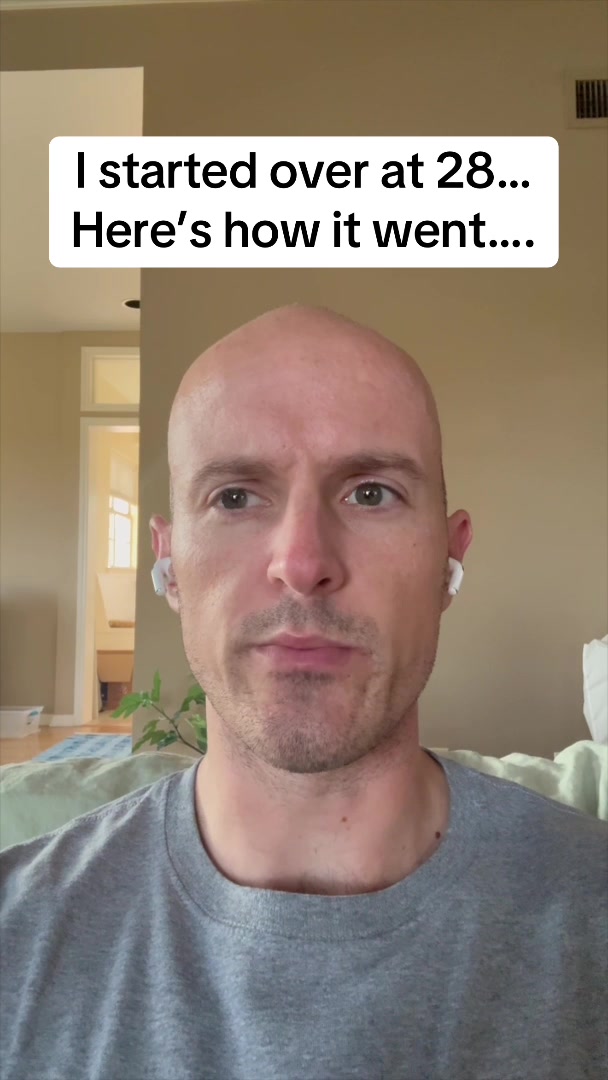
The "late start" narrative hooks people because it demolishes the myth that your 20s are make-or-break. By positioning 28 as a fresh beginning rather than a missed deadline, it gives permission to anyone feeling behind, making them want to save and share this reassurance with others in the same boat.
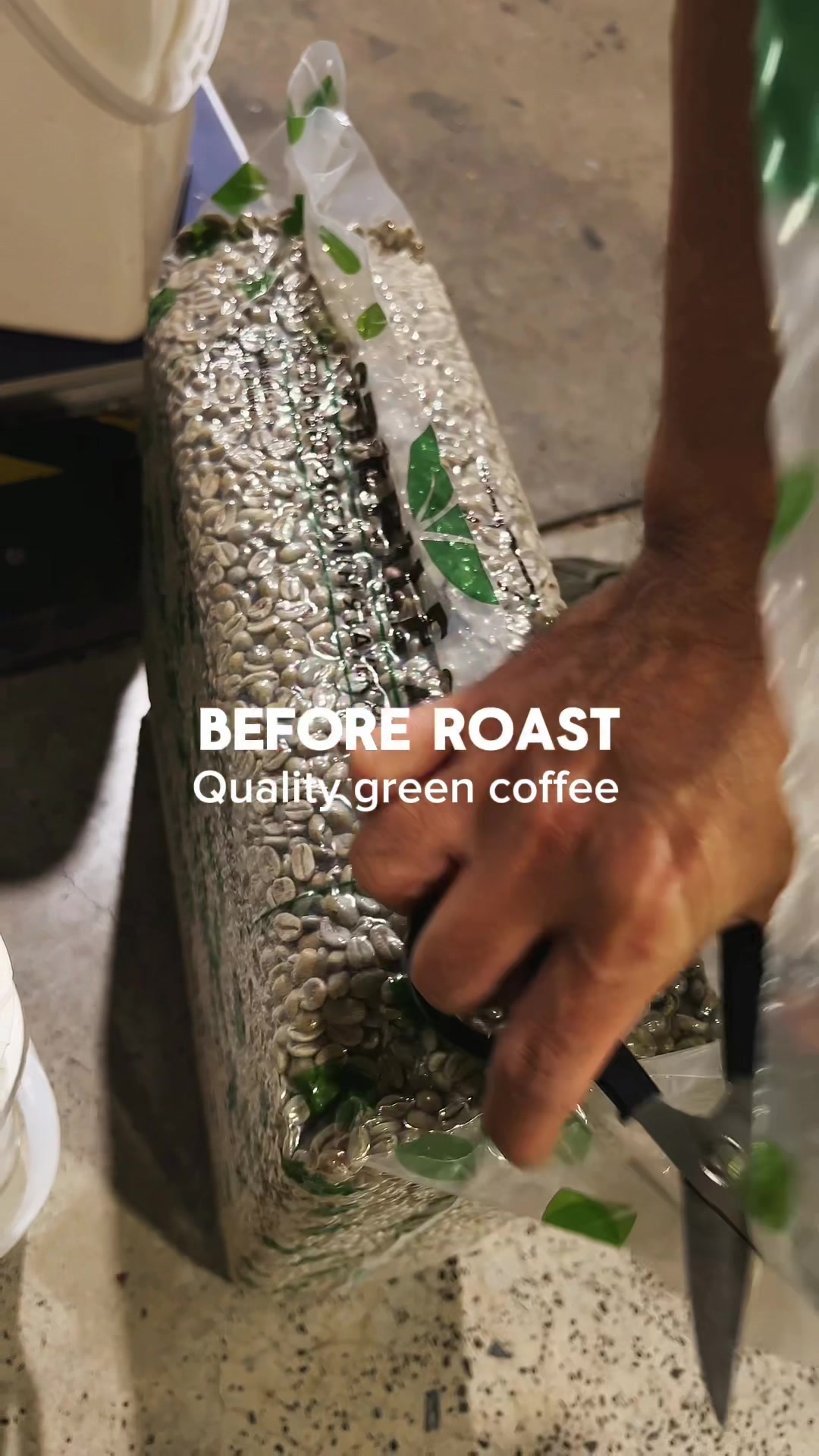
Showing the unglamorous reality of specialty coffee sourcing—raw green beans in a simple bag—builds credibility with coffee enthusiasts. It strips away the mystique and proves quality starts with basics, not complexity, which appeals to both aspiring roasters and craft coffee nerds seeking authenticity.

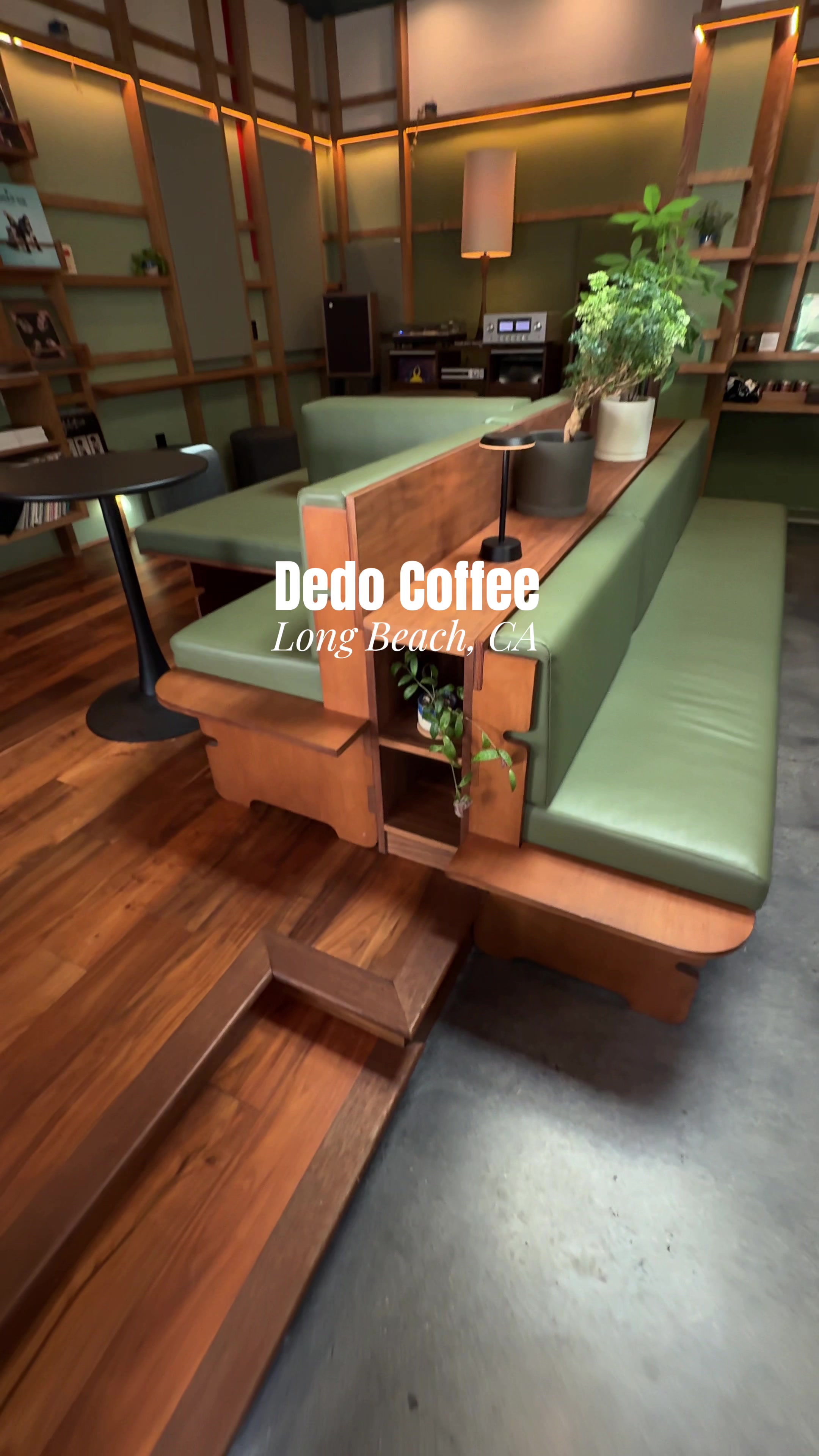
People save and share this because it's aspirational interior design porn paired with honest reality. The space is visually stunning enough to bookmark, but the top comment cuts through with real talk about price-to-quality ratio, which feels refreshing and trustworthy rather than pure promotion.

People love a relatable complaint backed by specifics. The ice surcharge hit a universal nerve—everyone's been quietly annoyed at coffee shops but never articulated it, so seeing it called out plainly (and dramatically) felt validating and sparked immediate debate about what's fair.
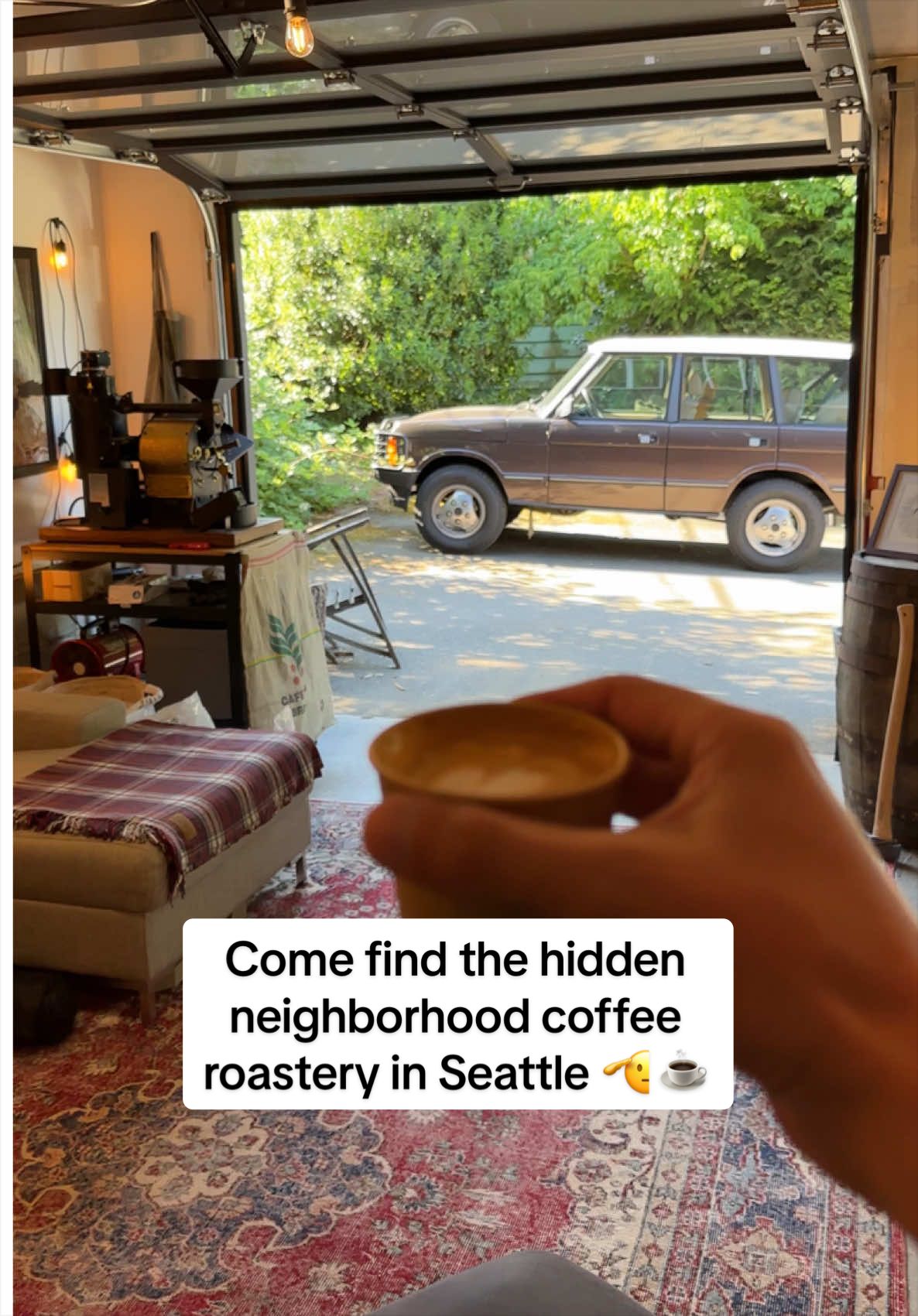
The post taps into the thrill of discovery by positioning an actual working coffee roastery as a hidden gem worth finding. The intimate garage setting and personal invitation ("made this spot for you") create exclusivity and authenticity that feels rare in a saturated coffee market, making it feel like stumbling onto something real.
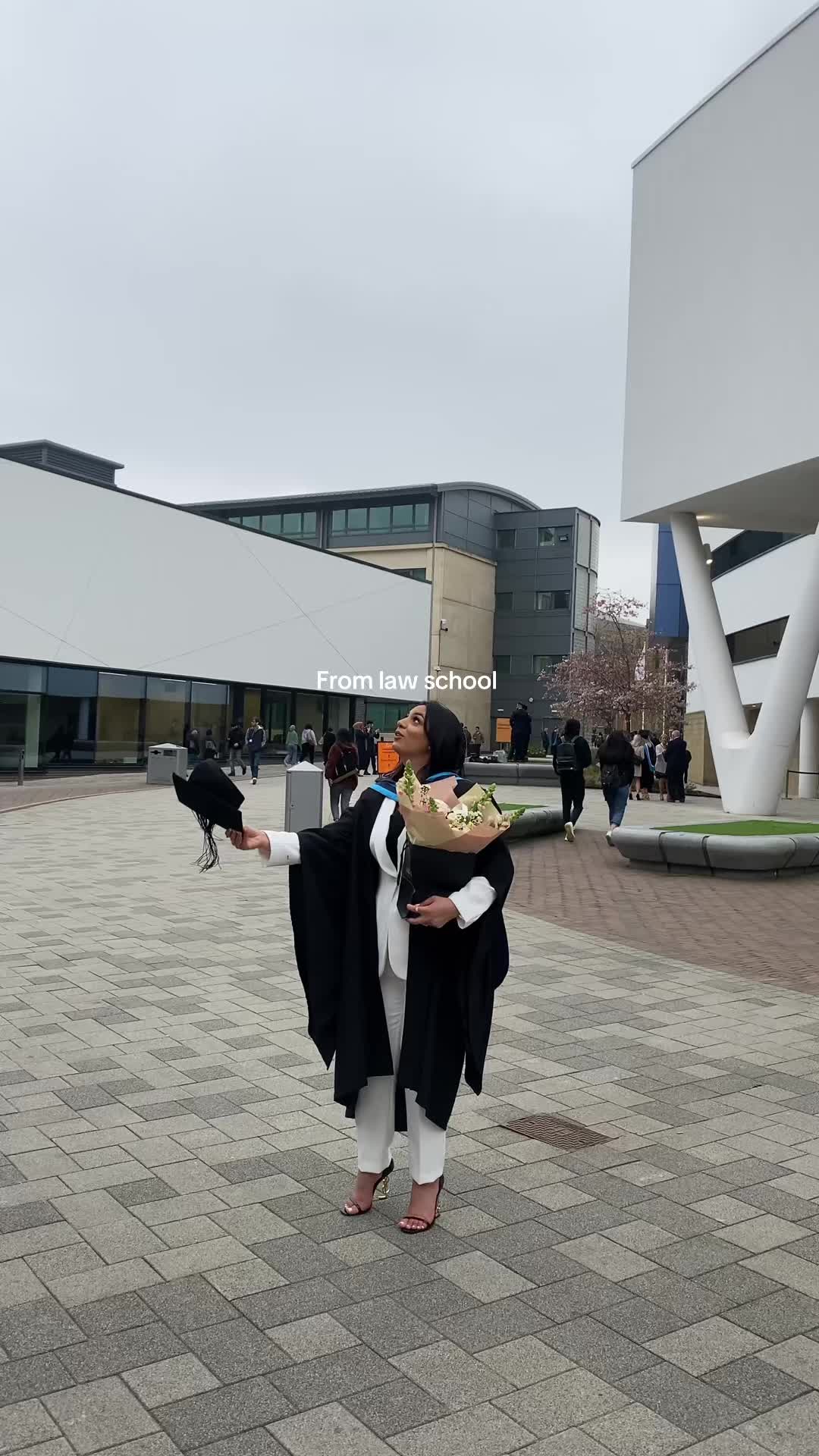
The raw pride of a milestone moment taps into something deeply relatable—the celebration of hard work paying off. People save this because it feels like witnessing someone's actual life changing, not a polished performance.

People crave permission to feel deeply in a world that punishes sensitivity. This hits because it validates a specific pain—being forced to harden yourself to survive—while offering gentle resistance through self-compassion, not toxic positivity.
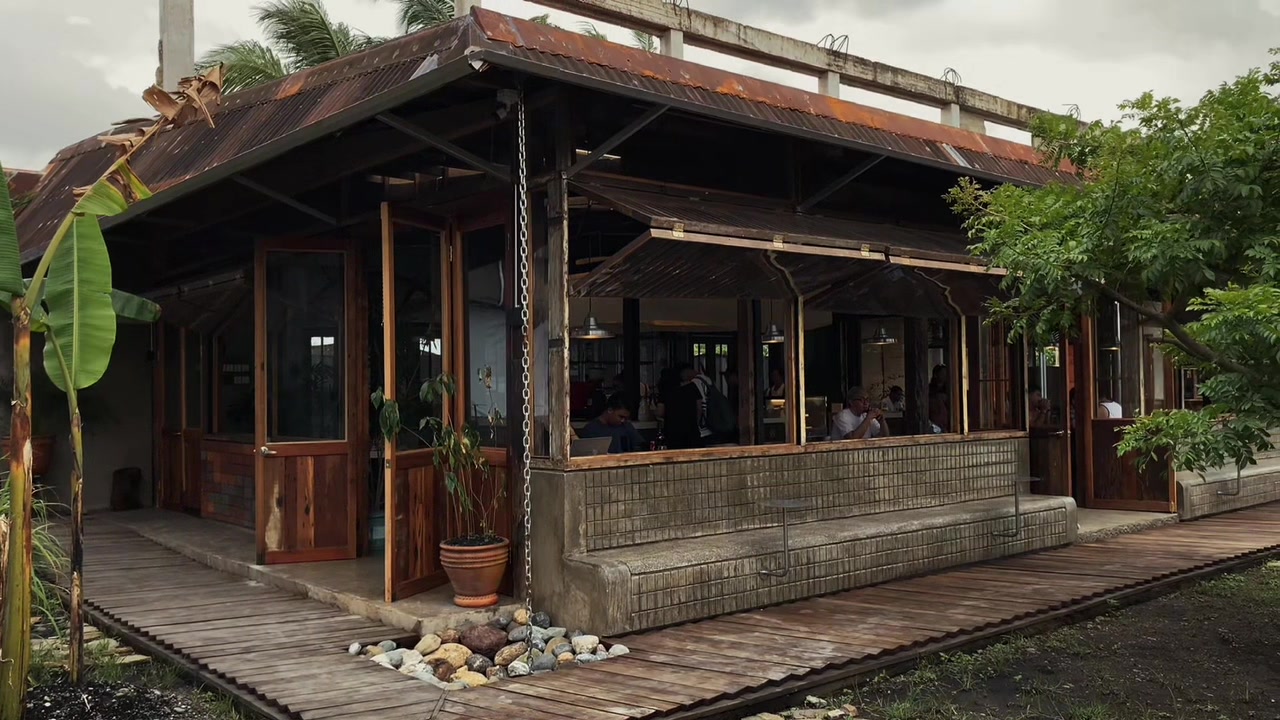
The post taps into the desire to discover hidden gems that feel like a world away from everyday life. A weathered, Japanese-inspired café in a rural setting hits that sweet spot between aspirational aesthetics and actual accessibility, making it feel discoverable rather than exclusive.
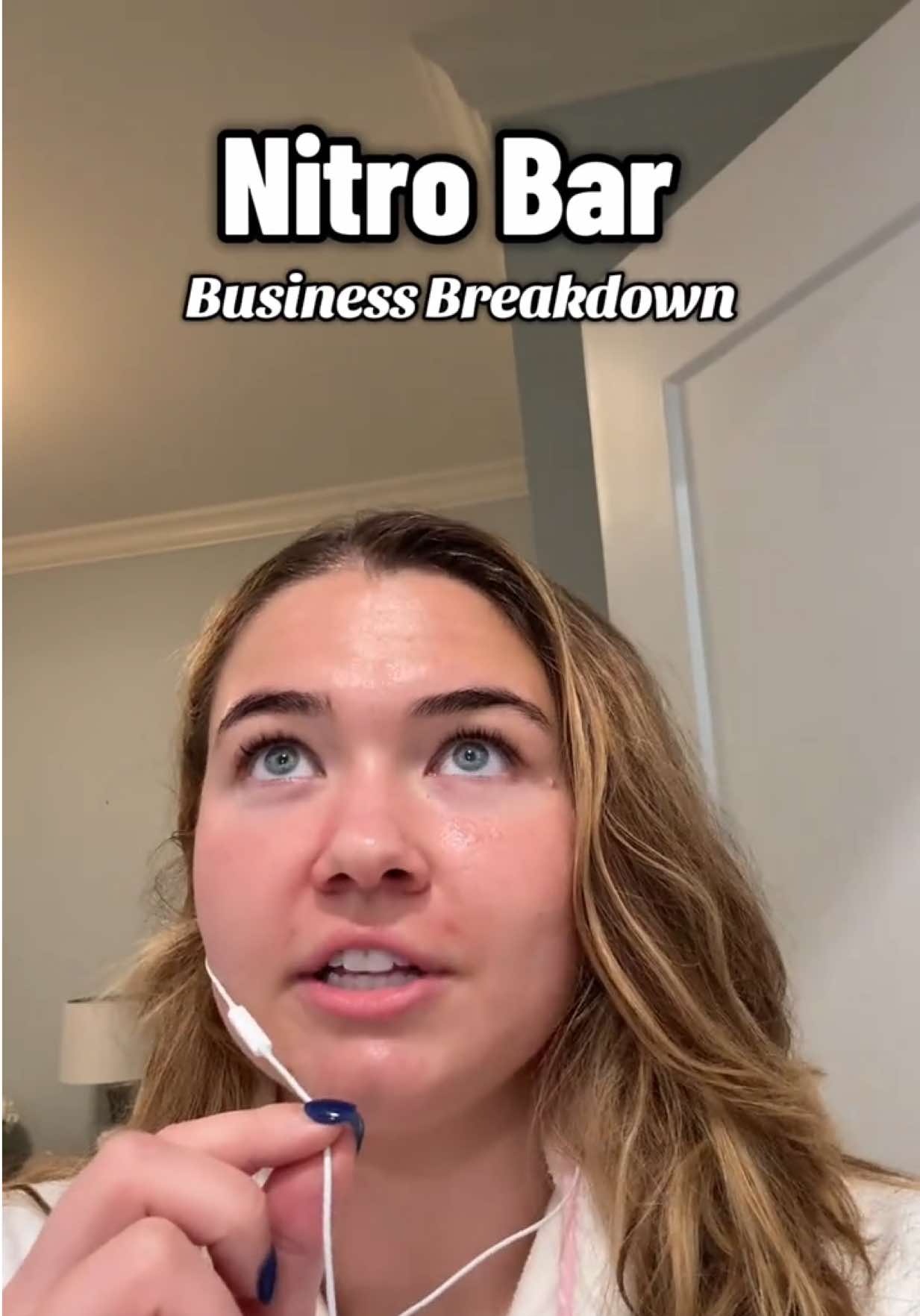
People crave behind-the-scenes looks at how small businesses actually work and make money. The genuine enthusiasm paired with practical business breakdown taps into entrepreneurship aspirations, especially when it showcases a real brand people recognize.
People trust gut feelings about danger more than logic, especially when someone's sharing a close call. This hit because it validates that visceral "something's off" instinct women constantly second-guess, wrapped in a real moment that felt urgent and honest.
People connected with the authentic, lived-in aesthetic of a real working café rather than a polished showroom. The casual setup, mismatched ceramics, and neglected plant in the background created credibility and relatability that staged perfection wouldn't deliver.
People connect with the specific anxiety of a niche profession. This realtor captured the genuine dread of entering vacant homes—a fear that feels both funny and relatable to industry peers, while outsiders get curious about a hidden job stress they never considered.
This post cuts through the glamorous realtor fantasy by showing the unglamorous grind—styled up but standing alone in an empty house. People relate because it's honest about the hustle real estate actually requires, breaking the myth that it's easy money.
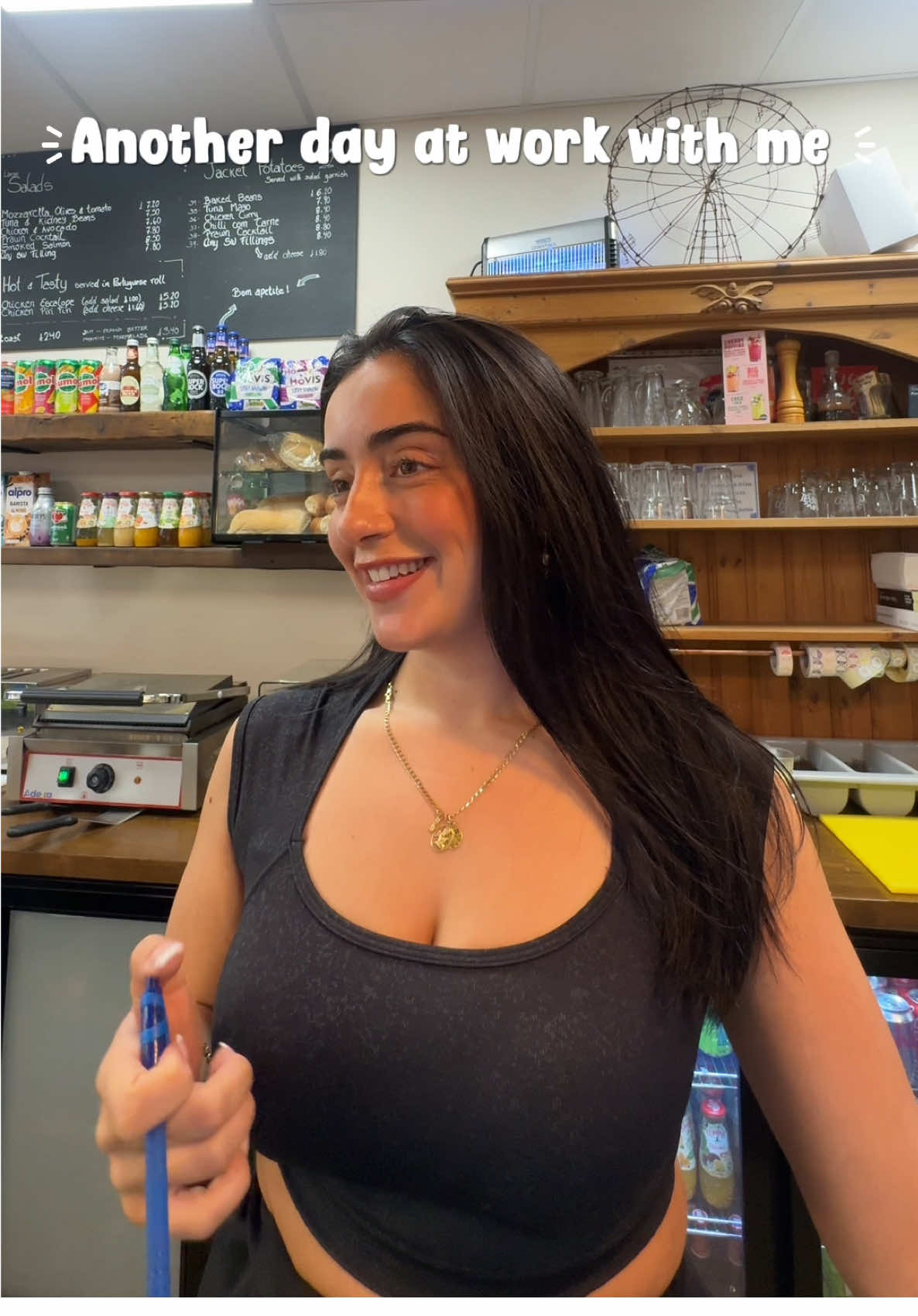
People are drawn to genuine workplace moments that feel like peering into someone's real day, especially when paired with an appealing setting like a cafe. The authentic energy and relatable coffee shop backdrop create that "I want to work there" feeling that keeps viewers watching.

This post taps into the quiet power of partnership visibility. By showing a family actively building something together, it validates the often-invisible labor of spouses and creates an emotional anchor that transcends industry. People share this because it feels like proof that success doesn't happen in isolation.
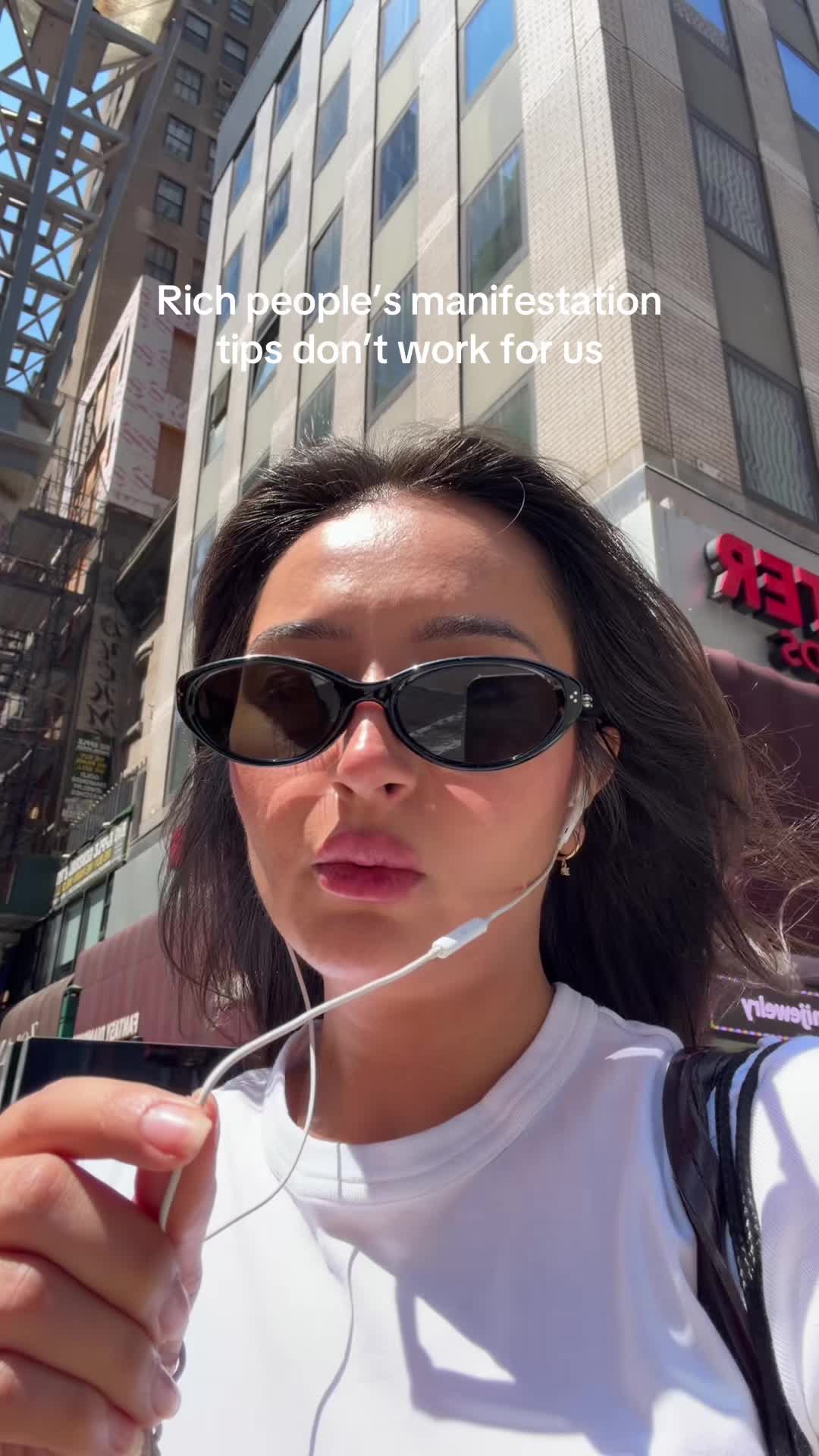

The raw, direct-to-camera appeal paired with a mission to connect founders creates immediate relatability. People respond to genuine vulnerability and a clear invitation to belong to something bigger than themselves.
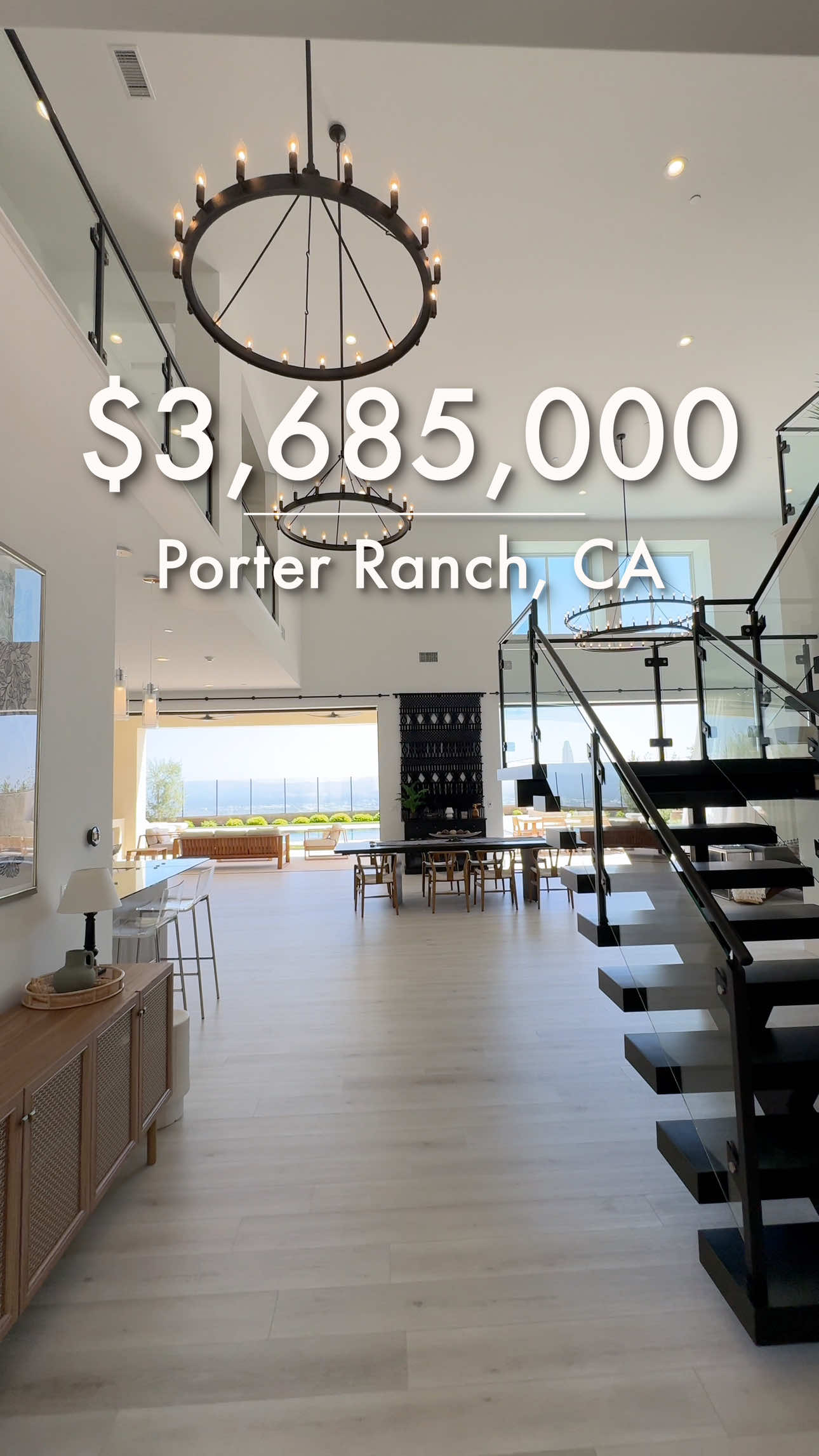
The price tag paired with a genuinely stunning interior creates cognitive tension that makes people want to weigh in. Luxury real estate hits different when you can actually see the details, and the question format invites judgment—people love debating whether something's worth it, especially when the answer isn't obvious.
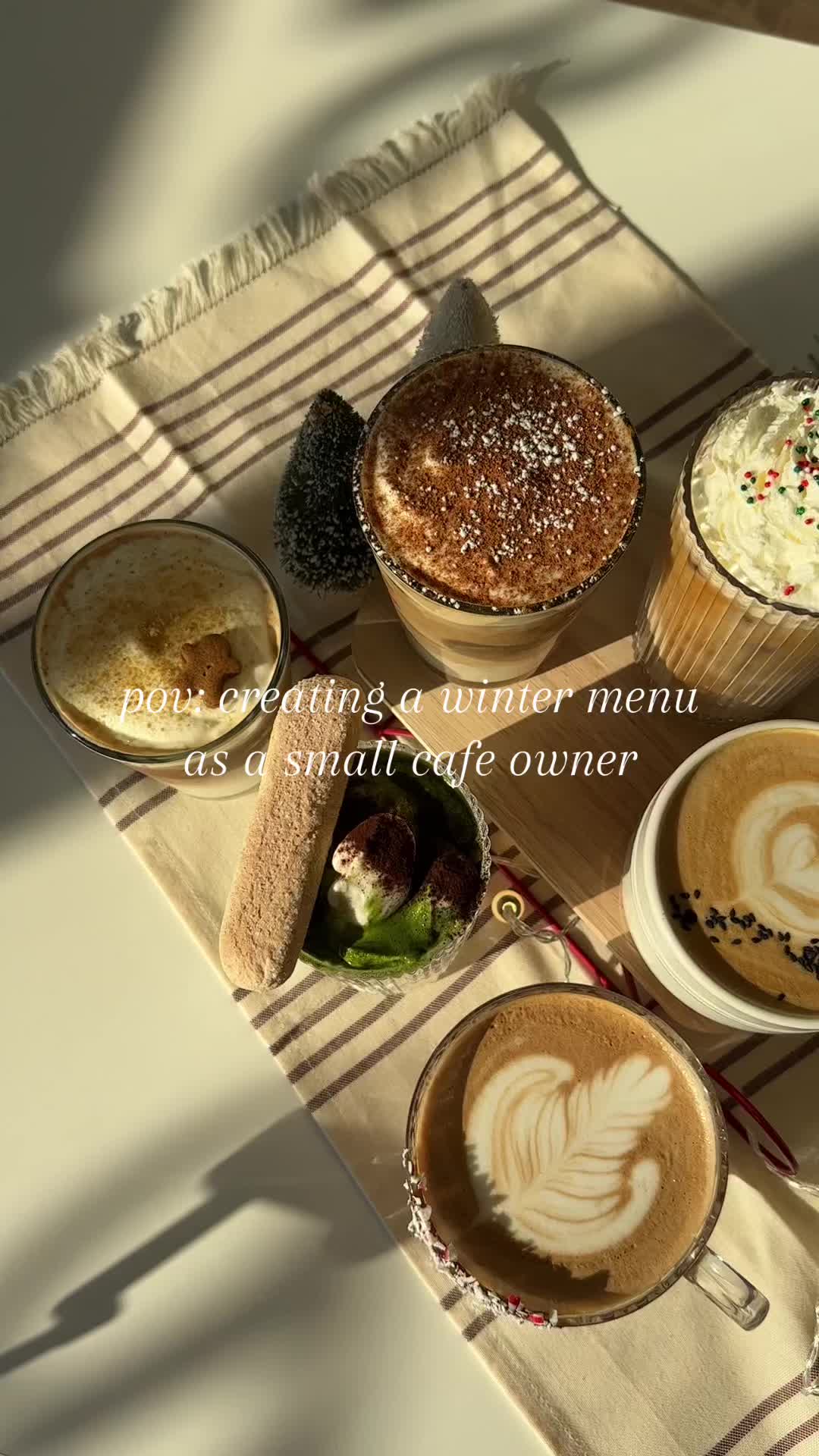
Aspiring cafe owners connect deeply with behind-the-scenes glimpses of real menu creation, especially when it reveals relatable hustle and personality. The overhead aesthetic combined with honest caption about over-caffeination makes it feel attainable rather than polished, turning viewers into invested followers of the journey.
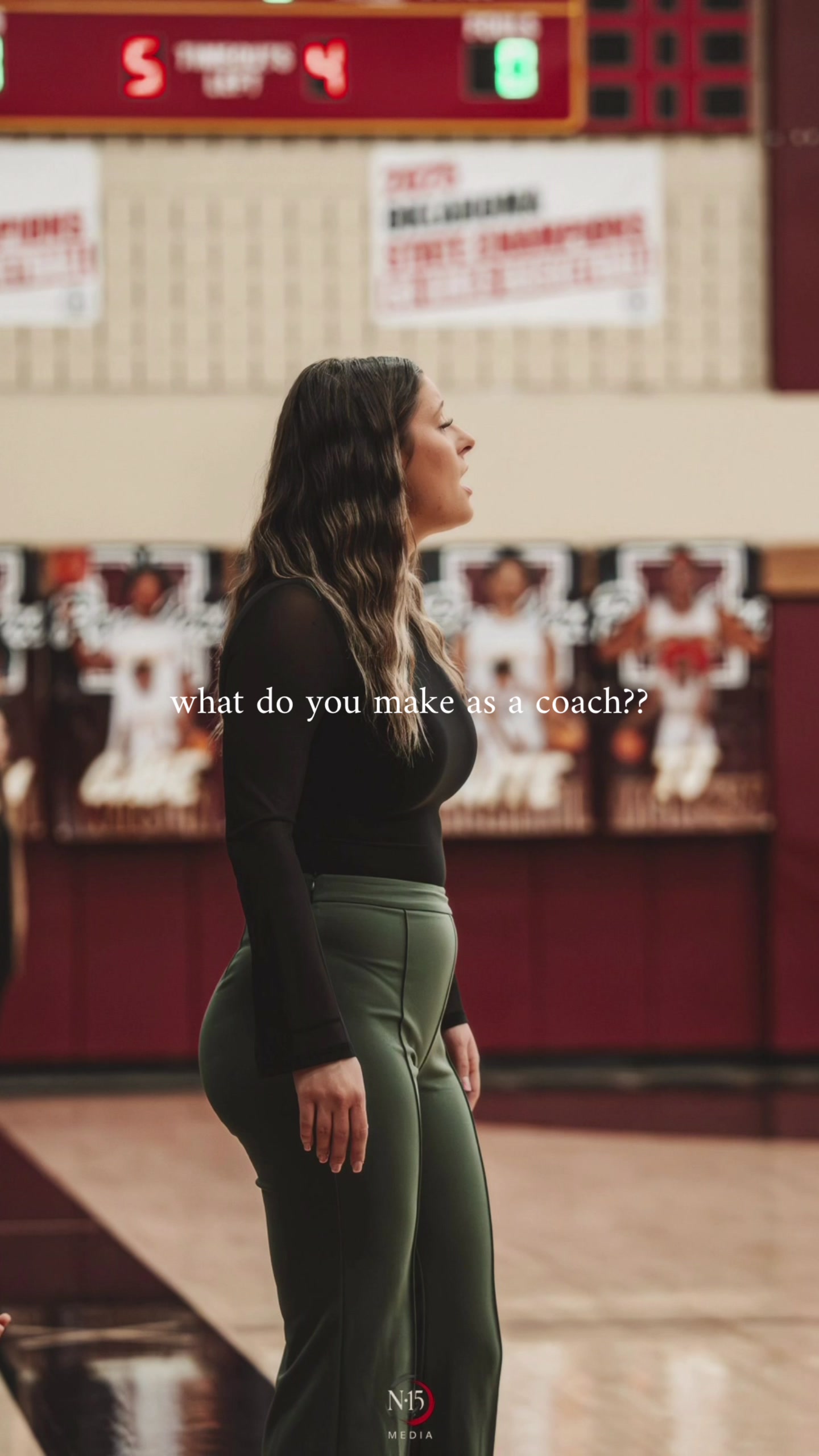
The post nails vulnerability by asking a disarmingly simple question that invites people to fill in their own answer. Coaches and authority figures rarely show this kind of genuine uncertainty, so it breaks the usual dynamic and makes her instantly relatable rather than preachy.
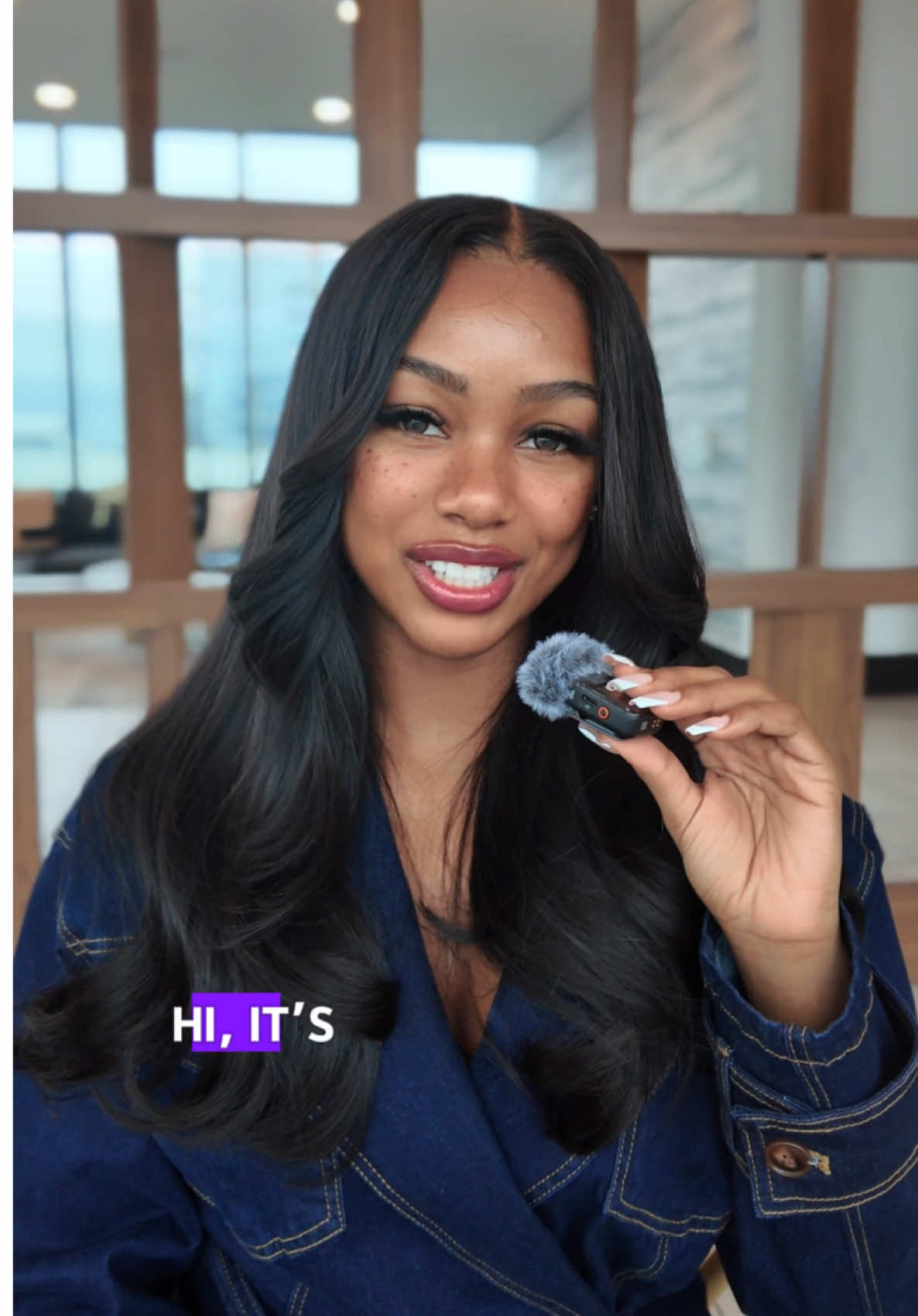
The video performs because it makes a complex, intimidating process feel accessible and trustworthy. By breaking down the home-buying journey into simple steps while maintaining genuine personality, it removes friction for people who've been too scared to start.

The genuine enthusiasm and bilingual code-switching creates an authentic cultural moment that feels personal rather than promotional, making viewers eager to experience it themselves and share that discovery.

Realtors crave practical video shortcuts that actually work. Cutting through the "you need expensive gear" myth with accessible filmmaking techniques hits directly at a pain point, making the tactical advice feel immediately actionable and confidence-building.
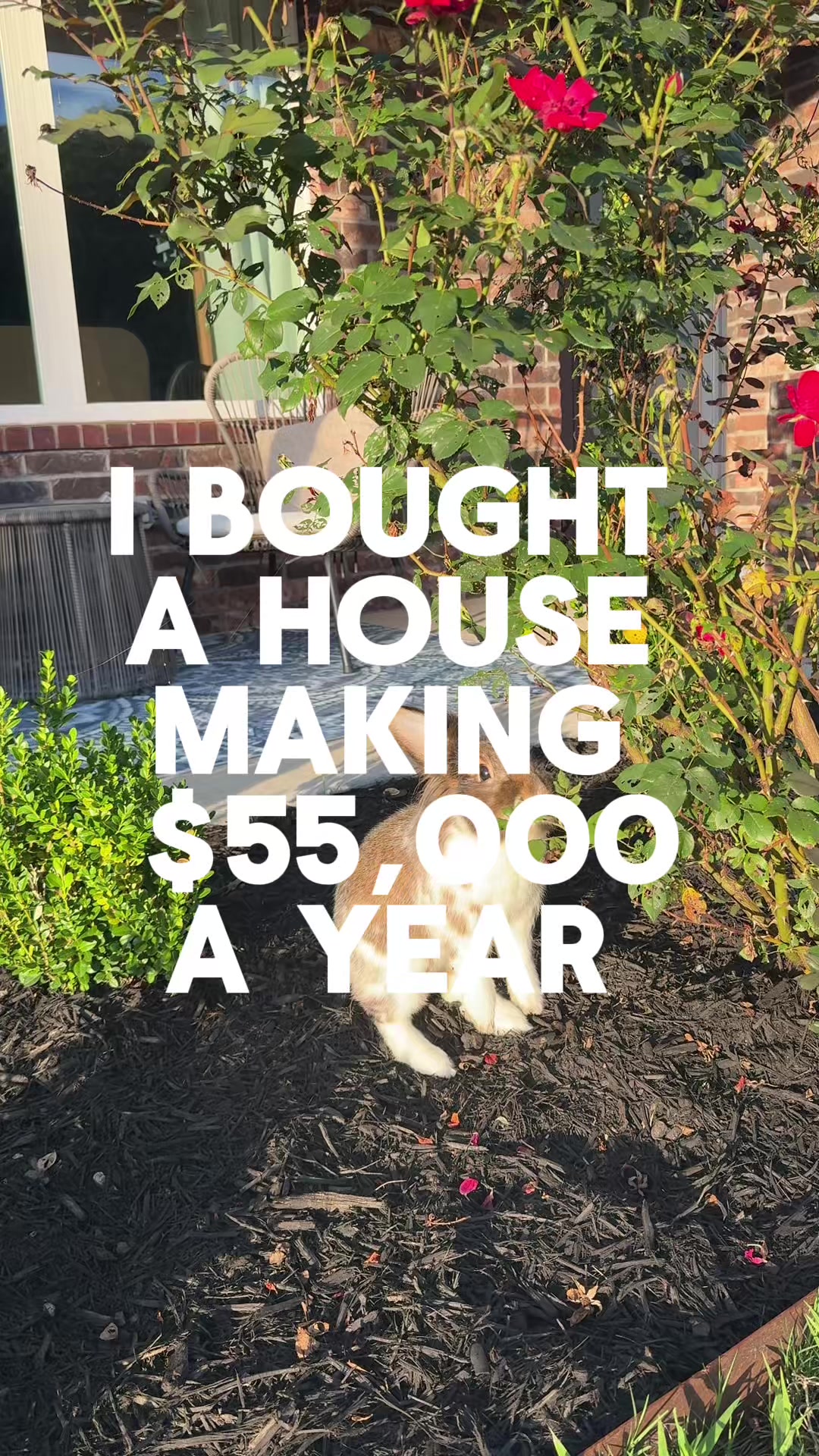
Naming a specific mortgage number triggers immediate comparison and debate, especially when it's higher than what people pay. The post lands because it invites the "that's expensive/I pay less" response—people can't help but share their own situation, turning the comment section into a regional pricing showdown.
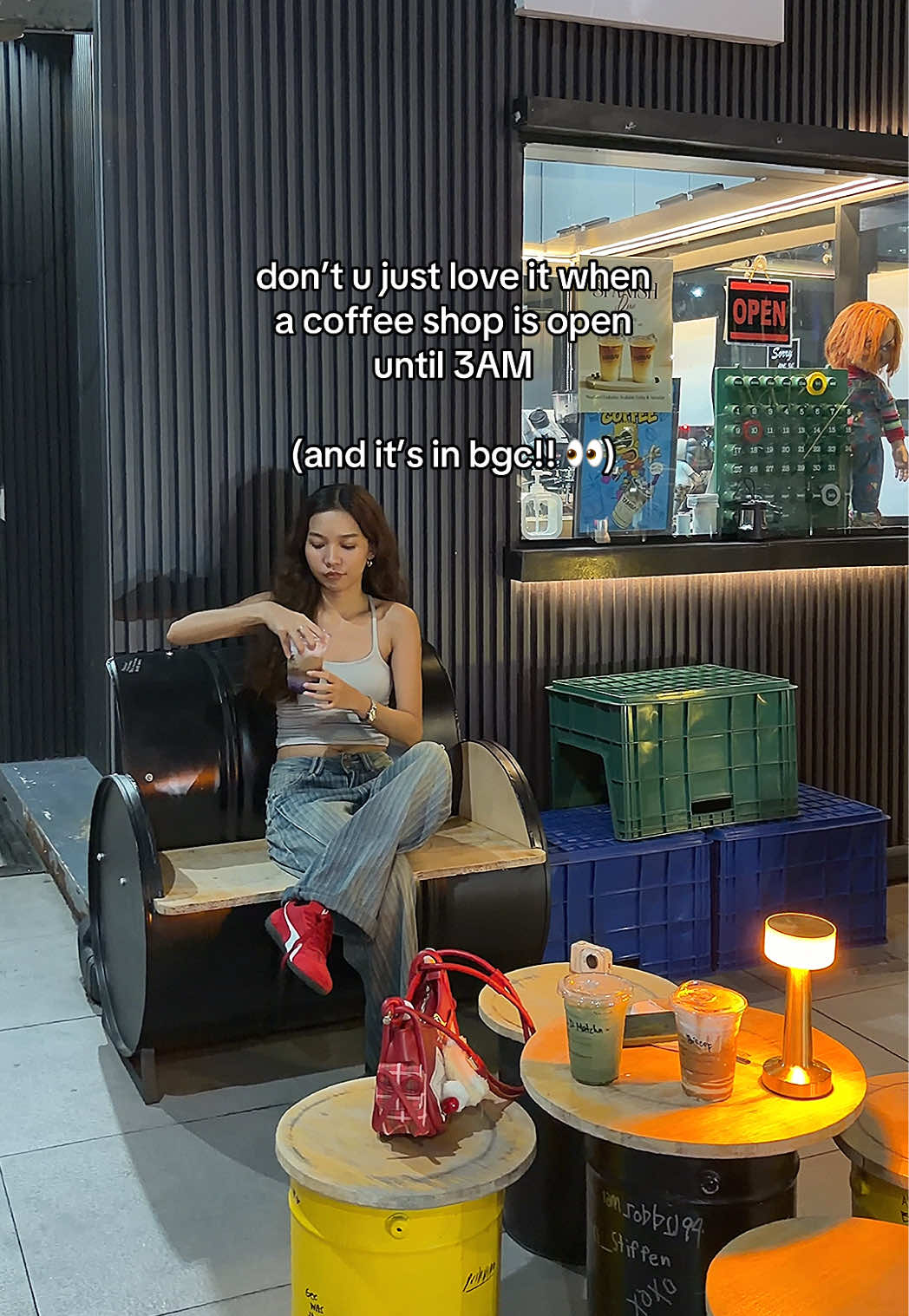
People are hungry for practical solutions to real problems, and this post delivers on a specific, relatable frustration: nowhere affordable stays open late in a specific area. The combination of lifestyle aesthetic and utility (showing an actual person enjoying the space at odd hours) makes it feel like a genuine discovery, not an ad.
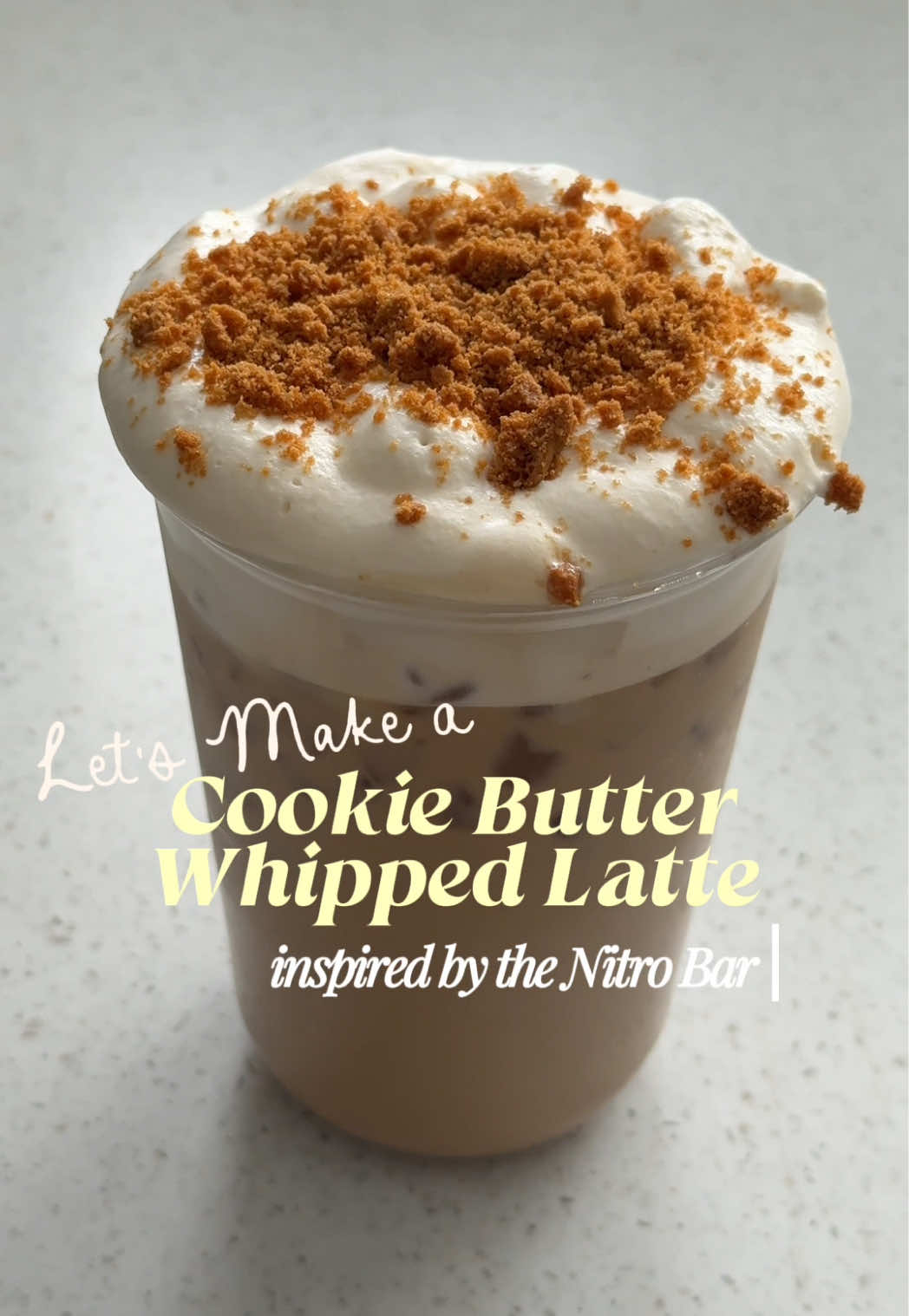
People crave the ability to recreate café experiences at home, especially when it's a beloved brand. The post taps into aspiration meets accessibility, showing a visually stunning drink that feels achievable and inspired by a place they already love.

The juxtaposition of extreme thinness with extreme price creates instant friction. People can't resist debating whether something beautiful is actually livable, especially when the trade-off feels absurd. Stunning visuals paired with a surprising fact hit the curiosity nerve hard.
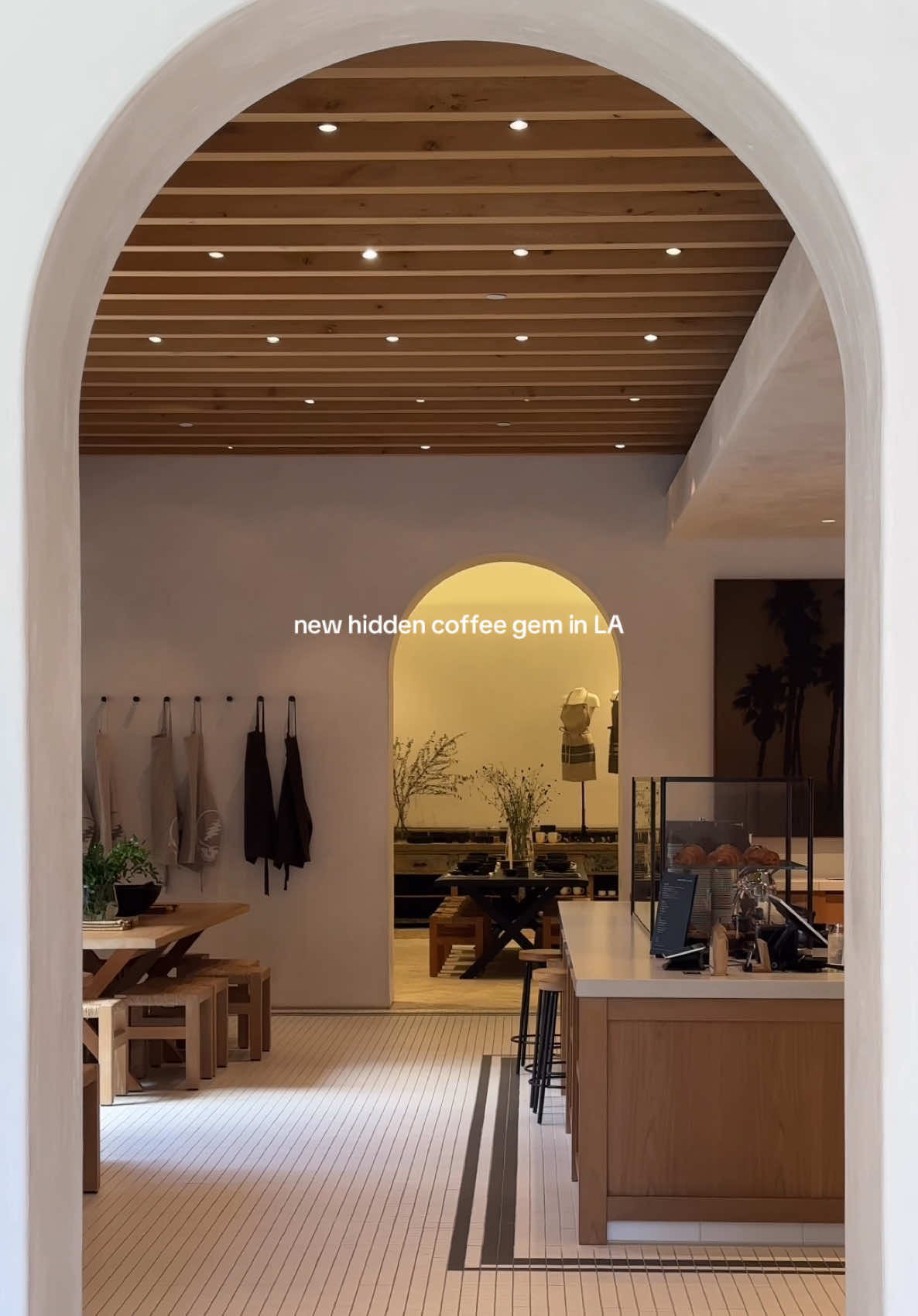
Hidden gem positioning taps into the thrill of discovery. People crave exclusive finds that feel curated and intentional, especially when they're tucked inside a lifestyle destination rather than splashed on every corner. The minimalist aesthetic and quiet opening strategy make it feel earned rather than marketed.


The "Just Listed" announcement taps into the aspirational real estate sweet spot—showcasing a polished, move-in-ready home with resort amenities in strong daylight. People share listings they'd actually want, and the clean presentation removes friction from imagining themselves there.
Young, self-made success triggers both aspiration and defensiveness. The car flexed here isn't just luxury—it's proof of independent achievement at 24, which makes people either inspired or compelled to rationalize why it doesn't matter. That tension drives saves and shares.
A real business owner sharing genuine frustration about regulatory overreach hits harder than polished advocacy. The specificity of repeated compliance costs and the visible emotional toll tapped into people's sense of unfairness, turning a local policy issue into something universally relatable about bureaucratic burden.
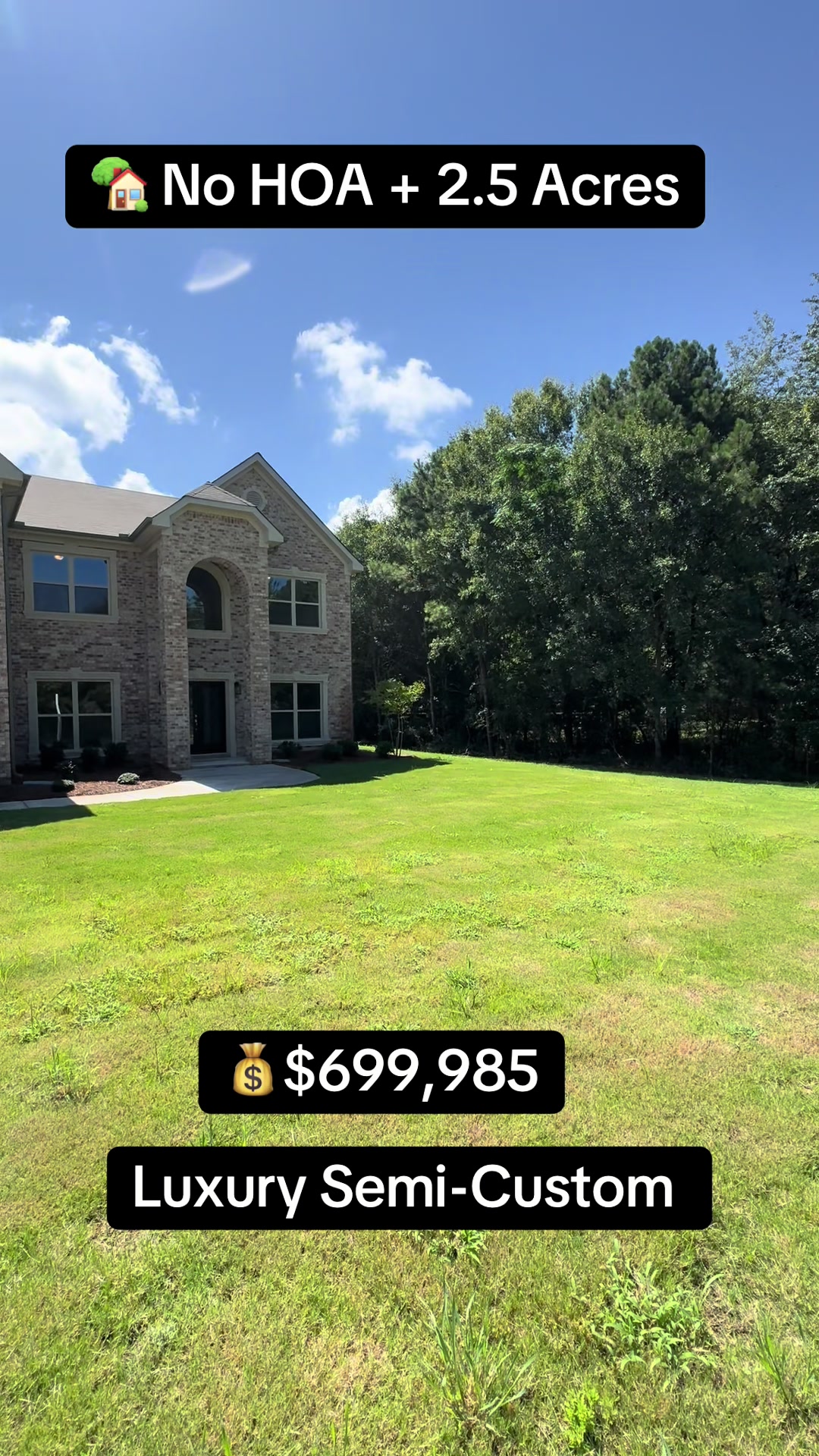
Combining luxury appeal with practical scarcity messaging (no HOA, 2.5 acres, specific price) taps into the fantasy of having it all without compromise. The visual of endless land paired with high-end finishes creates aspirational yet attainable energy that sparks debate and saves.
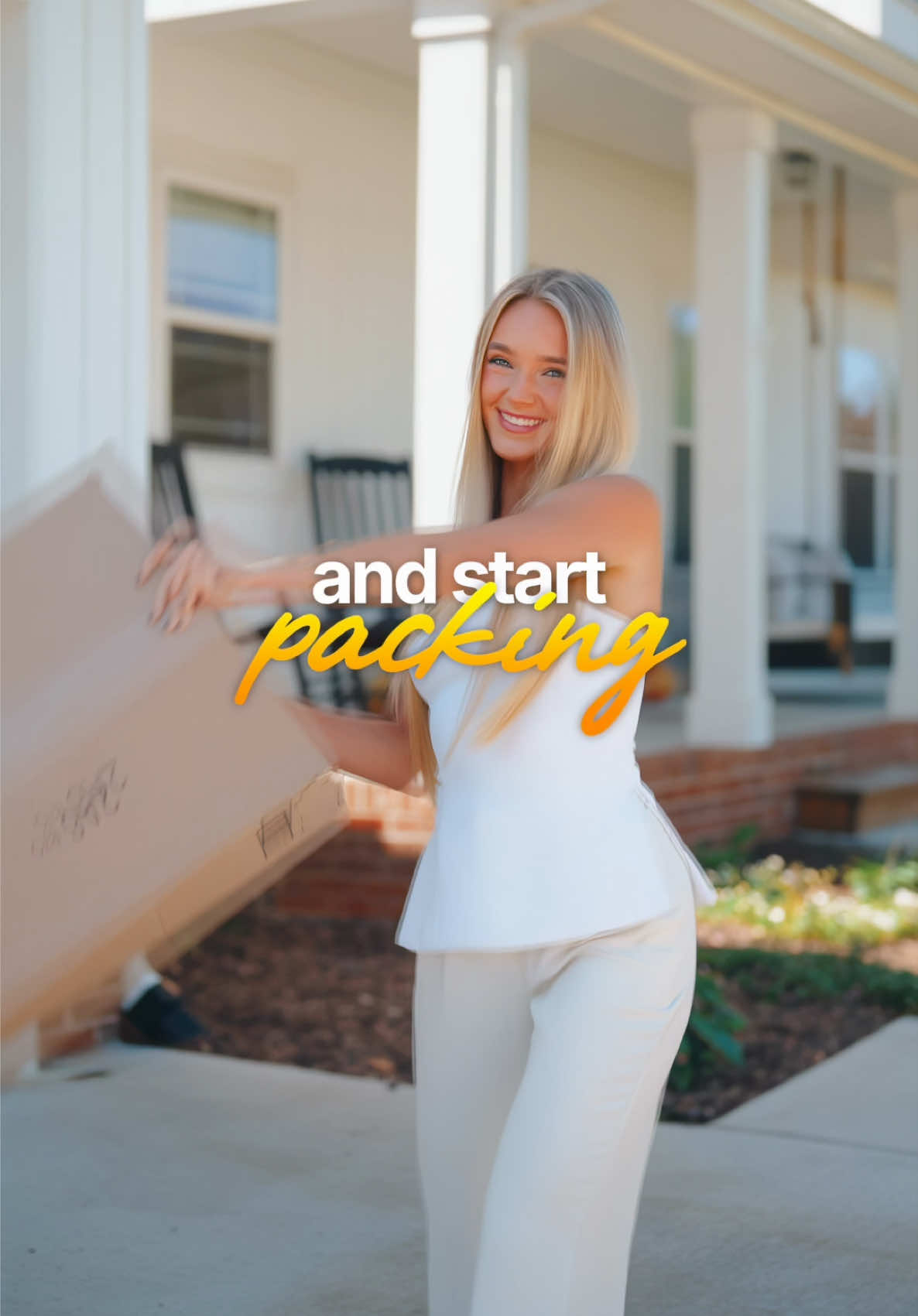
This post leverages aspirational lifestyle paired with tangible proof of competence. The polished aesthetic and confident energy signal professional credibility, while "under contract in 7 days" creates urgency and social proof that cuts through noise in a saturated market.
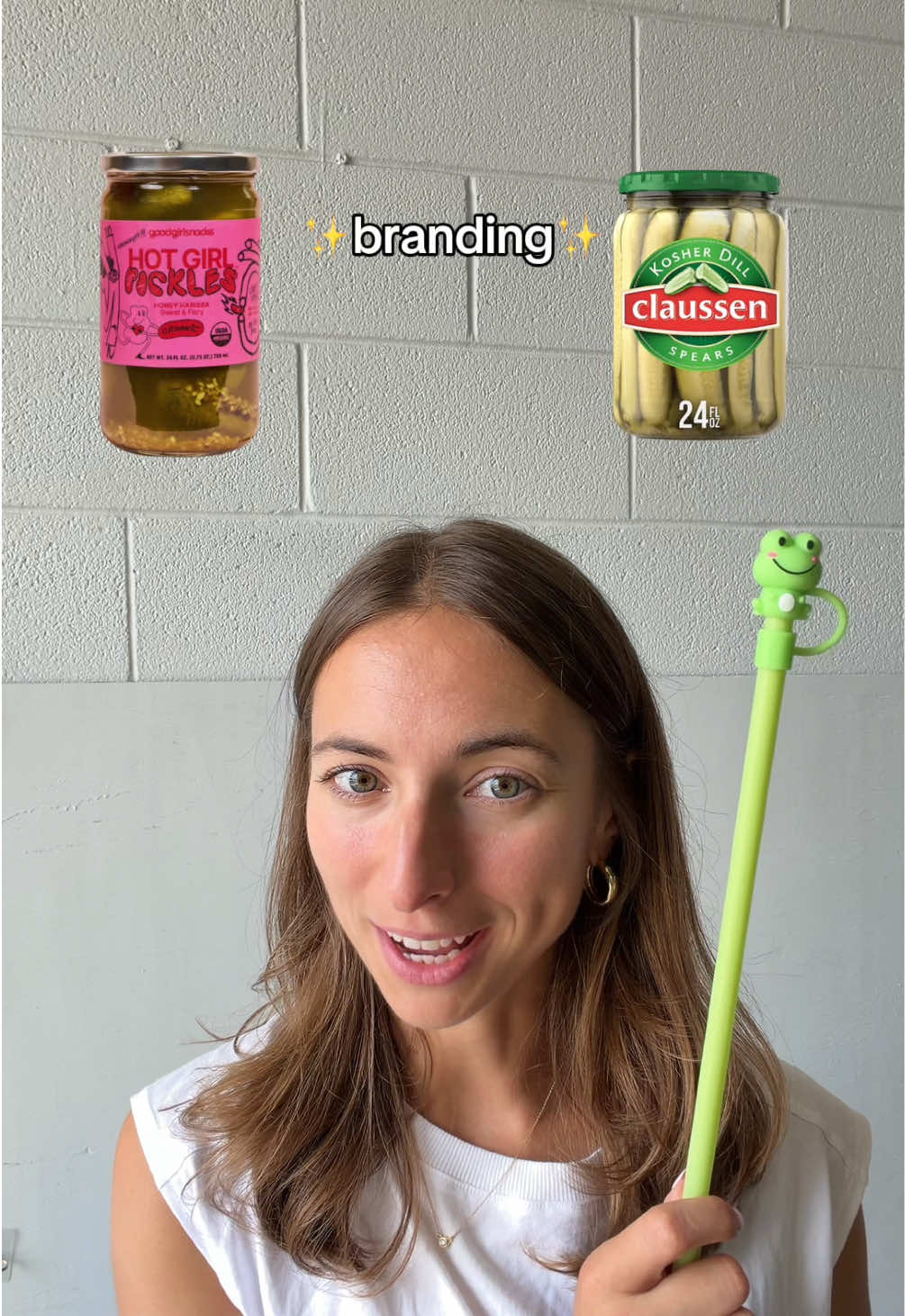
The post nailed the playful contradiction between a boring commodity product and a recognizable brand that commands premium pricing. People loved the "aha" moment of seeing how packaging and branding create perceived value, especially when the comparison felt tongue-in-cheek rather than preachy.
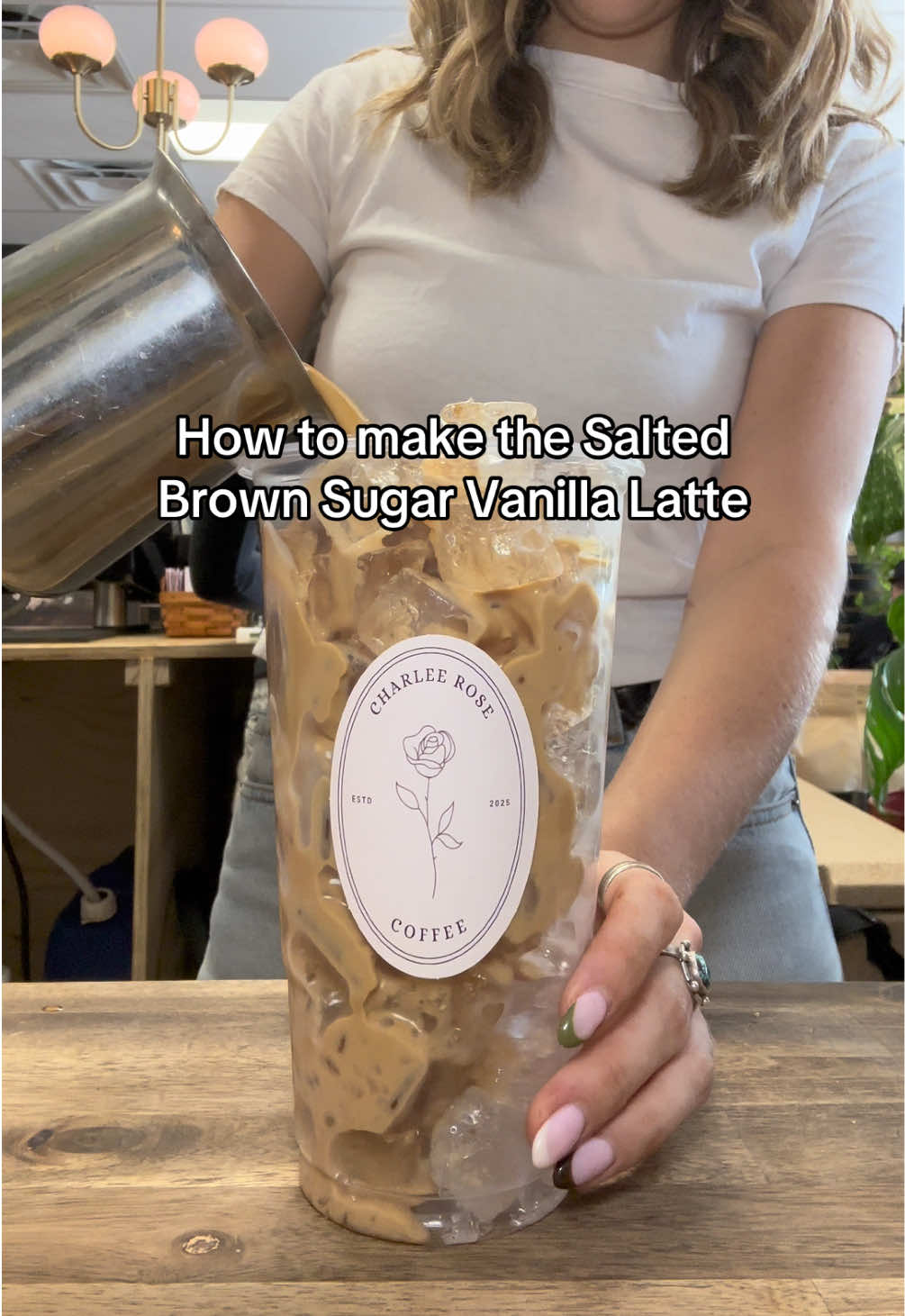
The recipe's specificity and precision (exact gram measurements, ratios) creates friction that makes the shortcut of buying it feel justified, turning viewers into customers rather than competitors. People save it not to make it, but to validate ordering it instead.
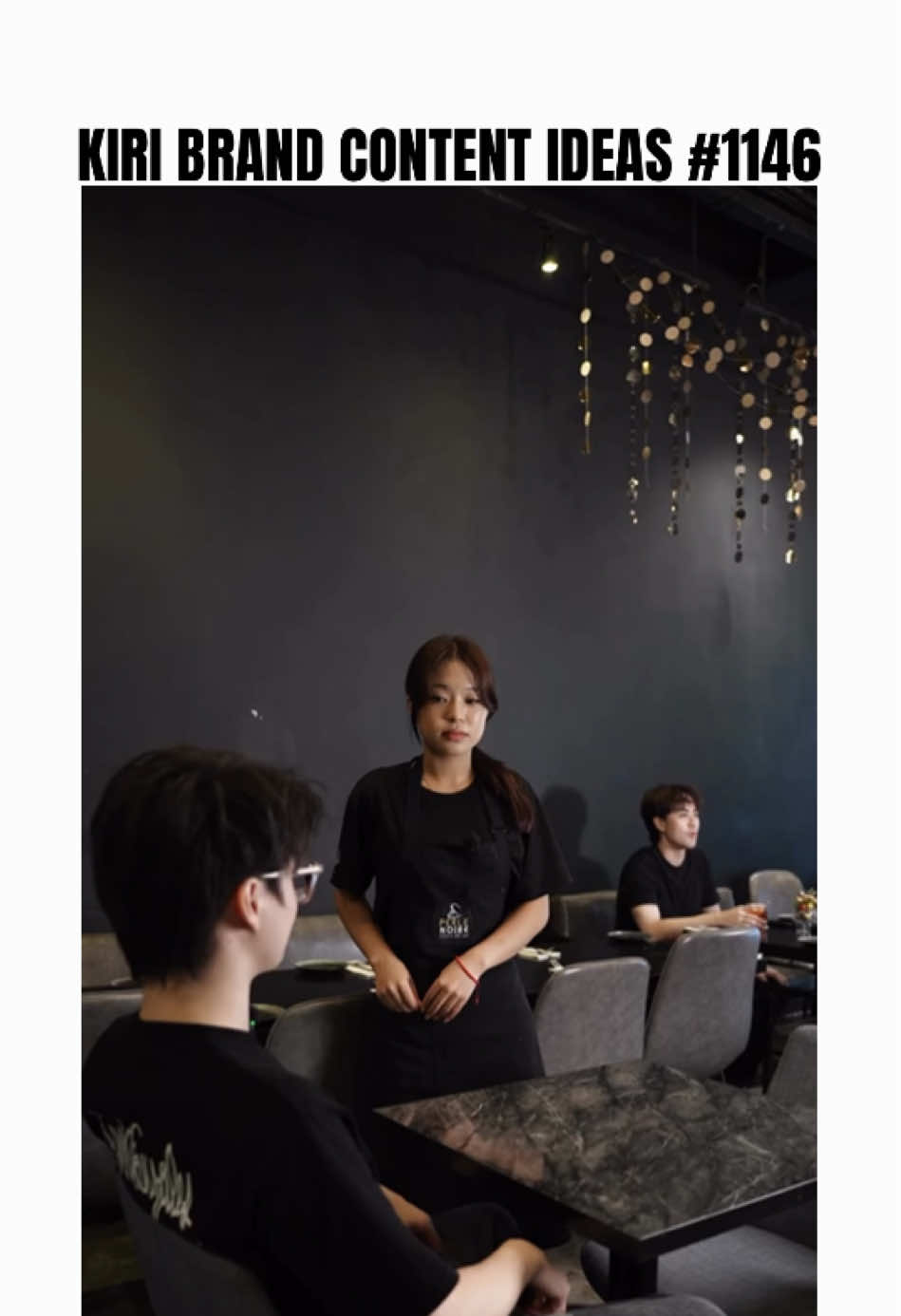
This post nailed the behind-the-scenes vulnerability angle by showing the real effort and pressure behind creating impressive work. The "100 wows" concept flips agency work from polished output to raw human struggle, making it relatable to other creators and business owners who feel that same grind.
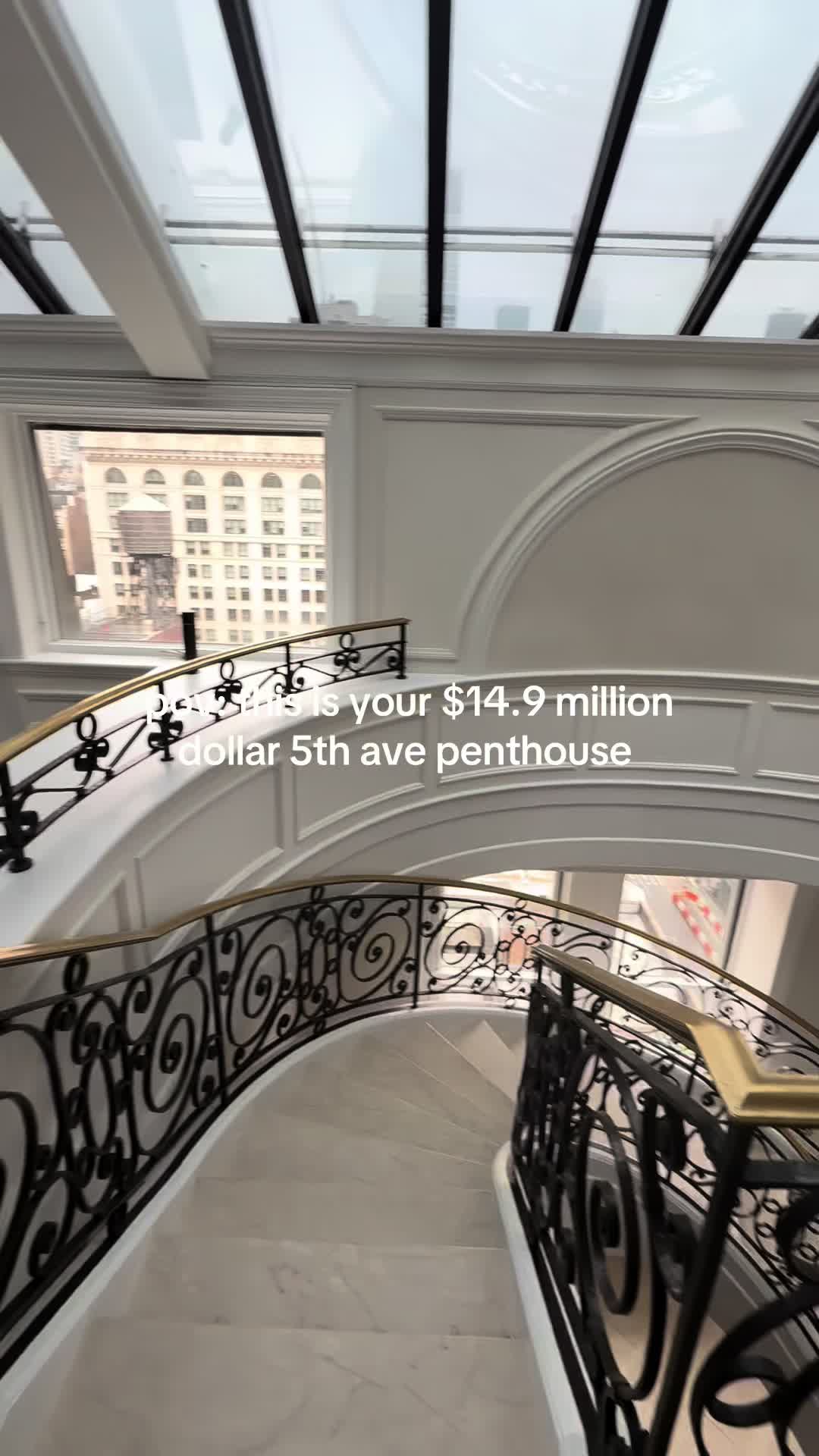
People are drawn to extreme luxury that feels simultaneously aspirational and absurd. The $14.9M price tag combined with stunning architectural details creates friction—beautiful enough to captivate, expensive enough to feel almost comedic. This emotional mix drives saves and shares because viewers want to both admire it and talk about how unattainable it is.
Vulnerability about a major life decision—especially one society celebrates—hits harder than polished success. By admitting regret about homeownership, the creator tapped into a shared anxiety many feel but won't voice, turning a personal confession into permission for others to be honest too.
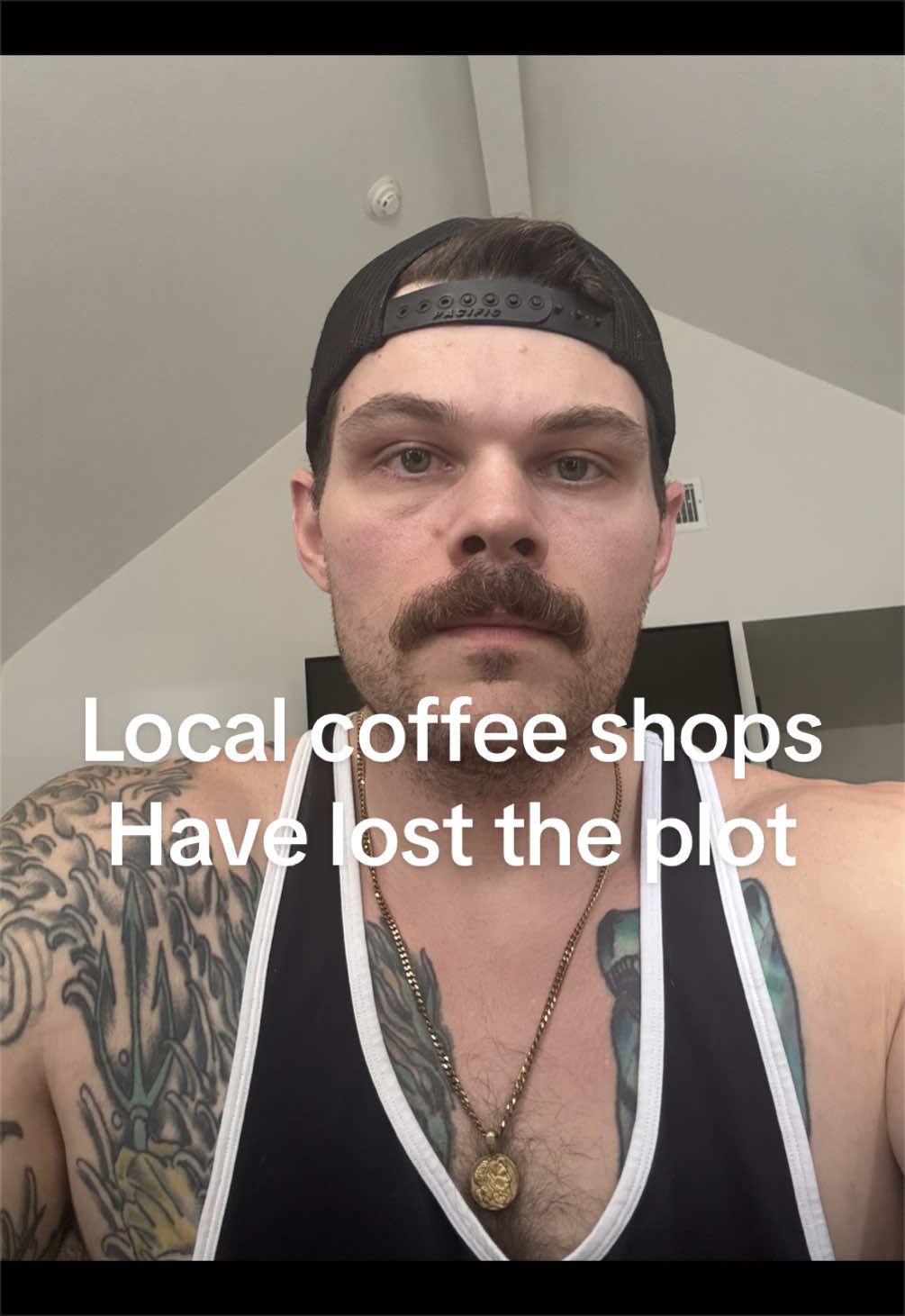
A relatable hot take about local coffee shops pricing themselves out of their own market tapped into real frustration. The authenticity of just stating an obvious problem without sugarcoating it made people want to debate and share their own experiences.
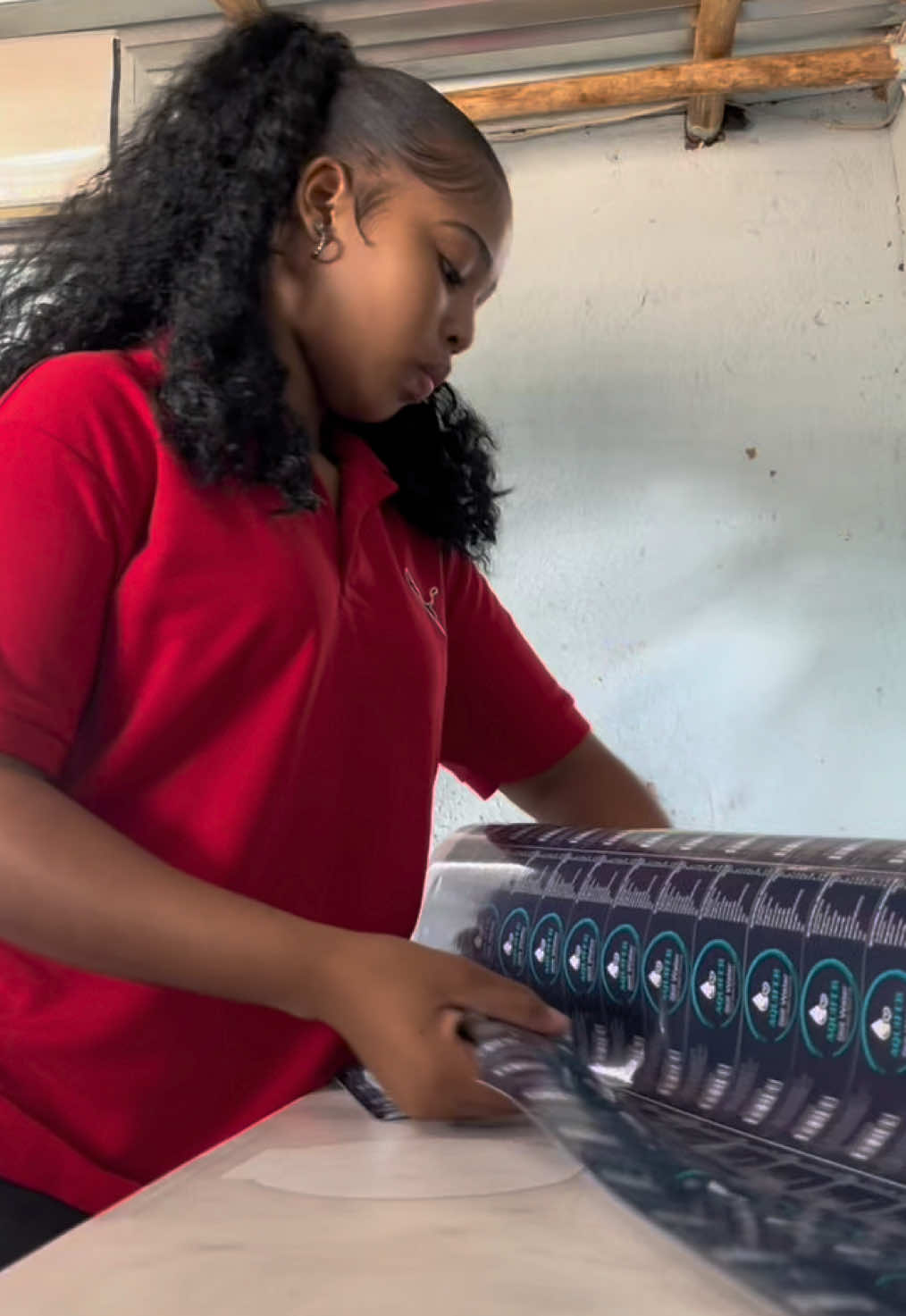
People are drawn to watching someone execute their business with focused competence and real effort. The casual "pack with me" framing makes the work feel accessible and authentic, while the high view count suggests audiences connect with young entrepreneurs grinding through unglamorous tasks.
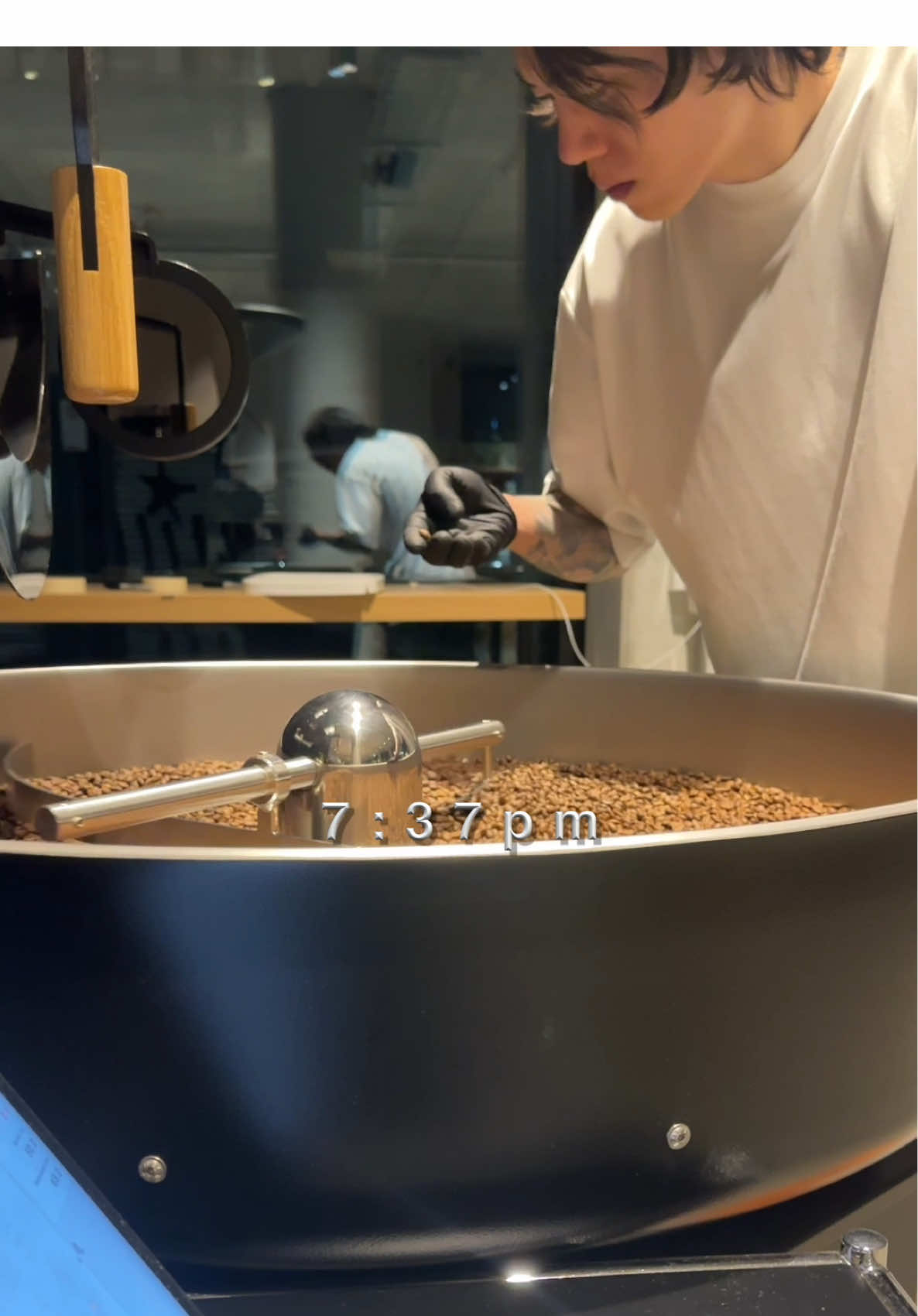
People are drawn to the tactile, sensory specifics of craft work. Showing the exact moment beans reach peak roast with a timestamp taps into coffee enthusiasts' desire to understand the precision behind something they love and want to learn.
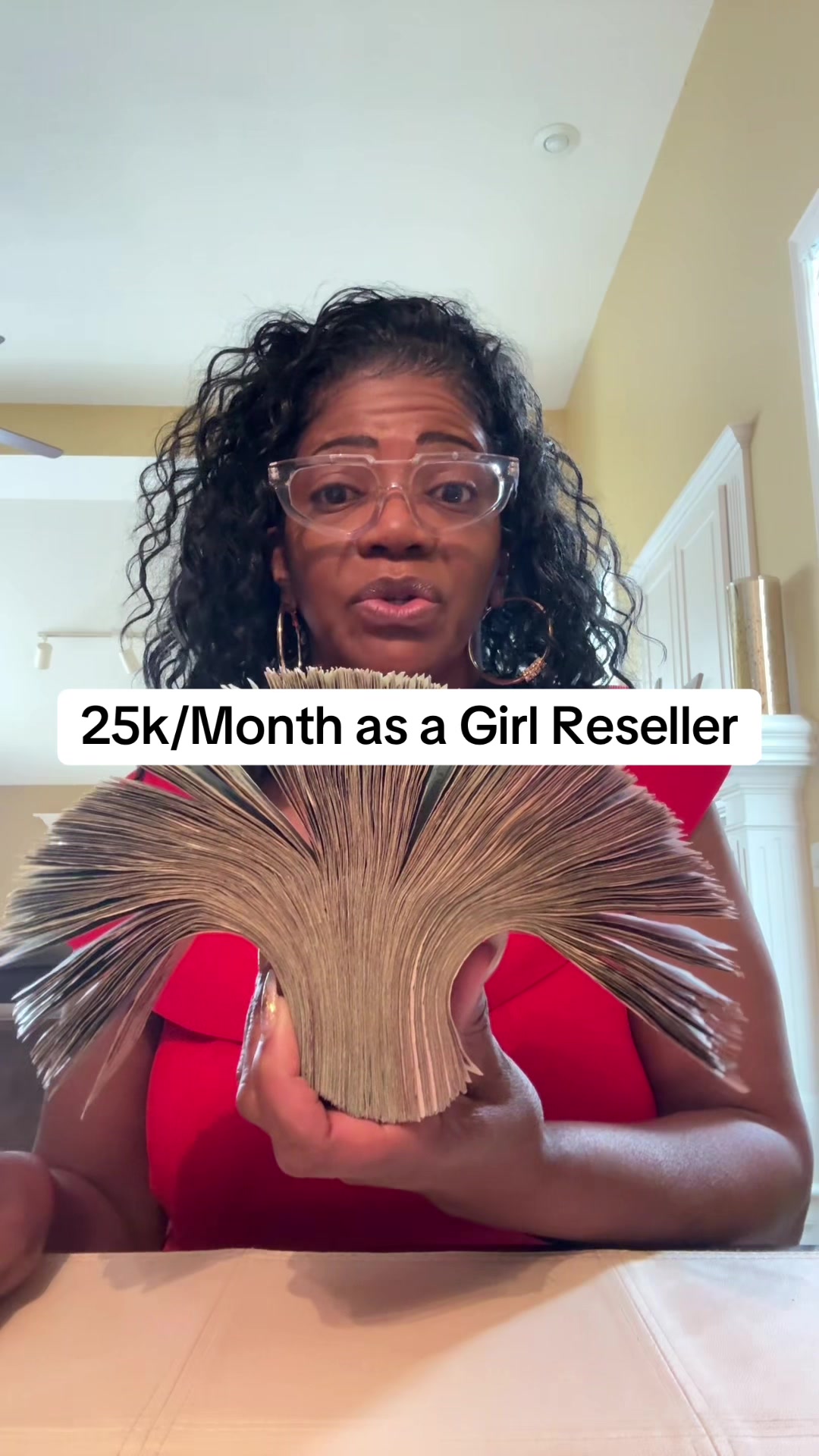
The specificity of "$25k/month" paired with a tangible visual of cash creates credibility that feels achievable rather than fantasy. The "Girl Reseller" framing taps into community validation—proving it's possible for people like you, not just gurus.
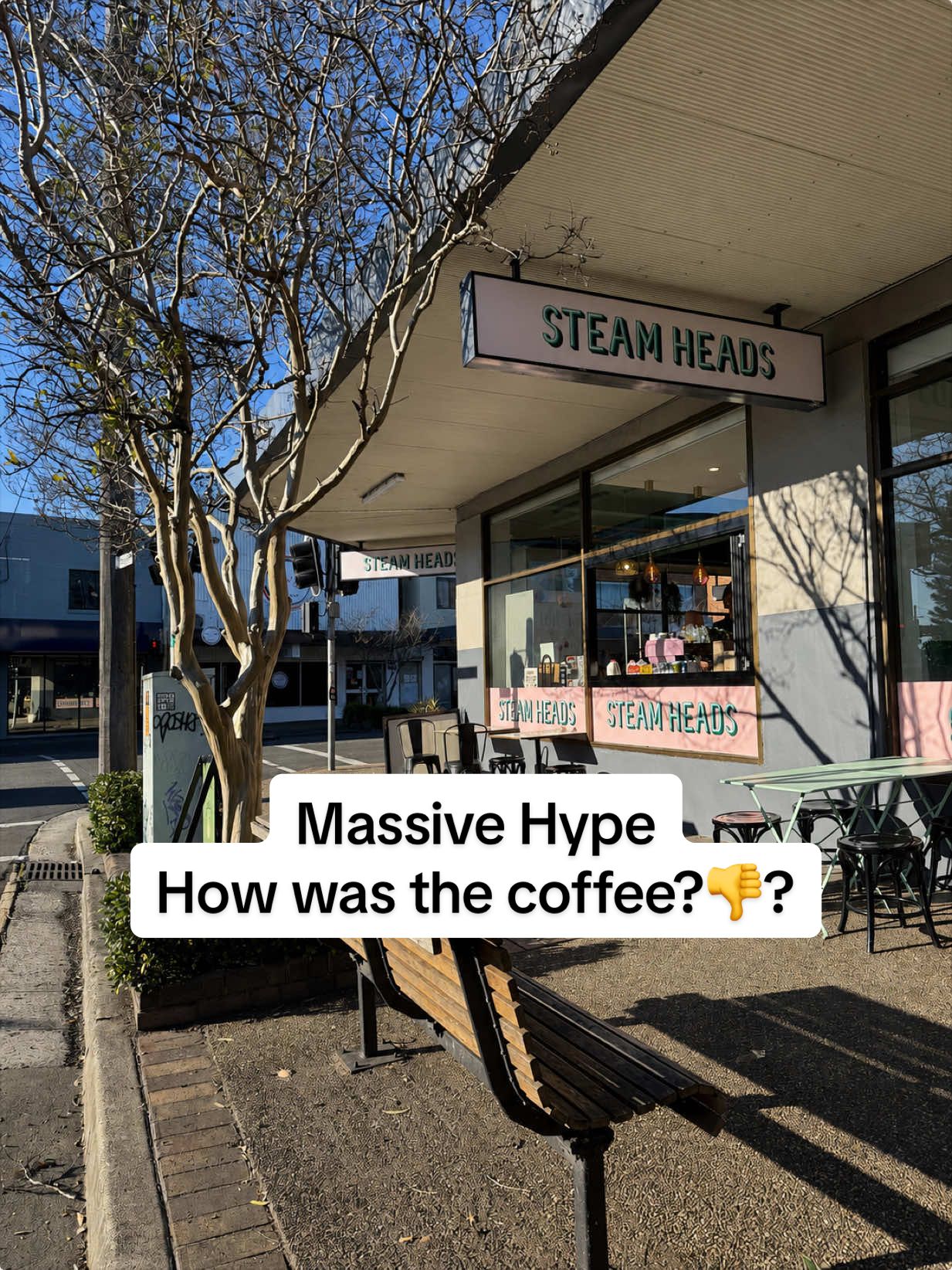
The post taps into local pride and community debate by making a bold claim that invites pushback. People engage because they either defend their beloved spot or champion their own favorite, creating a discussion that feels personal and invested rather than promotional.
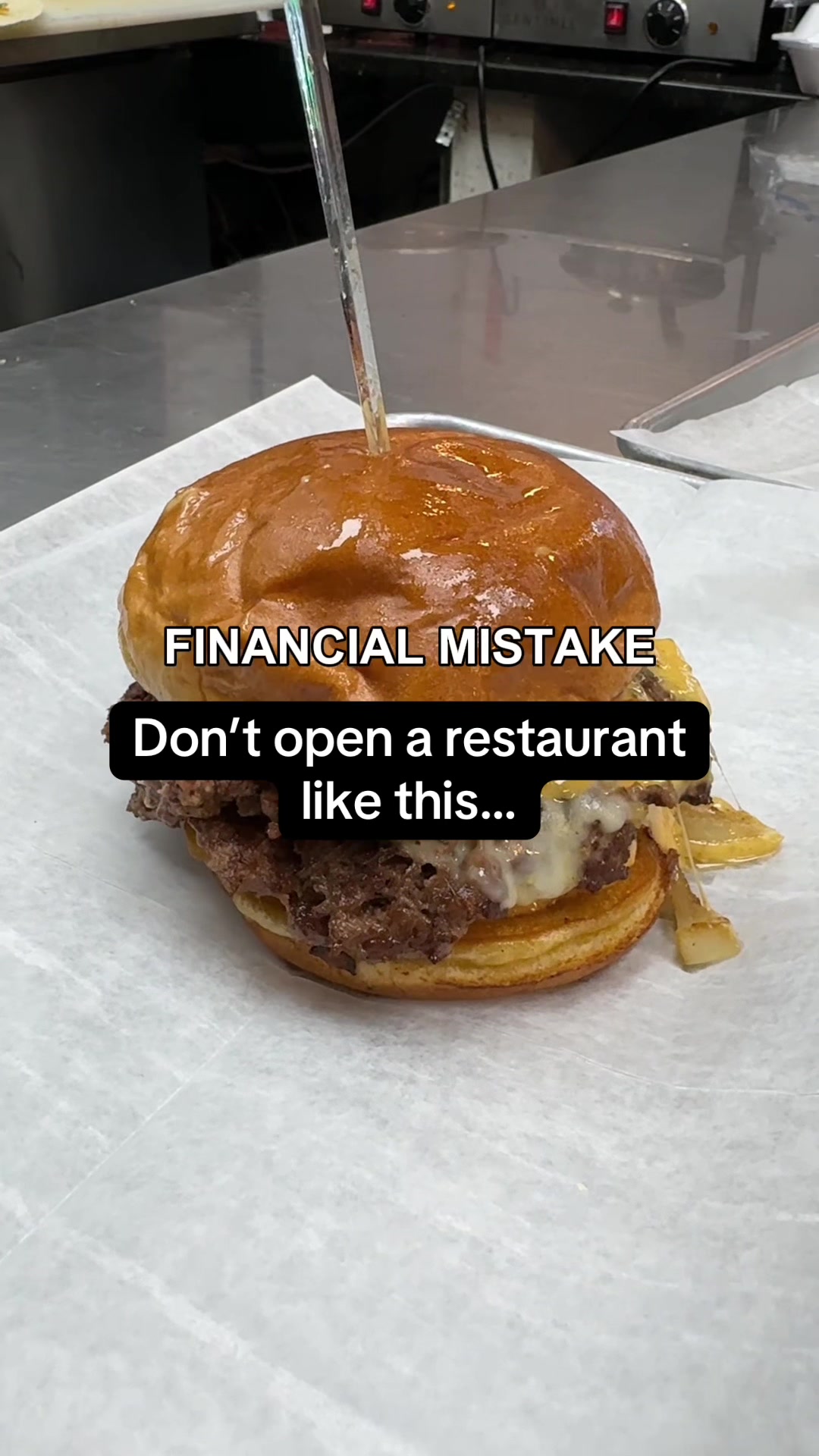
People clicked because the visual contradiction grabbed them—a drool-worthy burger getting doused with what looks like a mistake. The "financial mistake" framing taps into founder anxiety about doing things wrong, making it instantly shareable for anyone who's ever second-guessed a business decision.
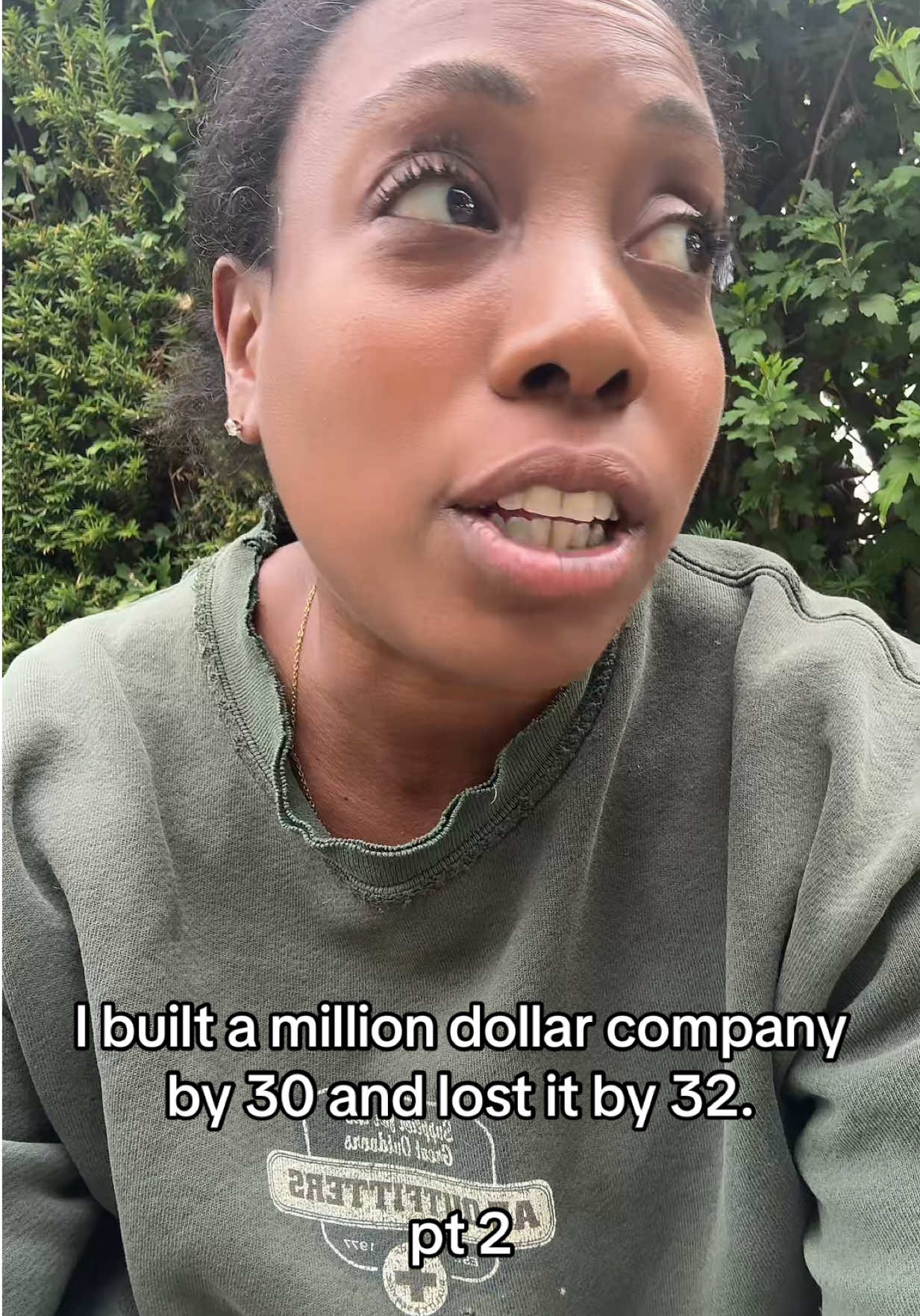
Vulnerability paired with business stakes hits hard. She's not hiding the failure, she's leaning into it, which creates both relatability and curiosity about what went wrong. People see themselves in the struggle and want to know the full story.
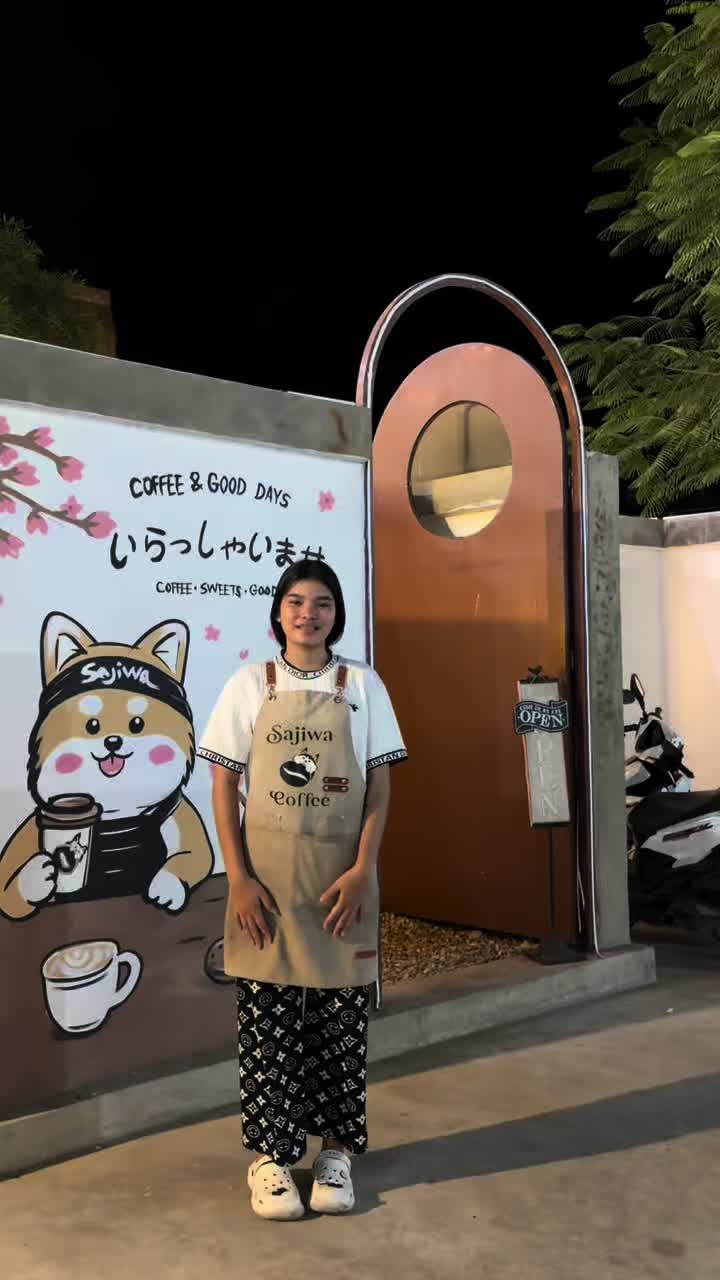
The distinctive architecture and charming storefront create an instant visual hook that stops scrolls. People are drawn to the novelty of a uniquely designed cafe space, especially when paired with an owner who's genuinely present and welcoming in the shot.
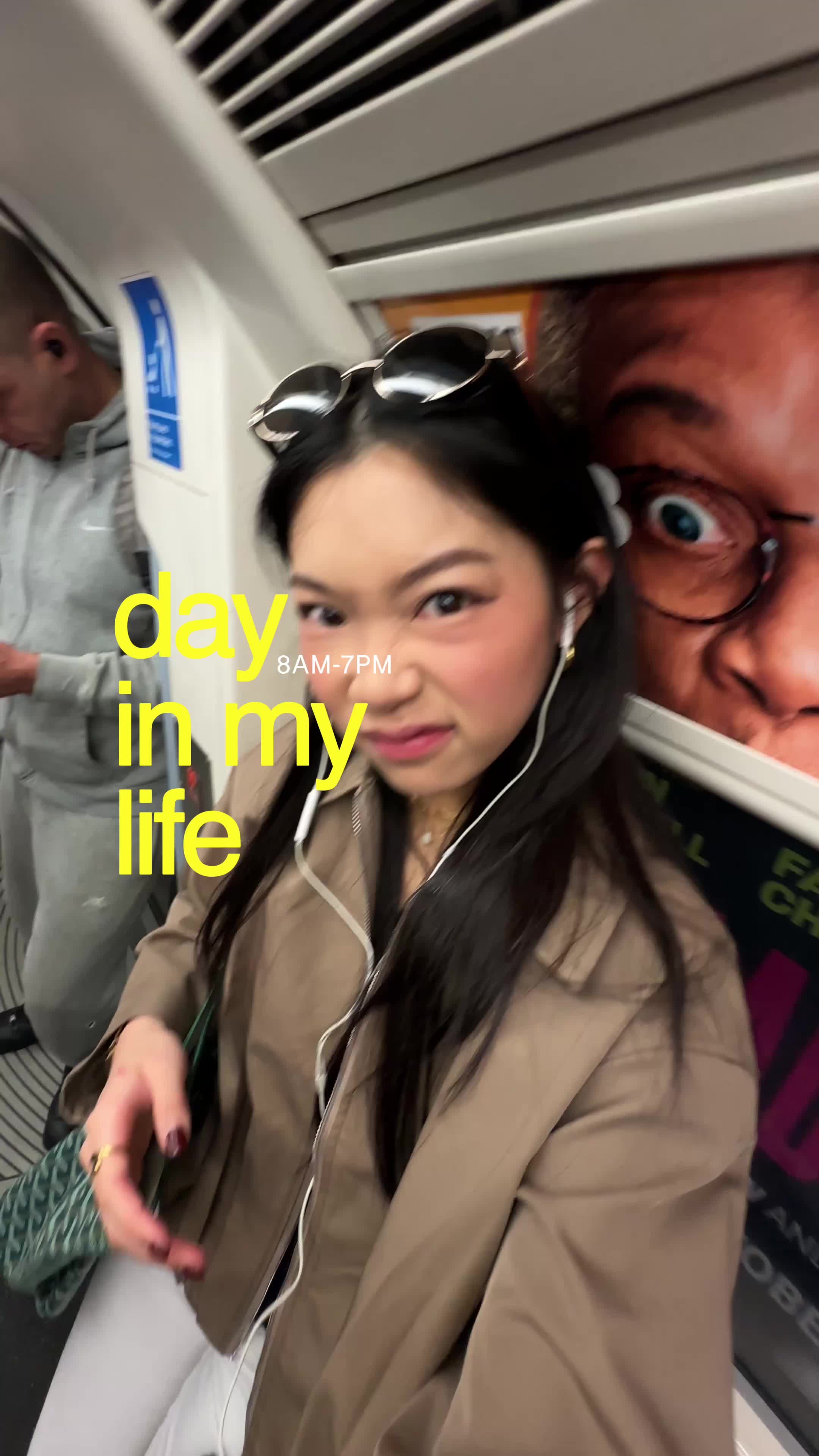
The unfiltered, mundane moments on public transport create relatability that aspirational content usually can't touch. People save this because it feels like a real glimpse into someone's actual day, not a highlight reel, which makes the entrepreneurial angle feel achievable rather than impossible.
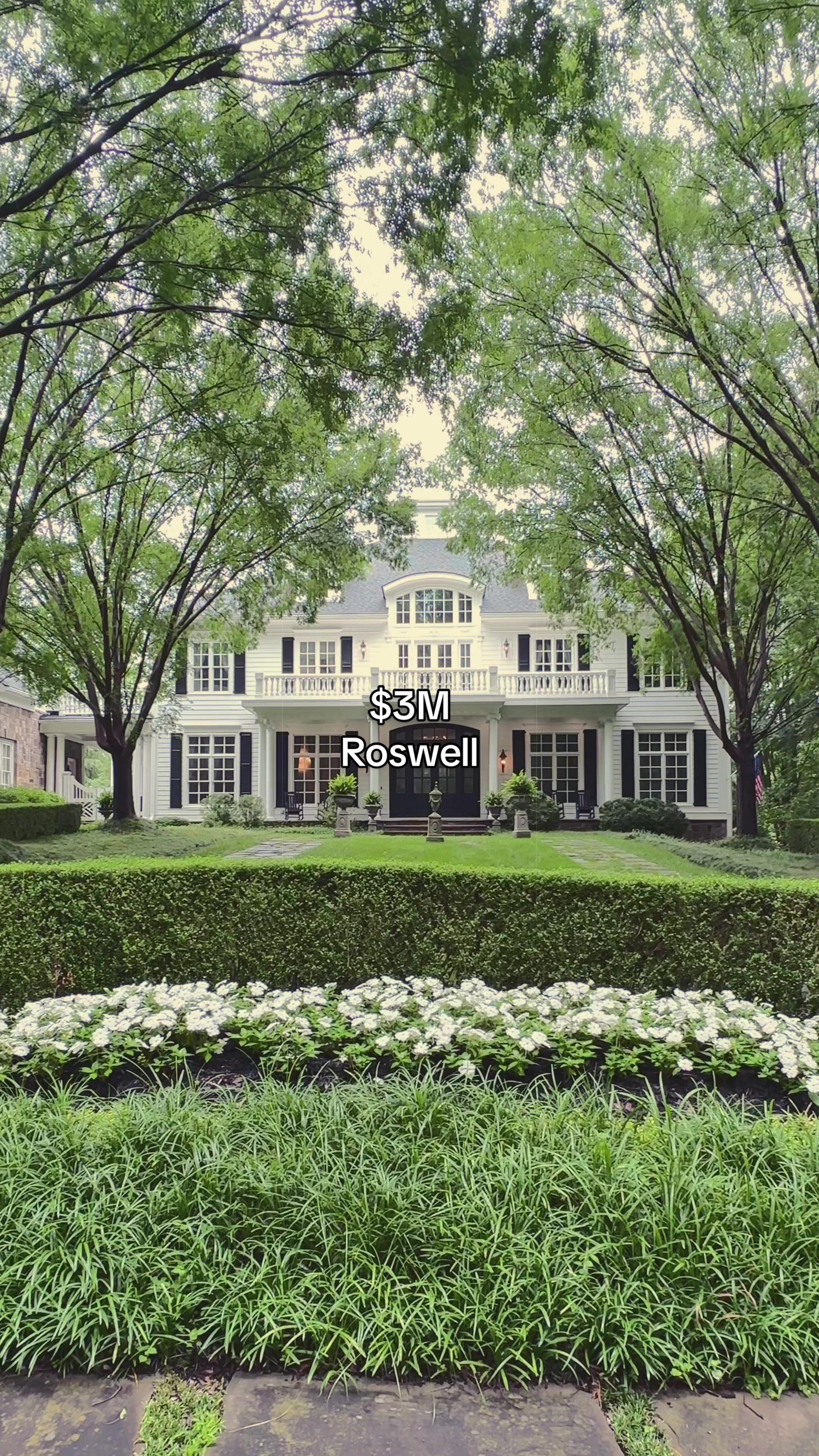
The price point created immediate intrigue and skepticism. A stunning estate at $3M in an affluent area triggered "why so cheap?" curiosity that people couldn't resist engaging with. The gap between visual luxury and perceived value made the listing feel like a puzzle to solve.
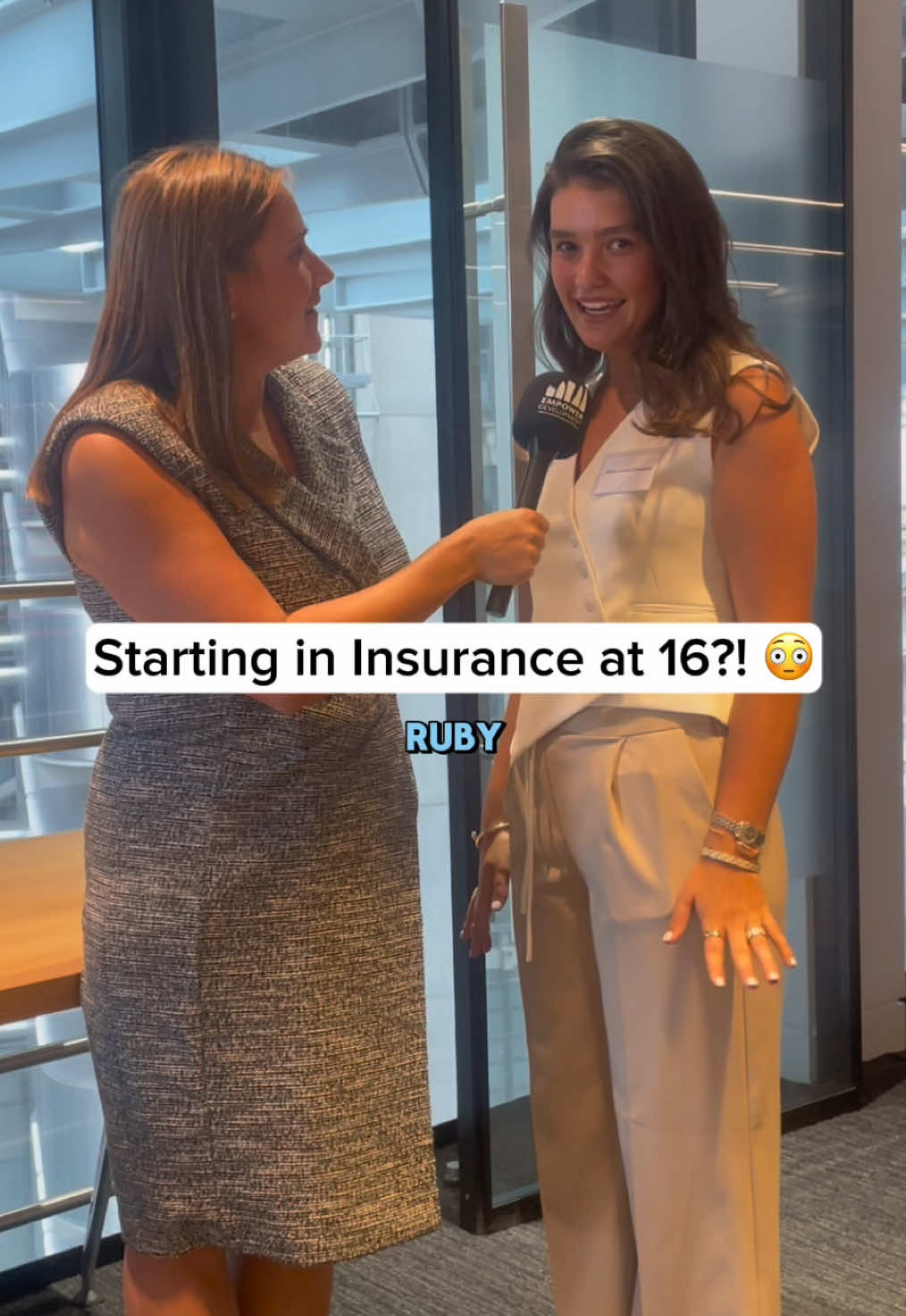
People are hungry for unglamorous career stories that prove you don't need the "perfect" path to succeed. Ruby's early start and accidental industry entry humanizes a sector most see as stuffy, while her genuine personality makes career advice feel like a friend sharing real experience rather than a lecture.
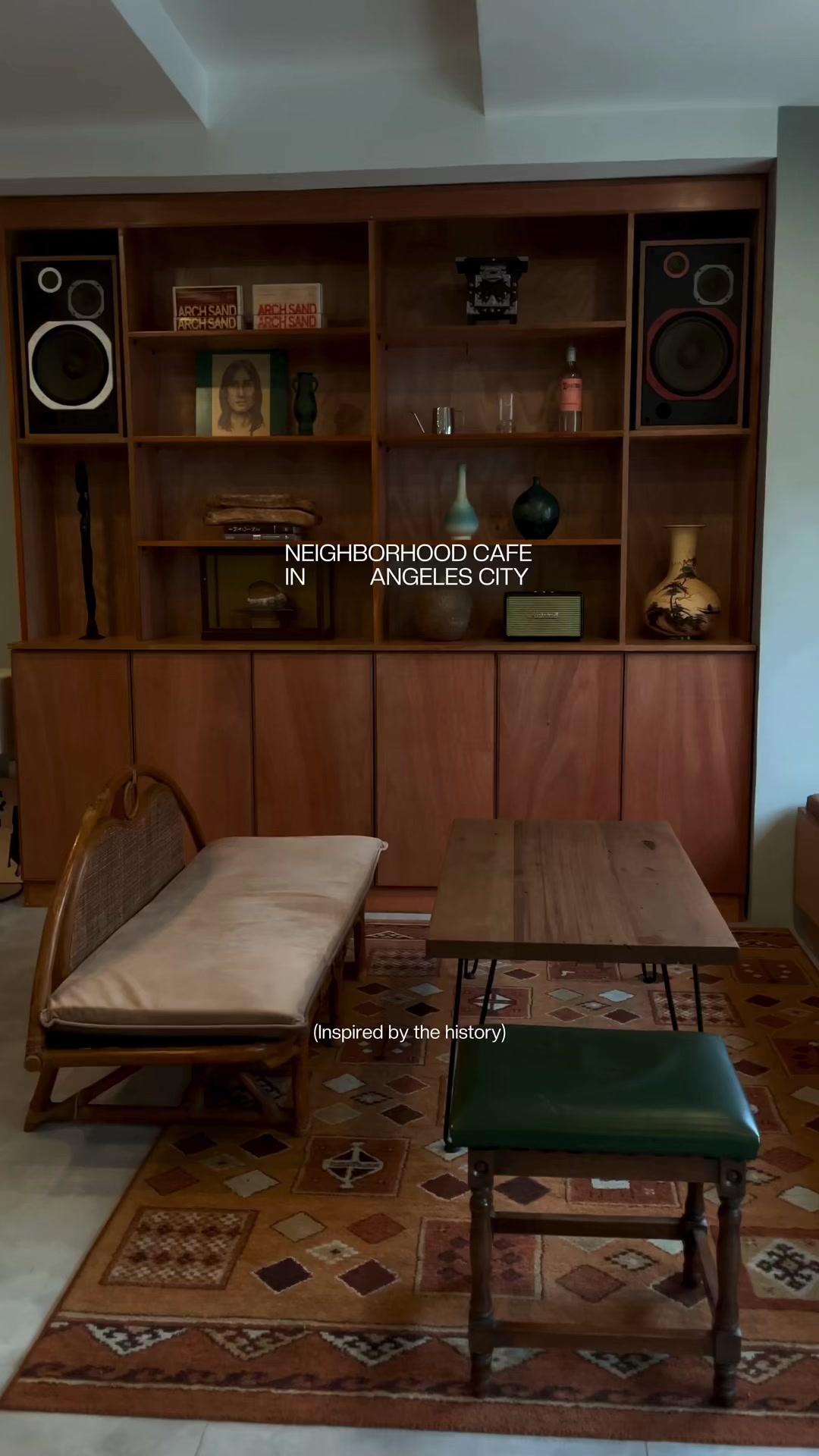
The retro-modern interior design paired with genuine local discovery appeal hits hard. People crave both aesthetic inspiration and practical intel about places they can actually visit, especially in underrated areas like Pampanga.

People crave clarity on AI's actual job impact, and pairing authority (Mark Cuban) with relatable proof (someone who used AI without coding skills) cuts through hype. The real career angle people hunger for isn't "AI will replace you" but "here's a concrete skill gap AI created that someone already profited from."
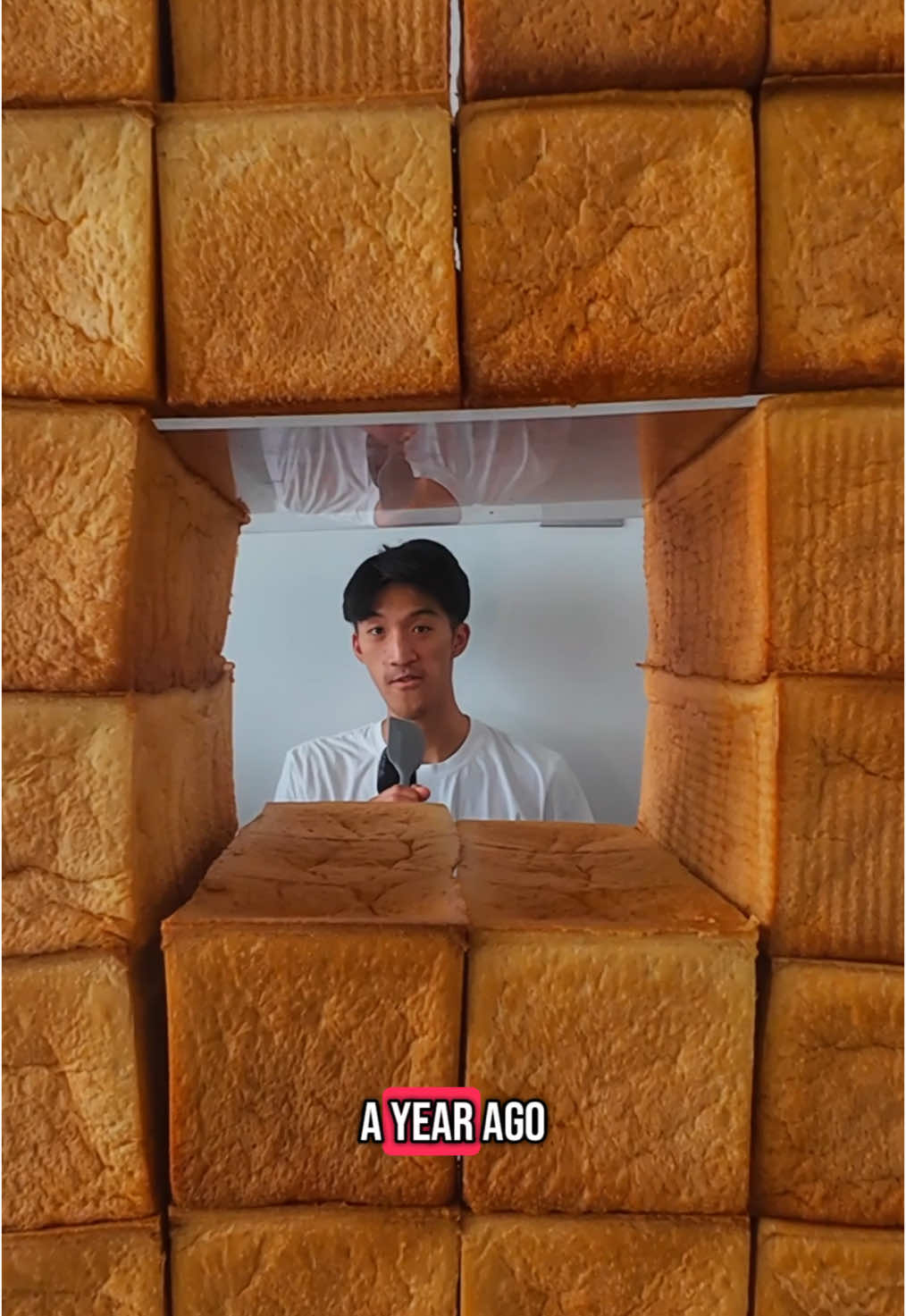
A before-and-after spanning a year hits differently when it's about a real person's small business growth. The framing through toast boxes creates visual intrigue while the founder story angle makes people invested in the journey, not just the product.
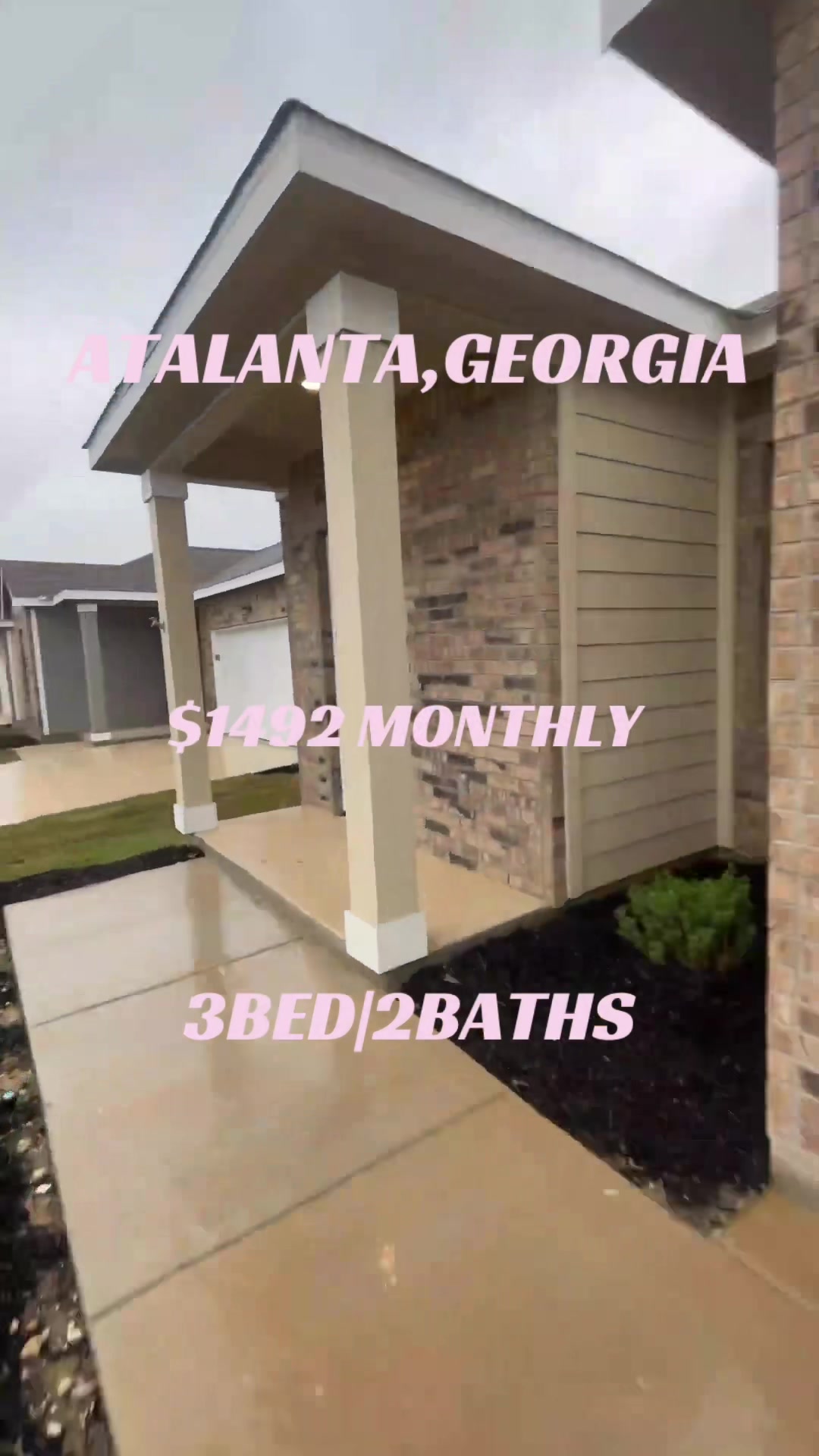
The jaw-dropping price point for a 3-bed/2-bath in Atlanta creates immediate cognitive dissonance that stops scrolls. People are skeptical because it feels too good to be true, which paradoxically makes them engage harder to verify or debate the claim.
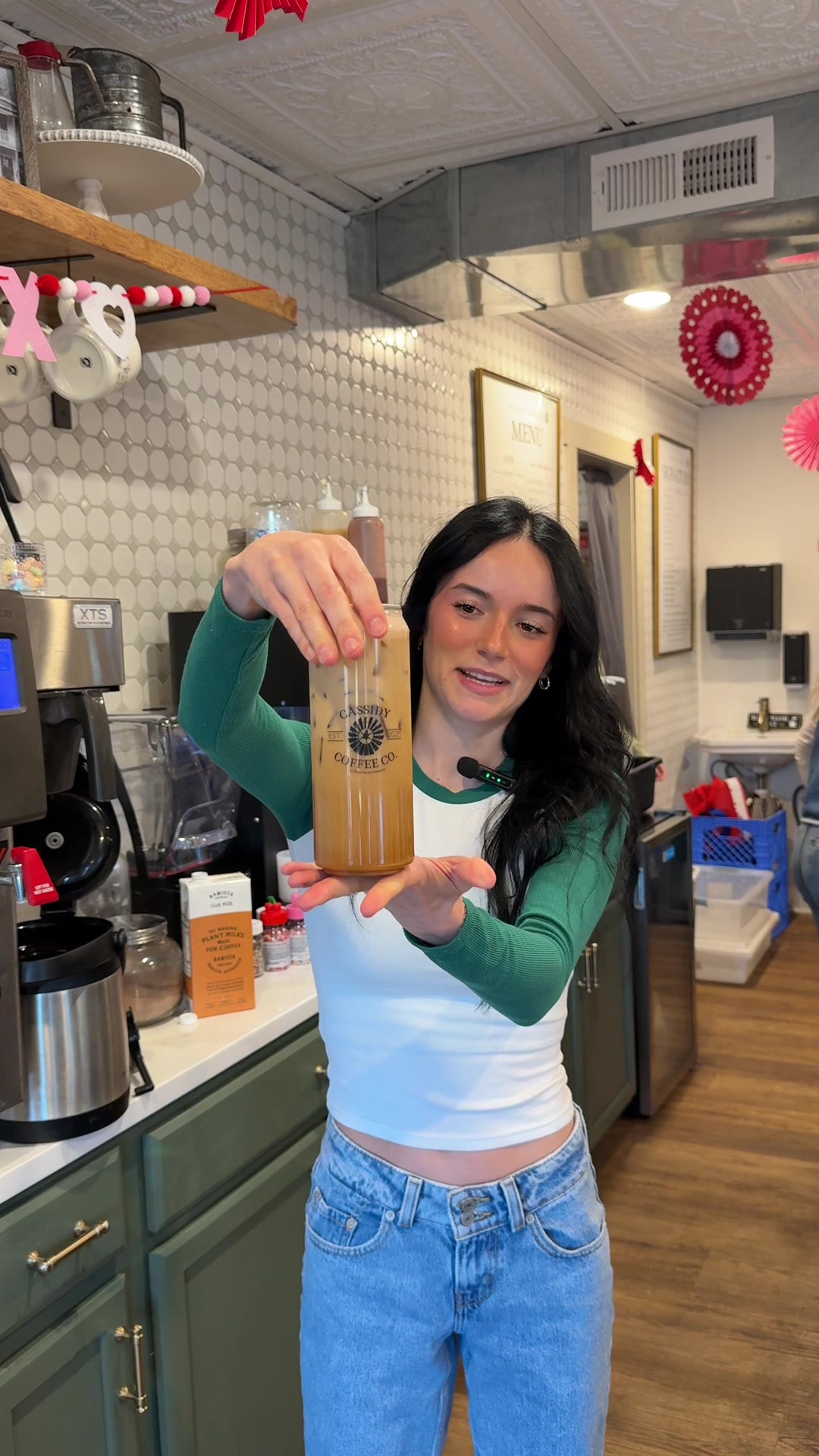
Owner authenticity combined with product quality creates genuine enthusiasm that feels earned, not promotional. The "I've missed these" framing positions the coffee as something worth returning to, sparking viewer curiosity and community recognition.
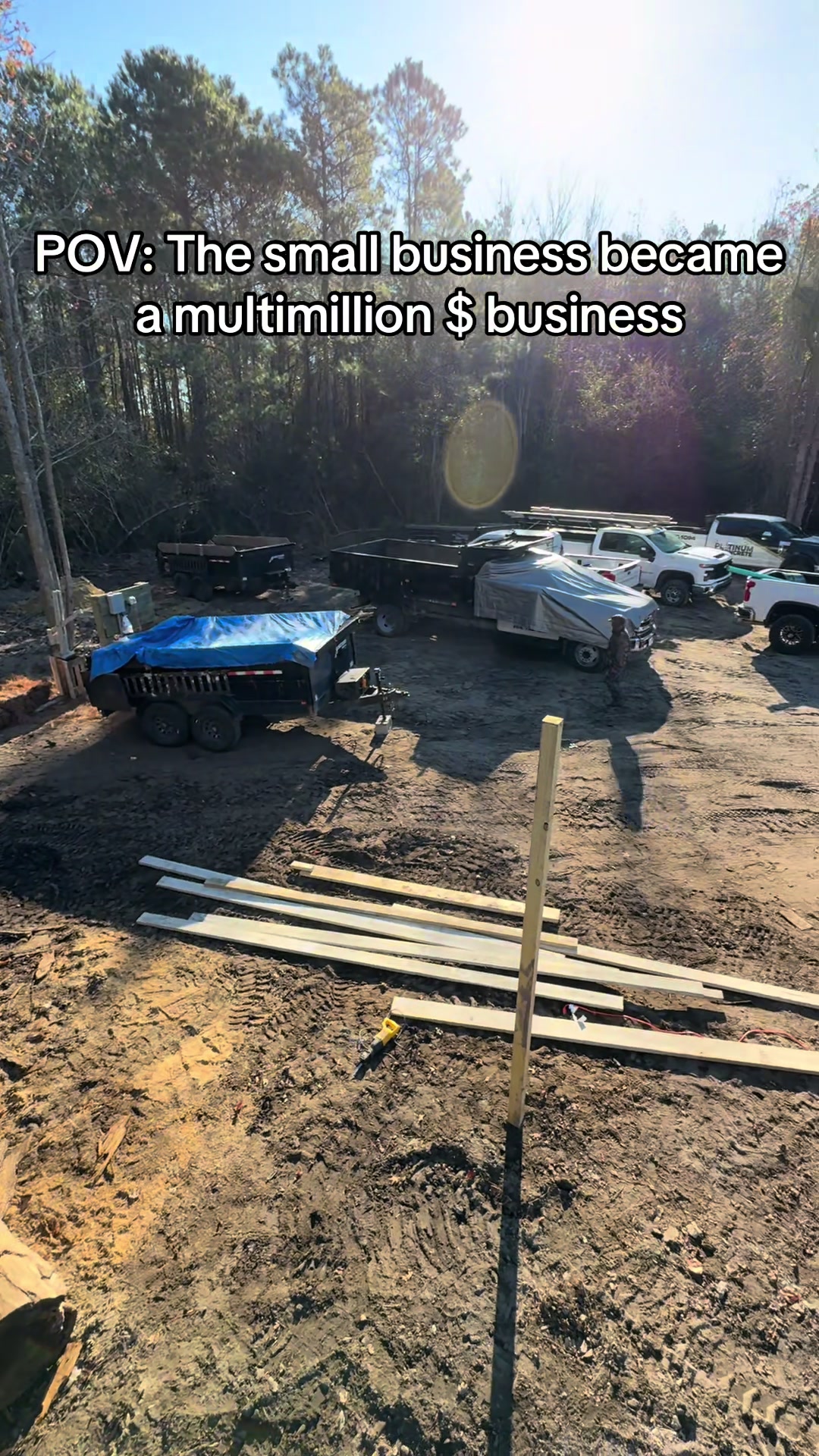
The visual proof of growth from empty lot to bustling operation hits harder than any stat sheet. People connect with the emotional weight of building something real, especially when the founder admits the fear and unreadiness that came with it. The juxtaposition of uncertainty in the caption against the tangible assets in the frame makes the win feel earned.
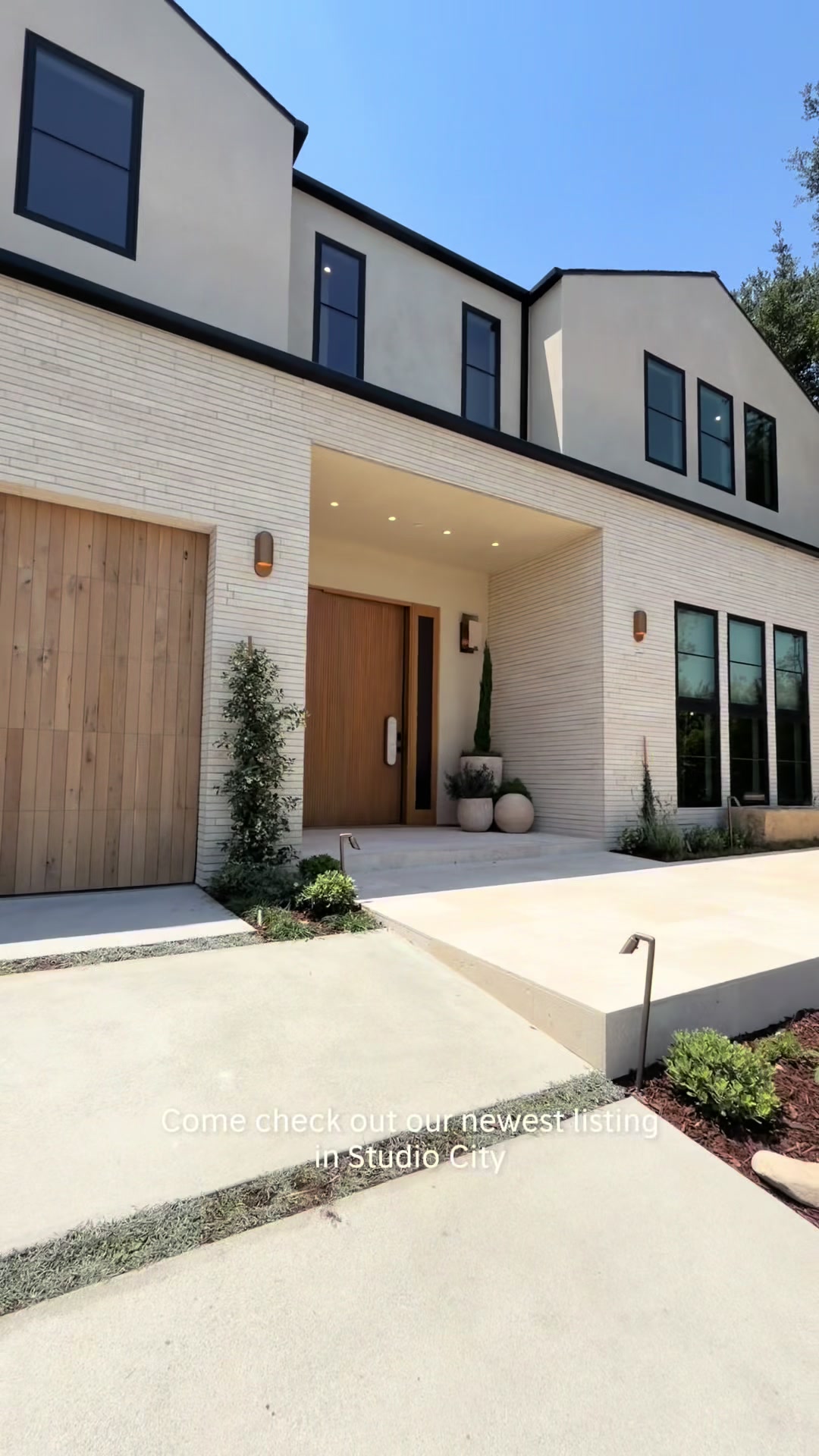
The price mystery hook taps into natural curiosity while the architectural beauty creates aspirational energy. People engage because guessing prices feels participatory, and the polished modern design generates genuine "wow" reactions regardless of whether they'd actually buy.
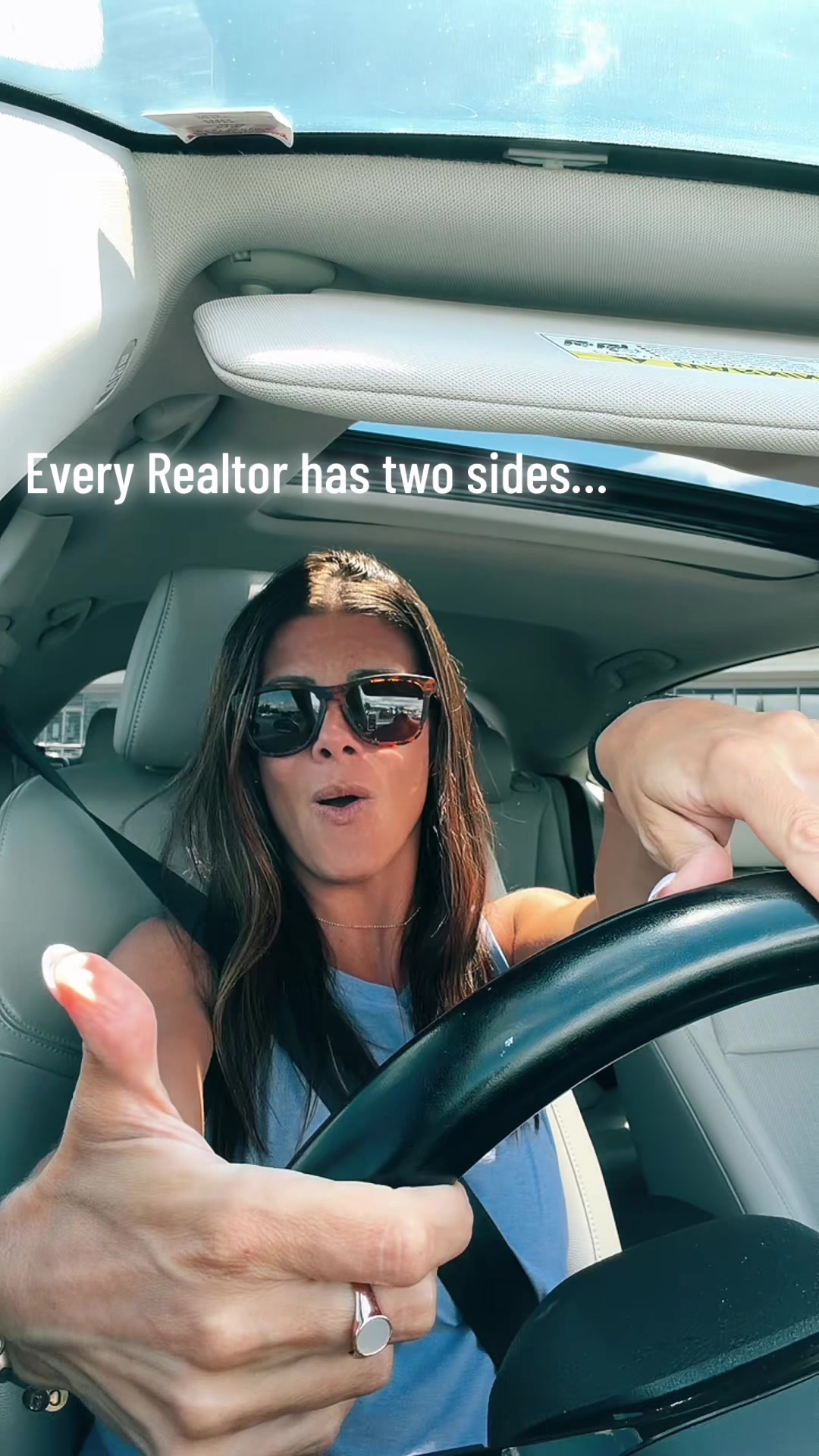
The "two sides" framing hooks people with relatability and insider humor—realtors immediately recognize the gap between polished client meetings and the messy reality of constant driving. The casual car confession feels authentic because it's unfiltered and self-aware, making the profession feel human instead of stuffy.
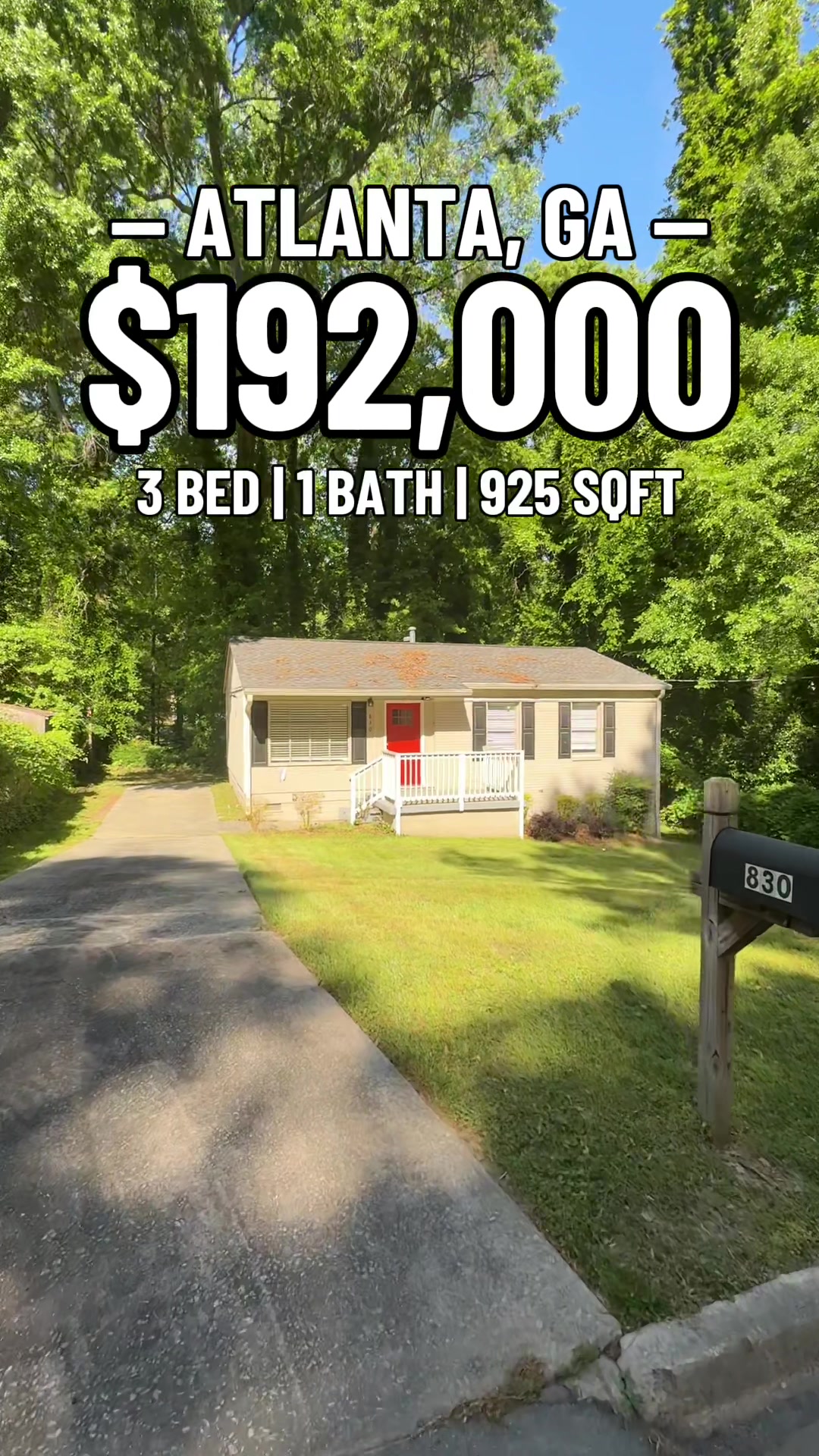
The price-to-specs ratio creates cognitive dissonance that pulls people in. A three-bed home under $200k in Atlanta feels impossibly cheap, triggering skepticism and curiosity about what's being hidden. People can't resist investigating the gap between the deal and reality.
The post taps into a growing permission structure around career pivots. By reframing a major life decision as anti-waste rather than failure, it validates what many high-achievers secretly feel: staying in the "right" path when it's wrong is the real mistake. The aesthetic, controlled setting makes a vulnerable confession feel smart instead of regretful.
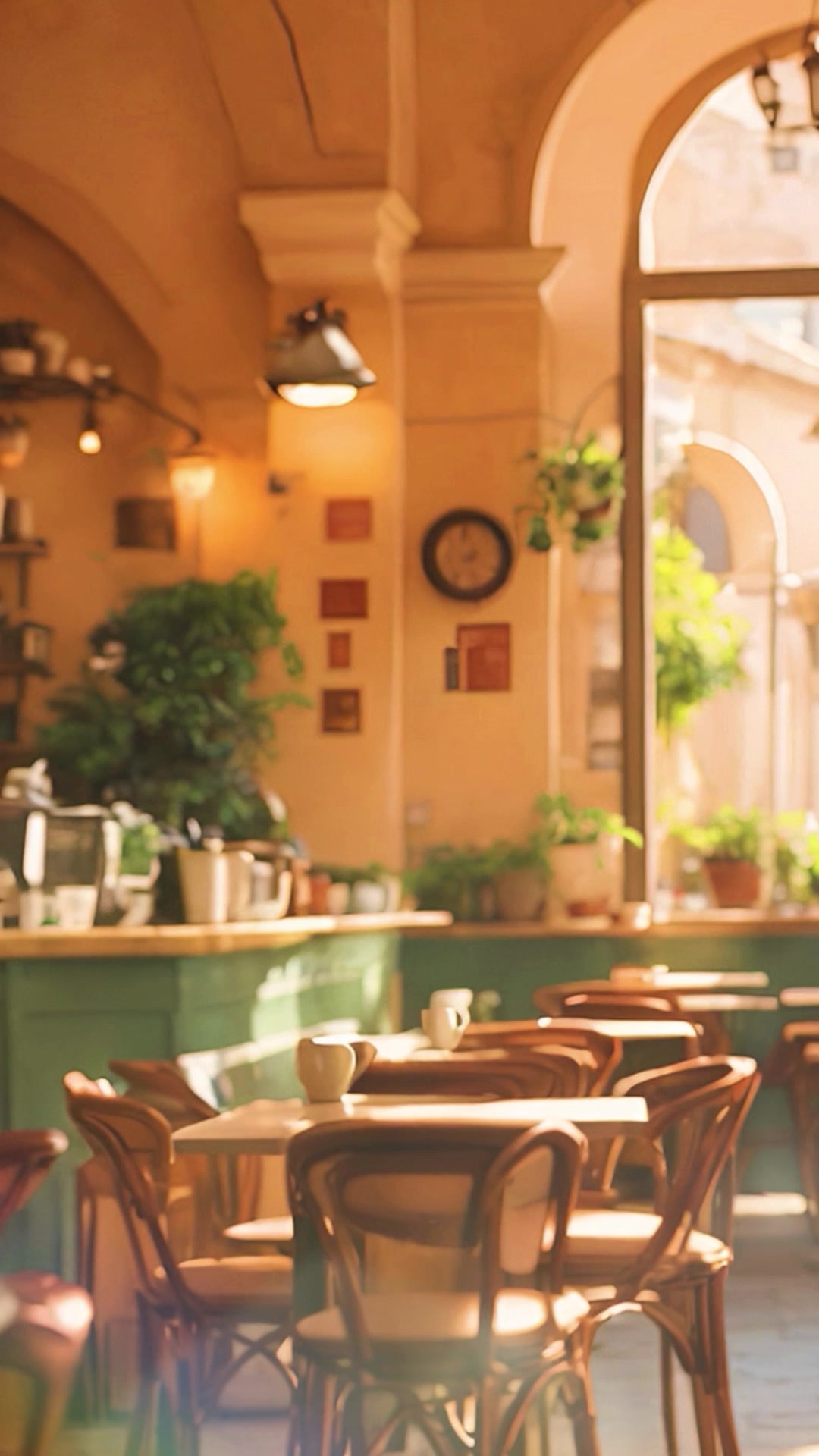
This post nails the aesthetic escape formula. Warm, softly-focused cafe cinematography paired with jazz creates an immediate sense of calm that feels like a mini-vacation. People save and share it because it's a reusable mood setter, not a one-time watch.
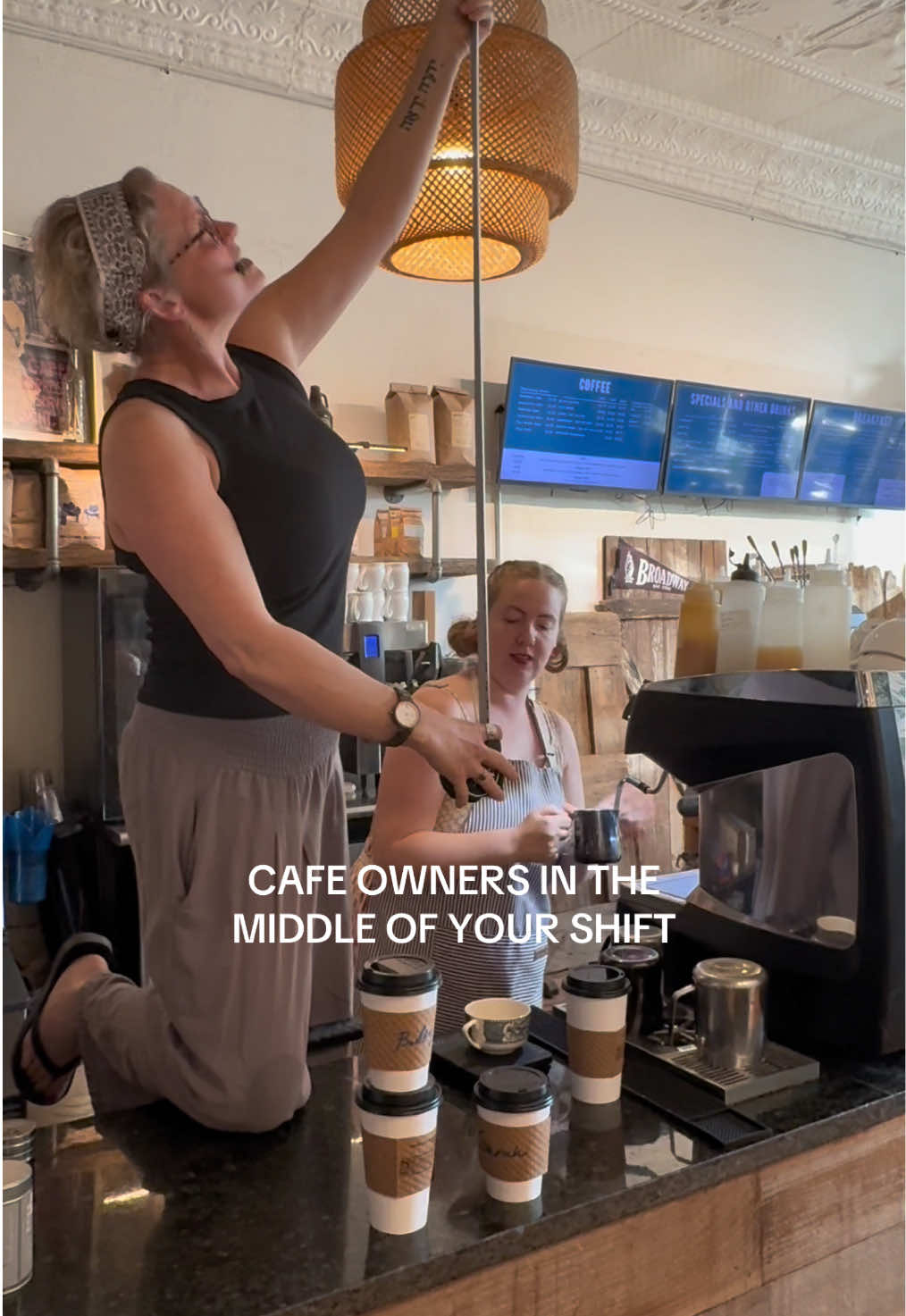
People love watching small business owners show up for their craft with unfiltered energy. The candid moment of an owner genuinely engaging with staff mid-shift feels authentic and celebratory in a way polished content can't match.

This post tapped into genuine nostalgia and emotional connection to Alex G's music. The simple "Things to Do" framing lets the artist's work speak for itself, while the natural imagery creates space for viewers to project their own memories onto the song. People saved and shared because it felt personal, not like marketing.

This post tapped into seasonal anticipation and aesthetic escapism. The soft, dreamy visual language paired with a universal prompt ("things to do this summer") invites viewers to project their own desires onto it, making it feel personally relevant while maintaining broad appeal.
The specificity of "how much I made" creates curiosity that drives clicks, while the year-over-year comparison format feels like genuine progress sharing rather than humble bragging. People engage because they want the actual number and respect the vulnerability of showing growth from day one.
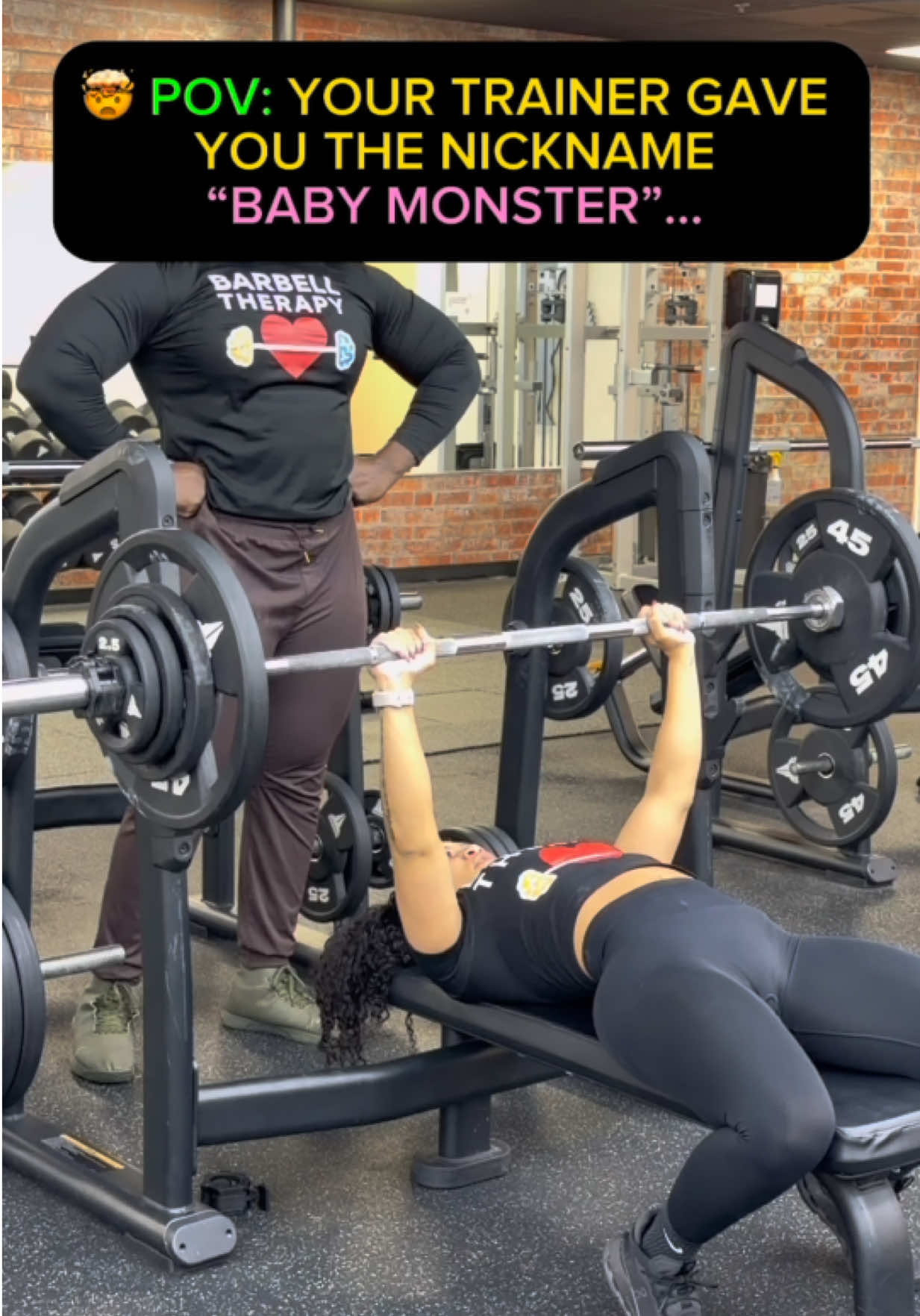
The POV setup taps into that fantasy of having a coach who actually believes in you and pushes you to do hard things. The nickname "Baby Monster" feels earned, not handed out, making the validation hit different.
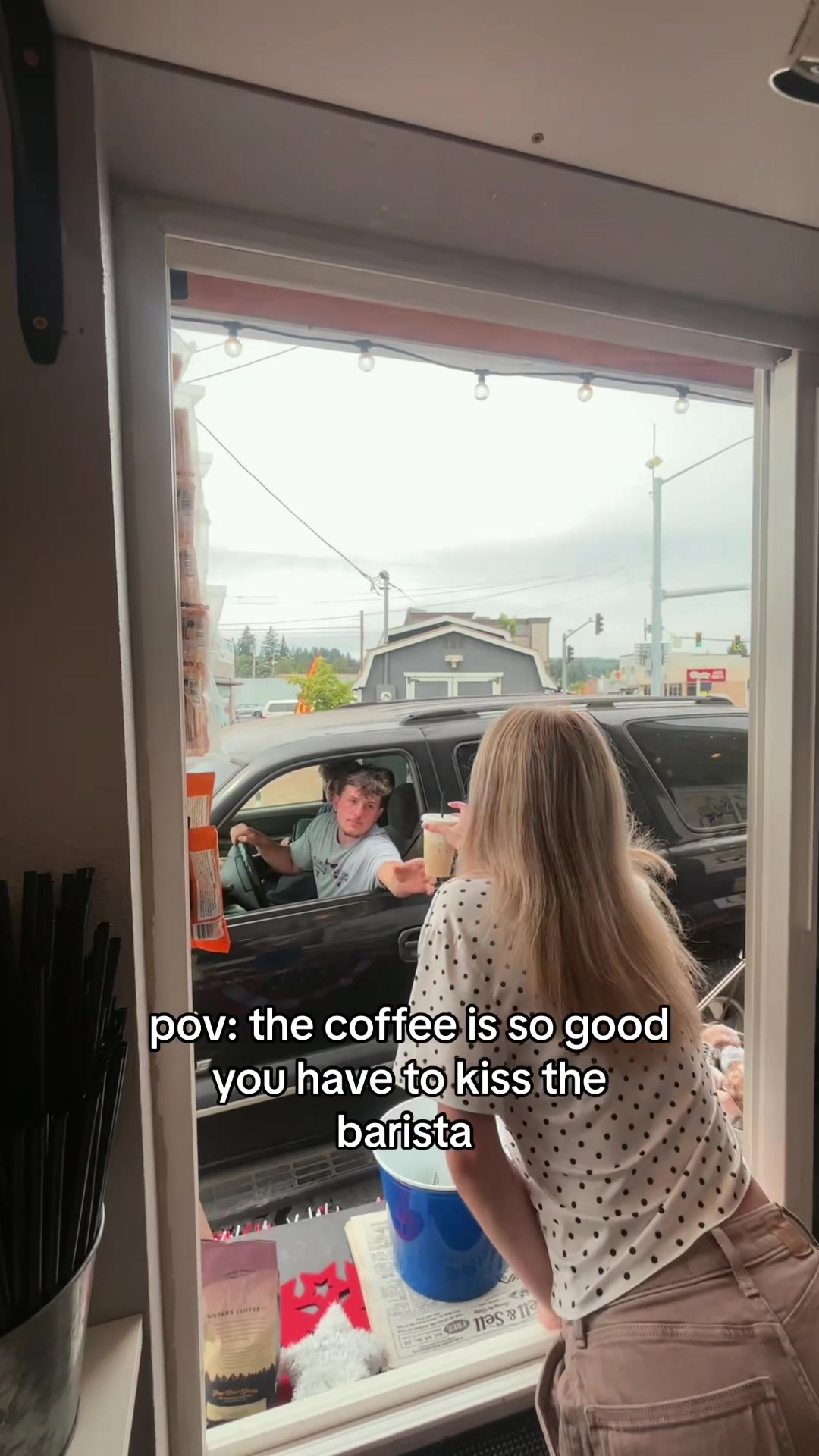
The humor lands because it captures that absurd, giddy feeling of a really good coffee hitting at just the right moment—that moment where you're slightly unhinged and grateful for it. The staged intimacy of the drive-thru interaction makes it feel like watching a friend do something ridiculous, not a polished bit.
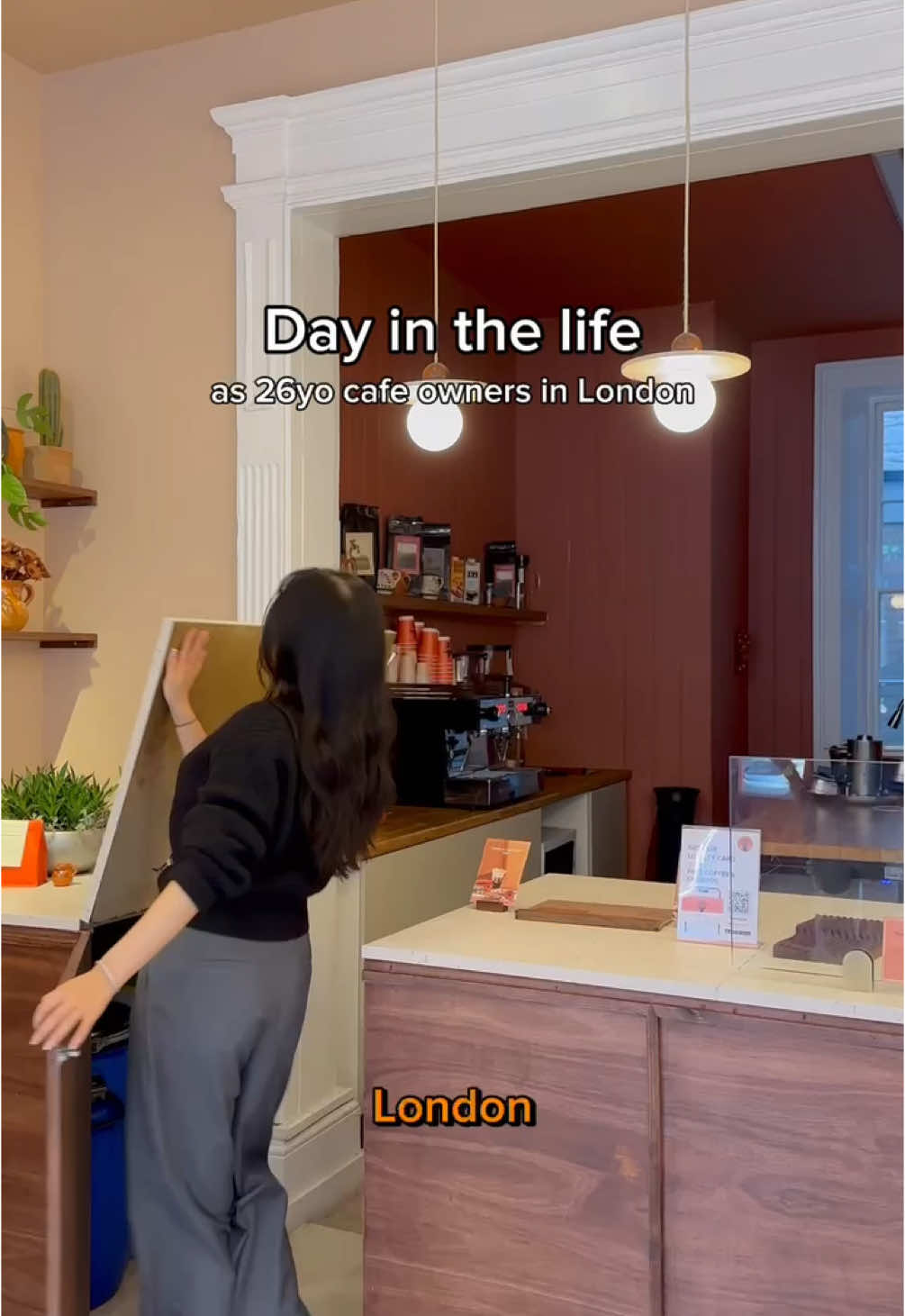
People crave visibility into the unglamorous reality of running a small business, especially when it's young entrepreneurs making it work in an expensive city. The authenticity of showing the actual cafe space, the products, and the owner doing real work beats polished business content every time.
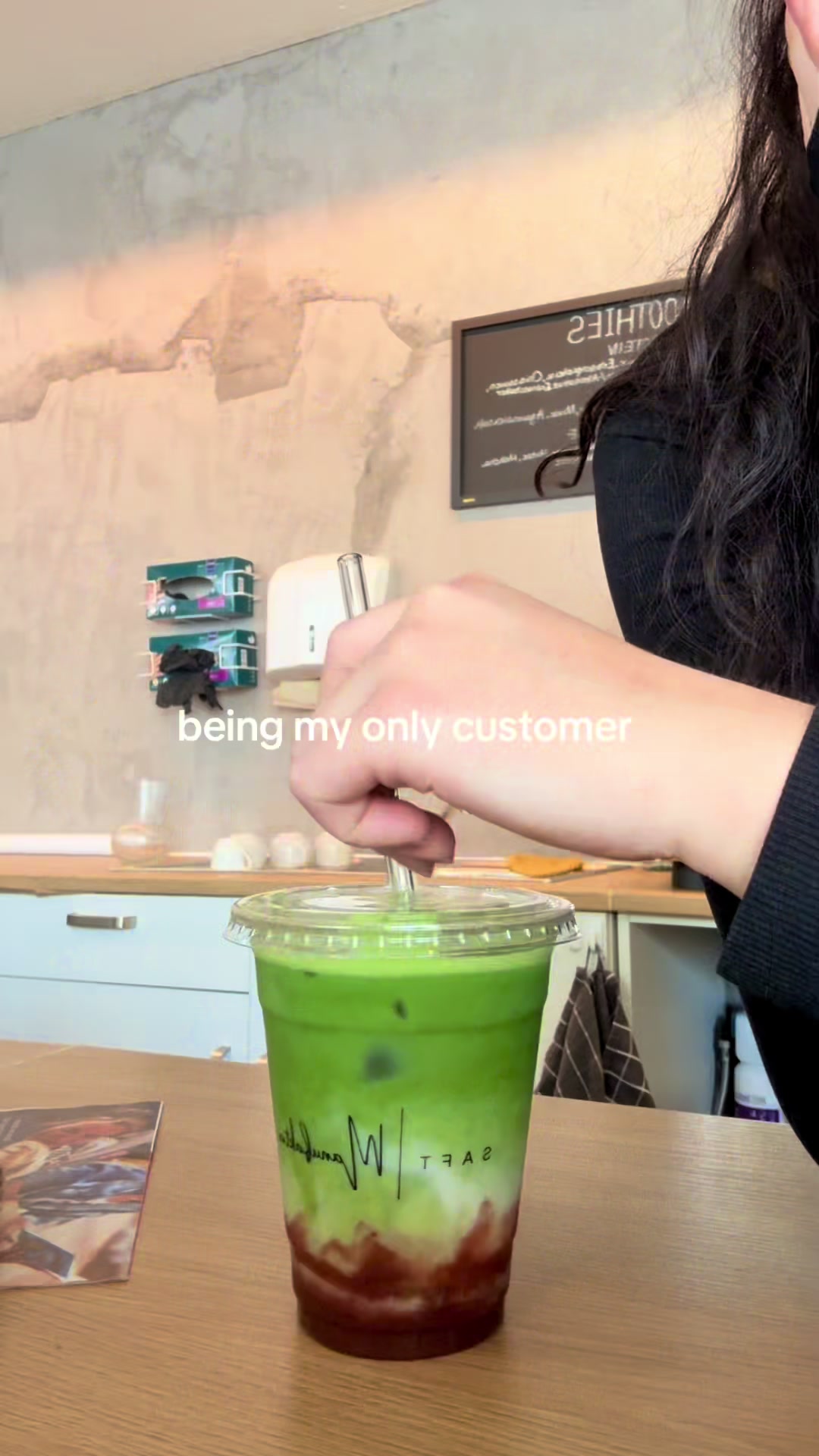
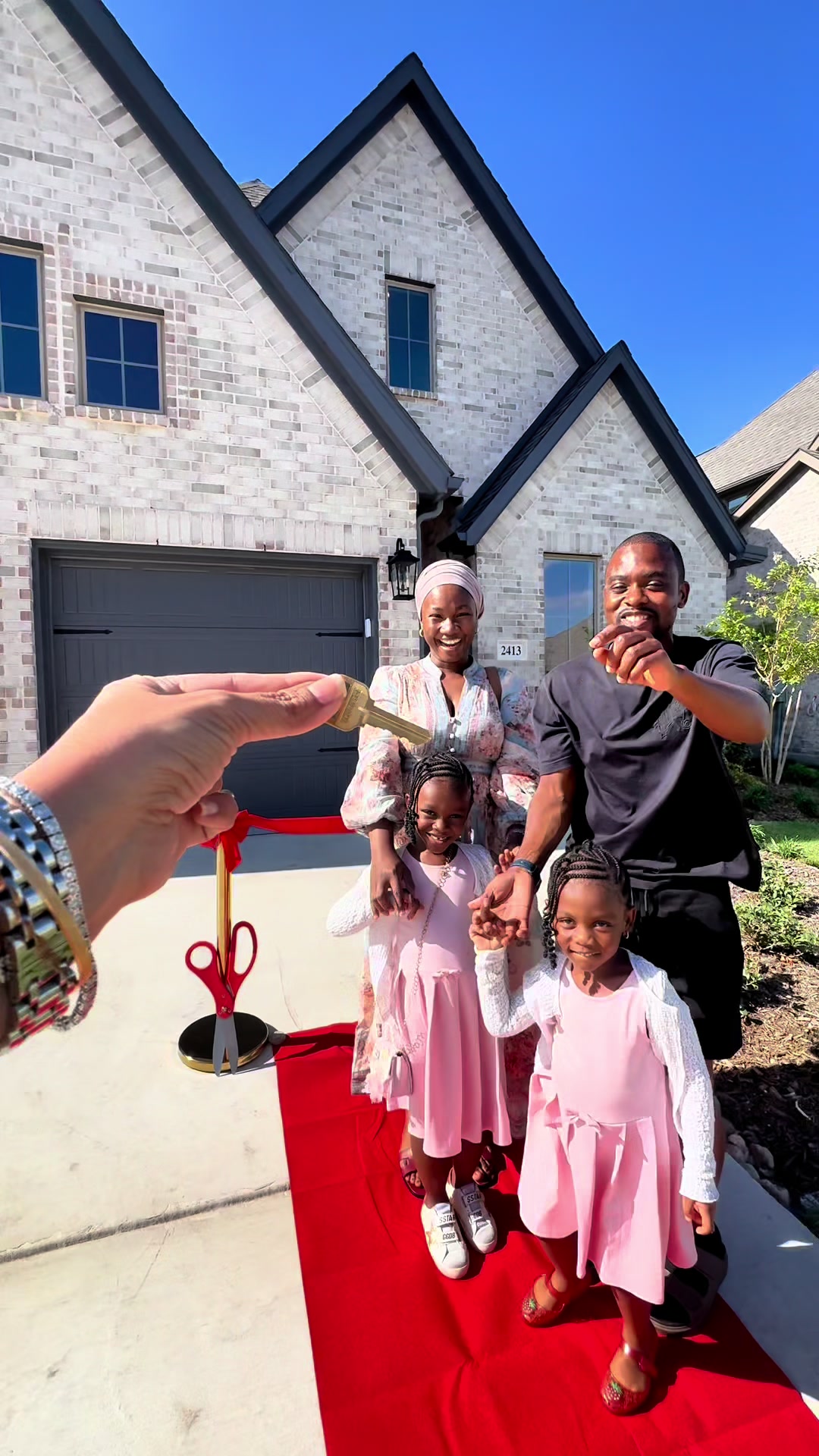
People connect with genuine celebration of others' wins, especially when there's a relatable journey embedded in it—immigrants building wealth, a realtor genuinely invested in her clients' success, a family milestone. The red carpet and scissors moment transforms a transaction into a moment worth honoring.
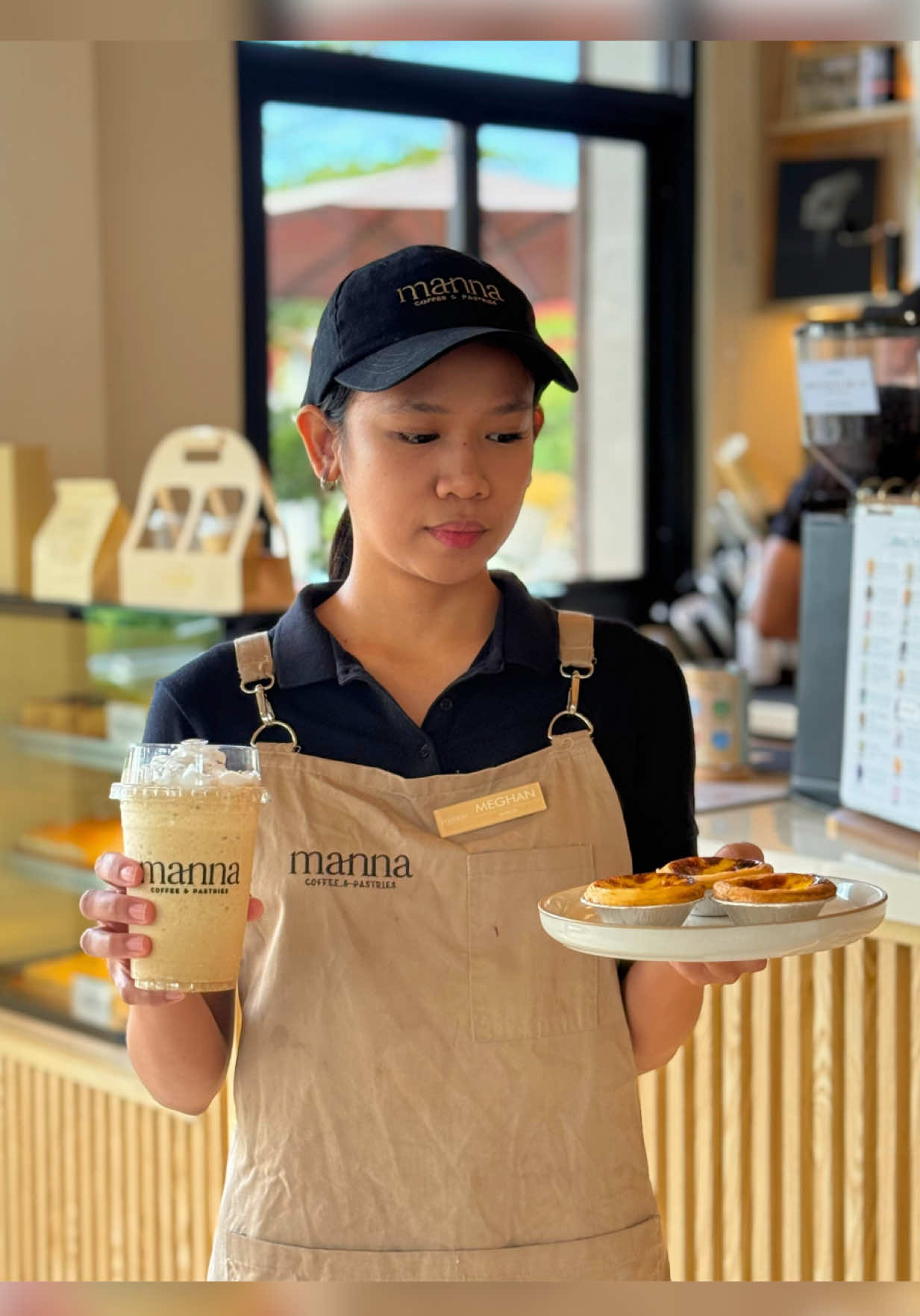
Pairing a seasonal flavor drop with an authentic product shot featuring a real employee creates both aspirational and accessible vibes. The modest, focused presentation and genuine setting beat polished perfection—people save this because it feels like a real cafe they'd actually visit.
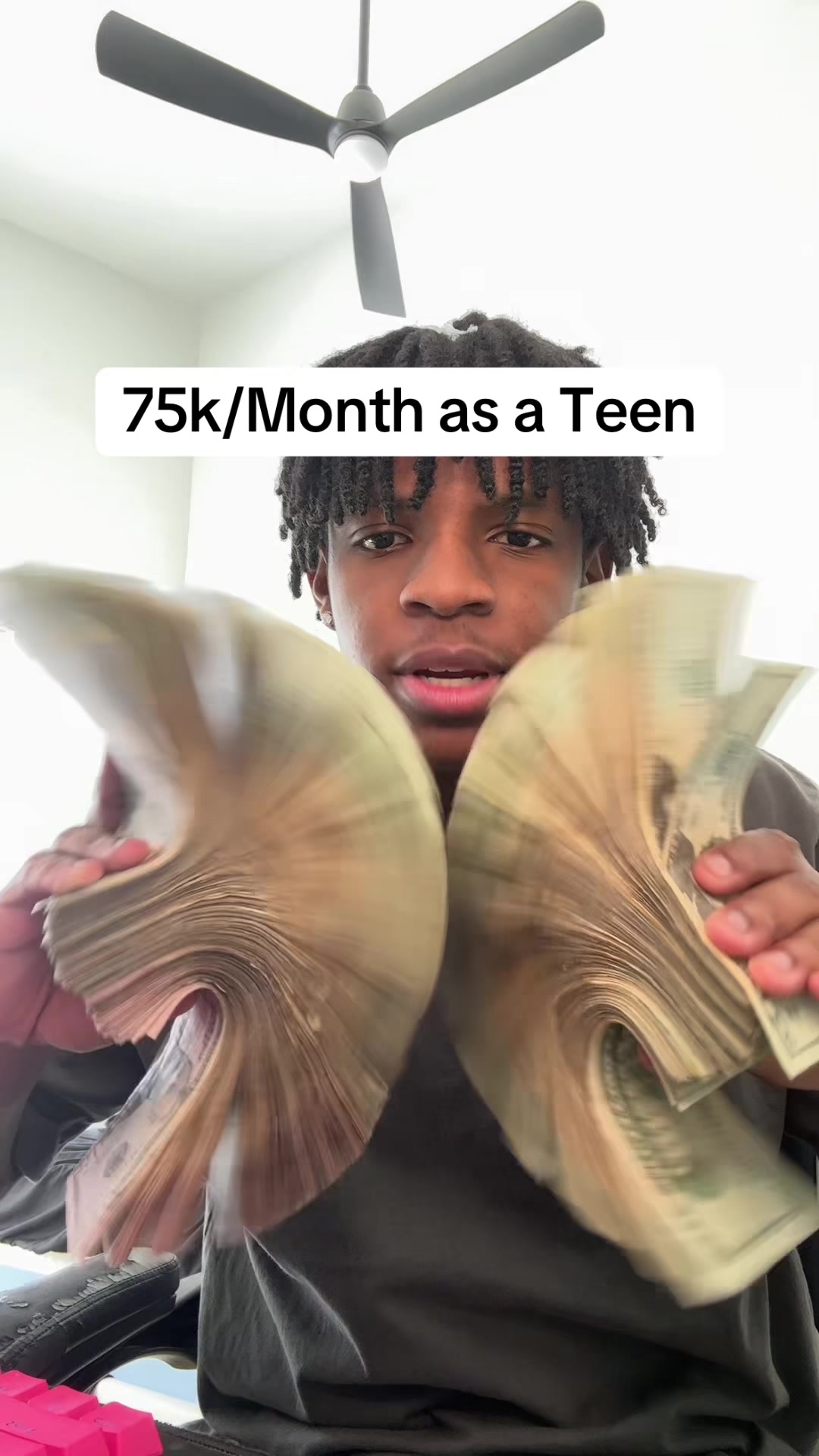
The post taps into aspirational teen entrepreneurship by leading with a specific, impressive income number while visibly flexing the proof. The raw authenticity of showing actual cash combined with the "I'm just a kid doing this" angle makes it feel achievable rather than fantasy, sparking both inspiration and competitive comparison among young viewers.
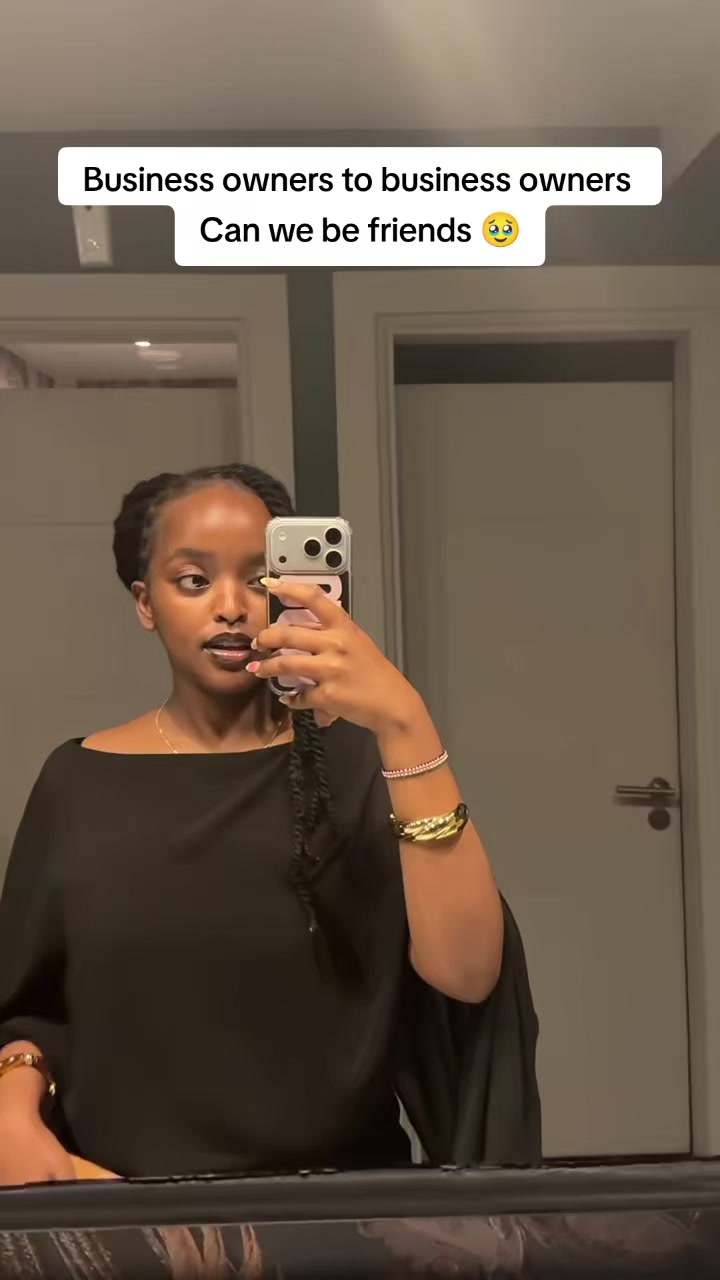
Business owners seeking community and connection with peers hit a nerve. The casual "can we be friends?" framing strips away competition vibes and taps into isolation many entrepreneurs feel, making it feel like genuine networking rather than self-promotion.
The setup creates comedic tension through misdirection. The ominous saxophone and closeup framing make viewers expect something dark, then the payoff (likely mundane or absurd) subverts that expectation. People love the joke before they even know what happened.
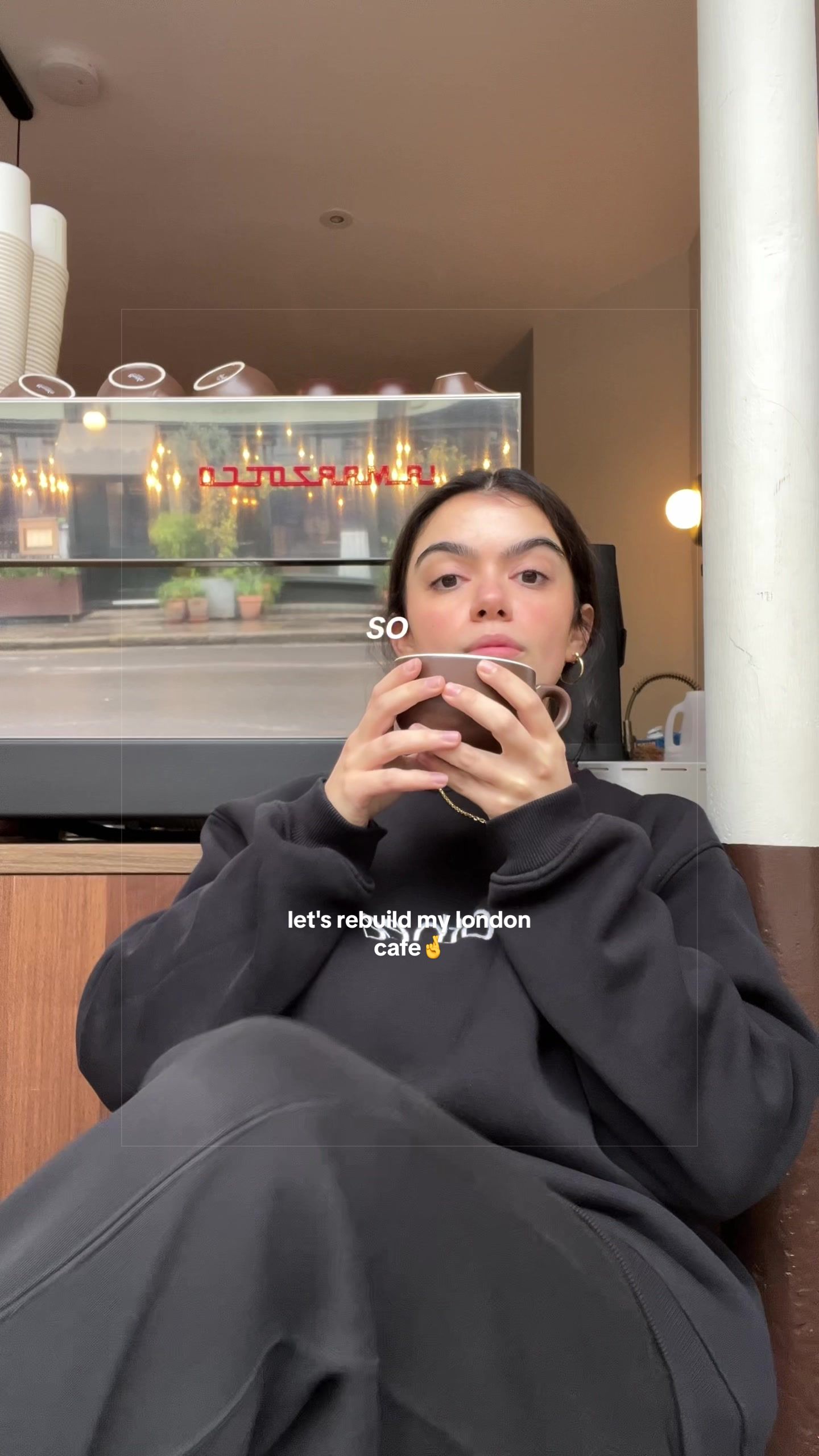
The post taps into the appeal of a real business owner sharing authentic behind-the-scenes moments while actively asking the community what they want. People connect with the genuine, casual vibe and feel invested because they're being asked to contribute ideas directly to something real.
Direct, actionable advice without fluff hits hard when framed as a personal methodology. The speaker's casual setup and genuine tone make complex branding feel achievable rather than intimidating, which drives saves as people bookmark it for reference.

The magic is in the casual confidence of someone genuinely enjoying their work during a dead shift. Those headphones on the coffee lid feel like an inside joke between creator and viewer, and the unpolished energy reads as real—not a staged performance. People connect with that "last hour before freedom" vibe.
First-time homebuyers immediately making bold renovation choices hit hard because it's relatable chaos mixed with ownership pride. The humor comes from the gap between "move-in ready" promises and the reality of inheriting someone else's aesthetic choices—this tapped into a massive audience who either felt this or wanted to.
This taps into a growing frustration with the "support local" guilt trip when small business owners deflect legitimate criticism. The raw, unfiltered facial expression sells the exasperation—people are tired of being made to feel bad for having reasonable expectations around hours, pricing, or service.

People crave structured frameworks for personal branding because the alternative is drowning in vague advice. By breaking it down into four concrete steps with clear logic, the post feels like someone finally explaining the game instead of just saying "be authentic."
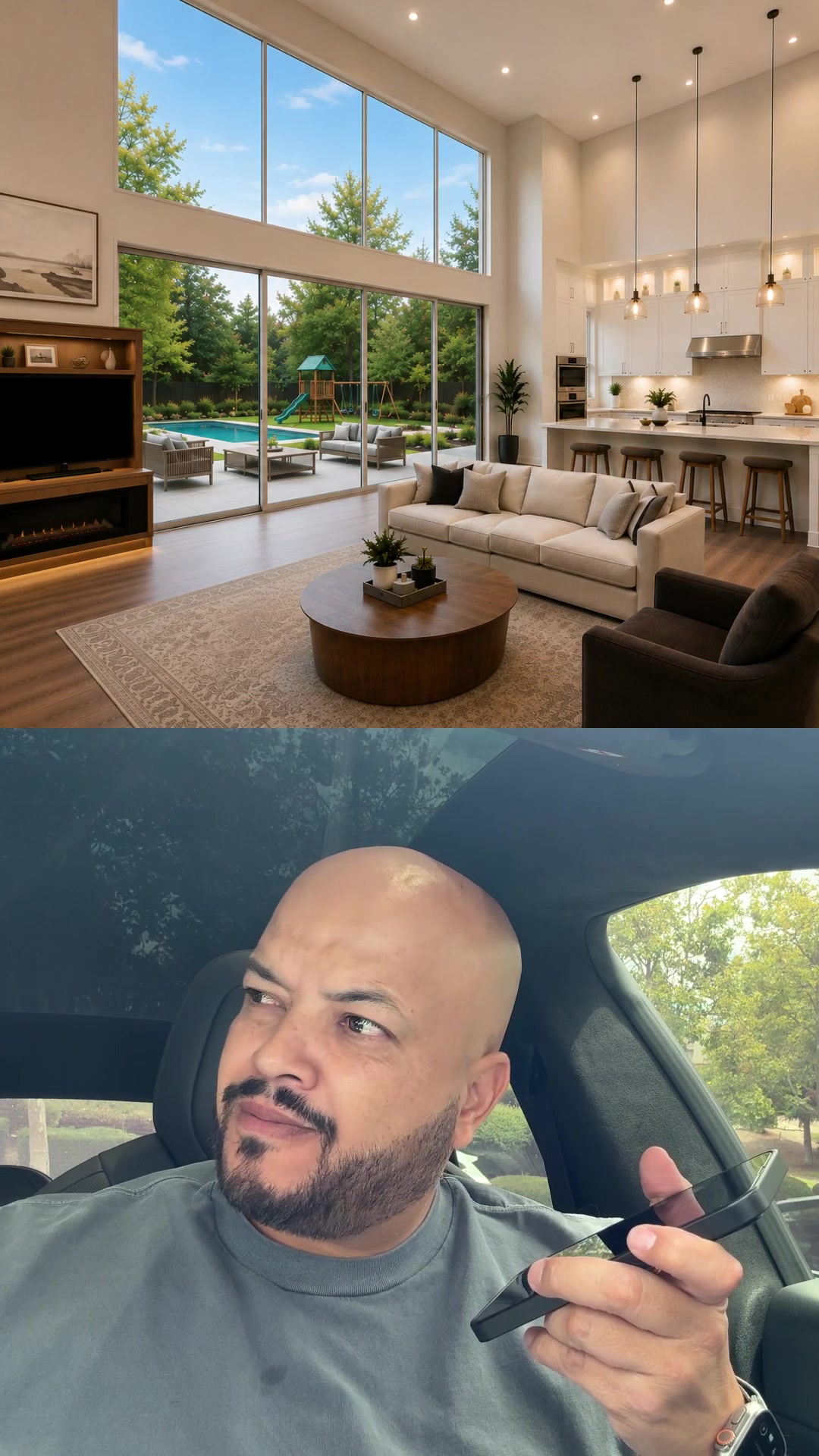
The raw, unscripted car moment grounds luxury real estate in genuine human connection. People respond to a realtor who listens first and talks second, making high-stakes decisions feel approachable rather than transactional.
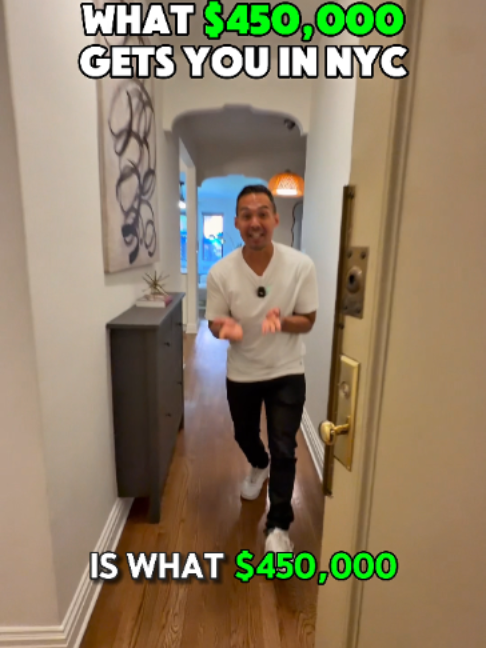
The jaw-dropping price-to-space disconnect in NYC real estate creates instant disbelief and debate. People can't help but react to how little square footage $450k actually buys, making them want to weigh in with their own market experiences.
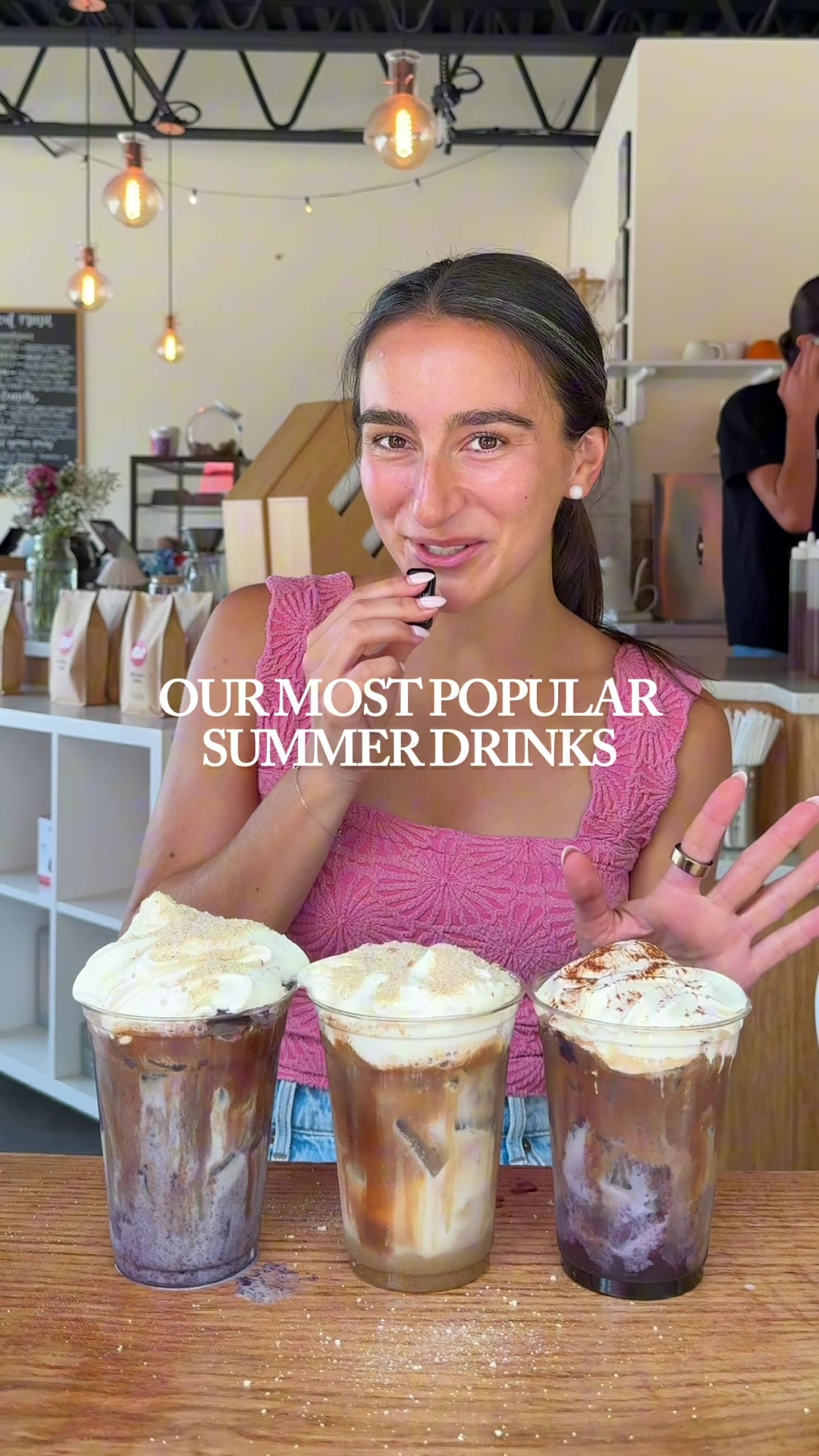
People saved this because it showcased visually distinct drinks in a relatable cafe setting, but the comment section reveals the real hook—authenticity doubt. The disclaimer about proportions not matching what customers actually get sparked genuine curiosity and controversy, making people engage harder to figure out what's real.
The post taps into real financial anxiety around homebuying by showing an actual child as the stakes—making abstract mortgage math feel visceral and personal. Pairing parenting vulnerability with a practical money-saving tip creates urgency without feeling salesy.
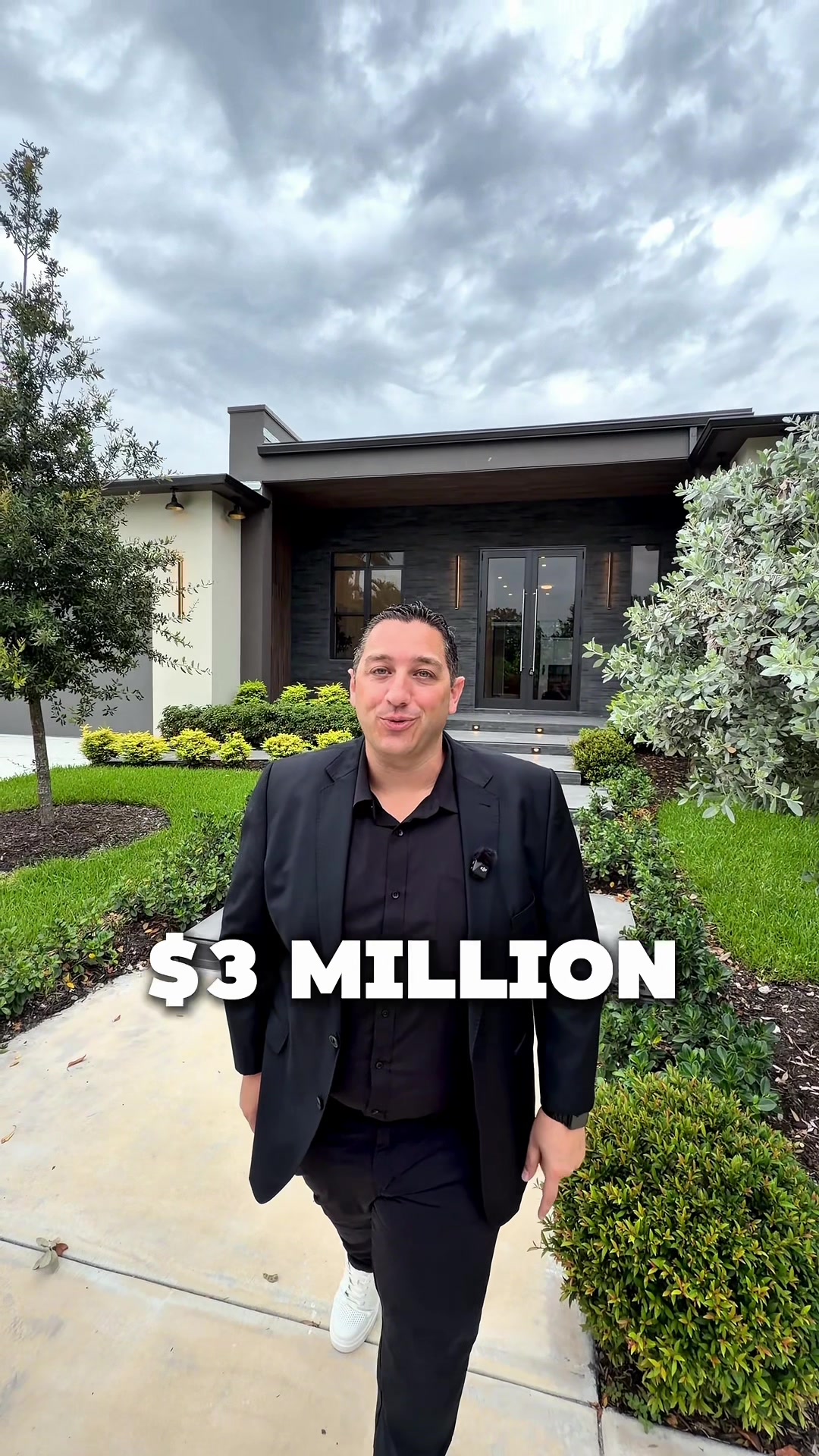
The price point creates immediate tension—$3M in Fort Lauderdale triggers curiosity about what you actually get, and the sleek modern design delivers a satisfying reveal. People engage because they're mentally comparing it to their own market or fantasizing about the lifestyle, which is inherently shareable.
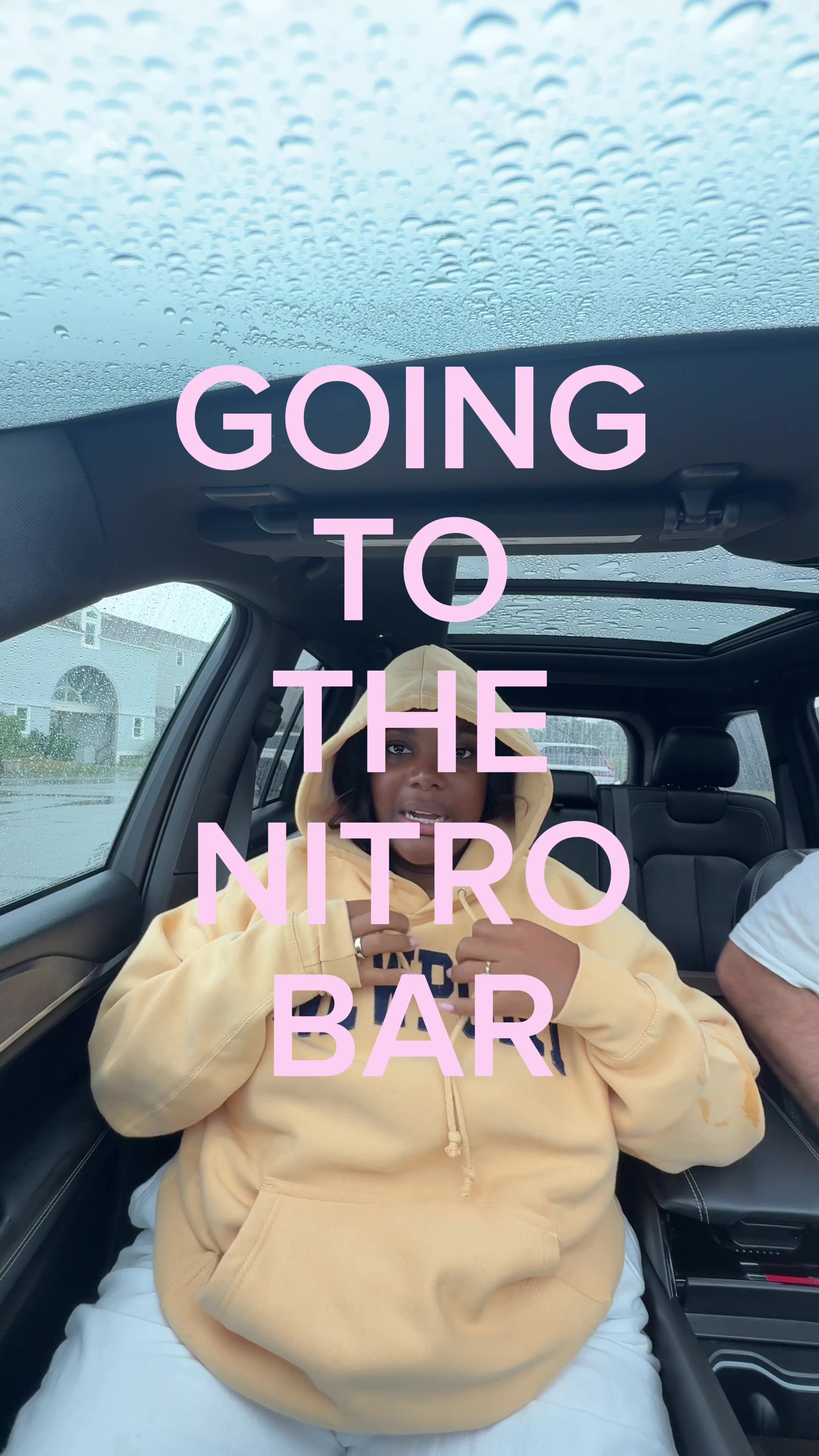
Unapologetic enthusiasm for a specific local spot taps into genuine fandom. The "call me basic" framing disarms skepticism and invites people to defend what they love, turning casual appreciation into passionate community validation.
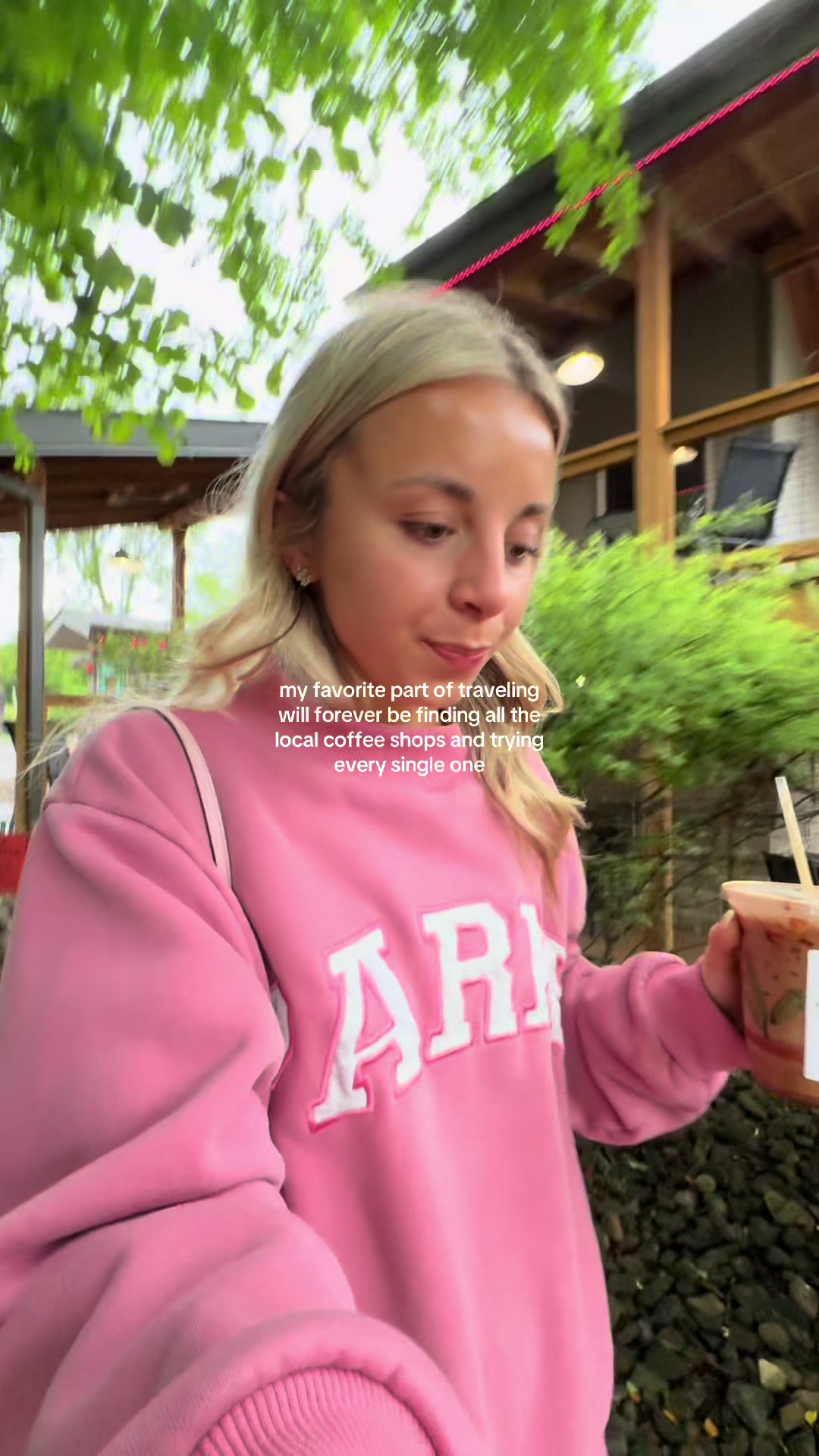
This hits because it captures an aspirational travel behavior people already do but rarely admit out loud—chasing local coffee spots feels like a mini-quest within the bigger trip. The s'mores latte detail makes it concrete and craveable, turning an abstract vibe into a specific moment worth saving.
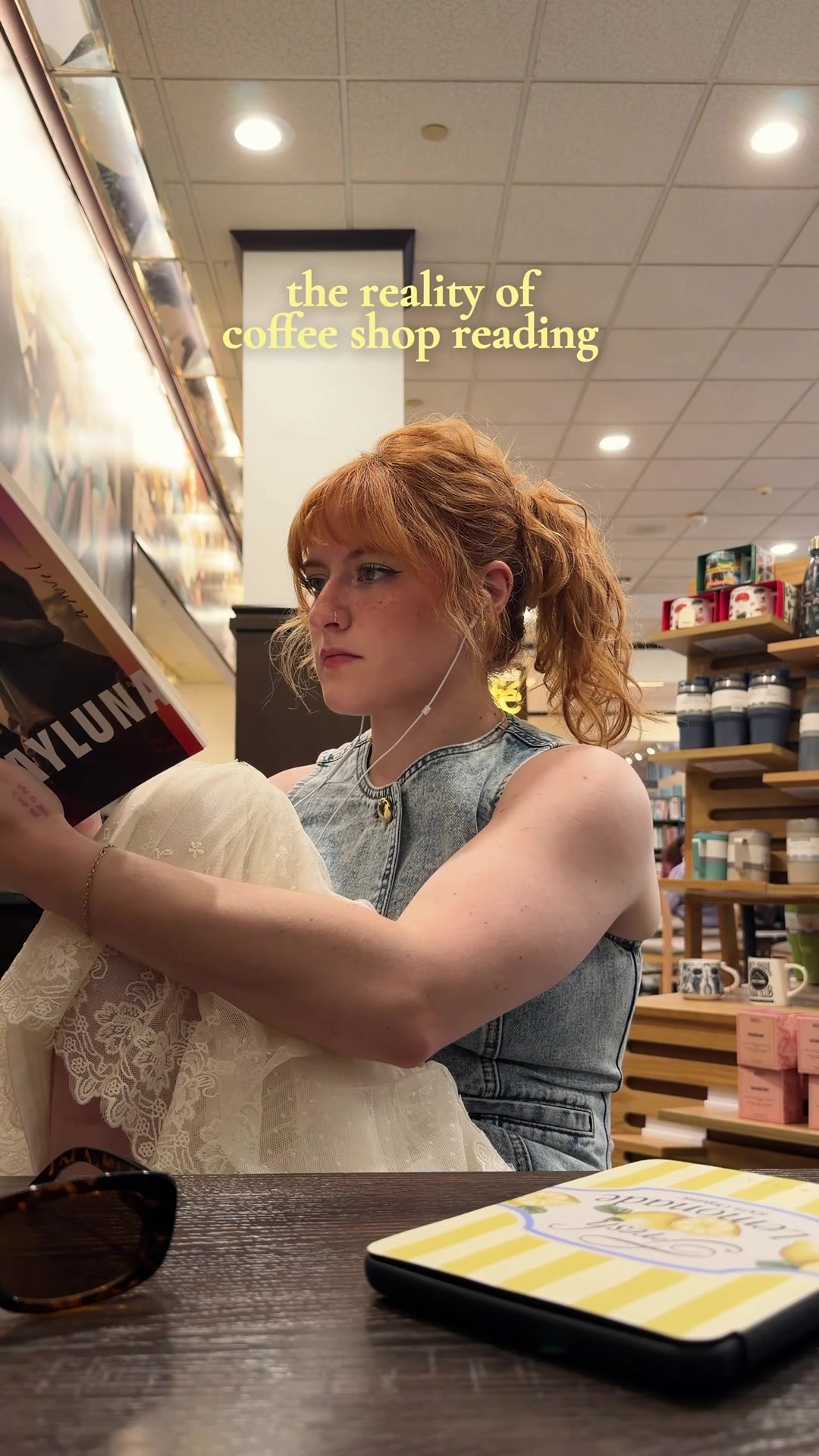
The post nails the gap between coffee shop fantasy and reality, inviting people to complain about the authentic annoyances that shatter that aesthetic. People are hungry to vent about what ruins the experience, and this gave them permission to do it.
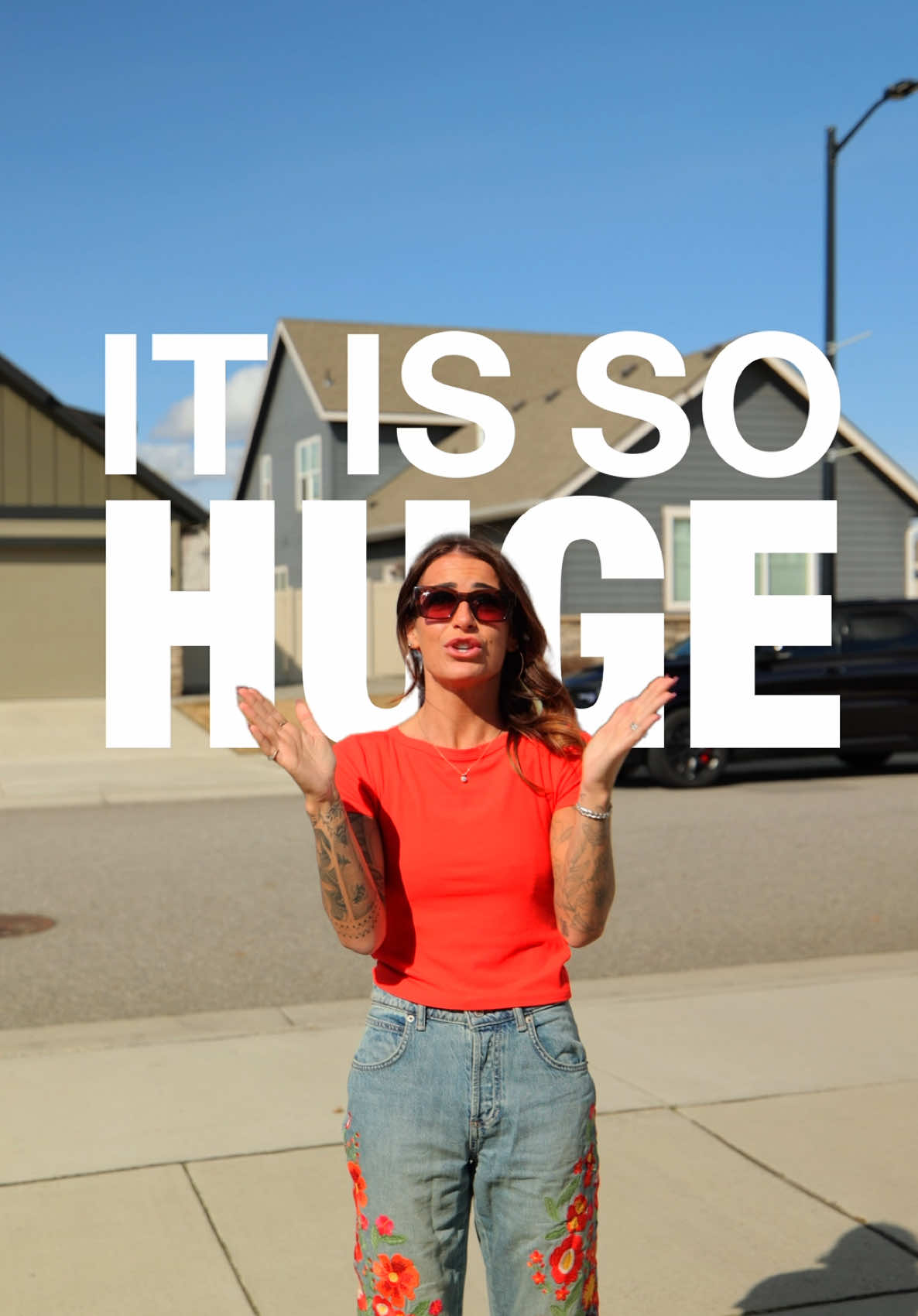
The "Sir Mix-a-Lot" callback paired with genuine enthusiasm and a bold red outfit creates an instantly shareable moment. People save and share because it's funny, aspirational, and feels like a friend hyping up a property rather than a typical real estate pitch.
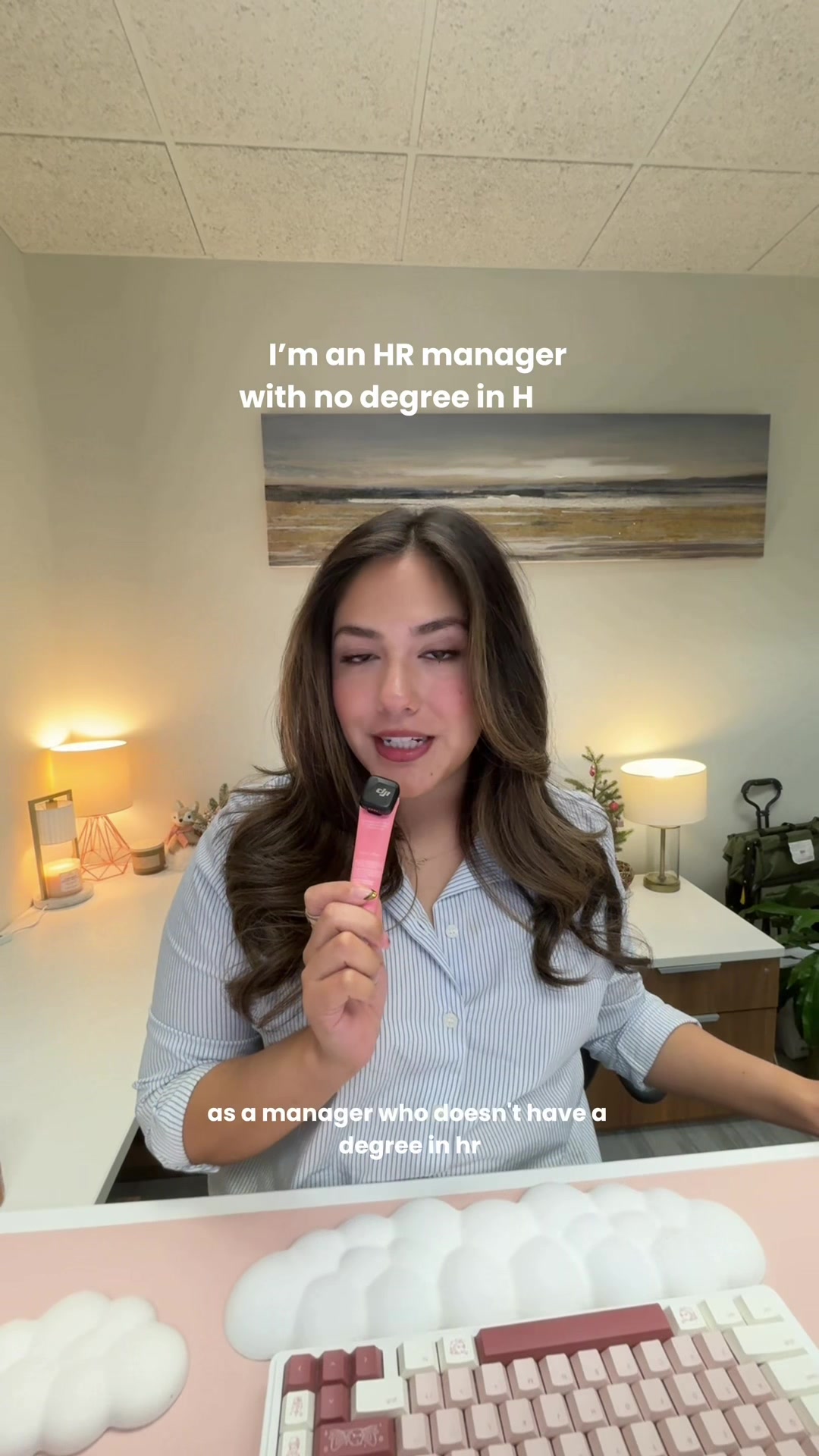
People are hungry for proof that traditional credentials don't define career success. This taps into the relief and validation people feel when they see someone break the rules and win anyway, especially in corporate fields where gatekeeping feels real.
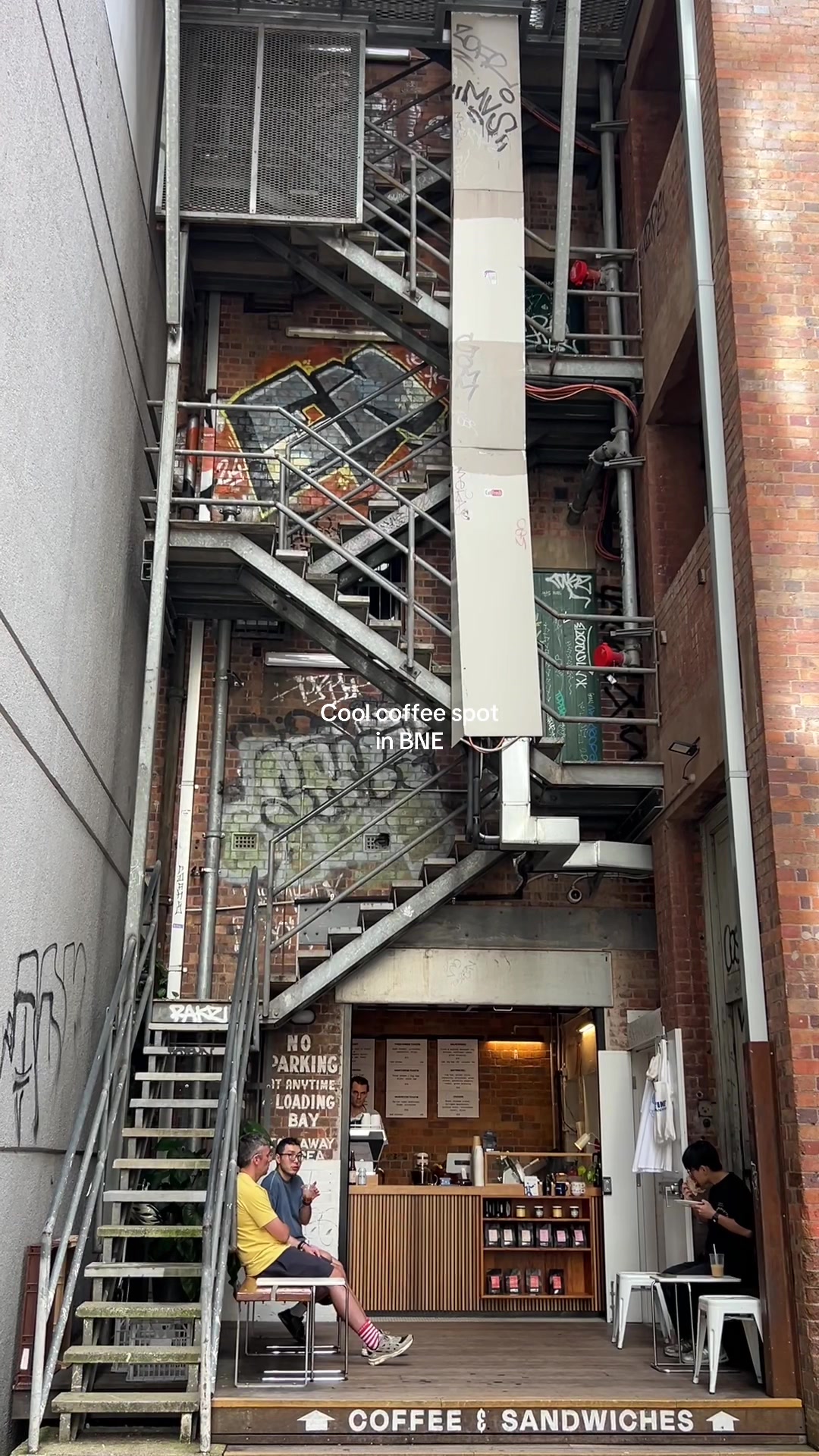
The narrow alleyway entrance and industrial aesthetic created visual novelty that stops the scroll. People save this because it's a tangible, specific spot they can actually visit—local discovery content hits different when it feels like insider knowledge.

Raw, unfiltered passion for niche hobby captures people who either share the obsession or are fascinated by hyper-specific craftsmanship. The genuine excitement and willingness to show the messy reality (spills included) builds trust and makes the process feel accessible rather than gatekept.

The post exploits a cultural flashpoint by presenting a straightforward business question reframed as "aggression," then dismantles that framing with cold logic. People engaged because it felt like watching someone call out performative victimhood in real time, tapping into fatigue with identity-based deflection in startup spaces.
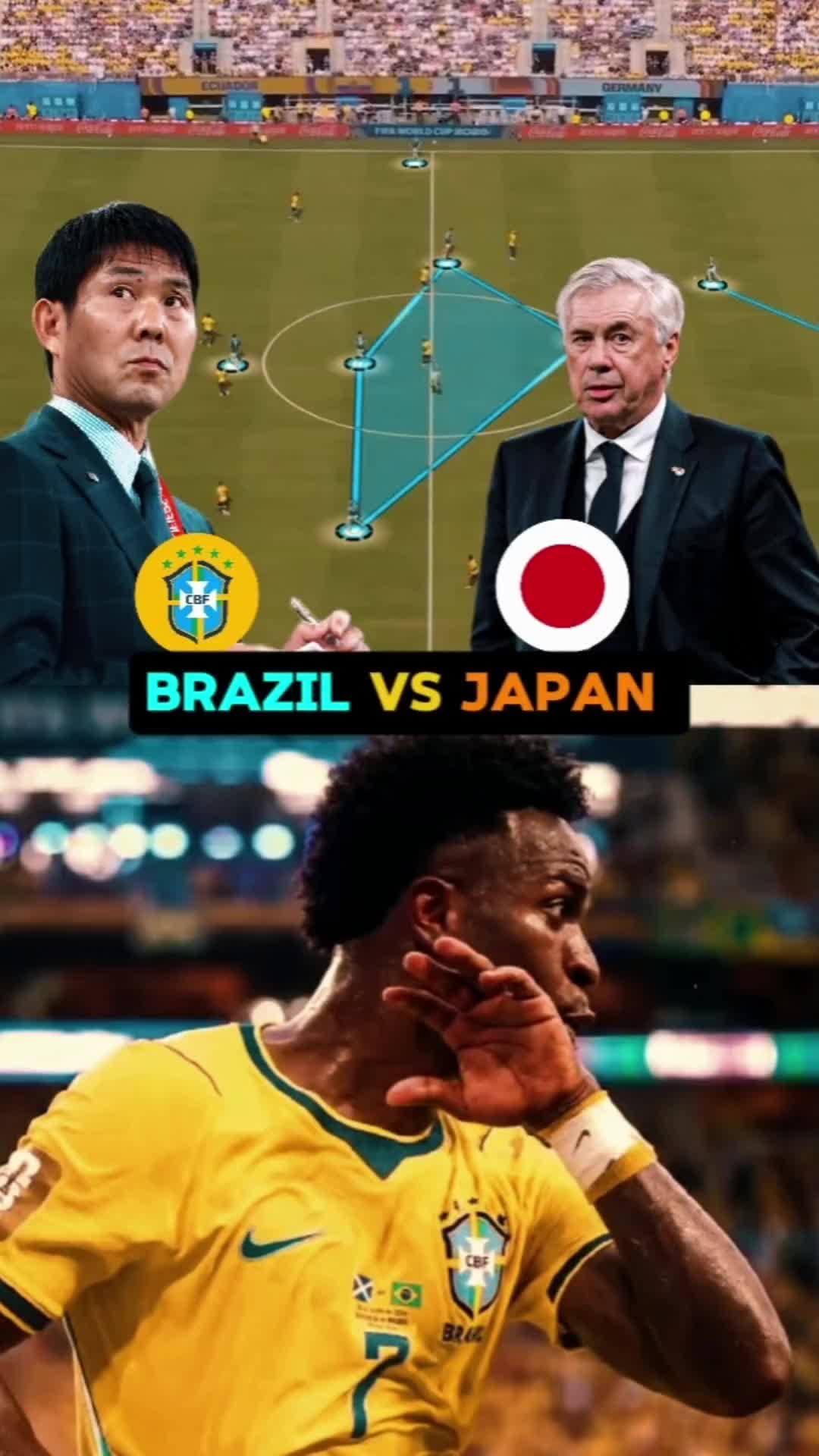
This taps into soccer fans' hunger for tactical breakdowns and coaching personalities. The visual comparison of two opposing coaches with an overlay of formation strategy creates intrigue—people want to understand the chess match behind the match itself.

People loved the genuine reaction moment—that unguarded scream of joy when revealing the finished café. It's not polished, it's real, and that authenticity paired with a beautiful aesthetic creation hits the dopamine sweet spot.
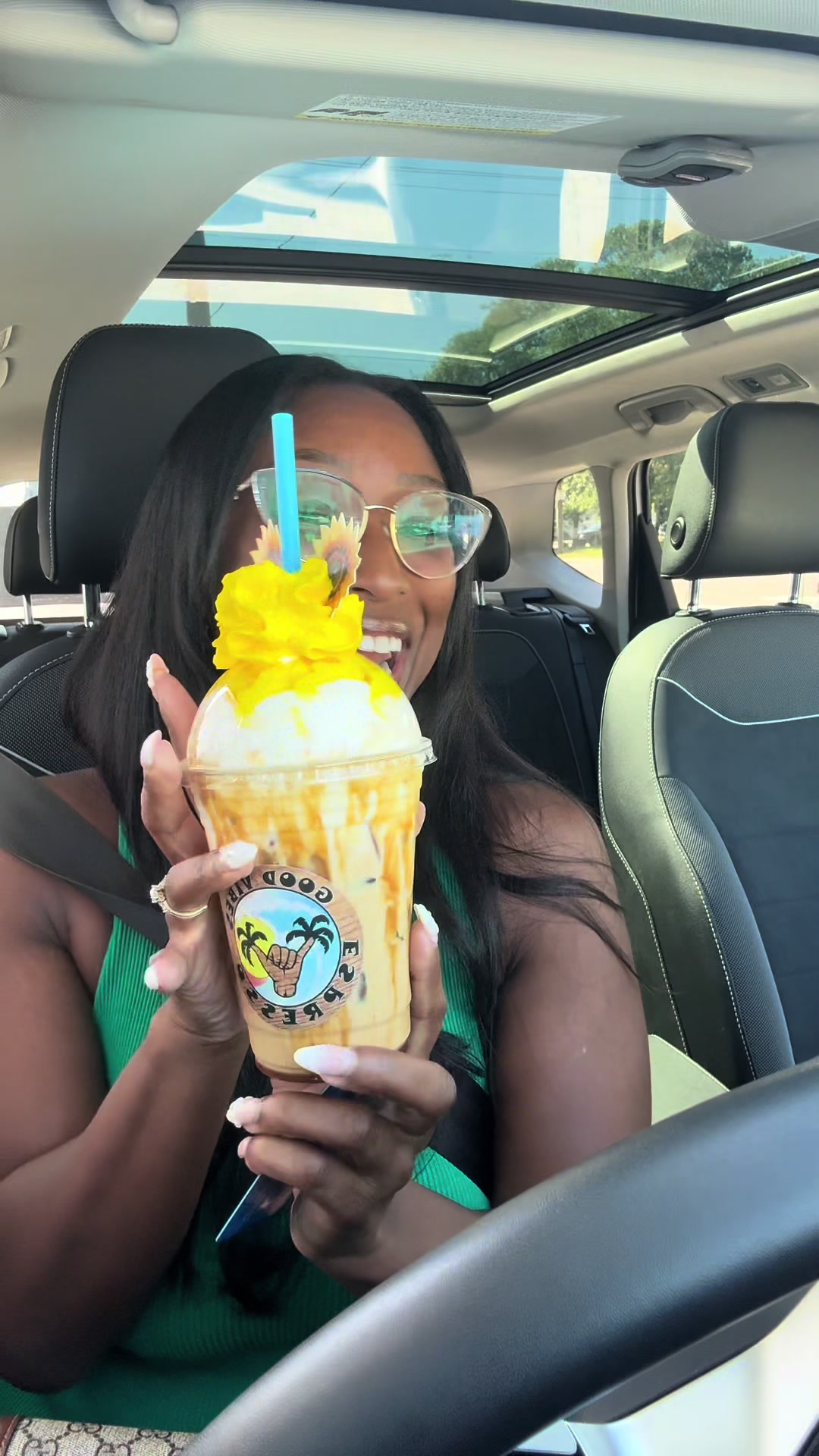
People crave authentic local discovery moments, especially when a small business is gaining real traction. The genuine excitement and visual appeal of an Instagram-worthy drink taps into both FOMO and community pride, making viewers want to check it out themselves or validate their own visits.
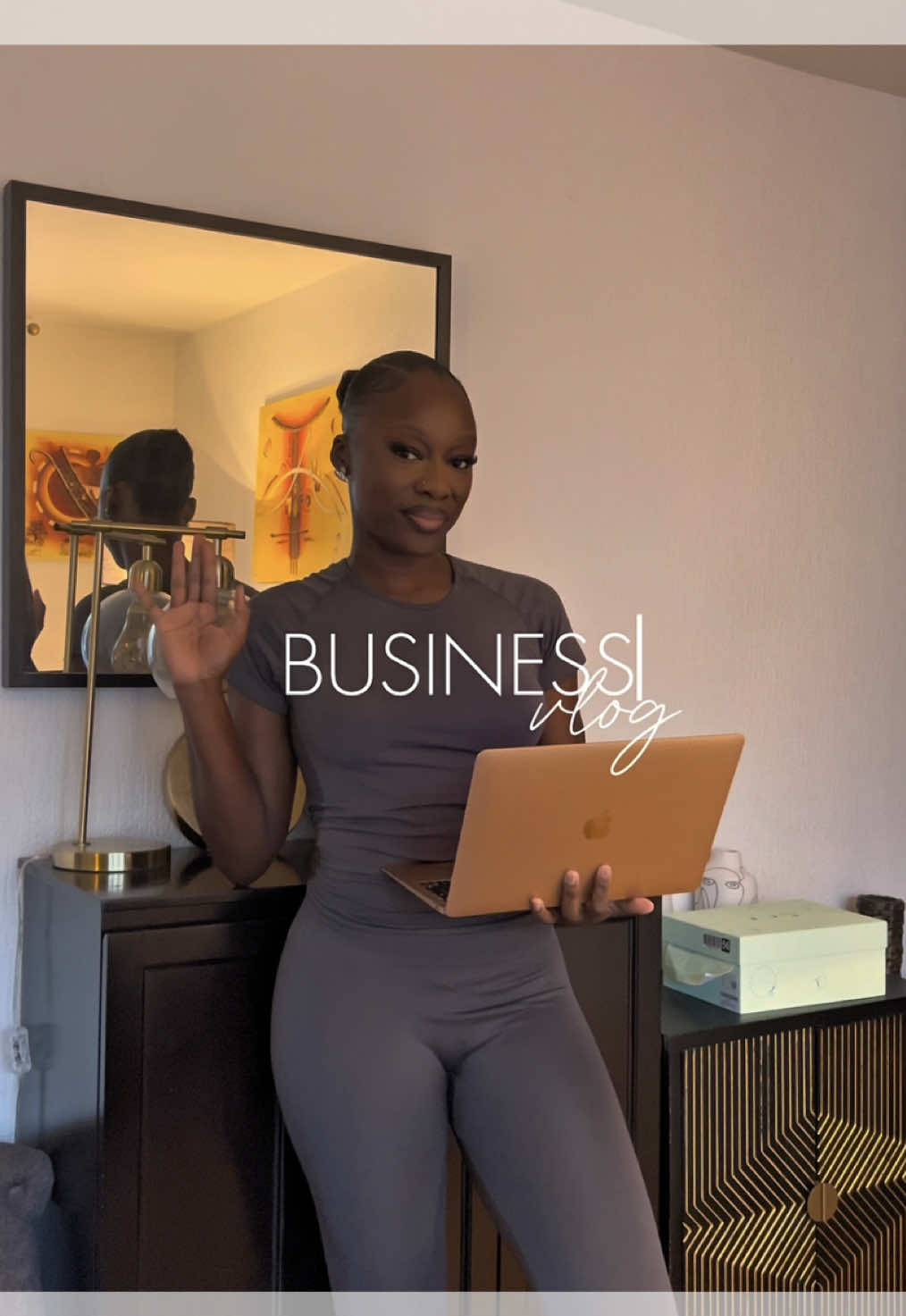
People want to see successful people actually working, not just flexing the results. The aesthetic workspace paired with genuine, unscripted moments of someone building their business taps into aspirational content that feels achievable rather than distant.

This taps into the universal frustration of business owners who see their space exploited as free real estate. The post frames an actual problem (low-margin business model undermined by non-paying customers) in a way that feels relatable and slightly darkly funny, not preachy.
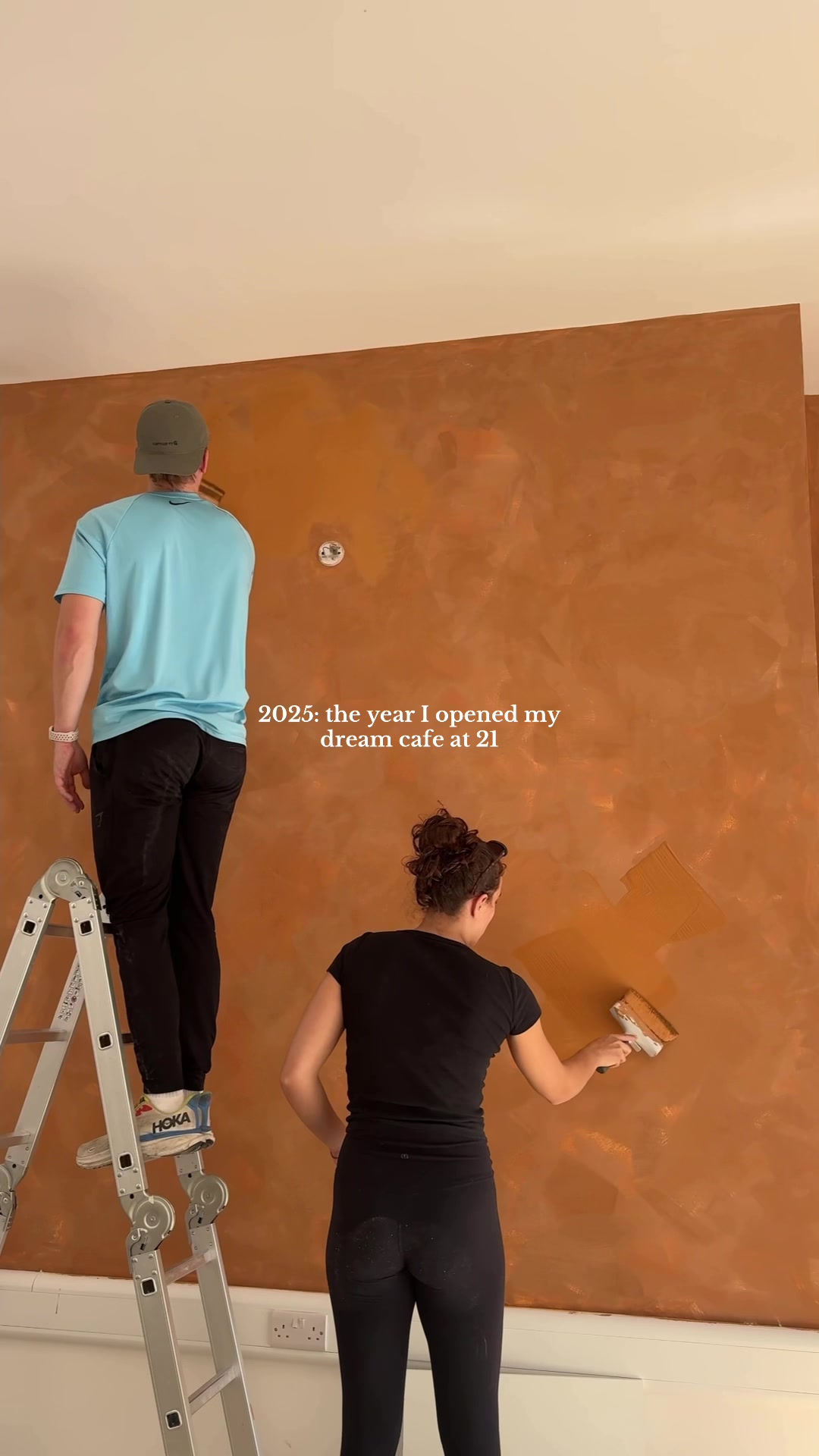
People connect deeply with young founder vulnerability—watching someone literally build their dream on camera triggers genuine celebration, not envy. The raw, in-progress moment (painting walls, not finished product) makes it feel achievable and real rather than untouchable success theater.

Authentic authority in action beats polished pitches. Showing real workshop delivery creates trust and sparks genuine interest because people see actual impact rather than claims. The vulnerability of being filmed mid-teaching makes the message land harder.
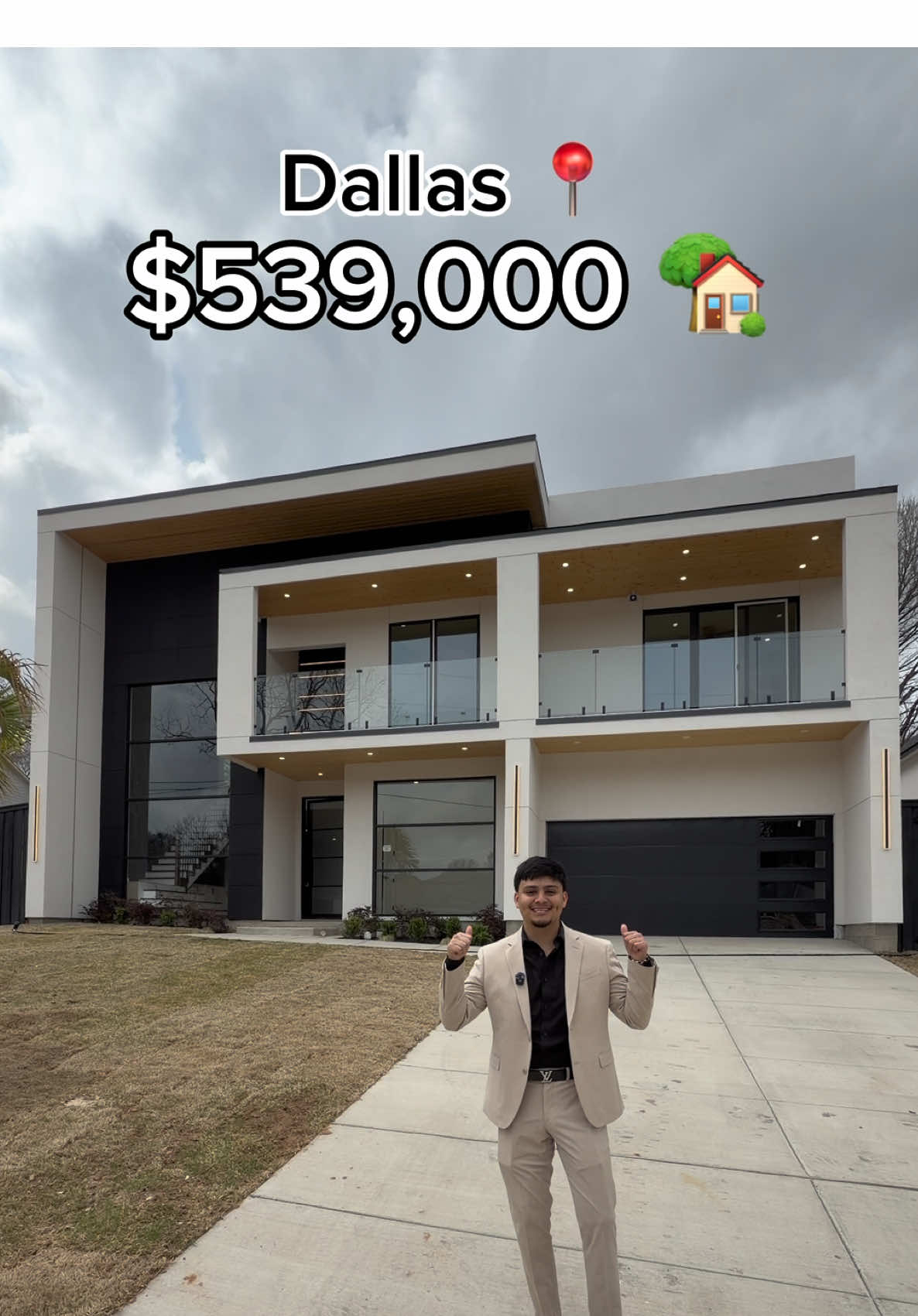
The price point hits that sweet spot where a luxury home feels genuinely attainable, creating aspirational envy without total disconnect. Pairing the dollar amount with a sharp, modern aesthetic and confident personal branding makes it feel like an achievable milestone rather than fantasy real estate.
People respond to someone who's visibly fit at 55 and owns her age without apology or denial. The honesty ("age is real") paired with clear physical capability creates permission for viewers to stop fighting their bodies and start working with them instead.

Career retrospectives from insiders hit hard because they validate what people suspect about an industry while offering concrete, lived wisdom. Raw honesty about hidden costs and structural realities makes this feel like genuine mentorship, not sales pitch.
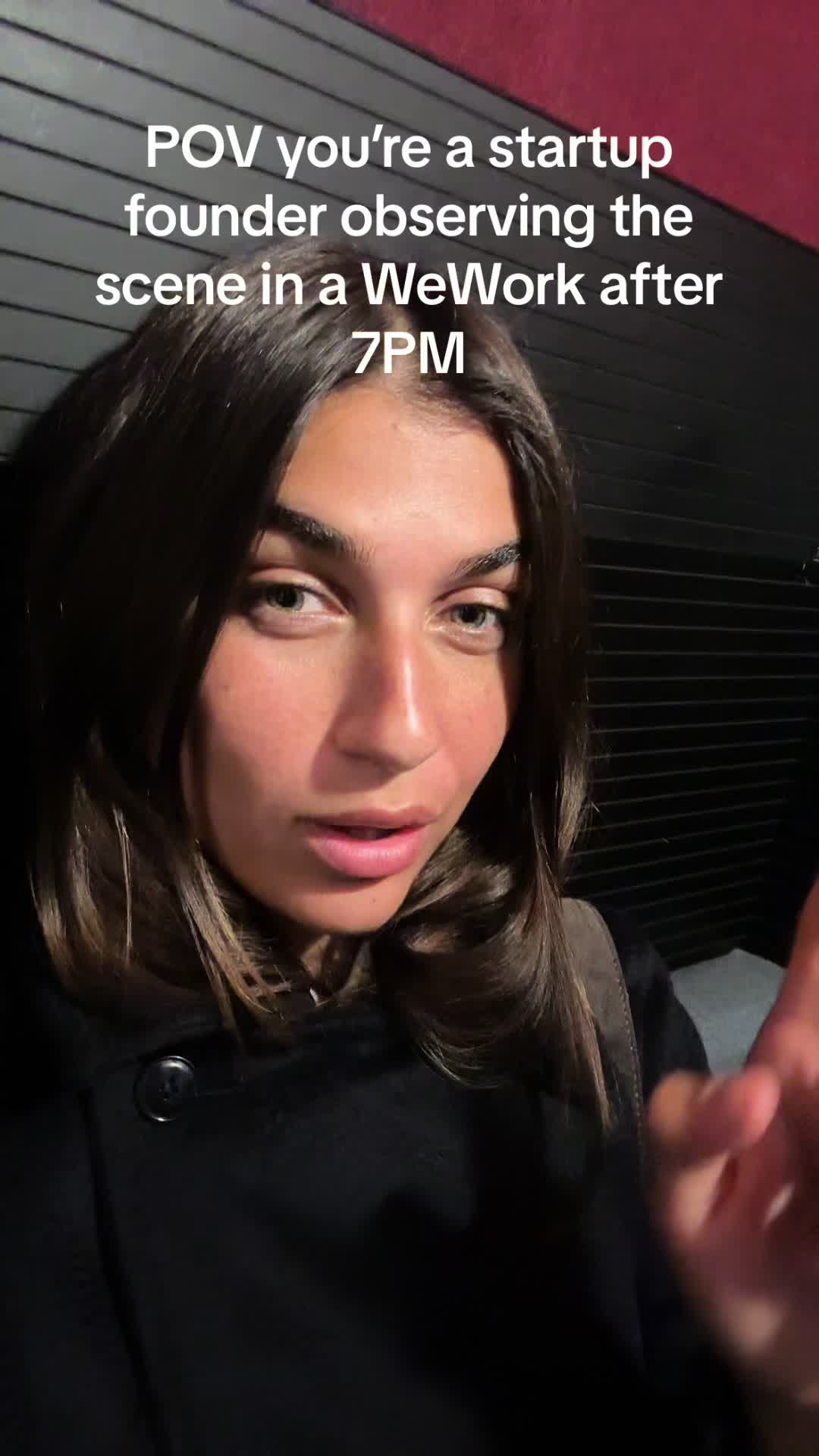
This hits because it captures the absurdity of startup theater—the performative energy of co-working spaces where people are trying to look productive rather than actually building. The specific time and place (WeWork after 7PM) nails the pretense, and the knowing expression sells the joke as insider observation.
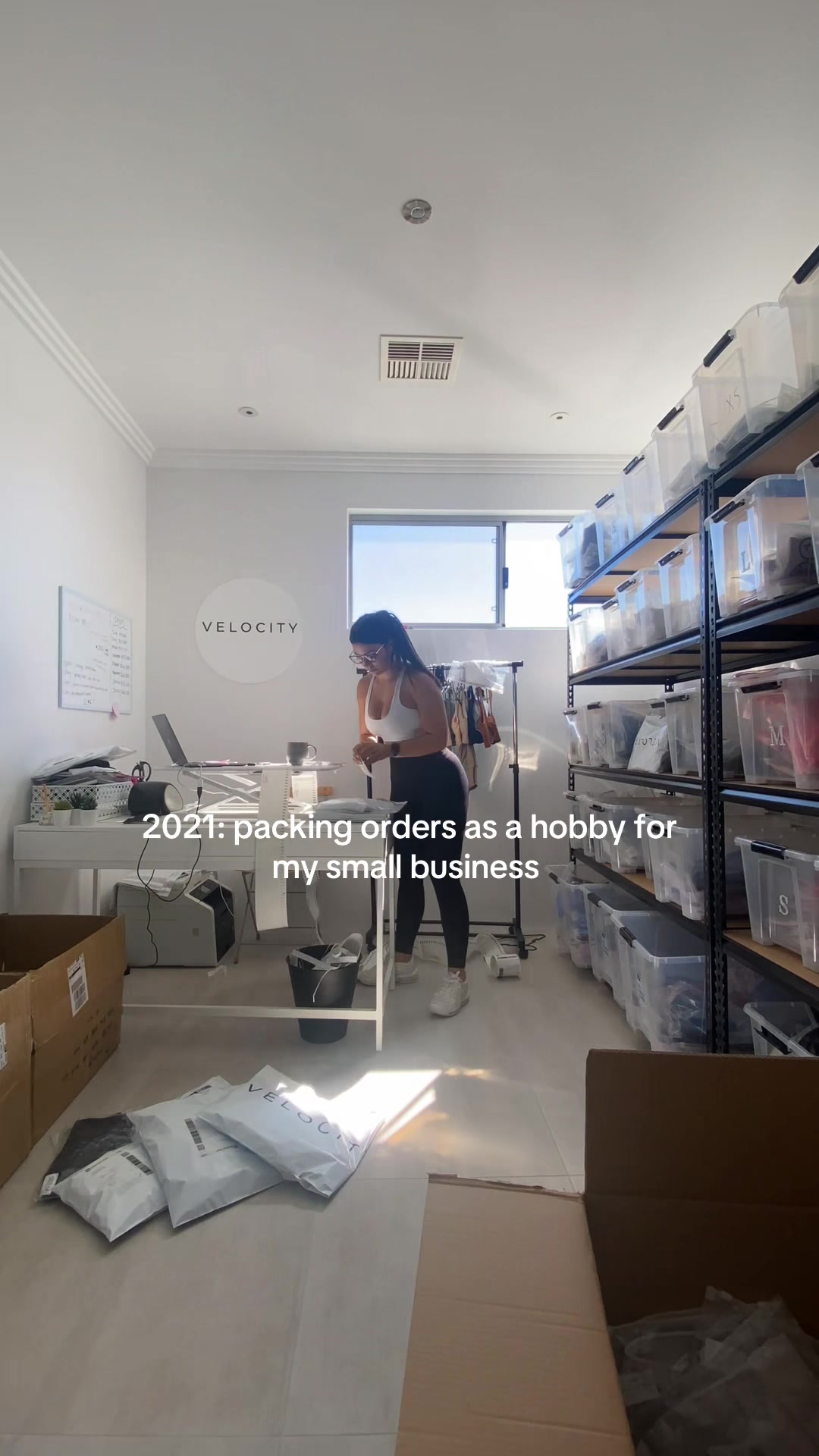
The unglamorous reality of building a business resonates harder than the highlight reel. Showing the repetitive, methodical work of packing orders frames discipline as the actual secret, not inspiration or luck. People save this because it feels honest about what success costs.

Authentic New Year's greeting from a credible authority hits differently than pure advice. People connect with the human moment first, then trust the expertise behind it, making them want to follow for career help.
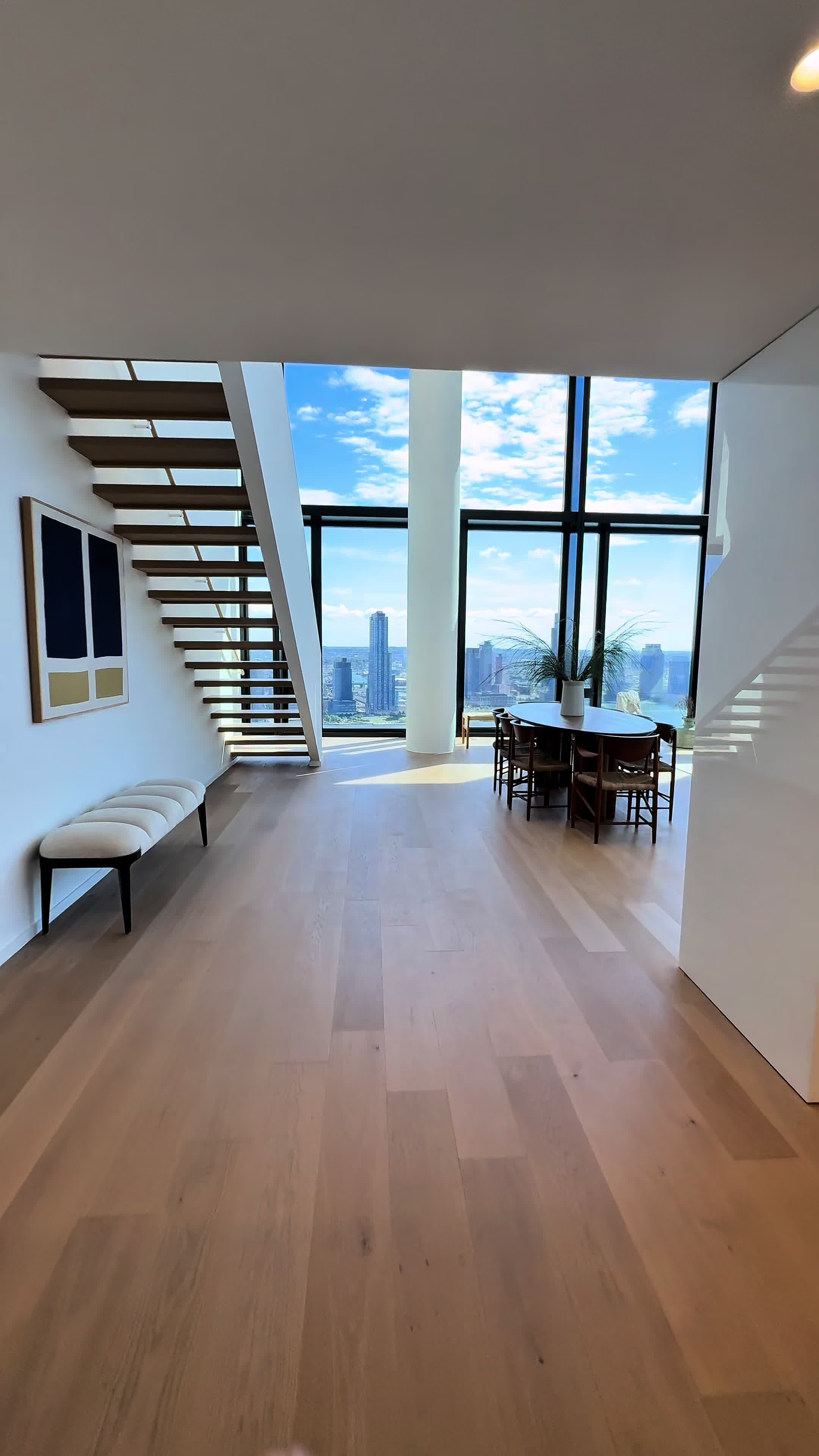
Ultra-luxury real estate hits differently when shot with cinematic scale. The floor-to-ceiling views, natural light, and architectural details create aspirational fantasy that makes people save and engage even if they'll never afford it. High-end property tours work because they satisfy wanderlust without leaving the couch.
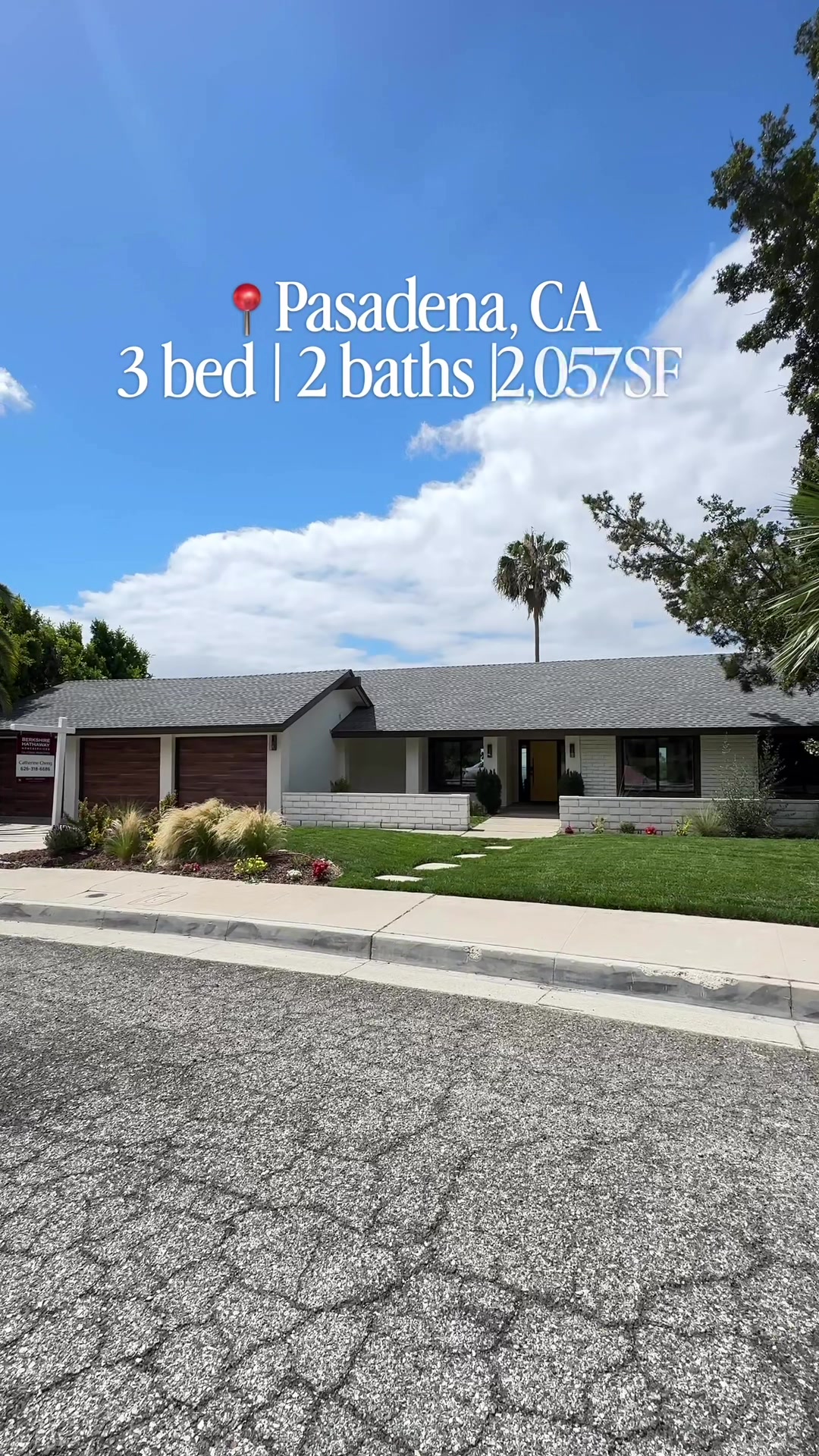
People want the price upfront. The top comment demanding transparency reveals friction with real estate content that teases without disclosing. This post succeeded despite that gap, likely because the clean aesthetic and location (Pasadena) created enough curiosity to drive engagement anyway.
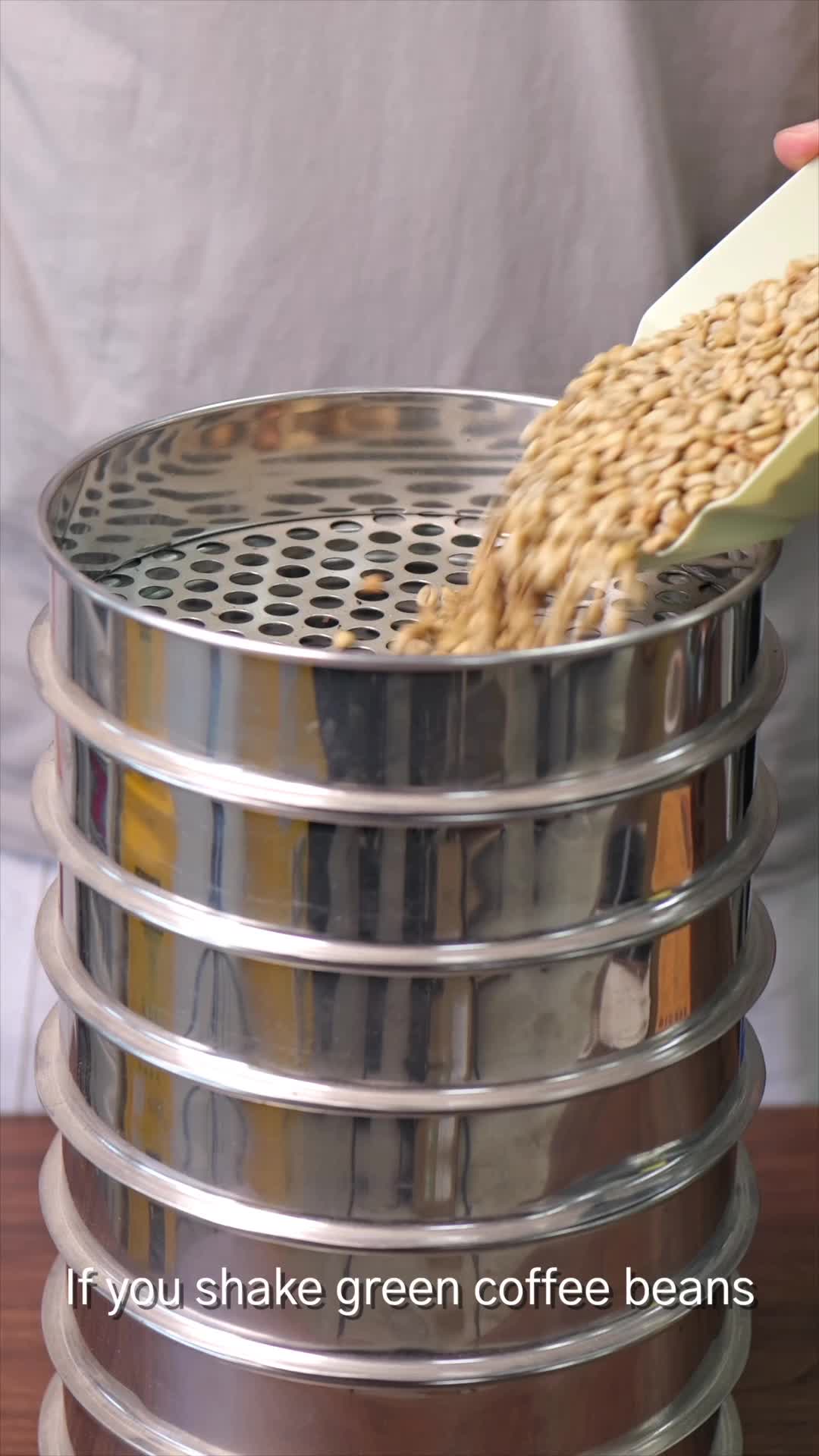
People are hungry for affordable coffee tech solutions that solve real problems. This post shows a practical tool that makes a specific task easier, triggering both curiosity and that "why didn't I think of this" reaction that drives saves.
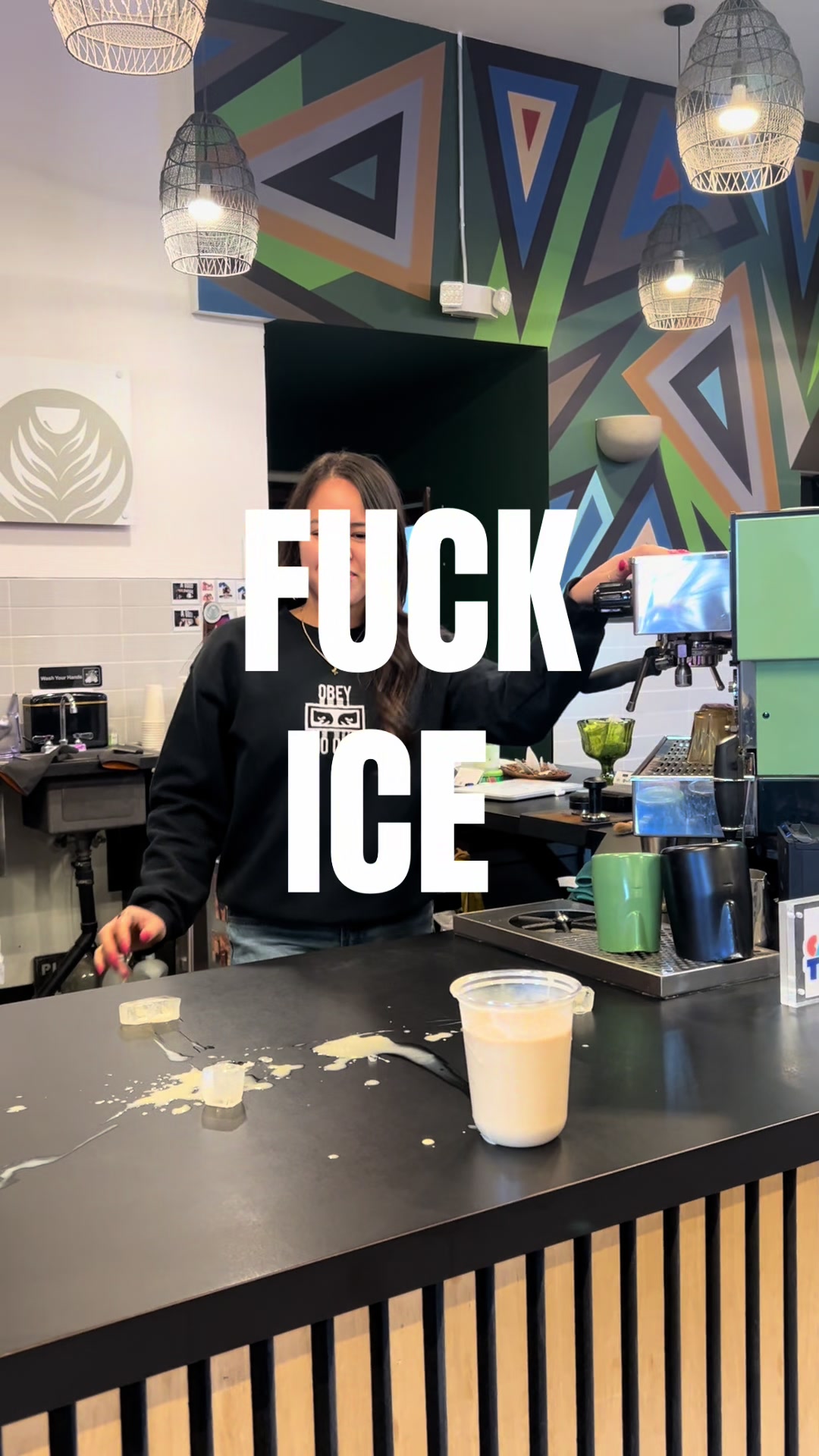
Bold, unfiltered opinion paired with a satisfying visual payoff. The post taps into the "us vs them" coffee culture wars in a way that feels refreshingly honest rather than preachy. People save and share strong takes wrapped in humor.
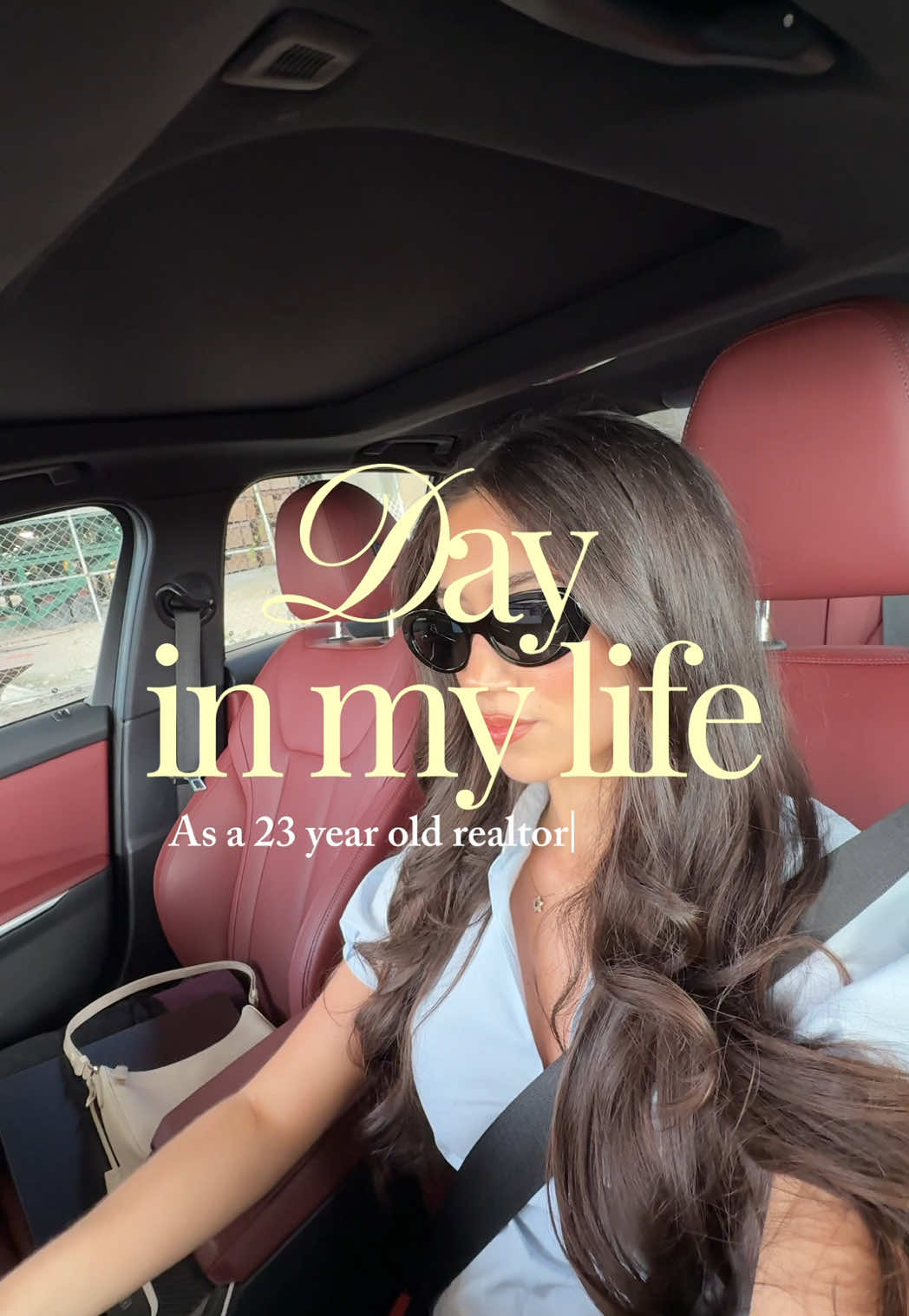
Young people in traditionally "older" professions create instant intrigue. She's positioned as an exception in her field, which sparks curiosity and identification from viewers her age considering similar paths. The aspirational lifestyle wrapping (luxury car, Miami setting) makes the career feel attainable and desirable.
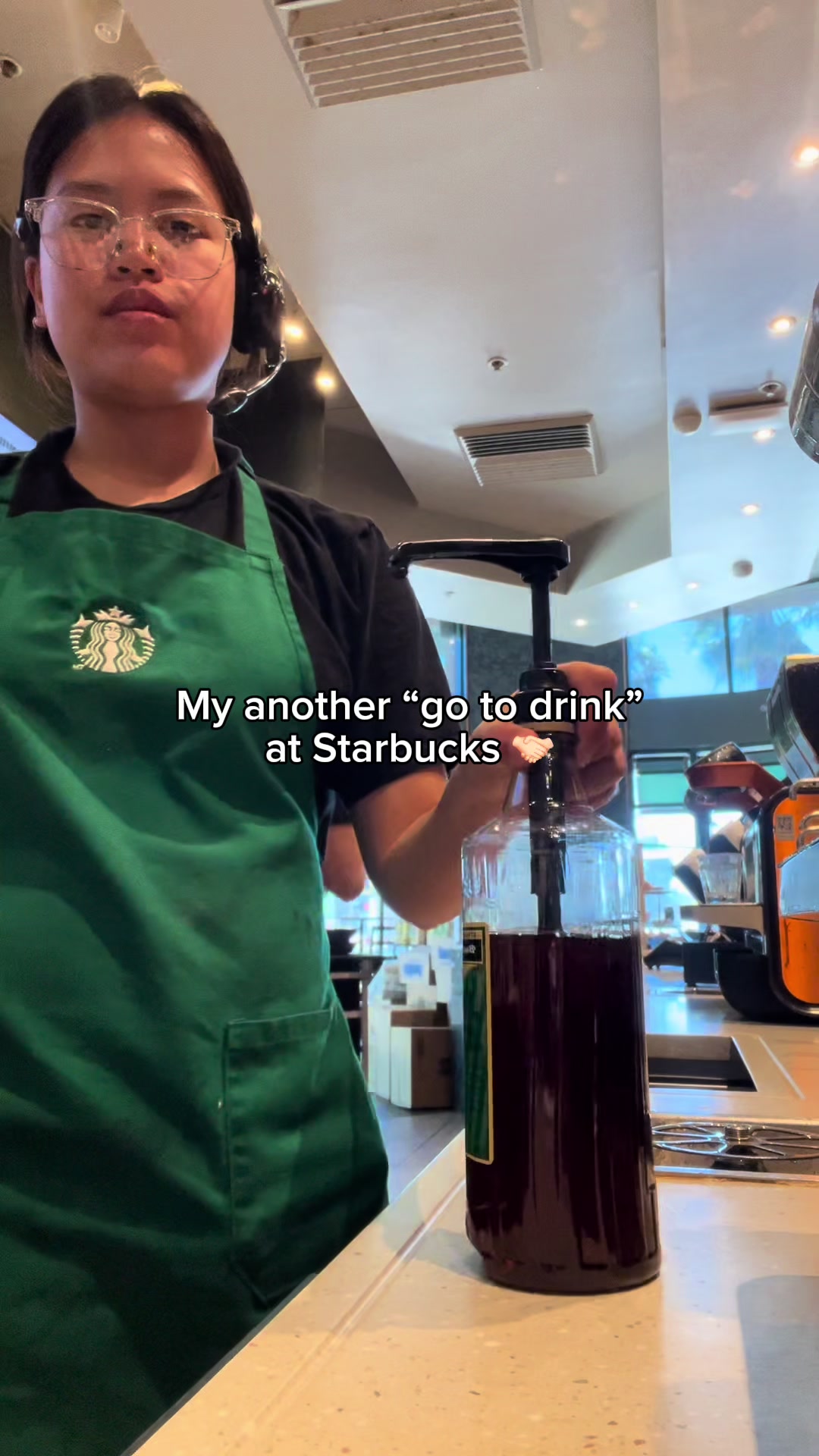
A Starbucks worker showing her off-menu drink creation tapped into the universal tension between rule-breaking customization and wasteful excess. The casual confidence ("my drink my rules") clashed with what viewers saw as genuine waste, creating divided reactions that kept people watching and debating.
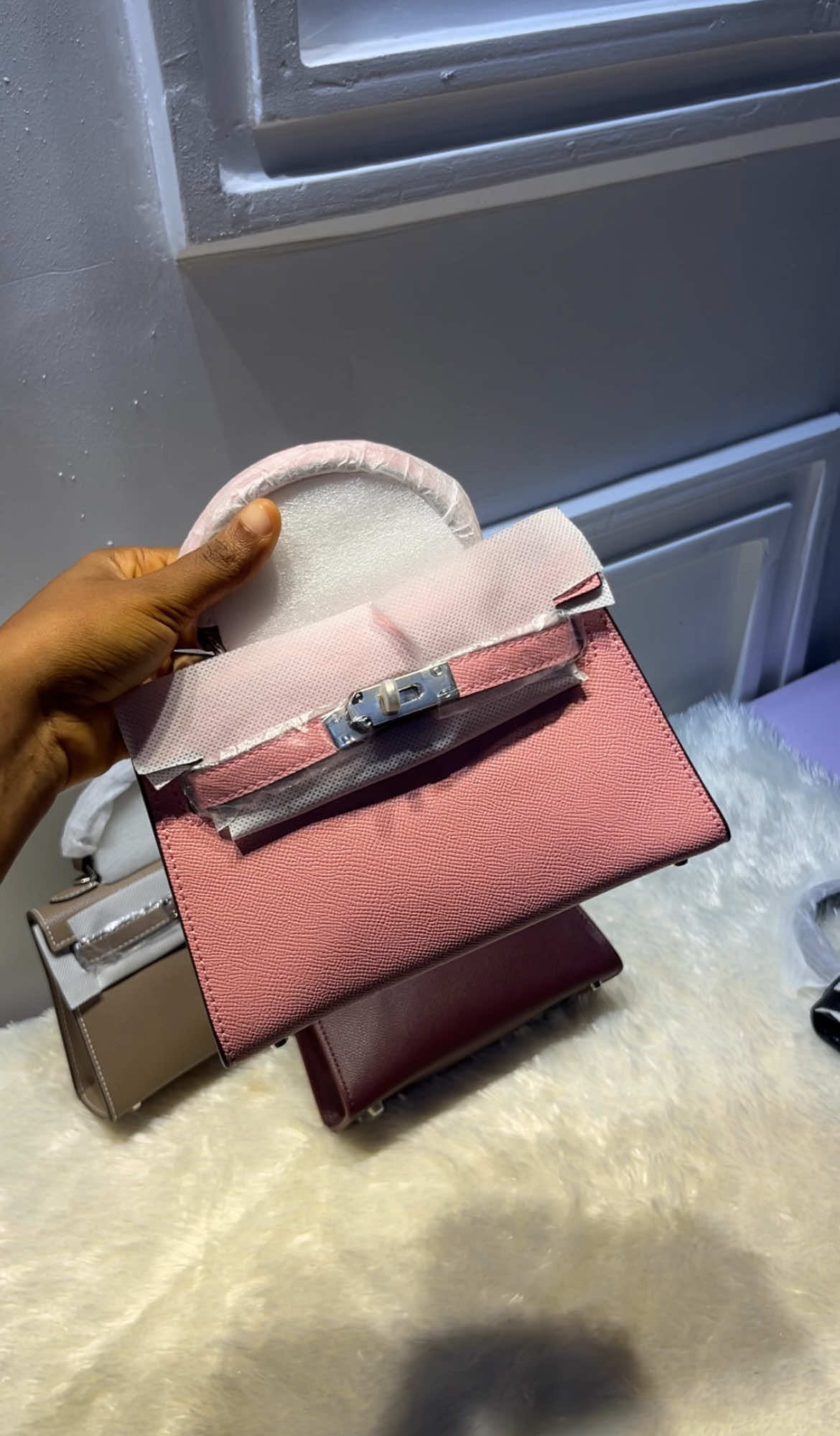
The satisfying sound of a payment notification hits different for business owners, and pairing it with aspirational product beauty creates an emotional hook that feels both relatable and celebratory. People saved this because it spoke to their financial wins.
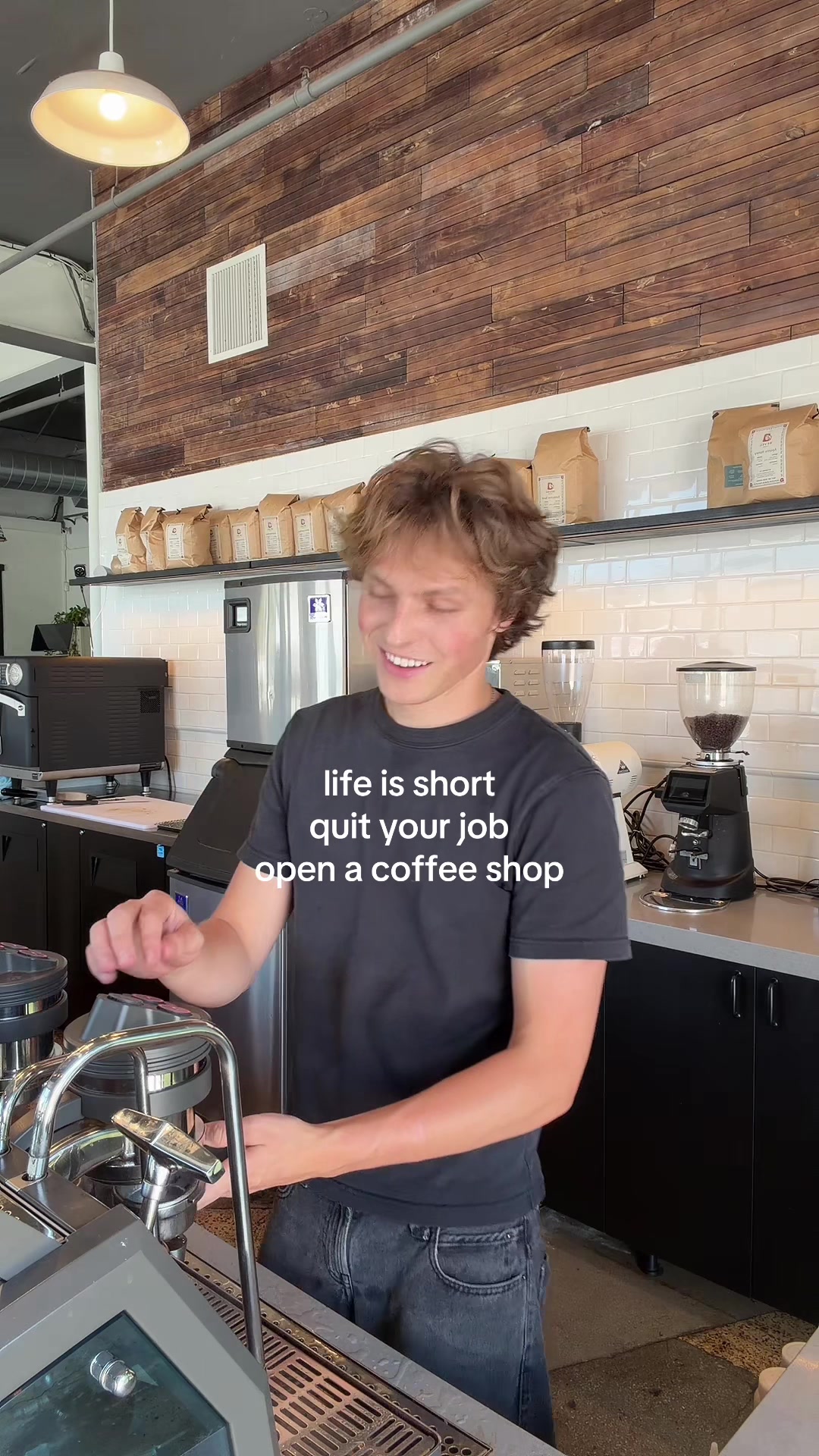
The aspirational hook meets real execution. Showing an actual coffee shop he built, not just dreaming about it, makes the "quit your job" message feel achievable rather than reckless. People save and share content that makes their own dreams feel possible.
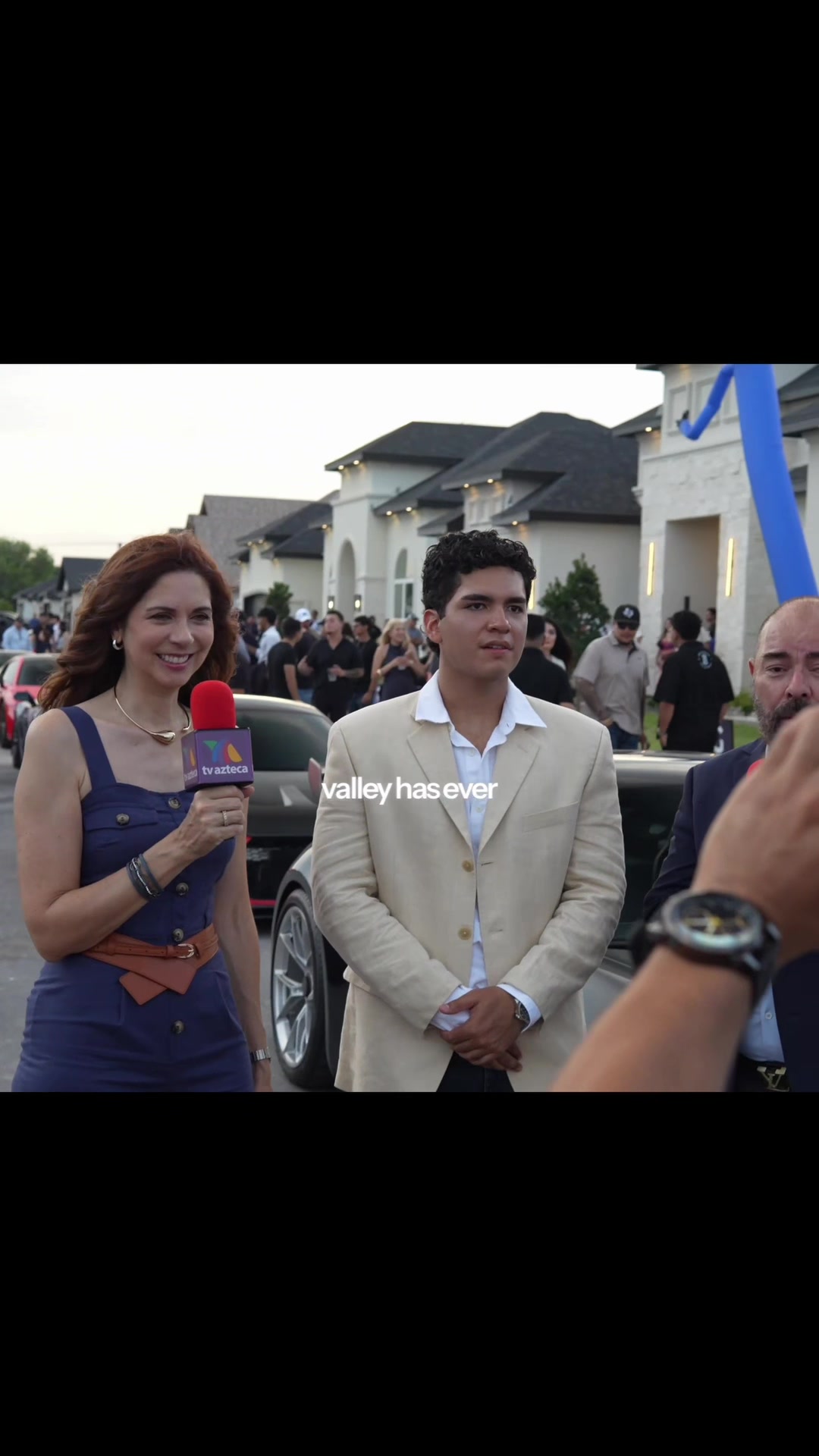
The founder story angle paired with tangible proof of progression hits hard. People aren't just inspired by the win, they're connecting with the three-year timeline and the specificity of going from personal homeowner to hosting a major event. The vulnerability of "I never knew how" balanced with conviction makes it feel earned, not lucky.

This post taps into a widespread frustration about how LA gets stereotyped as shallow and homogeneous when it's actually a sprawling, culturally rich county. The stitched format lets the creator push back on a narrow narrative, making viewers who feel misunderstood by LA's public image feel seen.
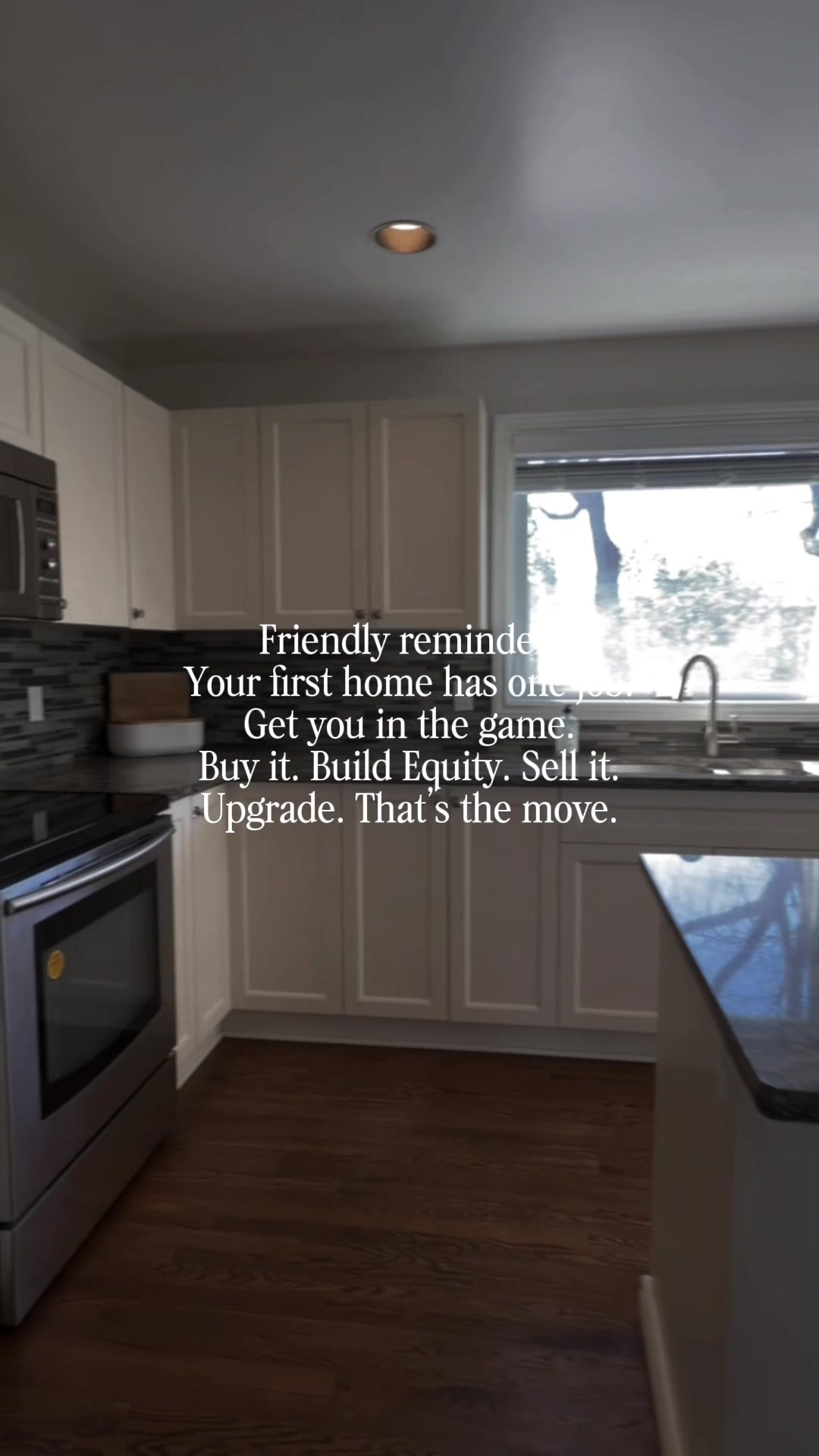
Cuts through first-time buyer paralysis by reframing the purchase as a stepping stone, not a destination. The "Buy it. Build Equity. Sell it. Upgrade." framework makes wealth-building feel actionable and removes the pressure of finding perfection.
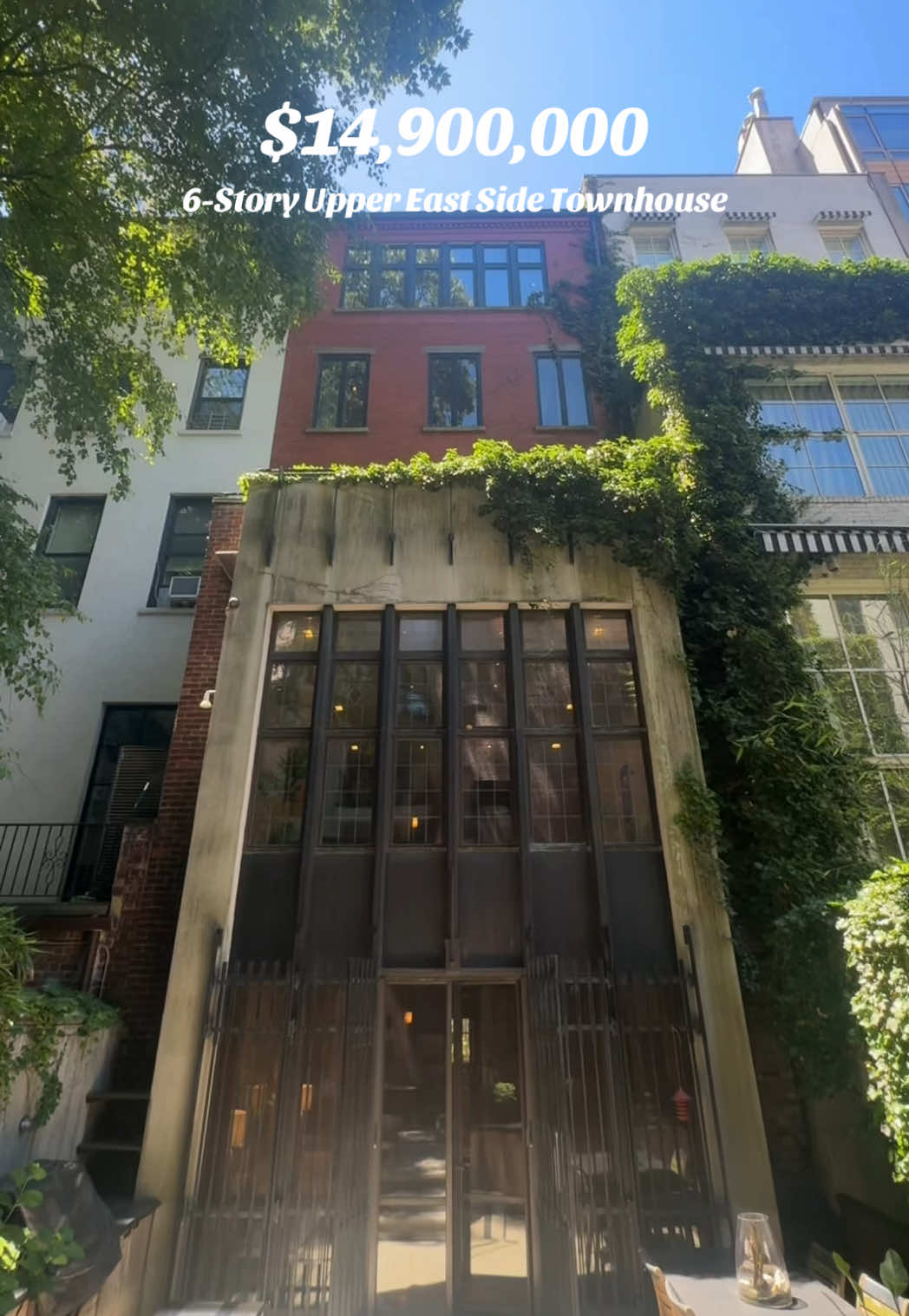
The jaw-dropping price tag paired with the narrow, ivy-covered facade creates instant cognitive dissonance—people can't resist clicking because they need to reconcile "15 million dollars" with what looks like a skinny townhouse. The luxury real estate flex hits different when it feels almost absurd.

People are drawn to the "busy power player" archetype—someone so important they're constantly working even while walking down prestigious London streets. The relatable tension between success and exhaustion is what hooks viewers, not just the wealth itself.
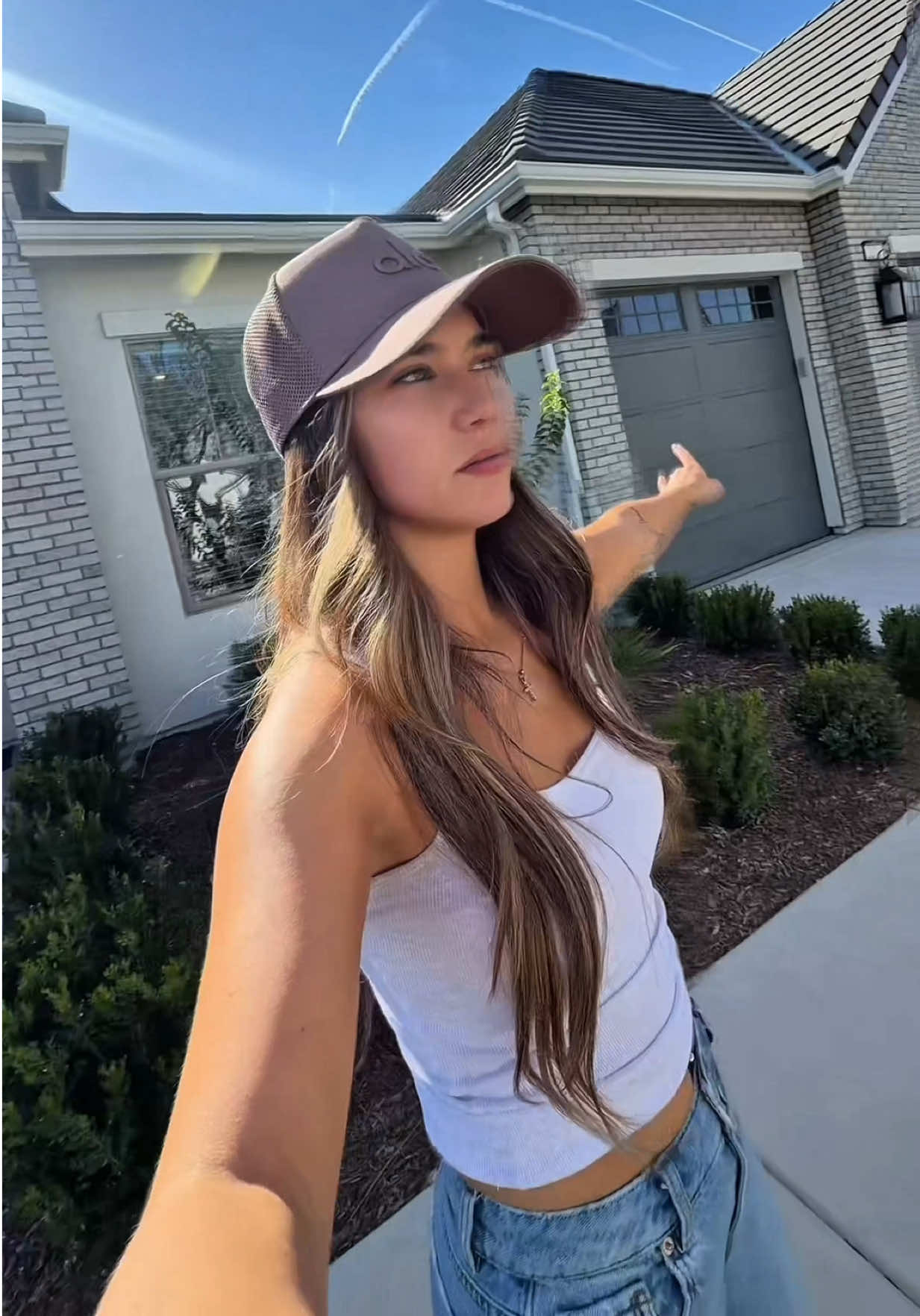
Real estate content breaks through when it feels personal and relatable rather than salesy. Showing genuine frustration about the market while house hunting taps into anxiety millions feel, making the creator a peer experiencing the same pain, not a polished professional selling a solution.
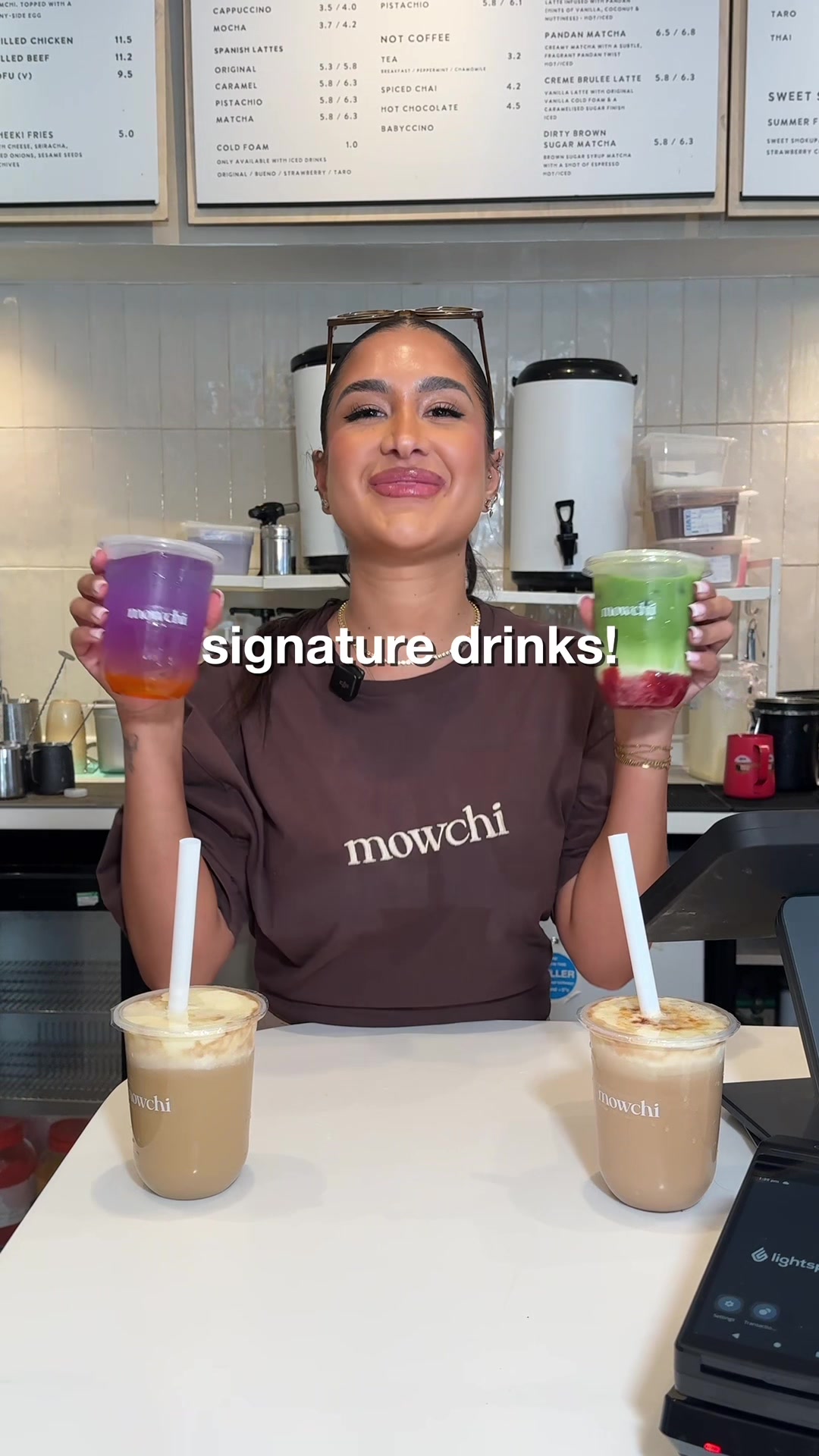
Generational humor about how cafe culture has become more complex and colorful hits because it's relatable without being mean. People save this because it validates their own coffee ordering simplicity and pokes fun at trendy cafe aesthetics in a lighthearted way.
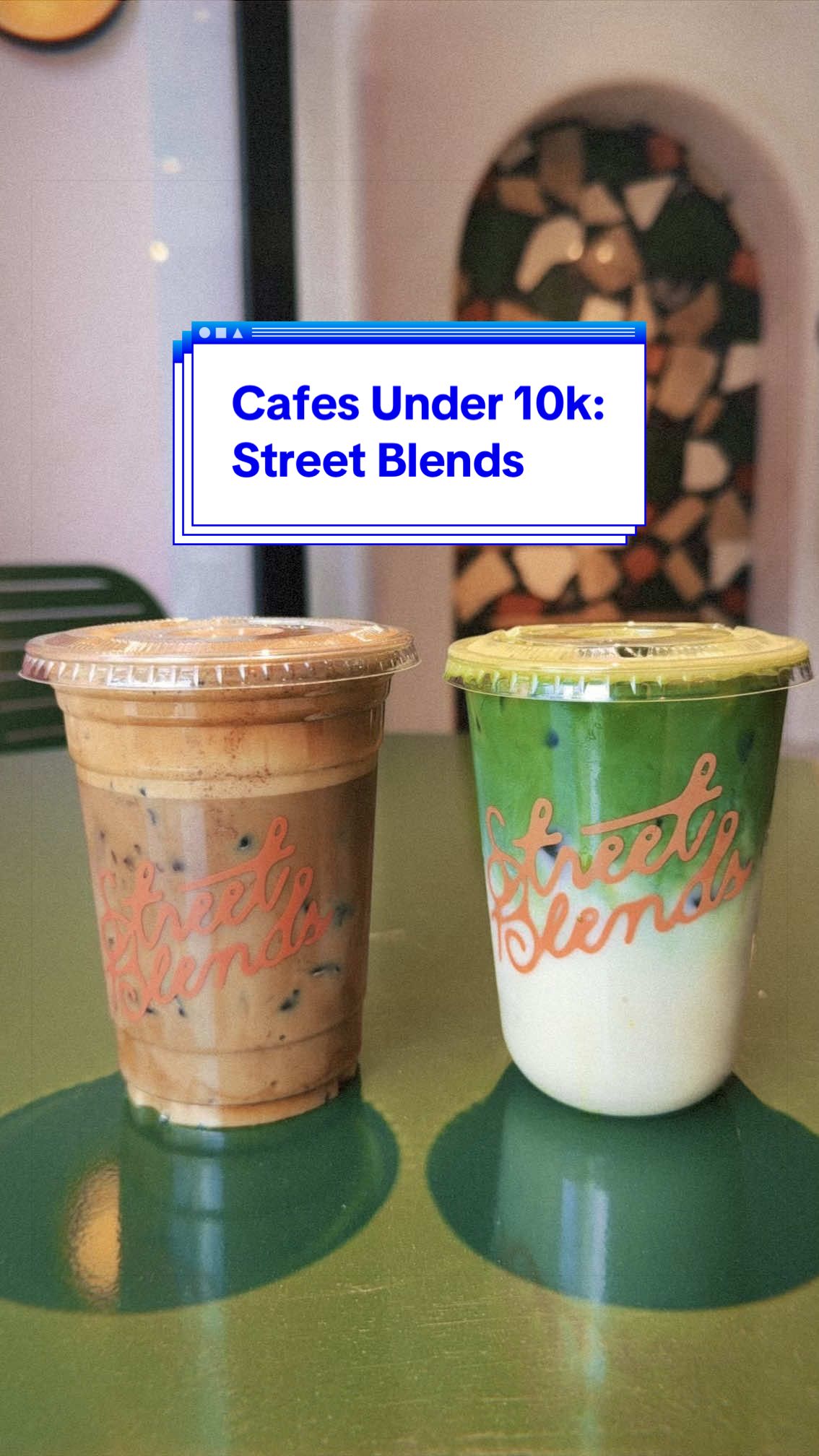
This taps into discovery culture—finding hidden gems before they blow up feels exclusive and rewarding. Pairing a new cafe with a series format builds loyal followers who return to see what gets discovered next, and the genuine enthusiasm makes people want to visit before it changes.

People are hungry for practical AI shortcuts that feel accessible and slightly irreverent. Pairing a Stanford credential with "just use Claude" creates cognitive dissonance that reads as confident, not arrogant, making the hack feel real and achievable rather than gatekept.
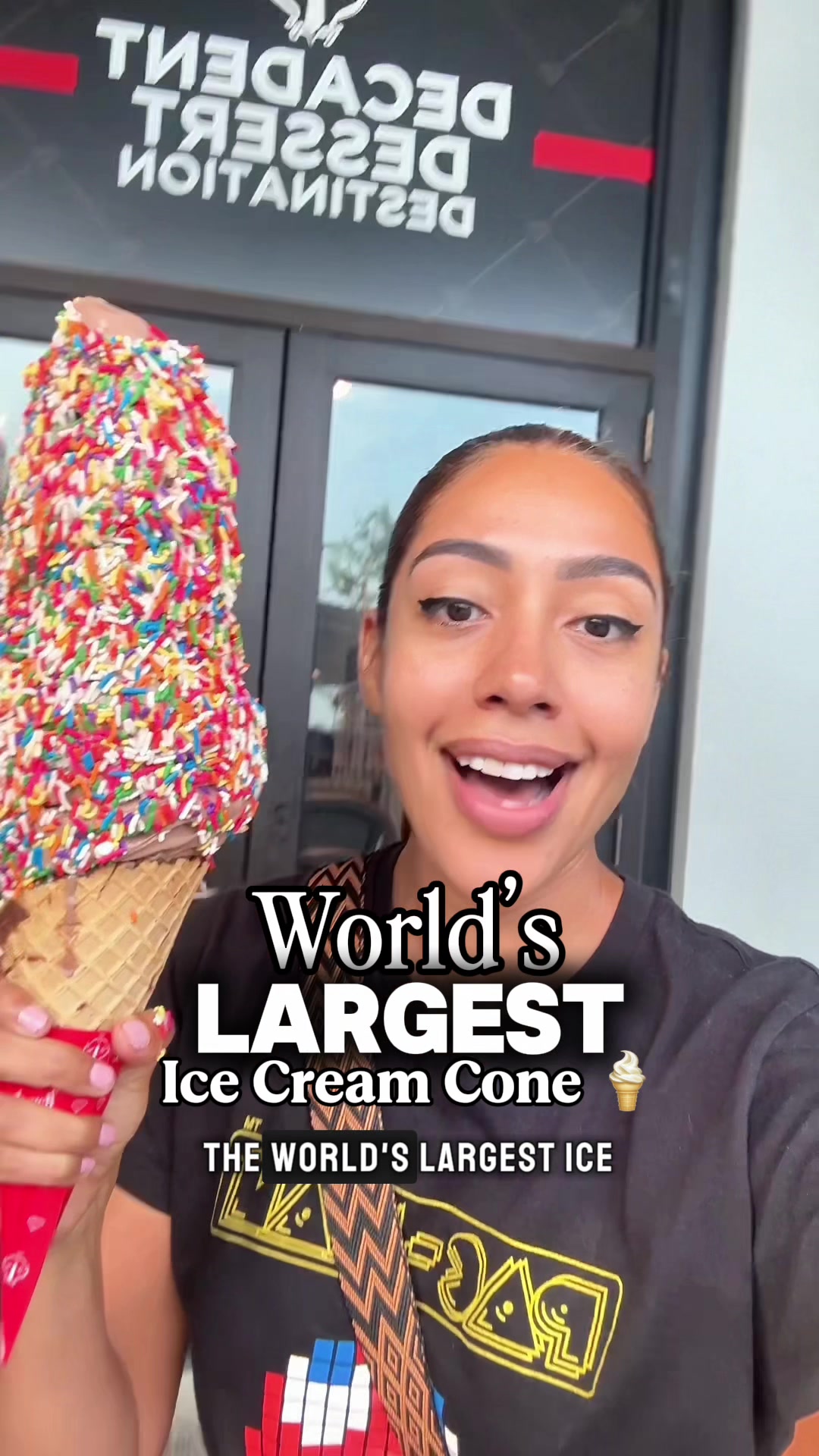
The oversized novelty paired with genuine surprise creates immediate, shareable intrigue. People want to know where this exists and can't resist the visual spectacle of something absurdly large at a real location.
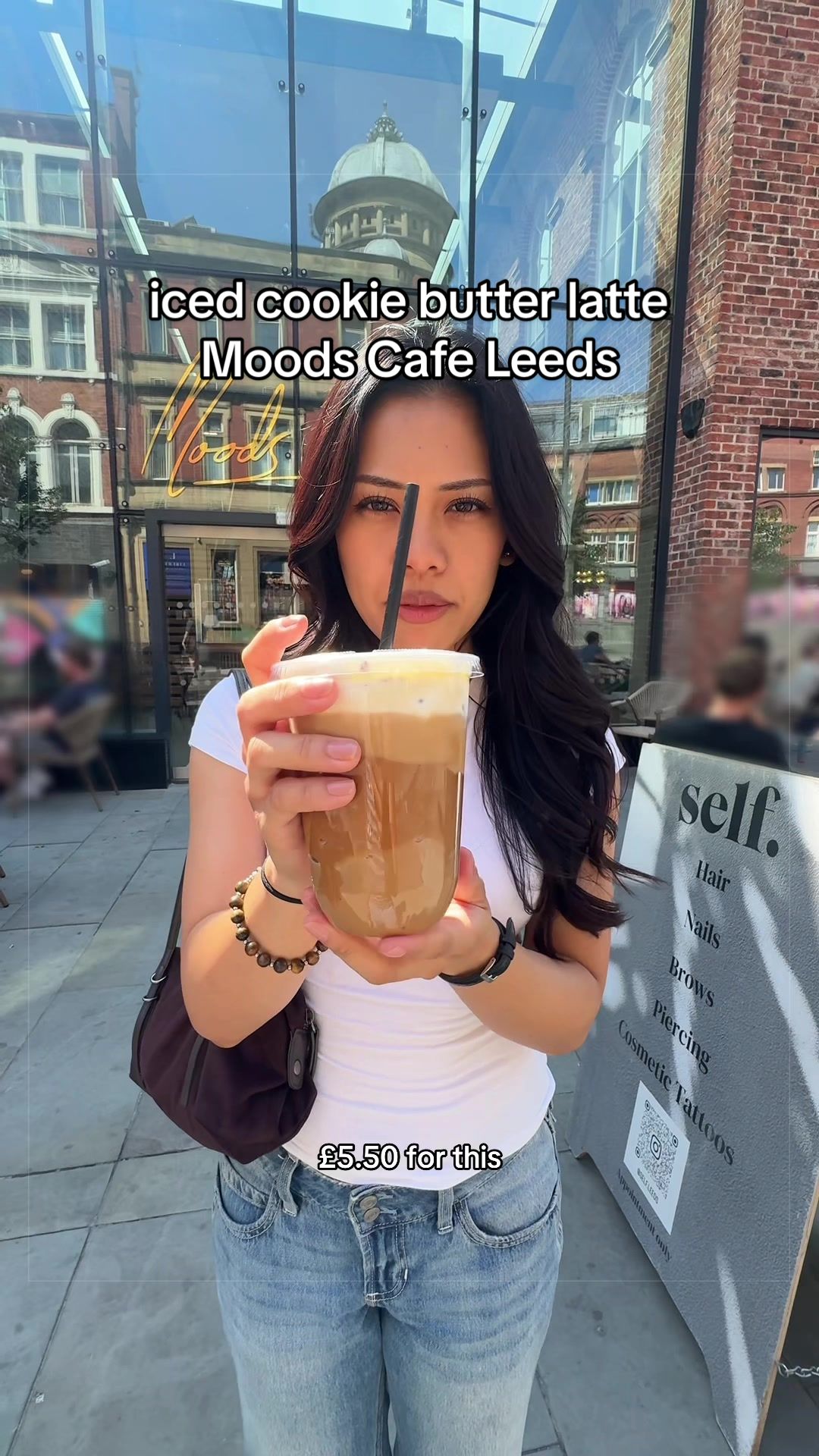
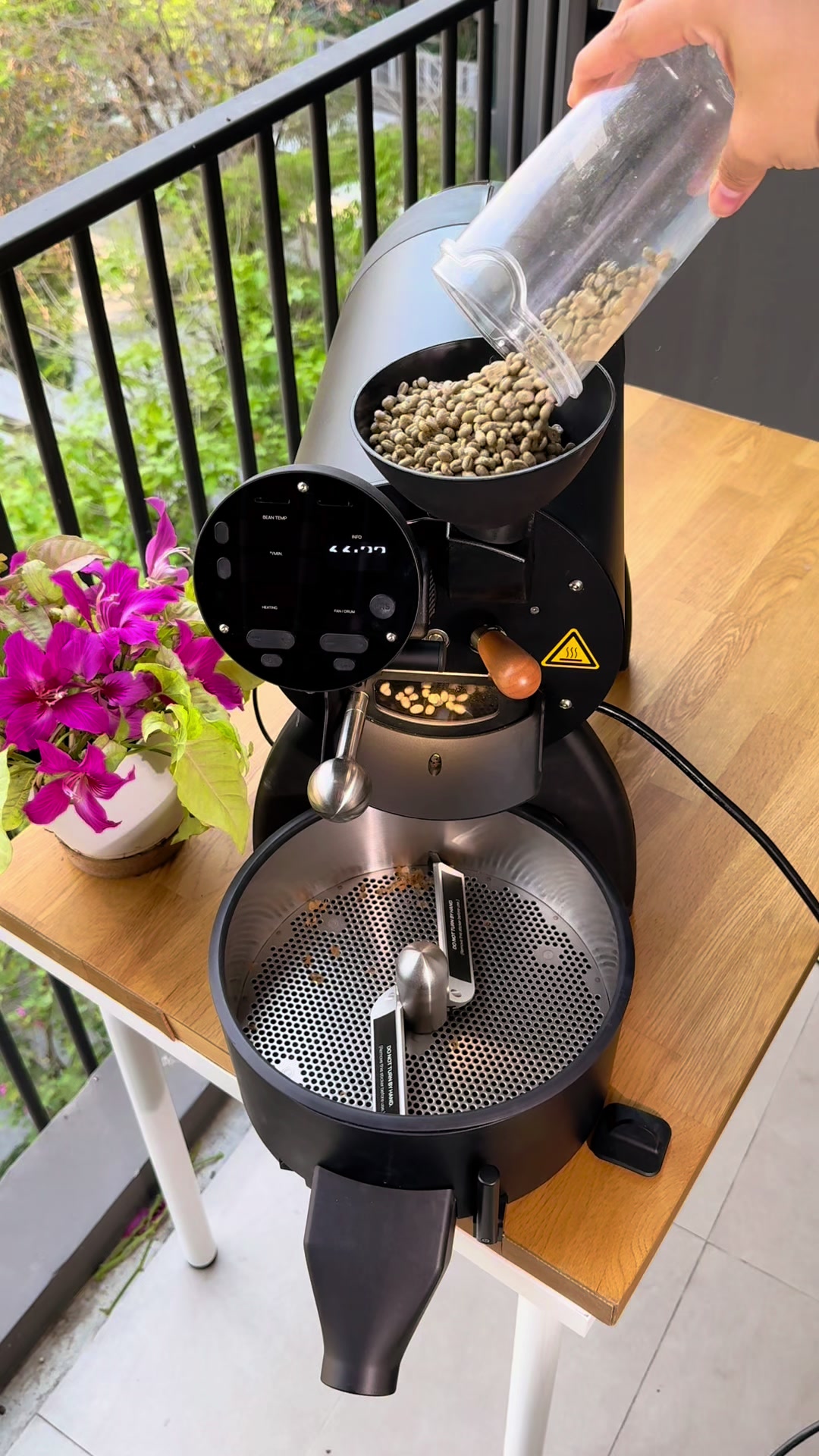
The post democratizes coffee roasting by showing an accessible, automated machine doing the work, paired with an empowering message that strips away gatekeeping. People save and share because it feels aspirational yet achievable, not just theoretical.
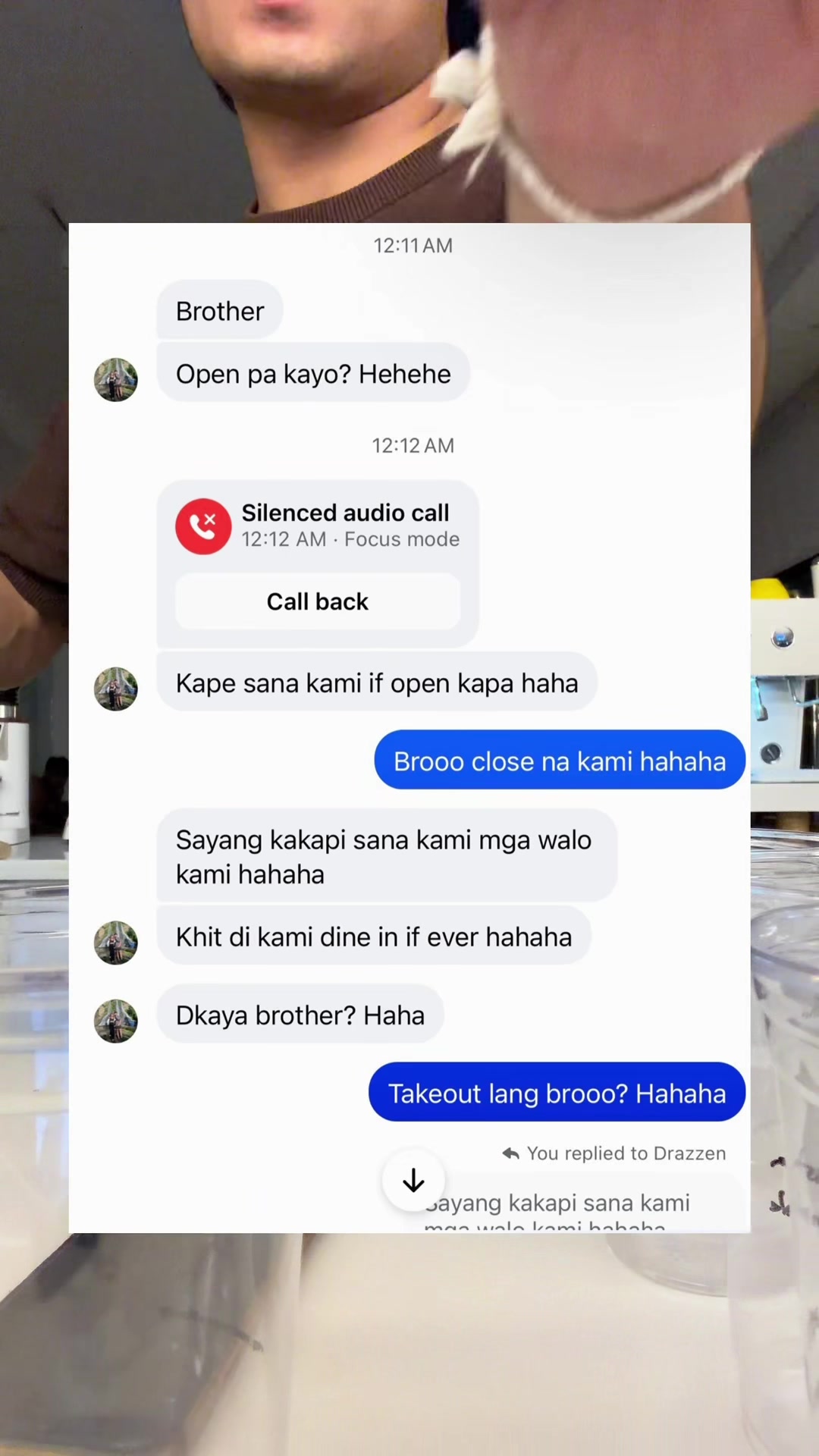
The relatable brother dynamic and authentic text exchange taps into the humor of sibling banter that feels genuinely unscripted. People connect with the messiness of real relationships and the charm of someone proudly showing off their cafe through a natural, unfiltered lens.

The specificity of being a "first-gen big sister" giving career advice hits harder than generic motivation. People see themselves in this exact position—either as the younger sibling hungry for real wisdom or the older one who figured things out first. The authenticity of lived experience beats polished advice every time.
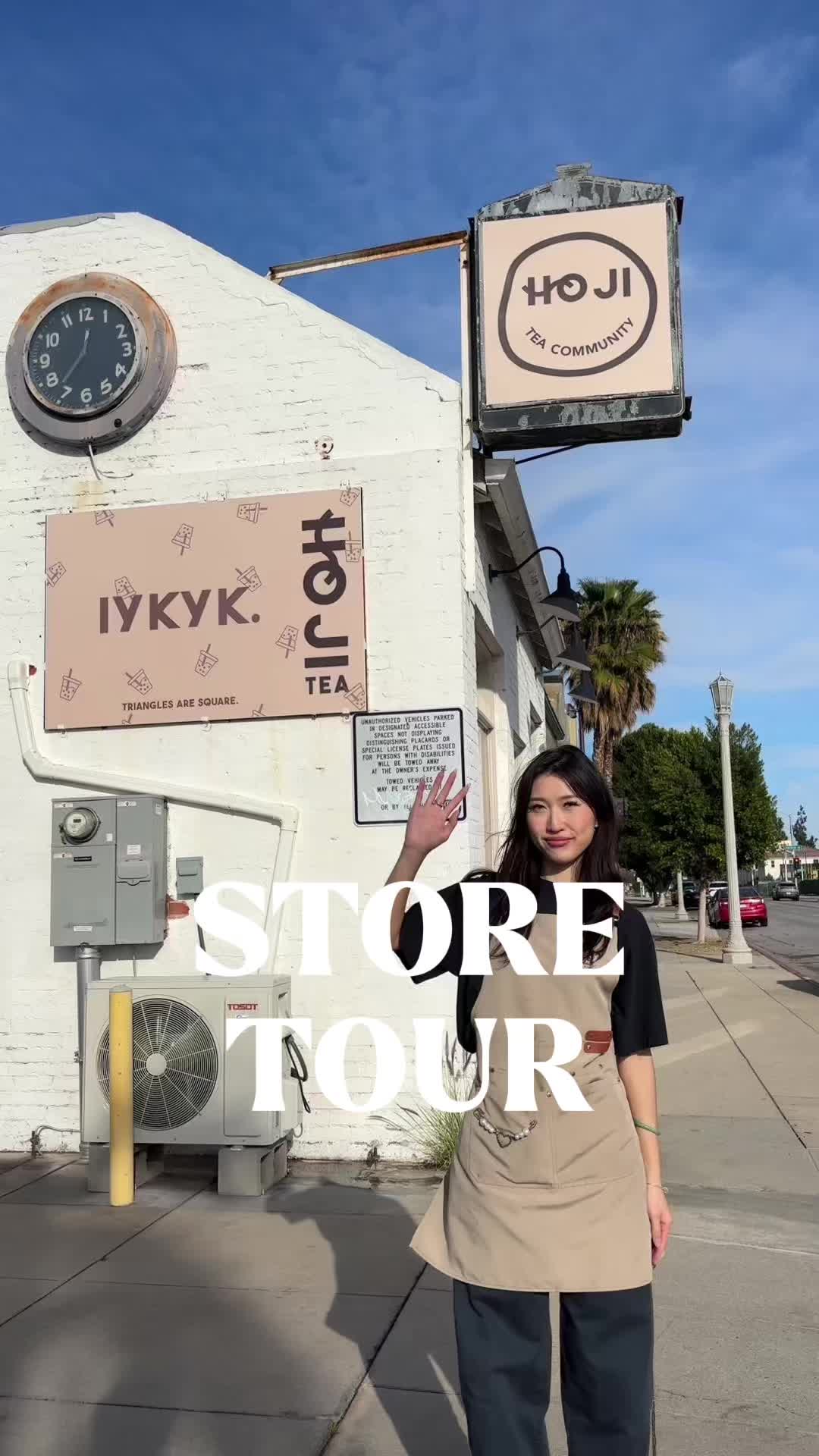
People love discovering actual local spots through authentic store tours, especially when they're aesthetically charming and positioned in a relatable neighborhood. The raw, straightforward approach (just showing up at your own cafe) beats polished brand content.
People are exhausted and desperate for someone credible to validate that struggle. A doctor-turned-coach brings dual authority that cuts through generic wellness advice, making practical burnout wisdom feel honest rather than preachy.

The post cuts through excuses with blunt honesty wrapped in permission-giving language. Telling struggling agents the market isn't their problem, then validating that not everyone should be an entrepreneur, creates cognitive dissonance that demands engagement. People save it because it validates their grind or confronts their denial.
The post taps into the tension between curiosity and skepticism around AI trends. People clicked because the headline creates intrigue ("hits different"), but the comments reveal what really drove engagement: the desire to call it out. The contradiction itself is the hook.

Raw celebration of a hard-won career win taps into collective joy and relatability. People connect to the genuine excitement and vulnerability of achieving something against the odds, especially seeing first-generation success reflected back.
People crave the aesthetic and feeling of intentional leisure more than the food itself. This post sells the ritual, the social dynamic, and the "main character" vibe of a long, unhurried brunch—the kind where time stops and nothing else matters. That fantasy hits harder than any perfect latte photo ever could.
The genuine awkwardness of two people contorting themselves into an uncomfortable pose for a cafe creates humor that feels unscripted and relatable. People loved the absurdity and the "why would anyone do this" energy, which made the cafe feel fun and memorable rather than corporate.
The "Day 36" framing taps into serial narrative momentum, making viewers feel like invested witnesses to an ongoing campaign rather than one-off ad. People save and share because they're rooting for Daniel's success, not because they're being sold to.
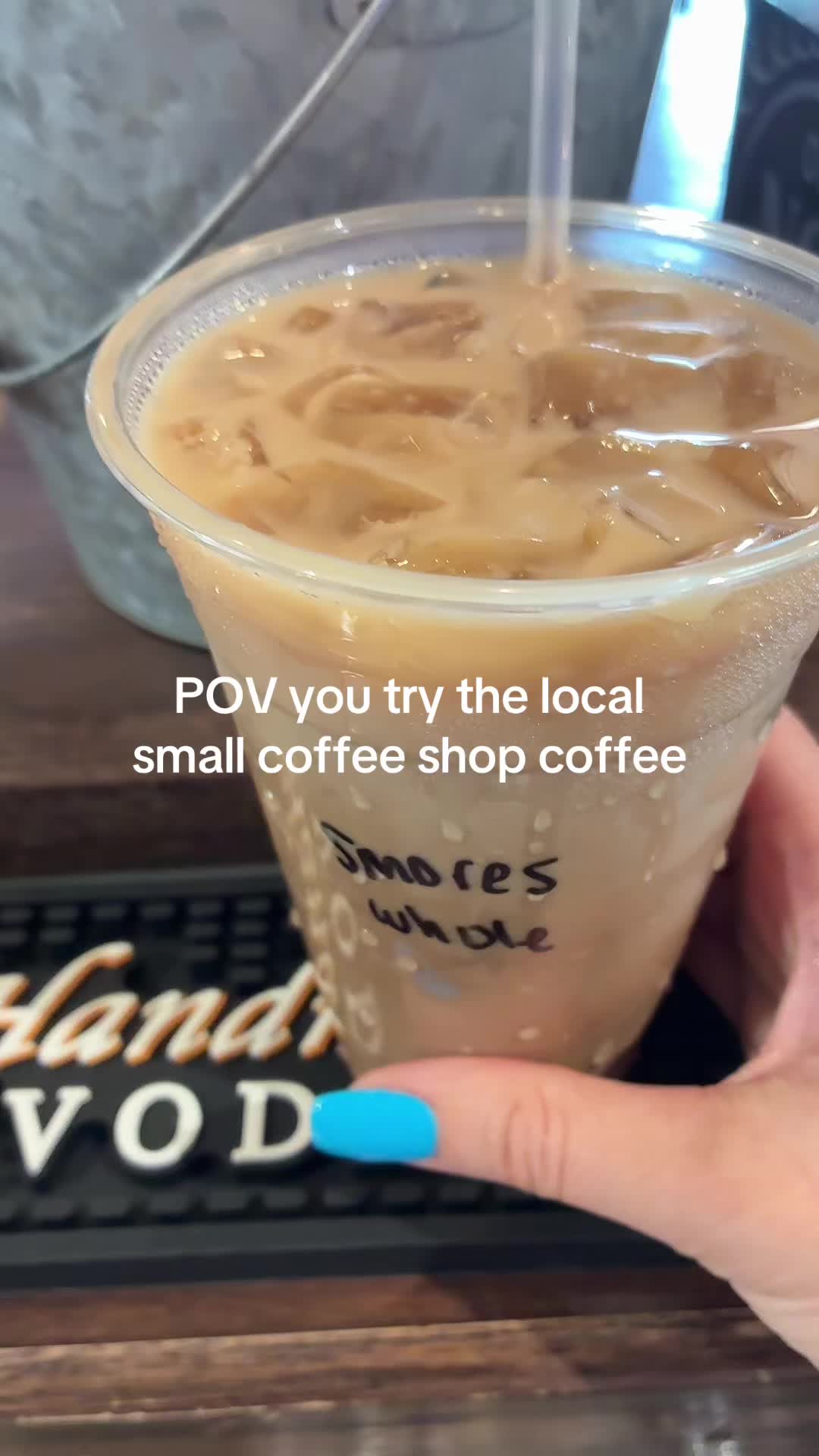
The post taps into a universal frustration with inconsistent quality at independent coffee shops, where you either find hidden gems or disappointingly mediocre drinks. The visual reveal of the watered-down drink paired with genuine disappointment makes it relatable to anyone who's been burned by local hype.
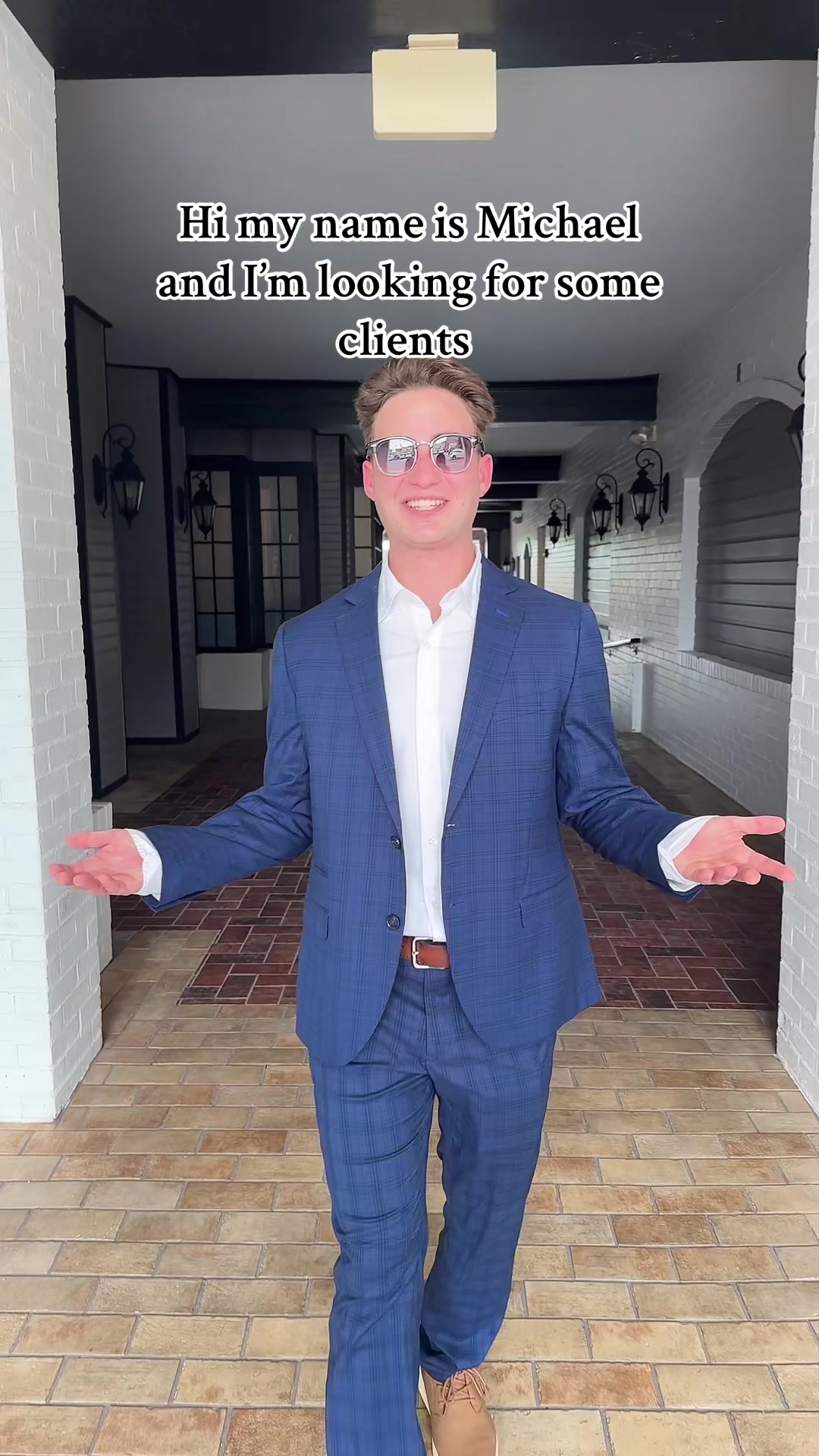
The direct, confident intro format gives real estate professionals a replicable template they instantly want to copy. People aren't just watching, they're already planning to steal the format for themselves—which signals the mechanics are simple enough to execute but effective enough to work.
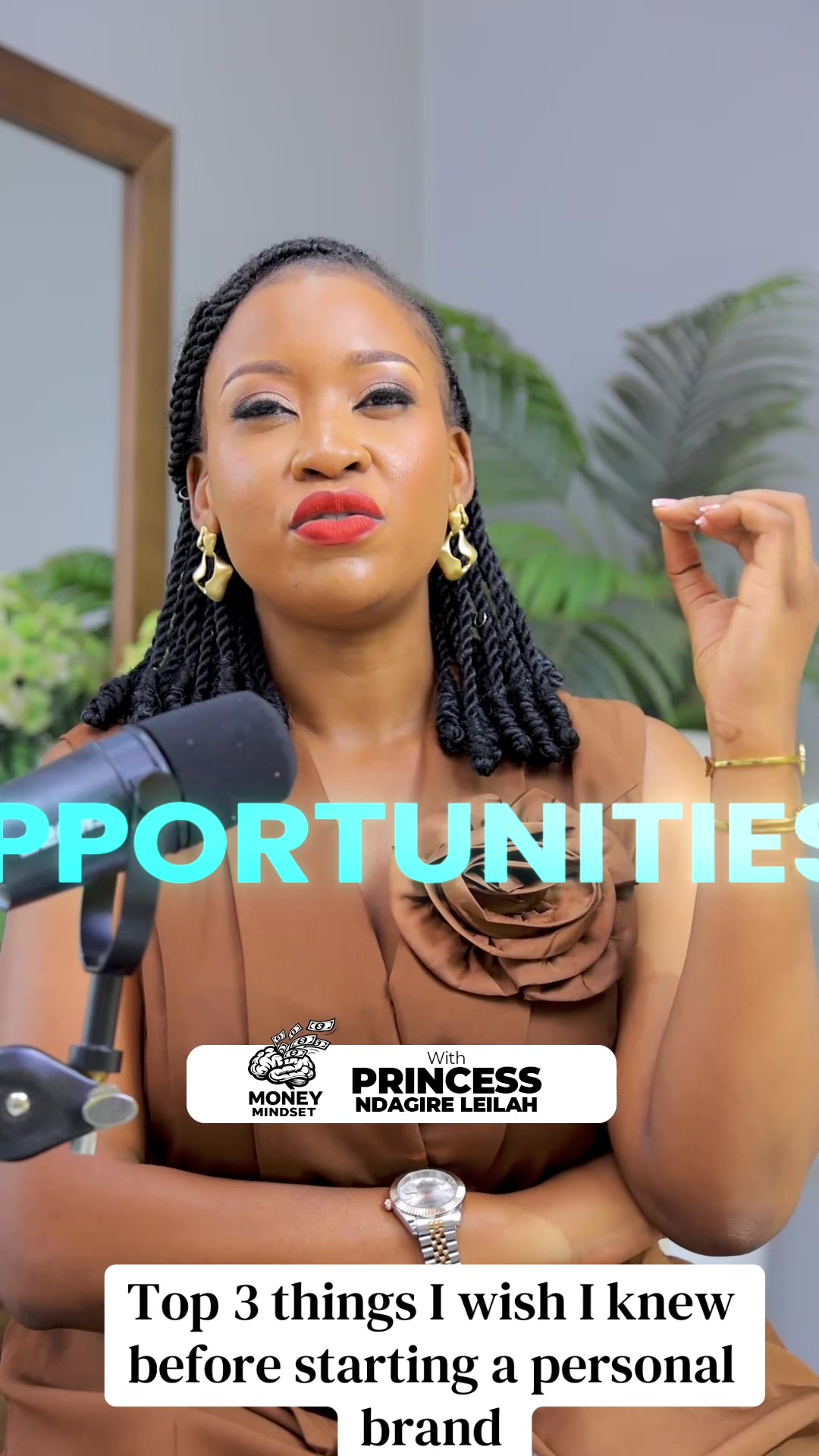
People crave authentic insider knowledge from someone who's actually built something. This taps into the "I wish someone had told me" feeling, which makes viewers feel like they're getting rare wisdom they can immediately act on.
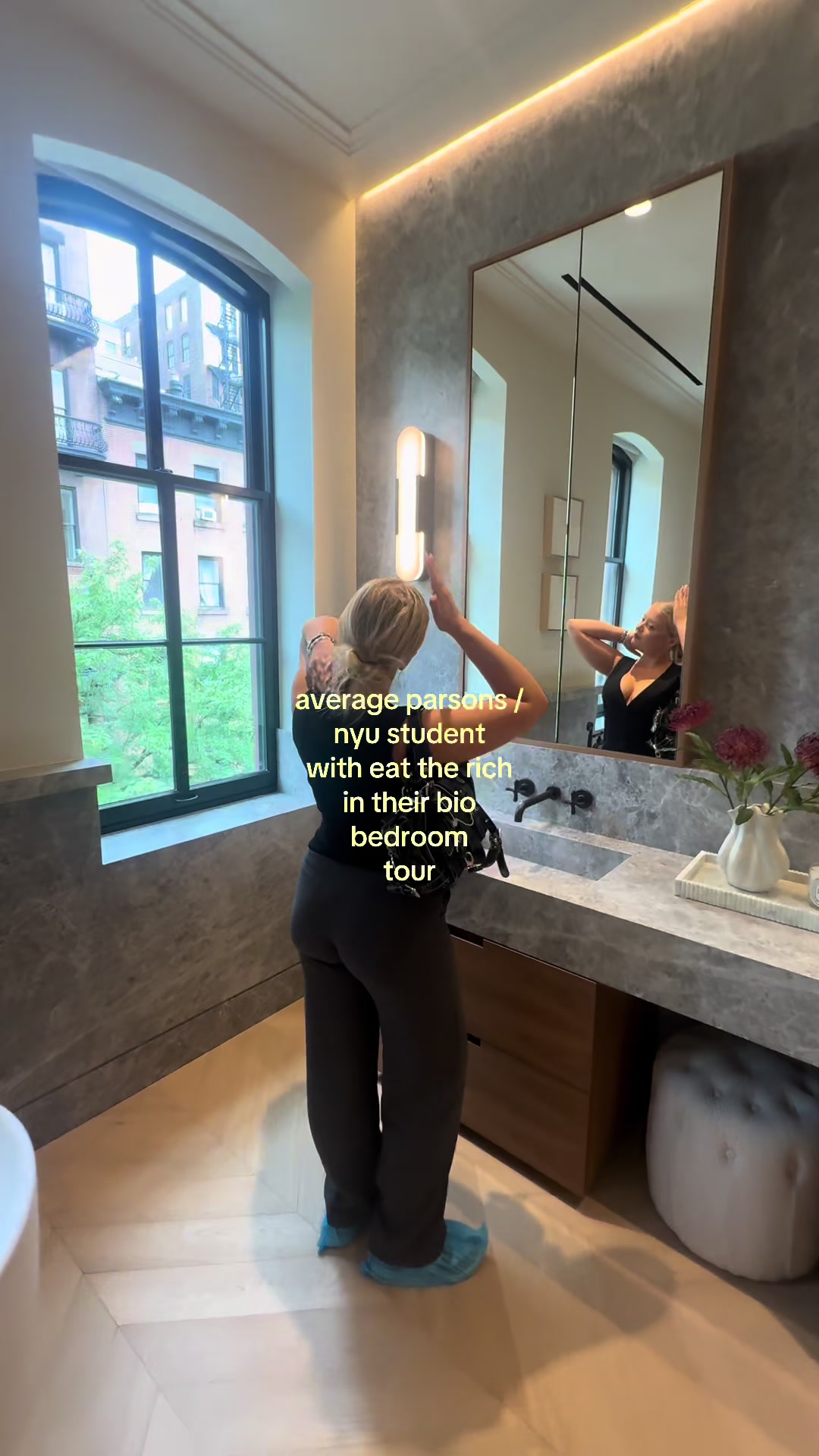
The self-aware humor about wealth and privilege hits harder than a straight luxury tour. By leaning into the "eat the rich" energy with that caption, it flips the potential jealousy into entertainment. People save it because it's funny and relatable in its shamelessness.

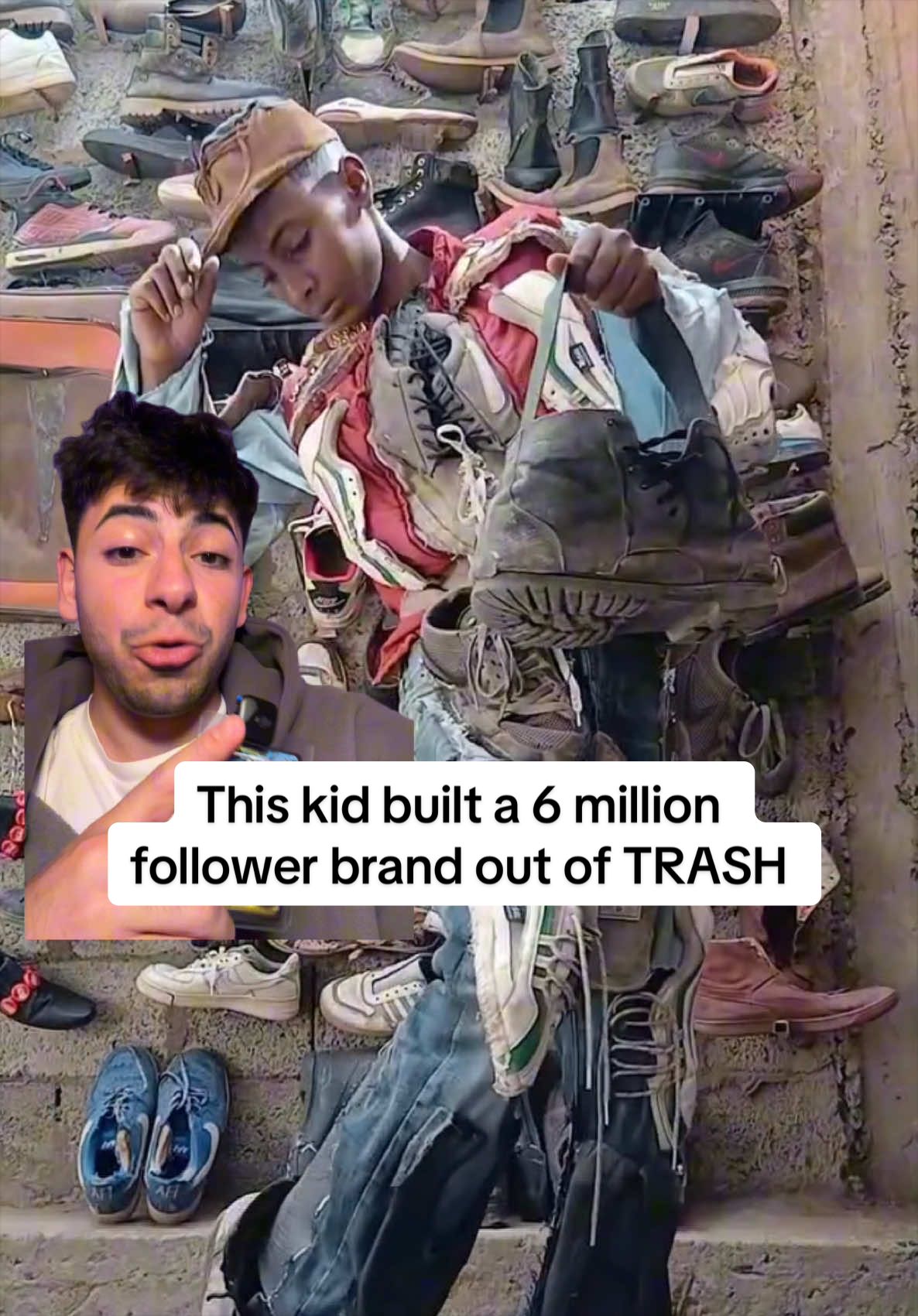
The underdog success story taps into pure aspiration—someone turning literally nothing into a 6-million-follower brand flips the "you need money to start" narrative on its head. People save this because it feels proof that scrappy creativity beats resources.
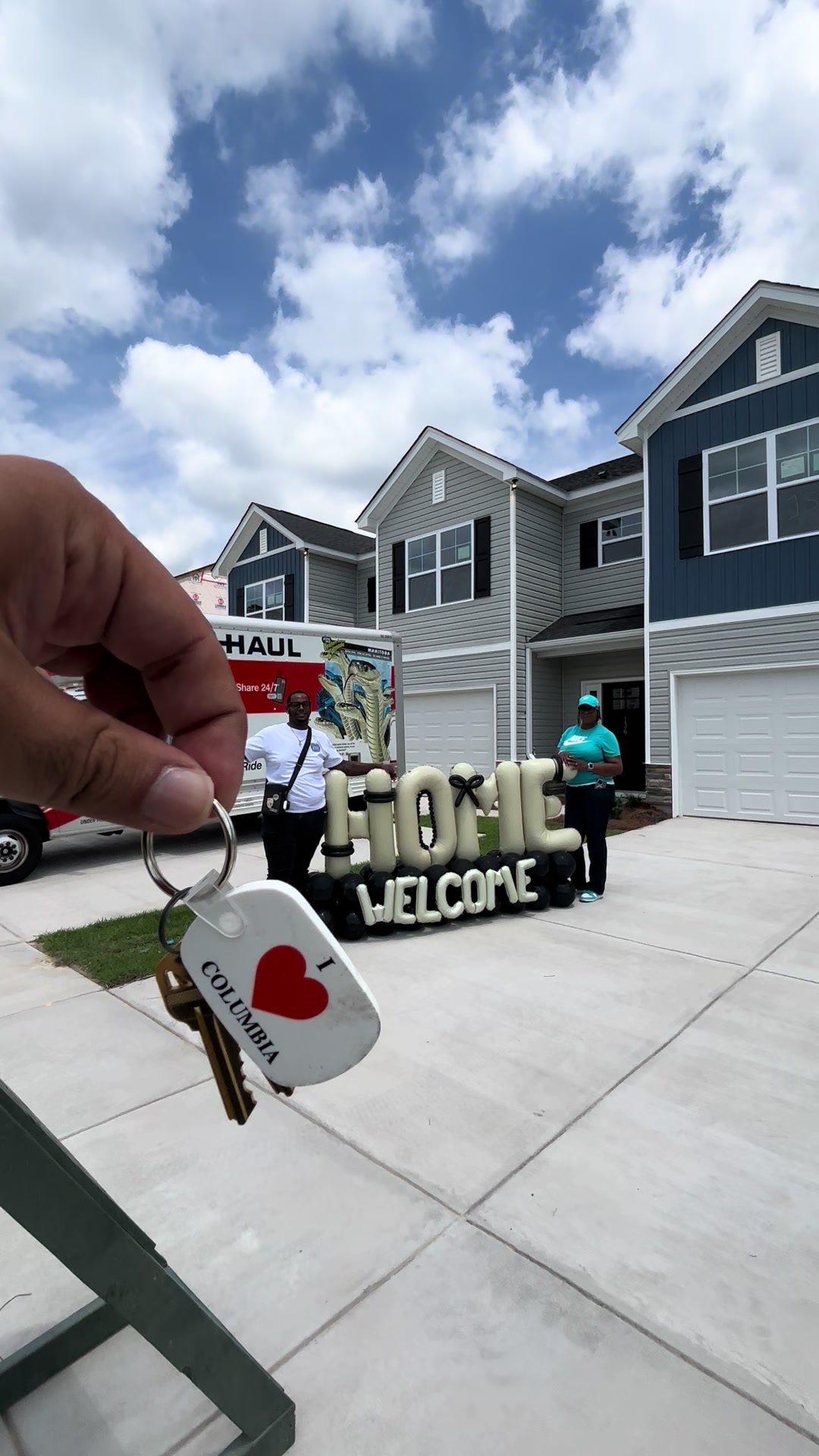
The tactile key-in-hand moment combined with tangible financial wins (savings + instant equity) transforms a real estate milestone into something viewers can feel. People engage because it's celebratory yet educational, showing that smart buying creates real wealth from day one.
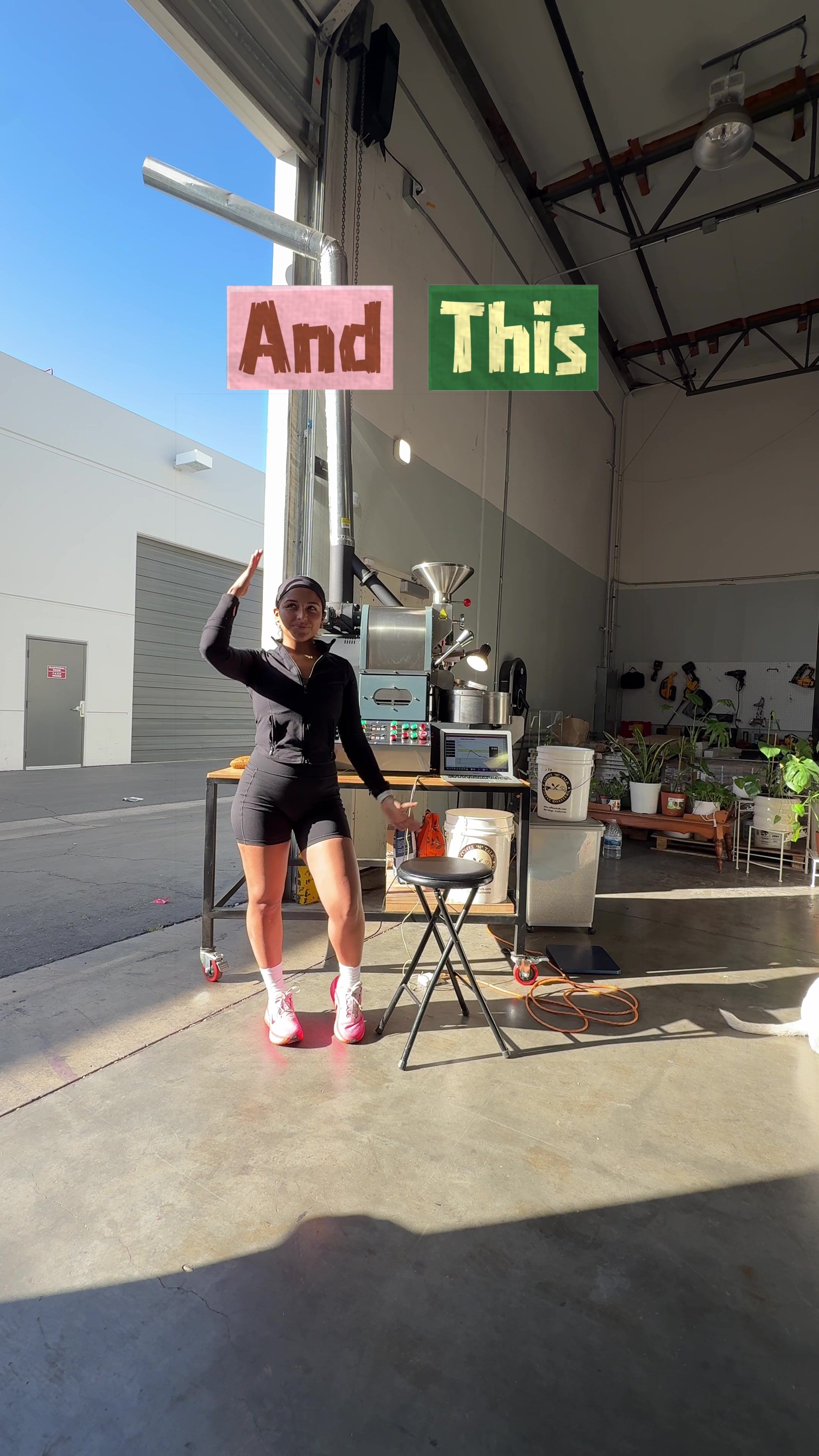
The "take a sip every time" game mechanic turns a facility tour into participatory entertainment, making viewers active players rather than passive observers. People love the excuse to engage physically while learning about your process, and the niche coffee community rallies around spotlighting fellow makers.
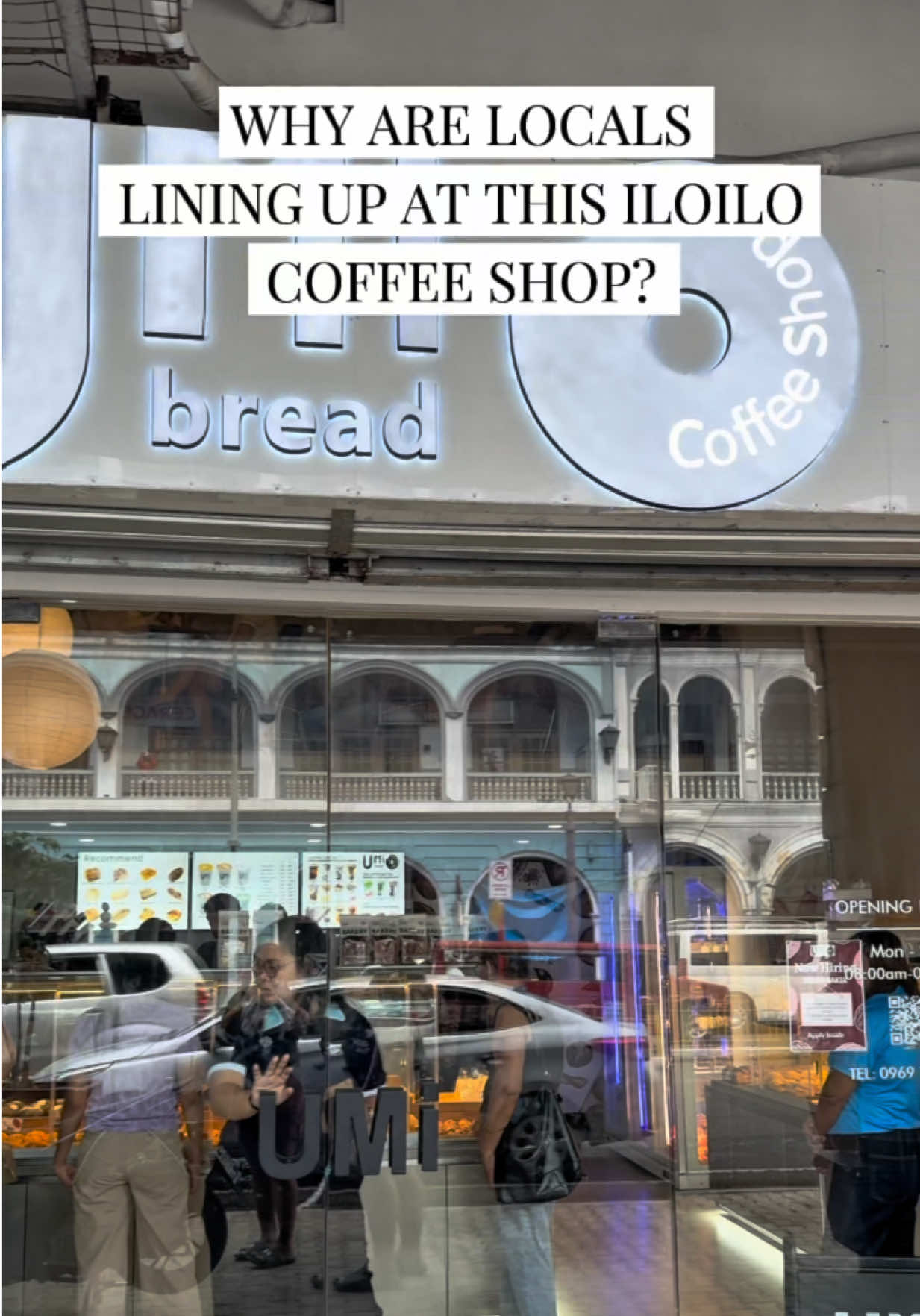
People are hungry for authentic local discoveries that feel genuine and unpretentious. The post taps into slow travel culture where finding a neighborhood gem matters more than luxury branding, and the top comment reveals the real hook: quality without the inflated price tag that usually comes with popular spots.
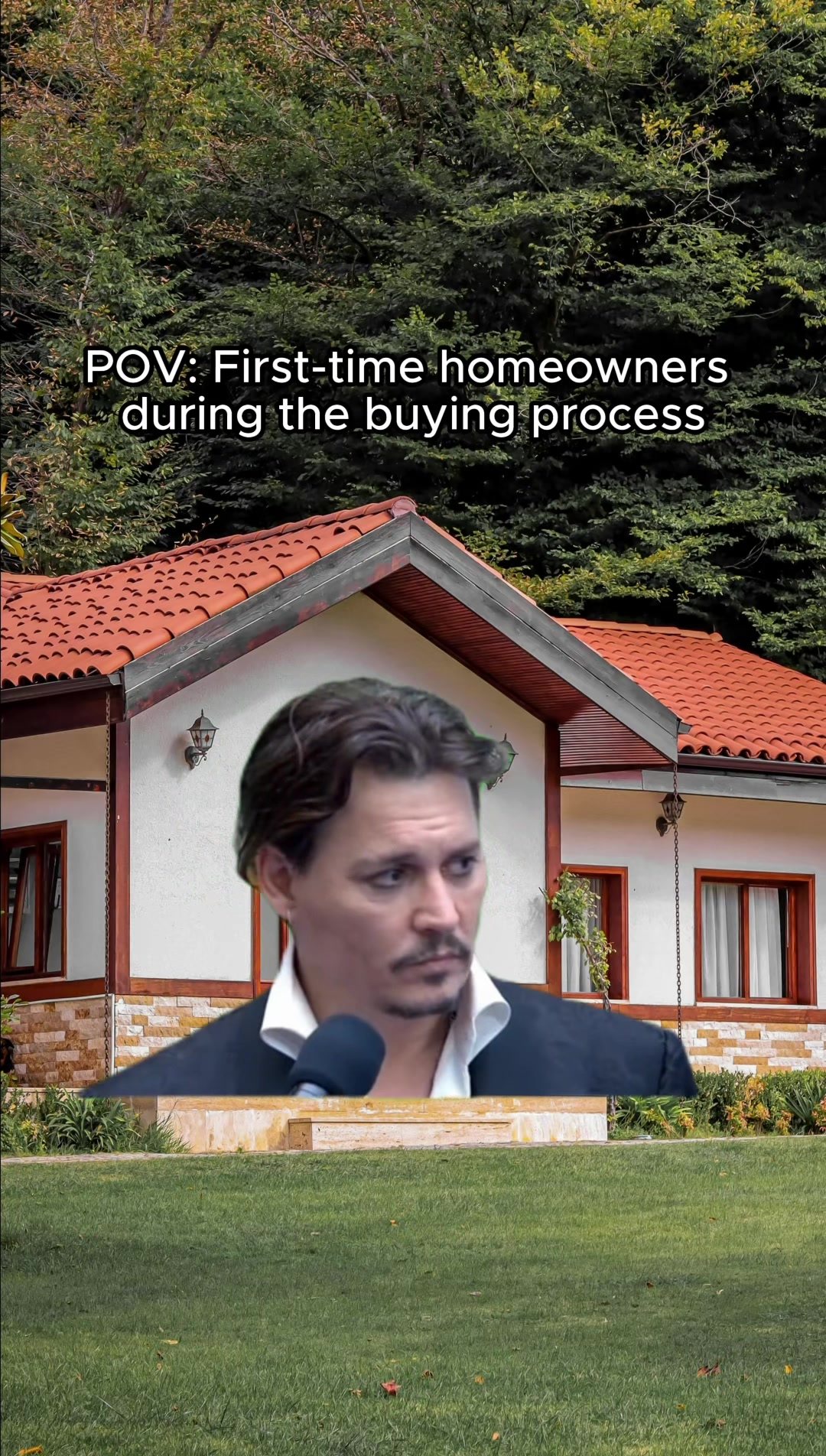
First-time homebuyers recognize themselves in the anxiety of the buying process, and this post nails that universal stress with a relatable reaction. The humor comes from showing the actual emotional reality people don't talk about, making the audience feel seen and understood.
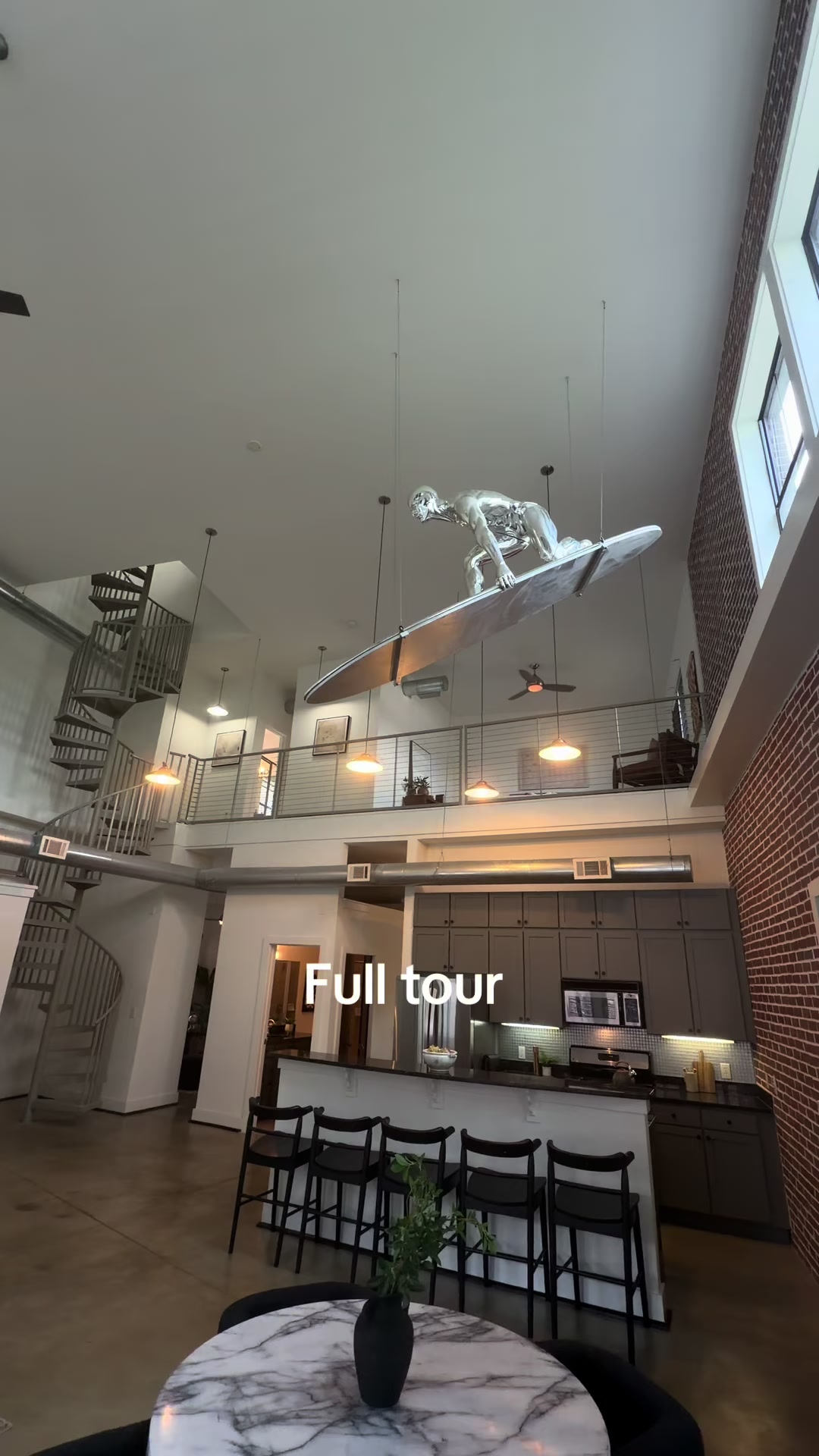
The eye-catching sculpture of Silver Surfer suspended from the ceiling became the hero of this real estate post, overshadowing the actual property. People engaged because the art piece sparked imagination and desire, turning a standard property tour into something visually memorable and shareable.
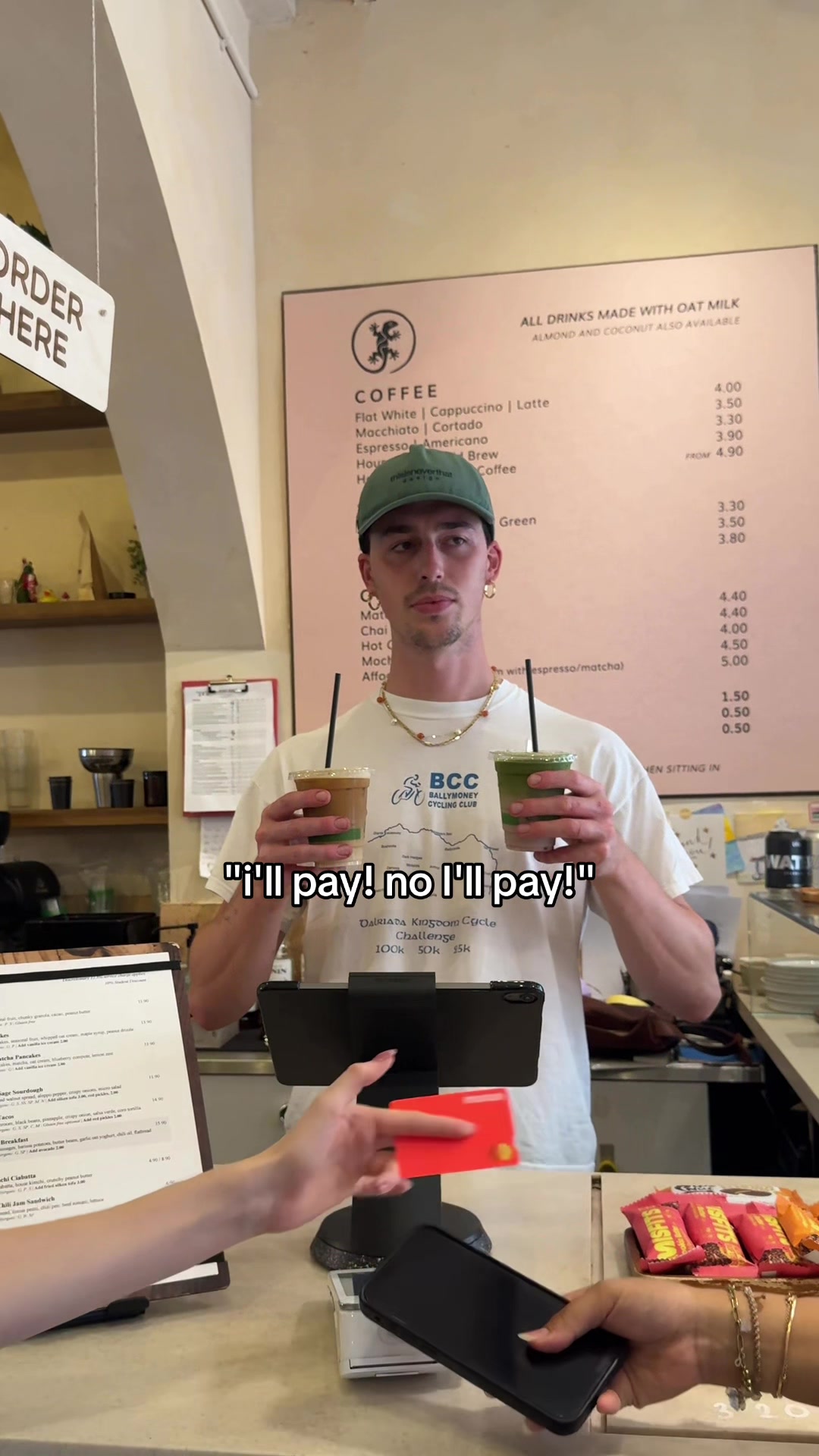
The tension of the classic "who pays" dance hits different when a barista's caught in the middle holding two drinks. It's awkward, relatable, and funny because everyone's been that person (or knows someone who has). The setup taps into genuine social friction turned comedy.
A curated list with iconic visuals taps into aspirational travel planning. The stunning cityscape paired with concrete recommendations (Central Park, Brooklyn Bridge, Times Square) makes it feel like actionable inspiration rather than generic tourism content, encouraging saves for future trips.
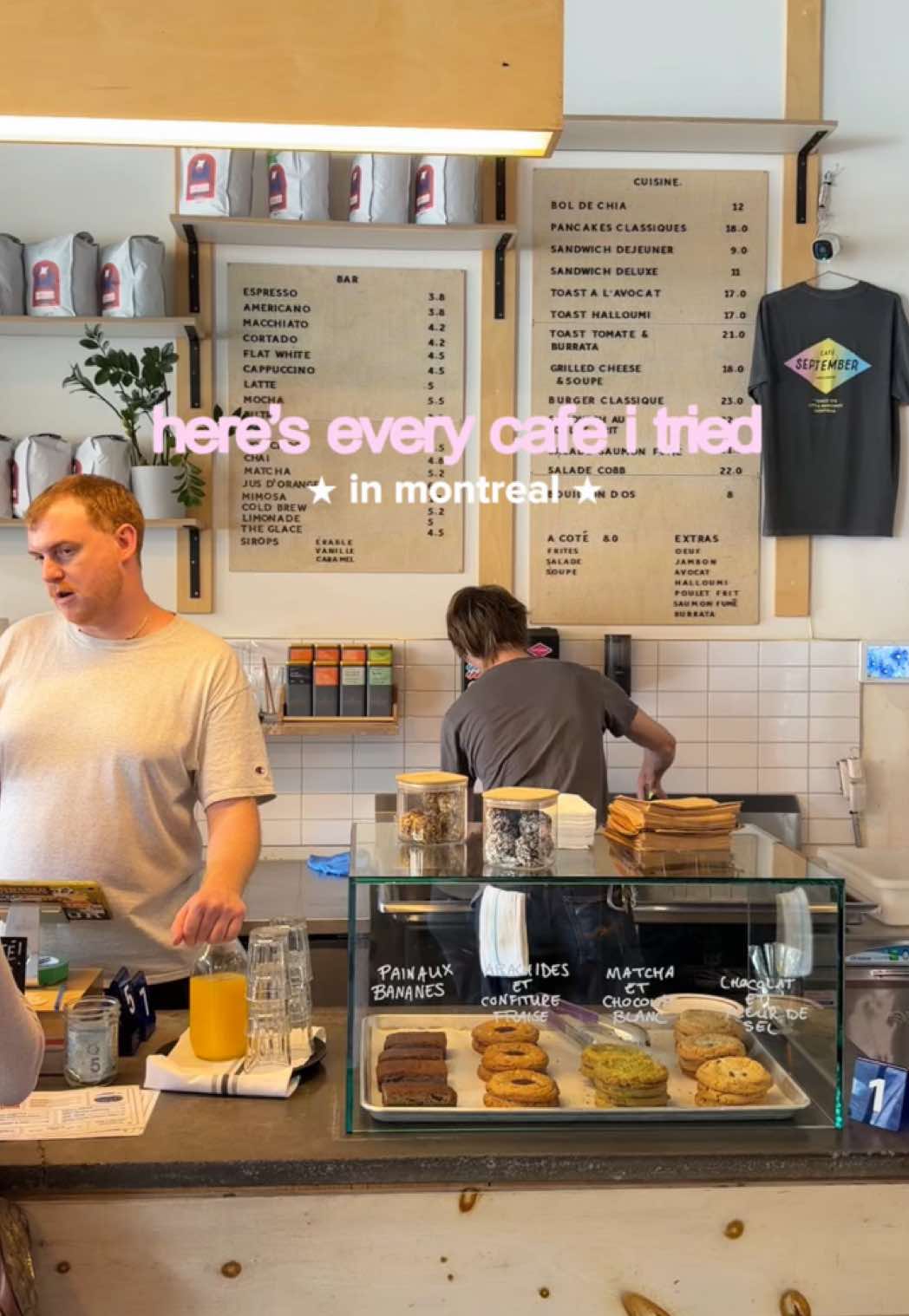
Local cafe tours tap into wanderlust and community pride simultaneously. Viewers save these for practical travel planning, but they also engage because seeing a creator genuinely explore their own city feels both relatable and aspirational—like getting insider recommendations from a friend.

Raw vulnerability paired with a specific, relatable story hits hard. The post transforms a painful career setback into a narrative about resilience, making it feel like witnessing someone's genuine crossroads moment rather than performative motivation.
A practical list with genuine appeal hits differently than vague inspiration. People saved this 8.84x average because it's actionable—five specific, doable activities they can actually pull together with friends, no fancy setup required.
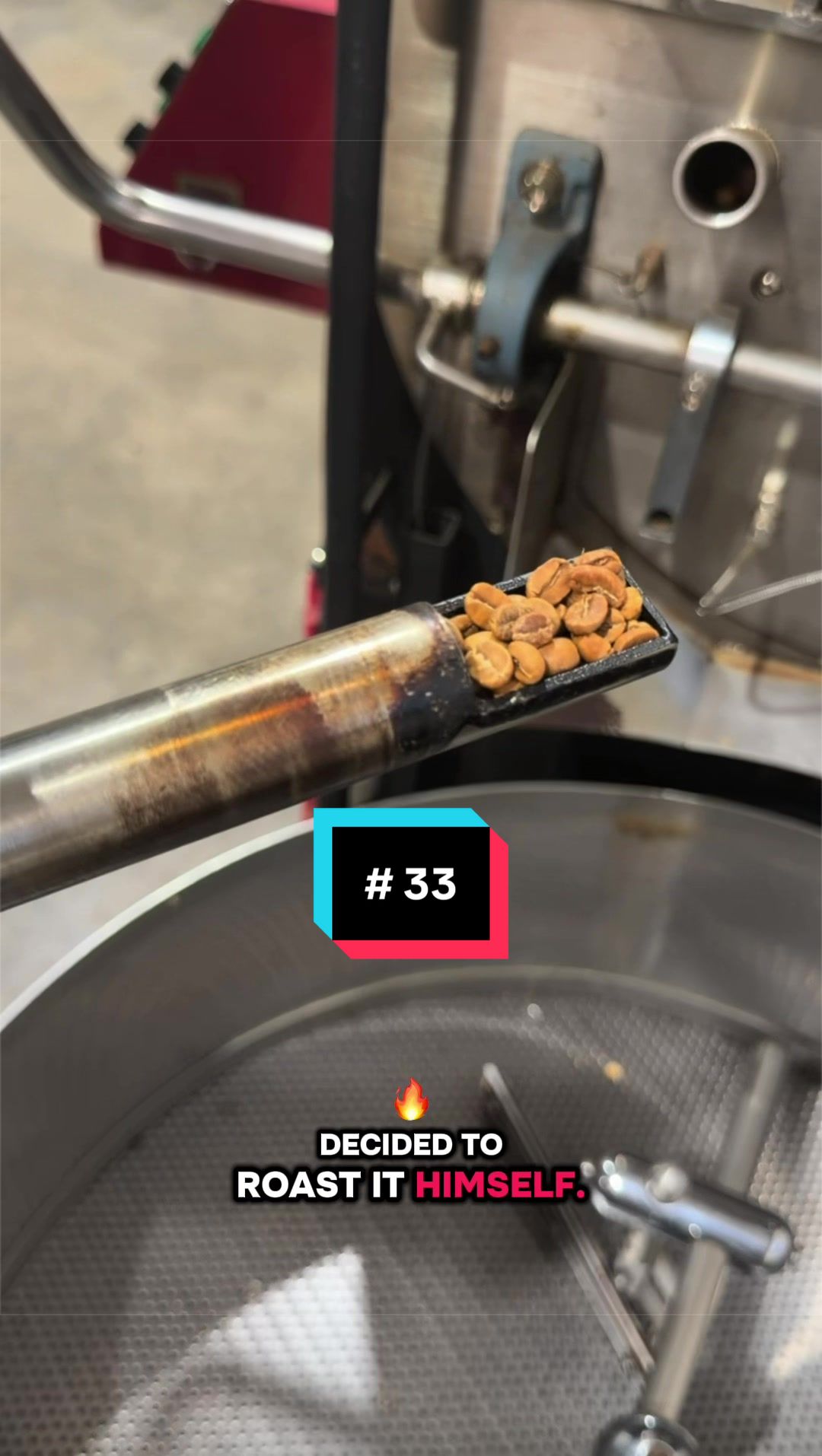
Showing an unexpected origin story for a coffee roaster taps into curiosity and respect. People love discovering that expertise in one field translates to mastery in another, especially when it's presented with genuine personality and humor rather than hype.
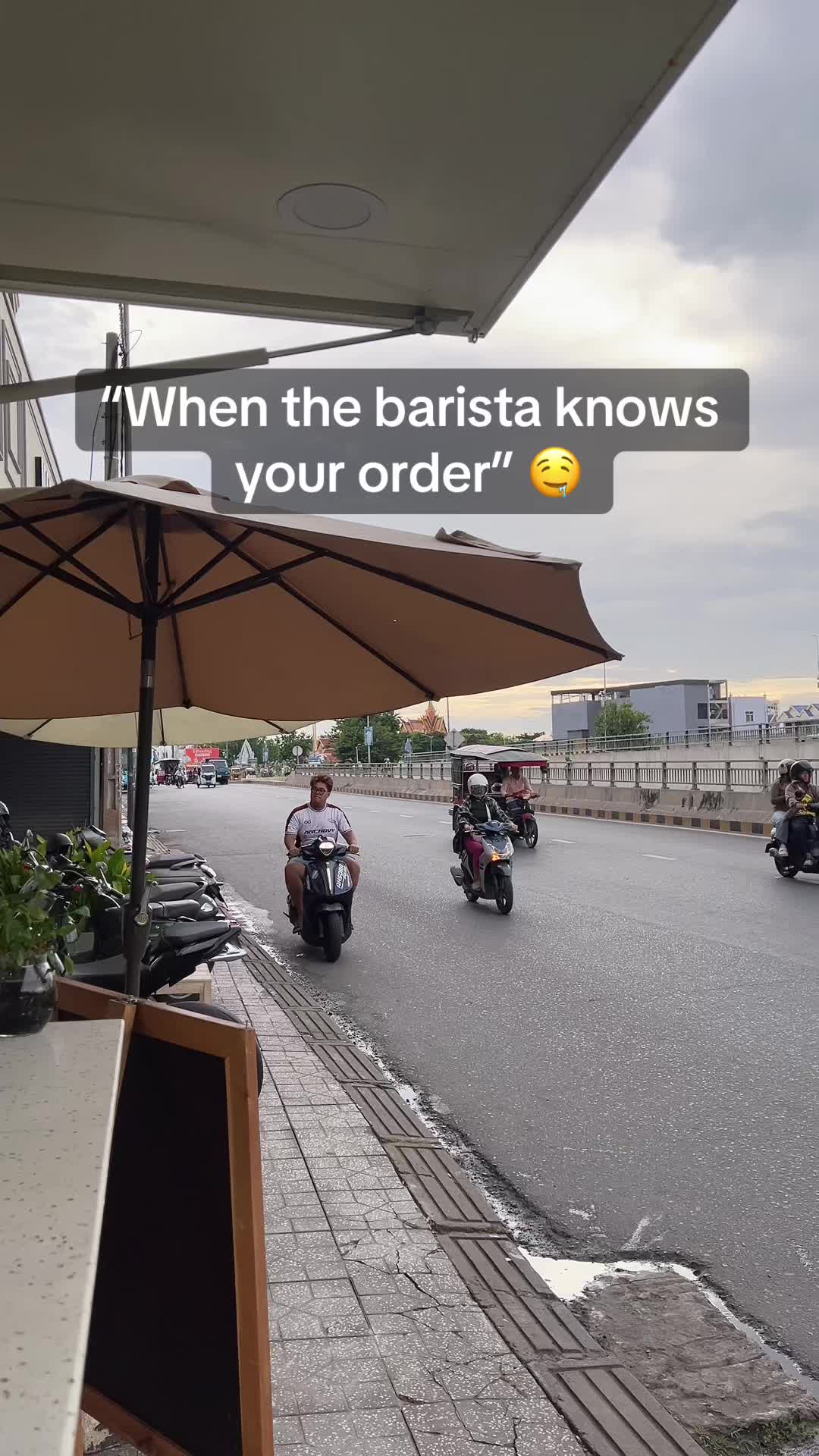
This taps into the universal micro-joy of being recognized by someone who makes your coffee. The setup creates genuine warmth, and people connect with that specific moment of feeling "seen" by someone in a service role—it's personal without being cheesy.
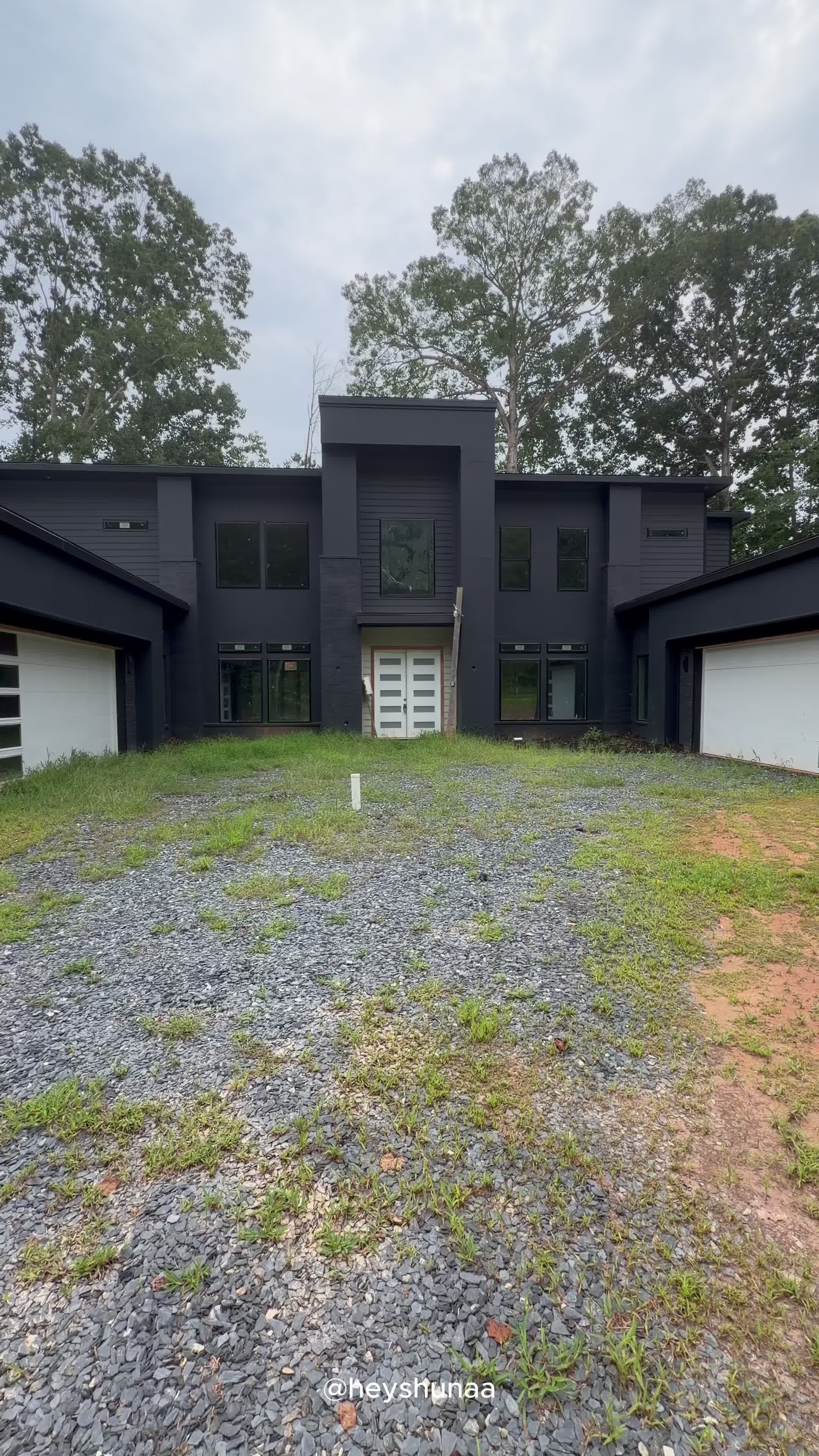
This post taps into the underpriced-but-unfinished paradox that sparks debate. People love discussing whether a deal is actually a deal, especially when the bones are good but the execution is incomplete. The $800k price tag on a 75% complete modern home creates the perfect tension for commentary.
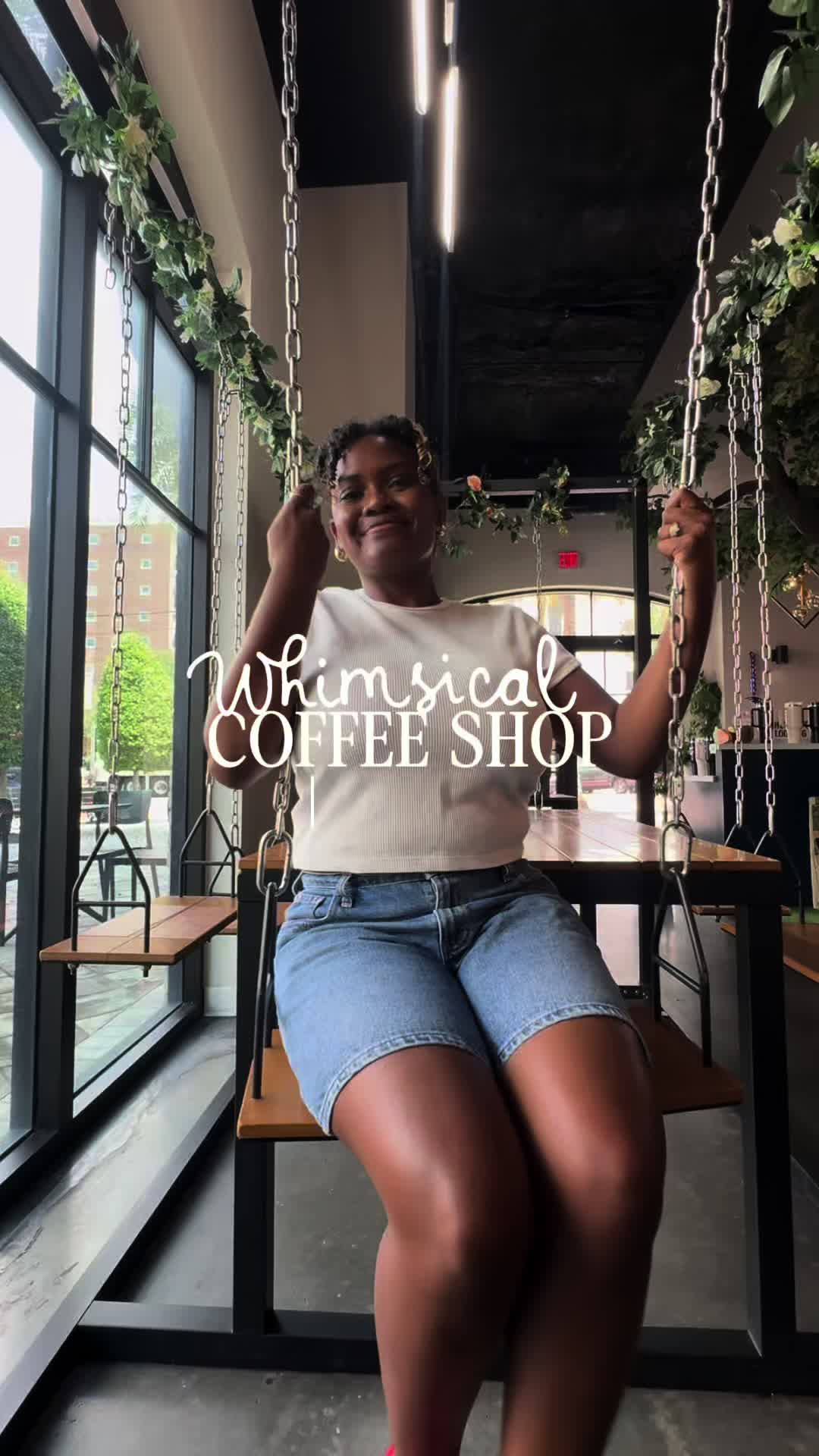
The whimsical aesthetic and Instagram-ready swing setup tap into people's desire for aspirational spaces that feel both cozy and photo-worthy. The genuine enjoyment on camera makes it feel like a discovery rather than an ad.
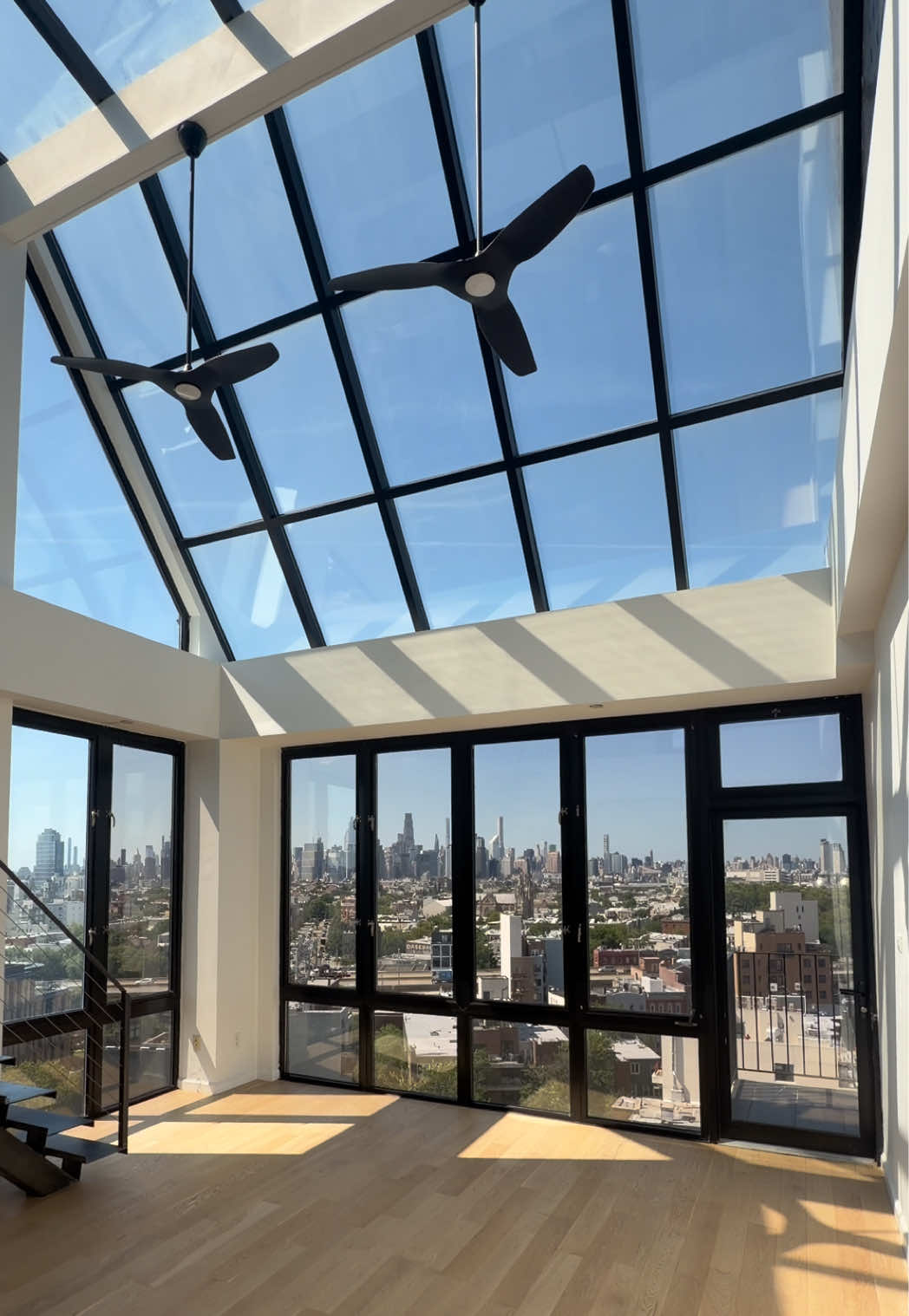
The skylight and expansive NYC skyline view create an irresistible fantasy for viewers who can't afford it. People engage harder with aspirational luxury when it's presented matter-of-factly rather than oversold, and the honest acknowledgment that it's "likely already spoke for" adds authenticity that builds trust.
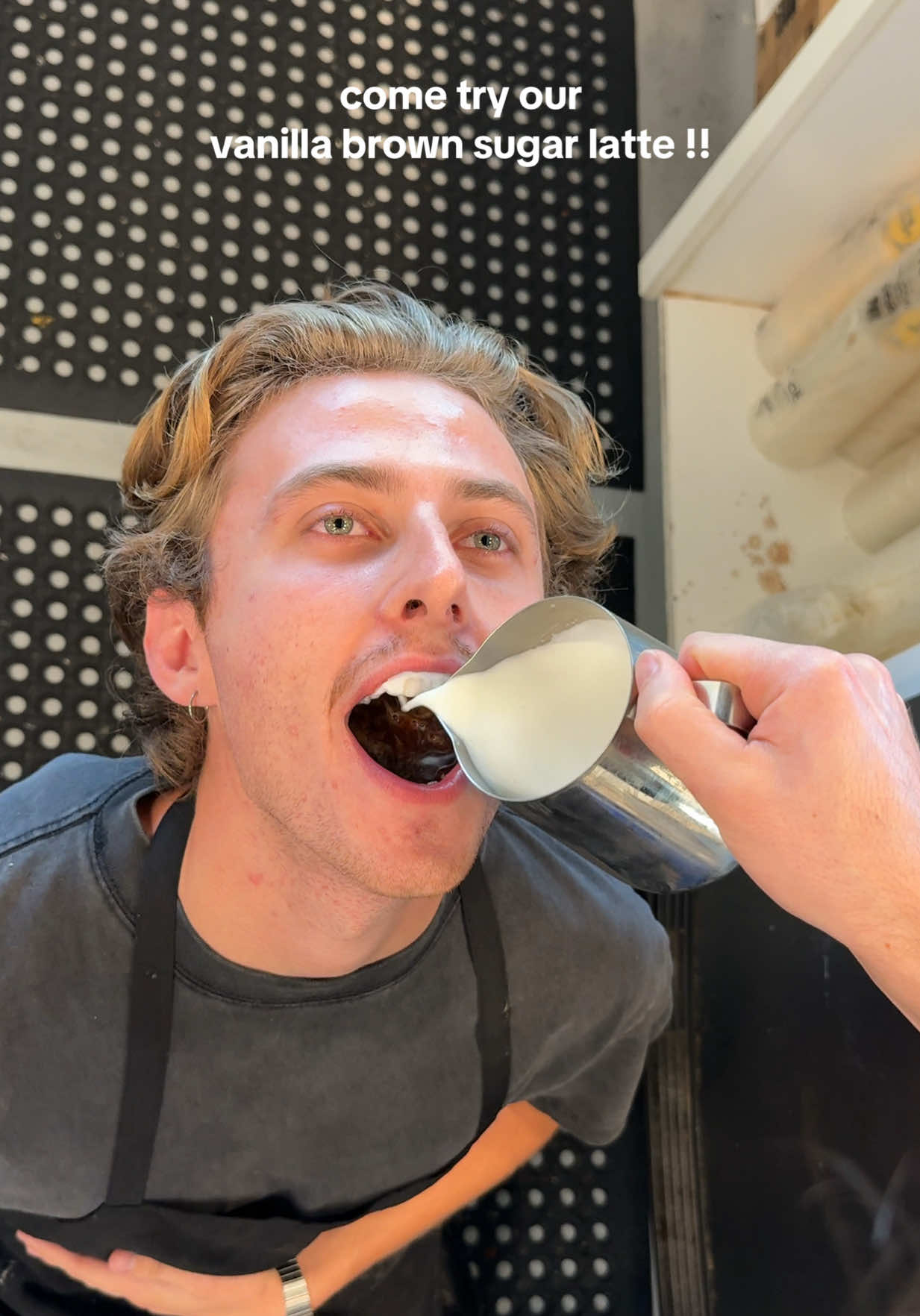
Authentic product sampling paired with exaggerated, unfiltered reactions creates genuine entertainment. The raw facial expressions and comedic delivery make the drink feel worth trying while keeping it light and shareable rather than salesy.
The post taps into a universal moment of overwhelming relief and urgency that first-time homebuyers actually feel. Framing practical tasks as a checklist they should do "immediately" creates both reassurance (you're not alone in this) and mild panic (there's stuff you need to handle right now), which drives saves and shares as people bookmark it for later.
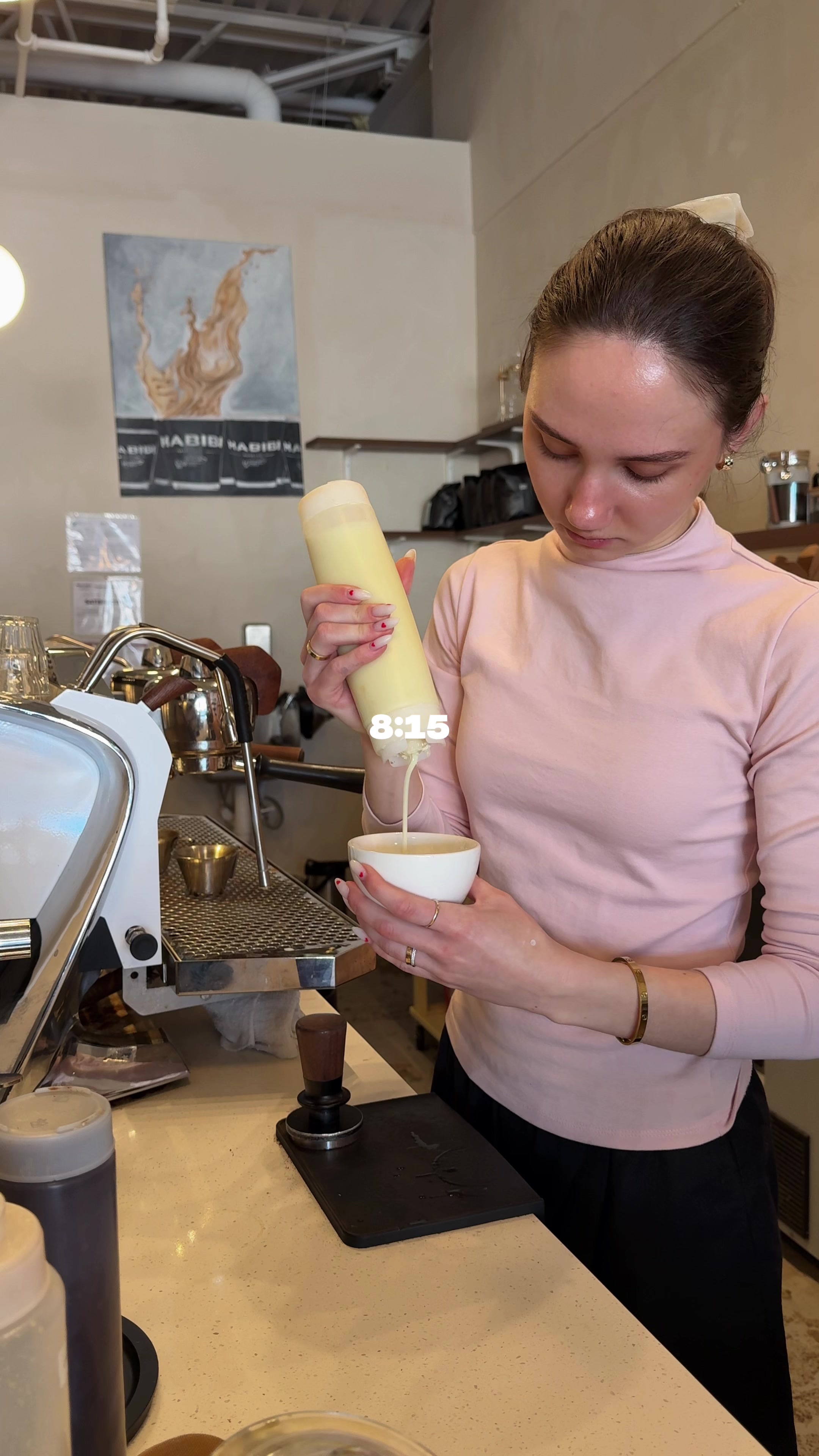
People are hungry for authentic cafe operations and the skill involved in coffee preparation. The genuine focus on the craft rather than hype, combined with a real business owner showing her actual morning routine, taps into aspirational yet relatable content that feels honest.